

CTLA-4 and PD-1 Pathways: Similarities, Differences, and Implications of Their Inhibition
Open accessThe DOI matches its Crossref record; 92 of the 93 references it cites were found in a registry or an index.
Abstract
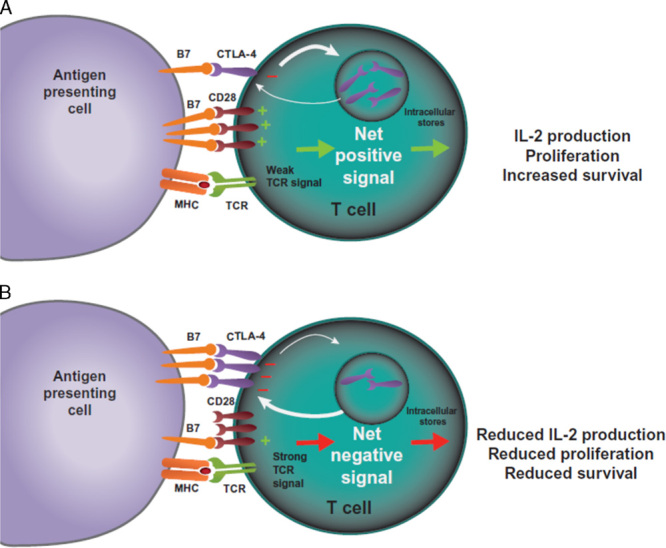
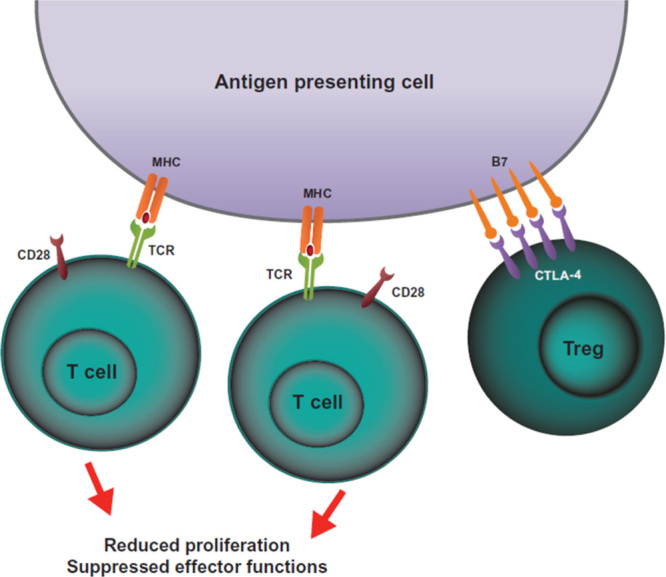
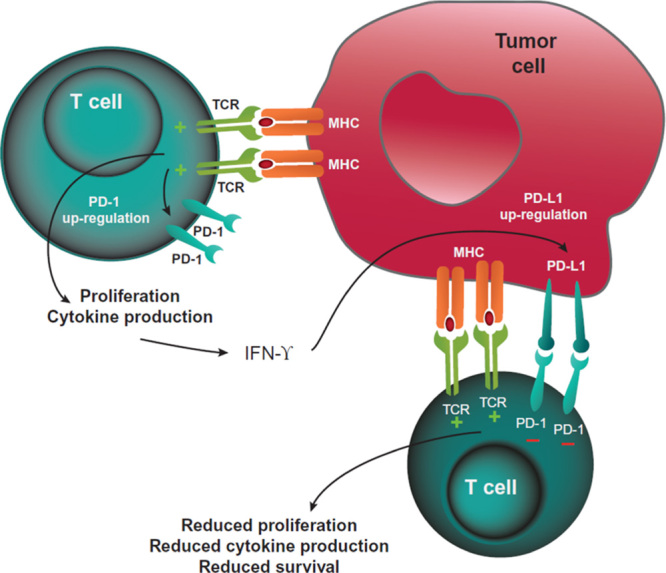
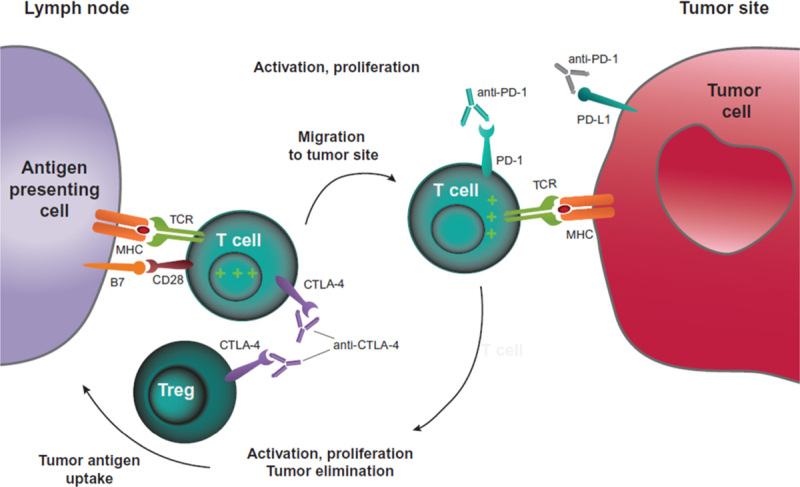
The cytotoxic T-lymphocyte-associated antigen 4 (CTLA-4) and programmed death 1 (PD-1) immune checkpoints are negative regulators of T-cell immune function. Inhibition of these targets, resulting in increased activation of the immune system, has led to new immunotherapies for melanoma, non-small cell lung cancer, and other cancers. Ipilimumab, an inhibitor of CTLA-4, is approved for the treatment of advanced or unresectable melanoma. Nivolumab and pembrolizumab, both PD-1 inhibitors, are approved to treat patients with advanced or metastatic melanoma and patients with metastatic, refractory non-small cell lung cancer. In addition the combination of ipilimumab and nivolumab has been approved in patients with BRAF WT metastatic or unresectable melanoma. The roles of CTLA-4 and PD-1 in inhibiting immune responses, including antitumor responses, are largely distinct. CTLA-4 is thought to regulate T-cell proliferation early in an immune response, primarily in lymph nodes, whereas PD-1 suppresses T cells later in an immune response, primarily in peripheral tissues. The clinical profiles of immuno-oncology agents inhibiting these 2 checkpoints may vary based on their mechanistic differences. This article provides an overview of the CTLA-4 and PD-1 pathways and implications of their inhibition in cancer therapy.
Overview
The claims and statistics of this paper haven’t been checked yet.
Free: it reads the open-access text and checks the first 5 claims that cite a source we can check. Create a free account to check every claim.
Integrity signals
Registry
Cites
Statistics
Figures
Verification
Claims the paper makes
The claims and statistics of this paper haven’t been checked yet.
Free: it reads the open-access text and checks the first 5 claims that cite a source we can check. Create a free account to check every claim.
Claims other papers make about this one
Each is checked against this paper’s own text: does it say what the citing paper says it does?
In the citing paper
“These differences may be the result of the different mechanisms of T cell inhibition by CTLA-4 and PD-1, as the former is understood to function more proximally to T cell activation and the latter is thought to function at later stages in the periphery (119).”
From Immune Checkpoint Inhibitors for the Treatment of Cancer: Clinical Impact and Mechanisms of Response and Resistance (2021) · cites this paper as [119]
In the citing paper
“While CTLA-4 regulates T cells proliferation early in the immune response within the lymph nodes, PD-1 suppresses T-cell activation later, within the body periphery [174].”
From Gut Microbiota and Cancer: From Pathogenesis to Therapy (2019) · cites this paper as [174]
Self-check
Percentages, sums and reported differences re-computed from the paper’s own numbers.
The self-check needs the paper’s full text.
Citations
Cites
PD-1 and PD-L1 Immune Checkpoint Blockade to Treat Breast Cancer
Hartkopf, A. D., Taran, F.-A., Wallwiener, M., Walter, C. B., Krämer, B., Grischke, E.-M., & Brucker, S. Y. (2016) · Breast Care · doi:10.1159/000453569 · Cited by 30,845
New response evaluation criteria in solid tumours: revised RECIST guideline (version 1.1)
Eisenhauer, E. A., Therasse, P., Bogaerts, J., Schwartz, L. H., Sargent, D., Ford, R., Dancey, J., Arbuck, S., Gwyther, S., Mooney, M., et al. (2009) · European Journal of Cancer · doi:10.1016/j.ejca.2008.10.026 · Cited by 29,534
Adverse Renal Effects of Immune Checkpoint Inhibitors: A Narrative Review
Wanchoo, R., Karam, S., Uppal, N. N., Barta, V. S., Deray, G., Devoe, C., Launay-Vacher, V., Jhaveri, K. D., & on behalf of Cancer and Kidney International Network Workgroup on Immune Checkpoint Inhibitors (2017) · American Journal of Nephrology · doi:10.1159/000455014 · Cited by 15,256
Improved Survival with Ipilimumab in Patients with Metastatic Melanoma
Hodi, F. S., O'Day, S. J., McDermott, D. F., Weber, R. W., Sosman, J. A., Haanen, J. B., Gonzalez, R., Robert, C., Schadendorf, D., Hassel, J. C., et al. (2010) · New England Journal of Medicine · doi:10.1056/nejmoa1003466 · Cited by 15,155 · cited 2×
“Consistent with its survival benefit, CTLA-4 blockade is associated with durable responses in a proportion of patients treated, with some responses reported to last >3 years.(51,54) More recently, PD-1 blockade has been shown to improve survival and progression-free survival in patients with metastatic melanoma and in…”
BackgroundThe blockade of immune checkpoints in cancer immunotherapy
Pardoll, D. M. (2012) · Nature Reviews Cancer · doi:10.1038/nrc3239 · Cited by 13,838 · cited 1×
“This has the potential to provide a more targeted signal with less unwanted toxicity, as selftolerance mediated through PD-1:PD-L2 interactions should be preserved.(37,49) Furthermore, as PD-L1 is known to bind CD80 as well as PD-1 to deliver inhibitory signals to T cells,(33) PDL1 inhibition with an appropriate antib…”
BackgroundSafety, activity, and immune correlates of anti–PD-1 antibody in cancer
Topalian, S. L., Hodi, F. S., Brahmer, J. R., Gettinger, S. N., Smith, D. C., McDermott, D. F., Powderly, J. D., Carvajal, R. D., Sosman, J. A., Atkins, M. B., et al. (2012) · New England Journal of Medicine · doi:10.1056/nejmoa1200690 · Cited by 12,628 · cited 1×
“Commonly reported immune-mediated AEs include rash or pruritus, gastrointestinal disorders, and endocri nopathies.(54,55,57,66,69,78,79) The overall rate of grade Z3 AEs was higher with ipilimumab (20%) compared with pembrolizumab (10% to 13%) in a phase III trial.”
BackgroundNivolumab versus docetaxel in advanced nonsquamous non-small-cell lung cancer
Borghaei, H., Paz-Ares, L., Horn, L., Spigel, D. R., Steins, M., Ready, N. E., Chow, L. Q., Vokes, E. E., Felip, E., Holgado, E., et al. (2015) · New England Journal of Medicine · doi:10.1056/nejmoa1507643 · Cited by 9,335
Nivolumab versus Docetaxel in Advanced Squamous-Cell Non–Small-Cell Lung Cancer
Brahmer, J., Reckamp, K. L., Baas, P., Crinò, L., Eberhardt, W. E. E., Poddubskaya, E., Antonia, S., Pluzanski, A., Vokes, E. E., Holgado, E., et al. (2015) · New England Journal of Medicine · doi:10.1056/nejmoa1504627 · Cited by 8,447
Combined Nivolumab and Ipilimumab or Monotherapy in Untreated Melanoma
Larkin, J., Chiarion-Sileni, V., Gonzalez, R., Grob, J. J., Cowey, C. L., Lao, C. D., Schadendorf, D., Dummer, R., Smylie, M., Rutkowski, P., et al. (2015) · New England Journal of Medicine · doi:10.1056/nejmoa1504030 · Cited by 8,157
Mutational landscape determines sensitivity to PD-1 blockade in non–small cell lung cancer
Rizvi, N. A., Hellmann, M. D., Snyder, A., Kvistborg, P., Makarov, V., Havel, J. J., Lee, W., Yuan, J., Wong, P., Ho, T. S., et al. (2015) · Science · doi:10.1126/science.aaa1348 · Cited by 7,802 · cited 1×
“As with CTLA-4, mutational burden and higher neoantigen burden have recently been shown to be associated with efficacy in patients with NSCLC treated with PD-1 blockade.(77)”
Background
Cited by
Items 801–900 of 1,003
Optical functional nanomaterials for cancer photoimmunotherapy
Liu, L., Pan, Y., Ye, L., Liang, C., Mou, X., Dong, X., & Cai, Y. (2024) · Coordination Chemistry Reviews · doi:10.1016/j.ccr.2024.216006 · Cited by 23
Current and Emerging Treatment Paradigms in Colorectal Cancer: Integrating Hallmarks of Cancer
de Torres, C. S., Baraibar, I., Gonzalez, N. S., Ros, J., Salvà, F., Rodríguez-Castells, M., Alcaráz, A., García, A., Tabernero, J. M., & Élez, E. (2024) · International Journal of Molecular Sciences · doi:10.3390/ijms25136967 · Cited by 29
“Programmed cell death protein 1 (PD-1) limits the activity of T cells in peripheral tissues by binding them to its ligands, PD-L1 (also known as B7-H1 and CD274) or PD-L2 (also known as B7-DC and CD273), and inhibiting cytokine production, as well as proliferation and survival signals [50].”
BackgroundMechanoregulation of lymphocyte cytotoxicity
Huse, M. (2025) · Nature reviews. Immunology · doi:10.1038/s41577-025-01173-2 · Cited by 31
“and PD1, which attenuate T cell activation upon recognition of their cognate ligands 17 .”
Gong, L., Liu, Y., Feng, J. Q., Xiao, C., Liu, C., Chen, B., Chen, L., Jin, M., Guan, Y., Gao, Z., et al. (2025) · Journal of Nanobiotechnology · doi:10.1186/s12951-025-03521-9 · Cited by 31
“Immune checkpoint blockade (ICB) therapy, represented by PD-1/PD-L1, is a huge milestone in cancer immunotherapy, which restores the recognition and killing effect of cytotoxic T lymphocytes to tumor cells by blocking the conjugation of PD-1 and PD-L1 [19, 20].”
Golden‐Mason, L., Salomon, M. P., Matsuba, C., Wang, Y., Setiawan, V. W., Chatzi, L., & Maretti-Mira, A. C. (2025) · Environment International · doi:10.1016/j.envint.2025.109763 · Cited by 26
“PFOS and PFNA exhibited a robust immunosuppressive impact on T/NKs, particularly through inhibition of T cell receptor (TCR) signaling and cytotoxicity pathways, which may facilitate cancer development and progression (Buchbinder and Desai, 2016).”
Aptamers as target-specific recognition elements in drug delivery
Vydaline, A. O. E., Rozhkov, S., Sosa, G., & Mallikaratchy, P. R. (2025) · Advanced Drug Delivery Reviews · doi:10.1016/j.addr.2025.115685 · Cited by 37
Recent progress in therapeutic antibodies for cancer immunotherapy
Lee, A., Sun, S. W., Sandler, A. B., & HOANG, T. N. (2018) · Current Opinion in Chemical Biology · doi:10.1016/j.cbpa.2018.05.006 · Cited by 27
Kopalli, S. R., Kang, T., Lee, K., & Koppula, S. (2018) · Recent Patents on Anti-Cancer Drug Discovery · doi:10.2174/1574892813666181029142812 · Cited by 24
Classical Hodgkin’s Lymphoma in the Era of Immune Checkpoint Inhibition
Re, V. D., Caggiari, L., Repetto, O., Mussolin, L., & Mascarin, M. (2019) · Journal of Clinical Medicine · doi:10.3390/jcm8101596 · Cited by 25
The Role of Immune Checkpoint Receptors in Regulating Immune Reactivity in Lupus
Lu, K., Wu, M.-Y., Wang, C., Wang, C., Chung, W., Chung, W., & Chen, C. (2019) · Cells · doi:10.3390/cells8101213 · Cited by 25
“CTLA-4 and PD-1/PD-L1 are the two most well studied co-inhibitory pathways in terms of targeting such pathways to fight malignancies [73].”
BackgroundAlbershardt, T. C., Parsons, A. J., Reeves, R. S., Flynn, P., Campbell, D. J., ter Meulen, J., & Berglund, P. (2020) · Vaccine · doi:10.1016/j.vaccine.2020.02.034 · Cited by 26
Wielgat, P., Rogowski, K., Niemirowicz-Laskowska, K., & Car, H. (2020) · International Journal of Molecular Sciences · doi:10.3390/ijms21124361 · Cited by 23
Chatzidionysiou, K., Liapi, M., Tsakonas, G., Gunnarsson, I., & Catrina, A. (2020) · Clinical Rheumatology · doi:10.1007/s10067-020-05420-w · Cited by 25
“Binding of B7-1 (CD80) or B7-2 (CD86) molecules on the antigen-presenting cells with CD28 on the T cells gives the co-stimulatory signal required for the activation of T cell, after the binding of T cell receptor (TCR) to MHC [6].”
BackgroundInfluentialPolyethyleneimine‐CpG Nanocomplex as an In Situ Vaccine for Boosting Anticancer Immunity in Melanoma
Xu, Y., Ma, S., Si, X., Zhao, J., Yu, H., Ma, L., Song, W., & Tang, Z. (2020) · Macromolecular Bioscience · doi:10.1002/mabi.202000207 · Cited by 23
Dong, L., Han, D. W., Meng, X., Xu, M., Zheng, C., & Qin, X. (2021) · Frontiers in Cell and Developmental Biology · doi:10.3389/fcell.2021.630712 · Cited by 27
“Other studies reported that cytotoxic T lymphocyte-associated antigen 4 (CTLA-4) is also an immune checkpoint and a negative regulator of T cell immune function (Buchbinder and Desai, 2016; Rowshanravan et al., 2018).”
BackgroundKang, Y., Huang, J., Liu, Y., Zhang, N., Cheng, Q., & Zhang, Y. (2021) · Frontiers in Cell and Developmental Biology · doi:10.3389/fcell.2021.573497 · Cited by 30
“For instance, T-cell-targeted therapy (Buchbinder and Desai, 2016; Hellmann et al., 2016) or microbiome modulation (Snyder et al.”
BackgroundA Darwinian perspective on tumor immune evasion
Puleo, J. I., & Polyák, K. (2021) · Biochimica et Biophysica Acta (BBA) - Reviews on Cancer · doi:10.1016/j.bbcan.2021.188671 · Cited by 30
Uchimiak, K., Badowska-Kozakiewicz, A. M., Sobiborowicz, A., & Deptała, A. (2022) · Clinical Medicine Insights Oncology · doi:10.1177/11795549221099869 · Cited by 28
Immune Checkpoint Inhibitors: Recent Clinical Advances and Future Prospects
Banday, A. H., & Abdalla, M. (2022) · Current Medicinal Chemistry · doi:10.2174/0929867329666220819115849 · Cited by 27
Deng, Y., Zhao, L., Huang, X., Zeng, Y., Xiong, Z., & Zuo, M. (2022) · Nutrition · doi:10.1016/j.nut.2022.111829 · Cited by 31
Gögenur, M., Balsevicius, L., Bulut, M., Colak, N. Ö., Justesen, T. F., Fiehn, A. K., Jensen, M. B., Høst-Rasmussen, K., Cappelen, B., Gaggar, S., et al. (2023) · Journal for ImmunoTherapy of Cancer · doi:10.1136/jitc-2023-006774 · Cited by 25
Immunotherapy-Related Oral Adverse Effects: Immediate Sequelae, Chronicity and Secondary Cancer
Elad, S., Yarom, N., & Zadik, Y. (2023) · Cancers · doi:10.3390/cancers15194781 · Cited by 26
“Likewise, it was speculated that activation of certain T-cell clones by anti-PD-1 may lead to irAEs [27,28].”
BackgroundThe incidence, pathogenesis, and management of non-clear cell renal cell carcinoma
Naik, P., Dudipala, H. R., Chen, Y., Rose, B. S., Bagrodia, A., & McKay, R. R. (2024) · Therapeutic Advances in Urology · doi:10.1177/17562872241232578 · Cited by 29
Homo- and Heterodimerization of Proteins in Cell Signaling: Inhibition and Drug Design
Singh, S. S., & Jois, S. D. S. (2017) · Advances in protein chemistry and structural biology · doi:10.1016/bs.apcsb.2017.08.003 · Cited by 29
“Programmed death-1 (PD-1) plays an important role in negatively regulating immune responses (Buchbinder & Desai, 2016; Greenwald, Freeman, & Sharpe, 2005).”
BackgroundJaime‐Sánchez, P., Catalán, E., Uranga-Murillo, I., Aguiló, N., Santiago, L., Lanuza, P. M., de Miguel, D., Arias, M. A., & Pardo, J. (2018) · Cell Death and Differentiation · doi:10.1038/s41418-018-0112-9 · Cited by 25
Eljalby, M., Pannullo, S. C., Schwartz, T. H., Parashar, B., & Wernicke, A. G. (2019) · World Neurosurgery · doi:10.1016/j.wneu.2019.04.093 · Cited by 24
Kwiecień, I., Skirecki, T., Polubiec-Kownacka, M., Raniszewska, A., & Domagala-Kulawik, J. J. (2019) · Cancers · doi:10.3390/cancers11040567 · Cited by 24
“Both suppressors are the main targets for immunotherapy, both occur together on T cells and the blockers of both have a synergistic and additive effect [8,42,43].”
BackgroundPrigent, K., & Aide, N. (2019) · PET Clinics · doi:10.1016/j.cpet.2019.08.006 · Cited by 25
Relevance of Immune Infiltration and Clinical Outcomes in Pancreatic Ductal Adenocarcinoma Subtypes
Liu, R., Liao, Y.-Z., Zhang, W., & Zhou, H. (2021) · Frontiers in Oncology · doi:10.3389/fonc.2020.575264 · Cited by 24
“We divided PD-1 gene expression by the immune content score because PD-1 is identified to be specifically expressed in immune cells (28).”
MethodImmune-Related Adverse Events: Pneumonitis
Jain, A., Shannon, V. R., & Sheshadri, A. (2018) · Advances in experimental medicine and biology · doi:10.1007/978-3-030-02505-2_6 · Cited by 25
Lee, G., Choi, Y., Hong, J., Kim, J., Chae, J., Ahn, S., Ha, H.-J., Jeong, E., Lee, H., & Choi, J. H. (2024) · BioChip Journal · doi:10.1007/s13206-024-00147-1 · Cited by 27
“The binding of CD28 on T cells to the APC ligands B7-1 (CD80) and B7-2 (CD86) leads to IL-2 production and T cell proliferation and survival [127].”
Walmsley, C. S., Schoepflin, Z. R., Brabandt, C. D., Rangachari, D., Berwick, S., & Patell, R. D. (2024) · Blood Cells Molecules and Diseases · doi:10.1016/j.bcmd.2024.102896 · Cited by 34
Mechanisms of Cell Death Induced by Optical Hyperthermia
Pérez-Hernández, M. (2019) · Elsevier eBooks · doi:10.1016/b978-0-12-813928-8.00008-9 · Cited by 24
Ahmed, M. M., Gebriel, M. G., Morad, E. A., Saber, I., Elwan, A., Salah, M., Fakhr, A. E., Shalaby, A. M., & Alabiad, M. A. (2021) · Applied immunohistochemistry & molecular morphology · doi:10.1097/pai.0000000000000903 · Cited by 25
Toxicity of Immune-Checkpoint Inhibitors in Hematological Malignancies
Hradská, K., Hájek, R., & Jelínek, T. (2021) · Frontiers in Pharmacology · doi:10.3389/fphar.2021.733890 · Cited by 24
“A normally functioning immune system should be able to distinguish the body ́s own antigens from foreign or mutated self-proteins and this executive role is borne by T cells (Buchbinder and Desai, 2016; Jelinek and Hajek, 2016).”
BackgroundInfluentialHarnessing nanomedicine for enhanced immunotherapy for breast cancer brain metastases
Carney, C. P., Pandey, N., Kapur, A., Woodworth, G. F., Winkles, J. A., & Kim, A. J. (2021) · Drug Delivery and Translational Research · doi:10.1007/s13346-021-01039-9 · Cited by 24
“High-dose IL-2, an important cytokine for TIL activity, was among the first ITs studied in cancer patients and, aside from its dismal response rates, caused serious adverse effects (AEs), including death [130].”
BackgroundInfluentialCross Talk Between Macrophages and Cancer Cells in the Bone Metastatic Environment
Batoon, L., & McCauley, L. K. (2021) · Frontiers in Endocrinology · doi:10.3389/fendo.2021.763846 · Cited by 22
Jöhrens, K., & Rüschoff, J. (2021) · Current Oncology · doi:10.3390/curroncol28060437 · Cited by 24
“Moreover, CTLA-4 is confined to T-cells whereas PD-1 is more broadly expressed not only in activated T-cells, but also in B-cells and myeloid cells [3].”
BackgroundInfluentialLeveraging biomaterials for enhancing T cell immunotherapy
Liao, Z., Zhang, W., Zheng, H., Wang, Y., Yu, J., Li, H., & Gu, Z. (2022) · Journal of Controlled Release · doi:10.1016/j.jconrel.2022.02.023 · Cited by 23
Soluble Immune Checkpoints Are Dysregulated in COVID-19 and Heavy Alcohol Users With HIV Infection
Li, W., Syed, F., Yu, R., Yang, J., Xia, Y., Relich, R. F., Russell, P. M., Zhang, S., Khalili, M., Huang, L., et al. (2022) · Frontiers in Immunology · doi:10.3389/fimmu.2022.833310 · Cited by 26
Activation Markers on B and T Cells and Immune Checkpoints in Autoimmune Rheumatic Diseases
Герасимова, Е. В., Tabakov, D., Gerasimova, D. A., & Попкова, Т. В. (2022) · International Journal of Molecular Sciences · doi:10.3390/ijms23158656 · Cited by 23
Ge, T., Phung, A., Jhala, G., Trivedi, P., Principe, N., George, D. J. D., Pappas, E. G., Litwak, S. A., Sanz‐Villanueva, L., Catterall, T., et al. (2022) · Clinical & Translational Immunology · doi:10.1002/cti2.1425 · Cited by 24
“PD-1 is an inhibitory checkpoint molecule upregulated on activated T cells.(2) Upon binding to its ligands, PD-L1 or PD-L2, on antigen-presenting cells (APCs), tumour or tissue cells, the PD-1/PD-L1 signalling pathway can drive cell apoptosis, negatively regulating T cell activation and proliferation.”
BackgroundPandey, P., Khan, F., Upadhyay, T. K., & Sharangi, A. B. (2023) · International Journal of Molecular Sciences · doi:10.3390/ijms24032236 · Cited by 24
“Effector T cell functioning in peripheral tissues is regulated by the PD1/PD-L1 immune checkpoint system [66], and PD-1 interaction with T cells directly reduces TCR-mediated effector functions, serving as a negative immune response modulator.”
BackgroundTorkian, P., Haghshomar, M., Farsad, K., Wallace, S., Golzarian, J., & Young, S. J. (2023) · American Journal of Roentgenology · doi:10.2214/ajr.22.28800 · Cited by 22
CTLA-4 Pathway Is Instrumental in Giant Cell Arteritis
Régnier, P., Joncour, A. L., Maciejewski‐Duval, A., Darrasse-Jèze, G., Dolladille, C., Meijers, W. C., Bastarache, L. A., Fouret, P. J., Bruneval, P., Arbaretaz, F., et al. (2023) · Circulation Research · doi:10.1161/circresaha.122.322330 · Cited by 25
Biomarkers for Immune Checkpoint Inhibitors in Renal Cell Carcinoma
Martin, S. D., Bhuiyan, I., Soleimani, M., & Wang, G. (2023) · Journal of Clinical Medicine · doi:10.3390/jcm12154987 · Cited by 28
“Once activated, CTLs upregulate PD1 [82], and if CTLs recurrently bind cognate peptide–MCH, they progressively upregulate additional inhibitory molecules such as CTLA-4, TIM3, LAG3, TIGIT, and CD39 [83–87].”
BackgroundInfluentialCyclometalated iridium(III) complexes induce immunogenic cell death in HepG2 cells via paraptosis
Liao, J., Zhang, Y., Huang, M.-Y., Liang, Z., Gong, Y., Liu, B., Li, Y., Chen, J., Wu, W., Huang, Z., et al. (2023) · Bioorganic Chemistry · doi:10.1016/j.bioorg.2023.106837 · Cited by 25
Transplant Oncology: An Emerging Discipline of Cancer Treatment
Abdelrahim, M., Esmail, A., Abudayyeh, A., Murakami, N., Victor, D. W., Kodali, S., Cheah, Y. L., Simon, C. J., Noureddin, M., Connor, A. A., et al. (2023) · Cancers · doi:10.3390/cancers15225337 · Cited by 28
“These receptors work by downregulating T-cell activation to sustain peripheral tolerance as well as helping cancer cells to escape from cytotoxic T-cell-mediated death [127].”
BackgroundCheckpoint Immunotherapy in Pediatric Oncology: Will We Say Checkmate Soon?
Ciurej, A., Lewis, E. C., Gupte, A., & Al‐Antary, E. T. (2023) · Vaccines · doi:10.3390/vaccines11121843 · Cited by 24
“Conversely, a separate receptor on the T-cell surface, cytotoxic T lymphocyte antigen 4 (CTLA-4), inhibits T-cell activation by interfering with the CD28-B7 complex [4].”
BackgroundShimose, S., Saeki, I., Tomonari, T., Ito, T., Tani, J., Takeuchi, Y., Yoshioka, N., Naito, T., Takeuchi, M., Kakizaki, S., et al. (2024) · Oncology Letters · doi:10.3892/ol.2024.14530 · Cited by 24
“Tremelimumab enhances the binding of CD80 and CD86 to CD28, and it causes diversified T‑cell responses and leads to increased tumor infiltration (23,24).”
BackgroundYang, J. H., Kim, H., Roh, S. Y., Lee, M. A., Park, J. M., Lee, H. H., Park, C. H., Lee, H. H., Jung, E. S., Lee, S. H., et al. (2018) · Gastric Cancer · doi:10.1007/s10120-018-0842-x · Cited by 25
Zhang, G., Liu, C., Bai, H., Cao, G., Cui, R., & Zhang, Z. (2019) · Oncology Letters · doi:10.3892/ol.2019.9902 · Cited by 24
“Furthermore, PD‑1 and CTLA‑4 have been verified to be expressed by these cells in the tumor microenvironment (67).”
Immune check-point in glioblastoma multiforme
Felice, F. D., Pranno, N., Marampon, F., Musio, D., Salducci, M., Polimeni, A., & Tombolini, V. (2019) · Critical Reviews in Oncology/Hematology · doi:10.1016/j.critrevonc.2019.03.019 · Cited by 24
Pharmacogenetics of anticancer monoclonal antibodies
Shek, D., Read, S. A., Ahlenstiel, G., & Piatkov, I. (2019) · Cancer Drug Resistance · doi:10.20517/cdr.2018.20 · Cited by 27
“Programmed cell death-1 (PD-1) binds PD-L1 and PD-L2 that are often highly expressed on cancer cells([66]).”
BackgroundTyagi, N., Arya, R. K. K., Bisht, D., Wadhwa, P. K., Upadhyay, T. K., Sethiya, N. K., Jindal, D. K., Pandey, S., & Kumar, D. (2024) · Luminescence · doi:10.1002/bio.4770 · Cited by 22
Jadhav, V. S., & Khatri, D. K. (2025) · Ageing Research Reviews · doi:10.1016/j.arr.2025.102872 · Cited by 24
Song, Y., Xu, S., Zhang, J., Zhang, T., Wu, R., Feng, G., Tang, Q., Yu, Z., Shi, X. H., Li, X., et al. (2025) · ACS Nano · doi:10.1021/acsnano.5c10301 · Cited by 25
Imperfect Predictors for Lung Cancer Immunotherapy—A Field for Further Research
Wojas‐Krawczyk, K., & Kubiatowski, T. (2020) · Frontiers in Oncology · doi:10.3389/fonc.2020.568174 · Cited by 19
Immune cell landscape and immunotherapy of medulloblastoma
Zhang, J., & Wang, T. (2021) · Pediatric Investigation · doi:10.1002/ped4.12261 · Cited by 24
“Programmed cell death protein 1 (PD1) and programmed death-ligand 1 (PD-L1), as negative regulators of T cell immune function, are key immune checkpoints that decrease the cytotoxic activity of CD8 T cells towards the tumor.(27) Cyclin-dependent kinase 5”
BackgroundImmune checkpoint inhibitors: An emergency medicine focused review
Yoo, M. J., Long, B., Brady, W. J., Holian, A., Sudhir, A., & Gottlieb, M. A. (2021) · The American Journal of Emergency Medicine · doi:10.1016/j.ajem.2021.08.038 · Cited by 23
Machiraju, D., Schäfer, S., & Hassel, J. C. (2021) · Life · doi:10.3390/life11121318 · Cited by 22
“Both anti-CTLA4 and anti-PD1 revoke anti-tumor immune cells responses, but their timing and mechanism of action are different [20].”
BackgroundCAR-NK Cells for Cancer Therapy: Molecular Redesign of the Innate Antineoplastic Response
Rojas‐Martínez, A., Cienfuegos-Jiménez, O., & Vázquez‐Garza, E. (2021) · Current Gene Therapy · doi:10.2174/1566523222666211217091724 · Cited by 23
Recent advances in nano-drug delivery systems for synergistic antitumor immunotherapy
Zhao, B., Li, X., Kong, Y., Wang, W., Wen, T., Zhang, Y., Deng, Z., Chen, Y., & Zheng, X. (2022) · Frontiers in Bioengineering and Biotechnology · doi:10.3389/fbioe.2022.1010724 · Cited by 25
“Both the above pathways can influence each other but are relatively independent (Buchbinder and Desai, 2016).”
BackgroundPan, J., Liu, Y., Guo, X., Bai, Z., Sandri, G. B. L., Méndez‐Sánchez, N., & Qi, X. (2022) · Expert Opinion on Drug Safety · doi:10.1080/14740338.2022.2134854 · Cited by 23
“Furthermore, meta-analysis indicated that the proportion of PD-1/PD-L1 inhibitors monotherapy was not significantly different between patients with grade ≥3 IMH and those without IMH (OR: 0.227, 95%CI: 0.042 to 1.237, P = 0.086).”
BackgroundInfluentialImmunotherapy and the Combination with Targeted Therapies for Advanced Hepatocellular Carcinoma
Laface, C., Ranieri, G., Maselli, F. M., Ambrogio, F., Foti, C., Ammendola, M., Laterza, M., Cazzato, G., Memeo, R., Mastrandrea, G., et al. (2023) · Cancers · doi:10.3390/cancers15030654 · Cited by 21
“CTLA-4 can also enhance Tregs activity and differentiation [10].”
BackgroundUnravelling the Triad of Lung Cancer, Drug Resistance, and Metabolic Pathways
Mohanty, P., Pande, B., Acharya, R. K., Bhaskar, L. V., & Verma, H. K. (2024) · Diseases · doi:10.3390/diseases12050093 · Cited by 26
“These antibodies demonstrate potential in restoring antitumor immunity by targeting the host immune system to compel it to combat cancer cells [61].”
BackgroundMultiplexed inhibition of immunosuppressive genes with Cas13d for combinatorial cancer immunotherapy
Zhang, F., Chow, R. D.-W., He, E., Dong, C., Shan, X., Mirza, D., Feng, Y., Tian, X., Verma, N., Majety, M., et al. (2025) · Nature Biotechnology · doi:10.1038/s41587-024-02535-2 · Cited by 28
“This TME is a network of interlocking immunosuppressive mechanisms 1,4,5 that suppresses antitumor immune responses 6 .”
Toxicological and pharmacological assessment of AGEN1884, a novel human IgG1 anti-CTLA-4 antibody
Gombos, R. B., Gonzalez, A., Manrique, M. L., Chand, D. S., Savitsky, D. A., Morin, B. M., Breous-Nystrom, E., Dupont, C. D., Ward, R., Mundt, C., et al. (2018) · PLoS ONE · doi:10.1371/journal.pone.0191926 · Cited by 21
D’Arrigo, P., Tufano, M., Rea, A., Vigorito, V., Novizio, N., Russo, S., Romano, M. F., & Romano, S. (2018) · Current Medicinal Chemistry · doi:10.2174/0929867325666181106114421 · Cited by 23
Endoscopic evaluation of immunotherapy-induced gastrointestinal toxicity
Iranzo, I., Huguet, J. M., Suárez, P., Barceló, L. F., Iranzo, V., & Sempere, J. (2018) · World Journal of Gastrointestinal Endoscopy · doi:10.4253/wjge.v10.i12.392 · Cited by 22
Immunotherapy and urothelial carcinoma: An overview and future prospectives
Pierantoni, F., Maruzzo, M., Gardi, M., Bezzon, E., Gardiman, M. P., Porreca, A., Basso, U., & Zagonel, V. (2019) · Critical Reviews in Oncology/Hematology · doi:10.1016/j.critrevonc.2019.08.005 · Cited by 22
Xu, H., Tan, P., Ai, J., Zhang, S., Zheng, X., Liao, X., Yang, L., & Wei, Q. (2019) · Frontiers in Pharmacology · doi:10.3389/fphar.2019.01300 · Cited by 21
“Both of these two drugs can enhance the T-cell function through different ways in depleting tumor cells and thus might induce clinical response in cancer patients (O’Day et al., 2007; Buchbinder and Desai, 2016).”
BackgroundCRISPR/Cas9 technology: towards a new generation of improved CAR-T cells for anticancer therapies
Ureña-Bailén, G., Lamsfus‐Calle, A., Daniel-Moreno, A., Raju, J., Schlegel, P., Seitz, C. M., Atar, D., Antony, J. S., Handgretinger, R., & Mezger, M. (2019) · Briefings in Functional Genomics · doi:10.1093/bfgp/elz039 · Cited by 24
Augé, H., Notarantonio, A., Morizot, R., Quinquenel, A., Fornecker, L., Hergalant, S., Feugier, P., & Broséus, J. (2020) · Frontiers in Immunology · doi:10.3389/fimmu.2020.594841 · Cited by 23
The Role of Inhibitory Receptors in Monosodium Urate Crystal-Induced Inflammation
Fernandes, M. J., & Naccache, P. H. (2018) · Frontiers in Immunology · doi:10.3389/fimmu.2018.01883 · Cited by 21
The future of cervical cancer prevention: advances in research and technology
Sekar, P. K. C., Thomas, S. M., & Veerabathiran, R. (2024) · Exploration of Medicine · doi:10.37349/emed.2024.00226 · Cited by 22
Cao, J., Ding, X., Ji, J., Zhang, L., & Luo, C. (2024) · Frontiers in Oncology · doi:10.3389/fonc.2024.1475502 · Cited by 26
Immune Checkpoint Inhibitor-Associated Cutaneous Adverse Events: Mechanisms of Occurrence
Eshaq, A. M., Flanagan, T. W., Abbad, A. A. B., Makarem, Z. A. A., Bokir, M. S., Alasheq, A. K., Asheikh, S. A. A., Almashhor, A. M., Binyamani, F., Al-Amoudi, W. A., et al. (2024) · International Journal of Molecular Sciences · doi:10.3390/ijms26010088 · Cited by 23
Kaczmarek, F., Marcinkowska‐Gapińska, A., Bartkowiak-Wieczorek, J., Nowak, M., Kmiecik, M., Brzezińska, K., Dotka, M., Brosz, P., Firlej, W., & Wojtyła-Buciora, P. (2025) · Cancers · doi:10.3390/cancers17122001 · Cited by 24
Willis, M. D., Schroeder, B. E., Marandino, L., Turajlic, S., & Carr, A. S. (2025) · Journal of Neurology Neurosurgery & Psychiatry · doi:10.1136/jnnp-2025-335998 · Cited by 35
“19 CTLA-4 competitively inhibits the CD28-CD80/86 interaction by binding with higher affinity, thus blocking co-stimulation and switching off activated T cells.”
Immunotherapy in cholangiocarcinoma: From concept to clinical trials
Yao, W., & Gong, W. (2021) · Surgery in Practice and Science · doi:10.1016/j.sipas.2021.100028 · Cited by 19
Eissa, I. R., Mukoyama, N., Abdelmoneim, M., Naoe, Y., Matsumura, S., Bustos‐Villalobos, I., Ichinose, T., Miyajima, N., Morimoto, D., Tanaka, M., et al. (2021) · International Journal of Cancer · doi:10.1002/ijc.33550 · Cited by 21
“death protein-1 (PD-1)/PD-L1 pathways, modulate T-cell activity at multiple stages of the immune response.(3) PD-L1 expression plays critical roles in suppressing T-cell antitumor activity by binding PD-1 receptors on CD8 T cells.”
BackgroundLi, Y., An, H., Shen, C., Wang, B., Zhang, T., Hong, Y., Jiang, H., Zhou, P., & Ding, X. (2021) · Clinical and Translational Medicine · doi:10.1002/ctm2.629 · Cited by 21
Świderska, J., Kozłowski, M., Nowak, K., Rychlicka, M., Branecka-Woźniak, D., Kwiatkowski, S., Pius‐Sadowska, E., Machaliński, B., & Cymbaluk‐Płoska, A. (2022) · Diagnostics · doi:10.3390/diagnostics12010189 · Cited by 21
“Immune checkpoints PD-1 and PD-L1 regulate the activation of cytotoxic T-cells [4].”
BackgroundInfluentialGezgin, G., Visser, M., Ruano, D., Santegoets, S. J. A. M., de Miranda, N. F. C. C., van der Velden, P. A., Luyten, G. P. M., van der Burg, S. H., Verdegaal, E. M. E., & Jager, M. J. (2022) · Ophthalmology Science · doi:10.1016/j.xops.2022.100132 · Cited by 22
“Other features that could hamper TIL expansion include the exhaustion status of the T cells in the TME, reflected by the surface expression of coinhibitory markers such as CTLA4, PD-1, and TIM-3.”
BackgroundKang, J.-H., Lee, H.-J., Lee, J., Hong, J. H., Kim, Y. H., Disis, M. L., Gim, J., & Park, K. H. (2022) · Journal for ImmunoTherapy of Cancer · doi:10.1136/jitc-2022-004702 · Cited by 21
Mathematical modeling for the combination treatment of IFN- γ and anti-PD-1 in cancer immunotherapy
Liao, K., & Watt, K. D. (2022) · Mathematical Biosciences · doi:10.1016/j.mbs.2022.108911 · Cited by 23
Application of immune checkpoint inhibitors in immunotherapy for gastric cancer
Wu, Y.-X., Zhou, X., Wang, J.-Q., Chen, G.-M., Chen, J.-X., Wang, R.-C., Huang, J., & Chen, J. (2023) · Immunotherapy · doi:10.2217/imt-2022-0080 · Cited by 21
Kalluri, A. L., Shah, P. P., & Lim, M. K. (2023) · International Journal of Molecular Sciences · doi:10.3390/ijms24032020 · Cited by 26
Phase 1 pilot study of RRx-001 + nivolumab in patients with advanced metastatic cancer (PRIMETIME)
Reid, T. R., Oronsky, B. T., Caroen, S. Z., Quinn, M. G., Williams, J., Cabrales, P., & Abrouk, N. (2023) · Frontiers in Immunology · doi:10.3389/fimmu.2023.1104753 · Cited by 20
Jiang, M., Fiering, S., & Shao, Q. (2023) · Frontiers in Oncology · doi:10.3389/fonc.2023.1153066 · Cited by 23
Pediatric Brain Tumours: Lessons from the Immune Microenvironment
Yao, B., Delaidelli, A., Vogel, H. S., & Sorensen, P. H. B. (2023) · Current Oncology · doi:10.3390/curroncol30050379 · Cited by 21
“These correlative relationships are potentially misleading; while the binding of PD-L1 with its cognate receptor is a well-characterized immune checkpoint that negatively regulates CD8+ T cell-mediated anti-tumour activity [101,102], one study on primary human MBL samples refuted any significance of the PD-1/PD-L1 pat…”
Checkpoint inhibition in hematologic malignancies
Tsumura, A., Levis, D. J., & Tuscano, J. M. (2023) · Frontiers in Oncology · doi:10.3389/fonc.2023.1288172 · Cited by 24
“This interaction occurs later in the immune response and within peripheral tissues (2, 3).”
BackgroundAdvancing Esophageal Cancer Treatment: Immunotherapy in Neoadjuvant and Adjuvant Settings
Park, D., Jeon, W. J., Yang, C., & Castillo, D. R. (2024) · Cancers · doi:10.3390/cancers16020318 · Cited by 20
Sharma, S., Singh, N., Turk, A. A., Wan, I., Guttikonda, A., Dong, J. L., Zhang, X., & Opyrchal, M. (2024) · World Journal of Gastroenterology · doi:10.3748/wjg.v30.i13.1815 · Cited by 27
Mustafa, M., Abbas, K., Alam, M., Habib, S., Zulfareen, Hasan, G. M., Islam, S., Shamsi, A., & Hassan, M. I. (2024) · Frontiers in Oncology · doi:10.3389/fonc.2024.1427802 · Cited by 32
Han, H., He, T., Wu, Y., He, T., & Zhou, W. (2024) · Frontiers in Cell and Developmental Biology · doi:10.3389/fcell.2024.1441081 · Cited by 23
“Blocking CTLA-4, such as with inhibitors like Ipilimumab, can reverse the inhibitory effect on T cells, reactivating their immune response against tumors and producing an anti-tumor effect (Buchbinder and Desai, 2016).”
BackgroundRecent Advances in Immunotherapy for Breast Cancer: A Review
Wen, Q.-E., Li, L., Feng, R.-Q., Li, D., Qiao, C., Xu, X., & Zhang, Y.-J. (2024) · Breast Cancer Targets and Therapy · doi:10.2147/bctt.s482504 · Cited by 28
“37 Therefore, by blocking the route between PD-1 and PD-L1, monoclonal antibodies can limit their binding, improve immune response against tumors, boost T cell function, and restore immunological activity in the tumor microenvironment.”
BackgroundImmune based therapy for melanoma
Ancuceanu, R., & Neagu, M. T. (2016) · The Indian Journal of Medical Research · doi:10.4103/0971-5916.180197 · Cited by 21
Endocrine dysfunction following immune checkpoint inhibitor therapy
Konda, B., Nabhan, F. A., & Shah, M. H. (2017) · Current Opinion in Endocrinology Diabetes and Obesity · doi:10.1097/med.0000000000000357 · Cited by 21
Metadata
- Authors
- Buchbinder, E. I., & Desai, A.
- Affiliations
- Beth Israel Deaconess Medical Center (US)
- Corresponding author
- Buchbinder, Elizabeth I.
- Venue
- American Journal of Clinical Oncology
- Published
- 2016-02
- Volume
- 39
- Issue
- 1
- Pages
- 98-106
- ISSN
- 0277-3732 (ISSN-L)
- PMC
- PMC4892769
- OpenAlex
- W2263759961
- Cited by
- 2,360
- References
- 93
- Citations by year
- 2026: 183 · 2025: 259 · 2024: 300 · 2023: 262 · 2022: 308 · 2021: 287 · 2020: 265 · 2019: 196 · 2018: 170 · 2017: 101 · 2016: 25
- FWCI
- 10.61
- Type
- journal article
- Language
- en
- Open access
- hybrid
- doi.org
- Licence
- cc-by-nc-nd
- Locations
- American Journal of Clinical Oncology (publishedVersion, cc-by-nc-nd)
- Europe PMC (PubMed Central) (publishedVersion, cc-by-nc-nd)
- PubMed Central (publishedVersion, cc-by-nc-nd)
- PubMed (publishedVersion)
- Digital Access to Scholarship at Harvard (DASH) (Harvard University) (submittedVersion, cc-by)
- Funders
- Bristol-Myers Squibb
- Genentech
- Topics
- Health Sciences › Medicine › Oncology › Cancer Immunotherapy and Biomarkers
- Life Sciences › Immunology and Microbiology › Immunology › T-cell and B-cell Immunology
- Life Sciences › Immunology and Microbiology › Immunology › Immunotherapy and Immune Responses
- Keywords
- CTLA-4, PD-1, immune checkpoint, immune checkpoint inhibitors, ipilimumab, nivolumab, pembrolizumab, melanoma, non-small cell lung cancer, combination immunotherapy, T cell regulation, antitumor immunity
- MeSH terms
- Ipilimumab, Nivolumab, Antibodies, Monoclonal, Antineoplastic Agents, Carcinoma, Non-Small-Cell Lung, Humans, Immunotherapy, Lung Neoplasms, Melanoma, Skin Neoplasms, Signal Transduction, CTLA-4 Antigen, Programmed Cell Death 1 Receptor, Antibodies, Monoclonal, Humanized
About these checks
Registry, retraction, Cites and statistics results are computed, not judged, with one exception: a printed reference that no index lists is read once by a model before it counts as a citation error. Claims are extracted by a model and kept only when their quote appears verbatim in the text; each cited source is then checked, with a model’s help, for whether it says what the claim relies on. Those verdicts can be wrong — read the claim’s quote and the cited source before relying on one.
Statistics and arithmetic are recomputed, not judged.
Confidence bands are shown only for fields calibrated on our annotated test set. None is calibrated yet, so no band is shown.
What counts as a claim ›How we measure confidence ›How we check this ›
Are you an author, or do you see a problem with this page? Request a review
Data sources
Bibliographic data: Semantic Scholar, OpenAlex, Crossref.
Contains information from the Semantic Scholar Academic Graph Datasets, made available under the ODC Attribution License (ODC-BY 1.0).
Semantic Scholar’s data is described in: Kinney, R., et al. (2023). The Semantic Scholar Open Data Platform. arXiv:2301.10140.
