

CTLA-4 and PD-1 Pathways: Similarities, Differences, and Implications of Their Inhibition
Open accessThe DOI matches its Crossref record; 92 of the 93 references it cites were found in a registry or an index.
Abstract
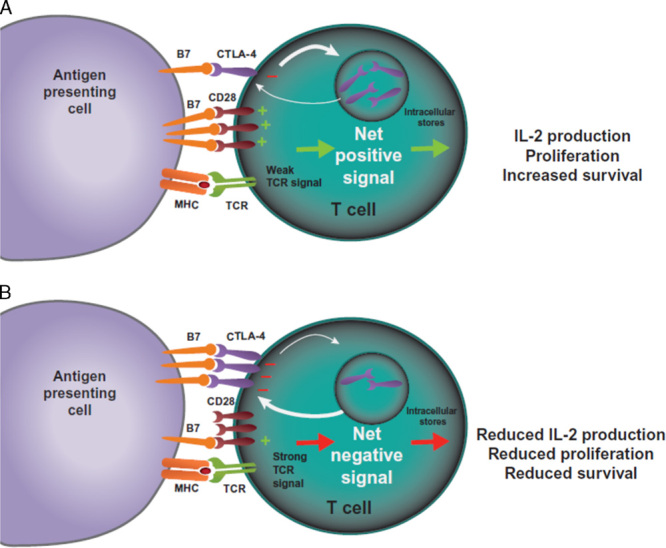
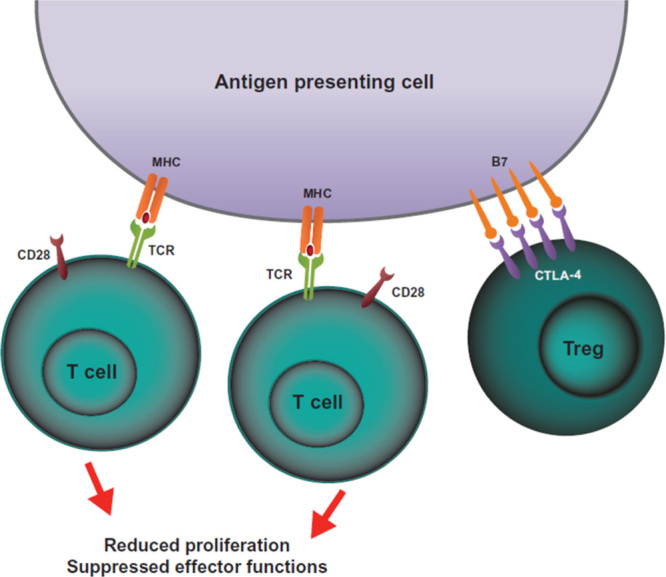
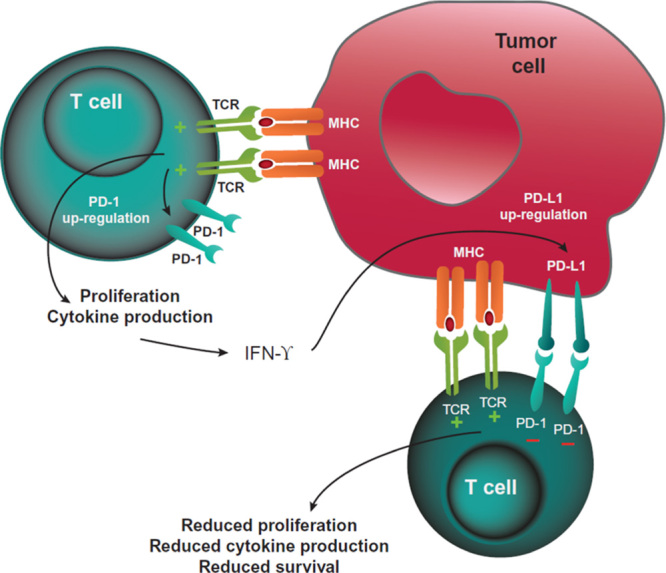
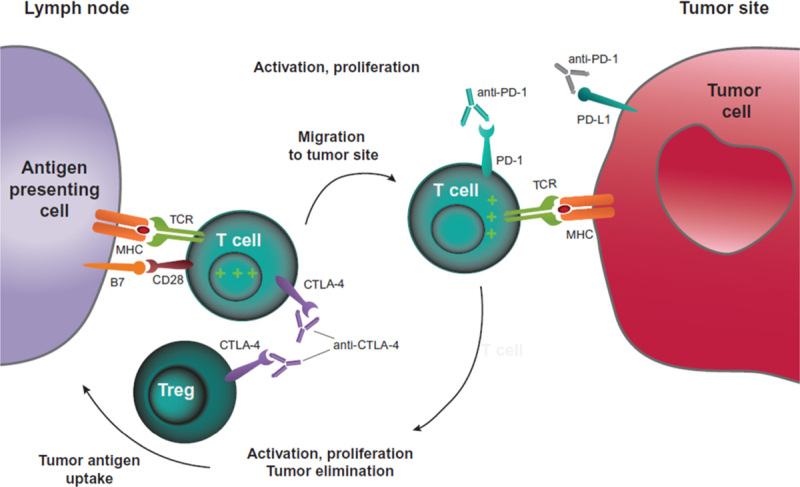
The cytotoxic T-lymphocyte-associated antigen 4 (CTLA-4) and programmed death 1 (PD-1) immune checkpoints are negative regulators of T-cell immune function. Inhibition of these targets, resulting in increased activation of the immune system, has led to new immunotherapies for melanoma, non-small cell lung cancer, and other cancers. Ipilimumab, an inhibitor of CTLA-4, is approved for the treatment of advanced or unresectable melanoma. Nivolumab and pembrolizumab, both PD-1 inhibitors, are approved to treat patients with advanced or metastatic melanoma and patients with metastatic, refractory non-small cell lung cancer. In addition the combination of ipilimumab and nivolumab has been approved in patients with BRAF WT metastatic or unresectable melanoma. The roles of CTLA-4 and PD-1 in inhibiting immune responses, including antitumor responses, are largely distinct. CTLA-4 is thought to regulate T-cell proliferation early in an immune response, primarily in lymph nodes, whereas PD-1 suppresses T cells later in an immune response, primarily in peripheral tissues. The clinical profiles of immuno-oncology agents inhibiting these 2 checkpoints may vary based on their mechanistic differences. This article provides an overview of the CTLA-4 and PD-1 pathways and implications of their inhibition in cancer therapy.
Overview
The claims and statistics of this paper haven’t been checked yet.
Free: it reads the open-access text and checks the first 5 claims that cite a source we can check. Create a free account to check every claim.
Integrity signals
Registry
Cites
Statistics
Figures
Verification
Claims the paper makes
The claims and statistics of this paper haven’t been checked yet.
Free: it reads the open-access text and checks the first 5 claims that cite a source we can check. Create a free account to check every claim.
Claims other papers make about this one
Each is checked against this paper’s own text: does it say what the citing paper says it does?
In the citing paper
“These differences may be the result of the different mechanisms of T cell inhibition by CTLA-4 and PD-1, as the former is understood to function more proximally to T cell activation and the latter is thought to function at later stages in the periphery (119).”
From Immune Checkpoint Inhibitors for the Treatment of Cancer: Clinical Impact and Mechanisms of Response and Resistance (2021) · cites this paper as [119]
In the citing paper
“While CTLA-4 regulates T cells proliferation early in the immune response within the lymph nodes, PD-1 suppresses T-cell activation later, within the body periphery [174].”
From Gut Microbiota and Cancer: From Pathogenesis to Therapy (2019) · cites this paper as [174]
Self-check
Percentages, sums and reported differences re-computed from the paper’s own numbers.
The self-check needs the paper’s full text.
Citations
Cites
PD-1 and PD-L1 Immune Checkpoint Blockade to Treat Breast Cancer
Hartkopf, A. D., Taran, F.-A., Wallwiener, M., Walter, C. B., Krämer, B., Grischke, E.-M., & Brucker, S. Y. (2016) · Breast Care · doi:10.1159/000453569 · Cited by 30,845
New response evaluation criteria in solid tumours: revised RECIST guideline (version 1.1)
Eisenhauer, E. A., Therasse, P., Bogaerts, J., Schwartz, L. H., Sargent, D., Ford, R., Dancey, J., Arbuck, S., Gwyther, S., Mooney, M., et al. (2009) · European Journal of Cancer · doi:10.1016/j.ejca.2008.10.026 · Cited by 29,534
Adverse Renal Effects of Immune Checkpoint Inhibitors: A Narrative Review
Wanchoo, R., Karam, S., Uppal, N. N., Barta, V. S., Deray, G., Devoe, C., Launay-Vacher, V., Jhaveri, K. D., & on behalf of Cancer and Kidney International Network Workgroup on Immune Checkpoint Inhibitors (2017) · American Journal of Nephrology · doi:10.1159/000455014 · Cited by 15,256
Improved Survival with Ipilimumab in Patients with Metastatic Melanoma
Hodi, F. S., O'Day, S. J., McDermott, D. F., Weber, R. W., Sosman, J. A., Haanen, J. B., Gonzalez, R., Robert, C., Schadendorf, D., Hassel, J. C., et al. (2010) · New England Journal of Medicine · doi:10.1056/nejmoa1003466 · Cited by 15,155 · cited 2×
“Consistent with its survival benefit, CTLA-4 blockade is associated with durable responses in a proportion of patients treated, with some responses reported to last >3 years.(51,54) More recently, PD-1 blockade has been shown to improve survival and progression-free survival in patients with metastatic melanoma and in…”
BackgroundThe blockade of immune checkpoints in cancer immunotherapy
Pardoll, D. M. (2012) · Nature Reviews Cancer · doi:10.1038/nrc3239 · Cited by 13,838 · cited 1×
“This has the potential to provide a more targeted signal with less unwanted toxicity, as selftolerance mediated through PD-1:PD-L2 interactions should be preserved.(37,49) Furthermore, as PD-L1 is known to bind CD80 as well as PD-1 to deliver inhibitory signals to T cells,(33) PDL1 inhibition with an appropriate antib…”
BackgroundSafety, activity, and immune correlates of anti–PD-1 antibody in cancer
Topalian, S. L., Hodi, F. S., Brahmer, J. R., Gettinger, S. N., Smith, D. C., McDermott, D. F., Powderly, J. D., Carvajal, R. D., Sosman, J. A., Atkins, M. B., et al. (2012) · New England Journal of Medicine · doi:10.1056/nejmoa1200690 · Cited by 12,628 · cited 1×
“Commonly reported immune-mediated AEs include rash or pruritus, gastrointestinal disorders, and endocri nopathies.(54,55,57,66,69,78,79) The overall rate of grade Z3 AEs was higher with ipilimumab (20%) compared with pembrolizumab (10% to 13%) in a phase III trial.”
BackgroundNivolumab versus docetaxel in advanced nonsquamous non-small-cell lung cancer
Borghaei, H., Paz-Ares, L., Horn, L., Spigel, D. R., Steins, M., Ready, N. E., Chow, L. Q., Vokes, E. E., Felip, E., Holgado, E., et al. (2015) · New England Journal of Medicine · doi:10.1056/nejmoa1507643 · Cited by 9,335
Nivolumab versus Docetaxel in Advanced Squamous-Cell Non–Small-Cell Lung Cancer
Brahmer, J., Reckamp, K. L., Baas, P., Crinò, L., Eberhardt, W. E. E., Poddubskaya, E., Antonia, S., Pluzanski, A., Vokes, E. E., Holgado, E., et al. (2015) · New England Journal of Medicine · doi:10.1056/nejmoa1504627 · Cited by 8,447
Combined Nivolumab and Ipilimumab or Monotherapy in Untreated Melanoma
Larkin, J., Chiarion-Sileni, V., Gonzalez, R., Grob, J. J., Cowey, C. L., Lao, C. D., Schadendorf, D., Dummer, R., Smylie, M., Rutkowski, P., et al. (2015) · New England Journal of Medicine · doi:10.1056/nejmoa1504030 · Cited by 8,157
Mutational landscape determines sensitivity to PD-1 blockade in non–small cell lung cancer
Rizvi, N. A., Hellmann, M. D., Snyder, A., Kvistborg, P., Makarov, V., Havel, J. J., Lee, W., Yuan, J., Wong, P., Ho, T. S., et al. (2015) · Science · doi:10.1126/science.aaa1348 · Cited by 7,802 · cited 1×
“As with CTLA-4, mutational burden and higher neoantigen burden have recently been shown to be associated with efficacy in patients with NSCLC treated with PD-1 blockade.(77)”
Background
Cited by
Items 701–800 of 1,003
Innovative CAR-T Cell Therapy for Solid Tumor; Current Duel between CAR-T Spear and Tumor Shield
Jo, Y., Ali, L. A., Shim, J. A., Lee, B. H., & Hong, C. (2020) · Cancers · doi:10.3390/cancers12082087 · Cited by 30
Immune Checkpoint Inhibition in Oesophago-Gastric Carcinoma
Högner, A., & Thuss-Patience, P. C. (2021) · Pharmaceuticals · doi:10.3390/ph14020151 · Cited by 28
Majem, M., Cobo, M., Isla, D., Márquez-Medina, D., Rodríguez‐Abreu, D., Casal‐Rubio, J., Morán, T., Bernabé, R., Pérez-Parente, D., Gracia, P. R., et al. (2021) · Journal of Clinical Medicine · doi:10.3390/jcm10071365 · Cited by 31
“The binding of PD-L1 to its receptor PD-1 on activated T cells can lower the T-cell immune responses and prevent elimination of tumor cells [15,16].”
BackgroundO’Malley, D. M., Randall, L. M., Jackson, C. G., Coleman, R. L., Hays, J. L., Moore, K. N., Naumann, R. W., Rocconi, R. P., Slomovitz, B. M., Tewari, K. S., et al. (2021) · Future Oncology · doi:10.2217/fon-2021-0529 · Cited by 30
Kanda, Y., Okazaki, T., & Katakai, T. (2021) · Cancers · doi:10.3390/cancers13184616 · Cited by 36
Nanobodies Enhancing Cancer Visualization, Diagnosis and Therapeutics
Naidoo, D. B., & Chuturgoon, A. A. (2021) · International Journal of Molecular Sciences · doi:10.3390/ijms22189778 · Cited by 28
Immune-Checkpoint Inhibitors in Advanced Bladder Cancer: Seize the Day
Maiorano, B. A., Giorgi, U. D., Ciardiello, D., Schinzari, G., Cisternino, A., Tortora, G., & Maiello, E. (2022) · Biomedicines · doi:10.3390/biomedicines10020411 · Cited by 32
“Immunotherapy with immune checkpoint inhibitors (ICIs) has significantly changed the therapeutic strategies for many solid tumors in the last ten years, BCa included [18,19].”
BackgroundChen, Y., Chen, Z., Chen, R., Fang, C., Zhang, C., Ji, M. Q., & Yang, X. (2022) · Future Oncology · doi:10.2217/fon-2021-0862 · Cited by 34
Microbiome in cancer: An exploration of carcinogenesis, immune responses and immunotherapy
Zhou, P., Hu, Y., Wang, X., Shen, L., Liao, X., Zhu, Y., Yu, J., Zhao, F., Zhou, Y., Shen, H., et al. (2022) · Frontiers in Immunology · doi:10.3389/fimmu.2022.877939 · Cited by 31
Natural biomolecules and derivatives as anticancer immunomodulatory agents
Bernitsa, S., Dayan, R., Stephanou, A., Tzvetanova, I. D., & Patrikios, I. S. (2023) · Frontiers in Immunology · doi:10.3389/fimmu.2022.1070367 · Cited by 35
The Too Many Faces of PD-L1: A Comprehensive Conformational Analysis Study
Ahmed, M., & Barakat, K. (2017) · Biochemistry · doi:10.1021/acs.biochem.7b00655 · Cited by 27
Molecular predictors of response to PD-1/PD-L1 inhibition in urothelial cancer
Stühler, V., Maas, J. M., Bochem, J., da Costa, I. A., Todenhöfer, T., Stenzl, A., & Bedke, J. (2018) · World Journal of Urology · doi:10.1007/s00345-018-2538-6 · Cited by 28
T-cells “à la CAR-T(e)” – Genetically engineering T-cell response against cancer
Eisenberg, V., Hoogi, S., Shamul, A., Barliya, T., & Cohen, C. J. (2019) · Advanced Drug Delivery Reviews · doi:10.1016/j.addr.2019.01.007 · Cited by 29
Severe Relapse of Vaccine-Induced Guillain–Barré Syndrome After Treatment With Nivolumab
Yuen, C., Kamson, D. O., Soliven, B. C., Kramer, C. L., Goldenberg, F. D., & Rezania, K. (2019) · Journal of Clinical Neuromuscular Disease · doi:10.1097/cnd.0000000000000230 · Cited by 27
Chen, Y., Zhu, Y., Kramer, A. B., Fang, Y., Wilson, M., Li, Y.-R., & Yang, L. (2023) · Frontiers in Medicine · doi:10.3389/fmed.2023.1135468 · Cited by 33
The miRNA and PD-1/PD-L1 signaling axis: an arsenal of immunotherapeutic targets against lung cancer
Yadav, R., Khatkar, R., Yap, K. C.-Y., Kang, C., Lyu, J., SINGH, R. K., Mandal, S., Mohanta, A., Lam, H. Y., Okina, E., et al. (2024) · Cell Death Discovery · doi:10.1038/s41420-024-02182-1 · Cited by 31
“By binding to its ligands, CTLA-4 reduces the level of IL-2 synthesis, which results in the release of inhibitory signals that suppress T-cell activation and proliferation, thus preventing excessive immune responses that could damage healthy tissues [27 – 29].”
BackgroundMa, S., Zhang, P., Ye, J., Tian, Y., Tian, X., Jung, J., Macauley, M. S., Zhang, J. L., Wu, P., & Wen, L. (2024) · Journal of the American Chemical Society · doi:10.1021/jacs.4c08817 · Cited by 26
Immunotherapy in OSCC: Current trend and challenges
Gupta, S., Singh, A., Deorah, S., & Tomar, A. (2025) · Critical Reviews in Oncology/Hematology · doi:10.1016/j.critrevonc.2025.104672 · Cited by 31
Knight, T., Ahn, S., Rice, T. W., & Cooksley, T. (2017) · European Journal of Internal Medicine · doi:10.1016/j.ejim.2017.09.025 · Cited by 31
Santana-Krímskaya, S. E., Franco-Molina, M. Á., Zárate-Triviño, D. G., Prado-García, H., Zapata‐Benavides, P., Torres-del-Muro, F., & Rodríguez-Padilla, C. (2020) · Biomedicine & Pharmacotherapy · doi:10.1016/j.biopha.2020.110062 · Cited by 31
Programmed cell death ligand‐1: A dynamic immune checkpoint in cancer therapy
Kalim, M., Khan, M. S. I., & Zhan, J. (2020) · Chemical Biology & Drug Design · doi:10.1111/cbdd.13677 · Cited by 27
“B7 family ligands conjugate with the CD28 family to regulate activation of T-cell proliferation and control inflammation (Buchbinder & Desai, 2016).”
BackgroundCombination drug regimens for metastatic clear cell renal cell carcinoma
Khetani, V. V., Portal, D. E., Shah, M. R., Mayer, T. M., & Singer, E. A. (2020) · World Journal of Clinical Oncology · doi:10.5306/wjco.v11.i8.541 · Cited by 28
Verspohl, S. H., Holderried, T. A. W., Behning, C., Brossart, P., & Schäfer, V. S. (2021) · Therapeutic Advances in Musculoskeletal Disease · doi:10.1177/1759720x211006963 · Cited by 28
Abken, H. (2021) · Human Gene Therapy · doi:10.1089/hum.2021.165 · Cited by 31
“Once infiltrated into the tumor tissue, CAR T cells need to stay activated in the hostile environment facing a number of inhibitory molecules, including TGF-b, B7H1, mucin, and prostaglandin E2 (PGE2), a bioactive lipid often upregulated in tumors that activates protein kinase A (PKA).(192) To counteract repression, s…”
BackgroundCD47-targeting antibodies as a novel therapeutic strategy in hematologic malignancies
Sun, J., Chen, Y., Lubben, B., Adebayo, O., Muz, B., & Azab, A. K. (2021) · Leukemia Research Reports · doi:10.1016/j.lrr.2021.100268 · Cited by 37
Integrating Immunotherapy with Chemotherapy: A New Approach to Drug Repurposing
Qayoom, H., Mehraj, U., Aisha, S., Sofi, S., & Mir, M. A. (2022) · IntechOpen eBooks · doi:10.5772/intechopen.100183 · Cited by 26
“CTLA-4 is a member of the CD28 family and is considered to be the “leader” of the immune checkpoint inhibitors as it potentially stops autoreactive T cells in the lymph nodes at the initial stages of development [42, 43].”
BackgroundHeumann, T. R., & Azad, N. S. (2021) · Cancer and Metastasis Reviews · doi:10.1007/s10555-021-09981-3 · Cited by 28
“of CTLA-4 on activated T-cells by its ligands B7-1|2 prevents CD28 co-stimulation and leads to T-cellanergy/apoptosis [9].”
BackgroundCella, E., Zullo, L., Marconi, S., Rossi, G., Coco, S., Dellepiane, C., Alama, A., Rozeboom, L. M., Bennicelli, E., Parisi, F., et al. (2022) · Expert Opinion on Biological Therapy · doi:10.1080/14712598.2022.2116273 · Cited by 25
“While CTLA-4 intervenes mainly in the initial phase of T cell activation and at lymph node level, PD-1 inhibits T cells once they have reached the peripheral tissues such as tumor sites [1].”
BackgroundHartmann, L., Osen, W., Eichmüller, O. L., Kordaß, T., Furkel, J., Dickes, E., Reid, C., Debus, J., Brons, S., Abdollahi, A., et al. (2022) · Cancer Letters · doi:10.1016/j.canlet.2022.215928 · Cited by 27
Cancer Immunotherapy: The Checkpoint between Chronic Colitis and Colorectal Cancer
Ephraim, R., Feehan, J., Fraser, S., Nurgali, K., & Apostolopoulos, V. (2022) · Cancers · doi:10.3390/cancers14246131 · Cited by 28
Lazarus, H. M., Pitts, K., Wang, T. S., Lee, E., Buchbinder, E. L., Dougan, M. L., Armstrong, D. G., Paine, R., Ragsdale, C. E., Boyd, T. D., et al. (2023) · Frontiers in Immunology · doi:10.3389/fimmu.2022.1069444 · Cited by 34
Self-citationPhytochemicals as Immunomodulatory Agents in Melanoma
Tabolacci, C., Vita, D. D., Facchiano, A., Bozzuto, G., Beninati, S., Failla, C. M., Martile, M. D., Lintas, C., Mischiati, C., Stringaro, A., et al. (2023) · International Journal of Molecular Sciences · doi:10.3390/ijms24032657 · Cited by 30
Checkpoint inhibitors and acute myelogenous leukemia: promises and challenges
Alfayez, M., & Borthakur, G. M. (2018) · Expert Review of Hematology · doi:10.1080/17474086.2018.1459184 · Cited by 27
“PD-1 contributes more in the late stages of immune response [42] and more expressed in T cells in the periphery making it more responsible for peripheral tolerance [43,44].”
BackgroundMartín-Manzo, M. V., Lara, C., Vargas‐De‐León, C., Carrero, J. C., Queipo, G., Fonseca-Sánchez, M. A., Mejía‐Domínguez, N. R., Kershenobich, D., Mummidi, S., Zentella‐Dehesa, A., et al. (2019) · Pathology & Oncology Research · doi:10.1007/s12253-019-00610-7 · Cited by 26
Peptide therapeutics and assemblies for cancer immunotherapy
Li, M., Zhao, X., Dai, J., & Yu, Z. (2019) · Science China Materials · doi:10.1007/s40843-019-9451-7 · Cited by 31
Das, S., Allen, A., & Berlin, J. D. (2020) · Clinical Colorectal Cancer · doi:10.1016/j.clcc.2020.02.006 · Cited by 26
“These differential mechanisms perhaps explain why adding anti-CTLA-4 antibodies to anti-PD-1 antibodies in certain patients can overcome acquired but not primary anti-PD-1 antibody resistance [12,13,14].”
BackgroundCheck point inhibitors and autoimmunity: Why endocrinopathies and who is prone to?
Percik, R., & Shoenfeld, Y. (2020) · Best Practice & Research Clinical Endocrinology & Metabolism · doi:10.1016/j.beem.2020.101411 · Cited by 27
Immunotherapy Targeting Tumor-Associated Macrophages
Liu, Y., & Wang, R. (2020) · Frontiers in Medicine · doi:10.3389/fmed.2020.583708 · Cited by 28
Anti-ROR1 CAR-T cells: Architecture and performance
Osorio-Rodríguez, D. A., Camacho, B., & Ramirez-Segura, C. A. (2023) · Frontiers in Medicine · doi:10.3389/fmed.2023.1121020 · Cited by 27
“TME further inhibits tumor-infiltrating lymphocytes (TILs) due to the presence of immunosuppressive checkpoint molecules that bind the programmed death receptor 1 (PD-1) and cytotoxic T-lymphocyte-associated antigen 4 (CTLA-4), which in turn, suppress the immune response (16, 19).”
BackgroundTumor Immune Microenvironment in Gynecologic Cancers
Margul, D. J., Yu, C., & AlHilli, M. M. (2023) · Cancers · doi:10.3390/cancers15153849 · Cited by 27
“By blocking this interaction of CTLA-4 and CD80/CD86, CTLA-4 inhibitors aim to allow activation of the immune system [153].”
BackgroundGurav, M. J., Manasa, J., Sanji, A. S., Megalamani, P. H., & Chachadi, V. B. (2024) · Glycoconjugate Journal · doi:10.1007/s10719-024-10161-y · Cited by 30
“For instance, they can engage with immune checkpoint receptors, such as PD-1 and CTLA-4 [14], using glycan-mediated interactions.”
Connor, C. M. O., Carr, Q. L., Sweazy, A., McMasters, K. M., & Hao, H. (2025) · Cancers · doi:10.3390/cancers17040707 · Cited by 31
“Like the PD-1 receptor, CTLA4 is an immune inhibitory receptor that, when bound by its ligand, B7, inactivates T lymphocytes and allows tumor cells to escape the immune response [84].”
Novel systemic therapy against malignant pleural mesothelioma
Mancuso, M. R., & Neal, J. W. (2017) · Translational Lung Cancer Research · doi:10.21037/tlcr.2017.06.01 · Cited by 29
“Lastly, a phase I study evaluating safety and treatment related toxicity of avelumab, a fully human anti-PD-L1 IgG antibody, reported an overall response rate of 14.3% in PD-L1 positive patients with unresectable MPM, and a response rate of 8% in patients with MPM without PDL1 expression (179).”
BackgroundInfluentialHuang, S. H., O’Sullivan, B., & Waldron, J. N. (2017) · Seminars in Radiation Oncology · doi:10.1016/j.semradonc.2017.08.007 · Cited by 26
Immunotherapy a New Hope for Cancer Treatment: A Review
Rouz, F. N., Shirkhoda, M., Memari, F., Dana, H., Chalbatani, G. M., Mahmoodzad, H., Samarghand, N., Gharagozlo, E., Mohammadi, M. H., Maleki, A. R., et al. (2018) · Pakistan Journal of Biological Sciences · doi:10.3923/pjbs.2018.135.150 · Cited by 27
O mercado brasileiro de anticorpos monoclonais utilizados para o tratamento de câncer
Vidal, T. J., Figueiredo, T. A., & Pepe, V. L. E. (2018) · Cadernos de Saúde Pública · doi:10.1590/0102-311x00010918 · Cited by 91
Cañete, F., Mañosa, M., Lobatón, T., Mesonero, F., Rodríguez–Lago, I., Cabré, E., Cabriada, J. L., López–Sanromán, A., & Domènech, E. (2019) · International Journal of Colorectal Disease · doi:10.1007/s00384-019-03268-4 · Cited by 27
Roviello, G., D’Angelo, A., Generali, D., Pittacolo, M., Ganzinelli, M., Iezzi, G., de Manzini, N., & Sobhani, N. (2019) · Immunotherapy · doi:10.2217/imt-2019-0011 · Cited by 29
Current Status of Immunotherapy for Lung Cancer and Future Perspectives
Kim, H. C., & Choi, C. (2019) · Tuberculosis & respiratory diseases · doi:10.4046/trd.2019.0039 · Cited by 30
Rahman, M. A., Brekke, J., Arnesen, V. S., Hannisdal, M. H., Navarro, A. G., Waha, A., Herfindal, L., Rygh, C. B., Bratland, E., Brandal, P., et al. (2020) · Immunity Inflammation and Disease · doi:10.1002/iid3.315 · Cited by 36
“CTLA‐4 expression would further decrease T cell activation, proliferation and effector functions.(55,56) In contrast, group 1 patients with lower disease burden and slower tumor growth kinetics had less suppressive Th2 driven cytokine responses and specifically IL‐10, and expanded CD4 effector T cells in response to t…”
BackgroundA Novel Etiology of Hypophysitis
Fernandes, S., Varlamov, E. V., McCartney, S., & Fleseriu, M. (2020) · Endocrinology and Metabolism Clinics of North America · doi:10.1016/j.ecl.2020.05.002 · Cited by 25
The promise of macrophage directed checkpoint inhibitors in myeloid malignancies
Swoboda, D. M., & Sallman, D. A. (2020) · Best Practice & Research Clinical Haematology · doi:10.1016/j.beha.2020.101221 · Cited by 25
Neurologic Complications of Immune Checkpoint Inhibitors in Thoracic Malignancies
Sechi, E., & Ζεκερίδου, Α. (2020) · Journal of Thoracic Oncology · doi:10.1016/j.jtho.2020.11.005 · Cited by 26
Parikh, N. D., Marshall, A., Betts, K. A., Song, J., Zhao, J., Yuan, M., Wu, A., Huff, K. D., & Kim, R. D. (2021) · Journal of Comparative Effectiveness Research · doi:10.2217/cer-2020-0236 · Cited by 28
Immune System Efficiency in Cancer and the Microbiota Influence
Barbosa, A. M., Gomes-Gonçalves, A., Castro, A. G., & Torrado, E. (2021) · Pathobiology · doi:10.1159/000512326 · Cited by 26
Keukeleire, S. D., Vermassen, T., Hilgert, E., Creytens, D., Ferdinande, L., & Rottey, S. (2021) · Cancers · doi:10.3390/cancers13071714 · Cited by 26
The Role of Mathematical Models in Immuno-Oncology: Challenges and Future Perspectives
Sancho‐Araiz, A., Sanjuan, V. M., & Trocóniz, I. F. (2021) · Pharmaceutics · doi:10.3390/pharmaceutics13071016 · Cited by 30
“The interaction between CTLA-4 and B7 molecules leads to an inhibitory signal to T cells and prevents the co-stimulatory signal transduction [26].”
BackgroundA Novel Antagonistic CD73 Antibody for Inhibition of the Immunosuppressive Adenosine Pathway
Wurm, M., Schaaf, O., Reutner, K., Ganesan, R., Mostböck, S., Pelster, C., Böttcher, J., Pereira, B. D. A., Taubert, C., Alt, I., et al. (2021) · Molecular Cancer Therapeutics · doi:10.1158/1535-7163.mct-21-0107 · Cited by 28
“Cancer immunotherapies have changed the treatment landscape for cancer patients, where immune checkpoint inhibitors targeting PD-1 and CTLA-4 can lead to rapid, deep, and durable responses in patients with various cancers (1).”
BackgroundKubo, T., Hirohashi, Y., Tsukahara, T., Kanaseki, T., Murata, K., Morita, R., & Torigoe, T. (2021) · Immunological Medicine · doi:10.1080/25785826.2021.1976942 · Cited by 26
“In other words, these checkpoint molecules play distinctive functions in inhibiting the over-activation of immune systems, because there are spatiotemporal differences in the anatomical expression site and signaling of these molecules [43].”
BackgroundTumor‐derived exosomal PD‐L1 in progression of cancer and immunotherapy
Rasihashemi, S. Z., Rezazadeh‐Gavgani, E., Majidazar, R., Seraji, P., Oladghaffari, M., Kazemi, T., & Lotfinejad, P. (2021) · Journal of Cellular Physiology · doi:10.1002/jcp.30645 · Cited by 26
“PD‐L2 is predominantly expressed on hematopoietic cells such as monocytes and dendritic cells (DCs), and nonhematopoietic cells (Buchbinder & Desai, 2016).”
BackgroundInfluentialApplication of nanotechnology in CAR-T-cell immunotherapy
Zeng, Q., Liu, Z., Niu, T., He, C., Qu, Y., & Qian, Z. (2022) · Chinese Chemical Letters · doi:10.1016/j.cclet.2022.107747 · Cited by 25
Advanced Acral Melanoma Therapies: Current Status and Future Directions
Zhang, Y., Lan, S., & Wu, D. (2022) · Current Treatment Options in Oncology · doi:10.1007/s11864-022-01007-6 · Cited by 30
Jiang, J. H., Diaz, D. A., Nuguru, S. P., Mittra, A., & Manne, A. (2022) · Cancers · doi:10.3390/cancers15010050 · Cited by 28
“Immunotherapy counteracts this by either stimulating activating regulators of T-cell function (OX40) or inhibiting negative regulators such as ICI, including the programmed death 1 receptor (PD-1), programmed cell death ligand 1 (PD-L1), and cytotoxic T-lymphocyte-associated antigen 4 (CTLA-4) [48,49].”
BackgroundInfluentialEpigenetic Perspective of Immunotherapy for Cancers
Keshari, S., Barrodia, P., & Singh, A. K. (2023) · Cells · doi:10.3390/cells12030365 · Cited by 29
Lee, J. H., Kim, Y. J., Ryu, H. W., Shin, S., Kim, E. J., Shin, S. H., Park, J. Y., Kim, S. Y., Hwang, C., Na, J., et al. (2023) · Diagnostic Pathology · doi:10.1186/s13000-023-01320-0 · Cited by 25
“CTLA-4 is a negative regulator of T-cell immune function, as it stops potentially autoreactive T cells at the initial stage of naive T-cell activation, typically in the lymph nodes [16, 17].”
BackgroundLiu, W., Huo, G., & Chen, P. (2023) · BMC Cancer · doi:10.1186/s12885-023-10959-3 · Cited by 29
Single-cell dissection of tumor microenvironmental response and resistance to cancer therapy
Luo, Y., & Liang, H. (2023) · Trends in Genetics · doi:10.1016/j.tig.2023.07.005 · Cited by 26
“CTLA-4 controls T cell proliferation early in the immune response, mainly in the TDLNs, by competing with CD28 for binding to the same ligands (B7 molecules) on APCs [77].”
BackgroundYouness, R. A., Mohamed, A. H., Efthimiadou, E. Κ., Mekky, R. Y., Braoudaki, M., & Fahmy, S. A. (2023) · ACS Omega · doi:10.1021/acsomega.3c04134 · Cited by 27
Yu, H. S., Park, M.-K., Kang, S. A., Cho, K., Mun, S. J., & Roh, H. (2017) · Stem Cell Research & Therapy · doi:10.1186/s13287-016-0462-5 · Cited by 25
“CTLA4 can be found on activated Treg cells, which was shown to activate the transmission of immunosuppressive signals on T effector cells by interacting the T effector ligands CD80 and CD86 [33, 34].”
BackgroundPatel, N. S., Oury, A., Daniels, G. A., Bazhenova, L., & Patel, S. P. (2018) · The Oncologist · doi:10.1634/theoncologist.2017-0375 · Cited by 25
“It also promotes the differentiation of CD41 T cells into T regulatory cells and induces T-cell apoptosis [7].”
BackgroundZhou, W., Huang, Y., Lai, J., Lü, J., Feely, M., & Liu, X. (2018) · Gastroenterology Research · doi:10.14740/gr1041w · Cited by 25
“Anti-Tumoral Agents Anti-tumoral immune therapy The cytotoxic T-lymphocyte-associated antigen 4 (CTLA4) and programmed death 1 (PD-1) immune checkpoints are negative regulators of T-cell immune function [45].”
BackgroundNeukirch, L., Nielsen, T. K., Laursen, H., Daradoumis, J., Thirion, C., & Holst, P. J. (2019) · Oncotarget · doi:10.18632/oncotarget.26680 · Cited by 30
“Thus, to boost the effect of the vaccine alone, one could benefit from additionally targeting factors of the tumor escape mechanism, including the expression of T cell inactivating proteins, such as PD-1/PD-L1 or CTLA-4 [43].”
BackgroundSun, T., Zhang, W., Li, Y., Jin, Z., Du, Y., Tian, J., & Xue, H. (2019) · Molecular Cancer Therapeutics · doi:10.1158/1535-7163.mct-19-0495 · Cited by 27
“The antitumor mechanisms elicited by immune checkpoint molecules are different; thus, CTLA-4 is believed to primarily regulate the early stage of T-cell proliferation in lymph nodes, whereas PD-1 mainly suppresses the later stage of T-cell–mediated immune response in the tumor microenvironment (23).”
BackgroundImmune Checkpoint Inhibitors: Review of the Existing Evidence and Challenges in Breast Cancer
Jalalvand, M., Darbeheshti, F., & Rezaei, N. (2021) · Immunotherapy · doi:10.2217/imt-2020-0283 · Cited by 26
Wang, M., Bai, Y., Pei, J., Li, D., Pu, X., Zhu, W., Xia, L., Qi, C., Jiang, H., & Ning, Y. (2022) · Frontiers in Pharmacology · doi:10.3389/fphar.2022.887457 · Cited by 36
“, 2018), add or replace with different classes of ICB (Buchbinder and Desai, 2016; Kaplanov et al., 2019), the combination therapy with WGP β-glucan is efficacy and practicability for patients.”
BackgroundGut microbiota and immune alteration in cancer development: implication for immunotherapy
Lau, H. C.-H., Zhang, X., & Yu, J. (2023) · eGastroenterology · doi:10.1136/egastro-2023-100007 · Cited by 25
Immunotherapy in cervical cancer: an innovative approach for better treatment outcomes
Dey, T., & Agrawal, S. (2025) · Exploration of Targeted Anti-tumor Therapy · doi:10.37349/etat.2025.1002296 · Cited by 32
Vandeven, N. A., & Nghiem, P. (2016) · Immunotherapy · doi:10.2217/imt-2016-0009 · Cited by 25
Emerging Nonsurgical Therapies for Locally Advanced and Metastatic Nonmelanoma Skin Cancer
Chen, L. L., Aria, A. B., Silapunt, S., & Migden, M. R. (2018) · Dermatologic Surgery · doi:10.1097/dss.0000000000001601 · Cited by 24
Tipping the balance: inhibitory checkpoints in intestinal homeostasis
Joosse, M. E., Nederlof, I., Walker, L. S. K., & Samsom, J. N. (2018) · Mucosal Immunology · doi:10.1038/s41385-018-0113-5 · Cited by 27
Local therapy for cancer therapy-associated uveitis: a case series and review of the literature
Venkat, A., Arepalli, S., Sharma, S. K., Karthik, N., Lowder, C. Y., Ehlers, J. P., Singh, A. D., Goshe, J. M., & Srivastava, S. K. (2019) · British Journal of Ophthalmology · doi:10.1136/bjophthalmol-2019-314403 · Cited by 25
Immune Response Checkpoint Inhibitors: New Risks of a New Class of Antitumor Agents
Шубникова, Е. В., Букатина, Т. М., Velts, N. Y., Kaperko, D. A., & Кутехова, Г. В. (2020) · Safety and Risk of Pharmacotherapy · doi:10.30895/2312-7821-2020-8-1-9-22 · Cited by 31
Gene editing in dermatology: Harnessing CRISPR for the treatment of cutaneous disease
Baker, C. M., & Hayden, M. S. (2020) · F1000Research · doi:10.12688/f1000research.23185.1 · Cited by 30
Chattopadhyay, I., Nandi, D., & Nag, A. (2020) · Seminars in Cancer Biology · doi:10.1016/j.semcancer.2020.07.012 · Cited by 27
The hepatic microenvironment and regulatory T cells
Osei‐Bordom, D., Bozward, A. G., & Oo, Y. H. (2020) · Cellular Immunology · doi:10.1016/j.cellimm.2020.104195 · Cited by 24
Li, P., Liu, R., Lin, J., & Ji, Y. (2020) · Journal of Biopharmaceutical Statistics · doi:10.1080/10543406.2020.1814802 · Cited by 26
Chen, Y., Liu, C., Zhu, S., Liang, X., Zhang, Q., Luo, X., Yuan, L., & Song, L. (2021) · International Immunopharmacology · doi:10.1016/j.intimp.2021.107607 · Cited by 27
Samir, A., Tawab, R., & Tayebi, H. M. E. (2021) · Oncology Letters · doi:10.3892/ol.2021.12854 · Cited by 27
“In addition, it has been reported that antibodies targeting PD‐1 or PD‐L1 are effec‐ tive and safe in treating several types of tumors, including bladder cancer, Hodgkin's lymphoma and renal cell carci‐ noma (35).”
BackgroundWang, W., Mévellec, L., Liu, A., Struble, G. T., Miller, R., Allen, S. J., Federowicz, K., Wroblowski, B., Vialard, J. E., Ahn, K., et al. (2021) · Biochemistry · doi:10.1021/acs.biochem.1c00486 · Cited by 26
Tundo, G. R., Sbardella, D., Oddone, F., Kudriaeva, A. A., Lacal, P. M., Belogurov, A. A., Graziani, G., & Marini, S. (2021) · Cancers · doi:10.3390/cancers13194852 · Cited by 26
Immunotherapies in Genitourinary Oncology: Where Are We Now? Where Are We Going?
Jang, A., Adler, D. M., Rauterkus, G. P., Bilen, M. A., & Barata, P. C. (2021) · Cancers · doi:10.3390/cancers13205065 · Cited by 27
“The downstream effect of these interactions suppresses the immune system through many mechanisms including diminishing T-cell immune response, decreasing the production of inflammatory cytokines, and increasing activity of regulatory T cells [8].”
BackgroundCurrent Perspectives in the Treatment of Locally Advanced Basal Cell Carcinoma
Gupta, N., & Ruiz, E. S. (2022) · Drug Design Development and Therapy · doi:10.2147/dddt.s325852 · Cited by 28
“It also inhibits T cell proliferation and survival by preventing the release of interferon-γ, tumor necrosis factor-α, and IL-2 production.(45) PD-1 inhibitors inhibit PD-1 binding, thereby restoring the body’s antitumor immune response, allowing T cells to recognize the tumor, and leading to disease stabilization or…”
BackgroundNew Approaches to Dendritic Cell-Based Therapeutic Vaccines Against HIV-1 Infection
Espinar-Buitrago, M. D. L. S., & Muñoz‐Fernández, M. Á. (2022) · Frontiers in Immunology · doi:10.3389/fimmu.2021.719664 · Cited by 27
Malinga, N. Z., Siwele, S. C., Steel, H. C., Kwofie, L. L. I., Meyer, P. W. A., Smit, T., Anderson, R., Rapoport, B. L., & Kgokolo, M. (2022) · Translational Oncology · doi:10.1016/j.tranon.2022.101384 · Cited by 27
Pallozzi, M., Tommaso, N. D., Maccauro, V., Santopaolo, F., Gasbarrini, A., Ponziani, F. R., & Pompili, M. (2022) · Cancers · doi:10.3390/cancers14194631 · Cited by 28
“The recent update of the current guidelines emphasizes that the expansion of the drug armamentarium of tyrosine kinase inhibitors [1–3] (TKIs) and the introduction of immunotherapy as a first-line treatment has improved survival results, even in advanced stages [4].”
BackgroundInfluentialFujimura, T., Muto, Y., & Asano, Y. (2022) · International Journal of Molecular Sciences · doi:10.3390/ijms232415720 · Cited by 28
“The main mechanisms of ipilimumab inducing the anti-tumor immune response are the blockade of CTLA-4-enhanced T cell priming by tumor antigen presentation and the suppression of regulatory T cell (Treg) function, leading to activated effector T cell infiltration in the tumor microenvironment [33].”
BackgroundZhao, L., Chen, X., Wu, H., He, Q., Ding, L., & Yang, B. (2023) · Biochemical Pharmacology · doi:10.1016/j.bcp.2023.115724 · Cited by 26
Xu, B., & Wang, T. (2017) · Tumor Biology · doi:10.1177/1010428317706227 · Cited by 28
Mixed Signals: Co-Stimulation in Invariant Natural Killer T Cell-Mediated Cancer Immunotherapy
Shissler, S. C., Lee, M. S., & Webb, T. J. (2017) · Frontiers in Immunology · doi:10.3389/fimmu.2017.01447 · Cited by 24
“Inhibitory co-receptor molecules are meant to stop aberrant immune responses such as autoimmunity (77).”
BackgroundRecent advances in the treatment of giant cell arteritis
Springer, J. M., & Kermani, T. A. (2023) · Best Practice & Research Clinical Rheumatology · doi:10.1016/j.berh.2023.101830 · Cited by 28
Metadata
- Authors
- Buchbinder, E. I., & Desai, A.
- Affiliations
- Beth Israel Deaconess Medical Center (US)
- Corresponding author
- Buchbinder, Elizabeth I.
- Venue
- American Journal of Clinical Oncology
- Published
- 2016-02
- Volume
- 39
- Issue
- 1
- Pages
- 98-106
- ISSN
- 0277-3732 (ISSN-L)
- PMC
- PMC4892769
- OpenAlex
- W2263759961
- Cited by
- 2,360
- References
- 93
- Citations by year
- 2026: 183 · 2025: 259 · 2024: 300 · 2023: 262 · 2022: 308 · 2021: 287 · 2020: 265 · 2019: 196 · 2018: 170 · 2017: 101 · 2016: 25
- FWCI
- 10.61
- Type
- journal article
- Language
- en
- Open access
- hybrid
- doi.org
- Licence
- cc-by-nc-nd
- Locations
- American Journal of Clinical Oncology (publishedVersion, cc-by-nc-nd)
- Europe PMC (PubMed Central) (publishedVersion, cc-by-nc-nd)
- PubMed Central (publishedVersion, cc-by-nc-nd)
- PubMed (publishedVersion)
- Digital Access to Scholarship at Harvard (DASH) (Harvard University) (submittedVersion, cc-by)
- Funders
- Bristol-Myers Squibb
- Genentech
- Topics
- Health Sciences › Medicine › Oncology › Cancer Immunotherapy and Biomarkers
- Life Sciences › Immunology and Microbiology › Immunology › T-cell and B-cell Immunology
- Life Sciences › Immunology and Microbiology › Immunology › Immunotherapy and Immune Responses
- Keywords
- CTLA-4, PD-1, immune checkpoint, immune checkpoint inhibitors, ipilimumab, nivolumab, pembrolizumab, melanoma, non-small cell lung cancer, combination immunotherapy, T cell regulation, antitumor immunity
- MeSH terms
- Ipilimumab, Nivolumab, Antibodies, Monoclonal, Antineoplastic Agents, Carcinoma, Non-Small-Cell Lung, Humans, Immunotherapy, Lung Neoplasms, Melanoma, Skin Neoplasms, Signal Transduction, CTLA-4 Antigen, Programmed Cell Death 1 Receptor, Antibodies, Monoclonal, Humanized
About these checks
Registry, retraction, Cites and statistics results are computed, not judged, with one exception: a printed reference that no index lists is read once by a model before it counts as a citation error. Claims are extracted by a model and kept only when their quote appears verbatim in the text; each cited source is then checked, with a model’s help, for whether it says what the claim relies on. Those verdicts can be wrong — read the claim’s quote and the cited source before relying on one.
Statistics and arithmetic are recomputed, not judged.
Confidence bands are shown only for fields calibrated on our annotated test set. None is calibrated yet, so no band is shown.
What counts as a claim ›How we measure confidence ›How we check this ›
Are you an author, or do you see a problem with this page? Request a review
Data sources
Bibliographic data: Semantic Scholar, OpenAlex, Crossref.
Contains information from the Semantic Scholar Academic Graph Datasets, made available under the ODC Attribution License (ODC-BY 1.0).
Semantic Scholar’s data is described in: Kinney, R., et al. (2023). The Semantic Scholar Open Data Platform. arXiv:2301.10140.
