

CTLA-4 and PD-1 Pathways: Similarities, Differences, and Implications of Their Inhibition
Open accessThe DOI matches its Crossref record; 92 of the 93 references it cites were found in a registry or an index.
Abstract
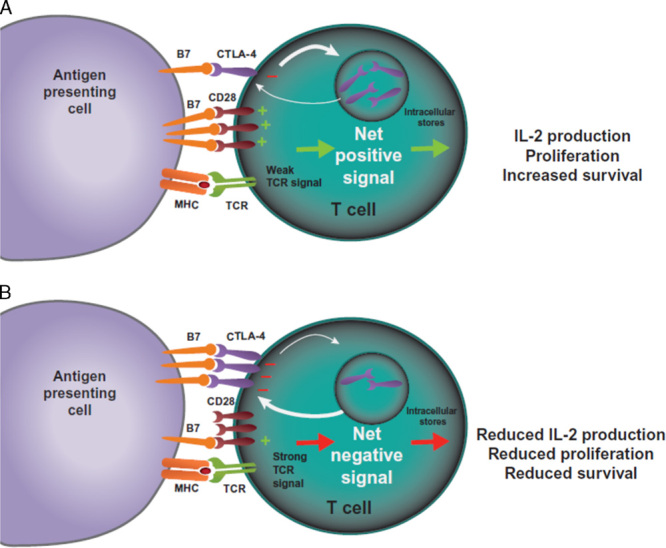
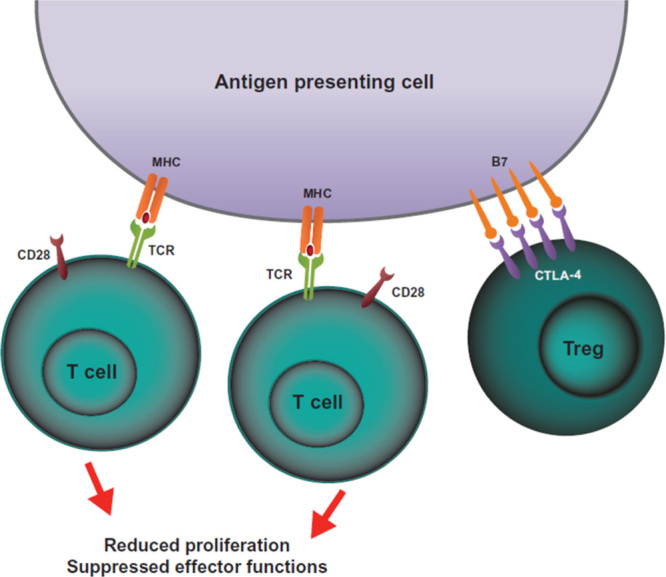
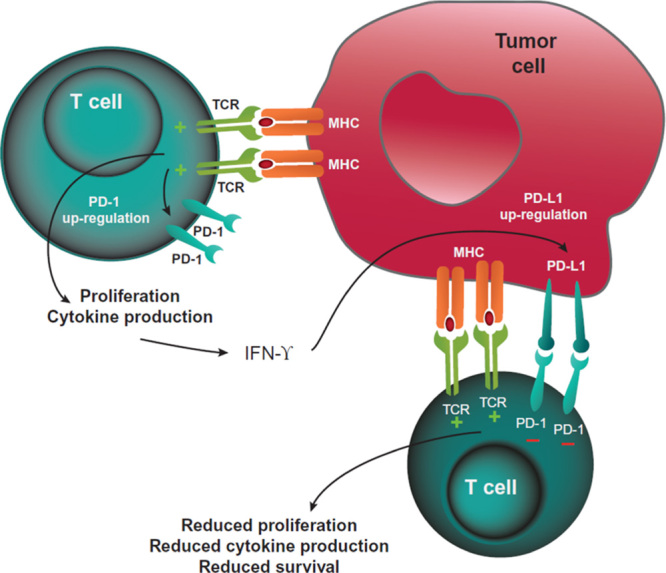
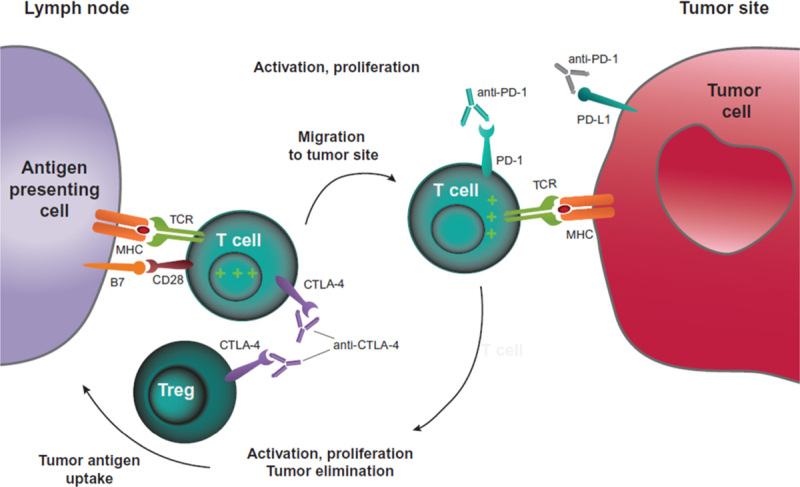
The cytotoxic T-lymphocyte-associated antigen 4 (CTLA-4) and programmed death 1 (PD-1) immune checkpoints are negative regulators of T-cell immune function. Inhibition of these targets, resulting in increased activation of the immune system, has led to new immunotherapies for melanoma, non-small cell lung cancer, and other cancers. Ipilimumab, an inhibitor of CTLA-4, is approved for the treatment of advanced or unresectable melanoma. Nivolumab and pembrolizumab, both PD-1 inhibitors, are approved to treat patients with advanced or metastatic melanoma and patients with metastatic, refractory non-small cell lung cancer. In addition the combination of ipilimumab and nivolumab has been approved in patients with BRAF WT metastatic or unresectable melanoma. The roles of CTLA-4 and PD-1 in inhibiting immune responses, including antitumor responses, are largely distinct. CTLA-4 is thought to regulate T-cell proliferation early in an immune response, primarily in lymph nodes, whereas PD-1 suppresses T cells later in an immune response, primarily in peripheral tissues. The clinical profiles of immuno-oncology agents inhibiting these 2 checkpoints may vary based on their mechanistic differences. This article provides an overview of the CTLA-4 and PD-1 pathways and implications of their inhibition in cancer therapy.
Overview
The claims and statistics of this paper haven’t been checked yet.
Free: it reads the open-access text and checks the first 5 claims that cite a source we can check. Create a free account to check every claim.
Integrity signals
Registry
Cites
Statistics
Figures
Verification
Claims the paper makes
The claims and statistics of this paper haven’t been checked yet.
Free: it reads the open-access text and checks the first 5 claims that cite a source we can check. Create a free account to check every claim.
Claims other papers make about this one
Each is checked against this paper’s own text: does it say what the citing paper says it does?
In the citing paper
“These differences may be the result of the different mechanisms of T cell inhibition by CTLA-4 and PD-1, as the former is understood to function more proximally to T cell activation and the latter is thought to function at later stages in the periphery (119).”
From Immune Checkpoint Inhibitors for the Treatment of Cancer: Clinical Impact and Mechanisms of Response and Resistance (2021) · cites this paper as [119]
In the citing paper
“While CTLA-4 regulates T cells proliferation early in the immune response within the lymph nodes, PD-1 suppresses T-cell activation later, within the body periphery [174].”
From Gut Microbiota and Cancer: From Pathogenesis to Therapy (2019) · cites this paper as [174]
Self-check
Percentages, sums and reported differences re-computed from the paper’s own numbers.
The self-check needs the paper’s full text.
Citations
Cites
PD-1 and PD-L1 Immune Checkpoint Blockade to Treat Breast Cancer
Hartkopf, A. D., Taran, F.-A., Wallwiener, M., Walter, C. B., Krämer, B., Grischke, E.-M., & Brucker, S. Y. (2016) · Breast Care · doi:10.1159/000453569 · Cited by 30,845
New response evaluation criteria in solid tumours: revised RECIST guideline (version 1.1)
Eisenhauer, E. A., Therasse, P., Bogaerts, J., Schwartz, L. H., Sargent, D., Ford, R., Dancey, J., Arbuck, S., Gwyther, S., Mooney, M., et al. (2009) · European Journal of Cancer · doi:10.1016/j.ejca.2008.10.026 · Cited by 29,534
Adverse Renal Effects of Immune Checkpoint Inhibitors: A Narrative Review
Wanchoo, R., Karam, S., Uppal, N. N., Barta, V. S., Deray, G., Devoe, C., Launay-Vacher, V., Jhaveri, K. D., & on behalf of Cancer and Kidney International Network Workgroup on Immune Checkpoint Inhibitors (2017) · American Journal of Nephrology · doi:10.1159/000455014 · Cited by 15,256
Improved Survival with Ipilimumab in Patients with Metastatic Melanoma
Hodi, F. S., O'Day, S. J., McDermott, D. F., Weber, R. W., Sosman, J. A., Haanen, J. B., Gonzalez, R., Robert, C., Schadendorf, D., Hassel, J. C., et al. (2010) · New England Journal of Medicine · doi:10.1056/nejmoa1003466 · Cited by 15,155 · cited 2×
“Consistent with its survival benefit, CTLA-4 blockade is associated with durable responses in a proportion of patients treated, with some responses reported to last >3 years.(51,54) More recently, PD-1 blockade has been shown to improve survival and progression-free survival in patients with metastatic melanoma and in…”
BackgroundThe blockade of immune checkpoints in cancer immunotherapy
Pardoll, D. M. (2012) · Nature Reviews Cancer · doi:10.1038/nrc3239 · Cited by 13,838 · cited 1×
“This has the potential to provide a more targeted signal with less unwanted toxicity, as selftolerance mediated through PD-1:PD-L2 interactions should be preserved.(37,49) Furthermore, as PD-L1 is known to bind CD80 as well as PD-1 to deliver inhibitory signals to T cells,(33) PDL1 inhibition with an appropriate antib…”
BackgroundSafety, activity, and immune correlates of anti–PD-1 antibody in cancer
Topalian, S. L., Hodi, F. S., Brahmer, J. R., Gettinger, S. N., Smith, D. C., McDermott, D. F., Powderly, J. D., Carvajal, R. D., Sosman, J. A., Atkins, M. B., et al. (2012) · New England Journal of Medicine · doi:10.1056/nejmoa1200690 · Cited by 12,628 · cited 1×
“Commonly reported immune-mediated AEs include rash or pruritus, gastrointestinal disorders, and endocri nopathies.(54,55,57,66,69,78,79) The overall rate of grade Z3 AEs was higher with ipilimumab (20%) compared with pembrolizumab (10% to 13%) in a phase III trial.”
BackgroundNivolumab versus docetaxel in advanced nonsquamous non-small-cell lung cancer
Borghaei, H., Paz-Ares, L., Horn, L., Spigel, D. R., Steins, M., Ready, N. E., Chow, L. Q., Vokes, E. E., Felip, E., Holgado, E., et al. (2015) · New England Journal of Medicine · doi:10.1056/nejmoa1507643 · Cited by 9,335
Nivolumab versus Docetaxel in Advanced Squamous-Cell Non–Small-Cell Lung Cancer
Brahmer, J., Reckamp, K. L., Baas, P., Crinò, L., Eberhardt, W. E. E., Poddubskaya, E., Antonia, S., Pluzanski, A., Vokes, E. E., Holgado, E., et al. (2015) · New England Journal of Medicine · doi:10.1056/nejmoa1504627 · Cited by 8,447
Combined Nivolumab and Ipilimumab or Monotherapy in Untreated Melanoma
Larkin, J., Chiarion-Sileni, V., Gonzalez, R., Grob, J. J., Cowey, C. L., Lao, C. D., Schadendorf, D., Dummer, R., Smylie, M., Rutkowski, P., et al. (2015) · New England Journal of Medicine · doi:10.1056/nejmoa1504030 · Cited by 8,157
Mutational landscape determines sensitivity to PD-1 blockade in non–small cell lung cancer
Rizvi, N. A., Hellmann, M. D., Snyder, A., Kvistborg, P., Makarov, V., Havel, J. J., Lee, W., Yuan, J., Wong, P., Ho, T. S., et al. (2015) · Science · doi:10.1126/science.aaa1348 · Cited by 7,802 · cited 1×
“As with CTLA-4, mutational burden and higher neoantigen burden have recently been shown to be associated with efficacy in patients with NSCLC treated with PD-1 blockade.(77)”
Background
Cited by
Items 501–600 of 1,003
Immuno-oncologic Approaches: CAR-T Cells and Checkpoint Inhibitors
Gay, F., D’Agostino, M., Giaccone, L., Genuardi, M., Festuccia, M. B., Boccadoro, M., & Bruno, B. (2017) · Clinical Lymphoma Myeloma & Leukemia · doi:10.1016/j.clml.2017.06.014 · Cited by 44
de Vos, L., Grünwald, I., Bawden, E., Dietrich, J., Scheckenbach, K., Wiek, C., Zarbl, R., Bootz, F., Landsberg, J., & Dietrich, D. (2020) · Epigenetics · doi:10.1080/15592294.2020.1754675 · Cited by 42
“Overall, we saw a similar pattern to the correlations between DNA methylation and mRNA expression of the respective genes in HNSCC. Methylation of CpG sites located in intergenic regions and in the gene bodies of CD28, CTLA4, and ICOS (CpG sites 1, 10–15, 23, 29–30) correlated predominantly positively with the IFN-γ s…”
BackgroundInfluentialOrganoid technology and applications in cancer immunotherapy and precision medicine
Homicskó, K. (2020) · Current Opinion in Biotechnology · doi:10.1016/j.copbio.2020.05.002 · Cited by 40
PET imaging of immune checkpoint proteins in oncology
Bouleau, A., Lebon, V., & Truillet, C. (2020) · Pharmacology & Therapeutics · doi:10.1016/j.pharmthera.2020.107786 · Cited by 45
He, J.-J., Ouyang, W., Zhao, W., Shao, L., Li, B., Liu, B., Wang, D., Han‐Zhang, H., Zhang, Z., Shao, L., et al. (2021) · Annals of Translational Medicine · doi:10.21037/atm-20-7553 · Cited by 40
“High fidelity of DNA replication in eukaryotes, the prerequisite for preventing mutagenesis and tumor formation, is attributable to the combination of highly accurate DNA replication and exonuclease proofreading by the DNA polymerases Polδ and Polε, and post-replication correction by the DNA mismatch repair (MMR) syst…”
BackgroundImmune checkpoint deficiencies and autoimmune lymphoproliferative syndromes
Gámez-Díaz, L. Y., & Grimbacher, B. (2021) · Biomedical Journal · doi:10.1016/j.bj.2021.04.005 · Cited by 46
Hallmarks of Cancers: Primary Antibody Deficiency Versus Other Inborn Errors of Immunity
Abolhassani, H., Wang, Y., Hammarström, L. L. G., & Pan‐Hammarström, Q. (2021) · Frontiers in Immunology · doi:10.3389/fimmu.2021.720025 · Cited by 43
Wanderley, C. W. S., Corrêa, T. S., Scaranti, M., Cunha, F. Q., & Barroso‐Sousa, R. (2022) · Frontiers in Immunology · doi:10.3389/fimmu.2022.816642 · Cited by 43
EGFR pathway targeting drugs in head and neck cancer in the era of immunotherapy
Kang, J. J., Ko, A., Kil, S. H., Clair, J. M., Shin, D. S., Wang, M. B., & Srivatsan, E. S. (2022) · Biochimica et Biophysica Acta (BBA) - Reviews on Cancer · doi:10.1016/j.bbcan.2022.188827 · Cited by 48
Salnikov, M. Y., MacNeil, K. M., & Mymryk, J. S. (2024) · Frontiers in Immunology · doi:10.3389/fimmu.2024.1358511 · Cited by 49
Zhong, T., Zhang, L., Huang, Z., Pang, X., Jin, C., Liu, W., Du, J., Yin, W., Chen, N., Min, J., et al. (2024) · iScience · doi:10.1016/j.isci.2024.111722 · Cited by 53
Chaudhary, R., Quagliata, L., Jermann, P. M., Alborelli, I., Cyanam, D., Mittal, V., Tom, W., Au-Young, J. K., Sadis, S. E., & Hyland, F. C. L. (2018) · Translational Lung Cancer Research · doi:10.21037/tlcr.2018.08.01 · Cited by 46
“Therapeutic antibodies targeting cytotoxic T-lymphocyteassociated antigen 4 (CTLA-4) and programmed cell death protein 1 (PD-1) immune checkpoints result in increased activation of the immune response and have shown remarkable clinical benefit in patients with diverse cancer types (1-7).”
BackgroundJiang, Y., Zhang, N., Pang, H., Gao, X., & Zhang, H. (2019) · Therapeutics and Clinical Risk Management · doi:10.2147/tcrm.s191022 · Cited by 40
“21–23 This may provide some guidance for the clinical application of ICIs.”
Expression of PD-1 and CTLA-4 Are Negative Prognostic Markers in Renal Cell Carcinoma
Kahlmeyer, A., Stöhr, C., Hartmann, A., Goebell, P. J., Wullich, B., Wach, S., Taubert, H. W., & Erlmeier, F. (2018) · Journal of Clinical Medicine · doi:10.2139/ssrn.3284851 · Cited by 46
Benefits of using probiotics as adjuvants in anticancer therapy (Review)
Vivarelli, S., Falzone, L., Basile, M. S., Nicolosi, D., Genovese, C., Libra, M., & Salmeri, M. (2019) · World Academy of Sciences Journal · doi:10.3892/wasj.2019.13 · Cited by 57
“…agents able to block the immune-inhibitory pathway, thus modulating T cell activation against tumor target cells [i.e., monoclonal antibodies blocking cytotoxic T-lymphocyte-associated antigen 4 (CTLA4), programmed cell death protein 1 (PD1) or programmed death-ligand 1 (PD-L1) targets] (77,78).”
Gahmberg, C. G., Grönholm, M., Madhavan, S., Jahan, F., Mikkola, E. T., Viazmina, L., & Koivunen, E. (2019) · Quarterly Reviews of Biophysics · doi:10.1017/s0033583519000088 · Cited by 41
“Whereas PD-1 inhibits Akt phosphorylation by preventing CD28-mediated activation of PI3K (Parry et al., 2005; Buchbinder and Desai, 2016), the PP2A phosphatase is important for the CTLA-4-mediated effect.”
BackgroundMiyahira, A. K., Sharp, A., Ellis, L., Jones, J. C., Kaochar, S., Larman, H. B., Quigley, D. A., Ye, H., Simons, J. W., Pienta, K. J., et al. (2019) · The Prostate · doi:10.1002/pros.23934 · Cited by 42
Molecular mechanisms underlying rheumatoid arthritis and cancer development and treatment
Morand, S. M., Staats, H., Creeden, J. F., Iqbal, A. K., Kahaleh, B., Stanbery, L., Dworkin, L. D., & Nemunaitis, J. J. (2020) · Future Oncology · doi:10.2217/fon-2019-0722 · Cited by 42
Checkpoint inhibitor therapy in preclinical sepsis models: a systematic review and meta-analysis
Busch, L. M., Sun, J., Cui, X., Eichacker, P. Q., & Torabi‐Parizi, P. (2020) · Intensive Care Medicine Experimental · doi:10.1186/s40635-019-0290-x · Cited by 42
Therapeutic implications of PD-L1 expression in bladder cancer with squamous differentiation
on behalf of the German Study Group of Bladder Cancer (DFBK e.V.), Morsch, R., Rose, M., Maurer, A., Cassataro, M. A., Braunschweig, T. A., Knüchel, R., Vögeli, T., Ecke, T., Eckstein, M., et al. (2020) · BMC Cancer · doi:10.1186/s12885-020-06727-2 · Cited by 41
“PD1/PD-L1 interaction induces the activation of Src homology region 2 domain-containing phosphatases modulating the T-cell antigen receptor (TCR) signalling and mediating immune tolerance to self-antigens [2, 3].”
Prognostic role of immune cells in hepatocellular carcinoma
Sachdeva, M., & Arora, S. K. (2020) · EXCLI journal · doi:10.17179/excli2020-1455 · Cited by 42
Plasma Exchange for Immune Checkpoint Inhibitor–Induced Myocarditis
Yogasundaram, H., Alhumaid, W., Chen, J. W., Church, M., Alhulaimi, N., Kimber, S., Paterson, D. I., & Senaratne, J. M. (2020) · CJC Open · doi:10.1016/j.cjco.2020.11.004 · Cited by 42
“These therapeutic antibodies prevent PD-L1 expressed on cancer cells from interacting with PD-1, thus enhancing T-lymphocyte antitumour activity.(3) However, these therapies are associated with immune-related adverse events, affecting numerous systems, with incidence rising due to increased use and better recognition…”
BackgroundMerkel Cell Carcinoma from Molecular Pathology to Novel Therapies
Stachyra, K., Dudzisz‐Śledź, M., Bylina, E., Szumera‐Ciećkiewicz, A., Spalek, M. J., Bartnik, E., Rutkowski, P. L., & Czarnecka, A. M. (2021) · International Journal of Molecular Sciences · doi:10.3390/ijms22126305 · Cited by 43
“CD28, which binds either to CD80 or CD86, results in increased proliferation, survival, and differentiation of T cells due to IL-2 expression, metabolism upregulation, and higher expression of cell survival genes [101].”
BackgroundLee, Y. H., Chuah, S., Nguyen, P. H. D., Lim, C. J., Lai, H. L. H., Wasser, M., Chua, C. J. H., Lim, T. K. H., Leow, W. Q., Loh, T. J., et al. (2022) · Cancer Letters · doi:10.1016/j.canlet.2022.215977 · Cited by 41
Chen, C., Zhang, C., Jin, Z., Wu, B., & Xu, T. (2022) · International Journal of Clinical Pharmacy · doi:10.1007/s11096-022-01395-7 · Cited by 37
Immune checkpoint inhibitors and reproductive failures
Chen, Z., Huang, J., Kwak-Kim, J. Y.-H., & Wang, W. (2023) · Journal of Reproductive Immunology · doi:10.1016/j.jri.2023.103799 · Cited by 38
N-linked glycosylation of PD-L1/PD-1: an emerging target for cancer diagnosis and treatment
Duan, Z., Shi, R., Gao, B., & Cai, J. (2024) · Journal of Translational Medicine · doi:10.1186/s12967-024-05502-2 · Cited by 51
“These proteins play critical roles in immune evasion by inhibiting the immune response and allowing cancer cells to evade immune attack [9, 10].”
BackgroundThe basic biology of NK cells and its application in tumor immunotherapy
Jiang, P., Jing, S., Sheng, G., & Jia, F. (2024) · Frontiers in Immunology · doi:10.3389/fimmu.2024.1420205 · Cited by 45
Troeltzsch, M., Woodlock, T. J., Pianka, A., Otto, S., Troeltzsch, M., Ehrenfeld, M., & Knösel, T. (2016) · Journal of Oral and Maxillofacial Surgery · doi:10.1016/j.joms.2016.11.006 · Cited by 42
Immunotherapy for gastric cancers: emerging role and future perspectives
Bonotto, M., Garattini, S. K., Basile, D., Ongaro, E., Fanotto, V., Cattaneo, M., Cortiula, F., Iacono, D., Cardellino, G. G., Pella, N., et al. (2017) · Expert Review of Clinical Pharmacology · doi:10.1080/17512433.2017.1313113 · Cited by 44
“Anyways, the low level of inducible CTLA-4 expression is not sufficient or useful as predictive biomarkers [30].”
BackgroundTsou, L. K., Huang, Y., Song, J., Ke, Y., Huang, J., & Shia, K. (2017) · Medicinal Research Reviews · doi:10.1002/med.21464 · Cited by 43
Sun, R., Champiat, S., Dercle, L., Aspeslagh, S., Álvarez, E. C., Limkin, E. J., Baldini, C., Postel-Vinay, S. C., Hollebecque, A., Massard, C., et al. (2017) · European Journal of Cancer · doi:10.1016/j.ejca.2017.07.033 · Cited by 42
Stevens-Johnson syndrome manifesting late in the course of pembrolizumab therapy
Hwang, A., Iskandar, A., & Dasanu, C. A. (2018) · Journal of Oncology Pharmacy Practice · doi:10.1177/1078155218791314 · Cited by 38
Neutrophilic dermatoses as adverse effects of checkpoint inhibitors: A review
Ravi, V., Maloney, N. J., & Worswick, S. (2019) · Dermatologic Therapy · doi:10.1111/dth.13074 · Cited by 38
“This class of drugs interferes with physiologic mechanisms that maintain peripheral immune tolerance by blocking signaling through the programmed cell death (PD-1) receptor, its ligand (PD-L1), and through the cytotoxic T-lymphocyteassociated antigen 4 (CTLA-4; Buchbinder & Desai, 2016).”
BackgroundTumor microenvironment in primary liver tumors: A challenging role of natural killer cells
Polidoro, M. A., Mikulak, J., Cazzetta, V., Lleò, A., Mavilio, D., Torzilli, G., & Donadon, M. (2020) · World Journal of Gastroenterology · doi:10.3748/wjg.v26.i33.4900 · Cited by 44
Battin, C., Kaufmann, G., Leitner, J. M., Tobias, J., Wiedermann, U., Rölle, A., Meyer, M., Momburg, F., & Steinberger, P. (2022) · Immunology · doi:10.1111/imm.13515 · Cited by 38
Immune checkpoints in chronic obstructive pulmonary disease
Wilkinson, T. M. A. (2017) · European Respiratory Review · doi:10.1183/16000617.0045-2017 · Cited by 42
Oxidative Stress and Autophagy as Key Targets in Melanoma Cell Fate
Catalani, E., Giovarelli, M., Zecchini, S., Perrotta, C., & Cervia, D. (2021) · Cancers · doi:10.3390/cancers13225791 · Cited by 39
“However, the course of metastatic melanoma treatment has changed markedly since the introduction of the immune checkpoint inhibitors designed against either cytotoxic T-lymphocyte-associated antigen 4 (CTLA-4) or Programmed death receptor-1 (PD-1), both negative regulators of T-cell immune function [153].”
BackgroundImmune Checkpoint Inhibitors for Vaccine Improvements: Current Status and New Approaches
Batista-Duharte, A., Hassouneh, F., Álvarez-Heredia, P., Pera, A., & Solana, R. (2022) · Pharmaceutics · doi:10.3390/pharmaceutics14081721 · Cited by 39
“These ICIs have revolutionized the treatment of a variety of types of cancer, with improved clinical outcomes compared to classic anti-tumor treatments [14].”
BackgroundImmunotherapy: an emerging modality to checkmate brain metastasis
Ahmad, A., Κhan, P., Rehman, A. U., Batra, S. K., & Nasser, M. W. (2023) · Molecular Cancer · doi:10.1186/s12943-023-01818-7 · Cited by 38
Tajaldini, M., Poorkhani, A., Amiriani, T., Amiriani, A., Javid, H., Aref, P., Ahmadi, F., Sadani, S., & Khori, V. (2023) · European Journal of Pharmacology · doi:10.1016/j.ejphar.2023.175991 · Cited by 40
CAR Immunotherapy for the treatment of infectious diseases: a systematic review
Morte-Romea, E., Pesini, C., Pellejero-Sagastizábal, G., Letona-Giménez, S., Martínez‐Lostao, L., Aranda, S. L., Toyas, C., Redrado, S., Dolader-Ballesteros, E., Arias, M. A., et al. (2024) · Frontiers in Immunology · doi:10.3389/fimmu.2024.1289303 · Cited by 48
“Among the most studied inhibitory ICs are Programmed Cell Death 1 (PD-1) and Cytotoxic T lymphocyte-associated Protein 4 (CTLA-4) (7).”
BackgroundTargeting Immune Checkpoints in Lung Cancer: Current Landscape and Future Prospects
Long, L., Zhao, C., Muqimova, O., Zhao, X., Yang, J. L., & Chen, H. (2019) · Clinical Drug Investigation · doi:10.1007/s40261-018-00746-5 · Cited by 34
Precision immunomodulation with synthetic nucleic acid technologies
Jani, M. S., Veetil, A. T., & Krishnan, Y. (2019) · Nature Reviews Materials · doi:10.1038/s41578-019-0105-4 · Cited by 38
A Pan-Cancer Approach to Predict Responsiveness to Immune Checkpoint Inhibitors by Machine Learning
Polano, M., Chierici, M., Bo, M. D., Gentilini, D., Cintio, F. D., Baboçi, L., Gibbs, D. L., Furlanello, C., & Toffoli, G. (2019) · Cancers · doi:10.3390/cancers11101562 · Cited by 39
Supramolecular cancer photoimmunotherapy based on precise peptide self-assembly design
Liu, Y., Zhang, L., Chang, R., & Yan, X. (2022) · Chemical Communications · doi:10.1039/d1cc06355c · Cited by 37
Cutting edge: the regulatory mechanisms of macrophage polarization and function during pregnancy
Wang, L., Li, Z., Wang, H., Kwak-Kim, J. Y.-H., & Liao, A. (2022) · Journal of Reproductive Immunology · doi:10.1016/j.jri.2022.103627 · Cited by 40
Govindan, R., Aggarwal, C., Antonia, S. J., Davies, M. J., Dubinett, S. M., Ferris, A. A., Forde, P. M., Garon, E. B., Goldberg, S. B., Hassan, R., et al. (2022) · Journal for ImmunoTherapy of Cancer · doi:10.1136/jitc-2021-003956 · Cited by 50
Aptamers for CD Antigens: From Cell Profiling to Activity Modulation
Nozari, A., & Berezovski, M. V. (2016) · Molecular Therapy — Nucleic Acids · doi:10.1016/j.omtn.2016.12.002 · Cited by 40
“Unlike in CD28-B7 binding, the attachment of B7 molecules to CTLA-4 triggers a negative signal, attenuating T cell responses.(61) Blockade of the function of CTLA-4 using antibodies has shown promising results regarding anti-tumor activity of T cells.”
BackgroundTremelimumab and Durvalumab in the Treatment of Unresectable, Advanced Hepatocellular Carcinoma
Castria, T. B. D., Khalil, D. N., Harding, J. J., O'Reilly, E. M., & Abou‐Alfa, G. K. (2022) · Future Oncology · doi:10.2217/fon-2022-0652 · Cited by 38
Zhou, Z., Xu, J., Liu, S., Lv, Y., Zhang, R., Zhou, X., Zhang, Y., Weng, S., Xu, H. W., Ba, Y., et al. (2024) · Biomarker Research · doi:10.1186/s40364-024-00630-9 · Cited by 40
“CTLA-4 competes with CD28 for binding to CD80/CD86 on antigen-presenting cells (APCs), thereby inhibiting CD28-mediated co-stimulation of T cells [88, 111].”
BackgroundXu, D., Wang, H., Bao, Q., Jin, K., Liu, M., Liu, W., Yan, X., Wang, L., Zhang, Y., Wang, G., et al. (2025) · Nature Communications · doi:10.1038/s41467-025-56537-y · Cited by 44
“The combined blockade of ICIs may provide potentially synergistic effects due to the differences in the timing and location of their reactions 7 .”
InfluentialTong, J., Tan, Y., Ouyang, W., & Chang, H. (2025) · Experimental Hematology and Oncology · doi:10.1186/s40164-025-00636-5 · Cited by 47
Releasing the brake: safety profile of immune check-point inhibitors in non-small cell lung cancer
Genova, C., Rossi, G., Rijavec, E., Biello, F., Barletta, G., Tagliamento, M., & Grossi, F. (2017) · Expert Opinion on Drug Safety · doi:10.1080/14740338.2017.1313228 · Cited by 37
“results in a more considerable and generalized T cell response [5,6].”
BackgroundPantuck, M. A., McDermott, D. F., & Drakaki, A. (2019) · Cancer · doi:10.1002/cncr.32326 · Cited by 38
“CTLA-4 controls T-cell activation and proliferation in the lymph nodes during the initial stages of an immune response, whereas PD-1 regulates T-cell activity in the peripheral tissues, that is, at the actual tumor site.(12) Therefore, both checkpoint inhibitors can be administered together for additive or synergistic…”
BackgroundTherapeutic and Diagnostic Implications of T Cell Scarring in Celiac Disease and Beyond
Christophersen, A. O., Risnes, L. F., Dahal‐Koirala, S., & Sollid, L. M. (2019) · Trends in Molecular Medicine · doi:10.1016/j.molmed.2019.05.009 · Cited by 45
Principles of Immunotherapy in Melanoma
Onitilo, A. A., & Wittig, J. A. (2019) · Surgical Clinics of North America · doi:10.1016/j.suc.2019.09.009 · Cited by 42
Lim, J. U., & Yoon, H. K. (2020) · Cytokine · doi:10.1016/j.cyto.2020.155363 · Cited by 39
Kuo, F.-C., Chen, C., Lin, N., Liu, C., Hsia, C., & Loong, C. (2023) · Transplantation Proceedings · doi:10.1016/j.transproceed.2023.03.064 · Cited by 40
Theranostic signature of tumor-derived exosomes in cancer
Kumar, S., Dhar, R., Kumar, L., Shivji, G. G., Jayaraj, R., & Devi, A. (2023) · Medical Oncology · doi:10.1007/s12032-023-02176-6 · Cited by 37
“Cancer cells can be eliminated by relieving the CTLs from exhaustion using the two checkpoint regulators PD-L1 and (Cytotoxic T lymphocyte antigen-4) CTAL-4 [171].”
BackgroundRecent progress in combination therapy of oncolytic vaccinia virus
Mirbahari, S. N., Silva, M. D., Zúñiga, A. I. M., Zamani, N. K., St-Laurent, G., Totonchi, M., & Azad, T. (2024) · Frontiers in Immunology · doi:10.3389/fimmu.2024.1272351 · Cited by 38
Zhang, X., Fan, Y., Jing, R., Getu, M. A., Chen, W.-Y., Zhang, W., Dong, H., Dakal, T. C., Hayat, A., Cai, H.-J., et al. (2024) · Military Medical Research · doi:10.1186/s40779-024-00535-6 · Cited by 49
“Several types of tumors can increase the levels of PD-1, PD-L1, and cytotoxic T lymphocyte-asso-ciated antigen-4 (CTLA-4) proteins, which play a role in suppressing T cell function and enabling tumors to evade the immune system surveillance, thereby facilitating uncontrolled growth [137].”
BackgroundTumor dormancy and relapse: understanding the molecular mechanisms of cancer recurrence
Tufail, M., Jiang, C., & Li, N. (2025) · Military Medical Research · doi:10.1186/s40779-025-00595-2 · Cited by 97
Liver Toxicity with Cancer Checkpoint Inhibitor Therapy
Nadeau, B. A., Fecher, L. A., Owens, S. R., & Razumilava, N. (2018) · Seminars in Liver Disease · doi:10.1055/s-0038-1667358 · Cited by 37
Recent Advances in Use of Topoisomerase Inhibitors in Combination Cancer Therapy
Wang, W., & Tse‐Dinh, Y. (2019) · Current Topics in Medicinal Chemistry · doi:10.2174/1568026619666190401113350 · Cited by 37
Translation of cancer immunotherapy from the bench to the bedside
Guo, Q., Huang, F., Gonçalves, C., Rincon, S. V. D., & Miller, W. H. (2019) · Advances in cancer research · doi:10.1016/bs.acr.2019.03.001 · Cited by 43
Immune checkpoint inhibitors in mCRPC - rationales, challenges and perspectives
Taghizadeh, H., Marhold, M., Tomasich, E., Udovica, S., Merchant, A., & Krainer, M. (2019) · OncoImmunology · doi:10.1080/2162402x.2019.1644109 · Cited by 36
“The ligands for CTLA-4 are expressed on professional APCs residing in lymph nodes and spleen, whereas PD-L1 and PD-L2 are expressed by malignant cells and macrophages in predominantly peripheral tissue types.(26,27) By designing monoclonal antibodies specifically inhibiting the aforementioned immune checkpoints, e.”
BackgroundRuggiero, R., Fraenza, F., Scavone, C., di Mauro, G., Piscitelli, R., Mascolo, A., Ferrajolo, C., Rafaniello, C., Sportiello, L., Rossi, F., et al. (2020) · Frontiers in Pharmacology · doi:10.3389/fphar.2020.00830 · Cited by 38
“This could be related to different functions of CTLA-4 and PD-1 in the immune response (Buchbinder and Desai, 2016).”
BackgroundFeng, J., Guiyu, D., & Xiongwen, W. (2021) · Cryobiology · doi:10.1016/j.cryobiol.2021.07.007 · Cited by 37
Strategies to Overcome Failures in T-Cell Immunotherapies by Targeting PI3K-δ and –γ
Chandrasekaran, S., Funk, C. R., Kleber, T. J., Paulos, C. M., Shanmugam, M., & Waller, E. K. (2021) · Frontiers in Immunology · doi:10.3389/fimmu.2021.718621 · Cited by 38
Immunotherapy for Cervical Cancer: Are We Ready for Prime Time?
Turinetto, M., Valsecchi, A. A., Tuninetti, V., Scotto, G., Borella, F., & Valabrega, G. (2022) · International Journal of Molecular Sciences · doi:10.3390/ijms23073559 · Cited by 39
“When CD28-B7 is relatively less represented than CTLA-4-B7, activation will not be achieved because of the reduction of IL-2 production and because of inhibitory signals counteracting TCR-MHC binding [22].”
BackgroundPathogenesis of Oral Toxicities Associated with Targeted Therapy and Immunotherapy
Villa, A., & Kuten‐Shorrer, M. (2023) · International Journal of Molecular Sciences · doi:10.3390/ijms24098188 · Cited by 39
“Studies have shown that PD-1 inhibitors induce increased CD8+ T cells in the tissue, and the inhibition of CTLA-4 leads to increased CD4+ T cells in the lymph nodes [37,38].”
BackgroundWirth, U., Jiang, T., Schardey, J., Kratz, K., Li, M., Schirren, M., Kühn, F., Bazhin, A. V., Werner, J., Guba, M. O., et al. (2023) · International Journal of Molecular Sciences · doi:10.3390/ijms24054841 · Cited by 39
“Regulatory T cells (Tregs) secrete inhibitory cytokines and interact with CD80 that downregulates T cell activation, thereby inhibiting effector T cells [52].”
BackgroundImmune checkpoint inhibitors in metastatic melanoma therapy (Review)
Shah, V., Panchal, V. S., Shah, A., Vyas, B., Agrawal, S. P., & Bharadwaj, S. P. (2024) · Medicine International · doi:10.3892/mi.2024.137 · Cited by 41
“The interference of ipilimumab on CTLA‑4 expressed on the subset of tumor‑specific T‑cell proliferation and B7 molecules on antigen‑presenting cells is expected to prevent tumor development (26).”
BackgroundImmune checkpoint inhibitors in infectious disease
King, H. A. D., & Lewin, S. R. (2024) · Immunological Reviews · doi:10.1111/imr.13388 · Cited by 43
Exploring immune checkpoint inhibitors: Focus on PD-1/PD-L1 axis and beyond
Aden, D., Zaheer, S., Sureka, N., Trisal, M., Chaurasia, J. K., & Zaheer, S. (2025) · Pathology - Research and Practice · doi:10.1016/j.prp.2025.155864 · Cited by 41
Inmunoterapia y terapia génica como nuevos tratamientos contra el cáncer
Rangel‐Sosa, M. M., Aguilar-Córdova, E., & Rojas‐Martínez, A. (2017) · Colombia medica · doi:10.25100/cm.v48i3.2997 · Cited by 44
Witt, K., Ligtenberg, M. A., Conti, L., Lanzardo, S., Ruiu, R., Wallmann, T., Tufvesson-Stiller, H., Chambers, B. J., Rolny, C., Lladser, Á., et al. (2018) · Cancer Immunology Research · doi:10.1158/2326-6066.cir-17-0572 · Cited by 35
“CTLA-4 and PD-1 blockade exhibits two distinct mechanisms of action: PD-1 blockade restores function of anergic T cells and CTLA-4 expands the T-cell repertoire (8).”
BackgroundImmune checkpoint inhibitors for small cell lung cancer: opportunities and challenges
Regzedmaa, O., Zhang, H., Liu, H., & Chen, J. (2019) · OncoTargets and Therapy · doi:10.2147/ott.s204577 · Cited by 37
“In contrast, the binding of PD-1 to PD-L1 on tissues or hematopoietic cells occurs in the late phase and thereby mainly suppresses activated T cells in peripheral immune effector sites rather than in central lymph systems.(17,18) Overexpression of tumor-specific antigens on tumor cells can facilitate their recognition…”
BackgroundPeer, C. J., Goldstein, D. A., Goodell, J. C., Nguyen, R., Figg, W. D., & Ratain, M. J. (2020) · British Journal of Clinical Pharmacology · doi:10.1111/bcp.14369 · Cited by 34
“CTLA stimulation by regulating activated T cells in the later stages of an immune response.(1,2) Currently, there are six ICIs approved by the EMA, the US FDA or both that target and block the PD-1/PD-L1”
BackgroundJacob, J. S., Dutra, B. E., Garcia‐Rodriguez, V., Panneerselvam, K., Abraham, F. O., Zou, F., Ma, W., Grivas, P. D., Thompson, J. A., Altan, M., et al. (2021) · Journal of the National Comprehensive Cancer Network · doi:10.6004/jnccn.2020.7697 · Cited by 44
“Recurrence of mucositis 52 (34) 11 (33) 41 (34) .”
Sánchez-León, M. L., Jiménez‐Cortegana, C., Cabrera, G., Vermeulen, E. M., de la Cruz‐Merino, L., & Sánchez‐Margalet, V. (2022) · Frontiers in Immunology · doi:10.3389/fimmu.2022.1050484 · Cited by 37
“Different immunotherapies have been developed in last decades, including treatments to target stromal cells (20), cell surface proteins (21), or angiogenic factors (22), among others.”
BackgroundTheranostics for Triple-Negative Breast Cancer
Choi, H. R., & Kim, K. (2023) · Diagnostics · doi:10.3390/diagnostics13020272 · Cited by 42
“Since CTLA-4 mediates immunosuppressive responses, inhibition of CTLA-4 is supposed to boost immune responses [46].”
BackgroundSystemic Therapy for Advanced Hepatocellular Carcinoma: Current Stand and Perspectives
Girardi, D. M., Sousa, L. P., Miranda, T. A., Haum, F. N. C., Pereira, G. C. D. B., & Pereira, A. A. L. (2023) · Cancers · doi:10.3390/cancers15061680 · Cited by 39
“At present, FGFR4-selective inhibitors are being tested for HCC alone (NCT02834780) or associated with anti-PD-L1 mAb (NCT04194801).”
BackgroundInfluentialRahimi, A., Esmaeili, Y., Dana, N., Dabiri, A., Rahimmanesh, I., Jandaghian, S., Vaseghi, G., Shariati, L., Zarrabi, A., Javanmard, S. H., et al. (2023) · European Journal of Pharmaceutical Sciences · doi:10.1016/j.ejps.2023.106476 · Cited by 38
Gut microbiota therapy in gastrointestinal diseases
Ullah, H., Arbab, S., Chang, C., Bibi, S., Muhammad, N., Rehman, S. U., Suleman, S., Ullah, I., Hassan, I. U., Tian, Y., et al. (2025) · Frontiers in Cell and Developmental Biology · doi:10.3389/fcell.2025.1514636 · Cited by 42
Ahuja, S., & Zaheer, S. (2025) · Immunology · doi:10.1111/imm.70045 · Cited by 55
“Immune checkpoints, such as PD-1/PD-L1 and CTLA-4, regulate T-cell activation and immune responses to maintain self-tolerance and prevent autoimmunity [454].”
Harnessing the immune system in the battle against breast cancer
Nakasone, E. S., Hurvitz, S. A., & McCann, K. E. (2018) · Drugs in Context · doi:10.7573/dic.212520 · Cited by 35
“Increased expression of CTLA-4 and PD-L1 in tumor tissues allows for the evasion of tumor-directed T-cell responses [118,119] (Figure 1).”
BackgroundFurther Advances in Cancer Immunotherapy: Going Beyond Checkpoint Blockade
Wilkinson, R. W., & Leishman, A. J. (2018) · Frontiers in Immunology · doi:10.3389/fimmu.2018.01082 · Cited by 36
Immunotherapy in Patients with Recurrent and Metastatic Squamous Cell Carcinoma of the Head and Neck
Łasińska, I., Kolenda, T., Teresiak, A., Lamperska, K. M., Galus, Ł., & Mackiewicz, J. (2018) · Anti-Cancer Agents in Medicinal Chemistry · doi:10.2174/1871520618666180910092356 · Cited by 33
Agrawal, B. (2019) · Clinical and Translational Medicine · doi:10.1186/s40169-019-0241-x · Cited by 36
Chicas-Sett, R., Zafra, J., Morales-Orue, I., Castilla-Martinez, J., Francés, M. Á. B., González-Rodríguez, E., Rodríguez‐Abreu, D., & Couñago, F. (2020) · Cancers · doi:10.3390/cancers12082178 · Cited by 34
“However, it must be noted that RT also induces the activation of immunosuppressive molecules, such as transforming growth factor beta (TGF-β), which is a critical factor for regulatory T cell (Treg) differentiation [37].”
BackgroundInfluentialCancer immunotherapy–related adverse events: causes and challenges
Blidner, A. G., Choi, J. N., Cooksley, T., Dougan, M. L., Glezerman, I. G., Ginex, P., Girotra, M., Gupta, D., Johnson, D. B., Shannon, V. R., et al. (2020) · Supportive Care in Cancer · doi:10.1007/s00520-020-05705-5 · Cited by 40
Strategies to overcome resistance to immune checkpoint blockade in lung cancer
Attili, I., Tarantino, P., Passaro, A., Stati, V., Curigliano, G., & de Marinis, F. (2021) · Lung Cancer · doi:10.1016/j.lungcan.2021.02.035 · Cited by 34
Role of the Immune System Elements in Pulmonary Arterial Hypertension
Tomaszewski, M., Bębnowska, D., Hrynkiewicz, R., Dworzyński, J., Niedźwiedzka‐Rystwej, P., Kopeć, G., & Grywalska, E. (2021) · Journal of Clinical Medicine · doi:10.3390/jcm10163757 · Cited by 36
“CTLA-4 has properties that inhibit the activation of lymphocytes, while it has been shown that it is constitutive on Treg lymphocytes and enables their suppressor functions [101].”
BackgroundInhibitory Immune Checkpoint Receptors and Ligands as Prognostic Biomarkers in COVID-19 Patients
Al-Mterin, M. A., Alsalman, A., & Elkord, E. (2022) · Frontiers in Immunology · doi:10.3389/fimmu.2022.870283 · Cited by 36
The new progress in cancer immunotherapy
Shimu, A. S., Wei, H.-X., Li, Q., Zheng, X., & Li, B. (2022) · Clinical and Experimental Medicine · doi:10.1007/s10238-022-00887-0 · Cited by 42
“When CTLA-4-derived inhibitory signals are significantly transferred into T cells, both CD80 and CD86 ligands are removed from the surface of APCs by disrupting their interaction with CD28 and TCR [35].”
BackgroundInfluentialAnti-cancer drug molecules targeting cancer cell cycle and proliferation
Patra, D., Bhavya, K., Ramprasad, P., Kalia, M., & Pal, D. (2023) · Advances in protein chemistry and structural biology · doi:10.1016/bs.apcsb.2022.11.011 · Cited by 39
Karimi, N., & Moghaddam, S. J. (2023) · Cells · doi:10.3390/cells12050749 · Cited by 39
“CTLA4 exerts its inhibitory role by interacting with CD80 and CD86 on APCs while competing with the co-stimulatory receptor, CD28 [95].”
BackgroundRobinson, M., Glass, D. R., Durán, V., Rojas, O. L. A., Sanz, A. M., Consuegra, M., Sahoo, M. K., Hartmann, F. J., Bosse, M. M., Gélvez, R. M., et al. (2023) · Science Advances · doi:10.1126/sciadv.ade7702 · Cited by 33
“The expression of checkpoint molecules (Buchbinder and Desai, 2016) was also altered in Tregs, with higher levels of CTLA-4 in SDp than DWS (q=0.”
Metadata
- Authors
- Buchbinder, E. I., & Desai, A.
- Affiliations
- Beth Israel Deaconess Medical Center (US)
- Corresponding author
- Buchbinder, Elizabeth I.
- Venue
- American Journal of Clinical Oncology
- Published
- 2016-02
- Volume
- 39
- Issue
- 1
- Pages
- 98-106
- ISSN
- 0277-3732 (ISSN-L)
- PMC
- PMC4892769
- OpenAlex
- W2263759961
- Cited by
- 2,360
- References
- 93
- Citations by year
- 2026: 183 · 2025: 259 · 2024: 300 · 2023: 262 · 2022: 308 · 2021: 287 · 2020: 265 · 2019: 196 · 2018: 170 · 2017: 101 · 2016: 25
- FWCI
- 10.61
- Type
- journal article
- Language
- en
- Open access
- hybrid
- doi.org
- Licence
- cc-by-nc-nd
- Locations
- American Journal of Clinical Oncology (publishedVersion, cc-by-nc-nd)
- Europe PMC (PubMed Central) (publishedVersion, cc-by-nc-nd)
- PubMed Central (publishedVersion, cc-by-nc-nd)
- PubMed (publishedVersion)
- Digital Access to Scholarship at Harvard (DASH) (Harvard University) (submittedVersion, cc-by)
- Funders
- Bristol-Myers Squibb
- Genentech
- Topics
- Health Sciences › Medicine › Oncology › Cancer Immunotherapy and Biomarkers
- Life Sciences › Immunology and Microbiology › Immunology › T-cell and B-cell Immunology
- Life Sciences › Immunology and Microbiology › Immunology › Immunotherapy and Immune Responses
- Keywords
- CTLA-4, PD-1, immune checkpoint, immune checkpoint inhibitors, ipilimumab, nivolumab, pembrolizumab, melanoma, non-small cell lung cancer, combination immunotherapy, T cell regulation, antitumor immunity
- MeSH terms
- Ipilimumab, Nivolumab, Antibodies, Monoclonal, Antineoplastic Agents, Carcinoma, Non-Small-Cell Lung, Humans, Immunotherapy, Lung Neoplasms, Melanoma, Skin Neoplasms, Signal Transduction, CTLA-4 Antigen, Programmed Cell Death 1 Receptor, Antibodies, Monoclonal, Humanized
About these checks
Registry, retraction, Cites and statistics results are computed, not judged, with one exception: a printed reference that no index lists is read once by a model before it counts as a citation error. Claims are extracted by a model and kept only when their quote appears verbatim in the text; each cited source is then checked, with a model’s help, for whether it says what the claim relies on. Those verdicts can be wrong — read the claim’s quote and the cited source before relying on one.
Statistics and arithmetic are recomputed, not judged.
Confidence bands are shown only for fields calibrated on our annotated test set. None is calibrated yet, so no band is shown.
What counts as a claim ›How we measure confidence ›How we check this ›
Are you an author, or do you see a problem with this page? Request a review
Data sources
Bibliographic data: Semantic Scholar, OpenAlex, Crossref.
Contains information from the Semantic Scholar Academic Graph Datasets, made available under the ODC Attribution License (ODC-BY 1.0).
Semantic Scholar’s data is described in: Kinney, R., et al. (2023). The Semantic Scholar Open Data Platform. arXiv:2301.10140.
