

CTLA-4 and PD-1 Pathways: Similarities, Differences, and Implications of Their Inhibition
Open accessThe DOI matches its Crossref record; 92 of the 93 references it cites were found in a registry or an index.
Abstract
The cytotoxic T-lymphocyte-associated antigen 4 (CTLA-4) and programmed death 1 (PD-1) immune checkpoints are negative regulators of T-cell immune function. Inhibition of these targets, resulting in increased activation of the immune system, has led to new immunotherapies for melanoma, non-small cell lung cancer, and other cancers. Ipilimumab, an inhibitor of CTLA-4, is approved for the treatment of advanced or unresectable melanoma. Nivolumab and pembrolizumab, both PD-1 inhibitors, are approved to treat patients with advanced or metastatic melanoma and patients with metastatic, refractory non-small cell lung cancer. In addition the combination of ipilimumab and nivolumab has been approved in patients with BRAF WT metastatic or unresectable melanoma. The roles of CTLA-4 and PD-1 in inhibiting immune responses, including antitumor responses, are largely distinct. CTLA-4 is thought to regulate T-cell proliferation early in an immune response, primarily in lymph nodes, whereas PD-1 suppresses T cells later in an immune response, primarily in peripheral tissues. The clinical profiles of immuno-oncology agents inhibiting these 2 checkpoints may vary based on their mechanistic differences. This article provides an overview of the CTLA-4 and PD-1 pathways and implications of their inhibition in cancer therapy.
Overview
The claims and statistics of this paper haven’t been checked yet.
Free: it reads the open-access text and checks the first 5 claims that cite a source we can check. Create a free account to check every claim.
Integrity signals
Registry
Cites
Statistics
Figures
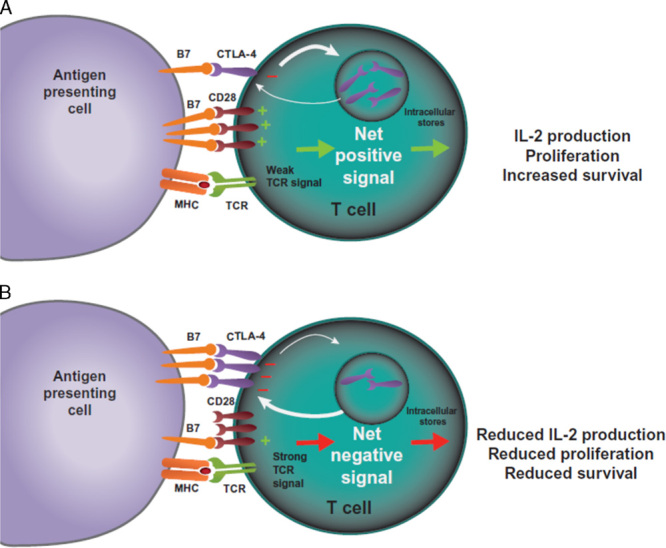
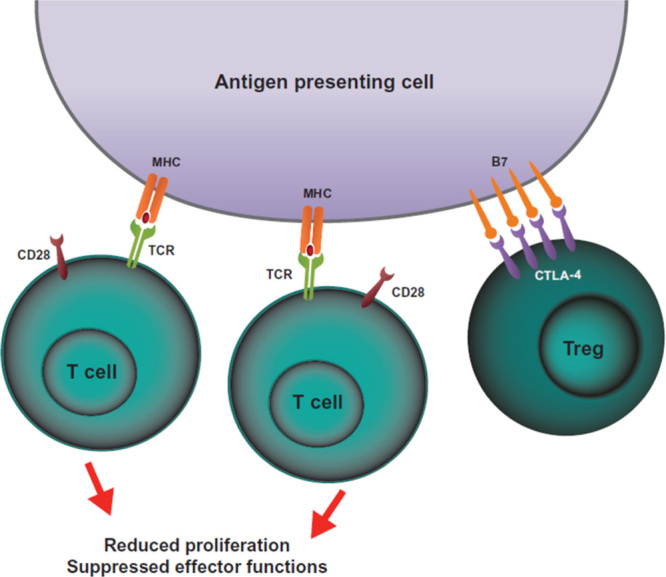
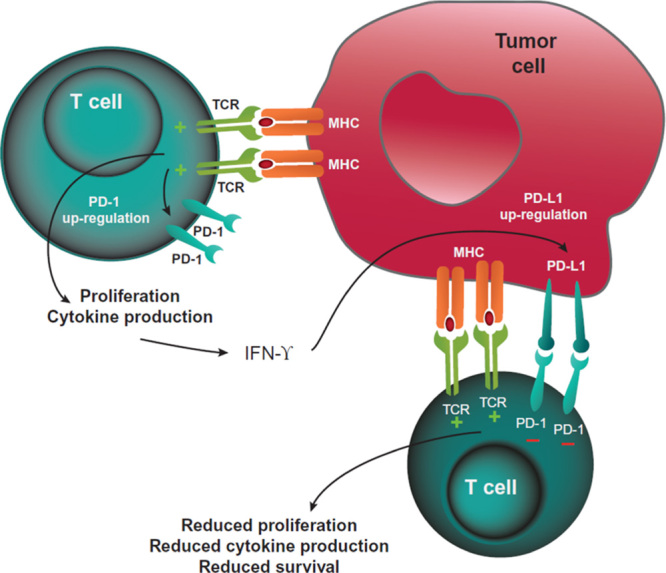
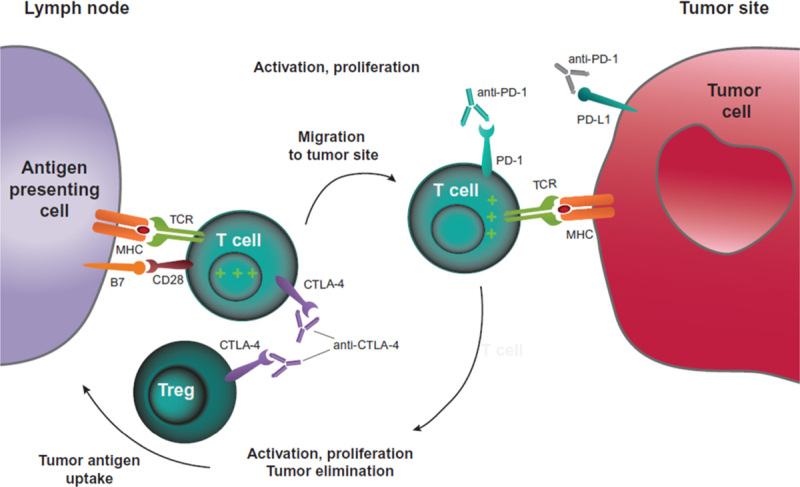
Verification
Claims the paper makes
The claims and statistics of this paper haven’t been checked yet.
Free: it reads the open-access text and checks the first 5 claims that cite a source we can check. Create a free account to check every claim.
Claims other papers make about this one
Each is checked against this paper’s own text: does it say what the citing paper says it does?
In the citing paper
“These differences may be the result of the different mechanisms of T cell inhibition by CTLA-4 and PD-1, as the former is understood to function more proximally to T cell activation and the latter is thought to function at later stages in the periphery (119).”
From Immune Checkpoint Inhibitors for the Treatment of Cancer: Clinical Impact and Mechanisms of Response and Resistance (2021) · cites this paper as [119]
In the citing paper
“While CTLA-4 regulates T cells proliferation early in the immune response within the lymph nodes, PD-1 suppresses T-cell activation later, within the body periphery [174].”
From Gut Microbiota and Cancer: From Pathogenesis to Therapy (2019) · cites this paper as [174]
Self-check
Percentages, sums and reported differences re-computed from the paper’s own numbers.
The self-check needs the paper’s full text.
Citations
Cites
PD-1 and PD-L1 Immune Checkpoint Blockade to Treat Breast Cancer
Hartkopf, A. D., Taran, F.-A., Wallwiener, M., Walter, C. B., Krämer, B., Grischke, E.-M., & Brucker, S. Y. (2016) · Breast Care · doi:10.1159/000453569 · Cited by 30,845
New response evaluation criteria in solid tumours: revised RECIST guideline (version 1.1)
Eisenhauer, E. A., Therasse, P., Bogaerts, J., Schwartz, L. H., Sargent, D., Ford, R., Dancey, J., Arbuck, S., Gwyther, S., Mooney, M., et al. (2009) · European Journal of Cancer · doi:10.1016/j.ejca.2008.10.026 · Cited by 29,534
Adverse Renal Effects of Immune Checkpoint Inhibitors: A Narrative Review
Wanchoo, R., Karam, S., Uppal, N. N., Barta, V. S., Deray, G., Devoe, C., Launay-Vacher, V., Jhaveri, K. D., & on behalf of Cancer and Kidney International Network Workgroup on Immune Checkpoint Inhibitors (2017) · American Journal of Nephrology · doi:10.1159/000455014 · Cited by 15,256
Improved Survival with Ipilimumab in Patients with Metastatic Melanoma
Hodi, F. S., O'Day, S. J., McDermott, D. F., Weber, R. W., Sosman, J. A., Haanen, J. B., Gonzalez, R., Robert, C., Schadendorf, D., Hassel, J. C., et al. (2010) · New England Journal of Medicine · doi:10.1056/nejmoa1003466 · Cited by 15,155 · cited 2×
“Consistent with its survival benefit, CTLA-4 blockade is associated with durable responses in a proportion of patients treated, with some responses reported to last >3 years.(51,54) More recently, PD-1 blockade has been shown to improve survival and progression-free survival in patients with metastatic melanoma and in…”
BackgroundThe blockade of immune checkpoints in cancer immunotherapy
Pardoll, D. M. (2012) · Nature Reviews Cancer · doi:10.1038/nrc3239 · Cited by 13,838 · cited 1×
“This has the potential to provide a more targeted signal with less unwanted toxicity, as selftolerance mediated through PD-1:PD-L2 interactions should be preserved.(37,49) Furthermore, as PD-L1 is known to bind CD80 as well as PD-1 to deliver inhibitory signals to T cells,(33) PDL1 inhibition with an appropriate antib…”
BackgroundSafety, activity, and immune correlates of anti–PD-1 antibody in cancer
Topalian, S. L., Hodi, F. S., Brahmer, J. R., Gettinger, S. N., Smith, D. C., McDermott, D. F., Powderly, J. D., Carvajal, R. D., Sosman, J. A., Atkins, M. B., et al. (2012) · New England Journal of Medicine · doi:10.1056/nejmoa1200690 · Cited by 12,628 · cited 1×
“Commonly reported immune-mediated AEs include rash or pruritus, gastrointestinal disorders, and endocri nopathies.(54,55,57,66,69,78,79) The overall rate of grade Z3 AEs was higher with ipilimumab (20%) compared with pembrolizumab (10% to 13%) in a phase III trial.”
BackgroundNivolumab versus docetaxel in advanced nonsquamous non-small-cell lung cancer
Borghaei, H., Paz-Ares, L., Horn, L., Spigel, D. R., Steins, M., Ready, N. E., Chow, L. Q., Vokes, E. E., Felip, E., Holgado, E., et al. (2015) · New England Journal of Medicine · doi:10.1056/nejmoa1507643 · Cited by 9,335
Nivolumab versus Docetaxel in Advanced Squamous-Cell Non–Small-Cell Lung Cancer
Brahmer, J., Reckamp, K. L., Baas, P., Crinò, L., Eberhardt, W. E. E., Poddubskaya, E., Antonia, S., Pluzanski, A., Vokes, E. E., Holgado, E., et al. (2015) · New England Journal of Medicine · doi:10.1056/nejmoa1504627 · Cited by 8,447
Combined Nivolumab and Ipilimumab or Monotherapy in Untreated Melanoma
Larkin, J., Chiarion-Sileni, V., Gonzalez, R., Grob, J. J., Cowey, C. L., Lao, C. D., Schadendorf, D., Dummer, R., Smylie, M., Rutkowski, P., et al. (2015) · New England Journal of Medicine · doi:10.1056/nejmoa1504030 · Cited by 8,157
Mutational landscape determines sensitivity to PD-1 blockade in non–small cell lung cancer
Rizvi, N. A., Hellmann, M. D., Snyder, A., Kvistborg, P., Makarov, V., Havel, J. J., Lee, W., Yuan, J., Wong, P., Ho, T. S., et al. (2015) · Science · doi:10.1126/science.aaa1348 · Cited by 7,802 · cited 1×
“As with CTLA-4, mutational burden and higher neoantigen burden have recently been shown to be associated with efficacy in patients with NSCLC treated with PD-1 blockade.(77)”
Background
Cited by
Items 201–300 of 1,003
Lenvatinib plus pembrolizumab: the next frontier for the treatment of hepatocellular carcinoma?
Rizzo, A., Dadduzio, V., Ricci, A. D., Massari, F., Federico, A. D., Gadaleta‐Caldarola, G., & Brandi, G. (2021) · Expert Opinion on Investigational Drugs · doi:10.1080/13543784.2021.1948532 · Cited by 110
“Despite immunotherapy has revolutionized the treatment landscape of several hematological and solid tumors, ICIs monotherapy has shown interesting results as well as important limitations in advanced HCC [35,36].”
BackgroundBorella, F., Ghisoni, E., Giannone, G., Cosma, S. D., Benedetto, C., Valabrega, G., & Katsaros, D. (2020) · Diagnostics · doi:10.3390/diagnostics10030146 · Cited by 100
“PD-1 is also highly expressed in regulatory T cells (Tregs), and the binding between PD-1 receptor and its ligand increases Tregs suppressive activity [29,30].”
BackgroundImmune checkpoint inhibitors and risk of type 1 diabetes
Chen, X., Affinati, A. H., Lee, Y., Turcu, A. F., Henry, N. L., Schiopu, E., Qin, A., Othus, M., Clauw, D., Ramnath, N., et al. (2022) · Diabetes Care · doi:10.2337/dc21-2213 · Cited by 93
Molecular Imaging of Immunotherapy Targets in Cancer
Ehlerding, E. B., England, C. G., McNeel, D. G., & Cai, W. (2016) · Journal of Nuclear Medicine · doi:10.2967/jnumed.116.177493 · Cited by 95
“for further information on the mechanisms of these pathways (3).”
BackgroundCardiac Complications in Immune Checkpoint Inhibition Therapy
Tajiri, K., & Ieda, M. (2019) · Frontiers in Cardiovascular Medicine · doi:10.3389/fcvm.2019.00003 · Cited by 103
The role of the tumour microenvironment in immunotherapy
Gasser, S., Lim, L. H. K., & Cheung, F. S. G. (2017) · Endocrine Related Cancer · doi:10.1530/erc-17-0146 · Cited by 103
Flynn, M. J., Sayed, A. A., Sharma, R., Siddique, A., & Pinato, D. J. (2018) · Hepatology · doi:10.1002/hep.30337 · Cited by 99
“Disruption of CTLA-4/CD80-CD86 interaction results in tumor rejection through enhancement of T-cell effector responses and is associated with selective T-reg depletion.(16) Ipilimumab and tremelimumab are monoclonal antibodies (mAbs) against CTLA-4 that have both been studied in HCC (Table 1).”
BackgroundGomez‐Aleza, C., Nguyen, B., Yoldi, G., Ciscar, M., Barranco, A., Hernández-Jiménez, E., Maetens, M., Salgado, R., Zafeiroglou, M., Pellegrini, P., et al. (2020) · Nature Communications · doi:10.1038/s41467-020-20138-8 · Cited by 101
Qiao, Z.-Y., Zhang, Z., Lv, Z., Tong, H., Xi, Z., Wu, H., Chen, X., Xia, L., Feng, H., Zhang, J. J., et al. (2021) · Frontiers in Immunology · doi:10.3389/fimmu.2021.653437 · Cited by 99
Role of CD68 in tumor immunity and prognosis prediction in pan-cancer
Zhang, J., Li, S., Liu, F., & Yang, K. (2022) · Scientific Reports · doi:10.1038/s41598-022-11503-2 · Cited by 111
Taïeb, J., Moehler, M. H., Boku, N., Ajani, J. A., Ruiz, E. Y., Ryu, M., Guenther, S., Chand, V. K., & Bang, Y. (2018) · Cancer Treatment Reviews · doi:10.1016/j.ctrv.2018.04.004 · Cited by 92
Metformin: current clinical applications in nondiabetic patients with cancer
Chen, K., Li, Y., Guo, Z., Zeng, Y., Zhang, W., & Wang, H. (2020) · Aging · doi:10.18632/aging.102787 · Cited by 95
“com 4002 AGING checkpoint inhibitors have been demonstrated to enhance antitumor immune responses by the recovery of T cell function [109, 110].”
BackgroundKhaja, A. S. S., Toor, S. M., Salhat, H. E., Ali, B. R., & Elkord, E. (2017) · Frontiers in Immunology · doi:10.3389/fimmu.2017.00619 · Cited by 100
“Therefore, we investigated possible correlations between Helios, CTLA-4, and PD-1 expressions with FoxP3 expression on Tregs in peripheral blood, NILs, and TILs.”
BackgroundRadiotherapy and immunotherapy: a synergistic effect in cancer care
Turgeon, G., Weickhardt, A. J., Azad, A., Solomon, B., & Siva, S. (2018) · The Medical Journal of Australia · doi:10.5694/mja2.12046 · Cited by 97
Lee, Y.-H., Lee, H. J., Kim, H. C., Lee, Y., Nam, S. K., Hupperetz, C., Ma, J. S. Y., Wang, X., Singer, O., Kim, W. S., et al. (2021) · Molecular Therapy · doi:10.1016/j.ymthe.2021.10.004 · Cited by 99
Blockade of CTLA-4 increases anti-tumor response inducing potential of dendritic cell vaccine
Esmaily, M., Masjedi, A., Hallaj, S., Nabi‐Afjadi, M., Malakotikhah, F., Ghani, S., Ahmadi, A., Sojoodi, M., Hassannia, H., Atyabi, F., et al. (2020) · Journal of Controlled Release · doi:10.1016/j.jconrel.2020.06.017 · Cited by 89
Javadrashid, D., Baghbanzadeh, A., Derakhshani, A., Leone, P., Silvestris, N., Racanelli, V., Solimando, A. G., & Baradaran, B. (2021) · Biomedicines · doi:10.3390/biomedicines9040373 · Cited by 107
“Characterized by T-cell dysfunction, a state of exhaustion occurs during cancer and chronic infections, leading to suboptimal control of such diseases [91].”
BackgroundCancer Immunotherapies: From Efficacy to Resistance Mechanisms – Not Only Checkpoint Matters
Wang, S., Xie, K., & Liu, T. (2021) · Frontiers in Immunology · doi:10.3389/fimmu.2021.690112 · Cited by 103
Rizzo, A., Ricci, A. D., Gadaleta‐Caldarola, G., & Brandi, G. (2021) · Expert Review of Gastroenterology & Hepatology · doi:10.1080/17474124.2021.1973431 · Cited by 93
Targeting CD47 as a Novel Immunotherapy for Multiple Myeloma
Sun, J., Muz, B., Alhallak, K., Markovic, M., Gurley, S., Wang, Z., Guenthner, N., Wasden, K., Fiala, M. A., King, J. A., et al. (2020) · Cancers · doi:10.3390/cancers12020305 · Cited by 90
“Examples of checkpoints that negatively regulate T-cell immune functions include programmed cell death protein 1 (PD-1; on T cells) and its ligand (PD-L1; on target cells), as well as cytotoxic T-lymphocyte-associated antigen 4 (CTLA-4; on T cells) and its ligands (B7-1/B7-2, on target cells) [10].”
BackgroundNanomedicine Combats Drug Resistance in Lung Cancer
Zheng, X., Song, X.-H., Zhu, G., Pan, D., Li, H., Hu, J., Xiao, K., Gong, Q., Gu, Z., Luo, K., et al. (2023) · Advanced Materials · doi:10.1002/adma.202308977 · Cited by 103
Cai, Z., Li, W., Hager, S., Wilson, J. L., Afjehi-Sadat, L., Heiß, E. H., Weichhart, T., Heffeter, P., & Weckwerth, W. (2024) · Cellular and Molecular Immunology · doi:10.1038/s41423-024-01134-0 · Cited by 100
“…approaches involving the depletion of TAMs (with anti-CSF-1 antibodies and CSF-1R inhibition) [6, 7], the inhibition of immune checkpoints (with anti-PD-L1 antibodies) [8] and the reprogramming of TAMs (with agonistic anti-CD40 or inhibitory anti-CD47 antibodies) [9, 10] have been successful.”
Bridge, J. A., Lee, J., DAUD, A. I., Wells, J. W., & Bluestone, J. A. (2018) · Frontiers in Medicine · doi:10.3389/fmed.2018.00351 · Cited by 90
Immunotherapy of gastric cancer: Past, future perspective and challenges
Xie, J., Fu, L., & Li, J. (2020) · Pathology - Research and Practice · doi:10.1016/j.prp.2020.153322 · Cited by 92
Persson, M. L., Douglas, A. M., Alvaro, F., Faridi, P., Larsen, M. R., Alonso, M. M., Vitanza, N. A., & Dun, M. D. (2022) · Neuro-Oncology · doi:10.1093/neuonc/noac117 · Cited by 89
Keam, S., Megawati, D., Patel, S. K., Tiwari, R., Dhama, K., & Harapan, H. (2020) · Reviews in Medical Virology · doi:10.1002/rmv.2123 · Cited by 92
“Increased expression of PD-1 and CTLA-4 reduces the function of CD4 T cells and CD8 T cells through the ligation of these molecules to inhibitory ligands, such as PD-L1 and CD80, on DC cells.(74) This mechanism might be important to reduce the activation and proliferation of T cells against SARS-CoV-2.”
BackgroundThe acidic tumour microenvironment: Manipulating the immune response to elicit escape
Worsley, C. M., Veale, R. B., & Mayne, E. S. (2022) · Human Immunology · doi:10.1016/j.humimm.2022.01.014 · Cited by 96
Revolutionizing cancer treatment: comprehensive insights into immunotherapeutic strategies
Raghani, N. R., Chorawala, M. R., Mahadik, M., Patel, R. B., Prajapati, B. G., & Parekh, P. S. (2024) · Medical Oncology · doi:10.1007/s12032-023-02280-7 · Cited by 108
“Cytotoxic T-lymphocyte-associated protein 4 (CTLA-4) inhibitors are another example of ICIs that are designed to block the interaction between CTLA-4 and its ligands, thus preventing the suppression of immune responses [76].”
Leone, K., Poggiana, C., & Zamarchi, R. (2018) · Diagnostics · doi:10.3390/diagnostics8030059 · Cited by 103
Recent updates on innovative approaches to overcome drug resistance for better outcomes in cancer
Sharma, M., Bakshi, A. K., Mittapelly, N., Gautam, S., Marwaha, D., Rai, N., Singh, N., Tiwari, P., Agarwal, N., Kumar, A., et al. (2022) · Journal of Controlled Release · doi:10.1016/j.jconrel.2022.04.007 · Cited by 84
Cho, K., Park, M., Kim, Y., Woo, S., & Ryu, K. (2017) · Scientific Reports · doi:10.1038/s41598-017-16788-2 · Cited by 92
Current status and perspectives in immunotherapy for metastatic melanoma
Marconcini, R., (IMI), F. T. I. M. I., Spagnolo, F., Stucci, L. S., Ribero, S., Marra, E., Rosa, F. D., Picasso, V., Guardo, L. D., Cimminiello, C., et al. (2018) · Oncotarget · doi:10.18632/oncotarget.23746 · Cited by 91
Guadecitabine Plus Ipilimumab in Unresectable Melanoma: The NIBIT-M4 Clinical Trial
Giacomo, A. M. D., Covre, A., Finotello, F., Rieder, D., Danielli, R., Sigalotti, L., Giannarelli, D., Petitprez, F., Lacroix, L., Valente, M., et al. (2019) · Clinical Cancer Research · doi:10.1158/1078-0432.ccr-19-1335 · Cited by 90
“Blockade of bothmolecules favors the expansion of tumor-infiltrating CD8 T cells; however, at variance with PD-1 blockade, CTLA-4 targeting induces a robust CD4 effector T-cell response via the expansionof an ICOSþTh1-likeCD4 subset, thus sustaining long-term antitumor immune responses (14, 15).”
BackgroundPhotodynamic Therapy and Immune Checkpoint Blockade†
Cramer, G. M., Moon, E. K., Cengel, K. A., & Busch, T. M. (2020) · Photochemistry and Photobiology · doi:10.1111/php.13300 · Cited by 93
“PD-L2 (B7-DC, CD273) are expressed on a wider variety of cell types—leukocytes, nonhematopoietic cells and nonlymphoid tissues including many tumors (5).”
BackgroundAsdourian, M. S., Shah, N., Jacoby, T. V., Reynolds, K. L., & Chen, S. T. (2022) · JAMA Dermatology · doi:10.1001/jamadermatol.2022.1624 · Cited by 98
Kluger, H. M., Barrett, J. C., Gainor, J. F., Hamid, O., Hurwitz, M. E., LaVallee, T. M., Moss, R. A., Zappasodi, R., Sullivan, R. J., Tawbi, H. A., et al. (2023) · Journal for ImmunoTherapy of Cancer · doi:10.1136/jitc-2022-005921 · Cited by 102
“14 15 Expression of PD-1 and PD-L1 on other cell types such as myeloid cells and B cells indicates that these populations may also play a role in antitumor immunity.”
Tang, F., Ding, A., Xu, Y., Ye, Y., Li, L., Xie, R., & Huang, W. (2023) · Small · doi:10.1002/smll.202307078 · Cited by 92
Rationalizing combination therapies
(2017) · Nature Medicine · doi:10.1038/nm.4426 · Cited by 86
The Role of GSK-3 in Cancer Immunotherapy: GSK-3 Inhibitors as a New Frontier in Cancer Treatment
Augello, G., Emma, M. R., Cusimano, A., Azzolina, A., Montalto, G., McCubrey, J. A., & Cervello, M. (2020) · Cells · doi:10.3390/cells9061427 · Cited by 86
“Unlike CTLA-4, whose expression is exclusive to activated T cells, PD-1 expression is also found in B cells and myeloid cells [69,70].”
BackgroundImmune checkpoint inhibitors-induced autoimmunity: The impact of gender
Triggianese, P., Novelli, L., Galdiero, M. R., Chimenti, M. S., Conigliaro, P., Perricone, R., Perricone, C., & Gerli, R. (2020) · Autoimmunity Reviews · doi:10.1016/j.autrev.2020.102590 · Cited by 88
Giglio, A. D., Federico, A. D., Nuvola, G., Deiana, C., & Gelsomino, F. (2021) · Current Oncology Reports · doi:10.1007/s11912-021-01124-9 · Cited by 95
“Thus, this checkpoint acts in a different phase than the PD-1/PD-L1 axis, and targeting both pathways represents a potentially effective combination to overcome the resistance to ICI monotherapy [17, 18].”
BackgroundRajendrakumar, S. K., Uthaman, S., Cho, C.-S., & Park, I. (2018) · Biomacromolecules · doi:10.1021/acs.biomac.8b00460 · Cited by 83
A Comprehensive Review of US FDA-Approved Immune Checkpoint Inhibitors in Urothelial Carcinoma
Hsu, F.-S., Su, C.-H., & Huang, K.-H. (2017) · Journal of Immunology Research · doi:10.1155/2017/6940546 · Cited by 86
Gubens, M. A., Sequist, L. V. D., Stevenson, J. P., Powell, S. F., Villaruz, L. C., Gadgeel, S. M., Langer, C. J., Patnaik, A., Borghaei, H., Jalal, S. I., et al. (2018) · Lung Cancer · doi:10.1016/j.lungcan.2018.12.015 · Cited by 87
“Ipilimumab is a humanized monoclonal antibody against cytotoxic T-lymphocyte antigen-4 (CTLA-4), a molecule expressed on the surface of T cells that negatively regulates interleukin-2 production as well as T-cell proliferation and survival [14].”
BackgroundTumor immune response and immunotherapy in gastric cancer
Kwak, Y., Seo, A. N., Lee, H. E., & Lee, H. S. (2019) · Journal of Pathology and Translational Medicine · doi:10.4132/jptm.2019.10.08 · Cited by 92
“CTLA-4 binds to CD80 (B7-1) and CD86 (B7-2) on APCs, preventing them from binding to the co-stimulatory receptor CD28 and inhibiting TCRs by intracellular PP2A and SHP-2 signaling pathways [18].”
BackgroundFan, F., Yoo, H. J., Stock, S., Wang, L., Liu, Y., Schubert, M., Wang, S., Neuber, B., Hückelhoven‐Krauss, A., Gern, U., et al. (2020) · International Journal of Cancer · doi:10.1002/ijc.33212 · Cited by 90
“Reduced expression of these negative regulators of T cells may increase immune activation and decrease CART cell exhaustion.(48) We observed that ibrutinib-supplemented CART cell generation significantly reduced the expression of these exhaustion markers, especially on CLL patient-derived CART cells.”
BackgroundFirst line Immunotherapy for Non-Small Cell Lung Cancer
Nasser, N. J., Gorenberg, M., & Agbarya, A. (2020) · Pharmaceuticals · doi:10.3390/ph13110373 · Cited by 88
“Cytotoxic T-lymphocyte-associated protein 4 (CTLA-4) is a receptor on T cells that functions as an immune checkpoint that downregulates immune responses [10].”
BackgroundPost-Translational Regulations of Foxp3 in Treg Cells and Their Therapeutic Applications
Dong, Y. W., Yang, C., & Pan, F. (2021) · Frontiers in Immunology · doi:10.3389/fimmu.2021.626172 · Cited by 93
Nano-immunotherapy: overcoming delivery challenge of immune checkpoint therapy
Kiaie, S. H., Salehi‐Shadkami, H., Sanaei, M., Azizi, M., Barough, M. S., Nasr, M. S., & Sheibani, M. (2023) · Journal of Nanobiotechnology · doi:10.1186/s12951-023-02083-y · Cited by 91
“Novel ICP receptors, which include programmed death 1 (PD-1) and its ligand (PD-L1), and cytotoxic T-lymphocyte-associated antigen 4 (CTLA-4), are shown to suppress T cells presented at the tumor site [10, 11].”
Backgroundvan Hooren, L., Sandin, L. C., Moskalev, I., Ellmark, P., Dimberg, A., Black, P. C., Tötterman, T. H., & Mangsbo, S. M. (2016) · European Journal of Immunology · doi:10.1002/eji.201646583 · Cited by 89
Cooperation between chemotherapy and immunotherapy in gastroesophageal cancers
Davern, M., & Lysaght, J. (2020) · Cancer Letters · doi:10.1016/j.canlet.2020.09.014 · Cited by 83
An update on colorectal cancer microenvironment, epigenetic and immunotherapy
Jin, K., Ren, C., Liu, Y., Lan, H., & Wang, Z. (2020) · International Immunopharmacology · doi:10.1016/j.intimp.2020.107041 · Cited by 90
Cancer Nanovaccines: Nanomaterials and Clinical Perspectives
Desai, N., Chavda, V. P., Singh, T. R. R., Thorat, N. D., & Vora, L. K. (2024) · Small · doi:10.1002/smll.202401631 · Cited by 91
Zhou, G., Noordam, L., Sprengers, D., Doukas, M., Boor, P. P. C., van Beek, A. A., Erkens, R. G. A., Mancham, S., Grünhagen, D. J., Menon, A. G., et al. (2018) · OncoImmunology · doi:10.1080/2162402x.2018.1448332 · Cited by 85
Review of Immune Therapies Targeting Ovarian Cancer
Fan, C., Reader, J. C., & Roque, D. M. (2018) · Current Treatment Options in Oncology · doi:10.1007/s11864-018-0584-3 · Cited by 82
Wnts and the hallmarks of cancer
Zhong, Z., Yu, J., Virshup, D. M., & Madan, B. (2020) · Cancer and Metastasis Reviews · doi:10.1007/s10555-020-09887-6 · Cited by 86
The evolutionary legacy of immune checkpoint inhibitors
Kaushik, I., Ramachandran, S., Zabel, C., Gaikwad, S., & Srivastava, S. K. (2022) · Seminars in Cancer Biology · doi:10.1016/j.semcancer.2022.03.020 · Cited by 79
Neutrophils bearing adhesive polymer micropatches as a drug-free cancer immunotherapy
Kumbhojkar, N., Prakash, S., Fukuta, T., Adu‐Berchie, K., Kapate, N., An, R., Darko, S., Suja, V. C., Park, K. S., Gottlieb, A. P., et al. (2024) · Nature Biomedical Engineering · doi:10.1038/s41551-024-01180-z · Cited by 91
“The anti-CTLA4 checkpoint inhibitor enhances the early antitumour immune response by enhancing CD28–B7 co-stimulation between T cells and antigen-presenting cells in the lymph nodes 41 .”
Exceptional Response with Immunotherapy in a Patient with Anaplastic Thyroid Cancer
Kollipara, R., Schneider, B. P., Radovich, M., Babu, S., & Kiel, P. J. (2017) · The Oncologist · doi:10.1634/theoncologist.2017-0096 · Cited by 78
Oncolytic virus and PD-1/PD-L1 blockade combination therapy
Chen, C., Hutzen, B. J., Wedekind, M. F., & Cripe, T. P. (2018) · Oncolytic Virotherapy · doi:10.2147/ov.s145532 · Cited by 88
“107,108 28–34 Thus, engineering viruses that can target multiple checkpoint molecules may help to fully release tumor-infiltrating T-cell function without inducing systemic toxicity.”
The Role of Immune Checkpoint Blockade in Uveal Melanoma
Wessely, A., Steeb, T., Erdmann, M., Heinzerling, L., Vera, J., Schlaak, M. S., Berking, C., & Heppt, M. V. (2020) · International Journal of Molecular Sciences · doi:10.3390/ijms21030879 · Cited by 89
The Complex Tumor Microenvironment in Ovarian Cancer: Therapeutic Challenges and Opportunities
Garlisi, B., Lauks, S., Aitken, C., Ogilvie, L. M., Lockington, C., Petrik, D., Eichhorn, J. S., & Petrik, J. (2024) · Current Oncology · doi:10.3390/curroncol31070283 · Cited by 100
“PD-L1 binds to PD-1 on activated T cells, inhibiting cytotoxic T cells, which remain deactivated in the TME [79].”
BackgroundTyagi, P., & Subramony, J. A. (2018) · Journal of Controlled Release · doi:10.1016/j.jconrel.2018.01.009 · Cited by 87
Liu, Z., Zhu, Y., Xie, H., & Zou, Z. (2023) · Frontiers in Pharmacology · doi:10.3389/fphar.2022.1077468 · Cited by 77
“It has been demonstrated that the CTLA-4 inhibitors play a role in the initial phase, while PD-1 and PD-L1 inhibitors are involved in the effector phase (Buchbinder and Desai, 2016).”
BackgroundBiomarkers of response to immune checkpoint blockade in cancer treatment
Fujii, T., Naing, A., Rolfo, C. D., & Hajjar, J. (2018) · Critical Reviews in Oncology/Hematology · doi:10.1016/j.critrevonc.2018.07.010 · Cited by 81
Drakes, M. L., Mehrotra, S., Aldulescu, M., Potkul, R. K., Liu, Y., Grisoli, A., Joyce, C., O’Brien, T. E., Stack, M. S., & Stiff, P. J. (2018) · Journal of Ovarian Research · doi:10.1186/s13048-018-0414-z · Cited by 91
“Blocking of this inhibitory pathway with anti-CTLA-4 antibodies, results in re-invigorated T cells with greater proliferative function, and durable antitumor potency [30, 31].”
BackgroundRenal cell carcinoma therapy: Current and new drug candidates
Pontes, O., Oliveira-Pinto, S., Baltazar, F., & Costa, M. F. (2021) · Drug Discovery Today · doi:10.1016/j.drudis.2021.07.009 · Cited by 87
Emerging Trends in Immunotherapy for Cancer
Mishra, A. K., Ali, A., Dutta, S., Banday, S., & Malonia, S. K. (2022) · Diseases · doi:10.3390/diseases10030060 · Cited by 88
“When CTLA-4 is overexpressed on CD8+ and CD4+ T cells it blocks CD28-B7 binding and inhibits stimulatory signals produced by MHC and TCR interaction [21].”
BackgroundmTOR co-targeting strategies for head and neck cancer therapy
Wang, Z., Valera, J. L. C., Zhao, X., Chen, Q., & Gutkind, J. S. (2017) · Cancer and Metastasis Reviews · doi:10.1007/s10555-017-9688-7 · Cited by 86
Complex interplay between tumor microenvironment and cancer therapy
Shen, M., & Kang, Y. (2018) · Frontiers of Medicine · doi:10.1007/s11684-018-0663-7 · Cited by 80
Pathogenesis, Diagnosis and Management of Polymyalgia Rheumatica
Camellino, D., Giusti, A., Girasole, G., Bianchi, G., & Dejaco, C. (2019) · Drugs & Aging · doi:10.1007/s40266-019-00705-5 · Cited by 85
Kuo, I., Yang, Y.-E., Yang, P., Tsai, Y.-J., Tzeng, H., Cheng, H., Kuo, W., Su, W., Chang, C., & Wang, Y. (2021) · Theranostics · doi:10.7150/thno.60040 · Cited by 85
“In addition to PD-1, another inhibitory receptor CTLA-4 has been reported to inhibit T cell proliferation and activation [3, 4].”
BackgroundTargeting TIGIT for Immunotherapy of Cancer: Update on Clinical Development
Rotte, A., Sahasranaman, S., & Budha, N. R. (2021) · Biomedicines · doi:10.3390/biomedicines9091277 · Cited by 84
Molecular Targets of Triple-Negative Breast Cancer: Where Do We Stand?
Newton, E. E., Mueller, L. E., Treadwell, S. M., Morris, C. A., & Machado, H. L. (2022) · Cancers · doi:10.3390/cancers14030482 · Cited by 89
“Both PD-1 and PD-L1 can be used as markers of T-cell exhaustion and are implicated heavily in tumor progression [17,18].”
BackgroundToxicity in the era of immune checkpoint inhibitor therapy
Keam, S., Turner, N., Kugeratski, F. G., Rico, R., Colunga-Minutti, J., Poojary, R., Alekseev, S., Patel, A. B., Li, Y. J., Sheshadri, A., et al. (2024) · Frontiers in Immunology · doi:10.3389/fimmu.2024.1447021 · Cited by 92
“…anti-PD-1 acts later in the immune response, mainly in peripheral tissues once effector and autoreactive T cells have already reached the speci fi c organ systems, by disrupting the PD-1-PD-L1 axis and prolonging effector T/auto-reactive T cell-mediated in fl ammation and tissue damage (87).”
BackgroundImmune-Related Adverse Events: Pneumonitis
Zhong, L., Altan, M., Shannon, V. R., & Sheshadri, A. (2020) · Advances in experimental medicine and biology · doi:10.1007/978-3-030-41008-7_13 · Cited by 87
Anderson, R., Theron, A. J., & Rapoport, B. L. (2019) · Frontiers in Immunology · doi:10.3389/fimmu.2019.02254 · Cited by 77
The impact of corticosteroid use during anti-PD1 treatment
Pan, E. Y., Merl, M. Y., & Lin, K. I. (2019) · Journal of Oncology Pharmacy Practice · doi:10.1177/1078155219872786 · Cited by 76
Vitamin D intake is associated with decreased risk of immune checkpoint inhibitor‐induced colitis
Grover, S., Dougan, M. L., Tyan, K., Giobbie‐Hurder, A., Blum, S. M., Ishizuka, J. J., Qazi, T., Elias, R., Vora, K. B., Ruan, A. B., et al. (2020) · Cancer · doi:10.1002/cncr.32966 · Cited by 83
“The anti-tumor activity of these agents results from augmentation of the T-cell immune response by blocking two immune checkpoints, CTLA-4 and PD-1/PD-L1 that protect against detrimental inflammation and autoimmunity.(3,4) This augmented immune response can also lead to a range of systemic and organ specific immune-re…”
BackgroundSelf-citationWurster, S., Watowich, S. S., & Kontoyiannis, D. P. (2022) · Frontiers in Immunology · doi:10.3389/fimmu.2022.1018202 · Cited by 81
Kim, H., Lee, J. E., Hong, S. H., Lee, M. A., Kang, J. H., & Kim, I.-H. (2019) · BMC Cancer · doi:10.1186/s12885-019-6267-z · Cited by 72
Combination therapy for cancer with oncolytic virus and checkpoint inhibitor: A mathematical model
Friedman, A., & Lai, X. (2018) · PLoS ONE · doi:10.1371/journal.pone.0192449 · Cited by 85
Combining immunotherapy and radiotherapy in lung cancer
Bhalla, N., Brooker, R. C., & Brada, M. (2018) · Journal of Thoracic Disease · doi:10.21037/jtd.2018.05.107 · Cited by 78
“T cell activation and response is regulated by immune checkpoints—a system of checks and balances that, under physiological conditions, prevent autoimmune disease, but also protect tissues from excessive damage when the immune system is mounting an appropriate response against a foreign pathogen (12,13).”
BackgroundPancreatic ductal adenocarcinoma immune microenvironment and immunotherapy prospects
Li, K., Yuan, J., Trafton, D., Wang, J., Niu, N., Yuan, C., Liu, X., & Zheng, L. (2020) · Chronic Diseases and Translational Medicine · doi:10.1016/j.cdtm.2020.01.002 · Cited by 81
“In addition, PD-1 blockade allows dormant T cells to reestablish antitumor T cell activity, whereas CTLA-4 blockade leads to the activation and proliferation of additional T-cell clones, and reduces immunosuppressive Tregs.(58) There is a direct correlation between PD-L1 expression and infiltration of immune cells and…”
BackgroundNgamcherdtrakul, W., Reda, M. M., Nelson, M. A., Wang, R., Zaidan, H. Y., Bejan, D. S., Hoang, N. H., Lane, R. S., Luoh, S., Leachman, S. A., et al. (2021) · Advanced Materials · doi:10.1002/adma.202100628 · Cited by 71
Computational immunogenomic approaches to predict response to cancer immunotherapies
Addala, V., Newell, F., Pearson, J. V., Redwood, A., Robinson, B. W. S., Creaney, J., & Waddell, N. (2023) · Nature Reviews Clinical Oncology · doi:10.1038/s41571-023-00830-6 · Cited by 86
“ICIs have become a first-line treatment option in several tumour types 3–17 ; however, patients can still have relapse and/or develop treatment resistance 2 .”
Oaknin, A., Moore, K. N., Meyer, T., González, J. L.-P., Devriese, L. A., Amin, A., Lao, C. D., Boni, V., Sharfman, W. H., Park, J. C., et al. (2024) · The Lancet Oncology · doi:10.1016/s1470-2045(24)00088-3 · Cited by 89
Toll‐like receptors: The role in bladder cancer development, progression and immunotherapy
Moghadam, S. O., & Nowroozi, M. R. (2019) · Scandinavian Journal of Immunology · doi:10.1111/sji.12818 · Cited by 77
Immunotherapy: enhancing the efficacy of this promising therapeutic in multiple cancers
Inthagard, J., Edwards, J., & Roseweir, A. K. (2019) · Clinical Science · doi:10.1042/cs20181003 · Cited by 77
Cancer immunotherapy-induced endocrinopathies: Clinical behavior and therapeutic approach
Iglesias, P. (2017) · European Journal of Internal Medicine · doi:10.1016/j.ejim.2017.08.019 · Cited by 72
Röver, L. K., Gevensleben, H., Dietrich, J., Bootz, F., Landsberg, J., Goltz, D., & Dietrich, D. (2018) · EBioMedicine · doi:10.1016/j.ebiom.2018.01.016 · Cited by 75
“…PD-L2, and CTLA4 DNA Promoter Methylation With Immune Cell Infiltrates Since PD-1 and CTLA-4 expression has been mainly observed in immune cells (Buchbinder and Desai, 2016), differential PD-1 and CTLA4 promoter methylation may reflect changes in the lymphocyte and antigen presenting cell…”
BackgroundSerpico, A. F., Visconti, R., & Grieco, D. (2020) · Cell Death and Disease · doi:10.1038/s41419-020-2567-0 · Cited by 78
Fanelli, G. N., Grassini, D., Ortenzi, V., Pasqualetti, F., Montemurro, N., Perrini, P., Naccarato, A. G., & Scatena, C. (2021) · Genes · doi:10.3390/genes12030445 · Cited by 79
Kareva, I. (2017) · International Journal of Molecular Sciences · doi:10.3390/ijms18102134 · Cited by 69
“Alternatively, binding of CD80/86 to T-cell receptor CD28 results in increasing T cell activation [68,70,71].”
BackgroundInfluentialBeavis, P. A., Henderson, M. A., Giuffrida, L., Davenport, A. J., Petley, E. V., House, I. G., Lai, J., Sek, K., Milenkovski, N., John, L. B., et al. (2018) · Cancer Immunology Research · doi:10.1158/2326-6066.cir-18-0291 · Cited by 68
“These checkpoint inhibitors work in distinct ways (6, 13): PD-1 blockade is thought to predominantly enhance the function of CD8þ T cells within the tumor where the CD8þ T cells encounter high-expressing PDL-1þ tumor cells and PDL-1þ/PDL-2þ stromal cells (14–16).”
BackgroundStenström, J., Hedenfalk, I. A., & Hagerling, C. (2021) · Breast Cancer Research · doi:10.1186/s13058-021-01403-0 · Cited by 80
“CTLA-4 is an important immune checkpoint protein receptor and highly expressed on Tregs [37, 38].”
BackgroundImmunotherapy Treatment for Triple Negative Breast Cancer
Berger, E. R., Park, T. S., Saridakis, A., Golshan, M. A., Greenup, R. A., & Ahuja, N. (2021) · Pharmaceuticals · doi:10.3390/ph14080763 · Cited by 80
“Alternatively, PD-1, which is expressed on the surface of T-cells, suppresses the autoimmunity of T-cells and is a marker for T-cell exhaustion [36,37].”
BackgroundGang, X., Yan, J., Li, X., Shi, S., Xu, L., Liu, R. M., Cai, L., Li, H., & Zhao, M. (2024) · Cancer Letters · doi:10.1016/j.canlet.2024.217241 · Cited by 81
Luo, W., Wang, Z., Tian, P., & Li, W. (2018) · Journal of Cancer Research and Clinical Oncology · doi:10.1007/s00432-018-2707-4 · Cited by 72
Kumar, V., & Varghese, S. (2019) · Advanced Healthcare Materials · doi:10.1002/adhm.201801198 · Cited by 68
Metadata
- Authors
- Buchbinder, E. I., & Desai, A.
- Affiliations
- Beth Israel Deaconess Medical Center (US)
- Corresponding author
- Buchbinder, Elizabeth I.
- Venue
- American Journal of Clinical Oncology
- Published
- 2016-02
- Volume
- 39
- Issue
- 1
- Pages
- 98-106
- ISSN
- 0277-3732 (ISSN-L)
- PMC
- PMC4892769
- OpenAlex
- W2263759961
- Semantic Scholar
- c9c3c3d663a529752c4069c96a394e11c1f1250d
- Cited by
- 2,360
- References
- 93
- Citations by year
- 2026: 183 · 2025: 259 · 2024: 300 · 2023: 262 · 2022: 308 · 2021: 287 · 2020: 265 · 2019: 196 · 2018: 170 · 2017: 101 · 2016: 25
- FWCI
- 10.61
- Type
- journal article
- Language
- en
- Open access
- hybrid
- doi.org
- Licence
- cc-by-nc-nd
- Locations
- American Journal of Clinical Oncology (publishedVersion, cc-by-nc-nd)
- Europe PMC (PubMed Central) (publishedVersion, cc-by-nc-nd)
- PubMed Central (publishedVersion, cc-by-nc-nd)
- PubMed (publishedVersion)
- Digital Access to Scholarship at Harvard (DASH) (Harvard University) (submittedVersion, cc-by)
- Funders
- Bristol-Myers Squibb
- Genentech
- Topics
- Health Sciences › Medicine › Oncology › Cancer Immunotherapy and Biomarkers
- Life Sciences › Immunology and Microbiology › Immunology › T-cell and B-cell Immunology
- Life Sciences › Immunology and Microbiology › Immunology › Immunotherapy and Immune Responses
- Keywords
- CTLA-4, PD-1, immune checkpoint, immune checkpoint inhibitors, ipilimumab, nivolumab, pembrolizumab, melanoma, non-small cell lung cancer, combination immunotherapy, T cell regulation, antitumor immunity
- MeSH terms
- Ipilimumab, Nivolumab, Antibodies, Monoclonal, Antineoplastic Agents, Carcinoma, Non-Small-Cell Lung, Humans, Immunotherapy, Lung Neoplasms, Melanoma, Skin Neoplasms, Signal Transduction, CTLA-4 Antigen, Programmed Cell Death 1 Receptor, Antibodies, Monoclonal, Humanized
About these checks
Registry, retraction, Cites and statistics results are computed, not judged, with one exception: a printed reference that no index lists is read once by a model before it counts as a citation error. Claims are extracted by a model and kept only when their quote appears verbatim in the text; each cited source is then checked, with a model’s help, for whether it says what the claim relies on. Those verdicts can be wrong — read the claim’s quote and the cited source before relying on one.
Statistics and arithmetic are recomputed, not judged.
Confidence bands are shown only for fields calibrated on our annotated test set. None is calibrated yet, so no band is shown.
What counts as a claim ›How we measure confidence ›How we check this ›
Are you an author, or do you see a problem with this page? Request a review
Data sources
Bibliographic data: Semantic Scholar, OpenAlex, Crossref.
Contains information from the Semantic Scholar Academic Graph Datasets, made available under the ODC Attribution License (ODC-BY 1.0).
Semantic Scholar’s data is described in: Kinney, R., et al. (2023). The Semantic Scholar Open Data Platform. arXiv:2301.10140.
