

CTLA-4 and PD-1 Pathways: Similarities, Differences, and Implications of Their Inhibition
Open accessThe DOI matches its Crossref record; 92 of the 93 references it cites were found in a registry or an index.
Abstract
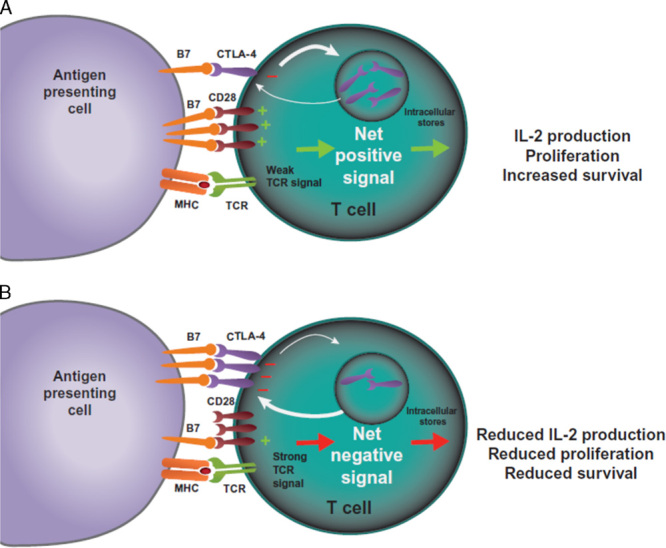
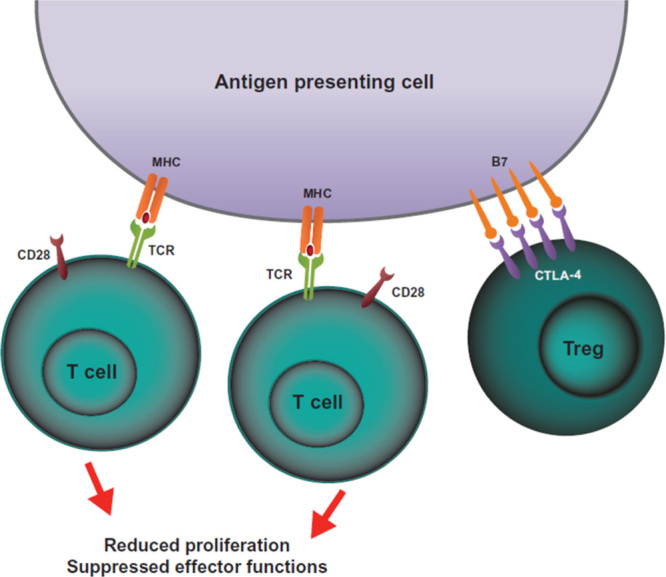
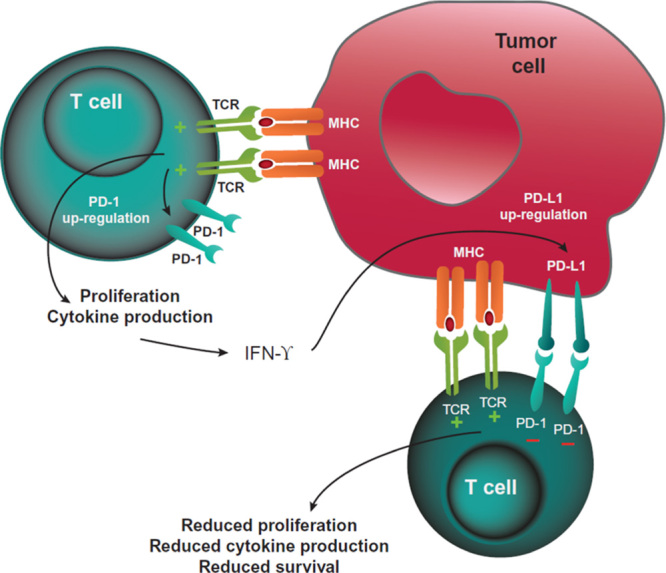
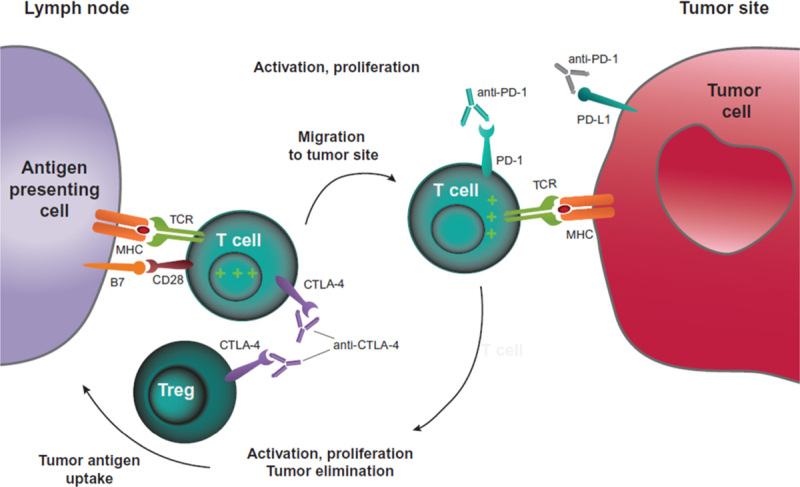
The cytotoxic T-lymphocyte-associated antigen 4 (CTLA-4) and programmed death 1 (PD-1) immune checkpoints are negative regulators of T-cell immune function. Inhibition of these targets, resulting in increased activation of the immune system, has led to new immunotherapies for melanoma, non-small cell lung cancer, and other cancers. Ipilimumab, an inhibitor of CTLA-4, is approved for the treatment of advanced or unresectable melanoma. Nivolumab and pembrolizumab, both PD-1 inhibitors, are approved to treat patients with advanced or metastatic melanoma and patients with metastatic, refractory non-small cell lung cancer. In addition the combination of ipilimumab and nivolumab has been approved in patients with BRAF WT metastatic or unresectable melanoma. The roles of CTLA-4 and PD-1 in inhibiting immune responses, including antitumor responses, are largely distinct. CTLA-4 is thought to regulate T-cell proliferation early in an immune response, primarily in lymph nodes, whereas PD-1 suppresses T cells later in an immune response, primarily in peripheral tissues. The clinical profiles of immuno-oncology agents inhibiting these 2 checkpoints may vary based on their mechanistic differences. This article provides an overview of the CTLA-4 and PD-1 pathways and implications of their inhibition in cancer therapy.
Overview
The claims and statistics of this paper haven’t been checked yet.
Free: it reads the open-access text and checks the first 5 claims that cite a source we can check. Create a free account to check every claim.
Integrity signals
Registry
Cites
Statistics
Figures
Verification
Claims the paper makes
The claims and statistics of this paper haven’t been checked yet.
Free: it reads the open-access text and checks the first 5 claims that cite a source we can check. Create a free account to check every claim.
Claims other papers make about this one
Each is checked against this paper’s own text: does it say what the citing paper says it does?
In the citing paper
“These differences may be the result of the different mechanisms of T cell inhibition by CTLA-4 and PD-1, as the former is understood to function more proximally to T cell activation and the latter is thought to function at later stages in the periphery (119).”
From Immune Checkpoint Inhibitors for the Treatment of Cancer: Clinical Impact and Mechanisms of Response and Resistance (2021) · cites this paper as [119]
In the citing paper
“While CTLA-4 regulates T cells proliferation early in the immune response within the lymph nodes, PD-1 suppresses T-cell activation later, within the body periphery [174].”
From Gut Microbiota and Cancer: From Pathogenesis to Therapy (2019) · cites this paper as [174]
Self-check
Percentages, sums and reported differences re-computed from the paper’s own numbers.
The self-check needs the paper’s full text.
Citations
Cites
PD-1 and PD-L1 Immune Checkpoint Blockade to Treat Breast Cancer
Hartkopf, A. D., Taran, F.-A., Wallwiener, M., Walter, C. B., Krämer, B., Grischke, E.-M., & Brucker, S. Y. (2016) · Breast Care · doi:10.1159/000453569 · Cited by 30,845
New response evaluation criteria in solid tumours: revised RECIST guideline (version 1.1)
Eisenhauer, E. A., Therasse, P., Bogaerts, J., Schwartz, L. H., Sargent, D., Ford, R., Dancey, J., Arbuck, S., Gwyther, S., Mooney, M., et al. (2009) · European Journal of Cancer · doi:10.1016/j.ejca.2008.10.026 · Cited by 29,534
Adverse Renal Effects of Immune Checkpoint Inhibitors: A Narrative Review
Wanchoo, R., Karam, S., Uppal, N. N., Barta, V. S., Deray, G., Devoe, C., Launay-Vacher, V., Jhaveri, K. D., & on behalf of Cancer and Kidney International Network Workgroup on Immune Checkpoint Inhibitors (2017) · American Journal of Nephrology · doi:10.1159/000455014 · Cited by 15,256
Improved Survival with Ipilimumab in Patients with Metastatic Melanoma
Hodi, F. S., O'Day, S. J., McDermott, D. F., Weber, R. W., Sosman, J. A., Haanen, J. B., Gonzalez, R., Robert, C., Schadendorf, D., Hassel, J. C., et al. (2010) · New England Journal of Medicine · doi:10.1056/nejmoa1003466 · Cited by 15,155 · cited 2×
“Consistent with its survival benefit, CTLA-4 blockade is associated with durable responses in a proportion of patients treated, with some responses reported to last >3 years.(51,54) More recently, PD-1 blockade has been shown to improve survival and progression-free survival in patients with metastatic melanoma and in…”
BackgroundThe blockade of immune checkpoints in cancer immunotherapy
Pardoll, D. M. (2012) · Nature Reviews Cancer · doi:10.1038/nrc3239 · Cited by 13,838 · cited 1×
“This has the potential to provide a more targeted signal with less unwanted toxicity, as selftolerance mediated through PD-1:PD-L2 interactions should be preserved.(37,49) Furthermore, as PD-L1 is known to bind CD80 as well as PD-1 to deliver inhibitory signals to T cells,(33) PDL1 inhibition with an appropriate antib…”
BackgroundSafety, activity, and immune correlates of anti–PD-1 antibody in cancer
Topalian, S. L., Hodi, F. S., Brahmer, J. R., Gettinger, S. N., Smith, D. C., McDermott, D. F., Powderly, J. D., Carvajal, R. D., Sosman, J. A., Atkins, M. B., et al. (2012) · New England Journal of Medicine · doi:10.1056/nejmoa1200690 · Cited by 12,628 · cited 1×
“Commonly reported immune-mediated AEs include rash or pruritus, gastrointestinal disorders, and endocri nopathies.(54,55,57,66,69,78,79) The overall rate of grade Z3 AEs was higher with ipilimumab (20%) compared with pembrolizumab (10% to 13%) in a phase III trial.”
BackgroundNivolumab versus docetaxel in advanced nonsquamous non-small-cell lung cancer
Borghaei, H., Paz-Ares, L., Horn, L., Spigel, D. R., Steins, M., Ready, N. E., Chow, L. Q., Vokes, E. E., Felip, E., Holgado, E., et al. (2015) · New England Journal of Medicine · doi:10.1056/nejmoa1507643 · Cited by 9,335
Nivolumab versus Docetaxel in Advanced Squamous-Cell Non–Small-Cell Lung Cancer
Brahmer, J., Reckamp, K. L., Baas, P., Crinò, L., Eberhardt, W. E. E., Poddubskaya, E., Antonia, S., Pluzanski, A., Vokes, E. E., Holgado, E., et al. (2015) · New England Journal of Medicine · doi:10.1056/nejmoa1504627 · Cited by 8,447
Combined Nivolumab and Ipilimumab or Monotherapy in Untreated Melanoma
Larkin, J., Chiarion-Sileni, V., Gonzalez, R., Grob, J. J., Cowey, C. L., Lao, C. D., Schadendorf, D., Dummer, R., Smylie, M., Rutkowski, P., et al. (2015) · New England Journal of Medicine · doi:10.1056/nejmoa1504030 · Cited by 8,157
Mutational landscape determines sensitivity to PD-1 blockade in non–small cell lung cancer
Rizvi, N. A., Hellmann, M. D., Snyder, A., Kvistborg, P., Makarov, V., Havel, J. J., Lee, W., Yuan, J., Wong, P., Ho, T. S., et al. (2015) · Science · doi:10.1126/science.aaa1348 · Cited by 7,802 · cited 1×
“As with CTLA-4, mutational burden and higher neoantigen burden have recently been shown to be associated with efficacy in patients with NSCLC treated with PD-1 blockade.(77)”
Background
Cited by
Items 601–700 of 1,003
Mechanism of Action and Pharmacokinetics of Approved Bispecific Antibodies
Choi, S., Lee, J., Ko, S., Hong, S., & Jin, H. (2024) · Biomolecules & Therapeutics · doi:10.4062/biomolther.2024.146 · Cited by 36
“It mainly acts in the lymph nodes to dampen early-stage T cell activation (Buchbinder and Desai, 2016).”
BackgroundRojekar, S. V., Gholap, A. D., Jadhav, K., Shevalkar, G. B., Sugandhi, V. V., Pai, R. V., Parikh, K. J., Prajapati, M. K., Desai, N., Vora, L. K., et al. (2025) · AAPS PharmSciTech · doi:10.1208/s12249-025-03189-2 · Cited by 42
“CD80, and B7 [221].”
T Cell Calcium Signaling Regulation by the Co-Receptor CD5
Freitas, C. M. T., Johnson, D. K., & Weber, K. S. (2018) · International Journal of Molecular Sciences · doi:10.3390/ijms19051295 · Cited by 33
“on activated T cells, B cells, and myeloid cells [19,75,76].”
BackgroundInfluentialOnco-Nefrología: cáncer, quimioterapia y riñón
de Francisco, Á. L. M., Macia, M. L., Alonso, F., García, P., Gutiérrez, E., Quintana, L. F., Quiroga, B., & Torregrosa, I. (2019) · Nefrología · doi:10.1016/j.nefro.2018.10.016 · Cited by 32
Chen, Y., Tan, J., Huang, S., Huang, X., Huang, J., Chen, J., Yu, Z. H., Lu, Y., Weng, J., Du, X., et al. (2019) · Asia-Pacific Journal of Clinical Oncology · doi:10.1111/ajco.13236 · Cited by 33
Potential of Pembrolizumab in Metastatic or Recurrent Head and Neck Cancer: Evidence to Date
McCusker, M. G., Orkoulas-Razis, D., & Mehra, R. (2020) · OncoTargets and Therapy · doi:10.2147/ott.s196252 · Cited by 33
Immune Checkpoint Inhibitors in the Treatment of Cancer
Zam, W., & Ali, L. (2021) · Current Clinical Pharmacology · doi:10.2174/1574884716666210325095022 · Cited by 37
Anžič, N., Krasniqi, F., Eberhardt, A.-L., Tzankov, A., & Haslbauer, J. D. (2021) · Case Reports in Oncology · doi:10.1159/000515416 · Cited by 37
Bayless, N. L., Bluestone, J. A., Bucktrout, S. L., Butterfield, L. H., Jaffee, E. M., Koch, C. A., Roep, B. O., Sharpe, A. H., Murphy, W. J., Villani, A., et al. (2021) · Journal for ImmunoTherapy of Cancer · doi:10.1136/jitc-2021-002627 · Cited by 34
Peng, Y., Zhang, C., Rui, Z., Tang, W., Xu, Y., Tao, X., Zhao, Q., & Tong, X. (2022) · Journal of Clinical Laboratory Analysis · doi:10.1002/jcla.24224 · Cited by 35
PD-1/PD-L1 Inhibitors in Patients With Preexisting Autoimmune Diseases
Zhang, K., Kong, X., Li, Y., Wang, Z., Zhang, L., & Xuan, L. (2022) · Frontiers in Pharmacology · doi:10.3389/fphar.2022.854967 · Cited by 38
“Although the overall toxicity characteristics of PD-1 inhibitors and PD-L1 inhibitors are similar, it has been suggested that targeted PD-L1 therapy reduces the frequency of irAEs to a certain extent and maintains self-tolerability (Buchbinder and Desai, 2016).”
BackgroundLe, T. K., Brown, I. D., Goldberg, R., Taylor, M. T., Deng, J., Parthasarathy, V., Bordeaux, Z. A., Alphonse, M. P., Kwatra, M. M., Naranbhai, V., et al. (2022) · Journal of Investigative Dermatology · doi:10.1016/j.jid.2022.04.020 · Cited by 33
Nivolumab plus ipilimumab combination therapy in cancer: Current evidence to date
Nikoo, M., Rabiee, F., Mohebbi, H., Eghbalifard, N., Rajabi, H., Yazdani, Y., Sakhaei, D., Khosravifarsani, M., & Akhavan‐Sigari, R. (2023) · International Immunopharmacology · doi:10.1016/j.intimp.2023.109881 · Cited by 36
Wei, X., Huang, H., Guo, J., Li, T., Li, Q., Zhao, T., Yang, G., Cai, L., Yang, H., Wu, C., et al. (2023) · Small · doi:10.1002/smll.202304370 · Cited by 35
Rusty Microglia: Trainers of Innate Immunity in Alzheimer's Disease
Sfera, A., Gradini, R., Cummings, M., Diaz, E. L., Price, A. I., & Osorio, C. P. (2018) · Frontiers in Neurology · doi:10.3389/fneur.2018.01062 · Cited by 35
“On the other hand, their blockade was shown to train TAMs in a manner similar to iron and eliminate cancer cells (199).”
BackgroundOlson, D. J., Rajagopal, P. S., Tjota, M. Y., Venkataraman, G., Luke, J. J., & Gajewski, T. F. (2020) · Journal for ImmunoTherapy of Cancer · doi:10.1136/jitc-2019-000380 · Cited by 32
From Molecular Insights to Clinical Perspectives in Drug-Associated Bullous Pemphigoid
de Nicolás-Ruanes, B., Ballester-Martinez, A., Garcia‐Mouronte, E., Berná‐Rico, E., Azcárraga‐Llobet, C., & Fernández-Guarino, M. (2023) · International Journal of Molecular Sciences · doi:10.3390/ijms242316786 · Cited by 31
Metabolic Reprogramming in Thyroid Cancer
Ju, S. H., Song, M., Lim, J. Y., Kang, Y. E., Yi, H., & Shong, M. (2024) · Endocrinology and Metabolism · doi:10.3803/enm.2023.1802 · Cited by 40
“The immune checkpoints programmed cell death protein 1 (PD-1) and cytotoxic T-lymphocyte associated protein 4 (CTLA-4) negatively regulate T cell function, limiting T cell activation to prevent excess inflammation and tissue damage [105].”
BackgroundPowles, T. B., Necchi, A., Rosen, G. P., Hariharan, S., & Apolo, A. B. (2017) · Clinical Genitourinary Cancer · doi:10.1016/j.clgc.2017.11.002 · Cited by 38
“Clinical Genitourinary Cancer April 2018 death 1 (PD-1) or its ligand, programmed cell death ligand 1 (PD-L1), enhance antitumor T-cell immunity by blocking inhibitory signals generated by these immune checkpoint proteins.(18) Between May 2016 and May 2017, the US Food and Drug Administration (FDA) granted accelerated…”
Lin, C.-C., Chin, Y., Shih, Y.-J., Chen, Y., Chung, Y.-Y., Lin, C., Hsiung, C.-N., Whang‐Peng, J., Lee, S., Lin, H., et al. (2019) · Journal of Dental Sciences · doi:10.1016/j.jds.2019.01.013 · Cited by 32
“They regulate immune responses at completely different levels via different mechanisms.(3) CTLA-4 primarily regulates the amplitude of the early stages of T cell activation.”
BackgroundMuhamad, H., Suksawai, N., Assanasen, T., Polprasert, C., Bunworasate, U., & Wudhikarn, K. (2019) · Acta Haematologica · doi:10.1159/000500974 · Cited by 31
New Frontiers for Molecular Pathology
Domagala-Kulawik, J. J. (2019) · Frontiers in Medicine · doi:10.3389/fmed.2019.00284 · Cited by 36
“The ligation of PD-1 with PD-L1 causes suppression of the function of cytotoxic lymphocytes (64).”
BackgroundDiabetes mellitus induced by immune checkpoint inhibitors
Zheng, Z., Liu, Y., Yang, J., Tan, C., Zhou, L., Wang, X., Li, X., Zhang, S., Chen, Y., & Liu, X. (2020) · Diabetes/Metabolism Research and Reviews · doi:10.1002/dmrr.3366 · Cited by 34
“Plasma blasts may be responsible for the generation of pathogenic immunoglobulin and may also serve as antigen-presenting cells to activate T cells.43 However, these findings must be interpreted with caution; these changes in B cells have been found in irAEs other than ICI-related DM.”
BackgroundInfluentialReda, M. M., Bagley, A. F., Zaidan, H. Y., & Yantasee, W. (2020) · Radiotherapy and Oncology · doi:10.1016/j.radonc.2020.06.041 · Cited by 39
“CTLA-4 is expressed on T-cells and inhibits activation by dendritic cells [72].”
BackgroundCurrent Management and Progress in Radiotherapy for Small Cell Lung Cancer
Tjong, M. C., Mak, D. Y., Shahi, J., Li, G. J., Chen, H., & Louie, A. V. (2020) · Frontiers in Oncology · doi:10.3389/fonc.2020.01146 · Cited by 33
“Immunotherapy, predominantly immune-check point inhibitors (ICIs) enhance immune-mediated anticancer activity by blocking immune-attenuating interactions of CTLA-4/B7 or PD-1/PDL1 receptors between T-lymphocytes and cancer cells (77).”
BackgroundIncidence and Prediction of Immune Checkpoint Inhibitor-related Nephrotoxicity
Sorah, J. D., Rose, T. L., Radhakrishna, R., Derebail, V. K., & Milowsky, M. I. (2020) · Journal of Immunotherapy · doi:10.1097/cji.0000000000000338 · Cited by 32
“Cr improved with CS Yes, to baseline 4 (50) 5 (56) 9 (7) Yes, not to baseline 0 2 (22) 3 (2) No 4 (50) 1 (11) 5 (4) Unknown 0 1 (11) 1 (1) Time period to improvement after CS N= 4 N= 7 N= 11 Within 1 week 4 (100) 5 (71) 9 (82)”
Pathak, R., Lopes, G. D. L., Jr., Yu, H., Aryal, M. R., Ji, W., Frumento, K. S., Wallis, C. J. D., Klaassen, Z. W. A., Park, H. S.-M., & Goldberg, S. B. (2020) · Cancer · doi:10.1002/cncr.33269 · Cited by 35
“Subgroup and Sensitivity Analyses We performed subgroup analyses by stratifying ICIs into single-agent ICI and dual-agent ICI (eg, ipilimumab plus nivolumab) given their different mechanisms and biology.(31) We planned several sensitivity analyses to assess the reliability and robustness of the results.”
MethodGirardi, D. M., Pacifico, J. P. M., de Amorim, F. P. L. G., Fernandes, G. D. S., Teixeira, M. C., & Pereira, A. A. L. (2020) · Pharmaceuticals · doi:10.3390/ph14010028 · Cited by 31
“These molecules act as negative regulators of T cell activation and their main function is to prevent autoimmunity by participating in the pathway to distinguish self- from non-self-antigens [17].”
BackgroundEmerging Trends for Radio-Immunotherapy in Rectal Cancer
Corrò, C., Dutoit, V., & Koessler, T. (2021) · Cancers · doi:10.3390/cancers13061374 · Cited by 36
Hot or cold: Bioengineering immune contextures into in vitro patient-derived tumor models
Too, N. S. H., Ho, N. C. W., Adine, C., Iyer, N. G., & Fong, E. L. S. (2021) · Advanced Drug Delivery Reviews · doi:10.1016/j.addr.2021.05.001 · Cited by 35
Ando, H., Suzuki, K., & Yanagihara, T. (2021) · Biomedicines · doi:10.3390/biomedicines9101484 · Cited by 31
“Optimal T cell activity requires binding of co-stimulatory molecules such as CD28 on the T cell surface to its ligands, CD80 (B7-1) and CD86 (B7-2), expressed on antigenpresenting cells (APCs) [13].”
BackgroundSaber, M. A., Biswas, P., Dey, D., Kaium, M. A., Islam, M. A., Tripty, I. A., Rahman, M. H., Rahaman, T. I., Biswas, M. Y., Paul, P., et al. (2021) · Processes · doi:10.3390/pr10010016 · Cited by 43
Sturgill, E. G., Misch, A., Jones, C. C., Luckett, D. J., Fu, X., Schlauch, D., Jones, S. F., Burris, H. A., Spigel, D. R., & McKenzie, A. J. (2022) · The Oncologist · doi:10.1093/oncolo/oyab064 · Cited by 34
“Statistical analyses are performed in R and include (1) correlation (r) and concordance (ρ) between patient-matched bTMB-tTMB pairs, (2) distribution of total bTMB and tTMB values, and (3) association of bTMB and tTMB with time to CPI therapy failure.”
Bird, B., Nally, K., Ronan, K. E., Clarke, G. A., Amu, S., Almeida, A. S., Flavin, R., & Finn, S. P. (2022) · Diagnostics · doi:10.3390/diagnostics12010124 · Cited by 31
“tumour antigens in lymph nodes, leading to clonal expansion of T cells [4].”
BackgroundHarnessing the immune system by targeting immune checkpoints: Providing new hope for Oncotherapy
Yu, L., Sun, M., Zhang, Q., Zhou, Q., & Wang, Y. (2022) · Frontiers in Immunology · doi:10.3389/fimmu.2022.982026 · Cited by 33
New Therapeutics for HCC: Does Tumor Immune Microenvironment Matter?
Khanam, A., & Kottilil, S. (2022) · International Journal of Molecular Sciences · doi:10.3390/ijms24010437 · Cited by 37
Bastiaannet, E., Battisti, N. M. L., Loh, K. P., de Glas, N. A., Soto‐Pérez‐de‐Celis, E., Baldini, C., Kapiteijn, E., & Lichtman, S. M. (2018) · Journal of Geriatric Oncology · doi:10.1016/j.jgo.2018.06.009 · Cited by 36
“Similarly, PD-1 is expressed on T-cells and interacts with PD-L1 ligands on tumour cells [23].”
BackgroundPembrolizumab for advanced cervical cancer: Safety and efficacy
De Felice, F., Giudice, E., Bolomini, G., Distefano, M. G., Scambia, G., Fagotti, A., & Marchetti, C. (2021) · Expert Review of Anticancer Therapy · doi:10.1080/14737140.2021.1850279 · Cited by 30
Moore, P. F. (2022) · Veterinary Clinics of North America Small Animal Practice · doi:10.1016/j.cvsm.2022.07.010 · Cited by 32
The effect of organ-specific tumor microenvironments on response patterns to immunotherapy
Conway, J. W., Braden, J., Wilmott, J. S., Scolyer, R. A., Long, G. V., & da Silva, I. P. (2022) · Frontiers in Immunology · doi:10.3389/fimmu.2022.1030147 · Cited by 36
“In contrast, CTLA-4 has a greater binding affinity for CD80/CD86, and when it binds to the ligands (instead of CD28), causes reduction of T cell proliferation and survival, and reduced IL-2 production, suppressing the host immune response (13, 17, 18).”
BackgroundMerli, M., Accorinti, M., Romagnuolo, M., Marzano, A. V., Zenzo, G. D., Moro, F., Antiga, E., Maglie, R., Cozzani, E., Parodi, A., et al. (2023) · Frontiers in Medicine · doi:10.3389/fmed.2023.1208418 · Cited by 32
Immune Checkpoint Inhibitors: Fundamental Mechanisms, Current Status and Future Directions
Younis, A., & Gribben, J. G. (2024) · Immuno · doi:10.3390/immuno4030013 · Cited by 43
“Following its expression, it begins to compete with CD28 for the B7 ligands; however, as it boasts a higher affinity and avidity for these ligands, it can effectively outcompete CD28, blocking co-stimulatory signals and attenuating T-cell activation [24].”
BackgroundResultInfluentialDysregulation of T cell response in the pathogenesis of inflammatory bowel disease
Chandwaskar, R., Dalal, R., Gupta, S. K., Sharma, A., Parashar, D., Kashyap, V. K., Sohal, J. S., & Tripathi, S. K. (2024) · Scandinavian Journal of Immunology · doi:10.1111/sji.13412 · Cited by 35
“125 CTLA4 on Tregs is shown to deplete CD80/ CD86 costimulatory molecules from antigen presenting cells through trogocytosis.”
Combination Immunotherapy in Non-small Cell Lung Cancer
Marmarelis, M. E., & Aggarwal, C. (2018) · Current Oncology Reports · doi:10.1007/s11912-018-0697-7 · Cited by 31
Lu, J., Firpi-Morell, R. J., Dang, L. H., Lai, J., & Liu, X. (2018) · Gastroenterology Research · doi:10.14740/gr1068w · Cited by 31
“The programmed death 1 (PD-1), programmed death ligand 1 (PD-L1) and cytotoxic T lymphocyte-associated antigen 4 (CTLA-4) immune checkpoints are negative regulators of Tcell immune function [1].”
BackgroundHuang, K., Jayant, K., Lee, P., Yang, P.-C., Hsiao, C., Habib, N., & Sodergren, M. H. (2019) · Journal of Clinical Medicine · doi:10.3390/jcm8030385 · Cited by 31
“Pembrolizumab, Nivolumab, Durvalumab, and Avelumab, presently available, are all anti-PD-1 drugs approved for the treatment of melanoma, Hodgkins lymphoma and various solid tumors including HCC [103,104].”
BackgroundDrainas, A. P., Lambuta, R. A., Ivanova, I., Serçin, Ö., Sarropoulos, I., Smith, M. L., Efthymiopoulos, T., Raeder, B., Stütz, A. M., Waszak, S. M., et al. (2020) · Cell Reports · doi:10.1016/j.celrep.2020.03.029 · Cited by 36
Role of CC Chemokines Subfamily in the Platinum Drugs Resistance Promotion in Cancer
Reyes, M. E., la Fuente, M. D., Hermoso, M. A., Ili, C., & Brebi, P. (2020) · Frontiers in Immunology · doi:10.3389/fimmu.2020.00901 · Cited by 31
Regulatory T Cells in the Tumor Microenvironment
Dadey, R., Workman, C. J., & Vignali, D. A. A. (2020) · Advances in experimental medicine and biology · doi:10.1007/978-3-030-49270-0_6 · Cited by 34
Nivolumab + Ipilimumab for patients with hepatocellular carcinoma previously treated with Sorafenib
Tsang, J., Wong, J. S. L., Kwok, G. W., Li, B. C. W., Leung, R. C.-Y., Chiu, J. W. Y., Cheung, T. T., & Yau, T. C. C. (2021) · Expert Review of Gastroenterology & Hepatology · doi:10.1080/17474124.2021.1899808 · Cited by 30
“antigen presenting cells (APCs) binding to CD28 receptor on T cells [44].”
BackgroundDu, Y., Zhang, D., Wang, Y., Wu, M., Zhang, C., Zheng, Y., Zheng, A., & Liu, X. (2021) · Biomaterials Science · doi:10.1039/d0bm02210a · Cited by 30
Barati, M., Mirzavi, F., Nikpoor, A. R., Sankian, M., Ahmadabad, H. N., Soleimani, A., Mashreghi, M., Afshar, J., Mohammadi, M., & Jaafari, M. R. (2021) · Cancer Gene Therapy · doi:10.1038/s41417-021-00367-9 · Cited by 32
Immune escape mechanisms and immunotherapy of urothelial bladder cancer
Yang, Z., Xu, Y., Bi, Y., Zhang, N., Wang, H., Xing, T., Bai, S., Shen, Z., Naz, F., Zhang, Z., et al. (2021) · Journal of Clinical and Translational Research · doi:10.18053/jctres.07.202104.009 · Cited by 36
Metalloimmunotherapy with Rhodium and Ruthenium Complexes: Targeting Tumor‐Associated Macrophages
Toupin, N. P., Herroon, M. K., Thummel, R. P., Turró, C., Podgorski, I., Gibson, H. M., & Kodanko, J. J. (2022) · Chemistry - A European Journal · doi:10.1002/chem.202104430 · Cited by 33
Biological Effects of Animal Venoms on the Human Immune System
Avalo, Z., Barrera, M. C., Agudelo-Delgado, M., Tobón, G. J., & Cañas, C. A. (2022) · Toxins · doi:10.3390/toxins14050344 · Cited by 37
A review of PD-1/PD-L1 siRNA delivery systems in immune T cells and cancer cells
Barati, M., Mirzavi, F., Atabaki, M., Bibak, B., Mohammadi, M., & Jaafari, M. R. (2022) · International Immunopharmacology · doi:10.1016/j.intimp.2022.109022 · Cited by 36
The role of immune checkpoints in cardiovascular disease
Yousif, L. I. E., Tanja, A. A. N., de Boer, R. A., Teske, A. J., & Meijers, W. C. (2022) · Frontiers in Pharmacology · doi:10.3389/fphar.2022.989431 · Cited by 36
“It is suggested that PD-1 suppression of T-cells normally takes place at later stages of an immune response, in peripheral tissue (Buchbinder and Desai, 2016).”
BackgroundResultLiu, Y., Chang, R., Xing, R., & Yan, X. (2023) · Small Methods · doi:10.1002/smtd.202201708 · Cited by 31
Circulating Biomarkers for Prediction of Immunotherapy Response in NSCLC
Goh, K. Y., Cheng, T. Y. D., Tham, S. C., & Lim, W. (2023) · Biomedicines · doi:10.3390/biomedicines11020508 · Cited by 37
“PD1 and CTLA4 suppress T cell activation by distinct mechanisms [45,46].”
Zuo, B., Li, T., Liu, X., Wang, S., Cheng, J., Liu, X., Cui, W., Shi, H., & Ling, C. (2023) · Clinical & Translational Oncology · doi:10.1007/s12094-023-03187-5 · Cited by 33
Advances in the pharmacotherapeutic management of esophageal squamous cell carcinoma
Peng, C., & Cohen, D. J. (2020) · Expert Opinion on Pharmacotherapy · doi:10.1080/14656566.2020.1813278 · Cited by 29
Emerging nanomedicines for macrophage-mediated cancer therapy
Shi, X., Rizvi, S. F. A., Yang, Y., & Liu, G. (2024) · Biomaterials · doi:10.1016/j.biomaterials.2024.123028 · Cited by 35
Ahuja, S., & Zaheer, S. (2024) · Korean Journal of Clinical Oncology · doi:10.14216/kjco.24009 · Cited by 39
“When CTLA-4 binds to B7, it inhibits T cell activation and proliferation [235,236].”
Lessons learned from a decade of immune checkpoint inhibition: The good, the bad, and the ugly
Adashek, J. J., Moran, J. A., Le, D. T., & Kurzrock, R. (2025) · Cancer and Metastasis Reviews · doi:10.1007/s10555-025-10260-8 · Cited by 38
“…Allison and Honjo led to their being awarded the Nobel Prize in 2018 [1] and was the impetus for the development of multiple ICI monoclonal antibodies including those that inhibit cytotoxic T-lymphocyte associated protein 4 (CTLA-4), programmed cell death protein (ligand) 1 (PD-[L]1) and LAG-3 [2].”
Novel Delivery Systems for Checkpoint Inhibitors
Lamichhane, P., Deshmukh, R. R., Brown, J. K., Jakubski, S., Parajuli, P., Nolan, T. A., Raja, D. S., Badawy, M., Yoon, T., Zmiyiwsky, M., et al. (2019) · Medicines · doi:10.3390/medicines6030074 · Cited by 32
Rundo, F., Spampinato, C., Banna, G., & Conoci, S. (2019) · Electronics · doi:10.3390/electronics8101134 · Cited by 29
The potential for immune checkpoint modulators in cerebrovascular injury and inflammation
Kim, J. E., Patel, K. K., & Jackson, C. M. (2021) · Expert Opinion on Therapeutic Targets · doi:10.1080/14728222.2021.1869213 · Cited by 32
Advances in Targeting Cutaneous Melanoma
Kasakovski, D., Skrygan, M., Gambichler, T., & Susok, L. (2021) · Cancers · doi:10.3390/cancers13092090 · Cited by 35
“Similarly, PD1 is only induced after TCR stimulation, and whilst CTLA-4 mostly acts within lymphoid organs, PD1 functions predominantly within peripheral tissues [12,15].”
BackgroundDevelopment and Validation of a CD8+ T Cell Infiltration-Related Signature for Melanoma Patients
Yuan, Y., Zhu, Z. G., Lan, Y., Duan, S., Zhu, Z., Zhang, X., Li, G., Qu, H., Feng, Y., Cai, H., et al. (2021) · Frontiers in Immunology · doi:10.3389/fimmu.2021.659444 · Cited by 30
Gorzo, A., Galoș, D., Volovăț, S. R., Lungulescu, C. V., Burz, C. C., & Sur, D. G. (2022) · Life · doi:10.3390/life12020229 · Cited by 34
“ICIs attempt to dampen the PD-1/PDL1/1 and CTLA-4/CD80-CD86 interaction, restore immunosurveillance and aid the host’s immune system in fighting cancer [90].”
BackgroundRecent therapeutic advances in urothelial carcinoma: A paradigm shift in disease management
Bellmunt, J., Valderrama, B. P., Puente, J., Grande, E., Bolós, M. V., Laínez, N., Vázquez‐Estévez, S., Maroto, P., Climent, M. Á., del Muro, X. G., et al. (2022) · Critical Reviews in Oncology/Hematology · doi:10.1016/j.critrevonc.2022.103683 · Cited by 31
Burgeoning Exploration of the Role of Natural Killer Cells in Anti-PD-1/PD-L1 Therapy
Bai, R., & Cui, J. (2022) · Frontiers in Immunology · doi:10.3389/fimmu.2022.886931 · Cited by 35
Modern Immunotherapy in the Treatment of Triple-Negative Breast Cancer
Wesolowski, J., Tankiewicz‐Kwedlo, A., & Pawlak, D. (2022) · Cancers · doi:10.3390/cancers14163860 · Cited by 34
Gut Microbiota and Liver Transplantation: Immune Mechanisms behind the Rejection
Abenavoli, L., Scarlata, G. G. M., Paravati, M. R., Boccuto, L., Luzza, F., & Scarpellini, E. (2023) · Biomedicines · doi:10.3390/biomedicines11071792 · Cited by 30
“An important role is played by Treg cells that release inhibitory cytokines that interact with CD80/CD86 receptors and inhibit the action of T cells through the Cytotoxic T-Lymphocyte-associated Antigen 4 (CTLA-4) immune checkpoint [63].”
BackgroundMa, Y., Wang, Z., Zhang, A., Xu, F., Zhao, N., Xue, J., Zhang, H., & Luan, X. (2018) · Life Sciences · doi:10.1016/j.lfs.2018.10.061 · Cited by 31
Onco-Nephrology: Cancer, chemotherapy and kidney
de Francisco, Á. L. M., Macia, M. L., Alonso, F., García, P., Gutiérrez, E., Quintana, L. F., Quiroga, B., & Torregrosa, I. (2019) · Nefrología (English Edition) · doi:10.1016/j.nefroe.2018.10.016 · Cited by 29
Immune Checkpoint Inhibitors for Brain Metastases: A Primer for Neurosurgeons
Aquilanti, E., & Brastianos, P. K. (2020) · Neurosurgery · doi:10.1093/neuros/nyaa095 · Cited by 31
Chen, J., Amoozgar, Z., Liu, X., Aoki, S., Liu, Z., Shin, S. M., Matsui, A., Hernandez, A., Pu, Z., Halvorsen, S. C., et al. (2024) · Cancer Immunology Research · doi:10.1158/2326-6066.cir-23-0486 · Cited by 30
Gastroenteropancreatic neuroendocrine neoplasms: epidemiology, genetics, and treatment
Tan, B., Zhang, B., & Chen, H. (2024) · Frontiers in Endocrinology · doi:10.3389/fendo.2024.1424839 · Cited by 38
Viroimmunotherapy for Colorectal Cancer: Clinical Studies
Chaurasiya, S., & Warner, S. G. (2017) · Biomedicines · doi:10.3390/biomedicines5010011 · Cited by 32
“Consequently, inhibitors of CTLA4 and PD-1 have been shown to exert effective anti-tumor activity against a variety of malignancies in preclinical and clinical studies [51,53].”
BackgroundPathological Significance and Prognostic Value of Surfactant Protein D in Cancer
Mangogna, A., Belmonte, B., Agostinis, C., Ricci, G., Gulino, A., Ferrara, I., Zanconati, F., Tripodo, C., Romano, F., Kishore, U., et al. (2018) · Frontiers in Immunology · doi:10.3389/fimmu.2018.01748 · Cited by 28
Pennel, K. A. F., Park, J. H., McMillan, D., Roseweir, A. K., & Edwards, J. (2018) · Cellular Signalling · doi:10.1016/j.cellsig.2018.11.013 · Cited by 30
Léon-Letelier, R. A., Bonifaz, L. C., & Fuentes‐Pananá, E. M. (2019) · Journal of Leukocyte Biology · doi:10.1002/jlb.mr0618-241rr · Cited by 31
The immunoregulatory function of polyphenols: implications in cancer immunity
de Carvalho, J. T. G., Baldivia, D. D. S., de Castro, D. T. H., dos Santos, H. F., dos Santos, C. M., Oliveira, A. S., Monteiro‐Alfredo, T., Vilharva, K. N., Souza, K. D. P., & dos Santos, E. L. (2020) · The Journal of Nutritional Biochemistry · doi:10.1016/j.jnutbio.2020.108428 · Cited by 28
Systematic Review: Monoclonal Antibody-Induced Subacute Cutaneous Lupus Erythematosus
Bolton, C., Chen, Y., Hawthorne, R., Schepel, I. R. M., Harriss, E., Hofmann, S. C., Ellis, S., Clarke, A. J., Wace, H., Martín, B. G., et al. (2020) · Drugs in R&D · doi:10.1007/s40268-020-00320-5 · Cited by 32
Malignant mesothelioma: Advances in immune checkpoint inhibitor and mesothelin‐targeted therapies
Hu, Z. I., Ghafoor, A., Sengupta, M., & Hassan, R. (2021) · Cancer · doi:10.1002/cncr.33433 · Cited by 31
“The 2 main pathways targeted by current ICIs are the cytotoxic Tlymphocyte– associated protein 4 (CTLA4)/B7 and programmed cell death1/programmed cell death ligand1 (PD1/PDL1) axes, which play critical regulatory roles in physiologically attenuating Tcell activation.(31) Tumors often coopt these pathways to evade immu…”
BackgroundGarcía-Fernández, C., Saz, A., Fornaguera, C., & Borrós, S. (2021) · Cancer Gene Therapy · doi:10.1038/s41417-021-00333-5 · Cited by 33
“its ligand expressed in APC, PD-1 acts directly in tumor cells [49].”
BackgroundEvaluation Expression of miR-146a and miR-155 in Non-Small-Cell Lung Cancer Patients
Dezfuli, N. K., Alipoor, S. D., Roofchayee, N. D., Seyfi, S., Salimi, B., Adcock, I. M., & Mortaz, E. (2021) · Frontiers in Oncology · doi:10.3389/fonc.2021.715677 · Cited by 30
“In the last decade, immune checkpoint antibodies against markers of exhausted T cells such as PD-1 (programmed death protein)/PD-L1 (programmed death protein ligand) and CTLA-4 (cytotoxic T-cell lymphocyte antigen 4) have been successful in treating multiple solid tumor malignancies including lung cancer (4, 5).”
BackgroundNeoantigens and their potential applications in tumor immunotherapy (Review)
Fang, X., Guo, Z., Liang, J., Wen, J., Liu, Y., Guan, X., & Hong, L. (2022) · Oncology Letters · doi:10.3892/ol.2022.13208 · Cited by 32
“Since they are highly effective antigen‑presenting cells (APCs), DCs serve an important role in the regulation of both innate and adaptive immune responses, in addition to having a unique ability to activate effector and memory T cells.”
BackgroundInfluentialIgniting Hope for Tumor Immunotherapy: Promoting the “Hot and Cold” Tumor Transition
Chen, W., Ma, Y., Wang, F., Liao, Y., Chen, Y., Zhao, B., Zhao, Q., Wang, D., & Tang, D. (2022) · Clinical Medicine Insights Oncology · doi:10.1177/11795549221120708 · Cited by 34
“(1) Sustained glycolysis in mitochondria leads to TME acidosis through efflux to the extracellular environment, while the acidic TME disables immune cells.”
BackgroundInfluentialAn update on the use of cryoablation and immunotherapy for breast cancer
Olagunju, A., Forsman, T., & Ward, R. C. (2022) · Frontiers in Immunology · doi:10.3389/fimmu.2022.1026475 · Cited by 28
Checkpoint Inhibitor-Induced Colitis: From Pathogenesis to Management
Terrin, M., Migliorisi, G., Buono, A. D., Gabbiadini, R., Mastrorocco, E., Quadarella, A., Repici, A., Santoro, A., & Armuzzi, A. (2023) · International Journal of Molecular Sciences · doi:10.3390/ijms241411504 · Cited by 34
“Under normal conditions, CTLA-4 and PD-1/PD-L1 act as negative regulators, maintaining “the balance” of the immune system [41].”
BackgroundTherapeutic Targets of Monoclonal Antibodies Used in the Treatment of Cancer: Current and Emerging
Effer, B. R., Perez, I., Ulloa, D., Mayer, C., Muñoz, F., Bustos, D., Rojas, C., Manterola, C., Vergara-Gómez, L., Dappolonnio, C., et al. (2023) · Biomedicines · doi:10.3390/biomedicines11072086 · Cited by 30
“CTLA-4 is constitutively expressed on regulatory T cells to exert immune suppression [185,186].”
BackgroundAdvancements and Applications of Liquid Biopsies in Oncology: A Narrative Review
Noor, J., Chaudhry, A., Noor, R., & Batool, S. (2023) · Cureus · doi:10.7759/cureus.42731 · Cited by 31
“For survival, CTCs evade immune detection by downregulating major histocompatibility complex (MHC) molecules and inhibiting immune cell recognition while utilizing immunosuppressive cells like regulatory T cells (Tregs) and myeloid-derived suppressor cells (MDSCs) to inhibit immune responses, with antigens such as pro…”
BackgroundAdvances in Immunotherapeutics in Pancreatic Ductal Adenocarcinoma
Chouari, T. A. M., Costa, F. L., Merali, N., Jessel, M.-D., Sivakumar, S., Annels, N. E., & Frampton, A. E. (2023) · Cancers · doi:10.3390/cancers15174265 · Cited by 40
“PD-1 inhibitors remove the inhibitory signals that prevent T cells from attacking cancer cells, while CD25 inhibitors reduce Treg-mediated suppression, which can hinder an effective immune response [32].”
InfluentialMoehler, M. H., Ryu, M., Dvorkin, M. V., Lee, K., Çoşkun, H. Ş., Wong, R., Chung, H. C., Poltoratskiy, A., Tsuji, A., Yen, C. J., et al. (2018) · Future Oncology · doi:10.2217/fon-2018-0668 · Cited by 29
Hwang, S. W., Kim, M. K., & Kweon, M. (2023) · Intestinal Research · doi:10.5217/ir.2023.00019 · Cited by 29
“9 PD-L1 and PD-L2 are expressed in non-lymphoid tissues, including tumor cells, as well as APCs.”
BackgroundInfluentialImmunotherapy in melanoma: advances, pitfalls, and future perspectives
Sorino, C., Iezzi, S., Ciuffreda, L., & Falcone, I. (2024) · Frontiers in Molecular Biosciences · doi:10.3389/fmolb.2024.1403021 · Cited by 39
Hyperprogression After Immune-Checkpoint Inhibitor Treatment: Characteristics and Hypotheses
Zang, H., Peng, J., Zheng, H., & Fan, S. (2020) · Frontiers in Oncology · doi:10.3389/fonc.2020.00515 · Cited by 30
Microbiome as a Target for Cancer Therapy
Suraya, R., Nagano, T., Kobayashi, K., & Nishimura, Y. (2020) · Integrative Cancer Therapies · doi:10.1177/1534735420920721 · Cited by 30
Metadata
- Authors
- Buchbinder, E. I., & Desai, A.
- Affiliations
- Beth Israel Deaconess Medical Center (US)
- Corresponding author
- Buchbinder, Elizabeth I.
- Venue
- American Journal of Clinical Oncology
- Published
- 2016-02
- Volume
- 39
- Issue
- 1
- Pages
- 98-106
- ISSN
- 0277-3732 (ISSN-L)
- PMC
- PMC4892769
- OpenAlex
- W2263759961
- Semantic Scholar
- c9c3c3d663a529752c4069c96a394e11c1f1250d
- Cited by
- 2,360
- References
- 93
- Citations by year
- 2026: 183 · 2025: 259 · 2024: 300 · 2023: 262 · 2022: 308 · 2021: 287 · 2020: 265 · 2019: 196 · 2018: 170 · 2017: 101 · 2016: 25
- FWCI
- 10.61
- Type
- journal article
- Language
- en
- Open access
- hybrid
- doi.org
- Licence
- cc-by-nc-nd
- Locations
- American Journal of Clinical Oncology (publishedVersion, cc-by-nc-nd)
- Europe PMC (PubMed Central) (publishedVersion, cc-by-nc-nd)
- PubMed Central (publishedVersion, cc-by-nc-nd)
- PubMed (publishedVersion)
- Digital Access to Scholarship at Harvard (DASH) (Harvard University) (submittedVersion, cc-by)
- Funders
- Bristol-Myers Squibb
- Genentech
- Topics
- Health Sciences › Medicine › Oncology › Cancer Immunotherapy and Biomarkers
- Life Sciences › Immunology and Microbiology › Immunology › T-cell and B-cell Immunology
- Life Sciences › Immunology and Microbiology › Immunology › Immunotherapy and Immune Responses
- Keywords
- CTLA-4, PD-1, immune checkpoint, immune checkpoint inhibitors, ipilimumab, nivolumab, pembrolizumab, melanoma, non-small cell lung cancer, combination immunotherapy, T cell regulation, antitumor immunity
- MeSH terms
- Ipilimumab, Nivolumab, Antibodies, Monoclonal, Antineoplastic Agents, Carcinoma, Non-Small-Cell Lung, Humans, Immunotherapy, Lung Neoplasms, Melanoma, Skin Neoplasms, Signal Transduction, CTLA-4 Antigen, Programmed Cell Death 1 Receptor, Antibodies, Monoclonal, Humanized
About these checks
Registry, retraction, Cites and statistics results are computed, not judged, with one exception: a printed reference that no index lists is read once by a model before it counts as a citation error. Claims are extracted by a model and kept only when their quote appears verbatim in the text; each cited source is then checked, with a model’s help, for whether it says what the claim relies on. Those verdicts can be wrong — read the claim’s quote and the cited source before relying on one.
Statistics and arithmetic are recomputed, not judged.
Confidence bands are shown only for fields calibrated on our annotated test set. None is calibrated yet, so no band is shown.
What counts as a claim ›How we measure confidence ›How we check this ›
Are you an author, or do you see a problem with this page? Request a review
Data sources
Bibliographic data: Semantic Scholar, OpenAlex, Crossref.
Contains information from the Semantic Scholar Academic Graph Datasets, made available under the ODC Attribution License (ODC-BY 1.0).
Semantic Scholar’s data is described in: Kinney, R., et al. (2023). The Semantic Scholar Open Data Platform. arXiv:2301.10140.
