

FUTURE-AI: international consensus guideline for trustworthy and deployable artificial intelligence in healthcare
Open accessThe DOI matches its Crossref record, with a small difference in title or year; 191 of the 193 references it cites were found in a registry or an index; 11 of the 23 sources its claims cite were checked for support.
Abstract
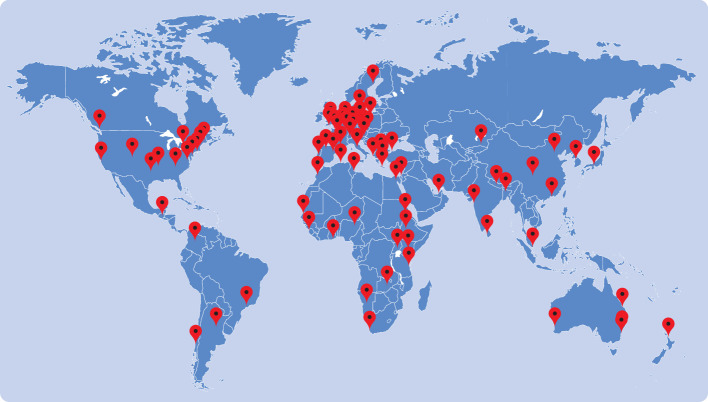
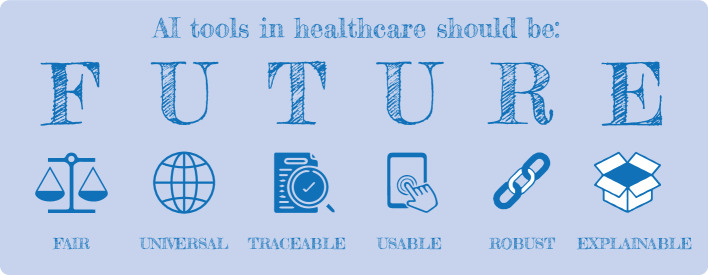
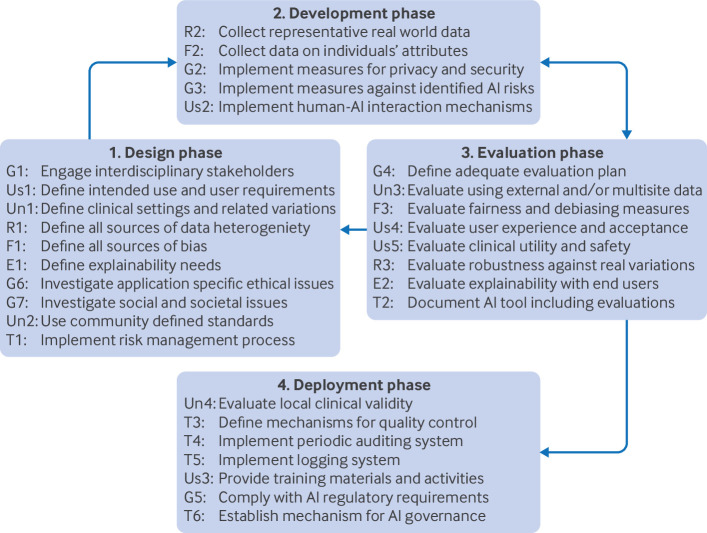
Despite major advances in artificial intelligence (AI) research for healthcare, the deployment and adoption of AI technologies remain limited in clinical practice. This paper describes the FUTURE-AI framework, which provides guidance for the development and deployment of trustworthy AI tools in healthcare. The FUTURE-AI Consortium was founded in 2021 and comprises 117 interdisciplinary experts from 50 countries representing all continents, including AI scientists, clinical researchers, biomedical ethicists, and social scientists. Over a two year period, the FUTURE-AI guideline was established through consensus based on six guiding principles—fairness, universality, traceability, usability, robustness, and explainability. To operationalise trustworthy AI in healthcare, a set of 30 best practices were defined, addressing technical, clinical, socioethical, and legal dimensions. The recommendations cover the entire lifecycle of healthcare AI, from design, development, and validation to regulation, deployment, and monitoring.
Overview
CoChat Summary
TL;DR
FUTURE-AI is an international consensus guideline for trustworthy and deployable healthcare AI, developed by 117 experts from 50 countries over 24 months. It defines six guiding principles—fairness, universality, traceability, usability, robustness, and explainability—and 30 best practices covering the full AI lifecycle.
Key findings
- The FUTURE-AI Consortium comprised 117 interdisciplinary experts from 50 countries representing all continents, including AI scientists, clinical researchers, biomedical ethicists, and social scientists.
- The guideline was established through a modified Delphi process over 24 months, with eight rounds of feedback and iterative discussion, resulting in 30 best practices across six guiding principles plus a “general” category.
- All final recommendations were approved with less than 5% disagreement among FUTURE-AI members; remaining disagreement mostly concerned whether recommendations should be “recommended” or “highly recommended” for research versus deployable tools.
- The framework distinguishes compliance levels for research/proof-of-concept AI tools versus deployable clinical AI tools, with higher expected compliance for deployable tools on many recommendations.
Methods
- International consensus guideline developed using a modified Delphi approach over 24 months, beginning with six core guiding principles and an initial set of recommendations.
- Eight rounds included working groups, an online survey, iterative written feedback, external feedback from 44 additional experts, online consensus meetings, and a final consensus vote.
- Results were aggregated quantitatively by analysing expert voting patterns and qualitatively by synthesising feedback and recurring themes; the final consortium consisted of 117 experts.
Limitations
- The paper states that implementation may involve substantial costs, potentially exacerbating disparities in AI adoption, especially for smaller developers and resource-limited health systems.
- The paper states that liability remains unaddressed, including who should perform audits and who should be accountable for errors, and that current regulations prevent post-release modifications because they would invalidate initial validation.
- The paper states that for some recommendations no clear standard yet exists, and that FUTURE-AI is proposed as a dynamic, living framework requiring future refinement and domain-specific operationalisation.
Model-written summary. Check it against the paper before relying on it.
Integrity signals
Registry
Cites
Statistics
Figures
Verification
Claims the paper makes
11 Valid · 0 Not valid · 10 Not checked · 42 Own results and interpretations
Every source the paper cites for this claim was checked and supports it.
In the paper
“Existing research has shown that even small, imperceptible variations in the input data might lead AI models into incorrect decisions.60”
§ FUTURE-AI: international consensus guideline for trustworthy and deployable artificial intelligence in healthcare > FUTURE-AI guideline > Robustness
What the sources say
- Supportedcites [60] Finlayson SG Bowers JD Ito J Zittrain JL Beam AL Kohane IS. Adversarial attacks on medical machine learning. Science 2019; 363: 1287- 9. 10.1126/science.aaw4399 30898923 PMC7657648 source
The opening passage says a small, carefully designed change to an input can cause a machine-learning system to reach a wrong conclusion. In “DEEP VULNERABILITIES,” the paper gives an example: a visually imperceptible image perturbation makes a classifier label a benign mole as malignant. The claim's tentative wording is consistent with this account of deliberately crafted changes. (LLM, conf=0.94)
hedgedstates a possible cause- Asserted: passes — The authors put it forward as true.
- Checkable: passes — It can be checked against evidence.
- Load-bearing: passes — The paper’s conclusions depend on it.
- Based: passes — The paper gives a reason why it holds.
- Supported
The cited sources support only part of this claim — read each source’s verdict below.
In the paper
“Bias in healthcare AI is application specific.32”
§ FUTURE-AI: international consensus guideline for trustworthy and deployable artificial intelligence in healthcare > FUTURE-AI guideline > Fairness
What the sources say
- Partly supportedcites [32] Ferryman K, Pitcan M. Fairness in Precision Medicine. Data & Society Research Institute. 2018. https://datasociety.net/library/fairness-in-precision-medicine/ sourceExperimental — accuracy not yet measured
The “Fairness in Precision Medicine” section says that bias can arise from human assumptions, automation, and different phases of data handling. That supports the idea that bias depends on how a system is developed and used, but the paper discusses precision medicine rather than establishing the claim for healthcare AI applications generally. No page number is available in our copy. (LLM, conf=0.75)
plain- Asserted: passes — The authors put it forward as true.
- Checkable: passes — It can be checked against evidence.
- Load-bearing: passes — The paper’s conclusions depend on it.
- Based: passes — The paper gives a reason why it holds.
- Partly supported
In the paper
“In particular, existing research has shown that AI tools in healthcare can be prone to errors and patient harm, biases and increased health inequalities, lack of transparency and accountability, as well as data privacy and security breaches.4 5 6 7 8”
§ FUTURE-AI: international consensus guideline for trustworthy and deployable artificial intelligence in healthcare > Introduction
What the sources say
- Not matchedcites 4 5 6 7 8
This doesn’t read as a citation we can look up.
plainstates a possible cause- Asserted: passes — The authors put it forward as true.
- Checkable: passes — It can be checked against evidence.
- Load-bearing: passes — The paper’s conclusions depend on it.
- Based: passes — The paper gives a reason why it holds.
- Not matched
In the paper
“However, there is an absence of clear, widely accepted guidelines on how healthcare AI tools should be designed, developed, evaluated, and deployed to be trustworthy—that is, technically robust, clinically safe, ethically sound, and legally compliant (see glossary in appendix table 1).9”
§ FUTURE-AI: international consensus guideline for trustworthy and deployable artificial intelligence in healthcare > Introduction
What the sources say
- Not matchedcites [9] High-Level Expert Group on AI, EU Commission. Ethics Guidelines For Trustworthy AI. 2019. https://www.europarl.europa.eu/cmsdata/196377/AI%20HLEG_Ethics%20Guidelines%20for%20Trustworthy%20AI.pdf
We searched by its title and found no matching paper.
plain- Asserted: passes — The authors put it forward as true.
- Checkable: passes — It can be checked against evidence.
- Load-bearing: passes — The paper’s conclusions depend on it.
- Based: passes — The paper gives a reason why it holds.
- Not matched
In the paper
“In particular, existing research has shown that AI tools in healthcare can be prone to errors and patient harm, biases and increased health inequalities, lack of transparency and accountability, as well as data privacy and security breaches.4 5 6 7 8”
§ FUTURE-AI: international consensus guideline for trustworthy and deployable artificial intelligence in healthcare > Introduction
What the sources say
- Not matchedcites 4 5 6 7 8
This doesn’t read as a citation we can look up.
plainstates a possible cause- Asserted: passes — The authors put it forward as true.
- Checkable: passes — It can be checked against evidence.
- Load-bearing: passes — The paper’s conclusions depend on it.
- Based: passes — The paper gives a reason why it holds.
- Not matched
3 more claims
Create a free account to see all 63 claims and to verify the 1 reference still open.
- Probably not a substantial claim. 48
- It may state two separate claims as one. 24
Claims other papers make about this one
Each is checked against this paper’s own text: does it say what the citing paper says it does?
The source backs part of the claim, not all of it — or backs it for a different population, condition or comparison.
In the citing paper
“First, many dimensions of trustworthiness-such as clinical appropriateness, fairness, and the usefulness of explanations-still rely heavily on human expert judgment (Lekadir et al., 2025).”
From Trustworthy Medical Question Answering: An Evaluation-Centric Survey (2025) · cites this paper as Lekadir et al., 2025
Experimental — accuracy not yet measuredThe check wasn’t confident either way, so it gives no verdict — never disputed.
In the citing paper
“Cancer-related mutations and chemical modifications can also alter these shapes.”
From Artificial Intelligence in Clinical Oncology: From Productivity Enhancement to Creative Discovery (2025) · cites this paper as [107]
Experimental — accuracy not yet measuredThe check wasn’t confident either way, so it gives no verdict — never disputed.
In the citing paper
“Drug binding often depends on motion, such as small shifts when a compound binds, long-range effects within the protein, hidden pockets that open and close, or changes when proteins form complexes.”
From Artificial Intelligence in Clinical Oncology: From Productivity Enhancement to Creative Discovery (2025) · cites this paper as [107]
Experimental — accuracy not yet measuredThe check wasn’t confident either way, so it gives no verdict — never disputed.
In the citing paper
“AlphaFold has been a breakthrough for drug discovery, including cancer therapeutics, but its limitations are well recognized [105,106,107,108].”
From Artificial Intelligence in Clinical Oncology: From Productivity Enhancement to Creative Discovery (2025) · cites this paper as [107]
Experimental — accuracy not yet measuredIn the citing paper
“It predicts a protein’s most stable shape; however, it does not model how the protein moves.”
From Artificial Intelligence in Clinical Oncology: From Productivity Enhancement to Creative Discovery (2025) · cites this paper as [107]
Citations
Cites
The FAIR Guiding Principles for scientific data management and stewardship
Wilkinson, M. D., Dumontier, M., Aalbersberg, I. J., Appleton, G., Axton, M., Baak, A., Blomberg, N., Boiten, J.-W., da Silva Santos, L. B., Bourne, P. E., et al. (2016) · Scientific Data · doi:10.1038/sdata.2016.18 · Cited by 18,423 · cited 1×
“AI in healthcare has unique properties compared with other domains, such as the special trust relation between doctors and patients, because patients themselves generally do not have the opportunity to objectively assess the diagnosis and treatment decisions of doctors.”
Sudlow, C., Gallacher, J., Allen, N., Beral, V., Burton, P., Danesh, J., Downey, P., Elliott, P., Green, J., Landray, M., et al. (2015) · PLOS Medicine · doi:10.1371/journal.pmed.1001779 · Cited by 12,728
High-performance medicine: the convergence of human and artificial intelligence
Topol, E. J. (2019) · Nature Medicine · doi:10.1038/s41591-018-0300-7 · Cited by 10,450
Heidenreich, P. A., Bozkurt, B., Aguilar, D., Allen, L. A., Byun, J. J., Colvin, M. M., Deswal, A., Drazner, M. H., Dunlay, S. M., Evers, L. R., et al. (2022) · Circulation · doi:10.1161/cir.0000000000001063 · Cited by 4,922
Collins, G. S., Moons, K. G. M., Dhiman, P., Riley, R. D., Beam, A. L., Van Calster, B., Ghassemi, M., Liu, X., Reitsma, J. B., van Smeden, M., et al. (2024) · BMJ · doi:10.1136/bmj-2023-078378 · Cited by 4,718
Self-citationThe Cancer Imaging Archive (TCIA): Maintaining and Operating a Public Information Repository
Clark, K., Vendt, B., Smith, K., Freymann, J., Kirby, J., Koppel, P., Moore, S., Phillips, S., Maffitt, D., Pringle, M., et al. (2013) · Journal of Digital Imaging · doi:10.1007/s10278-013-9622-7 · Cited by 4,599
Self-citationThe future of digital health with federated learning
Rieke, N., Hancox, J., Li, W., Milletarì, F., Roth, H. R., Albarqouni, S., Bakas, S., Galtier, M. N., Landman, B. A., Maier-Hein, K., et al. (2020) · npj Digital Medicine · doi:10.1038/s41746-020-00323-1 · Cited by 4,015
Self-citationThe Future of Digital Health with Federated Learning
Rieke, N., Hancox, J., Li, W., Milletari, F., Roth, H., Albarqouni, S., Bakas, S., Galtier, M. N., Landman, B., Maier-Hein, K., et al. (2020) · arXiv · doi:10.48550/arxiv.2003.08119 · Cited by 3,495
Self-citationKey challenges for delivering clinical impact with artificial intelligence
Kelly, C. J., Karthikesalingam, A., Suleyman, M., Corrado, G., & King, D. (2019) · BMC Medicine · doi:10.1186/s12916-019-1426-2 · Cited by 3,136
Explainable AI: a review of machine learning interpretability methods
Linardatos, P., Papastefanopoulos, V., & Kotsiantis, S. (2020) · Entropy · doi:10.3390/e23010018 · Cited by 2,922
Model Cards for Model Reporting
Mitchell, M., Wu, S., Zaldivar, A., Barnes, P., Vasserman, L., Hutchinson, B., Spitzer, E., Raji, I. D., & Gebru, T. (2019) · Proceedings of the Conference on Fairness, Accountability, and Transparency · doi:10.1145/3287560.3287596 · Cited by 2,681 · cited 1×
“This will increase transparency and accountability by providing detailed and continuous information on the AI tools during their lifetime to clinicians, healthcare organisations, citizens and patients, AI developers, and relevant authorities.”
A Survey on Explainable Artificial Intelligence (XAI): Toward Medical XAI
Tjoa, E., & Guan, C. (2021) · IEEE Transactions on Neural Networks and Learning Systems · doi:10.1109/tnnls.2020.3027314 · Cited by 2,524 · cited 1×
“60 Biomedical and health data can be subject to major variations in the real world (both expected and unexpected), which can affect the performance of AI tools.”
Gebru, T., Morgenstern, J., Vecchione, B., Vaughan, J. W., Wallach, H., Daumé, H., & Crawford, K. (2018) · arXiv · doi:10.48550/arxiv.1803.09010 · Cited by 2,474
Gebru, T., Morgenstern, J., Vecchione, B., Vaughan, J. W., Wallach, H., III, H. D., & Crawford, K. (2021) · Communications of the ACM · doi:10.1145/3458723 · Cited by 2,469 · cited 1×
“…(eg, hyperparameters), training and testing data, evaluation criteria and results, biases and other limitations, and periodic audits and updates 49-51 ; (c) a publication based on existing AI reporting the bmj | BMJ 2025;388:e081554 | doi: 10.1136/bmj-2024-081554 standards 13 15 52 ; and (d) a…”
InfluentialThe practical implementation of artificial intelligence technologies in medicine
He, J., Baxter, S. L., Xu, J., Xu, J., Zhou, X., & Zhang, K. (2019) · Nature Medicine · doi:10.1038/s41591-018-0307-0 · Cited by 2,246 · cited 4×
“Although it can be argued that the FAIR principles do not cover every aspect of data management because they focus more on findability, accessibility, interoperability, and reusability of the data, and less on privacy and security, they delivered a code of practice that is now widely accepted and applied.”
InfluentialExplainability for artificial intelligence in healthcare: a multidisciplinary perspective
the Precise4Q consortium, Amann, J., Blasimme, A., Vayena, E., Frey, D., & Madai, V. I. (2020) · BMC Medical Informatics and Decision Making · doi:10.1186/s12911-020-01332-6 · Cited by 2,203 · cited 1×
“67 It enables end users to interpret the AI model and outputs, understand the capacities and limitations of the AI tool, and intervene when necessary, such as to decide to use it or not.”
Breast imaging reporting and data system (BI-RADS)
Liberman, L., & Menell, J. H. (2002) · Radiologic Clinics of North America · doi:10.1016/s0033-8389(01)00017-3 · Cited by 2,155
The false hope of current approaches to explainable artificial intelligence in health care
Ghassemi, M., Oakden-Rayner, L., & Beam, A. L. (2021) · The Lancet Digital Health · doi:10.1016/s2589-7500(21)00208-9 · Cited by 1,724 · cited 2×
“68 Two recommendations for explainability are defined in the FUTURE-AI framework.”
Data augmentation for improving deep learning in image classification problem
Mikolajczyk, A., & Grochowski, M. (2018) · 2018 International Interdisciplinary PhD Workshop (IIPhDW) · doi:10.1109/iiphdw.2018.8388338 · Cited by 1,697 · cited 1×
“Additionally, it is important to show that the AI tool is safe and does not cause harm to individuals (or specific groups), such as through a randomised clinical trial.”
Bellamy, R. K. E., Dey, K., Hind, M., Hoffman, S. C., Houde, S., Kannan, K., Lohia, P., Martino, J., Mehta, S., Mojsilovic, A., et al. (2018) · arXiv · doi:10.48550/arxiv.1810.01943 · Cited by 1,581
Checklist for Artificial Intelligence in Medical Imaging (CLAIM): a guide for authors and reviewers
Mongan, J., Moy, L., & Kahn, C. E. (2020) · Radiology: Artificial Intelligence · doi:10.1148/ryai.2020200029 · Cited by 1,443 · cited 1×
“…data, evaluation criteria and results, biases and other limitations, and periodic audits and updates 49-51 ; (c) a publication based on existing AI reporting the bmj | BMJ 2025;388:e081554 | doi: 10.1136/bmj-2024-081554 standards 13 15 52 ; and (d) a risk management file (see traceability 1).”
InfluentialSelf-citationBakas, S., Reyes, M., Jakab, A., Bauer, S., Rempfler, M., Crimi, A., Shinohara, R. T., Berger, C., Ha, S. M., Rozycki, M., et al. (2018) · arXiv · doi:10.48550/arxiv.1811.02629 · Cited by 1,441
Self-citationBakas, S., Reyes, M., Jakab, A., Bauer, S., Rempfler, M., Crimi, A., Shinohara, R. T., Berger, C., Ha, S. M., Rozycki, M., et al. (2018) · Apollo - University of Cambridge Repository · doi:10.17863/cam.38755 · Cited by 1,441
Self-citationBig data and machine learning algorithms for health-care delivery
Ngiam, K. Y., & Khor, I. W. (2019) · The Lancet Oncology · doi:10.1016/s1470-2045(19)30149-4 · Cited by 1,424 · cited 1×
“To facilitate adoption, the usability of the AI tool within the local clinical workflows should be evaluated in real world settings with representative and diverse end users (eg, with respect to sex, gender, age, clinical role, digital proficiency, and disability).”
Leakage and the reproducibility crisis in machine-learning-based science
Kapoor, S., & Narayanan, A. (2023) · Patterns · doi:10.1016/j.patter.2023.100804 · Cited by 1,387
Harmonization of multi-site diffusion tensor imaging data
Fortin, J.-P., Parker, D., Tunç, B., Watanabe, T., Elliott, M. A., Ruparel, K., Roalf, D. R., Satterthwaite, T. D., Gur, R. C., Gur, R. E., et al. (2017) · NeuroImage · doi:10.1016/j.neuroimage.2017.08.047 · Cited by 1,261
Nagendran, M., Chen, Y., Lovejoy, C. A., Gordon, A. C., Komorowski, M., Harvey, H., Topol, E. J., Ioannidis, J. P. A., Collins, G. S., & Maruthappu, M. (2020) · BMJ · doi:10.1136/bmj.m689 · Cited by 1,152
Adversarial attacks on medical machine learning
Finlayson, S. G., Bowers, J. D., Ito, J., Zittrain, J. L., Beam, A. L., & Kohane, I. S. (2019) · Science · doi:10.1126/science.aaw4399 · Cited by 1,088 · cited 2×
“60”
Privacy and artificial intelligence: challenges for protecting health information in a new era
Murdoch, B. (2021) · BMC Medical Ethics · doi:10.1186/s12910-021-00687-3 · Cited by 991 · cited 1×
“For example, the FAIR guideline 10 for data management has been widely adopted by researchers, organisations, and authorities, as the principles provide a structured framework for standardising and enhancing the tasks of data collection, curation, organisation, and storage.”
Checklist for Artificial Intelligence in Medical Imaging (CLAIM): 2024 Update
Tejani, A. S., Klontzas, M. E., Gatti, A. A., Mongan, J. T., Moy, L., Park, S. H., Kahn, C. E., Panel, F. T. C. 2. U., Abbara, S., Afat, S., et al. (2024) · Radiology: Artificial Intelligence · doi:10.1148/ryai.240300 · Cited by 986
Self-citationTransfer learning for medical image classification: a literature review
Kim, H. E., Cosa-Linan, A., Santhanam, N., Jannesari, M., Maros, M. E., & Ganslandt, T. (2022) · BMC Medical Imaging · doi:10.1186/s12880-022-00793-7 · Cited by 965
Artificial intelligence, bias and clinical safety
Challen, R., Denny, J., Pitt, M., Gompels, L., Edwards, T., & Tsaneva-Atanasova, K. (2019) · BMJ Quality & Safety · doi:10.1136/bmjqs-2018-008370 · Cited by 956 · cited 1×
“For example, the FAIR guideline 10 for data management has been widely adopted by researchers, organisations, and authorities, as the principles provide a structured framework for standardising and enhancing the tasks of data collection, curation, organisation, and storage.”
Park, S. H., & Han, K. (2018) · Radiology · doi:10.1148/radiol.2017171920 · Cited by 894 · cited 1×
“Initial efforts have focused on providing recommendations for the reporting of AI studies for different medical domains or clinical tasks (eg, TRIPOD+AI, 11 CLAIM, 12 CONSORT-AI, 13 DECIDE-AI, 14 PROBAST-AI, 15 CLEAR 16 ).”
Data augmentation: A comprehensive survey of modern approaches
Mumuni, A., & Mumuni, F. (2022) · Array · doi:10.1016/j.array.2022.100258 · Cited by 891
AI Fairness 360: An extensible toolkit for detecting and mitigating algorithmic bias
Bellamy, R. K. E., Dey, K., Hind, M., Hoffman, S. C., Houde, S., Kannan, K., Lohia, P., Martino, J., Mehta, S., Mojsilović, A., et al. (2019) · IBM Journal of Research and Development · doi:10.1147/jrd.2019.2942287 · Cited by 884
Collins, G. S., Dhiman, P., Andaur Navarro, C. L., Ma, J., Hooft, L., Reitsma, J. B., Logullo, P., Beam, A. L., Peng, L., Van Calster, B., et al. (2021) · BMJ Open · doi:10.1136/bmjopen-2020-048008 · Cited by 852 · cited 1×
“AI traceability will also enable continuous auditing of AI models, 47 identify risks and limitations, and update the AI models when needed.”
A Multidisciplinary Survey and Framework for Design and Evaluation of Explainable AI Systems
Mohseni, S., Zarei, N., & Ragan, E. D. (2021) · ACM Transactions on Interactive Intelligent Systems · doi:10.1145/3387166 · Cited by 785 · cited 1×
“72 The evaluations should also identify any limitations of the AI explanations (eg, they are clinically incoherent 73 or sensitive to noise or adversarial attacks, 74 they unreasonably increase the confidence in the AI generated results 75 ).”
A Multidisciplinary Survey and Framework for Design and Evaluation of Explainable AI Systems
Mohseni, S., Zarei, N., & Ragan, E. D. (2018) · arXiv · doi:10.48550/arxiv.1811.11839 · Cited by 783
Interpretation of Neural Networks Is Fragile
Ghorbani, A., Abid, A., & Zou, J. (2019) · Proceedings of the AAAI Conference on Artificial Intelligence · doi:10.1609/aaai.v33i01.33013681 · Cited by 765 · cited 1×
“72 The evaluations should also identify any limitations of the AI explanations (eg, they are clinically incoherent 73 or sensitive to noise or adversarial attacks, 74 they unreasonably increase the confidence in the AI generated results 75 ).”
Liu, X., Rivera, S. C., Moher, D., Calvert, M. J., & Denniston, A. K. (2020) · BMJ · doi:10.1136/bmj.m3164 · Cited by 702
Vasey, B., Nagendran, M., Campbell, B., Clifton, D. A., Collins, G. S., Denaxas, S., Denniston, A. K., Faes, L., Geerts, B., Ibrahim, M., et al. (2022) · BMJ · doi:10.1136/bmj-2022-070904 · Cited by 665 · cited 1×
“Compared with chat assistants and synthetic image generators that receive increased public interaction, healthcare is a more sensitive domain where errors can have major consequences.”
Machine learning for medical imaging: methodological failures and recommendations for the future
Varoquaux, G., & Cheplygina, V. (2022) · npj Digital Medicine · doi:10.1038/s41746-022-00592-y · Cited by 656
AI for radiographic COVID-19 detection selects shortcuts over signal
DeGrave, A. J., Janizek, J. D., & Lee, S.-I. (2021) · Nature Machine Intelligence · doi:10.1038/s42256-021-00338-7 · Cited by 631 · cited 1×
“72 The evaluations should also identify any limitations of the AI explanations (eg, they are clinically incoherent 73 or sensitive to noise or adversarial attacks, 74 they unreasonably increase the confidence in the AI generated results 75 ).”
Fairness of artificial intelligence in healthcare: review and recommendations
Ueda, D., Kakinuma, T., Fujita, S., Kamagata, K., Fushimi, Y., Ito, R., Matsui, Y., Nozaki, T., Nakaura, T., Fujima, N., et al. (2024) · Japanese Journal of Radiology · doi:10.1007/s11604-023-01474-3 · Cited by 607
Notions of explainability and evaluation approaches for explainable artificial intelligence
Vilone, G., & Longo, L. (2021) · Information Fusion · doi:10.1016/j.inffus.2021.05.009 · Cited by 598
Nauta, M., Trienes, J., Pathak, S., Nguyen, E., Peters, M., Schmitt, Y., Schlötterer, J., van Keulen, M., & Seifert, C. (2023) · ACM Computing Surveys · doi:10.1145/3583558 · Cited by 590
Privacy-preserving artificial intelligence in healthcare: Techniques and applications
Khalid, N., Qayyum, A., Bilal, M., Al-Fuqaha, A., & Qadir, J. (2023) · Computers in Biology and Medicine · doi:10.1016/j.compbiomed.2023.106848 · Cited by 581
Sources of bias in artificial intelligence that perpetuate healthcare disparities—A global review
Celi, L. A., Cellini, J., Charpignon, M.-L., Dee, E. C., Dernoncourt, F., Eber, R., Mitchell, W. G., Moukheiber, L., Schirmer, J., Situ, J., et al. (2022) · PLOS Digital Health · doi:10.1371/journal.pdig.0000022 · Cited by 576 · cited 1×
“For example, the FAIR guideline 10 for data management has been widely adopted by researchers, organisations, and authorities, as the principles provide a structured framework for standardising and enhancing the tasks of data collection, curation, organisation, and storage.”
Wiley StatsRef: Statistics Reference Online
Özkale, M. (2016) · doi:10.1002/9781118445112.stat02204.pub2/abstract · Cited by 569
Ali, O., Abdelbaki, W., Shrestha, A., Elbasi, E., Alryalat, M. A. A., & Dwivedi, Y. K. (2023) · Journal of Innovation & Knowledge · doi:10.1016/j.jik.2023.100333 · Cited by 568
Towards a standard for identifying and managing bias in artificial intelligence
Schwartz, R., Vassilev, A., Greene, K., Perine, L., Burt, A., & Hall, P. (2022) · doi:10.6028/nist.sp.1270 · Cited by 548
Transparency and reproducibility in artificial intelligence
Haibe-Kains, B., Adam, G. A., Hosny, A., Khodakarami, F., Massive Analysis Quality Control (MAQC) Society Board of Directors, Shraddha, T., Kusko, R., Sansone, S.-A., Tong, W., Wolfinger, R. D., et al. (2020) · Nature · doi:10.1038/s41586-020-2766-y · Cited by 540
Second opinion needed: Communicating uncertainty in medical machine learning
Kompa, B., Snoek, J., & Beam, A. L. (2021) · npj Digital Medicine · doi:10.1038/s41746-020-00367-3 · Cited by 514 · cited 1×
“…health organisations, and regulators about the AI model’s properties (eg, hyperparameters), training and testing data, evaluation criteria and results, biases and other limitations, and periodic audits and updates 49-51 ; (c) a publication based on existing AI reporting the bmj | BMJ…”
de Hond, A. A. H., Leeuwenberg, A. M., Hooft, L., Kant, I. M. J., Nijman, S. W. J., van Os, H. J. A., Aardoom, J. J., Debray, T. P. A., Schuit, E., van Smeden, M., et al. (2022) · npj Digital Medicine · doi:10.1038/s41746-021-00549-7 · Cited by 499
Vollmer, S., Mateen, B. A., Bohner, G., Király, F. J., Ghani, R., Jonsson, P., Cumbers, S., Jonas, A., McAllister, K. S. L., Myles, P., et al. (2020) · BMJ · doi:10.1136/bmj.l6927 · Cited by 497 · cited 1×
“9 To have a real impact at scale, such guidelines for responsible and trustworthy AI must be obtained through wide consensus involving international and interdisciplinary experts.”
Self-citationMulti-Centre, Multi-Vendor and Multi-Disease Cardiac Segmentation: The M&Ms Challenge
Campello, V. M., Gkontra, P., Izquierdo, C., Martin-Isla, C., Sojoudi, A., Full, P. M., Maier-Hein, K., Zhang, Y., He, Z., Ma, J., et al. (2021) · IEEE Transactions on Medical Imaging · doi:10.1109/tmi.2021.3090082 · Cited by 481
Self-citationKocak, B., Baessler, B., Bakas, S., Cuocolo, R., Fedorov, A., Maier-Hein, L., Mercaldo, N., Müller, H., Orlhac, F., Pinto dos Santos, D., et al. (2023) · Insights into Imaging · doi:10.1186/s13244-023-01415-8 · Cited by 471 · cited 1×
“Compared with chat assistants and synthetic image generators that receive increased public interaction, healthcare is a more sensitive domain where errors can have major consequences.”
Self-citationMetrics reloaded: recommendations for image analysis validation
Maier-Hein, L., Reinke, A., Godau, P., Tizabi, M. D., Buettner, F., Christodoulou, E., Glocker, B., Isensee, F., Kleesiek, J., Kozubek, M., et al. (2024) · Nature Methods · doi:10.1038/s41592-023-02151-z · Cited by 470 · cited 2×
“21 41-44”
Self-citationArtificial intelligence for good health: a scoping review of the ethics literature.
Murphy, K., Di Ruggiero, E., Upshur, R., Willison, D. J., Malhotra, N., Cai, J. C., Malhotra, N., Lui, V., & Gibson, J. (2021) · BMC Medical Ethics · doi:10.1186/s12910-021-00577-8 · Cited by 435
Usability – Context, framework, definition, design and evaluation
Shackel, B. (2009) · Interacting with Computers · doi:10.1016/j.intcom.2009.04.007 · Cited by 434
FactSheets: Increasing trust in AI services through supplier's declarations of conformity
Arnold, M., Bellamy, R. K. E., Hind, M., Houde, S., Mehta, S., Mojsilović, A., Nair, R., Ramamurthy, K. N., Olteanu, A., Piorkowski, D., et al. (2019) · IBM Journal of Research and Development · doi:10.1147/jrd.2019.2942288 · Cited by 434 · cited 1×
“This will increase transparency and accountability by providing detailed and continuous information on the AI tools during their lifetime to clinicians, healthcare organisations, citizens and patients, AI developers, and relevant authorities.”
Feng, J., Phillips, R. V., Malenica, I., Bishara, A., Hubbard, A. E., Celi, L. A., & Pirracchio, R. (2022) · npj Digital Medicine · doi:10.1038/s41746-022-00611-y · Cited by 423 · cited 2×
“For quality control of the AI decisions, uncertainty estimates should be provided (and calibrated 53 ) to inform the end users about the degree of confidence in the results.”
InfluentialExplanations Can Reduce Overreliance on AI Systems During Decision-Making
Vasconcelos, H., Jörke, M., Grunde-McLaughlin, M., Gerstenberg, T., Bernstein, M. S., & Krishna, R. (2023) · Proceedings of the ACM on Human-Computer Interaction · doi:10.1145/3579605 · Cited by 402
Harnessing the power of synthetic data in healthcare: innovation, application, and privacy
Giuffrè, M., & Shung, D. L. (2023) · npj Digital Medicine · doi:10.1038/s41746-023-00927-3 · Cited by 392
Low‐field MRI: Clinical promise and challenges
Arnold, T. C., Freeman, C. W., Litt, B., & Stein, J. M. (2023) · Journal of Magnetic Resonance Imaging · doi:10.1002/jmri.28408 · Cited by 374
Artificial Intelligence Versus Clinicians in Disease Diagnosis: Systematic Review
Shen, J., Zhang, C. J. P., Jiang, B., Chen, J., Song, J., Liu, Z., He, Z., Wong, S. Y., Fang, P.-H., & Ming, W.-K. (2019) · JMIR Medical Informatics · doi:10.2196/10010 · Cited by 373
Economics of artificial intelligence in healthcare: Diagnosis vs. treatment
Khanna, N. N., Maindarkar, M. A., Viswanathan, V., Fernandes, J. F. E., Paul, S., Bhagawati, M., Ahluwalia, P., Ruzsa, Z., Sharma, A., Kolluri, R., et al. (2022) · Healthcare · doi:10.3390/healthcare10122493 · Cited by 347
Han, R., Acosta, J. N., Shakeri, Z., Ioannidis, J. P. A., Topol, E. J., & Rajpurkar, P. (2024) · The Lancet Digital Health · doi:10.1016/s2589-7500(24)00047-5 · Cited by 336
We Agree, Don’t We? The Delphi Method for Health Environments Research
Taylor, E. (2020) · HERD: Health Environments Research & Design Journal · doi:10.1177/1937586719887709 · Cited by 316
A comprehensive survey on regularization strategies in machine learning
Tian, Y., & Zhang, Y. (2022) · Information Fusion · doi:10.1016/j.inffus.2021.11.005 · Cited by 298 · cited 1×
“Additionally, it is important to show that the AI tool is safe and does not cause harm to individuals (or specific groups), such as through a randomised clinical trial.”
A Transfer Learning Approach for Early Diagnosis of Alzheimer’s Disease on MRI Images
Mehmood, A., Yang, S., Feng, Z., Wang, M., Ahmad, A. S., Khan, R., Maqsood, M., & Yaqub, M. (2021) · Neuroscience · doi:10.1016/j.neuroscience.2021.01.002 · Cited by 292
Cabitza, F., Campagner, A., Soares, F., García de Guadiana-Romualdo, L., Challa, F., Sulejmani, A., Seghezzi, M., & Carobene, A. (2021) · Computer Methods and Programs in Biomedicine · doi:10.1016/j.cmpb.2021.106288 · Cited by 284 · cited 1×
“45 These might include reference or benchmarking datasets that are representative for the task in question (ie, approximating the expected real world variations).”
DOME: recommendations for supervised machine learning validation in biology
Walsh, I., Fishman, D., Garcia-Gasulla, D., Titma, T., Pollastri, G., ELIXIR Machine Learning Focus Group, Capriotti, E., Casadio, R., Capella-Gutierrez, S., Cirillo, D., et al. (2021) · Nature Methods · doi:10.1038/s41592-021-01205-4 · Cited by 282
In silico clinical trials: concepts and early adoptions
Pappalardo, F., Russo, G., Tshinanu, F. M., & Viceconti, M. (2019) · Briefings in Bioinformatics · doi:10.1093/bib/bby043 · Cited by 279
Data drift in medical machine learning: implications and potential remedies
Sahiner, B., Chen, W., Samala, R. K., & Petrick, N. (2023) · The British Journal of Radiology · doi:10.1259/bjr.20220878 · Cited by 279 · cited 1×
“For quality control of the AI decisions, uncertainty estimates should be provided (and calibrated 53 ) to inform the end users about the degree of confidence in the results.”
Mitigating bias in machine learning for medicine
Vokinger, K. N., Feuerriegel, S., & Kesselheim, A. S. (2021) · Communications Medicine · doi:10.1038/s43856-021-00028-w · Cited by 269 · cited 1×
“31 35 To correct for any identified biases, mitigation measures should be tested, such as data resampling, bias free representations, and equalised odds postprocessing, 36-40 to verify their impact on both the tool’s fairness and the model’s accuracy.”
Liu, X., Glocker, B., McCradden, M. M., Ghassemi, M., Denniston, A. K., & Oakden-Rayner, L. (2022) · The Lancet Digital Health · doi:10.1016/s2589-7500(22)00003-6 · Cited by 266
Self-citationPleiss, G., Raghavan, M., Wu, F., Kleinberg, J. M., & Weinberger, K. Q. (2017) · arXiv (Cornell University) · doi:10.48550/arxiv.1709.02012 · Cited by 263
Designing eHealth that Matters via a Multidisciplinary Requirements Development Approach
Van Velsen, L., Wentzel, J., & Van Gemert-Pijnen, J. E. (2013) · JMIR Research Protocols · doi:10.2196/resprot.2547 · Cited by 262
Carbontracker: Tracking and Predicting the Carbon Footprint of Training Deep Learning Models
Anthony, L. F. W., Kanding, B., & Selvan, R. (2020) · arXiv · doi:10.48550/arxiv.2007.03051 · Cited by 255
Clinical applications of continual learning machine learning
Lee, C. S., & Lee, A. Y. (2020) · The Lancet Digital Health · doi:10.1016/s2589-7500(20)30102-3 · Cited by 254
Haque, A. B., Islam, A. K. M. N., & Mikalef, P. (2023) · Technological Forecasting and Social Change · doi:10.1016/j.techfore.2022.122120 · Cited by 240
Seoni, S., Jahmunah, V., Salvi, M., Barua, P. D., Molinari, F., & Acharya, U. R. (2023) · Computers in Biology and Medicine · doi:10.1016/j.compbiomed.2023.107441 · Cited by 239
Continuous Learning AI in Radiology: Implementation Principles and Early Applications
Pianykh, O. S., Langs, G., Dewey, M., Enzmann, D. R., Herold, C. J., Schoenberg, S. O., & Brink, J. A. (2020) · Radiology · doi:10.1148/radiol.2020200038 · Cited by 237
How does artificial intelligence in radiology improve efficiency and health outcomes?
van Leeuwen, K. G., de Rooij, M., Schalekamp, S., van Ginneken, B., & Rutten, M. J. C. M. (2022) · Pediatric Radiology · doi:10.1007/s00247-021-05114-8 · Cited by 236
Evaluation framework to guide implementation of AI systems into healthcare settings
Reddy, S., Rogers, W., Makinen, V.-P., Coiera, E., Brown, P., Wenzel, M., Weicken, E., Ansari, S., Mathur, P., Casey, A., et al. (2021) · BMJ Health & Care Informatics · doi:10.1136/bmjhci-2021-100444 · Cited by 230 · cited 1×
“Initial efforts have focused on providing recommendations for the reporting of AI studies for different medical domains or clinical tasks (eg, TRIPOD+AI, 11 CLAIM, 12 CONSORT-AI, 13 DECIDE-AI, 14 PROBAST-AI, 15 CLEAR 16 ).”
Self-citationThe application of artificial intelligence in auditing: Looking back to the future
Omoteso, K. (2012) · Expert Systems with Applications · doi:10.1016/j.eswa.2012.01.098 · Cited by 222
Practical Guidance for Involving Stakeholders in Health Research
for the Multi Stakeholder Engagement (MuSE) Consortium, Concannon, T. W., Grant, S., Welch, V., Petkovic, J., Selby, J., Crowe, S., Synnot, A., Greer-Smith, R., Mayo-Wilson, E., et al. (2019) · Journal of General Internal Medicine · doi:10.1007/s11606-018-4738-6 · Cited by 220
Halvorsrud, K., Kucharska, J., Adlington, K., Rüdell, K., Brown Hajdukova, E., Nazroo, J., Haarmans, M., Rhodes, J., & Bhui, K. (2021) · Journal of Public Health · doi:10.1093/pubmed/fdz126 · Cited by 220
Voulgaridis, K., Λάγκας, Θ., Angelopoulos, C. M., Boulogeorgos, A. A., Argyriou, V., & Sarigiannidis, P. G. (2024) · Telecommunication Systems · doi:10.1007/s11235-024-01104-x · Cited by 212
Larson, D. B., Harvey, H., Rubin, D. L., Irani, N., Tse, J. R., & Langlotz, C. P. (2021) · Journal of the American College of Radiology · doi:10.1016/j.jacr.2020.09.060 · Cited by 198 · cited 3×
“17 26 Human-in-the-loop mechanisms should be designed and implemented to perform specific quality checks (eg, to flag biases, errors, or implausible explanations), and to overrule the AI predictions when necessary.”
Self-citationHuang, S., Lai, X., Ke, L., Li, Y., Wang, H., Zhao, X., Dai, X., & Wang, Y. (2024) · Psychology Research and Behavior Management · doi:10.2147/prbm.s440889 · Cited by 196
Embedded ethics: a proposal for integrating ethics into the development of medical AI
McLennan, S., Fiske, A., Tigard, D., Müller, R., Haddadin, S., & Buyx, A. (2022) · BMC Medical Ethics · doi:10.1186/s12910-022-00746-3 · Cited by 195 · cited 1×
“72 The evaluations should also identify any limitations of the AI explanations (eg, they are clinically incoherent 73 or sensitive to noise or adversarial attacks, 74 they unreasonably increase the confidence in the AI generated results 75 ).”
Synthesize Then Compare: Detecting Failures and Anomalies for Semantic Segmentation
Xia, Y., Zhang, Y., Liu, F., Shen, W., & Yuille, A. (2020) · Lecture notes in computer science · doi:10.1007/978-3-030-58452-8_9 · Cited by 193
Recent Developments in Clinical Terminologies — SNOMED CT, LOINC, and RxNorm
Bodenreider, O., Cornet, R., & Vreeman, D. (2018) · Yearbook of Medical Informatics · doi:10.1055/s-0038-1667077 · Cited by 192 · cited 1×
“…the clinical settings in which the AI tool will be applied (eg, primary healthcare centres, hospitals, home care, low versus high resource settings, one or several countries), and anticipate potential obstacles to universality (eg, differences in end users, clinical definitions, medical equipment…”
Adversarial attacks and defenses on AI in medical imaging informatics: A survey
Kaviani, S., Han, K. J., & Sohn, I. (2022) · Expert Systems with Applications · doi:10.1016/j.eswa.2022.116815 · Cited by 184 · cited 1×
“76 General 3: Implement measures to address AI risks At the development stage, the development team should define an AI modelling plan that is aligned with the application specific requirements.”
CLEVR-XAI: A benchmark dataset for the ground truth evaluation of neural network explanations
Arras, L., Osman, A., & Samek, W. (2022) · Information Fusion · doi:10.1016/j.inffus.2021.11.008 · Cited by 179 · cited 1×
“At the design phase, the development team should first define robustness requirements for the AI tool in question by making an inventory of the sources of variation that might affect the AI tool’s robustness in the real world.”
Hajesmaeel-Gohari, S., Khordastan, F., Fatehi, F., Samzadeh, H., & Bahaadinbeigy, K. (2022) · BMC Medical Informatics and Decision Making · doi:10.1186/s12911-022-01764-2 · Cited by 167
Davis, S., Simpson, E., Hamilton, J., James, M. M.-S., Rawdin, A., Wong, R., Goka, E., Gittoes, N., & Selby, P. (2020) · Health Technology Assessment · doi:10.3310/hta24290 · Cited by 164
Operationalising ethics in artificial intelligence for healthcare: a framework for AI developers
Solanki, P., Grundy, J., & Hussain, W. (2023) · AI and Ethics · doi:10.1007/s43681-022-00195-z · Cited by 157
Cost-effectiveness of Artificial Intelligence for Proximal Caries Detection
Schwendicke, F., Rossi, J. G., Göstemeyer, G., Elhennawy, K., Cantu, A. G., Gaudin, R., Chaurasia, A., Gehrung, S., & Krois, J. (2021) · Journal of Dental Research · doi:10.1177/0022034520972335 · Cited by 152
Nan, Y., Ser, J. D., Walsh, S., Schönlieb, C., Roberts, M., Selby, I., Howard, K., Owen, J., Neville, J., Guiot, J., et al. (2022) · Information Fusion · doi:10.1016/j.inffus.2022.01.001 · Cited by 152
Self-citationMitigating Bias in Radiology Machine Learning: 1. Data Handling
Rouzrokh, P., Khosravi, B., Faghani, S., Moassefi, M., Vera Garcia, D. V., Singh, Y., Zhang, K., Conte, G. M., & Erickson, B. J. (2022) · Radiology: Artificial Intelligence · doi:10.1148/ryai.210290 · Cited by 145 · cited 1×
“31 35 To correct for any identified biases, mitigation measures should be tested, such as data resampling, bias free representations, and equalised odds postprocessing, 36-40 to verify their impact on both the tool’s fairness and the model’s accuracy.”
Human Factors Challenges for the Safe Use of Artificial Intelligence in Patient Care
Sujan, M., Furniss, D., Grundy, K., Grundy, H., Nelson, D., Elliott, M., White, S., Habli, I., & Reynolds, N. (2019) · BMJ Health & Care Informatics · doi:10.1136/bmjhci-2019-100081 · Cited by 144 · cited 2×
“…managers, administrators) from an early stage to compile information on the AI tool’s intended use and end user requirements (eg, human-AI interfaces), as well as on human factors that might affect the usage of the AI tool 57 (eg, digital literacy level, age group, ergonomics, automation bias).”
Bogina, V., Hartman, A., Kuflik, T., & Shulner-Tal, A. (2022) · International Journal of Artificial Intelligence in Education · doi:10.1007/s40593-021-00248-0 · Cited by 142
Societal Issues Concerning the Application of Artificial Intelligence in Medicine
Vellido, A. (2019) · Kidney Diseases · doi:10.1159/000492428 · Cited by 133
Linardos, A., Kushibar, K., Walsh, S., Gkontra, P., & Lekadir, K. (2022) · Scientific Reports · doi:10.1038/s41598-022-07186-4 · Cited by 130
Self-citationImproving the repeatability of deep learning models with Monte Carlo dropout
Lemay, A., Hoebel, K., Bridge, C. P., Befano, B., de Sanjosé, S., Egemen, D., Rodríguez, A. C., SCHIFFMAN, M. H., Campbell, J. P., & Kalpathy–Cramer, J. (2022) · npj Digital Medicine · doi:10.1038/s41746-022-00709-3 · Cited by 129 · cited 1×
“Evaluation studies should be implemented to evaluate the AI tool’s robustness (eg, stress tests, repeatability tests 62 ) under conditions that reflect the variations of real world clinical practice.”
Self-citationA large-scale multicenter breast cancer DCE-MRI benchmark dataset with expert segmentations
Garrucho, L., Kushibar, K., Reidel, C.-A., Joshi, S., Osuala, R. O., Tsirikoglou, A., Bobowicz, M., del Riego, J., Catanese, A., Gwoździewicz, K., et al. (2025) · Scientific Data · doi:10.1038/s41597-025-04707-4 · Cited by 128
Self-citationZhou, Q., Chen, Z.-H., Cao, Y.-H., & Peng, S. (2021) · npj Digital Medicine · doi:10.1038/s41746-021-00524-2 · Cited by 126 · cited 1×
“59”
Schiller, C., Winters, M., Hanson, H. M., & Ashe, M. C. (2013) · BMC Public Health · doi:10.1186/1471-2458-13-428 · Cited by 124
Guo, L. N., Lee, M. S., Kassamali, B., Mita, C., & Nambudiri, V. E. (2022) · Journal of the American Academy of Dermatology · doi:10.1016/j.jaad.2021.06.884 · Cited by 122
Defining AMIA’s artificial intelligence principles
Solomonides, A. E., Koski, E., Atabaki, S. M., Weinberg, S., McGreevey, J. D., Kannry, J. L., Petersen, C., & Lehmann, C. U. (2022) · Journal of the American Medical Informatics Association · doi:10.1093/jamia/ocac006 · Cited by 121 · cited 1×
“29 30 Throughout the following rounds, the literature review was iteratively expanded based on the advice by experts and widening of the scope, see round 3.”
Deep transfer learning for reducing health care disparities arising from biomedical data inequality
Gao, Y., & Cui, Y. (2020) · Nature Communications · doi:10.1038/s41467-020-18918-3 · Cited by 120
Mertes, S., Huber, T., Weitz, K., Heimerl, A., & André, E. (2022) · Frontiers in Artificial Intelligence · doi:10.3389/frai.2022.825565 · Cited by 119
Hedström, A., Weber, L., Bareeva, D., Krakowczyk, D., Motzkus, F., Samek, W., Lapuschkin, S., & Höhne, M. M. C. (2022) · arXiv · doi:10.48550/arxiv.2202.06861 · Cited by 116 · cited 1×
“After their implementation, the selected approaches for explainability should be evaluated, both quantitatively using in silico methods [34], as well qualitatively with end-users to assess their impact on the user’s satisfaction and performance (Explainability 2).”
McGreevey, J. D., Hanson, C. W., & Koppel, R. (2020) · JAMA · doi:10.1001/jama.2020.2724 · Cited by 112 · cited 1×
“29 30 Throughout the following rounds, the literature review was iteratively expanded based on the advice by experts and widening of the scope, see round 3.”
Alsaleh, M. M., Allery, F., Choi, J. W., Hama, T., McQuillin, A., Wu, H., & Thygesen, J. H. (2023) · International Journal of Medical Informatics · doi:10.1016/j.ijmedinf.2023.105088 · Cited by 112
Grime, M. M., & Wright, G. (2016) · Wiley StatsRef: Statistics Reference Online · doi:10.1002/9781118445112.stat07879 · Cited by 112
Targeted validation: validating clinical prediction models in their intended population and setting
Sperrin, M., Riley, R. D., Collins, G. S., & Martin, G. P. (2022) · Diagnostic and Prognostic Research · doi:10.1186/s41512-022-00136-8 · Cited by 108 · cited 2×
“These might include clinical definitions of diseases by medical societies, medical ontologies (eg, Systematized Nomenclature of Medicine Clinical Terms (SNOMED CT) 41 ), data models (eg, Observational Medical Outcomes Partnership (OMOP) 42 ), interface standards (eg, Digital Imaging and Communications in Medicine (DIC…”
Self-citationMalik, H., Farooq, M. S., Khelifi, A., Abid, A., Nasir Qureshi, J., & Hussain, M. (2020) · IEEE Access · doi:10.1109/access.2020.3004766 · Cited by 104
Nuclear Medicine and Artificial Intelligence: Best Practices for Algorithm Development
Bradshaw, T. J., Boellaard, R., Dutta, J., Jha, A. K., Jacobs, P., Li, Q., Liu, C., Sitek, A., Saboury, B., Scott, P. J. H., et al. (2022) · Journal of Nuclear Medicine · doi:10.2967/jnumed.121.262567 · Cited by 94 · cited 1×
“Initial efforts have focused on providing recommendations for the reporting of AI studies for different medical domains or clinical tasks (eg, TRIPOD+AI, 11 CLAIM, 12 CONSORT-AI, 13 DECIDE-AI, 14 PROBAST-AI, 15 CLEAR 16 ).”
Self-citationFairness in Precision Medicine
Ferryman, K. (2018) · doi:10.69985/tbql1779 · Cited by 94 · cited 1×
“32 At the design phase, the interdisciplinary AI development team (see glossary) should identify possible types and sources of bias for their AI tool.”
Deskilling, Upskilling, and Reskilling: a Case for Hybrid Intelligence
Rafner, J., Dellermann, D., Hjorth, A., Verasztó, D., Kampf, C., Mackay, W., & Sherson, J. (2021) · Morals & Machines · doi:10.5771/2747-5174-2021-2-24 · Cited by 87 · cited 1×
“Finally, seven general recommendations are defined in the FUTURE-AI framework, which apply across all principles of trustworthy AI in healthcare.”
The importance of resource awareness in artificial intelligence for healthcare
Jia, Z., Chen, J., Xu, X., Kheir, J., Hu, J., Xiao, H., Peng, S., Hu, X. S., Chen, D., & Shi, Y. (2023) · Nature Machine Intelligence · doi:10.1038/s42256-023-00670-0 · Cited by 86
Mitigating Bias in Radiology Machine Learning: 2. Model Development
Zhang, K., Khosravi, B., Vahdati, S., Faghani, S., Nugen, F., Rassoulinejad-Mousavi, S. M., Moassefi, M., Jagtap, J. M. M., Singh, Y., Rouzrokh, P., et al. (2022) · Radiology: Artificial Intelligence · doi:10.1148/ryai.220010 · Cited by 82 · cited 1×
“31 35 To correct for any identified biases, mitigation measures should be tested, such as data resampling, bias free representations, and equalised odds postprocessing, 36-40 to verify their impact on both the tool’s fairness and the model’s accuracy.”
Tackling bias in AI health datasets through the STANDING TOGETHER initiative
Ganapathi, S., Palmer, J., Alderman, J. E., Calvert, M., Espinoza, C., Gath, J., Ghassemi, M., Heller, K., Mckay, F., Karthikesalingam, A., et al. (2022) · Nature Medicine · doi:10.1038/s41591-022-01987-w · Cited by 82
Health data security and privacy: Challenges and solutions for the future
Yigzaw, K. Y., Olabarriaga, S. D., Michalas, A., Marco-Ruiz, L., Hillen, C., Verginadis, Y., de Oliveira, M. T., Krefting, D., Penzel, T., Bowden, J., et al. (2022) · Elsevier eBooks · doi:10.1016/b978-0-12-823413-6.00014-8 · Cited by 81
Topff, L., Ranschaert, E. R., Bartels-Rutten, A., Negoita, A., Menezes, R., Beets-Tan, R. G. H., & Visser, J. J. (2023) · Radiology: Cardiothoracic Imaging · doi:10.1148/ryct.220163 · Cited by 81
The assessment of end-user training needs
Nelson, R. R., Whitener, E. M., & Philcox, H. H. (1995) · Communications of the ACM · doi:10.1145/213859.214793 · Cited by 80
Riveiro, M., & Thill, S. (2021) · Artificial Intelligence · doi:10.1016/j.artint.2021.103507 · Cited by 79
An objective metric for Explainable AI: How and why to estimate the degree of explainability
Sovrano, F., & Vitali, F. (2023) · Knowledge-Based Systems · doi:10.1016/j.knosys.2023.110866 · Cited by 79
Continual Deep Learning for Time Series Modeling
Ao, S.-I., & Fayek, H. M. (2023) · Sensors · doi:10.3390/s23167167 · Cited by 77
Reduction of selection bias in genomewide studies by resampling
Sun, L., & Bull, S. B. (2005) · Genetic Epidemiology · doi:10.1002/gepi.20068 · Cited by 73
Garrucho, L., Kushibar, K., Jouide, S., Díaz, O., Igual, L., & Lekadir, K. (2022) · Artificial Intelligence in Medicine · doi:10.1016/j.artmed.2022.102386 · Cited by 73 · cited 1×
“66”
Self-citationCarbon Footprint of Selecting and Training Deep Learning Models for Medical Image Analysis
Selvan, R., Bhagwat, N., Anthony, L. F. W., Kanding, B., & Dam, E. B. (2022) · Lecture notes in computer science · doi:10.1007/978-3-031-16443-9_49 · Cited by 73 · cited 1×
“81 To enable the implementation of the FUTURE-AI framework in practice, we provide a step-by-step guide by embedding the recommended best practices in chronological order across the key phases of an AI tool’s lifecycle, as shown in figure 3 and as follows: • The design phase is initiated with a…”
Proceduralizing control and discretion: Human oversight in artificial intelligence policy
Koulu, R. (2020) · Maastricht Journal of European and Comparative Law · doi:10.1177/1023263x20978649 · Cited by 72
Farah, L., Murris, J. M., Borget, I., Guilloux, A., Martelli, N. M., & Katsahian, S. I. M. (2023) · Mayo Clinic Proceedings: Digital Health · doi:10.1016/j.mcpdig.2023.02.004 · Cited by 72
Co-Design of a Trustworthy AI System in Healthcare: Deep Learning Based Skin Lesion Classifier
Zicari, R. V., Ahmed, S., Amann, J., Braun, S. A., Brodersen, J., Bruneault, F., Brusseau, J., Campano, E., Coffee, M., Dengel, A., et al. (2021) · Frontiers in Human Dynamics · doi:10.3389/fhumd.2021.688152 · Cited by 71
Amugongo, L. M., Kriebitz, A., Boch, A., & Lütge, C. (2025) · AI and Ethics · doi:10.1007/s43681-023-00331-3 · Cited by 68 · cited 1×
“17-24 However, these proposals have not been established through wide international consensus and do not cover the whole lifecycle of healthcare AI (ie, from design, development, and validation to deployment, usage, and monitoring).”
Self-citationSolyst, J., Yang, E., Xie, S., Ogan, A., Hammer, J., & Eslami, M. (2023) · Proceedings of the ACM on Human-Computer Interaction · doi:10.1145/3610213 · Cited by 68
The EU passes the AI Act and its implications for digital medicine are unclear
Gilbert, S. (2024) · npj Digital Medicine · doi:10.1038/s41746-024-01116-6 · Cited by 68
Fel, T., Vigouroux, D., Cadène, R., & Serre, T. (2022) · IEEE Winter Conference on Applications of Computer Vision · doi:10.1109/wacv51458.2022.00163 · Cited by 67
Current Trends in Usability Evaluation Methods: A Systematic Review
Paz, F., & Pow-Sang, J. A. (2014) · International Conference on Advanced Software Engineering and Its Applications · doi:10.1109/asea.2014.10 · Cited by 65
EUCA: the End-User-Centered Explainable AI FrameworkPreprint
Jin, W., Fan, J., Gromala, D., Pasquier, P., & Hamarneh, G. (2021) · arXiv (Cornell University) · doi:10.48550/arxiv.2102.02437 · Cited by 63
Secure and robust machine learning for healthcare: A survey
Qayyum, A., Qadir, J., Bilal, M., & Al-Fuqaha, A. (2021) · IEEE Reviews in Biomedical Engineering · doi:10.1109/rbme.2020.3013489 · Cited by 59
Calibration of Machine Learning Models
Bella, A., Ferri, C., Hernández-Orallo, J., & Ramírez-Quintana, M. J. (2010) · Handbook of Research on Machine Learning Applications and Trends · doi:10.4018/978-1-60566-766-9.ch006 · Cited by 59
Boyd, A. D., Gonzalez-Guarda, R. M., Lawrence, K. S., Patil, C. L., Ezenwa, M. O., O'Brien, E. C., Paek, H., Braciszewski, J. M., Adeyemi, O. J., Cuthel, A. M., et al. (2023) · Journal of the American Medical Informatics Association · doi:10.1093/jamia/ocad115 · Cited by 59
Metrics reloaded: Recommendations for image analysis validation
Maier-Hein, L., Reinke, A., Godau, P., Tizabi, M. D., Buettner, F., Christodoulou, E., Glocker, B., Isensee, F., Kleesiek, J., Kozubek, M., et al. (2022) · arXiv · doi:10.48550/arxiv.2206.01653 · Cited by 59
Self-citationSecure and Robust Machine Learning for Healthcare: A Survey
Qayyum, A., Qadir, J., Bilal, M., & Al-Fuqaha, A. (2020) · arXiv · doi:10.48550/arxiv.2001.08103 · Cited by 59
Estimating and Improving Fairness with Adversarial LearningPreprint
Li, X., Cui, Z., Wu, Y., Gu, L., & Harada, T. (2021) · arXiv (Cornell University) · doi:10.48550/arxiv.2103.04243 · Cited by 57
Medina‐Lara, A., Grigore, B., Lewis, R. A., Peters, J., Price, S., Landa, P., Robinson, S., Neal, R. D., Hamilton, W. T., & Spencer, A. E. (2020) · Health Technology Assessment · doi:10.3310/hta24660 · Cited by 56
AI Documentation: A path to accountability
Königstorfer, F., & Thalmann, S. (2022) · Journal of Responsible Technology · doi:10.1016/j.jrt.2022.100043 · Cited by 55 · cited 1×
“The traceability principle states that medical AI tools should be developed together with mechanisms for documenting and monitoring the complete trajectory of the AI tool, from development and validation to deployment and usage.”
Dang, V. N., Cascarano, A., Mulder, R. H., Cecil, C. A. M., Zuluaga, M. A., Hernández-González, J., & Lekadir, K. (2024) · Scientific Reports · doi:10.1038/s41598-024-58427-7 · Cited by 52
Self-citationCalibration of probability predictions from machine‐learning and statistical models
Dormann, C. F. (2020) · Global Ecology and Biogeography · doi:10.1111/geb.13070 · Cited by 51 · cited 1×
“For quality control of the AI decisions, uncertainty estimates should be provided (and calibrated 53 ) to inform the end users about the degree of confidence in the results.”
Cipollari, S., Guarrasi, V., Pecoraro, M., Bicchetti, M., Messina, E., Farina, L., Paci, P., Catalano, C., & Panebianco, V. (2022) · Journal of Magnetic Resonance Imaging · doi:10.1002/jmri.27879 · Cited by 50
Singhal, L., Garg, Y., Yang, P., Tabaie, A., Wong, A.-K. I., Mohammed, A., Chinthala, L. K., Kadaria, D., Sodhi, A., Holder, A. L., et al. (2021) · PLoS ONE · doi:10.1371/journal.pone.0257056 · Cited by 49
Machine Learning for Health: Algorithm Auditing & Quality Control
Oala, L., Murchison, A. G., Balachandran, P., Choudhary, S., Fehr, J., Leite, A. W., Goldschmidt, P. G., Johner, C., Schörverth, E. D. M., Nakasi, R., et al. (2021) · Journal of Medical Systems · doi:10.1007/s10916-021-01783-y · Cited by 48 · cited 2×
“The AI tool should be developed and deployed with mechanisms for continuous monitoring and quality control of the AI inputs and outputs, 47 such as to identify missing or out-of-range input variables, inconsistent data formats or units, incorrect annotations or data preprocessing, and erroneous or…”
Self-citationEthics of artificial intelligence in prenatal and pediatric genomic medicine
Coghlan, S., Gyngell, C., & Vears, D. F. (2023) · Journal of Community Genetics · doi:10.1007/s12687-023-00678-4 · Cited by 46
Point-of-Care Ultrasound: Applications in Low- and Middle-Income Countries
Tran, T. T., Hlaing, M., & Krause, M. (2021) · Current anesthesiology reports · doi:10.1007/s40140-020-00429-y · Cited by 45
Allen, B. (2018) · Journal of the American College of Radiology · doi:10.1016/j.jacr.2018.09.007 · Cited by 43
Fine-tuning pre-trained neural networks for medical image classification in small clinical datasets
Spolaôr, N., Lee, H., Mendes, A. I., Nogueira, C. V., Parmezan, A. R. S., Takaki, W. S. R., Coy, C. S. R., Wu, F. C., & Fonseca-Pinto, R. (2023) · Multimedia Tools and Applications · doi:10.1007/s11042-023-16529-w · Cited by 42
An Overview on Analyzing Deep Learning and Transfer Learning Approaches for Health Monitoring
Wang, Y.-T., Nazir, S., & Shafiq, M. (2021) · Computational and Mathematical Methods in Medicine · doi:10.1155/2021/5552743 · Cited by 39
Garrucho, L., Kushibar, K., Osuala, R. O., Díaz, O., Catanese, A., del Riego, J., Bobowicz, M., Strand, F., Igual, L., & Lekadir, K. (2023) · Frontiers in Oncology · doi:10.3389/fonc.2022.1044496 · Cited by 38 · cited 1×
“Measuring similarity of medical profiles should also be included to verify equal treatment (eg, risk factors, comorbidities, biomarkers, anatomical properties 34 ).”
Self-citationRandomized Clinical Trials of Artificial Intelligence in Medicine: Why, When, and How?
Park, S. H., Choi, J., Fournier, L. S., & Vasey, B. (2022) · Korean Journal of Radiology · doi:10.3348/kjr.2022.0834 · Cited by 35
Transforming Two Decades of ePR Data to OMOP CDM for Clinical Research
de Lima, D. M., Junior, J. F. R., Traina, A. J. M., Pires Fabio, A., & Gutierrez, M. A. (2019) · Studies in health technology and informatics · doi:10.3233/shti190218 · Cited by 33 · cited 2×
“…(eg, Systematized Nomenclature of Medicine Clinical Terms (SNOMED CT) 41 ), data models (eg, Observational Medical Outcomes Partnership (OMOP) 42 ), interface standards (eg, Digital Imaging and Communications in Medicine (DICOM), Fast Healthcare Interoperability Resources (FHIR) Health Level…”
Autonomous artificial intelligence in diabetic retinopathy: From algorithm to clinical application
Channa, R., Wolf, R., & Abramoff, M. D. (2021) · Journal of Diabetes Science and Technology · doi:10.1177/1932296820909900 · Cited by 33 · cited 1×
“72 The evaluations should also identify any limitations of the AI explanations (eg, they are clinically incoherent 73 or sensitive to noise or adversarial attacks, 74 they unreasonably increase the confidence in the AI generated results 75 ).”
Kim, D., Vegt, N., Visch, V., & Bos-De Vos, M. (2024) · Proceedings of the CHI Conference on Human Factors in Computing Systems · doi:10.1145/3613904.3642883 · Cited by 33 · cited 1×
“Regulations, the benefits of automation, and patient preferences regarding AI autonomy might vary per use case and over time, 58 therefore requiring use case specific human oversight mechanisms and periodic auditing and updates (see traceability 4).”
Knowledge Distillation In Medical Data Mining: A Survey
Meng, H., Lin, Z., Yang, F., Xu, Y., & Cui, L. (2021) · International Conference on Crowd Science and Engineering (ICCSE) · doi:10.1145/3503181.3503211 · Cited by 32
Edwards, H. A., Huang, J. C., Jansky, L. J., & Mullins, C. D. (2021) · Journal of Comparative Effectiveness Research · doi:10.2217/cer-2021-0043 · Cited by 31
Repeatability of Cardiac Magnetic Resonance Radiomics: A Multi-Centre Multi-Vendor Test-Retest Study
Raisi‐Estabragh, Z., Gkontra, P., Jaggi, A., Cooper, J. A., Augusto, J. B., Bhuva, A., Davies, R. H., Manisty, C., Moon, J., Munroe, P. B., et al. (2020) · Frontiers in Cardiovascular Medicine · doi:10.3389/fcvm.2020.586236 · Cited by 30
Self-citationNauta, M., Trienes, J., Pathak, S., et al. (2022) · arXiv (Cornell University) · doi:10.48550/arxiv.2201.08164 · Cited by 30
Zhai, S., Wang, H., Sun, L., Zhang, B., Feng, H., Qiu, S., Wu, X., Ma, J., Wu, Y., & Duan, J. (2022) · Journal of Applied Clinical Medical Physics · doi:10.1002/acm2.13724 · Cited by 29
Towards Robustness of Deep Neural Networks via Regularization
Li, Y., Min, M. R., Lee, T. C. M., Yu, W., Kruus, E., Wang, W. W., & Hsieh, C. (2021) · IEEE/CVF International Conference on Computer Vision (ICCV) · doi:10.1109/iccv48922.2021.00740 · Cited by 26
Out of Distribution Detection for Medical Images
Zhang, O. R., Delbrouck, J.-B., & Rubin, D. L. (2021) · Lecture notes in computer science · doi:10.1007/978-3-030-87735-4_10 · Cited by 26
Kondylakis, H., Catalan, R., Martinez-Alabart, S., Barelle, C., Bizopoulos, P. A., Bobowicz, M., Bona, J. P., Fotiadis, D. I., García‐Lezana, T., Gomez, I., et al. (2024) · Insights into Imaging · doi:10.1186/s13244-024-01711-x · Cited by 25
Self-citationMinimising multi-centre radiomics variability through image normalisation: a pilot study
Campello, V. M., Martín-Isla, C., Izquierdo, C., Guala, A., Palomares, J. F. R., Viladés, D., Descalzo, M. L., Karakas, M., Çavuş, E., Raisi-Estabragh, Z., et al. (2022) · Scientific Reports · doi:10.1038/s41598-022-16375-0 · Cited by 24
Self-citationHuber, F. A., Chaitanya, K., Gross, N., Chinnareddy, S. R., Gross, F., Konukoğlu, E., & Guggenberger, R. (2021) · Investigative Radiology · doi:10.1097/rli.0000000000000799 · Cited by 23
A quantitative evaluation of explainable AI methods using the depth of decision tree
AHMED, N. A. M., & Alpkoçak, A. (2022) · TURKISH JOURNAL OF ELECTRICAL ENGINEERING & COMPUTER SCIENCES · doi:10.55730/1300-0632.3924 · Cited by 23
Clinical needs and preferences for AI-based explanations in clinical simulation training
Kollerup, N. K., Johansen, S. S., Tolsgaard, M. G., Friis, M. L., Skov, M. B., & van Berkel, N. (2024) · Behaviour and Information Technology · doi:10.1080/0144929x.2024.2334852 · Cited by 23
Self-citationGupta, S. K., Singh, H., Joshi, M. C., et al. (2023) · Digital Health · doi:10.1177/20552076231164098 · Cited by 20
Towards precision medicine based on a continuous deep learning optimization and ensemble approach
Li, J., Jin, L., Wang, Z., Peng, Q., Wang, Y., Luo, J., Zhou, J., Cao, Y., Zhang, Y., Zhang, M., et al. (2023) · npj Digital Medicine · doi:10.1038/s41746-023-00759-1 · Cited by 19
Woudstra, K., Reuzel, R. P. B., Rovers, M. M., & Tummers, M. (2022) · International Journal of Health Policy and Management · doi:10.34172/ijhpm.2022.6839 · Cited by 18
Soltan, A., & Washington, P. Y. (2024) · Algorithms · doi:10.3390/a17040141 · Cited by 18
Randomized Controlled Trials Evaluating AI in Clinical Practice: A Scoping EvaluationPreprint
Han, R., Acosta, J., Shakeri, Z., Ioannidis, J. P. A., Topol, E. J., & Rajpurkar, P. (2023) · medRxiv · doi:10.1101/2023.09.12.23295381 · Cited by 14
Image Quality Assessment Tool for Conventional and Dynamic Magnetic Resonance Imaging Acquisitions
Nikiforaki, K., Karatzanis, I., Dovrou, A., Bobowicz, M., Gwoździewicz, K., Díaz, O., Tsiknakis, M., Fotiadis, D. I., Lekadir, K., & Kostas Marias, A. (2024) · Journal of Imaging · doi:10.3390/jimaging10050115 · Cited by 14
Self-citationKuo, M., Chiu, K. W.-H., Wang, D. S., Larici, A. R., Poplavskiy, D., Valentini, A., Napoli, A., Borghesi, A., Ligabue, G., Fang, B., et al. (2022) · European Radiology · doi:10.1007/s00330-022-08969-z · Cited by 13
Public data homogenization for AI model development in breast cancer
Kilintzis, V., Kalokyri, V., Kondylakis, H., Joshi, S., Nikiforaki, K., Díaz, O., Lekadir, K., Tsiknakis, M., & Kostas Marias, A. (2024) · European Radiology Experimental · doi:10.1186/s41747-024-00442-4 · Cited by 13
Self-citationTsamos, A., Evsevleev, S., & Bruno, G. (2023) · Tomography of Materials and Structures · doi:10.1016/j.tmater.2023.100011 · Cited by 6
Gao, Y., Wang, Y., & Yu, J. (2019) · Applied Sciences · doi:10.3390/app9245531 · Cited by 3 · cited 1×
“Depending on the results, mitigation measures should be implemented and tested to optimise the robustness of the AI model, such as regularisation, 63 data augmentation, 64 data harmonisation, 65 or domain adaptation.”
A large-scale multicenter breast cancer DCE-MRI benchmark dataset with expert segmentationsPreprint
Garrucho, L., Kushibar, K., Reidel, C.-A., et al. (2024) · arXiv (Cornell University) · doi:10.48550/arxiv.2406.13844 · Cited by 1
Self-citationFel, T., Vigouroux, D., Cadène, R., et al. (2020) · HAL (Le Centre pour la Communication Scientifique Directe) · doi:10.48550/arxiv.2009.04521
Carbon Footprint of Selecting and Training Deep Learning Models for Medical Image Analysis
Selvan, R., Bhagwat, N., Anthony, L. F. W., et al. (2022) · arXiv · doi:10.48550/arxiv.2203.02202
Research works printed but not linked: 3
- IEEE Standards Association. IEEE Recommended Practice for the quality management of datasets for Medical Artificial Intelligence. https://standards.ieee.org/ieee/2801/7459/
- Cheatham B, Javanmardian K, Samandari H. Confronting the risks of artificial intelligence. 2019. https://www.semanticscholar.org/paper/Confronting-the-risks-of-artificial-intelligence-Cheatham-Javanmardian/2022830bf9f896d99c1d7ff228e3adca08efe352
- Quarta A, Bruno P, Calimeri F. Continual learning for medical image classification. 2022. http://ceur-ws.org
Cited by
Shaping the future of healthcare: ethical clinical challenges and pathways to trustworthy AI
Goktas, P., & Grzybowski, A. (2025) · Journal of Clinical Medicine · doi:10.3390/jcm14051605 · Cited by 336
“Thus, this integrated approach not only strengthens trust and acceptance of AI in healthcare but also enhances clinical outcomes by making ethical integrity, patient well-being, and responsible innovation inseparable from the development and deployment lifecycle.”
Current AI technologies in cancer diagnostics and treatment
Tiwari, A., Mishra, S., & Kuo, T.-R. (2025) · Molecular Cancer · doi:10.1186/s12943-025-02369-9 · Cited by 207
“Complementing these organization-specific efforts, the FUTURE-AI [271] framework, developed by 117 experts from 50 countries, outlines 30 best practices for trustworthy AI in healthcare, based on six principles: fairness, universality, traceability, usability, robustness, and explainability.”
DeepSeek’s “Low-Cost” Adoption Across China’s Hospital Systems: Too Fast, Too Soon?
Zeng, D., Qin, Y., Sheng, B., & Wong, T. Y. (2025) · JAMA · doi:10.1001/jama.2025.6571 · Cited by 89
Scipion, C. E. A., Manchester, M., Federman, A. D., Wang, Y., & Arias, J. J. (2025) · BMJ Open · doi:10.1136/bmjopen-2024-092624 · Cited by 103
“While the review provides valuable guidance, it has several methodological limitations.”
Lambin, P., Woodruff, H. C., Mali, S. A., Zhong, X., Kuang, S., Lavrova, E., Khan, H., Lekadir, K., Zwanenburg, A., Deasy, J. O., et al. (2025) · Nature Reviews Clinical Oncology · doi:10.1038/s41571-025-01067-1 · Cited by 96
“Identifying and addressing potential biases relevant to the clinical issue at hand is crucial, necessitating a comprehensive evaluation of various factors, such as demographic, socioeconomic, geographical and clinical features 21,34 .”
InfluentialSelf-citation
Metadata
- Authors
- Lekadir, K., Frangi, A. F., Porras, A. R., Glocker, B., Cintas, C., Langlotz, C. P., Weicken, E., Asselbergs, F. W., Prior, F., Collins, G. S., Kaissis, G., Tsakou, G., Buvat, I., Kalpathy-Cramer, J., Mongan, J., Schnabel, J. A., Kushibar, K., Riklund, K., Marias, K., Amugongo, L. M., Fromont, L. A., Maier-Hein, L., Cerdá-Alberich, L., Martí-Bonmatí, L., Cardoso, M. J., Bobowicz, M., Shabani, M., Tsiknakis, M., Zuluaga, M. A., Fritzsche, M.-C., Camacho, M., Linguraru, M. G., Wenzel, M., De Bruijne, M., Tolsgaard, M. G., Goisauf, M., Cano Abadía, M., Papanikolaou, N., Lazrak, N., Pujol, O., Osuala, R., Napel, S., Colantonio, S., Joshi, S., Klein, S., Aussó, S., Rogers, W. A., Salahuddin, Z., & Starmans, M. P. A.
- Affiliations
- Institució Catalana de Recerca i Estudis Avançats (ES)
- University of Leeds (GB)
- Colorado School of Public Health (US)
- Imperial College London (GB)
- IBM (United States) (US)
- Stanford Medicine (US)
- Fraunhofer Institute for Telecommunications, Heinrich Hertz Institute (DE)
- Health Data Research UK (GB)
- University of Arkansas for Medical Sciences (US)
- Centre for Statistics in Medicine, University of Oxford, Oxford, UK
- TUM Klinikum (DE)
- Gruppo Maggioli, Research and Development Lab, Athens, Greece
- Inserm (FR)
- Massachusetts General Hospital, Harvard Medical School, Boston, MA, USA
- University of California, San Francisco (US)
- Helmholtz Munich (DE)
- Universitat de Barcelona (ES)
- Umeå University (SE)
- Foundation for Research and Technology—Hellas (FORTH), Crete, Greece
- Namibia University of Science and Technology (NA)
- Barcelona Institute of Science and Technology (ES)
- German Cancer Research Center (DE)
- Instituto de Investigación Sanitaria La Fe (ES)
- Medical Imaging Department, Hospital Universitario y Politécnico La Fe, Valencia, Spain
- King's College London (GB)
- Gdańsk Medical University (PL)
- Ghent University (BE)
- Foundation for Research and Technology Hellas (GR)
- Data Science Department, EURECOM, Sophia Antipolis, France
- Technical University of Munich (DE)
- Children's National (US)
- Department of Radiology & Nuclear Medicine, Erasmus MC University Medical Centre, Rotterdam, Netherlands
- University of Copenhagen (DK)
- Biobanking and Biomolecular Resources Research Infrastructure Consortium (AT)
- BBMRI-ERIC, ELSI Services & Research, Graz, Austria
- Champalimaud Foundation (PT)
- Istituto di Scienza e Tecnologie dell'Informazione "Alessandro Faedo" (IT)
- Erasmus MC (NL)
- Artificial Intelligence in Healthcare Program, TIC Salut Social Foundation, Barcelona, Spain
- Macquarie University (AU)
- Maastricht University (NL)
- Corresponding author
- Lekadir, Karim
- ORCID
- Lekadir, Karim
- Frangi, Alejandro F
- Porras, Antonio R
- Glocker, Ben
- Cintas, Celia
- Langlotz, Curtis P
- Weicken, Eva
- Asselbergs, Folkert W
- Prior, Fred
- Kaissis, Georgios
- Tsakou, Gianna
- Buvat, Irène
- Mongan, John
- Schnabel, Julia A
- Kushibar, Kaisar
- Riklund, Katrine
- Amugongo, Lameck M
- Fromont, Lauren A
- Cerdá-Alberich, Leonor
- Cardoso, M Jorge
- Bobowicz, Maciej
- Shabani, Mahsa
- Tsiknakis, Manolis
- Fritzsche, Marie-Christine
- Camacho, Marina
- Linguraru, Marius George
- Wenzel, Markus
- Tolsgaard, Martin G
- Goisauf, Melanie
- Lazrak, Noussair
- Pujol, Oriol
- Osuala, Richard
- Napel, Sandy
- Colantonio, Sara
- Joshi, Smriti
- Klein, Stefan
- Aussó, Susanna
- Rogers, Wendy A
- Salahuddin, Zohaib
- Starmans, Martijn P A
- Venue
- BMJ
- Publisher
- BMJ
- Published
- 2025-02-05
- Volume
- 388
- Pages
- e081554
- ISSN
- 1756-1833 (ISSN-L)
- PMC
- PMC11795397
- OpenAlex
- W4407173730
- Cited by
- 957
- References
- 179
- Citations by year
- 2026: 732 · 2025: 207
- FWCI
- 192.91
- Type
- journal article
- Language
- en
- Update notices
- correction (2025-02-17)
- Open access
- hybrid
- doi.org
- Licence
- Locations
- BMJ (publishedVersion, cc-by-nc)
- PubMed Central (publishedVersion, cc-by-nc)
- PubMed (publishedVersion)
- Oxford University Research Archive (ORA) (University of Oxford) (publishedVersion)
- Pure Amsterdam UMC (publishedVersion, other-oa)
- University of Birmingham Research Portal (University of Birmingham) (publishedVersion, cc-by-nc)
- Research at the University of Copenhagen (University of Copenhagen) (publishedVersion, cc-by-nc)
- EUR Research Repository (Erasmus University Rotterdam) (publishedVersion, cc-by-nc)
- Repositori digital de la UPF (Universitat Pompeu Fabra) (publishedVersion, cc-by-nc)
- arXiv (Cornell University) (submittedVersion, other-oa)
- DiVA at Umeå University (Umeå University) (submittedVersion, other-oa)
- HAL (submittedVersion, cc-by)
- Ghent University Academic Bibliography (Ghent University) (submittedVersion, cc-by-nc)
- Lirias (submittedVersion, other-oa)
- City Research Online (City University London) (submittedVersion, other-oa)
- Research Explorer (The University of Manchester) (submittedVersion)
- Queen Mary Research Online (Queen Mary University of London) (submittedVersion, cc-by-nc)
- Research Publications (Maastricht University) (submittedVersion, cc-by-nc)
- Research Portal (King's College London) (submittedVersion, cc-by-nc)
- mediaTUM – the media and publications repository of the Technical University Munich (Technical University Munich) (submittedVersion)
- Fraunhofer-Publica (Fraunhofer-Gesellschaft) (submittedVersion)
- Research Explorer (The University of Manchester) (submittedVersion, cc-by-nc)
- EUR Research Repository (Erasmus University Rotterdam) (submittedVersion, other-oa)
- Griffith Research Online (submittedVersion, cc-by-nc)
- arXiv (Cornell University)
- Funders
- H2020 Health
- Topics
- Health Sciences › Medicine › Health Informatics › Artificial Intelligence in Healthcare and Education
- Physical Sciences › Computer Science › Artificial Intelligence › Ethics and Social Impacts of AI
- Physical Sciences › Computer Science › Artificial Intelligence › Explainable Artificial Intelligence (XAI)
- Keywords
- trustworthy AI, artificial intelligence in healthcare, consensus recommendations, AI ethics, fairness, explainability, robustness, traceability, usability, AI regulation, AI lifecycle
About these checks
Registry, retraction, Cites and statistics results are computed, not judged, with one exception: a printed reference that no index lists is read once by a model before it counts as a citation error. Claims are extracted by a model and kept only when their quote appears verbatim in the text; each cited source is then checked, with a model’s help, for whether it says what the claim relies on. Those verdicts can be wrong — read the claim’s quote and the cited source before relying on one.
The claim verdicts this report counts are experimental: their accuracy is not yet measured.
A language model drew the claims from the paper on 2026-10-05, under version 3 of the claim definition (model deepseek-v4.1-flash, prompt extract-v3).
A second model labelled each claim on 2026-10-05 (model jev-1.13-20260917, definition revision gold-guideline-v0.2).
Cited sources are checked with a language model’s help (gpt-6-sol).
Statistics and arithmetic are recomputed, not judged.
Confidence bands are shown only for fields calibrated on our annotated test set. None is calibrated yet, so no band is shown.
What counts as a claim ›How we measure confidence ›How we check this ›
Are you an author, or do you see a problem with this page? Request a review
Data sources
Bibliographic data: Semantic Scholar, OpenAlex, Crossref.
Contains information from the Semantic Scholar Academic Graph Datasets, made available under the ODC Attribution License (ODC-BY 1.0).
Semantic Scholar’s data is described in: Kinney, R., et al. (2023). The Semantic Scholar Open Data Platform. arXiv:2301.10140.
