

Effects of screentime on the health and well-being of children and adolescents: a systematic review of reviews
Open accessThe DOI matches its Crossref record; 29 of the 29 references it cites were found in a registry or an index.
Abstract
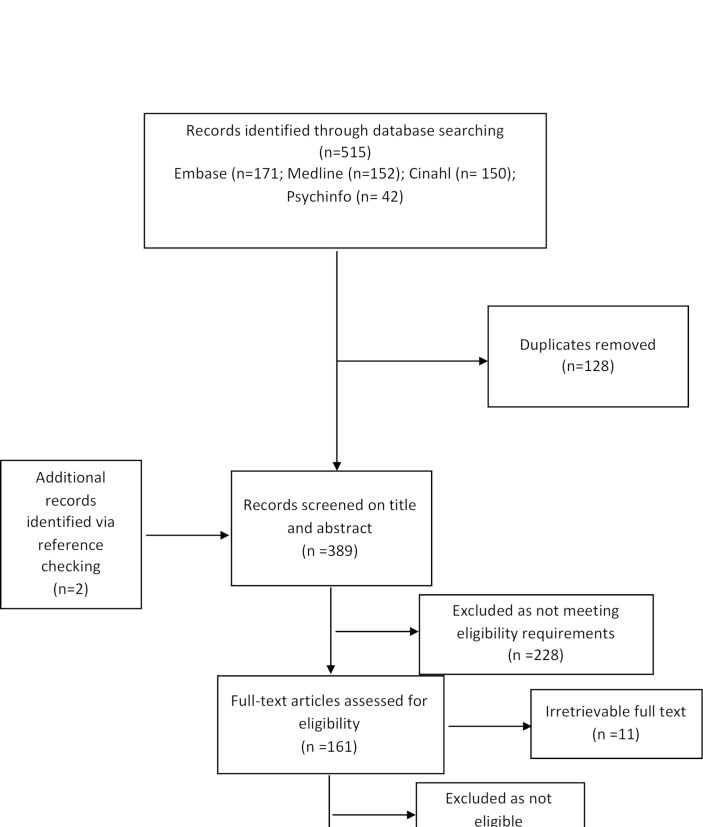
Objectives: To systematically examine the evidence of harms and benefits relating to time spent on screens for children and young people’s (CYP) health and well-being, to inform policy. Methods: Systematic review of reviews undertaken to answer the question ‘What is the evidence for health and well-being effects of screentime in children and adolescents (CYP)?’ Electronic databases were searched for systematic reviews in February 2018. Eligible reviews reported associations between time on screens (screentime; any type) and any health/well-being outcome in CYP. Quality of reviews was assessed and strength of evidence across reviews evaluated. Results: 13 reviews were identified (1 high quality, 9 medium and 3 low quality). 6 addressed body composition; 3 diet/energy intake; 7 mental health; 4 cardiovascular risk; 4 for fitness; 3 for sleep; 1 pain; 1 asthma. We found moderately strong evidence for associations between screentime and greater obesity/adiposity and higher depressive symptoms; moderate evidence for an association between screentime and higher energy intake, less healthy diet quality and poorer quality of life. There was weak evidence for associations of screentime with behaviour problems, anxiety, hyperactivity and inattention, poorer self-esteem, poorer well-being and poorer psychosocial health, metabolic syndrome, poorer cardiorespiratory fitness, poorer cognitive development and lower educational attainments and poor sleep outcomes. There was no or insufficient evidence for an association of screentime with eating disorders or suicidal ideation, individual cardiovascular risk factors, asthma prevalence or pain. Evidence for threshold effects was weak. We found weak evidence that small amounts of daily screen use is not harmful and may have some benefits. Conclusions: There is evidence that higher levels of screentime is associated with a variety of health harms for CYP, with evidence strongest for adiposity, unhealthy diet, depressive symptoms and quality of life. Evidence to guide policy on safe CYP screentime exposure is limited. PROSPERO registration number: CRD42018089483.
Overview
The claims and statistics of this paper haven’t been checked yet.
Free: it reads the open-access text and checks the first 5 claims that cite a source we can check. Create a free account to check every claim.
Integrity signals
Registry
Cites
Statistics
Figures
Verification
Claims the paper makes
The claims and statistics of this paper haven’t been checked yet.
Free: it reads the open-access text and checks the first 5 claims that cite a source we can check. Create a free account to check every claim.
Claims other papers make about this one
Each is checked against this paper’s own text: does it say what the citing paper says it does?
The source backs part of the claim, not all of it — or backs it for a different population, condition or comparison.
In the citing paper
“The results of the current review largely align with past systematic reviews, which have concluded that there is a positive association between screen time and depressive symptoms (Hoare et al., 2016;Liu et al., 2016;Stiglic & Viner, 2019;Wang et al., 2019), and a weak association between screen time and both anxiety and self-esteem (Stiglic & Viner, 2019).”
From The relationship between screen time and mental health in young people: A systematic review of longitudinal studies (2021) · cites this paper as Stiglic & Viner, 2019
Experimental — accuracy not yet measuredThe source backs part of the claim, not all of it — or backs it for a different population, condition or comparison.
In the citing paper
“This may partly be driven by the detrimental effects of screen time on mental health, including increased severity of anxiety and depressive symptoms, which have been well documented (Stiglic & Viner, 2019).”
From Social Media and Mental Health: Benefits, Risks, and Opportunities for Research and Practice (2020) · cites this paper as Stiglic & Viner, 2019
Experimental — accuracy not yet measuredThe cited source says what the claim attributes to it.
In the citing paper
“Possible mechanisms include more sedentary behavior250 and greater energy intake for children, teens, and young adults.251”
From Digital Ecosystems, Children, and Adolescents: Technical Report (2026) · cites this paper as [251]
The cited source says what the claim attributes to it.
In the citing paper
“More screen time has been associated with depressive symptoms among children and adolescents in several systematic reviews [11, 12, 43–50].”
From Screen time and mental health: a prospective analysis of the Adolescent Brain Cognitive Development (ABCD) Study (2024) · cites this paper as [48]
In the citing paper
“A systematic review of 13 published reviews concluded that there is moderately strong evidence for a positive association between screen time and depressive symptoms in children and adolescents, but not behavior problems, anxiety, hyperactivity and inattention, self-esteem, well-being, and psychosocial health (Stiglic & Viner, 2019).”
From The relationship between screen time and mental health in young people: A systematic review of longitudinal studies (2021) · cites this paper as Stiglic & Viner, 2019
1 more claim about this paper
Create a free account to see every claim other papers make about this one.
Self-check
Percentages, sums and reported differences re-computed from the paper’s own numbers.
The self-check needs the paper’s full text.
Citations
Cites
Liberati, A., Altman, D. G., Tetzlaff, J., Mulrow, C., Gøtzsche, P. C., Ioannidis, J. P. A., Clarke, M., Devereaux, P. J., Kleijnen, J., & Moher, D. (2009) · PLoS Medicine · doi:10.1371/journal.pmed.1000100 · Cited by 28,164
Liberati, A., Altman, D. G., Tetzlaff, J., Mulrow, C., Gotzsche, P. C., Ioannidis, J. P. A., Clarke, M., Devereaux, P. J., Kleijnen, J., & Moher, D. (2009) · BMJ · doi:10.1136/bmj.b2700 · Cited by 17,648
Systematic review of sedentary behaviour and health indicators in school-aged children and youth.
Tremblay, M. S., LeBlanc, A. G., Kho, M. E., Saunders, T. J., Larouche, R., Colley, R. C., Goldfield, G., & Gorber, S. (2011) · International Journal of Behavioral Nutrition and Physical Activity · doi:10.1186/1479-5868-8-98 · Cited by 2,085
Gross, K. S., Brandner, D. D., Martinez, L. A., Olive, M. F., Meisel, R. L., & Mermelstein, P. G. (2016) · PLOS ONE · doi:10.1371/journal.pone.0162755 · Cited by 1,609
Screen time and sleep among school-aged children and adolescents: a systematic literature review
Hale, L., & Guan, S. (2015) · Sleep Medicine Reviews · doi:10.1016/j.smrv.2014.07.007 · Cited by 1,468
Carson, V., Hunter, S., Kuzik, N., Gray, C. E., Poitras, V. J., Chaput, J.-P., Saunders, T. J., Katzmarzyk, P. T., Okely, A. D., Connor Gorber, S., et al. (2016) · Applied Physiology, Nutrition, and Metabolism · doi:10.1139/apnm-2015-0630 · Cited by 1,380
Children and Adolescents and Digital Media
Reid Chassiakos, Y. (., Radesky, J., Christakis, D., Moreno, M. A., Cross, C., COUNCIL ON COMMUNICATIONS AND MEDIA, Hill, D., Ameenuddin, N., Hutchinson, J., Levine, A., et al. (2016) · Pediatrics · doi:10.1542/peds.2016-2593 · Cited by 1,340
Przybylski, A. K., & Weinstein, N. (2017) · Psychological Science · doi:10.1177/0956797616678438 · Cited by 890
Wu, X. Y., Han, L. H., Zhang, J. H., Luo, S., Hu, J. W., & Sun, K. (2017) · PLOS ONE · doi:10.1371/journal.pone.0187668 · Cited by 664 · cited 1×
“HRQOL as a formal measured construct was examined by Wu et al, 22 who reported consistent evidence that greater screentime was associated with lower measured HRQOL in 11/13 cross-sectional and 4/4 longitudinal studies.”
MethodHoare, E., Milton, K., Foster, C., & Allender, S. (2016) · International Journal of Behavioral Nutrition and Physical Activity · doi:10.1186/s12966-016-0432-4 · Cited by 616 · cited 1×
“Only Hoare et al 20 reported on associations with anxiety, and found moderate evidence for a positive association between screentime duration and severity of anxiety symptoms.”
Background
Cited by
Items 301–400 of 1,000
Geng, S., Wang, W., Huang, L., Xie, J., Williams, G. J., Baker, C., Du, W., & Hua, J. (2023) · Frontiers in Public Health · doi:10.3389/fpubh.2023.1152321 · Cited by 23
“Research has indicated that preschool children who engage in screen time exceeding 2 h per day display increased emotion dysregulation, diminished prosocial behavior (20, 21), elevated inattention, and hyperactivity (22, 23).”
BackgroundDigitally Un/Free: the everyday impact of social media on the lives of young people
Bibizadeh, R. E., Procter, R., Girvan, C., Webb, H., & Jirotka, M. D. (2023) · Learning Media and Technology · doi:10.1080/17439884.2023.2237883 · Cited by 30
“For example: screentime has been associated with obesity, low mood and poor cognitive and socio-emotional development and educational performance (Stiglic and Viner 2019, 1).”
Associations between problem technology use, life stress, and self-esteem among high school students
Idrees, B., Sampasa‐Kanyinga, H., Hamilton, H. A., & Chaput, J. (2024) · BMC Public Health · doi:10.1186/s12889-024-17963-7 · Cited by 30
“…Viner (2019), only one study indicated moderate evidence for the relationship between screen time and self-esteem; another study demonstrated an association with computer screen-time, but not with mobile phone screen time, with two other studies indicating unclear evidence for an association [37].”
BackgroundResultHarrington, D. M., Ioannidou, E., Davies, M. J., Edwardson, C. L., Gorely, T., Rowlands, A. V., Sherar, L. B., & Staiano, A. E. (2021) · Acta Paediatrica · doi:10.1111/apa.15806 · Cited by 23
Environmental Risk Factors for Attention-Deficit/Hyperactivity Disorder
Kadlaskar, G., Piergies, A. M. H., & Miller, M. R. (2023) · Autism and child psychopathology series · doi:10.1007/978-3-031-41709-2_9 · Cited by 18
Raustorp, A., Spenner, N., Agnes, W., & Fröberg, A. (2019) · Acta Paediatrica · doi:10.1111/apa.15041 · Cited by 21
Song, B., Hu, W., Hu, W., Yang, R., Li, D., Guo, C., Xia, Z., Hu, J., Tao, F., Fang, J. Q., et al. (2020) · International Journal of Environmental Research and Public Health · doi:10.3390/ijerph17062139 · Cited by 18
Modifiable Early Childhood Risk Factors for Obesity at Age Four Years
Malihi, Z. A., Portch, R., Hashemi, L., Schlichting, D., Wake, M. A., Morton, S., Fa’alili‐Fidow, J., Mensah, F. K., Olds, T., Carr, P. A., et al. (2021) · Childhood Obesity · doi:10.1089/chi.2020.0174 · Cited by 20
“59 60–62 It is also necessary to consider the importance of underlying factors that contribute to childhood obesity, that are not readily modifiable, some of which were not included in this study.”
Sonuga-Barke, E., Stoilova, M., Kostyrka-Allchorne, K., Bourgaize, J., Murray, A., Tan, M., Hollis, C., Townsend, E., & Livingstone, S. (2024) · Current Opinion in Behavioral Sciences · doi:10.1016/j.cobeha.2024.101411 · Cited by 15
“Furthermore, factors that are instrumental in reducing poor mental health may be different from those that promote well-being [20].”
Chen, M., Padmapriya, N., Chua, X. H., Escobosa, L. L. T., Tay, A. E., Tai, B. C., Petrunoff, N., & Müller‐Riemenschneider, F. (2024) · BMC Public Health · doi:10.1186/s12889-024-19608-1 · Cited by 28
Balasekaran, G., Ibrahim, A. A. B., Ng, Y. C., Phua, K.-W., Kuan, G., Popeska, B., Chin, M.-K., Mok, M. M. C., Edgınton, C. R., Culpan, I., et al. (2021) · Brain Sciences · doi:10.3390/brainsci11060784 · Cited by 20
Fatmaningrum, Prawiradilaga, R. S., & Garna, H. (2021) · Jurnal Riset Kedokteran · doi:10.29313/jrk.v1i1.109 · Cited by 30
Parental Depression and Leisure Activity Engagement on Children’s Gaming Disorder: A Dyadic Study
Lam, Y.-T., & Cheng, C. (2022) · International Journal of Environmental Research and Public Health · doi:10.3390/ijerph19105880 · Cited by 16
Pouretemad, H. R., Sadeghi, S., Badv, R. S., & Brand, S. (2022) · Journal of Clinical Medicine · doi:10.3390/jcm11226786 · Cited by 20
Otsuka, Y., Itani, O., Nakajima, S., Kaneko, Y., Suzuki, M., & Kaneita, Y. (2023) · Sleep Medicine · doi:10.1016/j.sleep.2023.07.030 · Cited by 19
Faulty screen time measures hamper national policies: here is a way to address it
Kucirkova, N. I., Livingstone, S., & Radesky, J. S. (2023) · Frontiers in Psychology · doi:10.3389/fpsyg.2023.1243396 · Cited by 15
Tkaczyk, M., Tancoš, M., Šmahel, D., Elavsky, S., & Plhák, J. (2024) · Computers in Human Behavior · doi:10.1016/j.chb.2024.108281 · Cited by 20
Smartphones within Psychological Science
Ellis, D. A. (2020) · Cambridge University Press eBooks · doi:10.1017/9781108671408 · Cited by 15
Mowafi, Y., & Abumuhfouz, I. M. (2020) · Journal of Educational Computing Research · doi:10.1177/0735633120947351 · Cited by 29
“…center on the sedentary nature of most screen-focused activities (e.g., see https://www.who.int/news-room/detail/24-04-2019-to-grow-up-healthy-children-need-to-sit-less-and-play-more) and resulting links to obesity, unhealthy diet, and quality of life (Robinson et al., 2017; Stiglic & Viner, 2019).”
BackgroundBhaskara, N. V., Nandanur, B. S., Chakraborty, A., & Ghosh, S. (2020) · Journal of Family Medicine and Primary Care · doi:10.4103/jfmpc.jfmpc_910_20 · Cited by 22
Bomysoad, R. N., & Francis, L. A. (2021) · Current Psychology · doi:10.1007/s12144-021-01351-0 · Cited by 23
Aoki, A., Ganchimeg, T., Tseveenjav, A., Nyam, N., Zuunnast, K., Gundegmaa, L., Bat-Erdene, S., Mori, R., Kikuchi, A., Soya, H., et al. (2021) · Social Psychiatry and Psychiatric Epidemiology · doi:10.1007/s00127-021-02178-7 · Cited by 15
“Systematic reviews have shown that physical inactivity has association with depression and anxiety among children and adolescents [8], and that screen time is associated with depression among children and adolescents [9, 10].”
BackgroundThe healthfulness of children's meals when multiple media and devices are present
Robinson, C. A., Domoff, S. E., Kasper, N. M., Peterson, K. E., & Miller, A. L. (2021) · Appetite · doi:10.1016/j.appet.2021.105800 · Cited by 17
Tan, T. X., & Zhou, Y. (2022) · Journal of Attention Disorders · doi:10.1177/10870547221098181 · Cited by 20
“…operationalization of screen exposure, the reported associations sometimes varied from positive (Allen & Vella, 2015; Hill et al., 2020; Hosokawa & Katsura, 2018; Tamana et al., 2019; Wu et al., 2017; Xie et al., 2020) to absent (Levelink et al., 2021; Parkes et al., 2013; Stiglic & Viner, 2019).”
BackgroundThe Role of Digital Media in Shaping Youth Planetary Health Interests in the Global Economy
Niankara, I., Adwan, M. N. A., & Niankara, A. (2020) · Journal of Open Innovation Technology Market and Complexity · doi:10.3390/joitmc6030049 · Cited by 17
“This is further consistent with the diverging reports in the literature over the effect of digital media on adolescent’s well-being [66,123,124].”
ResultDigital Ecosystems, Children, and Adolescents: Technical Report
Munzer, T., Milkovich, L. M., Madigan, S., Tomopoulos, S., Parga-Belinkie, J., Ajumobi, T., Cross, C., Gerwin, R., Council on Communications and Media, Radesky, J., et al. (2026) · Pediatrics · doi:10.1542/peds.2025-075321 · Cited by 14
Walla, P., & Zheng, Y. (2024) · Life · doi:10.3390/life14030290 · Cited by 21
Xiao, Y., Emmers, D., Li, S., Zhang, H., Rule, A., & Rozelle, S. (2025) · Journal of Medical Internet Research · doi:10.2196/68009 · Cited by 32
“Screen time may negatively affect development by displacing other beneficial activities, such as exercise, social interactions with friends, and good sleep hygiene [36].”
Bellis, M. A., Sharp, C., Hughes, K. E., & Davies, A. R. (2021) · Frontiers in Public Health · doi:10.3389/fpubh.2021.585715 · Cited by 18
“Relationships are compounded not only by levels of use (15, 16) but also by the purpose of use and content being viewed (17, 18).”
BackgroundKhan, A., Moni, M. A., Khan, S. R., & Burton, N. W. (2022) · Scandinavian Journal of Public Health · doi:10.1177/14034948221082459 · Cited by 17
“Earlier research has showed inverse associations of prolonged ST with various wellbeing indicators in adolescents such as depressive symptoms and quality of life and examined wellbeing indicators such as behaviour problems, anxiety, hyperactivity and inattention, self-esteem, cognitive development and sleep outcomes […”
BackgroundDiler, F., & Başkale, H. (2022) · Journal of Pediatric Nursing · doi:10.1016/j.pedn.2022.07.014 · Cited by 19
Influence of Screen Time during COVID-19 on Health-Related Quality of Life of Early Adolescents
Cheung, M., Yip, J. Y. W., & Cheung, J. P. Y. (2022) · International Journal of Environmental Research and Public Health · doi:10.3390/ijerph191710498 · Cited by 17
“Excessive screen time is also associated with negative consequences regarding children’s physical, cognitive, and mental health [13].”
BackgroundVirgara, R., Lewis, L. K., Phillips, A., Richardson, M., & Maher, C. A. (2020) · BMC Pediatrics · doi:10.1186/s12887-020-02352-x · Cited by 15
“In addition, excessive recreational screen time has been associated with a wide range of physical and mental health deficits [3, 4].”
BackgroundNavarrete, F. C., Román, P. Á. L., Guzmán‐Guzmán, I. P., MONTILLA, J. A. P., Jerez‐Mayorga, D., & Delgado‐Floody, P. (2021) · Psychology Health & Medicine · doi:10.1080/13548506.2021.1934496 · Cited by 21
“Similarly, there is evidence that higher levels of ST are associated with poorer HRQoL and well-being in children (Stiglic & Viner, 2019).”
BackgroundO’Brien, W., Coppinger, T. C., Hogan, I., Belton, S., MURPHY, M. H., Powell, C., & Woods, C. B. (2021) · Journal of Physical Activity and Health · doi:10.1123/jpah.2020-0386 · Cited by 17
Intensive and excessive Internet use: Different predictors operating among adolescents
Popadić, D., Pavlović, Z., & Kuzmanović, D. (2020) · Psihologija · doi:10.2298/psi190805003p · Cited by 14
“…and adolescents, which get more pronounced as the time spent online gets longer (Khouja et al., 2019; Kraut et al., 1998; Przybylski & Weinstein, 2017; Stiglic & Viner, 2019; Twenge & Dragan Popadić, Zoran Pavlović, and Dobrinka Kuzmanović 275 PSIHOLOGIJA, 2020, Vol. 53(3), 273–290 Campbell, 2018).”
BackgroundUse of Social Media, Satisfaction with Body Image, and the Risk of Manifesting Eating Disorders
Arjona, Á., Monserrat, M., & Checa, J. C. (2024) · Social Sciences · doi:10.3390/socsci13020105 · Cited by 13
Problematic Digital Technology Use Measures in Children Aged 0 to 6 Years: Scoping Review
Selak, Š., Horvat, J., & Žmavc, M. (2025) · JMIR Mental Health · doi:10.2196/59869 · Cited by 24
“Researchers have argued that screen time, defined as the duration of exposure to digital devices, misses the content and context of digital technology (DT) use and is likely too broad and simplistic to be used as a stand-alone measure [13-15].”
Jia, T., Kong, Y., Zhao, G., & Wang, Y. (2025) · Frontiers in Public Health · doi:10.3389/fpubh.2025.1609254 · Cited by 23
“The potential implications of these factors on ASD and ADHD have been discussed earlier (46).”
Douglass, C. H., Borthwick, A., Lim, M. S. C., Erbas, B., Eren, S., & Higgs, P. (2022) · JMIR Pediatrics and Parenting · doi:10.2196/36858 · Cited by 41
“Further research is needed to determine whether reducing time spent on social media has a positive effect on mental health and well-being [43,44].”
BackgroundLiu, H., Bi, C., Lin, H., Ma, W., Zhang, J., Hu, Y.-Y., & Liu, J. (2022) · BMC Pediatrics · doi:10.1186/s12887-022-03646-y · Cited by 20
“Screen overuse in children and adolescents is associated with physical and mental health risks [21].”
BackgroundAl-Ahdal, W. M., Alsaedi, A. A., Garrni, A. S., & Alharbi, F. S. (2023) · Cureus · doi:10.7759/cureus.40759 · Cited by 19
“characteristics and causes severe psychological, mental, and social problems [8,9].”
BackgroundPrevalence of obesity in Spain and its autonomous communities, 1987-2020
Feijoo, L., Rey‐Brandariz, J., Guerra-Tort, C., Candal‐Pedreira, C., Santiago-Pérez, M. I., Ruano‐Raviña, A., & Pérez‐Ríos, M. (2024) · Revista Española de Cardiología (English Edition) · doi:10.1016/j.rec.2023.12.018 · Cited by 17
Nagata, J. M., Shim, J. E., Low, P., Ganson, K. T., Testa, A. M., He, J., Santos, G., Brindis, C. D., Baker, F. C., & Shao, I. Y. (2024) · Drug and Alcohol Dependence · doi:10.1016/j.drugalcdep.2024.112504 · Cited by 23
Flølo, T. N., Tørris, C., Riiser, K., Almendingen, K., Chew, H. S. J., Fosså, A., Früh, E. A., Hennessy, E., Leung, M. M., Misvær, N., et al. (2025) · Obesity Reviews · doi:10.1111/obr.13905 · Cited by 14
“Of these, one report was an SRMAs of mainly non-controlled studies with pre-post comparisons without details on the metrics used, 40 four were SRMAs of RCTs summarizing effects on BMI, BMI z-scores or BMI percentiles alone or in combination 14,35,38,41 and two were systematic reviews.”
InfluentialGale, E. L., Cecil, J. E., & Williams, A. J. (2025) · Journal of Sleep Research · doi:10.1111/jsr.70029 · Cited by 22
“Screen time has been associated with depression (Stiglic and Viner 2019), anxiety (Kim et al. 2020) and disordered eating (Nagata et al. 2021) and videogaming has been associated with depression (Brunborg et al. 2014) and anxiety (Brunborg et al. 2014).”
Vidal, L., Brunet, G., Bové, I., Girona, A., Fuletti, D., & Ares, G. (2021) · Food Quality and Preference · doi:10.1016/j.foodqual.2021.104335 · Cited by 16
Korenic, S. A., Ered, A., Pierce, K. M., Calvo, E. M., Olino, T. M., Murty, V. P., & Ellman, L. M. (2021) · Journal of Psychiatric Research · doi:10.1016/j.jpsychires.2021.08.023 · Cited by 13
#KidsAnxiety and the Digital World
Glover, J., Ariefdjohan, M. W., & Fritsch, S. L. (2021) · Child and Adolescent Psychiatric Clinics of North America · doi:10.1016/j.chc.2021.06.004 · Cited by 18
Screen-based behaviour in children is more than meets the eye
Munsamy, A. J., Chetty, V., & Ramlall, S. (2022) · South African Family Practice · doi:10.4102/safp.v64i1.5374 · Cited by 19
López‐Gil, J. F., Smith, L., López‐Bueno, R., & López, P. J. T. (2022) · Frontiers in Nutrition · doi:10.3389/fnut.2022.871238 · Cited by 21
Insight into the nonlinear effect of COVID-19 on well-being in China: Commuting, a vital ingredient
Dong, Y., Sun, Y., Waygood, E. O. D., Wang, B., Huang, P., & Naseri, H. (2022) · Journal of Transport & Health · doi:10.1016/j.jth.2022.101526 · Cited by 13
Screen media use by Portuguese children in 2009 and 2016: a repeated cross-sectional study
Rodrigues, D., Gama, A., Machado‐Rodrigues, A. M., Nogueira, H. G. D. S. M., Silva, R., Rosado‐Marques, V., Stamatakis, E., Jago, R., & Padez, C. M. P. (2021) · Annals of Human Biology · doi:10.1080/03014460.2021.1876921 · Cited by 15
Choi, Y., Lee, D. Y., Lee, S., Park, E. J., Yoo, H. J., & Shin, Y. (2021) · Journal of korean Academy of Child and Adolescent Psychiatry · doi:10.5765/jkacap.210015 · Cited by 22
McNicholas, J., Hammersley, M. L., Hopkins, S., McDermott, S., & Plaskett, J. (2022) · Frontiers in Public Health · doi:10.3389/fpubh.2022.841178 · Cited by 14
Neurocognitive and brain structure correlates of reading and television habits in early adolescence
Rauschecker, A. M., Nedelec, P., Pan, S., Olaru, M., Nillo, R. M., Palmer, C. E., Pecheva, D., Dale, A. M., Jernigan, T. L., & Sugrue, L. P. (2025) · Scientific Reports · doi:10.1038/s41598-025-88398-2 · Cited by 14
“Screen time, and in particular television viewing, is increasing 10 and has been proposed to have detrimental effects on health and cognitive development at various ages 27 .”
Signal, L. N., Lowe, B., Smith, M., Jaine, R., Stanley, J., & Gage, R. (2023) · New Zealand Medical Journal · doi:10.26635/6965.6023 · Cited by 18
Torjinski, M., & Horwood, S. (2023) · Systematic Reviews · doi:10.1186/s13643-023-02367-2 · Cited by 16
“A rapidly growing body of research suggests that excessive screen use can have detrimental effects on physical, psychological, and social outcomes in early to late childhood [1–3].”
BackgroundLópez‐Gil, J. F., Firth, J., & García‐Hermoso, A. (2024) · Journal of Affective Disorders · doi:10.1016/j.jad.2024.01.019 · Cited by 14
Yuan, R., Zhang, J., Song, P., & Qin, L. (2024) · PLoS ONE · doi:10.1371/journal.pone.0296862 · Cited by 37
The Impact of Social Media on Children’s Mental Health: A Systematic Scoping Review
Liu, T., Cheng, Y. S., Luo, Y. T., Wang, Z., Pang, P. C., Xia, Y., & Lau, Y. (2024) · Healthcare · doi:10.3390/healthcare12232391 · Cited by 34
“In the case of children, the definition of “frequent” SM use is typically considered as more than 1 h per day [23], while “moderate” use is often defined as up to 30 min per day, provided it does not interfere with sleep, learning, or socialization [24].”
Bladt, L., Vermeulen, J., Vermandel, A., Win, G. D., & Campenhout, L. D. E. V. (2025) · Interactive Journal of Medical Research · doi:10.2196/66336 · Cited by 11
“A 2019 systematic review [125] identified associations between excessive screen time and health risks, including adiposity, unhealthy diet, depressive symptoms, and reduced quality of life.”
Trends of Sedentary Time and Domain-Specific Sedentary Behavior in Spanish Schoolchildren
Velázquez-Romero, M. J., Moledo, C. P., Segura‐Jiménez, V., Sánchez‐Oliva, D., Fernández‐Santos, J. R., Senín‐Calderón, C., & Grao‐Cruces, A. (2020) · Research Quarterly for Exercise and Sport · doi:10.1080/02701367.2020.1749538 · Cited by 16
“Screen time and sitting to rest time have shown to be positively associated with a higher risk of cardiovascular mortality (Stiglic & Viner, 2019), poorer cognitive health, lower perceived health status and higher rate of health complaints in children (Padilla-Moledo et al., 2015).”
BackgroundHasanen, E., Koivukoski, H., Kortelainen, L., Vehmas, H., & Sääkslahti, A. (2021) · International Journal of Environmental Research and Public Health · doi:10.3390/ijerph18115903 · Cited by 24
González, R. L., Noriega, C., Espín‐Lorite, E. J., García-Sastre, M., Rodríguez‐Rojo, I. C., Cuesta‐Lozano, D., & Peñacoba, C. (2022) · International Journal of Mental Health Nursing · doi:10.1111/inm.13077 · Cited by 16
Gketsios, I., Tsiampalis, T., Foscolou, A., Vassilakou, T., Kanellopoulou, A., Notara, V., Αntonogeorgos, G., Gil, A. P. R., Κornilaki, E. N., Lagiou, A., et al. (2022) · Children · doi:10.3390/children9121891 · Cited by 15
“TV advertisements with figures of poorer eating habits and higher junk food consumption, may lead children and teenagers to adopt unhealthier nutritional habits before they are emotionally prepared to comprehend them and prior to making wise decisions [36].”
BackgroundOrdinaries: Strangers in a strange land: mismatch and economics
Burnham, T. C., & Phelan, J. (2020) · Journal of Bioeconomics · doi:10.1007/s10818-020-09294-5 · Cited by 13
Norozi, K., Haworth, R., Dempsey, A. A., Endres, K., & Altamirano‐Diaz, L. (2020) · CJC Open · doi:10.1016/j.cjco.2020.07.006 · Cited by 17
“Unfortunately, most children are not achieving this goal,(6,7) and the high level of sedentary behavior and lack of proper sleep have serious consequences for both their physical and mental health.(4,8) Playing video games is extremely popular among children, and most of these games are sedentary.”
BackgroundMougharbel, F., Valois, D. D., Lamb, M., Buchholz, A., Obeid, N., Flament, M. F., & Goldfield, G. S. (2020) · Public Health Nutrition · doi:10.1017/s136898002000049x · Cited by 16
“This question is relevant to explore given that TV viewing and Internet use exposes youth to innumerable social comparisons and unattainable societal standards of attractiveness that have been shown to be associated with psychological distress(40), body dissatisfaction especially among females(41) and weight gain(42).”
BackgroundEngberg, E., Leppänen, M. H., Sarkkola, C., & Viljakainen, H. T. (2021) · Journal of Physical Activity and Health · doi:10.1123/jpah.2021-0163 · Cited by 15
Factors Associated With Childhood Asthma and Wheeze in Chinese Preschool-Aged Children
Deng, X., Yang, M. S., Wang, S., Wang, Q., Pang, B., Wang, K., Zhang, Z., & Niu, W. (2021) · Frontiers in Medicine · doi:10.3389/fmed.2021.742581 · Cited by 12
“Longer screen time is associated with a variety of health harms for children, with evidence strongest for adiposity, unhealthy diet (33).”
BackgroundRaj, D., Minhat, H. S., Zulkefli, N. A. M., & Ahmad, N. (2022) · Malaysian Journal of Medicine and Health Sciences · doi:10.47836/mjmhs.18.6.38 · Cited by 16
Shalani, B., Azadfallah, P., Farahani, H., & Brand, S. (2023) · Children · doi:10.3390/children10071193 · Cited by 19
“Similarly, higher scores for physical inactivity due to excessive screen exposure were associated with higher scores for obesity, heart risk factors, lower fitness [22], metabolic diseases, and cardiovascular diseases [23].”
BackgroundWilhite, K. L., Cruz, B. D. P., Noetel, M., Lonsdale, C., Ridgers, N. D., Maher, C. A., Bradshaw, E. L., & Sanders, T. (2023) · International Journal of Behavioral Nutrition and Physical Activity · doi:10.1186/s12966-023-01491-5 · Cited by 11
“Sedentary time spent reading benefits cognitive development [18], but high volumes of sedentary screen time may be associated with increased depressive symptoms, higher adiposity, and lower quality of life [19, 20].”
BackgroundFriel, C. P., Diaz, K. M., & Rupp, K. (2023) · American Journal of Health Promotion · doi:10.1177/08901171231210389 · Cited by 14
Tutorial on Matching-based Causal Analysis of Human Behaviors Using Smartphone Sensor Data
Jung, G., Park, S., Ma, E.-Y., Kim, H., & Lee, U. (2024) · ACM Computing Surveys · doi:10.1145/3648356 · Cited by 11
“This implies that the time between these two event types for a given app can be interpreted as “screen time” [66] during which the user is actively interacting with mobile apps.”
BackgroundTekeci, Y., Torpil, B., & Altuntaş, O. (2024) · Children · doi:10.3390/children11040464 · Cited by 39
“Studies have shown that increased screen time in children and young people can lead to obesity/adiposity, higher energy intake, behavioral problems, anxiety, hyperactivity, and attention issues [33,37,38].”
BackgroundGomes, G. M., Souza, R. C. V. E., dos Santos, T. N., & dos Santos, L. C. (2024) · International Journal of Environmental Research and Public Health · doi:10.3390/ijerph21111504 · Cited by 26
“The literature shows that the longest screen time for children and teenagers was associated with the increase in adiposity, besides being connected with higher calorie intake and lower nutritional diet quality [4].”
Brosnan, B. J., Meredith-Jones, K. A., Haszard, J. J., Wickham, S.-R., Galland, B. C., Russell‐Camp, T., & Taylor, R. W. (2025) · International Journal of Behavioral Nutrition and Physical Activity · doi:10.1186/s12966-024-01698-0 · Cited by 16
López‐Gil, J. F., Solmi, M., García‐Hermoso, A., Vancampfort, D., Fabiano, N., Schuch, F. B., Stubss, B., Smith, L., Torous, J. B., & Firth, J. (2025) · European Child & Adolescent Psychiatry · doi:10.1007/s00787-025-02663-3 · Cited by 11
“…of screen time are associated with higher risk for other chronic conditions such as metabolic syndrome, reduced cardiorespiratory fitness, impaired cognitive development and lower educational attainments, all of which are associated with a higher likelihood of developing depressive symptoms [49].”
Torres, P., Pablos, A., Elvira, L., Ceca, D., Chia, M., & Huertas, F. (2025) · Sports · doi:10.3390/sports13040091 · Cited by 20
Analysis of parental beliefs and practices leading to excessive screen time in early childhood
Bhutani, P., Varghese, L. A., Bajaj, G., Bhutani, C., Khan, F. A., Menon, G., Deka, R. C., Ray, S. K., & Satapathy, S. S. (2025) · BMJ Paediatrics Open · doi:10.1136/bmjpo-2025-003488 · Cited by 23
García‐Manglano, J., López-Madrigal, C., Sádaba, C., Serrano, C., & López-Fernández, O. (2021) · International Journal of Environmental Research and Public Health · doi:10.3390/ijerph19010358 · Cited by 16
Brushe, M. E., Islam, T., Monroy, N. S., Sincovich, A., Gregory, T. A., Finlay‐jones, A. L., & Brinkman, S. A. (2022) · Australian and New Zealand Journal of Public Health · doi:10.1111/1753-6405.13214 · Cited by 11
Correlates of sedentary behavior in Asian preschool‐aged children: A systematic review
Chen, B., Kui, K. Y., Padmapriya, N., Müller, A. M., & Müller‐Riemenschneider, F. (2022) · Obesity Reviews · doi:10.1111/obr.13485 · Cited by 13
Trifunović, A., Čičević, S., Pešić, D., Samčović, A. B., & Marković, V. (2022) · Transportation Research Record Journal of the Transportation Research Board · doi:10.1177/03611981221106477 · Cited by 13
“…impact on children’s executive functions, perhaps leading to attention deficit, cognitive delays, learning weaknesses, increased impulsivity, and other emotional and behavioral problems such as depression, anxiety, attachment disorders, autism, bipolar disorder, and psychosis ( 97 , 99 , 100 ).”
BackgroundLee, S., Kim, S.-J., Yang, S.-J., & Shin, Y. (2022) · International Journal of Environmental Research and Public Health · doi:10.3390/ijerph191610252 · Cited by 19
Levi, S., & Baron‐Epel, O. (2022) · International Journal of Qualitative Studies on Health and Well-Being · doi:10.1080/17482631.2022.2130508 · Cited by 13
“…for peer-to-peer communication without distractions are of interest in this era in which health professionals and educators are focusing on screen time reduction efforts due to potential negative impacts on a variety of physical, cognitive, and psychosocial health outcomes (Stiglic & Viner, 2019).”
BackgroundComputer-digital Vision Syndrome Among University Students of Lima City
Lindo-Cano, E. F., García-Monge, V. A., Castillo-Cadillo, K. J., Sánchez-Tirado, E. A., Távara, I. M., & Morales, J. (2022) · The Open Public Health Journal · doi:10.2174/18749445-v15-e2208104 · Cited by 11
Screen time in children and adolescents during the COVID-19 pandemic
Vuković, B., Živanović, S., Mastilo, B., & Zečević, I. (2023) · Биомедицинска истраживања · doi:10.59137/bii202301304v · Cited by 12
Choi, M., & Park, S.-H. (2019) · Comprehensive Child and Adolescent Nursing · doi:10.1080/24694193.2019.1675805 · Cited by 12
Männikkö, N., Ruotsalainen, H., Miettunen, J., & Kääriäinen, M. (2020) · Issues in Mental Health Nursing · doi:10.1080/01612840.2020.1725195 · Cited by 19
“A recent review study of reviews concluded that empirical support for the impact of screen time exposure on different mental health factors other than depressive symptoms was patchy (Stiglic & Viner, 2019).”
BackgroundInfluentialWaking Activities and Sleep: Analysis of United Kingdom Adolescents' Daily Time-Use Diaries
Mireku, M. O. (2020) · Journal of Adolescent Health · doi:10.1016/j.jadohealth.2020.05.050 · Cited by 12
“This highlights the significance of digital media in displacing time spent on other favourable activities such as physical activity and socialising by the digital media use[25,26].”
Backgroundde Castro, T. G., Gerritsen, S., Teixeira, J. A., Pillai, A., Marchioni, D. M. L., Grant, C. C., Morton, S. M. B., & Wall, C. R. (2021) · British Journal Of Nutrition · doi:10.1017/s0007114521001720 · Cited by 12
Lucas, A. R., Salsman, J. M., Levine, B. J., Stoner, L. R., Skelton, J. A., & Moore, J. B. (2021) · Preventive Medicine · doi:10.1016/j.ypmed.2021.106725 · Cited by 13
Editorial: Social media use in children and adolescents – on the good or the bad side of the force?
Kaess, M. (2020) · Child and Adolescent Mental Health · doi:10.1111/camh.12432 · Cited by 15
Ismail, L. C., Osaili, T. M. I., Mohamad, M. N., Marzouqi, A. M. A., Habib-Mourad, C., Jamous, D. O. A., Ali, H. I., Sabbah, H. A., Hasan, H. A., Hassan, H. F., et al. (2022) · Frontiers in Nutrition · doi:10.3389/fnut.2022.849314 · Cited by 10
“Excessive screen use is especially harmful to children and adolescents as it was found strongly associated with greater adiposity, unhealthy dietary habits, depressive symptoms, and reduced quality of life (50).”
BackgroundIwatate, E., Atem, F., Jones, E. C., Hughes, J. L., Yokoo, T., & Messiah, S. E. (2023) · European Child & Adolescent Psychiatry · doi:10.1007/s00787-023-02191-y · Cited by 12
“These risk behaviors are associated with obesity [30], as well as body shaming/stigma [31, 32] and cyberbullying [33], anxiety and depression [34, 35] and eating disorders [36], potentially strengthening the obesity–suicide association.”
Vocational Interventions for Individuals with ASD: Umbrella Review
Tincani, M., Ji, H., Upthegrove, M., Garrison, E., West, M., Hantula, D. A., Vučetić, S., & Dragut, E. C. (2023) · Review Journal of Autism and Developmental Disorders · doi:10.1007/s40489-023-00368-4 · Cited by 15
“Therefore, we also calculated the percentage of primary studies in each review that appeared in at least one other review (i.e., overlap) (c.f., Stiglic & Viner, 2019), and for primary studies that appeared in multiple reviews, the number of reviews in which each primary study was reported…”
Longitudinal relationships between lifestyle risk factors and neurodevelopment in early adolescence.
Mewton, L. R., Davies, S. R., Sunderland, M., Champion, K. E., Hoy, N., Newton, N. C., Teesson, M., & Squeglia, L. M. (2023) · Health Psychology · doi:10.1037/hea0001248 · Cited by 12
Metadata
- Authors
- Stiglic, N., & Viner, R. M.
- Affiliations
- University College London (GB)
- Corresponding author
- Viner, Russell M
- ORCID
- Viner, Russell M
- Venue
- BMJ Open
- Publisher
- BMJ
- Published
- 2019-01
- Volume
- 9
- Issue
- 1
- Pages
- e023191
- ISSN
- 2044-6055 (ISSN-L)
- PMC
- PMC6326346
- OpenAlex
- W2907375908
- Cited by
- 1,259
- References
- 29
- Citations by year
- 2026: 193 · 2025: 193 · 2024: 179 · 2023: 161 · 2022: 201 · 2021: 148 · 2020: 142 · 2019: 37
- FWCI
- 38.03
- Type
- journal article
- Language
- en
- Open access
- gold
- doi.org
- Licence
- cc-by-nc
- Locations
- BMJ Open (publishedVersion, cc-by-nc)
- Europe PMC (PubMed Central) (publishedVersion, other-oa)
- PubMed Central (publishedVersion, cc-by-nc)
- PubMed (publishedVersion)
- DOAJ (DOAJ: Directory of Open Access Journals) (submittedVersion)
- UCL Discovery (University College London) (submittedVersion)
- Funders
- National Institute for Health and Care Research (NF-SI-0515-10085)
- Topics
- Social Sciences › Education › Child Development and Digital Technology
- Health Sciences › Medicine › Public Health, Environmental and Occupational Health › Physical Activity and Health
- Social Sciences › Sociology and Political Science › Impact of Technology on Adolescents
- Keywords
- screen time, children and adolescents, child health, well-being, obesity, adiposity, depressive symptoms, diet quality, energy intake, sleep, cardiorespiratory fitness, cognitive development, educational attainment, quality of life, mental health, cardiovascular risk, threshold effects
- MeSH terms
- Screen Time, Adolescent, Adolescent Behavior, Child, Child Behavior, Child, Preschool, Depression, Feeding Behavior, Humans, Quality of Life, Review Literature as Topic, Exercise, Pediatric Obesity
About these checks
Registry, retraction, Cites and statistics results are computed, not judged, with one exception: a printed reference that no index lists is read once by a model before it counts as a citation error. Claims are extracted by a model and kept only when their quote appears verbatim in the text; each cited source is then checked, with a model’s help, for whether it says what the claim relies on. Those verdicts can be wrong — read the claim’s quote and the cited source before relying on one.
Statistics and arithmetic are recomputed, not judged.
Confidence bands are shown only for fields calibrated on our annotated test set. None is calibrated yet, so no band is shown.
What counts as a claim ›How we measure confidence ›How we check this ›
Are you an author, or do you see a problem with this page? Request a review
Data sources
Bibliographic data: Semantic Scholar, OpenAlex, Crossref.
Contains information from the Semantic Scholar Academic Graph Datasets, made available under the ODC Attribution License (ODC-BY 1.0).
Semantic Scholar’s data is described in: Kinney, R., et al. (2023). The Semantic Scholar Open Data Platform. arXiv:2301.10140.
