

Effects of screentime on the health and well-being of children and adolescents: a systematic review of reviews
Open accessThe DOI matches its Crossref record; 29 of the 29 references it cites were found in a registry or an index.
Abstract
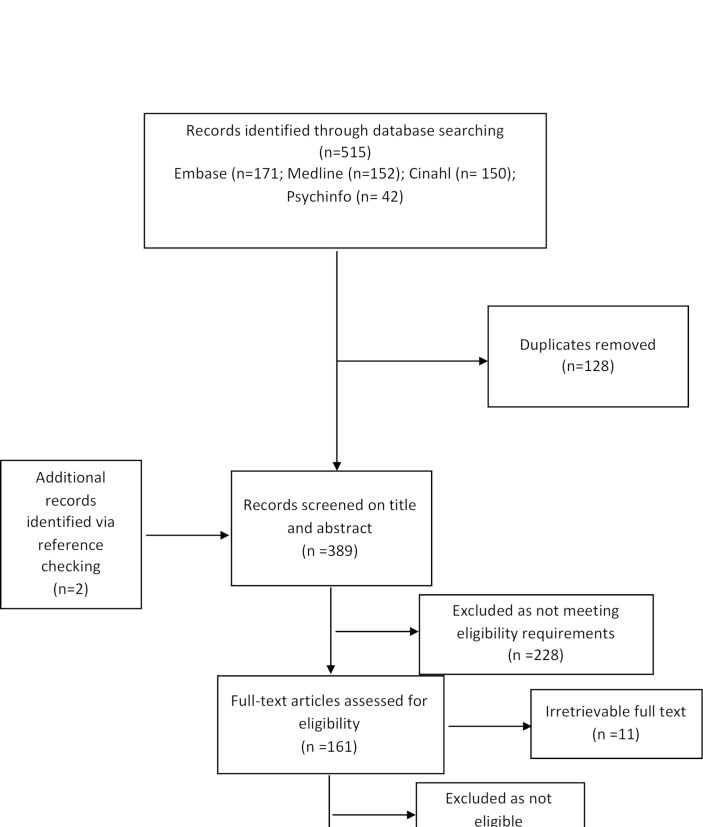
Objectives: To systematically examine the evidence of harms and benefits relating to time spent on screens for children and young people’s (CYP) health and well-being, to inform policy. Methods: Systematic review of reviews undertaken to answer the question ‘What is the evidence for health and well-being effects of screentime in children and adolescents (CYP)?’ Electronic databases were searched for systematic reviews in February 2018. Eligible reviews reported associations between time on screens (screentime; any type) and any health/well-being outcome in CYP. Quality of reviews was assessed and strength of evidence across reviews evaluated. Results: 13 reviews were identified (1 high quality, 9 medium and 3 low quality). 6 addressed body composition; 3 diet/energy intake; 7 mental health; 4 cardiovascular risk; 4 for fitness; 3 for sleep; 1 pain; 1 asthma. We found moderately strong evidence for associations between screentime and greater obesity/adiposity and higher depressive symptoms; moderate evidence for an association between screentime and higher energy intake, less healthy diet quality and poorer quality of life. There was weak evidence for associations of screentime with behaviour problems, anxiety, hyperactivity and inattention, poorer self-esteem, poorer well-being and poorer psychosocial health, metabolic syndrome, poorer cardiorespiratory fitness, poorer cognitive development and lower educational attainments and poor sleep outcomes. There was no or insufficient evidence for an association of screentime with eating disorders or suicidal ideation, individual cardiovascular risk factors, asthma prevalence or pain. Evidence for threshold effects was weak. We found weak evidence that small amounts of daily screen use is not harmful and may have some benefits. Conclusions: There is evidence that higher levels of screentime is associated with a variety of health harms for CYP, with evidence strongest for adiposity, unhealthy diet, depressive symptoms and quality of life. Evidence to guide policy on safe CYP screentime exposure is limited. PROSPERO registration number: CRD42018089483.
Overview
The claims and statistics of this paper haven’t been checked yet.
Free: it reads the open-access text and checks the first 5 claims that cite a source we can check. Create a free account to check every claim.
Integrity signals
Registry
Cites
Statistics
Figures
Verification
Claims the paper makes
The claims and statistics of this paper haven’t been checked yet.
Free: it reads the open-access text and checks the first 5 claims that cite a source we can check. Create a free account to check every claim.
Claims other papers make about this one
Each is checked against this paper’s own text: does it say what the citing paper says it does?
The source backs part of the claim, not all of it — or backs it for a different population, condition or comparison.
In the citing paper
“The results of the current review largely align with past systematic reviews, which have concluded that there is a positive association between screen time and depressive symptoms (Hoare et al., 2016;Liu et al., 2016;Stiglic & Viner, 2019;Wang et al., 2019), and a weak association between screen time and both anxiety and self-esteem (Stiglic & Viner, 2019).”
From The relationship between screen time and mental health in young people: A systematic review of longitudinal studies (2021) · cites this paper as Stiglic & Viner, 2019
Experimental — accuracy not yet measuredThe source backs part of the claim, not all of it — or backs it for a different population, condition or comparison.
In the citing paper
“This may partly be driven by the detrimental effects of screen time on mental health, including increased severity of anxiety and depressive symptoms, which have been well documented (Stiglic & Viner, 2019).”
From Social Media and Mental Health: Benefits, Risks, and Opportunities for Research and Practice (2020) · cites this paper as Stiglic & Viner, 2019
Experimental — accuracy not yet measuredThe cited source says what the claim attributes to it.
In the citing paper
“Possible mechanisms include more sedentary behavior250 and greater energy intake for children, teens, and young adults.251”
From Digital Ecosystems, Children, and Adolescents: Technical Report (2026) · cites this paper as [251]
The cited source says what the claim attributes to it.
In the citing paper
“More screen time has been associated with depressive symptoms among children and adolescents in several systematic reviews [11, 12, 43–50].”
From Screen time and mental health: a prospective analysis of the Adolescent Brain Cognitive Development (ABCD) Study (2024) · cites this paper as [48]
In the citing paper
“A systematic review of 13 published reviews concluded that there is moderately strong evidence for a positive association between screen time and depressive symptoms in children and adolescents, but not behavior problems, anxiety, hyperactivity and inattention, self-esteem, well-being, and psychosocial health (Stiglic & Viner, 2019).”
From The relationship between screen time and mental health in young people: A systematic review of longitudinal studies (2021) · cites this paper as Stiglic & Viner, 2019
1 more claim about this paper
Create a free account to see every claim other papers make about this one.
Self-check
Percentages, sums and reported differences re-computed from the paper’s own numbers.
The self-check needs the paper’s full text.
Citations
Cites
Liberati, A., Altman, D. G., Tetzlaff, J., Mulrow, C., Gøtzsche, P. C., Ioannidis, J. P. A., Clarke, M., Devereaux, P. J., Kleijnen, J., & Moher, D. (2009) · PLoS Medicine · doi:10.1371/journal.pmed.1000100 · Cited by 28,164
Liberati, A., Altman, D. G., Tetzlaff, J., Mulrow, C., Gotzsche, P. C., Ioannidis, J. P. A., Clarke, M., Devereaux, P. J., Kleijnen, J., & Moher, D. (2009) · BMJ · doi:10.1136/bmj.b2700 · Cited by 17,648
Systematic review of sedentary behaviour and health indicators in school-aged children and youth.
Tremblay, M. S., LeBlanc, A. G., Kho, M. E., Saunders, T. J., Larouche, R., Colley, R. C., Goldfield, G., & Gorber, S. (2011) · International Journal of Behavioral Nutrition and Physical Activity · doi:10.1186/1479-5868-8-98 · Cited by 2,085
Gross, K. S., Brandner, D. D., Martinez, L. A., Olive, M. F., Meisel, R. L., & Mermelstein, P. G. (2016) · PLOS ONE · doi:10.1371/journal.pone.0162755 · Cited by 1,609
Screen time and sleep among school-aged children and adolescents: a systematic literature review
Hale, L., & Guan, S. (2015) · Sleep Medicine Reviews · doi:10.1016/j.smrv.2014.07.007 · Cited by 1,468
Carson, V., Hunter, S., Kuzik, N., Gray, C. E., Poitras, V. J., Chaput, J.-P., Saunders, T. J., Katzmarzyk, P. T., Okely, A. D., Connor Gorber, S., et al. (2016) · Applied Physiology, Nutrition, and Metabolism · doi:10.1139/apnm-2015-0630 · Cited by 1,380
Children and Adolescents and Digital Media
Reid Chassiakos, Y. (., Radesky, J., Christakis, D., Moreno, M. A., Cross, C., COUNCIL ON COMMUNICATIONS AND MEDIA, Hill, D., Ameenuddin, N., Hutchinson, J., Levine, A., et al. (2016) · Pediatrics · doi:10.1542/peds.2016-2593 · Cited by 1,340
Przybylski, A. K., & Weinstein, N. (2017) · Psychological Science · doi:10.1177/0956797616678438 · Cited by 890
Wu, X. Y., Han, L. H., Zhang, J. H., Luo, S., Hu, J. W., & Sun, K. (2017) · PLOS ONE · doi:10.1371/journal.pone.0187668 · Cited by 664 · cited 1×
“HRQOL as a formal measured construct was examined by Wu et al, 22 who reported consistent evidence that greater screentime was associated with lower measured HRQOL in 11/13 cross-sectional and 4/4 longitudinal studies.”
MethodHoare, E., Milton, K., Foster, C., & Allender, S. (2016) · International Journal of Behavioral Nutrition and Physical Activity · doi:10.1186/s12966-016-0432-4 · Cited by 616 · cited 1×
“Only Hoare et al 20 reported on associations with anxiety, and found moderate evidence for a positive association between screentime duration and severity of anxiety symptoms.”
Background
Cited by
Items 401–500 of 1,000
Işıkoğlu, N., Budak, K. S., & Güzen, M. (2024) · Early Childhood Education Journal · doi:10.1007/s10643-024-01633-9 · Cited by 15
“On the other hand, prolonged screen time associated with language development issues, obesity, and depressive symptoms in young children (Hossain et al., 2021; Ribner et al., 2021; Stiglic & Viner, 2019).”
Ho, S. N. J., Yu, M., & Brown, T. (2024) · Journal of Occupational Therapy Schools & Early Intervention · doi:10.1080/19411243.2024.2333276 · Cited by 19
“However, ongoing research is indicating that excessive screen time by young children, school age children and adolescents can have many long-term negative impacts on children’s health, development, and wellbeing (Guellai et al., 2022; Stiglic & Viner, 2019).”
Alam, A., & Mohanty, A. (2024) · Cogent Education · doi:10.1080/2331186x.2024.2341589 · Cited by 23
“…investigations are essential to further our understanding of positive development (Zarrett & Lerner, 2008) in young individuals and to identify effective strategies for fostering their well-being (Pollard & Lee, 2003; Stiglic & Viner, 2019) and resilience (Ager, 2013; Condly, 2006; Masten, 2014).”
Nagata, J. M., Balasubramanian, P., Iyra, P., Ganson, K. T., Testa, A. M., He, J., Glidden, D. V., & Baker, F. C. (2024) · Annals of Epidemiology · doi:10.1016/j.annepidem.2024.04.013 · Cited by 11
Saleem, S. M., & Jan, S. S. (2024) · Journal of Nature and Science of Medicine · doi:10.4103/jnsm.jnsm_37_24 · Cited by 22
Wang, J., Liu, R., Ding, Y., Hong, W., & Liu, J. (2024) · Cyberpsychology Behavior and Social Networking · doi:10.1089/cyber.2023.0638 · Cited by 19
Li, J., Sun, W., Luo, Z., Liu, Y., Huang, X., Jiang, D., Li, S., Meng, J., Gu, F., Zhang, R., et al. (2024) · JMIR Public Health and Surveillance · doi:10.2196/53101 · Cited by 15
“This phenomenon raises substantial concerns given the array of adverse outcomes linked to IA, such as obesity [28], elevated perceived stress [29], sleep problems [30,31], diminished quality of life [32], and social isolation [33].”
BackgroundSmartphone use and mental health: going beyond school restriction policies
Weiss, H. A., & Bonell, C. P. (2025) · The Lancet Regional Health - Europe · doi:10.1016/j.lanepe.2025.101237 · Cited by 11
Sørensen, S. O., Arundell, L., Grøntved, A., & Salmon, J. (2025) · Public Health in Practice · doi:10.1016/j.puhip.2025.100596 · Cited by 11
“Previous studies have found that excessive screen time among children and adults, is related to poorer physical and mental health [2,3].”
Zheng, W., Yin, M., Guo, Y., Liu, H., Sun, J., Zhu, A., Zhong, Y., Xu, K., Li, H., & Piao, S.-Z. (2025) · Frontiers in Physiology · doi:10.3389/fphys.2025.1625516 · Cited by 16
Fall, C. H. D., Abera, M., Chopra, H., Hardy‐Johnson, P., Janha, R. E., Jesson, J., Joglekar, C. V., Joseph, S. V., Kehoe, S. H., Mukoma, G., et al. (2020) · Public Health Nutrition · doi:10.1017/s1368980020001901 · Cited by 11
“TV time has been robustly linked to BMI in adolescents, through a combination of sedentariness, snacking, exposure to food advertisements and reduced sleep time(31,32).”
BackgroundZahedi, S., Jaffer, R., & Iyer, A. (2021) · International Journal of Educational Research Open · doi:10.1016/j.ijedro.2021.100094 · Cited by 13
Bejarano, G., Brayton, R. P., Ranjit, N., Hoelscher, D. M., Brown, D. E., & Knell, G. (2022) · BMC Pediatrics · doi:10.1186/s12887-022-03488-8 · Cited by 13
“Even though screen-time measures have potential weaknesses, systematic reviews continue to report moderately strong evidence of association between screen-time and obesity and suggest more evidence is needed to inform guidelines [40].”
BackgroundJones, T., Baque, E., O’Grady, K.-A. F., Goyal, V., Chang, A. B., & Trost, S. G. (2022) · Frontiers in Pediatrics · doi:10.3389/fped.2022.974363 · Cited by 13
Pfister, F., & Pozas, C. (2023) · BMC Nutrition · doi:10.1186/s40795-023-00671-7 · Cited by 17
Suchert, V., Hanewinkel, R., Neumann, C., & Hansen, J. (2023) · Children · doi:10.3390/children10081392 · Cited by 13
“Excessive screen time has been linked to negative health outcomes in children and adolescents, including obesity, poor mental health, and reduced academic performance [3,4].”
BackgroundMoussi, C., Tahan, L., Habchy, P., Kattan, O., Njeim, A., Habib, L. A., Bitar, W. E., Asmar, B. E., & Chahine, M. N. (2024) · Children · doi:10.3390/children11020213 · Cited by 24
“It is crucial for individuals to acquire this knowledge during the most important developmental stage of life, which is childhood [2–4].”
BackgroundParental Support and Children’s Body Weight: Mediating Effects of Health Behaviors
Park, S. H., & Park, H. (2020) · Western Journal of Nursing Research · doi:10.1177/0193945919897540 · Cited by 13
Parental Control with Edge Computing and 5G Networks
Ramezanian, S., Meskanen, T., & Niemi, V. (2021) · Conference of Open Innovations Association (FRUCT) · doi:10.23919/fruct52173.2021.9435552 · Cited by 10
“Several studies have sought short-term and long-term effects of digital world on children and adolescents [2], [3], [4].”
BackgroundMortazavi, S. A. (2022) · Journal of Biomedical Physics and Engineering · doi:10.31661/jbpe.v0i0.2105-1341 · Cited by 13
“In children and adolescents, prolonged digital screen time is associated with specific adverse health effects including bad self-reported health status, loneliness, obesity, irritability, low mood, impaired cognitive and socioemotional development to poor school performance [8-13].”
BackgroundImproving children’s wellbeing through media literacy education: An Irish study
O’Rourke, V., & Miller, S. (2022) · Journal of Media Literacy Education · doi:10.23860/jmle-2022-14-1-7 · Cited by 16
Vigorously cited: a bibliometric analysis of the 100 most cited sedentary behaviour articles
Memon, A. R., Chen, S., To, Q. G., & Vandelanotte, C. (2023) · Journal of Activity Sedentary and Sleep Behaviors · doi:10.1186/s44167-023-00022-8 · Cited by 11
Mulé, D., Jeger, I., Dötsch, J., Breido, F., Ferrari, N., & Joisten, C. (2022) · Children · doi:10.3390/children9030431 · Cited by 30
“Children 2022, 9, x FOR PEER REVIEW 2 of 16 A systematic review by Stiglic and Viner [17] showed that an increased screen time was associated with reduced cardiorespiratory fitness, increased obesity, less prosocial behaviour, lower self-esteem, depressive symptoms and lower quality of life [17].”
BackgroundInfluentialYe, W., Brown, T., & Yu, M. (2022) · British Journal of Occupational Therapy · doi:10.1177/03080226221110395 · Cited by 13
“Many studies have tended to focus on a single type of ST, notably television watching, but there is only sparse research that explores the positives and negatives of different ST types (Stiglic and Viner, 2019).”
BackgroundInfluentialAssociation of screen exposure with psychosocial problems in primary school students
Hu, Z., Bi, S., Wang, W., Liu, C., & Li, L. (2023) · Frontiers in Pediatrics · doi:10.3389/fped.2022.961137 · Cited by 40
Screen Time Correlates of Bullying Perpetration and Victimization in Brazilian Adolescents
de Oliveira, B. N., dos Santos, P. C., da Costa, B. G. G., Malheiros, L. E. A., Lopes, M. V. V., & da Silva, K. S. (2023) · Journal of Child & Adolescent Trauma · doi:10.1007/s40653-023-00515-3 · Cited by 13
“Thus, more information is needed in low- and middle-income settings (Stiglic & Viner, 2019).”
Backgroundvan der Bend, D. L. M., Beunke, T. A., Shrewsbury, V. A., Bucher, T., & van Kleef, E. (2024) · Journal of Human Nutrition and Dietetics · doi:10.1111/jhn.13336 · Cited by 16
Naing, L., Hassen, S., Sharbini, S. H., Murang, Z. R., Teo, N., & Tahir, Z. M. (2024) · BMC Public Health · doi:10.1186/s12889-024-20453-5 · Cited by 18
Scoping review of interventions aimed at promoting healthy screen use among adolescents
Tock, W. L., Gauvin, L. I., Hudon, F., Tremblay, F., Bélanger, R. E., & Turcotte‐Tremblay, A. (2025) · BMJ Open · doi:10.1136/bmjopen-2025-103772 · Cited by 14
“This could enhance interventions’ relevance and applicability and facilitate their integration into existing systems.”
Social Media Use Trajectories and Cognitive Performance in Adolescents
Nagata, J. M., Wong, J. H., Kim, K. E., Richardson, R. A., Nayak, S., Potes, C., Rauschecker, A. M., Scheffler, A., Sugrue, L. P., Baker, F. C., et al. (2025) · JAMA · doi:10.1001/jama.2025.16613 · Cited by 9
Effectiveness of active video games for promoting physical activity: an umbrella review
Vera-Ponce, V. J., Ballena-Caicedo, J., Zuzunaga-Montoya, F. E., & Carrillo, C. I. G. D. (2025) · Frontiers in Sports and Active Living · doi:10.3389/fspor.2025.1706145 · Cited by 11
“Recent surveillance data indicate that children in high-income countries may spend 8-10 h daily in front of screens, while over 80% of adolescents globally do not meet MVPA guidelines (6, 7).”
The social dimensions of children's travel
Waygood, E. O. D., van den Berg, P., & Kemperman, A. D. A. M. (2021) · Advances in transport policy and planning · doi:10.1016/bs.atpp.2021.06.002 · Cited by 12
Shrestha, R. K., Khatri, B., Majhi, S., Kayastha, M., Suwal, B., Sharma, S., Suwal, R., Adhikari, S., Shrestha, J., & Upadhyay, M. P. (2022) · BMJ Open Ophthalmology · doi:10.1136/bmjophth-2022-001052 · Cited by 13
de Araújo, C. I. L., Piva, J. P., Nicoladeli, A. V., Hartwig, J. P., Vieira, A. P. R., Rocha, N. S., & da Rocha, T. S. (2023) · Jornal de Pediatria · doi:10.1016/j.jped.2023.07.006 · Cited by 13
“…can lead to noncommunicable diseases such as overweight and obesity, myopia, and high blood pressure, among others, which could explain a possible worsening QoL in the study population 17,18 Physical activity and sedentary behavior have also been widely discussed since before the COVID-19 pandemic.”
BackgroundEvolution of screen use among youth between 2012 and 2020 in Switzerland
Mora-Monteros, M., Surís, J.-C., Chok, L., Siwiak, A., Stadelmann, S., & Barrense‐Dias, Y. (2023) · Archives de Pédiatrie · doi:10.1016/j.arcped.2023.09.001 · Cited by 13
Hogan, J., Penney, D., O’Hara, E., & Scott, J. J. (2023) · Physical Education and Sport Pedagogy · doi:10.1080/17408989.2023.2287523 · Cited by 9
“They demonstrated considerable evidence showing high levels of screen time were associated with a variety of health harms, particularly adiposity, depressive symptoms, and a low quality of life (Stiglic and Viner 2019).”
Adams, B., & Kaur, M. (2024) · Research in Autism · doi:10.1016/j.rasd.2024.102398 · Cited by 11
Role of Prefrontal Cortex Circuitry in Maintaining Social Homeostasis
Lee, S., & Williams, Z. M. (2024) · Biological Psychiatry · doi:10.1016/j.biopsych.2024.07.007 · Cited by 11
Hartman, E., Ketelaar, D., Lu, C., & Corpeleijn, E. (2019) · Journal of Sports Sciences · doi:10.1080/02640414.2019.1626070 · Cited by 10
“In addition, it must be noted that sedentary behaviour is associated with negative health effects in children (Stiglic & Viner, 2019; Wu et al., 2017).”
BackgroundRicci, C., Schlarb, A. A., Rothenbacher, D., & Genuneit, J. (2020) · Somnologie - Schlafforschung und Schlafmedizin · doi:10.1007/s11818-020-00290-5 · Cited by 13
Yilmaz, S. K., & Bohara, A. K. (2021) · Frontiers in Public Health · doi:10.3389/fpubh.2021.563515 · Cited by 11
“Overuse/maladaptive uses of mobile/smartphones in the developed world has been strongly associated with numerous negative health/well-being outcomes (15, 16).”
BackgroundNicolì, I., Spinelli, M., Lionetti, F., Logrieco, M. G., & Fasolo, M. (2022) · Child Care Health and Development · doi:10.1111/cch.13003 · Cited by 11
Li, P., Ren, Z., Zhang, J., Lan, H., Szeto, I. M., Wang, P., Zhao, A., & Zhang, Y. (2022) · Nutrients · doi:10.3390/nu14091840 · Cited by 13
Sugar consumption in schoolchildren from southern Spain and influence on the prevalence of obesity
Heras-González, L., Latorre, J. A., Martínez-Bebiá, M., Giménez-Blasi, N., Olea‐Serrano, F., & Mariscal‐Arcas, M. (2020) · PLoS ONE · doi:10.1371/journal.pone.0242602 · Cited by 11
“The present findings on the relationship of obesity with energy expenditure activity are consistent with strong evidence of an association between screen time and obesity/adiposity and moderate evidence of an association between screen time and higher energy intake [41].”
ResultHealth, lifestyle and occupational risks in Information Technology workers
Lalloo, D., Lewsey, J., Katikireddi, S. V., Macdonald, E. B., & Demou, E. (2020) · Occupational Medicine · doi:10.1093/occmed/kqaa222 · Cited by 8
“In the absence of available guidelines for adults, applying evidence on screen-time limits for adolescents and teens [21], total screen-time and its constituent categories (i.”
BackgroundGriffith, S. F., & Qiu, Y. (2022) · Journal of Developmental & Behavioral Pediatrics · doi:10.1097/dbp.0000000000001115 · Cited by 11
Dementyev, F., Fish, B., Opoku, N. S., Tesfaye, L., Chan, J., Ortiz, L., Montgomery, S., Walker, E. J., & Wilson, S. M. (2023) · Frontiers in Sports and Active Living · doi:10.3389/fspor.2023.1255514 · Cited by 13
Screen Time and Early Childhood Well-Being: A Systematic Literature Review Approach
Irzalinda, V., & Latifah, M. (2023) · Journal of Family Sciences · doi:10.29244/jfs.vi.49792 · Cited by 34
“…& Vallance, 2017; Stiglic & Viner, 2019), depression and mental health (Stiglic & Viner, 2019; Liu et al., 2016), diet and quality of life (Stiglic & Viner, 2019), lower academic achievement (Stiglic & Viner, 2019; Dempsey et al., 2019), sleep (Stiglic & Viner, 2019; Hale & Guan, 2015),…”
BackgroundInfluentialČepukienė, V., & Neophytou, K. (2024) · Journal of Social and Personal Relationships · doi:10.1177/02654075241265472 · Cited by 27
“Likewise, a systematic review by Stiglic and Viner (2019) has documented robust evidence linking screen time with elevated depressive symptoms among children and adolescents.”
Children's perspectives on health and wellbeing: A concept mapping study
Fortuin, B. B., Chinapaw, M. J. M., Verlinden, E., Brons, A., Kösters, M. P., & Hoogsteder, M. H. H. (2024) · Journal of Pediatric Nursing · doi:10.1016/j.pedn.2024.09.005 · Cited by 11
Namimi‐Halevi, C., Dor, C., Dichtiar, R., Bromberg, M., & Sinai, T. (2024) · Public Health · doi:10.1016/j.puhe.2024.08.029 · Cited by 11
Media Usage and Adherence to the Mediterranean Diet in Children
Buja, A., Miatton, A., Zanovello, A., Brocadello, F., Baldovin, T., Muhiddin, M. N., & Spreghini, I. (2024) · Nutrients · doi:10.3390/nu16203481 · Cited by 13
“One area of significant concern is the relationship between screen time and dietary habits [7].”
BackgroundGillespie, K. M., Branjerdporn, G., Woerwag‐Mehta, S., Glegg, J., Porter, M., & Bartlett, S. E. (2024) · PLoS ONE · doi:10.1371/journal.pone.0314621 · Cited by 11
Social Media and Depressive Symptoms
Twenge, J. M., Peeples, D. A., Shafi, R. M. A., Boers, E., Hale, L. E., & Weigle, P. E. (2024) · Springer eBooks · doi:10.1007/978-3-031-69362-5_19 · Cited by 13
de Oliveira, I. F. R., Pereira, N. G., Monteiro, L. F., de Rezende, L. M. T., de Lira, C. A. B., Monfort-Pañego, M., da Costa, W. P., Noll, P. R. E. S., & Noll, M. A. (2025) · Heliyon · doi:10.1016/j.heliyon.2025.e42029 · Cited by 11
“Studies suggest that physical activity can be an effective intervention to improve cognitive function in different age groups [107,108] and according to our data, regular physical activity is related to better scores in QoL domains such as physical function, bodily pain, vitality and social…”
Salerno, L., Fortunato, L., Ostwald, V., Muscolino, A., & Coco, G. L. (2025) · PLoS ONE · doi:10.1371/journal.pone.0323320 · Cited by 15
“Overall, the most recent reviews of studies examining the association between screen time and mental health symptoms in young people highlighted a small to very small association between screen time and depression, and a weak association between screen time and both anxiety and self-esteem [5,21].”
Delgado‐Floody, P., López, M. G., Navarrete, F. C., Valdés-Badilla, P. A., & Jerez‐Mayorga, D. (2023) · Nutrients · doi:10.3390/nu15030714 · Cited by 11
“In terms of ST and its relation with physical and mental health variables, evidence has suggested that higher levels of ST in children and adolescents are associated with reduced physical activity, increased risk of depression, and lower wellbeing [7,8].”
BackgroundLi, F., Yin, L., Luo, W., Gao, Z., Ryu, S., Sun, M., Liu, P., & Yang, Z. (2024) · Frontiers in Public Health · doi:10.3389/fpubh.2024.1288262 · Cited by 13
Paldiwal, A. A., Kabra, P., Kawalkar, U. G., Mankar, A., Puri, M., & Rathod, A. (2024) · Preventive Medicine Research & Reviews · doi:10.4103/pmrr.pmrr_35_24 · Cited by 13
Role of smartphone technology in medical education in India
Gupta, S., Chandra, A., & Nongkynrih, B. (2019) · Indian Journal of Community and Family Medicine · doi:10.4103/ijcfm.ijcfm_42_19 · Cited by 8
“[9] Use of smartphone can increase the screen time, which predisposes to obesity and depressive episodes and affects the quality of life.[25] The heavy use of smartphone among medical students can cause sleep disturbance, memory impairment, headache, and concentration problems.”
BackgroundSellers, E. A. C., Dart, A. B., McGavock, J., & Wicklow, B. A. (2021) · Canadian Journal of Diabetes · doi:10.1016/j.jcjd.2021.04.002 · Cited by 8
Excess Screen Time - Impact on Childhood Development and Management: A Review
Karki, U., & Sravanti, L. (2021) · Med Phoenix · doi:10.3126/medphoenix.v6i1.36908 · Cited by 13
Alsaigh, R. R., Assas, G. E., Yahia, N. H., Sharaf, N. F., Shaikh, S. F., Alghamdi, H. M., Badr, H., & Alghamdi, S. (2022) · Belitung Nursing Journal · doi:10.33546/bnj.2058 · Cited by 11
“In a systematic review of reviews that aimed to examine the relation between screen time and health and well-being among children and adolescents, weak evidence for association was noted between increased screen time and anxiety (Stiglic & Viner, 2019).”
BackgroundArdelean, V. P., Andrei, V. L., Miuţa, C. C., Boroș-Balint, I., Deak, G.-F., Molnár, A. H., Berki, T., Győri, F. J., Geantă, V. A., Dehelean, C. A., et al. (2022) · Healthcare · doi:10.3390/healthcare10071198 · Cited by 12
“Continuous monitoring of the everyday emotions and behavior of a child or adolescent, alongside with observation of their mental symptoms, could prevent the extent of serious problematic mental health, even depression [14,15].”
BackgroundSemken, C., & Rossell, D. (2022) · Journal of the Royal Statistical Society Series C (Applied Statistics) · doi:10.1111/rssc.12578 · Cited by 11
“Previous studies have found different associations (positive, negative and null) between technology use and adolescent mental well-being and a small negative association in the aggregate (Stiglic and Viner, 2019; Orben, 2020; Twenge, 2020).”
BackgroundGurtner, M., Smith, M., Gage, R., Howey-Brown, A., Wang, X., Latavao, T., Deng, J. D., Zwanenburg, S. P., Stanley, J., & Signal, L. N. (2022) · JMIR Research Protocols · doi:10.2196/39017 · Cited by 12
“There is unequivocal evidence linking children’s high screen-time with adiposity, depressive symptoms, and an unhealthy diet [4-6], alongside emerging literature about a range of other harms from internet-based interaction, such as exposure to marketing for unhealthy products; bullying; racist,…”
Participation in physical activity of adolescents with congenital heart disease
Lavenant, P., Cacioppo, M., Ansquer, H., Guillaumont, S., Houx, L., Brochard, S., Amédro, P., & Pons, C. (2022) · Child Care Health and Development · doi:10.1111/cch.13045 · Cited by 11
Lu, H., Liang, G., Li, D., Liu, M.-X., Yin, Z.-J., Li, Y.-Z., Zhang, T., & Pan, C.-W. (2023) · Psychology Health & Medicine · doi:10.1080/13548506.2023.2217380 · Cited by 12
“The current study also tested the relationship between screen time and sleep quality and found that screen time was negatively associated with sleep quality, which was consistent with existing research (Arshad et al., 2021; Stiglic & Viner, 2019).”
ResultParents should decide when children’s screen time is too high, says first UK guidance
Torjesen, I. (2019) · BMJ · doi:10.1136/bmj.l60 · Cited by 8
Development of a protocol for objectively measuring digital device use in youth.
Brosnan, B. J., Wickham, S.-R., Meredith-Jones, K. A., Galland, B. C., Haszard, J. J., & Taylor, R. W. (2023) · American Journal of Preventive Medicine · doi:10.1016/j.amepre.2023.05.004 · Cited by 7
Reesor-Oyer, L. M., Parker, H., Burkart, S. A., Smith, M. T., Dugger, R., von Klinggraeff, L., Weaver, R. G., Beets, M. W., & Armstrong, B. (2022) · JMIR Research Protocols · doi:10.2196/36240 · Cited by 8
Money talks. A systems perspective on funding and financing barriers to nature-based solutions
Hüsken, L. M., Slinger, J. H., Vreugdenhil, H. S. I., & Altamirano, M. A. (2024) · Nature-Based Solutions · doi:10.1016/j.nbsj.2024.100200 · Cited by 22
Liu, Y., Ge, X., Wang, Y., Yang, X., Liu, S., Xu, C., Xiang, M., Hu, F., & Cai, Y. (2025) · Journal of Medical Internet Research · doi:10.2196/63799 · Cited by 10
“However, the widespread use of the internet has raised concerns about its effects on adolescent health [10-12].”
Dong, N., Zhou, Y., Lei, L.-J., Lee, T. M. C., & Lam, C. L. M. (2025) · International Journal of Clinical and Health Psychology · doi:10.1016/j.ijchp.2025.100589 · Cited by 9
“A review revealed a positive association between television watching and behavioural problems, when more than one hour was spent on such an activity (Stiglic & Viner, 2019).”
Röhlke, L. (2025) · Social Science Research · doi:10.1016/j.ssresearch.2025.103226 · Cited by 11
Ferreira, G., Redondo‐Tébar, A., Gonçalves, J. B., Sousa‐Sá, E., Oliveira, O., Lopes, L., & Santos, R. (2025) · British Journal of Health Psychology · doi:10.1111/bjhp.70004 · Cited by 14
Frei, E., Frei, O., Jaholkowski, P. P., Parker, N., Parekh, P., Shadrin, A. A., Hagen, E., Bakken, N. R., Birkenæs, V., Ask, H., et al. (2025) · Psychiatry Research · doi:10.1016/j.psychres.2025.116761 · Cited by 8
Mori, Y., Silwal, S., Yunus, W. M. A. W. M., & Sourander, A. (2026) · Clinical Child Psychology and Psychiatry · doi:10.1177/13591045261432532 · Cited by 13
Trending: A Systematic Review of Social Media Use’s Influence on Adolescent Anxiety and Depression
Damodar, S., Lokemoen, C., Gurusamy, V., Takhi, M., Bishev, D., Parrill, A., Deviney, M., Shirendeb, U. P., Korie, I., & Branch, R. (2022) · Adolescent Psychiatry · doi:10.2174/2210676612666220225122720 · Cited by 13
Is Time on Smartphones Well Spent?
Rasmussen, M. A., Frydendahl, J. O., Mekler, E. D., & Hornbæk, K. (2021) · Interacting with Computers · doi:10.1093/iwc/iwac003 · Cited by 13
Game over? Perceptions of children’s and adolescents’ play and leisure during the COVID-19 lockdown
Garrido, L. C., Santos, P. M.-O., & Sánchez-Serrano, S. (2022) · International Journal of Play · doi:10.1080/21594937.2022.2101278 · Cited by 7
“Some of the negative effects of excessive use include psychosocial aspects – poorer mood and mental health – and nutritional aspects – obesity – (Gavoto, Terceiro, & Terrasa, 2020; Stiglic & Viner, 2019).”
BackgroundSedgwick, R., Bittar, A., Kalsi, H., Barack, T., Downs, J. M., & Dutta, R. (2023) · BMJ Open · doi:10.1136/bmjopen-2022-061640 · Cited by 11
Leão, O. A. D. A., Bertoldi, A. D., Domingues, M. R., Murray, J., Santos, I. S., Barros, A. J. D., Matijasevich, A., & Mielke, G. I. (2023) · Child Care Health and Development · doi:10.1111/cch.13165 · Cited by 12
Screen time and quality of life in Austrian young adults
Steiner‐Hofbauer, V., Schrank, B., & Mittmann, G. (2023) · Journal of Public Health · doi:10.1007/s10389-023-02183-x · Cited by 10
Handwritten Code Recognition for Pen-and-Paper CS Education
Islam, M. S., Doumbouya, M., Manning, C. D., & Piech, C. (2024) · ACM Conference on Learning @ Scale (L@S) · doi:10.1145/3657604.3662027 · Cited by 9
“First, they reduce children’s exposure to screens, which has been linked to adverse outcomes [21, 32].”
BackgroundDigital Screen Media Use, Movement Behaviors, and Child Health
Tremblay, M. S., Kuzik, N., Biddle, S., Carson, V., Chinapaw, M. J. M., Dumuid, D., Huang, Y., Saunders, T. J., Staiano, A. E., & Pate, R. R. (2024) · Springer eBooks · doi:10.1007/978-3-031-69362-5_10 · Cited by 13
Preventing Premature Atherosclerotic Disease
Baker-Smith, C. M., & Peterson, A. L. H. (2020) · Current Hypertension Reports · doi:10.1007/s11906-020-01097-3 · Cited by 8
Twining, P. (2020) · British Journal of Educational Technology · doi:10.1111/bjet.13032 · Cited by 8
Smart TV-Based Lifelogging Systems: Current Trends, Challenges, and the Road Ahead
Khan, M., Khusro, S., & Alam, I. (2021) · EAI/Springer Innovations in Communication and Computing · doi:10.1007/978-3-030-75123-4_2 · Cited by 10
Bates, K., Morgan, H., Crosby, E., Nurse, K., Flynn, A., Stern, D., Baronian, R., & Kennedy, E. (2021) · Educational and Child Psychology · doi:10.53841/bpsecp.2021.38.3.124 · Cited by 9
Forte, C., McDowell, C. P., Woods, C. B., Hallgren, M. Å., O’Brien, W., Belton, S., MURPHY, M. H., Powell, C., & Herring, M. P. (2022) · International Journal of Behavioral Medicine · doi:10.1007/s12529-022-10133-2 · Cited by 7
“Greater SB has been associated with greater depression [11–16].”
BackgroundVariables asociadas al uso de pantallas al término de la primera infancia
Ortiz-de-Villate, C., Flores, J. G., & Rodríguez-Santero, J. (2023) · Pixel-Bit Revista de Medios y Educación · doi:10.12795/pixelbit.96225 · Cited by 27
Effect of screen time on behavior of pre-schoolers in Islamabad
Suleman, M., Sughra, U., Riaz, A., & Akbar, M. (2023) · Pakistan Journal of Medical Sciences · doi:10.12669/pjms.39.2.6883 · Cited by 16
Risk factors associated with adolescent suicidality before and during the COVID ‐19 pandemic
Zhu, A. Y., & Crawford, M. H. (2023) · Suicide and Life-Threatening Behavior · doi:10.1111/sltb.12997 · Cited by 9
Villegas-Navas, V., Simó, M. J. M., & Padilla, R. A. A. (2019) · International Journal of Environmental Research and Public Health · doi:10.3390/ijerph16245032 · Cited by 10
“At present, children spend a large portion of their leisure time in front of screens [1].”
BackgroundThe Digital Media Environment and Cardiovascular Risk in Children
Aglipay, M., Vanderloo, L. M., Cost, K. T., Maguire, J. L., & Birken, C. S. (2020) · Canadian Journal of Cardiology · doi:10.1016/j.cjca.2020.04.015 · Cited by 14
Using gamification to rationalize excessive use of mobile devices among children and adolescents
Goel, M., Dixit, T., Bajpai, A., & Singh, A. (2021) · International Conference on Communication Systems & Networks (COMSNETS) · doi:10.1109/comsnets51098.2021.9352888 · Cited by 9
“However, as there is limited evidence on safe screen time exposure for children and adolescents, our application allows the user or parent, to set the suitable length of screen time daily[12].”
BackgroundAksar, I. A., Danaee, M., Firdaus, A. S. B., & Gong, J. (2021) · Journal of Human Behavior in the Social Environment · doi:10.1080/10911359.2021.1901823 · Cited by 12
“Hence, it is plausible that research has revealed more severe mental health issues among girls than boys due to social media use and its repercussions, such as cyber bullying and harassment (Stiglic & Viner, 2019).”
BackgroundDelgado‐Floody, P., Navarrete, F. C., Barahona, R. B., González-Rivera, J., & Jerez‐Mayorga, D. (2021) · Nutrición Hospitalaria · doi:10.20960/nh.03629 · Cited by 9
“Regarding our results, it has been reported that higher levels of ST are associated with poorer psychological and physical health in children (34).”
Dietary Habits, Physical Activity and Sleep Pattern Among In-School Adolescents in Lagos, Nigeria
Akinola, I. J., Odugbemi, B. A., Bakare, O. Q., Odusote, O. A., & Njokanma, F. O. (2022) · Annals of Health Research (The Journal of the Medical and Dental Consultants Association of Nigeria OOUTH Sagamu Nigeria) · doi:10.30442/ahr.0801-06-157 · Cited by 10
Metadata
- Authors
- Stiglic, N., & Viner, R. M.
- Affiliations
- University College London (GB)
- Corresponding author
- Viner, Russell M
- ORCID
- Viner, Russell M
- Venue
- BMJ Open
- Publisher
- BMJ
- Published
- 2019-01
- Volume
- 9
- Issue
- 1
- Pages
- e023191
- ISSN
- 2044-6055 (ISSN-L)
- PMC
- PMC6326346
- OpenAlex
- W2907375908
- Cited by
- 1,259
- References
- 29
- Citations by year
- 2026: 193 · 2025: 193 · 2024: 179 · 2023: 161 · 2022: 201 · 2021: 148 · 2020: 142 · 2019: 37
- FWCI
- 38.03
- Type
- journal article
- Language
- en
- Open access
- gold
- doi.org
- Licence
- cc-by-nc
- Locations
- BMJ Open (publishedVersion, cc-by-nc)
- Europe PMC (PubMed Central) (publishedVersion, other-oa)
- PubMed Central (publishedVersion, cc-by-nc)
- PubMed (publishedVersion)
- DOAJ (DOAJ: Directory of Open Access Journals) (submittedVersion)
- UCL Discovery (University College London) (submittedVersion)
- Funders
- National Institute for Health and Care Research (NF-SI-0515-10085)
- Topics
- Social Sciences › Education › Child Development and Digital Technology
- Health Sciences › Medicine › Public Health, Environmental and Occupational Health › Physical Activity and Health
- Social Sciences › Sociology and Political Science › Impact of Technology on Adolescents
- Keywords
- screen time, children and adolescents, child health, well-being, obesity, adiposity, depressive symptoms, diet quality, energy intake, sleep, cardiorespiratory fitness, cognitive development, educational attainment, quality of life, mental health, cardiovascular risk, threshold effects
- MeSH terms
- Screen Time, Adolescent, Adolescent Behavior, Child, Child Behavior, Child, Preschool, Depression, Feeding Behavior, Humans, Quality of Life, Review Literature as Topic, Exercise, Pediatric Obesity
About these checks
Registry, retraction, Cites and statistics results are computed, not judged, with one exception: a printed reference that no index lists is read once by a model before it counts as a citation error. Claims are extracted by a model and kept only when their quote appears verbatim in the text; each cited source is then checked, with a model’s help, for whether it says what the claim relies on. Those verdicts can be wrong — read the claim’s quote and the cited source before relying on one.
Statistics and arithmetic are recomputed, not judged.
Confidence bands are shown only for fields calibrated on our annotated test set. None is calibrated yet, so no band is shown.
What counts as a claim ›How we measure confidence ›How we check this ›
Are you an author, or do you see a problem with this page? Request a review
Data sources
Bibliographic data: Semantic Scholar, OpenAlex, Crossref.
Contains information from the Semantic Scholar Academic Graph Datasets, made available under the ODC Attribution License (ODC-BY 1.0).
Semantic Scholar’s data is described in: Kinney, R., et al. (2023). The Semantic Scholar Open Data Platform. arXiv:2301.10140.
