

Effects of screentime on the health and well-being of children and adolescents: a systematic review of reviews
Open accessThe DOI matches its Crossref record; 29 of the 29 references it cites were found in a registry or an index.
Abstract
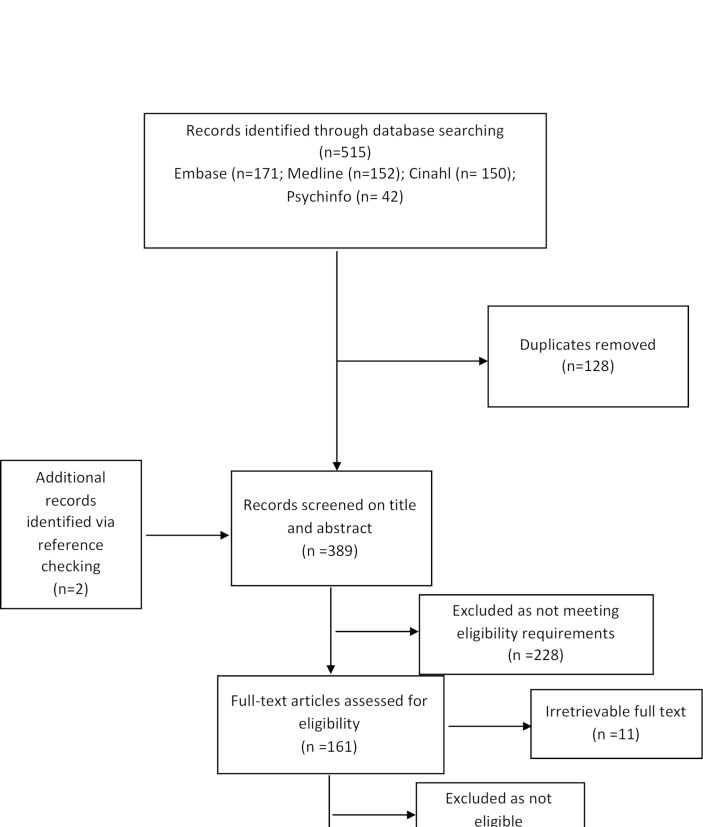
Objectives: To systematically examine the evidence of harms and benefits relating to time spent on screens for children and young people’s (CYP) health and well-being, to inform policy. Methods: Systematic review of reviews undertaken to answer the question ‘What is the evidence for health and well-being effects of screentime in children and adolescents (CYP)?’ Electronic databases were searched for systematic reviews in February 2018. Eligible reviews reported associations between time on screens (screentime; any type) and any health/well-being outcome in CYP. Quality of reviews was assessed and strength of evidence across reviews evaluated. Results: 13 reviews were identified (1 high quality, 9 medium and 3 low quality). 6 addressed body composition; 3 diet/energy intake; 7 mental health; 4 cardiovascular risk; 4 for fitness; 3 for sleep; 1 pain; 1 asthma. We found moderately strong evidence for associations between screentime and greater obesity/adiposity and higher depressive symptoms; moderate evidence for an association between screentime and higher energy intake, less healthy diet quality and poorer quality of life. There was weak evidence for associations of screentime with behaviour problems, anxiety, hyperactivity and inattention, poorer self-esteem, poorer well-being and poorer psychosocial health, metabolic syndrome, poorer cardiorespiratory fitness, poorer cognitive development and lower educational attainments and poor sleep outcomes. There was no or insufficient evidence for an association of screentime with eating disorders or suicidal ideation, individual cardiovascular risk factors, asthma prevalence or pain. Evidence for threshold effects was weak. We found weak evidence that small amounts of daily screen use is not harmful and may have some benefits. Conclusions: There is evidence that higher levels of screentime is associated with a variety of health harms for CYP, with evidence strongest for adiposity, unhealthy diet, depressive symptoms and quality of life. Evidence to guide policy on safe CYP screentime exposure is limited. PROSPERO registration number: CRD42018089483.
Overview
The claims and statistics of this paper haven’t been checked yet.
Free: it reads the open-access text and checks the first 5 claims that cite a source we can check. Create a free account to check every claim.
Integrity signals
Registry
Cites
Statistics
Figures
Verification
Claims the paper makes
The claims and statistics of this paper haven’t been checked yet.
Free: it reads the open-access text and checks the first 5 claims that cite a source we can check. Create a free account to check every claim.
Claims other papers make about this one
Each is checked against this paper’s own text: does it say what the citing paper says it does?
The source backs part of the claim, not all of it — or backs it for a different population, condition or comparison.
In the citing paper
“The results of the current review largely align with past systematic reviews, which have concluded that there is a positive association between screen time and depressive symptoms (Hoare et al., 2016;Liu et al., 2016;Stiglic & Viner, 2019;Wang et al., 2019), and a weak association between screen time and both anxiety and self-esteem (Stiglic & Viner, 2019).”
From The relationship between screen time and mental health in young people: A systematic review of longitudinal studies (2021) · cites this paper as Stiglic & Viner, 2019
Experimental — accuracy not yet measuredThe source backs part of the claim, not all of it — or backs it for a different population, condition or comparison.
In the citing paper
“This may partly be driven by the detrimental effects of screen time on mental health, including increased severity of anxiety and depressive symptoms, which have been well documented (Stiglic & Viner, 2019).”
From Social Media and Mental Health: Benefits, Risks, and Opportunities for Research and Practice (2020) · cites this paper as Stiglic & Viner, 2019
Experimental — accuracy not yet measuredThe cited source says what the claim attributes to it.
In the citing paper
“Possible mechanisms include more sedentary behavior250 and greater energy intake for children, teens, and young adults.251”
From Digital Ecosystems, Children, and Adolescents: Technical Report (2026) · cites this paper as [251]
The cited source says what the claim attributes to it.
In the citing paper
“More screen time has been associated with depressive symptoms among children and adolescents in several systematic reviews [11, 12, 43–50].”
From Screen time and mental health: a prospective analysis of the Adolescent Brain Cognitive Development (ABCD) Study (2024) · cites this paper as [48]
In the citing paper
“A systematic review of 13 published reviews concluded that there is moderately strong evidence for a positive association between screen time and depressive symptoms in children and adolescents, but not behavior problems, anxiety, hyperactivity and inattention, self-esteem, well-being, and psychosocial health (Stiglic & Viner, 2019).”
From The relationship between screen time and mental health in young people: A systematic review of longitudinal studies (2021) · cites this paper as Stiglic & Viner, 2019
1 more claim about this paper
Create a free account to see every claim other papers make about this one.
Self-check
Percentages, sums and reported differences re-computed from the paper’s own numbers.
The self-check needs the paper’s full text.
Citations
Cites
Liberati, A., Altman, D. G., Tetzlaff, J., Mulrow, C., Gøtzsche, P. C., Ioannidis, J. P. A., Clarke, M., Devereaux, P. J., Kleijnen, J., & Moher, D. (2009) · PLoS Medicine · doi:10.1371/journal.pmed.1000100 · Cited by 28,164
Liberati, A., Altman, D. G., Tetzlaff, J., Mulrow, C., Gotzsche, P. C., Ioannidis, J. P. A., Clarke, M., Devereaux, P. J., Kleijnen, J., & Moher, D. (2009) · BMJ · doi:10.1136/bmj.b2700 · Cited by 17,648
Systematic review of sedentary behaviour and health indicators in school-aged children and youth.
Tremblay, M. S., LeBlanc, A. G., Kho, M. E., Saunders, T. J., Larouche, R., Colley, R. C., Goldfield, G., & Gorber, S. (2011) · International Journal of Behavioral Nutrition and Physical Activity · doi:10.1186/1479-5868-8-98 · Cited by 2,085
Gross, K. S., Brandner, D. D., Martinez, L. A., Olive, M. F., Meisel, R. L., & Mermelstein, P. G. (2016) · PLOS ONE · doi:10.1371/journal.pone.0162755 · Cited by 1,609
Screen time and sleep among school-aged children and adolescents: a systematic literature review
Hale, L., & Guan, S. (2015) · Sleep Medicine Reviews · doi:10.1016/j.smrv.2014.07.007 · Cited by 1,468
Carson, V., Hunter, S., Kuzik, N., Gray, C. E., Poitras, V. J., Chaput, J.-P., Saunders, T. J., Katzmarzyk, P. T., Okely, A. D., Connor Gorber, S., et al. (2016) · Applied Physiology, Nutrition, and Metabolism · doi:10.1139/apnm-2015-0630 · Cited by 1,380
Children and Adolescents and Digital Media
Reid Chassiakos, Y. (., Radesky, J., Christakis, D., Moreno, M. A., Cross, C., COUNCIL ON COMMUNICATIONS AND MEDIA, Hill, D., Ameenuddin, N., Hutchinson, J., Levine, A., et al. (2016) · Pediatrics · doi:10.1542/peds.2016-2593 · Cited by 1,340
Przybylski, A. K., & Weinstein, N. (2017) · Psychological Science · doi:10.1177/0956797616678438 · Cited by 890
Wu, X. Y., Han, L. H., Zhang, J. H., Luo, S., Hu, J. W., & Sun, K. (2017) · PLOS ONE · doi:10.1371/journal.pone.0187668 · Cited by 664 · cited 1×
“HRQOL as a formal measured construct was examined by Wu et al, 22 who reported consistent evidence that greater screentime was associated with lower measured HRQOL in 11/13 cross-sectional and 4/4 longitudinal studies.”
MethodHoare, E., Milton, K., Foster, C., & Allender, S. (2016) · International Journal of Behavioral Nutrition and Physical Activity · doi:10.1186/s12966-016-0432-4 · Cited by 616 · cited 1×
“Only Hoare et al 20 reported on associations with anxiety, and found moderate evidence for a positive association between screentime duration and severity of anxiety symptoms.”
Background
Cited by
Items 101–200 of 1,000
Maheux, A. J., Burnell, K., Maza, M. T., Fox, K. A., Telzer, E. H., & Prinstein, M. J. (2025) · Journal of Child Psychology and Psychiatry · doi:10.1111/jcpp.14085 · Cited by 48
Smartphone screen time reduction improves mental health: a randomized controlled trial
Pieh, C., Humer, E. C., Hoenigl, A., Schwab, J., Mayerhofer, D., Dale, R., & Haider, K. (2025) · BMC Medicine · doi:10.1186/s12916-025-03944-z · Cited by 88
Digital Ecosystems, Children, and Adolescents: Policy Statement
Munzer, T. G., Parga-Belinkie, J., Milkovich, L. M., Tomopoulos, S., Ajumobi, T., Cross, C., Gerwin, R. L., Madigan, S. L., Psych, R., Radesky, J. S., et al. (2026) · PEDIATRICS · doi:10.1542/peds.2025-075320 · Cited by 119
Singh, S., & Balhara, Y. P. S. (2021) · Indian Journal of Psychiatry · doi:10.4103/psychiatry.indianjpsychiatry_646_20 · Cited by 51
“[11] Further, several studies have reported increased screen time to be associated with poor sleep both qualitatively and quantitatively, with a recent systematic review and meta-analysis confirming poor sleep outcomes associated with screen time in very young children (0–2 years) as well.”
Hammoudi, S. F., Mreydem, H. W., Ali, B. T. A., Saleh, N. O., Chung, S., Hallit, S. R., & Salameh, P. (2021) · Psychiatry Investigation · doi:10.30773/pi.2021.0120 · Cited by 59
Patte, K. A., Faulkner, G., Qian, W., Duncan, M. J., & Leatherdale, S. T. (2020) · BMC Public Health · doi:10.1186/s12889-020-08887-z · Cited by 53
“4 reflective of modern screen use, particularly mobile devices and computer/video games (33).”
BackgroundMarciano, L., & Camerini, A.-L. (2022) · PLoS ONE · doi:10.1371/journal.pone.0263815 · Cited by 65
Brodersen, K., Hammami, N., & Katapally, T. R. (2022) · Youth · doi:10.3390/youth2010003 · Cited by 65
“However, a systematic review has argued that there is insufficient evidence for associations between screen time and health issues such as anxiety, poor self-esteem, poor cognition, poor sleep outcomes, or suicidal ideation [6].”
Backgroundda Costa, M. P., Severo, M., Araújo, J., & Vilela, S. (2024) · Appetite · doi:10.1016/j.appet.2024.107279 · Cited by 53
“Previous studies have shown that greater screen time is linked to a higher intake of soft drinks, fast food, sugar, energy from fat and total energy, and a decrease in the daily servings of fruits and vegetables (Stiglic & Viner, 2019; W ¨ arnberg et al., 2021).”
Screen time and autistic-like behaviors among preschool children in China
Chen, J., Strodl, E. S., Wu, C., Huang, L., Yin, X., Wen, G., Sun, D., Xian, D., Chen, Y.-J., Yang, G., et al. (2020) · Psychology Health & Medicine · doi:10.1080/13548506.2020.1851034 · Cited by 60
“One important environmental factor appears to be children’s screen time, which may cause disparities in early neuropsychological development (Lissak, 2018; Stiglic & Viner, 2019).”
BackgroundGalan‐Lopez, P., Domínguez, R., Gísladóttir, Þ., Sánchez-Oliver, A. J., Pihu, M., Ríes, F., & Klonizakis, M. (2021) · Children · doi:10.3390/children8030188 · Cited by 70
Quality of Life and Meeting 24-h WHO Guidelines Among Preschool Children in Singapore
Chia, M., Tay, L. Y., & Chua, T. B. K. (2019) · Early Childhood Education Journal · doi:10.1007/s10643-019-00987-9 · Cited by 49
Validated assessment tools for screen media use: a systematic review.
Perez, O., Garza, T., Hindera, O., Beltran, A., Musaad, S. M., Dibbs, T., Singh, A., Chug, S., Sisson, A., Kumar Vadathya, A., et al. (2023) · PLoS ONE · doi:10.1371/journal.pone.0283714 · Cited by 44
Pardhan, S., Parkin, J., Trott, M., & Driscoll, R. (2022) · Journal of School Health · doi:10.1111/josh.13170 · Cited by 68
Davis, D. L., Birnbaum, L. S., Ishai, P. B., Taylor, H. S., Sears, M., Butler, T., & Scarato, T. (2023) · Current problems in pediatric and adolescent health care · doi:10.1016/j.cppeds.2023.101374 · Cited by 56
Screen media activity in youth: A critical review of mental health and neuroscience findings
Paulus, M. P., Zhao, Y., Potenza, M. N., Aupperle, R. L., Bagot, K. S., & Tapert, S. F. (2023) · Journal of Mood and Anxiety Disorders · doi:10.1016/j.xjmad.2023.100018 · Cited by 68
“Stiglic and Viner [62] reported moderate evidence for an association between increased SMA and higher energy intake and less healthy diets.”
Hassinger‐Das, B., Brennan, S., Dore, R. A., Golinkoff, R. M., & Hirsh‐Pasek, K. (2020) · Annual Review of Developmental Psychology · doi:10.1146/annurev-devpsych-060320-095612 · Cited by 67
“The AAP (2016) recommendations along with the current state of research, as evidenced by reviews such as one by Stiglic & Viner (2019), support the idea that digital media technology per se is not a problem but rather that the problem lies in how that technology is used (Guernsey & Levine 2016).”
BackgroundPrzepiórka, A., Błachnio, A., Cudo, A., & Kot, P. (2021) · Computers & Education · doi:10.1016/j.compedu.2021.104286 · Cited by 72
Chong, K. H., Parrish, A., Cliff, D. P., Dumuid, D., & Okely, A. D. (2021) · International Journal of Environmental Research and Public Health · doi:10.3390/ijerph18115995 · Cited by 50
“, being sedentary) or the content/context of the screen viewing [18,20].”
BackgroundBohnert, M., & Gracia, P. (2023) · Journal of Adolescence · doi:10.1002/jad.12193 · Cited by 64
Feel4Diabetes-study group, Anastasiou, C. A., Fappa, E., Zachari, K., Mavrogianni, C., Stappen, V. V., Kivelä, J., Virtanen, E., González‐Gil, E. M., Flores‐Barrantes, P., et al. (2020) · BMC Endocrine Disorders · doi:10.1186/s12902-019-0469-x · Cited by 42
Oh, C., Carducci, B., Vaivada, T., & Bhutta, Z. A. (2022) · Pediatrics · doi:10.1542/peds.2021-053852i · Cited by 42
Objectively measured infant and toddler screen time: Findings from a prospective study
Brushe, M. E., Lynch, J. W., Melhuish, E. C., Reilly, S., Mittinty, M., & Brinkman, S. A. (2023) · SSM - Population Health · doi:10.1016/j.ssmph.2023.101395 · Cited by 42
Rethinking Screen Time during COVID-19: Impact on Psychological Well-Being in Physiotherapy Students
Akulwar-Tajane, I., Parmar, K. K., Naik, P. H., & Shah, A. V. (2020) · International Journal of Clinical and Experimental Medicine Research · doi:10.26855/ijcemr.2020.10.014 · Cited by 61
“There is evidence that higher levels of screen time is associated with a variety of health harms for young people, with evidence strongest for adiposity, unhealthy diet, depressive symptoms and quality of life [72].”
Pedersen, J., Rasmussen, M. G. B., Olesen, L. G., Klakk, H., Kristensen, P. L., & Grøntved, A. (2021) · Preventive Medicine · doi:10.1016/j.ypmed.2021.106908 · Cited by 43
Interactive technology use and child development: A systematic review
Arabiat, D. H., Jabery, M. A. F. A., Robinson, S., Whitehead, L., & Mörelius, E. (2022) · Child Care Health and Development · doi:10.1111/cch.13082 · Cited by 103
“The impact of digital technology most prevalent in the literature included the developmental correlates of screen media exposure, mainly with relation to the physical activity and/or obesity/ adiposity (Fang et al., 2019; Reus & Mosley, 2018; Stiglic & Viner, 2019).”
BackgroundParental Concerns about their School-aged Children’s Use of Digital Devices
Danet, M. (2020) · Journal of Child and Family Studies · doi:10.1007/s10826-020-01760-y · Cited by 67
Poulain, T., Sobek, C., Ludwig, J., Igel, U., Grande, G., Ott, V., Kieß, W., Körner, A., & Vogel, M. (2020) · International Journal of Environmental Research and Public Health · doi:10.3390/ijerph17176321 · Cited by 55
“, overweight or lower mental health [17,18].”
Cardy, R. E., Dupuis, A., Anagnostou, E., Ziolkowski, J., Biddiss, E. A., Monga, S., Brian, J., Penner, M., & Kushki, A. (2021) · Frontiers in Psychiatry · doi:10.3389/fpsyt.2021.702774 · Cited by 41
Multisystem Inflammatory Syndrome in Children
Waseem, M., Shariff, M. A., Tay, E. T., Mortel, D., Savadkar, S., Lee, H., Kondamudi, N. P., & Liang, T. (2021) · Journal of Emergency Medicine · doi:10.1016/j.jemermed.2021.07.070 · Cited by 51
Carpenter, C. A., Byun, S., Turner‐McGrievy, G. M., & West, D. S. (2021) · International Journal of Environmental Research and Public Health · doi:10.3390/ijerph18189930 · Cited by 66
Dy, A. B. C., Dy, A. B. C., & Santos, S. K. (2023) · BMC Public Health · doi:10.1186/s12889-023-16188-4 · Cited by 92
“There are also parents who do not follow recommendations and introduce children younger than 2 years old to digital media [6, 12].”
BackgroundNagata, J. M., Iyer, P., Chu, J., Baker, F. C., Gabriel, K. P., Garber, A. K., Murray, S. B., Bibbins-Domingo, K. B., & Ganson, K. T. (2021) · Pediatric Obesity · doi:10.1111/ijpo.12827 · Cited by 52
“In addition, most of the existing literature pertains to undifferentiated total screen time or takes a narrower focus on television as the primary medium of media consumption.(4,5) Although youth interact with a diverse array of screens, there is sparse research exploring BMI's relationship to newer modalities such as…”
BackgroundUrban environment and health behaviours in children from six European countries
Fernández‐Barrés, S., Robinson, O., Fossati, S., Márquez, S., Basagaña, X., de Bont, J., de Castro, M., Donaire-González, D., Maître, L., Nieuwenhuijsen, M. J., et al. (2022) · Environment International · doi:10.1016/j.envint.2022.107319 · Cited by 46
Increased Screen Time for Children and Youth During the COVID-19 Pandemic
Toombs, E., Mushquash, C. J., Mah, L., Short, K., Young, N. L., Cheng, C., Zhu, L., Strudwick, G., Birken, C. S., Hopkins, J. P., et al. (2022) · doi:10.47326/ocsat.2022.03.59.1.0 · Cited by 58
Screen-based behaviors in Australian adolescents: Longitudinal trends from a 4-year follow-up study
Thomas, G., Bennie, J. A., De Cocker, K., Ireland, M. J., & Biddle, S. J. H. (2020) · Preventive Medicine · doi:10.1016/j.ypmed.2020.106258 · Cited by 39
“Higher levels of screen time are associated with multiple adverse physical and mental 41 health indicators among children and adolescents, and such associations often remain when 42 adjusted for time spent in moderate-to-vigorous intensity physical activity [2].”
BackgroundThe Role of the Pediatrician in the Promotion of Healthy, Active Living
Muth, N. D., Bolling, C. F., Hannon, T. S., Sharifi, M., OBESITY, S. O., Armstrong, S., Barlow, S. E., Fox, C. K., Groos, J., Haemer, M. A., et al. (2024) · PEDIATRICS · doi:10.1542/peds.2023-065480 · Cited by 57
Online learning drawbacks during the Covid-19 pandemic: A psychological perspective
Syahputri, V. N., Rahma, E. A., Setiyana, R., Diana, S., & Parlindungan, F. (2020) · EnJourMe (English Journal of Merdeka) · doi:10.26905/enjourme.v5i2.5005 · Cited by 53
Cross-sectional associations between screen time and the selected lifestyle behaviors in adolescents
Fan, H., Yan, J. H., Yang, Z., Liang, K., & Chen, S. (2022) · Frontiers in Public Health · doi:10.3389/fpubh.2022.932017 · Cited by 47
Jain, S., Shrivastava, S., Mathur, A., Pathak, D., & Pathak, A. (2023) · International Journal of Environmental Research and Public Health · doi:10.3390/ijerph20043449 · Cited by 54
“Tear film instability increases with electronic device use during focused SVT, which leads to an increased interblink interval, leading to eye fatigue and tear film instability [4,12,14].”
BackgroundZhu, X., GRIFFITHS, H. M., Xiao, Z., Ribeaud, D., Eisner, M., Yang, Y., & Murray, A. L. (2023) · Journal of Youth and Adolescence · doi:10.1007/s10964-023-01782-x · Cited by 66
“These outcomes include mental health and behavioral issues, i.e., depression, anxiety (e.g., Kandola et al., 2021; Stiglic & Viner, 2019), suicidal ideation (e.g., Coyne et al., 2021), self-injury (e.g., Wiguna et al., 2021), aggression (e.g., Keikha et al., 2020), substance use (e.g., Boers et…”
BackgroundAssociations of screen use with cognitive development in early childhood: the ELFE birth cohort
Yang, S., Saïd, M., Peyre, H., Ramus, F., Taine, M., Law, E. C. N., Dufourg, M., Heude, B., Charles, M.-A. A., & Bernard, J. Y. (2023) · Journal of Child Psychology and Psychiatry · doi:10.1111/jcpp.13887 · Cited by 65
“There has been extensive concern that early excessive screen use may hinder children’s development (Stiglic & Viner, 2019; Tremblay et al., 2011), but there is no clear consensus to date (Madigan, McArthur, Anhorn, Eirich, & Chris-takis, 2020).”
BackgroundRodrigues, D., Gama, A., Machado‐Rodrigues, A. M., Nogueira, H. G. D. S. M., Silva, R., Rosado‐Marques, V., & Padez, C. M. P. (2020) · BMC Public Health · doi:10.1186/s12889-020-09026-4 · Cited by 58
The impact of media on children during the COVID-19 pandemic: A narrative review
Mesce, M., Ragona, A., Cimino, S., & Cerniglia, L. (2022) · Heliyon · doi:10.1016/j.heliyon.2022.e12489 · Cited by 61
“A recent publication (Stiglic and Viner, 2019) showed moderately convincing support for a correlation betwixt display time and depressive symptomatology and weak evidence for an association betwixt screen time and behavior problems, anxiety, hyperactivity, inattention, decreased self-esteem, and…”
So, H., Chua, G. T., Yip, K. M., Tung, K. T. S., Wong, R. S. M., Louie, L. H.-T., Tso, W. W. Y., Wong, I. C. K., Yam, J. C. S., Kwan, M. Y. W., et al. (2022) · International Journal of Environmental Research and Public Health · doi:10.3390/ijerph191710539 · Cited by 46
“This raises concerns regarding the known potential harms of excessive screen time, mainly the risks to physical and mental health such as greater obesity and higher depressive symptoms, among school-aged children [10].”
BackgroundSadeghi, S., Pouretemad, H., Khosrowabadi, R., Fathabadi, J., & Nikbakht, S. (2019) · Asian Journal of Psychiatry · doi:10.1016/j.ajp.2019.08.003 · Cited by 41
Parenting and Child Behaviour Barriers to Managing Screen Time With Young Children
Halpin, S., Mitchell, A. E., Baker, S., & Morawska, A. (2021) · Journal of Child and Family Studies · doi:10.1007/s10826-020-01881-4 · Cited by 52
Meegahapola, L., Ruíz-Correa, S., Robledo-Valero, V. D. C., Hernández-Huérfano, E. E., Álvarez-Rivera, L., Chenú-Abente, R., & Gática-Pérez, D. (2021) · Proceedings of the ACM on Interactive Mobile Wearable and Ubiquitous Technologies · doi:10.1145/3448120 · Cited by 51
“It also supports findings from prior literature that screen time is an important variable in determining "overeating" and unhealthy dieting habits [112].”
BackgroundResultInfluentialChen, J., YANG, K. Y., Cao, Y., Du, Y., Wang, N., & Qu, M. (2022) · Frontiers in Psychiatry · doi:10.3389/fpsyt.2022.870346 · Cited by 46
Salway, R., Walker, R. A. J., Sansum, K. M., House, D., Emm-Collison, L., Reid, T., Breheny, K., Williams, J. G., de Vocht, F., Hollingworth, W., et al. (2023) · BMC Public Health · doi:10.1186/s12889-023-14976-6 · Cited by 41
“The majority of research has focused on television (TV) viewing, with less conclusive evidence for an association with overall screen time or non-TV screen time [1, 3].”
BackgroundIdentifying and Navigating the Barriers of Parental Involvement in Early Childhood Education
Wildmon, M. E., Anthony, K., & Kamau, Z. J. (2024) · Current Issues in Education · doi:10.14507/cie.vol25iss1.2146 · Cited by 88
“A growing body of evidence indicates that young children's excessive screen time is related to several adverse health consequences (Stiglic & Viner, 2019).”
BackgroundAssociation of screen time and sleep duration among Spanish 1‐14 years old children
Cartanyà‐Hueso, À., Lidón‐Moyano, C., Martín‐Sánchez, J. C., González‐Marrón, A., Santander, N. M., Catalina, Q. M., & Martínez-Sánchez, J. M. (2020) · Paediatric and Perinatal Epidemiology · doi:10.1111/ppe.12695 · Cited by 47
Taylor, R. W., Haszard, J. J., Healey, D. M., Meredith-Jones, K. A., Taylor, B. J., & Galland, B. C. (2021) · International Journal of Behavioral Nutrition and Physical Activity · doi:10.1186/s12966-021-01185-w · Cited by 43
#Gymlad - young boys learning processes and health-related social media
Goodyear, V., & Quennerstedt, M. (2020) · Qualitative Research in Sport, Exercise and Health · doi:10.1080/2159676x.2019.1673470 · Cited by 35
“…the complexities of the learning process because research has tended to be grounded in the effects of use (e.g. physical inactivity, wellbeing – Stiglic and Viner 2019), the relationship between effects, time and content (e.g. screen time – Orben and Przybylski 2019), and/or focused on…”
BackgroundInfluentialScreen time in early childhood
Dumuid, D. (2020) · The Lancet Child & Adolescent Health · doi:10.1016/s2352-4642(20)30005-5 · Cited by 52
Schoentgen, B., Gagliardi, G. P., & Defontaines, B. (2020) · Frontiers in Psychology · doi:10.3389/fpsyg.2020.01814 · Cited by 52
“At the age of 6 years old, children who learn musical instruments are more impervious to noise (i.e., more resistant to auditory distraction) (Strait and Kraus, 2011).”
BackgroundAmudhan, S., Prakasha, H., Mahapatra, P., Burma, A. D., Mishra, V., Sharma, M. K., & Rao, G. N. (2020) · Journal of Public Health · doi:10.1093/pubmed/fdaa257 · Cited by 51
Lifestyle habits and depressive symptoms in Norwegian adolescents: a national cross-sectional study
Kleppang, A. L., Haugland, S. H., Bakken, A., & Stea, T. H. (2021) · BMC Public Health · doi:10.1186/s12889-021-10846-1 · Cited by 35
“A recent systematic review of reviews concluded that although few studies have been conducted, there was moderate to strong evidence confirming an association between screen time and depression, but limited evidence indicated an association between social media use and symptoms of depression [20].”
BackgroundAndriyani, F. D., Biddle, S., & Cocker, K. A. D. (2021) · BMC Public Health · doi:10.1186/s12889-021-11931-1 · Cited by 49
Digital screen time during COVID-19 pandemic: A public health concernPreprint
Sultana, A., Tasnim, S., Bhattacharya, S., Hossain, M. M., & Purohit, N. (2020) · SocArXiv (OSF Preprints) · doi:10.31235/osf.io/e8sg7 · Cited by 39
The impact of algorithmic decision-making processes on young people’s well-being
Vallejos, E. P., Dowthwaite, L., Creswich, H., Portillo, V., Koene, A. R., Jirotka, M. D., McCarthy, A., & McAuley, D. (2021) · Health Informatics Journal · doi:10.1177/1460458220972750 · Cited by 63
Lorrio, S., Rodríguez-Luna, A., Delgado‐Wicke, P., Mascaraque, M., Gallego-Rentero, M., Pérez-Davó, A., González, S., & Juarranz, Á. (2020) · International Journal of Molecular Sciences · doi:10.3390/ijms21030988 · Cited by 40
“The negative effects of screentime are related to disturbances such as irritability, cognitive disorders and obesity, to mention just a few [20].”
BackgroundLiu, R., Chen, X., Qi, H., Feng, Y., Xiao, L., Yuan, X.-F., Li, Y.-Q., Huang, H.-H., Pao, C., Zheng, Y., et al. (2021) · Journal of Affective Disorders · doi:10.1016/j.jad.2021.02.020 · Cited by 42
“Long hours of studying might indicate heavy burdens of homework and insufficient sleep, which had negative impacts on the mental health of students and parentadolescent relationships (Boers et al., 2019; Brown et al., 2018; Liu et al., 2020b; Liu et al., 2019; McMakin and Alfano, 2015; Stiglic and Viner, 2019; Sun et…”
Brodersen, K., Hammami, N., & Katapally, T. R. (2023) · BMC Public Health · doi:10.1186/s12889-023-15037-8 · Cited by 48
Machine Learning and Health Science Research: Tutorial
Cho, H., She, J., de Marchi, D., El-Zaatari, H., Barnes, E. L., Kahkoska, A. R., Kosorok, M. R., & Virkud, A. (2024) · Journal of Medical Internet Research · doi:10.2196/50890 · Cited by 43
“As a concrete example, suppose a researcher is interested in investigating the health effects of electronic screen time use over several months [25].”
The Impact of Digital Devices on Children’s Health: A Systematic Literature Review
Presta, V., Guarnieri, A., Laurenti, F., Mazzei, S., Arcari, M. L., Mirandola, P., Vitale, M., Chia, M., Condello, G., & Gobbi, G. (2024) · Journal of Functional Morphology and Kinesiology · doi:10.3390/jfmk9040236 · Cited by 69
“Additionally, childhood lifestyle choices affect health in adulthood [12,16] and are influenced by various factors [17].”
Childhood Lifestyle Behaviors and Mental Health Symptoms in Adolescence
Haapala, E. A., Leppänen, M. H., Kosola, S. K., Appelqvist‐Schmidlechner, K., Kraav, S., Jussila, J. J., Tolmunen, T., Lubans, D. R., Eloranta, A., Schwab, U., et al. (2025) · JAMA Network Open · doi:10.1001/jamanetworkopen.2024.60012 · Cited by 58
Chen, J., Strodl, E. S., Huang, L., Chen, Y.-J., Yang, G., & Chen, W. (2020) · Children · doi:10.3390/children7110200 · Cited by 42
Raj, D., Ahmad, N., Zulkefli, N. A. M., & Lim, P. Y. (2023) · Journal of Medical Internet Research · doi:10.2196/40955 · Cited by 46
“In addition, other detrimental health outcomes such as sleep disturbances [12], conduct problems, hyperactivity [8], behavioral disorders [13], and poor quality of life [14] have also been reported.”
Wasserman, D., Arango, C., Fiorillo, A., Levin, S. M., Peters, A., Rao, P. G., Sanchez, T., & Sylla, A. (2023) · World Psychiatry · doi:10.1002/wps.21146 · Cited by 35
López-González, D., Partida-Gaytán, A., Wells, J. C. K., Reyes-Delpech, P., Avila-Rosano, F., Ortiz-Obregon, M., Gomez-Mendoza, F., Díaz-Escobar, L., & Clark, P. (2020) · Nutrients · doi:10.3390/nu12030819 · Cited by 41
“Excessive time spent in front of a television or computer screen is a dominant sedentary pastime of all ages and is closely related to reduced physical activity, increased meal frequency, snacking, energy intake and adiposity [9,12,39].”
BackgroundZhang, P., Tang, X., Peng, X., Hao, G., Luo, S., & Liang, X. (2022) · Preventive Medicine · doi:10.1016/j.ypmed.2022.107014 · Cited by 48
Frayon, S., Wattelez, G., Paufique, E., Nedjar-Guerre, A., Serra-Mallol, C., & Galy, O. (2020) · The Lancet Regional Health - Western Pacific · doi:10.1016/j.lanwpc.2020.100025 · Cited by 31
Nagata, J. M., Lee, C. M., Yang, J. H., Al-Shoaibi, A. A. A., Ganson, K. T., Testa, A. M., & Jackson, D. B. (2023) · Annals of Epidemiology · doi:10.1016/j.annepidem.2023.03.004 · Cited by 35
Reyna-Vargas, M. E., Parmar, A., Lefebvre, D. L., Azad, M. B., Becker, A. B., Turvey, S. E., Moraes, T. J., Lou, W. Y. W., Subbarao, P., Sears, M. R., et al. (2022) · Nature and Science of Sleep · doi:10.2147/nss.s363211 · Cited by 47
“While numerous cross-sectional studies have shown clear associations between shorter sleep duration and increased risk of higher body mass index (BMI), recent reviews highlight the lack of longitudinal studies with heterogeneous samples that have explored these associations.(9,13) Furthermore, there is insufficient ev…”
BackgroundPfefferbaum, B. J., & Horn, R. L. V. (2022) · Current Psychiatry Reports · doi:10.1007/s11920-022-01366-9 · Cited by 44
Exploring contemporary screen time in Australian adolescents: A qualitative study
Thomas, G., Bennie, J. A., De Cocker, K., & Biddle, S. J. H. (2021) · Health Promotion Journal of Australia · doi:10.1002/hpja.440 · Cited by 29
Screen-time during the after-school period: A contextual perspective
Haycraft, E., Sherar, L. B., Griffiths, P., Biddle, S. J. H., & Pearson, N. (2020) · Preventive Medicine Reports · doi:10.1016/j.pmedr.2020.101116 · Cited by 30
“Many screen-based activities are traditionally solitary and thus there are concerns that adolescents might form ‘electronic friendships’ or ‘cyber identities’ which may displace relationships with peers and family, ultimately hindering social development and intra(er)personal skills and negatively impacting mental hea…”
BackgroundSticca, F., Brauchli, V., & Lannen, P. (2025) · Frontiers in Developmental Psychology · doi:10.3389/fdpys.2024.1439040 · Cited by 61
Félez-Nóbrega, M., Bort‐Roig, J., Briones, L., Niubo, A. S., Koyanagi, A., Puigoriol, E., & Puig-Ribera, A. M. (2020) · Journal of Sports Sciences · doi:10.1080/02640414.2020.1748359 · Cited by 42
“First, it has been postulated that rather than SB per se, it is the content watched that may be detrimental for mental health (Stiglic & Viner, 2019).”
BackgroundResultAssociation between Leisure Screen Time and Emotional and Behavioral Problems in Spanish Children
Cartanyà‐Hueso, À., Lidón‐Moyano, C., González‐Marrón, A., Martín‐Sánchez, J. C., Amigo, F., & Martínez-Sánchez, J. M. (2021) · The Journal of Pediatrics · doi:10.1016/j.jpeds.2021.09.031 · Cited by 40
Associations of Passive and Active Screen Time With Psychosomatic Complaints of Adolescents
Khan, A., Lee, E., Janssen, I., & Tremblay, M. S. (2022) · American Journal of Preventive Medicine · doi:10.1016/j.amepre.2022.01.008 · Cited by 42
Wray‐Lake, L., Wilf, S. B., Kwan, J. Y., & Oosterhoff, B. J. (2022) · Youth · doi:10.3390/youth2010007 · Cited by 42
Lewis, L., Povey, R., Rose, S., Cowap, L., Semper, H., Carey, A., Bishop, J., & Clark-Carter, D. (2021) · Preventive Medicine Reports · doi:10.1016/j.pmedr.2021.101429 · Cited by 29
Proctor, A. S., Barth, A., & Holt‐Lunstad, J. (2023) · Lifestyle Medicine · doi:10.1002/lim2.91 · Cited by 65
Screen exposure exacerbates ADHD symptoms indirectly through increased sleep disturbance
Cavalli, E., Anders, R., Chaussoy, L., Herbillon, V., Franco, P., & Putois, B. (2021) · Sleep Medicine · doi:10.1016/j.sleep.2021.03.010 · Cited by 51
Chronic sleep deprivation in teenagers: Practical ways to help
Seton, C., & Fitzgerald, D. A. (2021) · Paediatric Respiratory Reviews · doi:10.1016/j.prrv.2021.05.001 · Cited by 36
Parent beliefs and child media use: Stress and digital skills as moderators
Griffith, S. F. (2023) · Journal of Applied Developmental Psychology · doi:10.1016/j.appdev.2023.101535 · Cited by 44
Khadilkar, V. V., Shah, N. B., Harish, R., Ayyavoo, A., Bang, A., Basu, S., Chatterjee, S., Chhatwal, J., Elizabeth, K. E., Ghate, S., et al. (2023) · Indian Pediatrics · doi:10.1007/s13312-023-3066-z · Cited by 43
Causal Relationships Between Screen Use, Reading, and Brain Development in Early Adolescents
Li, M., Zhao, R., Dang, X., Xu, X., Chen, R., Chen, Y., Zhang, Y., Zhao, Z., & Wu, D. (2024) · Advanced Science · doi:10.1002/advs.202307540 · Cited by 41
Pyne, B., Asmara, O. J., & Morawska, A. (2025) · Clinical Child and Family Psychology Review · doi:10.1007/s10567-025-00523-9 · Cited by 67
“However, among preschool-aged children there is no evidence suggesting any health-related benefits of screen use (LeBlanc et al., 2012; Stiglic & Viner, 2019).”
Myszkowska-Ryciak, J., Harton, A., Lange, E., Laskowski, W., Wawrzyniak, A., Hamułka, J., & Gajewska, D. (2020) · Nutrients · doi:10.3390/nu12051323 · Cited by 32
Cartanyà‐Hueso, À., González‐Marrón, A., Lidón‐Moyano, C., Garcia, E., Martín‐Sánchez, J. C., & Martínez-Sánchez, J. M. (2021) · Healthcare · doi:10.3390/healthcare9020228 · Cited by 37
“, cardiovascular risk and fitness) is weak [21].”
BackgroundKarabanov, G. M., Asaf, M., Ziv, M., & Aram, D. (2021) · Early Education and Development · doi:10.1080/10409289.2021.1882810 · Cited by 32
“M Cheung et al., 2017; Nathanson et al., 2014; Stiglic & Viner, 2019; Twenge & Campbell, 2018).”
BackgroundKamaleddine, A. N., Antar, H. A., Ali, B. T. A., Hammoudi, S. F., Lee, J., Lee, T., Bhang, S., Chung, S., & Salameh, P. (2022) · Psychiatry Investigation · doi:10.30773/pi.2021.0239 · Cited by 41
Smout, S., Gardner, L. A., Newton, N. C., & Champion, K. E. (2023) · Australian and New Zealand Journal of Public Health · doi:10.1016/j.anzjph.2022.100010 · Cited by 33
Effectiveness of a school-based intervention on physical activity and screen time among adolescents
Ahmed, K. R., Kolbe-Alexander, T. L., & Khan, A. (2021) · Journal of science and medicine in sport · doi:10.1016/j.jsams.2021.10.007 · Cited by 34
Sørensen, L. M. N., Aamodt, G., Brantsæter, A. L., Meltzer, H. M., & Papadopoulou, E. (2021) · International Journal of Obesity · doi:10.1038/s41366-021-00951-x · Cited by 32
“Similarly, physical activity and sedentary behaviors, including screentime, have been associated with diet quality in several cross-sectional studies [81], and as with dietary habits, such behaviors can track throughout childhood and later life [82, 83].”
BackgroundPrevalencia de la obesidad en España y en sus comunidades autónomas, 1987-2020
Feijoo, L., Rey‐Brandariz, J., Guerra-Tort, C., Candal‐Pedreira, C., Santiago-Pérez, M. I., Ruano‐Raviña, A., & Pérez‐Ríos, M. (2024) · Revista Española de Cardiología · doi:10.1016/j.recesp.2023.12.019 · Cited by 27
Methodology to Derive Objective Screen-State from Smartphones: A SMART Platform Study
Katapally, T. R., & Chu, L. M. (2019) · International Journal of Environmental Research and Public Health · doi:10.3390/ijerph16132275 · Cited by 32
Metadata
- Authors
- Stiglic, N., & Viner, R. M.
- Affiliations
- University College London (GB)
- Corresponding author
- Viner, Russell M
- ORCID
- Viner, Russell M
- Venue
- BMJ Open
- Publisher
- BMJ
- Published
- 2019-01
- Volume
- 9
- Issue
- 1
- Pages
- e023191
- ISSN
- 2044-6055 (ISSN-L)
- PMC
- PMC6326346
- OpenAlex
- W2907375908
- Cited by
- 1,259
- References
- 29
- Citations by year
- 2026: 193 · 2025: 193 · 2024: 179 · 2023: 161 · 2022: 201 · 2021: 148 · 2020: 142 · 2019: 37
- FWCI
- 38.03
- Type
- journal article
- Language
- en
- Open access
- gold
- doi.org
- Licence
- cc-by-nc
- Locations
- BMJ Open (publishedVersion, cc-by-nc)
- Europe PMC (PubMed Central) (publishedVersion, other-oa)
- PubMed Central (publishedVersion, cc-by-nc)
- PubMed (publishedVersion)
- DOAJ (DOAJ: Directory of Open Access Journals) (submittedVersion)
- UCL Discovery (University College London) (submittedVersion)
- Funders
- National Institute for Health and Care Research (NF-SI-0515-10085)
- Topics
- Social Sciences › Education › Child Development and Digital Technology
- Health Sciences › Medicine › Public Health, Environmental and Occupational Health › Physical Activity and Health
- Social Sciences › Sociology and Political Science › Impact of Technology on Adolescents
- Keywords
- screen time, children and adolescents, child health, well-being, obesity, adiposity, depressive symptoms, diet quality, energy intake, sleep, cardiorespiratory fitness, cognitive development, educational attainment, quality of life, mental health, cardiovascular risk, threshold effects
- MeSH terms
- Screen Time, Adolescent, Adolescent Behavior, Child, Child Behavior, Child, Preschool, Depression, Feeding Behavior, Humans, Quality of Life, Review Literature as Topic, Exercise, Pediatric Obesity
About these checks
Registry, retraction, Cites and statistics results are computed, not judged, with one exception: a printed reference that no index lists is read once by a model before it counts as a citation error. Claims are extracted by a model and kept only when their quote appears verbatim in the text; each cited source is then checked, with a model’s help, for whether it says what the claim relies on. Those verdicts can be wrong — read the claim’s quote and the cited source before relying on one.
Statistics and arithmetic are recomputed, not judged.
Confidence bands are shown only for fields calibrated on our annotated test set. None is calibrated yet, so no band is shown.
What counts as a claim ›How we measure confidence ›How we check this ›
Are you an author, or do you see a problem with this page? Request a review
Data sources
Bibliographic data: Semantic Scholar, OpenAlex, Crossref.
Contains information from the Semantic Scholar Academic Graph Datasets, made available under the ODC Attribution License (ODC-BY 1.0).
Semantic Scholar’s data is described in: Kinney, R., et al. (2023). The Semantic Scholar Open Data Platform. arXiv:2301.10140.
