

Effects of screentime on the health and well-being of children and adolescents: a systematic review of reviews
Open accessThe DOI matches its Crossref record; 29 of the 29 references it cites were found in a registry or an index.
Abstract
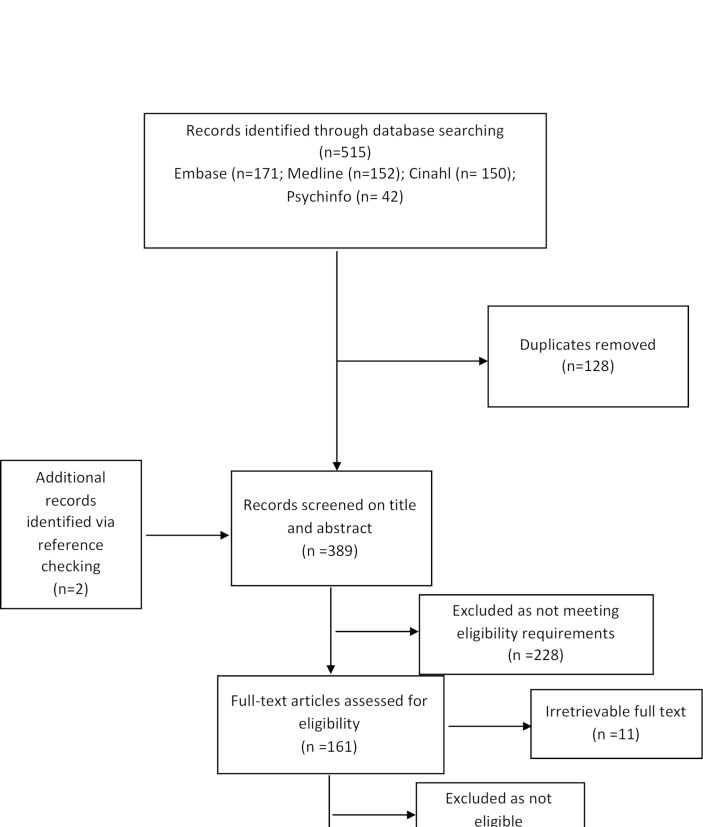
Objectives: To systematically examine the evidence of harms and benefits relating to time spent on screens for children and young people’s (CYP) health and well-being, to inform policy. Methods: Systematic review of reviews undertaken to answer the question ‘What is the evidence for health and well-being effects of screentime in children and adolescents (CYP)?’ Electronic databases were searched for systematic reviews in February 2018. Eligible reviews reported associations between time on screens (screentime; any type) and any health/well-being outcome in CYP. Quality of reviews was assessed and strength of evidence across reviews evaluated. Results: 13 reviews were identified (1 high quality, 9 medium and 3 low quality). 6 addressed body composition; 3 diet/energy intake; 7 mental health; 4 cardiovascular risk; 4 for fitness; 3 for sleep; 1 pain; 1 asthma. We found moderately strong evidence for associations between screentime and greater obesity/adiposity and higher depressive symptoms; moderate evidence for an association between screentime and higher energy intake, less healthy diet quality and poorer quality of life. There was weak evidence for associations of screentime with behaviour problems, anxiety, hyperactivity and inattention, poorer self-esteem, poorer well-being and poorer psychosocial health, metabolic syndrome, poorer cardiorespiratory fitness, poorer cognitive development and lower educational attainments and poor sleep outcomes. There was no or insufficient evidence for an association of screentime with eating disorders or suicidal ideation, individual cardiovascular risk factors, asthma prevalence or pain. Evidence for threshold effects was weak. We found weak evidence that small amounts of daily screen use is not harmful and may have some benefits. Conclusions: There is evidence that higher levels of screentime is associated with a variety of health harms for CYP, with evidence strongest for adiposity, unhealthy diet, depressive symptoms and quality of life. Evidence to guide policy on safe CYP screentime exposure is limited. PROSPERO registration number: CRD42018089483.
Overview
The claims and statistics of this paper haven’t been checked yet.
Free: it reads the open-access text and checks the first 5 claims that cite a source we can check. Create a free account to check every claim.
Integrity signals
Registry
Cites
Statistics
Figures
Verification
Claims the paper makes
The claims and statistics of this paper haven’t been checked yet.
Free: it reads the open-access text and checks the first 5 claims that cite a source we can check. Create a free account to check every claim.
Claims other papers make about this one
Each is checked against this paper’s own text: does it say what the citing paper says it does?
The source backs part of the claim, not all of it — or backs it for a different population, condition or comparison.
In the citing paper
“The results of the current review largely align with past systematic reviews, which have concluded that there is a positive association between screen time and depressive symptoms (Hoare et al., 2016;Liu et al., 2016;Stiglic & Viner, 2019;Wang et al., 2019), and a weak association between screen time and both anxiety and self-esteem (Stiglic & Viner, 2019).”
From The relationship between screen time and mental health in young people: A systematic review of longitudinal studies (2021) · cites this paper as Stiglic & Viner, 2019
Experimental — accuracy not yet measuredThe source backs part of the claim, not all of it — or backs it for a different population, condition or comparison.
In the citing paper
“This may partly be driven by the detrimental effects of screen time on mental health, including increased severity of anxiety and depressive symptoms, which have been well documented (Stiglic & Viner, 2019).”
From Social Media and Mental Health: Benefits, Risks, and Opportunities for Research and Practice (2020) · cites this paper as Stiglic & Viner, 2019
Experimental — accuracy not yet measuredThe cited source says what the claim attributes to it.
In the citing paper
“Possible mechanisms include more sedentary behavior250 and greater energy intake for children, teens, and young adults.251”
From Digital Ecosystems, Children, and Adolescents: Technical Report (2026) · cites this paper as [251]
The cited source says what the claim attributes to it.
In the citing paper
“More screen time has been associated with depressive symptoms among children and adolescents in several systematic reviews [11, 12, 43–50].”
From Screen time and mental health: a prospective analysis of the Adolescent Brain Cognitive Development (ABCD) Study (2024) · cites this paper as [48]
In the citing paper
“A systematic review of 13 published reviews concluded that there is moderately strong evidence for a positive association between screen time and depressive symptoms in children and adolescents, but not behavior problems, anxiety, hyperactivity and inattention, self-esteem, well-being, and psychosocial health (Stiglic & Viner, 2019).”
From The relationship between screen time and mental health in young people: A systematic review of longitudinal studies (2021) · cites this paper as Stiglic & Viner, 2019
1 more claim about this paper
Create a free account to see every claim other papers make about this one.
Self-check
Percentages, sums and reported differences re-computed from the paper’s own numbers.
The self-check needs the paper’s full text.
Citations
Cites
Liberati, A., Altman, D. G., Tetzlaff, J., Mulrow, C., Gøtzsche, P. C., Ioannidis, J. P. A., Clarke, M., Devereaux, P. J., Kleijnen, J., & Moher, D. (2009) · PLoS Medicine · doi:10.1371/journal.pmed.1000100 · Cited by 28,164
Liberati, A., Altman, D. G., Tetzlaff, J., Mulrow, C., Gotzsche, P. C., Ioannidis, J. P. A., Clarke, M., Devereaux, P. J., Kleijnen, J., & Moher, D. (2009) · BMJ · doi:10.1136/bmj.b2700 · Cited by 17,648
Systematic review of sedentary behaviour and health indicators in school-aged children and youth.
Tremblay, M. S., LeBlanc, A. G., Kho, M. E., Saunders, T. J., Larouche, R., Colley, R. C., Goldfield, G., & Gorber, S. (2011) · International Journal of Behavioral Nutrition and Physical Activity · doi:10.1186/1479-5868-8-98 · Cited by 2,085
Gross, K. S., Brandner, D. D., Martinez, L. A., Olive, M. F., Meisel, R. L., & Mermelstein, P. G. (2016) · PLOS ONE · doi:10.1371/journal.pone.0162755 · Cited by 1,609
Screen time and sleep among school-aged children and adolescents: a systematic literature review
Hale, L., & Guan, S. (2015) · Sleep Medicine Reviews · doi:10.1016/j.smrv.2014.07.007 · Cited by 1,468
Carson, V., Hunter, S., Kuzik, N., Gray, C. E., Poitras, V. J., Chaput, J.-P., Saunders, T. J., Katzmarzyk, P. T., Okely, A. D., Connor Gorber, S., et al. (2016) · Applied Physiology, Nutrition, and Metabolism · doi:10.1139/apnm-2015-0630 · Cited by 1,380
Children and Adolescents and Digital Media
Reid Chassiakos, Y. (., Radesky, J., Christakis, D., Moreno, M. A., Cross, C., COUNCIL ON COMMUNICATIONS AND MEDIA, Hill, D., Ameenuddin, N., Hutchinson, J., Levine, A., et al. (2016) · Pediatrics · doi:10.1542/peds.2016-2593 · Cited by 1,340
Przybylski, A. K., & Weinstein, N. (2017) · Psychological Science · doi:10.1177/0956797616678438 · Cited by 890
Wu, X. Y., Han, L. H., Zhang, J. H., Luo, S., Hu, J. W., & Sun, K. (2017) · PLOS ONE · doi:10.1371/journal.pone.0187668 · Cited by 664 · cited 1×
“HRQOL as a formal measured construct was examined by Wu et al, 22 who reported consistent evidence that greater screentime was associated with lower measured HRQOL in 11/13 cross-sectional and 4/4 longitudinal studies.”
MethodHoare, E., Milton, K., Foster, C., & Allender, S. (2016) · International Journal of Behavioral Nutrition and Physical Activity · doi:10.1186/s12966-016-0432-4 · Cited by 616 · cited 1×
“Only Hoare et al 20 reported on associations with anxiety, and found moderate evidence for a positive association between screentime duration and severity of anxiety symptoms.”
Background
Cited by
Items 601–700 of 1,000
Veloso, M. D. G. D. A., & de Almeida, S. G. (2022) · Research Society and Development · doi:10.33448/rsd-v11i9.31285 · Cited by 12
Carter, D., Pujara, P., Bolton, K., & Nicholson, R. (2023) · British and Irish Orthoptic Journal · doi:10.22599/bioj.283 · Cited by 4
Tekin, U., & Alpgan, Ö. (2023) · Developmental Neuropsychology · doi:10.1080/87565641.2023.2183957 · Cited by 6
“A recent systematic review reports that screen time is negatively associated with physical and mental health indicators (Stiglic & Viner, 2019).”
BackgroundSmith, T., Chong, K. H., Cross, P. L., Ipil, M. J. B., Eliou, P., Novotny, R., & Okely, A. D. (2023) · The Lancet Regional Health - Western Pacific · doi:10.1016/j.lanwpc.2023.100783 · Cited by 7
Gupta, N. (2023) · Journal of Applied Sciences and Clinical Practice · doi:10.4103/jascp.jascp_40_22 · Cited by 7
Hubungan Durasi Penggunaan Gadget Terhadap Gejala Attention Deficit Hyperactivity Disorder (ADHD)
Naufal, A. F., Safitri, E. F., Nurulinsani, A., Susilo, T. E., Darojati, H. P. I., Pristianto, A., & Awanis, A. (2023) · FISIO MU Physiotherapy Evidences · doi:10.23917/fisiomu.v4i2.22133 · Cited by 11
Griffith, S. F., Delisle, J. H., & Casanova, S. M. (2023) · Journal of Research on Technology in Education · doi:10.1080/15391523.2023.2224594 · Cited by 7
“…history of public and professional concern about the potential dangers of overuse or misuse of screen media by young children, including concerns about negative effects on children’s physical health, behavior, language development, and mental health (Radesky et al., 2015; Stiglic & Viner, 2019).”
Effect Of Screen-Time on Obesity: A Cross-Sectional Study
Mukhtar, S., Zubair, R., Masroor, S., Jaffar, S., Anjum, A., & Naqvi, S. (2023) · Pakistan Journal of Public Health · doi:10.32413/pjph.v13i2.1114 · Cited by 6
Corvalán-Luengo, M., Díaz-Vásquez, P., Uribe, N., & Russell‐Guzmán, J. (2023) · Retos · doi:10.47197/retos.v50.97777 · Cited by 12
Martins, R., Eyre, E. L. J., Crotti, M., Morris, R. O., Pattison, W., & Duncan, M. J. (2024) · Pediatric Exercise Science · doi:10.1123/pes.2023-0102 · Cited by 5
Anjum, A., Mousum, S., Ratan, Z. A., Salwa, M., Khan, M. M. H., Islam, M. T., Arafat, S. M. Y., & Haque, M. A. (2024) · Health Science Reports · doi:10.1002/hsr2.1927 · Cited by 3
“” By adding the scores of each dimension (positive parenting [items 1,6,7], inconsistent discipline [items 2,4,9], and poor supervision [items 3,5,8]) total score for APQ was obtained.”
BackgroundToo Much Is Never Enough: An Analysis of Smart Device Purchase Intention
Za, S., Lazazzara, A., & Pallud, J. (2024) · International Journal of Electronic Commerce · doi:10.1080/10864415.2024.2332050 · Cited by 5
“For instance, evidence shows that higher amounts of screen time are associated with a variety of harmful effects on the health of children and young people [79].”
BackgroundPrevalence of excess screen time among secondary school children in rural India: a cause for concern
John, R., Pokale, A. B., Chutke, A. P., Narula, A., & Shinde, S. S. (2023) · Journal of preventive medicine and hygiene · doi:10.15167/2421-4248/jpmh2023.64.4.3030 · Cited by 14
“A systematic review conducted before 2020 (in 2018) concludes weak evidence between excess screen time and delayed sleep time [31].”
BackgroundFeng, S., Liu, R., Tomar, A., & Ma, P. (2024) · Psychological Reports · doi:10.1177/00332941241277096 · Cited by 6
“…screen time is positively associated with mental health problems (Ashton & Beattie, 2019; Feng et al. Babic et al., 2017; Roberts & Duong, 2017; Stiglic & Viner, 2019) and suicidality (Twenge et al., 2019; Twenge et al., 2017); and negatively related to sleep duration (Cain & Gradisar, 2010;…”
Lukavská, K., Božík, M., Männikkö, N., Hrabec, O., Slussareff, M., Vacek, J., Píšová, M., & Gabrhelík, R. (2024) · Central European Journal of Public Health · doi:10.21101/cejph.a7941 · Cited by 4
Validation studies of the FLASH-TV system to passively measure children’s TV viewing
Vadathya, A. K., Garza, T., Alam, U., Ho, A., Musaad, S. M. A., Beltran, A., Moreno, J. P., Baranowski, T., Haidar, N., Hughes, S. O., et al. (2024) · Scientific Reports · doi:10.1038/s41598-024-81136-0 · Cited by 4
Jiang, W., Peng, S., Liu, W., Zhou, W., Liu, Q., Guo, Y., Jiang, G., He, Y., & Guo, L. (2025) · International Journal of Eating Disorders · doi:10.1002/eat.24430 · Cited by 6
Point prevalence and risk factors for insomnia in children and adolescents
Wieder, M., Thomasius, R., & Paschke, K. (2025) · Deutsches Ärzteblatt international · doi:10.3238/arztebl.m2025.0096 · Cited by 10
Frei, E., Filiz, T. T., Frei, O., Loughnan, R. J., Jaholkowski, P. P., Parker, N., Bakken, N. R., Birkenæs, V., Shadrin, A. A., Ask, H., et al. (2025) · Scientific Reports · doi:10.1038/s41598-025-17450-y · Cited by 8
“4, and in Supplementary Tables 9–11.”
InfluentialYouth health in a digital world: Approaching screen use in clinical practice
Jericho, M., & Elliott, A. (2020) · Clinical Child Psychology and Psychiatry · doi:10.1177/1359104520904104 · Cited by 17
“Areas of active inquiry include the impact of screen use on brain development, psychosocial health, addiction, body composition and fitness, sleep disruption and cognitive impairment among others (Domingues-Montanari, 2017; Faulkner et al., 2015; Stiglic & Viner, 2019).”
BackgroundDoggett, A., Gohari, M. R., Godin, K. M., Ferro, M. A., Patte, K. A., & Leatherdale, S. T. (2021) · Substance Use & Misuse · doi:10.1080/10826084.2021.1922455 · Cited by 4
“For example, studies have indicated that STSB can displace physical activity behaviors as well as sleep (Stamatakis et al., 2015; Stiglic & Viner, 2019).”
BackgroundAli, B. T. A., Saleh, N. O., Mreydem, H. W., Hammoudi, S. F., Lee, T., Chung, S., Hallit, S. R., & Salameh, P. (2021) · Sleep Medicine Research · doi:10.17241/smr.2021.01109 · Cited by 7
“All screen types have become a major part of contemporary life [1].”
BackgroundFilho, P. C. B. D. S., Oliveira, S. M., & Silva, M. D. A. (2022) · Saúde com · doi:10.22481/rsc.v18i2.9774 · Cited by 8
Martins, R., Mazzoli, E., Duncan, M. J., Clark, C. C. T., & Eyre, E. L. J. (2022) · Children · doi:10.3390/children9121896 · Cited by 6
“When no new data emerged, or when the identification of new themes was not achieved, we considered that we had reached data saturation [30].”
BackgroundDolu, İ., & Durmuş, S. Ç. (2022) · Türkiye Halk Sağlığı Dergisi · doi:10.20518/tjph.1074107 · Cited by 4
Griffith, S. F., Casanova, S. M., Delisle, J. H., & Mavrakis, A. A. (2023) · Journal of Early Childhood Research · doi:10.1177/1476718x231175453 · Cited by 8
“The literature on the impact of screen media use on children is complex, with several studies linking various aspects of screen media use to negative developmental outcomes, and others finding no links (for reviews, see Stiglic and Viner, 2019; Kostyrka-Allchorne et al., 2017).”
BackgroundDEVELOPMENTAL DELAY IN CHILDREN ASSOCIATED WITH SCREEN TIME
Anwar, S., & Yadav, D. (2023) · Era s journal of medical research · doi:10.24041/ejmr2023.20 · Cited by 5
Nguyen, J. T., Brown, T., & Yu, M. (2023) · British Journal of Occupational Therapy · doi:10.1177/03080226231190523 · Cited by 8
“In addition to poor AP and sleeping problems, studies have highlighted that children who spend more than 2 hours a day on screen-based activities are also at increased risk of psychological difficulties and reduced physical activity (PA) (Stiglic and Viner, 2019).”
BackgroundKhan, M., & Khusro, S. (2023) · International Journal of Human-Computer Interaction · doi:10.1080/10447318.2023.2250054 · Cited by 5
“…developed for wearable devices, including InSense (Blum et al., 2006), Ayumu (Stoddard et al., 2016), BWDAT (Cordeiro et al., 2021), AyeContex (Bulling et al., 2013), Life-tags (Aiordachioae & Vatavu, 2019), Memento (Jiang et al., 2019), FMT (Stiglic & Viner, 2019), VIMES (Bermejo et al., 2020).”
Effects of sensory overstimulation in postpartum rats
Porras, A., Rodney‐Hernández, P., Nguyen, C. P., & Rincón‐Cortés, M. (2024) · Physiology & Behavior · doi:10.1016/j.physbeh.2024.114547 · Cited by 5
Özdemir, Ç., & KELEŞ, S. (2023) · Turkish Journal of Pediatric Disease · doi:10.12956/tchd.1220617 · Cited by 7
Healthy lifestyle as a way to manage health risks: Components and factors. Analytical review
Kang, J. Y., Me, R. C., Kamarudin, K. M., & Sulaiman, R. (2023) · Health Risk Analysis · doi:10.21668/health.risk/2023.4.15 · Cited by 13
Valtonen, J. O., Kyhälä, A.-L., & Reunamo, J. (2021) · Journal of Physical Education and Sport · doi:10.7752/jpes.2021.03197 · Cited by 8
Straker, L. M., Beynon, A. M., Smith, S. S., Johnson, D. M., Wyeth, P. A., Sefton‐Green, J., & Kervin, L. K. (2022) · OSF Preprints (OSF Preprints) · doi:10.31219/osf.io/7krjv · Cited by 4
Knowles, C., Paradis, K. F., Shannon, S., Breslin, G., & Carlin, A. (2023) · medRxiv · doi:10.1101/2023.06.28.23292009 · Cited by 6
Korkmaz, M., & Ayaz, S. T. (2024) · Journal of Pediatric Nursing · doi:10.1016/j.pedn.2024.07.008 · Cited by 4
Haag, A., Nick, E. A., Chen, S., Telzer, E. H., Prinstein, M. J., & Bonanno, G. A. (2024) · Journal of Research on Adolescence · doi:10.1111/jora.13045 · Cited by 8
“…studies associating elevated screen time with a variety of health costs, including adiposity, depressive symptoms, and quality of life (reviewed in Stiglic & Viner, 2019), while others revealed only small or null effects regarding mental health (reviewed in Odgers & Jensen, 2020; Orben, 2020) and…”
Langton, K., Jayakumar, E., See, H. W., Archer, C. J., & Woodley, G. (2025) · Media International Australia · doi:10.1177/1329878x251330298 · Cited by 3
“Increasingly, studies recognise the importance of taking a whole-of-family approach when investigating the impacts of children ’ s digital engagement (Livingstone et al., 2018) – thereby emphasising the role of content and context (Stiglic and Viner, 2019).”
Impact of Screen Time on Sleep and Quality of Life: A Structural Equation Modeling Analysis
Bani‐Issa, W., Naing, L., Sharbini, S. H., & Ibrahim, S. (2025) · Public Health Nursing · doi:10.1111/phn.13570 · Cited by 4
“On the other hand, a systematic review of 13 reviews found weak evidence for associations of ST with mental health and behavior outcomes, and educational attainments, while there was no evidence was reported between bodily pain and ST (Stiglic and Viner 2019).”
InfluentialOn–Off Childhood? A Rapid Review of the Impact of Technology on Children’s Health
Borges, D., Pinto, I., Santos, O., Moura, I., Ferreira, I. R., Macedo, A. P., & Taveira, A. (2025) · Healthcare · doi:10.3390/healthcare13141769 · Cited by 17
“[5] found that higher screen time is associated with an increased risk of obesity, depressive symptoms, and poorer educational outcomes.”
InfluentialRahman, M. A., & Siu, J. Y. (2025) · Psychiatry Research · doi:10.1016/j.psychres.2025.116687 · Cited by 5
Duggan, L., Lang, J. J., Timmons, B. W., Tucker, P., & Chaput, J. (2025) · Journal of Epidemiology and Population Health · doi:10.1016/j.jeph.2025.203149 · Cited by 4
Zhang, M., Cui, J. Z., & Sun, Y. L. (2025) · Healthcare · doi:10.3390/healthcare13243237 · Cited by 5
“A systematic review concluded that screen time durations exceeding 2 h/d were associated with higher levels of obesity and more depressive symptoms [39].”
Calvo, I., García-Moreno, J. M., Gómez‐Conesa, A., & López-López, J. A. (2026) · Healthcare · doi:10.3390/healthcare14020233 · Cited by 4
“Excessive screen time has also been associated with obesity, sleep problems, and psychological distress, which may further contribute to musculoskeletal pain [9].”
Hesketh, K. R., & Dodd, H. F. (2026) · BMJ Open · doi:10.1136/bmjopen-2025-105101 · Cited by 3
Varadarajan, S., Venguidesvarane, A. G., Rajamohan, M., Krupa, M., & Ramaswamy, K. N. (2026) · BMJ Open · doi:10.1136/bmjopen-2025-108729 · Cited by 3
Nagata, J. M., Wong, J. H., Kim, K. E., Nayak, S., Li, E. J., Richardson, R. A., Rauschecker, A. M., Sugrue, L. P., Ganson, K. T., Piatkowski, T. M., et al. (2026) · The Lancet Regional Health - Americas · doi:10.1016/j.lana.2026.101454 · Cited by 7
“10,47 A previous systematic review of children and adolescents aged 0–18 years found weak evidence that screen time has a negative effect on cognitive development, largely due to the lack of prior literature.”
Machell, A., Ewin, C., Horwood, S., Downing, K. L., & Hesketh, K. D. (2026) · International Journal of Behavioral Nutrition and Physical Activity · doi:10.1186/s12966-026-01919-8 · Cited by 11
“…developmental outcomes, including cognitive (e.g. language delays) [6], social-emotional (e.g. externalising problems) [9] and physical development (e.g. body mass index, motor skills) [7], as well as proximal indicators of healthy development, including sleep [10] and physical activity [11].”
Goyal, R. (2022) · Counselling & Psychotherapy Review Singapore · doi:10.1142/s2810968623500018 · Cited by 3
The Effect of screen time on Children’s Behaviour
Naima, M. A. (2023) · World Family Medicine Journal/Middle East Journal of Family Medicine · doi:10.5742/mewfm.2023.95256194 · Cited by 6
Arslankara, V. B., Usta, E., & Seferoğlu, S. S. (2024) · Participatory Educational Research · doi:10.17275/per.24.30.11.2 · Cited by 5
Zannat, N., & Mahmud, M. (2023) · Journal of Information Systems and Digital Technologies · doi:10.31436/jisdt.v5i2.428 · Cited by 8
“…use of social media and gaming can result in sleep disturbances, reduced physical activity, and an increased risk of obesity (Hawi & Samaha, 2016; Stiglic & Viner, 2019) Responsible UX designers can play a pivotal role in mitigating these issues by incorporating specific design strategies and…”
Dijital Oyun Bağımlılığı ve Okul Bağlılığı Arasındaki İlişki
Tonga, İ. (2024) · İnönü Üniversitesi Eğitim Bilimleri Enstitüsü Dergisi · doi:10.29129/inujgse.1294209 · Cited by 5
Parental executive functions and motivations unveil variations in young children's screen media use
Laurence, P. G., Rodrigues, M. D. M., Tannus, M. C. B. L., Dekaney, E. M., & de Macedo, E. C. (2024) · Psicologia Reflexão e Crítica · doi:10.1186/s41155-024-00289-z · Cited by 6
“Results resonate with previous research on the potential consequences of excessive screen use on cognitive development, behavior problems, anxiety, and depression (Stiglic & Viner, 2019).”
BackgroundResultHealth impact of screen addiction: A cross-sectional comparative study.
Rao, S. R., Mhatre, P. P., Ambike, A. A., Adarkar, S. A., Gupta, V., Paranjape, R., Saraf, P. H., Raul, S. K., & Kadam, E. (2024) · PubMed · doi:10.25259/nmji_344_2022 · Cited by 8
de Oliveira, B. L. C. A., Soares, F. A., Aquino, P. D. S., Pinheiro, P. N. D. C., Alves, G. S., & Pinheiro, A. K. B. (2024) · Revista Brasileira de Epidemiologia · doi:10.1590/1980-549720240045 · Cited by 9
Smartphone use by children in fast food restaurants in Barcelona (Spain): a direct observation study
de Paz-Cantos, S., González‐Marrón, A., Lidón‐Moyano, C., Cabriada-Sáez, Í., Lara, M. C., Gómez-Galán, R., & Martínez-Sánchez, J. M. (2024) · Gaceta Sanitaria · doi:10.1016/j.gaceta.2024.102421 · Cited by 3
Exploring Screen Time and Its Effects on Children’s Mental Health: A Cross-Sectional Study
Mulla, W., Ahmed, W., Radhi, M., Alaali, H., Alwazeer, G., Yusuf, F., Alsuhim, G., Suhaym, A. A., Alahmari, W. M. D., Abdulla, M., et al. (2024) · Cureus · doi:10.7759/cureus.71215 · Cited by 11
Rheel, E., Craemer, M. D., Deliens, T., Pleysier, S., & Ickmans, K. (2024) · Journal of Pain · doi:10.1016/j.jpain.2024.104703 · Cited by 3
The impact of increased screen time on students during covid-19 school closures
Elsaid, A., & Abdelwahab, A. H. (2024) · Journal of Pediatrics & Neonatal Care · doi:10.15406/jpnc.2024.14.00562 · Cited by 6
Al-akshar, S., Ibrahim, S. T., & Katapally, T. R. (2024) · PLOS Digital Health · doi:10.1371/journal.pdig.0000448 · Cited by 4
Smartphone and tablet use pattern in children up to 5 years old in Spain: a cross-sectional study
de Paz-Cantos, S., González‐Marrón, A., Lidón‐Moyano, C., Lara, M. C., Díez-Izquierdo, A., & Martínez-Sánchez, J. M. (2024) · Revista Latino-Americana de Enfermagem · doi:10.1590/1518-8345.7276.4377 · Cited by 8
Hoehne, S., Pollatos, O., Warschburger, P., & Zimprich, D. (2024) · Obesity Science & Practice · doi:10.1002/osp4.70031 · Cited by 4
The influence of health-promoting schools on the students’ active and sedentary behaviour
Valencia‐Peris, A., Sanchis-Francés, L., & Chinchilla-Ramírez, C. (2025) · Psychology Society & Education · doi:10.21071/pse.v17i1.17384 · Cited by 7
“Regarding sedentary behaviour, significant differences were also found, with boys spending more time on screens than girls, as found in previous studies (Stiglic & Viner, 2019), but only in Non-Active schools.”
Jackson, R. F., Meredith-Jones, K. A., Haszard, J. J., Galland, B. C., Morrison, S., Jaques, M. J. N., & Taylor, R. W. (2025) · Pediatric Obesity · doi:10.1111/ijpo.70050 · Cited by 3
Athaide, D. D., Subbarao, P. B., Balasubramanium, R. K., Venkatesh, L., & Rajashekhar, B. (2025) · The Egyptian Journal of Otolaryngology · doi:10.1186/s43163-025-00924-1 · Cited by 4
“Adverse effects of screentime including addiction, behavioural disturbances, and overeating noted by caregivers were like those in typically-developing children [41, 66].”
A Systematic Review on the Intervention Using Exercise Gaming to reduce Childhood Obesity
Aminuddin, N. A., & Azit, N. A. (2020) · IIUM Medical Journal Malaysia · doi:10.31436/imjm.v18i2.78 · Cited by 6
Seo, H. R., Jung, H. S., Jung, D. S., Choi, J. W., & Jo, S.-H. (2021) · Psychiatry Investigation · doi:10.30773/pi.2021.0127 · Cited by 3
Electronic Devices Use Association with Psychological Distress and Sleep among Adolescents
Atoum, M., Al-Rawashdeh, S. Y., Atoum, D., Atoum, H., & Atoum, R. (2021) · Electronic Journal of General Medicine · doi:10.29333/ejgm/11314 · Cited by 5
Effects of Screen Time and Season on Cardiovascular System Indicators in Primary Schoolchildren
Pankova, N. B., Alchinova, I. B., Kovaleva, O. I., Lebedeva, M. A., Khlebnikova, N. N., Cherepov, A. B., Noskin, L. A., & Karganov, M. Y. (2021) · Human Physiology · doi:10.1134/s0362119721060086 · Cited by 5
Pediatric Preventive Care in Middle-High Resource Countries—The Padova Chart for Health in Children
Galderisi, A., Perilongo, G., Caprio, S., Dalt, L. D., Salvo, G. D., Gatta, M., Giaquinto, C., Rizzuto, R., Robb, A. S., Sly, P. D., et al. (2022) · Frontiers in Pediatrics · doi:10.3389/fped.2022.803323 · Cited by 4
Atoum, M., Al-Rawashdeh, S. Y., Al-Hawamdih, S., Atoum, H., Atoum, D., Atoum, S. A., & Almwajeh, A. (2022) · Electronic Journal of General Medicine · doi:10.29333/ejgm/12231 · Cited by 3
Feasibility and Acceptability of Wearable Sensor Placement for Measuring Screen Time of Children
Willis, E. A., Hales, D. P., Smith, F., Burney, R. V., El-Zaatari, H., Rzepka, M. C., Amft, O., Barr, R., Evenson, K. R., Kosorok, M. R., et al. (2022) · Translational Journal of the American College of Sports Medicine · doi:10.1249/tjx.0000000000000214 · Cited by 5
Pola Tidur Anak Usia 10-12 Tahun dengan Riwayat Penggunaan Smartphone
Indriani, N. (2022) · PROFESSIONAL HEALTH JOURNAL · doi:10.54832/phj.v4i1.339 · Cited by 12
Ozainne, F., Rauss, L., & Stuby, L. (2023) · International Journal of Environmental Research and Public Health · doi:10.3390/ijerph20043736 · Cited by 4
“Higher levels of screen time were associated with a variety of health harms for children and young people, with evidence for adiposity/overweight, an unhealthy diet, depressive symptoms, and quality of life [31,32].”
BackgroundInaba, H., Hoshino, F., Takano, K., Kaiwa, M., Kondou, A., Ishikawa, H., Liu, L.-Z., & Ishigami, K. (2023) · Healthcare · doi:10.3390/healthcare11091265 · Cited by 5
“Problematic Internet use by high school students is an important public health issue [6].”
BackgroundParents’ expectations regarding media use among children up to 6 years of age
Moursad, F., Utriainen, S., Lamminpää, R., & Vehviläinen-Julkunen, K. M. (2023) · Women and Children Nursing · doi:10.1016/j.wcn.2023.03.001 · Cited by 5
Gavoto, L., Terceiro, D., Volij, C., Discacciati, V. R., & Terrasa, S. (2023) · Revista del Hospital Italiano de Buenos Aires · doi:10.51987/revhospitalbaires.v43i2.220 · Cited by 12
Profile of Screen Time and Its Determinants in Under-five Children in a Rural Indian Population
Gayathri, S., Satheesh, T., Shanmugam, K., & Osborn, A. J. (2023) · Journal of Surgical Specialties and Rural Practice · doi:10.4103/jssrp.jssrp_24_23 · Cited by 3
Okawa, Y., Iwasaki, S., Deguchi, Y., Nakamichi, Y., Uesaka, Y., Okura, S., Maekubo, K., & Inoue, K. (2023) · Neuropsychopharmacology Reports · doi:10.1002/npr2.12391 · Cited by 4
Mobile battery blast injuries: An emerging ocular health hazard in children
Shah, C., Goyal, A., Sen, P., Peeush, P., Sen, A. C., More, A., & Jain, E. (2023) · Indian Journal of Ophthalmology · doi:10.4103/ijo.ijo_1169_23 · Cited by 3
Childhood Obesity May Be Linked to Feeding Habits and Screen Time
Atwah, A. F., Koshak, E. A., Shalabi, M. S., Alsulami, A., Alsaedi, A., Alharbi, O., Almalki, Z. S., & Moamina, A. S. (2023) · Cureus · doi:10.7759/cureus.50933 · Cited by 6
“This aligns with the findings of many studies; for example, a systematic review has shown that there is a strong association between screen time and adiposity in children and adolescents [23].”
ResultThe psychological well-being of children who play digital games during the COVID-19 pandemic
Atan, A. (2024) · International Journal of Early Years Education · doi:10.1080/09669760.2023.2299251 · Cited by 4
Transition to Permitless Open Carry and Association with Firearm-Related Suicide
Grimsley, E. A., Torikashvili, J. V., Janjua, H. M., Read, M. D., Kuo, P. C., & Diaz, J. J. (2024) · Journal of the American College of Surgeons · doi:10.1097/xcs.0000000000000959 · Cited by 3
Prakasha, G. S., Rangasamy, S., Jahnavitha, V., & Dlima, S. (2024) · Innoeduca International Journal of Technology and Educational Innovation · doi:10.24310/ijtei.101.2024.17082 · Cited by 6
“Studies prior to the pandemic reported that the students these days are spending more time on digital devices and virtual spaces than in outdoor entertainment (Stiglic, & Viner, 2019).”
BackgroundZimmermann, L. V., & Somasundaram, J. (2024) · Palgrave studies in marketing, organizations and society · doi:10.1007/978-3-031-60199-6_5 · Cited by 3
Kostyrka‐Allchorne, K., Stoilova, M., Bourgaize, J., Murray, A. L., Azeri, E., Hollis, C. P., Townsend, E., Livingstone, S., & Sonuga-Barke, E. J. S. (2024) · BMJ Open · doi:10.1136/bmjopen-2024-085061 · Cited by 4
“32 Regarding research design, prior studies have often mixed participants of different ages or developmental stages, although the effects may be developmentally specific.”
Milatz, F., Pedersen, M. J., Klotsche, J., Liedmann, I., Niewerth, M., Hospach, A., Horneff, G., Klein, A., Weller‐Heinemann, F., Foeldvari, I., et al. (2024) · Pediatric Rheumatology · doi:10.1186/s12969-024-01027-6 · Cited by 5
Leisure screen time and diabetic retinopathy risk: A Mendelian randomization study
Tang, Y., Liu, J.-J., Gu, H.-J., Wang, X.-S., & Tan, C.-M. (2024) · Medicine · doi:10.1097/md.0000000000040099 · Cited by 3
“[23,24] Dirani et al’s study [25] suggested physical inactivity as a risk factor for DR, a finding further corroborated by Ren et al [26] in a systematic review and meta-analysis, where physical activity was associated with a lower risk of Dr.”
ResultYAMAGUCHI, N., Fukumoto, T., & Imagita, H. (2024) · PLoS ONE · doi:10.1371/journal.pone.0304848 · Cited by 3
Winther, L., Milther, C., Schroll, S. M., Nielsen, E. T., Gjærde, L. K., Curtis, D. J., Sørensen, J. L., & Stahlhut, M. (2025) · Journal of Pediatric Rehabilitation Medicine · doi:10.1177/18758894251341153 · Cited by 6
Beech, R., Philp, F., Pandyan, A. D., & McCluskey, M. (2020) · Social Sciences & Humanities Open · doi:10.1016/j.ssaho.2021.100155 · Cited by 8
Media Violence and Quality of Life among Young Children and Youth in Sialkot, Pakistan
Abbas, S., Jami, R., Iddress, L., Abbas, S., & Bibi, K. (2022) · AL-ATHFAL JURNAL PENDIDIKAN ANAK · doi:10.14421/al-athfal.2021.72-07 · Cited by 2
“Screen time is associated with several problems like fitness, internalizing problems, cardiovascular risks, behavior problems, self-esteem, hyperactivity and inattention, sleep and diet, and energy intake (Stiglic & Viner, 2019).”
BackgroundExtended Heavy Television Viewing May Impact Weight Long Term in Adolescents
Webster, E. K., & Staiano, A. E. (2020) · Journal of Adolescent Health · doi:10.1016/j.jadohealth.2020.02.007 · Cited by 4
Zhao, S. Z., Guo, N., Wang, M. P., Fong, D., Lai, A. Y. K., Chan, S. S. C., Lam, T., & Ho, S. Y. (2020) · Journal of Medical Internet Research · doi:10.2196/20529 · Cited by 5
“Moderate daily eDevice use may benefit well-being through more efficient social interactions and greater perceived social support [32].”
BackgroundClassification of psychiatric symptoms using deep interaction networks: the CASPIAN-IV study
Marateb, H. R., Tasdighi, Z., Mohebian, M. R., Naghavi, A., Hess, M., Motlagh, M. E., Heshmat, R., Mansourian, M., Mañanas, M. Á., Binder, H., et al. (2021) · Scientific Reports · doi:10.1038/s41598-021-95208-y · Cited by 4
Leng, T. S., Saimon, R., Rahman, M. M., Safii, R., Lian, H. S., John, N., Thai, L. L., & Arsad, N. (2021) · International Journal of Online and Biomedical Engineering (iJOE) · doi:10.3991/ijoe.v17i08.24607 · Cited by 6
“There was strong evidence association between screen time and obesity, mental health problem and unhealthy meal intake [18].”
BackgroundHatta, N., Tada, Y., Ishikawa‐Takata, K., Furusho, T., Kanehara, R., Hata, T., Hida, A., & Kawano, Y. (2022) · International Journal of Environmental Research and Public Health · doi:10.3390/ijerph19031819 · Cited by 3
“According to a recent review, evidence is weak and inconsistent with respect to the association between screen time use and fitness [20].”
BackgroundBuckland, A., & Pilley, E. (2024) · InnovAiT Education and inspiration for general practice · doi:10.1177/17557380241288830 · Cited by 3
“There is also considerable evidence of other adverse health effects including obesity, depressive symptoms and reduced quality of life (Stiglic and Viner, 2019).”
Jain, S., Shrivastava, S., Mathur, A., Pathak, D., & Pathak, A. (2022) · Preprints.org · doi:10.20944/preprints202204.0014.v1 · Cited by 2
Metadata
- Authors
- Stiglic, N., & Viner, R. M.
- Affiliations
- University College London (GB)
- Corresponding author
- Viner, Russell M
- ORCID
- Viner, Russell M
- Venue
- BMJ Open
- Publisher
- BMJ
- Published
- 2019-01
- Volume
- 9
- Issue
- 1
- Pages
- e023191
- ISSN
- 2044-6055 (ISSN-L)
- PMC
- PMC6326346
- OpenAlex
- W2907375908
- Cited by
- 1,259
- References
- 29
- Citations by year
- 2026: 193 · 2025: 193 · 2024: 179 · 2023: 161 · 2022: 201 · 2021: 148 · 2020: 142 · 2019: 37
- FWCI
- 38.03
- Type
- journal article
- Language
- en
- Open access
- gold
- doi.org
- Licence
- cc-by-nc
- Locations
- BMJ Open (publishedVersion, cc-by-nc)
- Europe PMC (PubMed Central) (publishedVersion, other-oa)
- PubMed Central (publishedVersion, cc-by-nc)
- PubMed (publishedVersion)
- DOAJ (DOAJ: Directory of Open Access Journals) (submittedVersion)
- UCL Discovery (University College London) (submittedVersion)
- Funders
- National Institute for Health and Care Research (NF-SI-0515-10085)
- Topics
- Social Sciences › Education › Child Development and Digital Technology
- Health Sciences › Medicine › Public Health, Environmental and Occupational Health › Physical Activity and Health
- Social Sciences › Sociology and Political Science › Impact of Technology on Adolescents
- Keywords
- screen time, children and adolescents, child health, well-being, obesity, adiposity, depressive symptoms, diet quality, energy intake, sleep, cardiorespiratory fitness, cognitive development, educational attainment, quality of life, mental health, cardiovascular risk, threshold effects
- MeSH terms
- Screen Time, Adolescent, Adolescent Behavior, Child, Child Behavior, Child, Preschool, Depression, Feeding Behavior, Humans, Quality of Life, Review Literature as Topic, Exercise, Pediatric Obesity
About these checks
Registry, retraction, Cites and statistics results are computed, not judged, with one exception: a printed reference that no index lists is read once by a model before it counts as a citation error. Claims are extracted by a model and kept only when their quote appears verbatim in the text; each cited source is then checked, with a model’s help, for whether it says what the claim relies on. Those verdicts can be wrong — read the claim’s quote and the cited source before relying on one.
Statistics and arithmetic are recomputed, not judged.
Confidence bands are shown only for fields calibrated on our annotated test set. None is calibrated yet, so no band is shown.
What counts as a claim ›How we measure confidence ›How we check this ›
Are you an author, or do you see a problem with this page? Request a review
Data sources
Bibliographic data: Semantic Scholar, OpenAlex, Crossref.
Contains information from the Semantic Scholar Academic Graph Datasets, made available under the ODC Attribution License (ODC-BY 1.0).
Semantic Scholar’s data is described in: Kinney, R., et al. (2023). The Semantic Scholar Open Data Platform. arXiv:2301.10140.
