

Effects of screentime on the health and well-being of children and adolescents: a systematic review of reviews
Open accessThe DOI matches its Crossref record; 29 of the 29 references it cites were found in a registry or an index.
Abstract
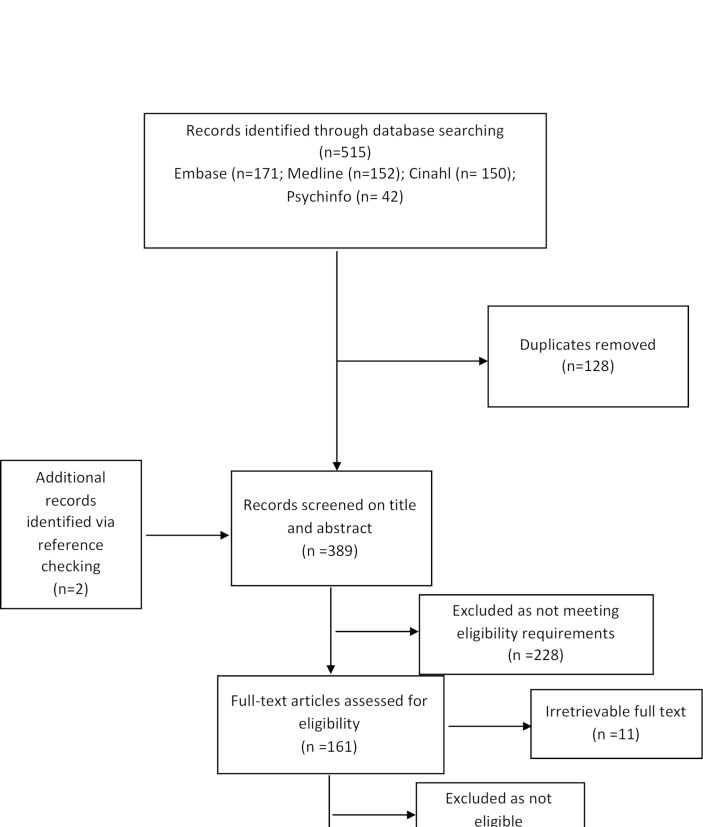
Objectives: To systematically examine the evidence of harms and benefits relating to time spent on screens for children and young people’s (CYP) health and well-being, to inform policy. Methods: Systematic review of reviews undertaken to answer the question ‘What is the evidence for health and well-being effects of screentime in children and adolescents (CYP)?’ Electronic databases were searched for systematic reviews in February 2018. Eligible reviews reported associations between time on screens (screentime; any type) and any health/well-being outcome in CYP. Quality of reviews was assessed and strength of evidence across reviews evaluated. Results: 13 reviews were identified (1 high quality, 9 medium and 3 low quality). 6 addressed body composition; 3 diet/energy intake; 7 mental health; 4 cardiovascular risk; 4 for fitness; 3 for sleep; 1 pain; 1 asthma. We found moderately strong evidence for associations between screentime and greater obesity/adiposity and higher depressive symptoms; moderate evidence for an association between screentime and higher energy intake, less healthy diet quality and poorer quality of life. There was weak evidence for associations of screentime with behaviour problems, anxiety, hyperactivity and inattention, poorer self-esteem, poorer well-being and poorer psychosocial health, metabolic syndrome, poorer cardiorespiratory fitness, poorer cognitive development and lower educational attainments and poor sleep outcomes. There was no or insufficient evidence for an association of screentime with eating disorders or suicidal ideation, individual cardiovascular risk factors, asthma prevalence or pain. Evidence for threshold effects was weak. We found weak evidence that small amounts of daily screen use is not harmful and may have some benefits. Conclusions: There is evidence that higher levels of screentime is associated with a variety of health harms for CYP, with evidence strongest for adiposity, unhealthy diet, depressive symptoms and quality of life. Evidence to guide policy on safe CYP screentime exposure is limited. PROSPERO registration number: CRD42018089483.
Overview
The claims and statistics of this paper haven’t been checked yet.
Free: it reads the open-access text and checks the first 5 claims that cite a source we can check. Create a free account to check every claim.
Integrity signals
Registry
Cites
Statistics
Figures
Verification
Claims the paper makes
The claims and statistics of this paper haven’t been checked yet.
Free: it reads the open-access text and checks the first 5 claims that cite a source we can check. Create a free account to check every claim.
Claims other papers make about this one
Each is checked against this paper’s own text: does it say what the citing paper says it does?
The source backs part of the claim, not all of it — or backs it for a different population, condition or comparison.
In the citing paper
“The results of the current review largely align with past systematic reviews, which have concluded that there is a positive association between screen time and depressive symptoms (Hoare et al., 2016;Liu et al., 2016;Stiglic & Viner, 2019;Wang et al., 2019), and a weak association between screen time and both anxiety and self-esteem (Stiglic & Viner, 2019).”
From The relationship between screen time and mental health in young people: A systematic review of longitudinal studies (2021) · cites this paper as Stiglic & Viner, 2019
Experimental — accuracy not yet measuredThe source backs part of the claim, not all of it — or backs it for a different population, condition or comparison.
In the citing paper
“This may partly be driven by the detrimental effects of screen time on mental health, including increased severity of anxiety and depressive symptoms, which have been well documented (Stiglic & Viner, 2019).”
From Social Media and Mental Health: Benefits, Risks, and Opportunities for Research and Practice (2020) · cites this paper as Stiglic & Viner, 2019
Experimental — accuracy not yet measuredThe cited source says what the claim attributes to it.
In the citing paper
“Possible mechanisms include more sedentary behavior250 and greater energy intake for children, teens, and young adults.251”
From Digital Ecosystems, Children, and Adolescents: Technical Report (2026) · cites this paper as [251]
The cited source says what the claim attributes to it.
In the citing paper
“More screen time has been associated with depressive symptoms among children and adolescents in several systematic reviews [11, 12, 43–50].”
From Screen time and mental health: a prospective analysis of the Adolescent Brain Cognitive Development (ABCD) Study (2024) · cites this paper as [48]
In the citing paper
“A systematic review of 13 published reviews concluded that there is moderately strong evidence for a positive association between screen time and depressive symptoms in children and adolescents, but not behavior problems, anxiety, hyperactivity and inattention, self-esteem, well-being, and psychosocial health (Stiglic & Viner, 2019).”
From The relationship between screen time and mental health in young people: A systematic review of longitudinal studies (2021) · cites this paper as Stiglic & Viner, 2019
1 more claim about this paper
Create a free account to see every claim other papers make about this one.
Self-check
Percentages, sums and reported differences re-computed from the paper’s own numbers.
The self-check needs the paper’s full text.
Citations
Cites
Liberati, A., Altman, D. G., Tetzlaff, J., Mulrow, C., Gøtzsche, P. C., Ioannidis, J. P. A., Clarke, M., Devereaux, P. J., Kleijnen, J., & Moher, D. (2009) · PLoS Medicine · doi:10.1371/journal.pmed.1000100 · Cited by 28,164
Liberati, A., Altman, D. G., Tetzlaff, J., Mulrow, C., Gotzsche, P. C., Ioannidis, J. P. A., Clarke, M., Devereaux, P. J., Kleijnen, J., & Moher, D. (2009) · BMJ · doi:10.1136/bmj.b2700 · Cited by 17,648
Systematic review of sedentary behaviour and health indicators in school-aged children and youth.
Tremblay, M. S., LeBlanc, A. G., Kho, M. E., Saunders, T. J., Larouche, R., Colley, R. C., Goldfield, G., & Gorber, S. (2011) · International Journal of Behavioral Nutrition and Physical Activity · doi:10.1186/1479-5868-8-98 · Cited by 2,085
Gross, K. S., Brandner, D. D., Martinez, L. A., Olive, M. F., Meisel, R. L., & Mermelstein, P. G. (2016) · PLOS ONE · doi:10.1371/journal.pone.0162755 · Cited by 1,609
Screen time and sleep among school-aged children and adolescents: a systematic literature review
Hale, L., & Guan, S. (2015) · Sleep Medicine Reviews · doi:10.1016/j.smrv.2014.07.007 · Cited by 1,468
Carson, V., Hunter, S., Kuzik, N., Gray, C. E., Poitras, V. J., Chaput, J.-P., Saunders, T. J., Katzmarzyk, P. T., Okely, A. D., Connor Gorber, S., et al. (2016) · Applied Physiology, Nutrition, and Metabolism · doi:10.1139/apnm-2015-0630 · Cited by 1,380
Children and Adolescents and Digital Media
Reid Chassiakos, Y. (., Radesky, J., Christakis, D., Moreno, M. A., Cross, C., COUNCIL ON COMMUNICATIONS AND MEDIA, Hill, D., Ameenuddin, N., Hutchinson, J., Levine, A., et al. (2016) · Pediatrics · doi:10.1542/peds.2016-2593 · Cited by 1,340
Przybylski, A. K., & Weinstein, N. (2017) · Psychological Science · doi:10.1177/0956797616678438 · Cited by 890
Wu, X. Y., Han, L. H., Zhang, J. H., Luo, S., Hu, J. W., & Sun, K. (2017) · PLOS ONE · doi:10.1371/journal.pone.0187668 · Cited by 664 · cited 1×
“HRQOL as a formal measured construct was examined by Wu et al, 22 who reported consistent evidence that greater screentime was associated with lower measured HRQOL in 11/13 cross-sectional and 4/4 longitudinal studies.”
MethodHoare, E., Milton, K., Foster, C., & Allender, S. (2016) · International Journal of Behavioral Nutrition and Physical Activity · doi:10.1186/s12966-016-0432-4 · Cited by 616 · cited 1×
“Only Hoare et al 20 reported on associations with anxiety, and found moderate evidence for a positive association between screentime duration and severity of anxiety symptoms.”
Background
Cited by
Items 201–300 of 1,000
Leppänen, M. H., Sääksjärvi, K., Vepsäläinen, H., Ray, C., Hiltunen, P., Koivusilta, L., Erkkola, M., Sajaniemi, N., & Roos, E. (2020) · European Journal of Pediatrics · doi:10.1007/s00431-020-03686-5 · Cited by 26
“This is concerning because a higher ST has been connected with adverse health consequences, such as obesity and depressive symptoms in children [5].”
BackgroundMethodMcArthur, B. A., Browne, D., Racine, N., Tough, S., & Madigan, S. (2022) · Research on Child and Adolescent Psychopathology · doi:10.1007/s10802-021-00895-w · Cited by 26
“However, no research has considered the role of screen time as a possible mechanism through which cumulative risk may influence child socioemotional and developmental outcomes (Ponti et al., 2017; Stiglic & Viner, 2019).”
BackgroundFraming adequate digital competence in early childhood education
Masoumi, D., & Bourbour, M. (2024) · Education and Information Technologies · doi:10.1007/s10639-024-12646-7 · Cited by 73
“A growing body of literature, however, has been critical of the attempt to integrate digital technology into early education, arguing it can negatively affect young children’s physical, emotional and social development (Selwyn, 2012; Stiglic & Viner, 2019; Zabatiero et al., 2018).”
Huang, X., Zeng, N., & Ye, S. (2019) · International Journal of Environmental Research and Public Health · doi:10.3390/ijerph16224494 · Cited by 34
Immediate impact of fantastical television content on children’s executive functions
Rhodes, S., Stewart, T. M., & Kanevski, M. (2019) · British Journal of Developmental Psychology · doi:10.1111/bjdp.12318 · Cited by 36
“A recent systematic review reported weak associations between screen time and an array of different outcomes including sleep, cognitive development, and health (Stiglic & Viner, 2019).”
BackgroundCovolo, L., Zaniboni, D., Roncali, J., Mapelli, V., Ceretti, E., & Gelatti, U. (2021) · International Journal of Environmental Research and Public Health · doi:10.3390/ijerph18073440 · Cited by 38
“Otherwise, a more recent systematic review found no consistent evidence on health benefits and screen-time [6].”
BackgroundDecraene, M., Verbestel, V., Cardon, G., Iotova, V., Koletzko, B. V., Moreno, L. A., Miguel‐Berges, M. L., Gurzkowska, B., Androutsos, O., Μanios, Y., et al. (2021) · International Journal of Environmental Research and Public Health · doi:10.3390/ijerph18147499 · Cited by 31
“Higher screen time is associated with more unhealthy dietary intake, and this, in turn, leads to adiposity [52,53].”
BackgroundPulkki-Råbäck, L., Barnes, J. D., Elovainio, M. J., Hakulinen, C. A., Sourander, A., Tremblay, M. S., & Guerrero, M. (2022) · Acta Paediatrica · doi:10.1111/apa.16253 · Cited by 30
Sadeghi, S., Pouretemad, H. R., Badv, R. S., & Brand, S. (2023) · Behavioral Sciences · doi:10.3390/bs13030208 · Cited by 39
Villegas-Navas, V., Simó, M. J. M., & Padilla, R. A. A. (2020) · Nutrients · doi:10.3390/nu12040964 · Cited by 32
“The media environment plays a key role in shaping eating habits, as children spend much of their time in front of a screen—including TV, Desktops, Laptops, Mobile phones, or Handheld Game Consoles [11,12].”
BackgroundThomas, G., Bennie, J. A., De Cocker, K., Dwi Andriyani, F., Booker, B., & Biddle, S. J. H. (2022) · JMIR Pediatrics and Parenting · doi:10.2196/28208 · Cited by 26
Gago, C. M., Aftosmes‐Tobio, A., Beckerman-Hsu, J. P., Oddleifson, C., Garcia, E. A., Lansburg, K., Figueroa, R., Yu, X., Kitos, N. R., Torrico, M., et al. (2023) · International Journal of Behavioral Nutrition and Physical Activity · doi:10.1186/s12966-022-01400-2 · Cited by 34
“Increased odds of meeting screen time recommendations are promising, as the literature supports a link between greater sedentary screen time and heightened risk of obesity in early childhood [101, 102].”
BackgroundVarela, A., Vale, R. F., & Gómez, S. L. (2021) · Estudios sobre Educación · doi:10.15581/004.41.001 · Cited by 25
The association between screen time and reported depressive symptoms among adolescents in Sweden
Ma, L., Evans, B., Kleppang, A. L., & Hagquist, C. (2021) · Family Practice · doi:10.1093/fampra/cmab029 · Cited by 25
Selective Attention and Concentration Are Related to Lifestyle in Chilean Schoolchildren
Navarrete, F. C., Román, P. Á. L., MONTILLA, J. A. P., Jerez‐Mayorga, D., & Delgado‐Floody, P. (2021) · Children · doi:10.3390/children8100856 · Cited by 34
“It has been well established that ST is related to different health harms [54].”
BackgroundSomatic, psychological and economic benefits of regular physical activity beginning in childhood
Fitzgerald, S. A., Fitzgerald, H. T., Fitzgerald, N. M., Fitzgerald, T. R., & Fitzgerald, D. A. (2022) · Journal of Paediatrics and Child Health · doi:10.1111/jpc.15879 · Cited by 34
González, S. A., Sarmiento, O. L., Flórez-Pregonero, A., Katzmarzyk, P. T., Chaput, J., & Tremblay, M. S. (2022) · International Journal of Public Health · doi:10.3389/ijph.2022.1604217 · Cited by 38
Maksniemi, E., Hietajärvi, L., Ketonen, E. E., Lonka, K., Puukko, K., & Salmela‐Aro, K. (2022) · Journal of Adolescence · doi:10.1002/jad.12033 · Cited by 25
Sleep problems, sleep duration, and use of digital devices among primary school students in Japan
Sakamoto, N., Kabaya, K., & Nakayama, M. (2022) · BMC Public Health · doi:10.1186/s12889-022-13389-1 · Cited by 42
“children and adolescents have been of concern since before the pandemic [3, 4].”
BackgroundLua, V. Y. Q., Chua, T. B. K., & Chia, M. (2023) · Sports · doi:10.3390/sports11020038 · Cited by 35
“Stiglic and Viner (2019) [14] Effects of screentime on the health and well-being of children and adolescents: a systematic review of reviews Systematic review of reviews Included 13 meta-analyses examining screen time and health and well-being among children and adolescents (0–18 years old) published before February 2…”
BackgroundInfluentialImpact of COVID-19 on adolescent health and use of social media
Ramsey, N., Obeidallah, M., & Abraham, A. (2023) · Current Opinion in Pediatrics · doi:10.1097/mop.0000000000001248 · Cited by 70
“They found that higher levels of screen time were strongly associated with obesity, an unhealthy diet, depressive symptoms, and poor quality of life [13].”
BackgroundA life course framework for understanding digital technology use in the transition to adulthood
Mollborn, S., Fomby, P., Goode, J. A., & Modile, A. (2020) · Advances in Life Course Research · doi:10.1016/j.alcr.2020.100379 · Cited by 28
Anthony, R., Young, H., Hewitt, G., Sloan, L., Moore, G. F., Murphy, S., & Cook, S. (2022) · Child and Adolescent Mental Health · doi:10.1111/camh.12610 · Cited by 40
“…lower levels of well-being (Booker, Kelly, & Sacker, 2018; Kelly, Zilanawala, Booker, & Sacker, 2018; Marino et al., 2018; Odgers & Jensen, 2020; Stiglic & Viner, 2019), higher levels of depression (Lin et al., 2016; Twenge, Cooper, Joiner, Duffy, & Binau, 2019; Twenge, Joiner, Rogers, &…”
The COVID-19 pandemic: Electronic media use and health among US College students
Wright, R. R., Larson, J., Richards, S., Larson, S., & Nienstedt, C. (2023) · Journal of American College Health · doi:10.1080/07448481.2022.2155463 · Cited by 34
“7,20,29,34 This may be due, at least in part, to a less restricted (compared to TV watching) accessibility to social media when not sedentary (e.g., exercise) or the multiple motivations for using social media beyond mere entertainment.”
Adherence to screen time recommendations for Australian children aged 0–12 years
Tooth, L. R., Moss, K. M., Hockey, R., & Mishra, G. D. (2019) · The Medical Journal of Australia · doi:10.5694/mja2.50286 · Cited by 24
Stakeholder perceptions of physical literacy assessment in primary school children
Goss, H. R., Shearer, C., Knowles, Z. R., Boddy, L. M., Durden-Myers, E. J., & Foweather, L. (2021) · Physical Education and Sport Pedagogy · doi:10.1080/17408989.2021.1911979 · Cited by 35
“While technology can be used to support PL assessment it is also important to consider the negative associations with excessive screen time particularly within the child population (Stiglic and Viner 2019).”
BackgroundAhmed, K. R., Horwood, S., Kolbe-Alexander, T. L., & Khan, A. (2023) · Journal of Physical Activity and Health · doi:10.1123/jpah.2023-0062 · Cited by 32
Screen time exposure and executive functions in preschool children
Lakičević, N., Manojlović, M., Chichinina, E., Drid, P., & Zinchenko, Y. P. (2025) · Scientific Reports · doi:10.1038/s41598-024-79290-6 · Cited by 69
Pediatric Migraine and Academics
Langdon, R., DiSabella, M., Strelzik, J. A., & Fletcher, A. (2020) · Current Pain and Headache Reports · doi:10.1007/s11916-020-00869-5 · Cited by 25
Seasonal variability of the vitamin D effect on physical fitness in adolescents
Milani, G. P., Simonetti, G. D., Edefonti, V. C., Lava, S. A. G., Agostoni, C. V., Curti, M., Stettbacher, A., Bianchetti, M. G., & Muggli, F. (2021) · Scientific Reports · doi:10.1038/s41598-020-80511-x · Cited by 25
Schmidt, S., Burchartz, A., Kolb, S., Niessner, C., Oriwol, D., & Wöll, A. (2021) · German Journal of Exercise and Sport Research · doi:10.1007/s12662-021-00783-x · Cited by 41
“The evidence underlying the perception of harmful ST is limited and often clouded by confounding factors including socioeconomic grouping and negative associated behaviors such as snacking and reduced interest in PA (Stiglic & Viner, 2019; Przybylski & Weinstein, 2019).”
BackgroundDigital Engagement and Academic Functioning: A Developmental-Contextual Approach
Hietajärvi, L., Maksniemi, E., & Salmela-Aro, K. (2022) · European Psychologist · doi:10.1027/1016-9040/a000480 · Cited by 23
“However, students’ academic and general reviews have reported that the associations between time spent on social networking sites (Huang, 2017; Stiglic & Viner, 2019), video gaming (Ferguson, 2015a) or digital technology usage (Odgers & Jensen, 2020) and the psychological well-being of young people…”
The Management of Anxiety and Depression in Pediatrics
Pettitt, R., Brown, E. A., Delashmitt, J. C., & Pizzo, M. N. (2022) · Cureus · doi:10.7759/cureus.30231 · Cited by 39
“recommended that, when possible, screen time is limited to less than two hours a day [47].”
BackgroundVaquero‐Solís, M., Tapia‐Serrano, M. Á., Alcalá, D. H., Sierra-Díaz, M. J., & Miguel, P. A. S. (2021) · International Journal of Environmental Research and Public Health · doi:10.3390/ijerph18147550 · Cited by 28
“In this regard, poor sleep time can have consequences on mood and the immune system [14,30,38], in addition to causing problems related to weight gain, which may be caused by increased use of television, video consoles, and mobile devices [39].”
BackgroundRiesch, S. K., Liu, J., Kaufmann, P. G., Doswell, W. M., Cohen, S., & Vessey, J. (2019) · Nursing Outlook · doi:10.1016/j.outlook.2019.06.009 · Cited by 22
Morningstar, B., Clayborne, Z., Wong, S. L., Roberts, K. C., Prince, S. A., Gariépy, G., Goldfield, G. S., Janssen, I., & Lang, J. J. (2023) · Canadian Journal of Public Health · doi:10.17269/s41997-023-00754-9 · Cited by 22
“As such, different forms of screen time use, such as active, passive, educational, or social use, have been examined in the literature, specifically their effect on adolescent wellbeing and health behaviours (Sanders et al., 2019; Stiglic & Viner, 2019).”
BackgroundMeng, Z., Ao, B., Wang, W., Niu, T., Chen, Y., Ma, X., & Huang, Y. (2024) · Frontiers in Psychiatry · doi:10.3389/fpsyt.2024.1441191 · Cited by 27
Sadeghi, S., Pouretemad, H., & Shalani, B. (2021) · International Journal of Developmental Disabilities · doi:10.1080/20473869.2021.1895699 · Cited by 26
“Despite the value of screens, it has now been suggested that excessive engagement with screen media may lead to deprivation and social isolation (Bickham and Rich 2006, Ray and Jat 2010, Stiglic and Viner 2019, Taheri 2013).”
BackgroundCheung, M., Lai, J. S. K., Yip, J. Y. W., & Cheung, J. P. Y. (2021) · Patient Preference and Adherence · doi:10.2147/ppa.s329635 · Cited by 25
Balanzá‐Martínez, V., & Cervera-Martínez, J. (2022) · International Journal of Environmental Research and Public Health · doi:10.3390/ijerph19095094 · Cited by 25
“Regarding ST, there is limited evidence to guide recommendations on advisable or safe exposure to screens [63].”
BackgroundKhan, A., Reyad, M. A. H., Edwards, E. J., & Horwood, S. (2022) · Journal of Affective Disorders · doi:10.1016/j.jad.2022.09.137 · Cited by 26
Société canadienne de pédiatrie, G. D. T. S. L. S. N. (2019) · Paediatrics & Child Health · doi:10.1093/pch/pxz096 · Cited by 33
“Cependant, bien qu’il existe une association significative entre, d’une part, l’utilisation d’écrans et l’écoute de la télévision et, d’autre part, une composition corporelle défavorable et des mesures de forme physique moins élevées (41,72), cette relation n’est pas forcément causale ni unanime (41,73).”
BackgroundInfluentialKieslinger, K., Wartha, O., Pollatos, O., Steinacker, J. M., & Kobel, S. (2021) · Frontiers in Psychology · doi:10.3389/fpsyg.2021.712796 · Cited by 29
“, 2010), cardio-vascular diseases (Lissak, 2018) as well as mental and social disorders (Pagani et al., 2016; Stiglic and Viner, 2019).”
BackgroundInfluences of Smartphone and Computer Use on Health-Related Quality of Life of Early Adolescents
Cheung, M., Lai, J. S. K., & Yip, J. Y. W. (2022) · International Journal of Environmental Research and Public Health · doi:10.3390/ijerph19042100 · Cited by 28
“Although no conclusive recommendations have been made for early adolescents regarding screen time, a systematic review showed that more than two hours of screen time per day was significantly associated with a variety of negative health outcomes and lower quality of life [57].”
BackgroundDigital Devices Use and Fine Motor Skills in Children between 3–6 Years
Operto, F. F., Viggiano, A., Perfetto, A., Citro, G., Olivieri, M., Simone, V. D., Bonuccelli, A., Orsini, A. A., Aiello, S., Coppola, G., et al. (2023) · Children · doi:10.3390/children10060960 · Cited by 39
Opdal, I. M., Morseth, B., Handegård, B.-H., Lillevoll, K. R., Nilsen, W., Nielsen, C., Furberg, A.-S., Rosenbaum, S., & Rognmo, K. (2020) · BMJ Open · doi:10.1136/bmjopen-2019-035549 · Cited by 20
Hökby, S., Alvarsson, J., Westerlund, J., Carli, V., & Hadlaczky, G. (2025) · PLOS Global Public Health · doi:10.1371/journal.pgph.0004262 · Cited by 43
“In this context, adolescent’s use of digital screen technology has also generated interest and concern, partly because both sleep and depressive symptoms seem particularly associated with screen time [2–5].”
Sadeghi, S., Pouretemad, H., Khosrowabadi, R., Fathabadi, J., & Nikbakht, S. (2019) · Early Child Development and Care · doi:10.1080/03004430.2019.1649256 · Cited by 24
“It has now been suggested that excessive screen time lead to social isolation (Bickham & Rich, 2006; Ray & Jat, 2010; Stiglic & Viner, 2019; Taheri, 2013) and early children excessive exposure to digital devices serves as such a trigger of ASD and can cause autism-like disorder (Heffler &…”
BackgroundSaelee, R., Gazmararian, J. A., Haardörfer, R., & Suglia, S. F. (2020) · Health & Place · doi:10.1016/j.healthplace.2020.102380 · Cited by 21
“Furthermore, the data only captured TV watching as a measure of screen time since the data was from 1994-1995 which may not represent other mediums of screen time relevant today such as smart phones, tablets, and computers (Stiglic and Viner, 2019).”
Henson, P., Rodriguez-Villa, E., & Torous, J. B. (2021) · Journal of Medical Internet Research · doi:10.2196/23144 · Cited by 22
Khan, A., & Burton, N. W. (2021) · International Journal of Environmental Research and Public Health · doi:10.3390/ijerph18168877 · Cited by 20
“There is increasing evidence that prolonged screen-based activities are common among adolescents, and associated with adverse mental health consequences, including depressive symptoms and poor quality of life [5].”
BackgroundAre eSports more than just sitting? A study comparing energy expenditure
Koçak, U. Z. (2021) · Journal of Comparative Effectiveness Research · doi:10.2217/cer-2021-0223 · Cited by 20
Konok, V., & Szőke, R. (2022) · Sustainability · doi:10.3390/su14148845 · Cited by 28
Parker, H., Burkart, S. A., Reesor-Oyer, L. M., Smith, M. T., Dugger, R., von Klinggraeff, L., Weaver, R. G., Beets, M. W., & Armstrong, B. (2022) · JMIR Formative Research · doi:10.2196/40572 · Cited by 24
Lu, C., Wiersma, R., & Corpeleijn, E. (2023) · Frontiers in Public Health · doi:10.3389/fpubh.2022.1042822 · Cited by 25
Vilardell-Dávila, A., Martínez-Andrade, G. O., Klünder‐Klünder, M., Miranda‐Lora, A. L., Mendoza, E., Flores‐Huerta, S., Vargas-González, J. E., Duque, X., & Vilchis‐Gil, J. (2023) · International Journal of Environmental Research and Public Health · doi:10.3390/ijerph20043003 · Cited by 26
“Regarding other health-related aspects, the excessive use of digital media and time in front of screens has been associated with sleep disorders [42], as well as with psychological and cognitive disorders, including depressive syndromes, anxiety, hyperactivity, and inattention [43].”
BackgroundO’Neill, S., Gillic, C., & O’Reilly, N. (2023) · Irish Educational Studies · doi:10.1080/03323315.2023.2261903 · Cited by 29
“In addition, research suggests that many con fl ate STEM with screen time and report legitimate concerns about the health impacts of excessive use of screens on young children (Stiglic and Viner 2019; Straker et al. 2018).”
BackgroundEngelhard, M., & Kollins, S. H. (2019) · Current Psychiatry Reports · doi:10.1007/s11920-019-1077-1 · Cited by 26
Introducing a Novel Online Observation of Parenting Behavior: Reliability and Validation
Oliver, B. R., & Pike, A. (2019) · Parenting · doi:10.1080/15295192.2019.1694838 · Cited by 20
Alturki, H. A., Brookes, D. S. K., & Davies, P. S. W. (2020) · Saudi Medical Journal · doi:10.15537/smj.2020.1.24786 · Cited by 26
“It remains important that the measure of duration be considered on all screen devices as total screen time, 25 and to also separate this duration spent on mobiles screen devices, as being more the norm for acceptable or utilized devices.”
No changes in adolescent’s sedentary behaviour across Europe between 2002 and 2017
Fernández, J. L., López‐Valenciano, A., Mayo, X., Liguori, G. A., Lamb, M. A., Copeland, R. J., & Jiménez, A. (2021) · BMC Public Health · doi:10.1186/s12889-021-10860-3 · Cited by 24
“, anxiety, depression, aggression, attention problems) [8, 9], and is also seen as increasing the vulnerability to suicide in adolescents [10].”
BackgroundImplicações neuropsicológicas e comportamentais na infância e adolescência a partir do uso de telas
Peixoto, M. J. R., Cassel, P. A., & Bredemeier, J. (2020) · Research Society and Development · doi:10.33448/rsd-v9i9.7188 · Cited by 62
TikTok Promotes Diet Culture and Negative Body Image Rhetoric: A Content Analysis
Raiter, N., Husnudinov, R., Mazza, K., & Lamarche, L. (2023) · Journal of Nutrition Education and Behavior · doi:10.1016/j.jneb.2023.08.001 · Cited by 35
Exploring the impact of contact with nature in childhood on adult personality
Snell, T., Simmonds, J. G., & Klein, L. M. (2020) · Urban forestry & urban greening · doi:10.1016/j.ufug.2020.126864 · Cited by 23
Domoff, S. E., Borgen, A. L., Kim, S. J., & Emond, J. A. (2021) · Human Behavior and Emerging Technologies · doi:10.1002/hbe2.322 · Cited by 26
Nyström, C. D., Carlander, A., Cassel, S., Rosell, M., Höök, M. J., & Löf, M. (2022) · Acta Paediatrica · doi:10.1111/apa.16594 · Cited by 33
Azrak, M. Á., Fasano, M. V., Avico, A. J., Sala, M., Casado, C., Padula, M., Kruger, A. L., Malpeli, A., & Andreoli, M. F. (2022) · European Journal of Clinical Nutrition · doi:10.1038/s41430-022-01252-w · Cited by 22
“was reported that more physical activity and less sedentary time [45], especially screen use [46], are associated with increased HRQoL in children and adolescents.”
BackgroundNilsen, S. A., Stormark, K. M., Heradstveit, O., & Breivik, K. (2023) · SSM - Population Health · doi:10.1016/j.ssmph.2023.101394 · Cited by 27
Marin-Dragu, S., Forbes, A., Sheikh, S., Iyer, R. S., dos Santos, D. P., Alda, M., Hájek, T., Uher, R., Wozney, L., Paulovich, F. V., et al. (2023) · Psychiatry Research · doi:10.1016/j.psychres.2023.115298 · Cited by 28
Electronic media use and symptoms of depression among adolescents in Norway
Kleppang, A. L., Steigen, A. M., Ma, L., Finbråten, H. S., & Hagquist, C. (2021) · PLoS ONE · doi:10.1371/journal.pone.0254197 · Cited by 28
“The concerns about the heavy influence screen use have on children and adolescents are growing, and one of the concerns is related to mental health problems [6].”
BackgroundThomsen, L. T., Schmidt‐Persson, J., Damsgaard, C. T., Krustrup, P., Grøntved, A., Krølner, R. F., Nielsen, G., Lundbye‐Jensen, J., Skovgaard, T., Mølgaard, C., et al. (2024) · PLoS ONE · doi:10.1371/journal.pone.0308142 · Cited by 21
Lai, N. M., Lim, Y. S., Chaiyakunapruk, N., Lee, S. W. H., Liabsuetrakul, T., Sabbir, M., Mahmud, S. M. H., Siddiqi, U. R., Ahmed, T., Hasan, F. U. L., et al. (2025) · Child and Adolescent Mental Health · doi:10.1111/camh.70022 · Cited by 33
“Excessive screen time in children has been associated with problems such as dry eyes, weight gain, and psychological issues (Madigan, Browne, Racine, Mori, & Tough, 2019; Mineshita et al., 2021; Stiglic & Viner, 2019).”
The Differential Impact of Screen Time on Children’s Wellbeing
Belton, S., Issartel, J., Behan, S., Goss, H. R., & Peers, C. (2021) · International Journal of Environmental Research and Public Health · doi:10.3390/ijerph18179143 · Cited by 54
“Specifically, authors have highlighted the negative health association with adiposity [3– 8] and cardiorespiratory fitness [4,5], depression and mental health [5,9], diet and quality of life [5], lower academic achievement [5,10], sleep [5,11], and lower levels of physical activity [3,6].”
BackgroundClinical Considerations in Internet and Video Game Addiction Treatment
Greenfield, D. N. (2021) · Child and Adolescent Psychiatric Clinics of North America · doi:10.1016/j.chc.2021.09.003 · Cited by 27
Nagata, J. M., Cortez, C. A., Iyer, P., Ganson, K. T., Chu, J., & Conroy, A. A. (2021) · Academic Pediatrics · doi:10.1016/j.acap.2021.12.008 · Cited by 24
Ahn, J., & Yoo, J. P. (2022) · Child Indicators Research · doi:10.1007/s12187-022-09938-0 · Cited by 18
“Specifically, this finding is consistent with a systematic review by Stiglic and Viner (2019), who identified a moderate level of evidence for a negative association between screen time and quality of life.”
ResultAljahdali, A., Baylín, A., Ruiz-Narváez, E., Kim, H. M., Cantoral, A., Téllez‐Rojo, M. M., Banker, M. M., & Peterson, K. E. (2022) · International Journal of Behavioral Nutrition and Physical Activity · doi:10.1186/s12966-022-01375-0 · Cited by 24
“Nevertheless, three reviews concluded that there was little evidence from observational studies regarding the association between screen time and cardiometabolic health, including blood pressure, in youth [67–69] and flagged heterogeneity concerns across studies [67, 68].”
BackgroundInstagram engagement and well-being: the mediating role of appearance anxiety
Ryding, C., Harkin, L., & Kuss, D. J. (2024) · Behaviour and Information Technology · doi:10.1080/0144929x.2024.2323078 · Cited by 25
“This research takes a novel approach by taking a focus on interactive behaviours on SNS as opposed to general screen time measures, which have been used in previous research (Twenge and Campbell 2018; Stiglic and Viner 2019).”
Social media interventions to improve well-being
Skeggs, A., & Orben, A. C. (2025) · Nature Human Behaviour · doi:10.1038/s41562-025-02167-9 · Cited by 35
“Although these reports are frequently used in correlational studies to examine associations between screen time and well-being, their efficacy as stand-alone interventions (that is, how engaging with one’s screen time affects social media behaviours and well-being) is less researched 33,34 .”
Lai, L., Zhang, T., Zeng, X., Tan, W., Cai, L., & Chen, Y. (2020) · International Journal of Environmental Research and Public Health · doi:10.3390/ijerph17051599 · Cited by 18
“Nowadays, as “digital natives”, children have grown up surrounded by digital information and entertainment on screens, which was evidenced as harmful to health profiles [40].”
BackgroundDelgado‐Floody, P., Navarrete, F. C., Guzmán‐Guzmán, I. P., Jerez‐Mayorga, D., Martínez‐Salazar, C., & Álvarez, C. (2020) · Nutrients · doi:10.3390/nu12113489 · Cited by 23
“, fruits/vegetables, water consumption)) and an unhealthy lifestyle (including modern habits such as extended time spent on sedentary activities and long screen time (ST)) [9], are key targets for the prevention of cardiometabolic risk factors in children [10].”
BackgroundMental Health during COVID-19 Pandemic: Qualitative Perceptions among Lithuanian Adolescents
Lukoševičiūtė, J., & Šmigelskas, K. (2022) · International Journal of Environmental Research and Public Health · doi:10.3390/ijerph19127086 · Cited by 20
“There is evidence that a higher level of screen time is associated with a variety of health harms for children and young people, with evidence strongest for adiposity, unhealthy diet, depressive symptoms, and lower quality of life [49].”
BackgroundChanges in eating habits and lifestyle during COVID-19 curfew in children in Saudi Arabia
Hanbazaza, M. A., & Wazzan, H. (2021) · Nutrition Research and Practice · doi:10.4162/nrp.2021.15.s1.s41 · Cited by 17
“Moreover, a systematic review confirmed a strong association of extensive screen time with increased obesity, less consumption of healthy diets, symptoms of depression, and poor quality of life [40].”
BackgroundStarting unequal: How’s life for disadvantaged children?
Clarke, C., & Thévenon, O. (2022) · OECD papers on well-being and inequalities · doi:10.1787/a0ec330c-en · Cited by 48
Emerging cardiovascular risk factors in childhood and adolescence: a narrative review
Blas-Zapata, A. D., Sastre-Albiach, J. M., Baixauli-López, L., Ruiz, R. L., & Pitti, J. Á. (2025) · European Journal of Pediatrics · doi:10.1007/s00431-025-06102-y · Cited by 26
“This sympathetic activation appears to be more pronounced in males, who also exhibit higher baseline systolic and diastolic BP compared to females, due to their greater stroke volume and total peripheral resistance [39, 40].”
Cross‐sectional and longitudinal associations of screen time with adolescent depression and anxiety
Li, S., Batterham, P. J., Whitton, A. E., Maston, K., Khan, A., Christensen, H. M., & Werner‐Seidler, A. (2025) · British Journal of Clinical Psychology · doi:10.1111/bjc.12547 · Cited by 36
“Two recent reviews found small and moderate associations between screen time and depression and other mental health symptoms, respectively (Sanders et al., 2024; Stiglic & Viner, 2019).”
Digital Devices Use and Sleep in Adolescents: An Umbrella Review
Fiore, M., Arena, D., Crisafi, V., Grieco, V., Palella, M., Timperanza, C., Conti, A., Cuffari, G., & Ferrante, M. (2025) · International Journal of Environmental Research and Public Health · doi:10.3390/ijerph22101517 · Cited by 42
“…new questions about potential health effects, including sleep problems [5], along with many others, such as loneliness, low self-esteem, poor social relationships, reduced quality of life, poor academic performance, emotional dysregulation, impulsiveness [6], anxiety, stress, and depression [7,8].”
Lees, B., Squeglia, L. M., Breslin, F. J., Thompson, W. K., Tapert, S. F., & Paulus, M. P. (2020) · BMC Public Health · doi:10.1186/s12889-020-09894-w · Cited by 20
Pantallas, niños y confinamiento en pandemia: ¿debemos limitar su exposición?
Gavoto, L., Terceiro, D., & Terrasa, S. (2020) · Evidencia actualizacion en la práctica ambulatoria · doi:10.51987/evidencia.v23i4.6897 · Cited by 31
Relationships between indices of sedentary behavior and hedonic well-being: A scoping review
Sui, W., Sui, A., & Prapavessis, H. (2021) · Psychology of sport and exercise · doi:10.1016/j.psychsport.2021.101920 · Cited by 19
Screen use and sleep duration and quality at 15 years old: Cohort study
Echevarria, P., Del‐Ponte, B., Tovo‐Rodrigues, L., Matijasevich, A., Halal, C. S. E., & Santos, I. S. (2023) · Sleep Medicine X · doi:10.1016/j.sleepx.2023.100073 · Cited by 28
“The investigation of the use of various types of electronic equipment and not only time watching television, as occurs in most of the research on this topic [15], is another advantage of the study.”
BackgroundInfluentialZhou, Y., Jiang, X., Wang, R., Guo, B., Cai, J., Gu, Y., & Pei, J. (2023) · BMC Pediatrics · doi:10.1186/s12887-023-04130-x · Cited by 27
“The result also indirectly reveals that obesity levels may affect the correlation between ADHD symptoms and screen time [32].”
BackgroundTime to act on childhood obesity: the use of technology
Porri, D., Morabito, L. A., Cavallaro, P., La Rosa, E., Li Pomi, A., Pepe, G., & Wasniewska, M. (2024) · Frontiers in Pediatrics · doi:10.3389/fped.2024.1359484 · Cited by 18
Manyanga, T., Pelletier, C., Prince, S. A., Lee, E., Sluggett, L., & Lang, J. J. (2022) · International Journal of Environmental Research and Public Health · doi:10.3390/ijerph19074394 · Cited by 25
“Given the preponderance of evidence linking high screen time to negative health outcomes [3,38,39], interventions and targeted messaging are needed to reduce screen time among youth.”
BackgroundAl-Mulla, N. A., & Mahfoud, Z. R. (2022) · Frontiers in Public Health · doi:10.3389/fpubh.2022.877424 · Cited by 23
Risk and Protective Factors for Frequent Electronic Device Use of Online Technologies
Morgan, P. L., Wang, Y., & Woods, A. D. (2021) · Child Development · doi:10.1111/cdev.13532 · Cited by 19
“…and externalizing problem behaviors (Riehm et al., 2019), lower self-value (McNamee et al., 2019), increased risk for ADHD-related behaviors (George et al., 2018; Ra et al., 2018), and poorer perceived quality of life (Stiglic & Viner, 2019) in analyses adjusted for possible confounds.”
BackgroundÇELİK, E., Özer, Z. Y., & Özcan, S. (2021) · Çukurova medical journal (Online)/Çukurova medical journal · doi:10.17826/cumj.780582 · Cited by 32
Sun, L., Li, K., Zhang, L., & Zhang, Y. (2022) · Frontiers in Psychiatry · doi:10.3389/fpsyt.2022.865688 · Cited by 24
Parker, K. E., Cleland, V. J., Dollman, J., Gatta, J. D., Hatt, J., & Timperio, A. F. (2022) · International Journal of Behavioral Nutrition and Physical Activity · doi:10.1186/s12966-022-01339-4 · Cited by 20
“It is widely understood that physical activity provides health benefits, while engaging in excessive recreational screen time can be detrimental to health during adolescence [7, 8] and adulthood [9, 10].”
BackgroundLivet, A., Boers, E., Laroque, F., Afzali, M. H., McVey, G. L., & Conrod, P. (2022) · Psychology and Health · doi:10.1080/08870446.2022.2141239 · Cited by 25
“Moreover, such studies are mostly cross-sectional in nature, and/or have short-term follow up periods (Stiglic & Viner, 2019).”
Metadata
- Authors
- Stiglic, N., & Viner, R. M.
- Affiliations
- University College London (GB)
- Corresponding author
- Viner, Russell M
- ORCID
- Viner, Russell M
- Venue
- BMJ Open
- Publisher
- BMJ
- Published
- 2019-01
- Volume
- 9
- Issue
- 1
- Pages
- e023191
- ISSN
- 2044-6055 (ISSN-L)
- PMC
- PMC6326346
- OpenAlex
- W2907375908
- Cited by
- 1,259
- References
- 29
- Citations by year
- 2026: 193 · 2025: 193 · 2024: 179 · 2023: 161 · 2022: 201 · 2021: 148 · 2020: 142 · 2019: 37
- FWCI
- 38.03
- Type
- journal article
- Language
- en
- Open access
- gold
- doi.org
- Licence
- cc-by-nc
- Locations
- BMJ Open (publishedVersion, cc-by-nc)
- Europe PMC (PubMed Central) (publishedVersion, other-oa)
- PubMed Central (publishedVersion, cc-by-nc)
- PubMed (publishedVersion)
- DOAJ (DOAJ: Directory of Open Access Journals) (submittedVersion)
- UCL Discovery (University College London) (submittedVersion)
- Funders
- National Institute for Health and Care Research (NF-SI-0515-10085)
- Topics
- Social Sciences › Education › Child Development and Digital Technology
- Health Sciences › Medicine › Public Health, Environmental and Occupational Health › Physical Activity and Health
- Social Sciences › Sociology and Political Science › Impact of Technology on Adolescents
- Keywords
- screen time, children and adolescents, child health, well-being, obesity, adiposity, depressive symptoms, diet quality, energy intake, sleep, cardiorespiratory fitness, cognitive development, educational attainment, quality of life, mental health, cardiovascular risk, threshold effects
- MeSH terms
- Screen Time, Adolescent, Adolescent Behavior, Child, Child Behavior, Child, Preschool, Depression, Feeding Behavior, Humans, Quality of Life, Review Literature as Topic, Exercise, Pediatric Obesity
About these checks
Registry, retraction, Cites and statistics results are computed, not judged, with one exception: a printed reference that no index lists is read once by a model before it counts as a citation error. Claims are extracted by a model and kept only when their quote appears verbatim in the text; each cited source is then checked, with a model’s help, for whether it says what the claim relies on. Those verdicts can be wrong — read the claim’s quote and the cited source before relying on one.
Statistics and arithmetic are recomputed, not judged.
Confidence bands are shown only for fields calibrated on our annotated test set. None is calibrated yet, so no band is shown.
What counts as a claim ›How we measure confidence ›How we check this ›
Are you an author, or do you see a problem with this page? Request a review
Data sources
Bibliographic data: Semantic Scholar, OpenAlex, Crossref.
Contains information from the Semantic Scholar Academic Graph Datasets, made available under the ODC Attribution License (ODC-BY 1.0).
Semantic Scholar’s data is described in: Kinney, R., et al. (2023). The Semantic Scholar Open Data Platform. arXiv:2301.10140.
