

Effects of screentime on the health and well-being of children and adolescents: a systematic review of reviews
Open accessThe DOI matches its Crossref record; 29 of the 29 references it cites were found in a registry or an index.
Abstract
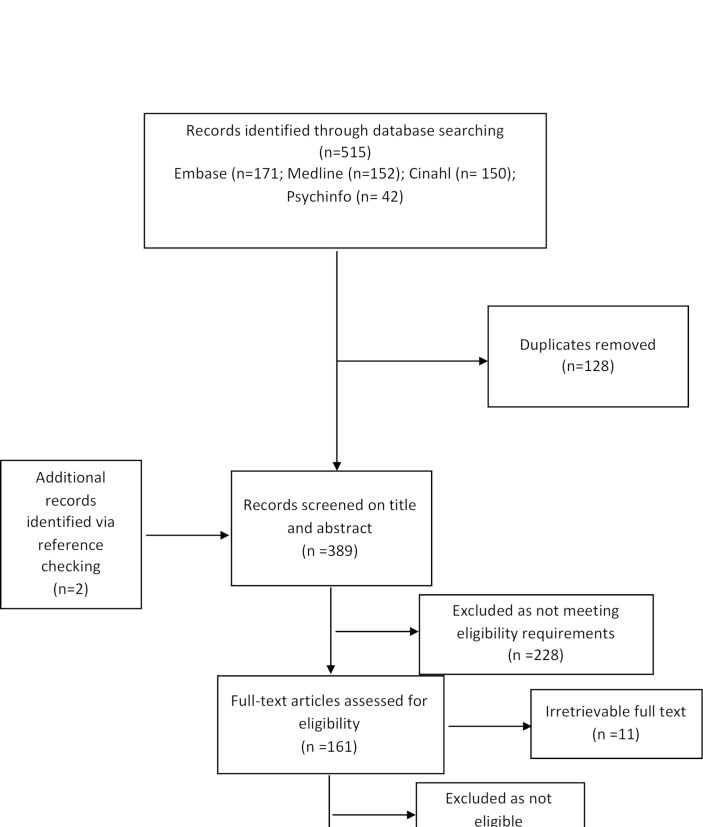
Objectives: To systematically examine the evidence of harms and benefits relating to time spent on screens for children and young people’s (CYP) health and well-being, to inform policy. Methods: Systematic review of reviews undertaken to answer the question ‘What is the evidence for health and well-being effects of screentime in children and adolescents (CYP)?’ Electronic databases were searched for systematic reviews in February 2018. Eligible reviews reported associations between time on screens (screentime; any type) and any health/well-being outcome in CYP. Quality of reviews was assessed and strength of evidence across reviews evaluated. Results: 13 reviews were identified (1 high quality, 9 medium and 3 low quality). 6 addressed body composition; 3 diet/energy intake; 7 mental health; 4 cardiovascular risk; 4 for fitness; 3 for sleep; 1 pain; 1 asthma. We found moderately strong evidence for associations between screentime and greater obesity/adiposity and higher depressive symptoms; moderate evidence for an association between screentime and higher energy intake, less healthy diet quality and poorer quality of life. There was weak evidence for associations of screentime with behaviour problems, anxiety, hyperactivity and inattention, poorer self-esteem, poorer well-being and poorer psychosocial health, metabolic syndrome, poorer cardiorespiratory fitness, poorer cognitive development and lower educational attainments and poor sleep outcomes. There was no or insufficient evidence for an association of screentime with eating disorders or suicidal ideation, individual cardiovascular risk factors, asthma prevalence or pain. Evidence for threshold effects was weak. We found weak evidence that small amounts of daily screen use is not harmful and may have some benefits. Conclusions: There is evidence that higher levels of screentime is associated with a variety of health harms for CYP, with evidence strongest for adiposity, unhealthy diet, depressive symptoms and quality of life. Evidence to guide policy on safe CYP screentime exposure is limited. PROSPERO registration number: CRD42018089483.
Overview
The claims and statistics of this paper haven’t been checked yet.
Free: it reads the open-access text and checks the first 5 claims that cite a source we can check. Create a free account to check every claim.
Integrity signals
Registry
Cites
Statistics
Figures
Verification
Claims the paper makes
The claims and statistics of this paper haven’t been checked yet.
Free: it reads the open-access text and checks the first 5 claims that cite a source we can check. Create a free account to check every claim.
Claims other papers make about this one
Each is checked against this paper’s own text: does it say what the citing paper says it does?
The source backs part of the claim, not all of it — or backs it for a different population, condition or comparison.
In the citing paper
“The results of the current review largely align with past systematic reviews, which have concluded that there is a positive association between screen time and depressive symptoms (Hoare et al., 2016;Liu et al., 2016;Stiglic & Viner, 2019;Wang et al., 2019), and a weak association between screen time and both anxiety and self-esteem (Stiglic & Viner, 2019).”
From The relationship between screen time and mental health in young people: A systematic review of longitudinal studies (2021) · cites this paper as Stiglic & Viner, 2019
Experimental — accuracy not yet measuredThe source backs part of the claim, not all of it — or backs it for a different population, condition or comparison.
In the citing paper
“This may partly be driven by the detrimental effects of screen time on mental health, including increased severity of anxiety and depressive symptoms, which have been well documented (Stiglic & Viner, 2019).”
From Social Media and Mental Health: Benefits, Risks, and Opportunities for Research and Practice (2020) · cites this paper as Stiglic & Viner, 2019
Experimental — accuracy not yet measuredThe cited source says what the claim attributes to it.
In the citing paper
“Possible mechanisms include more sedentary behavior250 and greater energy intake for children, teens, and young adults.251”
From Digital Ecosystems, Children, and Adolescents: Technical Report (2026) · cites this paper as [251]
The cited source says what the claim attributes to it.
In the citing paper
“More screen time has been associated with depressive symptoms among children and adolescents in several systematic reviews [11, 12, 43–50].”
From Screen time and mental health: a prospective analysis of the Adolescent Brain Cognitive Development (ABCD) Study (2024) · cites this paper as [48]
In the citing paper
“A systematic review of 13 published reviews concluded that there is moderately strong evidence for a positive association between screen time and depressive symptoms in children and adolescents, but not behavior problems, anxiety, hyperactivity and inattention, self-esteem, well-being, and psychosocial health (Stiglic & Viner, 2019).”
From The relationship between screen time and mental health in young people: A systematic review of longitudinal studies (2021) · cites this paper as Stiglic & Viner, 2019
1 more claim about this paper
Create a free account to see every claim other papers make about this one.
Self-check
Percentages, sums and reported differences re-computed from the paper’s own numbers.
The self-check needs the paper’s full text.
Citations
Cites
Liberati, A., Altman, D. G., Tetzlaff, J., Mulrow, C., Gøtzsche, P. C., Ioannidis, J. P. A., Clarke, M., Devereaux, P. J., Kleijnen, J., & Moher, D. (2009) · PLoS Medicine · doi:10.1371/journal.pmed.1000100 · Cited by 28,164
Liberati, A., Altman, D. G., Tetzlaff, J., Mulrow, C., Gotzsche, P. C., Ioannidis, J. P. A., Clarke, M., Devereaux, P. J., Kleijnen, J., & Moher, D. (2009) · BMJ · doi:10.1136/bmj.b2700 · Cited by 17,648
Systematic review of sedentary behaviour and health indicators in school-aged children and youth.
Tremblay, M. S., LeBlanc, A. G., Kho, M. E., Saunders, T. J., Larouche, R., Colley, R. C., Goldfield, G., & Gorber, S. (2011) · International Journal of Behavioral Nutrition and Physical Activity · doi:10.1186/1479-5868-8-98 · Cited by 2,085
Gross, K. S., Brandner, D. D., Martinez, L. A., Olive, M. F., Meisel, R. L., & Mermelstein, P. G. (2016) · PLOS ONE · doi:10.1371/journal.pone.0162755 · Cited by 1,609
Screen time and sleep among school-aged children and adolescents: a systematic literature review
Hale, L., & Guan, S. (2015) · Sleep Medicine Reviews · doi:10.1016/j.smrv.2014.07.007 · Cited by 1,468
Carson, V., Hunter, S., Kuzik, N., Gray, C. E., Poitras, V. J., Chaput, J.-P., Saunders, T. J., Katzmarzyk, P. T., Okely, A. D., Connor Gorber, S., et al. (2016) · Applied Physiology, Nutrition, and Metabolism · doi:10.1139/apnm-2015-0630 · Cited by 1,380
Children and Adolescents and Digital Media
Reid Chassiakos, Y. (., Radesky, J., Christakis, D., Moreno, M. A., Cross, C., COUNCIL ON COMMUNICATIONS AND MEDIA, Hill, D., Ameenuddin, N., Hutchinson, J., Levine, A., et al. (2016) · Pediatrics · doi:10.1542/peds.2016-2593 · Cited by 1,340
Przybylski, A. K., & Weinstein, N. (2017) · Psychological Science · doi:10.1177/0956797616678438 · Cited by 890
Wu, X. Y., Han, L. H., Zhang, J. H., Luo, S., Hu, J. W., & Sun, K. (2017) · PLOS ONE · doi:10.1371/journal.pone.0187668 · Cited by 664 · cited 1×
“HRQOL as a formal measured construct was examined by Wu et al, 22 who reported consistent evidence that greater screentime was associated with lower measured HRQOL in 11/13 cross-sectional and 4/4 longitudinal studies.”
MethodHoare, E., Milton, K., Foster, C., & Allender, S. (2016) · International Journal of Behavioral Nutrition and Physical Activity · doi:10.1186/s12966-016-0432-4 · Cited by 616 · cited 1×
“Only Hoare et al 20 reported on associations with anxiety, and found moderate evidence for a positive association between screentime duration and severity of anxiety symptoms.”
Background
Cited by
Items 501–600 of 1,000
Sun, L., Wang, C., Shen, Q., Zhu, L., Gao, H., Chen, D., & Jin, L. (2020) · Journal of Pediatric Nursing · doi:10.1016/j.pedn.2020.04.002 · Cited by 7
Cerqueira, M. S., Monteiro, D., Travassos, B. F. R., & Machado, S. E. D. C. (2020) · Cuadernos de Psicología del Deporte · doi:10.6018/cpd.422831 · Cited by 9
“Currently, our society is facing an increase in the levels of physical inactivity in the world population, especially an increase in screen time, causing potential adverse effects in the short and long term to health (Stiglic & Viner, 2019; Domingues‐Montanari, 2017).”
BackgroundThe impact of social media usage on lifestyle behaviors and health
Cohen, G., Medina, E., Handysides, D. G., Shah, H., Aréchiga, A. E., & Shih, W. (2023) · Lifestyle Medicine · doi:10.1002/lim2.94 · Cited by 15
Masztalerz-Kozubek, D., Zielinska-Pukos, M. A., Plichta, M., & Hamułka, J. (2024) · Appetite · doi:10.1016/j.appet.2024.107580 · Cited by 16
“Moreover, two systematic reviews have found the evidence for an association between screen time and adverse dietary outcomes such as less healthy diet quality, higher consumption of unhealthy foods and lower of fruits and vegetables (Shqair et al., 2019; Stiglic & Viner, 2019).”
BackgroundInfluentialEthical Games: Toward Evidence-Based Guidance for Safeguarding Players and Developers
Hodent, C., Blumberg, F. C., & Deterding, S. (2024) · Games Research and Practice · doi:10.1145/3685207 · Cited by 10
“This debate is closely intertwined with broader societal worries about negative mental health effects of “screen time”, social media, and general digital technology use [68, 83].”
Ballesteros-Holmes, J., Teague, M. S., & Derouin, A. L. (2024) · Journal of Pediatric Health Care · doi:10.1016/j.pedhc.2024.05.006 · Cited by 7
Beyond the filter: Impact of popularity on the mental health of social media influencers
Azayem, A. K., Nawaz, F. A., Jeyaseelan, L., Kair, H. M., & Sultan, M. A. (2024) · Digital Health · doi:10.1177/20552076241287843 · Cited by 14
“18 However, an 8-year longitudinal study reported no association between increased social media use and anxiety or depression at the individual level.”
BackgroundAssessing the Impact of Screen Time on the Motor Development of Children: A Systematic Review
Bakht, D., Yousaf, F., Alvi, Z., Ali, M. K. B., Khawar, M. M. H., Munir, L., Bokhari, S. F. H., Qureshi, M. N., Raza, M., & Qureshi, A. A. (2025) · Pediatric Discovery · doi:10.1002/pdi3.70002 · Cited by 29
Efectos de los medios digitales en la salud física y el desarrollo
Salmerón-Ruiz, M. A., de Ribera, C. G., Barberán, V. S., Ives, L. E., & Pitti, J. Á. (2025) · Anales de Pediatría · doi:10.1016/j.anpedi.2025.503876 · Cited by 9
“Se caracteriza por ojo seco, picazón, sensación de cuerpo extra˜no, lagrimeo, visión borrosa y dolor de cabeza.”
Haime, Z., & Biddle, L. (2025) · JMIR Human Factors · doi:10.2196/69817 · Cited by 12
“However, several research studies have identified relationships between SNS use and development or exacerbation of mental health symptoms, including depression, anxiety, psychosis, eating disorder, self-harm, and suicide behaviors [4,5].”
Høy, T. V., Tjørnhøj‐Thomsen, T., Pawlowski, C. S., Gejl, A. K., Danielsen, D., & Toftager, M. (2025) · Discover Psychology · doi:10.1007/s44202-025-00404-w · Cited by 11
Gualdi-Russo, E., Toselli, S., Luca, F. D., Mazzoni, G., Mandini, S., Masotti, S., & Zaccagni, L. (2026) · Children · doi:10.3390/children13010130 · Cited by 7
“Overall, excessive ST appears to be associated with various health issues in young people, including obesity, an unhealthy diet, depressive symptoms, and a reduced quality of life [33].”
McPhee, P. G., Zenlea, I. S., Hamilton, J. K., Ho, J., Ball, G. D. C., Mian, R. I., Buchholz, A., Laberge, A., Legault, L., Tremblay, M. S., et al. (2021) · International Journal of Obesity · doi:10.1038/s41366-021-00959-3 · Cited by 8
Cardiorespiratory fitness, screen time and cardiometabolic risk in South Brazilian school children
Tornquist, D., Tornquist, L., Sehn, A. P., Schneiders, L. D. B., Renner, J. D. P., Franke, S. I. R., Reuter, C. P., & Kelishadi, R. (2022) · Annals of Human Biology · doi:10.1080/03014460.2022.2030405 · Cited by 11
“The current generation of children and adolescents is considered to be digital natives, given that, from the earliest ages, they have grown up surrounded by digital information and remain increasingly exposed to these devices (Stiglic and Viner 2019).”
BackgroundResultInfluentialKhan, A., Gomersall, S. R., & Stylianou, M. (2022) · Academic Pediatrics · doi:10.1016/j.acap.2022.07.024 · Cited by 9
dos Santos, P. C., da Costa, B. G. G., Lopes, M. V. V., Malheiros, L. E. A., Arundell, L., & da Silva, K. S. (2023) · International Journal of Public Health · doi:10.3389/ijph.2023.1605816 · Cited by 8
Wang, Y., Zhang, P., Wang, M., Gong, Q., Yu, C., Wang, H., Hebestreit, A., Lau, W. C., Wang, H., & Li, L. (2024) · Nutrients · doi:10.3390/nu16162788 · Cited by 6
“In contrast, there is only weak evidence suggesting that small amounts of daily screen use are not harmful [45], making it easier for parents and teachers to support screen time reallocation.”
BackgroundResultImpact of digital media on development and physical health
Salmerón-Ruiz, M. A., de Ribera, C. G., Barberán, V. S., Ives, L. E., & Pitti, J. Á. (2025) · Anales de Pediatría (English Edition) · doi:10.1016/j.anpede.2025.503876 · Cited by 18
Saliva microbiota differs between children with low and high sedentary screen times
Engberg, E., Raju, S. C., Figueiredo, R. A. D. O., Weiderpass, E., Rounge, T. B., & Viljakainen, H. T. (2021) · Human Microbiome Journal · doi:10.1016/j.humic.2021.100080 · Cited by 10
“Some evidence, however, suggests that small amounts of daily screen use are not harmful and may carry some benefits to children ’ s wellbeing [26].”
BackgroundYousuf, M. S., Harvey, H. L., Parahoo, S. K., Ziadeh, B. S., Kilani, M. M., & Al-Kamil, E. (2021) · International journal of child care and education policy/International journal of child care and education · doi:10.1186/s40723-021-00092-8 · Cited by 8
Timpel, P., Herrmann, S., Floessel, P., Beck, H., & Schwarz, P. E. H. (2021) · BMJ Open · doi:10.1136/bmjopen-2021-053628 · Cited by 6
Virgara, R., Phillips, A., Lewis, L. K., Richardson, M., & Maher, C. A. (2022) · BMC Public Health · doi:10.1186/s12889-022-13135-7 · Cited by 8
“Furthermore, excessive recreational screen time (ST) is associated with obesity, behavioural issues, anxiety, depression and poorer academic performance [3].”
BackgroundPudjiadi, A. H., Putri, N. D., Sjakti, H. A., Yanuarso, P. B., Gunardi, H., Roeslani, R. D., Pasaribu, A. D., Nurmalia, L. D., Sambo, C. M., Habibah, L., et al. (2022) · Frontiers in Public Health · doi:10.3389/fpubh.2022.757328 · Cited by 6
Young children’s interest-driven information practices
Barriage, S. (2022) · Information and Learning Sciences · doi:10.1108/ils-03-2022-0037 · Cited by 8
The clinical implications of digital technology
Idelji-Tehrani, S., Dubicka, B., & Graham, R. (2022) · Clinical Child Psychology and Psychiatry · doi:10.1177/13591045221145400 · Cited by 13
“Increased screen time has been associated with an elevated body mass index, increased adiposity, and unhealthy diet (Mitchell, Rodriguez, Schmitz, & Audrain-McGovern, 2013; Stiglic & Viner, 2019).”
BackgroundDigital Wellbeing: Making Sense of Digital Dependency
Harley, D. (2022) · Springer eBooks · doi:10.1007/978-3-031-19407-8_1 · Cited by 9
Restrepo, C., Lobbezoo, F., Castrillón, E., Svensson, P. J., Santamaría, A., & Manfredini, D. (2023) · Journal of Oral Rehabilitation · doi:10.1111/joor.13430 · Cited by 8
AlHarkan, D. H., Alazmi, A. L., & Al-Mutairi, R. H. (2022) · Middle East African Journal of Ophthalmology · doi:10.4103/meajo.meajo_71_22 · Cited by 6
Zhou, S., Ding, W., Xiao, B., & Li, Y. (2024) · Early Child Development and Care · doi:10.1080/03004430.2024.2393413 · Cited by 11
“…correlated with unhealthy eating, depressive symptoms, and quality of life; conversely, longer screen time is weakly associated with behavioural problems, anxiety, hyperactivity and inattention, low levels of self-esteem, less happiness, and poorer psychosocial health (Stiglic & Viner, 2019).”
Basay, K., Başay, Ö., Akdogan, C., Karaisli, S., Satilmis, M., Gozen, B., & Sekerci, B. (2020) · Psihologija · doi:10.2298/psi190802009k · Cited by 12
“A recent review reported a moderately strong association between depressive symptoms and screen time (Stiglic & Viner, 2019).”
BackgroundNoonan, R. J., Christian, D. L., Boddy, L. M., Saint‐Maurice, P. F., Welk, G. J., Hibbing, P. R., & Fairclough, S. J. (2019) · Journal of Sports Sciences · doi:10.1080/02640414.2019.1605649 · Cited by 7
“Indeed, a recent systematic review of reviews highlighted the limited number of studies reporting data on mobile screen use in particular (Stiglic & Viner, 2019).”
BackgroundResultDo games reduce maths anxiety? A meta-analysisPreprint
Dondio, P., Gusev, V., & Rocha, M. (2022) · Comput. Educ. · doi:10.31234/osf.io/pbq27 · Cited by 73
O’Flaherty, M., King, T. L., & Kavanagh, A. M. (2023) · Social Forces · doi:10.1093/sf/soad127 · Cited by 6
Can leisure education effect on screen time and perceived leisure benefits for college students?
Özkara, A. B., Mülazımoğlu, O., SOMOĞLU, M. B., Kırkbir, F., Tokul, E., Aydemir, B., Şentürk, H. E., Dalbudak, İ., & ÖZÇİLİNGİR, Ö. M. (2024) · Frontiers in Psychology · doi:10.3389/fpsyg.2024.1477857 · Cited by 8
Patterns of Screen Time From Ages 2 to 6–7 Years in South Brazil: A Prospective Study
Leão, O. A. D. A., Flores, T. R., Nava, D. D. O., Soares, P. S. M., Murray, J., Domingues, M. R., & Hallal, P. C. (2025) · Child Care Health and Development · doi:10.1111/cch.70033 · Cited by 12
Hossian, M., Nisar, M., Mielke, G. I., & Khan, A. (2025) · Health Promotion Journal of Australia · doi:10.1002/hpja.70021 · Cited by 5
Kim, S., Jo, H., Son, Y., Shin, M. K., Lee, K., Park, J., Lee, H., Smith, L., Dragioti, E., Fond, G. B., et al. (2025) · JMIR Public Health and Surveillance · doi:10.2196/57962 · Cited by 7
“Given the physical and mental health and socioemotional well-being concerns associated with excessive screen time [10,35,36], appropriate efforts from clinical, social, and political professionals are needed to normalize the rapidly increased screen time among adolescents since the pandemic.”
Wang, R., Yao, J., Leong, C. S.-F., Moltchanova, E. V., & Hoermann, S. (2025) · Nutrients · doi:10.3390/nu17071219 · Cited by 5
“Studies have emphasized that excessive screen time leads to increased risk of visual impairment, reduced physical activity, and potential addictive behaviors [39,40].”
Garrido-López, B., Villarino, M. Á. F., Valeiro, M. G., Andreu‐Caravaca, L., Martins, J., & Dopico-Calvo, X. (2025) · Education Sciences · doi:10.3390/educsci15040470 · Cited by 9
Types of Adolescent Screen Use and Positive Wellbeing: Gender and Parental Education Influences
Chang, G. (2025) · Journal of Happiness Studies · doi:10.1007/s10902-025-00884-6 · Cited by 9
“An additional concern about watching TV is that studies suppose that excessive time watching TV leads to higher amounts of sedentary time (Hoare et al., 2016 ), and/or less healthy diets (Stiglic & Viner, 2019 ), which is associated with poorer mental health (Kandola et al., 2020).”
Högberg, B. (2025) · BMC Psychiatry · doi:10.1186/s12888-025-06829-w · Cited by 6
“…been shown to be related either to school-related stress or internalizing problems in adolescents: achievement [29], schoolwork difficulties [25, 30], academic self-concept [31], goal orientations [32, 33], school contentment [34], homework [35], physical activity [36], and screen time [37, 38].”
Lu, A. S., Baranowski, T., Barreira, T. V., Fleischman, A., Green, M. C., Huang, S. Y., Lee, I.-M. M., Levitsky, L. L., Noubary, F., & Thompson, D. I. (2025) · International Journal of Behavioral Nutrition and Physical Activity · doi:10.1186/s12966-025-01756-1 · Cited by 8
“Alternatively, since most AVG consoles can also be used for sedentary activities [25], introducing a new game console into family settings may inadvertently encourage sedentary gameplay, reduce PA, and negatively impact body composition, BMI percentile, and metabolic biomarkers [26].”
Khaleel, S., Abbas, N., Niazi, D., Aljundi, H., Alrouh, R., Abugharbiyeh, Y., Hashim, M. S., Alameddine, M. S., & Naja, F. (2025) · BMC Public Health · doi:10.1186/s12889-025-22158-9 · Cited by 9
“Additionally, the sedentary nature of contemporary living, compounded by reduced physical activity, has created an environment conducive to poor dietary choices [5] More recently, increased screen time has been consistently reported to be correlated with obesity and diet-related disorders [6].”
da Costa, B. G. G., Lopes, M. V. V., de Mello, G. T., de Oliveira, B. N., Chaput, J., & da Silva, K. S. (2025) · Academic Pediatrics · doi:10.1016/j.acap.2025.102885 · Cited by 9
Struckmeyer, N., Biester, T., Weiner, C., Sadeghian, E., Guntermann, C., Galuschka, L., von Stuelpnagel, K., Weiskorn, J., Kapitzke, K., Lange, K., et al. (2025) · Obesity Pillars · doi:10.1016/j.obpill.2025.100206 · Cited by 7
“The magnitude of improvement in the emotional well-being and family domains is particularly relevant, given the established bidirectional relationship between psychosocial stress and obesity-related behaviors [36].”
Nygaard, M. K., Olsen, M. F., Thomsen, M. M. W., Hadi, N. H. A., Trans, K. L., Horwood, S., & Flensborg‐Madsen, T. (2025) · BMJ Open · doi:10.1136/bmjopen-2025-103198 · Cited by 5
Ammar, A., Salem, A., Zarzissi, S., Mera, T. A., Trabelsi, K., Bouaziz, B., Boujelbane, M. A., Kerkeni, M., Masmoudi, L., Heydenreich, J., et al. (2026) · Frontiers in Nutrition · doi:10.3389/fnut.2026.1807414 · Cited by 5
“Despite the modest effect size, technology-related behaviours remain relevant given their growing influence on sleep patterns, sedentary behaviour, and psychosocial wellbeing (52–54).”
Liverpool, S., Draoui, Y., Tucker, J., Pereira, B., Prescod, J., Owen, M. B., & Trotman, C. (2023) · PLoS ONE · doi:10.1371/journal.pone.0282666 · Cited by 5
Tsujiguchi, H., Sakamoto, Y., Hara, A., Suzuki, K., Miyagi, S., Nakamura, M., Takazawa, C., Pham, K.-O., Nguyen, T. T. T., Kambayashi, Y., et al. (2024) · Environmental Health and Preventive Medicine · doi:10.1265/ehpm.23-00307 · Cited by 8
“Although small daily amounts of screen use are not harmful and may have some bene fi ts [7], limiting screen-based screen behavior and promoting healthy eating need to be considered in combination from a public health perspective.”
BackgroundInfluentialJetiyanuwat, S., Kawilapat, S., Narkpongphun, A., & Pojanapotha, P. (2024) · Behavioral Sciences · doi:10.3390/bs14040270 · Cited by 10
“It has been shown in many studies that screen time was associated with child well-being and child development [36–38].”
BackgroundFeng, S., Liu, R., Jung, Y., Barry, A. E., & Park, J. (2024) · Journal of Community & Applied Social Psychology · doi:10.1002/casp.2874 · Cited by 5
Al-Mehmadi, S. O., Halawani, A. T., Sulaimani, M. T., & Al-Mehmadi, T. O. (2024) · Saudi Medical Journal · doi:10.15537/smj.2024.45.9.20240354 · Cited by 8
“8 This study found a weak relationship between the number of hours spent using EDs and mental health status, consistent with the results of 2 systematic reviews that concluded that using an ED and screen time has a minimal effect on mental health.”
ResultJaneczko, E., Woźnicka, M., Kędziora, W., Janeczko, K., Śmietańska, K., Podziewski, P., & Gorski, J. (2024) · Forests · doi:10.3390/f15091549 · Cited by 8
Marek, L., Wiki, J., Mandic, S., Spence, J. C., Smith, M., Bengoechea, E. G., Coppell, K. J., Kingham, S., & Hobbs, M. (2025) · GeoHealth · doi:10.1029/2024gh001101 · Cited by 6
Gale, E. L., Williams, A. J., & Cecil, J. E. (2025) · BMC Global and Public Health · doi:10.1186/s44263-025-00160-y · Cited by 13
“The strength of this measurement is that it gives a specific behavioural target that could be easily modified in an intervention, as opposed to minimising the quantity of screen time overall, which has been highlighted as a barrier to previous screen time interventions [8, 9].”
Chung, H. J., Kim, H., Ma, J., Chua, T. B. K., Low, S. T., Li, D., Guo, H., & Chia, M. (2025) · Health and Quality of Life Outcomes · doi:10.1186/s12955-025-02408-5 · Cited by 7
COVID-19 and children’s screen time in Ceará, Brazil: a repeated cross-sectional survey
Rocha, H. A. L., Correia, L. L., Leite, Á. J. M., Machado, M. M. T., Lindsay, A. C., Rocha, S. G. M. O., Campos, J. S., Silva, A. C. E., & Sudfeld, C. R. (2022) · Journal of Children and Media · doi:10.1080/17482798.2021.2007967 · Cited by 5
“Increased screen time due to COVID-19 measures concerns, given its associated increased risk of obesity, depressive symptoms, and suboptimal development outcomes (Madigan, Browne, Racine, Mori, & Tough, 2019; Stiglic & Viner, 2019).”
BackgroundSpecht, I. O., Larsen, S. C., Rohde, J. F., Østergaard, J. N., & Heitmann, B. L. (2022) · International Journal of Environmental Research and Public Health · doi:10.3390/ijerph192114158 · Cited by 11
Sapsağlam, Ö., & Birak, E. (2023) · Malaysian Online Journal of Educational Technology · doi:10.52380/mojet.2023.11.2.466 · Cited by 14
Gu, Y., Ali, S. H., & Guo, A. (2023) · Journal of Public Health · doi:10.1007/s10389-023-02094-x · Cited by 8
“Conversely, engaging in too much recreational activity may also have adverse health effects, such as constant exposure to screens encourages a sedentary lifestyle that can lead to obesity and chronic health conditions (Stiglic and Viner 2019).”
İnanlı, S., & Metindoğan, A. (2023) · e-Kafkas Eğitim Araştırmaları Dergisi · doi:10.30900/kafkasegt.1374809 · Cited by 6
Kim, K. W., Wallander, J. L., & Kim, B. (2024) · International Journal of Environmental Research and Public Health · doi:10.3390/ijerph21020176 · Cited by 6
“Children who are exposed to screens for long periods may exacerbate the risk of overweight BMI and obesity due to a lack of PA and the tendency to ingest more high-calorie food [73].”
BackgroundYılmaz, H., & Arslan, E. (2024) · Muğla Sıtkı Koçman Üniversitesi Eğitim Fakültesi Dergisi · doi:10.21666/muefd.1372901 · Cited by 7
Haile, S. R., Peralta, G. P., Raineri, A., Rueegg, S., Ulytė, A., Puhan, M. A., Radtke, T., & Kriemler, S. (2024) · European Journal of Pediatrics · doi:10.1007/s00431-024-05459-w · Cited by 7
“It has been observed that parental education and family wealth [20], as well as cardiorespiratory fitness, are correlated with HRQOL [15], along with PA [10–12], BMI [13], obesity [14], and ST [16].”
Adolescent active travel and physical activity: Role of social media, norms and the environment
Levi, S., Tesler, R., Endy-Findling, L., & Baron‐Epel, O. (2024) · Journal of Transport & Health · doi:10.1016/j.jth.2024.101796 · Cited by 7
Video Game Time and Psychosocial Well-being in Chinese Children: the Mediating Role of Self-Esteem
Sun, X., & Li, X. (2024) · Journal of Child and Family Studies · doi:10.1007/s10826-024-02834-x · Cited by 7
“On the other hand, higher durations of screen time and computer use were found to be associated with lower self-esteem (Busch et al., 2013; Stiglic and Viner, 2019).”
Gorrell, L., Shen, X. S., MacDonald, M., Logan, S. W., Hatfield, B. E., Parkinson, C., D’Antonio, A., & Massey, W. V. (2024) · Leisure Sciences · doi:10.1080/01490400.2024.2335930 · Cited by 6
“Screen time, especially in excess, has been negatively associated with children’s mental health and emotional wellbeing (Hinkley et al., 2018; Stiglic & Viner, 2019; Wu et al., 2017) in contrast to the effects of outdoor play (Oswald et al., 2020).”
Salud digital y alfabetización mediática en el ámbito educativo
Ferreiro, J. M., Bódi, Á., & Cercadillo, C. M. (2024) · Revista de Investigación y Educación en Ciencias de la Salud (RIECS) · doi:10.37536/riecs.2024.9.1.409 · Cited by 11
“En una importante revisión sistemática de Stiglic y Viner [17], sobre las repercusiones para la salud y el bienestar de niños y adolescentes que tiene el tiempo dedicado a las pantallas, se concluye que un mayor tiempo de exposición se asocia con problemas para la salud de este grupo de población.”
BackgroundAssociation Between Socio-Emotional Health, Physical Activity and Screen Time Among Children
Aliyas, Z., Mahmoudian, A., & Cloutier, M. (2024) · American Journal of Health Education · doi:10.1080/19325037.2024.2396602 · Cited by 6
“While research from developed countries suggests a link between screen time and depressive symptoms in children (Stiglic & Viner, 2019), similar studies are scarce in developing countries like Iran.”
García, S., Ródenas-Munar, M., Argelich, E., Mateos, D., Ugarriza, L., Tur, J. A., & Bouzas, C. (2025) · Nutrients · doi:10.3390/nu17030494 · Cited by 8
“Screen time has become a dominant component of sedentary behavior in childhood currently, contributing to reduced physical activity and prolonged periods of inactivity [16].”
Hvordan kan bilder brukes i undervisning?
Sæverot, A. M., & Ulvik, M. (2018) · Journal for Research in Arts and Sports Education · doi:10.23865/jased.v2.1231 · Cited by 9
Romeu, D., Guthrie, E., Brennan, C. A., Farley, K., & House, A. O. (2020) · International Journal of Environmental Research and Public Health · doi:10.3390/ijerph17103532 · Cited by 5
Novikova, I. I., Romanenko, S. P., Lobkis, M., Ivleva, G. P., Zubtsovskaya, N. A., Savchenko, O. A., & Sorokina, A. V. (2020) · Science for Education Today · doi:10.15293/2658-6762.2005.10 · Cited by 6
“Связь детского ожирения как следствие снижения двигательной активности [18; 19] и неправильного питания7 [20] на фоне длительного пребывания перед экранами электронных”
Norman, Å., & Nyberg, G. (2021) · Acta Paediatrica · doi:10.1111/apa.15866 · Cited by 5
McNamara, R., Quinn, R., Murrin, C. M., & Bel‐Serrat, S. (2021) · Appetite · doi:10.1016/j.appet.2021.105585 · Cited by 6
“A systematic review of reviews found evidence of the association between higher levels of screen time and a variety of health harms such as adiposity, unhealthy diet, depressive symptoms and quality of life in children and adolescents (Stiglic & Viner, 2019).”
Fröberg, A., Kjellenberg, K., Lindroos, A. K., & Nyberg, G. (2021) · Acta Paediatrica · doi:10.1111/apa.16077 · Cited by 15
Juan, N. V. S., Oram, S., Pinfold, V., Temple, R., Foye, U., Simpson, A., Johnson, S., Hardt, S., Abdinasir, K., & Edbrooke-Childs, J. H. (2022) · Frontiers in Psychiatry · doi:10.3389/fpsyt.2022.697346 · Cited by 7
U-SMILE: a brief version of the Short Multidimensional Inventory on Lifestyle Evaluation
Boni, R. B. D., da Mota, J. C., Schuch, F. B., Pires, D. A., Matias, T. S., Monteiro-Júnior, R. S., Deslandes, A. C., da Silva, D. R. P., Moura, H. F., Coelho, N. L. G., et al. (2023) · Trends in Psychiatry and Psychotherapy · doi:10.47626/2237-6089-2023-0722 · Cited by 10
“39 On the contrary, we expected that screen time and contact with nature were in the same factor, given that the increase in screen time parallels a reduction in time spent in natural environments in recent times.”
Angelino, D., Nucci, D., Rabica, F., Rota, C., Dinu, M., Martini, D., & Gianfredi, V. (2024) · International Journal of Food Sciences and Nutrition · doi:10.1080/09637486.2024.2343924 · Cited by 7
“The negative impact of excessive screen time on physical (Nardone et al. 2022; World Health Organization 2022) and mental health (e.g. cognitive development and sleep quality) (Stiglic and Viner 2019; Bull et al. 2020; Zhao et al. 2023) might be mediated by several etiopatological mechanism.”
Digital Engagement, Social Inequalities and Adolescent Well-BeingPreprint
Bohnert, M., & Gracia, P. (2022) · doi:10.31235/osf.io/ks3tj · Cited by 5
The Impact of Screen Time and Social Media Use on Physical Activity
Kolle, E., Steene-Johannessen, J., & Anderssen, S. A. (2025) · Nordic Journal of Digital Literacy · doi:10.18261/njdl.20.1.7 · Cited by 14
Maintaining healthy lifestyle behaviours in the era of social media: Challenges and solutions
Chaput, J., & LeBlanc, A. G. (2025) · Preventive Medicine · doi:10.1016/j.ypmed.2025.108395 · Cited by 8
Wang, H., Smith, S. S., O’Flaherty, M., Trost, S. G., Thomas, G., Walker, J. L., Fortnum, K., McNaughton, S. A., Cairney, J., & Bourke, M. (2025) · Journal of Autism and Developmental Disorders · doi:10.1007/s10803-025-07064-8 · Cited by 6
Schilling, R., Schmidt, S., Schlag, E., Niessner, C., Wöll, A., & Fiedler, J. (2025) · European Journal of Sport Science · doi:10.1002/ejsc.70066 · Cited by 6
“…in the specific PF tests (Androutsos and Zampelas 2022; Ballarin et al. 2022; Ortega et al. 2008), and higher SES (Lizana et al. 2018), as well as lower ST (Stiglic and Viner 2019), would be associated with more favorable body composition outcomes (i.e., lower FMI, higher FFMI, and higher PhA).”
Salehi, E. N., Brakenridge, C. L., Jaydarifard, S., & Mielke, G. I. (2025) · Journal of science and medicine in sport · doi:10.1016/j.jsams.2025.12.002 · Cited by 8
Matusova, M., Maráček, M., Pavelka, J., Ng, K., Medina, C., Tylsarova, N., Bucksch, J., & Hamřík, Z. (2025) · BMC Public Health · doi:10.1186/s12889-025-25950-9 · Cited by 4
Karaaslan, M. M., & Berber, K. (2026) · Children and Youth Services Review · doi:10.1016/j.childyouth.2025.108746 · Cited by 6
Gillespie, K. M., Morgan, M., Weir, B., Branjerdporn, G., Patell, S., Bowyer, J. W., Chan, F., & Bartlett, S. E. (2026) · Australian & New Zealand Journal of Psychiatry · doi:10.1177/00048674251412123 · Cited by 9
“While digital connectivity facilitates access to information, learning and social interaction, excessive screen use has been associated with adverse mental health outcomes, including NSSI, suicidal behaviour, depression and anxiety (Stiglic and Viner, 2019; Twenge et al., 2018).”
Oh, J., Wang, J., & Yoon, S. W. (2023) · Human Resource Development International · doi:10.1080/13678868.2023.2249624 · Cited by 4
Hug, M., Jarosch, J., Eichenauer, C., Pennella, S., Kretzschmar, F., & Nicklas, P. (2024) · Behavior Research Methods · doi:10.3758/s13428-023-02330-y · Cited by 5
“Rather, it is performed mostly on the computer and even more so on the cell phone screen (Stiglic & Viner, 2019).”
BackgroundFonvig, C. E., Troelsen, J., & Holsgaard‐Larsen, A. (2024) · Child Care Health and Development · doi:10.1111/cch.13221 · Cited by 4
Levi, S., & Baron‐Epel, O. (2024) · Journal of Adolescent Research · doi:10.1177/07435584241231438 · Cited by 7
“However, the authors point to moderate or low quality of some of the studies; limited data on mobile screen use; and insufficient attention to the types of content accessed or context of behaviors (Stiglic & Viner, 2019).”
Babiker, A., Alshakhsi, S. A. A., Sindermann, C., Montag, C., & Ali, R. (2024) · Heliyon · doi:10.1016/j.heliyon.2024.e32467 · Cited by 9
Parental views on their children’s smartphone use during personal and relational activities
Lukavská, K., & Gabrhelík, R. (2024) · PLoS ONE · doi:10.1371/journal.pone.0308258 · Cited by 8
Bermejo‐Cantarero, A., Segovia, Y., Redondo‐Tébar, A., Díez‐Fernández, A., Visier‐Alfonso, M. E., & Sánchez‐López, M. (2025) · BMC Public Health · doi:10.1186/s12889-025-23429-1 · Cited by 6
“Our findings align with previous studies that have demonstrated a significant association between excessive screen time and lower HRQoL scores in both children and adolescents [16, 17].”
Screen Time and Behaviour in Preschool-Aged Children: Relationships With Caregiver Perceptions
Axelsson, E. L., Metse, A. P., Nanthakumar, S., Paech, G. M., Quinn, A. A., Purcell, K., Asis, A., & Robbins, I. (2025) · Australasian Journal of Early Childhood · doi:10.1177/18369391251376711 · Cited by 9
“The guidelines have been questioned as lacking a strong evidence base (Stiglic & Viner, 2019), so further research on screen time is required.”
Iglesias‐Vázquez, L., Garcidueñas-Fimbres, T. E., Martínez, C. G., Castro-Collado, C., Leis, R., de la Puente, M. F., Moreno, L. A., Navas‐Carretero, S., Corella, D., Echeverría, A. M., et al. (2025) · World Journal of Pediatrics · doi:10.1007/s12519-025-00963-x · Cited by 12
“This suggests that inadequate adher‑ ence to nutrient‑dense foods—rich in fruits, vegetables, whole grains, and healthy fats—may reduce the neuro‑ protective and anti‑inflammatory benefits associated with better mental health [38, 47].”
Exposição a “Tempo de Ecrã” e Psicopatologia na Infância
Rafael, A., Gouveia, M. R. D. A., Fernandes, S. G., Costa, A. V., Melo, S. T. V., Borges, S., Jorge, J. C., & Mendes, G. (2020) · Revista Portuguesa de Psiquiatria e Saúde Mental · doi:10.51338/rppsm.2020.v6.i2.161 · Cited by 14
Jung, J., Lee, J., Bae, E., Kim, Y. C., Kim, E. Y., Lee, J., Shin, S. J., Kim, D. K., Lee, J. P., & Park, J. Y. (2022) · PLoS ONE · doi:10.1371/journal.pone.0264213 · Cited by 5
“However, due to the extensive use of computers, smartphones, televisions, and video game consoles in our society, it is challenging to avoid sedentary behaviors [8].”
BackgroundExposure and use of digital media among under-five children
Babusabgari, S., & Balakrishna, B. B. (2021) · International Journal of Contemporary Pediatrics · doi:10.18203/2349-3291.ijcp20213315 · Cited by 8
Metadata
- Authors
- Stiglic, N., & Viner, R. M.
- Affiliations
- University College London (GB)
- Corresponding author
- Viner, Russell M
- ORCID
- Viner, Russell M
- Venue
- BMJ Open
- Publisher
- BMJ
- Published
- 2019-01
- Volume
- 9
- Issue
- 1
- Pages
- e023191
- ISSN
- 2044-6055 (ISSN-L)
- PMC
- PMC6326346
- OpenAlex
- W2907375908
- Cited by
- 1,259
- References
- 29
- Citations by year
- 2026: 193 · 2025: 193 · 2024: 179 · 2023: 161 · 2022: 201 · 2021: 148 · 2020: 142 · 2019: 37
- FWCI
- 38.03
- Type
- journal article
- Language
- en
- Open access
- gold
- doi.org
- Licence
- cc-by-nc
- Locations
- BMJ Open (publishedVersion, cc-by-nc)
- Europe PMC (PubMed Central) (publishedVersion, other-oa)
- PubMed Central (publishedVersion, cc-by-nc)
- PubMed (publishedVersion)
- DOAJ (DOAJ: Directory of Open Access Journals) (submittedVersion)
- UCL Discovery (University College London) (submittedVersion)
- Funders
- National Institute for Health and Care Research (NF-SI-0515-10085)
- Topics
- Social Sciences › Education › Child Development and Digital Technology
- Health Sciences › Medicine › Public Health, Environmental and Occupational Health › Physical Activity and Health
- Social Sciences › Sociology and Political Science › Impact of Technology on Adolescents
- Keywords
- screen time, children and adolescents, child health, well-being, obesity, adiposity, depressive symptoms, diet quality, energy intake, sleep, cardiorespiratory fitness, cognitive development, educational attainment, quality of life, mental health, cardiovascular risk, threshold effects
- MeSH terms
- Screen Time, Adolescent, Adolescent Behavior, Child, Child Behavior, Child, Preschool, Depression, Feeding Behavior, Humans, Quality of Life, Review Literature as Topic, Exercise, Pediatric Obesity
About these checks
Registry, retraction, Cites and statistics results are computed, not judged, with one exception: a printed reference that no index lists is read once by a model before it counts as a citation error. Claims are extracted by a model and kept only when their quote appears verbatim in the text; each cited source is then checked, with a model’s help, for whether it says what the claim relies on. Those verdicts can be wrong — read the claim’s quote and the cited source before relying on one.
Statistics and arithmetic are recomputed, not judged.
Confidence bands are shown only for fields calibrated on our annotated test set. None is calibrated yet, so no band is shown.
What counts as a claim ›How we measure confidence ›How we check this ›
Are you an author, or do you see a problem with this page? Request a review
Data sources
Bibliographic data: Semantic Scholar, OpenAlex, Crossref.
Contains information from the Semantic Scholar Academic Graph Datasets, made available under the ODC Attribution License (ODC-BY 1.0).
Semantic Scholar’s data is described in: Kinney, R., et al. (2023). The Semantic Scholar Open Data Platform. arXiv:2301.10140.
