

Aerobic Glycolysis: Meeting the Metabolic Requirements of Cell Proliferation
Open accessThe DOI matches its Crossref record; 165 of the 165 references it cites were found in a registry or an index.
Abstract
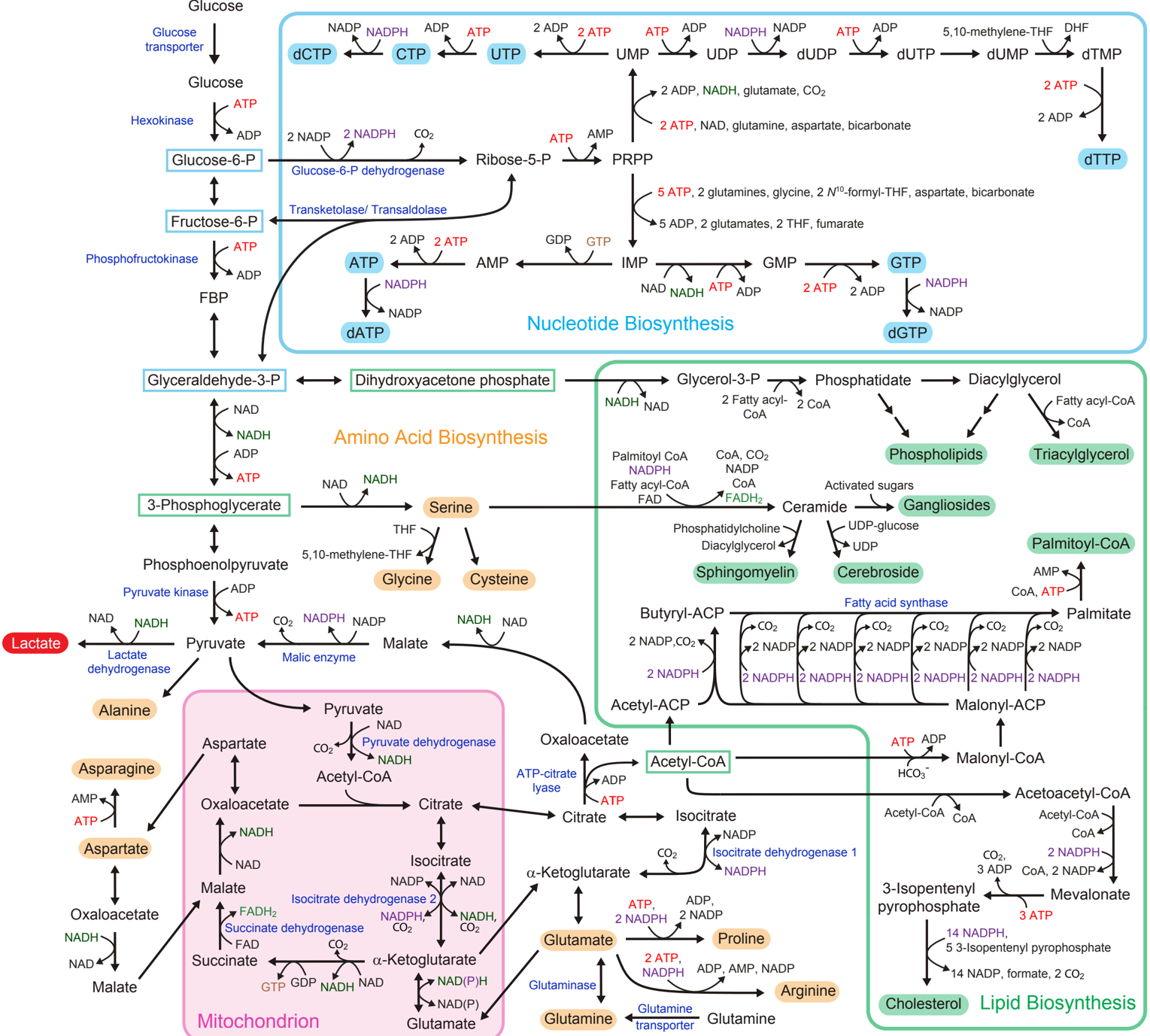
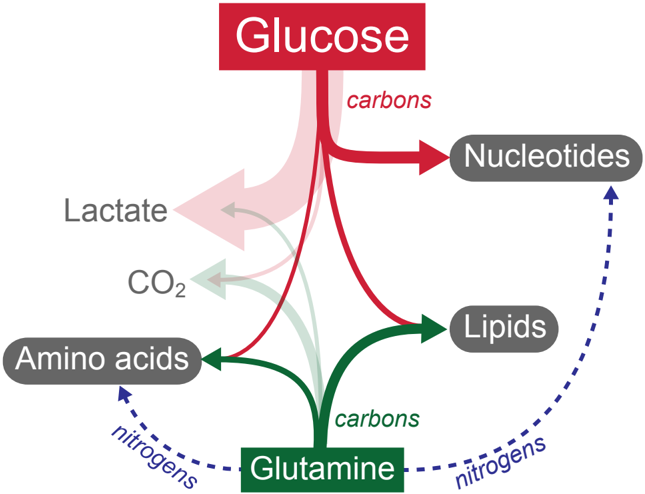
Warburg's observation that cancer cells exhibit a high rate of glycolysis even in the presence of oxygen (aerobic glycolysis) sparked debate over the role of glycolysis in normal and cancer cells. Although it has been established that defects in mitochondrial respiration are not the cause of cancer or aerobic glycolysis, the advantages of enhanced glycolysis in cancer remain controversial. Many cells ranging from microbes to lymphocytes use aerobic glycolysis during rapid proliferation, which suggests it may play a fundamental role in supporting cell growth. Here, we review how glycolysis contributes to the metabolic processes of dividing cells. We provide a detailed accounting of the biosynthetic requirements to construct a new cell and illustrate the importance of glycolysis in providing carbons to generate biomass. We argue that the major function of aerobic glycolysis is to maintain high levels of glycolytic intermediates to support anabolic reactions in cells, thus providing an explanation for why increased glucose metabolism is selected for in proliferating cells throughout nature.
Overview
The claims and statistics of this paper haven’t been checked yet.
Free: it reads the open-access text and checks the first 5 claims that cite a source we can check. Create a free account to check every claim.
Integrity signals
Registry
Cites
Statistics
Figures
Verification
Claims the paper makes
The claims and statistics of this paper haven’t been checked yet.
Free: it reads the open-access text and checks the first 5 claims that cite a source we can check. Create a free account to check every claim.
Claims other papers make about this one
Each is checked against this paper’s own text: does it say what the citing paper says it does?
The source backs part of the claim, not all of it — or backs it for a different population, condition or comparison.
In the citing paper
“Pancreatic ductal adenocarcinoma (PDAC) lines were chosen for our study because cancers of the pancreas are characterized by rapid progression,9,10 invasiveness,11,12 and elevated fermentative metabolism.13,14,15,16”
From Dynamic IL-6R/STAT3 signaling leads to heterogeneity of metabolic phenotype in pancreatic ductal adenocarcinoma cells (2024) · cites this paper as [13]
Experimental — accuracy not yet measuredThe source backs part of the claim, not all of it — or backs it for a different population, condition or comparison.
In the citing paper
“Despite the prevalence of glycolysis, mitochondrial respiration remains important in proliferating cells, allowing the production of biosynthetic precursors and the generation of electron acceptors that enable aspartate synthesis, for example [9,16,17].”
From Proliferating Astrocytes in Primary Culture Do Not Depend upon Mitochondrial Respiratory Complex I Activity or Oxidative Phosphorylation (2023) · cites this paper as [9]
Experimental — accuracy not yet measuredThe cited source says what the claim attributes to it.
In the citing paper
“AG is a prominent feature of cancer cell metabolism; its main role is thought to be support of biosynthetic pathways required for cellular proliferation”
From Aerobic glycolysis in the human brain is associated with development and neotenous gene expression (2014) · cites this paper as Lunt and Vander Heiden, 2011
In the citing paper
“Proliferating cells have different metabolic requirements from non-proliferating cells (Hsu and Sabatini, 2008; Lunt and Vander Heiden, 2011; Pavlova and Thompson, 2016). While non-proliferating cells have primarily catabolic demands, proliferating cells must balance the divergent catabolic and anabolic requirements of sustaining cellular homeostasis while duplicating cell mass, and thus engage in”
From Targeting Metabolism for Cancer Therapy (2017) · cites this paper as Lunt and Vander Heiden, 2011
In the citing paper
“Today, we understand that mitochondrial respiration is not impaired but that cancer cells place emphasis on acquisition and generation of building blocks necessary for cell division. They do so by enhancing biosynthetic metabolism using glycolytic intermediates (209).”
From Metabolic Flexibility as an Adaptation to Energy Resources and Requirements in Health and Disease (2018) · cites this paper as [209]
1 more claim about this paper
Create a free account to see every claim other papers make about this one.
Self-check
Percentages, sums and reported differences re-computed from the paper’s own numbers.
The self-check needs the paper’s full text.
Citations
Cites
Understanding the Warburg Effect: The Metabolic Requirements of Cell Proliferation
Vander Heiden, M. G., Cantley, L. C., & Thompson, C. B. (2009) · Science · doi:10.1126/science.1160809 · Cited by 16,197
Warburg, O. (1956) · Science · doi:10.1126/science.123.3191.309 · Cited by 13,425 · cited 1×
“In 1924, Otto Warburg observed that cancer cells consume much 6 larger quantities of glucose than their normal counterparts and metabolize it predominantly through glycolysis, producing high levels of lactate even in oxygen-rich conditions (Warburg 1956, Warburg et al 1924).”
Escherichia coli and Salmonella :cellular and molecular biology
Neidhardt, F. C. (1996) · ASM Press eBooks · Cited by 8,197
Alberts, B., Johnson, A., Lewis, J., Morgan, D., Raff, M., Roberts, K., & Walter, P. (2017) · W.W. Norton eBooks · doi:10.1201/9781315735368 · Cited by 6,365
TOR signaling in growth and metabolism
Wullschleger, S., Loewith, R., & Hall, M. N. (2006) · Cell · doi:10.1016/j.cell.2006.01.016 · Cited by 5,787
The phosphoinositide 3-kinase pathway
Cantley, L. C. (2002) · Science · doi:10.1126/science.296.5573.1655 · Cited by 5,621 · cited 1×
“In normal cells, the PI3K pathway is tightly controlled to increase glucose uptake and 25 metabolism in response to growth signals (Cantley 2002).”
(1978) · Biochemical Education · doi:10.1016/0307-4412(78)90049-3 · Cited by 5,046
Cancer-associated IDH1 mutations produce 2-hydroxyglutarate
Dang, L., White, D. W., Gross, S., Bennett, B. D., Bittinger, M. A., Driggers, E. M., Fantin, V. R., Jang, H. G., Jin, S., Keenan, M. C., et al. (2009) · Nature · doi:10.1038/nature08617 · Cited by 4,154
The Biology of Cancer: Metabolic Reprogramming Fuels Cell Growth and Proliferation
DeBerardinis, R. J., Lum, J. J., Hatzivassiliou, G., & Thompson, C. B. (2008) · Cell Metabolism · doi:10.1016/j.cmet.2007.10.002 · Cited by 4,088 · cited 3×
“In proliferating cells, however, the TCA cycle serves as an important source of biosynthetic precursors (DeBerardinis et al 2008) in addition to providing ATP.”
Kim, J.-W., Tchernyshyov, I., Semenza, G. L., & Dang, C. V. (2006) · Cell Metabolism · doi:10.1016/j.cmet.2006.02.002 · Cited by 3,905 · cited 1×
“HIF-1 induced PDK activity inhibits PDH, which converts pyruvate to acetyl-CoA (Kim et al 2006, Papandreou et al 2006).”
Research works printed but not linked: 5
- Berg JM, Tymoczko JL, Stryer L. 2007. Biochemistry. New York: W.H. Freeman Boros LG, Lee PW, Brandes JL, Cascante M, Muscarella P, et al. 1998. Nonoxidative pentose phosphate pathways and their direct role in ribose synthesis in tumors: is cancer a disease of cellular glucose metabolism? Med Hypotheses 50: 55-9
- Lewin B. 1997. Genes VI. Oxford ; New York: Oxford University Press. xviii, 1260 p. pp.
- Voet D, Voet JG. 2004. Biochemistry. New York: J. Wiley & Sons. 2 v. (xv, 1560 p.) pp.
- Warburg O, Posener K, Negelein E. 1924. Ueber den stoffwechsel der tumoren. Biochem Z 152: 319-44
- Younes M, 1996, Cancer Res., 56, 1164
Cited by
Items 901–1,000 of 1,013
LDHA as a regulator of T cell fate and its mechanisms in disease
Dai, M., Wang, L., Yang, J., Chen, J., Dou, X., Chen, R., Ge, Y., & Lin, Y. (2023) · Biomedicine & Pharmacotherapy · doi:10.1016/j.biopha.2022.114164 · Cited by 52
Natural products as glycolytic inhibitors for cervical cancer treatment: A comprehensive review
Liu, Q., Chen, X., Tan, Y., Liu, J., Zhu, M., Li, D., Zhou, Y., Zhang, T., & Yin, Q. Z. (2024) · Biomedicine & Pharmacotherapy · doi:10.1016/j.biopha.2024.116708 · Cited by 53
Li, J., Chen, X., Song, S., Jiang, W., Geng, T., Wang, T., Xu, Y. H., Zhu, Y., Lu, J., Xia, Y., et al. (2025) · Cell Reports · doi:10.1016/j.celrep.2025.115350 · Cited by 81
Fukuda, S., Miyata, H., Miyazaki, Y., Makino, T., Takahashi, T., Kurokawa, Y., Yamasaki, M., Nakajima, K., Takiguchi, S., Mori, M., et al. (2015) · Annals of Surgical Oncology · doi:10.1245/s10434-015-4522-3 · Cited by 46
Silva, D., Ausina, P., de Alencar, E. M., Coelho, W. S., Zancan, P., & Sola‐Penna, M. (2012) · IUBMB Life · doi:10.1002/iub.1063 · Cited by 48
“11) play rate-limiting roles functioning as indicators of this pathway flux (9, 10).”
BackgroundMultiple Roles of MYC in Integrating Regulatory Networks of Pluripotent Stem Cells
Fagnocchi, L., & Zippo, A. (2017) · Frontiers in Cell and Developmental Biology · doi:10.3389/fcell.2017.00007 · Cited by 45
“In the following sections we will discuss in details the various mechanisms through which MYC sustains PSC identity.”
BackgroundSugar or Fat?—Metabolic Requirements for Immunity to Viral Infections
Shehata, H. M., Murphy, A. J., Lee, M. K. S., Gardiner, C. M., Crowe, S. M., Sanjabi, S., Finlay, D. K., & Palmer, C. S. (2017) · Frontiers in Immunology · doi:10.3389/fimmu.2017.01311 · Cited by 50
MicroRNAs Associated with Von Hippel–Lindau Pathway in Renal Cell Carcinoma: A Comprehensive Review
Schanza, L.-M., Seles, M., Stotz, M., Foßelteder, J., Hutterer, G. C., Pichler, M., & Stiegelbauer, V. (2017) · International Journal of Molecular Sciences · doi:10.3390/ijms18112495 · Cited by 46
Badur, M. G., & Metallo, C. M. (2017) · Metabolic Engineering · doi:10.1016/j.ymben.2017.11.013 · Cited by 49
Rescue from galactose-induced death of Leigh Syndrome patient cells by pyruvate and NAD+
Iannetti, E. F., Smeitink, J. A. M., Willems, P. H. G. M., Beyrath, J., & Koopman, W. J. H. (2018) · Cell Death & Disease · doi:10.1038/s41419-018-1179-4 · Cited by 43
Shan, M., Dai, D. L., Vudem, A., Varner, J. D., & Stroock, A. D. (2018) · PLoS Computational Biology · doi:10.1371/journal.pcbi.1006584 · Cited by 56
Guo, C., Huang, T., Wang, Q., Li, H., Khanal, A., Kang, E.-H., Zhang, W., Niu, H., Dong, Z., & Cao, Y. (2019) · Cancer Cell International · doi:10.1186/s12935-019-0889-8 · Cited by 50
Li, H., Rai, M., Buddika, K., Sterrett, M. C., Luhur, A., Mahmoudzadeh, N. H., Julick, C. R., Pletcher, R. C., Chawla, G., Gosney, C. J., et al. (2019) · Development · doi:10.1242/dev.175315 · Cited by 50
Li, F., Okreglicka, K. M., Pohlmeier, L. M., Schneider, C., & Kopf, M. (2020) · The EMBO Journal · doi:10.15252/embj.2019103205 · Cited by 44
“Moreover, measurement of aerobic glycolysis, an intrinsic metabolic feature of proliferative cells (Vander Heiden et al , 2009; Lunt & Vander Heiden, 2011), by the detection of lactic acid and extracellular acidification (ECAR) revealed an enhanced glycolytic reserve and glycolytic capacity in…”
Zhang, C., Gou, X., He, W., Hua-an, Y., & Yin, H. (2020) · Cancer Cell International · doi:10.1186/s12935-020-01255-2 · Cited by 50
Wang, H., Du, H., Zeng, S., Pan, X., Cheng, H., Liu, L., & Luo, F. (2021) · Bioelectrochemistry · doi:10.1016/j.bioelechem.2020.107726 · Cited by 46
MicroRNAs: At the Interface of Metabolic Pathways and Inflammatory Responses by Macrophages
Nelson, M. C., & O’Connell, R. M. (2020) · Frontiers in Immunology · doi:10.3389/fimmu.2020.01797 · Cited by 47
“Although aerobic glycolysis, also termed the Warburg Effect, is less efficient at generating ATP than is OXPHOS, the heightened glucose flux into the cell allows for rapid energy production and is used to generate other biosynthetic intermediates as well (65).”
BackgroundMetabolic Pathways, Enzymes, and Metabolites: Opportunities in Cancer Therapy
Kumar, R., Mishra, A., Gautam, P., Feroz, Z., Vijayaraghavalu, S., Likos, E., Shukla, G. C., & Kumar, M. (2022) · Cancers · doi:10.3390/cancers14215268 · Cited by 55
“TCA cycle can be utilized to synthesize macromolecules necessary for cancer development and proliferation, including nucleic acids, lipids, and proteins [31,32].”
BackgroundNatural compounds targeting glycolysis as promising therapeutics for gastric cancer: A review
Zhao, M., Feng, W., Sun, G., Wen, Y., Xiang, J., Su, F., Zhan, L., Nian, Q., Chen, Y., & Zeng, J. (2022) · Frontiers in Pharmacology · doi:10.3389/fphar.2022.1004383 · Cited by 54
Pyruvate metabolism controls chromatin remodeling during CD4+ T cell activation
Mocholí, E., Russo, L., Gopal, K., Ramstead, A. G., Hochrein, S. M., Vos, H. R., Geeven, G., Adegoke, A., Hoekstra, A. T., van Es, R. M., et al. (2023) · Cell Reports · doi:10.1016/j.celrep.2023.112583 · Cited by 51
Eye on the horizon: The metabolic landscape of the RPE in aging and disease
Hansman, D., Du, J., Casson, R. J., & Peet, D. J. (2024) · Progress in Retinal and Eye Research · doi:10.1016/j.preteyeres.2024.101306 · Cited by 54
Metabolites as agents and targets for cancer immunotherapy
Trefny, M. P., Kroemer, G., Zitvogel, L., & Kobold, S. (2025) · Nature Reviews Drug Discovery · doi:10.1038/s41573-025-01227-z · Cited by 67
“It fuels OXPHOS by mitochondria and provides essential building blocks for the biosynthesis of nucleotides and amino acids 140 .”
Lv, Y., Zhang, B., Zhai, C., Qiu, J. F., Zhang, Y., Yao, W., & Zhang, C. (2015) · Neurochemistry International · doi:10.1016/j.neuint.2015.10.006 · Cited by 47
Noninvasive Metabolic Imaging of Engineered 3D Human Adipose Tissue in a Perfusion Bioreactor
Ward, A., Quinn, K. P., Bellas, E., Georgakoudi, I., & Kaplan, D. L. (2013) · PLoS ONE · doi:10.1371/journal.pone.0055696 · Cited by 44
“The expression of these cofactors is known to change during drug treatment, differentiation, and cell division, thus providing a sensitive indicator of cellular metabolic behavior [13,14].”
BackgroundThe common fragile site FRA16D gene product WWOX: roles in tumor suppression and genomic stability
Aqeilan, R. I., Abu‐Remaileh, M., & Abu-Odeh, M. (2014) · Cellular and Molecular Life Sciences · doi:10.1007/s00018-014-1724-y · Cited by 45
Distribution and dynamics of OXPHOS complexes in the bacterial cytoplasmic membrane
Magalon, A., & Alberge, F. (2015) · Biochimica et Biophysica Acta (BBA) - Bioenergetics · doi:10.1016/j.bbabio.2015.10.015 · Cited by 52
eEF-2 kinase is a critical regulator of Warburg effect through controlling PP2A-A synthesis
Cheng, Y., Ren, X., Yuan, Y., Shan, Y., Li, L., Chen, X., Zhang, L., Takahashi, Y., Yang, J., Han, B., et al. (2016) · Oncogene · doi:10.1038/onc.2016.166 · Cited by 46
Hamanaka, R. B., & Mutlu, G. M. (2017) · Journal of Investigative Dermatology · doi:10.1016/j.jid.2016.12.020 · Cited by 44
Preclinical efficacy of the novel competitive NAMPT inhibitor STF-118804 in pancreatic cancer
Espíndola‐Netto, J. M., Chini, C. C. S., Tarragó, M. G., Wang, E., Dutta, S. K., Pal, K., Mukhopadhyay, D., Sola‐Penna, M., & Chini, E. N. (2017) · Oncotarget · doi:10.18632/oncotarget.18841 · Cited by 46
“Many cancer cells rely on high glycolytic flux, even when regular oxygen concentration is available, the socalled Warburg effect [20].”
BackgroundLone, A., Harris, R. A., Singh, O., Betts, D. H., & Cumming, R. C. (2018) · Scientific Reports · doi:10.1038/s41598-018-35114-y · Cited by 50
Anticancer effect of ursolic acid via mitochondria‑dependent pathways (Review)
Feng, X., & Su, X. (2019) · Oncology Letters · doi:10.3892/ol.2019.10171 · Cited by 66
Vallée, A., Vallée, J.-N., & Lecarpentier, Y. (2019) · Journal of Molecular and Cellular Cardiology · doi:10.1016/j.yjmcc.2019.05.024 · Cited by 50
Does 2-FDG PET Accurately Reflect Quantitative In Vivo Glucose Utilization?
Barrio, J. R., Huang, S., Satyamurthy, N., Scafoglio, C., Yu, A. S., Alavi, A. A., & Krohn, K. A. (2019) · Journal of Nuclear Medicine · doi:10.2967/jnumed.119.237446 · Cited by 45
“The persistent metabolism of glucose to lactate even under aerobic conditions (aerobic glycolysis) in cancer development (31) leads to microenvironmental acid-induced toxicity for surrounding normal cells, which may promote unconstrained proliferation and invasion (32).”
BackgroundThe expression and role of glycolysis-associated molecules in infantile hemangioma
Chen, J., Wu, D., Dong, Z., Chen, A., & Liu, S. (2020) · Life Sciences · doi:10.1016/j.lfs.2020.118215 · Cited by 46
MicroRNA‐195 controls MICU1 expression and tumor growth in ovarian cancer
Rao, G., Dwivedi, S. K. D., Zhang, Y., Dey, A., Shameer, K., Karthik, R., Srikantan, S., Hossen, M. N., Wren, J. D., Madesh, M., et al. (2020) · EMBO Reports · doi:10.15252/embr.201948483 · Cited by 48
“Metabolic reprogramming is characteristic of cancer cells, which generally shift toward aerobic glycolysis in order to meet the high energy demands of their uncontrolled proliferation (Lunt & Vander Heiden, 2011; Ward & Thompson, 2012).”
Type I IFNs and CD8 T cells increase intestinal barrier permeability after chronic viral infection
Labarta-Bajo, L., Nilsen, S. P., Humphrey, G., Schwartz, T., Sanders, K., Swafford, A. D.-E., Knight, R. D., Turner, J. R., & Zúñiga, E. I. (2020) · The Journal of Experimental Medicine · doi:10.1084/jem.20192276 · Cited by 47
Orlicka-Płocka, M., Gurda, D., Fedoruk‐Wyszomirska, A., & Wyszko, E. (2020) · APOPTOSIS · doi:10.1007/s10495-020-01637-x · Cited by 48
Zhao, S., Zhang, X., Shi, Y., Lu, C., Song, T., Wu, B., Li, J., & Yang, H. (2020) · Journal of Experimental & Clinical Cancer Research · doi:10.1186/s13046-020-01802-9 · Cited by 48
Liu, Y., Xu, M., Dai, X., Yan, L., Li, L., Zhu, R.-Z., Ren, L., Zhang, J., Zhang, X., Li, J., et al. (2021) · Frontiers in Pharmacology · doi:10.3389/fphar.2021.765790 · Cited by 49
Cheng, C., Yuan, F., Chen, X., Zhang, W., Zhao, X., Jiang, Z., Zhou, H., Zhou, G., & Cao, S. (2021) · Biomedicine & Pharmacotherapy · doi:10.1016/j.biopha.2021.111652 · Cited by 47
Tumor microenvironment metabolites directing T cell differentiation and function
Liu, X., Hoft, D. F., & Peng, G. (2021) · Trends in Immunology · doi:10.1016/j.it.2021.12.004 · Cited by 49
Tower, R. J., Busse, E., Jaramillo, J., Lacey, M., Hoffseth, K., Guntur, A. R., Simkin, J., & Sammarco, M. C. (2022) · eLife · doi:10.7554/elife.71542 · Cited by 43
Metabolomics in asthma: A platform for discovery
Xu, S., Panettieri, R. A., & Jude, J. A. (2021) · Molecular Aspects of Medicine · doi:10.1016/j.mam.2021.100990 · Cited by 50
NAD Depletion Mediates Cytotoxicity in Human Neurons With Autophagy Deficiency
Sun, C., Seranova, E., Cohen, M. A., Chipara, M., Roberts, J., Astuti, D., Palhegyi, A. M., Acharjee, A., Sedlackova, L., Kataura, T., et al. (2022) · Cell Reports · doi:10.1016/j.celrep.2023.112372 · Cited by 45
Baumert, P., Mäntyselkä, S., Schönfelder, M., Heiber, M., Jacobs, M. J., Swaminathan, A., Minderis, P., Dirmontas, M., Kleigrewe, K., Meng, C., et al. (2024) · Journal of Cachexia, Sarcopenia and Muscle · doi:10.1002/jcsm.13468 · Cited by 41
Gautier, E. L., Westerterp, M., Bhagwat, N., Cremers, S., Shih, A., Abdel-Wahab, O., Lütjohann, D., Randolph, G. J., Levine, R. L., Tall, A. R., et al. (2013) · Journal of Experimental Medicine · doi:10.1084/jem.20121357 · Cited by 43
Analyzing Tumor Metabolism In Vivo
Faubert, B., & DeBerardinis, R. J. (2017) · Annual Review of Cancer Biology · doi:10.1146/annurev-cancerbio-050216-121954 · Cited by 43
Jiaojiao, H., Wang, K., Zheng, N., Qiu, Y., Xie, G., Su, M., Jia, W. P., & Li, H. (2015) · Scientific Reports · doi:10.1038/srep17423 · Cited by 45
A novel mechanism of mTORC1-mediated serine/glycine metabolism in osteosarcoma development
Wang, D., Wu, L., Cao, Y., Yang, L., Liu, W., Xiaoqiang, E., Ji, G., & Bi, Z. (2016) · Cellular Signalling · doi:10.1016/j.cellsig.2016.06.008 · Cited by 47
Singh, K., Krug, L., Basu, A., Meyer, P., Treiber, N., Vander Beken, S., Wlaschek, M., Kochanek, S., Bloch, W., Geiger, H., et al. (2017) · Stem Cells · doi:10.1002/stem.2629 · Cited by 43
UCP2 overexpression enhanced glycolysis via activation of PFKFB2 during skin cell transformation
Sreedhar, A., Petruska, P., Miriyala, S., Panchatcharam, M., & Zhao, Y. (2017) · Oncotarget · doi:10.18632/oncotarget.20762 · Cited by 46
Zhou, Z., Ibekwe, E., & Chornenkyy, Y. (2018) · Antioxidants · doi:10.3390/antiox7010016 · Cited by 45
“The current most popular hypothesis suggests that rapidly proliferating cells, like tumor cells, use aerobic glycolysis to generate precursors for anabolic reactions synthesizing nucleic acids, lipids, and proteins [18].”
BackgroundRole of p27Kip1 as a transcriptional regulator
Bachs, O., Gallastegui, E., Orlando, S., Bigas, A., Morante‐Redolat, J. M., Serratosa, J., Fariñas, I., Aligué, R., & Pujol, M. J. (2018) · Oncotarget · doi:10.18632/oncotarget.25447 · Cited by 51
Malandraki-Miller, S., Lopez, C. A., Al-Siddiqi, H., & Carr, C. A. (2018) · Frontiers in Cardiovascular Medicine · doi:10.3389/fcvm.2018.00119 · Cited by 56
Yu, L., Teoh, S. T., Ensink, E., Ogrodzinski, M. P., Yang, C., Vazquez, A. I., & Lunt, S. Y. (2019) · Cancer & Metabolism · doi:10.1186/s40170-019-0205-z · Cited by 50
Self-citationIkarugamycin inhibits pancreatic cancer cell glycolysis by targeting hexokinase 2
Jiang, S., Dong, F.-Y., Da, L., Yang, X., Wang, X., Weng, J.-Y., Feng, L., Zhu, L., Zhang, Y., Zhang, Z., et al. (2020) · The FASEB Journal · doi:10.1096/fj.201901237r · Cited by 45
Chen, C., Meng, W., Wang, C., Sun, D., Liu, P., Zhong, X., & Yu, W. (2020) · Aging · doi:10.18632/aging.103334 · Cited by 45
Morales-Polanco, F., Bates, C., Lui, J., Casson, J., Solari, C. A., Pizzinga, M., Forte, G., Griffin, C., Garner, K. E. L., Burt, H. E., et al. (2021) · iScience · doi:10.1016/j.isci.2021.102069 · Cited by 46
Metabolic Determinants of Cardiomyocyte Proliferation
Mohamed, T., Abouleisa, R., & Hill, B. G. (2022) · Stem Cells · doi:10.1093/stmcls/sxac016 · Cited by 43
N6-methyladenosine modification and metabolic reprogramming of digestive system malignancies
Cai, X., Liang, C., Zhang, M., Xu, Y., Weng, Y., Li, X., & Yu, W. (2022) · Cancer Letters · doi:10.1016/j.canlet.2022.215815 · Cited by 44
Temre, M. K., Kumar, A., & Singh, S. M. (2022) · Frontiers in Pharmacology · doi:10.3389/fphar.2022.1035510 · Cited by 46
Targeting mitochondrial dynamics proteins for the treatment of doxorubicin-induced cardiotoxicity
Chen, R., Niu, M., Hu, X., & He, Y. (2023) · Frontiers in Molecular Biosciences · doi:10.3389/fmolb.2023.1241225 · Cited by 50
Metabolomics at the tumor microenvironment interface: Decoding cellular conversations
Berrell, N., Sadeghirad, H., Blick, T., Bidgood, C. L., Leggatt, G. R., O'Byrne, K. J., & Kulasinghe, A. (2023) · Medicinal Research Reviews · doi:10.1002/med.22010 · Cited by 48
“16,30 These researchers theorized that aerobic glycolysis has additional benefits aside from rapid ATP generation.”
BackgroundInfluentialCircular RNA-mediated miRNA sponge & RNA binding protein in biological modulation of breast cancer
Zhu, J., Li, Q., Wu, Z., Wei, X., & Jiang, R. (2024) · Non-coding RNA Research · doi:10.1016/j.ncrna.2023.12.005 · Cited by 46
“Glycolysis produces ATP at a faster rate than oxidative phosphorylation and favors the growth of cancer cells by increasing the levels of lipids, nucleotides, NADPH, and amino acids [101].”
BackgroundRegulation of PI3K signaling in cancer metabolism and PI3K-targeting therapy
Han, B., Lin, X., & Hu, H. (2024) · Translational Breast Cancer Research · doi:10.21037/tbcr-24-29 · Cited by 54
Tumor aerobic glycolysis: new insights into therapeutic strategies with targeted delivery
Talekar, M., Boreddy, S. R., Singh, A., & Amiji, M. (2014) · Expert Opinion on Biological Therapy · doi:10.1517/14712598.2014.912270 · Cited by 42
“Lately, it has been observed that tumor cells rely on glycolysis as a primary source of cellular energy despite optimum oxygen levels, a phenomenon termed as aerobic glycolysis [1].”
BackgroundInfluentialPhospholipid Composition and Electric Charge in Healthy and Cancerous Parts of Human Kidneys
Szachowicz‐Petelska, B., Dobrzyńska, I., Skrodzka, M., Darewicz, J., Figaszewski, Z. A., & Kudelski, J. (2013) · The Journal of Membrane Biology · doi:10.1007/s00232-013-9554-7 · Cited by 42
ZBTB2 increases PDK4 expression by transcriptional repression of RelA/p65
Kim, M.-Y., Koh, D.-I., Choi, W., Jeon, B.-N., Jeong, D.-Y., Kim, K., Kim, K., Kim, S. H., & Hur, M. (2015) · Nucleic Acids Research · doi:10.1093/nar/gkv026 · Cited by 42
“The molecular events triggered by overexpressed ZBTB2 may cause metabolic switching to favor glycolysis over the TCA cycle, a metabolic feature of cancer cells (45,46).”
BackgroundMicroRNA regulation and analytical methods in cancer cell metabolism
Zhang, L.-F., Jiang, S., & Liu, M. (2017) · Cellular and Molecular Life Sciences · doi:10.1007/s00018-017-2508-y · Cited by 44
Cancer: Untethering Mitochondria from the Endoplasmic Reticulum?
Herrera-Cruz, M. S., & Simmen, T. (2017) · Frontiers in Oncology · doi:10.3389/fonc.2017.00105 · Cited by 47
Nitzsche, R., Günay-Esiyok, Ö., Tischer, M., Zagoriy, V., & Gupta, N. (2017) · Journal of Biological Chemistry · doi:10.1074/jbc.m117.802702 · Cited by 42
“Also from an energetic perspective, PyC uses one ATP per oxaloacetate molecule (16), whereas glutaminolysis does not need ATP; instead, glutamine catabolism yields reducing equivalents for oxidative phosphorylation and enzymatic reactions (25).”
BackgroundCCL5-CCR5 interactions modulate metabolic events during tumor onset to promote tumorigenesis
Gao, D. F., Cazares, L. H., & Fish, E. N. (2017) · BMC Cancer · doi:10.1186/s12885-017-3817-0 · Cited by 43
Cross-talk between signal transduction and metabolism in B cells
Jellusova, J. (2018) · Immunology Letters · doi:10.1016/j.imlet.2018.11.003 · Cited by 49
Srinivasulu, V., Schilf, P., Ibrahim, S. M., Khanfar, M. A., Sieburth, S. M., Omar, H. A., Sebastian, A., Al‐Qawasmeh, R. A., O’Connor, M. J., & Al‐Tel, T. H. (2018) · Nature Communications · doi:10.1038/s41467-018-07521-2 · Cited by 42
Erlich, J. R., To, E. E., Liong, S., Brooks, R. D., Vlahos, R., O’Leary, J. J., Brooks, D. A., & Selemidis, S. (2020) · Antioxidants and Redox Signaling · doi:10.1089/ars.2020.8028 · Cited by 49
“Proliferating cells will upregulate glycolysis as their dominant metabolic pathway (89), and this is particularly evident in immune cells responding to damage or pathogens.”
BackgroundMetabolic Consequences of Efferocytosis and Its Impact on Atherosclerosis
Yurdagul, A. (2021) · Immunometabolism · doi:10.20900/immunometab20210017 · Cited by 42
“Internalization of an apoptotic cell stimulates the expression of another SLC family member, SLC16A1, which allows for lactate release.”
BackgroundInfluentialGoretzki, A., Lin, Y., & Schülke, S. (2021) · Allergy · doi:10.1111/all.14843 · Cited by 46
Metabolites and Immune Response in Tumor Microenvironments
Cortellino, S., & Longo, V. D. (2023) · Cancers · doi:10.3390/cancers15153898 · Cited by 45
“Most cancers prefer aerobic glycolysis over oxidative phosphorylation (OXPHOS) because even though it is a low-efficiency process for energy generation, it produces large amounts of glycolytic intermediates essential for the biosynthesis of biomass molecules and molecules involved in the cell’s redox state control [13…”
BackgroundWang, J., Zhu, M., Zhu, J., Li, J., Zhu, X., Wang, K., Shen, K., Yang, K., Ni, X., Liu, X., et al. (2023) · Cell Death Discovery · doi:10.1038/s41420-023-01707-4 · Cited by 41
“Ample evidence indicated that abnormal glycolysis levels promote cancer cell proliferation and metastasis [11], but the molecular mechanisms modulating aerobic glycolysis have not been elucidated.”
BackgroundHuang, W., Fu, G., Wang, Y., Chen, C., Luo, Y., Yan, Q., Liu, Y., & Mao, C. (2024) · Acta Biomaterialia · doi:10.1016/j.actbio.2024.03.031 · Cited by 44
Cao, T.-T., Lin, S.-H., Fu, L., Tang, Z., Che, C., Zhang, L.-Y., Ming, X.-Y., Liu, T.-F., Tang, X., Tan, B.-B., et al. (2016) · Carcinogenesis · doi:10.1093/carcin/bgw119 · Cited by 42
“To adapt the suboptimal growth condition and satisfy the needs of proliferative tumor cells, the cellular metabolic network was reprogrammed, such as the switch of glucose utilization from tricarboxylic acid cycle to aerobic glycolysis (32,33), and some less used pathways were activated, such as pentose phosphate path…”
MethodCorkins, M. E., Wilson, S., Cocuron, J., Alonso, A. P., & Bird, A. J. (2017) · Journal of Biological Chemistry · doi:10.1074/jbc.m117.798488 · Cited by 47
CARM1 suppresses de novo serine synthesis by promoting PKM2 activity
Abeywardana, T., Oh, M., Jiang, L., Yang, Y., Kong, M., Song, J., & Yang, Y. (2018) · Journal of Biological Chemistry · doi:10.1074/jbc.ra118.004512 · Cited by 43
“We now know that enhanced aerobic glycolysis is a hallmark of metabolic reprogramming in most proliferating cells (5, 6).”
BackgroundRoles of the mitochondrial genetics in cancer metastasis: not to be ignored any longer
Beadnell, T. C., Scheid, A. D., Vivian, C. J., & Welch, D. R. (2018) · Cancer and Metastasis Reviews · doi:10.1007/s10555-018-9772-7 · Cited by 47
Hu, M., Chen, X., Ma, L., Ma, Y., Li, Y., Song, H.-H., Xu, J., Zhou, L., Li, X., Jiang, Y., et al. (2019) · Journal of Cancer · doi:10.7150/jca.28299 · Cited by 45
“It is worth noting that enhanced aerobic glycolysis facilitates tumor development and progression, regarding not only aggressive growth but also malignant transformation, and predicts poor prognosis [5-8].”
BackgroundYang, H., Zhang, S., Jiang, Y., Mao, W., Pang, L., Redwood, A. B., Jeter-Jones, S. L., Jennings, N. B., Ornelas, A., Zhou, J., et al. (2019) · Clinical Cancer Research · doi:10.1158/1078-0432.ccr-18-3448 · Cited by 43
“The high biosynthetic demand of rapidly proliferating tumor cells also requires the production of large amounts of NADPH and the bisphosphatase activity may be indispensable to limiting glycolytic flux and diverting G6Pinto the oxidative PPP for NADPH production (39).”
BackgroundYu, L., Hu, Q., & Gu, J. (2019) · Pathology & Oncology Research · doi:10.1007/s12253-019-00708-y · Cited by 43
Feng, X., & Yang, S. (2019) · Molecular and Cellular Biochemistry · doi:10.1007/s11010-019-03635-3 · Cited by 41
Yu, L., Zhou, S., Hu, Q., Chen, X., & Gu, J. (2020) · Scientific Reports · doi:10.1038/s41598-020-60903-9 · Cited by 48
Drosophila TRIM32 cooperates with glycolytic enzymes to promote cell growth
Bawa, S., Brooks, D. S., Neville, K. E., Tipping, M., Sagar, M. A. K., Kollhoff, J. A., Chawla, G., Geisbrecht, B. V., Tennessen, J. M., Eliceiri, K. W., et al. (2020) · eLife · doi:10.7554/elife.52358 · Cited by 48
Song, J., Meng, Y., Wang, M., Li, L., Liu, Z., Zheng, K., Wu, L., Liu, B., Hou, F., & Li, A. (2020) · Pharmacological Research · doi:10.1016/j.phrs.2020.104845 · Cited by 45
Metabolic Traits in Cutaneous Melanoma
Neagu, M. T. (2020) · Frontiers in Oncology · doi:10.3389/fonc.2020.00851 · Cited by 43
“As already mentioned, the intense proliferation of a cancer cell can be sustained only partially by aerobic glycolysis, pathway that fuel macromolecules biosynthesis (16).”
BackgroundNeural crest metabolism: At the crossroads of development and disease
Bhattacharya, D., Khan, B., & Simões-Costa, M. (2021) · Developmental Biology · doi:10.1016/j.ydbio.2021.01.018 · Cited by 43
Xia, Y., Brown, Z. J., Huang, H., & Tsung, A. (2021) · Cancer Medicine · doi:10.1002/cam4.4177 · Cited by 48
Zhang, Y., Wu, Y., & Su, X. (2021) · Frontiers in Bioscience-Landmark · doi:10.52586/4946 · Cited by 42
“Cancer cells gain energy to meet the metabolic requirements of rapid proliferation of cells through aerobic glycolysis [6].”
Honokiol Inhibits HIF-1α-Mediated Glycolysis to Halt Breast Cancer Growth
Yi, X., Qi, M., Huang, M., Zhou, S., & Xiong, J. (2022) · Frontiers in Pharmacology · doi:10.3389/fphar.2022.796763 · Cited by 49
Kamrad, S., Grossbach, J., Rodríguez‐López, M., Mülleder, M., Townsend, S., Cappelletti, V., Stojanovski, G., Correia‐Melo, C., Picotti, P., Beyer, A., et al. (2020) · Molecular Systems Biology · doi:10.15252/msb.20199270 · Cited by 40
“Analogously, human cancer cells typically grow by aerobic glycolysis, known as the Warburg effect (Warburg, 1927), thought to increase biosynthetic capacity (Diaz-Ruiz et al, 2009; Lunt & Vander Heiden, 2011; Costa & Frezza, 2017).”
BackgroundEmerging therapies for autosomal dominant polycystic kidney disease with a focus on cAMP signaling
Zhou, X., & Torres, V. E. (2022) · Frontiers in Molecular Biosciences · doi:10.3389/fmolb.2022.981963 · Cited by 46
Asija, S., Chatterjee, A., Yadav, S., Chekuri, G., Karulkar, A., Jaiswal, A. K., Goda, J. S., & Purwar, R. (2022) · International Reviews of Immunology · doi:10.1080/08830185.2022.2101647 · Cited by 46
Li, R., Guan, X. X., Wang, X. R., Bao, W.-Q., Lian, L.-R., Choi, S. W., Zhang, F. Y., Yan, P., Leung, E. L., Pan, H., et al. (2023) · Phytomedicine · doi:10.1016/j.phymed.2023.154751 · Cited by 42
Metadata
- Authors
- Lunt, S. Y., & Vander Heiden, M. G.
- Affiliations
- Massachusetts Institute of Technology (US)
- Koch Institute for Integrative Cancer Research, Massachusetts Institute of Technology, Cambridge, Massachusetts 02139;,
- ORCID
- Lunt, Sophia Y.
- Venue
- Annual Review of Cell and Developmental Biology
- Publisher
- Annual Reviews
- Published
- 2011-11-10
- Volume
- 27
- Issue
- 1
- Pages
- 441-464
- ISSN
- 1081-0706 (ISSN-L)
- 1530-8995
- OpenAlex
- W2095987251
- Semantic Scholar
- 006c609f2389cabf7130e452dc0667bfd09fe064
- Cited by
- 3,057
- References
- 164
- Citations by year
- 2026: 164 · 2025: 235 · 2024: 265 · 2023: 304 · 2022: 328 · 2021: 310 · 2020: 254 · 2019: 207 · 2018: 186 · 2017: 197 · 2016: 151 · 2015: 154 · 2014: 143 · 2013: 112 · 2012: 41
- FWCI
- 6.94
- Type
- journal article
- Language
- en
- Open access
- green
- hdl.handle.net
- Licence
- cc-by-nc-sa
- Locations
- Annual Review of Cell and Developmental Biology (publishedVersion)
- PubMed (publishedVersion)
- DSpace@MIT (Massachusetts Institute of Technology) (submittedVersion, cc-by-nc-sa)
- Funders
- Damon Runyon Cancer Research Foundation
- Richard and Susan Smith Family Foundation
- Topics
- Life Sciences › Biochemistry, Genetics and Molecular Biology › Cancer Research › Cancer, Hypoxia, and Metabolism
- Life Sciences › Biochemistry, Genetics and Molecular Biology › Molecular Biology › Metabolism, Diabetes, and Cancer
- Life Sciences › Biochemistry, Genetics and Molecular Biology › Molecular Biology › Cancer and biochemical research
- Keywords
- aerobic glycolysis, cell proliferation, cancer metabolism, Warburg effect, glycolytic intermediates, anabolic metabolism, biomass synthesis, glucose metabolism, mitochondrial respiration, cell growth
- MeSH terms
- Adenosine Triphosphate, Aerobiosis, Animals, Citric Acid Cycle, Energy Metabolism, Glucose, Glycolysis, Humans, Mitochondria, Pyruvate Kinase, Cell Respiration, Lactic Acid, Cell Proliferation, Metabolic Networks and Pathways
About these checks
Registry, retraction, Cites and statistics results are computed, not judged, with one exception: a printed reference that no index lists is read once by a model before it counts as a citation error. Claims are extracted by a model and kept only when their quote appears verbatim in the text; each cited source is then checked, with a model’s help, for whether it says what the claim relies on. Those verdicts can be wrong — read the claim’s quote and the cited source before relying on one.
Statistics and arithmetic are recomputed, not judged.
Confidence bands are shown only for fields calibrated on our annotated test set. None is calibrated yet, so no band is shown.
What counts as a claim ›How we measure confidence ›How we check this ›
Are you an author, or do you see a problem with this page? Request a review
Data sources
Bibliographic data: Semantic Scholar, OpenAlex, Crossref.
Contains information from the Semantic Scholar Academic Graph Datasets, made available under the ODC Attribution License (ODC-BY 1.0).
Semantic Scholar’s data is described in: Kinney, R., et al. (2023). The Semantic Scholar Open Data Platform. arXiv:2301.10140.
