

Aerobic Glycolysis: Meeting the Metabolic Requirements of Cell Proliferation
Open accessThe DOI matches its Crossref record; 164 of the 164 references it cites were found in a registry or an index.
Abstract
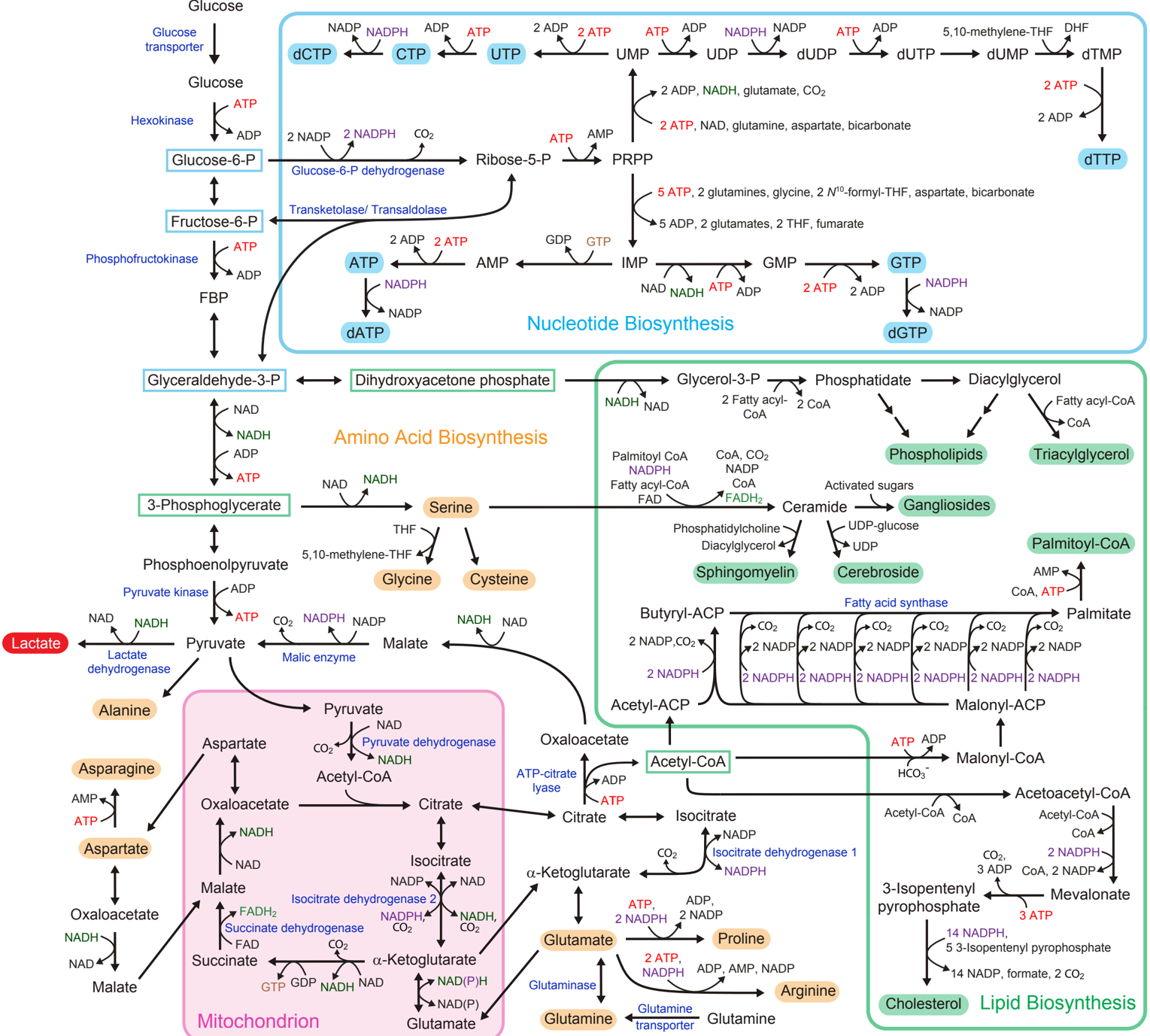
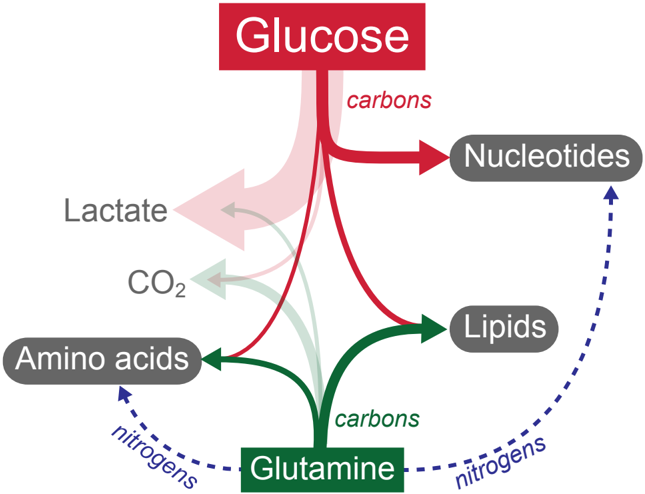
Warburg's observation that cancer cells exhibit a high rate of glycolysis even in the presence of oxygen (aerobic glycolysis) sparked debate over the role of glycolysis in normal and cancer cells. Although it has been established that defects in mitochondrial respiration are not the cause of cancer or aerobic glycolysis, the advantages of enhanced glycolysis in cancer remain controversial. Many cells ranging from microbes to lymphocytes use aerobic glycolysis during rapid proliferation, which suggests it may play a fundamental role in supporting cell growth. Here, we review how glycolysis contributes to the metabolic processes of dividing cells. We provide a detailed accounting of the biosynthetic requirements to construct a new cell and illustrate the importance of glycolysis in providing carbons to generate biomass. We argue that the major function of aerobic glycolysis is to maintain high levels of glycolytic intermediates to support anabolic reactions in cells, thus providing an explanation for why increased glucose metabolism is selected for in proliferating cells throughout nature.
Overview
The claims and statistics of this paper haven’t been checked yet.
Free: it reads the open-access text and checks the first 5 claims that cite a source we can check. Create a free account to check every claim.
Integrity signals
Registry
Cites
Statistics
Figures
Verification
Claims the paper makes
The claims and statistics of this paper haven’t been checked yet.
Free: it reads the open-access text and checks the first 5 claims that cite a source we can check. Create a free account to check every claim.
Claims other papers make about this one
Each is checked against this paper’s own text: does it say what the citing paper says it does?
The source backs part of the claim, not all of it — or backs it for a different population, condition or comparison.
In the citing paper
“Pancreatic ductal adenocarcinoma (PDAC) lines were chosen for our study because cancers of the pancreas are characterized by rapid progression,9,10 invasiveness,11,12 and elevated fermentative metabolism.13,14,15,16”
From Dynamic IL-6R/STAT3 signaling leads to heterogeneity of metabolic phenotype in pancreatic ductal adenocarcinoma cells (2024) · cites this paper as [13]
Experimental — accuracy not yet measuredThe source backs part of the claim, not all of it — or backs it for a different population, condition or comparison.
In the citing paper
“Despite the prevalence of glycolysis, mitochondrial respiration remains important in proliferating cells, allowing the production of biosynthetic precursors and the generation of electron acceptors that enable aspartate synthesis, for example [9,16,17].”
From Proliferating Astrocytes in Primary Culture Do Not Depend upon Mitochondrial Respiratory Complex I Activity or Oxidative Phosphorylation (2023) · cites this paper as [9]
Experimental — accuracy not yet measuredThe cited source says what the claim attributes to it.
In the citing paper
“AG is a prominent feature of cancer cell metabolism; its main role is thought to be support of biosynthetic pathways required for cellular proliferation”
From Aerobic glycolysis in the human brain is associated with development and neotenous gene expression (2014) · cites this paper as Lunt and Vander Heiden, 2011
In the citing paper
“Proliferating cells have different metabolic requirements from non-proliferating cells (Hsu and Sabatini, 2008; Lunt and Vander Heiden, 2011; Pavlova and Thompson, 2016). While non-proliferating cells have primarily catabolic demands, proliferating cells must balance the divergent catabolic and anabolic requirements of sustaining cellular homeostasis while duplicating cell mass, and thus engage in”
From Targeting Metabolism for Cancer Therapy (2017) · cites this paper as Lunt and Vander Heiden, 2011
In the citing paper
“Today, we understand that mitochondrial respiration is not impaired but that cancer cells place emphasis on acquisition and generation of building blocks necessary for cell division. They do so by enhancing biosynthetic metabolism using glycolytic intermediates (209).”
From Metabolic Flexibility as an Adaptation to Energy Resources and Requirements in Health and Disease (2018) · cites this paper as [209]
1 more claim about this paper
Create a free account to see every claim other papers make about this one.
Self-check
Percentages, sums and reported differences re-computed from the paper’s own numbers.
The self-check needs the paper’s full text.
Citations
Cites
Understanding the Warburg Effect: The Metabolic Requirements of Cell Proliferation
Vander Heiden, M. G., Cantley, L. C., & Thompson, C. B. (2009) · Science · doi:10.1126/science.1160809 · Cited by 16,197
Warburg, O. (1956) · Science · doi:10.1126/science.123.3191.309 · Cited by 13,425 · cited 1×
“In 1924, Otto Warburg observed that cancer cells consume much 6 larger quantities of glucose than their normal counterparts and metabolize it predominantly through glycolysis, producing high levels of lactate even in oxygen-rich conditions (Warburg 1956, Warburg et al 1924).”
Escherichia coli and Salmonella :cellular and molecular biology
Neidhardt, F. C. (1996) · ASM Press eBooks · Cited by 8,197
Alberts, B., Johnson, A., Lewis, J., Morgan, D., Raff, M., Roberts, K., & Walter, P. (2017) · W.W. Norton eBooks · doi:10.1201/9781315735368 · Cited by 6,365
TOR signaling in growth and metabolism
Wullschleger, S., Loewith, R., & Hall, M. N. (2006) · Cell · doi:10.1016/j.cell.2006.01.016 · Cited by 5,787
The phosphoinositide 3-kinase pathway
Cantley, L. C. (2002) · Science · doi:10.1126/science.296.5573.1655 · Cited by 5,621 · cited 1×
“In normal cells, the PI3K pathway is tightly controlled to increase glucose uptake and 25 metabolism in response to growth signals (Cantley 2002).”
(1978) · Biochemical Education · doi:10.1016/0307-4412(78)90049-3 · Cited by 5,046
Cancer-associated IDH1 mutations produce 2-hydroxyglutarate
Dang, L., White, D. W., Gross, S., Bennett, B. D., Bittinger, M. A., Driggers, E. M., Fantin, V. R., Jang, H. G., Jin, S., Keenan, M. C., et al. (2009) · Nature · doi:10.1038/nature08617 · Cited by 4,154
The Biology of Cancer: Metabolic Reprogramming Fuels Cell Growth and Proliferation
DeBerardinis, R. J., Lum, J. J., Hatzivassiliou, G., & Thompson, C. B. (2008) · Cell Metabolism · doi:10.1016/j.cmet.2007.10.002 · Cited by 4,088 · cited 3×
“In proliferating cells, however, the TCA cycle serves as an important source of biosynthetic precursors (DeBerardinis et al 2008) in addition to providing ATP.”
Kim, J.-W., Tchernyshyov, I., Semenza, G. L., & Dang, C. V. (2006) · Cell Metabolism · doi:10.1016/j.cmet.2006.02.002 · Cited by 3,905 · cited 1×
“HIF-1 induced PDK activity inhibits PDH, which converts pyruvate to acetyl-CoA (Kim et al 2006, Papandreou et al 2006).”
Research works printed but not linked: 6
- 10.1002/(SICI)1097-4644(19971001)67:1<131::AID-JCB13>3.0.CO;2-K · DOI
- Berg JM, Tymoczko JL, Stryer L. 2007. Biochemistry. New York: W.H. Freeman Boros LG, Lee PW, Brandes JL, Cascante M, Muscarella P, et al. 1998. Nonoxidative pentose phosphate pathways and their direct role in ribose synthesis in tumors: is cancer a disease of cellular glucose metabolism? Med Hypotheses 50: 55-9
- Lewin B. 1997. Genes VI. Oxford ; New York: Oxford University Press. xviii, 1260 p. pp.
- Voet D, Voet JG. 2004. Biochemistry. New York: J. Wiley & Sons. 2 v. (xv, 1560 p.) pp.
- Warburg O, Posener K, Negelein E. 1924. Ueber den stoffwechsel der tumoren. Biochem Z 152: 319-44
- Younes M, 1996, Cancer Res., 56, 1164
Cited by
Items 201–300 of 1,013
Spectral tracing of deuterium for imaging glucose metabolism
Zhang, L., Shi, L., Shen, Y., Miao, Y., Wei, M., Qian, N., Liu, Y., & Min, W. (2019) · Nature Biomedical Engineering · doi:10.1038/s41551-019-0393-4 · Cited by 196
Makinoshima, H., Takita, M., Saruwatari, K., Umemura, S., Obata, Y., Ishii, G., Matsumoto, S., Sugiyama, E., Ochiai, A., Abe, R., et al. (2015) · Journal of Biological Chemistry · doi:10.1074/jbc.m115.660498 · Cited by 193
Targeting pyrimidine synthesis accentuates molecular therapy response in glioblastoma stem cells
Wang, X., Yang, K., Wu, Q., Kim, L. J. Y., Morton, A. R., Gimple, R. C., Prager, B. C., Shi, Y., Zhou, W., Bhargava, S., et al. (2019) · Science Translational Medicine · doi:10.1126/scitranslmed.aau4972 · Cited by 193
“Oncogenic signaling pathways, including phosphoinositide 3-kinases (PI3Ks) and epidermal growth factor receptor (EGFR), up-regulate anaerobic glycolysis, known as the Warburg effect, channeling carbon intermediates into anabolic synthesis to enable rapid cancer cell proliferation (10, 11).”
Metabolic reprogramming in osteoclasts
Park-Min, K.-H. (2019) · Seminars in Immunopathology · doi:10.1007/s00281-019-00757-0 · Cited by 191
Wickman, G. R., Julian, L., Mardilovich, K., Schumacher, S., Munro, J., Rath, N., Zander, S. A., Mleczak, A., Sumpton, D., Morrice, N., et al. (2013) · Cell Death & Differentiation · doi:10.1038/cdd.2013.69 · Cited by 194
Metabolism and Colorectal Cancer
Sedlak, J. C., Yilmaz, Ö. H., & Roper, J. (2023) · Annual Review of Pathology: Mechanisms of Disease · doi:10.1146/annurev-pathmechdis-031521-041113 · Cited by 191
Diverting Glycolysis to Combat Oxidative Stress
Mullarky, E., & Cantley, L. C. (2015) · Innovative Medicine · doi:10.1007/978-4-431-55651-0_1 · Cited by 172
“Releasing ATP-based PFK1 inhibition is important to stimulate glucose metabolism in proliferating cells [ 63 ].”
BackgroundLukey, M. J., Greene, K. S., Erickson, J. W., Wilson, K. F., & Cerione, R. A. (2016) · Nature Communications · doi:10.1038/ncomms11321 · Cited by 189
Pyruvate kinase M2 and cancer: an updated assessment
Iqbal, M. A., Gupta, V., Gopinath, P., Mazurek, S., & Bamezai, R. N. K. (2014) · FEBS Letters · doi:10.1016/j.febslet.2014.04.011 · Cited by 189
“Later reviews discuss the evolutionary conserved preference for nonoxidative metabolism for production of biomass and reason that aerobic glycolysis is vital in maintaining macromolecular synthesis [10,15].”
BackgroundBRAF Mutations in Melanoma: Biological Aspects, Therapeutic Implications, and Circulating Biomarkers
Castellani, G., Buccarelli, M., Arasi, M. B., Rossi, S., Pisanu, M. E., Bellenghi, M., Lintas, C., & Tabolacci, C. (2023) · Cancers · doi:10.3390/cancers15164026 · Cited by 186
“Aerobic glycolysis provides a source of lactate and metabolic precursors of biomacromolecules [148], but also influences antioxidant cellular responses through the production of NADPH and glutathione via branched metabolic pathways [149].”
BackgroundGlycolysis: A multifaceted metabolic pathway and signaling hub
Kierans, S. J., & Taylor, C. T. (2024) · Journal of Biological Chemistry · doi:10.1016/j.jbc.2024.107906 · Cited by 198
Ribosomopathies: how a common root can cause a tree of pathologies
Danilova, N., & Gazda, H. T. (2015) · Disease Models & Mechanisms · doi:10.1242/dmm.020529 · Cited by 184
Famine versus feast: understanding the metabolism of tumors in vivo
Mayers, J. R., & Vander Heiden, M. G. (2015) · Trends in Biochemical Sciences · doi:10.1016/j.tibs.2015.01.004 · Cited by 184
“Glyceraldehyde-3phosphate can be further metabolized to glycerol-3-phosphate to form the glycerol component of triacylglycerides and membrane phospholipids [18].”
InfluentialInvolvement of the Warburg effect in non‐tumor diseases processes
Chen, Z., Liu, M., Li, L., & Chen, L. (2018) · Journal of Cellular Physiology · doi:10.1002/jcp.25998 · Cited by 185
Aspuria, P.-J. P., Lunt, S. Y., Väremo, L., Vergnes, L., Gozo, M., Beach, J. A., Salumbides, B., Reue, K., Wiedemeyer, W. R., Nielsen, J., et al. (2014) · Cancer & Metabolism · doi:10.1186/2049-3002-2-21 · Cited by 185
“Alterations in metabolism have been implicated in cancer, with the main focus on the Warburg effect, a phenomenon in which cancer cells upregulate glycolysis and lactate production while decreasing glucose contribution to the citric acid (TCA) cycle in the mitochondria, even in the presence of sufficient oxygen [8-10].”
BackgroundSelf-citationMoreno-Sánchez, R., Marín-Hernández, A., Saavedra, E., Pardo, J. P., Ralph, S. J., & Rodríguez-Enríquez, S. (2014) · The International Journal of Biochemistry & Cell Biology · doi:10.1016/j.biocel.2014.01.025 · Cited by 184
Metabolites Regulate Cell Signaling and Growth via Covalent Modification of Proteins
Figlia, G., Willnow, P., & Teleman, A. A. (2020) · Developmental Cell · doi:10.1016/j.devcel.2020.06.036 · Cited by 182
Disorders of cancer metabolism: The therapeutic potential of cannabinoids
Sun, D., Li, X., Nie, S., Liu, J., & Wang, S. (2023) · Biomedicine & Pharmacotherapy · doi:10.1016/j.biopha.2022.113993 · Cited by 182
Stuart, S. D., Schauble, A., Gupta, S., Kennedy, A. D., Keppler, B. R., Bingham, P. M., & Zachar, Z. (2014) · Cancer & Metabolism · doi:10.1186/2049-3002-2-4 · Cited by 183
“The heightened need in cancer cells for biosynthetic intermediates [9-12] results in increased use of a ‘truncated’ TCA cycle, including diversion of citrate to cytosolic export for use in lipid synthesis (Figure 1A).”
Metabolic Plasticity in Chemotherapy Resistance
Desbats, M. A., Giacomini, I., Prayer-Galetti, T., & Montopoli, M. (2020) · Frontiers in Oncology · doi:10.3389/fonc.2020.00281 · Cited by 183
Reactive oxygen species (ROS) are a key determinant of cancer's metabolic phenotype
Rodic, S., & Vincent, M. D. (2018) · International Journal of Cancer · doi:10.1002/ijc.31069 · Cited by 181
“Earlier lines of thought suggested glycolysis was primarily a means of accumulating glucose carbons for biomass accumulation.(115) In contrast, we propose glycolysis in proliferating cells is primarily a method of producing energy while avoiding mitochondrial ROS.”
BackgroundComplement-Mediated Regulation of Metabolism and Basic Cellular Processes
Hess, C., & Kemper, C. (2016) · Immunity · doi:10.1016/j.immuni.2016.08.003 · Cited by 179
“A hallmark of the metabolic remodeling observed in in activated T cells is upregulation of aerobic glycolysis (Warburg effect), which provides the metabolites essential for biomolecular synthesis in proliferating cells (Lunt and Vander Heiden, 2011).”
Hepatitis B virus rigs the cellular metabolome to avoid innate immune recognition
Zhou, L., He, R., Fang, P., Li, M., Yu, H., Wang, Q., Yu, Y., Wang, F., Zhang, Y., Chen, A., et al. (2021) · Nature Communications · doi:10.1038/s41467-020-20316-8 · Cited by 178
A growing role for mTOR in promoting anabolic metabolism
Howell, J. J., Ricoult, S. J. H., Ben-Sahra, I., & Manning, B. D. (2013) · Biochemical Society Transactions · doi:10.1042/bst20130041 · Cited by 177
Marchiq, I., Le Floch, R., Roux, D., Simon, M.-P., & Pouyssegur, J. (2015) · Cancer Research · doi:10.1158/0008-5472.can-14-2260 · Cited by 175
“Even if fermentative glycolysis generates only a few ATP molecules considering the large amounts of glucose consumed, this pathway appears to be well fitted for rapid growth of normal and cancer cells, as it provides not only energy, but also anabolic precursors (6, 9, 10).”
BackgroundPyruvate kinase M2: A simple molecule with complex functions
Alquraishi, M., Puckett, D. L., Alani, D. S., Humidat, A. S., Frankel, V. D., Donohoe, D. R., Whelan, J., & Bettaieb, A. (2019) · Free Radical Biology and Medicine · doi:10.1016/j.freeradbiomed.2019.08.007 · Cited by 173
Cassim, S., Vučetić, M., Ždralević, M., & Pouyssegur, J. (2020) · Cancers · doi:10.3390/cancers12051119 · Cited by 175
“[57]), so why would rapidly proliferating cells be dependent on such an unproductive pathway to produce energy? Lactate production from glucose occurs up to 100 times faster than the complete oxidation of glucose that takes place in the mitochondria [58], and simple calculations indicated that the ATP demand may then…”
BackgroundSelective alanine transporter utilization creates a targetable metabolic niche in pancreatic cancer
Parker, S. J., Amendola, C. R., Hollinshead, K. E. R., Yu, Q., Yamamoto, K., Encarnación-Rosado, J., Rose, R. E., LaRue, M. M., Sohn, A. S. W., Biancur, D. E., et al. (2020) · Cancer Discovery · doi:10.1158/2159-8290.cd-19-0959 · Cited by 175
“cancer, these processes are hijacked to supply the metabolic needs associated with 4 rapid proliferation (2).”
BackgroundDirect Neuronal Reprogramming: Achievements, Hurdles, and New Roads to Success
Gascón, S., Masserdotti, G., Russo, G. L., & Götz, M. (2017) · Cell Stem Cell · doi:10.1016/j.stem.2017.06.011 · Cited by 174
“…its lower efficiency in ATP production, the faster degradation process of glucose leads to the efficient generation of precursors for amino acid, lipids, nucleotide, and co-factors like NADPH; hence it is best suited for cells with a high demand for macromolecules (Lunt and Vander Heiden, 2011).”
BackgroundReinforce the antitumor activity of CD 8+ T cells via glutamine restriction
Nabe, S., Yamada, T., Suzuki, J., Toriyama, K., Yasuoka, T., Kuwahara, M., Shiraishi, A., Takenaka, K., Yasukawa, M., & Yamashita, M. (2018) · Cancer Science · doi:10.1111/cas.13827 · Cited by 175
Connections between metabolism and epigenetics in cancers
Thakur, C., & Chen, F. (2019) · Seminars in Cancer Biology · doi:10.1016/j.semcancer.2019.06.006 · Cited by 174
“These anabolic pathways majorly constitute the pentose phosphate pathway in cancer cells, hexamine biosynthesis pathway and serine-glycine pathway [13, 14].”
BackgroundOGDHL silencing promotes hepatocellular carcinoma by reprogramming glutamine metabolism
Dai, W., Xu, L., Yu, X., Zhang, G., Guo, H., Liu, H., Song, G., Weng, S., Dong, L., Zhu, J., et al. (2020) · Journal of Hepatology · doi:10.1016/j.jhep.2019.12.015 · Cited by 174
Arginine—Dual roles as an onconutrient and immunonutrient
Albaugh, V. L., Pinzon‐Guzman, C., & Barbul, A. (2017) · Journal of Surgical Oncology · doi:10.1002/jso.24490 · Cited by 172
“, fatty acids and nucleotides) in addition to generating ATP to support normal cellular physiology [6].”
BackgroundGlucose Metabolism on Tumor Plasticity, Diagnosis, and Treatment
Lin, X., Xiao, Z., Chen, T., Liang, S. H., & Guo, H. (2020) · Frontiers in Oncology · doi:10.3389/fonc.2020.00317 · Cited by 173
“The biosynthesis in proliferating cells requires building blocks for the synthesis of nucleotides, lipids, and non-essential amino acids—those that glycolytic intermediates can supply (27).”
BackgroundDobson, P. F., Dennis, E. P., Hipps, D., Reeve, A., Laude, A., Bradshaw, C., Stamp, C., Smith, A., Deehan, D. J., Turnbull, D. M., et al. (2020) · Scientific Reports · doi:10.1038/s41598-020-68566-2 · Cited by 172
The role of glutaminase in cancer
Masisi, B. K., El Ansari, R., Alfarsi, L., Rakha, E. A., Green, A. R., & Craze, M. L. (2020) · Histopathology · doi:10.1111/his.14014 · Cited by 170
Metabolic rewiring in melanoma
Ratnikov, B. I., Scott, D. A., Osterman, A. L., Smith, J. W., & Ronai, Z. A. (2017) · Oncogene · doi:10.1038/onc.2016.198 · Cited by 171
Cancer Metabolism and Drug Resistance
Rahman, M., & Hasan, M. (2015) · Metabolites · doi:10.3390/metabo5040571 · Cited by 170
“These cells have been shown to grow in the total absence of glucose by relying on complete oxidation of glutamine to generate ATP [11].”
BackgroundInfluentialTong, H., Jiang, Z., Song, L., Tan, K., Yin, X., He, C., Huang, J., Li, X., Jing, X., Yun, H., et al. (2024) · Cell Metabolism · doi:10.1016/j.cmet.2024.10.019 · Cited by 163
Zheng, Y.-L., Li, L., Jia, Y.-X., Zhang, B.-Z., Li, J.-C., Zhu, Y.-H., Li, M.-Q., He, J.-Z., Zeng, T.-T., Ban, X.-J., et al. (2019) · Theranostics · doi:10.7150/thno.28992 · Cited by 166
Wang, F., Chen, L., Kong, D., Zhang, X., Xia, S., Liang, B., Li, Y., Zhou, Y., Zhang, Z., Shao, J., et al. (2024) · Hepatology · doi:10.1097/hep.0000000000000569 · Cited by 167
“[5] The final conversion of pyruvate to lactate is a crucial step catalyzed by lactate dehydrogenase A (LDH-A), whose high expression or activity allows for rapid glycolysis flux.”
BackgroundControl of YAP/TAZ Activity by Metabolic and Nutrient-Sensing Pathways
Santinon, G., Pocaterra, A., & Dupont, S. (2016) · Trends in Cell Biology · doi:10.1016/j.tcb.2015.11.004 · Cited by 165
“The metabolic advantage of such a shift, which is intrinsically less favorable from the point of view of ATP production, lies in the possibility that, given a high supply and/or uptake of glucose, the cell can continuously divert glucose and glycolysis intermediates toward biosynthetic pathways, thus meeting the requi…”
BackgroundHuang, Z., Zhang, Z., Zhou, C., Liu, L., & Huang, C. (2022) · MedComm · doi:10.1002/mco2.144 · Cited by 166
Noble, R. A., Bell, N., Blair, H., Sikka, A., Thomas, H., Phillips, N., Nakjang, S., Miwa, S., Crossland, R., Rand, V., et al. (2017) · Haematologica · doi:10.3324/haematol.2016.163030 · Cited by 164
“the “Warburg effect”, is adopted by many tumor types and is characterized by an increased utilization of glucose and a corresponding greater efflux of lactate.(1,2)”
BackgroundWang, L., Wang, C., Tao, Z., Zhao, L., Zhu, Z., Wu, W., He, Y., Chen, H., Zheng, B., Huang, X., et al. (2019) · Journal of Experimental & Clinical Cancer Research · doi:10.1186/s13046-019-1424-4 · Cited by 166
Yang, G., Yuan, Y., Yuan, H., Wang, J., Yun, H., Geng, Y., Zhao, M., Li, L., Weng, Y., Liu, Z., et al. (2021) · EMBO reports · doi:10.15252/embr.202050967 · Cited by 164
“…isomerase (GPI), phosphofruc-tokinase (PFK), aldolase (ALDO), triose phosphate isomerase (TPI), glyceraldehyde 3-phosphate dehydrogenase (GAPDH), phosphoglycerate kinase (PGK), phosphoglyceromutase (PGAM), enolase, and pyruvate kinase (PKM) (Lunt & Vander Heiden, 2011; Huang, Tang et al , 2018).”
InfluentialTargeting pyruvate dehydrogenase kinase signaling in the development of effective cancer therapy
Anwar, S., Shamsi, A., Mohammad, T., Islam, A., & Hassan, M. I. (2021) · Biochimica et Biophysica Acta (BBA) - Reviews on Cancer · doi:10.1016/j.bbcan.2021.188568 · Cited by 161
Wang, P., Xie, D., Xiao, T., Cheng, C., Wang, D., Sun, J., Wu, M., Yang, Y., Zhang, A., & Liu, Q. (2024) · Journal of Hazardous Materials · doi:10.1016/j.jhazmat.2023.132582 · Cited by 160
Zanotelli, M. R., Rahman-Zaman, A., VanderBurgh, J. A., Taufalele, P. V., Jain, A., Erickson, D., Bordeleau, F., & Reinhart-King, C. A. (2019) · Nature Communications · doi:10.1038/s41467-019-12155-z · Cited by 165
Roles of pH in control of cell proliferation
Flinck, M., Kramer, S. H., & Pedersen, S. F. (2018) · Acta Physiologica · doi:10.1111/apha.13068 · Cited by 164
“Not only cancer cells, but also non-transformed, proliferating cells exhibit increased glycolytic flux.(122) Interestingly, genetic ablation of NHE1 is associated with increased expression of genes favouring ATP production by oxidative phosphorylation,(72) suggesting that a lack of NHE1 may cause a shift towards oxida…”
BackgroundMetabolic Regulation of Natural Killer Cell IFN-γ Production
Mah, A. Y., & Cooper, M. A. (2016) · Critical Reviews in Immunology · doi:10.1615/critrevimmunol.2016017387 · Cited by 161
Stenmark, K. R., Frid, M. G., Graham, B. B., & Tuder, R. M. (2018) · Cardiovascular Research · doi:10.1093/cvr/cvy004 · Cited by 162
Autophagy Controls Acquisition of Aging Features in Macrophages
Stranks, A. J., Hansen, A. L., Panse, I., Mortensen, M., Ferguson, D. J. P., Puleston, D. J., Shenderov, K., Watson, A. S., Veldhoen, M., Phadwal, K., et al. (2015) · Journal of Innate Immunity · doi:10.1159/000370112 · Cited by 163
The Role of NRF2/KEAP1 Signaling Pathway in Cancer Metabolism
Song, M.-Y., Lee, D.-Y., Chun, K.-S., & Kim, E.-H. (2021) · International Journal of Molecular Sciences · doi:10.3390/ijms22094376 · Cited by 158
“One of the classical pathways against metabolic reprogramming is the Warburg effect or aerobic glycolysis [70].”
BackgroundThe “ins and outs” of complement‐driven immune responses
Freeley, S., Kemper, C., & Le Friec, G. (2016) · Immunological Reviews · doi:10.1111/imr.12472 · Cited by 161
“metabolites are essential for biomolecular synthesis in dividing cells (136) and T cell”
BackgroundKremer, J. C., Prudner, B. C., Lange, S. E. S., Bean, G. R., Schultze, M. B., Brashears, C. B., Radyk, M. D., Redlich, N., Tzeng, S.-C., Kami, K., et al. (2017) · Cell Reports · doi:10.1016/j.celrep.2016.12.077 · Cited by 159
O- GlcNAcylation destabilizes the active tetrameric PKM2 to promote the Warburg effect
Wang, Y., Liu, J., Jin, X., Zhang, D., Li, D., Hao, F., Feng, Y., Gu, S., Meng, F., Tian, M., et al. (2017) · Proceedings of the National Academy of Sciences · doi:10.1073/pnas.1704145115 · Cited by 160
“It is believed that the Warburg effect not only allows cancer cells to meet high biosynthetic demand in both ATP and biomass production, but also provides a resistance to acid-induced cell toxicity, thus promoting unconstrained proliferation and invasion (6).”
BackgroundZhu, Z., Wang, Z., Zhang, C., Wang, Y., Zhang, H., Gan, Z., Guo, Z., & Wang, X. (2019) · Chemical Science · doi:10.1039/c8sc04871a · Cited by 161
Mitochondria, cholesterol and cancer cell metabolism
Ribas, V., García‐Ruiz, C., & Fernández‐Checa, J. C. (2016) · Clinical and Translational Medicine · doi:10.1186/s40169-016-0106-5 · Cited by 159
“Finally cancer cells use intermediates of glycolytic pathway for biosynthesis of de novo nucleic acids, lipids and amino acids to support their unrestrained growth and proliferation [97, 102, 103].”
BackgroundMiT/TFE Family of Transcription Factors, Lysosomes, and Cancer
Perera, R. M., Di Malta, C., & Ballabio, A. (2019) · Annual Review of Cancer Biology · doi:10.1146/annurev-cancerbio-030518-055835 · Cited by 157
Metabolic consequences of oncogenic IDH mutations
Parker, S. J., & Metallo, C. M. (2015) · Pharmacology & Therapeutics · doi:10.1016/j.pharmthera.2015.05.003 · Cited by 158
Endothelial Cell Metabolism in Atherosclerosis
Theodorou, K., & Boon, R. A. (2018) · Frontiers in Cell and Developmental Biology · doi:10.3389/fcell.2018.00082 · Cited by 159
Lactate Beyond a Waste Metabolite: Metabolic Affairs and Signaling in Malignancy
Baltazar, F., Afonso, J., Costa, M. F., & Granja, S. (2020) · Frontiers in Oncology · doi:10.3389/fonc.2020.00231 · Cited by 177
“, pentose phosphate pathway), thus sustaining rapid cell proliferation (81).”
BackgroundKumagai, S., Itahashi, K., & Nishikawa, H. (2024) · Nature Reviews Clinical Oncology · doi:10.1038/s41571-024-00870-6 · Cited by 187
Bultman, S. J. (2014) · Clinical Cancer Research · doi:10.1158/1078-0432.ccr-13-2483 · Cited by 157
“AKT, PI3K, KRAS, and other mutations affect metabolism and contribute to the Warburg effect, which is selected for in cancer cells because it serves a conduit for diverting carbons into biosynthetic pathways that are utilized by rapidly diving cells to double their biomass (22, 23).”
Metabolic reprogramming consequences of sepsis: adaptations and contradictions
Liu, J., Zhou, G., Wang, X., & Liu, D. (2022) · Cellular and Molecular Life Sciences · doi:10.1007/s00018-022-04490-0 · Cited by 180
“The "Warburg effect" is favorable because of its ability to provide not only ATP but also metabolites that contribute to the activities of the immune cells [39].”
BackgroundPHD3 Loss in Cancer Enables Metabolic Reliance on Fatty Acid Oxidation via Deactivation of ACC2
German, N. J., Yoon, H., Yusuf, R. Z., Murphy, J. P., Finley, L. W. S., Laurent, G., Haas, W., Satterstrom, F. K., Guarnerio, J., Zaganjor, E., et al. (2016) · Molecular Cell · doi:10.1016/j.molcel.2016.08.014 · Cited by 156
The human proton-coupled folate transporter: Biology and therapeutic applications to cancer
Desmoulin, S. K., Hou, Z., Gangjee, A., & Matherly, L. H. (2012) · Cancer Biology & Therapy · doi:10.4161/cbt.22020 · Cited by 155
Bioenergetic Adaptations in Chemoresistant Ovarian Cancer Cells
Dar, S., Chhina, J., Mert, I., Chitale, D., Buekers, T., Kaur, H., Giri, S., Munkarah, A., & Rattan, R. (2017) · Scientific Reports · doi:10.1038/s41598-017-09206-0 · Cited by 155
Masin, M., Vazquez, J., Rossi, S., Groeneveld, S., Samson, N., Schwalie, P. C., Deplancke, B., Frawley, L. E., Gouttenoire, J., Moradpour, D., et al. (2014) · Cancer & Metabolism · doi:10.1186/2049-3002-2-11 · Cited by 154
“In order to build the necessary biomass required for proliferation, tumor cells increase their glucose consumption [2].”
Gemta, L. F., Siska, P. J., Nelson, M. E., Gao, X., Liu, X., Locasale, J. W., Yagita, H., Slingluff, C. L., Hoehn, K. L., Rathmell, J. C., et al. (2019) · Science Immunology · doi:10.1126/sciimmunol.aap9520 · Cited by 155
“However, this is not uncommon in complicated biological systems such as glycolysis, which involves bidirectional reactions, feedback inhibition, and metabolites with multiple possible fates (27, 28).”
BackgroundInfluentialGlycerol-3-phosphate biosynthesis regenerates cytosolic NAD+ to alleviate mitochondrial disease
Liu, S., Fu, S., Wang, G., Cao, Y., Li, L., Li, X., Yang, J. J., Li, N., Shan, Y., Cao, Y., et al. (2021) · Cell Metabolism · doi:10.1016/j.cmet.2021.06.013 · Cited by 164
Yang, C., Wang, M., Chang, M., Yuan, M., Zhang, W., Tan, J., Ding, B., Ma, P., & Lin, J. (2023) · Journal of the American Chemical Society · doi:10.1021/jacs.2c12772 · Cited by 160
Price, M. J., Patterson, D. G., Scharer, C. D., & Boss, J. M. (2018) · Cell Reports · doi:10.1016/j.celrep.2018.05.053 · Cited by 165
Mechanisms underlying immunosuppression by regulatory cells
Goldmann, O., Nwofor, O. V., Chen, Q., & Medina, E. (2024) · Frontiers in Immunology · doi:10.3389/fimmu.2024.1328193 · Cited by 174
“This process is essential during glycolysis and other metabolic pathways where NAD+ serves as a crucial cofactor for many enzymes (175).”
BackgroundInfluentialMeasurement of Fatty Acid Oxidation Rates in Animal Tissues and Cell Lines
Huynh, F. K., Green, M. F., Koves, T. R., & Hirschey, M. D. (2014) · Methods in Enzymology · doi:10.1016/b978-0-12-416618-9.00020-0 · Cited by 153
Cao, Y., Rathmell, J. C., & Macintyre, A. N. (2014) · PLoS ONE · doi:10.1371/journal.pone.0104104 · Cited by 150
“Many cell types adopt aerobic glycolysis as a metabolic strategy to fuel proliferation [17].”
BackgroundMetabolism Controls the Balance of Th17/T-Regulatory Cells
Sun, L., Fu, J., & Zhou, Y. (2017) · Frontiers in Immunology · doi:10.3389/fimmu.2017.01632 · Cited by 150
Teicher, B. A., Linehan, W. M., & Helman, L. J. (2012) · Clinical Cancer Research · doi:10.1158/1078-0432.ccr-12-2587 · Cited by 152
“Normal differentiated cells generate the energy mainly by mitochondrial oxidative phosphorylation, while normal proliferating cells and cancer cells favor aerobic glycolysis, a less efficient process for generating ATP but a process that allows production of nucleotides, amino acids and lipids in addition to ATP, thus…”
BackgroundZhang, W., Zhang, S.-L., Hu, X., & Tam, K. Y. (2015) · International Journal of Biological Sciences · doi:10.7150/ijbs.13325 · Cited by 151
“It is noteworthy that care must be exercised to ensure the glycolysis pathway is not completely switched off, as this is likely to impact on proliferating cells (such as lymphocytes) that rely on aerobic glycolysis [102].”
BackgroundPark, Y., Sohn, B. H., Johnson, R. L., Kang, M., Kim, S. B., Shim, J., Mangala, L. S., Kim, J. H., Yoo, J. E., Rodriguez‐Aguayo, C., et al. (2016) · Hepatology · doi:10.1002/hep.28223 · Cited by 152
Capello, M., Ferri-Borgogno, S., Riganti, C., Chattaragada, M. S., Principe, M., Roux, C., Zhou, W., Petricoin, E. F., Cappello, P., & Novelli, F. (2016) · Oncotarget · doi:10.18632/oncotarget.6798 · Cited by 152
“In most solid tumors, the Warburg effect, also known as aerobic glycolysis, causes an increase in total glycolysis both in hypoxic conditions and in the presence of normal oxygen levels [1, 2].”
Bulusu, V., Prior, N., Snaebjornsson, M. T., Kuehne, A., Sonnen, K. F., Kress, J., Stein, F., Schultz, C., Sauer, U., & Aulehla, A. (2017) · Developmental Cell · doi:10.1016/j.devcel.2017.01.015 · Cited by 151
“High glycolytic flux is commonly proposed to serve increased biosynthetic and anabolic demands of a cell, essentially reflecting the high proliferative potential, for instance, of cancer cells (Lunt and Vander Heiden, 2011; Vander Heiden et al., 2009).”
BackgroundShikonin Inhibits Tumor Growth in Mice by Suppressing Pyruvate Kinase M2-mediated Aerobic Glycolysis
Zhao, X., Zhu, Y., Hu, J., Jiang, L., Li, L., Jia, S., & Zen, K. (2018) · Scientific Reports · doi:10.1038/s41598-018-31615-y · Cited by 151
Sirt2 Inhibition Enhances Metabolic Fitness and Effector Functions of Tumor-Reactive T Cells
Hamaidi, I., Zhang, L., Kim, N., Wang, M.-H., Iclozan, C., Fang, B., Liu, M., Koomen, J. M., Berglund, A., Yoder, S., et al. (2020) · Cell Metabolism · doi:10.1016/j.cmet.2020.07.008 · Cited by 157
A new link between diabetes and cancer: enhanced WNT/β-catenin signaling by high glucose
García-Jiménez, C., García-Martínez, J. M., Chocarro-Calvo, A., & De la Vieja, A. (2014) · Journal of Molecular Endocrinology · doi:10.1530/jme-13-0152 · Cited by 151
Glucose promotes cell growth by suppressing branched-chain amino acid degradation
Shao, D., Villet, O. M., Zhang, Z., Choi, S. W., Yan, J., Ritterhoff, J., Gu, H., Djukovic, D., Christodoulou, D. C., Kolwicz, S. C., et al. (2018) · Nature Communications · doi:10.1038/s41467-018-05362-7 · Cited by 160
Steinberg, G. R., & Schertzer, J. D. (2014) · Immunology & Cell Biology · doi:10.1038/icb.2014.11 · Cited by 149
Li, Q., Cao, L., Tian, Y., Zhang, P., Ding, C., Lu, W., Jia, C., Shao, C., Liu, W., Wang, D., et al. (2018) · Molecular & Cellular Proteomics · doi:10.1074/mcp.ra118.000752 · Cited by 147
“thus required to support the rapid proliferation of cancer cells (27).”
BackgroundLee, Z., Teo, X., Tay, E. Y., Tan, C., Hagen, T., Moore, P. K., & Deng, L. (2014) · British Journal of Pharmacology · doi:10.1111/bph.12773 · Cited by 162
Shen, Y., Xu, J., Pan, X., Zhang, Y., Weng, Y., Zhou, D., & He, S. (2020) · Cell Death and Disease · doi:10.1038/s41419-020-2485-1 · Cited by 163
Metabolic reprogramming, oxidative stress, and pulmonary hypertension
Pokharel, M. D., Marciano, D. P., Fu, P., Franco, M. C., Unwalla, H. J., Tieu, K., Fineman, J. R., Wang, T., & Black, S. M. (2023) · Redox Biology · doi:10.1016/j.redox.2023.102797 · Cited by 163
“For example, there are examples of fast-growing unicellular organisms that rely on glucose fermentation for proliferation, regardless of oxygen availability [46].”
BackgroundLandscape of the regulatory elements for lysine 2-hydroxyisobutyrylation pathway
Huang, H., Luo, Z., Qi, S., Huang, J. L., Xu, P., Wang, X., Gao, L. P., Li, F., Wang, J., Zhao, W., et al. (2017) · Cell Research · doi:10.1038/cr.2017.149 · Cited by 176
The redox requirements of proliferating mammalian cells
Hosios, A. M., & Vander Heiden, M. G. (2018) · Journal of Biological Chemistry · doi:10.1074/jbc.tm117.000239 · Cited by 147
“Proliferating cells must also duplicate their macromolecular contents: DNA, RNA, proteins, and lipids; to meet this demand, the proliferating cells carry out diverse metabolic reactions to generate the precursors for these molecules (1).”
BackgroundMetabolic shift toward oxidative phosphorylation in docetaxel resistant prostate cancer cells
Ippolito, L., Marini, A., Cavallini, L., Morandi, A., Pietrovito, L., Pintus, G., Giannoni, E., Schrader, T. H., Puhr, M., Chiarugi, P., et al. (2016) · Oncotarget · doi:10.18632/oncotarget.11301 · Cited by 157
“It is well known that cancer cells are able to rewire their metabolism and energy production networks to support and enable rapid proliferation, for survival in severe conditions and for increased invasion, metastasis and chemoresistance [12, 36-38].”
BackgroundThe immunologic Warburg effect: Evidence and therapeutic opportunities in autoimmunity
Kornberg, M. D. (2020) · WIREs Systems Biology and Medicine · doi:10.1002/wsbm.1486 · Cited by 167
“Although this inefficiency may have paradoxical advantages, such as offering more precise control of biosynthetic pathways (Lunt & Vander Heiden, 2011), these advantages remain hypothetical.”
BackgroundMetabolic modulation of immune checkpoints and novel therapeutic strategies in cancer
Wang, Y., Wang, Y., Ren, Y., Zhang, Q., Yi, P., & Cheng, C. (2022) · Seminars in Cancer Biology · doi:10.1016/j.semcancer.2022.02.010 · Cited by 153
Liu, Z., Zheng, N., Li, J., Li, C., Zheng, D., Jiang, X., Ge, X., Liu, M., Liu, L., Song, Z., et al. (2022) · Drug Resistance Updates · doi:10.1016/j.drup.2022.100886 · Cited by 164
Targeting glucose metabolism enzymes in cancer treatment: current and emerging strategies
Zhang, Y., Li, Q., Huang, Z., Li, B., Nice, E. C., Huang, C., Wei, L., & Zou, B. (2022) · Cancers · doi:10.3390/cancers14194568 · Cited by 144
“Oxidative phosphorylation (OXPHOS) and anaerobic glycolysis are the two major catabolic glucose pathways, in which glycolysis is the common initiation pathway of both [1].”
BackgroundNAD+ salvage pathway in cancer metabolism and therapy
Kennedy, B. E., Sharif, T., Martell, E., Dai, C., Kim, Y., Lee, P. W. K., & Gujar, S. A. (2016) · Pharmacological Research · doi:10.1016/j.phrs.2016.10.027 · Cited by 160
Metadata
- Authors
- Lunt, S. Y., & Vander Heiden, M. G.
- Affiliations
- Massachusetts Institute of Technology (US)
- Koch Institute for Integrative Cancer Research, Massachusetts Institute of Technology, Cambridge, Massachusetts 02139;,
- ORCID
- Lunt, Sophia Y.
- Venue
- Annual Review of Cell and Developmental Biology
- Publisher
- Annual Reviews
- Published
- 2011-11-10
- Volume
- 27
- Issue
- 1
- Pages
- 441-464
- ISSN
- 1081-0706 (ISSN-L)
- 1530-8995
- OpenAlex
- W2095987251
- Cited by
- 3,057
- References
- 164
- Citations by year
- 2026: 164 · 2025: 235 · 2024: 265 · 2023: 304 · 2022: 328 · 2021: 310 · 2020: 254 · 2019: 207 · 2018: 186 · 2017: 197 · 2016: 151 · 2015: 154 · 2014: 143 · 2013: 112 · 2012: 41
- FWCI
- 6.94
- Type
- journal article
- Language
- en
- Open access
- green
- hdl.handle.net
- Licence
- cc-by-nc-sa
- Locations
- Annual Review of Cell and Developmental Biology (publishedVersion)
- PubMed (publishedVersion)
- DSpace@MIT (Massachusetts Institute of Technology) (submittedVersion, cc-by-nc-sa)
- Funders
- Damon Runyon Cancer Research Foundation
- Richard and Susan Smith Family Foundation
- Topics
- Life Sciences › Biochemistry, Genetics and Molecular Biology › Cancer Research › Cancer, Hypoxia, and Metabolism
- Life Sciences › Biochemistry, Genetics and Molecular Biology › Molecular Biology › Metabolism, Diabetes, and Cancer
- Life Sciences › Biochemistry, Genetics and Molecular Biology › Molecular Biology › Cancer and biochemical research
- Keywords
- aerobic glycolysis, cell proliferation, cancer metabolism, Warburg effect, glycolytic intermediates, anabolic metabolism, biomass synthesis, glucose metabolism, mitochondrial respiration, cell growth
- MeSH terms
- Adenosine Triphosphate, Aerobiosis, Animals, Citric Acid Cycle, Energy Metabolism, Glucose, Glycolysis, Humans, Mitochondria, Pyruvate Kinase, Cell Respiration, Lactic Acid, Cell Proliferation, Metabolic Networks and Pathways
About these checks
Registry, retraction, Cites and statistics results are computed, not judged, with one exception: a printed reference that no index lists is read once by a model before it counts as a citation error. Claims are extracted by a model and kept only when their quote appears verbatim in the text; each cited source is then checked, with a model’s help, for whether it says what the claim relies on. Those verdicts can be wrong — read the claim’s quote and the cited source before relying on one.
Statistics and arithmetic are recomputed, not judged.
Confidence bands are shown only for fields calibrated on our annotated test set. None is calibrated yet, so no band is shown.
What counts as a claim ›How we measure confidence ›How we check this ›
Are you an author, or do you see a problem with this page? Request a review
Data sources
Bibliographic data: Semantic Scholar, OpenAlex, Crossref.
Contains information from the Semantic Scholar Academic Graph Datasets, made available under the ODC Attribution License (ODC-BY 1.0).
Semantic Scholar’s data is described in: Kinney, R., et al. (2023). The Semantic Scholar Open Data Platform. arXiv:2301.10140.
