

Aerobic Glycolysis: Meeting the Metabolic Requirements of Cell Proliferation
Open accessThe DOI matches its Crossref record; 164 of the 164 references it cites were found in a registry or an index.
Abstract
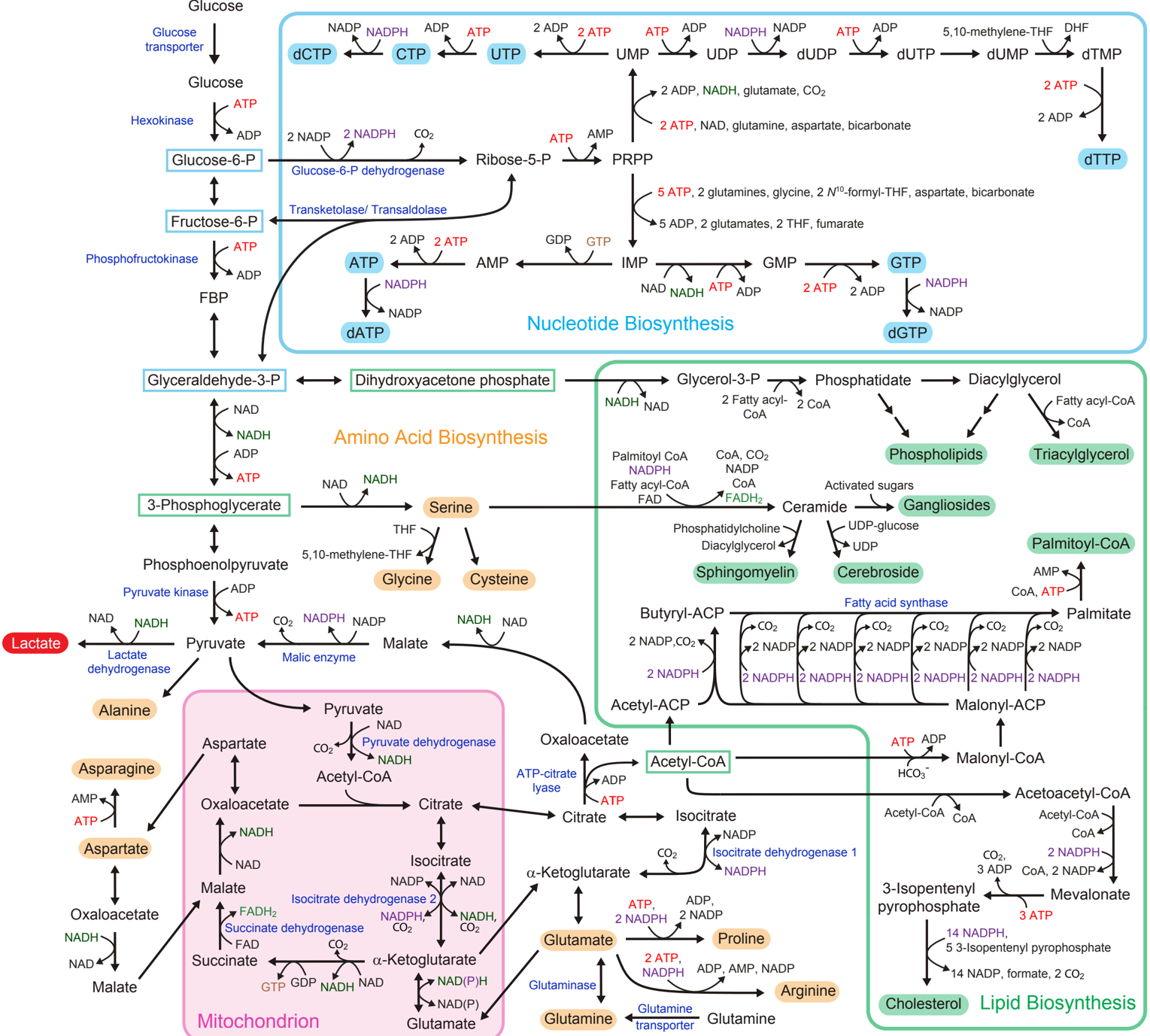
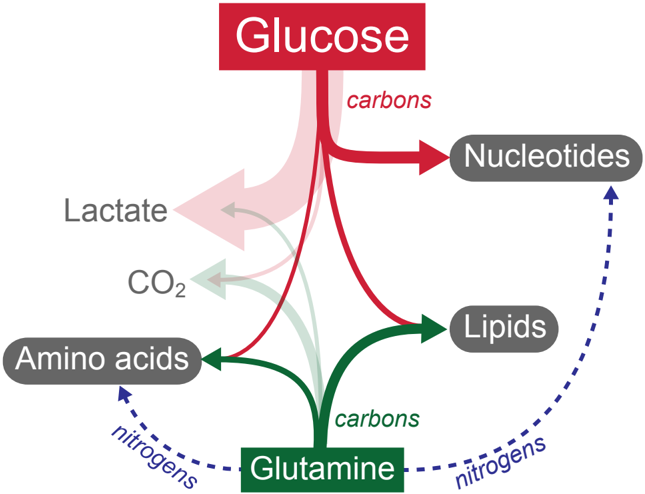
Warburg's observation that cancer cells exhibit a high rate of glycolysis even in the presence of oxygen (aerobic glycolysis) sparked debate over the role of glycolysis in normal and cancer cells. Although it has been established that defects in mitochondrial respiration are not the cause of cancer or aerobic glycolysis, the advantages of enhanced glycolysis in cancer remain controversial. Many cells ranging from microbes to lymphocytes use aerobic glycolysis during rapid proliferation, which suggests it may play a fundamental role in supporting cell growth. Here, we review how glycolysis contributes to the metabolic processes of dividing cells. We provide a detailed accounting of the biosynthetic requirements to construct a new cell and illustrate the importance of glycolysis in providing carbons to generate biomass. We argue that the major function of aerobic glycolysis is to maintain high levels of glycolytic intermediates to support anabolic reactions in cells, thus providing an explanation for why increased glucose metabolism is selected for in proliferating cells throughout nature.
Overview
The claims and statistics of this paper haven’t been checked yet.
Free: it reads the open-access text and checks the first 5 claims that cite a source we can check. Create a free account to check every claim.
Integrity signals
Registry
Cites
Statistics
Figures
Verification
Claims the paper makes
The claims and statistics of this paper haven’t been checked yet.
Free: it reads the open-access text and checks the first 5 claims that cite a source we can check. Create a free account to check every claim.
Claims other papers make about this one
Each is checked against this paper’s own text: does it say what the citing paper says it does?
The source backs part of the claim, not all of it — or backs it for a different population, condition or comparison.
In the citing paper
“Pancreatic ductal adenocarcinoma (PDAC) lines were chosen for our study because cancers of the pancreas are characterized by rapid progression,9,10 invasiveness,11,12 and elevated fermentative metabolism.13,14,15,16”
From Dynamic IL-6R/STAT3 signaling leads to heterogeneity of metabolic phenotype in pancreatic ductal adenocarcinoma cells (2024) · cites this paper as [13]
Experimental — accuracy not yet measuredThe source backs part of the claim, not all of it — or backs it for a different population, condition or comparison.
In the citing paper
“Despite the prevalence of glycolysis, mitochondrial respiration remains important in proliferating cells, allowing the production of biosynthetic precursors and the generation of electron acceptors that enable aspartate synthesis, for example [9,16,17].”
From Proliferating Astrocytes in Primary Culture Do Not Depend upon Mitochondrial Respiratory Complex I Activity or Oxidative Phosphorylation (2023) · cites this paper as [9]
Experimental — accuracy not yet measuredThe cited source says what the claim attributes to it.
In the citing paper
“AG is a prominent feature of cancer cell metabolism; its main role is thought to be support of biosynthetic pathways required for cellular proliferation”
From Aerobic glycolysis in the human brain is associated with development and neotenous gene expression (2014) · cites this paper as Lunt and Vander Heiden, 2011
In the citing paper
“Proliferating cells have different metabolic requirements from non-proliferating cells (Hsu and Sabatini, 2008; Lunt and Vander Heiden, 2011; Pavlova and Thompson, 2016). While non-proliferating cells have primarily catabolic demands, proliferating cells must balance the divergent catabolic and anabolic requirements of sustaining cellular homeostasis while duplicating cell mass, and thus engage in”
From Targeting Metabolism for Cancer Therapy (2017) · cites this paper as Lunt and Vander Heiden, 2011
In the citing paper
“Today, we understand that mitochondrial respiration is not impaired but that cancer cells place emphasis on acquisition and generation of building blocks necessary for cell division. They do so by enhancing biosynthetic metabolism using glycolytic intermediates (209).”
From Metabolic Flexibility as an Adaptation to Energy Resources and Requirements in Health and Disease (2018) · cites this paper as [209]
1 more claim about this paper
Create a free account to see every claim other papers make about this one.
Self-check
Percentages, sums and reported differences re-computed from the paper’s own numbers.
The self-check needs the paper’s full text.
Citations
Cites
Understanding the Warburg Effect: The Metabolic Requirements of Cell Proliferation
Vander Heiden, M. G., Cantley, L. C., & Thompson, C. B. (2009) · Science · doi:10.1126/science.1160809 · Cited by 16,197
Warburg, O. (1956) · Science · doi:10.1126/science.123.3191.309 · Cited by 13,425 · cited 1×
“In 1924, Otto Warburg observed that cancer cells consume much 6 larger quantities of glucose than their normal counterparts and metabolize it predominantly through glycolysis, producing high levels of lactate even in oxygen-rich conditions (Warburg 1956, Warburg et al 1924).”
Escherichia coli and Salmonella :cellular and molecular biology
Neidhardt, F. C. (1996) · ASM Press eBooks · Cited by 8,197
Alberts, B., Johnson, A., Lewis, J., Morgan, D., Raff, M., Roberts, K., & Walter, P. (2017) · W.W. Norton eBooks · doi:10.1201/9781315735368 · Cited by 6,365
TOR signaling in growth and metabolism
Wullschleger, S., Loewith, R., & Hall, M. N. (2006) · Cell · doi:10.1016/j.cell.2006.01.016 · Cited by 5,787
The phosphoinositide 3-kinase pathway
Cantley, L. C. (2002) · Science · doi:10.1126/science.296.5573.1655 · Cited by 5,621 · cited 1×
“In normal cells, the PI3K pathway is tightly controlled to increase glucose uptake and 25 metabolism in response to growth signals (Cantley 2002).”
(1978) · Biochemical Education · doi:10.1016/0307-4412(78)90049-3 · Cited by 5,046
Cancer-associated IDH1 mutations produce 2-hydroxyglutarate
Dang, L., White, D. W., Gross, S., Bennett, B. D., Bittinger, M. A., Driggers, E. M., Fantin, V. R., Jang, H. G., Jin, S., Keenan, M. C., et al. (2009) · Nature · doi:10.1038/nature08617 · Cited by 4,154
The Biology of Cancer: Metabolic Reprogramming Fuels Cell Growth and Proliferation
DeBerardinis, R. J., Lum, J. J., Hatzivassiliou, G., & Thompson, C. B. (2008) · Cell Metabolism · doi:10.1016/j.cmet.2007.10.002 · Cited by 4,088 · cited 3×
“In proliferating cells, however, the TCA cycle serves as an important source of biosynthetic precursors (DeBerardinis et al 2008) in addition to providing ATP.”
Kim, J.-W., Tchernyshyov, I., Semenza, G. L., & Dang, C. V. (2006) · Cell Metabolism · doi:10.1016/j.cmet.2006.02.002 · Cited by 3,905 · cited 1×
“HIF-1 induced PDK activity inhibits PDH, which converts pyruvate to acetyl-CoA (Kim et al 2006, Papandreou et al 2006).”
Oxygen sensing by metazoans: the central role of the HIF hydroxylase pathway.
Kaelin, W. G., & Ratcliffe, P. J. (2008) · Molecular Cell · doi:10.1016/j.molcel.2008.04.009 · Cited by 3,251 · cited 1×
“HIF-1 is a heterodimer composed of HIF-1α and HIF-1β (ARNT) subunits, and the biological activity of HIF-1 is determined by presence of the HIF-1α subunit, whose stability is regulated by oxygen levels (Kaelin & Ratcliffe 2008).”
Fatty acid synthase and the lipogenic phenotype in cancer pathogenesis
Menendez, J. A., & Lupu, R. (2007) · Nature Reviews Cancer · doi:10.1038/nrc2222 · Cited by 2,941 · cited 1×
“In Ehrlich ascites tumor cells, > 93% of triacylglycerol fatty acids are synthesized de novo (Ookhtens et al 1984) and the synthesis of most fatty acids from external nutrients is a common feature shared by most proliferating cells (Menendez & Lupu 2007).”
The M2 splice isoform of pyruvate kinase is important for cancer metabolism and tumour growth
Christofk, H. R., Vander Heiden, M. G., Harris, M. H., Ramanathan, A., Gerszten, R. E., Wei, R., Fleming, M. D., Schreiber, S. L., & Cantley, L. C. (2008) · Nature · doi:10.1038/nature06734 · Cited by 2,820 · cited 11×
“The M2 isoform can also be inhibited as a consequence of tyrosine kinase signaling in tumor cells (Christofk et al 2008b).”
InfluentialDeBerardinis, R. J., Mancuso, A., Daikhin, E., Nissim, I., Yudkoff, M., Wehrli, S., & Thompson, C. B. (2007) · Proceedings of the National Academy of Sciences · doi:10.1073/pnas.0709747104 · Cited by 2,622 · cited 6×
“Nonetheless, more than half of the glutamine taken up by glioblastoma cells is excreted as lactate, suggesting this pathway may be a significant source of NADPH production for some cancer cells (DeBerardinis et al 2007).”
InfluentialCellular and developmental control of O 2 homeostasis by hypoxia-inducible factor 1α
Iyer, N. V., Kotch, L. E., Agani, F., Leung, S. W., Laughner, E., Wenger, R. H., Gassmann, M., Gearhart, J. D., Lawler, A. M., Yu, A. Y., et al. (1998) · Genes & Development · doi:10.1101/gad.12.2.149 · Cited by 2,476 · cited 1×
“HIF-1 is required for embryogenesis, as mice homozygous for a loss-of-function mutation in HIF-1α or HIF-1β die at midgestation (Iyer et al 1998, Maltepe et al 1997).”
HIF-1 mediates adaptation to hypoxia by actively downregulating mitochondrial oxygen consumption
Papandreou, I., Cairns, R. A., Fontana, L., Lim, A. L., & Denko, N. C. (2006) · Cell Metabolism · doi:10.1016/j.cmet.2006.01.012 · Cited by 2,267 · cited 1×
“HIF-1 induced PDK activity inhibits PDH, which converts pyruvate to acetyl-CoA (Kim et al 2006, Papandreou et al 2006).”
Gao, P., Tchernyshyov, I., Chang, T.-C., Lee, Y.-S., Kita, K., Ochi, T., Zeller, K. I., De Marzo, A. M., Van Eyk, J. E., Mendell, J. T., et al. (2009) · Nature · doi:10.1038/nature07823 · Cited by 2,124 · cited 1×
“Glutamine uptake and metabolism is regulated by the oncogene MYC, and MYCtransformed cells become addicted to glutamine through increased expression of glutamine transporters and glutamine catabolic enzymes (Dang 2010, Gao et al 2009, Wise et al 2008).”
Ward, P. S., Patel, J., Wise, D. R., Abdel-Wahab, O., Bennett, B. D., Coller, H. A., Cross, J. R., Fantin, V. R., Hedvat, C. V., Perl, A. E., et al. (2010) · Cancer Cell · doi:10.1016/j.ccr.2010.01.020 · Cited by 2,020 · cited 8×
“Additional work is required to determine which cancer cells rely on NADPH production via IDH1, malic enzyme, and/or the oxidative pentose phosphate pathway.”
InfluentialWise, D. R., DeBerardinis, R. J., Mancuso, A., Sayed, N., Zhang, X.-Y., Pfeiffer, H. K., Nissim, I., Daikhin, E., Yudkoff, M., McMahon, S. B., et al. (2008) · Proceedings of the National Academy of Sciences · doi:10.1073/pnas.0810199105 · Cited by 2,001 · cited 2×
“Glutamine uptake and metabolism is regulated by the oncogene MYC, and MYCtransformed cells become addicted to glutamine through increased expression of glutamine transporters and glutamine catabolic enzymes (Dang 2010, Gao et al 2009, Wise et al 2008).”
Inhibitory effect of tumor cell-derived lactic acid on human T cells
Fischer, K., Hoffmann, P., Voelkl, S., Meidenbauer, N., Ammer, J., Edinger, M., Gottfried, E., Schwarz, S., Rothe, G., Hoves, S., et al. (2007) · Blood · doi:10.1182/blood-2006-07-035972 · Cited by 1,946 · cited 1×
“Excreting high levels of lactate may support their survival, growth, and invasion by conditioning the tumor microenvironment (Koukourakis et al 2006), promoting tumor invasion (Gillies & Gatenby 2007, Swietach et al 2007), and suppressing anticancer T-cell immune response (Fischer et al 2007).”
Transcriptional regulation of genes encoding glycolytic enzymes by hypoxia-inducible factor 1.
Semenza, G. L., Roth, P. H., Fang, H. M., & Wang, G. L. (1994) · Journal of Biological Chemistry · doi:10.1016/s0021-9258(17)31580-6 · Cited by 1,897 · cited 1×
“HIF-1 also increases the transcription of glucose transporters, many glycolytic enzymes, and lactate dehydrogenase A (O'Rourke et al 1996, Semenza et al 1994).”
Reductive glutamine metabolism by IDH1 mediates lipogenesis under hypoxia
Metallo, C. M., Gameiro, P. A., Bell, E. L., Mattaini, K. R., Yang, J., Hiller, K., Jewell, C. M., Johnson, Z. R., Irvine, D. J., Guarente, L., et al. (2012) · Nature · doi:10.1038/nature10602 · Cited by 1,791
Defining the role of hypoxia-inducible factor 1 in cancer biology and therapeutics
Semenza, G. L. (2010) · Oncogene · doi:10.1038/onc.2009.441 · Cited by 1,712
Hypoxia signalling in cancer and approaches to enforce tumour regression
Pouysségur, J., Dayan, F., & Mazure, N. M. (2006) · Nature · doi:10.1038/nature04871 · Cited by 1,676 · cited 1×
“It has been suggested that under conditions of hypoxia or fluctuating oxygen availability in which mitochondria cannot generate enough ATP, aerobic glycolysis may give tumors a growth advantage (Postovit et al 2002, Pouyssegur et al 2006).”
Fantin, V. R., St-Pierre, J., & Leder, P. (2006) · Cancer Cell · doi:10.1016/j.ccr.2006.04.023 · Cited by 1,635 · cited 1×
“However, it is now clear that respiration is not impaired in most cancer cells (Fantin et al 2006, Moreno-Sanchez et al 2007, Zu & Guppy 2004).”
HIF‐1α is required for solid tumor formation and embryonic vascularization
Ryan, H. E., Lo, J., & Johnson, R. S. (1998) · The EMBO Journal · doi:10.1093/emboj/17.11.3005 · Cited by 1,579
Inhibition of lactate dehydrogenase A induces oxidative stress and inhibits tumor progression
Le, A., Cooper, C. R., Gouw, A. M., Dinavahi, R., Maitra, A., Deck, L. M., Royer, R. E., Vander Jagt, D. L., Semenza, G. L., & Dang, C. V. (2010) · Proceedings of the National Academy of Sciences · doi:10.1073/pnas.0914433107 · Cited by 1,516 · cited 1×
“MYC regulates the expression of LDH-A (Shim et al 1997), and MYC-dependent tumors cannot proliferate when LDH-A expression is knocked down (Le et al 2010).”
The CD28 Signaling Pathway Regulates Glucose Metabolism
Frauwirth, K. A., Riley, J. L., Harris, M. H., Parry, R. V., Rathmell, J. C., Plas, D. R., Elstrom, R. L., June, C. H., & Thompson, C. B. (2002) · Immunity · doi:10.1016/s1074-7613(02)00323-0 · Cited by 1,475 · cited 1×
“…signaling through the protein kinase Akt can increase uptake of glucose by increasing expression of the glucose transporter Glut1 (Barthel et al 1999, Frauwirth et al 2002, Vander Heiden et al 2001), and maintaining its levels on the cell surface by preventing internalization (Wieman et al 2007).”
Akt Stimulates Aerobic Glycolysis in Cancer Cells
Elstrom, R. L., Bauer, D. E., Buzzai, M., Karnauskas, R., Harris, M. H., Plas, D. R., Zhuang, H., Cinalli, R. M., Alavi, A., Rudin, C. M., et al. (2004) · Cancer Research · doi:10.1158/0008-5472.can-03-2904 · Cited by 1,454 · cited 1×
“Akt activation enhances flux through glycolysis (Elstrom et al 2004) in part by maintaining hexokinase association with mitochondria (Gottlob et al 2001) and activating phosphofructokinase 2 (PFK-2) through phosphorylation (Deprez et al 1997).”
HIF-1: upstream and downstream of cancer metabolism
Semenza, G. L. (2010) · Current Opinion in Genetics & Development · doi:10.1016/j.gde.2009.10.009 · Cited by 1,372
Q's next: the diverse functions of glutamine in metabolism, cell biology and cancer
DeBerardinis, R. J., & Cheng, T. (2010) · Oncogene · doi:10.1038/onc.2009.358 · Cited by 1,365 · cited 1×
“Glutamine is also important for anaplerosis and ATP production In addition to serving as a source of NADPH production, glutamine contributes to bioenergetics, macromolecular synthesis, and glutathione production for protection against oxidative stress (DeBerardinis & Cheng 2010).”
Cooperation and Competition in the Evolution of ATP-Producing Pathways
Pfeiffer, T., Schuster, S., & Bonhoeffer, S. (2001) · Science · doi:10.1126/science.1058079 · Cited by 1,354 · cited 1×
“Despite its low efficiency in ATP yield per molecule of glucose, aerobic glycolysis could generate more ATP than oxidative phosphorylation by producing ATP at a faster rate (Pfeiffer et al 2001).”
The Control of the Metabolic Switch in Cancers by Oncogenes and Tumor Suppressor Genes
Levine, A. J., & Puzio-Kuter, A. M. (2010) · Science · doi:10.1126/science.1193494 · Cited by 1,243 · cited 1×
“…of stressed or damaged cells. p53 promotes mitochondrial respiration while inhibiting glycolysis by repressing glucose transporters, inhibiting the glycolytic enzyme phosphoglycerate mutase, and decreasing 27 the activity of PFK-1 through TIGAR (Cheung & Vousden 2010, Levine & Puzio-Kuter 2010).”
Regulation of the mTOR Complex 1 Pathway by Nutrients, Growth Factors, and Stress
Sengupta, S., Peterson, T. R., & Sabatini, D. M. (2010) · Molecular Cell · doi:10.1016/j.molcel.2010.09.026 · Cited by 1,241 · cited 1×
“…(refered to as mTOR in mammalian cells) is a serine/threonine kinase that coordinates activation of the cell growth machinery with amino acid availability, and in metazoans also with the presence of growth signals and other metabolic conditions (Sengupta et al 2010, Wullschleger et al 2006).”
Evidence that glutamine, not sugar, is the major energy source for cultured HeLa cells.
Reitzer, L. J., Wice, B. M., & Kennell, D. (1979) · Journal of Biological Chemistry · doi:10.1016/s0021-9258(17)30124-2 · Cited by 1,240
Biologically active sphingolipids in cancer pathogenesis and treatment
Ogretmen, B., & Hannun, Y. A. (2004) · Nature Reviews Cancer · doi:10.1038/nrc1411 · Cited by 1,213 · cited 1×
“In addition to being important membrane lipids, sphingolipids play a role in signaling, as these lipids are implicated in cell growth, differentiation, senescence, apoptosis, and cancer (Futerman & Hannun 2004, Ogretmen & Hannun 2004).”
The key role of anaplerosis and cataplerosis for citric acid cycle function
Owen, O. E., Kalhan, S. C., & Hanson, R. W. (2002) · Journal of Biological Chemistry · doi:10.1074/jbc.r200006200 · Cited by 1,172 · cited 1×
“Amino acids enter the TCA cycle via pyruvate, acetyl-CoA, acetoacetylCoA, α-ketoglutarate, succinyl-CoA, fumarate, and oxaloacetate (Owen et al 2002, Voet & Voet 2004).”
Glioma-Derived Mutations in IDH1 Dominantly Inhibit IDH1 Catalytic Activity and Induce HIF-1α
Zhao, S., Lin, Y., Xu, W., Jiang, W., Zha, Z., Wang, P., Yu, W., Li, Z., Gong, L., Peng, Y., et al. (2009) · Science · doi:10.1126/science.1170944 · Cited by 1,119 · cited 1×
“IDH1 mutations always involve only one allele, but expression of the mutant enzyme has been reported to act as a dominant inhibitor of normal IDH1 provided by the remaining allele (Zhao et al 2009).”
c-Myc transactivation of LDH-A : Implications for tumor metabolism and growth
Shim, H., Dolde, C., Lewis, B. C., Wu, C.-S., Dang, G., Jungmann, R. A., Dalla-Favera, R., & Dang, C. V. (1997) · Proceedings of the National Academy of Sciences · doi:10.1073/pnas.94.13.6658 · Cited by 1,092 · cited 3×
“Attenuation of LDH-A expression uncovers a link between glycolysis, mitochondrial physiology, and tumor maintenance.”
ATP citrate lyase inhibition can suppress tumor cell growth
Hatzivassiliou, G., Zhao, F., Bauer, D. E., Andreadis, C., Shaw, A. N., Dhanak, D., Hingorani, S. R., Tuveson, D. A., & Thompson, C. B. (2005) · Cancer Cell · doi:10.1016/j.ccr.2005.09.008 · Cited by 1,086 · cited 2×
“The ability to generate cytosolic acetyl-coA is critical for cell proliferation (Hatzivassiliou et al 2005).”
Isozymes of mammalian hexokinase: structure, subcellular localization and metabolic function
Wilson, J. E. (2003) · Journal of Experimental Biology · doi:10.1242/jeb.00241 · Cited by 1,085 · cited 1×
“There are four known mammalian hexokinase isoforms (HK I-IV), and HK I is expressed in most normal cells and at particularly high levels in brain tissue (Wilson 2003).”
Maxwell, P. H., Dachs, G. U., Gleadle, J. M., Nicholls, L. G., Harris, A. L., Stratford, I. J., Hankinson, O., Pugh, C. W., & Ratcliffe, P. J. (1997) · Proceedings of the National Academy of Sciences · doi:10.1073/pnas.94.15.8104 · Cited by 1,084 · cited 1×
“Loss of HIF-1α in tumor cells also dramatically slows their growth when injected into nude mice (Jiang et al 1997, Maxwell et al 1997, Ryan et al 1998).”
Energy metabolism in tumor cells
Moreno‐Sánchez, R., Rodríguez‐Enríquez, S., Marín‐Hernández, A., & Saavedra, E. (2007) · The FEBS Journal · doi:10.1111/j.1742-4658.2007.05686.x · Cited by 1,082 · cited 1×
“However, it is now clear that respiration is not impaired in most cancer cells (Fantin et al 2006, Moreno-Sanchez et al 2007, Zu & Guppy 2004).”
Regulation of clock and NPAS2 DNA binding by the redox state of NAD cofactors
Rutter, J., Reick, M., Wu, L. C., & McKnight, S. L. (2001) · Science · doi:10.1126/science.1060698 · Cited by 1,059 · cited 1×
“For example, the circadian clock is regulated by NAD(P) cofactors: the reduced forms (NADH and NADPH) activate transcription factors that control gene expression as a function of the light-dark cycle, and the oxidized forms (NAD+ and NADP+) inhibit DNA binding (Rutter et al 2001).”
Pyruvate kinase M2 is a phosphotyrosine-binding protein
Christofk, H. R., Vander Heiden, M. G., Wu, N., Asara, J. M., & Cantley, L. C. (2008) · Nature · doi:10.1038/nature06667 · Cited by 995 · cited 11×
“The M2 isoform can also be inhibited as a consequence of tyrosine kinase signaling in tumor cells (Christofk et al 2008b).”
InfluentialGottlob, K., Majewski, N., Kennedy, S., Kandel, E., Robey, R. B., & Hay, N. (2001) · Genes & Development · doi:10.1101/gad.889901 · Cited by 961 · cited 1×
“Akt activation enhances flux through glycolysis (Elstrom et al 2004) in part by maintaining hexokinase association with mitochondria (Gottlob et al 2001) and activating phosphofructokinase 2 (PFK-2) through phosphorylation (Deprez et al 1997).”
THE FREE AMINO ACIDS OF HUMAN BLOOD PLASMA
Stein, W. H., & Moore, S. (1954) · Journal of Biological Chemistry · doi:10.1016/s0021-9258(18)71179-4 · Cited by 934 · cited 1×
“Glutamine, the most abundant amino acid in human plasma (Stein & Moore 1954), is a major contributor to anaplerotic flux.”
(1994) · International Journal of Biochemistry · doi:10.1016/0020-711x(94)90020-5 · Cited by 932
Glucose Deprivation Contributes to the Development of KRAS Pathway Mutations in Tumor Cells
Yun, J., Rago, C., Cheong, I., Pagliarini, R., Angenendt, P., Rajagopalan, H., Schmidt, K., Willson, J. K. V., Markowitz, S., Zhou, S., et al. (2009) · Science · doi:10.1126/science.1174229 · Cited by 914 · cited 1×
“RAS, another oncogene widely implicated in human cancer, also promotes glucose metabolism by enhancing glucose uptake (Yun et al 2009).”
Logic of the Yeast Metabolic Cycle: Temporal Compartmentalization of Cellular Processes
Tu, B. P., Kudlicki, A., Rowicka, M., & McKnight, S. L. (2005) · Science · doi:10.1126/science.1120499 · Cited by 901 · cited 1×
“Also, budding yeast S. cerevisiae display robust, periodic cycles of glycolytic and respiratory metabolism in nutrient-limited conditions (Tu et al 2005).”
Deregulation of Glucose Transporter 1 and Glycolytic Gene Expression by c-Myc
Osthus, R. C., Shim, H., Kim, S., Li, Q., Reddy, R., Mukherjee, M., Xu, Y., Wonsey, D., Lee, L. A., & Dang, C. V. (2000) · Journal of Biological Chemistry · doi:10.1074/jbc.c000023200 · Cited by 879 · cited 1×
“In addition to promoting glutamine metabolism as discussed above, MYC promotes transcription of glucose transporters and glycolytic enzymes (Ahuja et al 2010, Osthus et al 2000).”
Observations on the carbohydrate metabolism of tumours
Crabtree, H. G. (1929) · Biochemical Journal · doi:10.1042/bj0230536 · Cited by 863 · cited 1×
“…S. cerevisiae depend on oxidative phosphorylation in glucose-poor environments with only non-fermentable carbon sources, they immediately arrest respiration and accelerate glycolysis if glucose becomes available (Woehrer & Roehr 1981), a phenomenon known as the Crabtree effect (Crabtree 1929).”
Marsin, A.-S., Bertrand†, L., Rider, M. H., Deprez, J., Beauloye, C., Vincent‡, M. F., Van den Berghe‡, G., Carling, D., & Hue, L. (2000) · Current Biology · doi:10.1016/s0960-9822(00)00742-9 · Cited by 824 · cited 1×
“Regulation of PFK-2 expression or activity has been proposed as an important way to couple growth signals with regulation of glucose metabolism in proliferating cells (Christofk et al 2008a, Marsin et al 2000, Telang et al 2006).”
Pyruvate kinase type M2 and its role in tumor growth and spreading
Mazurek, S., Boschek, C. B., Hugo, F., & Eigenbrodt, E. (2005) · Seminars in Cancer Biology · doi:10.1016/j.semcancer.2005.04.009 · Cited by 812 · cited 2×
“Additionally, cancer cells utilize the less active M2 splice isoform of pyruvate kinase, which catalyzes the step in glycolysis responsible for net ATP synthesis (Mazurek et al 2005).”
Uptake and Metabolism of Plasma Glutamine by the Small Intestine
Windmueller, H. G., & Spaeth, A. E. (1974) · Journal of Biological Chemistry · doi:10.1016/s0021-9258(19)42329-6 · Cited by 790
Wolf, A., Agnihotri, S., Micallef, J., Mukherjee, J., Sabha, N., Cairns, R., Hawkins, C., & Guha, A. (2011) · Journal of Experimental Medicine · doi:10.1084/jem.20101470 · Cited by 789 · cited 1×
“However, cancer cells frequently overexpress HK II (Mathupala et al 2006), and at least some glioblastoma cells are specifically dependent on HK II over other isoforms of the enzyme (Wolf et al 2011).”
Fatty-acid synthase and human cancer: new perspectives on its role in tumor biology
Kuhajda, F. P. (2000) · Nutrition · doi:10.1016/s0899-9007(99)00266-x · Cited by 788 · cited 1×
“Further, increased activity of lipogenesis enzymes are implicated in tumor growth: fatty acid synthetase (FASN) is overexpressed in cancer cells (Kuhajda 2000), and inhibition of FASN activity has been shown to kill cancer cells and hinder the growth of tumors in xenograft models (Lupu & Menendez…”
Tyrosine Phosphorylation Inhibits PKM2 to Promote the Warburg Effect and Tumor Growth
Hitosugi, T., Kang, S., Vander Heiden, M. G., Chung, T.-W., Elf, S., Lythgoe, K., Dong, S., Lonial, S., Wang, X., Chen, G. Z., et al. (2009) · Science Signaling · doi:10.1126/scisignal.2000431 · Cited by 784 · cited 1×
“PKM2 is less active than PKM1 both in vitro and in cells (Vander Heiden et al 2010), and inactivation of PKM2 appears to be mediated by phospho-tyrosine catalyzed release of FBP from the enzyme (Christofk et al 2008b, Hitosugi et al 2009).”
Maltepe, E., Schmidt, J. V., Baunoch, D., Bradfield, C. A., & Simon, M. C. (1997) · Nature · doi:10.1038/386403a0 · Cited by 781 · cited 1×
“HIF-1 is required for embryogenesis, as mice homozygous for a loss-of-function mutation in HIF-1α or HIF-1β die at midgestation (Iyer et al 1998, Maltepe et al 1997).”
Mathupala, S. P., Ko, Y. H., & Pedersen, P. L. (2006) · Oncogene · doi:10.1038/sj.onc.1209603 · Cited by 765 · cited 1×
“However, cancer cells frequently overexpress HK II (Mathupala et al 2006), and at least some glioblastoma cells are specifically dependent on HK II over other isoforms of the enzyme (Wolf et al 2011).”
Malaria : parasite biology, pathogenesis, and protection
Sherman, I. W. (1998) · ASM Press eBooks · Cited by 760
Pyruvate kinase type M2: A key regulator of the metabolic budget system in tumor cells
Mazurek, S. (2011) · The International Journal of Biochemistry & Cell Biology · doi:10.1016/j.biocel.2010.02.005 · Cited by 694
Deficiency in glutamine but not glucose induces MYC-dependent apoptosis in human cells
Yuneva, M., Zamboni, N., Oefner, P., Sachidanandam, R., & Lazebnik, Y. (2007) · The Journal of Cell Biology · doi:10.1083/jcb.200703099 · Cited by 690 · cited 1×
“Glutamine depletion induces MYC-dependent apoptosis of normal human fibroblasts, but apoptosis can be rescued by addition of pyruvate or oxaloacetate (Yuneva et al 2007).”
The complex life of simple sphingolipids
Futerman, A. H., & Hannun, Y. A. (2004) · EMBO reports · doi:10.1038/sj.embor.7400208 · Cited by 659 · cited 1×
“In addition to being important membrane lipids, sphingolipids play a role in signaling, as these lipids are implicated in cell growth, differentiation, senescence, apoptosis, and cancer (Futerman & Hannun 2004, Ogretmen & Hannun 2004).”
Evidence for an Alternative Glycolytic Pathway in Rapidly Proliferating Cells
Vander Heiden, M. G., Locasale, J. W., Swanson, K. D., Sharfi, H., Heffron, G. J., Amador-Noguez, D., Christofk, H. R., Wagner, G., Rabinowitz, J. D., Asara, J. M., et al. (2010) · Science · doi:10.1126/science.1188015 · Cited by 635
Majewski, N., Nogueira, V., Bhaskar, P., Coy, P. E., Skeen, J. E., Gottlob, K., Chandel, N. S., Thompson, C. B., Robey, R. B., & Hay, N. (2004) · Molecular Cell · doi:10.1016/j.molcel.2004.11.014 · Cited by 633 · cited 1×
“This VDAC-hexokinase 28 association may inhibit mitochondria-induced apoptosis (Majewski et al 2004) and give hexokinase preferential access to mitochondria-generated ATP (Arora & Pedersen 1988).”
Regulation of Corepressor Function by Nuclear NADH
Zhang, Q., Piston, D. W., & Goodman, R. H. (2002) · Science · doi:10.1126/science.1069300 · Cited by 620 · cited 1×
“Further, NADH levels regulate the transcriptional regulator C- 18 terminal binding protein, which is involved in cell growth, differentiation and transformation (Zhang et al 2002).”
Cancer metabolism: facts, fantasy, and fiction
Zu, X. L., & Guppy, M. (2004) · Biochemical and Biophysical Research Communications · doi:10.1016/j.bbrc.2003.11.136 · Cited by 618 · cited 4×
“They are quite active and generate the majority of ATP in many normal and cancer cells (Zu & Guppy 2004).”
InfluentialJiang, B., Agani, F. H., Passaniti, A., & Semenza, G. L. (1997) · PubMed · Cited by 610
Wieman, H. L., Wofford, J. A., & Rathmell, J. C. (2007) · Molecular Biology of the Cell · doi:10.1091/mbc.e06-07-0593 · Cited by 593 · cited 1×
“…signaling through the protein kinase Akt can increase uptake of glucose by increasing expression of the glucose transporter Glut1 (Barthel et al 1999, Frauwirth et al 2002, Vander Heiden et al 2001), and maintaining its levels on the cell surface by preventing internalization (Wieman et al 2007).”
Feron, O. (2009) · Radiotherapy and Oncology · doi:10.1016/j.radonc.2009.06.025 · Cited by 559 · cited 1×
“The major source of NADPH during cell growth is widely assumed to be the oxidative reactions of the pentose phosphate pathway (Feron 2009, Lehninger et al 1993).”
Regulation of tumor pH and the role of carbonic anhydrase 9
Swietach, P., Vaughan-Jones, R. D., & Harris, A. L. (2007) · Cancer and Metastasis Reviews · doi:10.1007/s10555-007-9064-0 · Cited by 539 · cited 1×
“Excreting high levels of lactate may support their survival, growth, and invasion by conditioning the tumor microenvironment (Koukourakis et al 2006), promoting tumor invasion (Gillies & Gatenby 2007, Swietach et al 2007), and suppressing anticancer T-cell immune response (Fischer et al 2007).”
Growth factors can influence cell growth and survival through effects on glucose metabolism
Vander Heiden, M. G., Plas, D. R., Rathmell, J. C., Fox, C. J., Harris, M. H., & Thompson, C. B. (2001) · Molecular and Cellular Biology · doi:10.1128/mcb.21.17.5899-5912.2001 · Cited by 536
Preul, M. C., Caramanos, Z., Collins, D. L., Villemure, J.-G., Leblanc, R., Olivier, A., Pokrupa, R., & Arnold, D. L. (1996) · Nature Medicine · doi:10.1038/nm0396-323 · Cited by 523 · cited 1×
“Elevated levels of glycerol and glycerol3-phosphate have been reported in human peripheral lymphocytes after mitogen stimulation (Roos & Loos 1970), and elevated levels of choline phospholipids have been found in brain tumors (Preul et al 1996) and breast cancer tumors (Katz-Brull et al 2002).”
Glucose-sensing and -signalling mechanisms in yeast
ROLLAND, F., WINDERICKX, J., & THEVELEIN, J. (2002) · FEMS Yeast Research · doi:10.1016/s1567-1356(02)00046-6 · Cited by 474 · cited 1×
“For example, fermentative yeasts like S. cerevisiae (baker’s yeast), which prefer to ferment glucose to ethanol even under aerobic conditions, grow faster when using fermentation rather than respiration (Rolland et al 2002).”
Over-expression of facilitative glucose transporter genes in human cancer
Yamamoto, T., Seino, Y., Fukumoto, H., Koh, G., Yano, H., Inagaki, N., Yamada, Y., Inoue, K., Manabe, T., & Imura, H. (1990) · Biochemical and Biophysical Research Communications · doi:10.1016/0006-291x(90)91263-r · Cited by 465 · cited 1×
“…transport glucose into the cell at a nearly constant rate from serum where glucose concentration ranges from 4 mM to 8 mM. Tumor cells frequently overexpress GLUT1 and GLUT3 and have an increased capacity for glucose uptake (Au et al 1997, Suzuki et al 1999, Yamamoto et al 1990, Younes et al 1996).”
GLUTAMINE METABOLISM IN LYMPHOCYTES: ITS BIOCHEMICAL, PHYSIOLOGICAL AND CLINICAL IMPORTANCE
Newsholme, E. A., Crabtree, B., & Ardawi, M. S. M. (1985) · Quarterly Journal of Experimental Physiology · doi:10.1113/expphysiol.1985.sp002935 · Cited by 463
Deprez, J., Vertommen, D., Alessi, D. R., Hue, L., & Rider, M. H. (1997) · Journal of Biological Chemistry · doi:10.1074/jbc.272.28.17269 · Cited by 449 · cited 1×
“Akt activation enhances flux through glycolysis (Elstrom et al 2004) in part by maintaining hexokinase association with mitochondria (Gottlob et al 2001) and activating phosphofructokinase 2 (PFK-2) through phosphorylation (Deprez et al 1997).”
Koukourakis, M. I., Giatromanolaki, A., Harris, A. L., & Sivridis, E. (2006) · Cancer Research · doi:10.1158/0008-5472.can-05-3260 · Cited by 440 · cited 1×
“Excreting high levels of lactate may support their survival, growth, and invasion by conditioning the tumor microenvironment (Koukourakis et al 2006), promoting tumor invasion (Gillies & Gatenby 2007, Swietach et al 2007), and suppressing anticancer T-cell immune response (Fischer et al 2007).”
The allosteric regulation of pyruvate kinase by fructose-1,6-bisphosphate
Jurica, M. S., Mesecar, A., Heath, P. J., Shi, W., Nowak, T., & Stoddard, B. L. (1998) · Structure · doi:10.1016/s0969-2126(98)00021-5 · Cited by 426 · cited 1×
“L, R, and M2 isoforms are regulated by FBP, ATP, and phosphorylation, but the M1 isoform is largely unregulated (Jurica et al 1998).”
Wide expression of the human erythrocyte glucose transporter Glut1 in human cancers.
Younes, M., Lechago, L. V., Somoano, J. R., Mosharaf, M., & Lechago, J. (1996) · PubMed · Cited by 386
Pyruvate Dehydrogenase Complex Activity Controls Metabolic and Malignant Phenotype in Cancer Cells
McFate, T., Mohyeldin, A., Lu, H., Thakar, J., Henriques, J., Halim, N. D., Wu, H., Schell, M. J., Tsang, T. M., Teahan, O., et al. (2008) · Journal of Biological Chemistry · doi:10.1074/jbc.m801765200 · Cited by 385 · cited 1×
“Even under normoxic conditions, HIF-1α can be induced by the glycolytic metabolites pyruvate and lactate (McFate et al 2008), mTOR activation, NAD+ levels, reactive oxygen species, nitric oxide, many TCA cycle metabolites (reviewed in (Semenza 2010b)), and oncogene gain of function or tumor…”
Rethinking the Warburg Effect with Myc Micromanaging Glutamine Metabolism
Dang, C. V. (2010) · Cancer Research · doi:10.1158/0008-5472.can-09-3556 · Cited by 379 · cited 1×
“Glutamine uptake and metabolism is regulated by the oncogene MYC, and MYCtransformed cells become addicted to glutamine through increased expression of glutamine transporters and glutamine catabolic enzymes (Dang 2010, Gao et al 2009, Wise et al 2008).”
Wellen, K. E., Lu, C., Mancuso, A., Lemons, J. M. S., Ryczko, M., Dennis, J. W., Rabinowitz, J. D., Coller, H. A., & Thompson, C. B. (2010) · Genes & Development · doi:10.1101/gad.1985910 · Cited by 377 · cited 1×
“A more recent study demonstrated cells could grow in size using the amino acid glutamine as the only major carbon source, but were unable to proliferate unless a metabolite capable of entering glycolysis was available (Wellen et al 2010), presumably to support nucleic acid synthesis.”
The role of high rates of glycolysis and glutamine utilization in rapidly dividing cells
Newsholme, E. A., Crabtree, B., & Ardawi, M. S. M. (1985) · Bioscience Reports · doi:10.1007/bf01116556 · Cited by 364
The molecular determinants of de novo nucleotide biosynthesis in cancer cells
Tong, X., Zhao, F., & Thompson, C. B. (2009) · Current Opinion in Genetics & Development · doi:10.1016/j.gde.2009.01.002 · Cited by 351
Akt-regulated pathways in prostate cancer
Majumder, P. K., & Sellers, W. R. (2005) · Oncogene · doi:10.1038/sj.onc.1209096 · Cited by 344 · cited 1×
“26 Activation of the PI3K pathway appears to be an important way to increase HIF-1 transcription in cancer (DeBerardinis et al 2008, Majumder & Sellers 2005).”
Aerobic glycolysis during lymphocyte proliferation
WANG, T., MARQUARDT, C., & FOKER, J. (1976) · Nature · doi:10.1038/261702a0 · Cited by 334 · cited 17×
“For example, the circadian clock is regulated by NAD(P) cofactors: the reduced forms (NADH and NADPH) activate transcription factors that control gene expression as a function of the light-dark cycle, and the oxidized forms (NAD+ and NADP+) inhibit DNA binding (Rutter et al 2001).”
InfluentialRegulation of GLUT1 Gene Transcription by the Serine/Threonine Kinase Akt1
Barthel, A., Okino, S. T., Liao, J., Nakatani, K., Li, J., Whitlock, J. P., & Roth, R. A. (1999) · Journal of Biological Chemistry · doi:10.1074/jbc.274.29.20281 · Cited by 330 · cited 3×
“PI3K signaling through the protein kinase Akt can increase uptake of glucose by increasing expression of the glucose transporter Glut1 (Barthel et al 1999, Frauwirth et al 2002, Vander Heiden et al 2001), and maintaining its levels on the cell surface by preventing internalization (Wieman et al…”
InfluentialFogal, V., Richardson, A. D., Karmali, P. P., Scheffler, I. E., Smith, J. W., & Ruoslahti, E. (2010) · Molecular and Cellular Biology · doi:10.1128/mcb.01101-09 · Cited by 329
Arora, K. K., & Pedersen, P. L. (1988) · Journal of Biological Chemistry · doi:10.1016/s0021-9258(19)77853-3 · Cited by 323
Apoptosis and necrosis: Intracellular ATP level as a determinant for cell death modes
Tsujimoto, Y. (1997) · Cell Death & Differentiation · doi:10.1038/sj.cdd.4400262 · Cited by 312 · cited 1×
“ATP is necessary to maintain homeostasis and keep cells alive; loss of intracellular ATP results in cell necrosis or apoptosis (Tsujimoto 1997).”
Glycolysis, glutaminolysis and cell proliferation
MCKEEHAN, W. (1982) · Cell Biology International Reports · doi:10.1016/0309-1651(82)90125-4 · Cited by 305 · cited 1×
“Due to similarities with glycolysis in lactate production and partial oxidation to CO2, this metabolism of glutamine is referred to as glutaminolysis (McKeehan 1982).”
Quantifying Reductive Carboxylation Flux of Glutamine to Lipid in a Brown Adipocyte Cell Line
Yoo, H., Antoniewicz, M. R., Stephanopoulos, G., & Kelleher, J. K. (2008) · Journal of Biological Chemistry · doi:10.1074/jbc.m706494200 · Cited by 301 · cited 1×
“This percentage may be higher under certain conditions, as reductive metabolism of glutamine can occur and lead to significant incorporation of glutamine carbon into acetyl-coA (Yoo et al 2008).”
Roos, D., & Loos, J. A. (1970) · Biochimica et Biophysica Acta (BBA) - General Subjects · doi:10.1016/0304-4165(70)90182-0 · Cited by 297 · cited 1×
“Elevated levels of glycerol and glycerol3-phosphate have been reported in human peripheral lymphocytes after mitogen stimulation (Roos & Loos 1970), and elevated levels of choline phospholipids have been found in brain tumors (Preul et al 1996) and breast cancer tumors (Katz-Brull et al 2002).”
Reciprocal regulation of glucose and glutamine utilization by cultured human diploid fibroblasts
Ronald Zielke, H., Ozand, P. T., Tyson Tildon, J., Sevdalian, D. A., & Cornblath, M. (1978) · Journal of Cellular Physiology · doi:10.1002/jcp.1040950106 · Cited by 273 · cited 1×
“Similarly, glutamine provides 24 approximately 30% of the cellular ATP requirement in human diploid fibroblasts cultured in minimum essential medium (MEM) containing ≥ 5.5 mM glucose (Zielke et al 1978).”
InfluentialClinical Utility of Proton Magnetic Resonance Spectroscopy in Characterizing Breast Lesions
Katz-Brull, R. (2002) · CancerSpectrum Knowledge Environment · doi:10.1093/jnci/94.16.1197 · Cited by 267 · cited 1×
“Elevated levels of glycerol and glycerol3-phosphate have been reported in human peripheral lymphocytes after mitogen stimulation (Roos & Loos 1970), and elevated levels of choline phospholipids have been found in brain tumors (Preul et al 1996) and breast cancer tumors (Katz-Brull et al 2002).”
Isolation and metabolic characteristics of rat and chicken enterocytes
Watford, M., Lund, P., & Krebs, H. A. (1979) · Biochemical Journal · doi:10.1042/bj1780589 · Cited by 252 · cited 1×
“In proliferating cells, glutamine carbons are converted to amino acids, TCA cycle intermediates, lactate, and CO2 (Hanson & Parsons 1977, Lanks 1987, Newsholme et al 1985a, Watford et al 1979).”
Valgepea, K., Adamberg, K., Nahku, R., Lahtvee, P.-J., Arike, L., & Vilu, R. (2010) · BMC Systems Biology · doi:10.1186/1752-0509-4-166 · Cited by 245 · cited 1×
“…aerobic yeasts such as Y. lipolytica rely solely on respiration (Christen & Sauer 2010), and E. coli do not undergo fermentation under aerobic conditions, only excreting the fermentative product acetate when glucose uptake exceeds a maximum respiration rate (Valgepea et al 2010, Xu et al 1999).”
Modeling of Overflow Metabolism in Batch and Fed-Batch Cultures of Escherichia coli
Xu, B., Jahic, M., & Enfors, S.-O. (1999) · Biotechnology Progress · doi:10.1021/bp9801087 · Cited by 233 · cited 1×
“…aerobic yeasts such as Y. lipolytica rely solely on respiration (Christen & Sauer 2010), and E. coli do not undergo fermentation under aerobic conditions, only excreting the fermentative product acetate when glucose uptake exceeds a maximum respiration rate (Valgepea et al 2010, Xu et al 1999).”
Fang, M., Shen, Z., Huang, S., Zhao, L., Chen, S., Mak, T. W., & Wang, X. (2010) · Cell · doi:10.1016/j.cell.2010.10.010 · Cited by 222 · cited 2×
“PFK-1 is allosterically inhibited by high levels of ATP (Berg et al 2007), and relieving this ATP inhibition is an important means to increase glucose metabolism in proliferating cells (Fang et al 2010, Israelsen & Vander Heiden 2010, Scholnick et al 1973).”
Hypoxia and adaptive landscapes in the evolution of carcinogenesis
Gillies, R. J., & Gatenby, R. A. (2007) · Cancer and Metastasis Reviews · doi:10.1007/s10555-007-9065-z · Cited by 215 · cited 1×
“Excreting high levels of lactate may support their survival, growth, and invasion by conditioning the tumor microenvironment (Koukourakis et al 2006), promoting tumor invasion (Gillies & Gatenby 2007, Swietach et al 2007), and suppressing anticancer T-cell immune response (Fischer et al 2007).”
Metabolic enzymes as oncogenes or tumor suppressors
Thompson, C. B. (2009) · New England Journal of Medicine · doi:10.1056/nejme0810213 · Cited by 213 · cited 1×
“IDH1 may be a significant source of NAPDH for some cancer cells (Thompson 2009), and siRNA knockdown of IDH1 is toxic to a cancer cell line that expresses 21 wildtype IDH1 (Ward et al 2010).”
EIGENBRODT, E., Reinacher, M., Scheefers-Borchel, U., SCHEEFERS, H., & Friis, R. R. (1992) · PubMed · Cited by 210
Increased mitochondrial uptake of rhodamine 123 during lymphocyte stimulation.
Darzynkiewicz, Z., Staiano-Coico, L., & Melamed, M. R. (1981) · Proceedings of the National Academy of Sciences · doi:10.1073/pnas.78.4.2383 · Cited by 210 · cited 1×
“In fact, mitochondrial activity is enhanced in stimulated lymphocytes when compared with resting lymphocytes, and maximal activity correlates with peak DNA synthesis during S phase (Darzynkiewicz et al 1981).”
Role of adenosine deaminase in lymphocyte proliferation.
Hovi, T., Smyth, J. F., ALLISON, A. C., & Williams, S. C. (1976) · PubMed Central · Cited by 207
Liver and adipose tissue contributions to newly formed fatty acids in an ascites tumor
Ookhtens, M., Kannan, R., Lyon, I., & Baker, N. (1984) · American Journal of Physiology-Regulatory, Integrative and Comparative Physiology · doi:10.1152/ajpregu.1984.247.1.r146 · Cited by 199 · cited 1×
“In Ehrlich ascites tumor cells, > 93% of triacylglycerol fatty acids are synthesized de novo (Ookhtens et al 1984) and the synthesis of most fatty acids from external nutrients is a common feature shared by most proliferating cells (Menendez & Lupu 2007).”
Molecular Movement inside the Translational Engine
Wilson, K. S., & Noller, H. F. (1998) · Cell · doi:10.1016/s0092-8674(00)80927-7 · Cited by 198 · cited 1×
“This is mostly due to ribosomes, which make up approximately 30% of the mass of an E. coli cell (Lewin 1997), and this percentage is likely similar in eukaryotic cells, as ribosome structure and function are highly conserved across all organisms (Nakamoto 2009, Wilson & Noller 1998).”
Lupu, R., & Menendez, J. (2006) · Current Pharmaceutical Biotechnology · doi:10.2174/138920106779116928 · Cited by 196 · cited 1×
“…increased activity of lipogenesis enzymes are implicated in tumor growth: fatty acid synthetase (FASN) is overexpressed in cancer cells (Kuhajda 2000), and inhibition of FASN activity has been shown to kill cancer cells and hinder the growth of tumors in xenograft models (Lupu & Menendez 2006).”
Brand, K. (1985) · Biochemical Journal · doi:10.1042/bj2280353 · Cited by 187 · cited 1×
“Increased glucose uptake and lactate excretion has been observed in mitogen-stimulated normal human lymphocytes (Hedeskov 1968), mouse lymphocytes (Wang et al 1976), and rat thymocytes (Brand 1985, Hume et al 1978).”
Aerobic glycolysis and lymphocyte transformation
Hume, D. A., Radik, J. L., Ferber, E., & Weidemann, M. J. (1978) · Biochemical Journal · doi:10.1042/bj1740703 · Cited by 172 · cited 3×
“Consistent with this observation, 3H-thymidine incorporation into DNA increases with increasing glucose concentration in mitogen stimulated rat thymocytes (Hume et al 1978).”
Ras transformation requires metabolic control by 6-phosphofructo-2-kinase
Telang, S., Yalcin, A., Clem, A. L., Bucala, R., Lane, A. N., Eaton, J. W., & Chesney, J. (2006) · Oncogene · doi:10.1038/sj.onc.1209709 · Cited by 168 · cited 1×
“Regulation of PFK-2 expression or activity has been proposed as an important way to couple growth signals with regulation of glucose metabolism in proliferating cells (Christofk et al 2008a, Marsin et al 2000, Telang et al 2006).”
Mitochondriotoxic compounds for cancer therapy
Fantin, V. R., & Leder, P. (2006) · Oncogene · doi:10.1038/sj.onc.1209599 · Cited by 165 · cited 1×
“Further, cancer cells are susceptible to mitochondrial inhibitors, and mitochondria are emerging as chemotherapeutic targets (Fantin & Leder 2006, Neuzil et al 2007).”
Analysis of the phosphofructokinase subunits and isoenzymes in human tissues
Dunaway, G. A., Kasten, T. P., Sebo, T., & Trapp, R. (1988) · Biochemical Journal · doi:10.1042/bj2510677 · Cited by 159 · cited 1×
“Each subunit (C, L, M) differs in sensitivity to allosteric effectors; thus, the kinetic and regulatory properties of PFK-1 are determined by subunit composition (Dunaway et al 1988).”
Ahuja, P., Zhao, P., Angelis, E., Ruan, H., Korge, P., Olson, A., Wang, Y., Jin, E. S., Jeffrey, F. M., Portman, M., et al. (2010) · Journal of Clinical Investigation · doi:10.1172/jci38331 · Cited by 157 · cited 1×
“In addition to promoting glutamine metabolism as discussed above, MYC promotes transcription of glucose transporters and glycolytic enzymes (Ahuja et al 2010, Osthus et al 2000).”
Tong, X., Zhao, F., Mancuso, A., Gruber, J. J., & Thompson, C. B. (2009) · Proceedings of the National Academy of Sciences · doi:10.1073/pnas.0911316106 · Cited by 156
Christen, S., & Sauer, U. (2011) · FEMS Yeast Research · doi:10.1111/j.1567-1364.2010.00713.x · Cited by 147
Curi, R., Newsholme, P., & Newsholme, E. A. (1988) · Biochemical Journal · doi:10.1042/bj2500383 · Cited by 145 · cited 1×
“The high glycolytic flux in proliferating cells may be significantly greater than the maximum PDH activity (Curi et al 1988), leaving higher concentrations of cytosolic pyruvate for LDH and alanine aminotransferase.”
Molecular Oxygen Modulates Cytochrome c Oxidase Function
Chandel, N. S., Budinger, G. R. S., & Schumacker, P. T. (1996) · Journal of Biological Chemistry · doi:10.1074/jbc.271.31.18672 · Cited by 138 · cited 1×
“However, oxygen is not limiting for electron transport until levels are extremely low: even at an O2 concentration of 25 µM, electron transport is reduced only by 33% (Chandel et al 1996).”
Metabolism and transport of glutamine and glucose in vascularly perfused small intestine of the rat
Hanson, P. J., & Parsons, D. S. (1977) · Biochemical Journal · doi:10.1042/bj1660509 · Cited by 134 · cited 11×
“When fed 14C-glucose, malaria parasites do not generate a significant amount of 14CO2, suggesting that the majority of glucose is not oxidized in the TCA cycle despite high oxygen concentrations in blood; instead, a large amount of 14C-glucose is metabolized to 14C-lactate (Bryant et al 1964).”
InfluentialNeužil, J., Dyason, J. C., Freeman, R., Dong, L., Procházka, L., Wang, X., Scheffler, I. E., & Ralph, S. J. (2007) · Journal of Bioenergetics and Biomembranes · doi:10.1007/s10863-006-9060-z · Cited by 133
Early effects of phytohaemagglutinin on glucose metabolism of normal human lymphocytes
Hedeskov, C. J. (1968) · Biochemical Journal · doi:10.1042/bj1100373 · Cited by 121 · cited 1×
“Increased glucose uptake and lactate excretion has been observed in mitogen-stimulated normal human lymphocytes (Hedeskov 1968), mouse lymphocytes (Wang et al 1976), and rat thymocytes (Brand 1985, Hume et al 1978).”
The continuous growth of vertebrate cells in the absence of sugar.
Wice, B. M., Reitzer, L. J., & Kennell, D. (1981) · Journal of Biological Chemistry · doi:10.1016/s0021-9258(18)43351-0 · Cited by 118 · cited 1×
“…the absence of glucose have demonstrated that HeLa cells, mouse L cells, early passage human fibroblasts, and primary chicken embryo fibroblasts can all grow 13 indefinitely at near maximal growth rates without glucose as long as they are supplemented with glutamine and uridine (Wice et al 1981).”
Why do tumor cells have a high aerobic glycolysis?
Racker, E. (1976) · Journal of Cellular Physiology · doi:10.1002/jcp.1040890429 · Cited by 115 · cited 1×
“An important challenge to understanding proliferative cell metabolism may be resolving how enough ATP is consumed to support the observed high rate of glycolysis (Racker 1976).”
Boros, L. G., Lee, P. W. N., Brandes, J. L., Cascante, M., Muscarella, P., Schirmer, W. J., Melvin, W. S., & Ellison, E. C. (1998) · Medical Hypotheses · doi:10.1016/s0306-9877(98)90178-5 · Cited by 114 · cited 1×
“However, labeling experiments using 1,2-13C-labeled glucose in multiple cancer cell types have suggested that the pentose phosphate pathway cannot account for the NADPH requirements of proliferation in at least some cancer cells (Boros et al 1998, Boros et al 2000).”
O'rourke, J. F., Pugh, C. W., Bartlett, S. M., & Ratcliffe, P. J. (1996) · European Journal of Biochemistry · doi:10.1111/j.1432-1033.1996.00403.x · Cited by 113 · cited 1×
“HIF-1 also increases the transcription of glucose transporters, many glycolytic enzymes, and lactate dehydrogenase A (O'Rourke et al 1996, Semenza et al 1994).”
A domino effect in antifolate drug action in Escherichia coli
Kwon, Y. K., Lu, W., Melamud, E., Khanam, N., Bognar, A., & Rabinowitz, J. D. (2008) · Nature Chemical Biology · doi:10.1038/nchembio.108 · Cited by 111 · cited 1×
“Glutamate is also important for folate metabolism: glutamates are added to folates to increase cell retention and regulate enzyme activity, and antifolates can stop cell growth by inhibiting glutamate addition to folates (Kwon et al 2008).”
Regulatory Mechanisms in Carbohydrate Metabolism
Scholnick, P., Lang, D., & Racker, E. (1973) · Journal of Biological Chemistry · doi:10.1016/s0021-9258(19)43686-7 · Cited by 103
Rheostat Control of Gene Expression by Metabolites
Ladurner, A. G. (2006) · Molecular Cell · doi:10.1016/j.molcel.2006.09.002 · Cited by 102 · cited 1×
“Maintenance of the cellular redox state is also important for regulating gene expression (Ladurner 2006).”
Jonas, E. A., Hickman, J. A., Chachar, M., Polster, B. M., Brandt, T. A., Fannjiang, Y., Ivanovska, I., Basañez, G., Kinnally, K. W., Zimmerberg, J., et al. (2004) · Proceedings of the National Academy of Sciences · doi:10.1073/pnas.0401372101 · Cited by 99 · cited 1×
“Glutamine anaplerotic flux may also be important for mitochondrial production of NADH and FADH, as NADH/NAD+ and FADH/FAD+ ratios are important for mitochondrial integrity and function (Jonas et al 2004).”
The role of p53 in glucose metabolism
Cheung, E. C., & Vousden, K. H. (2010) · Current Opinion in Cell Biology · doi:10.1016/j.ceb.2009.12.006 · Cited by 98 · cited 2×
“Mutation of p53 is another common genetic event in human cancer, and the p53 protein prevents tumor growth by suppressing metabolic pathways conducive to proliferation of stressed or damaged cells. p53 promotes mitochondrial respiration while inhibiting glycolysis by repressing glucose transporters, inhibiting the gly…”
The energetics of mammalian cell growth
Kilburn, D. G., Lilly, M. D., & Webb, F. C. (1969) · Journal of Cell Science · doi:10.1242/jcs.4.3.645 · Cited by 98
Oxygen-mediated Regulation of Tumor Cell Invasiveness
Postovit, L.-M., Adams, M. A., Lash, G. E., Heaton, J. P., & Graham, C. H. (2002) · Journal of Biological Chemistry · doi:10.1074/jbc.m204529200 · Cited by 96 · cited 1×
“It has been suggested that under conditions of hypoxia or fluctuating oxygen availability in which mitochondria cannot generate enough ATP, aerobic glycolysis may give tumors a growth advantage (Postovit et al 2002, Pouyssegur et al 2006).”
Munyon, W. H., & Merchant, D. J. (1959) · Experimental Cell Research · doi:10.1016/0014-4827(59)90069-2 · Cited by 92 · cited 1×
“In proliferating mouse fibroblasts, the rate of glucose uptake and lactate production is highest during logarithmic growth (Munyon & Merchant 1959).”
Vora, S., Halper, J. P., & Knowles, D. M. (1985) · PubMed · Cited by 91
Boros, L. G., Torday, J. S., Lim, S., Bassilian, S., Cascante, M., & Lee, W. N. (2000) · PubMed · Cited by 90
Phytohaemagglutinin stimulation of rat thymus lymphocyte glycolysis
Culvenor, J. G., & Weidemann, M. J. (1976) · Biochimica et Biophysica Acta (BBA) - General Subjects · doi:10.1016/0304-4165(76)90005-2 · Cited by 89 · cited 1×
“Additionally, a rapid accumulation of PRPP is observed in thymocytes after mitogenic stimulation (Hovi et al 1975), and this may be directly caused by increased intracellular concentrations of glucose-6-phosphate (Culvenor & Weidemann 1976) to support nucleotide biosynthesis.”
Role and Regulation of Glucose Metabolism in Proliferating Cells
(1979) · JNCI: Journal of the National Cancer Institute · doi:10.1093/jnci/62.1.3 · Cited by 81 · cited 1×
“Therefore, a main function of upregulated glycolysis in proliferating cells may be to maintain levels of glycolytic intermediates needed to support biosynthesis (Hume & Weidemann 1979, Vander Heiden et al 2009).”
Lactate Dehydrogenase Isozymes: Kinetic Properties at High Enzyme Concentrations
Wuntch, T., Chen, R. F., & Vesell, E. S. (1970) · Science · doi:10.1126/science.167.3914.63 · Cited by 80 · cited 1×
“LDH is an extremely efficient enzyme over a range of substrate conditions when the enzyme is abundant (Wuntch et al 1970).”
Morgan, D. G., Ménétret, J., Radermacher, M., Neuhof, A., Akey, I. V., Rapoport, T. A., & Akey, C. W. (2000) · Journal of Molecular Biology · doi:10.1006/jmbi.2000.3947 · Cited by 79 · cited 1×
“By mass, the ribosome is composed of approximately 70% RNA in prokaryotes and 56-62% in eukaryotes (Morgan et al 2000).”
Glucose and glutamine metabolism in C6 glioma cells studied by carbon 13 NMR
Portais, J., Voisin, P. J., Merle, M., & Canioni, P. (1996) · Biochimie · doi:10.1016/0300-9084(96)89500-9 · Cited by 76 · cited 1×
“Labeling studies show that glutamine significantly contributes to anaplerosis in both rat and human glioma cells (DeBerardinis et al 2007, Portais et al 1996).”
Suppression of facilitative glucose transporter 1 mRNA can suppress tumor growth
Noguchi, Y., Saito, A., Miyagi, Y., Yamanaka, S., Marat, D., Doi, C., Yoshikawa, T., Tsuburaya, A., Ito, T., & Satoh, S. (2000) · Cancer Letters · doi:10.1016/s0304-3835(00)00392-x · Cited by 75 · cited 1×
“Suppression of GLUT1 expression in a human gastric cancer cell line can decrease the number of cells in S phase and inhibit tumor growth (Noguchi et al 2000).”
Regulatory aspects of bakers' yeast metabolism in aerobic fed‐batch cultures
Woehrer, W., & Roehr, M. (1981) · Biotechnology and Bioengineering · doi:10.1002/bit.260230308 · Cited by 71 · cited 1×
“…S. cerevisiae depend on oxidative phosphorylation in glucose-poor environments with only non-fermentable carbon sources, they immediately arrest respiration and accelerate glycolysis if glucose becomes available (Woehrer & Roehr 1981), a phenomenon known as the Crabtree effect (Crabtree 1929).”
Chambers, D. (1974) · Cell · doi:10.1016/0092-8674(74)90053-1 · Cited by 67 · cited 1×
“The activity of PRPP synthetase, an enzyme that converts ribose-5-phosphate to PRPP, increases 2-10 fold in lymphocytes following mitogen stimulation (Chambers et al 1974), highlighting the importance of increased PRPP generation for nucleotide biosynthesis during cell growth.”
Bryant, C., Smith, M. J. H., & Voller, A. (1964) · The American Journal of Tropical Medicine and Hygiene · doi:10.4269/ajtmh.1964.13.515 · Cited by 65 · cited 2×
“When fed 14C-glucose, malaria parasites do not generate a significant amount of 14CO2, suggesting that the majority of glucose is not oxidized in the TCA cycle despite high oxygen concentrations in blood; instead, a large amount of 14C-glucose is metabolized to 14C-lactate (Bryant et al 1964).”
Pathways of NADPH formation in Escherichia coli.
Csonka, L. N., & Fraenkel, D. G. (1977) · Journal of Biological Chemistry · doi:10.1016/s0021-9258(17)40402-9 · Cited by 63 · cited 1×
“Studies also suggest that the pentose phosphate pathway is a minor source for NADPH production in proliferating E. coli 20 (Csonka & Fraenkel 1977).”
Evolution and the universality of the mechanism of initiation of protein synthesis
Nakamoto, T. (2008) · Gene · doi:10.1016/j.gene.2008.11.001 · Cited by 63 · cited 1×
“This is mostly due to ribosomes, which make up approximately 30% of the mass of an E. coli cell (Lewin 1997), and this percentage is likely similar in eukaryotic cells, as ribosome structure and function are highly conserved across all organisms (Nakamoto 2009, Wilson & Noller 1998).”
ATP Consumption Promotes Cancer Metabolism
Israelsen, W. J., & Heiden, M. G. V. (2010) · Cell · doi:10.1016/j.cell.2010.11.010 · Cited by 62
Ecker, R. E., & Kokaisl, G. (1969) · Journal of Bacteriology · doi:10.1128/jb.98.3.1219-1226.1969 · Cited by 59 · cited 1×
“Thus, approximately 80% of the RNA synthesis in proliferating cells goes to generating ribosomes (Ecker & Kokaisl 1969) and represents the major site of incorporation for newly synthesized nucleotides.”
Amino acid utilization by L-M strain mouse cells in a chemically defined medium
Stoner, G. D., & Merchant, D. J. (1972) · In Vitro Cellular & Developmental Biology - Plant · doi:10.1007/bf02661723 · Cited by 57
End products of glucose and glutamine metabolism by L929 cells.
Lanks, K. W. (1987) · Journal of Biological Chemistry · doi:10.1016/s0021-9258(18)61081-6 · Cited by 54 · cited 1×
“In proliferating cells, glutamine carbons are converted to amino acids, TCA cycle intermediates, lactate, and CO2 (Hanson & Parsons 1977, Lanks 1987, Newsholme et al 1985a, Watford et al 1979).”
Quantifying carbon sources for de novo lipogenesis in wild-type and IRS-1 knockout brown adipocytes
Yoo, H., Stephanopoulos, G., & Kelleher, J. K. (2004) · Journal of Lipid Research · doi:10.1194/jlr.m400031-jlr200 · Cited by 53 · cited 1×
“Glutamine is also an important source of carbon for fatty acids, as acetyl-CoA can also be derived from glutamine in addition to glucose (DeBerardinis et al 2007, Yoo et al 2004).”
Staal, G. E. J., Ottenhoff-Kalff, A. E., Heesbeen, E. C., Veelen, C. W. M. V., & Rijksen, G. (1987) · PubMed · Cited by 50
Glycolysis in chick embryo cell cultures transformed by Rous sarcoma virus.
Steck, T. L., Kaufman, S., & Bader, J. P. (1968) · PubMed · Cited by 45
Hovi, T., ALLISON, A. C., & Allsop, J. (1975) · FEBS Letters · doi:10.1016/0014-5793(75)81014-3 · Cited by 44 · cited 1×
“Additionally, a rapid accumulation of PRPP is observed in thymocytes after mitogenic stimulation (Hovi et al 1975), and this may be directly caused by increased intracellular concentrations of glucose-6-phosphate (Culvenor & Weidemann 1976) to support nucleotide biosynthesis.”
Reichman, T. W., Albanell, J., Wang, X., Moore, M. A. S., & Studzinski, G. P. (1997) · Journal of Cellular Biochemistry · doi:10.1002/(sici)1097-4644(19971001)67:1<13::aid-jcb2>3.0.co;2-z · Cited by 41
Sloan, E. J., & Ayer, D. E. (2010) · Genes & Cancer · doi:10.1177/1947601910377489 · Cited by 41 · cited 1×
“Additional transcription factors related to MYC, ChREBP and MondoA, control glycolytic enzyme expression and can promote anabolic metabolism in some contexts (Sloan & Ayer 2010, Tong et al 2009a).”
Does G6PD deficiency protect against cancer? A critical review.
Cocco, P. (1987) · Journal of Epidemiology and Community Health · doi:10.1136/jech.41.2.89 · Cited by 38 · cited 1×
“Further, many patients deficient in glucose-6-phosphate dehydrogenase (one of the enzymes in the oxidative pentose phosphate shunt responsible for NADPH production) are asymptomatic, and there is no evidence they have decreased cancer risk (Cocco 1987).”
Differences in phosphofructokinase regulation in normal and tumor rat thyroid cells.
Meldolesi, M. F., Macchia, V., & Laccetti, P. (1976) · Journal of Biological Chemistry · doi:10.1016/s0021-9258(20)81851-1 · Cited by 30
Oskam, R., Rijksen, G., Staal, G. E. J., & Vora, S. (1985) · PubMed · Cited by 30
Suzuki, T., Iwazaki, A., Katagiri, H., Oka, Y., Redpath, J. L., Stanbridge, E. J., & Kitagawa, T. (1999) · European Journal of Biochemistry · doi:10.1046/j.1432-1327.1999.00421.x · Cited by 29 · cited 1×
“…transport glucose into the cell at a nearly constant rate from serum where glucose concentration ranges from 4 mM to 8 mM. Tumor cells frequently overexpress GLUT1 and GLUT3 and have an increased capacity for glucose uptake (Au et al 1997, Suzuki et al 1999, Yamamoto et al 1990, Younes et al 1996).”
Prolactin Inhibits Activity of Pyruvate Kinase M2 to Stimulate Cell Proliferation
Varghese, B., Swaminathan, G., Plotnikov, A., Tzimas, C., Yang, N., Rui, H., & Fuchs, S. Y. (2010) · Molecular Endocrinology · doi:10.1210/me.2010-0219 · Cited by 28 · cited 1×
“Also, PKM2 inhibition by prolactin increases lactate content and stimulates proliferation in human cell lines (Varghese et al 2010).”
(1979) · JNCI Journal of the National Cancer Institute · doi:10.1093/jnci/62.3.co3 · Cited by 25
Marjanovic, S., Wielburski, A., & Nelson, B. D. (1988) · Biochimica et Biophysica Acta (BBA) - Molecular Cell Research · doi:10.1016/0167-4889(88)90215-7 · Cited by 19 · cited 1×
“In stimulated human peripheral lymphocytes, glycolytic enzyme activities, lactate production, and DNA synthesis reach maximum levels in S phase of the cell cycle (Marjanovic et al 1988).”
Research works printed but not linked: 6
- 10.1002/(SICI)1097-4644(19971001)67:1<131::AID-JCB13>3.0.CO;2-K · DOI
- Berg JM, Tymoczko JL, Stryer L. 2007. Biochemistry. New York: W.H. Freeman Boros LG, Lee PW, Brandes JL, Cascante M, Muscarella P, et al. 1998. Nonoxidative pentose phosphate pathways and their direct role in ribose synthesis in tumors: is cancer a disease of cellular glucose metabolism? Med Hypotheses 50: 55-9
- Lewin B. 1997. Genes VI. Oxford ; New York: Oxford University Press. xviii, 1260 p. pp.
- Voet D, Voet JG. 2004. Biochemistry. New York: J. Wiley & Sons. 2 v. (xv, 1560 p.) pp.
- Warburg O, Posener K, Negelein E. 1924. Ueber den stoffwechsel der tumoren. Biochem Z 152: 319-44
- Younes M, 1996, Cancer Res., 56, 1164
Cited by
The emerging hallmarks of cancer metabolism
Pavlova, N. N., & Thompson, C. B. (2016) · Cell Metabolism · doi:10.1016/j.cmet.2015.12.006 · Cited by 5,926
The Warburg Effect: How Does it Benefit Cancer Cells?
Liberti, M. V., & Locasale, J. W. (2016) · Trends in Biochemical Sciences · doi:10.1016/j.tibs.2015.12.001 · Cited by 5,150
“Simple empirical calculations indicate that the amount of ATP required for cell growth and division may be less than that required for normal cellular maintenance [18,25].”
BackgroundFundamentals of Cancer Metabolism
DeBerardinis, R. J., & Chandel, N. S. (2016) · Science Advances · doi:10.1126/sciadv.1600200 · Cited by 3,013
“intermediates to supply subsidiary pathways to fulfill the metabolic demands of proliferating cells (11).”
BackgroundPosttranscriptional Control of T Cell Effector Function by Aerobic Glycolysis
Chang, C.-H., Curtis, J. D., Maggi, L. B., Faubert, B., Villarino, A. V., O’Sullivan, D., Huang, S. C.-C., van der Windt, G. J. W., Blagih, J., Qiu, J., et al. (2013) · Cell · doi:10.1016/j.cell.2013.05.016 · Cited by 2,204
“…cells is adapted to facilitate uptake and incorporation of nutrients into the biomass needed to produce a daughter cell; i.e., aerobic glycolysis is necessary, both in terms of energy and biosynthesis, for cellular proliferation (Lunt and Vander Heiden, 2011; Vander Heiden et al., 2009).”
The PI3K–AKT network at the interface of oncogenic signalling and cancer metabolism
Hoxhaj, G., & Manning, B. D. (2020) · Nature Reviews Cancer · doi:10.1038/s41568-019-0216-7 · Cited by 2,137
Metadata
- Authors
- Lunt, S. Y., & Vander Heiden, M. G.
- Affiliations
- Massachusetts Institute of Technology (US)
- Koch Institute for Integrative Cancer Research, Massachusetts Institute of Technology, Cambridge, Massachusetts 02139;,
- ORCID
- Lunt, Sophia Y.
- Venue
- Annual Review of Cell and Developmental Biology
- Publisher
- Annual Reviews
- Published
- 2011-11-10
- Volume
- 27
- Issue
- 1
- Pages
- 441-464
- ISSN
- 1081-0706 (ISSN-L)
- 1530-8995
- OpenAlex
- W2095987251
- Cited by
- 3,057
- References
- 164
- Citations by year
- 2026: 164 · 2025: 235 · 2024: 265 · 2023: 304 · 2022: 328 · 2021: 310 · 2020: 254 · 2019: 207 · 2018: 186 · 2017: 197 · 2016: 151 · 2015: 154 · 2014: 143 · 2013: 112 · 2012: 41
- FWCI
- 6.94
- Type
- journal article
- Language
- en
- Open access
- green
- hdl.handle.net
- Licence
- cc-by-nc-sa
- Locations
- Annual Review of Cell and Developmental Biology (publishedVersion)
- PubMed (publishedVersion)
- DSpace@MIT (Massachusetts Institute of Technology) (submittedVersion, cc-by-nc-sa)
- Funders
- Damon Runyon Cancer Research Foundation
- Richard and Susan Smith Family Foundation
- Topics
- Life Sciences › Biochemistry, Genetics and Molecular Biology › Cancer Research › Cancer, Hypoxia, and Metabolism
- Life Sciences › Biochemistry, Genetics and Molecular Biology › Molecular Biology › Metabolism, Diabetes, and Cancer
- Life Sciences › Biochemistry, Genetics and Molecular Biology › Molecular Biology › Cancer and biochemical research
- Keywords
- aerobic glycolysis, cell proliferation, cancer metabolism, Warburg effect, glycolytic intermediates, anabolic metabolism, biomass synthesis, glucose metabolism, mitochondrial respiration, cell growth
- MeSH terms
- Adenosine Triphosphate, Aerobiosis, Animals, Citric Acid Cycle, Energy Metabolism, Glucose, Glycolysis, Humans, Mitochondria, Pyruvate Kinase, Cell Respiration, Lactic Acid, Cell Proliferation, Metabolic Networks and Pathways
About these checks
Registry, retraction, Cites and statistics results are computed, not judged, with one exception: a printed reference that no index lists is read once by a model before it counts as a citation error. Claims are extracted by a model and kept only when their quote appears verbatim in the text; each cited source is then checked, with a model’s help, for whether it says what the claim relies on. Those verdicts can be wrong — read the claim’s quote and the cited source before relying on one.
Statistics and arithmetic are recomputed, not judged.
Confidence bands are shown only for fields calibrated on our annotated test set. None is calibrated yet, so no band is shown.
What counts as a claim ›How we measure confidence ›How we check this ›
Are you an author, or do you see a problem with this page? Request a review
Data sources
Bibliographic data: Semantic Scholar, OpenAlex, Crossref.
Contains information from the Semantic Scholar Academic Graph Datasets, made available under the ODC Attribution License (ODC-BY 1.0).
Semantic Scholar’s data is described in: Kinney, R., et al. (2023). The Semantic Scholar Open Data Platform. arXiv:2301.10140.
