

Aerobic Glycolysis: Meeting the Metabolic Requirements of Cell Proliferation
Open accessThe DOI matches its Crossref record; 164 of the 164 references it cites were found in a registry or an index.
Abstract
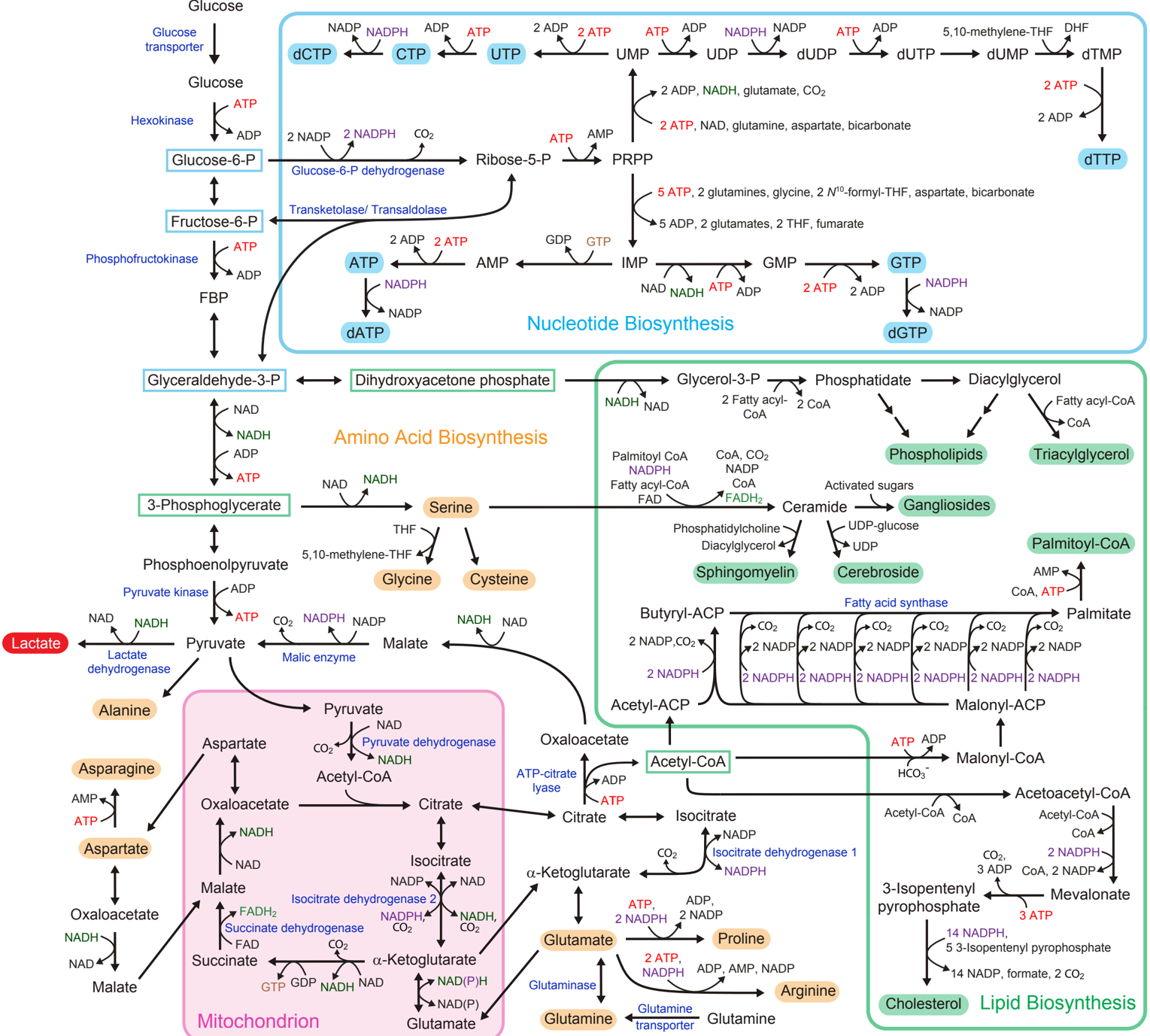
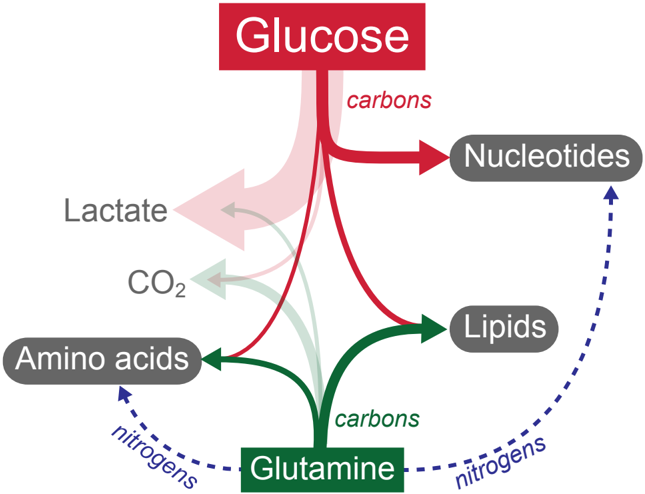
Warburg's observation that cancer cells exhibit a high rate of glycolysis even in the presence of oxygen (aerobic glycolysis) sparked debate over the role of glycolysis in normal and cancer cells. Although it has been established that defects in mitochondrial respiration are not the cause of cancer or aerobic glycolysis, the advantages of enhanced glycolysis in cancer remain controversial. Many cells ranging from microbes to lymphocytes use aerobic glycolysis during rapid proliferation, which suggests it may play a fundamental role in supporting cell growth. Here, we review how glycolysis contributes to the metabolic processes of dividing cells. We provide a detailed accounting of the biosynthetic requirements to construct a new cell and illustrate the importance of glycolysis in providing carbons to generate biomass. We argue that the major function of aerobic glycolysis is to maintain high levels of glycolytic intermediates to support anabolic reactions in cells, thus providing an explanation for why increased glucose metabolism is selected for in proliferating cells throughout nature.
Overview
The claims and statistics of this paper haven’t been checked yet.
Free: it reads the open-access text and checks the first 5 claims that cite a source we can check. Create a free account to check every claim.
Integrity signals
Registry
Cites
Statistics
Figures
Verification
Claims the paper makes
The claims and statistics of this paper haven’t been checked yet.
Free: it reads the open-access text and checks the first 5 claims that cite a source we can check. Create a free account to check every claim.
Claims other papers make about this one
Each is checked against this paper’s own text: does it say what the citing paper says it does?
The source backs part of the claim, not all of it — or backs it for a different population, condition or comparison.
In the citing paper
“Pancreatic ductal adenocarcinoma (PDAC) lines were chosen for our study because cancers of the pancreas are characterized by rapid progression,9,10 invasiveness,11,12 and elevated fermentative metabolism.13,14,15,16”
From Dynamic IL-6R/STAT3 signaling leads to heterogeneity of metabolic phenotype in pancreatic ductal adenocarcinoma cells (2024) · cites this paper as [13]
Experimental — accuracy not yet measuredThe source backs part of the claim, not all of it — or backs it for a different population, condition or comparison.
In the citing paper
“Despite the prevalence of glycolysis, mitochondrial respiration remains important in proliferating cells, allowing the production of biosynthetic precursors and the generation of electron acceptors that enable aspartate synthesis, for example [9,16,17].”
From Proliferating Astrocytes in Primary Culture Do Not Depend upon Mitochondrial Respiratory Complex I Activity or Oxidative Phosphorylation (2023) · cites this paper as [9]
Experimental — accuracy not yet measuredThe cited source says what the claim attributes to it.
In the citing paper
“AG is a prominent feature of cancer cell metabolism; its main role is thought to be support of biosynthetic pathways required for cellular proliferation”
From Aerobic glycolysis in the human brain is associated with development and neotenous gene expression (2014) · cites this paper as Lunt and Vander Heiden, 2011
In the citing paper
“Proliferating cells have different metabolic requirements from non-proliferating cells (Hsu and Sabatini, 2008; Lunt and Vander Heiden, 2011; Pavlova and Thompson, 2016). While non-proliferating cells have primarily catabolic demands, proliferating cells must balance the divergent catabolic and anabolic requirements of sustaining cellular homeostasis while duplicating cell mass, and thus engage in”
From Targeting Metabolism for Cancer Therapy (2017) · cites this paper as Lunt and Vander Heiden, 2011
In the citing paper
“Today, we understand that mitochondrial respiration is not impaired but that cancer cells place emphasis on acquisition and generation of building blocks necessary for cell division. They do so by enhancing biosynthetic metabolism using glycolytic intermediates (209).”
From Metabolic Flexibility as an Adaptation to Energy Resources and Requirements in Health and Disease (2018) · cites this paper as [209]
1 more claim about this paper
Create a free account to see every claim other papers make about this one.
Self-check
Percentages, sums and reported differences re-computed from the paper’s own numbers.
The self-check needs the paper’s full text.
Citations
Cites
Understanding the Warburg Effect: The Metabolic Requirements of Cell Proliferation
Vander Heiden, M. G., Cantley, L. C., & Thompson, C. B. (2009) · Science · doi:10.1126/science.1160809 · Cited by 16,197
Warburg, O. (1956) · Science · doi:10.1126/science.123.3191.309 · Cited by 13,425 · cited 1×
“In 1924, Otto Warburg observed that cancer cells consume much 6 larger quantities of glucose than their normal counterparts and metabolize it predominantly through glycolysis, producing high levels of lactate even in oxygen-rich conditions (Warburg 1956, Warburg et al 1924).”
Escherichia coli and Salmonella :cellular and molecular biology
Neidhardt, F. C. (1996) · ASM Press eBooks · Cited by 8,197
Alberts, B., Johnson, A., Lewis, J., Morgan, D., Raff, M., Roberts, K., & Walter, P. (2017) · W.W. Norton eBooks · doi:10.1201/9781315735368 · Cited by 6,365
TOR signaling in growth and metabolism
Wullschleger, S., Loewith, R., & Hall, M. N. (2006) · Cell · doi:10.1016/j.cell.2006.01.016 · Cited by 5,787
The phosphoinositide 3-kinase pathway
Cantley, L. C. (2002) · Science · doi:10.1126/science.296.5573.1655 · Cited by 5,621 · cited 1×
“In normal cells, the PI3K pathway is tightly controlled to increase glucose uptake and 25 metabolism in response to growth signals (Cantley 2002).”
(1978) · Biochemical Education · doi:10.1016/0307-4412(78)90049-3 · Cited by 5,046
Cancer-associated IDH1 mutations produce 2-hydroxyglutarate
Dang, L., White, D. W., Gross, S., Bennett, B. D., Bittinger, M. A., Driggers, E. M., Fantin, V. R., Jang, H. G., Jin, S., Keenan, M. C., et al. (2009) · Nature · doi:10.1038/nature08617 · Cited by 4,154
The Biology of Cancer: Metabolic Reprogramming Fuels Cell Growth and Proliferation
DeBerardinis, R. J., Lum, J. J., Hatzivassiliou, G., & Thompson, C. B. (2008) · Cell Metabolism · doi:10.1016/j.cmet.2007.10.002 · Cited by 4,088 · cited 3×
“In proliferating cells, however, the TCA cycle serves as an important source of biosynthetic precursors (DeBerardinis et al 2008) in addition to providing ATP.”
Kim, J.-W., Tchernyshyov, I., Semenza, G. L., & Dang, C. V. (2006) · Cell Metabolism · doi:10.1016/j.cmet.2006.02.002 · Cited by 3,905 · cited 1×
“HIF-1 induced PDK activity inhibits PDH, which converts pyruvate to acetyl-CoA (Kim et al 2006, Papandreou et al 2006).”
Research works printed but not linked: 6
- 10.1002/(SICI)1097-4644(19971001)67:1<131::AID-JCB13>3.0.CO;2-K · DOI
- Berg JM, Tymoczko JL, Stryer L. 2007. Biochemistry. New York: W.H. Freeman Boros LG, Lee PW, Brandes JL, Cascante M, Muscarella P, et al. 1998. Nonoxidative pentose phosphate pathways and their direct role in ribose synthesis in tumors: is cancer a disease of cellular glucose metabolism? Med Hypotheses 50: 55-9
- Lewin B. 1997. Genes VI. Oxford ; New York: Oxford University Press. xviii, 1260 p. pp.
- Voet D, Voet JG. 2004. Biochemistry. New York: J. Wiley & Sons. 2 v. (xv, 1560 p.) pp.
- Warburg O, Posener K, Negelein E. 1924. Ueber den stoffwechsel der tumoren. Biochem Z 152: 319-44
- Younes M, 1996, Cancer Res., 56, 1164
Cited by
Items 801–900 of 1,013
Arneja, A., Johnson, H., Gabrovsek, L., Lauffenburger, D. A., & White, F. M. (2014) · The Journal of Immunology · doi:10.4049/jimmunol.1302291 · Cited by 58
Adult neural stem cell fate is determined by thyroid hormone activation of mitochondrial metabolism
Gothié, J. M., Sébillot, A., Luongo, C., Legendre, M., Van, C. N., Blay, K. L., Perret-Jeanneret, M., Remaud, S., & DEMENEIX, B. A. (2017) · Molecular Metabolism · doi:10.1016/j.molmet.2017.08.003 · Cited by 56
“Though generating less ATP, high glycolysis can provide proliferating cells with increased production of nucleotides and lipids [9].”
BackgroundMiR-128 regulation of glucose metabolism and cell proliferation in triple-negative breast cancer
Xiao, M., Lou, C., Xiao, H., Yang, Y., Cai, X., Li, C., Jia, S., & Huang, Y. (2017) · British journal of surgery · doi:10.1002/bjs.10646 · Cited by 53
Targeting effector memory T-cells with Kv1.3 blockers.
Wulff, H., & Pennington, M. W. (2007) · PubMed · Cited by 60
Emerging Roles of Cellular Metabolism in Regulating Dendritic Cell Subsets and Function
Du, X., Chapman, N. M., & Chi, H. (2018) · Frontiers in Cell and Developmental Biology · doi:10.3389/fcell.2018.00152 · Cited by 57
Development of a neurotoxicity assay that is tuned to detect mitochondrial toxicants
Delp, J., Funke, M., Rudolf, F., Cediel-Ulloa, A., Bennekou, S. H., van der Stel, W., Carta, G., Jennings, P., Toma, C., Gardner, I. B., et al. (2019) · Archives of Toxicology · doi:10.1007/s00204-019-02473-y · Cited by 64
Song, C., Xu, F., Ren, Z., Zhang, Y., Meng, Y., Yang, Y., Lingadahalli, S., Cheung, E. C. W., Li, G., Liu, W., et al. (2019) · Stem Cell Reports · doi:10.1016/j.stemcr.2019.06.003 · Cited by 65
Khan, A., Mohammad, T., Shamsi, A., Hussain, A., Alajmi, M. F., Husain, S. A., Iqbal, M. A., & Hassan, M. I. (2021) · Journal of Biomolecular Structure and Dynamics · doi:10.1080/07391102.2021.1942217 · Cited by 58
The Microenvironment Is a Critical Regulator of Muscle Stem Cell Activation and Proliferation
Nguyen, J. H. V., Chung, J. D., Lynch, G. S., & Ryall, J. G. (2019) · Frontiers in Cell and Developmental Biology · doi:10.3389/fcell.2019.00254 · Cited by 61
Li, H. M., Guo, H. L., Xu, C., Liu, L., Hu, S. Y., Hu, Z. H., Jiang, H., He, Y., Li, Y. J., Ke, J., et al. (2020) · Bone · doi:10.1016/j.bone.2020.115584 · Cited by 56
Extracellular citrate and metabolic adaptations of cancer cells
Parkinson, E. K., Adamski, J., Zahn, G., Gaumann, A. K. A., Flores‐Borja, F., Ziegler, C. M., & Mycielska, M. E. (2021) · Cancer and Metastasis Reviews · doi:10.1007/s10555-021-10007-1 · Cited by 53
Fan, H., He, Y., Xiang, J., Zhou, J., Wan, X., You, J., Du, K., Li, Y., Cui, L., Wang, Y., et al. (2022) · Redox Biology · doi:10.1016/j.redox.2022.102339 · Cited by 56
“Cancer cells rely primarily on aerobic glycolysis to sustain their proliferation, thus adapt glycogen catabolic pathway toward aerobic glycolysis was developed [58].”
BackgroundNeural stem cell metabolism revisited: a critical role for mitochondria
Scandella, V., Petrelli, F., Moore, D. L., Braun, S. M. G., & Knobloch, M. (2023) · Trends in Endocrinology and Metabolism · doi:10.1016/j.tem.2023.05.008 · Cited by 61
“As discussed above, highly proliferative cells primarily use glycolysis to produce ATP and to synthesize biomolecules to increase their mass, whereas more differentiated cells shift to OXPHOS [32,93].”
BackgroundTargeting Glucose Metabolism in Cancer Cells as an Approach to Overcoming Drug Resistance
Cunha, A., Silva, P. M. A., Sarmento, B. F. C. C., & Queirós, O. (2023) · Pharmaceutics · doi:10.3390/pharmaceutics15112610 · Cited by 64
“In 8 of 31 fact, these types of cells need a high amount of metabolic intermediates for growth and division [79].”
BackgroundOn the Importance of Acidity in Cancer Cells and Therapy
Tafech, A., & Stéphanou, A. (2024) · Biology · doi:10.3390/biology13040225 · Cited by 66
“Many mammalian cell lines (lymphocytes and fibroblasts) develop aerobic glycolysis under proliferating conditions [75].”
BackgroundERRα metabolic nuclear receptor controls growth of colon cancer cells
Bernatchez, G., Giroux, V., Lassalle, T., Carpentier, A. C., Rivard, N., & Carrier, J. C. (2013) · Carcinogenesis · doi:10.1093/carcin/bgt180 · Cited by 62
“dehydrogenase kinases (PDK1-4)[32], encoded by genes significantly down-regulated by ERRα”
BackgroundInfluentialMonocarboxylate Transporter 1 Inhibitors as Potential Anticancer Agents
Jonnalagadda, S., Jonnalagadda, S. K., Alam, M. A., Nelson, G. L., Sneve, M., Drewes, L. R., & Mereddy, V. R. (2015) · ACS Medicinal Chemistry Letters · doi:10.1021/acsmedchemlett.5b00049 · Cited by 60
Bowman, C. E., Zhao, L., Hartung, T., & Wolfgang, M. J. (2016) · Molecular and Cellular Biology · doi:10.1128/mcb.00166-16 · Cited by 52
Bidirectional Expression of Metabolic, Structural, and Immune Pathways in Early Myopia and Hyperopia
Riddell, N., Giummarra, L., Hall, N. E., & Crewther, S. G. (2016) · Frontiers in Neuroscience · doi:10.3389/fnins.2016.00390 · Cited by 57
“Structural changes during refractive error induction presumably alter the availability of metabolites from the choroidal blood supply (Shih et al., 1993), and the need for the metabolic production of energy and biosynthetic precursors to fuel cell growth (Lunt and Vander Heiden, 2011).”
BackgroundTech, K., Tikunov, A. P., Farooq, H., Morrissy, A. S., Meidinger, J., Fish, T., Green, S. C., Liu, H., Li, Y., Mungall, A. J. J., et al. (2017) · Cancer Research · doi:10.1158/0008-5472.can-16-3304 · Cited by 55
“While aerobic glycolysis has been associated with proliferation in both development (5,44) and cancer (1,2), our data show that disrupting glycolysis at PK increases, rather than decreases both developmental proliferation and tumorigenesis.”
InfluentialENO1 Overexpression in Pancreatic Cancer Patients and Its Clinical and Diagnostic Significance
Yin, H., Wang, L., & Liu, H. (2018) · Gastroenterology Research and Practice · doi:10.1155/2018/3842198 · Cited by 57
“Tumor cells can achieve rapid growth with a higher efficiency of glucose absorption and biological macromolecule synthesis by reprogramming metabolic procedure to enhance glycolysis pathway [22].”
BackgroundIncluding the mitochondrial metabolism of l-lactate in cancer metabolic reprogramming
Lidia de, B. A. R. I., & Atlante, A. (2018) · Cellular and Molecular Life Sciences · doi:10.1007/s00018-018-2831-y · Cited by 54
Meijer, T. W. H., Peeters, W. J. M., Dubois, L. J., van Gisbergen, M. W., Biemans, R., Venhuizen, J., Span, P. N., & Bussink, J. (2018) · Lung Cancer · doi:10.1016/j.lungcan.2018.10.016 · Cited by 57
3-Phosphoglycerate dehydrogenase: a potential target for cancer treatment
Li, M., Wu, C., Yang, Y., Zheng, M., Yu, S., Wang, J., Chen, L., & Li, H. (2021) · Cellular Oncology · doi:10.1007/s13402-021-00599-9 · Cited by 54
Metabolomics and the Multi-Omics View of Cancer
Wishart, D. S. (2022) · Metabolites · doi:10.3390/metabo12020154 · Cited by 58
Zhu, Y., Wu, F., Hu, J., Xu, Y., Zhang, J., Li, Y., Lin, Y., & Liu, X. (2022) · The FASEB Journal · doi:10.1096/fj.202201219rr · Cited by 57
Duan, Y., Zhan, H., Wang, Q., Li, B., Gao, H., Liu, D., Xu, Q., Gao, X., Liu, Z., Gao, P., et al. (2024) · Advanced Science · doi:10.1002/advs.202400227 · Cited by 70
Proteomics identification of PGAM1 as a potential therapeutic target for urothelial bladder cancer
Peng, X., Gong, F. M., Chen, Y., Qiu, M., Cheng, K., Tang, J., Ge, J., Chen, N., Zeng, H., & Liu, J. Y. (2015) · Journal of Proteomics · doi:10.1016/j.jprot.2015.11.027 · Cited by 59
Yu, Q., & Chan, S. Y. (2017) · Advances in experimental medicine and biology · doi:10.1007/978-3-319-63245-2_24 · Cited by 51
“Specifically, glutaminolysis via GLS1 activity contributes to anaplerosis by allowing for mobilization of cellular energy, carbon, and nitrogen, particularly in rapidly proliferating cells [34] and serves as a crucial process in transformed cells that have switched their metabolism from oxidative phosphorylation to gl…”
BackgroundMetabolic changes in bladder cancer
Woolbright, B. L., Ayres, M., & Taylor, J. A. (2018) · Urologic Oncology Seminars and Original Investigations · doi:10.1016/j.urolonc.2018.04.010 · Cited by 58
MYC in Germinal Center‐derived lymphomas: Mechanisms and therapeutic opportunities
Bisso, A., Sabò, A., & Amati, B. B. (2019) · Immunological Reviews · doi:10.1111/imr.12734 · Cited by 58
Sphingosine-1-Phosphate in the Tumor Microenvironment: A Signaling Hub Regulating Cancer Hallmarks
Riboni, L., Hadi, L. A., Navone, S. E., Guarnaccia, L., Campanella, R., & Marfia, G. (2020) · Cells · doi:10.3390/cells9020337 · Cited by 54
Lai, Z., Wei, T., Li, Q., Wang, X., Zhang, Y., & Zhang, S. (2020) · Cancer Biotherapy and Radiopharmaceuticals · doi:10.1089/cbr.2020.3564 · Cited by 52
“23 Lactate is an important metabolite in cancer metabolic reprogramming, and its large accumulation results in extracellular pH in the tumor microenvironment being acidified, ranging from 6.0 to 6.5.”
InfluentialMalecki, M., Kamrad, S., Ralser, M., & Bähler, J. (2020) · The EMBO Reports · doi:10.15252/embr.202050845 · Cited by 50
“Conversely, differentiated mammalian cells or yeast cells grown in nutrient-poor media shift their energy metabolism towards respiration (Lunt & Vander Heiden, 2011).”
Metabolic Reprogramming and Renal Fibrosis
Zhu, X., Jiang, L., Long, M., Wei, X. S., Hou, Y., & Du, Y. (2021) · Frontiers in Medicine · doi:10.3389/fmed.2021.746920 · Cited by 66
NADPH Oxidase 4 (NOX4) in Cancer: Linking Redox Signals to Oncogenic Metabolic Adaptation
Szántó, I. (2022) · International Journal of Molecular Sciences · doi:10.3390/ijms23052702 · Cited by 54
Grasso, G., Colella, F., Forciniti, S., Onesto, V., Iuele, H., Siciliano, A. C., Carnevali, F., Chandra, A., Gigli, G., & del Mercato, L. L. (2023) · Nanoscale Advances · doi:10.1039/d3na00218g · Cited by 57
Heterogeneity of glycolysis in cancers and therapeutic opportunities
Warmoes, M. O., & Locasale, J. W. (2014) · Biochemical Pharmacology · doi:10.1016/j.bcp.2014.07.019 · Cited by 56
“Increased glucose metabolism is one of the distinguishing features between normal cells and highly proliferating cells like cancer, stem and immune cells [1].”
BackgroundLillefosse, H. H., Clausen, M. R., Yde, C. C., Ditlev, D. B., Zhang, X., Du, Z.-Y., Bertram, H. C., Madsen, L., Kristiansen, K., & Liaset, B. (2014) · Journal of Proteome Research · doi:10.1021/pr500039t · Cited by 50
The Proteome Landscape of Giardia lamblia Encystation
Faso, C., Bischof, S., & Hehl, A. B. (2013) · PLoS ONE · doi:10.1371/journal.pone.0083207 · Cited by 54
“Aside from enolase, phosphoglycerate kinase (GL50803_90872), pyruvate kinase (GL50803_3206 and GL50803_17143), fructose-bisphosphate aldolase (GL50803_11043), glucokinase (GL50803_8826), glucose-6-phosphate isomerase (GL50803_9115) and pyrophosphate-fructose 6phosphate 1-phosphotransferase alpha subunit (GL50803_14993…”
BackgroundAbreu, P., Mendes, S. V. D., Ceccatto, V. M., & Hirabara, S. M. (2016) · Life Sciences · doi:10.1016/j.lfs.2016.11.016 · Cited by 58
“This last one provides glycolytic intermediates for the biosynthesis of new essential macromolecules for expansion cells [45,46,47].”
BackgroundNutrient Exploitation within the Tumor–Stroma Metabolic Crosstalk
Morandi, A., Giannoni, E., & Chiarugi, P. (2016) · Trends in Cancer · doi:10.1016/j.trecan.2016.11.001 · Cited by 49
Development of GLUT4-selective antagonists for multiple myeloma therapy
Wei, C., Bajpai, R., Sharma, H., Heitmeier, M. R., Jain, A. D., Matulis, S. M., Nooka, A. K., Mishra, R. K., Hruz, P. W., Schiltz, G. E., et al. (2017) · European Journal of Medicinal Chemistry · doi:10.1016/j.ejmech.2017.08.029 · Cited by 57
“M AN US CR IP T AC CE PT ED ACCEPTED MANUSCRIPT maintained equally in both GFP and GLUT1 cells and the introduction of GLUT1 was found to increase proliferation and glucose uptake [34].”
BackgroundRother, M., Gonzalez, E., da Costa, A. R. T., Wask, L., Gravenstein, I., Pardo, M., Pietzke, M., Gurumurthy, R. K., Angermann, J., Laudeley, R., et al. (2018) · Cell Host & Microbe · doi:10.1016/j.chom.2018.04.002 · Cited by 56
Hexokinase 2 is dispensable for T cell-dependent immunity
Mehta, M., Weinberg, S. E., Steinert, E. M., Chhiba, K. D., Martinez, C. A., Gao, P., Perlman, H., Bryce, P. J., Hay, N., & Chandel, N. S. (2018) · Cancer & Metabolism · doi:10.1186/s40170-018-0184-5 · Cited by 59
Immunometabolism: A new target for improving cancer immunotherapy
Guo, C., Chen, S., Liu, W., Ma, Y., Li, J., Fisher, P. B., Fang, X., & Wang, X. (2019) · Advances in cancer research · doi:10.1016/bs.acr.2019.03.004 · Cited by 59
ACTL6A regulates follicle-stimulating hormone-driven glycolysis in ovarian cancer cells via PGK1
Zhang, J., Zhang, J., Wei, Y., Li, Q., & Wang, Q. (2019) · Cell Death and Disease · doi:10.1038/s41419-019-2050-y · Cited by 51
Huang, M., Xiong, H., Luo, D., Xu, B., & Liu, H. (2020) · Experimental Cell Research · doi:10.1016/j.yexcr.2020.111876 · Cited by 51
Macciò, A., Sanna, E., Neri, M., Oppi, S., & Madeddu, C. (2021) · International Journal of Molecular Sciences · doi:10.3390/ijms22062890 · Cited by 56
“Thus, the metabolic changes characteristic of cancer cells mirrors those observed in activated immune cells [29].”
BackgroundGlycolysis in the progression of pancreatic cancer.
Chang, X., Liu, X., Wang, H., Yang, X., & Gu, Y. (2022) · PubMed Central · Cited by 83
Malkowska, A., Penfold, C. A., Bergmann, S., & Boroviak, T. (2022) · Nature Communications · doi:10.1038/s41467-022-30194-x · Cited by 49
Kasprzak, A. (2023) · Cancers · doi:10.3390/cancers15184570 · Cited by 61
“Many signal transduction pathways in the malignant transformation of cancer cells are regulated by glycolytic metabolism [357].”
Elucidating the role of copper in CHO cell energy metabolism using 13 C metabolic flux analysis
Nargund, S., Qiu, J., & Goudar, C. T. (2015) · Biotechnology Progress · doi:10.1002/btpr.2131 · Cited by 49
“The role of PPP is twofold—(i) to provide pentose phosphates for nucleotide synthesis and (ii) to provide NADPH for biosynthesis of fatty acids, amino acid metabolism, and reduction of oxidized glutathione.(4,26) Thus PPP plays critical roles in biosynthesis and defense against oxidative stress.”
BackgroundTreps, L., Conradi, L., Harjes, U., & Carmeliet, P. (2016) · Pharmacological Reviews · doi:10.1124/pr.116.012492 · Cited by 60
Fan, P., Han, B., Mao, F., Fang, Y., Zhang, L., Hu, H., Hao, Y., Qi, Y., Zhang, X., & Li, J. (2016) · Scientific Reports · doi:10.1038/srep30230 · Cited by 50
miRNAs, Melanoma and Microenvironment: An Intricate Network
Romano, G., & Kwong, L. N. (2017) · International Journal of Molecular Sciences · doi:10.3390/ijms18112354 · Cited by 51
“It important to notice also that in the presence of O2, tumor cells often switch towards a glycolytic metabolism (aerobic glycolysis) [93,94].”
BackgroundHughey, C. C., Trefts, E., Bracy, D. P., James, F. D., Donahue, E. P., & Wasserman, D. H. (2018) · Journal of Biological Chemistry · doi:10.1074/jbc.ra118.002568 · Cited by 50
Quintela-Fandiño, M., Morales, S. M., Cortés-Salgado, A., Manso, L., Apala, J. V., Muñoz, M., Cudós, A. G., Fortuny, J. S., Gión, M., López‐Alonso, A., et al. (2020) · Clinical Cancer Research · doi:10.1158/1078-0432.ccr-19-2023 · Cited by 50
“Several studies have elucidated their role in cell transformation (2) and in the incorporation of carbon skeletons that fuel tumor growth (3, 4).”
BackgroundDu, P., Liao, Y., Zhao, H., Zhang, J., Muyiti, Keremu, & Mu, K. (2020) · Cellular Signalling · doi:10.1016/j.cellsig.2020.109718 · Cited by 55
Li, G., Liu, J., Guan, Y., & Ji, X. (2021) · CNS Neuroscience & Therapeutics · doi:10.1111/cns.13754 · Cited by 59
Targeting Mitochondria and Metabolism in Acute Kidney Injury
Li, Y., Hepokoski, M., Gu, W., Simonson, T. S., & Singh, P. (2021) · Journal of Clinical Medicine · doi:10.3390/jcm10173991 · Cited by 48
“When this occurs even under aerobic conditions, it is referred to as the “Warburg” effect or aerobic glycolysis and has been described in proliferating cells [60,61].”
BackgroundNutrient-delivery and metabolism reactivation therapy for melanoma
Chen, Y., Wang, C., Wu, Y., Wang, Y., Meng, Y. F., Wu, F., Zhang, H., Cheng, Y. Y., Jiang, X., Shi, J., et al. (2024) · Nature Nanotechnology · doi:10.1038/s41565-024-01690-6 · Cited by 48
“Since glycolysis is essential for the energy supply of tumour cells during rapid proliferation 39,40 , we speculate that the process of melanogenesis reactivation may suppress B16F10 cell proliferation by inhibiting glycolysis.”
Microtargeting cancer metabolism: opening new therapeutic windows based on lipid metabolism
de Cedrón, M. G., & de Molina, A. R. (2016) · Journal of Lipid Research · doi:10.1194/jlr.r061812 · Cited by 54
CD73 Ectonucleotidase Restrains CD8+ T Cell Metabolic Fitness and Anti-tumoral Activity
Briceño, P., Rivas-Yáñez, E., Rosemblatt, M. V., Parra-Tello, B., Farías, P., Vargas, L., Simon, V., Cárdenas, C., Lladser, Á., Salazar‐Onfray, F., et al. (2021) · Frontiers in Cell and Developmental Biology · doi:10.3389/fcell.2021.638037 · Cited by 52
Wang, P., Xiao, T., Li, J., Wang, D., Sun, J., Cheng, C., Ma, H., Xue, J., Li, Y., Zhang, A., et al. (2021) · Environmental Pollution · doi:10.1016/j.envpol.2021.117259 · Cited by 54
Metabolic Features of Tumor Dormancy: Possible Therapeutic Strategies
Pranzini, E., Raugei, G., & Taddei, M. L. (2022) · Cancers · doi:10.3390/cancers14030547 · Cited by 60
Kumar, A. A., Buckley, B. J., & Ranson, M. (2022) · Biomolecules · doi:10.3390/biom12020152 · Cited by 56
Amino Acids in Cancer and Cachexia: An Integrated View
Ragni, M., Fornelli, C., Nisoli, E., & Penna, F. (2022) · Cancers · doi:10.3390/cancers14225691 · Cited by 45
“In both living organisms and in culture, cells in fact rarely experience shortages of glucose, which is always kept at high/constant levels in the culture medium or bloodstream; this means that proliferating cells do not have a real need to maximize ATP synthesis from glucose [5].”
BackgroundConcise Review: Energy Metabolites: Key Mediators of the Epigenetic State of Pluripotency
Moussaieff, A., Kogan, N. M., & Aberdam, D. (2015) · Stem Cells · doi:10.1002/stem.2041 · Cited by 53
Two sides of the same coin: stem cells in cancer and regenerative medicine
Ilmer, M., Vykoukal, J. V., Boiles, A. R., Coleman, M., & Alt, E. (2014) · The FASEB Journal · doi:10.1096/fj.13-244640 · Cited by 50
“Lunt and Vander Heiden (26) reasoned that, rather than generating free energy, aerobic glycolysis yields precursors for macromolecular synthesis and rapid generation of new biomass.”
BackgroundThe role of DNA damage response in zebrafish and cellular models of Diamond Blackfan Anemia
Danilova, N., Бибикова, Е., Covey, T. M., Nathanson, D. A., Dimitrova, E., Konto‐Ghiorghi, Y., Lindgren, A., Glader, B. E., Radu, C. G., Sakamoto, K. M., et al. (2014) · Disease Models & Mechanisms · doi:10.1242/dmm.015495 · Cited by 51
“The ATM inhibitor KU60019, the ATM and ATR inhibitor CGK733 and the Chk1 inhibitor PF477736 were dissolved in dimethylsulfoxide to 30 mM and added to fish water at final concentrations of 10 nM, 100 nM and 20 nM, respectively.”
MethodMitochondria in pluripotent stem cells: stemness regulators and disease targets
Folmes, C. D. L., Ma, H., Mitalipov, S. M., & Terzic, A. (2016) · Current Opinion in Genetics & Development · doi:10.1016/j.gde.2016.02.001 · Cited by 49
“Wellen KE, Hatzivassiliou G, Sachdeva UM, Bui TV, Cross JR, Thompson CB: ATP-citrate lyase links cellular metabolism to histone acetylation.”
InfluentialSun, N.-Y., & Yang, M. (2020) · Frontiers in Oncology · doi:10.3389/fonc.2020.00792 · Cited by 53
“However, cancer cells produce lactate regardless of oxygen availability (13), and this phenomenon is called the Warburg effect or aerobic glycolysis (14, 15).”
BackgroundRevisiting the Warburg Effect: Diet‐Based Strategies for Cancer Prevention
Tran, Q., Lee, H., Kim, C., Kong, G., Gong, N., Kwon, S. H., Park, J., Kim, S., & Park, J. (2020) · BioMed Research International · doi:10.1155/2020/8105735 · Cited by 56
NAD+ and cardiovascular diseases
Lin, Q., Zuo, W., Liu, Y., Wu, K., & Liu, Q. (2021) · Clinica Chimica Acta · doi:10.1016/j.cca.2021.01.012 · Cited by 54
A unique subset of glycolytic tumour-propagating cells drives squamous cell carcinoma
Choi, J.-E., Sebastián, C., Ferrer, C. M., Lewis, C. A., Sade-Feldman, M., LaSalle, T. J., Gonye, A. L. K., Lopez, B. G. C., Abdelmoula, W. M., Regan, M. S., et al. (2021) · Nature Metabolism · doi:10.1038/s42255-021-00350-6 · Cited by 52
Iqbal, M. A., Siddiqui, S. I., Rehman, A. U., Siddiqui, F. A., Singh, P. K., Kumar, B., & Saluja, D. (2021) · Molecular Oncology · doi:10.1002/1878-0261.12894 · Cited by 51
“Aerobic glycolysis plays a central role in channeling glucose carbons for biomass production by branching-off pathways which rely on glycolytic intermediates as substrates, thus prioritizing anabolism over catabolism [6].”
BackgroundDoes a Hypertrophying Muscle Fibre Reprogramme its Metabolism Similar to a Cancer Cell?
Wackerhage, H., Vechetti, I. J., Baumert, P., Gehlert, S., Becker, L., Jaspers, R. T., & de Angelis, M. H. (2022) · Sports Medicine · doi:10.1007/s40279-022-01676-1 · Cited by 45
“Most but not all healthy and cancerous proliferating cells take up more glucose as well as synthesise more lactate in the presence of oxygen than non-proliferating cells [4, 5].”
BackgroundMolecular and biochemical regulation of skeletal muscle metabolism
Zumbaugh, M. D., Johnson, S., Shi, T. H., & Gerrard, D. E. (2022) · Journal of Animal Science · doi:10.1093/jas/skac035 · Cited by 58
Shoop, W. K., Lape, J., Trum, M., Powell, A., Sevigny, E., Mischler, A., Bacman, S. R., Fontanesi, F., Smith, J., Jantz, D., et al. (2023) · Nature Metabolism · doi:10.1038/s42255-023-00932-6 · Cited by 56
“However, cells in vivo, particularly high-energy-demand cells that are preferentially impacted in MELAS, would rely heavily on mitochondrial respiration for ATP generation and survival 52 .”
Liu, F., Zhang, W., You, X., Liu, Y., Li, Y., Wang, Z., Wang, Y., Zhang, X., & Ye, L. (2015) · Oncotarget · doi:10.18632/oncotarget.4508 · Cited by 50
“, nucleotides, amino acids and lipids) and minimizing the production of reactive oxygen species in mitochondria [1, 3].”
BackgroundUp-regulation of hexokinaseII in myeloma cells: targeting myeloma cells with 3-bromopyruvate
Nakano, A., Miki, H., Nakamura, S., Harada, T., Oda, A., Amou, H., Fujii, S., Kagawa, K., Takeuchi, K., Ozaki, S., et al. (2012) · Journal of Bioenergetics and Biomembranes · doi:10.1007/s10863-012-9412-9 · Cited by 52
Han, J., Meng, Q., Xi, Q., Wang, H., & Wu, G. (2016) · Cancer Biomarkers · doi:10.3233/cbm-160143 · Cited by 46
“In agreement with the findings that cell proliferation requires glycolysis [29], depletion of PFKFB3 in HeLa cells has been reported to decrease glycolytic activity and reduce cell viability and growth [30].”
Glucose deprivation elicits phenotypic plasticity via ZEB1-mediated expression of NNMT
Kanska, J. E., Aspuria, P.-J. P., Taylor‐Harding, B., Spurka, L., Funari, V. A., Oršulić, S., Karlan, B. Y., & Wiedemeyer, W. R. (2017) · Oncotarget · doi:10.18632/oncotarget.15429 · Cited by 47
“The main function of PPP is the production of reducing agents and pentose phosphates for nucleic acid and lipid synthesis [28–30], and G6PD is a rate-limiting enzyme of the PPP, which generates Oncotarget26212www.impactjournals.com/oncotarget Oncotarget26213www.impactjournals.com/oncotarget NADPH required to reduce ox…”
BackgroundGajendiran, P., Vega, L. I., Itoh, K., Sesaki, H., Vakili, M. R., Lavasanifar, A., Hong, K. K., Mezey, E., & Ganapathy‐Kanniappan, S. (2018) · Journal of Cellular and Molecular Medicine · doi:10.1111/jcmm.13501 · Cited by 53
Clonal expansion of vaccine-elicited T cells is independent of aerobic glycolysis
Klarquist, J. S., Chitrakar, A., Pennock, N. D., Kilgore, A. M., Blain, T. J., Zheng, C., Danhorn, T., Walton, K., Jiang, L., Sun, J., et al. (2018) · Science Immunology · doi:10.1126/sciimmunol.aas9822 · Cited by 48
“The final conversion of pyruvate to lactate is said to be important because of its production of -nicotinamide adenine dinucleotide (NAD+), a limiting factor for additional glycolysis (12, 15).”
BackgroundFrancisco, A., Ronchi, J. A., Navarro, C. D. C., Figueira, T. R., & Castilho, R. F. (2018) · Journal of Neurochemistry · doi:10.1111/jnc.14602 · Cited by 44
JMJD1C-mediated metabolic dysregulation contributes to HOXA9-dependent leukemogenesis
Lynch, J. R., Salik, B., Connerty, P., Vick, B., Leung, H. H. L., Pijning, A. E., Jeremias, I., Spiekermann, K., Trahair, T. N., Liu, T., et al. (2019) · Leukemia · doi:10.1038/s41375-018-0354-z · Cited by 48
Pharmacological Targeting of GLUT1 to Control Autoreactive T Cell Responses
Dedda, C. D., Vignali, D., Piemonti, L., & Monti, P. (2019) · International Journal of Molecular Sciences · doi:10.3390/ijms20194962 · Cited by 49
“Glycolysis begins with the uptake of glucose from the extracellular milieu for conversion into pyruvate through a series of intermediate metabolites that can alternatively enter the pentose phosphate pathway, thus contributing to biosynthetic processes for cell growth [14].”
BackgroundKosaisawe, N., Sparta, B., Pargett, M., Teragawa, C., & Albeck, J. G. (2021) · Cell Metabolism · doi:10.1016/j.cmet.2021.01.014 · Cited by 54
Li, X., Wang, F., Xu, X., Zhang, J., & Xu, G. (2021) · Frontiers in Cell and Developmental Biology · doi:10.3389/fcell.2021.636595 · Cited by 52
Long, M., Sanchez‐Martinez, A., Longo, M., Suomi, F., Stenlund, H., Johansson, A. I., Ehsan, H., Salo, V. T., Montava‐Garriga, L., Naddafi, S., et al. (2022) · The EMBO Journal · doi:10.15252/embj.2021109390 · Cited by 46
“The ATP demands of cultured cells are satisfied by glycolysis rather than OXPHOS; hence, mitochondrial networks in vitro likely fulfil more anabolic than catabolic functions (Vander Heiden et al , 2009; Lunt & Vander Heiden, 2011; Young, 2013; Buescher et al , 2015).”
Energy Metabolism on Mitochondrial Maturation and Its Effects on Cardiomyocyte Cell Fate
Persad, K. L., & Lopaschuk, G. D. (2022) · Frontiers in Cell and Developmental Biology · doi:10.3389/fcell.2022.886393 · Cited by 55
“Some studies indicate that mitophagy is primarily important to maintain stemness and that mitophagy is reduced during cell maturation (Ho et al., 2017; MacVicar and Lane, 2014) (Figure 1).”
BackgroundPatra, K. C., & Hay, N. (2013) · Oncotarget · doi:10.18632/oncotarget.1563 · Cited by 48
Truong, T., Zeng, G., Qingsong, L., Kwang, L. T., Tong, C., Chan, F. Y., Wang, Y., & Seneviratne, C. J. (2016) · Molecular & Cellular Proteomics · doi:10.1074/mcp.m116.061523 · Cited by 45
Schroeder, M. P., Bastian, L., Eckert, C., Gökbuget, N., James, A. R., Tanchez, J. O., Schlee, C., Isaakidis, K., Häupl, B., Baum, K., et al. (2019) · Scientific Reports · doi:10.1038/s41598-019-40786-1 · Cited by 50
Host-Directed Therapy in Tuberculosis: Targeting Host Metabolism
Kim, J., Kim, Y.-R., & Yang, C. (2020) · Frontiers in Immunology · doi:10.3389/fimmu.2020.01790 · Cited by 53
“Additionally, aerobic glycolysis requires a number of specific precursors, including nucleotides, amino acids, and lipids (19).”
BackgroundMitochondrial Metabolism, Redox, and Calcium Homeostasis in Pulmonary Arterial Hypertension
Liang, S., Yegambaram, M., Wang, T., Wang, J., Black, S. M., & Tang, H. (2022) · Biomedicines · doi:10.3390/biomedicines10020341 · Cited by 46
“Glutaminolysis contributes to the anaplerosis reaction, whereby the carbon intermediates of the TCA cycle are replenished, and allow cellular energy, and carbon and nitrogen mobilization, especially in the hyperproliferative cells [86].”
BackgroundRiboflavin integrates cellular energetics and cell cycle to regulate maize seed development
Tian, Q., Wang, G., Ma, X., Shen, Q., Ding, M., Yang, X., Luo, X., Li, R., Wang, Z., Wang, X., et al. (2022) · Plant Biotechnology Journal · doi:10.1111/pbi.13826 · Cited by 48
Targeting metabolic reprogramming in chronic lymphocytic leukemia
Nie, Y., Yun, X., Zhang, Y., & Wang, X. (2022) · Experimental Hematology and Oncology · doi:10.1186/s40164-022-00292-z · Cited by 57
“They participate in many biosynthesis processes, such as the pentose phosphate pathway (PPP) to generate NADPH, ribose-6-phosphate, amino acid, lipids and other cellular sources of energy [23, 28].”
Background
Metadata
- Authors
- Lunt, S. Y., & Vander Heiden, M. G.
- Affiliations
- Massachusetts Institute of Technology (US)
- Koch Institute for Integrative Cancer Research, Massachusetts Institute of Technology, Cambridge, Massachusetts 02139;,
- ORCID
- Lunt, Sophia Y.
- Venue
- Annual Review of Cell and Developmental Biology
- Publisher
- Annual Reviews
- Published
- 2011-11-10
- Volume
- 27
- Issue
- 1
- Pages
- 441-464
- ISSN
- 1081-0706 (ISSN-L)
- 1530-8995
- OpenAlex
- W2095987251
- Cited by
- 3,057
- References
- 164
- Citations by year
- 2026: 164 · 2025: 235 · 2024: 265 · 2023: 304 · 2022: 328 · 2021: 310 · 2020: 254 · 2019: 207 · 2018: 186 · 2017: 197 · 2016: 151 · 2015: 154 · 2014: 143 · 2013: 112 · 2012: 41
- FWCI
- 6.94
- Type
- journal article
- Language
- en
- Open access
- green
- hdl.handle.net
- Licence
- cc-by-nc-sa
- Locations
- Annual Review of Cell and Developmental Biology (publishedVersion)
- PubMed (publishedVersion)
- DSpace@MIT (Massachusetts Institute of Technology) (submittedVersion, cc-by-nc-sa)
- Funders
- Damon Runyon Cancer Research Foundation
- Richard and Susan Smith Family Foundation
- Topics
- Life Sciences › Biochemistry, Genetics and Molecular Biology › Cancer Research › Cancer, Hypoxia, and Metabolism
- Life Sciences › Biochemistry, Genetics and Molecular Biology › Molecular Biology › Metabolism, Diabetes, and Cancer
- Life Sciences › Biochemistry, Genetics and Molecular Biology › Molecular Biology › Cancer and biochemical research
- Keywords
- aerobic glycolysis, cell proliferation, cancer metabolism, Warburg effect, glycolytic intermediates, anabolic metabolism, biomass synthesis, glucose metabolism, mitochondrial respiration, cell growth
- MeSH terms
- Adenosine Triphosphate, Aerobiosis, Animals, Citric Acid Cycle, Energy Metabolism, Glucose, Glycolysis, Humans, Mitochondria, Pyruvate Kinase, Cell Respiration, Lactic Acid, Cell Proliferation, Metabolic Networks and Pathways
About these checks
Registry, retraction, Cites and statistics results are computed, not judged, with one exception: a printed reference that no index lists is read once by a model before it counts as a citation error. Claims are extracted by a model and kept only when their quote appears verbatim in the text; each cited source is then checked, with a model’s help, for whether it says what the claim relies on. Those verdicts can be wrong — read the claim’s quote and the cited source before relying on one.
Statistics and arithmetic are recomputed, not judged.
Confidence bands are shown only for fields calibrated on our annotated test set. None is calibrated yet, so no band is shown.
What counts as a claim ›How we measure confidence ›How we check this ›
Are you an author, or do you see a problem with this page? Request a review
Data sources
Bibliographic data: Semantic Scholar, OpenAlex, Crossref.
Contains information from the Semantic Scholar Academic Graph Datasets, made available under the ODC Attribution License (ODC-BY 1.0).
Semantic Scholar’s data is described in: Kinney, R., et al. (2023). The Semantic Scholar Open Data Platform. arXiv:2301.10140.
