

Aerobic Glycolysis: Meeting the Metabolic Requirements of Cell Proliferation
Open accessThe DOI matches its Crossref record; 164 of the 164 references it cites were found in a registry or an index.
Abstract
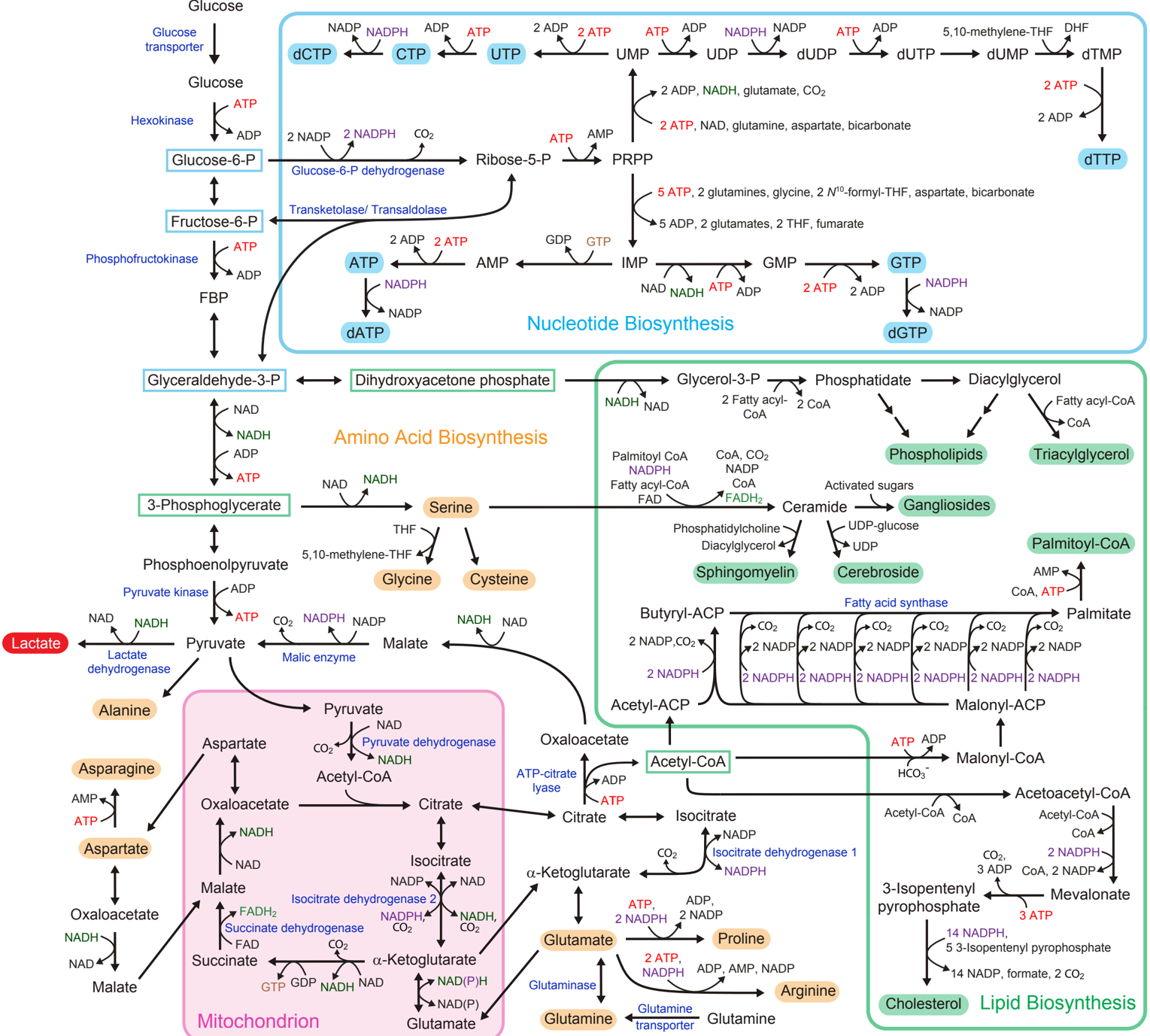
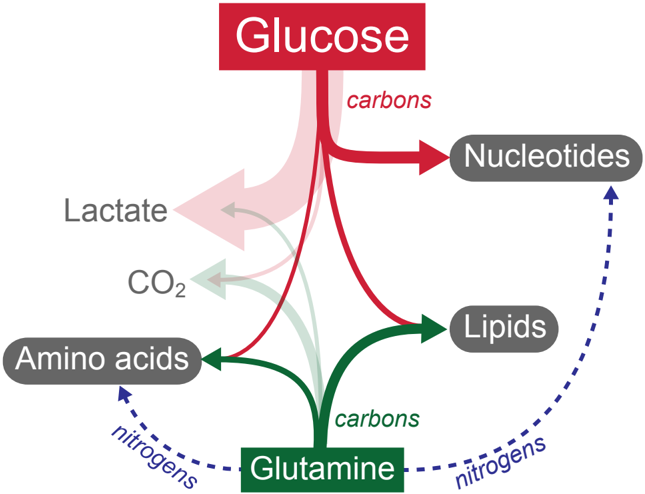
Warburg's observation that cancer cells exhibit a high rate of glycolysis even in the presence of oxygen (aerobic glycolysis) sparked debate over the role of glycolysis in normal and cancer cells. Although it has been established that defects in mitochondrial respiration are not the cause of cancer or aerobic glycolysis, the advantages of enhanced glycolysis in cancer remain controversial. Many cells ranging from microbes to lymphocytes use aerobic glycolysis during rapid proliferation, which suggests it may play a fundamental role in supporting cell growth. Here, we review how glycolysis contributes to the metabolic processes of dividing cells. We provide a detailed accounting of the biosynthetic requirements to construct a new cell and illustrate the importance of glycolysis in providing carbons to generate biomass. We argue that the major function of aerobic glycolysis is to maintain high levels of glycolytic intermediates to support anabolic reactions in cells, thus providing an explanation for why increased glucose metabolism is selected for in proliferating cells throughout nature.
Overview
The claims and statistics of this paper haven’t been checked yet.
Free: it reads the open-access text and checks the first 5 claims that cite a source we can check. Create a free account to check every claim.
Integrity signals
Registry
Cites
Statistics
Figures
Verification
Claims the paper makes
The claims and statistics of this paper haven’t been checked yet.
Free: it reads the open-access text and checks the first 5 claims that cite a source we can check. Create a free account to check every claim.
Claims other papers make about this one
Each is checked against this paper’s own text: does it say what the citing paper says it does?
The source backs part of the claim, not all of it — or backs it for a different population, condition or comparison.
In the citing paper
“Pancreatic ductal adenocarcinoma (PDAC) lines were chosen for our study because cancers of the pancreas are characterized by rapid progression,9,10 invasiveness,11,12 and elevated fermentative metabolism.13,14,15,16”
From Dynamic IL-6R/STAT3 signaling leads to heterogeneity of metabolic phenotype in pancreatic ductal adenocarcinoma cells (2024) · cites this paper as [13]
Experimental — accuracy not yet measuredThe source backs part of the claim, not all of it — or backs it for a different population, condition or comparison.
In the citing paper
“Despite the prevalence of glycolysis, mitochondrial respiration remains important in proliferating cells, allowing the production of biosynthetic precursors and the generation of electron acceptors that enable aspartate synthesis, for example [9,16,17].”
From Proliferating Astrocytes in Primary Culture Do Not Depend upon Mitochondrial Respiratory Complex I Activity or Oxidative Phosphorylation (2023) · cites this paper as [9]
Experimental — accuracy not yet measuredThe cited source says what the claim attributes to it.
In the citing paper
“AG is a prominent feature of cancer cell metabolism; its main role is thought to be support of biosynthetic pathways required for cellular proliferation”
From Aerobic glycolysis in the human brain is associated with development and neotenous gene expression (2014) · cites this paper as Lunt and Vander Heiden, 2011
In the citing paper
“Proliferating cells have different metabolic requirements from non-proliferating cells (Hsu and Sabatini, 2008; Lunt and Vander Heiden, 2011; Pavlova and Thompson, 2016). While non-proliferating cells have primarily catabolic demands, proliferating cells must balance the divergent catabolic and anabolic requirements of sustaining cellular homeostasis while duplicating cell mass, and thus engage in”
From Targeting Metabolism for Cancer Therapy (2017) · cites this paper as Lunt and Vander Heiden, 2011
In the citing paper
“Today, we understand that mitochondrial respiration is not impaired but that cancer cells place emphasis on acquisition and generation of building blocks necessary for cell division. They do so by enhancing biosynthetic metabolism using glycolytic intermediates (209).”
From Metabolic Flexibility as an Adaptation to Energy Resources and Requirements in Health and Disease (2018) · cites this paper as [209]
1 more claim about this paper
Create a free account to see every claim other papers make about this one.
Self-check
Percentages, sums and reported differences re-computed from the paper’s own numbers.
The self-check needs the paper’s full text.
Citations
Cites
Understanding the Warburg Effect: The Metabolic Requirements of Cell Proliferation
Vander Heiden, M. G., Cantley, L. C., & Thompson, C. B. (2009) · Science · doi:10.1126/science.1160809 · Cited by 16,197
Warburg, O. (1956) · Science · doi:10.1126/science.123.3191.309 · Cited by 13,425 · cited 1×
“In 1924, Otto Warburg observed that cancer cells consume much 6 larger quantities of glucose than their normal counterparts and metabolize it predominantly through glycolysis, producing high levels of lactate even in oxygen-rich conditions (Warburg 1956, Warburg et al 1924).”
Escherichia coli and Salmonella :cellular and molecular biology
Neidhardt, F. C. (1996) · ASM Press eBooks · Cited by 8,197
Alberts, B., Johnson, A., Lewis, J., Morgan, D., Raff, M., Roberts, K., & Walter, P. (2017) · W.W. Norton eBooks · doi:10.1201/9781315735368 · Cited by 6,365
TOR signaling in growth and metabolism
Wullschleger, S., Loewith, R., & Hall, M. N. (2006) · Cell · doi:10.1016/j.cell.2006.01.016 · Cited by 5,787
The phosphoinositide 3-kinase pathway
Cantley, L. C. (2002) · Science · doi:10.1126/science.296.5573.1655 · Cited by 5,621 · cited 1×
“In normal cells, the PI3K pathway is tightly controlled to increase glucose uptake and 25 metabolism in response to growth signals (Cantley 2002).”
(1978) · Biochemical Education · doi:10.1016/0307-4412(78)90049-3 · Cited by 5,046
Cancer-associated IDH1 mutations produce 2-hydroxyglutarate
Dang, L., White, D. W., Gross, S., Bennett, B. D., Bittinger, M. A., Driggers, E. M., Fantin, V. R., Jang, H. G., Jin, S., Keenan, M. C., et al. (2009) · Nature · doi:10.1038/nature08617 · Cited by 4,154
The Biology of Cancer: Metabolic Reprogramming Fuels Cell Growth and Proliferation
DeBerardinis, R. J., Lum, J. J., Hatzivassiliou, G., & Thompson, C. B. (2008) · Cell Metabolism · doi:10.1016/j.cmet.2007.10.002 · Cited by 4,088 · cited 3×
“In proliferating cells, however, the TCA cycle serves as an important source of biosynthetic precursors (DeBerardinis et al 2008) in addition to providing ATP.”
Kim, J.-W., Tchernyshyov, I., Semenza, G. L., & Dang, C. V. (2006) · Cell Metabolism · doi:10.1016/j.cmet.2006.02.002 · Cited by 3,905 · cited 1×
“HIF-1 induced PDK activity inhibits PDH, which converts pyruvate to acetyl-CoA (Kim et al 2006, Papandreou et al 2006).”
Research works printed but not linked: 6
- 10.1002/(SICI)1097-4644(19971001)67:1<131::AID-JCB13>3.0.CO;2-K · DOI
- Berg JM, Tymoczko JL, Stryer L. 2007. Biochemistry. New York: W.H. Freeman Boros LG, Lee PW, Brandes JL, Cascante M, Muscarella P, et al. 1998. Nonoxidative pentose phosphate pathways and their direct role in ribose synthesis in tumors: is cancer a disease of cellular glucose metabolism? Med Hypotheses 50: 55-9
- Lewin B. 1997. Genes VI. Oxford ; New York: Oxford University Press. xviii, 1260 p. pp.
- Voet D, Voet JG. 2004. Biochemistry. New York: J. Wiley & Sons. 2 v. (xv, 1560 p.) pp.
- Warburg O, Posener K, Negelein E. 1924. Ueber den stoffwechsel der tumoren. Biochem Z 152: 319-44
- Younes M, 1996, Cancer Res., 56, 1164
Cited by
Items 301–400 of 1,013
Diabetic Complications and Oxidative Stress: A 20-Year Voyage Back in Time and Back to the Future
Iacobini, C., Vitale, M., Pesce, C. M., Pugliese, G., & Menini, S. (2021) · Antioxidants · doi:10.3390/antiox10050727 · Cited by 179
Inhibition of LDHA suppresses tumor progression in prostate cancer
Xian, Z., Liu, J., Chen, Q.-K., Chen, H., Ye, C., Xue, J., Yang, H., Li, J., Liu, X., & Kuang, S. (2015) · Tumor Biology · doi:10.1007/s13277-015-3540-x · Cited by 158
“It was known that although Warburg effect produces reduced ATP compared with oxidative phosphorylation (OXPHOS), it provides a constant supply of metabolites that are essential for rapid macromolecule biosynthesis and necessary for cell growth and division [15, 16].”
BackgroundExogenous Fatty Acids Are the Preferred Source of Membrane Lipids in Proliferating Fibroblasts
Yao, C.-H., Fowle-Grider, R., Mahieu, N. G., Liu, G., Chen, Y., Wang, R., Singh, M., Potter, G. S., Gross, R. W., Schaefer, J., et al. (2016) · Cell chemical biology · doi:10.1016/j.chembiol.2016.03.007 · Cited by 156
Cancer metabolism and carcinogenesis
Yang, J., Shay, C., Saba, N. F., & Teng, Y. (2024) · Experimental Hematology and Oncology · doi:10.1186/s40164-024-00482-x · Cited by 178
“The primary pathway for energy production in follower cells is aerobic glycolysis, which is essential for their survival and function [109–111].”
BackgroundGoyal, M. S., Venkatesh, S., Milbrandt, J., Gordon, J. I., & Raichle, M. E. (2015) · Proceedings of the National Academy of Sciences · doi:10.1073/pnas.1511465112 · Cited by 141
VDAC Regulation: A Mitochondrial Target to Stop Cell Proliferation
Fang, D., & Maldonado, E. N. (2018) · Advances in cancer research · doi:10.1016/bs.acr.2018.02.002 · Cited by 152
OMA1 reprograms metabolism under hypoxia to promote colorectal cancer development
Wu, Z., Zuo, M., Zeng, L., Cui, K., Liu, B., Yan, C., Chen, L., Dong, J., Shangguan, F., Hu, W., et al. (2020) · EMBO Reports · doi:10.15252/embr.202050827 · Cited by 162
“In addition, under hypoxic conditions, the protein levels of HK2, LDHA, PKM2, and GPI, which are involved in the glycolytic pathway and directly regulated by HIF-1 a (Semenza, 2003; Lunt & Vander Heiden, 2011), were significantly lower than that in control cells (Fig 4A).”
The ATPase Inhibitory Factor 1 (IF1): A master regulator of energy metabolism and of cell survival
García-Bermúdez, J., & Cuezva, J. M. (2016) · Biochimica et Biophysica Acta (BBA) - Bioenergetics · doi:10.1016/j.bbabio.2016.02.004 · Cited by 151
“bb intermediates that can serve in anabolic processes of new cellular structures [229].”
BackgroundEnergy Metabolism Plays a Critical Role in Stem Cell Maintenance and Differentiation
Hu, C., Fan, L., Cen, P., Chen, E., Jiang, Z., & Li, L. (2016) · International Journal of Molecular Sciences · doi:10.3390/ijms17020253 · Cited by 138
“Highly proliferative stem cells convert pyruvate with lactate dehydrogenase (LDH) to lactate at high rates to meet energy requirements, and consequently, glucose metabolism is kept separate from oxidative metabolism [21,22].”
BackgroundA Metabolic Roadmap for Somatic Stem Cell Fate
Ly, C., Lynch, G. S., & Ryall, J. G. (2020) · Cell Metabolism · doi:10.1016/j.cmet.2020.04.022 · Cited by 154
Li, H.-M., Yang, J.-G., Liu, Z.-J., Wang, W.-M., Yu, Z.-L., Ren, J.-G., Chen, G., Zhang, W., & Jia, J. (2017) · Journal of Experimental & Clinical Cancer Research · doi:10.1186/s13046-016-0481-1 · Cited by 138
“A high rate of glycolysis is required to support neoplastic growth not only by generating ATP but also by providing glycolytic intermediates for the synthesis of the necessary macromolecules for cancer cell mass duplication during division and proliferation [22].”
BackgroundCai, T., Ye, S., Liu, Y.-N., He, J., Chen, Q.-Y., Mai, H., Zhang, C.-X., Cui, J., Zhang, X.-S., Busson, P., et al. (2017) · PLoS Pathogens · doi:10.1371/journal.ppat.1006503 · Cited by 153
Tumour microenvironment factors shaping the cancer metabolism landscape
Anastasiou, D. (2017) · British Journal of Cancer · doi:10.1038/bjc.2016.412 · Cited by 135
Biochemical Underpinnings of Immune Cell Metabolic Phenotypes
Olenchock, B. A., Rathmell, J. C., & Vander Heiden, M. G. (2017) · Immunity · doi:10.1016/j.immuni.2017.04.013 · Cited by 137
Glucocorticoids, genes and brain function
Juszczak, G. R., & Stankiewicz, A. M. (2017) · Progress in Neuro-Psychopharmacology and Biological Psychiatry · doi:10.1016/j.pnpbp.2017.11.020 · Cited by 161
Cells grown in three-dimensional spheroids mirror in vivo metabolic response of epithelial cells
Lagies, S., Schlimpert, M., Neumann, S., Waeldin, A., Kammerer, B., Borner, C., & Peintner, L. (2020) · Communications Biology · doi:10.1038/s42003-020-0973-6 · Cited by 146
mTORC2 in the center of cancer metabolic reprogramming
Masui, K., Cavenee, W. K., & Mischel, P. S. (2014) · Trends in Endocrinology & Metabolism · doi:10.1016/j.tem.2014.04.002 · Cited by 136
Rone, M. B., Cui, Q.-L., Fang, J., Wang, L.-C., Zhang, J., Khan, D., Bedard, M., Almazan, G., Ludwin, S. K., Jones, R., et al. (2016) · The Journal of Neuroscience · doi:10.1523/jneurosci.4077-15.2016 · Cited by 135
Metabolic requirements for cancer cell proliferation
Keibler, M. A., Wasylenko, T. M., Kelleher, J. K., Iliopoulos, O., Heiden, M. G. V., & Stephanopoulos, G. N. (2016) · Cancer & Metabolism · doi:10.1186/s40170-016-0156-6 · Cited by 158
“Background Many parallels exist between the metabolic profiles of cancer cells and normal proliferating cells, including the use of aerobic glycolysis, selective expression of metabolic enzymes with distinct regulatory features, and elevation of amino acid consumption and biosynthesis [1–6].”
BackgroundEffects of Interferons and Viruses on Metabolism
Fritsch, S. D., & Weichhart, T. (2016) · Frontiers in Immunology · doi:10.3389/fimmu.2016.00630 · Cited by 136
“Instead, the pyruvate is reduced to lactate despite the presence of oxygen, which is therefore called aerobic glycolysis (21) (Figure 1).”
BackgroundEmergence of spatial structure in the tumor microenvironment due to the Warburg effect
Carmona‐Fontaine, C., Bucci, V., Akkari, L., Déforet, M., Joyce, J. A., & Xavier, J. B. (2013) · Proceedings of the National Academy of Sciences · doi:10.1073/pnas.1311939110 · Cited by 149
“Thus, rather than being detrimental, metabolic alterations in tumor cells can be required to sustain the high proliferation rate that characterizes malignant cancers (4, 7, 9).”
BackgroundGlycolytic requirement for NK cell cytotoxicity and cytomegalovirus control
Mah-Som, A. Y., Rashidi, A., Keppel, M. P., Saucier, N., Moore, E. K., Alinger, J. B., Tripathy, S. K., Agarwal, S. K., Jeng, E. K., Wong, H. C., et al. (2017) · JCI Insight · doi:10.1172/jci.insight.95128 · Cited by 152
“For example, high glycolytic flux can produce nucleotide precursors for cell division in T cells (5), citrate for production of ROS in macro-”
BackgroundMetabolic regulation of skeletal cell fate and function in physiology and disease
van Gastel, N., & Carmeliet, G. (2021) · Nature Metabolism · doi:10.1038/s42255-020-00321-3 · Cited by 145
Metabolism addiction in pancreatic cancer
Blum, R., & Kloog, Y. (2014) · Cell Death & Disease · doi:10.1038/cddis.2014.38 · Cited by 134
“malate from pyruvate, glucose 6-phosphate is converted by phosphoglucomutase and glycogen phosphorylase to glycogen, and dihydroxyacetone phosphate is converted to triacylglyceride and phospholipid.(47) Several studies have shown that in proliferating cancer cells pyruvate can enter the tricarboxylic acid (TCA) cycle,…”
BackgroundS1P/S1PR3 axis promotes aerobic glycolysis by YAP/c-MYC/PGAM1 axis in osteosarcoma
Shen, Y., Zhao, S., Wang, S., Pan, X., Zhang, Y., Xu, J., Jiang, Y., Li, H., Zhang, Q., Gao, J., et al. (2018) · EBioMedicine · doi:10.1016/j.ebiom.2018.12.038 · Cited by 140
Modulation of Macrophage Immunometabolism: A New Approach to Fight Infections
Gauthier, T., & Chen, W. (2022) · Frontiers in Immunology · doi:10.3389/fimmu.2022.780839 · Cited by 145
Glycolytic Metabolism, Brain Resilience, and Alzheimer’s Disease
Zhang, X., Alshakhshir, N., & Zhao, L. (2021) · Frontiers in Neuroscience · doi:10.3389/fnins.2021.662242 · Cited by 134
Glutamate enrichment as new diagnostic opportunity in breast cancer
Budczies, J., Pfitzner, B. M., Győrffy, B., Winzer, K., Radke, C., Dietel, M., Fiehn, O., & Denkert, C. (2014) · International Journal of Cancer · doi:10.1002/ijc.29152 · Cited by 142
Sirtuin deacylases: a molecular link between metabolism and immunity
Preyat, N., & Léo, O. (2013) · Journal of Leukocyte Biology · doi:10.1189/jlb.1112557 · Cited by 143
“The reason for switching to a less-efficient mode of generation of ATP in the early phase of an immune/inflammatory response is still unclear but may be related to the capacity of glycolytic intermediates to fuel anabolic reactions in activated cells [78].”
BackgroundMetabolic Reprogramming in Brain Tumors
Venneti, S., & Thompson, C. B. (2017) · Annual Review of Pathology Mechanisms of Disease · doi:10.1146/annurev-pathol-012615-044329 · Cited by 153
Altered energy metabolism in cancer: A unique opportunity for therapeutic intervention
Zhang, Y., & Yang, J.-M. (2013) · Cancer Biology & Therapy · doi:10.4161/cbt.22958 · Cited by 132
“In addition to providing ATP, the high glycolytic rate may favor the growth of cancer cells through increasing biosynthesis of important molecules such as lipids, nucleotides, NADPH and amino acids.(4) Other metabolic products of glycolysis, such as lactate and H, cause a consistent acidification of the extracellular…”
BackgroundWan, L., Xia, T., Du, Y., Liu, J., Xie, Y., Zhang, Y., Guan, F., Wu, J., Wang, X., & Shi, C. (2019) · The FASEB Journal · doi:10.1096/fj.201802675r · Cited by 132
Lindsay, K. J., Du, J., Sloat, S. R., Contreras, L., Linton, J. D., Turner, S. J., Sadilek, M., Satrústegui, J., & Hurley, J. B. (2014) · Proceedings of the National Academy of Sciences · doi:10.1073/pnas.1412441111 · Cited by 131
“It is the isoform of PK most suited for aerobic glycolysis in cancer cells (2, 16) because its activity is poised for either positive or negative regulation.”
BackgroundThe PI3K, Metabolic, and Autophagy Networks: Interactive Partners in Cellular Health and Disease
Shanware, N. P., Bray, K., & Abraham, R. T. (2013) · Annual Review of Pharmacology and Toxicology · doi:10.1146/annurev-pharmtox-010611-134717 · Cited by 130
ROS Links Glucose Metabolism to Breast Cancer Stem Cell and EMT Phenotype
Schieber, M., & Chandel, N. S. (2013) · Cancer Cell · doi:10.1016/j.ccr.2013.02.021 · Cited by 135
Mesenchymal Stem Cell Exosome Ameliorates Reperfusion Injury Through Proteomic Complementation
Lai, R. C., Yeo, R. W. Y., Tan, K. H., & Lim, S. K. (2013) · Regenerative Medicine · doi:10.2217/rme.13.4 · Cited by 129
Global Profiling Strategies for Mapping Dysregulated Metabolic Pathways in Cancer
Benjamin, D. I., Cravatt, B. F., & Nomura, D. K. (2012) · Cell Metabolism · doi:10.1016/j.cmet.2012.09.013 · Cited by 140
“Challenges in the Field of (Cancer) Metabolism The field of cancer metabolism has thus far focused on major commonly known biochemical pathways, such as glycolysis, TCA cycle, fatty acid synthesis, and amino acid metabolism (Lunt and Vander Heiden, 2011).”
Mitochondrial function and gastrointestinal diseases
Haque, P. S., Kapur, N., Barrett, T. A., & Theiss, A. L. (2024) · Nature Reviews Gastroenterology & Hepatology · doi:10.1038/s41575-024-00931-2 · Cited by 166
“Glycolysis branches off to the pentose phosphate pathway, which provides key intermediates for these anabolic reactions 222 .”
Takahashi, S., Saegusa, J., Sendo, S., Okano, T., Akashi, K., Irino, Y., & Morinobu, A. (2017) · Arthritis Research & Therapy · doi:10.1186/s13075-017-1283-3 · Cited by 140
“Glutamine is another carbon source that is important in cell growth and energy metabolism [7, 8].”
BackgroundMorrot, A., da Fonseca, L. M., Salustiano, E. J., Gentile, L. B., Conde, L., Filardy, A. A., Franklim, T. N., da Costa, K. M., Freire-de-Lima, C. G., & Freire‐de‐Lima, L. (2018) · Frontiers in Oncology · doi:10.3389/fonc.2018.00081 · Cited by 135
“org March 2018 | Volume 8 | Article 81 cancer metabolism (19) (Figure 1B).”
BackgroundNuclear metabolism and the regulation of the epigenome
Boon, R., da Silveira, G. G., & Mostoslavsky, R. (2020) · Nature Metabolism · doi:10.1038/s42255-020-00285-4 · Cited by 142
Gu, X., Zhu, Y., Su, J., Wang, S., Su, X., Ding, X., Jiang, L., Fei, X., & Zhang, W. (2024) · Redox Biology · doi:10.1016/j.redox.2024.103209 · Cited by 148
“Uncontrolled cell proliferation is a universally recognized hallmark of cancer, and abnormal energy metabolism plays a substantial role in sustaining extensive cell growth [32,33].”
Mitochondrial Morphofunction in Mammalian Cells
Bulthuis, E. P., Adjobo-Hermans, M. J. W., Willems, P. H. G. M., & Koopman, W. J. H. (2019) · Antioxidants & Redox Signaling · doi:10.1089/ars.2018.7534 · Cited by 125
“This system is embedded in the mitochondrial inner membrane (MIM), consists of five multi-subunit complexes (CI–CV), and is fueled by NADH and FADH 2 provided by the glycolysis pathway in the cytosol and the tricarboxylic acid (TCA) cycle in the mitochondrial matrix (234, 397).”
SLC27A5 deficiency activates NRF2/TXNRD1 pathway by increased lipid peroxidation in HCC
Gao, Q., Zhang, G., Zheng, Y., Yang, Y., Chang, C., Xia, J. L., Liang, L., Lei, C., Hu, Y., Cai, X.-F., et al. (2019) · Cell Death and Differentiation · doi:10.1038/s41418-019-0399-1 · Cited by 138
Zhao, T., Fan, J., Abu‐Zaid, A., Burley, S. K., & Zheng, X. (2024) · Cells · doi:10.3390/cells13090781 · Cited by 141
“This phenomenon is called aerobic glycolysis or the Warburg effect [65,66]. mTORC1 stimulates glucose uptake and anerobic glycolysis in cancer cells by regulating hypoxia-inducible factor (HIF1 α ) and MYC [67–71].”
BackgroundThe sweet trap in tumors: aerobic glycolysis and potential targets for therapy
Yu, L., Chen, X., Wang, L., & Chen, S. (2016) · Oncotarget · doi:10.18632/oncotarget.7676 · Cited by 141
“NADPH acts as a reducing agent for lipid, nucleotide, and amino acid biosynthesis.”
BackgroundInfluentialMoya, A., Paquet, J., Deschepper, M., Larochette, N., Oudina, K., Denoeud, C., Bensidhoum, M., Logeart‐Avramoglou, D., & Petite, H. (2018) · Stem Cells · doi:10.1002/stem.2763 · Cited by 143
Lactate dehydrogenase A regulates autophagy and tamoxifen resistance in breast cancer
Das, C. K., Parekh, A., Parida, P. K., Bhutia, S. K., & Mandal, M. (2019) · Biochimica et Biophysica Acta (BBA) - Molecular Cell Research · doi:10.1016/j.bbamcr.2019.03.004 · Cited by 131
Metabolic reprogramming and the role of mitochondria in polycystic kidney disease
Podrini, C., Cassina, L., & Boletta, A. (2019) · Cellular Signalling · doi:10.1016/j.cellsig.2019.109495 · Cited by 129
Enolase 1 regulates stem cell-like properties in gastric cancer cells by stimulating glycolysis
Yang, T., Shu, X., Zhang, H., Sun, L., Yu, L., Liu, J., Sun, L., Yang, Z., & Ran, Y. (2020) · Cell Death and Disease · doi:10.1038/s41419-020-03087-4 · Cited by 134
p73 regulates serine biosynthesis in cancer
Amelio, I., Markert, E. K., Rufini, A., Antonov, A. V., Sayan, B. S., Tucci, P., Agostini, M., Mineo, T. C., Levine, A. J., & Melino, G. (2013) · Oncogene · doi:10.1038/onc.2013.456 · Cited by 128
Sturm, A., Mollard, V., Cozijnsen, A. J., Goodman, C. D., & McFadden, G. I. (2015) · Proceedings of the National Academy of Sciences · doi:10.1073/pnas.1423959112 · Cited by 114
Molecular Pathways: Targeting Cellular Energy Metabolism in Cancer via Inhibition of SLC2A1 and LDHA
Ooi, A. T., & Gomperts, B. N. (2015) · Clinical Cancer Research · doi:10.1158/1078-0432.ccr-14-1209 · Cited by 122
“The reasons why cancer cells primarily adopt glycolysis as their main method of energy production remains to be fully understood, but one possibility is that aerobic glycolysis provides the tumor cells with glycolytic intermediates that are required for sustained rapid growth (3).”
BackgroundCounillon, L., Bouret, Y., Marchiq, I., & Pouysségur, J. (2016) · Biochimica et Biophysica Acta (BBA) - Molecular Cell Research · doi:10.1016/j.bbamcr.2016.02.018 · Cited by 126
Melatonin in Mitochondria: Mitigating Clear and Present Dangers
Reiter, R. J., Ma, Q., & Sharma, R. (2020) · Physiology · doi:10.1152/physiol.00034.2019 · Cited by 138
“As a result, pyruvate is metabolized to lactate in the cytosol, which is then released into the circulation (36).”
BackgroundJin, X., Chen, C., Liu, R., Gou, D., Chang, L., Deng, H., Gao, Q., Zhang, W., Tuo, L., Pan, X., et al. (2021) · Journal of Clinical Investigation · doi:10.1172/jci144703 · Cited by 126
“Increased aerobic glycolysis (the Warburg effect) is one of the main characteristics of cancer cells that supports their intensive growth and proliferation (4).”
BackgroundJarosz, D. F., Lancaster, A. K., Brown, J. C. S., & Lindquist, S. L. (2014) · Cell · doi:10.1016/j.cell.2014.07.024 · Cited by 140
The Emerging Facets of Non-Cancerous Warburg Effect
Abdel‐Haleem, A. M., Lewis, N. E., Jamshidi, N., Mineta, K., Gao, X., & Gojobori, T. (2017) · Frontiers in Endocrinology · doi:10.3389/fendo.2017.00279 · Cited by 131
Metabolic regulation of the hallmarks of stem cell biology
Jackson, B. T., & Finley, L. W. S. (2024) · Cell stem cell · doi:10.1016/j.stem.2024.01.003 · Cited by 139
The complex landscape of pancreatic cancer metabolism
Sousa, C. M., & Kimmelman, A. C. (2014) · Carcinogenesis · doi:10.1093/carcin/bgu097 · Cited by 120
Identification and Analysis of Human Sex-Biased MicroRNAs
Cui, C., Yang, W., Shi, J., Zhou, Y., Yang, J., Cui, Q., & Zhou, Y. (2018) · Genomics Proteomics & Bioinformatics · doi:10.1016/j.gpb.2018.03.004 · Cited by 134
“Indeed, some coding genes have been shown to link cell proliferation with metabolism [44], and it is possible that some sex-biased miRNAs could have similar regulatory roles in the cell as well.”
BackgroundSalazar-Noratto, G. E., Luo, G., Denoeud, C., Padrona, M., Moya, A., Bensidhoum, M., Bizios, R., Potier, E., Logeart‐Avramoglou, D., & Petite, H. (2019) · Stem Cells · doi:10.1002/stem.3079 · Cited by 136
“phosphate pathway (Figure 1A).(28,31,32) Aerobic glycolysis is defined as the conversion of glucose to lactate even in the presence of sufficient oxygen to support glucose catabolism via the TCA cycle with OXPHOS.”
BackgroundInfluentialGLS1-mediated glutaminolysis unbridled by MALT1 protease promotes psoriasis pathogenesis
Xia, X., Cao, G., Sun, G., Zhu, L., Tian, Y., Song, Y., Guo, C., Wang, X., Zhong, J., Zhou, W., et al. (2020) · Journal of Clinical Investigation · doi:10.1172/jci129269 · Cited by 126
“For Th17 cells, the energy-yielding metabolism switches from oxidative phosphorylation to glycolysis and glutaminolysis immediately after TCR and cytokine engagement (39, 40), which supports the biomass required for robust cytokine production (41, 42).”
BackgroundCalculation of ATP production rates using the Seahorse XF Analyzer
Desousa, B. R., Kim, K. K., Jones, A. E., Ball, A. B., Hsieh, W. Y., Swain, P., Morrow, D. H., Brownstein, A. J., Ferrick, D. A., Shirihai, O. S., et al. (2023) · EMBO reports · doi:10.15252/embr.202256380 · Cited by 120
Gomez, L. S., Zancan, P., Marcondes, M. C., Ramos-Santos, L., Meyer‐Fernandes, J. R., Sola‐Penna, M., & Silva, D. (2013) · Biochimie · doi:10.1016/j.biochi.2013.02.013 · Cited by 120
Mitochondrial Lon protease at the crossroads of oxidative stress, ageing and cancer
Pinti, M., Gibellini, L., Liu, Y., Xu, S., Lü, B., & Cossarizza, A. (2015) · Cellular and Molecular Life Sciences · doi:10.1007/s00018-015-2039-3 · Cited by 126
Non-invasive metabolic imaging of brain tumours in the era of precision medicine
Kim, M. M., Parolia, A., Dunphy, M. P., & Venneti, S. (2016) · Nature Reviews Clinical Oncology · doi:10.1038/nrclinonc.2016.108 · Cited by 117
Yang, L., Hou, Y., Yuan, J., Tang, S., Zhang, H., Zhu, Q., Du, Y.-E., Zhou, M., Wen, S., Xu, L., et al. (2015) · Oncotarget · doi:10.18632/oncotarget.4697 · Cited by 118
O-GlcNAcylation and Metabolic Reprograming in Cancer
Jóźwiak, P., Forma, E., BryÅ›, M., & KrzeÅ›lak, A. (2014) · Frontiers in Endocrinology · doi:10.3389/fendo.2014.00145 · Cited by 118
Energy metabolism in the acquisition and maintenance of stemness
Folmes, C. D. L., & Terzic, A. (2016) · Seminars in Cell & Developmental Biology · doi:10.1016/j.semcdb.2016.02.010 · Cited by 118
Zou, Y., Zeng, S., Huang, M., Qiu, Q., Xiao, Y., Shi, M., Zhan, Z., Liang, L., Yang, X., & Xu, H. (2017) · British Journal of Pharmacology · doi:10.1111/bph.13762 · Cited by 128
Roles of mitochondria in neuronal development
Son, G., & Han, J. (2018) · BMB Reports · doi:10.5483/bmbrep.2018.51.11.226 · Cited by 117
“aerobically respiring mammalian cells contain and utilize mitochondria for energy production (1).”
BackgroundKetogenic diet and chemotherapy combine to disrupt pancreatic cancer metabolism and growth
Yang, L., TeSlaa, T., Ng, S., Nofal, M., Wang, L., Lan, T., Zeng, X., Cowan, A., McBride, M., Lu, W., et al. (2022) · Med · doi:10.1016/j.medj.2021.12.008 · Cited by 117
Sarrazy, V., Viaud, M., Westerterp, M., Ivanov, S., Giorgetti-Peraldi, S., Guinamard, R., Gautier, E. L., Thorp, E. B., De Vivo, D. C., & Yvan-Charvet, L. (2016) · Circulation Research · doi:10.1161/circresaha.115.307599 · Cited by 115
“However, increasing glucose metabolism through translocation of Glut1 to the cell surface is thought to be crucial for the active cells and cell cycle entry rather than quiescence.(48,49) During aerobic respiration, the ATP yield is linked to NAD-dependent oxidative steps, including oxidative decarboxylation of pyruva…”
BackgroundDifferent effects of LDH-A inhibition by oxamate in non-small cell lung cancer cells
Yang, Y., Su, D., Zhao, L., Zhang, D., Xu, J., Wan, J., Fan, S., & Chen, M. (2014) · Oncotarget · doi:10.18632/oncotarget.2620 · Cited by 124
“Consequently, increased ROS are produced, which activate apoptosis though caspase-3 pathway[36].”
BackgroundSignaling regulations of neuronal regenerative ability
Lu, Y., Belin, S., & He, Z. (2014) · Current Opinion in Neurobiology · doi:10.1016/j.conb.2014.03.007 · Cited by 115
“However, for an injured neuron to initiate a regenerative growth, it has to shift towards anabolic processes, allowing for the de novo synthesis of macromolecules from available nutrients (39).”
BackgroundHypoxia, angiogenesis, and metabolism in the hereditary kidney cancers
Chappell, J. C., Payne, L. B., & Rathmell, W. K. (2019) · Journal of Clinical Investigation · doi:10.1172/jci120855 · Cited by 115
“org Volume 129 Number 2 February 2019 to aerobic glycolysis that promotes anabolic metabolic flux (135).”
BackgroundRegulation of Glycolysis by Non-coding RNAs in Cancer: Switching on the Warburg Effect
Mirzaei, H., & Hamblin, M. R. (2020) · Molecular Therapy — Oncolytics · doi:10.1016/j.omto.2020.10.003 · Cited by 119
Hanse, E. A., Ruan, C., Kachman, M., Wang, D., Lowman, X. H., & Kelekar, A. (2017) · Oncogene · doi:10.1038/onc.2017.36 · Cited by 114
“They increase their consumption of glucose but uncouple glycolysis from the citric acid cycle (TCA), diverting glucose carbon into biosynthetic pathways that support growth and proliferation(1).”
BackgroundOil for the cancer engine: The cross-talk between oncogenic signaling and polyamine metabolism
Arruabarrena-Aristorena, A., Zabala‐Letona, A., & Carracedo, A. (2018) · Science Advances · doi:10.1126/sciadv.aar2606 · Cited by 132
Regulatory roles of mitochondria and metabolism in neurogenesis
Iwata, R., & Vanderhaeghen, P. (2021) · Current Opinion in Neurobiology · doi:10.1016/j.conb.2021.05.003 · Cited by 114
AMP-activated protein kinase: A target for old drugs against diabetes and cancer
Russo, G. L., Russo, M., & Ungaro, P. (2013) · Biochemical Pharmacology · doi:10.1016/j.bcp.2013.05.023 · Cited by 123
The Lysosome at the Intersection of Cellular Growth and Destruction
Shin, H. R., & Zoncu, R. (2020) · Developmental Cell · doi:10.1016/j.devcel.2020.06.010 · Cited by 113
Constant Growth Rate Can Be Supported by Decreasing Energy Flux and Increasing Aerobic Glycolysis
Slavov, N., Budnik, B. A., Schwab, D., Airoldi, E. M., & van Oudenaarden, A. (2014) · Cell Reports · doi:10.1016/j.celrep.2014.03.057 · Cited by 113
“…1956; Newsholme et al., 1985; De Deken, 1966; Brand and Hermfisse, 1997; Pfeiffer et al., 2001; Bauer et al., 2004; Gatenby and Gillies, 2004; Molenaar et al., 2009; Vander Heiden et al., 2009; Vazquez et al., 2010; Shlomi et al., 2011; Lunt and Vander Heiden, 2011; Ward and Thompson, 2012).”
Goswami, M. T., Chen, G., Chakravarthi, B. V. S. K., Pathi, S. S., Anand, S. K., Carskadon, S. L., Giordano, T. J., Chinnaiyan, A. M., Thomas, D. G., Palanisamy, N., et al. (2015) · Oncotarget · doi:10.18632/oncotarget.4352 · Cited by 132
“Highly proliferative and cancer cells are speculated to meet these requirements by activation of the de novo biosynthetic pathway [42].”
BackgroundPINK1 deficiency sustains cell proliferation by reprogramming glucose metabolism through HIF1
Requejo-Aguilar, R., López-Fabuel, I., Fernández, E., Martins, L. M., Almeida, Á., & Bolaños, J. P. (2014) · Nature Communications · doi:10.1038/ncomms5514 · Cited by 127
Kuo, C.-C., Ling, H., Chiang, M., Chung, C.-H., Lee, W., Chu, C., Wu, Y.-C., Chen, C., Lai, Y., Tsai, I., et al. (2019) · Theranostics · doi:10.7150/thno.32915 · Cited by 118
A20 targets PFKL and glycolysis to inhibit the progression of hepatocellular carcinoma
Feng, Y., Zhang, Y., Cai, Y., Liu, R., Lu, M., Li, T., Fu, Y., Guo, M., Huang, H., Ou, Y., et al. (2020) · Cell Death and Disease · doi:10.1038/s41419-020-2278-6 · Cited by 119
Endothelial cell metabolism: parallels and divergences with cancer cell metabolism
Verdegem, D., Moens, S., Stapor, P., & Carmeliet, P. (2014) · Cancer & Metabolism · doi:10.1186/2049-3002-2-19 · Cited by 110
“Thus, the PPP can be used by cells as an anabolic pathway to generate biomass for proliferation or to bolster an antioxidant defense in conditions of oxidative stress [44,46,72,73].”
BackgroundZhu, Y., Li, X., Wang, L., Hong, X., & Yang, J. (2022) · Frontiers in Endocrinology · doi:10.3389/fendo.2022.988295 · Cited by 126
“The cellular metabolism of CAFs is very similar to that of continuously proliferating cells and both are dependent on aerobic glycolysis (7).”
BackgroundTemporal Coordination of Carbohydrate Metabolism during Mosquito Reproduction
Hou, Y., Wang, X., Saha, T. T., Roy, S., Zhao, B., Raikhel, A. S., & Zou, Z. (2015) · PLoS Genetics · doi:10.1371/journal.pgen.1005309 · Cited by 124
“Adenosine triphosphate (ATP) serves as a major indicator of energy consumption by an organism [7].”
BackgroundInfluentialThe Yeast Cyclin-Dependent Kinase Routes Carbon Fluxes to Fuel Cell Cycle Progression
Ewald, J. C., Kuehne, A., Zamboni, N., & Skotheim, J. M. (2016) · Molecular Cell · doi:10.1016/j.molcel.2016.02.017 · Cited by 118
PKM2 is the target of proanthocyanidin B2 during the inhibition of hepatocellular carcinoma
Feng, J., Wu, L., Ji, J., Chen, K., Yu, Q., Zhang, J., Chen, J., Mao, Y., Wang, F., Dai, W., et al. (2019) · Journal of Experimental & Clinical Cancer Research · doi:10.1186/s13046-019-1194-z · Cited by 114
“ing enzymes during glycolysis, including hexokinase (HK), fructose-6-phosphokinase (PFK), and pyruvate kinase (PK) [12].”
Tili, E., Michaille, J., Luo, Z., Volinia, S., Rassenti, L. Z., Kipps, T. J., & Croce, C. M. (2012) · Blood · doi:10.1182/blood-2012-03-415737 · Cited by 120
“Such evidence may include (1) significance in another dimension of the study, (2) inclusion in a common pathway with a highly significant compound, or (3) residing in a similar functional biochemical family with other significant compounds.”
BackgroundMeta‐analysis of clinical metabolic profiling studies in cancer: challenges and opportunities
Goveia, J., Pircher, A., Conradi, L., Kalucka, J., Lagani, V., Dewerchin, M., Eelen, G., DeBerardinis, R. J., Wilson, I. D., & Carmeliet, P. (2016) · EMBO Molecular Medicine · doi:10.15252/emmm.201606798 · Cited by 108
Aerobic glycolysis and tau deposition in preclinical Alzheimer's disease
Vlassenko, A. G., Gordon, B. A., Goyal, M. S., Su, Y., Blazey, T. M., Durbin, T. J., Couture, L. E., Christensen, J. J., Jafri, H., Morris, J. C., et al. (2018) · Neurobiology of Aging · doi:10.1016/j.neurobiolaging.2018.03.014 · Cited by 107
Beyond the Warburg effect: How do cancer cells regulate one-carbon metabolism?
Rosenzweig, A., Blenis, J., & Gomes, A. P. (2018) · Frontiers in Cell and Developmental Biology · doi:10.3389/fcell.2018.00090 · Cited by 107
A metabolic link to skeletal muscle wasting and regeneration
Koopman, R., Ly, C. H., & Ryall, J. G. (2014) · Frontiers in Physiology · doi:10.3389/fphys.2014.00032 · Cited by 107
“Thus, the GAPDH-Rheb axis may be responsible for more close cross talk between the glycolytic and the mTORC1 pathways, whereas the AMPK-dependent pathways may be responsive to other conditions that alter the AMP/ATP ratio (Figure 2).”
BackgroundMethodInfluentialEffect of Mutant p53 Proteins on Glycolysis and Mitochondrial Metabolism
Eriksson, M., Ambroise, G., Ouchida, A. T., Lima Queiroz, A., Smith, D., Gimenez-Cassina, A., Iwanicki, M. P., Muller, P. A., Norberg, E., & Vakifahmetoglu-Norberg, H. (2017) · Molecular and Cellular Biology · doi:10.1128/mcb.00328-17 · Cited by 106
“In particular, enhanced glucose metabolism under aerobic conditions is a common feature of many tumors to meet the high biosynthetic demand of rapidly dividing cells (10).”
BackgroundRole of Heme Oxygenase as a Modulator of Heme-Mediated Pathways
Duvigneau, J. C., Esterbauer, H., & Kozlov, A. V. (2019) · Antioxidants · doi:10.3390/antiox8100475 · Cited by 119
“NADPH is thought to be regenerated primarily via the oxidative pentose phosphate pathway [94].”
Background
Metadata
- Authors
- Lunt, S. Y., & Vander Heiden, M. G.
- Affiliations
- Massachusetts Institute of Technology (US)
- Koch Institute for Integrative Cancer Research, Massachusetts Institute of Technology, Cambridge, Massachusetts 02139;,
- ORCID
- Lunt, Sophia Y.
- Venue
- Annual Review of Cell and Developmental Biology
- Publisher
- Annual Reviews
- Published
- 2011-11-10
- Volume
- 27
- Issue
- 1
- Pages
- 441-464
- ISSN
- 1081-0706 (ISSN-L)
- 1530-8995
- OpenAlex
- W2095987251
- Cited by
- 3,057
- References
- 164
- Citations by year
- 2026: 164 · 2025: 235 · 2024: 265 · 2023: 304 · 2022: 328 · 2021: 310 · 2020: 254 · 2019: 207 · 2018: 186 · 2017: 197 · 2016: 151 · 2015: 154 · 2014: 143 · 2013: 112 · 2012: 41
- FWCI
- 6.94
- Type
- journal article
- Language
- en
- Open access
- green
- hdl.handle.net
- Licence
- cc-by-nc-sa
- Locations
- Annual Review of Cell and Developmental Biology (publishedVersion)
- PubMed (publishedVersion)
- DSpace@MIT (Massachusetts Institute of Technology) (submittedVersion, cc-by-nc-sa)
- Funders
- Damon Runyon Cancer Research Foundation
- Richard and Susan Smith Family Foundation
- Topics
- Life Sciences › Biochemistry, Genetics and Molecular Biology › Cancer Research › Cancer, Hypoxia, and Metabolism
- Life Sciences › Biochemistry, Genetics and Molecular Biology › Molecular Biology › Metabolism, Diabetes, and Cancer
- Life Sciences › Biochemistry, Genetics and Molecular Biology › Molecular Biology › Cancer and biochemical research
- Keywords
- aerobic glycolysis, cell proliferation, cancer metabolism, Warburg effect, glycolytic intermediates, anabolic metabolism, biomass synthesis, glucose metabolism, mitochondrial respiration, cell growth
- MeSH terms
- Adenosine Triphosphate, Aerobiosis, Animals, Citric Acid Cycle, Energy Metabolism, Glucose, Glycolysis, Humans, Mitochondria, Pyruvate Kinase, Cell Respiration, Lactic Acid, Cell Proliferation, Metabolic Networks and Pathways
About these checks
Registry, retraction, Cites and statistics results are computed, not judged, with one exception: a printed reference that no index lists is read once by a model before it counts as a citation error. Claims are extracted by a model and kept only when their quote appears verbatim in the text; each cited source is then checked, with a model’s help, for whether it says what the claim relies on. Those verdicts can be wrong — read the claim’s quote and the cited source before relying on one.
Statistics and arithmetic are recomputed, not judged.
Confidence bands are shown only for fields calibrated on our annotated test set. None is calibrated yet, so no band is shown.
What counts as a claim ›How we measure confidence ›How we check this ›
Are you an author, or do you see a problem with this page? Request a review
Data sources
Bibliographic data: Semantic Scholar, OpenAlex, Crossref.
Contains information from the Semantic Scholar Academic Graph Datasets, made available under the ODC Attribution License (ODC-BY 1.0).
Semantic Scholar’s data is described in: Kinney, R., et al. (2023). The Semantic Scholar Open Data Platform. arXiv:2301.10140.
