

Aerobic Glycolysis: Meeting the Metabolic Requirements of Cell Proliferation
Open accessThe DOI matches its Crossref record; 164 of the 164 references it cites were found in a registry or an index.
Abstract
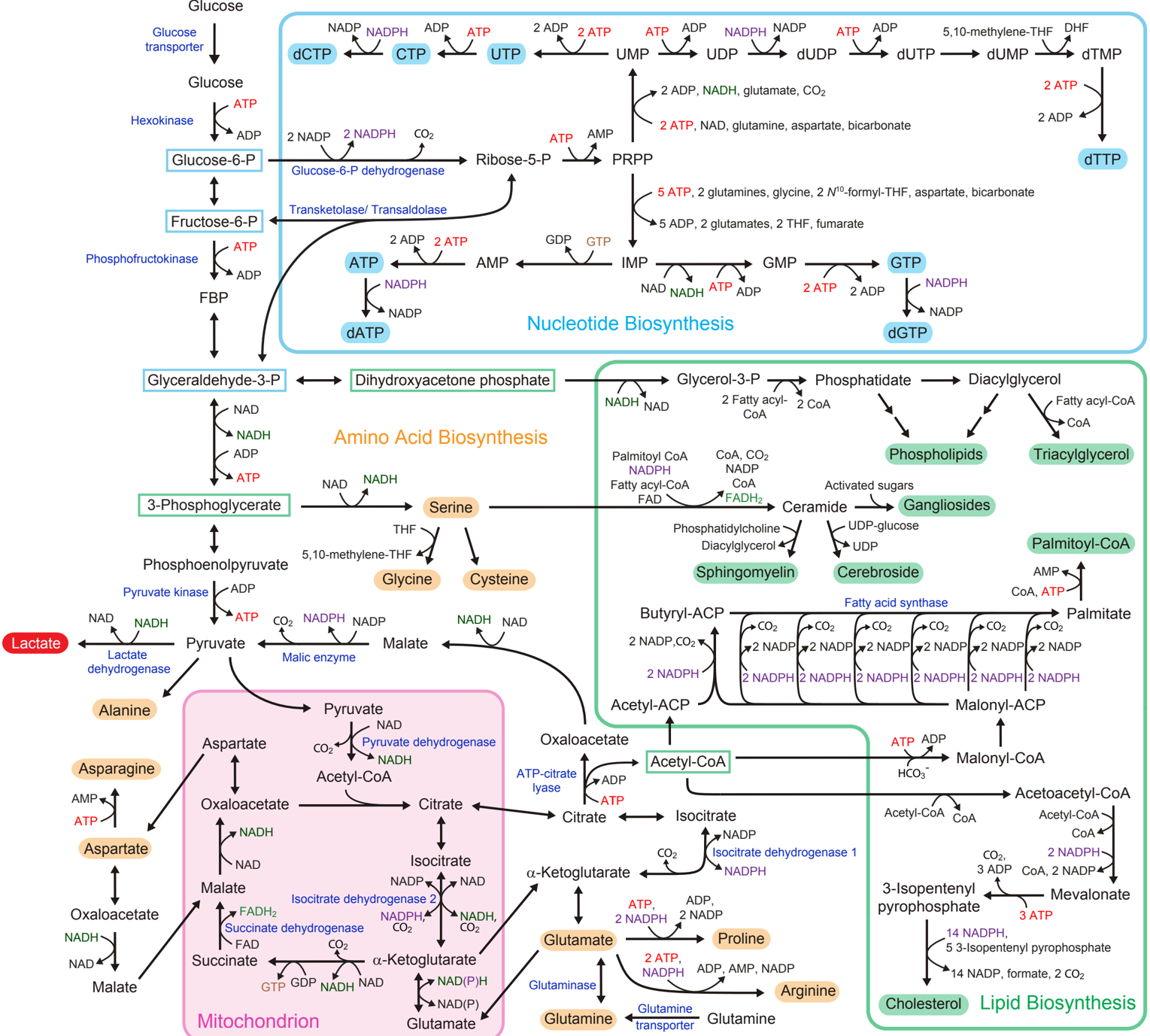
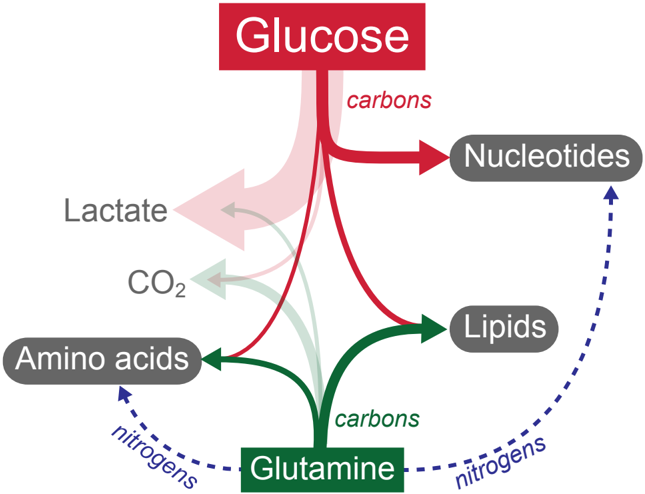
Warburg's observation that cancer cells exhibit a high rate of glycolysis even in the presence of oxygen (aerobic glycolysis) sparked debate over the role of glycolysis in normal and cancer cells. Although it has been established that defects in mitochondrial respiration are not the cause of cancer or aerobic glycolysis, the advantages of enhanced glycolysis in cancer remain controversial. Many cells ranging from microbes to lymphocytes use aerobic glycolysis during rapid proliferation, which suggests it may play a fundamental role in supporting cell growth. Here, we review how glycolysis contributes to the metabolic processes of dividing cells. We provide a detailed accounting of the biosynthetic requirements to construct a new cell and illustrate the importance of glycolysis in providing carbons to generate biomass. We argue that the major function of aerobic glycolysis is to maintain high levels of glycolytic intermediates to support anabolic reactions in cells, thus providing an explanation for why increased glucose metabolism is selected for in proliferating cells throughout nature.
Overview
The claims and statistics of this paper haven’t been checked yet.
Free: it reads the open-access text and checks the first 5 claims that cite a source we can check. Create a free account to check every claim.
Integrity signals
Registry
Cites
Statistics
Figures
Verification
Claims the paper makes
The claims and statistics of this paper haven’t been checked yet.
Free: it reads the open-access text and checks the first 5 claims that cite a source we can check. Create a free account to check every claim.
Claims other papers make about this one
Each is checked against this paper’s own text: does it say what the citing paper says it does?
The source backs part of the claim, not all of it — or backs it for a different population, condition or comparison.
In the citing paper
“Pancreatic ductal adenocarcinoma (PDAC) lines were chosen for our study because cancers of the pancreas are characterized by rapid progression,9,10 invasiveness,11,12 and elevated fermentative metabolism.13,14,15,16”
From Dynamic IL-6R/STAT3 signaling leads to heterogeneity of metabolic phenotype in pancreatic ductal adenocarcinoma cells (2024) · cites this paper as [13]
Experimental — accuracy not yet measuredThe source backs part of the claim, not all of it — or backs it for a different population, condition or comparison.
In the citing paper
“Despite the prevalence of glycolysis, mitochondrial respiration remains important in proliferating cells, allowing the production of biosynthetic precursors and the generation of electron acceptors that enable aspartate synthesis, for example [9,16,17].”
From Proliferating Astrocytes in Primary Culture Do Not Depend upon Mitochondrial Respiratory Complex I Activity or Oxidative Phosphorylation (2023) · cites this paper as [9]
Experimental — accuracy not yet measuredThe cited source says what the claim attributes to it.
In the citing paper
“AG is a prominent feature of cancer cell metabolism; its main role is thought to be support of biosynthetic pathways required for cellular proliferation”
From Aerobic glycolysis in the human brain is associated with development and neotenous gene expression (2014) · cites this paper as Lunt and Vander Heiden, 2011
In the citing paper
“Proliferating cells have different metabolic requirements from non-proliferating cells (Hsu and Sabatini, 2008; Lunt and Vander Heiden, 2011; Pavlova and Thompson, 2016). While non-proliferating cells have primarily catabolic demands, proliferating cells must balance the divergent catabolic and anabolic requirements of sustaining cellular homeostasis while duplicating cell mass, and thus engage in”
From Targeting Metabolism for Cancer Therapy (2017) · cites this paper as Lunt and Vander Heiden, 2011
In the citing paper
“Today, we understand that mitochondrial respiration is not impaired but that cancer cells place emphasis on acquisition and generation of building blocks necessary for cell division. They do so by enhancing biosynthetic metabolism using glycolytic intermediates (209).”
From Metabolic Flexibility as an Adaptation to Energy Resources and Requirements in Health and Disease (2018) · cites this paper as [209]
1 more claim about this paper
Create a free account to see every claim other papers make about this one.
Self-check
Percentages, sums and reported differences re-computed from the paper’s own numbers.
The self-check needs the paper’s full text.
Citations
Cites
Understanding the Warburg Effect: The Metabolic Requirements of Cell Proliferation
Vander Heiden, M. G., Cantley, L. C., & Thompson, C. B. (2009) · Science · doi:10.1126/science.1160809 · Cited by 16,197
Warburg, O. (1956) · Science · doi:10.1126/science.123.3191.309 · Cited by 13,425 · cited 1×
“In 1924, Otto Warburg observed that cancer cells consume much 6 larger quantities of glucose than their normal counterparts and metabolize it predominantly through glycolysis, producing high levels of lactate even in oxygen-rich conditions (Warburg 1956, Warburg et al 1924).”
Escherichia coli and Salmonella :cellular and molecular biology
Neidhardt, F. C. (1996) · ASM Press eBooks · Cited by 8,197
Alberts, B., Johnson, A., Lewis, J., Morgan, D., Raff, M., Roberts, K., & Walter, P. (2017) · W.W. Norton eBooks · doi:10.1201/9781315735368 · Cited by 6,365
TOR signaling in growth and metabolism
Wullschleger, S., Loewith, R., & Hall, M. N. (2006) · Cell · doi:10.1016/j.cell.2006.01.016 · Cited by 5,787
The phosphoinositide 3-kinase pathway
Cantley, L. C. (2002) · Science · doi:10.1126/science.296.5573.1655 · Cited by 5,621 · cited 1×
“In normal cells, the PI3K pathway is tightly controlled to increase glucose uptake and 25 metabolism in response to growth signals (Cantley 2002).”
(1978) · Biochemical Education · doi:10.1016/0307-4412(78)90049-3 · Cited by 5,046
Cancer-associated IDH1 mutations produce 2-hydroxyglutarate
Dang, L., White, D. W., Gross, S., Bennett, B. D., Bittinger, M. A., Driggers, E. M., Fantin, V. R., Jang, H. G., Jin, S., Keenan, M. C., et al. (2009) · Nature · doi:10.1038/nature08617 · Cited by 4,154
The Biology of Cancer: Metabolic Reprogramming Fuels Cell Growth and Proliferation
DeBerardinis, R. J., Lum, J. J., Hatzivassiliou, G., & Thompson, C. B. (2008) · Cell Metabolism · doi:10.1016/j.cmet.2007.10.002 · Cited by 4,088 · cited 3×
“In proliferating cells, however, the TCA cycle serves as an important source of biosynthetic precursors (DeBerardinis et al 2008) in addition to providing ATP.”
Kim, J.-W., Tchernyshyov, I., Semenza, G. L., & Dang, C. V. (2006) · Cell Metabolism · doi:10.1016/j.cmet.2006.02.002 · Cited by 3,905 · cited 1×
“HIF-1 induced PDK activity inhibits PDH, which converts pyruvate to acetyl-CoA (Kim et al 2006, Papandreou et al 2006).”
Research works printed but not linked: 6
- 10.1002/(SICI)1097-4644(19971001)67:1<131::AID-JCB13>3.0.CO;2-K · DOI
- Berg JM, Tymoczko JL, Stryer L. 2007. Biochemistry. New York: W.H. Freeman Boros LG, Lee PW, Brandes JL, Cascante M, Muscarella P, et al. 1998. Nonoxidative pentose phosphate pathways and their direct role in ribose synthesis in tumors: is cancer a disease of cellular glucose metabolism? Med Hypotheses 50: 55-9
- Lewin B. 1997. Genes VI. Oxford ; New York: Oxford University Press. xviii, 1260 p. pp.
- Voet D, Voet JG. 2004. Biochemistry. New York: J. Wiley & Sons. 2 v. (xv, 1560 p.) pp.
- Warburg O, Posener K, Negelein E. 1924. Ueber den stoffwechsel der tumoren. Biochem Z 152: 319-44
- Younes M, 1996, Cancer Res., 56, 1164
Cited by
Items 601–700 of 1,013
Banerjee, S., Ghosh, S., Mandal, A., Ghosh, N., & Sil, P. C. (2020) · Archives of Toxicology · doi:10.1007/s00204-020-02801-7 · Cited by 76
Jiang, X., Sun, Q., Li, H., Li, K., & Ren, X. (2013) · International Journal of Cancer · doi:10.1002/ijc.28637 · Cited by 79
“Hence, without sufficient raw materials for rapidly proliferating cells the tumor growth can be subsequently reduced.(37,38) Figure 2.”
BackgroundAdijanto, J., & Philp, N. J. (2014) · Experimental Eye Research · doi:10.1016/j.exer.2014.01.015 · Cited by 73
Tumor Metabolism of Malignant Gliomas
Ru, P., Williams, T. M., Chakravarti, A., & Guo, D. (2013) · Cancers · doi:10.3390/cancers5041469 · Cited by 78
“Intriguingly, tumor tissues demonstrate high levels of glycolysis even under aerobic conditions, which is upregulated by PI3K/Akt signaling, known as the Warburg effect [35–40] (Figure 1).”
BackgroundCDK 2 positively regulates aerobic glycolysis by suppressing SIRT 5 in gastric cancer
Tang, Z., Li, L., Tang, Y., Xie, D., Wu, K., Wei, W., & Xiao, Q. (2018) · Cancer Science · doi:10.1111/cas.13691 · Cited by 79
Metabolic reprogramming and disease progression in cancer patients
Torresano, L., Nuevo‐Tapioles, C., Santacatterina, F., & Cuezva, J. M. (2020) · Biochimica et Biophysica Acta (BBA) - Molecular Basis of Disease · doi:10.1016/j.bbadis.2020.165721 · Cited by 76
Outgrowth of the axillary bud in rose is controlled by sugar metabolism and signalling
Wang, M., Pérez-Garcia, M.-D., Davière, J., Barbier, F. F., Ogé, L., Gentilhomme, J., Voisine, L., Péron, T., Launay‐Avon, A., Clément, G., et al. (2021) · Journal of Experimental Botany · doi:10.1093/jxb/erab046 · Cited by 80
A glycolytic metabolite bypasses “two-hit” tumor suppression by BRCA2
Kong, L. R., Gupta, K., Wu, A., Perera, D., Iványi-Nagy, R., Ahmed, S. M., Tan, T. Z., Tan, S. L.-W., Fuddin, A., Sundaramoorthy, E., et al. (2024) · Cell · doi:10.1016/j.cell.2024.03.006 · Cited by 79
“29 Indeed, we show that enhanced glycolysis, which accompanies mutant oncogenic KRAS -driven pancreatic carcinogenesis and is also a characteristic biomarker of cancer metabolism detected by 18F-dG PET imaging even at early stages in carcinogenesis, is accompanied by elevated MG-H1 adduct formation…”
BackgroundLi, L., Zhu, L., Hao, B., Gao, W., Wang, Q., Li, K., Wang, M., Huang, M., Liu, Z., Yang, Q., et al. (2017) · Oncotarget · doi:10.18632/oncotarget.16523 · Cited by 75
“One of fundamental properties of cancer cells is that they underwent metabolic reprogramming from oxidative phosphorylation to aerobic glycolysis during carcinogenesis [1].”
BackgroundMethodmiR-181d and c-myc-mediated inhibition of CRY2 and FBXL3 reprograms metabolism in colorectal cancer
Guo, X., Zhu, Y., Hong, X., Zhang, M., Qiu, X., Wang, Z., Qi, Z., & Hong, X. (2017) · Cell Death and Disease · doi:10.1038/cddis.2017.300 · Cited by 72
“high levels of glycolysis, which is critical for tumor cell proliferation and invasion.(21) Therefore, it has been pointed out that targeting glycolysis may provide a selective mechanism by which to specifically kill cancer cells, while avoiding injury to normal cells.”
BackgroundSingh, S., Narayanan, S. P., Biswas, K., Gupta, A., Ahuja, N., Yadav, S., Panday, R. K., Samaiya, A., Sharan, S. K., & Shukla, S. (2017) · Proceedings of the National Academy of Sciences · doi:10.1073/pnas.1708447114 · Cited by 76
“The glycolytic intermediates generated during aerobic glycolysis are then utilized for macromolecule synthesis to promote the proliferation of cancer cells (10).”
BackgroundUchimura, T., Hollander, J. M., Nakamura, D. S., Liu, Z., Rosen, C. J., Georgakoudi, I., & Zeng, L. (2017) · Development · doi:10.1242/dev.155598 · Cited by 78
Lactate induces osteoblast differentiation by stabilization of HIF1α
Wu, Y., Wang, M., Feng, H., Peng, Y., Sun, J., Qu, X., & Li, C. (2017) · Molecular and Cellular Endocrinology · doi:10.1016/j.mce.2017.05.017 · Cited by 76
The Role of Mitochondrial H+-ATP Synthase in Cancer
Esparza‐Moltó, P. B., & Cuezva, J. M. (2018) · Frontiers in Oncology · doi:10.3389/fonc.2018.00053 · Cited by 78
“Biochim Biophys Acta Bioenergetics (2012) 1817(5):838–48.”
Giatromanolaki, A. N., Kouroupi, M., Pouliliou, S., Mitrakas, A. G., Hasan, F., Pappa, A., & Koukourakis, M. I. (2020) · Life Sciences · doi:10.1016/j.lfs.2020.118389 · Cited by 78
Xu, R., Wu, M., Liu, S., Shang, W., Li, R., Xu, J., Huang, L., & Wang, F. (2021) · Cell Death and Disease · doi:10.1038/s41419-020-03272-5 · Cited by 77
Lyu, Y., Wang, T., Huang, S., & Zhang, Z. (2023) · Journal of Innate Immunity · doi:10.1159/000533602 · Cited by 85
“The TCA cycle refuels NADH and FADH to generate substrates for the ETC. Multiple carbon substrates undergo catabolism to feed into the TCA cycle [119], such as the metabolism of glucose by glycolysis.”
BackgroundWang, Y., Li, P., Xu, Y., Feng, L., Fang, Y., Song, G., Li, X., Zhu, Z., Wang, W., Mei, Q., et al. (2024) · Journal of Neuroinflammation · doi:10.1186/s12974-024-03303-4 · Cited by 83
“Another important function of glycolysis is to generate intermediates for anabolic reactions in the body including biosynthesis of nucleotide, lipid and amino acids [9].”
Grimm, M. R., Cetindis, M., Lehmann, M., Biegner, T., Munz, A., Teriete, P., Kraut, W., & Reinert, S. (2014) · Journal of Translational Medicine · doi:10.1186/1479-5876-12-208 · Cited by 80
“by the pentose phosphate pathway [PPP]) to fuel metabolic pathways that generate de novo nucleotides, lipids, amino acids, and nicotinamide adenine dinucleotide phosphate (NADPH) [11,25,26].”
BackgroundInfluentialMitochondrial Glycolysis in a Major Lineage of Eukaryotes
Bártulos, C. R., Rogers, M. B., Williams, T. A., Gentekaki, E., Brinkmann, H., Cerff, R., Liaud, M.-F., Hehl, A. B., Yarlett, N., Gruber, A., et al. (2018) · Genome Biology and Evolution · doi:10.1093/gbe/evy164 · Cited by 79
Forrest, M. D. (2015) · bioRxiv (Cold Spring Harbor Laboratory) · doi:10.1101/025197 · Cited by 71
“It has important roles in shuttling its metabolic intermediates into macromolecular biosynthesis pathways [86-87].”
BackgroundMUC16-mediated activation of mTOR and c-MYC reprograms pancreatic cancer metabolism
Shukla, S. K., Gunda, V., Abrego, J., Haridas, D., Mishra, A., Souchek, J. J., Chaika, N. V., Yu, F., Sasson, A. R., Lazenby, A. J., et al. (2015) · Oncotarget · doi:10.18632/oncotarget.4078 · Cited by 73
“Because growth and invasive properties of most cancer cells significantly depend on their glycolytic capacity [22], we investigated the effect of MUC16 knockdown on glucose uptake of pancreatic cancer cells.”
Survival-Associated Metabolic Genes in Human Papillomavirus-Positive Head and Neck Cancers
Prusinkiewicz, M. A., Gameiro, S. F., Ghasemi, F., Dodge, M. J., Zeng, P. Y., Maekebay, H., Barrett, J. W., Nichols, A. C., & Mymryk, J. S. (2020) · Cancers · doi:10.3390/cancers12010253 · Cited by 85
“Altered metabolism is a cancer hallmark that was recognized decades ago with the discovery of the Warburg effect, also known as aerobic glycolysis [12].”
BackgroundEnhancer Reprogramming Confers Dependence on Glycolysis and IGF Signaling in KMT2D Mutant Melanoma
Maitituoheti, M., Keung, E. Z.-Y., Tang, M., Liang, Y., Alam, H., Han, G., Singh, A. K., Raman, A. T., Terranova, C. J., Sarkar, S., et al. (2020) · Cell Reports · doi:10.1016/j.celrep.2020.108293 · Cited by 90
“The glycolysis pathway serves as a central node for various needs of a proliferating cells (Lunt and Vander Heiden, 2011).”
Transcriptional and Metabolic Control of Memory B Cells and Plasma Cells
Ripperger, T. J., & Bhattacharya, D. (2021) · Annual Review of Immunology · doi:10.1146/annurev-immunol-093019-125603 · Cited by 78
Pamies, D., Sartori, C., Schvartz, D., González-Ruiz, V., Pellerin, L., Nunes, C., Tavel, D., Maillard, V., Boccard, J., Rudaz, S., et al. (2021) · International Journal of Molecular Sciences · doi:10.3390/ijms22084065 · Cited by 69
“The major function of aerobic glycolysis is thought to be the maintenance of high levels of glycolytic intermedi‐ ates to support anabolic reactions in cells, explaining the fact that it is selected by prolif‐ erating cells throughout nature (for a review, see [61]).”
BackgroundDong, X., Zhang, Q., Yu, X., Wang, D., Ma, J., Ma, J., & Shi, S. (2022) · Nature Neuroscience · doi:10.1038/s41593-022-01093-7 · Cited by 78
Aging of Liver in Its Different Diseases
Radonjić, T., Dukić, M., Jovanović, I., Zdravkovic, M. D., Mandić, O., Popadić, V., Popović, M., Nikolić, N., Klašnja, S., Divac, A., et al. (2022) · International Journal of Molecular Sciences · doi:10.3390/ijms232113085 · Cited by 84
Proteomic analysis identifies PFKP lactylation in SW480 colon cancer cells
Cheng, Z., Huang, H., Li, M., & Chen, Y. (2023) · iScience · doi:10.1016/j.isci.2023.108645 · Cited by 78
“30,31 32–34 Lactic acid, previously considered a byproduct of glycolysis, has been found to play a crucial role in modulating diverse biological processes, including tumor initiation and progression, macrophage polarization, and T helper cell differentiation.”
BackgroundKaldma, A., Klepinin, A., Chekulayev, V. A., Mado, K., Shevchuk, I. N., Timohhina, N., Tepp, K., Kandashvili, M., Varikmaa, M., Koit, A., et al. (2014) · The International Journal of Biochemistry & Cell Biology · doi:10.1016/j.biocel.2014.09.004 · Cited by 81
Cavin-3 dictates the balance between ERK and Akt signaling
Hernandez, V. J., Weng, J., Ly, P., Pompey, S., Dong, H., Mishra, L., Schwarz, M. A., Anderson, R. G. W., & Michaely, P. (2013) · eLife · doi:10.7554/elife.00905 · Cited by 85
“DOI: 10.7554/eLife.00905 1 of 26”
InfluentialImaging Cancer Metabolism: Underlying Biology and Emerging Strategies
Pantel, A. R., Ackerman, D., Lee, S., Mankoff, D. A., & Gade, T. P. F. (2018) · Journal of Nuclear Medicine · doi:10.2967/jnumed.117.199869 · Cited by 78
“Nonetheless, the importance of the pentose phosphate pathway has been debated as a sufficient source of nicotinamide adenine dinucleotide phosphate (16).”
BackgroundLi, Z., Jiyuan, L., Que, L., & Tang, X. (2019) · Journal of Cancer · doi:10.7150/jca.29838 · Cited by 74
Cancer depends on fatty acids for ATP production: A possible link between cancer and obesity
Lee, H., Woo, S. M., Jang, H., Kang, M., & Kim, S. (2022) · Seminars in Cancer Biology · doi:10.1016/j.semcancer.2022.07.005 · Cited by 82
Acne Transcriptomics: Fundamentals of Acne Pathogenesis and Isotretinoin Treatment
Melnik, B. C. (2023) · Cells · doi:10.3390/cells12222600 · Cited by 101
“Glycolysis generates indispensable metabolic intermediates [93] that are required for the rapid proliferation of keratinocytes [94,95], sebocytes [96] and Th17 cells [97], thus linking comedogenesis and Th17-cell-mediated inflammation in acne [82,98].”
BackgroundPreter, G. D., Neveu, M.-A. C., Danhier, P., Brisson, L., Payen, V. L., Porporato, P. E., Jordan, B. F., Sonveaux, P., & Gallez, B. (2015) · Oncotarget · doi:10.18632/oncotarget.6272 · Cited by 81
“It is currently hypothesized that this pathway supports cell proliferation predominantly by supplying precursors for biosynthetic pathways, rather than by ATP production [10, 11].”
BackgroundInfluentialBarnes, J. W., Tian, L., Heresi, G. A., Farver, C. F., Asosingh, K., COMHAIR, S. A. A., Aulak, K. S., & Dweik, R. A. (2015) · Circulation · doi:10.1161/circulationaha.114.013878 · Cited by 73
“The current consensus is that glycolysis provides not only energy, but also the building blocks required for cell proliferation.(33) Once the proliferating cells have switched to aerobic glycolysis, they produce less ATP than cells using glucose oxidation and, in turn, more rapidly take up glucose when sufficient leve…”
BackgroundChiche, J., Pommier, S., Bénéteau, M., Mondragón, L., Meynet, O., Zunino, B., Mouchotte, A., Verhoeyen, E., Guyot, M., Pagès, G., et al. (2014) · Leukemia · doi:10.1038/leu.2014.324 · Cited by 81
Chen, I.-T., Lee, D., Huang, Y., Kou, G., Wang, H., Chang, G., & Lo, C. (2016) · Scientific Reports · doi:10.1038/srep27732 · Cited by 76
Functional and regulatory profiling of energy metabolism in fission yeast
Malecki, M., Bitton, D. A., Rodríguez-López, M., Rallis, C., Calavia, N. G., Smith, G. C., & Bähler, J. (2016) · Genome Biology · doi:10.1186/s13059-016-1101-2 · Cited by 68
“The TCA cycle could also be required during rapid growth, even when ATP production by OXPHOS is not necessary, to maintain synthesis of biomolecules such as glutamate or aspartate.”
InfluentialLee, J., Oh, S. J., Choi, H.-J., Kang, J. H., Lee, S.-H., Ha, J. S., Woo, S. M., Jang, H., Lee, H., & Kim, S. (2020) · Cancers · doi:10.3390/cancers12092477 · Cited by 79
“This result is consistent with previous observations that glucose is required for bio-building block formation [36,37], whereas it is not required for ATP production [38].”
ResultExpression and role of p16 and GLUT1 in malignant diseases and lung cancer: A review
Pezzuto, A., D’Ascanio, M., Rícci, A., Pagliuca, A., & Carico, E. (2020) · Thoracic Cancer · doi:10.1111/1759-7714.13651 · Cited by 77
Sirtuins are crucial regulators of T cell metabolism and functions
Hamaidi, I., & Kim, S. (2022) · Experimental & Molecular Medicine · doi:10.1038/s12276-022-00739-7 · Cited by 78
Metabolic reprogramming in colorectal cancer: regulatory networks and therapy
Zhang, J., Zou, S., & Fang, L. (2023) · Cell & Bioscience · doi:10.1186/s13578-023-00977-w · Cited by 86
“Studies have since revealed that glycolysis produces ATP (adenosine triphosphate) faster than that produced by the TCA (trichloroacetic acid) pathway, which indicates the important role of glycolysis in supplying energy [13].”
BackgroundGuo, Z., Zhang, Y., Wang, H., Liao, L., Ma, L., Zhao, Y., Yang, R., Li, X., Niu, J., Chu, Q., et al. (2024) · Nature Communications · doi:10.1038/s41467-024-51232-w · Cited by 81
“Although glycolysis is an inef fi cient way to generate ATP compared to mitochondrial oxidative phosphorylation, cancer cells gain other advantages, including meeting the biosynthetic requirements for uncontrolled proliferation and maintaining redox capacity 22,23 .”
New Insights into the Role of Podoplanin in Epithelial–Mesenchymal Transition
Renart, J., Carrasco-Ramírez, P., Fernández‐Muñoz, B., Martín-Villar, E., Montero-Montero, L., Yurrita, M. M., & Quintanilla, M. (2015) · International review of cytology · doi:10.1016/bs.ircmb.2015.01.009 · Cited by 80
Khurshed, M., Molenaar, R. J., Lenting, K., Leenders, W. P. J., & Noorden, C. J. F. V. (2017) · Oncotarget · doi:10.18632/oncotarget.17106 · Cited by 75
“These metabolites can all serve as precursors for macromolecules such as proteins, nucleotides and lipids [18, 19].”
BackgroundThe Slow Cycling Phenotype: A Growing Problem for Treatment Resistance in Melanoma
Ahn, A., Chatterjee, A., & Eccles, M. R. (2017) · Molecular Cancer Therapeutics · doi:10.1158/1535-7163.mct-16-0535 · Cited by 82
“Glycolysis permits fast production of ATP and the molecular building blocks required to support rapid cell division andbiomass accumulation (61).”
BackgroundControl of the NADPH supply for oxidative stress handling in cancer cells
Moreno‐Sánchez, R., Gallardo‐Pérez, J. C., Rodríguez‐Enríquez, S., Saavedra, E., & Marín‐Hernández, Á. (2017) · Free Radical Biology and Medicine · doi:10.1016/j.freeradbiomed.2017.07.018 · Cited by 69
Restricting glycolysis impairs brown adipocyte glucose and oxygen consumption
Winther, S., Isidor, M. S., Basse, A. L., Skjoldborg, N. B., Cheung, A., Quistorff, B., & Hansen, J. B. (2017) · American Journal of Physiology-Endocrinology and Metabolism · doi:10.1152/ajpendo.00218.2017 · Cited by 79
“In cancer cells, the phenomenon of robust aerobic glycolysis is 370 known as the Warburg effect (27).”
BackgroundMerkley, S. D., Chock, C. J., Yang, X. O., Harris, J., & Castillo, E. F. (2018) · Frontiers in Immunology · doi:10.3389/fimmu.2018.02914 · Cited by 75
“A growing literature suggests many hallmarks for activeversus steady-states are conserved across hematopoietic and nonhematopoietic cell-types (7, 140, 146, 149).”
BackgroundInfluentialHodakoski, C., Hopkins, B. D., Zhang, G., Su, T., Cheng, Z., Morris, R., Rhee, K. Y., Goncalves, M. D., & Cantley, L. C. (2019) · Cancers · doi:10.3390/cancers11010037 · Cited by 75
“Glycolysis produces intermediates that fuel biosynthetic pathways to produce amino acids, nucleotides, and lipids [3].”
BackgroundThe Tumor Microenvironment—A Metabolic Obstacle to NK Cells’ Activity
Domagała, J., Lachota, M., Kłopotowska, M., Graczyk‐Jarzynka, A., Domagała, A., Zhylko, A., Soroczyńska, K., & Winiarska, M. (2020) · Cancers · doi:10.3390/cancers12123542 · Cited by 73
“Noteworthy, glycolysis produces ATP faster yet less efficiently than OXPHOS, therefore forcing tumor cells to consume much more glucose to maintain their high proliferative status [100].”
BackgroundMechanisms of immune modulation in the tumor microenvironment and implications for targeted therapy
Czajka‐Francuz, P., Prendes, M. J., Mankan, A. K., Quintana, Á., Pabla, S., Ramkissoon, S. H., Jensen, T. J., Peiró, S., Severson, E. A., Achyut, B. R., et al. (2023) · Frontiers in Oncology · doi:10.3389/fonc.2023.1200646 · Cited by 76
Metabolic switches during development and regeneration
Mahmoud, A. I. (2023) · Development · doi:10.1242/dev.202008 · Cited by 71
Jing, X., Wang, H., Gong, B., Liu, S., Wei, M., Ai, X., Li, Y., & Shi, Q. (2018) · Plant Physiology and Biochemistry · doi:10.1016/j.plaphy.2017.12.039 · Cited by 66
Zhou, Y., Niu, W., Luo, Y., Li, H., Xie, Y., Wang, H., Liu, Y., Fan, S., Li, Z., Xiong, W., et al. (2019) · Cancer Science · doi:10.1111/cas.13928 · Cited by 66
Chen, S., Zhang, Y., Wang, H., Zeng, Y., Li, Z., Li, M., Li, F., You, J., Zhang, Z., & Tzeng, C. (2018) · Cell Death and Disease · doi:10.1038/s41419-018-0376-5 · Cited by 68
Li, Y., Xu, Q.-F., Yang, W., Wu, T., & Lu, X. (2019) · Gene · doi:10.1016/j.gene.2019.143956 · Cited by 70
Regulation of Autophagy by Glycolysis in Cancer
Chu, Y., Chang, Y., Lü, W., Sheng, X., Wang, S., Xu, H., & Ma, J. (2020) · Cancer Management and Research · doi:10.2147/cmar.s279672 · Cited by 69
“biosynthesis of other important molecules such as lipids, nucleotides, and amino acids.(32) More and more research”
BackgroundWiese, E. K., Hitosugi, S., Loa, S. T., Sreedhar, A., Andres‐Beck, L. G., Kurmi, K., Pang, Y., Karnitz, L. M., Gonsalves, W. I., & Hitosugi, T. (2021) · Nature Metabolism · doi:10.1038/s42255-021-00424-5 · Cited by 68
Role of glia and extracellular matrix in controlling neuroplasticity in the central nervous system
Dzyubenko, E., & Hermann, D. M. (2023) · Seminars in Immunopathology · doi:10.1007/s00281-023-00989-1 · Cited by 83
“In contrast, astrocytes predominantly use glycolysis that supports the biosynthesis of lipids, nucleotides, and amino acids, and produce ample amounts of lactate [71].”
BackgroundMukherjee, A., Bezwada, D., Greco, F., Zandbergen, M., Shen, T., Chiang, C.-Y., Tasdemir, M., Fahrmann, J. F., Grapov, D., Frano, M. R. L., et al. (2023) · Nature Metabolism · doi:10.1038/s42255-023-00879-8 · Cited by 72
Mesenchymal Stem Cell Exosomes: The Future MSC-Based Therapy?
Lai, R. C., Yeo, R. W. Y., Tan, S. S., Zhang, B., Yin, Y., Sze, N. S. K., Choo, A. B. H., & Lim, S. K. (2012) · Humana Press eBooks · doi:10.1007/978-1-62703-200-1_3 · Cited by 80
“Rapidly proliferating cells such as cancer cells and stem cells are known to maintain a high rate of aerobic glycolysis despite its inef fi cient ATP production in comparison to that by oxidative phosphorylation (reviewed [ 111 ] ).”
BackgroundMcDonnell, S. R. P., Hwang, S. R., Rolland, D. C. M., Murga‐Zamalloa, C., Basrur, V., Conlon, K. P., Fermin, D., Wolfe, T., Raskind, A. B., Ruan, C., et al. (2013) · Blood · doi:10.1182/blood-2013-01-482026 · Cited by 66
“Lactate is commonly used as a marker for aerobic glycolysis, which is necessary for biomass production.(14) A significant decrease in lactate was detected after ALK inhibition in 2 ALCL-derived cell lines (0.”
BackgroundMetabolic consequences of NDUFS4 gene deletion in immortalized mouse embryonic fibroblasts
Valsecchi, F., Monge, C., Forkink, M., de Groof, A. J. C., Bénard, G., Rossignol, R., Swarts, H. G. P., Vries, S. E. V. E., Rodenburg, R. J., Calvaruso, M. A., et al. (2012) · Biochimica et Biophysica Acta (BBA) - Bioenergetics · doi:10.1016/j.bbabio.2012.03.006 · Cited by 80
“enhance the flux through glycolysis [47].”
BackgroundInfluentialThe glucose transporter GLUT1 is required for ErbB2-induced mammary tumorigenesis
Wellberg, E. A., Johnson, S. J., Finlay-Schultz, J., Lewis, A. S., Terrell, K. L., Sartorius, C. A., Abel, E. D., Muller, W. J., & Anderson, S. M. (2016) · Breast Cancer Research · doi:10.1186/s13058-016-0795-0 · Cited by 75
“tive phosphorylation, and it has been suggested that the majority of glucose carbons are shunted from glycolysis to adjacent pathways for the purpose of generating amino acids, nucleotides, and fatty acids [3].”
BackgroundWarburg Effects in Cancer and Normal Proliferating Cells: Two Tales of the Same Name
Sun, H., Chen, L., Cao, S., Liang, Y., & Xu, Y. (2019) · Genomics Proteomics & Bioinformatics · doi:10.1016/j.gpb.2018.12.006 · Cited by 71
“(4) Cancer cells are lack of NAD, hence using the conversion of pyruvate to lactate for NAD production [5], which was argued against since most of the relevant carbons were excreted, hence there is no net NAD production [10].”
BackgroundSavic, L. J., Schobert, I. T., Peters, D. C., Walsh, J. J., Gaupp, F. M. L., Hamm, C. A., Tritz, N., Doemel, L. A., Lin, M., Sinusas, A. J., et al. (2019) · Clinical Cancer Research · doi:10.1158/1078-0432.ccr-19-1702 · Cited by 74
“The “Warburg effect” describes the increased glucose uptake and oxygen-independent glycolytic rates in cancer cells primarily for energy generation (7, 10).”
BackgroundMetabolic changes in triple negative breast cancer-focus on aerobic glycolysis
Arundhathi, J. R. D., Mathur, S. R., Gogia, A., Deo, S. V. S., Mohapatra, P., & Prasad, C. P. (2021) · Molecular Biology Reports · doi:10.1007/s11033-021-06414-w · Cited by 71
“Shifting to glycolytic phenotype not only helps in the rapid ATP generation, but also produces adequate glycolytic intermediates to support the anabolic demands of hyper-proliferation [6, 7].”
BackgroundCuproptosis-Inducing Functional Nanocomposites for Enhanced and Synergistic Cancer Radiotherapy
Jiang, T., Jia, T.-Y., Yin, Y., Li, T., Song, X., Feng, W. J., Wang, S., Ding, L., Chen, Y., & Zhang, Q. (2025) · ACS Nano · doi:10.1021/acsnano.4c13753 · Cited by 70
Yin Yang 1 promotes the Warburg effect and tumorigenesis via glucose transporter GLUT3
Wang, Y., Wu, S., Huang, C., Li, Y., Zhao, H., & Kasim, V. (2018) · Cancer Science · doi:10.1111/cas.13662 · Cited by 73
“Meanwhile, glycolysis supports the high proliferation rate of tumor cells.(2,27) Thus, we next tested whether GLUT3 is involved in YY1‐induced tumor cell proliferation.”
BackgroundMetabolic reprogramming of fibro/adipogenic progenitors facilitates muscle regeneration
Reggio, A., Rosina, M., Krahmer, N., Palma, A., Petrilli, L. L., Maiolatesi, G., Massacci, G., Salvatori, I., Valle, C., Testa, S., et al. (2020) · Life Science Alliance · doi:10.26508/lsa.202000660 · Cited by 70
“Metabolism plays a crucial role in controlling the fate of progenitor cells in tissue development, homeostasis, regeneration, and disease (Lunt & Vander Heiden, 2011; Ryall et al, 2015; Knobloch et al, 2017; Joseph et al, 2018; Pala et al, 2018; Marinkovic et al, 2019).”
BackgroundZhang, M. C., Zhao, S. G., Wang, S. S., Luo, C., Gao, H., Zheng, N., & Wang, J. (2017) · Journal of Dairy Science · doi:10.3168/jds.2017-12926 · Cited by 69
Ye, S., Cui, C., Cheng, X., Zhao, M., Mao, Q., Zhang, Y., Wang, A., Fang, J. Y., Zhao, Y., & Shi, H. (2020) · Journal of the American Chemical Society · doi:10.1021/jacs.0c10755 · Cited by 64
Ghergurovich, J. M., Lang, J. D., Levin, M. K., Briones, N., Facista, S. J., Mueller, C., Cowan, A. J., McBride, M. J., San Roman Rodriguez, E., Killian, A., et al. (2021) · Med · doi:10.1016/j.medj.2021.03.009 · Cited by 62
Glucose Metabolism in Acute Kidney Injury and Kidney Repair
Wen, L., Li, Y., Li, S., Hu, X., Wei, Q., & Dong, Z. (2021) · Frontiers in Medicine · doi:10.3389/fmed.2021.744122 · Cited by 72
Metabolic changes during ovarian cancer progression as targets for sphingosine treatment
Anderson, A. S., Roberts, P. C., Frisard, M. I., McMillan, R. P., Brown, T. J., Lawless, M. H., Hulver, M. W., & Schmelz, E. M. (2013) · Experimental Cell Research · doi:10.1016/j.yexcr.2013.02.017 · Cited by 69
“Activated AKT is known to increase glycolysis through phosphorylation of hexokinase, securing it to the mitochondrial membrane and through the phosphorylation of phosphofructokinase-2, which allosterically increases the activity of phosphofructkinase-1 thereby increasing the flux of glycolysis [45, 46].”
BackgroundNguyen, D. N., Jiang, P., Stensballe, A., Bendixen, E., Sangild, P. T., & Chatterton, D. E. W. (2016) · Journal of Proteomics · doi:10.1016/j.jprot.2016.03.020 · Cited by 67
Advances in Imaging Brain Metabolism
Hyder, F., & Rothman, D. L. (2017) · Annual Review of Biomedical Engineering · doi:10.1146/annurev-bioeng-071516-044450 · Cited by 71
Deciphering metabolic rewiring in breast cancer subtypes
Ogrodzinski, M. P., Bernard, J. J., & Lunt, S. Y. (2017) · Translational research · doi:10.1016/j.trsl.2017.07.004 · Cited by 73
“A wellknown example of metabolic rewiring in cancer is the Warburg effect: while normal differentiated cells increase glycolysis in response to certain environmental cues such as hypoxia, many cancer cells upregulate glycolysis and lactate fermentation regardless of oxygen availability.(15) Cancer cells can also upreg…”
BackgroundSelf-citationRinaldi, G., Rossi, M., & Fendt, S. (2018) · WIREs Systems Biology and Medicine · doi:10.1002/wsbm.1397 · Cited by 63
“Glucose also contributes to the de novo biosynthesis of fatty acids, triglycerides, and phospholipids, by yielding both cytosolic acetyl-CoA (AcCoA) via oxidation to citrate, and glycerol-3phosphate via glyceraldehyde-3-phosphate.(10,12) Another glycolytic intermediate, 3-phosphoglycerate, can be redirected toward the…”
BackgroundJiang, H., Bian, F., Zhou, H., Wang, X., Wang, K., Mai, K., & He, G. (2017) · The Journal of Nutritional Biochemistry · doi:10.1016/j.jnutbio.2017.08.015 · Cited by 64
Metabolic reprogramming in keloid fibroblasts: Aerobic glycolysis and a novel therapeutic strategy
Li, Q., Qin, Z., Nie, F., Bi, H., Zhao, R., Pan, B., Ma, J., & Xie, X. (2018) · Biochemical and Biophysical Research Communications · doi:10.1016/j.bbrc.2018.01.068 · Cited by 69
Recent advances in cancer metabolism: a technological perspective
Kang, Y. P., Ward, N. P., & DeNicola, G. M. (2018) · Experimental & Molecular Medicine · doi:10.1038/s12276-018-0027-z · Cited by 74
Hill, B. G., Shiva, S., Ballinger, S. W., Zhang, J., & Darley-Usmar, V. M. (2019) · Biological Chemistry · doi:10.1515/hsz-2019-0268 · Cited by 70
“…cells appears to be the oxidative pentose phosphate pathway, where glucose 6-phosphate dehydrogenase catalyzes the conversion of glucose 6-phosphate to 6-phosphogluconate, which is then further metabolized to ribose 5-phosphate by 6-phosphogluconate dehydrogenase (Lunt and Vander Heiden, 2011).”
BackgroundHu, J. P., Nie, Y., Chen, S., Xie, C., Fan, Q., Wang, Z., Long, B., Yan, G., Zhong, Q., & Yan, X. (2017) · The International Journal of Biochemistry & Cell Biology · doi:10.1016/j.biocel.2017.05.026 · Cited by 69
Control of the Antitumor Immune Response by Cancer Metabolism
Domblides, C., Lartigue, L., & Faustin, B. (2019) · Cells · doi:10.3390/cells8020104 · Cited by 68
“Many cells, including cancer cells, prefer to use aerobic glycolysis because it is quicker and it generates precursors for the chemical constituents that form the macromolecules essential for cell division, such as nucleotides, lipids, proteins and nucleic acids [5].”
O-GlcNAc modified-TIP60/KAT5 is required for PCK1 deficiency-induced HCC metastasis
Liu, R., Gou, D., Jin, X., Pan, X., Gao, Q., Zhou, P., Liu, Y., Hu, J., Wang, K., & Tang, N. (2021) · Oncogene · doi:10.1038/s41388-021-02058-z · Cited by 64
High Expression of Glycolytic Genes in Clinical Glioblastoma Patients Correlates With Lower Survival
Stanke, K. M., Wilson, C., & Kidambi, S. (2021) · Frontiers in Molecular Biosciences · doi:10.3389/fmolb.2021.752404 · Cited by 70
Anoikis in cancer: The role of lipid signaling
Raeisi, M., Zehtabi, M., Velaei, K., Fayyazpour, P., Aghaei, N., & Mehdizadeh, A. (2022) · Cell Biology International · doi:10.1002/cbin.11896 · Cited by 66
“This metabolic change promotes the growth and proliferation of cancerous cells despite the presence of sufficient oxygen (DeBerardinis et al., 2008; Lunt & Vander Heiden, 2011).”
BackgroundBhanot, H., Reddy, M. M., Nonami, A., Weisberg, E., Bonal, D. M., Kirschmeier, P. T., Salgia, S. K., Podar, K., Galinsky, I. A., Chowdary, T. K., et al. (2015) · Leukemia · doi:10.1038/leu.2015.46 · Cited by 69
Metabolic changes in cancer cells upon suppression of MYC
Anso, E., Mullen, A. R., Felsher, D. W., Matés, J. M., DeBerardinis, R. J., & Chandel, N. S. (2013) · Cancer & Metabolism · doi:10.1186/2049-3002-1-7 · Cited by 63
“Glycolytic intermediates fuel anabolic pathways that synthesize NADPH, ribose, phospholipids, triacylglycerols, and serine [2].”
BackgroundOxidative stress and autophagy-related changes during retinal degeneration and development
Trachsel-Moncho, L., Benlloch-Navarro, S., Fernández-Carbonell, Á., Ramírez-Lamelas, D. T., Olivar, T., Silvestre, D., Poch, E., & Miranda, M. (2018) · Cell Death and Disease · doi:10.1038/s41419-018-0855-8 · Cited by 69
Glioma cells require one-carbon metabolism to survive glutamine starvation
Tanaka, K., Sasayama, T., Nagashima, H., Irino, Y., Takahashi, M., Izumi, Y., Uno, T., Satoh, N., Kitta, A., Kyotani, K., et al. (2021) · Acta Neuropathologica Communications · doi:10.1186/s40478-020-01114-1 · Cited by 68
Ferraro, E., Germanò, M., Mollace, R., Mollace, V., & Malara, N. (2021) · Oxidative Medicine and Cellular Longevity · doi:10.1155/2021/8841911 · Cited by 65
Trougakos, I. P., Sesti, F., Tsakiri, E. N., & Gorgoulis, V. G. (2013) · Journal of Proteomics · doi:10.1016/j.jprot.2013.02.024 · Cited by 66
“It is anticipated that under the conditions of anaerobic metabolism and high rates of glucose uptake and glycolysis that characterize tumor cells [63] the accumulation of AGEs will induce a significant increase of proteotoxic stress.”
CtBP maintains cancer cell growth and metabolic homeostasis via regulating SIRT4
Wang, L., Zhou, H., Wang, Y., Cui, G., & Di, L.-J. (2015) · Cell Death and Disease · doi:10.1038/cddis.2014.587 · Cited by 69
Liu, X., Yang, Z., Chen, Z., CHEN, R., Zhao, D., Zhou, Y., & Qiao, L. (2014) · Oncology Reports · doi:10.3892/or.2014.3600 · Cited by 67
Qiao, A., Jin, X., Pang, J., Moskophidis, D., & Mivechi, N. F. (2017) · The Journal of Cell Biology · doi:10.1083/jcb.201607091 · Cited by 67
Metadata
- Authors
- Lunt, S. Y., & Vander Heiden, M. G.
- Affiliations
- Massachusetts Institute of Technology (US)
- Koch Institute for Integrative Cancer Research, Massachusetts Institute of Technology, Cambridge, Massachusetts 02139;,
- ORCID
- Lunt, Sophia Y.
- Venue
- Annual Review of Cell and Developmental Biology
- Publisher
- Annual Reviews
- Published
- 2011-11-10
- Volume
- 27
- Issue
- 1
- Pages
- 441-464
- ISSN
- 1081-0706 (ISSN-L)
- 1530-8995
- OpenAlex
- W2095987251
- Cited by
- 3,057
- References
- 164
- Citations by year
- 2026: 164 · 2025: 235 · 2024: 265 · 2023: 304 · 2022: 328 · 2021: 310 · 2020: 254 · 2019: 207 · 2018: 186 · 2017: 197 · 2016: 151 · 2015: 154 · 2014: 143 · 2013: 112 · 2012: 41
- FWCI
- 6.94
- Type
- journal article
- Language
- en
- Open access
- green
- hdl.handle.net
- Licence
- cc-by-nc-sa
- Locations
- Annual Review of Cell and Developmental Biology (publishedVersion)
- PubMed (publishedVersion)
- DSpace@MIT (Massachusetts Institute of Technology) (submittedVersion, cc-by-nc-sa)
- Funders
- Damon Runyon Cancer Research Foundation
- Richard and Susan Smith Family Foundation
- Topics
- Life Sciences › Biochemistry, Genetics and Molecular Biology › Cancer Research › Cancer, Hypoxia, and Metabolism
- Life Sciences › Biochemistry, Genetics and Molecular Biology › Molecular Biology › Metabolism, Diabetes, and Cancer
- Life Sciences › Biochemistry, Genetics and Molecular Biology › Molecular Biology › Cancer and biochemical research
- Keywords
- aerobic glycolysis, cell proliferation, cancer metabolism, Warburg effect, glycolytic intermediates, anabolic metabolism, biomass synthesis, glucose metabolism, mitochondrial respiration, cell growth
- MeSH terms
- Adenosine Triphosphate, Aerobiosis, Animals, Citric Acid Cycle, Energy Metabolism, Glucose, Glycolysis, Humans, Mitochondria, Pyruvate Kinase, Cell Respiration, Lactic Acid, Cell Proliferation, Metabolic Networks and Pathways
About these checks
Registry, retraction, Cites and statistics results are computed, not judged, with one exception: a printed reference that no index lists is read once by a model before it counts as a citation error. Claims are extracted by a model and kept only when their quote appears verbatim in the text; each cited source is then checked, with a model’s help, for whether it says what the claim relies on. Those verdicts can be wrong — read the claim’s quote and the cited source before relying on one.
Statistics and arithmetic are recomputed, not judged.
Confidence bands are shown only for fields calibrated on our annotated test set. None is calibrated yet, so no band is shown.
What counts as a claim ›How we measure confidence ›How we check this ›
Are you an author, or do you see a problem with this page? Request a review
Data sources
Bibliographic data: Semantic Scholar, OpenAlex, Crossref.
Contains information from the Semantic Scholar Academic Graph Datasets, made available under the ODC Attribution License (ODC-BY 1.0).
Semantic Scholar’s data is described in: Kinney, R., et al. (2023). The Semantic Scholar Open Data Platform. arXiv:2301.10140.
