

Aerobic Glycolysis: Meeting the Metabolic Requirements of Cell Proliferation
Open accessThe DOI matches its Crossref record; 165 of the 165 references it cites were found in a registry or an index.
Abstract
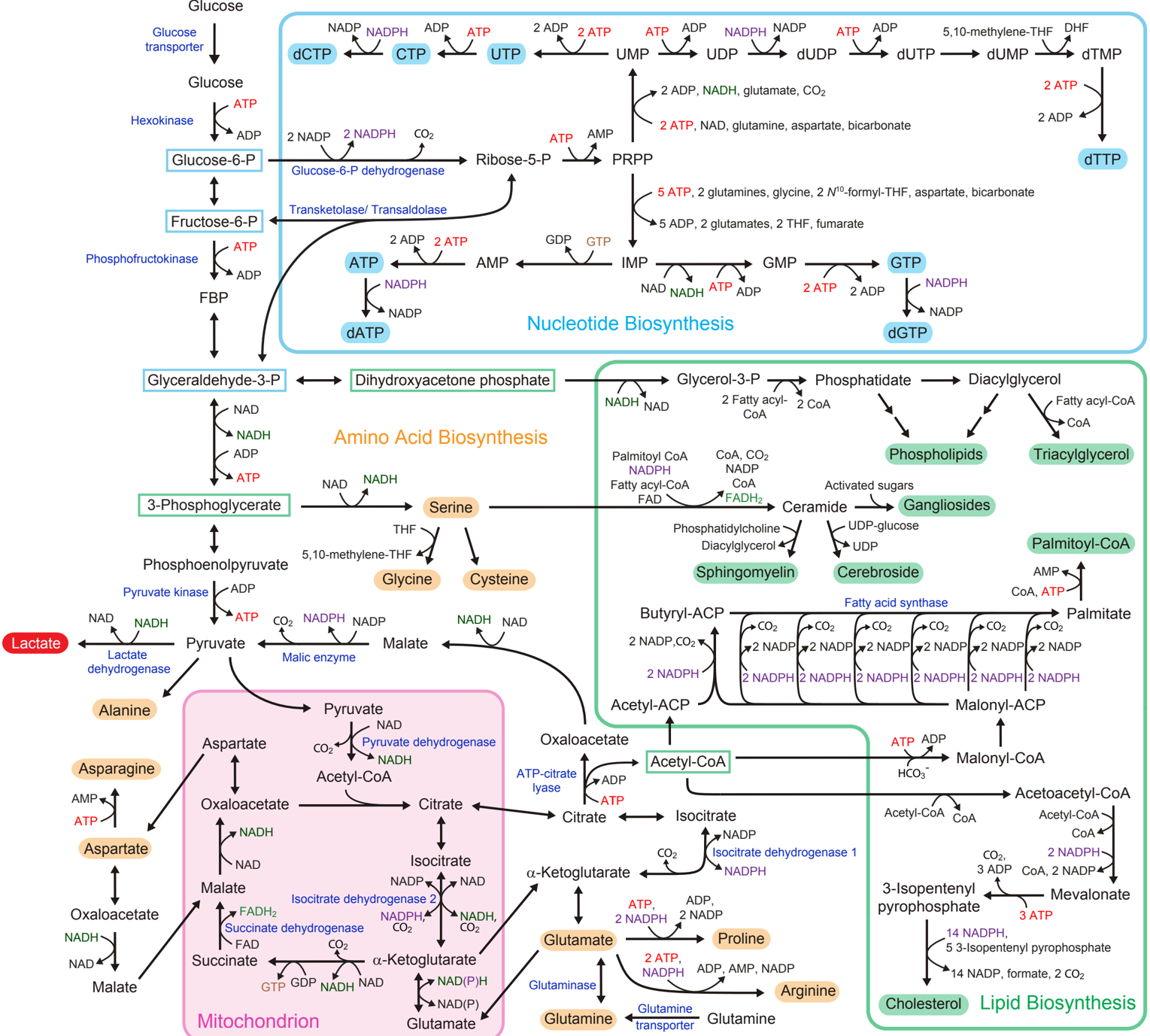
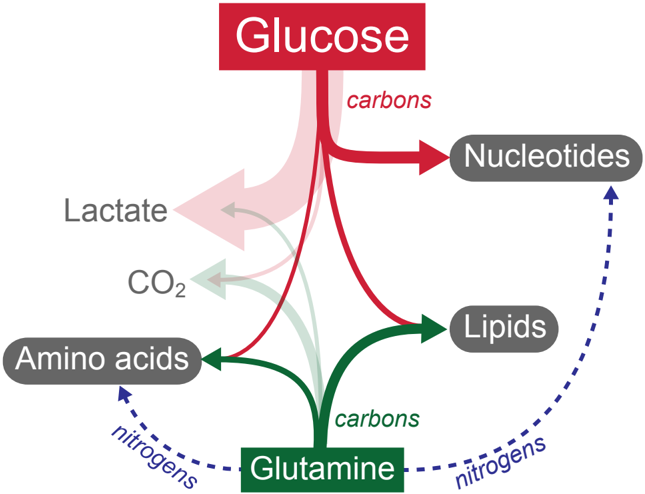
Warburg's observation that cancer cells exhibit a high rate of glycolysis even in the presence of oxygen (aerobic glycolysis) sparked debate over the role of glycolysis in normal and cancer cells. Although it has been established that defects in mitochondrial respiration are not the cause of cancer or aerobic glycolysis, the advantages of enhanced glycolysis in cancer remain controversial. Many cells ranging from microbes to lymphocytes use aerobic glycolysis during rapid proliferation, which suggests it may play a fundamental role in supporting cell growth. Here, we review how glycolysis contributes to the metabolic processes of dividing cells. We provide a detailed accounting of the biosynthetic requirements to construct a new cell and illustrate the importance of glycolysis in providing carbons to generate biomass. We argue that the major function of aerobic glycolysis is to maintain high levels of glycolytic intermediates to support anabolic reactions in cells, thus providing an explanation for why increased glucose metabolism is selected for in proliferating cells throughout nature.
Overview
The claims and statistics of this paper haven’t been checked yet.
Free: it reads the open-access text and checks the first 5 claims that cite a source we can check. Create a free account to check every claim.
Integrity signals
Registry
Cites
Statistics
Figures
Verification
Claims the paper makes
The claims and statistics of this paper haven’t been checked yet.
Free: it reads the open-access text and checks the first 5 claims that cite a source we can check. Create a free account to check every claim.
Claims other papers make about this one
Each is checked against this paper’s own text: does it say what the citing paper says it does?
The source backs part of the claim, not all of it — or backs it for a different population, condition or comparison.
In the citing paper
“Pancreatic ductal adenocarcinoma (PDAC) lines were chosen for our study because cancers of the pancreas are characterized by rapid progression,9,10 invasiveness,11,12 and elevated fermentative metabolism.13,14,15,16”
From Dynamic IL-6R/STAT3 signaling leads to heterogeneity of metabolic phenotype in pancreatic ductal adenocarcinoma cells (2024) · cites this paper as [13]
Experimental — accuracy not yet measuredThe source backs part of the claim, not all of it — or backs it for a different population, condition or comparison.
In the citing paper
“Despite the prevalence of glycolysis, mitochondrial respiration remains important in proliferating cells, allowing the production of biosynthetic precursors and the generation of electron acceptors that enable aspartate synthesis, for example [9,16,17].”
From Proliferating Astrocytes in Primary Culture Do Not Depend upon Mitochondrial Respiratory Complex I Activity or Oxidative Phosphorylation (2023) · cites this paper as [9]
Experimental — accuracy not yet measuredThe cited source says what the claim attributes to it.
In the citing paper
“AG is a prominent feature of cancer cell metabolism; its main role is thought to be support of biosynthetic pathways required for cellular proliferation”
From Aerobic glycolysis in the human brain is associated with development and neotenous gene expression (2014) · cites this paper as Lunt and Vander Heiden, 2011
In the citing paper
“Proliferating cells have different metabolic requirements from non-proliferating cells (Hsu and Sabatini, 2008; Lunt and Vander Heiden, 2011; Pavlova and Thompson, 2016). While non-proliferating cells have primarily catabolic demands, proliferating cells must balance the divergent catabolic and anabolic requirements of sustaining cellular homeostasis while duplicating cell mass, and thus engage in”
From Targeting Metabolism for Cancer Therapy (2017) · cites this paper as Lunt and Vander Heiden, 2011
In the citing paper
“Today, we understand that mitochondrial respiration is not impaired but that cancer cells place emphasis on acquisition and generation of building blocks necessary for cell division. They do so by enhancing biosynthetic metabolism using glycolytic intermediates (209).”
From Metabolic Flexibility as an Adaptation to Energy Resources and Requirements in Health and Disease (2018) · cites this paper as [209]
1 more claim about this paper
Create a free account to see every claim other papers make about this one.
Self-check
Percentages, sums and reported differences re-computed from the paper’s own numbers.
The self-check needs the paper’s full text.
Citations
Cites
Understanding the Warburg Effect: The Metabolic Requirements of Cell Proliferation
Vander Heiden, M. G., Cantley, L. C., & Thompson, C. B. (2009) · Science · doi:10.1126/science.1160809 · Cited by 16,197
Warburg, O. (1956) · Science · doi:10.1126/science.123.3191.309 · Cited by 13,425 · cited 1×
“In 1924, Otto Warburg observed that cancer cells consume much 6 larger quantities of glucose than their normal counterparts and metabolize it predominantly through glycolysis, producing high levels of lactate even in oxygen-rich conditions (Warburg 1956, Warburg et al 1924).”
Escherichia coli and Salmonella :cellular and molecular biology
Neidhardt, F. C. (1996) · ASM Press eBooks · Cited by 8,197
Alberts, B., Johnson, A., Lewis, J., Morgan, D., Raff, M., Roberts, K., & Walter, P. (2017) · W.W. Norton eBooks · doi:10.1201/9781315735368 · Cited by 6,365
TOR signaling in growth and metabolism
Wullschleger, S., Loewith, R., & Hall, M. N. (2006) · Cell · doi:10.1016/j.cell.2006.01.016 · Cited by 5,787
The phosphoinositide 3-kinase pathway
Cantley, L. C. (2002) · Science · doi:10.1126/science.296.5573.1655 · Cited by 5,621 · cited 1×
“In normal cells, the PI3K pathway is tightly controlled to increase glucose uptake and 25 metabolism in response to growth signals (Cantley 2002).”
(1978) · Biochemical Education · doi:10.1016/0307-4412(78)90049-3 · Cited by 5,046
Cancer-associated IDH1 mutations produce 2-hydroxyglutarate
Dang, L., White, D. W., Gross, S., Bennett, B. D., Bittinger, M. A., Driggers, E. M., Fantin, V. R., Jang, H. G., Jin, S., Keenan, M. C., et al. (2009) · Nature · doi:10.1038/nature08617 · Cited by 4,154
The Biology of Cancer: Metabolic Reprogramming Fuels Cell Growth and Proliferation
DeBerardinis, R. J., Lum, J. J., Hatzivassiliou, G., & Thompson, C. B. (2008) · Cell Metabolism · doi:10.1016/j.cmet.2007.10.002 · Cited by 4,088 · cited 3×
“In proliferating cells, however, the TCA cycle serves as an important source of biosynthetic precursors (DeBerardinis et al 2008) in addition to providing ATP.”
Kim, J.-W., Tchernyshyov, I., Semenza, G. L., & Dang, C. V. (2006) · Cell Metabolism · doi:10.1016/j.cmet.2006.02.002 · Cited by 3,905 · cited 1×
“HIF-1 induced PDK activity inhibits PDH, which converts pyruvate to acetyl-CoA (Kim et al 2006, Papandreou et al 2006).”
Research works printed but not linked: 5
- Berg JM, Tymoczko JL, Stryer L. 2007. Biochemistry. New York: W.H. Freeman Boros LG, Lee PW, Brandes JL, Cascante M, Muscarella P, et al. 1998. Nonoxidative pentose phosphate pathways and their direct role in ribose synthesis in tumors: is cancer a disease of cellular glucose metabolism? Med Hypotheses 50: 55-9
- Lewin B. 1997. Genes VI. Oxford ; New York: Oxford University Press. xviii, 1260 p. pp.
- Voet D, Voet JG. 2004. Biochemistry. New York: J. Wiley & Sons. 2 v. (xv, 1560 p.) pp.
- Warburg O, Posener K, Negelein E. 1924. Ueber den stoffwechsel der tumoren. Biochem Z 152: 319-44
- Younes M, 1996, Cancer Res., 56, 1164
Cited by
Items 101–200 of 1,013
Metabolic Codependencies in the Tumor Microenvironment
Dey, P., Kimmelman, A. C., & DePinho, R. A. (2021) · Cancer Discovery · doi:10.1158/2159-8290.cd-20-1211 · Cited by 328
Reprogramming of Intestinal Glucose Metabolism and Glycemic Control in Rats After Gastric Bypass
Saeidi, N., Meoli, L., Nestoridi, E., Gupta, N. K., Kvas, S., Kucharczyk, J., Bonab, A. A., Fischman, A. J., Yarmush, M. L., & Stylopoulos, N. (2013) · Science · doi:10.1126/science.1235103 · Cited by 334
A Fatty Acid Oxidation-Dependent Metabolic Shift Regulates Adult Neural Stem Cell Activity
Knobloch, M., Pilz, G.-A., Ghesquière, B., Kovacs, W. J., Wegleiter, T., Moore, D. L., Hruzova, M., Zamboni, N., Carmeliet, P., & Jessberger, S. (2017) · Cell Reports · doi:10.1016/j.celrep.2017.08.029 · Cited by 331
Zhong, X., He, X., Wang, Y., Hu, Z., Huang, H., Zhao, S., Wei, P., & Li, D. (2022) · Journal of Hematology & Oncology · doi:10.1186/s13045-022-01358-5 · Cited by 329
“In normal cells with sufficient oxygen levels, pyruvate could enter the tricarboxylic acid (TCA) cycle to generate abundant energy whereas tumor cells exhibit high glycolysis activity regardless of the oxygen levels and produce lactate through activation of lactate dehydrogenase (LDH) and inhibition of pyruvate metabo…”
BackgroundInfluentialImmunometabolic Interplay in the Tumor Microenvironment
Kaymak, I., Williams, K. S., Cantor, J. R., & Jones, R. G. (2021) · Cancer Cell · doi:10.1016/j.ccell.2020.09.004 · Cited by 328
Functional expression of sodium-glucose transporters in cancer
Scafoglio, C., Hirayama, B. A., Kepe, V., Liu, J., Ghezzi, C., Satyamurthy, N., Moatamed, N. A., Huang, J., Koepsell, H., Barrio, J. R., et al. (2015) · Proceedings of the National Academy of Sciences · doi:10.1073/pnas.1511698112 · Cited by 329
The Hippo pathway in cancer: YAP/TAZ and TEAD as therapeutic targets in cancer
Cunningham, R., & Hansen, C. G. (2022) · Clinical Science · doi:10.1042/cs20201474 · Cited by 326
Metabolic Reprogramming of Stem Cell Epigenetics
Ryall, J. G., Cliff, T., Dalton, S., & Sartorelli, V. (2015) · Cell Stem Cell · doi:10.1016/j.stem.2015.11.012 · Cited by 328
“…20th century focused on the importance of cellular metabolism for the generation of energy, recent work has uncovered an essential role for metabolism in the generationof thebuildingblocks (nucleotides,phospholipids,andamino acids) required by rapidly dividing cells (Lunt and Vander Heiden, 2011).”
InfluentialLe Douce, J., Maugard, M., Veran, J., Matos, M., Jégo, P., Vigneron, P.-A., Faivre, E., Toussay, X., Vandenberghe, M., Balbastre, Y., et al. (2020) · Cell Metabolism · doi:10.1016/j.cmet.2020.02.004 · Cited by 328
An LXR-Cholesterol Axis Creates a Metabolic Co-Dependency for Brain Cancers
Villa, G. R., Hulce, J. J., Zanca, C., Bi, J., Ikegami, S., Cahill, G. L., Gu, Y., Lum, K. M., Masui, K., Yang, H., et al. (2016) · Cancer Cell · doi:10.1016/j.ccell.2016.09.008 · Cited by 325
Herms, A., Bosch, M., Reddy, B. J. N., Schieber, N. L., Fajardo, A., Rupérez, C., Fernández-Vidal, A., Ferguson, C., Rentero, C., Tebar, F., et al. (2015) · Nature Communications · doi:10.1038/ncomms8176 · Cited by 319
The Gut Microbiota at the Service of Immunometabolism
Michaudel, C., & Sokol, H. (2020) · Cell Metabolism · doi:10.1016/j.cmet.2020.09.004 · Cited by 318
Role of the tumor microenvironment in tumor progression and the clinical applications (Review)
YUAN, Y., JIANG, Y.-C., SUN, C.-K., & CHEN, Q.-M. (2016) · Oncology Reports · doi:10.3892/or.2016.4660 · Cited by 320
NRF2 as a regulator of cell metabolism and inflammation in cancer
He, F., Antonucci, L., & Karin, M. (2020) · Carcinogenesis · doi:10.1093/carcin/bgaa039 · Cited by 318
“Glutamine, the most abundant amino acid in human plasma (44), is a major contributor together with glucose to anaplerotic flux and is also an important carbon source and nitrogen donor.”
BackgroundLoss of Brain Aerobic Glycolysis in Normal Human Aging
Goyal, M. S., Vlassenko, A. G., Blazey, T. M., Su, Y., Couture, L. E., Durbin, T. J., Bateman, R. J., Benzinger, T. L.-S., Morris, J. C., & Raichle, M. E. (2017) · Cell Metabolism · doi:10.1016/j.cmet.2017.07.010 · Cited by 318
Achieving Life through Death: Redox Biology of Lipid Peroxidation in Ferroptosis
Bayır, H., Anthonymuthu, T. S., Tyurina, Y. Y., Patel, S. J., Amoscato, A. A., Lamade, A. M., Yang, Q., Vladimirov, G. K., Philpott, C. C., & Kagan, V. E. (2020) · Cell Chemical Biology · doi:10.1016/j.chembiol.2020.03.014 · Cited by 317
Shestov, A. A., Liu, X., Ser, Z., Cluntun, A. A., Hung, Y. P., Huang, L., Kim, D., Le, A., Yellen, G., Albeck, J. G., et al. (2014) · eLife · doi:10.7554/elife.03342 · Cited by 315
Macrophage Metabolism As Therapeutic Target for Cancer, Atherosclerosis, and Obesity
Geeraerts, X., Bolli, E., Fendt, S.-M., & Van Ginderachter, J. A. (2017) · Frontiers in Immunology · doi:10.3389/fimmu.2017.00289 · Cited by 312
“Biochim Biophys Acta (2011) 1807(6):726–34.”
BackgroundPoly(ADP-ribose) polymerase-dependent energy depletion occurs through inhibition of glycolysis
Andrabi, S. A., Umanah, G. K. E., Chang, C., Stevens, D. A., Karuppagounder, S. S., Gagné, J.-P., Poirier, G. G., Dawson, V. L., & Dawson, T. M. (2014) · Proceedings of the National Academy of Sciences · doi:10.1073/pnas.1405158111 · Cited by 307
“Mitochondrial function is directly dependent on glycolytically derived pyruvate (23), which is a substrate for oxidative phosphorylation (23, 24).”
BackgroundPKM2 methylation by CARM1 activates aerobic glycolysis to promote tumorigenesis
Liu, F., Ma, F., Wang, Y., Hao, L., Zeng, H., Jia, C., Wang, Y., Liu, P., Ong, I. M., Li, B., et al. (2017) · Nature Cell Biology · doi:10.1038/ncb3630 · Cited by 305
Eight Kinetically Stable but Thermodynamically Activated Molecules that Power Cell Metabolism
Walsh, C. T., Tu, B. P., & Tang, Y. (2018) · Chemical Reviews · doi:10.1021/acs.chemrev.7b00510 · Cited by 303
The Proto-oncometabolite Fumarate Binds Glutathione to Amplify ROS-Dependent Signaling
Sullivan, L. B., Martinez-Garcia, E., Nguyen, H., Mullen, A. R., Dufour, E., Sudarshan, S., Licht, J. D., Deberardinis, R. J., & Chandel, N. S. (2013) · Molecular Cell · doi:10.1016/j.molcel.2013.05.003 · Cited by 304
Defining the Metabolome: Size, Flux, and Regulation
Zamboni, N., Saghatelian, A., & Patti, G. J. (2015) · Molecular Cell · doi:10.1016/j.molcel.2015.04.021 · Cited by 300
Metabolic Pathway Alterations that Support Cell Proliferation
Vander Heiden, M. G., Lunt, S. Y., Dayton, T. L., Fiske, B. P., Israelsen, W. J., Mattaini, K. R., Vokes, N. I., Stephanopoulos, G., Cantley, L. C., Metallo, C. M., et al. (2011) · Cold Spring Harbor Symposia on Quantitative Biology · doi:10.1101/sqb.2012.76.010900 · Cited by 301
Self-citationLinoleic acid potentiates CD8+ T cell metabolic fitness and antitumor immunity
Nava Lauson, C. B., Tiberti, S., Corsetto, P. A., Conte, F., Tyagi, P., Machwirth, M., Ebert, S., Loffreda, A., Scheller, L., Sheta, D., et al. (2023) · Cell Metabolism · doi:10.1016/j.cmet.2023.02.013 · Cited by 291
Oncometabolite d -2HG alters T cell metabolism to impair CD8 + T cell function
Notarangelo, G., Spinelli, J. B., Perez, E. M., Baker, G. J., Kurmi, K., Elia, I., Stopka, S. A., Baquer, G., Lin, J.-R., Golby, A. J., et al. (2022) · Science · doi:10.1126/science.abj5104 · Cited by 289
Diabetes-induced hyperglycemia impairs male reproductive function: A systematic review
Maresch, C. C., Stute, D. C., Alves, M. G., Oliveira, P. F., de Kretser, D. M., & Linn, T. (2018) · Human Reproduction Update · doi:10.1093/humupd/dmx033 · Cited by 294
Induction of autophagy supports the bioenergetic demands of quiescent muscle stem cell activation
Tang, A. H., & Rando, T. A. (2014) · The EMBO Journal · doi:10.15252/embj.201488278 · Cited by 294
“Quiescent stem cells, characterized by their low metabolic state and lower mitochondrial content and activity, must meet a high demand for energy, reducing cofactors, and amino acids needed to support cellular growth during activation (Lunt & Vander Heiden, 2011; Hsu & Qu, 2013).”
Agnihotri, S., & Zadeh, G. (2016) · Neuro-Oncology · doi:10.1093/neuonc/nov125 · Cited by 291
“1).(6,7) The Warburg effect is well evidenced in glioblastoma (GB), which is the most common and malignant primary brain tumor.”
BackgroundShiratori, R., Furuichi, K., Yamaguchi, M., Miyazaki, N., Aoki, H., Chibana, H., Ito, K., & Aoki, S. (2019) · Scientific Reports · doi:10.1038/s41598-019-55296-3 · Cited by 291
Tumor Microenvironment in Head and Neck Squamous Cell Carcinoma
Curry, J. M., Sprandio, J., Cognetti, D., Luginbuhl, A., Bar-ad, V., Pribitkin, E., & Tuluc, M. (2014) · Seminars in Oncology · doi:10.1053/j.seminoncol.2014.03.003 · Cited by 293
The PI3K/Akt Pathway and Glucose Metabolism: A Dangerous Liaison in Cancer
Fontana, F., Giannitti, G., Marchesi, S., & Limonta, P. (2024) · International Journal of Biological Sciences · doi:10.7150/ijbs.89942 · Cited by 280
“In addition to accelerating ATP production, this phenotypic switch improves the metabolic flux into various glucose-dependent pathways that are responsible for the synthesis of cellular macromolecules [129].”
BackgroundMetabolic Plasticity as a Determinant of Tumor Growth and Metastasis
Lehuédé, C., Dupuy, F., Rabinovitch, R., Jones, R. G., & Siegel, P. M. (2016) · Cancer Research · doi:10.1158/0008-5472.can-16-0266 · Cited by 289
“The metabolic switch to aerobic glycolysis may confer several advantages to proliferating tumor cells including rapid ATP production from glycolysis and the synthesis of glucose-derived macromolecules necessary for cell division (3, 4).”
Differential Glutamate Metabolism in Proliferating and Quiescent Mammary Epithelial Cells
Coloff, J. L., Murphy, J. P., Braun, C. R., Harris, I. S., Shelton, L. M., Kami, K., Gygi, S. P., Selfors, L. M., & Brugge, J. S. (2016) · Cell Metabolism · doi:10.1016/j.cmet.2016.03.016 · Cited by 288
Cancer Cells Tune the Signaling Pathways to Empower de Novo Synthesis of Nucleotides
Villa, E., Ali, E., Sahu, U., & Ben-Sahra, I. (2019) · Cancers · doi:10.3390/cancers11050688 · Cited by 281
“This increase in aerobic glycolysis enables the accumulation of metabolic intermediates required for anabolic reactions, increasing the biomass essential for cancer cell growth and proliferation [3].”
BackgroundVincent, E. E., Sergushichev, A., Griss, T., Gingras, M.-C., Samborska, B., Ntimbane, T., Coelho, P. P., Blagih, J., Raissi, T. C., Choinière, L., et al. (2015) · Molecular Cell · doi:10.1016/j.molcel.2015.08.013 · Cited by 279
Mitochondria as central hub of the immune system
Breda, C. N. D. S., Davanzo, G. G., Basso, P. J., Saraiva Câmara, N. O., & Moraes-Vieira, P. M. M. (2019) · Redox Biology · doi:10.1016/j.redox.2019.101255 · Cited by 279
“[17]] in the cytoplasm to be converted into pyruvate and in the process producing two molecules of ATPs [18].”
BackgroundMitochondrial adaptation in cancer drug resistance: prevalence, mechanisms, and management
Jin, P., Jiang, J., Zhou, L., Huang, Z., Nice, E. C., Huang, C., & Fu, L. (2022) · Journal of Hematology & Oncology · doi:10.1186/s13045-022-01313-4 · Cited by 273
mTORC 1 and mTORC 2 as regulators of cell metabolism in immunity
Linke, M., Fritsch, S. D., Sukhbaatar, N., Hengstschläger, M., & Weichhart, T. (2017) · FEBS Letters · doi:10.1002/1873-3468.12711 · Cited by 274
Fueling the Cell Division Cycle
Salazar-Roa, M., & Malumbres, M. (2017) · Trends in Cell Biology · doi:10.1016/j.tcb.2016.08.009 · Cited by 268
The Metabolic Basis of Pulmonary Arterial Hypertension
Sutendra, G., & Michelakis, E. D. (2014) · Cell Metabolism · doi:10.1016/j.cmet.2014.01.004 · Cited by 268
Richarme, G., Mihoub, M., Dairou, J., Bui, L. C., Leger, T., & Lamouri, A. (2015) · Journal of Biological Chemistry · doi:10.1074/jbc.m114.597815 · Cited by 268
“We suggest that increased DJ-1 expression in tumors may result from the increased aerobic glycolysis of cancer cells, necessary to meet the metabolic requirements of cell proliferation (52) (the Warburg effect, a characteristic trait of Ras and Myc canProtein Deglycase DJ-1/Park7”
BackgroundFu, Y., Liu, S., Yin, S., Niu, W., Xiong, W., Tan, M., Li, G., & Zhou, M. (2017) · Oncotarget · doi:10.18632/oncotarget.18175 · Cited by 263
“phosphofructokinase 1 and pyruvate kinase 1) [100].”
Janzer, A., German, N. J., Gonzalez-Herrera, K. N., Asara, J. M., Haigis, M. C., & Struhl, K. (2014) · Proceedings of the National Academy of Sciences · doi:10.1073/pnas.1409844111 · Cited by 265
“In addition to boosting glycolysis, cancer cells must allocate nutrients toward the TCA cycle to generate ATP and intermediates necessary for macromolecule biosynthesis (27).”
BackgroundJiao, L., Zhang, H.-L., Li, D.-D., Yang, K.-L., Tang, J., Li, X., Ji, J., Yu, Y., Wu, R.-Y., Ravichandran, S., et al. (2018) · Autophagy · doi:10.1080/15548627.2017.1381804 · Cited by 264
Cyclin B1/CDK1-regulated mitochondrial bioenergetics in cell cycle progression and tumor resistance
Xie, B., Wang, S., Jiang, N., & Li, J. J. (2019) · Cancer Letters · doi:10.1016/j.canlet.2018.11.019 · Cited by 261
“First, it remains unclear if a specific cluster of cyclin B1/ CDK1-regulated metabolic enzymes is required for the different metabolic status in normal and cancer cells [86,191,192].”
BackgroundTGF-β signaling in the tumor metabolic microenvironment and targeted therapies
Shi, X., Yang, J., Deng, S., Xu, H., Wu, D., Zeng, Q., Wang, S., Hu, T., Wu, F., & Zhou, H. (2022) · Journal of Hematology & Oncology · doi:10.1186/s13045-022-01349-6 · Cited by 262
“Hence, another question was raised: What is the meaning of enhanced glycolysis [45]? Researchers observed that glycolysis provides precursors for the synthesis of biomass, including lipids, nucleotides, and amino acids, which are essential for cell mitosis [46, 47].”
BackgroundPyruvate Kinase Isoform Expression Alters Nucleotide Synthesis to Impact Cell Proliferation
Lunt, S. Y., Muralidhar, V., Hosios, A. M., Israelsen, W. J., Gui, D. Y., Newhouse, L., Ogrodzinski, M., Hecht, V., Xu, K., Acevedo, P. N. M., et al. (2015) · Molecular Cell · doi:10.1016/j.molcel.2014.10.027 · Cited by 257
Self-citationMetabolic reprogramming induced by ketone bodies diminishes pancreatic cancer cachexia
Shukla, S. K., Gebregiworgis, T., Purohit, V., Chaika, N. V., Gunda, V., Radhakrishnan, P., Mehla, K., Pipinos, I. I., Powers, R., Yu, F., et al. (2014) · Cancer & Metabolism · doi:10.1186/2049-3002-2-18 · Cited by 255
“Aerobic glycolysis plays an important role in rapid cellular growth as it provides several intermediates required for biomass synthesis by routing the carbon flux through the pentose phosphate pathway [9].”
BackgroundOXPHOS mutations and neurodegeneration
Koopman, W. J. H., Distelmaier, F., Smeitink, J. A., & Willems, P. H. (2013) · The EMBO Journal · doi:10.1038/emboj.2012.300 · Cited by 254
“To this end, amino acids are first deaminated and then, depending on the type of amino acid, processed to PYR, AcCoA or an intermediate of the TCA cycle ( a -ketoglutarate, succinyl-CoA, fumarate or oxaloacetate) (Lunt and Vander Heiden, 2011).”
Peck, B., Schug, Z. T., Zhang, Q., Dankworth, B., Jones, D. T., Smethurst, E., Patel, R., Mason, S., Jiang, M., Saunders, R., et al. (2016) · Cancer & Metabolism · doi:10.1186/s40170-016-0146-8 · Cited by 254
“Aberrant activation of oncogenic signalling pathways and loss of tumour suppressor function alters metabolic processes in cancer cells to satisfy their increased energetic and biosynthetic demand [2, 3].”
Endothelial PFKFB3 Plays a Critical Role in Angiogenesis
Xu, Y., An, X., Guo, X., Habtetsion, T. G., Wang, Y., Xu, X., Kandala, S., Li, Q., Li, H., Zhang, C., et al. (2014) · Arteriosclerosis, Thrombosis, and Vascular Biology · doi:10.1161/atvbaha.113.303041 · Cited by 248
“sion leads to high rates of aerobic glycolysis in tumor cells, a phenomenon known as the Warburg effect.(19) In addition to”
BackgroundMetabolic Hallmarks of Metastasis Formation
Elia, I., Doglioni, G., & Fendt, S.-M. (2018) · Trends in Cell Biology · doi:10.1016/j.tcb.2018.04.002 · Cited by 248
Mitochondrial function in immune cells in health and disease
Faas, M. M., & de Vos, P. (2020) · Biochimica et Biophysica Acta (BBA) - Molecular Basis of Disease · doi:10.1016/j.bbadis.2020.165845 · Cited by 246
Kalyanaraman, B. (2017) · Redox Biology · doi:10.1016/j.redox.2017.04.018 · Cited by 246
“Recent research suggests that a major advantage of the Warburg effect lies not in the generation of glycolytic ATP but in generating many glycolytic intermediates that are precursors to anabolic processes such as pentose phosphate pathway generating NADPH, ribose-6-phosphate, amino acid, lipids, and other cellular sou…”
BackgroundKieler, M., Hofmann, M., & Schabbauer, G. (2021) · The FEBS Journal · doi:10.1111/febs.15715 · Cited by 239
The Warburg effect: Insights from the past decade
Upadhyay, M., Samal, J., Kandpal, M., Singh, O. V., & Vivekanandan, P. (2013) · Pharmacology & Therapeutics · doi:10.1016/j.pharmthera.2012.11.003 · Cited by 243
Molecular Mechanisms of White Spot Syndrome Virus Infection and Perspectives on Treatments
Verbruggen, B., Bickley, L., Van Aerle, R., Bateman, K., Stentiford, G., Santos, E., & Tyler, C. (2016) · Viruses · doi:10.3390/v8010023 · Cited by 243
“rate of glycolysis provides both energy and glycolytic intermediates that can be used in a variety of anabolic reactions [159].”
BackgroundMetabolic reprogramming in triple-negative breast cancer
Sun, X., Wang, M., Wang, M., Yu, X., Guo, J., Sun, T., Li, X., Yao, L., Dong, H., & Xu, Y. (2020) · Frontiers in Oncology · doi:10.3389/fonc.2020.00428 · Cited by 243
Compensatory glutamine metabolism promotes glioblastoma resistance to mTOR inhibitor treatment
Tanaka, K., Sasayama, T., Irino, Y., Takata, K., Nagashima, H., Satoh, N., Kyotani, K., Mizowaki, T., Imahori, T., Ejima, Y., et al. (2015) · Journal of Clinical Investigation · doi:10.1172/jci78239 · Cited by 239
“Glutamine has an important role in cell growth and energy metabolism, with the TCA cycle as well as glucose as the carbon source (2, 3).”
Metabolism in physiological cell proliferation and differentiation
Agathocleous, M., & Harris, W. A. (2013) · Trends in Cell Biology · doi:10.1016/j.tcb.2013.05.004 · Cited by 238
Curry, J. M., Tuluc, M., Whitaker-Menezes, D., Ames, J. A., Anantharaman, A., Butera, A., Leiby, B., Cognetti, D., Sotgia, F., Lisanti, M. P., et al. (2013) · Cell Cycle · doi:10.4161/cc.24092 · Cited by 235
“It has been hypothesized that glycolysis may confer a growth and survival advantage, although the mechanism is unknown.(2,6,7) It should be noted that there is great heterogeneity in cancer metabolism, and differences in metabolism are observed depending on experimental conditions and particularly if homotypic culture…”
BackgroundThe Glycolytic Switch in Tumors: How Many Players Are Involved?
Yu, L., Chen, X., Sun, X., Wang, L., & Chen, S. (2017) · Journal of Cancer · doi:10.7150/jca.21125 · Cited by 233
“Secondly, high glycolytic flux provides sufficient glycolytic intermediates to meet the biosynthesis needs of the rapidly proliferating cells [11-13].”
BackgroundMoro-García, M. A., Mayo, J. C., Sainz, R. M., & Alonso-Arias, R. (2018) · Frontiers in Immunology · doi:10.3389/fimmu.2018.00339 · Cited by 234
“Moreover, glycolysis inhibits apoptosis and contributes to the maintaining of mitochondrial membrane potential (137, 140).”
BackgroundAutophagy in the eye: Development, degeneration, and aging
Boya, P., Esteban-Martínez, L., Serrano-Puebla, A., Gómez-Sintes, R., & Villarejo-Zori, B. (2016) · Progress in Retinal and Eye Research · doi:10.1016/j.preteyeres.2016.08.001 · Cited by 231
The Warburg effect: Evolving interpretations of an established concept
Chen, X., Qian, Y., & Wu, S. (2015) · Free Radical Biology and Medicine · doi:10.1016/j.freeradbiomed.2014.08.027 · Cited by 229
“Therefore, the upregulation of glycolysis may be a strategic metabolic action made by cancer cells for the purpose of balancing the functional needs of cancer cells, primarily in synthesis of biomass: ribose for RNA and DNA [23], amino acids for proteins [24], fatty acids as precursors for components of plasma and int…”
BackgroundIs Cancer a Metabolic Disease?
Coller, H. A. (2014) · The American Journal of Pathology · doi:10.1016/j.ajpath.2013.07.035 · Cited by 229
“The fact that rapidly proliferating lymphocytes and yeast also rely heavily on glycolysis over oxidative phosphorylation could support the argument that the cancer metabolism phenotype is the metabolic profile that channels glucose among the available pathways in a way that facilitates rapid proliferation and growth.(…”
BackgroundInfluentialPomatto, M., Gai, C., Negro, F., Cedrino, M., Grange, C., Ceccotti, E., Togliatto, G., Collino, F., Tapparo, M., Figliolini, F., et al. (2021) · International Journal of Molecular Sciences · doi:10.3390/ijms22083851 · Cited by 229
“Moreover, our analysis demonstrated that BMSC-EVs contained proteins associated to metabolomic processes such as fructose galactose metabolism and glycolysis [69,70].”
BackgroundLuo, W., Chang, R., Zhong, J., Pandey, A., & Semenza, G. L. (2012) · Proceedings of the National Academy of Sciences · doi:10.1073/pnas.1217394109 · Cited by 228
“Glycolytic metabolism is used to generate macromolecular building blocks (nucleotides, amino acids, and acetyl CoA) for cancer cell proliferation (46) and to protect hypoxic cells from oxidant injury (45).”
MethodSOD1 Integrates Signals from Oxygen and Glucose to Repress Respiration
Reddi, A. R., & Culotta, V. C. (2013) · Cell · doi:10.1016/j.cell.2012.11.046 · Cited by 226
Cracking the O-GlcNAc code in metabolism
Ruan, H.-B., Singh, J. P., Li, M.-D., Wu, J., & Yang, X. (2013) · Trends in Endocrinology & Metabolism · doi:10.1016/j.tem.2013.02.002 · Cited by 225
“Cancer cells require increased glucose uptake and aerobic glycolysis (the Warburg effect) to support rapid cell growth and proliferation [68].”
Metabolism of activated T lymphocytes
Maciolek, J. A., Alex Pasternak, J., & Wilson, H. L. (2014) · Current Opinion in Immunology · doi:10.1016/j.coi.2014.01.006 · Cited by 224
“Growth factors promote T lymphocyte proliferation by inducing expression of PKM2, a low efficiency isoform [32,44].”
BackgroundVazquez, A., Kamphorst, J. J., Markert, E. K., Schug, Z. T., Tardito, S., & Gottlieb, E. (2016) · Journal of Cell Science · doi:10.1242/jcs.181016 · Cited by 225
Araujo, L., Khim, P., Mkhikian, H., Mortales, C.-L., & Demetriou, M. (2017) · eLife · doi:10.7554/elife.21330 · Cited by 224
“This drives growth and pro-inflammatory TH17 over anti-inflammatoryinduced T regulatory (iTreg) differentiation, the latter by promoting endocytic loss of IL-2 receptora (CD25).”
Background100 years of the Warburg effect: A cancer metabolism endeavor
Fendt, S.-M. (2024) · Cell · doi:10.1016/j.cell.2024.06.026 · Cited by 223
p300-Mediated Lysine 2-Hydroxyisobutyrylation Regulates Glycolysis
Huang, H., Tang, S., Ji, M., Tang, Z., Shimada, M., Liu, X., Qi, S., Locasale, J. W., Roeder, R. G., Zhao, Y., et al. (2018) · Molecular Cell · doi:10.1016/j.molcel.2018.04.011 · Cited by 219
Metabolic regulation of cancer cell side population by glucose through activation of the Akt pathway
Liu, P.-P., Liao, J., Tang, Z.-J., Wu, W.-J., Yang, J., Zeng, Z.-L., Hu, Y., Wang, P., Ju, H.-Q., Xu, R.-H., et al. (2014) · Cell Death & Differentiation · doi:10.1038/cdd.2013.131 · Cited by 218
Serine Catabolism Feeds NADH when Respiration Is Impaired
Yang, L., Garcia Canaveras, J. C., Chen, Z., Wang, L., Liang, L., Jang, C., Mayr, J. A., Zhang, Z., Ghergurovich, J. M., Zhan, L., et al. (2020) · Cell Metabolism · doi:10.1016/j.cmet.2020.02.017 · Cited by 218
Ganapathy-Kanniappan, S. (2018) · Critical Reviews in Biochemistry and Molecular Biology · doi:10.1080/10409238.2018.1556578 · Cited by 216
“Several elegant reviews have discussed plausible causal factors and effects of aerobic glycolysis in cancer progression and its relevance in therapeutic resistance (Locasale and Cantley 2010; Lunt and Vander Heiden 2011; Ward and Thompson 2012).”
BackgroundThe metabolic co-regulator PGC1α suppresses prostate cancer metastasis
Torrano, V., Valcarcel-Jimenez, L., Cortazar, A. R., Liu, X., Urosevic, J., Castillo-Martin, M., Fernández-Ruiz, S., Morciano, G., Caro-Maldonado, A., Guiu, M., et al. (2016) · Nature Cell Biology · doi:10.1038/ncb3357 · Cited by 212
Metformin Antagonizes Cancer Cell Proliferation by Suppressing Mitochondrial-Dependent Biosynthesis
Griss, T., Vincent, E. E., Egnatchik, R., Chen, J., Ma, E. H., Faubert, B., Viollet, B., DeBerardinis, R. J., & Jones, R. G. (2015) · PLOS Biology · doi:10.1371/journal.pbio.1002309 · Cited by 213
“One hallmark of proliferating cancer cells is the reprogramming of cellular metabolism to direct resources towards cellular biosynthetic pathways to support anabolic growth [40].”
BackgroundMaturation of Cardiac Energy Metabolism During Perinatal Development
Piquereau, J., & Ventura-Clapier, R. (2018) · Frontiers in Physiology · doi:10.3389/fphys.2018.00959 · Cited by 211
Energy Metabolism Regulates Stem Cell Pluripotency
Tsogtbaatar, E., Landin, C., Minter-Dykhouse, K., & Folmes, C. D. L. (2020) · Frontiers in Cell and Developmental Biology · doi:10.3389/fcell.2020.00087 · Cited by 210
Ras and Rap1: A tale of two GTPases
Shah, S., Brock, E. J., Ji, K., & Mattingly, R. R. (2019) · Seminars in Cancer Biology · doi:10.1016/j.semcancer.2018.03.005 · Cited by 211
mTOR Regulation of Glycolytic Metabolism in T Cells
Salmond, R. J. (2018) · Frontiers in Cell and Developmental Biology · doi:10.3389/fcell.2018.00122 · Cited by 211
Cytosolic Aspartate Availability Determines Cell Survival When Glutamine Is Limiting
Alkan, H. F., Walter, K. E., Luengo, A., Madreiter-Sokolowski, C. T., Stryeck, S., Lau, A. N., Al-Zoughbi, W., Lewis, C. A., Thomas, C. J., Hoefler, G., et al. (2018) · Cell Metabolism · doi:10.1016/j.cmet.2018.07.021 · Cited by 209
Ellis, B. C., Graham, L. D., & Molloy, P. L. (2014) · Biochimica et Biophysica Acta (BBA) - Molecular Cell Research · doi:10.1016/j.bbamcr.2013.10.016 · Cited by 210
“The anabolic products provide the biomass needed for cell division, thus giving the tumor cell a selective growth advantage [60,61].”
BackgroundRegulation of gene expression by glycolytic and gluconeogenic enzymes
Bian, X., Jiang, H., Meng, Y., Li, Y.-P., Fang, J., & Lu, Z. (2022) · Trends in Cell Biology · doi:10.1016/j.tcb.2022.02.003 · Cited by 206
Makinoshima, H., Takita, M., Matsumoto, S., Yagishita, A., Owada, S., Esumi, H., & Tsuchihara, K. (2014) · Journal of Biological Chemistry · doi:10.1074/jbc.m114.575464 · Cited by 204
“For example, PKM2 is phosphorylated in its tyrosine residue (Y105) with low activity in human cancer cells, resulting in increased lactate production, which is onestep downstream from PKM2 in glycolysis, even under aerobic conditions (14, 17).”
BackgroundMetabolic reprogramming in renal cancer: Events of a metabolic disease
Chakraborty, S., Balan, M., Sabarwal, A., Choueiri, T. K., & Pal, S. (2021) · Biochimica et Biophysica Acta (BBA) - Reviews on Cancer · doi:10.1016/j.bbcan.2021.188559 · Cited by 204
Huang, C. K., Sun, Y., Lv, L., & Ping, Y. (2022) · Molecular Therapy - Oncolytics · doi:10.1016/j.omto.2021.12.026 · Cited by 206
“In most tumors, the Warburg effect enhances the total glycolysis rate in both anaerobic and aerobic conditions.(67) Other than performing oxidative phosphorylation, which is a more efficient means of generating ATP under aerobic conditions, cancer cells oddly opt for the less-efficient glycolysis pathway, even in the…”
BackgroundCalvert, A. E., Chalastanis, A., Wu, Y., Hurley, L. A., Kouri, F. M., Bi, Y., Kachman, M., May, J. L., Bartom, E., Hua, Y., et al. (2017) · Cell Reports · doi:10.1016/j.celrep.2017.05.014 · Cited by 204
The mTORC1 Signaling Network Senses Changes in Cellular Purine Nucleotide Levels
Hoxhaj, G., Hughes-Hallett, J., Timson, R. C., Ilagan, E., Yuan, M., Asara, J. M., Ben-Sahra, I., & Manning, B. D. (2017) · Cell Reports · doi:10.1016/j.celrep.2017.10.029 · Cited by 201
T‐cell metabolism governing activation, proliferation and differentiation; a modular view
Dimeloe, S., Burgener, A., Grählert, J., & Hess, C. (2017) · Immunology · doi:10.1111/imm.12655 · Cited by 201
Lying low but ready for action: the quiescent muscle satellite cell
Montarras, D., L'honoré, A., & Buckingham, M. (2013) · The FEBS Journal · doi:10.1111/febs.12372 · Cited by 200
New therapeutic strategies to treat human cancers expressing mutant p53 proteins
Blandino, G., & Di Agostino, S. (2018) · Journal of Experimental & Clinical Cancer Research · doi:10.1186/s13046-018-0705-7 · Cited by 201
“The enhanced glucose metabolism under aerobic conditions (Warburg effect) is a common feature of many tumors to meet the high biosynthetic demand of rapidly dividing cells [83].”
BackgroundRole of SCFAs in gut microbiome and glycolysis for colorectal cancer therapy
Wang, G., Yu, Y., Wang, Y., Wang, J., Guan, R., Sun, Y., Shi, F., Gao, J., & Fu, X. (2019) · Journal of Cellular Physiology · doi:10.1002/jcp.28436 · Cited by 199
Glycolysis: A multifaceted metabolic pathway and signaling hub
Kierans, S. J., & Taylor, C. T. (2024) · Journal of Biological Chemistry · doi:10.1016/j.jbc.2024.107906 · Cited by 198
Fendt, S.-M., Bell, E. L., Keibler, M. A., Davidson, S. M., Wirth, G. J., Fiske, B., Mayers, J. R., Schwab, M., Bellinger, G., Csibi, A., et al. (2013) · Cancer Research · doi:10.1158/0008-5472.can-13-0080 · Cited by 199
“Tumor cells adapt their metabolism to provide the needed quantities of ATP, redox equivalents, and biosynthetic precursors necessary for cell growth and uncontrolled proliferation (4-6).”
Metabolic Reprogramming in Immune Response and Tissue Inflammation
Sun, L., Yang, X., Yuan, Z., & Wang, H. (2020) · Arteriosclerosis, Thrombosis, and Vascular Biology · doi:10.1161/atvbaha.120.314037 · Cited by 189
Metadata
- Authors
- Lunt, S. Y., & Vander Heiden, M. G.
- Affiliations
- Massachusetts Institute of Technology (US)
- Koch Institute for Integrative Cancer Research, Massachusetts Institute of Technology, Cambridge, Massachusetts 02139;,
- ORCID
- Lunt, Sophia Y.
- Venue
- Annual Review of Cell and Developmental Biology
- Publisher
- Annual Reviews
- Published
- 2011-11-10
- Volume
- 27
- Issue
- 1
- Pages
- 441-464
- ISSN
- 1081-0706 (ISSN-L)
- 1530-8995
- OpenAlex
- W2095987251
- Semantic Scholar
- 006c609f2389cabf7130e452dc0667bfd09fe064
- Cited by
- 3,057
- References
- 164
- Citations by year
- 2026: 164 · 2025: 235 · 2024: 265 · 2023: 304 · 2022: 328 · 2021: 310 · 2020: 254 · 2019: 207 · 2018: 186 · 2017: 197 · 2016: 151 · 2015: 154 · 2014: 143 · 2013: 112 · 2012: 41
- FWCI
- 6.94
- Type
- journal article
- Language
- en
- Open access
- green
- hdl.handle.net
- Licence
- cc-by-nc-sa
- Locations
- Annual Review of Cell and Developmental Biology (publishedVersion)
- PubMed (publishedVersion)
- DSpace@MIT (Massachusetts Institute of Technology) (submittedVersion, cc-by-nc-sa)
- Funders
- Damon Runyon Cancer Research Foundation
- Richard and Susan Smith Family Foundation
- Topics
- Life Sciences › Biochemistry, Genetics and Molecular Biology › Cancer Research › Cancer, Hypoxia, and Metabolism
- Life Sciences › Biochemistry, Genetics and Molecular Biology › Molecular Biology › Metabolism, Diabetes, and Cancer
- Life Sciences › Biochemistry, Genetics and Molecular Biology › Molecular Biology › Cancer and biochemical research
- Keywords
- aerobic glycolysis, cell proliferation, cancer metabolism, Warburg effect, glycolytic intermediates, anabolic metabolism, biomass synthesis, glucose metabolism, mitochondrial respiration, cell growth
- MeSH terms
- Adenosine Triphosphate, Aerobiosis, Animals, Citric Acid Cycle, Energy Metabolism, Glucose, Glycolysis, Humans, Mitochondria, Pyruvate Kinase, Cell Respiration, Lactic Acid, Cell Proliferation, Metabolic Networks and Pathways
About these checks
Registry, retraction, Cites and statistics results are computed, not judged, with one exception: a printed reference that no index lists is read once by a model before it counts as a citation error. Claims are extracted by a model and kept only when their quote appears verbatim in the text; each cited source is then checked, with a model’s help, for whether it says what the claim relies on. Those verdicts can be wrong — read the claim’s quote and the cited source before relying on one.
Statistics and arithmetic are recomputed, not judged.
Confidence bands are shown only for fields calibrated on our annotated test set. None is calibrated yet, so no band is shown.
What counts as a claim ›How we measure confidence ›How we check this ›
Are you an author, or do you see a problem with this page? Request a review
Data sources
Bibliographic data: Semantic Scholar, OpenAlex, Crossref.
Contains information from the Semantic Scholar Academic Graph Datasets, made available under the ODC Attribution License (ODC-BY 1.0).
Semantic Scholar’s data is described in: Kinney, R., et al. (2023). The Semantic Scholar Open Data Platform. arXiv:2301.10140.
