

Aerobic Glycolysis: Meeting the Metabolic Requirements of Cell Proliferation
Open accessThe DOI matches its Crossref record; 164 of the 164 references it cites were found in a registry or an index.
Abstract
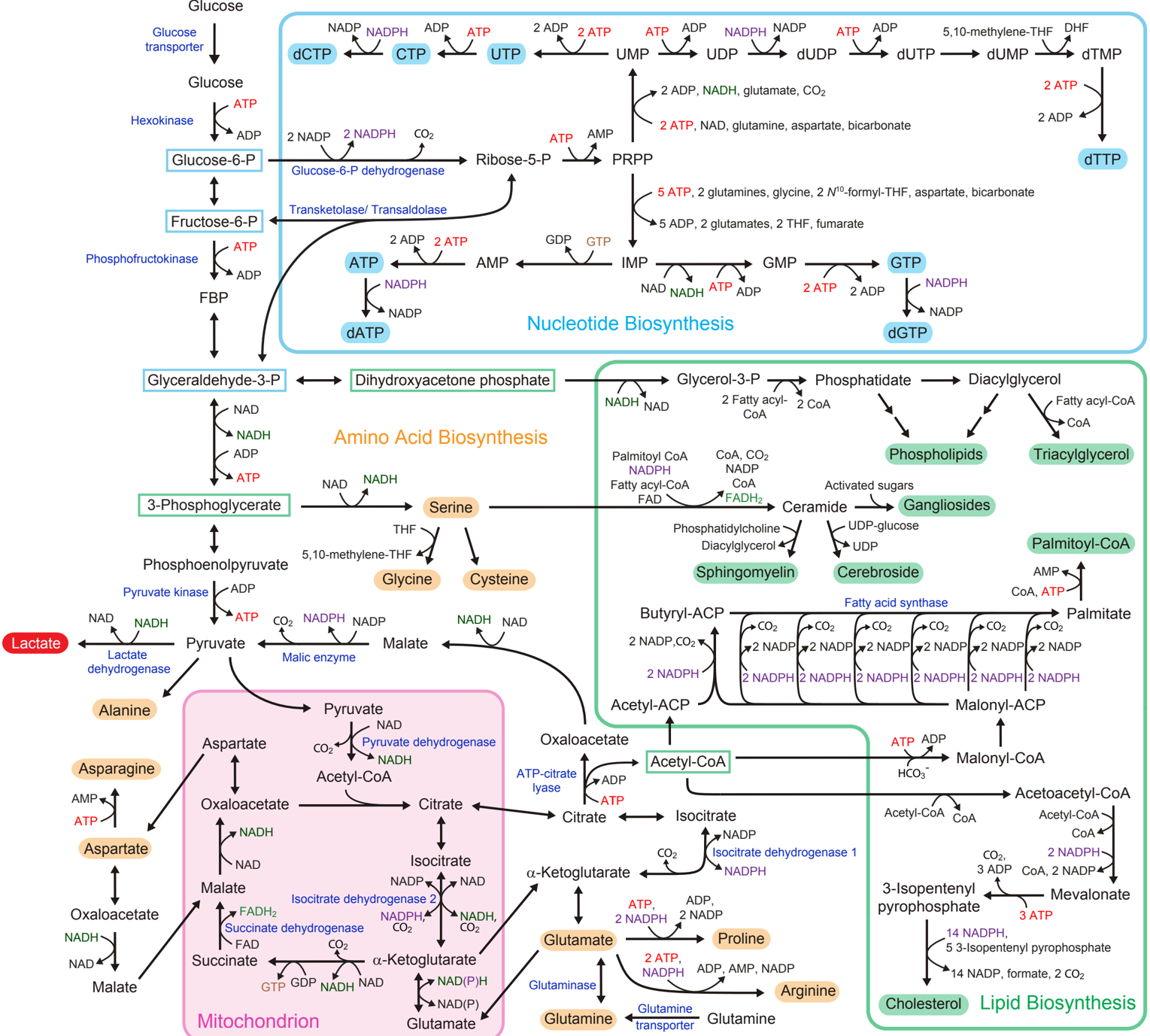
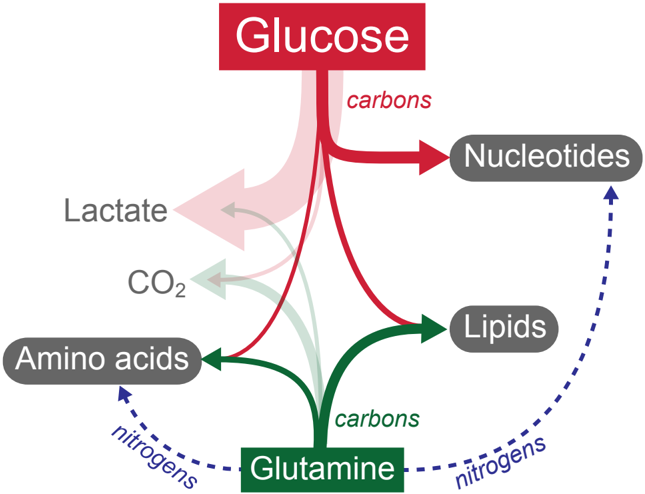
Warburg's observation that cancer cells exhibit a high rate of glycolysis even in the presence of oxygen (aerobic glycolysis) sparked debate over the role of glycolysis in normal and cancer cells. Although it has been established that defects in mitochondrial respiration are not the cause of cancer or aerobic glycolysis, the advantages of enhanced glycolysis in cancer remain controversial. Many cells ranging from microbes to lymphocytes use aerobic glycolysis during rapid proliferation, which suggests it may play a fundamental role in supporting cell growth. Here, we review how glycolysis contributes to the metabolic processes of dividing cells. We provide a detailed accounting of the biosynthetic requirements to construct a new cell and illustrate the importance of glycolysis in providing carbons to generate biomass. We argue that the major function of aerobic glycolysis is to maintain high levels of glycolytic intermediates to support anabolic reactions in cells, thus providing an explanation for why increased glucose metabolism is selected for in proliferating cells throughout nature.
Overview
The claims and statistics of this paper haven’t been checked yet.
Free: it reads the open-access text and checks the first 5 claims that cite a source we can check. Create a free account to check every claim.
Integrity signals
Registry
Cites
Statistics
Figures
Verification
Claims the paper makes
The claims and statistics of this paper haven’t been checked yet.
Free: it reads the open-access text and checks the first 5 claims that cite a source we can check. Create a free account to check every claim.
Claims other papers make about this one
Each is checked against this paper’s own text: does it say what the citing paper says it does?
The source backs part of the claim, not all of it — or backs it for a different population, condition or comparison.
In the citing paper
“Pancreatic ductal adenocarcinoma (PDAC) lines were chosen for our study because cancers of the pancreas are characterized by rapid progression,9,10 invasiveness,11,12 and elevated fermentative metabolism.13,14,15,16”
From Dynamic IL-6R/STAT3 signaling leads to heterogeneity of metabolic phenotype in pancreatic ductal adenocarcinoma cells (2024) · cites this paper as [13]
Experimental — accuracy not yet measuredThe source backs part of the claim, not all of it — or backs it for a different population, condition or comparison.
In the citing paper
“Despite the prevalence of glycolysis, mitochondrial respiration remains important in proliferating cells, allowing the production of biosynthetic precursors and the generation of electron acceptors that enable aspartate synthesis, for example [9,16,17].”
From Proliferating Astrocytes in Primary Culture Do Not Depend upon Mitochondrial Respiratory Complex I Activity or Oxidative Phosphorylation (2023) · cites this paper as [9]
Experimental — accuracy not yet measuredThe cited source says what the claim attributes to it.
In the citing paper
“AG is a prominent feature of cancer cell metabolism; its main role is thought to be support of biosynthetic pathways required for cellular proliferation”
From Aerobic glycolysis in the human brain is associated with development and neotenous gene expression (2014) · cites this paper as Lunt and Vander Heiden, 2011
In the citing paper
“Proliferating cells have different metabolic requirements from non-proliferating cells (Hsu and Sabatini, 2008; Lunt and Vander Heiden, 2011; Pavlova and Thompson, 2016). While non-proliferating cells have primarily catabolic demands, proliferating cells must balance the divergent catabolic and anabolic requirements of sustaining cellular homeostasis while duplicating cell mass, and thus engage in”
From Targeting Metabolism for Cancer Therapy (2017) · cites this paper as Lunt and Vander Heiden, 2011
In the citing paper
“Today, we understand that mitochondrial respiration is not impaired but that cancer cells place emphasis on acquisition and generation of building blocks necessary for cell division. They do so by enhancing biosynthetic metabolism using glycolytic intermediates (209).”
From Metabolic Flexibility as an Adaptation to Energy Resources and Requirements in Health and Disease (2018) · cites this paper as [209]
1 more claim about this paper
Create a free account to see every claim other papers make about this one.
Self-check
Percentages, sums and reported differences re-computed from the paper’s own numbers.
The self-check needs the paper’s full text.
Citations
Cites
Understanding the Warburg Effect: The Metabolic Requirements of Cell Proliferation
Vander Heiden, M. G., Cantley, L. C., & Thompson, C. B. (2009) · Science · doi:10.1126/science.1160809 · Cited by 16,197
Warburg, O. (1956) · Science · doi:10.1126/science.123.3191.309 · Cited by 13,425 · cited 1×
“In 1924, Otto Warburg observed that cancer cells consume much 6 larger quantities of glucose than their normal counterparts and metabolize it predominantly through glycolysis, producing high levels of lactate even in oxygen-rich conditions (Warburg 1956, Warburg et al 1924).”
Escherichia coli and Salmonella :cellular and molecular biology
Neidhardt, F. C. (1996) · ASM Press eBooks · Cited by 8,197
Alberts, B., Johnson, A., Lewis, J., Morgan, D., Raff, M., Roberts, K., & Walter, P. (2017) · W.W. Norton eBooks · doi:10.1201/9781315735368 · Cited by 6,365
TOR signaling in growth and metabolism
Wullschleger, S., Loewith, R., & Hall, M. N. (2006) · Cell · doi:10.1016/j.cell.2006.01.016 · Cited by 5,787
The phosphoinositide 3-kinase pathway
Cantley, L. C. (2002) · Science · doi:10.1126/science.296.5573.1655 · Cited by 5,621 · cited 1×
“In normal cells, the PI3K pathway is tightly controlled to increase glucose uptake and 25 metabolism in response to growth signals (Cantley 2002).”
(1978) · Biochemical Education · doi:10.1016/0307-4412(78)90049-3 · Cited by 5,046
Cancer-associated IDH1 mutations produce 2-hydroxyglutarate
Dang, L., White, D. W., Gross, S., Bennett, B. D., Bittinger, M. A., Driggers, E. M., Fantin, V. R., Jang, H. G., Jin, S., Keenan, M. C., et al. (2009) · Nature · doi:10.1038/nature08617 · Cited by 4,154
The Biology of Cancer: Metabolic Reprogramming Fuels Cell Growth and Proliferation
DeBerardinis, R. J., Lum, J. J., Hatzivassiliou, G., & Thompson, C. B. (2008) · Cell Metabolism · doi:10.1016/j.cmet.2007.10.002 · Cited by 4,088 · cited 3×
“In proliferating cells, however, the TCA cycle serves as an important source of biosynthetic precursors (DeBerardinis et al 2008) in addition to providing ATP.”
Kim, J.-W., Tchernyshyov, I., Semenza, G. L., & Dang, C. V. (2006) · Cell Metabolism · doi:10.1016/j.cmet.2006.02.002 · Cited by 3,905 · cited 1×
“HIF-1 induced PDK activity inhibits PDH, which converts pyruvate to acetyl-CoA (Kim et al 2006, Papandreou et al 2006).”
Research works printed but not linked: 6
- 10.1002/(SICI)1097-4644(19971001)67:1<131::AID-JCB13>3.0.CO;2-K · DOI
- Berg JM, Tymoczko JL, Stryer L. 2007. Biochemistry. New York: W.H. Freeman Boros LG, Lee PW, Brandes JL, Cascante M, Muscarella P, et al. 1998. Nonoxidative pentose phosphate pathways and their direct role in ribose synthesis in tumors: is cancer a disease of cellular glucose metabolism? Med Hypotheses 50: 55-9
- Lewin B. 1997. Genes VI. Oxford ; New York: Oxford University Press. xviii, 1260 p. pp.
- Voet D, Voet JG. 2004. Biochemistry. New York: J. Wiley & Sons. 2 v. (xv, 1560 p.) pp.
- Warburg O, Posener K, Negelein E. 1924. Ueber den stoffwechsel der tumoren. Biochem Z 152: 319-44
- Younes M, 1996, Cancer Res., 56, 1164
Cited by
Items 501–600 of 1,013
Luo, F., Liu, X., Ling, M., Lu, L., Shi, L., Lü, X., Li, J., Zhang, A., & Liu, Q. (2016) · Biochimica et Biophysica Acta (BBA) - Molecular Basis of Disease · doi:10.1016/j.bbadis.2016.06.004 · Cited by 91
Distinct metabolic requirements regulate B cell activation and germinal center responses
Sharma, R., Smolkin, R. M., Chowdhury, P., Fernandez, K. C., Kim, Y., Cols, M., Alread, W., Yen, W.-F., Hu, W., Wang, Z.-M., et al. (2023) · Nature Immunology · doi:10.1038/s41590-023-01540-y · Cited by 94
Glutamine deprivation stimulates mTOR-JNK-dependent chemokine secretion
Shanware, N. P., Bray, K., Eng, C. H., Wang, F., Follettie, M., Myers, J., Fantin, V. R., & Abraham, R. T. (2014) · Nature Communications · doi:10.1038/ncomms5900 · Cited by 85
In Situ Activation of Penile Progenitor Cells with Low-Intensity Extracorporeal Shockwave Therapy
Lin, G., Reed‐Maldonado, A. B., Wang, B., Lee, Y., Zhou, J., Lu, Z., Wang, G., Banie, L., & Lue, T. F. (2017) · The Journal of Sexual Medicine · doi:10.1016/j.jsxm.2017.02.004 · Cited by 91
“At baseline, endogenous SCs exist in a quiescent state, which is characterized by a low metabolic rate, lower mitochondrial content, and decreased mitochondrial activity.(15,16)”
BackgroundTranscriptomic Profiling in Human Decidua of Severe Preeclampsia Detected by RNA Sequencing
Tong, J., Zhao, W., Lv, H., Li, W., Chen, Z., & Zhang, C. (2017) · Journal of Cellular Biochemistry · doi:10.1002/jcb.26221 · Cited by 98
Birts, C. N., Nijjar, S. K., Mardle, C. A., Hoakwie, F., Duriez, P. J., Blaydes, J. P., & Tavassoli, A. (2013) · Chemical Science · doi:10.1039/c3sc50481f · Cited by 85
The Hematopoietic Oxidase NOX2 Regulates Self-Renewal of Leukemic Stem Cells
Adane, B., Ye, H., Khan, N., Pei, S., Minhajuddin, M., Stevens, B. M., Jones, C. L., D’Alessandro, A., Reisz, J. A., Zaberezhnyy, V., et al. (2019) · Cell Reports · doi:10.1016/j.celrep.2019.03.009 · Cited by 88
Iqbal, M. A., Chattopadhyay, S., Siddiqui, F. A., Rehman, A. U., Siddiqui, S. I., Prakasam, G., Khan, A., Sultana, S., & Bamezai, R. N. K. (2020) · FEBS Journal · doi:10.1111/febs.15353 · Cited by 87
OXPHOS deficiency activates global adaptation pathways to maintain mitochondrial membrane potential
Liu, S., Liu, S., He, B., Li, L., Li, L., Wang, J., Cai, T., Chen, S., & Jiang, H. (2021) · EMBO Reports · doi:10.15252/embr.202051606 · Cited by 97
“Transcriptional upregulation of glucose transporters and glycolysis genes and repression of ribosome biogenesis genes in these two mutants (Fig 1C) (Lunt & Vander Heiden, 2011).”
Is Reliance on Mitochondrial Respiration a “Chink in the Armor” of Therapy-Resistant Cancer?
Wolf, D. A. (2014) · Cancer Cell · doi:10.1016/j.ccell.2014.10.001 · Cited by 85
“Aerobic glycolysis, in addition to other metabolic changes, may serve to optimally support the anabolic requirements of proliferating cancer cells (Lunt and Vander Heiden, 2011;Ward and Thompson, 2012).”
BackgroundCystine Deprivation Triggers Programmed Necrosis in VHL-Deficient Renal Cell Carcinomas
Tang, X., Wu, J., Ding, C. C., Lu, M., Keenan, M. M., Lin, C., Lin, C.-A., Wang, C. C., George, D. J., Hsu, D. S., et al. (2016) · Cancer Research · doi:10.1158/0008-5472.can-15-2328 · Cited by 89
“Extensive connections exist between metabolism and oncogenic signaling to coordinate the energy status in cancer cells to support their distinct and enormous biosynthetic (macromolecules) and bioenergetic (energy) needs (1-4).”
Iizuka, K. (2016) · Biochimica et Biophysica Acta (BBA) - Molecular Basis of Disease · doi:10.1016/j.bbadis.2016.11.029 · Cited by 91
“As characterized in the Warburg effect, lactate production from glucose occurs 10–100-times faster than complete oxidation of glucose inmitochondria [95,96], which suggests that ATP production in the former is similar to that in the latter.”
BackgroundInfluentialHistorical perspective of tumor glycolysis: A century with Otto Warburg
Bononi, G., Masoni, S., Bussolo, V. D., Tuccinardi, T., Granchi, C., & Minutolo, F. (2022) · Seminars in Cancer Biology · doi:10.1016/j.semcancer.2022.07.003 · Cited by 99
Metabolic reprogramming in septic acute kidney injury: pathogenesis and therapeutic implications
Liu, C., Wei, W., Huang, Y., Fu, P., Zhang, L., & Zhao, Y. (2024) · Metabolism · doi:10.1016/j.metabol.2024.155974 · Cited by 95
Sirtuins and the Metabolic Hurdles in Cancer
German, N. J., & Haigis, M. C. (2015) · Current Biology · doi:10.1016/j.cub.2015.05.012 · Cited by 83
“However, PDH activity is often limited in cancer; additionally, roadblocks at other steps in the TCA cycle or shunting of metabolites toward biosynthetic pathways can limit production of oxaloacetate, which is needed to fuel subsequent rounds of the TCA cycle [126].”
Lv, H., Tong, J., Yang, J., Lv, S., Li, W., Zhang, C., & Chen, Z. (2018) · Hypertension · doi:10.1161/hypertensionaha.117.10084 · Cited by 89
6-Phosphofructo-2-kinase/fructose-2,6-biphosphatase 4 is essential for p53-null cancer cells
Ros, S., Flöter, J., Kaymak, I., Da Costa, C., Houddane, A., Dubuis, S., Griffiths, B., Mitter, R., Walz, S., Blake, S., et al. (2017) · Oncogene · doi:10.1038/onc.2016.477 · Cited by 83
High Expression of Glycolytic Genes in Cirrhosis Correlates With the Risk of Developing Liver Cancer
Lee, N. C. W., Carella, M. A., Papa, S., & Bubici, C. (2018) · Frontiers in Cell and Developmental Biology · doi:10.3389/fcell.2018.00138 · Cited by 89
Fighting in a wasteland: deleterious metabolites and antitumor immunity
Watson, M. J., & Delgoffe, G. M. (2022) · Journal of Clinical Investigation · doi:10.1172/jci148549 · Cited by 87
Metabolic reprogramming as a novel regulator of skeletal muscle development and regeneration
Ryall, J. G. (2013) · The FEBS Journal · doi:10.1111/febs.12189 · Cited by 82
Liu, W., Beck, B. H., Vaidya, K. S., Nash, K. T., Feeley, K. P., Ballinger, S. W., Pounds, K. M., Denning, W. L., Diers, A. R., Landar, A. L., et al. (2014) · Cancer Research · doi:10.1158/0008-5472.can-13-1183 · Cited by 88
“Growing evidence suggests that tumor acidity correlates with cancer proliferation, invasion, metastasis, and chemoresistance (36, 37).”
Endothelial cell–cardiomyocyte crosstalk in diabetic cardiomyopathy
Wan, A., & Rodrigues, B. B. (2016) · Cardiovascular Research · doi:10.1093/cvr/cvw159 · Cited by 96
“lowed by oxidation in the mitochondria, the latter being the dominant pathway for ATP generation (Figure 2).(70) However, ATP supply in ECs is”
BackgroundA Metabolism Toolbox for CAR T Therapy
Xu, X., Gnanaprakasam, J. N. R., Sherman, J., & Wang, R. (2019) · Frontiers in Oncology · doi:10.3389/fonc.2019.00322 · Cited by 83
“Upon being metabolized by the cell, glutamine is shuttled into the TCA cycle to make α-KG for the production of amino acids, or citrate for the production of lipids (1, 6).”
BackgroundWoldetsadik, A. D., Vogel, M. C., Rabeh, W. M., & Magzoub, M. M. (2017) · The FASEB Journal · doi:10.1096/fj.201601173r · Cited by 86
“Moreover, whereas elevated levels of mitochondria-associated HKII are needed to maintain the high glycolytic rates that are necessary for energy production and biomolecule synthesis in rapidly dividing cancer cells, noncancerous cells rely on oxphos as their primary energy-generating pathway (1, 3, 14, 15).”
de Alteriis, E., Cartenì, F., Parascandola, P., Serpa, J., & Mazzoleni, S. (2018) · Cell Cycle · doi:10.1080/15384101.2018.1442622 · Cited by 80
Quercetin inhibits glucose transport by binding to an exofacial site on GLUT1
Hamilton, K. E., Rekman, J. F., Gunnink, L. K., Busscher, B. M., Scott, J. L., Tidball, A. M., Stehouwer, N. R., Johnecheck, G. N., Looyenga, B. D., & Louters, L. L. (2018) · Biochimie · doi:10.1016/j.biochi.2018.05.012 · Cited by 91
Chen, D., Wei, L., Liu, Z., Yang, J. J., Gu, X., Wei, Z. Z., Liu, L., & Yu, S. P. (2018) · Neurotherapeutics · doi:10.1007/s13311-018-0635-2 · Cited by 83
Tyrosine Kinase Signaling in Cancer Metabolism: PKM2 Paradox in the Warburg Effect
Wiese, E. K., & Hitosugi, T. (2018) · Frontiers in Cell and Developmental Biology · doi:10.3389/fcell.2018.00079 · Cited by 88
Zhang, Z., Tan, X., Luo, J., Yao, H., Si, Z., & Tong, J. (2020) · Cell Death and Disease · doi:10.1038/s41419-020-03123-3 · Cited by 81
RetractedThe paradox of metabolism in quiescent stem cells
Coller, H. A. (2019) · FEBS Letters · doi:10.1002/1873-3468.13608 · Cited by 85
Pancreatic cancers rely on a novel glutamine metabolism pathway to maintain redox balance
Lyssiotis, C. A., Son, J., Cantley, L. C., & Kimmelman, A. C. (2013) · Cell Cycle · doi:10.4161/cc.25307 · Cited by 82
The Atypical Cadherin Fat Directly Regulates Mitochondrial Function and Metabolic State
Sing, A. D., Tsatskis, Y., Fabian, L., Hester, I., Rosenfeld, R., Serricchio, M., Yau, N., Bietenhader, M., Shanbhag, R., Jurisicova, A., et al. (2014) · Cell · doi:10.1016/j.cell.2014.07.036 · Cited by 89
PHLPP regulates hexokinase 2-dependent glucose metabolism in colon cancer cells
Xiong, X., Wen, Y., Mitov, M. I., Oaks, M. C., Miyamoto, S., & Gao, T. (2017) · Cell Death Discovery · doi:10.1038/cddiscovery.2016.103 · Cited by 85
Mitochondrial Metabolism-Mediated Regulation of Adult Neurogenesis
Beckervordersandforth, R. (2017) · Brain Plasticity · doi:10.3233/bpl-170044 · Cited by 80
Mitochondrial Metabolism in PDAC: From Better Knowledge to New Targeting Strategies
Reyes‐Castellanos, G., Masoud, R., & Carrier, A. (2020) · Biomedicines · doi:10.3390/biomedicines8080270 · Cited by 88
“The most accepted explanation for this preferred pathway is that glycolytic intermediates support macromolecular synthesis, such as that of nucleotides, lipids and some amino acids, as well as reduced equivalents in the form of NADPH [18,19].”
BackgroundInfluentialA Metabolic Landscape for Maintaining Retina Integrity and Function
Viegas, F., & Neuhauss, S. C. F. (2021) · Frontiers in Molecular Neuroscience · doi:10.3389/fnmol.2021.656000 · Cited by 87
Chen, P., Wu, M., He, Y., Jiang, B., & He, M. (2023) · Signal Transduction and Targeted Therapy · doi:10.1038/s41392-023-01510-8 · Cited by 94
Huang, J., Zhang, J., Zhang, F., Lu, S., Guo, S., Shi, R., Zhai, Y., Gao, Y., Tao, X., Jin, Z., et al. (2023) · Computers in Biology and Medicine · doi:10.1016/j.compbiomed.2023.107402 · Cited by 95
Fu, H., Gao, H., Qi, X., Zhao, L., Wu, D., Bai, Y., Li, H., Liu, X., Hu, J. X., & Shao, S. (2018) · 癌症:英文版 · doi:10.1186/s40880-018-0290-3 · Cited by 94
Heat Oscillations Driven by the Embryonic Cell Cycle Reveal the Energetic Costs of Signaling
Rodenfels, J., Neugebauer, K. M., & Howard, J. (2019) · Developmental Cell · doi:10.1016/j.devcel.2018.12.024 · Cited by 81
Chen, D., Wang, Y., Lu, R., Jiang, X., Chen, X., Meng, N., Chen, M., Xie, S., & Yan, G. (2020) · Theranostics · doi:10.7150/thno.44873 · Cited by 84
“This phenomenon is known as the Warburg effect or aerobic glycolysis, which provides selective advantages to cancer cells for cell proliferation, survival, migration and invasion by producing the increased metabolic intermediates essential for biosynthesis [10-12].”
BackgroundAggression is associated with aerobic glycolysis in the honey bee brain1
Chandrasekaran, S., Rittschof, C. C., Djukovic, D., Gu, H., Raftery, D., Price, N. D., & Robinson, G. E. (2015) · Genes Brain & Behavior · doi:10.1111/gbb.12201 · Cited by 93
Brain aerobic glycolysis and motor adaptation learning
Shannon, B. J., Vaishnavi, S. N., Vlassenko, A. G., Shimony, J. S., Rutlin, J., & Raichle, M. E. (2016) · Proceedings of the National Academy of Sciences · doi:10.1073/pnas.1604977113 · Cited by 80
“Proc Natl Acad Sci USA 104(8):2945–2949.”
Inhibition of Phosphoglycerate Dehydrogenase Attenuates Bleomycin-induced Pulmonary Fibrosis
Hamanaka, R. B., Nigdelioglu, R., Meliton, A. Y., Tian, Y., Witt, L. J., O’Leary, E., Sun, K. A., Woods, P. S., Wu, D., Ansbro, B., et al. (2018) · American Journal of Respiratory Cell and Molecular Biology · doi:10.1165/rcmb.2017-0186oc · Cited by 78
Microenvironmental control of glucose metabolism in tumors by regulation of pyruvate dehydrogenase
Golias, T., Kery, M., Radenkovic, S., & Papandreou, I. (2018) · International Journal of Cancer · doi:10.1002/ijc.31812 · Cited by 86
Jones, J. D., Ramser, H. E., Woessner, A. E., & Quinn, K. P. (2018) · Communications Biology · doi:10.1038/s42003-018-0206-4 · Cited by 87
Cao, Y., Wang, X., Li, Y., Evers, M., Zhang, H., & Chen, X. (2019) · Cancer Cell International · doi:10.1186/s12935-019-0973-0 · Cited by 83
Jiang, L., Zhao, L., Bi, J., Guan, Q., Qi, A., Wei, Q., He, M., Wei, M., & Zhao, L. (2019) · Aging · doi:10.18632/aging.102489 · Cited by 81
“An increase in glycolysis provides cancer cells with energy and heightened potential for biomass production from glycolytic intermediates [3].”
BackgroundChen, L., Yuan, R., Wen, C., Liu, T., Feng, Q., Deng, X., Du, Y., & Peng, X. (2020) · Oncogene · doi:10.1038/s41388-020-01527-1 · Cited by 79
Mathew, M., Nguyen, N. T. H., Bhutia, Y. D., Sivaprakasam, S., & Ganapathy, V. (2024) · Cancers · doi:10.3390/cancers16030504 · Cited by 108
“The genes coding for these two transporters are transcriptional targets for HIF-1 α [62–64].”
BackgroundLactylation in cancer: Mechanisms in tumour biology and therapeutic potentials
He, Y., Song, T., Ning, J., Wang, Z., Yin, Z., Jiang, P., Yuan, Q., Yu, W., & Fan, C. (2024) · Clinical and Translational Medicine · doi:10.1002/ctm2.70070 · Cited by 96
Metabolic regulation of stem cell function
Burgess, R., Agathocleous, M., & Morrison, S. J. (2014) · Journal of Internal Medicine · doi:10.1111/joim.12247 · Cited by 88
Arbelaez, A. M., Semenkovich, K., & Hershey, T. (2013) · Pediatric Diabetes · doi:10.1111/pedi.12088 · Cited by 79
Berrios, C. J., Padi, M., Keibler, M. A., Park, D. E., Vadim, M., Cheng, J., Lee, S. M., Stephanopoulos, G. N., Quackenbush, J. F., & DeCaprio, J. A. (2016) · PLoS Pathogens · doi:10.1371/journal.ppat.1006020 · Cited by 86
“Increased aerobic glycolysis has been recognized as a hallmark of cancer due to the requirement for large quantities of biosynthetic intermediates to be generated for sustained tumorigenesis [15, 16].”
BackgroundPulmonary Arterial Hypertension: Challenges in Translational Research and a Vision for Change
Sutendra, G., & Michelakis, E. D. (2013) · Science Translational Medicine · doi:10.1126/scitranslmed.3005428 · Cited by 88
“On the other hand, activated immunecells showsuppressedmitochondrial function and develop a glycolytic phenotype, similar to PAH vascular cells (93, 94).”
BackgroundLimits of aerobic metabolism in cancer cells
Fernandez-de-Cossio-Diaz, J., & Vazquez, A. (2017) · Scientific Reports · doi:10.1038/s41598-017-14071-y · Cited by 78
“In the context of cancer metabolism it has been often claimed that aerobic glycolysis is a consequence of an increased demand of carbon atoms for biosynthesis of precursor metabolites (25, 26).”
BackgroundFatty acid oxidation is associated with proliferation and prognosis in breast and other cancers
Aiderus, A., Black, M. A., & Dunbier, A. K. (2018) · BMC Cancer · doi:10.1186/s12885-018-4626-9 · Cited by 86
Wang, T., Zhang, J., Hu, M., Zhang, Y., Cui, P., Li, X., Li, J., Vestin, E., Brännström, M., Shao, R., et al. (2019) · International Journal of Biological Sciences · doi:10.7150/ijbs.31425 · Cited by 81
“Under both physiological and pathological conditions, mitochondrial function is essential for metabolic reprogramming and cellular energy production via glycolysis and the tricarboxylic acid cycle and plays a fundamental role in cell proliferation [52].”
BackgroundHypoxia- and MicroRNA-Induced Metabolic Reprogramming of Tumor-Initiating Cells
Ullmann, P., Nurmik, M., Begaj, R., Haan, S., & Letellier, E. (2019) · Cells · doi:10.3390/cells8060528 · Cited by 77
“Many tumor cells are dependent on glutamine and thus display enhanced glutamine uptake rates and oxidative metabolism [21,22].”
BackgroundMultienzyme System in Amorphous Metal–Organic Frameworks for Intracellular Lactate Detection
Zhang, Y., Xu, L., & Ge, J. (2022) · Nano Letters · doi:10.1021/acs.nanolett.2c01154 · Cited by 78
Zhang, H., Su, X., Burley, S. K., & Zheng, X. (2022) · Theranostics · doi:10.7150/thno.72581 · Cited by 93
“Because rapamycin inhibits splicing of glucose transporter type 1 (GLUT1) and lactate dehydrogenase A (LDHA), we further measured glucose uptake and lactate secretion, two signature events of aerobic glycolysis [51, 52].”
BackgroundDeng, C., Zhang, J., Huo, Y., Xue, H., Wang, W., Zhang, J., & Wang, X. (2022) · Journal of Pineal Research · doi:10.1111/jpi.12819 · Cited by 83
“The increase in the glycolysis rate could be either a compensatory response to mitochondrial dysfunction or a carbon source for rapid cell proliferation.(42,43) Our results showed that melatonin promoted the glycolytic activity of SCs, and promoted the expression of cell proliferation‐related and membrane biosynthesis…”
BackgroundMetabolic reprogramming of clear cell renal cell carcinoma
Zhu, H., Wang, X., Lu, S., & Ou, K. (2023) · Frontiers in Endocrinology · doi:10.3389/fendo.2023.1195500 · Cited by 94
“Cancer is a disease characterized by uncontrolled cell growth, and to sustain this growth, cancer cells acquire large amounts of energy by altering their metabolic pathways (1, 2).”
BackgroundIntroduction to the molecular basis of cancer metabolism and the Warburg effect
Ngo, D. C., Ververis, K., Tortorella, S. M., & Karagiannis, T. C. (2015) · Molecular Biology Reports · doi:10.1007/s11033-015-3857-y · Cited by 90
Pyruvate dehydrogenase phosphatase catalytic subunit 2 limits Th17 differentiation
Kono, M., Yoshida, N., Maeda, K., Skinner, N., Pan, W., Kyttaris, V. C., Tsokos, M., & Tsokos, G. C. (2018) · Proceedings of the National Academy of Sciences · doi:10.1073/pnas.1805717115 · Cited by 80
“Conversion of pyruvate to lactate regenerates nicotinamide adenine dinucleotide, which is necessary to continue glycolysis (10).”
BackgroundMetabolic Networks Influencing Skeletal Muscle Fiber Composition
Bourdeau‐Julien, I., Sephton, C. F., & Dutchak, P. A. (2018) · Frontiers in Cell and Developmental Biology · doi:10.3389/fcell.2018.00125 · Cited by 92
Exploiting tumor metabolism: challenges for clinical translation
Vander Heiden, M. G. (2013) · Journal of Clinical Investigation · doi:10.1172/jci72391 · Cited by 76
“Satisfying the metabolic needs of proliferation beyond ATP production may be one advantage of aerobic glycolysis (10).”
Roy, D., Sheng, G. Y., Semukunzi, H., de Carvalho, E. L., Mahanty, A., Yuan, S., & Sun, L. (2017) · Biomedicine & Pharmacotherapy · doi:10.1016/j.biopha.2017.01.019 · Cited by 81
Weighing In on mTOR Complex 2 Signaling: The Expanding Role in Cell Metabolism
Luo, Y., Xu, W., Li, G., & Cui, W. (2018) · Oxidative Medicine and Cellular Longevity · doi:10.1155/2018/7838647 · Cited by 75
“Similarly, mTORC2 promotes the generation of pyruvate and 3-phosphoglycerate through glycolysis, which would provide carbon skeleton for nonessential amino acid synthesis [87].”
BackgroundFu, J., Shi, H., Wang, B., Zhan, T., Shao, Y., Ye, L., Wu, S., Yu, C., & Zheng, L. (2019) · Journal of Autoimmunity · doi:10.1016/j.jaut.2019.102358 · Cited by 83
Pharmacological targets of metabolism in disease: Opportunities from macrophages
Castegna, A., Gissi, R., Menga, A., Montopoli, M., Favia, M., Viola, A., & Canton, M. (2020) · Pharmacology & Therapeutics · doi:10.1016/j.pharmthera.2020.107521 · Cited by 81
Li, M., Gao, F., Zhao, Q., Zuo, H., Liu, W., & Li, W. (2020) · Cell Death and Disease · doi:10.1038/s41419-020-2579-9 · Cited by 75
NADPH levels affect cellular epigenetic state by inhibiting HDAC3–Ncor complex
Li, W., Kou, J., Qin, J., Li, L., Zhang, Z., Pan, Y., Xue, Y., & Du, W. (2021) · Nature Metabolism · doi:10.1038/s42255-020-00330-2 · Cited by 82
PKM1 Exerts Critical Roles in Cardiac Remodeling Under Pressure Overload in the Heart
Li, Q., Li, C., Elnwasany, A., Sharma, G., An, Y., Zhang, G., Elhelaly, W. M., Lin, J., Gong, Y., Chen, G., et al. (2021) · Circulation · doi:10.1161/circulationaha.121.054885 · Cited by 83
Metabolic reprograming confers tamoxifen resistance in breast cancer
Mishra, A., Srivastava, A., Pateriya, A., Tomar, M. S., Mishra, A., & Shrivastava, A. (2021) · Chemico-Biological Interactions · doi:10.1016/j.cbi.2021.109602 · Cited by 92
γδ T cell dichotomy with opposing cytotoxic and wound healing functions in human solid tumors
Harmon, C., Zaborowski, A. M., Moore, H., Louis, P. S., Slattery, K., Duquette, D., Scanlan, J., Kane, H., Kunkemoeller, B. H., McIntyre, C., et al. (2023) · Nature Cancer · doi:10.1038/s43018-023-00589-w · Cited by 89
Metabolic reprogramming of metastatic breast cancer and melanoma bylet-7amicroRNA
Serguienko, A., Grad, I., Wennerström, A. B., Meza‐Zepeda, L. A., Thiede, B., Stratford, E. W., Myklebost, O., & Munthe, E. (2014) · Oncotarget · doi:10.18632/oncotarget.3235 · Cited by 82
Cancer Metabolism: A Modeling Perspective
Ghaffari, P., Mardinoğlu, A., & Nielsen, J. (2015) · Frontiers in Physiology · doi:10.3389/fphys.2015.00382 · Cited by 82
“Tumor cells experiencing aerobic glycolysis need glutamine carbon to replenish TCA cycle intermediates and sustain enhanced biosynthetic metabolism to support cell proliferation (DeBerardinis et al., 2007; Lunt and Vander Heiden, 2011; Mullen et al., 2012).”
BackgroundPoor prognosis of hexokinase 2 overexpression in solid tumors of digestive system: a meta-analysis
Wu, J., Hu, L., Wu, F., Zou, L., & He, T. (2017) · Oncotarget · doi:10.18632/oncotarget.15974 · Cited by 88
“This step determines the direction and magnitude of glucose flux inside the cells, because G6P is at the branching point of several metabolic pathways, including not only glycolysis but also the pentose phosphate pathway (PPP), glycogenesis and the hexosamine pathways [31].”
BackgroundTargeting glycolysis in non-small cell lung cancer: Promises and challenges
Xu, J.-Q., Fu, Y.-L., Zhang, J., Zhang, K.-Y., Ma, J., Tang, J.-Y., Zhang, Z.-W., & Zhou, Z.-Y. (2022) · Frontiers in Pharmacology · doi:10.3389/fphar.2022.1037341 · Cited by 75
Glycolysis-mediated control of blood-brain barrier development and function
Salmina, A. B., Kuvacheva, N. V., Morgun, A. V., Komleva, Y. K., Пожиленкова, Е. А., Lopatina, O. L., Gorina, Y. V., Таранушенко, Т. Е., & Petrova, L. L. (2015) · The International Journal of Biochemistry & Cell Biology · doi:10.1016/j.biocel.2015.04.005 · Cited by 81
Hypoxia optimises tumour growth by controlling nutrient import and acidic metabolite export
Parks, S. K., Cormerais, Y., Marchiq, I., & Pouysségur, J. (2015) · Molecular Aspects of Medicine · doi:10.1016/j.mam.2015.12.001 · Cited by 84
The Regulation of NRF2 by Nutrient-Responsive Signaling and Its Role in Anabolic Cancer Metabolism
Lee, S. B., Sellers, B. N., & DeNicola, G. M. (2018) · Antioxidants and Redox Signaling · doi:10.1089/ars.2017.7356 · Cited by 80
“For example, synthesis of one molecule of the fatty acid palmitate requires 14 molecules of NADPH and cholesterol biosynthesis requires 26 molecules (75).”
Diabetes and Pancreatic Cancer—A Dangerous Liaison Relying on Carbonyl Stress
Menini, S., Iacobini, C., Vitale, M., Pesce, C. M., & Pugliese, G. (2021) · Cancers · doi:10.3390/cancers13020313 · Cited by 87
The anabolic role of the Warburg, Cori-cycle and Crabtree effects in health and disease
Soeters, P. B., Shenkin, A., Sobotka, L., Soeters, M. R., de Leeuw, P. W., & Wolfe, R. R. (2021) · Clinical Nutrition · doi:10.1016/j.clnu.2021.02.012 · Cited by 82
Carmelo, J. G., Fernandes‐Platzgummer, A., Diogo, M. M., da Silva, C. L., & Cabral, J. M. S. (2015) · Biotechnology Journal · doi:10.1002/biot.201400586 · Cited by 81
Houddane, A., Bultot, L., Novellasdemunt, L., Johanns, M., Gueuning, M.-A., Vertommen, D., Coulie, P. G., Bartrons, R., Hue, L., & Rider, M. H. (2017) · Cellular Signalling · doi:10.1016/j.cellsig.2017.02.019 · Cited by 84
Engineering Chimeric Antigen Receptor T-Cells for Racing in Solid Tumors: Don’t Forget the Fuel
Irving, M. B., de Silly, R. V., Scholten, K. B. J., Dilek, N., & Coukos, G. (2017) · Frontiers in Immunology · doi:10.3389/fimmu.2017.00267 · Cited by 80
“In addition to glucose, activated T-cells rely upon an extracellular supply of glutamine to replenish intermediates for the TCA cycle through the process of glutaminolysis, and this can also contribute to the citrate pool used for lipid synthesis by reductive carboxylation (142, 143).”
BackgroundMetabolism in cancer metastasis: bioenergetics, biosynthesis, and beyond
Teoh, S. T., & Lunt, S. Y. (2017) · WIREs Systems Biology and Medicine · doi:10.1002/wsbm.1406 · Cited by 87
“Rather, cancer cells likely upregulate glycolysis primarily as a means of producing the biosynthetic intermediates required for rapid proliferation.(129) While the TCA cycle also produces biosynthetic intermediates such as acetyl-CoA, glutamate, aspartate, and succinylCoA that support tumor cell proliferation, its mos…”
BackgroundSelf-citationImportance of the Microbiota Inhibitory Mechanism on the Warburg Effect in Colorectal Cancer Cells
Eslami, M., Sadrifar, S., Karbalaei, M., Keikha, M., Kobyliak, N. M., & Yousefi, B. (2019) · Journal of Gastrointestinal Cancer · doi:10.1007/s12029-019-00329-3 · Cited by 78
Inborn disorders of the malate aspartate shuttle
Broeks, M. H., van Karnebeek, C., Wanders, R. J. A., Jans, J. J. M., & Verhoeven‐Duif, N. M. (2021) · Journal of Inherited Metabolic Disease · doi:10.1002/jimd.12402 · Cited by 86
“NAD is an important cofactor that serves as a carrier for the net removal of electrons from metabolites (oxidation).(33) NAD impacts metabolism in several ways, both directly as well as via the NAD/NADH ratio.”
BackgroundThe Role of Acidosis in the Pathogenesis of Severe Forms of COVID-19
Nechipurenko, Y. D., Semyonov, D., Lavrinenko, I. A., Lagutkin, D., Generalov, E. A., Zaitceva, A. Y., Matveeva, O. V., & Yegorov, Y. E. (2021) · Biology · doi:10.3390/biology10090852 · Cited by 82
“Therefore, when small vessels are damaged, hypoxia and increased metabolic activity of infiltrating leukocytes shifts metabolism toward glycolysis, which leads to the accumulation of lactate [25].”
BackgroundTumor microenvironmental nutrients, cellular responses, and cancer
Lobel, G. P., Jiang, Y., & Simon, M. C. (2023) · Cell chemical biology · doi:10.1016/j.chembiol.2023.08.011 · Cited by 89
Nitzsche, R., Zagoriy, V., Lucius, R., & Gupta, N. (2015) · Journal of Biological Chemistry · doi:10.1074/jbc.m114.624619 · Cited by 74
“Over the last decade, a consistent picture of carbon metabolism has emerged from studies on diverse types of proliferating cells (tumors, stem cells, lymphocytes), whose metabolic requirements are different from differentiated (quiescent) cells (43, 44).”
BackgroundThe miR-17∼92 microRNA Cluster Is a Global Regulator of Tumor Metabolism
Izreig, S., Samborska, B., Johnson, R. M., Sergushichev, A., Ma, E. H., Lussier, C. R., Loginicheva, E., Donayo, A. O., Poffenberger, M. C., Sagan, S. M., et al. (2016) · Cell Reports · doi:10.1016/j.celrep.2016.07.036 · Cited by 88
VDAC–Tubulin, an Anti-Warburg Pro-Oxidant Switch
Maldonado, E. N. (2017) · Frontiers in Oncology · doi:10.3389/fonc.2017.00004 · Cited by 80
Liu, L., Qi, L., Knifley, T., Piecoro, D. W., Rychahou, P. G., Liu, J., Mitov, M. I., Martin, J. T., Wang, C., Wu, J., et al. (2019) · Journal of Biological Chemistry · doi:10.1074/jbc.ra118.004365 · Cited by 79
“The metabolic switch to aerobic glycolysis, also known as the “Warburg effect,” is one of the most common metabolic reprogramming events occurring in cancer cells (8, 10).”
BackgroundNatural Selection in Cancer Biology: From Molecular Snowflakes to Trait Hallmarks
Fortunato, A., Boddy, A., Mallo, D., Aktipis, A., Maley, C. C., & Pepper, J. W. (2016) · Cold Spring Harbor Perspectives in Medicine · doi:10.1101/cshperspect.a029652 · Cited by 87
Warburg effect, lactate dehydrogenase, and radio/chemo-therapy efficacy
Koukourakis, M. I., & Giatromanolaki, A. N. (2018) · International Journal of Radiation Biology · doi:10.1080/09553002.2018.1490041 · Cited by 79
“…exercise) can accelerate the glycolytic process and acquire ATP through glycolysis, 100 times faster than from oxidative phosphorylation, at the same time producing high levels of glycolytic intermediates to support anabolic reactions in cells (Kamel and Halperin 1988; Lunt and Vander Heiden 2011).”
BackgroundHanaford, A. R., Alt, J., Rais, R., Wang, S. Z., Kaur, H., Thorek, D. L. J., Eberhart, C. G., Slusher, B. S., Martin, A. M., & Raabe, E. H. (2019) · Translational Oncology · doi:10.1016/j.tranon.2019.05.013 · Cited by 79
“Glutamine can also be used as a carbon source to replenish TCA cycle intermediates, in a process called glutaminolysis [27,31].”
Background
Metadata
- Authors
- Lunt, S. Y., & Vander Heiden, M. G.
- Affiliations
- Massachusetts Institute of Technology (US)
- Koch Institute for Integrative Cancer Research, Massachusetts Institute of Technology, Cambridge, Massachusetts 02139;,
- ORCID
- Lunt, Sophia Y.
- Venue
- Annual Review of Cell and Developmental Biology
- Publisher
- Annual Reviews
- Published
- 2011-11-10
- Volume
- 27
- Issue
- 1
- Pages
- 441-464
- ISSN
- 1081-0706 (ISSN-L)
- 1530-8995
- OpenAlex
- W2095987251
- Cited by
- 3,057
- References
- 164
- Citations by year
- 2026: 164 · 2025: 235 · 2024: 265 · 2023: 304 · 2022: 328 · 2021: 310 · 2020: 254 · 2019: 207 · 2018: 186 · 2017: 197 · 2016: 151 · 2015: 154 · 2014: 143 · 2013: 112 · 2012: 41
- FWCI
- 6.94
- Type
- journal article
- Language
- en
- Open access
- green
- hdl.handle.net
- Licence
- cc-by-nc-sa
- Locations
- Annual Review of Cell and Developmental Biology (publishedVersion)
- PubMed (publishedVersion)
- DSpace@MIT (Massachusetts Institute of Technology) (submittedVersion, cc-by-nc-sa)
- Funders
- Damon Runyon Cancer Research Foundation
- Richard and Susan Smith Family Foundation
- Topics
- Life Sciences › Biochemistry, Genetics and Molecular Biology › Cancer Research › Cancer, Hypoxia, and Metabolism
- Life Sciences › Biochemistry, Genetics and Molecular Biology › Molecular Biology › Metabolism, Diabetes, and Cancer
- Life Sciences › Biochemistry, Genetics and Molecular Biology › Molecular Biology › Cancer and biochemical research
- Keywords
- aerobic glycolysis, cell proliferation, cancer metabolism, Warburg effect, glycolytic intermediates, anabolic metabolism, biomass synthesis, glucose metabolism, mitochondrial respiration, cell growth
- MeSH terms
- Adenosine Triphosphate, Aerobiosis, Animals, Citric Acid Cycle, Energy Metabolism, Glucose, Glycolysis, Humans, Mitochondria, Pyruvate Kinase, Cell Respiration, Lactic Acid, Cell Proliferation, Metabolic Networks and Pathways
About these checks
Registry, retraction, Cites and statistics results are computed, not judged, with one exception: a printed reference that no index lists is read once by a model before it counts as a citation error. Claims are extracted by a model and kept only when their quote appears verbatim in the text; each cited source is then checked, with a model’s help, for whether it says what the claim relies on. Those verdicts can be wrong — read the claim’s quote and the cited source before relying on one.
Statistics and arithmetic are recomputed, not judged.
Confidence bands are shown only for fields calibrated on our annotated test set. None is calibrated yet, so no band is shown.
What counts as a claim ›How we measure confidence ›How we check this ›
Are you an author, or do you see a problem with this page? Request a review
Data sources
Bibliographic data: Semantic Scholar, OpenAlex, Crossref.
Contains information from the Semantic Scholar Academic Graph Datasets, made available under the ODC Attribution License (ODC-BY 1.0).
Semantic Scholar’s data is described in: Kinney, R., et al. (2023). The Semantic Scholar Open Data Platform. arXiv:2301.10140.
