

Aerobic Glycolysis: Meeting the Metabolic Requirements of Cell Proliferation
Open accessThe DOI matches its Crossref record; 164 of the 164 references it cites were found in a registry or an index.
Abstract
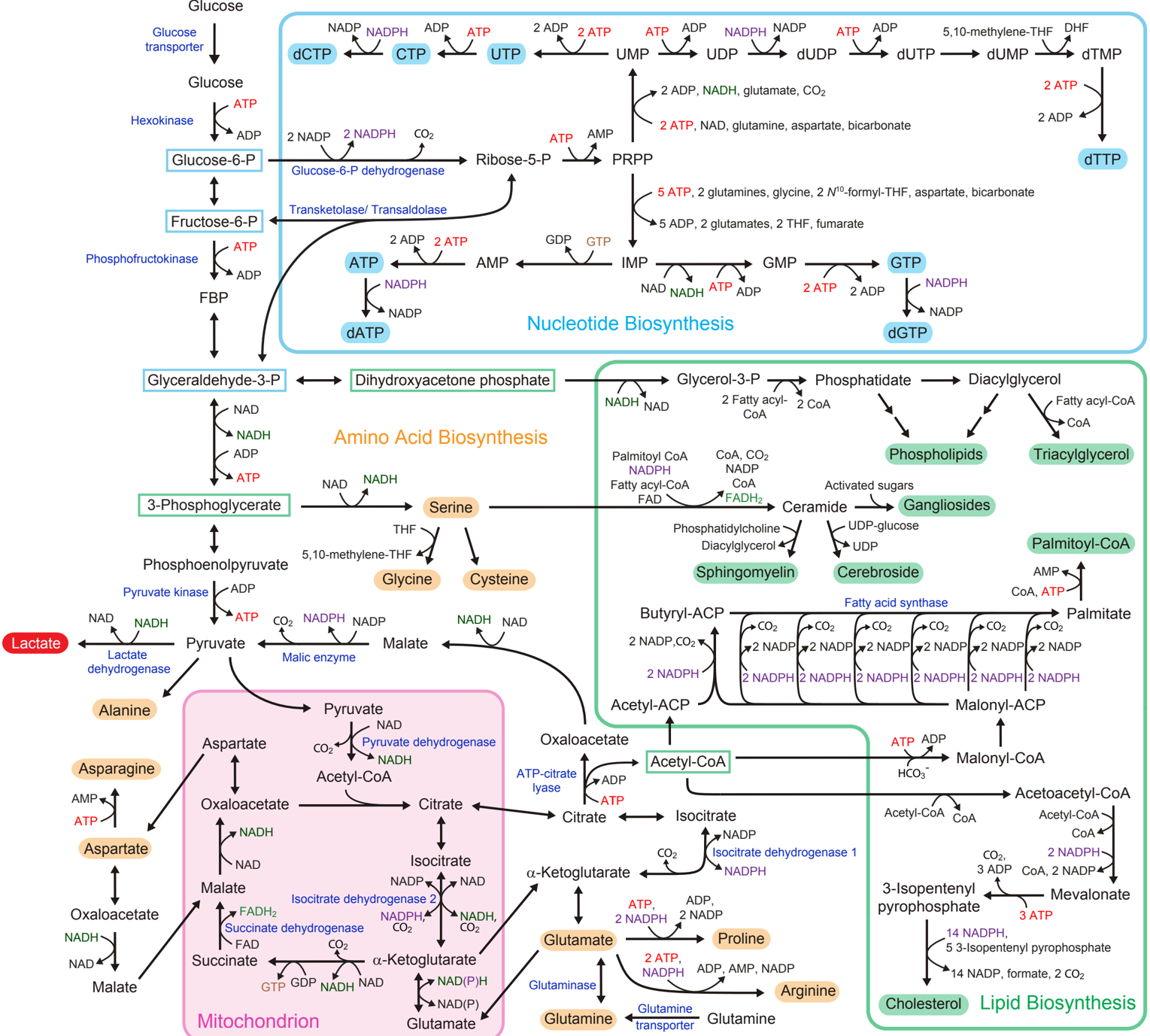
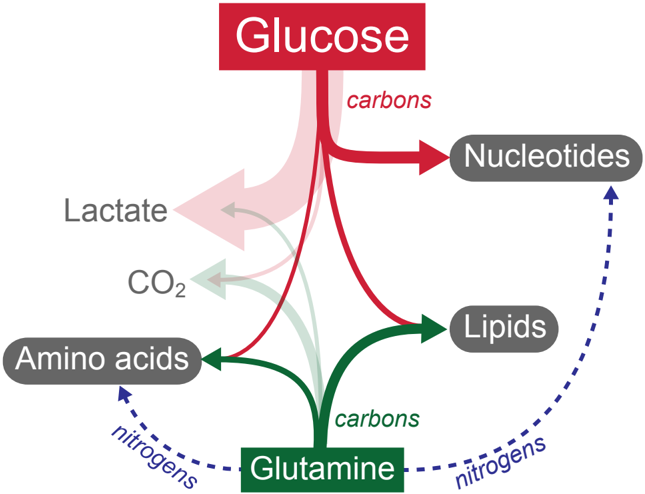
Warburg's observation that cancer cells exhibit a high rate of glycolysis even in the presence of oxygen (aerobic glycolysis) sparked debate over the role of glycolysis in normal and cancer cells. Although it has been established that defects in mitochondrial respiration are not the cause of cancer or aerobic glycolysis, the advantages of enhanced glycolysis in cancer remain controversial. Many cells ranging from microbes to lymphocytes use aerobic glycolysis during rapid proliferation, which suggests it may play a fundamental role in supporting cell growth. Here, we review how glycolysis contributes to the metabolic processes of dividing cells. We provide a detailed accounting of the biosynthetic requirements to construct a new cell and illustrate the importance of glycolysis in providing carbons to generate biomass. We argue that the major function of aerobic glycolysis is to maintain high levels of glycolytic intermediates to support anabolic reactions in cells, thus providing an explanation for why increased glucose metabolism is selected for in proliferating cells throughout nature.
Overview
The claims and statistics of this paper haven’t been checked yet.
Free: it reads the open-access text and checks the first 5 claims that cite a source we can check. Create a free account to check every claim.
Integrity signals
Registry
Cites
Statistics
Figures
Verification
Claims the paper makes
The claims and statistics of this paper haven’t been checked yet.
Free: it reads the open-access text and checks the first 5 claims that cite a source we can check. Create a free account to check every claim.
Claims other papers make about this one
Each is checked against this paper’s own text: does it say what the citing paper says it does?
The source backs part of the claim, not all of it — or backs it for a different population, condition or comparison.
In the citing paper
“Pancreatic ductal adenocarcinoma (PDAC) lines were chosen for our study because cancers of the pancreas are characterized by rapid progression,9,10 invasiveness,11,12 and elevated fermentative metabolism.13,14,15,16”
From Dynamic IL-6R/STAT3 signaling leads to heterogeneity of metabolic phenotype in pancreatic ductal adenocarcinoma cells (2024) · cites this paper as [13]
Experimental — accuracy not yet measuredThe source backs part of the claim, not all of it — or backs it for a different population, condition or comparison.
In the citing paper
“Despite the prevalence of glycolysis, mitochondrial respiration remains important in proliferating cells, allowing the production of biosynthetic precursors and the generation of electron acceptors that enable aspartate synthesis, for example [9,16,17].”
From Proliferating Astrocytes in Primary Culture Do Not Depend upon Mitochondrial Respiratory Complex I Activity or Oxidative Phosphorylation (2023) · cites this paper as [9]
Experimental — accuracy not yet measuredThe cited source says what the claim attributes to it.
In the citing paper
“AG is a prominent feature of cancer cell metabolism; its main role is thought to be support of biosynthetic pathways required for cellular proliferation”
From Aerobic glycolysis in the human brain is associated with development and neotenous gene expression (2014) · cites this paper as Lunt and Vander Heiden, 2011
In the citing paper
“Proliferating cells have different metabolic requirements from non-proliferating cells (Hsu and Sabatini, 2008; Lunt and Vander Heiden, 2011; Pavlova and Thompson, 2016). While non-proliferating cells have primarily catabolic demands, proliferating cells must balance the divergent catabolic and anabolic requirements of sustaining cellular homeostasis while duplicating cell mass, and thus engage in”
From Targeting Metabolism for Cancer Therapy (2017) · cites this paper as Lunt and Vander Heiden, 2011
In the citing paper
“Today, we understand that mitochondrial respiration is not impaired but that cancer cells place emphasis on acquisition and generation of building blocks necessary for cell division. They do so by enhancing biosynthetic metabolism using glycolytic intermediates (209).”
From Metabolic Flexibility as an Adaptation to Energy Resources and Requirements in Health and Disease (2018) · cites this paper as [209]
1 more claim about this paper
Create a free account to see every claim other papers make about this one.
Self-check
Percentages, sums and reported differences re-computed from the paper’s own numbers.
The self-check needs the paper’s full text.
Citations
Cites
Understanding the Warburg Effect: The Metabolic Requirements of Cell Proliferation
Vander Heiden, M. G., Cantley, L. C., & Thompson, C. B. (2009) · Science · doi:10.1126/science.1160809 · Cited by 16,197
Warburg, O. (1956) · Science · doi:10.1126/science.123.3191.309 · Cited by 13,425 · cited 1×
“In 1924, Otto Warburg observed that cancer cells consume much 6 larger quantities of glucose than their normal counterparts and metabolize it predominantly through glycolysis, producing high levels of lactate even in oxygen-rich conditions (Warburg 1956, Warburg et al 1924).”
Escherichia coli and Salmonella :cellular and molecular biology
Neidhardt, F. C. (1996) · ASM Press eBooks · Cited by 8,197
Alberts, B., Johnson, A., Lewis, J., Morgan, D., Raff, M., Roberts, K., & Walter, P. (2017) · W.W. Norton eBooks · doi:10.1201/9781315735368 · Cited by 6,365
TOR signaling in growth and metabolism
Wullschleger, S., Loewith, R., & Hall, M. N. (2006) · Cell · doi:10.1016/j.cell.2006.01.016 · Cited by 5,787
The phosphoinositide 3-kinase pathway
Cantley, L. C. (2002) · Science · doi:10.1126/science.296.5573.1655 · Cited by 5,621 · cited 1×
“In normal cells, the PI3K pathway is tightly controlled to increase glucose uptake and 25 metabolism in response to growth signals (Cantley 2002).”
(1978) · Biochemical Education · doi:10.1016/0307-4412(78)90049-3 · Cited by 5,046
Cancer-associated IDH1 mutations produce 2-hydroxyglutarate
Dang, L., White, D. W., Gross, S., Bennett, B. D., Bittinger, M. A., Driggers, E. M., Fantin, V. R., Jang, H. G., Jin, S., Keenan, M. C., et al. (2009) · Nature · doi:10.1038/nature08617 · Cited by 4,154
The Biology of Cancer: Metabolic Reprogramming Fuels Cell Growth and Proliferation
DeBerardinis, R. J., Lum, J. J., Hatzivassiliou, G., & Thompson, C. B. (2008) · Cell Metabolism · doi:10.1016/j.cmet.2007.10.002 · Cited by 4,088 · cited 3×
“In proliferating cells, however, the TCA cycle serves as an important source of biosynthetic precursors (DeBerardinis et al 2008) in addition to providing ATP.”
Kim, J.-W., Tchernyshyov, I., Semenza, G. L., & Dang, C. V. (2006) · Cell Metabolism · doi:10.1016/j.cmet.2006.02.002 · Cited by 3,905 · cited 1×
“HIF-1 induced PDK activity inhibits PDH, which converts pyruvate to acetyl-CoA (Kim et al 2006, Papandreou et al 2006).”
Research works printed but not linked: 6
- 10.1002/(SICI)1097-4644(19971001)67:1<131::AID-JCB13>3.0.CO;2-K · DOI
- Berg JM, Tymoczko JL, Stryer L. 2007. Biochemistry. New York: W.H. Freeman Boros LG, Lee PW, Brandes JL, Cascante M, Muscarella P, et al. 1998. Nonoxidative pentose phosphate pathways and their direct role in ribose synthesis in tumors: is cancer a disease of cellular glucose metabolism? Med Hypotheses 50: 55-9
- Lewin B. 1997. Genes VI. Oxford ; New York: Oxford University Press. xviii, 1260 p. pp.
- Voet D, Voet JG. 2004. Biochemistry. New York: J. Wiley & Sons. 2 v. (xv, 1560 p.) pp.
- Warburg O, Posener K, Negelein E. 1924. Ueber den stoffwechsel der tumoren. Biochem Z 152: 319-44
- Younes M, 1996, Cancer Res., 56, 1164
Cited by
Items 401–500 of 1,013
Ren, T., Wen, S., Wang, L., Peng, L., Xiong, B., Yuan, L., & Zhang, X. (2020) · Analytical Chemistry · doi:10.1021/acs.analchem.0c00506 · Cited by 106
Interfacial-confined coordination to single-atom nanotherapeutics
Qin, L., Gan, J., Niu, D., Cao, Y., Duan, X., Qin, X., Zhang, H., Jiang, Z. R., Jiang, Y., Dai, S., et al. (2022) · Nature Communications · doi:10.1038/s41467-021-27640-7 · Cited by 113
Zhang, X. L., Zhang, R., & Yu, J. (2020) · Frontiers in Cell and Developmental Biology · doi:10.3389/fcell.2020.00657 · Cited by 139
Ammonia detoxification promotes CD8+ T cell memory development by urea and citrulline cycles
Tang, K., Zhang, H., Deng, J., Wang, D., Liu, S., Lu, S., Cui, Q., Chen, C., Liu, J., Yang, Z., et al. (2022) · Nature Immunology · doi:10.1038/s41590-022-01365-1 · Cited by 119
TGF-β uncouples glycolysis and inflammation in macrophages and controls survival during sepsis
Gauthier, T., Yao, C., Dowdy, T., Jin, W., Lim, Y.-J., Patiño, L. C., Liu, N., Ohlemacher, S. I., Bynum, A., Kazmi, R., et al. (2023) · Science Signaling · doi:10.1126/scisignal.ade0385 · Cited by 127
ZBTB7A acts as a tumor suppressor through the transcriptional repression of glycolysisPreprint
Liu, X., Haines, J. E., Mehanna, E. K., GENET, M. D., Ben‐Sahra, I., Asara, J. M., Manning, B. D., & Yuan, Z.-M. (2014) · Genes & Development · doi:10.1101/gad.245910.114 · Cited by 108
Qian, Y., Wang, X., Li, Y., Cao, Y., & Chen, X. (2016) · Molecular Cancer Research · doi:10.1158/1541-7786.mcr-16-0118 · Cited by 116
“Other metabolic studies conclude that ATP is not a limiting factor in cancer cells (10), and there is no shortage of ATP in cancer as a whole (3, 10).”
BackgroundInterplay between Immune Checkpoint Proteins and Cellular Metabolism
Lim, S., Phillips, J. B., da Silva, L. M., Zhou, M., Fodstad, Ø., Owen, L. B., & Tan, M. (2017) · Cancer Research · doi:10.1158/0008-5472.can-16-1647 · Cited by 118
“Although glycolysis is a physiologic response to hypoxia in normal tissues, cancer cells constitutively take up glucose and produce lactate regardless of oxygen availability (2).”
Overcoming Drug Resistance by Targeting Cancer Bioenergetics with an Activatable Prodrug
Sharma, A. K., Lee, M. G., Shi, H., Won, M., Arambula, J. F., Sessler, J. L., Lee, J. Y., Chi, S., & Kim, J. S. (2018) · Chem · doi:10.1016/j.chempr.2018.08.002 · Cited by 108
Li, J., Chen, L., Qin, Q., Wang, D., Zhao, J., Gao, H., Yuan, X., Zhang, J., Zou, Y., Mao, Z., et al. (2021) · Neurobiology of Disease · doi:10.1016/j.nbd.2021.105605 · Cited by 113
Metabolic control of the cell cycle
Kalucka, J. M., Missiaen, R., Γεωργιάδου, Μ., Schoors, S., Lange, C. M., Bock, K. D., Dewerchin, M. A., & Carmeliet, P. (2015) · Cell Cycle · doi:10.1080/15384101.2015.1090068 · Cited by 116
“Several non-proliferating cells secure their metabolic needs by preferentially using mitochondrial oxidative phosphorylation (OXPHOS).(2) In contrast, proliferating cells often have high rates of glycolysis and produce abundant glycolytic intermediates for the biosynthesis of macromolecules in the pentose phosphate an…”
BackgroundMethods to study the tumor microenvironment under controlled oxygen conditions
Byrne, M. B., Leslie, M. T., Gaskins, H. R., & Kenis, P. J. A. (2014) · Trends in Biotechnology · doi:10.1016/j.tibtech.2014.09.006 · Cited by 104
The Warburg Effect in Diabetic Kidney Disease
Zhang, G., Darshi, M., & Sharma, K. (2018) · Seminars in Nephrology · doi:10.1016/j.semnephrol.2018.01.002 · Cited by 103
Morning-evening variation in human brain metabolism and memory circuits
Shannon, B. J., Dosenbach, R. A., Su, Y., Vlassenko, A. G., Larson-Prior, L. J., Nolan, T. S., Snyder, A. Z., & Raichle, M. E. (2013) · Journal of Neurophysiology · doi:10.1152/jn.00651.2012 · Cited by 104
Mitochondrial Localization of Telomeric Protein TIN2 Links Telomere Regulation to Metabolic Control
Chen, L.-Y., Zhang, Y., Zhang, Q., Li, H., Luo, Z., Fang, H., Kim, S. H., Qin, L., Yotnda, P., Xu, J., et al. (2012) · Molecular Cell · doi:10.1016/j.molcel.2012.07.002 · Cited by 104
Hyperpolarized 13C NMR studies of glucose metabolism in living breast cancer cell cultures
Harris, T., Degani, H., & Frydman, L. (2013) · NMR in Biomedicine · doi:10.1002/nbm.3024 · Cited by 104
Systems biology analysis of drivers underlying hallmarks of cancer cell metabolism
Zielinski, D. C., Jamshidi, N., Corbett, A. J., Bordbar, A., Thomas, A., & Palsson, B. O. (2017) · Scientific Reports · doi:10.1038/srep41241 · Cited by 104
“Breast (5) CNS (6) Colon (7) Leukemia (6) Melanoma (9) NSCLC (9) Ovarian (7) Prostate (2) Renal (8)”
Regulatory mechanisms of one-carbon metabolism enzymes
Petrova, B., Maynard, A. G., Wang, P., & Kanarek, N. (2023) · Journal of Biological Chemistry · doi:10.1016/j.jbc.2023.105457 · Cited by 103
“In terms of ATP cost, this process is far more costly than amino acid synthesis (some require one ATP molecule, some zero) and is comparable to some lipids (such as palmitoyl-CoA, although those require also high number of NADPH molecules) (8).”
BackgroundKarampela, Ι., Christodoulatos, G. S., & Dalamaga, Μ. (2019) · Current Obesity Reports · doi:10.1007/s13679-019-00360-2 · Cited by 112
Targeting tumor mitochondrial metabolism overcomes resistance to antiangiogenics
Navarro, P., Bueno, M. J., Zagorac, I., Mondejar, T., Sanchez, J., Mourón, S., Muñoz, J., Gómez-López, G., Jimenez-Renard, V., Mulero, F., et al. (2016) · Cell Reports · doi:10.1016/j.celrep.2016.05.052 · Cited by 102
Harris, R. A., Tindale, L., Lone, A., Singh, O., Macauley, S. L., Stanley, M., Holtzman, D. M., Bartha, R., & Cumming, R. C. (2016) · The Journal of Neuroscience · doi:10.1523/jneurosci.3131-15.2016 · Cited by 101
Metabolic regulation of hematopoietic stem cell commitment and erythroid differentiation
Oburoglu, L., Romano, M., Taylor, N. N., & Kinet, S. (2016) · Current Opinion in Hematology · doi:10.1097/moh.0000000000000234 · Cited by 121
“Moreover, it is now known that this process also occurs in rapidly proliferating cells that are nonmalignant, likely because of their high metabolic demands [2].”
BackgroundKamel, K. S., Oh, M. S., & Halperin, M. L. (2019) · Kidney International · doi:10.1016/j.kint.2019.08.023 · Cited by 141
Immunometabolism of Phagocytes During Mycobacterium tuberculosis Infection
Kumar, R., Singh, P., Kolloli, A., Shi, L., Bushkin, Y., Tyagi, S., & Subbian, S. (2019) · Frontiers in Molecular Biosciences · doi:10.3389/fmolb.2019.00105 · Cited by 125
Mazumder, S., Higgins, P. J., & Samarakoon, R. (2023) · Cancers · doi:10.3390/cancers15041316 · Cited by 131
“Metabolic reprogramming in cancer cells accommodates the increased requirements for glucose, amino acids, lipids, and nucleotides to support proliferation [133,134].”
BackgroundThe role of glutamate and glutamine metabolism and related transporters in nerve cells
Zhang, D., Hua, Z., & Li, Z. (2024) · CNS Neuroscience & Therapeutics · doi:10.1111/cns.14617 · Cited by 139
Zois, C. E., Favaro, E., & Harris, A. L. (2014) · Biochemical Pharmacology · doi:10.1016/j.bcp.2014.09.001 · Cited by 119
Badertscher, L., Wild, T., Montellese, C., Alexander, L. T., Bammert, L., Sarazova, M., Stebler, M., Csucs, G., Mayer, T. U., Zamboni, N., et al. (2015) · Cell Reports · doi:10.1016/j.celrep.2015.11.061 · Cited by 102
Proangiogenic Compositions of Microvesicles Derived from Human Umbilical Cord Mesenchymal Stem Cells
Chen, J., Liu, Z., Hong, M. M., Zhang, H., Chen, C., Xiao, M., Wang, J., Yao, F., Ba, M., Liu, J., et al. (2014) · PLoS ONE · doi:10.1371/journal.pone.0115316 · Cited by 101
“Intracellular transfer of glycolytic enzymes by MVs could increase glycolytic flux to generate more ATP to provide energy for angiogenesis and enhance repair [27].”
BackgroundPhototransduction Influences Metabolic Flux and Nucleotide Metabolism in Mouse Retina
Du, J., Rountree, A., Cleghorn, W. M., Contreras, L., Lindsay, K. J., Sadilek, M., Gu, H., Djukovic, D., Raftery, D., Satrústegui, J., et al. (2016) · Journal of Biological Chemistry · doi:10.1074/jbc.m115.698985 · Cited by 101
“Retinas convert 80 –96% of glucose they consume into lactic acid (5–9), similar to the extent of aerobic glycolysis that fuels cancer cells (3).”
BackgroundEscaping Death: Mitochondrial Redox Homeostasis in Cancer Cells
Ciccarese, F., & Ciminale, V. (2017) · Frontiers in Oncology · doi:10.3389/fonc.2017.00117 · Cited by 109
Pyruvate kinase M2 is requisite for Th1 and Th17 differentiation
Kono, M., Maeda, K., Stocton-Gavanescu, I., Pan, W., Umeda, M., Katsuyama, E., Burbano, C., Orite, S. Y. K., Vukelic, M., Tsokos, M., et al. (2019) · JCI Insight · doi:10.1172/jci.insight.127395 · Cited by 111
“Activated T cells including Th1 and Th17 cells utilize glycolysis to achieve the metabolic requirements for rapid proliferation and biosynthesis (8, 9).”
BackgroundMetabolic flexibility in melanoma: A potential therapeutic target
Ruocco, M. R., Avagliano, A., Granato, G., Vigliar, E., Masone, S., Montagnani, S., & Arcucci, A. (2019) · Seminars in Cancer Biology · doi:10.1016/j.semcancer.2019.07.016 · Cited by 111
Souto‐Carneiro, M., Klika, K. D., Abreu, M., Meyer, A. P., Saffrich, R., Sandhoff, R., Jennemann, R., Kraus, F. V., Tykocinski, L., Eckstein, V., et al. (2020) · Arthritis & Rheumatology · doi:10.1002/art.41420 · Cited by 117
“However, fastproliferating cells adopt aerobic glycolysis to produce ATP at a faster rate, to promote the PPP and to increase nucleotide synthesis, while simultaneously converting excess pyruvate that cannot enter the TCA into lactate (14).”
BackgroundOxidative Stress in Reproduction: A Mitochondrial Perspective
Almansa-Ordonez, A., Bellido, R., Vassena, R., Barragán, M., & Zambelli, F. (2020) · Biology · doi:10.3390/biology9090269 · Cited by 126
“Spermatogonia contains mitochondria with orthodox morphology and glycolytic-based metabolism, reflecting the self-renewing and proliferating nature of the cells [22].”
BackgroundCancer cell metabolic plasticity in migration and metastasis
Mosier, J. A., Schwager, S. C., Boyajian, D. A., & Reinhart‐King, C. A. (2021) · Clinical & Experimental Metastasis · doi:10.1007/s10585-021-10102-1 · Cited by 109
The Role of Voltage-Dependent Anion Channel in Mitochondrial Dysfunction and Human Disease
Varughese, J. T., Buchanan, S. K., & Pitt, A. S. (2021) · Cells · doi:10.3390/cells10071737 · Cited by 117
“Glycolysis produces carbon sources necessary for the biosynthesis of nucleotides, lipids, and amino acids, which is vital for tumorigenesis [89].”
BackgroundDing, M., Shi, R., Cheng, S., Li, M., De, D., Liu, C., Gu, X., Li, J., Zhang, S., Jia, M., et al. (2022) · Redox Biology · doi:10.1016/j.redox.2022.102311 · Cited by 125
“Relative to cardiomyocytes, tumor cells are characterized by unlimited proliferation and are largely dependent on energy supply through aerobic glycolysis even under the normal oxygen condition, which is known as the Warburg effect [28].”
BackgroundLong Noncoding RNA Expression during Human B-Cell Development
Petri, A., Dybkær, K., Bøgsted, M., Thrue, C. A., Hagedorn, P., Schmitz, A., Bødker, J. S., Johnsen, H. E., & Kauppinen, S. (2015) · PLoS ONE · doi:10.1371/journal.pone.0138236 · Cited by 113
“Many cells use aerobic glycolysis during rapid proliferation [71] and the expression of CRNDE in primarily pre-B1, -B2, and centroblasts is consistent with its newly identified role as a metabolic regulator.”
BackgroundThe Crosstalk Between Cell Adhesion and Cancer Metabolism
Sousa, B., Pereira, J., & Paredes, J. (2019) · International Journal of Molecular Sciences · doi:10.3390/ijms20081933 · Cited by 128
“However, in a phenomenon called the Warburg effect, cancer cells perform high aerobic glycolysis despite OXPHOS, which makes them metabolically distinct from normal cells [1].”
BackgroundRole of AMP‐Activated Protein Kinase in Cancer Therapy
Rehman, G., Shehzad, A., Khan, A. L., & Hamayun, M. (2014) · Archiv der Pharmazie · doi:10.1002/ardp.201300402 · Cited by 287
Ananieva, E. A., Patel, C. H., Drake, C. H., Powell, J. D., & Hutson, S. M. (2014) · Journal of Biological Chemistry · doi:10.1074/jbc.m114.554113 · Cited by 100
“Oxidative decarboxylation of pyruvate in activated T cells decreases and lactate formation regenerates the NAD necessary for continuous glycolysis (60).”
BackgroundFascin promotes lung cancer growth and metastasis by enhancing glycolysis and PFKFB3 expression
Lin, S., Li, Y., Wang, D., Huang, C., Marino, D., Bollt, O., Wu, C., Taylor, M. D., Li, W., DeNicola, G. M., et al. (2021) · Cancer Letters · doi:10.1016/j.canlet.2021.07.025 · Cited by 108
Austin, W. R., Armijo, A. L., Campbell, D. O., Singh, A. S., Hsieh, T., Nathanson, D., Herschman, H. R., Phelps, M. E., Witte, O. N., Czernin, J., et al. (2012) · Journal of Experimental Medicine · doi:10.1084/jem.20121061 · Cited by 98
Fu, X., Zhu, M.-J., Dodson, M. V., & Du, M. (2015) · Journal of Biological Chemistry · doi:10.1074/jbc.m115.665232 · Cited by 97
“In addition, glycolysis also provides intermediates needed for the synthesis of cellular components for stem cell self-renewal and proliferation such as nucleotides and lipids (43).”
BackgroundMetabolic Stress in the Immune Function of T Cells, Macrophages and Dendritic Cells
Domblides, C., Lartigue, L., & Faustin, B. (2018) · Cells · doi:10.3390/cells7070068 · Cited by 97
“pathways, denoted as salvage pathways, that lead to nucleotide, lipid, and amino acid synthesis and detoxification [4].”
BackgroundGlucose Oxidase‐Related Cancer Therapies
Wang, C., Yang, J., Dong, C., & Shi, S. (2020) · Advanced Therapeutics · doi:10.1002/adtp.202000110 · Cited by 106
Endoplasmic Reticulum–Mitochondrial Ca2+ Fluxes Underlying Cancer Cell Survival
Ivanova, H., Kerkhofs, M., Rovere, R. M. L. L., & Bultynck, G. (2017) · Frontiers in Oncology · doi:10.3389/fonc.2017.00070 · Cited by 110
Living on the Edge: ROS Homeostasis in Cancer Cells and Its Potential as a Therapeutic Target
Brandl, N., Seitz, R., Sendtner, N., Müller, M., & Gülow, K. (2025) · Antioxidants · doi:10.3390/antiox14081002 · Cited by 129
Shukla, S. K., Dasgupta, A., Mehla, K., Gunda, V., Vernucci, E., Souchek, J., Goode, G., King, R., Mishra, A., Rai, I., et al. (2015) · Oncotarget · doi:10.18632/oncotarget.5843 · Cited by 96
“Enhanced glycolytic metabolism directly contributes to proliferation of cancer cells, specifically providing higher levels of glycolytic intermediates needed for biomass synthesis and several anabolic reactions [39].”
Prognostic Indications of Elevated MCT4 and CD147 across Cancer Types: A Meta-Analysis
Bovenzi, C. D., Hamilton, J., Tassone, P. T., Johnson, J. M., Cognetti, D. M., Luginbuhl, A., Keane, W. M., Zhan, T., Tuluc, M., Bar‐Ad, V., et al. (2015) · BioMed Research International · doi:10.1155/2015/242437 · Cited by 105
Brain aerobic glycolysis functions and Alzheimer’s disease
Vlassenko, A. G., & Raichle, M. E. (2015) · Clinical and Translational Imaging · doi:10.1007/s40336-014-0094-7 · Cited by 94
“of metabolic functions which includes biosynthesis of glycogen, proteins, lipids and nucleic acids [21]; neuroprotection through its role in managing reactive oxygen Fig.”
BackgroundWolf, A., Moissl‐Eichinger, C., Perras, A., Koskinen, K., Tomazic, P. V., & Thurnher, D. (2017) · Scientific Reports · doi:10.1038/s41598-017-06361-2 · Cited by 105
Gelman, S. J., Naser, F. J., Mahieu, N. G., McKenzie, L. D., Dunn, G. P., Chheda, M. G., & Patti, G. J. (2018) · Cell Reports · doi:10.1016/j.celrep.2017.12.050 · Cited by 104
“In the cytosol, NADPH is needed for the reductive biosynthesis of palmitate and cholesterol (Lunt and Vander Heiden, 2011).”
Mitochondrial Dynamics: A Potential Therapeutic Target for Ischemic Stroke
Zhou, X., Chen, H., Wang, L., Lenahan, C., Lian, L., Ou, Y., & He, Y. (2021) · Frontiers in Aging Neuroscience · doi:10.3389/fnagi.2021.721428 · Cited by 106
Altered glutamine metabolism in platinum resistant ovarian cancer
Hudson, C. D., Savadelis, A., Nagaraj, A. B., Joseph, P. L., Avril, S., DiFeo, A. V., & Avril, N. E. (2016) · Oncotarget · doi:10.18632/oncotarget.9317 · Cited by 102
“Glucose and glutamine are two main energy sources for cancer cells [6].”
BackgroundMetabolic pathway compartmentalization: an underappreciated opportunity?
Zecchin, A., Stapor, P. C., Goveia, J., & Carmeliet, P. (2014) · Current Opinion in Biotechnology · doi:10.1016/j.copbio.2014.11.022 · Cited by 102
Metabolic features of macrophages in inflammatory diseases and cancer
Na, Y. R., Je, S., & Seok, S. H. (2017) · Cancer Letters · doi:10.1016/j.canlet.2017.10.044 · Cited by 103
Alasadi, A., Chen, M. J., Swapna, G. V. T., Tao, H., Guo, J., Collantes, J. C., Fadhil, N. M., Montelione, G. T., & Jin, S. V. (2018) · Cell Death and Disease · doi:10.1038/s41419-017-0092-6 · Cited by 107
Decoding Melanoma Development and Progression: Identification of Therapeutic Vulnerabilities
Eddy, K., Shah, R., & Chen, S. (2021) · Frontiers in Oncology · doi:10.3389/fonc.2020.626129 · Cited by 121
“Pyruvate then enters the tricarboxylic acid (TCA) cycle where it converts into carbon dioxide in the mitochondria via oxygen-consuming cellular respiration (125, 126).”
BackgroundUsing mass spectrometry imaging to map fluxes quantitatively in the tumor ecosystem
Schwaiger-Haber, M., Stancliffe, E., Anbukumar, D. S., Sells, B. E., Yi, J., Cho, K., Adkins-Travis, K., Chheda, M. G., Shriver, L. P., & Patti, G. J. (2023) · Nature Communications · doi:10.1038/s41467-023-38403-x · Cited by 106
In vivo genetic dissection of tumor growth and the Warburg effect
Wang, C.-W., Purkayastha, A., Jones, K. T., Thaker, S. K., & Banerjee, U. (2016) · eLife · doi:10.7554/elife.18126 · Cited by 93
Exploiting Mitochondrial Vulnerabilities to Trigger Apoptosis Selectively in Cancer Cells
Nguyen, C. C., & Pandey, S. (2019) · Cancers · doi:10.3390/cancers11070916 · Cited by 103
GLUT1-dependent glycolysis regulates exacerbation of fibrosis via AIM2 inflammasome activation
Cho, S. J., Moon, J., Nikahira, K., Yun, H. S., Harris, R. A., Hong, K. S., Huang, H., Choi, A. M. K., & Stout-Delgado, H. W. (2019) · Thorax · doi:10.1136/thoraxjnl-2019-213571 · Cited by 103
CircRNA: A novel potential strategy to treat thyroid cancer (Review)
Zhu, G., Chang, X., Kang, Y., Zhao, X., Tang, X., Ma, C., & Fu, S. (2021) · International Journal of Molecular Medicine · doi:10.3892/ijmm.2021.5034 · Cited by 97
“termed the Warburg effect and describes the ability of tumor cells to generate energy at a rapid rate, accompanied by low efficiency in adenosine triphosphate (ATP) production per molecule of glucose (88).”
BackgroundCandelario, K. M., Shuttleworth, C. W., & Cunningham, L. A. (2013) · Journal of Neurochemistry · doi:10.1111/jnc.12204 · Cited by 92
“In vitro” 3D models of tumor-immune system interaction
Hirt, C., Papadimitropoulos, A., Mele, V., Muraro, M. G., Mengus, C., Iezzi, G., Terracciano, L., Martín, I., & Spagnoli, G. C. (2014) · Advanced Drug Delivery Reviews · doi:10.1016/j.addr.2014.05.003 · Cited by 103
Molecular link between glucose and glutamine consumption in cancer cells mediated by CtBP and SIRT4
Wang, L., Li, J., Guo, L., Li, P., Zhao, Z., Zhou, H., & Di, L. (2018) · Oncogenesis · doi:10.1038/s41389-018-0036-8 · Cited by 100
Ocaña, M. C., Martínez‐Poveda, B., Quesada, A. R., & Medina, M. Á. (2019) · Medicinal Research Reviews · doi:10.1002/med.21511 · Cited by 91
Zhao, X., Huffman, L. D., Hafner, H., Athaiya, M., Finneran, M. C., Kalinski, A. L., Kohen, R., Flynn, C. G. K., Passino, R., Johnson, C. N., et al. (2022) · eLife · doi:10.7554/elife.80881 · Cited by 105
Glycolysis supports embryonic muscle growth by promoting myoblast fusion
Tixier, V., Bataillé, L., Etard, C., Jagla, T., Weger, M., DaPonte, J. P., Strähle, U., Dickmeis, T., & Jagla, K. (2013) · Proceedings of the National Academy of Sciences · doi:10.1073/pnas.1301262110 · Cited by 92
“It is well known that a shift to aerobic glycolysis, known as the Warburg effect, is commonly used by cancer cells (6), but also by rapidly proliferating normal cells (7, 8), to efficiently divert glycolytic intermediates (9) to the synthesis of the macromolecules needed for cell growth.”
BackgroundLim, J.-H., Luo, C., Vazquez, F., & Puigserver, P. (2014) · Cancer Research · doi:10.1158/0008-5472.can-13-2893-t · Cited by 92
“Introduction Cancer cells rely on activated metabolic routes to support cell proliferation and survival (1-3).”
Low-dose radiation exposure induces a HIF-1-mediated adaptive and protective metabolic response
Lall, R., Ganapathy, S., Yang, M., Xiao, S., Teng, X., Su, H., Shadfan, M., Asara, J. M., Ha, C. S., Ben‐Sahra, I., et al. (2014) · Cell Death and Differentiation · doi:10.1038/cdd.2014.24 · Cited by 97
Multifaceted roles of Adiponectin in cancer
Hebbard, L., & Ranscht, B. (2013) · Best Practice & Research Clinical Endocrinology & Metabolism · doi:10.1016/j.beem.2013.11.005 · Cited by 103
Secker, P. F., Beneke, S., Schlichenmaier, N., Delp, J., Gutbier, S., Leist, M., & Dietrich, D. R. (2018) · Cell Death & Disease · doi:10.1038/s41419-018-0273-y · Cited by 89
Li, L., Li, L., Li, W., Chen, T., Zou, B., Zhao, L., Wang, H., Wang, X., Xu, L., Liu, X., et al. (2018) · Nature Communications · doi:10.1038/s41467-018-07127-8 · Cited by 93
Ma, L., Wei, J., Wan, J., Wang, W., Wang, L., Yuan, Y., Yang, Z., Liu, X., & Ming, L. (2019) · Journal of Experimental & Clinical Cancer Research · doi:10.1186/s13046-019-1090-6 · Cited by 89
MUC1: A novel metabolic master regulator
Mehla, K., & Singh, P. K. (2014) · Biochimica et Biophysica Acta (BBA) - Reviews on Cancer · doi:10.1016/j.bbcan.2014.01.001 · Cited by 106
“However in cancer cells, where the demand-to-supply ratio is low, glycolysis takes a center stage for ATP production [77].”
BackgroundLibby, C. J., Tran, A. N., Scott, S. E., Griguer, C. E., & Hjelmeland, A. B. (2018) · Biochimica et Biophysica Acta (BBA) - Reviews on Cancer · doi:10.1016/j.bbcan.2018.01.004 · Cited by 99
“A uthor M anuscript A uthor M anuscript A uthor M anuscript A uthor M anuscript (CcO) Cytochrome c Oxidase (2-DG) 2 deoxy-glucose (DCA) dichloroacetate (DRP1) dynamin related protein 1 (EGFR) epidermal growth factor receptor (ETC) Electron Transport Chain (ECAR) extracellular acidification rate (FABP7) fatty acid bind…”
BackgroundInfluentialMetabolic requirements of pulmonary fibrosis: role of fibroblast metabolism
Hamanaka, R. B., & Mutlu, G. M. (2021) · FEBS Journal · doi:10.1111/febs.15693 · Cited by 103
Wang, Z., Chen, L., Huang, Y., Luo, M., Wang, H., Jiang, Z., Zheng, J., Yang, Z., Chen, Z., Zhang, C., et al. (2021) · Redox Biology · doi:10.1016/j.redox.2021.102082 · Cited by 98
“Meanwhile, glycolysis meets the metabolic requirements of cell proliferation and plays a fundamental role in supporting cell growth in the development of fibrosis [16], and as expected, glycolysis inhibition downregulates the proliferation of TGF-β1 induced fibroblasts compared with the normal fibroblasts (Fig.”
BackgroundWild-type isocitrate dehydrogenase under the spotlight in glioblastoma
Alzial, G., Renoult, O., Paris, F., Gratas, C., Clavreul, A., & Pecqueur, C. (2021) · Oncogene · doi:10.1038/s41388-021-02056-1 · Cited by 108
Baenke, F., Dubuis, S., Brault, C., Weigelt, B., Dankworth, B., Griffiths, B. L., Jiang, M., Mackay, A. G., Saunders, B., Spencer‐Dene, B., et al. (2015) · The Journal of Pathology · doi:10.1002/path.4562 · Cited by 105
“Introduction Metabolic transformation in cancer supports macromolecule biosynthesis and is crucial for cancer cell survival and tumour formation [1,2].”
BackgroundJha, M. K., Lee, I., & Suk, K. (2016) · Neuroscience & Biobehavioral Reviews · doi:10.1016/j.neubiorev.2016.05.006 · Cited by 100
Norberg, E., Lako, A., Chen, P.-H., Stanley, I. A., Zhou, F., Ficarro, S. B., Chapuy, B., Chen, L., Rodig, S. J., Shin, D. H., et al. (2016) · Cell Death and Differentiation · doi:10.1038/cdd.2016.116 · Cited by 97
Sinha, P. B., Tesfaye, D., Rings, F., Hossien, M., Hoelker, M., Held-Hoelker, E., Neuhoff, C., Tholen, E., Schellander, K., & Salilew‐Wondim, D. (2017) · Journal of Ovarian Research · doi:10.1186/s13048-017-0336-1 · Cited by 96
“converted to lactate and only a small portion is oxidized to carbon dioxide [57].”
BackgroundMicroRNAs in Tumor Cell Metabolism: Roles and Therapeutic Opportunities
Pedroza‐Torres, A., Romero-Cordoba, S. L., Justo-Garrido, M., Salido-Guadarrama, I., Rodríguez‐Bautista, R., Montaño, S., Muñiz-Mendoza, R., Arriaga-Canon, C., Fragoso‐Ontiveros, V., Álvarez-Gómez, R. M., et al. (2019) · Frontiers in Oncology · doi:10.3389/fonc.2019.01404 · Cited by 99
Ion channel Piezo1 activation promotes aerobic glycolysis in macrophages
Leng, S., Zhang, X., Wang, S., Qin, J., Liu, Q., Liu, A., Sheng, Z., Feng, Q., Hu, X., & Peng, J. (2022) · Frontiers in Immunology · doi:10.3389/fimmu.2022.976482 · Cited by 88
“Aerobic glycolysis supports the energy and nutrition demand of activated macrophages by quickly providing metabolic intermediates for molecule synthesis, although it is an inefficient pathway in terms of ATP production (20).”
BackgroundSimula, L., Fumagalli, M., Vimeux, L., Rajnpreht, I., Icard, P., Birsen, G., An, D., Pendino, F., Rouault, A., Bercovici, N., et al. (2024) · Nature Communications · doi:10.1038/s41467-024-46377-7 · Cited by 106
“This is in clear contrast to what is known for T cell proliferation, whichrelies moreon glycolysis-derived energy 26,27 , as we also observed (Supplementary Fig.”
ResultTumor suppressor WWOX regulates glucose metabolism via HIF1α modulation
Abu‐Remaileh, M., & Aqeilan, R. I. (2014) · Cell Death and Differentiation · doi:10.1038/cdd.2014.95 · Cited by 91
“On one hand, HIF1a enhances glycolytic flux by upregulating glucose transporters, notably glucose transporter 1 (GLUT1) and by transactivating several glycolytic genes including pyruvate kinaseM2 (PKM2) and hexokinase 2 (HK2).(19) On the other hand, HIF1a directly inhibits mitochondrial respiration by upregulating exp…”
BackgroundLittle, A. C., Kovalenko, I., Goo, L. E., Hong, H. S., Kerk, S. A., Yates, J. A., Purohit, V., Lombard, D. B., Merajver, S. D., & Lyssiotis, C. A. (2020) · Communications Biology · doi:10.1038/s42003-020-0988-z · Cited by 88
Essential roles of mitochondrial biogenesis regulator Nrf1 in retinal development and homeostasis
Kiyama, T., Chen, C.-K., Wang, S. W., Pan, P., Ju, Z., Wang, J., Takada, S., Klein, W. H., & Mao, C. (2018) · Molecular Neurodegeneration · doi:10.1186/s13024-018-0287-z · Cited by 93
“In Nrf1-mutant retinas, Ldha, which encodes the enzyme that converts pyruvate to lactate and generates the nicotinamide adenine dinucleotide (NAD+) necessary for aerobic glycolysis [52], was significantly downregulated.”
Metabolic interactions between Toxoplasma gondii and its host
Blume, M., & Seeber, F. (2018) · F1000Research · doi:10.12688/f1000research.16021.1 · Cited by 87
Yuan, P., Yang, T., Mu, J., Zhao, J., Yang, Y., Yan, Z., Hou, Y., Chen, C., Xing, J., Zhang, H., et al. (2019) · Cancer Letters · doi:10.1016/j.canlet.2019.11.024 · Cited by 94
Kommagani, R., Szwarc, M. M., Kovanci, E., Gibbons, W. E., Putluri, N., Maity, S., Creighton, C. J., Sreekumar, A., DeMayo, F. J., Lydon, J. P., et al. (2013) · PLoS Genetics · doi:10.1371/journal.pgen.1003900 · Cited by 101
Activated lymphocytes as a metabolic model for carcinogenesis
Macintyre, A. N., & Rathmell, J. C. (2013) · Cancer & Metabolism · doi:10.1186/2049-3002-1-5 · Cited by 88
“In addition, intermediate metabolites from both the TCA cycle and glycolysis can be used as carbon sources for catabolic pathways producing cholesterol, lipids, ribose, and other biosynthetic molecules (Figure 1) [4].”
BackgroundMetabolic Dependencies in Pancreatic Cancer
Vaziri-Gohar, A., Zarei, M., Brody, J. R., & Winter, J. M. (2018) · Frontiers in Oncology · doi:10.3389/fonc.2018.00617 · Cited by 87
Dong, Z., Wang, C., Gong, Y., Zhang, Y., Fan, Q., Hao, Y., Li, Q., Wu, Y., Zhong, X., Yang, K., et al. (2022) · ACS Nano · doi:10.1021/acsnano.2c02688 · Cited by 88
Emerging mechanisms and promising approaches in pancreatic cancer metabolism
Wu, H., Fu, M., Wu, M., Cao, Z., Zhang, Q., & Liu, Z. (2024) · Cell Death and Disease · doi:10.1038/s41419-024-06930-0 · Cited by 102
“Otto Warburg fi rst discovered in the late 1920s that increased aerobic glycolysis in tumour cells [21], also known as the Warburg effect, allows tumour cells to survive under the harsh conditions of cancer progression [22].”
BackgroundAge-dependent metabolic dysregulation in cancer and Alzheimer’s disease
Harris, R. A., Tindale, L. C., & Cumming, R. C. (2014) · Biogerontology · doi:10.1007/s10522-014-9534-z · Cited by 90
Metadata
- Authors
- Lunt, S. Y., & Vander Heiden, M. G.
- Affiliations
- Massachusetts Institute of Technology (US)
- Koch Institute for Integrative Cancer Research, Massachusetts Institute of Technology, Cambridge, Massachusetts 02139;,
- ORCID
- Lunt, Sophia Y.
- Venue
- Annual Review of Cell and Developmental Biology
- Publisher
- Annual Reviews
- Published
- 2011-11-10
- Volume
- 27
- Issue
- 1
- Pages
- 441-464
- ISSN
- 1081-0706 (ISSN-L)
- 1530-8995
- OpenAlex
- W2095987251
- Cited by
- 3,057
- References
- 164
- Citations by year
- 2026: 164 · 2025: 235 · 2024: 265 · 2023: 304 · 2022: 328 · 2021: 310 · 2020: 254 · 2019: 207 · 2018: 186 · 2017: 197 · 2016: 151 · 2015: 154 · 2014: 143 · 2013: 112 · 2012: 41
- FWCI
- 6.94
- Type
- journal article
- Language
- en
- Open access
- green
- hdl.handle.net
- Licence
- cc-by-nc-sa
- Locations
- Annual Review of Cell and Developmental Biology (publishedVersion)
- PubMed (publishedVersion)
- DSpace@MIT (Massachusetts Institute of Technology) (submittedVersion, cc-by-nc-sa)
- Funders
- Damon Runyon Cancer Research Foundation
- Richard and Susan Smith Family Foundation
- Topics
- Life Sciences › Biochemistry, Genetics and Molecular Biology › Cancer Research › Cancer, Hypoxia, and Metabolism
- Life Sciences › Biochemistry, Genetics and Molecular Biology › Molecular Biology › Metabolism, Diabetes, and Cancer
- Life Sciences › Biochemistry, Genetics and Molecular Biology › Molecular Biology › Cancer and biochemical research
- Keywords
- aerobic glycolysis, cell proliferation, cancer metabolism, Warburg effect, glycolytic intermediates, anabolic metabolism, biomass synthesis, glucose metabolism, mitochondrial respiration, cell growth
- MeSH terms
- Adenosine Triphosphate, Aerobiosis, Animals, Citric Acid Cycle, Energy Metabolism, Glucose, Glycolysis, Humans, Mitochondria, Pyruvate Kinase, Cell Respiration, Lactic Acid, Cell Proliferation, Metabolic Networks and Pathways
About these checks
Registry, retraction, Cites and statistics results are computed, not judged, with one exception: a printed reference that no index lists is read once by a model before it counts as a citation error. Claims are extracted by a model and kept only when their quote appears verbatim in the text; each cited source is then checked, with a model’s help, for whether it says what the claim relies on. Those verdicts can be wrong — read the claim’s quote and the cited source before relying on one.
Statistics and arithmetic are recomputed, not judged.
Confidence bands are shown only for fields calibrated on our annotated test set. None is calibrated yet, so no band is shown.
What counts as a claim ›How we measure confidence ›How we check this ›
Are you an author, or do you see a problem with this page? Request a review
Data sources
Bibliographic data: Semantic Scholar, OpenAlex, Crossref.
Contains information from the Semantic Scholar Academic Graph Datasets, made available under the ODC Attribution License (ODC-BY 1.0).
Semantic Scholar’s data is described in: Kinney, R., et al. (2023). The Semantic Scholar Open Data Platform. arXiv:2301.10140.
