

Aerobic Glycolysis: Meeting the Metabolic Requirements of Cell Proliferation
Open accessThe DOI matches its Crossref record; 164 of the 164 references it cites were found in a registry or an index.
Abstract
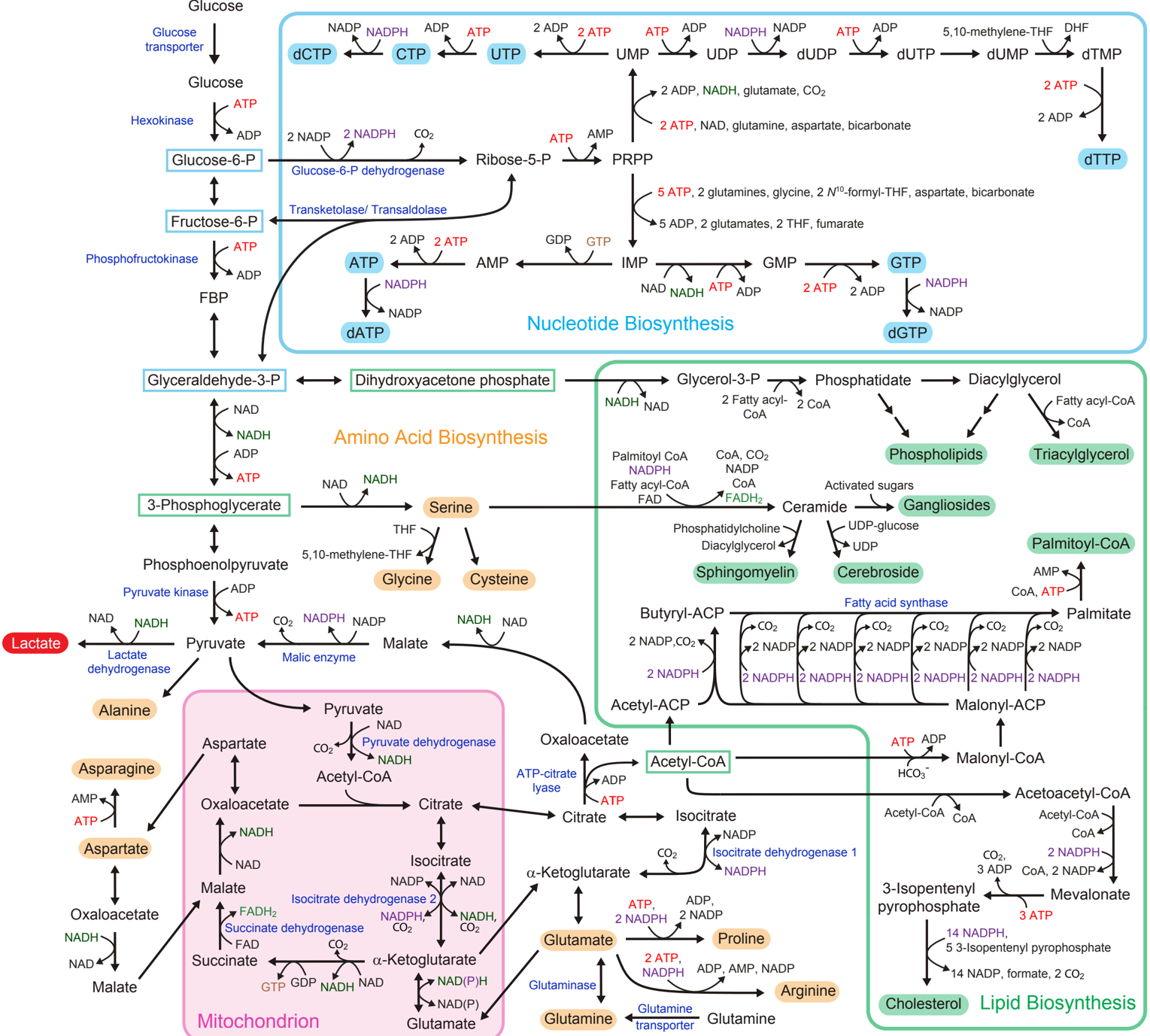
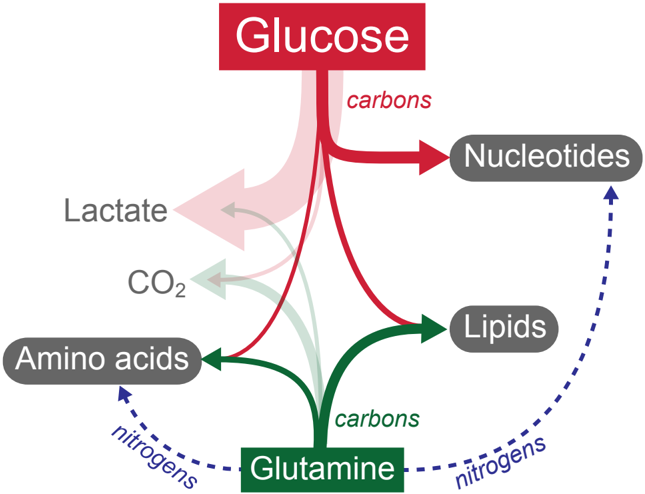
Warburg's observation that cancer cells exhibit a high rate of glycolysis even in the presence of oxygen (aerobic glycolysis) sparked debate over the role of glycolysis in normal and cancer cells. Although it has been established that defects in mitochondrial respiration are not the cause of cancer or aerobic glycolysis, the advantages of enhanced glycolysis in cancer remain controversial. Many cells ranging from microbes to lymphocytes use aerobic glycolysis during rapid proliferation, which suggests it may play a fundamental role in supporting cell growth. Here, we review how glycolysis contributes to the metabolic processes of dividing cells. We provide a detailed accounting of the biosynthetic requirements to construct a new cell and illustrate the importance of glycolysis in providing carbons to generate biomass. We argue that the major function of aerobic glycolysis is to maintain high levels of glycolytic intermediates to support anabolic reactions in cells, thus providing an explanation for why increased glucose metabolism is selected for in proliferating cells throughout nature.
Overview
The claims and statistics of this paper haven’t been checked yet.
Free: it reads the open-access text and checks the first 5 claims that cite a source we can check. Create a free account to check every claim.
Integrity signals
Registry
Cites
Statistics
Figures
Verification
Claims the paper makes
The claims and statistics of this paper haven’t been checked yet.
Free: it reads the open-access text and checks the first 5 claims that cite a source we can check. Create a free account to check every claim.
Claims other papers make about this one
Each is checked against this paper’s own text: does it say what the citing paper says it does?
The source backs part of the claim, not all of it — or backs it for a different population, condition or comparison.
In the citing paper
“Pancreatic ductal adenocarcinoma (PDAC) lines were chosen for our study because cancers of the pancreas are characterized by rapid progression,9,10 invasiveness,11,12 and elevated fermentative metabolism.13,14,15,16”
From Dynamic IL-6R/STAT3 signaling leads to heterogeneity of metabolic phenotype in pancreatic ductal adenocarcinoma cells (2024) · cites this paper as [13]
Experimental — accuracy not yet measuredThe source backs part of the claim, not all of it — or backs it for a different population, condition or comparison.
In the citing paper
“Despite the prevalence of glycolysis, mitochondrial respiration remains important in proliferating cells, allowing the production of biosynthetic precursors and the generation of electron acceptors that enable aspartate synthesis, for example [9,16,17].”
From Proliferating Astrocytes in Primary Culture Do Not Depend upon Mitochondrial Respiratory Complex I Activity or Oxidative Phosphorylation (2023) · cites this paper as [9]
Experimental — accuracy not yet measuredThe cited source says what the claim attributes to it.
In the citing paper
“AG is a prominent feature of cancer cell metabolism; its main role is thought to be support of biosynthetic pathways required for cellular proliferation”
From Aerobic glycolysis in the human brain is associated with development and neotenous gene expression (2014) · cites this paper as Lunt and Vander Heiden, 2011
In the citing paper
“Proliferating cells have different metabolic requirements from non-proliferating cells (Hsu and Sabatini, 2008; Lunt and Vander Heiden, 2011; Pavlova and Thompson, 2016). While non-proliferating cells have primarily catabolic demands, proliferating cells must balance the divergent catabolic and anabolic requirements of sustaining cellular homeostasis while duplicating cell mass, and thus engage in”
From Targeting Metabolism for Cancer Therapy (2017) · cites this paper as Lunt and Vander Heiden, 2011
In the citing paper
“Today, we understand that mitochondrial respiration is not impaired but that cancer cells place emphasis on acquisition and generation of building blocks necessary for cell division. They do so by enhancing biosynthetic metabolism using glycolytic intermediates (209).”
From Metabolic Flexibility as an Adaptation to Energy Resources and Requirements in Health and Disease (2018) · cites this paper as [209]
1 more claim about this paper
Create a free account to see every claim other papers make about this one.
Self-check
Percentages, sums and reported differences re-computed from the paper’s own numbers.
The self-check needs the paper’s full text.
Citations
Cites
Understanding the Warburg Effect: The Metabolic Requirements of Cell Proliferation
Vander Heiden, M. G., Cantley, L. C., & Thompson, C. B. (2009) · Science · doi:10.1126/science.1160809 · Cited by 16,197
Warburg, O. (1956) · Science · doi:10.1126/science.123.3191.309 · Cited by 13,425 · cited 1×
“In 1924, Otto Warburg observed that cancer cells consume much 6 larger quantities of glucose than their normal counterparts and metabolize it predominantly through glycolysis, producing high levels of lactate even in oxygen-rich conditions (Warburg 1956, Warburg et al 1924).”
Escherichia coli and Salmonella :cellular and molecular biology
Neidhardt, F. C. (1996) · ASM Press eBooks · Cited by 8,197
Alberts, B., Johnson, A., Lewis, J., Morgan, D., Raff, M., Roberts, K., & Walter, P. (2017) · W.W. Norton eBooks · doi:10.1201/9781315735368 · Cited by 6,365
TOR signaling in growth and metabolism
Wullschleger, S., Loewith, R., & Hall, M. N. (2006) · Cell · doi:10.1016/j.cell.2006.01.016 · Cited by 5,787
The phosphoinositide 3-kinase pathway
Cantley, L. C. (2002) · Science · doi:10.1126/science.296.5573.1655 · Cited by 5,621 · cited 1×
“In normal cells, the PI3K pathway is tightly controlled to increase glucose uptake and 25 metabolism in response to growth signals (Cantley 2002).”
(1978) · Biochemical Education · doi:10.1016/0307-4412(78)90049-3 · Cited by 5,046
Cancer-associated IDH1 mutations produce 2-hydroxyglutarate
Dang, L., White, D. W., Gross, S., Bennett, B. D., Bittinger, M. A., Driggers, E. M., Fantin, V. R., Jang, H. G., Jin, S., Keenan, M. C., et al. (2009) · Nature · doi:10.1038/nature08617 · Cited by 4,154
The Biology of Cancer: Metabolic Reprogramming Fuels Cell Growth and Proliferation
DeBerardinis, R. J., Lum, J. J., Hatzivassiliou, G., & Thompson, C. B. (2008) · Cell Metabolism · doi:10.1016/j.cmet.2007.10.002 · Cited by 4,088 · cited 3×
“In proliferating cells, however, the TCA cycle serves as an important source of biosynthetic precursors (DeBerardinis et al 2008) in addition to providing ATP.”
Kim, J.-W., Tchernyshyov, I., Semenza, G. L., & Dang, C. V. (2006) · Cell Metabolism · doi:10.1016/j.cmet.2006.02.002 · Cited by 3,905 · cited 1×
“HIF-1 induced PDK activity inhibits PDH, which converts pyruvate to acetyl-CoA (Kim et al 2006, Papandreou et al 2006).”
Research works printed but not linked: 6
- 10.1002/(SICI)1097-4644(19971001)67:1<131::AID-JCB13>3.0.CO;2-K · DOI
- Berg JM, Tymoczko JL, Stryer L. 2007. Biochemistry. New York: W.H. Freeman Boros LG, Lee PW, Brandes JL, Cascante M, Muscarella P, et al. 1998. Nonoxidative pentose phosphate pathways and their direct role in ribose synthesis in tumors: is cancer a disease of cellular glucose metabolism? Med Hypotheses 50: 55-9
- Lewin B. 1997. Genes VI. Oxford ; New York: Oxford University Press. xviii, 1260 p. pp.
- Voet D, Voet JG. 2004. Biochemistry. New York: J. Wiley & Sons. 2 v. (xv, 1560 p.) pp.
- Warburg O, Posener K, Negelein E. 1924. Ueber den stoffwechsel der tumoren. Biochem Z 152: 319-44
- Younes M, 1996, Cancer Res., 56, 1164
Cited by
Items 701–800 of 1,013
Shin, S., Cho, H.-W., Song, S.-E., Im, S., Bae, J., & Song, D. (2020) · Redox Biology · doi:10.1016/j.redox.2020.101749 · Cited by 64
“Glycolytic intermediates are used as energy sources or substrates of G6PD, the rate-limiting enzyme of PPP, for NADPH and fatty acid synthesis [33,34].”
BackgroundReid, M. A., Lowman, X. H., Pan, M., Tran, T. Q., Warmoes, M. O., Ishak Gabra, M. B., Yang, Y., Locasale, J. W., & Kong, M. (2016) · Genes & Development · doi:10.1101/gad.287235.116 · Cited by 62
“In contrast to normal cells, cancer cells divert glucose away from the tricarboxylic acid (TCA) cycle by converting a majority of their glucose-derived pyruvate to lactate, a phenomenon known as the Warburg effect or aerobic glycolysis (Lunt and Vander Heiden 2011).”
New strategies for targeting glucose metabolism–mediated acidosis for colorectal cancer therapy
Wang, G., Wang, J., Yin, P., Xu, K., Wang, Y., Shi, F., Gao, J., & Fu, X. (2018) · Journal of Cellular Physiology · doi:10.1002/jcp.26917 · Cited by 64
“…flux in cancer cells is catalyzed by lactate dehydrogenase A (LDHA), which catalyzes the interconversion of pyruvate and L‐lactate, accompanied by NADH and NAD+ conversion in glycolysis and is required to maintain a high flux of glucose metabolism (Lunt & Vander Heiden, 2011; J. Wang et al., 2015).”
BackgroundJin, F., Yang, R., Yao, W., Wang, D., Zhu, Y., Wang, X., Lu, Y., Wang, Y., Zen, K., & Li, L. (2018) · Cancer Letters · doi:10.1016/j.canlet.2018.10.025 · Cited by 64
Cao, H., Luo, J., Zhang, Y., Mao, X., Wen, P., Ding, H., Xu, J., Sun, Q., He, W., Dai, C., et al. (2020) · Kidney International · doi:10.1016/j.kint.2020.03.035 · Cited by 65
Kim, G., Yoon, Y., Park, J., Park, J. W., Noh, M., Kim, H., Park, C.-H., Kwon, H., Park, J. H., Kim, Y., et al. (2022) · Microbiome · doi:10.1186/s40168-022-01374-0 · Cited by 74
“Given that pyruvate and 2-pentadecanone are derived from glucose [43, 44], these results indicated that oral treatment of B.”
ResultRybkowska, P., Radoszkiewicz, K., Kawalec, M., Dymkowska, D., Zabłocka, B., Zabłocki, K., & Sarnowska, A. (2023) · Cells · doi:10.3390/cells12010178 · Cited by 73
“In MSCs spheroids, we probably observed a different use of anaerobic glycolysis, unrelated to the rate of proliferation, but further studies are needed to understand these mechanisms [69].”
BackgroundA Prodrug of Two Approved Drugs, Cisplatin and Chlorambucil, for Chemo War Against Cancer
Pathak, R., Wen, R. M., Kolishetti, N., & Dhar, S. (2017) · Molecular Cancer Therapeutics · doi:10.1158/1535-7163.mct-16-0445 · Cited by 63
“In this metabolic scenario, glucose is metabolized mostly via aerobic glycolysis (32) at an accelerated rate generating lactate thereby resulting in decreased feed of pyruvate to the tricarboxylic acid cycle (TCA) for mitochondrial respiration and conversion of glutamine to glutamate by the mitochondrial enzyme glutam…”
BackgroundRegulation of the H+-ATP synthase by IF1: a role in mitohormesis
Esparza‐Moltó, P. B., Nuevo‐Tapioles, C., & Cuezva, J. M. (2017) · Cellular and Molecular Life Sciences · doi:10.1007/s00018-017-2462-8 · Cited by 71
Reenergizing T cell anti-tumor immunity by harnessing immunometabolic checkpoints and machineries
Ho, P.-C., & Kaech, S. M. (2017) · Current Opinion in Immunology · doi:10.1016/j.coi.2017.04.003 · Cited by 59
Zhuang, X., Chen, Y., Wu, Z., Xu, Q., Chen, M., Shao, M., Cao, X., Zhou, Y., Xie, M., Shi, Y., et al. (2019) · Carcinogenesis · doi:10.1093/carcin/bgz174 · Cited by 66
Li, Y., Nourbakhsh, N., Pham, H., Tham, R. C., Zuckerman, J. E., & Singh, P. (2020) · American Journal of Physiology-Renal Physiology · doi:10.1152/ajprenal.00390.2019 · Cited by 66
“been described in tumor cells and proliferating cells (35).”
BackgroundMetabolism Characteristics of Th17 and Regulatory T Cells in Autoimmune Diseases
Qin, Y., Gao, C., & Luo, J. (2022) · Frontiers in Immunology · doi:10.3389/fimmu.2022.828191 · Cited by 77
“Metabolic remodeling from OXPHOS to aerobic glycolysis is a hallmark of T cell activation and is thought to be required to meet the metabolic demands of proliferation (12).”
BackgroundCytosolic and mitochondrial NADPH fluxes are independently regulated
Niu, X., Stancliffe, E., Gelman, S. J., Wang, L., Schwaiger-Haber, M., Rowles, J. L., Shriver, L. P., & Patti, G. J. (2023) · Nature Chemical Biology · doi:10.1038/s41589-023-01283-9 · Cited by 60
Glioblastoma Metabolism: Insights and Therapeutic Strategies
Bernhard, C., Reita, D., Martin, S., Entz‐Werlé, N., & Dontenwill, M. (2023) · International Journal of Molecular Sciences · doi:10.3390/ijms24119137 · Cited by 68
“The upregulation of the Pentose Phosphate Pathway stimulates the nucleotide synthesis which is essential for DNA replication and repair, but also to produce reducing equivalents (NADPH) supporting redox homeostasis and lipid biosynthesis [17].”
BackgroundInfluentialHuang, A., Sun, Z., Hong, H., Yang, Y., Chen, J., Gao, Z., & Gu, J. F. (2024) · Journal of Translational Medicine · doi:10.1186/s12967-024-05391-5 · Cited by 81
“The hypoxia-mediated shift of tumor metabolism towards glycolysis, as well as the native characteristics of aerobic glycolysis (the so-called Warburg effect), leads to massive glucose consumption by tumor cells, consequently increasing lactate production and decreasing the pH of the TME [26].”
BackgroundThe proliferating cell hypothesis: a metabolic framework for Plasmodium growth and development
Salcedo-Sora, J. E., Caamaño‐Gutiérrez, E., Ward, S. A., & Biagini, G. A. (2014) · Trends in Parasitology · doi:10.1016/j.pt.2014.02.001 · Cited by 69
Wang, P., Mai, C., Wei, Y.-L., Zhao, J.-J., Hu, Y.-M., Zeng, Z.-L., Yang, J., Lu, W.-H., Xu, R., & Huang, P. (2013) · Medical Oncology · doi:10.1007/s12032-013-0552-5 · Cited by 64
Metabolic control of signalling pathways and metabolic auto‐regulation
Lorendeau, D., Christen, S., Rinaldi, G., & Fendt, S. (2015) · Biology of the Cell · doi:10.1111/boc.201500015 · Cited by 69
Metabolic reprogramming: a hallmark of viral oncogenesis
Levy, P. L., & Bartosch, B. (2015) · Oncogene · doi:10.1038/onc.2015.479 · Cited by 69
Thermodynamic Aspects and Reprogramming Cellular Energy Metabolism during the Fibrosis Process
Vallée, A., Lecarpentier, Y., & Vallée, J.-N. (2017) · International Journal of Molecular Sciences · doi:10.3390/ijms18122537 · Cited by 63
“Aerobic glycolysis generates the energy and metabolites involved in the regulation of cellular functions, including proliferation, extracellular matrix production, autophagy, and apoptosis [172].”
BackgroundBueno, M. J., Jimenez-Renard, V., Samino, S., Capellades, J., Junza, A., López-Rodríguez, M. L., García-Cárceles, J., López-Fabuel, I., Bolaños, J. P., Chandel, N. S., et al. (2019) · Nature Communications · doi:10.1038/s41467-019-13028-1 · Cited by 61
Nagy, P. D., & Lin, W. (2020) · Viruses · doi:10.3390/v12010056 · Cited by 66
“Altogether, by providing abundant precursor compounds in the cytosol, the aerobic glycolytic and fermentation pathways are far more efficient to facilitate the production of molecular building blocks than the oxidative phosphorylation pathway [22,23,37].”
BackgroundMethodInfluentialCharacterization of serial hyperpolarized 13C metabolic imaging in patients with glioma
Autry, A. W., Gordon, J. W., Chen, H.-Y., Lafontaine, M., Bok, R., Criekinge, M. V., Slater, J. B., Carvajal, L. E., Villanueva-Meyer, J. E., Chang, S. M., et al. (2020) · NeuroImage Clinical · doi:10.1016/j.nicl.2020.102323 · Cited by 62
Small molecule compounds targeting the p53 pathway: are we finally making progress?
Yu, X., Narayanan, S., Vazquez, A., & Carpizo, D. R. (2014) · Apoptosis · doi:10.1007/s10495-014-0990-3 · Cited by 59
“metabolism of cancer cells is altered in ways that provide a selective advantage for tumor progression and tumor maintenance [94, 95].”
BackgroundMetabolic and Mechanical Cues Regulating Pluripotent Stem Cell Fate
Perestrelo, T., Correia, M., Ramalho‐Santos, J., & Wirtz, D. (2018) · Trends in Cell Biology · doi:10.1016/j.tcb.2018.09.005 · Cited by 62
Impact of glucose metabolism on the developing brain
Cacciatore, M., Grasso, E. A., Tripodi, R., & Chiarelli, F. (2022) · Frontiers in Endocrinology · doi:10.3389/fendo.2022.1047545 · Cited by 76
“Themetabolic pathway of oxidative phosphorylation is themain supplier of adenosine-50-triphosphate (ATP), producing up to 36 molecules of ATP per glucose molecule, through a series of phases like glycolysis, the citric acid cycle, and the electron transport chain (35, 36).”
BackgroundHagland, H. R., & Søreide, K. (2014) · Cancer Letters · doi:10.1016/j.canlet.2014.02.026 · Cited by 68
“NADPH is also an essential co-factor in proliferating cells [104].”
BackgroundImaging Tumor Metabolism Using Positron Emission Tomography
Lewis, D. Y., Soloviev, D., & Brindle, K. M. (2015) · The Cancer Journal · doi:10.1097/ppo.0000000000000105 · Cited by 72
“All rights reserved. metabolism (glycogenesis) has been described recently that reports on several steps in the glycogen synthesis pathway.29 Uptake of [18F]-N-(methyl-(2-fluoroethyl)-1H-[1,2,3]triazole-4-yl) glucosamine ([18F]NFTG) was determined principally by glycogen synthase 1 levels, which were shown to be high…”
BackgroundMitochondrial pyruvate carrier function and cancer metabolism
Rauckhorst, A. J., & Taylor, E. B. (2016) · Current Opinion in Genetics & Development · doi:10.1016/j.gde.2016.05.003 · Cited by 61
Glucose Requirements of the Developing Human Brain
Goyal, M. S., & Raichle, M. E. (2018) · Journal of Pediatric Gastroenterology and Nutrition · doi:10.1097/mpg.0000000000001875 · Cited by 74
The Glycolytic Enzyme PFKFB3 Controls TNF-α-Induced Endothelial Proinflammatory Responses
Zhang, R., Li, R., Liu, Y., Li, L., & Tang, Y.-Q. (2018) · Inflammation · doi:10.1007/s10753-018-0880-x · Cited by 62
Targeting endothelial metabolism for anti-angiogenesis therapy: A pharmacological perspective
Missiaen, R., Morales-Rodriguez, F., Eelen, G., & Carmeliet, P. (2017) · Vascular Pharmacology · doi:10.1016/j.vph.2017.01.001 · Cited by 58
Marchianò, S., Bertero, A., & Murry, C. E. (2019) · Pediatric Cardiology · doi:10.1007/s00246-019-02165-5 · Cited by 59
Tiwari, S. K., Toshniwal, A. G., Mandal, S., & Mandal, L. (2020) · eLife · doi:10.7554/elife.53247 · Cited by 67
“D Makhijani et al., 2011 FLYB:FBgn 0041180 FlyBase symbol: P{Hml-dsRed.”
Misund, K., Bruinink, D. H. O., Coward, E., Hoogenboezem, R. M., Rustad, E. H., Sanders, M. A., Rye, M. B., Sponaas, A., van der Holt, B., Zweegman, S., et al. (2022) · Leukemia · doi:10.1038/s41375-022-01597-y · Cited by 66
“Both MYC activity and loss of TP53 can promote glycolysis [52].”
BackgroundWang, W., Zhang, Y., Huang, W., Yuan, Y., Hong, Q., Xie, Z., Li, L., Chen, Y., Li, X., & Meng, Y. (2023) · Journal of Translational Medicine · doi:10.1186/s12967-022-03837-2 · Cited by 66
“Aerobic glycolysis, also called the Warburg effect, occurs when cells rely mainly on glycolysis to metabolize even in the presence of oxygen [30].”
BackgroundIntrinsic electrical activity drives small-cell lung cancer progression
Peinado, P., Stazi, M., Ballabio, C., Margineanu, M.-B., Li, Z., Colón, C. I., Hsieh, M., Choudhuri, S. P., Stastny, V., Hamilton, S., et al. (2025) · Nature · doi:10.1038/s41586-024-08575-7 · Cited by 83
Moonlighting functions of glucose metabolic enzymes and metabolites in cancer
Guo, D. S., Meng, Y., Zhao, G., Wu, Q., & Lu, Z. (2025) · Nature reviews. Cancer · doi:10.1038/s41568-025-00800-3 · Cited by 74
Fujisawa, K., Terai, S., Takami, T., Yamamoto, N., Yamasaki, T., Matsumoto, T., Yamaguchi, K., Owada, Y., Nishina, H., Noma, T., et al. (2016) · Journal of Experimental & Clinical Cancer Research · doi:10.1186/s13046-016-0322-2 · Cited by 64
“Regulation of mitochondrial activity is now one of the important points for better understanding cancer biology [25, 26].”
Challapalli, A., & Aboagye, E. O. (2016) · Frontiers in Oncology · doi:10.3389/fonc.2016.00044 · Cited by 58
“AG plays an important role in the biosynthesis of glycogen, proteins, lipids, and nucleic acids (15).”
BackgroundNapoli, E., Song, G., Liu, S., Espejo, A. B., Pérez, C. J., Benavides, F. J., & Giulivi, C. (2017) · Scientific Reports · doi:10.1038/s41598-017-12889-0 · Cited by 65
The Glycogen Shunt Maintains Glycolytic Homeostasis and the Warburg Effect in Cancer
Shulman, R. G., & Rothman, D. L. (2017) · Trends in cancer · doi:10.1016/j.trecan.2017.09.007 · Cited by 59
Metabolic reprogramming as a feast for virus replication
Polčicová, K., Baďurová, L., & Tomášková, J. (2020) · Acta Virologica · doi:10.4149/av_2020_210 · Cited by 60
Transketolase promotes colorectal cancer metastasis through regulating AKT phosphorylation
Li, M., Zhao, X., Yong, H., Xu, J., Qu, P., Qiao, S., Hou, P., Li, Z., Chu, S., Zheng, J., et al. (2022) · Cell Death and Disease · doi:10.1038/s41419-022-04575-5 · Cited by 68
“Emerging studies have revealed that glycolysis is positively correlated with the malignant progression of cancer [2, 3].”
BackgroundConnections between metabolism and epigenetics: mechanisms and novel anti-cancer strategy
Chen, C., Wang, Z., & Qin, Y. (2022) · Frontiers in Pharmacology · doi:10.3389/fphar.2022.935536 · Cited by 75
Wang, J., Mao, L., Wang, J., Zhang, X., Wu, M. C., Wen, Q., & Yu, S. (2023) · Cellular Oncology · doi:10.1007/s13402-023-00775-z · Cited by 65
Chen, Z., Zhu, Z., Liang, W., Luo, Z., Hu, J., Feng, J., Zhang, Z., Luo, Q., Yang, H., & Ding, G. (2023) · Kidney International · doi:10.1016/j.kint.2023.01.007 · Cited by 60
IL-6 trans-signaling increases expression of airways disease genes in airway smooth muscle
Robinson, M., Deshpande, D. A., Chou, J., Cui, W., Smith, S. G., Langefeld, C. D., Hastie, A. T., Bleecker, E. R., & Hawkins, G. A. (2015) · American Journal of Physiology-Lung Cellular and Molecular Physiology · doi:10.1152/ajplung.00288.2014 · Cited by 63
“Interestingly, despite the normoxic conditions used in our experiments, we found that IL-6 trans-signaling resulted in an enrichment of genes associated with the hypoxia pathway (Table 3), including ANGPTL4 (48), HIF1A (62), APLN (70), and multiple glycolysis genes (Table 2) (42).”
Spatial Reorganization of Saccharomyces cerevisiae Enolase To Alter Carbon Metabolism under Hypoxia
Miura, N., Shinohara, M., Tatsukami, Y., Sato, Y., Morisaka, H., Kuroda, K., & Ueda, M. (2013) · Eukaryotic Cell · doi:10.1128/ec.00093-13 · Cited by 63
“Eno(1-28)-DsRed, red fluorescence from the N-terminal (aa 1 to 28) amino acid sequence of Eno2p conjugated with Miura et al.”
BackgroundMethodStein, L. R., Wozniak, D. F., Dearborn, J. T., Kubota, S., Apte, R. S., Izumi, Y., Zorumski, C. F., & Imai, S.-I. (2014) · The Journal of Neuroscience · doi:10.1523/jneurosci.4730-13.2014 · Cited by 56
Kishishita, S., Katayama, S., Kodaira, K., Takagi, Y., Matsuda, H., Okamoto, H., Takuma, S., Hirashima, C., & Aoyagi, H. (2015) · Journal of Bioscience and Bioengineering · doi:10.1016/j.jbiosc.2014.11.022 · Cited by 76
Lian, N., Jin, H., Zhang, F., Wu, L., Shao, J., Lu, Y., & Zheng, S. (2016) · IUBMB Life · doi:10.1002/iub.1518 · Cited by 57
“Furthermore, curcumin increased the phosphorylation of adenosine monophosphate-activated protein kinase (AMPK), but AMPK inhibitor BML-275 significantly abolished the curcumin downregulation of HK, PFK2, and glut4.”
BackgroundInfluentialTRAF3 deficiency promotes metabolic reprogramming in B cells
Mambetsariev, N., Lin, W., Wallis, A. M., Stunz, L. L., & Bishop, G. A. (2016) · Scientific Reports · doi:10.1038/srep35349 · Cited by 65
“Once transported into the cell, glucose can be metabolized via anaerobic glycolysis and oxidative phosphorylation 17 .”
Tur, J., Vico, T., Lloberas, J., Zorzano, A., & Celada, A. (2017) · Advances in immunology · doi:10.1016/bs.ai.2016.12.001 · Cited by 68
Drug repositioning of mevalonate pathway inhibitors as antitumor agents for ovarian cancer
Kobayashi, Y., Kashima, H., Rahmanto, Y. S., Banno, K., Yu, Y., Matoba, Y., Watanabe, K., Iijima, M., Takeda, T., Kunitomi, H., et al. (2017) · Oncotarget · doi:10.18632/oncotarget.20046 · Cited by 61
“There are several possible reasons for conversion from oxidative phosphorylation, an efficient pathway of ATP production, to inefficient glycolysis in cancer cells: cancer cells can grow under hypoxic conditions due to a poor blood vessel supply, cell death (apoptosis) is unlikely to occur due to inhibition of oxidati…”
BackgroundRole of PKM2 in directing the metabolic fate of glucose in cancer: a potential therapeutic target
van Niekerk, G., & Engelbrecht, A. (2018) · Cellular Oncology · doi:10.1007/s13402-018-0383-7 · Cited by 60
The role of mitochondrial ATP synthase in cancer
Galber, C., Acosta, M. J., Minervini, G., & Giorgio, V. (2020) · Biological Chemistry · doi:10.1515/hsz-2020-0157 · Cited by 59
Metabolism Regulation and Redox State: Insight into the Role of Superoxide Dismutase 1
Damiano, S., Sozio, C., Rosa, G. L., Guida, B., Faraonio, R., Santillo, M., & Mondola, P. (2020) · International Journal of Molecular Sciences · doi:10.3390/ijms21186606 · Cited by 60
Zhu, L., Huang, X., Li, Z., Cao, G., Zhu, X., She, S., Huang, T., & Lu, G. (2021) · Journal of Hazardous Materials · doi:10.1016/j.jhazmat.2021.125281 · Cited by 55
The Warburg effect and mitochondrial oxidative phosphorylation: Friends or foes?
Pinto, M. M., Paumard, P., Bouchez, C. L., Ransac, S., Duvezin‐Caubet, S., Mazat, J., Rigoulet, M., & Devin, A. (2022) · Biochimica et Biophysica Acta (BBA) - Bioenergetics · doi:10.1016/j.bbabio.2022.148931 · Cited by 66
Metal Oxide Semiconductor Gas Sensors for Lung Cancer Diagnosis
Li, G., Zhu, X.-T., Liu, J., Li, S., & Liu, X. (2023) · Chemosensors · doi:10.3390/chemosensors11040251 · Cited by 62
Metabolic strategies in hypoxic plants
van Veen, H., Triozzi, P. M., & Loreti, E. (2024) · PLANT PHYSIOLOGY · doi:10.1093/plphys/kiae564 · Cited by 56
Emerging Glycolysis Targeting and Drug Discovery from Chinese Medicine in Cancer Therapy
Wang, Z., Wang, N., Chen, J., & Shen, J. (2012) · Evidence-based Complementary and Alternative Medicine · doi:10.1155/2012/873175 · Cited by 65
“From the original glucose uptake to the final lactate production, the key steps include: (1) the increasing uptake of glucose by elevated expression of glucose transporter-1 (GLUT1) and sodium glucose cotransporter-1 (SGLT1); (2) active ATP generation reaction by upregulation of phosphoglycerate kinase (PGK) and pyruv…”
Changing appetites: the adaptive advantages of fuel choice
Stanley, I. A., Ribeiro, S. M., Giménez-Cassina, A., Norberg, E., & Danial, N. N. (2014) · Trends in Cell Biology · doi:10.1016/j.tcb.2013.07.010 · Cited by 56
Targeting Metabolic Changes in Cancer: Novel Therapeutic Approaches
Bobrovnikova-Marjon, E. V., & Hurov, J. (2014) · Annual Review of Medicine · doi:10.1146/annurev-med-092012-112344 · Cited by 60
Mot, A. I., Liddell, J. R., White, A. R., & Crouch, P. J. (2016) · The International Journal of Biochemistry & Cell Biology · doi:10.1016/j.biocel.2016.08.029 · Cited by 56
Emerging Metabolic Therapies in Pulmonary Arterial Hypertension
Harvey, L. D., & Chan, S. Y. (2017) · Journal of Clinical Medicine · doi:10.3390/jcm6040043 · Cited by 61
New Insights into Lymphoma Pathogenesis
Elenitoba‐Johnson, K. S. J., & Lim, M. S. (2017) · Annual Review of Pathology Mechanisms of Disease · doi:10.1146/annurev-pathol-020117-043803 · Cited by 70
Santos, J. M., Khan, Z. S., Munir, M. T., Tarafdar, K., Rahman, S. M., & Hussain, F. (2017) · The Journal of Nutritional Biochemistry · doi:10.1016/j.jnutbio.2017.10.013 · Cited by 56
“Prior studies suggest that increased glycolysis is critical for cancer growth and metastasis [3,5].”
BackgroundThe metabolic axis of macrophage and immune cell polarization
Hobson-Gutierrez, S. A., & Carmona-Fontaine, C. (2018) · Disease Models & Mechanisms · doi:10.1242/dmm.034462 · Cited by 56
“…that it enables sufficient ATP to be produced, while permitting cells to retain carbon-rich macromolecules with which to biosynthesize essential intermediates and the large quantities of biomass that are required for tumor proliferation (Lunt and Vander Heiden, 2011; Pavlova and Thompson, 2016).”
Li, H., Lu, S., Chen, Y., Zheng, L., Chen, L., Ding, H., Ding, J., Lou, D., Liu, F., & Zheng, B. (2019) · Cellular Signalling · doi:10.1016/j.cellsig.2019.03.011 · Cited by 62
Understanding tumor anabolism and patient catabolism in cancer-associated cachexia.
Schcolnik‐Cabrera, A., Chávez-Blanco, A. D., Domínguez-Gómez, G., & Dueñas‐González, A. (2017) · Europe PMC (PubMed Central) · Cited by 77
Shi, Y., Wang, Y., Jiang, H., Sun, X., Xu, H., Xue, W., Yan, W., Xiao, G., Song, Z., & Zhou, F. (2021) · Cell Death and Disease · doi:10.1038/s41419-021-03984-2 · Cited by 60
“It has been reported that glycolysis allows the cell to meet requirements for proliferation [44] and HIF-1α facilitates the growth of new blood vessels.”
BackgroundGarama, D. J., Harris, T. J., White, C. L., Rossello, F. J., Abdul-Hay, M., Gough, D. J., & Levy, D. E. (2015) · Molecular and Cellular Biology · doi:10.1128/mcb.00541-15 · Cited by 55
“Cancer cells rely heavily on aerobic glycolysis for ATP and biomolecule production, but they also maintain electron transport chain and tricarboxylic acid (TCA) cycle activity, which contribute to tumor cell anabolism (12).”
BackgroundBrain Nutrition: A Life Span Approach
Goyal, M. S., Iannotti, L. L., & Raichle, M. E. (2018) · Annual Review of Nutrition · doi:10.1146/annurev-nutr-082117-051652 · Cited by 68
Arif, T., Paul, A., Krelin, Y., Shteinfer‐Kuzmine, A., & Shoshan‐Barmatz, V. (2018) · Cancers · doi:10.3390/cancers10120499 · Cited by 58
“Enhanced proliferation brings about increased anabolic needs and, correspondingly, cancer cells rewire their metabolic pathways to divert nutrients like glucose and glutamine into anabolic pathways to meet the demand for cellular building blocks [5,6].”
Genovese, S., Clément, R., Gaultier, C., Besse, F., Narbonne-Reveau, K., Daian, F., Foppolo, S., Luis, N. M., & Maurange, C. (2019) · eLife · doi:10.7554/elife.50375 · Cited by 58
Understanding the Warburg Effect in Cancer
Li, Z., Munim, M. B., Sharygin, D. A., Bevis, B. J., & Heiden, M. G. V. (2024) · Cold Spring Harbor Perspectives in Medicine · doi:10.1101/cshperspect.a041532 · Cited by 65
Metabolic cooperation between co-cultured lung cancer cells and lung fibroblasts
Koukourakis, M. I., Kalamida, D., Mitrakas, A. G., Liousia, M., Pouliliou, S., Sivridis, E., & Giatromanolaki, A. (2017) · Laboratory Investigation · doi:10.1038/labinvest.2017.79 · Cited by 54
“Co-cultures were seeded as sibling ((1) MRC5/ MRC5, (2) A549/A549 and (3) H1299/H1299) and as dissimilar co-cultures ((4) MRC5/A549 and (5) MRC5/ H1299).”
Visualizing Subcellular Enrichment of Glycogen in Live Cancer Cells by Stimulated Raman Scattering
Lee, D., Du, J., Yu, R., Su, Y., Heath, J. R., & Wei, L. (2020) · Analytical Chemistry · doi:10.1021/acs.analchem.0c02348 · Cited by 55
Zheng, S., Liu, Q., Liu, T., & Lu, X. (2021) · Journal of Physiology and Biochemistry · doi:10.1007/s13105-021-00813-0 · Cited by 61
Hu, Y., Hu, X. V., Jiang, L., Luo, J., Huang, J., Sun, Y., Qiao, Y., Wu, H., Zhou, S., Li, H., et al. (2024) · EBioMedicine · doi:10.1016/j.ebiom.2024.105482 · Cited by 61
Metabolic regulation of mesenchymal stem cell in expansion and therapeutic application
Liu, Y., & Ma, T. (2014) · Biotechnology Progress · doi:10.1002/btpr.2034 · Cited by 59
“A salient feature of stem cell metabolism is active aerobic glycolysis which plays a vital role in supporting stem cell proliferation and providing anabolic precursors for biosynthesis.(28) Ex vivo culture conditions that support active glycolysis such as hypoxia has been found to promote stem cell proliferation while…”
BackgroundBlair, D., Dufort, F. J., & Chiles, T. C. (2012) · Biochemical Journal · doi:10.1042/bj20121225 · Cited by 61
Blocking LDHA glycolytic pathway sensitizes glioblastoma cells to radiation and temozolomide
Koukourakis, M. I., Tsolou, A., Pouliliou, S., Lamprou, I., Papadopoulou, M., Ilemosoglou, M., Kostoglou, G., Ananiadou, D., Sivridis, E., & Giatromanolaki, A. N. (2017) · Biochemical and Biophysical Research Communications · doi:10.1016/j.bbrc.2017.07.138 · Cited by 55
Wrzesinski, K., & Fey, S. (2018) · Bioengineering · doi:10.3390/bioengineering5010022 · Cited by 53
“mTOR signalling increases translation of hypoxia-inducible factor 1α (HIF-1α), glucose transporters and glycolytic enzymes, and promotes metabolic reprogramming [101,104] (Figure 6).”
BackgroundInfluentialExploiting metabolic vulnerabilities of Non small cell lung carcinoma
Majem, B., Nadal, E., & Muñoz‐Pinedo, C. (2019) · Seminars in Cell and Developmental Biology · doi:10.1016/j.semcdb.2019.06.004 · Cited by 62
“It was recently shown in KRAS-mut/p53−/− NSCLC mice models that the genetic loss of AMPK, a kinase activated by low glucose or low ATP, reduced tumor growth [23].”
BackgroundInfluentialCarmona, M., de Cubas, L., Bautista, È., Moral-Blanch, M., Medraño-Fernández, I., Sitia, R., Boronat, S., Ayté, J., & Hidalgo, E. (2019) · Nature Communications · doi:10.1038/s41467-019-12475-0 · Cited by 60
Tencerová, M., Rendina-Ruedy, E., Neess, D., Færgeman, N. J., Figeac, F., Ali, D., Danielsen, M., Haakonsson, A. K., Rosen, C. J., & Kassem, M. S. (2019) · Bone Research · doi:10.1038/s41413-019-0076-5 · Cited by 60
“Glucose is transported into the cells via glucose transporters (GLUT) that vary among different cell types.(36) During skeletal development, glucose uptake is mediated primarily via GLUT1, which is insulin-independent.”
BackgroundLncRNA XLOC_006390 promotes pancreatic carcinogenesis and glutamate metabolism by stabilizing c-Myc
He, J., Li, F., Zhou, Y., Hou, X., Liu, S., Li, X., Zhang, Y., Jing, X., & Yang, L. (2019) · Cancer Letters · doi:10.1016/j.canlet.2019.11.021 · Cited by 57
Brentville, V. A., Metheringham, R. L., Daniels, I., Atabani, S., Symonds, P., Cook, K. W., Vankemmelbeke, M., Choudhury, R., Vaghela, P., Gijon, M., et al. (2020) · Journal for ImmunoTherapy of Cancer · doi:10.1136/jitc-2020-000560 · Cited by 54
“20 Glycolytic enzymes, including α -enolase, are widely expressed and are preferred targets for autophagy.”
Rada, M., Lazaris, A., Kapelanski‐Lamoureux, A., Mayer, T. Z., & Metrakos, P. P. (2020) · Seminars in Cancer Biology · doi:10.1016/j.semcancer.2020.09.001 · Cited by 56
Li, Q., Zhang, Y., Fan, H., Gong, Y., Xu, Y., Lv, Q., Xu, Y., Xiao, F., Wang, S., Wang, Z., et al. (2021) · Biosensors and Bioelectronics · doi:10.1016/j.bios.2021.113474 · Cited by 53
Yu, X., Jin, X., Wang, N., Qian, Z. M., Yu, Y., Tang, J. L., Wang, L., Zhou, R., Sun, J., & Zhu, L. (2022) · Environment International · doi:10.1016/j.envint.2022.107377 · Cited by 56
Chen, L.-M., Yang, P., Haq, A. T. A., Hwang, P., Lai, Y.-C., Weng, Y., Chen, M. A., & Hsu, H.-L. (2022) · Journal of Biomedical Science · doi:10.1186/s12929-022-00855-6 · Cited by 56
“After glucose is imported into cancer cells, it undergoes glycolysis to produce pyruvate that is primarily diverted to lactate fermentation in the cytoplasm rather than to OXPHOS in mitochondria, facilitating the rapid generation of ATP and sufficient glycolytic intermediates to support anabolic demands of cancer cell…”
BackgroundFrom Protein Film Electrochemistry to Nanoconfined Enzyme Cascades and the Electrochemical Leaf
Armstrong, F. A., Cheng, B., Herold, R. A., Megarity, C. F., & Siritanaratkul, B. (2022) · Chemical Reviews · doi:10.1021/acs.chemrev.2c00397 · Cited by 59
Abdelmaksoud, N. M., Abulsoud, A. I., Abdelghany, T. M., Elshaer, S. S., Rizk, S. M., & Senousy, M. A. (2023) · Pathology - Research and Practice · doi:10.1016/j.prp.2023.154509 · Cited by 58
Mitochondria Contribute to NADPH Generation in Mouse Rod Photoreceptors
Adler, L., Chen, C., & Koutalos, Y. (2013) · Journal of Biological Chemistry · doi:10.1074/jbc.m113.511295 · Cited by 57
“Sources of NADPH—NADPH can be generated in the cytosol by the pentose phosphate pathway (1, 2), as well as by NADP dependent dehydrogenases that utilize substrates provided by the mitochondria (3, 4).”
BackgroundIncomplete and transitory decrease of glycolysis: A new paradigm for anti-angiogenic therapy?
Schoors, S., Cantelmo, A. R., Georgiadou, M., Stapor, P., Wang, X., Quaegebeur, A., Cauwenberghs, S., Wong, B. W., Bifari, F., Decimo, I., et al. (2014) · Cell Cycle · doi:10.4161/cc.27519 · Cited by 53
Metadata
- Authors
- Lunt, S. Y., & Vander Heiden, M. G.
- Affiliations
- Massachusetts Institute of Technology (US)
- Koch Institute for Integrative Cancer Research, Massachusetts Institute of Technology, Cambridge, Massachusetts 02139;,
- ORCID
- Lunt, Sophia Y.
- Venue
- Annual Review of Cell and Developmental Biology
- Publisher
- Annual Reviews
- Published
- 2011-11-10
- Volume
- 27
- Issue
- 1
- Pages
- 441-464
- ISSN
- 1081-0706 (ISSN-L)
- 1530-8995
- OpenAlex
- W2095987251
- Cited by
- 3,057
- References
- 164
- Citations by year
- 2026: 164 · 2025: 235 · 2024: 265 · 2023: 304 · 2022: 328 · 2021: 310 · 2020: 254 · 2019: 207 · 2018: 186 · 2017: 197 · 2016: 151 · 2015: 154 · 2014: 143 · 2013: 112 · 2012: 41
- FWCI
- 6.94
- Type
- journal article
- Language
- en
- Open access
- green
- hdl.handle.net
- Licence
- cc-by-nc-sa
- Locations
- Annual Review of Cell and Developmental Biology (publishedVersion)
- PubMed (publishedVersion)
- DSpace@MIT (Massachusetts Institute of Technology) (submittedVersion, cc-by-nc-sa)
- Funders
- Damon Runyon Cancer Research Foundation
- Richard and Susan Smith Family Foundation
- Topics
- Life Sciences › Biochemistry, Genetics and Molecular Biology › Cancer Research › Cancer, Hypoxia, and Metabolism
- Life Sciences › Biochemistry, Genetics and Molecular Biology › Molecular Biology › Metabolism, Diabetes, and Cancer
- Life Sciences › Biochemistry, Genetics and Molecular Biology › Molecular Biology › Cancer and biochemical research
- Keywords
- aerobic glycolysis, cell proliferation, cancer metabolism, Warburg effect, glycolytic intermediates, anabolic metabolism, biomass synthesis, glucose metabolism, mitochondrial respiration, cell growth
- MeSH terms
- Adenosine Triphosphate, Aerobiosis, Animals, Citric Acid Cycle, Energy Metabolism, Glucose, Glycolysis, Humans, Mitochondria, Pyruvate Kinase, Cell Respiration, Lactic Acid, Cell Proliferation, Metabolic Networks and Pathways
About these checks
Registry, retraction, Cites and statistics results are computed, not judged, with one exception: a printed reference that no index lists is read once by a model before it counts as a citation error. Claims are extracted by a model and kept only when their quote appears verbatim in the text; each cited source is then checked, with a model’s help, for whether it says what the claim relies on. Those verdicts can be wrong — read the claim’s quote and the cited source before relying on one.
Statistics and arithmetic are recomputed, not judged.
Confidence bands are shown only for fields calibrated on our annotated test set. None is calibrated yet, so no band is shown.
What counts as a claim ›How we measure confidence ›How we check this ›
Are you an author, or do you see a problem with this page? Request a review
Data sources
Bibliographic data: Semantic Scholar, OpenAlex, Crossref.
Contains information from the Semantic Scholar Academic Graph Datasets, made available under the ODC Attribution License (ODC-BY 1.0).
Semantic Scholar’s data is described in: Kinney, R., et al. (2023). The Semantic Scholar Open Data Platform. arXiv:2301.10140.
