

Apolipoprotein profiling as a personalized approach to the diagnosis and treatment of dyslipidaemia
Open accessThe DOI matches its Crossref record; 187 of the 188 references it cites were found in a registry or an index, and 1 are not checked yet.
Abstract
An elevated low-density lipoprotein cholesterol concentration is a classical risk factor for cardiovascular disease. This has led to pharmacotherapy in patients with atherosclerotic heart disease or high heart disease risk with statins to reduce serum low-density lipoprotein cholesterol. Even in patients in whom the target levels of low-density lipoprotein cholesterol are reached, there remains a significant residual cardiovascular risk; this is due, in part, to a focus on low-density lipoprotein cholesterol alone and neglect of other important aspects of lipoprotein metabolism. A more refined lipoprotein analysis will provide additional information on the accumulation of very low-density lipoproteins, intermediate density lipoproteins, chylomicrons, chylomicron-remnants and Lp(a) concentrations. Instead of measuring the cholesterol and triglyceride content of the lipoproteins, measurement of their apolipoproteins (apos) is more informative. Apos are either specific for a particular lipoprotein or for a group of lipoproteins. In particular measurement of apos in atherogenic particles is more biologically meaningful than the measurement of the cholesterol concentration contained in these particles. Applying apo profiling will not only improve characterization of the lipoprotein abnormality, but will also improve definition of therapeutic targets. Apo profiling aligns with the concept of precision medicine by which an individual patient is not treated as ‘average’ patient by the average (dose of) therapy. This concept of precision medicine fits the unmet clinical need for stratified cardiovascular medicine. The requirements for clinical application of proteomics, including apo profiling, can now be met using robust mass spectrometry technology which offers desirable analytical performance and standardization.
Overview
The claims and statistics of this paper haven’t been checked yet.
Free: it reads the open-access text and checks the first 5 claims that cite a source we can check. Create a free account to check every claim.
Integrity signals
Registry
Cites
Statistics
Figures
Verification
Claims the paper makes
The claims and statistics of this paper haven’t been checked yet.
Free: it reads the open-access text and checks the first 5 claims that cite a source we can check. Create a free account to check every claim.
Claims other papers make about this one
Each is checked against this paper’s own text: does it say what the citing paper says it does?
The cited source says what the claim attributes to it.
In the citing paper
“These novel technologies provide complementary diagnostic information regarding the complex molecular basis of dyslipidemias and, as such, can be used to explore and evaluate precision medicine approaches for identifying better and individualized treatment options for patients at high risk of ASCVD [99].”
From Quantifying atherogenic lipoproteins for lipid-lowering strategies: Consensus-based recommendations from EAS and EFLM (2020) · cites this paper as [99]
Self-check
Percentages, sums and reported differences re-computed from the paper’s own numbers.
The self-check needs the paper’s full text.
Citations
Cites
Friedewald, W. T., Levy, R. I., & Fredrickson, D. S. (1972) · Clinical Chemistry · doi:10.1093/clinchem/18.6.499 · Cited by 32,423 · cited 1×
“Currently, the standard procedure for patients that present with symptoms of CVD is to monitor the patient’s lipid profile by determining the concentrations of total cholesterol, TG, and HDL-C, followed by calculation of LDL-C using Friedewald’s formula.(166) Several risk assessment systems have been developed, among…”
MethodEuropean Guidelines on cardiovascular disease prevention in clinical practice (version 2012)
Authors/Task Force Members:, Perk, J., De Backer, G., Gohlke, H., Graham, I., Reiner, Ž., Verschuren, M., Albus, C., Benlian, P., Boysen, G., et al. (2012) · European Heart Journal · doi:10.1093/eurheartj/ehs092 · Cited by 8,490
Prevention of Coronary Heart Disease with Pravastatin in Men with Hypercholesterolemia
Shepherd, J., Cobbe, S. M., Ford, I., Isles, C. G., Lorimer, A. R., Macfarlane, P. W., McKillop, J. H., & Packard, C. J. (1995) · New England Journal of Medicine · doi:10.1056/nejm199511163332001 · Cited by 7,449
Sacks, F. M., Pfeffer, M. A., Moye, L. A., Rouleau, J. L., Rutherford, J. D., Cole, T. G., Brown, L., Warnica, J. W., Arnold, J. M. O., Wun, C.-C., et al. (1996) · New England Journal of Medicine · doi:10.1056/nejm199610033351401 · Cited by 7,439
Antihyperlipidemic and Biochemical Activities of Mcy Protein in Streptozotocin Induced Diabetic Rats
Marella, S., Maddirela, D. R., Badri, K. R., Jyothi Kumar, M. V., & Chippada, A. (2015) · Cellular Physiology and Biochemistry · doi:10.1159/000373954 · Cited by 5,938
Davey Smith, G., & Ebrahim, S. (2003) · International Journal of Epidemiology · doi:10.1093/ije/dyg070 · Cited by 5,882 · cited 2×
“Genotypes are randomly inherited from parents to offspring, known as Mendelian randomization, and as such, the genotype distribution used in RCTs should be unrelated to confounders that may affect conventional observational studies.(108) Moreover, a genetic polymorphism can, by definition, only be causative to a chang…”
BackgroundEstimation of ten-year risk of fatal cardiovascular disease in Europe: the SCORE project
Conroy, R. (2003) · European Heart Journal · doi:10.1016/s0195-668x(03)00114-3 · Cited by 5,290
(1998) · New England Journal of Medicine · doi:10.1056/nejm199811053391902 · Cited by 5,261
Downs, J. R., Clearfield, M., Weis, S., Whitney, E., Shapiro, D. R., Beere, P. A., Langendorfer, A., Stein, E. A., Kruyer, W., Gotto, Jr., et al. (1998) · JAMA · doi:10.1001/jama.279.20.1615 · Cited by 5,236
Intensive versus Moderate Lipid Lowering with Statins after Acute Coronary Syndromes
Cannon, C. P., Braunwald, E., McCabe, C. H., Rader, D. J., Rouleau, J. L., Belder, R., Joyal, S. V., Hill, K. A., Pfeffer, M. A., & Skene, A. M. (2004) · New England Journal of Medicine · doi:10.1056/nejmoa040583 · Cited by 4,938
(1994) · New England Journal of Medicine · doi:10.1056/nejm199404143301501 · Cited by 4,737
Mendelian randomization: Using genes as instruments for making causal inferences in epidemiology
Lawlor, D. A., Harbord, R. M., Sterne, J. A. C., Timpson, N., & Davey Smith, G. (2008) · Statistics in Medicine · doi:10.1002/sim.3034 · Cited by 4,618 · cited 9×
“Nonetheless, it is unclear whether apoA-I alone is a predictor of CVD risk independently of its association with HDL.105 Genetic evidence for the role of apolipoproteins in CVD Three types of studies are typically used to determine whether a certain parameter is a risk factor for CHD.”
BackgroundInfluentialApolipoprotein E: Cholesterol Transport Protein with Expanding Role in Cell Biology
Mahley, R. W. (1988) · Science · doi:10.1126/science.3283935 · Cited by 4,028 · cited 1×
“These alleles occur at different frequencies in humans (e2, 5–10%; e3, 65–70%; and e4, 15–20%) and give rise to three homozygous (apoE2/2, apoE3/3, and apoE4/4) and three heterozygous (apoE3/2, apoE4/2, and apoE4/3) phenotypes.(142) The structural basis for the three isoforms occurs through amino acid interchanges (si…”
BackgroundFerence, B. A., Ginsberg, H. N., Graham, I., Ray, K. K., Packard, C. J., Bruckert, E., Hegele, R. A., Krauss, R. M., Raal, F. J., Schunkert, H., et al. (2017) · European Heart Journal · doi:10.1093/eurheartj/ehx144 · Cited by 3,962
Authors/Task Force Members, Graham, I., Atar, D., Borch-Johnsen, K., Boysen, G., Burell, G., Cifkova, R., Dallongeville, J., De Backer, G., Ebrahim, S., et al. (2007) · European Heart Journal · doi:10.1093/eurheartj/ehm316 · Cited by 3,753
SCANDINAVIANSIMVASTATINSURVIVAL (1994) · The Lancet · doi:10.1016/s0140-6736(94)90566-5 · Cited by 3,645
Effects of a combination of beta carotene and vitamin A on lung cancer and cardiovascular disease
Omenn, G. S., Goodman, G. E., Thornquist, M. D., Balmes, J., Cullen, M. R., Glass, A., Keogh, J. P., Meyskens, F. L., Valanis, B., Williams, J. H., et al. (1996) · New England Journal of Medicine · doi:10.1056/nejm199605023341802 · Cited by 3,638
Intensive Lipid Lowering with Atorvastatin in Patients with Stable Coronary Disease
LaRosa, J. C., Grundy, S. M., Waters, D. D., Shear, C., Barter, P., Fruchart, J.-C., Gotto, A. M., Greten, H., Kastelein, J. J. P., Shepherd, J., et al. (2005) · New England Journal of Medicine · doi:10.1056/nejmoa050461 · Cited by 3,489
2016 ESC/EAS Guidelines for the Management of Dyslipidaemias
Catapano, A. L., Graham, I., De Backer, G., Wiklund, O., Chapman, M. J., Drexel, H., Hoes, A. W., Jennings, C. S., Landmesser, U., Pedersen, T. R., et al. (2016) · European Heart Journal · doi:10.1093/eurheartj/ehw272 · Cited by 3,162
Major lipids, apolipoproteins, and risk of vascular disease
The Emerging Risk Factors Collaboration* (2009) · JAMA · doi:10.1001/jama.2009.1619 · Cited by 2,731 · cited 7×
“Vaisar T, Pennathur S, Green PS, et al. Shotgun proteomics implicates protease inhibition and complement activation in the antiinflammatory properties of HDL.”
BackgroundInfluentialPrescribing Personalized Nutrition for Cardiovascular Health: Are We Ready?
Juma, S., Imrhan, V., Vijayagopal, P., & Prasad, C. (2014) · Lifestyle Genomics · doi:10.1159/000370213 · Cited by 1,891
Apolipoprotein E: Far More Than a Lipid Transport Protein
Mahley, R. W., & Rall, S. C. (2000) · Annual Review of Genomics and Human Genetics · doi:10.1146/annurev.genom.1.1.507 · Cited by 1,836 · cited 2×
“In addition to its well-established function, apoE is proposed to modulate TG lipolysis.(86) ApoE can specifically inhibit the LPL-mediated hydrolysis of emulsion TG both in vitro and in vivo and inhibits the LPL-mediated processing of TRLs, including VLDL-TG.”
BackgroundLipoprotein(a) as a cardiovascular risk factor: current status
Nordestgaard, B. G., Chapman, M. J., Ray, K., Borén, J., Andreotti, F., Watts, G. F., Ginsberg, H., Amarenco, P., Catapano, A., Descamps, O. S., et al. (2010) · European Heart Journal · doi:10.1093/eurheartj/ehq386 · Cited by 1,807 · cited 1×
“advocate screening for elevated Lp(a) in those with intermediate or high CVD/CHD risk, and use of pharmacotherapy for Lp(a) and CVD/CHD risk reduction, accepting a desirable concentration <500 mg/L.(103)”
Background(2009) · JAMA · doi:10.1001/jama.2009.1063 · Cited by 1,753 · cited 1×
“Elevated Lp(a) concentration has a strong association with angiographically documented CAD(45,101) and with risk of cardiovascular death, non-fatal MI and ischemic stroke.(102) Nordestgaard et al.”
BackgroundGenetic Variants Associated with Lp(a) Lipoprotein Level and Coronary Disease
Clarke, R., Peden, J. F., Hopewell, J. C., Kyriakou, T., Goel, A., Heath, S. C., Parish, S., Barlera, S., Franzosi, M. G., Rust, S., et al. (2009) · New England Journal of Medicine · doi:10.1056/nejmoa0902604 · Cited by 1,671
2016 ESC/EAS Guidelines for the Management of Dyslipidaemias
Catapano, A. L., Graham, I., De Backer, G., Wiklund, O., Chapman, M. J., Drexel, H., Hoes, A. W., Jennings, C. S., Landmesser, U., Pedersen, T. R., et al. (2016) · Atherosclerosis · doi:10.1016/j.atherosclerosis.2016.08.018 · Cited by 1,582
Can dietary beta-carotene materially reduce human cancer rates?
Peto, R., Doll, R., Buckley, J. D., & Sporn, M. B. (1981) · Nature · doi:10.1038/290201a0 · Cited by 1,563 · cited 1×
“An example is the hypothesis that b-carotene protects against cancer, which was derived from several observational epidemiologic studies.(110) This hypothesis was tested in the ATBC and CARET studies, both RCTs in which a 16%(111) and 28%(112) increased incidence of lung cancer was reported in individuals treated with…”
ResultPedersen, T. R. (2005) · JAMA · doi:10.1001/jama.294.19.2437 · Cited by 1,548
Proteoform: a single term describing protein complexity
The Consortium for Top Down Proteomics, Smith, L. M., & Kelleher, N. L. (2013) · Nature Methods · doi:10.1038/nmeth.2369 · Cited by 1,528 · cited 1×
“It is now clear that one gene can present itself in multiple proteoforms due to genetic modifications, alternative splicing and post-translational modifications.(177) Because different proteoforms are likely to have different functionality, quantitation of proteoforms might be of importance, specifically in light of p…”
BackgroundGenetically Elevated Lipoprotein(a) and Increased Risk of Myocardial Infarction
Kamstrup, P. R. (2009) · JAMA · doi:10.1001/jama.2009.801 · Cited by 1,357 · cited 2×
“These results were corroborated by Kamstrup et al.(133) Recently, the Mendelian randomization strategy was also used to estimate the required change in plasma Lp(a) concentration that should therapeutically be reached to produce a clinically meaningful reduction in CVD risk.”
ResultInfluentialAcute Myocardial Infarction in Women: A Scientific Statement From the American Heart Association
Mehta, L. S., Beckie, T. M., DeVon, H. A., Grines, C. L., Krumholz, H. M., Johnson, M. N., Lindley, K. J., Vaccarino, V., Wang, T. Y., Watson, K. E., et al. (2016) · Circulation · doi:10.1161/cir.0000000000000351 · Cited by 1,244
Walldius, G., Jungner, I., Holme, I., Aastveit, A. H., Kolar, W., & Steiner, E. (2001) · The Lancet · doi:10.1016/s0140-6736(01)07098-2 · Cited by 1,229
Anderson, T. J., Grégoire, J., Pearson, G. J., Barry, A. R., Couture, P., Dawes, M., Francis, G. A., Genest, J., Grover, S., Gupta, M., et al. (2016) · Canadian Journal of Cardiology · doi:10.1016/j.cjca.2016.07.510 · Cited by 1,173 · cited 1×
“The measurement of Lp(a) is indicated in intermediate CVD risk patients, patients with inherited dyslipidaemias and patients with premature vascular disease.(1,38) However, the size polymorphism of apo(a) hampers the accurate quantitation op Lp(a) in g/L,(39,40) as well as standardization.”
BackgroundPlasma lipoproteins: apolipoprotein structure and function.
Mahley, R. W., Innerarity, T. L., Rall, S. C., & Weisgraber, K. H. (1984) · Journal of Lipid Research · doi:10.1016/s0022-2275(20)34443-6 · Cited by 1,155
Nordestgaard, B. G. (2016) · Circulation Research · doi:10.1161/circresaha.115.306249 · Cited by 1,116
Remnant Cholesterol as a Causal Risk Factor for Ischemic Heart Disease
Varbo, A., Benn, M., Tybjærg-Hansen, A., Jørgensen, A. B., Frikke-Schmidt, R., & Nordestgaard, B. G. (2013) · Journal of the American College of Cardiology · doi:10.1016/j.jacc.2012.08.1026 · Cited by 1,115 · cited 1×
“However, not only abundancy of LDL but also abundancy of remnant particles trigger the atherosclerotic process, although the latter by mechanisms that are currently understood poorly.(44) LDL-lowering drugs (e.”
BackgroundLoss-of-Function Mutations in APOC3, Triglycerides, and Coronary Disease
The TG and HDL Working Group of the Exome Sequencing Project, N. H. (2014) · New England Journal of Medicine · doi:10.1056/nejmoa1307095 · Cited by 1,071
Vaisar, T., Pennathur, S., Green, P. S., Gharib, S. A., Hoofnagle, A. N., Cheung, M. C., Byun, J., Vuletic, S., Kassim, S., Singh, P., et al. (2007) · Journal of Clinical Investigation · doi:10.1172/jci26206 · Cited by 942 · cited 8×
“Remnant-C is included in nonHDL-C but has merit in being measured separately: these remnants, mostly TG-rich remnant lipoproteins (in the non-fasting state CM-remnants and IDL) contribute also to risk of CHD.46 Several studies confirm that non-HDL-C is superior to LDL-C in predicting CHD.151,169 In a prospective study…”
BackgroundInfluentialLoss-of-Function Mutations in APOC3 and Risk of Ischemic Vascular Disease
Jørgensen, A. B., Frikke-Schmidt, R., Nordestgaard, B. G., & Tybjærg-Hansen, A. (2014) · New England Journal of Medicine · doi:10.1056/nejmoa1308027 · Cited by 919 · cited 9×
“Nonetheless, it is unclear whether apoA-I alone is a predictor of CVD risk independently of its association with HDL.105 Genetic evidence for the role of apolipoproteins in CVD Three types of studies are typically used to determine whether a certain parameter is a risk factor for CHD.”
BackgroundInfluentialFerence, B. A., Yoo, W., Alesh, I., Mahajan, N., Mirowska, K. K., Mewada, A., Kahn, J., Afonso, L., Williams, K. A., & Flack, J. M. (2012) · Journal of the American College of Cardiology · doi:10.1016/j.jacc.2012.09.017 · Cited by 898
Apolipoprotein E: from cardiovascular disease to neurodegenerative disorders
Mahley, R. W. (2016) · Journal of Molecular Medicine · doi:10.1007/s00109-016-1427-y · Cited by 837 · cited 1×
“Various cell types throughout the body, including macrophages, also synthesize apoE.(90) The hepatic uptake of VLDL-remnants and CM-remnants is facilitated by apoE, but is inhibited by apoCI, apoCII and apoCIII.”
BackgroundOxidized Phospholipids, Lp(a) Lipoprotein, and Coronary Artery Disease
Tsimikas, S., Brilakis, E. S., Miller, E. R., McConnell, J. P., Lennon, R. J., Kornman, K. S., Witztum, J. L., & Berger, P. B. (2005) · New England Journal of Medicine · doi:10.1056/nejmoa043175 · Cited by 784
Viney, N. J., van Capelleveen, J. C., Geary, R. S., Xia, S., Tami, J. A., Yu, R. Z., Marcovina, S. M., Hughes, S. G., Graham, M. J., Crooke, R. M., et al. (2016) · The Lancet · doi:10.1016/s0140-6736(16)31009-1 · Cited by 754 · cited 1×
“On treatment, Lp (a) concentrations fell by an average of 68%.(164) Studies further evaluating the efficacy for this therapy in lowering CVD incidence are currently ongoing.”
BackgroundRidker, P. M., Rifai, N., Cook, N. R., Bradwin, G., & Buring, J. E. (2005) · JAMA · doi:10.1001/jama.294.3.326 · Cited by 744
Triglyceride-mediated pathways and coronary disease: collaborative analysis of 101 studies
(2010) · The Lancet · doi:10.1016/s0140-6736(10)60545-4 · Cited by 716
Polymorphisms Associated with Cholesterol and Risk of Cardiovascular Events
Kathiresan, S., Melander, O., Anevski, D., Guiducci, C., Burtt, N. P., Roos, C., Hirschhorn, J. N., Berglund, G., Hedblad, B., Groop, L., et al. (2008) · New England Journal of Medicine · doi:10.1056/nejmoa0706728 · Cited by 696 · cited 4×
“, who monitored the same APOE rs4420638 SNP to study the relation between LDL-C and CVD risk in the Malmo€Diet and Cancer Study.(117) ApoE has three common alleles encoded by the APOE gene.”
BackgroundInfluentialBurgess, S., Ference, B. A., Staley, J. R., Freitag, D. F., Mason, A. M., Nielsen, S. F., Willeit, P., Young, R., Surendran, P., Karthikeyan, S., et al. (2018) · JAMA Cardiology · doi:10.1001/jamacardio.2018.1470 · Cited by 689 · cited 2×
“Recently, the Mendelian randomization strategy was also used to estimate the required change in plasma Lp(a) concentration that should therapeutically be reached to produce a clinically meaningful reduction in CVD risk.(138) A panel of 43 genetic variants, which explained 51– 63% of the variance in Lp(a) concentration…”
MethodPollin, T. I., Damcott, C. M., Shen, H., Ott, S. H., Shelton, J., Horenstein, R. B., Post, W., McLenithan, J. C., Bielak, L. F., Peyser, P. A., et al. (2008) · Science · doi:10.1126/science.1161524 · Cited by 688 · cited 1×
“Lower TG and LDL-C concentrations were observed in mutation carriers and the incidence of subclinical atherosclerosis was decreased, indicating a cardioprotective effect of apoCIII deficiency.(130) The same mutation has subsequently been found to be enriched in an isolated Greek population, in which it could be associ…”
BackgroundLipoprotein Lp(a) and the risk for myocardial infarction
Kostner, G. M., Avogaro, P., Cazzolato, G., Marth, E., Bittolo-Bon, G., & Qunici, G. B. (1981) · Atherosclerosis · doi:10.1016/0021-9150(81)90103-9 · Cited by 687 · cited 2×
“For example Kostner et al.162 have estimated that CAD risk is 2.3 times higher in patients with Lp(a) concentrations >500mg/L, while Riches and Porter have calculated that risk was twice greater for Lp(a) concentrations >200mg/L.163 In a meta-analysis of 40 prospective studies with 58,000 participants, a two-fold incr…”
BackgroundInfluentialSniderman, A. D., Williams, K., Contois, J. H., Monroe, H. M., McQueen, M. J., de Graaf, J., & Furberg, C. D. (2011) · Circulation: Cardiovascular Quality and Outcomes · doi:10.1161/circoutcomes.110.959247 · Cited by 659 · cited 1×
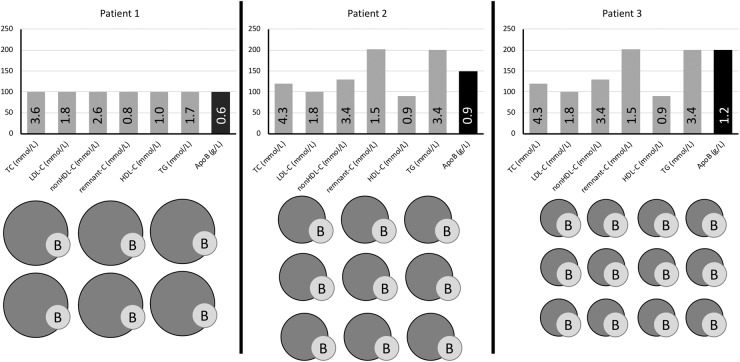
“In a meta-analysis based on 12 published epidemiological studies that contained estimates of the relative risks of non-HDL-C and apoB for CVD, it was concluded that over a 10-year period, a non-HDL-C strategy would prevent 300,000 more events than an LDL-C strategy, whereas an apoB100 strategy would prevent 500,000 mo…”
BackgroundExome sequencing identifies rare LDLR and APOA5 alleles conferring risk for myocardial infarction
Do, R., Stitziel, N. O., Won, H.-H., Jørgensen, A. B., Duga, S., Angelica Merlini, P., Kiezun, A., Farrall, M., Goel, A., Zuk, O., et al. (2015) · Nature · doi:10.1038/nature13917 · Cited by 650
Hypertriglyceridemia Associated with Deficiency of Apolipoprotein C-II
Breckenridge, W. C., Little, J. A., Steiner, G., Chow, A., & Poapst, M. (1978) · New England Journal of Medicine · doi:10.1056/nejm197806082982301 · Cited by 603 · cited 2×
“ApoCII is an essential cofactor of LPL, the ratelimiting enzyme for the hydrolysis and removal of TG in CMs and VLDL.(59) Like apoCI, but less effectively, apoCII inhibits the apoE-mediated binding of VLDL to the LRP.”
BackgroundNordestgaard, B. G., & Langsted, A. (2016) · Journal of Lipid Research · doi:10.1194/jlr.r071233 · Cited by 575 · cited 3×
“), and results were recently reviewed.(45) Here the most important, and novel findings are summarized.”
BackgroundInfluentialSandberg, S., Fraser, C. G., Horvath, A. R., Jansen, R., Jones, G., Oosterhuis, W., Petersen, P. H., Schimmel, H., Sikaris, K., & Panteghini, M. (2015) · Clinical Chemistry and Laboratory Medicine (CCLM) · doi:10.1515/cclm-2015-0067 · Cited by 563
The fundamental flaws of immunoassays and potential solutions using tandem mass spectrometry
Hoofnagle, A. N., & Wener, M. H. (2009) · Journal of Immunological Methods · doi:10.1016/j.jim.2009.06.003 · Cited by 561 · cited 1×
“Mass spectrometry (MS) is a strategic (antibody-independent) technology for highly multiplexed protein quantification, that has recently entered the medical laboratory.(26,27) Multiple clinically relevant (apolipo)proteins can simultaneously be enzymatically digested,(28) upon which proteinspecific signature peptides…”
BackgroundLipid-Related Markers and Cardiovascular Disease Prediction
(2012) · JAMA · doi:10.1001/jama.2012.6571 · Cited by 539
Role of apoCs in lipoprotein metabolism: functional differences between apoC1, apoC2, and apoC3
Jong, M. C., Hofker, M. H., & Havekes, L. M. (1999) · Arteriosclerosis, Thrombosis, and Vascular Biology · doi:10.1161/01.atv.19.3.472 · Cited by 539 · cited 4×
“ApoCI is produced in the liver and is a constituent of VLDL and HDL. ApoCI is an inhibitor of LPL activity, and inhibits the binding of VLDL to LDL-receptor related protein (LRP),49,50 as well as the apoEmediated binding of VLDL to the LDLR and the LRP.51,52 ApoCI is a potent activator of lecithin: cholesterol acyltra…”
BackgroundResultInfluentialPischon, T., Girman, C. J., Sacks, F. M., Rifai, N., Stampfer, M. J., & Rimm, E. B. (2005) · Circulation · doi:10.1161/circulationaha.104.532499 · Cited by 514
Hoogeveen, R. C., Gaubatz, J. W., Sun, W., Dodge, R. C., Crosby, J. R., Jiang, J., Couper, D., Virani, S. S., Kathiresan, S., Boerwinkle, E., et al. (2014) · Arteriosclerosis Thrombosis and Vascular Biology · doi:10.1161/atvbaha.114.303284 · Cited by 507 · cited 1×
“49).(22) LDL-C and remnant-C in 90,000 individuals from the Danish general population who were followed for up to 22 years were associated equally with risk of CHD and MI.”
BackgroundTsimikas, S., Fazio, S., Ferdinand, K. C., Ginsberg, H. N., Koschinsky, M. L., Marcovina, S. M., Moriarty, P. M., Rader, D. J., Remaley, A. T., Reyes-Soffer, G., et al. (2018) · Journal of the American College of Cardiology · doi:10.1016/j.jacc.2017.11.014 · Cited by 501 · cited 4×
“%) and give rise to three homozygous (apoE2/2, apoE3/3, and apoE4/4) and three heterozygous (apoE3/2, apoE4/2, and apoE4/3) phenotypes.142 The structural basis for the three isoforms occurs through amino acid interchanges (single base changes in the apoE gene) at residues 112 and 158: apoE2 has cysteine at both sites,…”
BackgroundInfluentialHepatic uptake of chylomicron remnants
Cooper, A. D. (1997) · Journal of Lipid Research · doi:10.1016/s0022-2275(20)34932-4 · Cited by 499
Lipids, apolipoproteins, and their ratios in relation to cardiovascular events with statin treatment
Kastelein, J. J. P., van der Steeg, W. A., Holme, I., Gaffney, M., Cater, N. B., Barter, P., Deedwania, P., Olsson, A. G., Boekholdt, S. M., Demicco, D. A., et al. (2008) · Circulation · doi:10.1161/circulationaha.107.713438 · Cited by 478 · cited 8×
“Remnant-C is included in nonHDL-C but has merit in being measured separately: these remnants, mostly TG-rich remnant lipoproteins (in the non-fasting state CM-remnants and IDL) contribute also to risk of CHD.46 Several studies confirm that non-HDL-C is superior to LDL-C in predicting CHD.151,169 In a prospective study…”
MethodInfluentialKowal, R. C., Herz, J., Weisgraber, K. H., Mahley, R. W., Brown, M. S., & Goldstein, J. L. (1990) · Journal of Biological Chemistry · doi:10.1016/s0021-9258(18)87014-4 · Cited by 445 · cited 3×
“ApoCI is produced in the liver and is a constituent of VLDL and HDL. ApoCI is an inhibitor of LPL activity, and inhibits the binding of VLDL to LDL-receptor related protein (LRP),49,50 as well as the apoEmediated binding of VLDL to the LDLR and the LRP.51,52 ApoCI is a potent activator of lecithin: cholesterol acyltra…”
BackgroundDietary fat clearance in normal subjects is regulated by genetic variation in apolipoprotein E.
Weintraub, M. S., Eisenberg, S., & Breslow, J. L. (1987) · Journal of Clinical Investigation · doi:10.1172/jci113243 · Cited by 418 · cited 1×
“Homozygotes of apoE2 demonstrate higher postprandial plasma TG concentrations than those of apoE3 and apoE4.(95,96) Furthermore, apoE2 is proposed to reduce the risk of CVD.”
BackgroundModulation of lipoprotein lipase activity by apolipoproteins. Effect of apolipoprotein C-III.
Wang, C. S., McConathy, W. J., Kloer, H. U., & Alaupovic, P. (1985) · Journal of Clinical Investigation · doi:10.1172/jci111711 · Cited by 414
Staels, B., Vu-Dac, N., Kosykh, V. A., Saladin, R., Fruchart, J. C., Dallongeville, J., & Auwerx, J. (1995) · Journal of Clinical Investigation · doi:10.1172/jci117717 · Cited by 410
Libby, P. (2005) · Journal of the American College of Cardiology · doi:10.1016/j.jacc.2005.07.006 · Cited by 388 · cited 1×
“In 2005, Libby stipulated that the poststatin era suffers from a residual burden of cardiovascular mortality in about two-thirds of the patients with CAD, indicating the need for better understanding of factors contributing to this unexplained residual risk.(2) Superko similarly concluded that a therapy that focusses…”
BackgroundPersonalized medicine could transform healthcare
Mathur, S., & Sutton, J. (2017) · Biomedical Reports · doi:10.3892/br.2017.922 · Cited by 388
Sandholzer, C., Hallman, D. M., Saha, N., Sigurdsson, G., Lackner, C., Cs�sz�r, A., Boerwinkle, E., & Utermann, G. (1991) · Human Genetics · doi:10.1007/bf00201550 · Cited by 386 · cited 2×
“However, there is large interindividual variation in this correlation,(45) which is indicated by a study that showed that the size variation of apo(a) could explain 17% of the apo(a) concentration in Sudanese, but 77% in Mexicans.(139) Because of this correlation, it has long been unclear whether just Lp(a) concentrat…”
BackgroundThe Primary Prevention of Coronary Heart Disease in Women
Rich-Edwards, J. W., Manson, J. E., Hennekens, C. H., & Buring, J. E. (1995) · New England Journal of Medicine · doi:10.1056/nejm199506293322607 · Cited by 382 · cited 1×
“Women tend to develop asymptomatic heart failure secondary to CVD more frequently than men.(19) Specific differences in CVD risk factors related to blood lipids have been described in women: (1) low HDL-C is more predictive for cardiovascular events in women than a high LDL-C; (2) high Lp(a) is a risk determinant for…”
BackgroundGraham, M. J., Lee, R. G., Bell, T. A., Fu, W., Mullick, A. E., Alexander, V. J., Singleton, W., Viney, N., Geary, R., Su, J., et al. (2013) · Circulation Research · doi:10.1161/circresaha.111.300367 · Cited by 377 · cited 1×
“The development of ASOs targeted to the hepatic mRNA of apoCIII holds considerable promise, as dose-dependent reductions in TG levels of up to 80% are attainable.(85)”
BackgroundLloyd-Jones, D. M., Morris, P. B., Ballantyne, C. M., Birtcher, K. K., Daly, D. D., DePalma, S. M., Minissian, M. B., Orringer, C. E., & Smith, S. C. (2017) · Journal of the American College of Cardiology · doi:10.1016/j.jacc.2017.07.745 · Cited by 377
APOUPOPROTEIN E ISOFORMS, SERUM CHOLESTEROL, AND CANCER
Katan, M. (1986) · The Lancet · doi:10.1016/s0140-6736(86)92972-7 · Cited by 371
Chylomicronaemia–current diagnosis and future therapies
Brahm, A. J., & Hegele, R. A. (2015) · Nature Reviews Endocrinology · doi:10.1038/nrendo.2015.26 · Cited by 356 · cited 1×
“The second most frequently reported cause of chylomicronaemia, often resulting in severe pancreatitis, is the presence of homogeneous APOC2 loss-of-function mutations.(120) Indeed, several case reports indicate chylomicronaemia and decreased concentrations of apoCII in individuals with APOC2 loss-of-function mutations.”
BackgroundBeyond Low-Density Lipoprotein Cholesterol
Arsenault, B. J., Rana, J. S., Stroes, E. S. G., Després, J.-P., Shah, P. K., Kastelein, J. J. P., Wareham, N. J., Boekholdt, S. M., & Khaw, K.-T. (2009) · Journal of the American College of Cardiology · doi:10.1016/j.jacc.2009.07.057 · Cited by 342 · cited 1×
“In a prospective study participants with high non-HDL-C concentrations were at increased CHD risk, independent of LDL-C concentrations.(170) An analysis of the treating to new targets (TNT) and Incremental Decrease in End Points Through Aggressive Lipid Lowering (IDEAL) trials found that on-treatment, concentrations o…”
BackgroundMode of Action of Peroxisome Proliferators as Hypolipidemic Drugs.
Hertz, R., Bishara-Shieban, J., & Bar-Tana, J. (1995) · Journal of Biological Chemistry · doi:10.1074/jbc.270.22.13470 · Cited by 339
Lipoprotein (a) measurements for clinical application
Marcovina, S. M., & Albers, J. J. (2016) · Journal of Lipid Research · doi:10.1194/jlr.r061648 · Cited by 338
Apolipoprotein(a) Isoforms and the Risk of Vascular Disease
Erqou, S., Thompson, A., Di Angelantonio, E., Saleheen, D., Kaptoge, S., Marcovina, S., & Danesh, J. (2010) · Journal of the American College of Cardiology · doi:10.1016/j.jacc.2009.10.080 · Cited by 332 · cited 2×
“In a meta-analysis of 40 prospective studies with 58,000 participants, a two-fold increase in the risk for developing CAD and cerebral vascular accident was found in individuals with smaller apo(a) isoforms, regardless of the Lp(a) concentration and the classical risk factors.(135) Recently, an anti-APOA ASO (IONIS-AP…”
BackgroundResultArsenault, B. J., Boekholdt, S. M., Dubé, M.-P., Rhéaume, É., Wareham, N. J., Khaw, K.-T., Sandhu, M. S., & Tardif, J.-C. (2014) · Circulation: Cardiovascular Genetics · doi:10.1161/circgenetics.113.000400 · Cited by 315
Apolipoprotein E: from atherosclerosis to Alzheimerʼs disease and beyond
Mahley, R. W., & Huang, Y. (1999) · Current Opinion in Lipidology · doi:10.1097/00041433-199906000-00003 · Cited by 308 · cited 1×
“The structural basis for the three isoforms occurs through amino acid interchanges (single base changes in the apoE gene) at residues 112 and 158: apoE2 has cysteine at both sites, apoE4 has arginine at both sites, and apoE3 has cysteine (Cys)-112 and arginine (Arg)-158.(143) The hypothesis that the APO e2/3/4 genotyp…”
BackgroundDiscrimination and Net Reclassification of Cardiovascular Risk With Lipoprotein(a)
Willeit, P., Kiechl, S., Kronenberg, F., Witztum, J. L., Santer, P., Mayr, M., Xu, Q., Mayr, A., Willeit, J., & Tsimikas, S. (2014) · Journal of the American College of Cardiology · doi:10.1016/j.jacc.2014.03.061 · Cited by 286 · cited 1×
“Moreover, two studies have reported that quantitation of Lp(a) in intermediate risk patients could potentially reclassify 15 to 40% of individuals into a lower or higher risk groups.(134,173) It is highly likely that similar results will be obtained using apo (a).”
Systems Biology and P4 Medicine: Past, Present, and Future
Hood, L. (2013) · Rambam Maimonides Medical Journal · doi:10.5041/rmmj.10112 · Cited by 265 · cited 2×
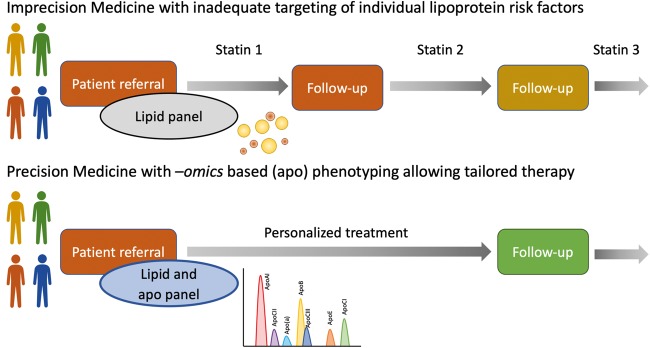
“It is time for a paradigm shift from traditional reactive medicine, often based on statin therapy, to proactive ‘P4 medicine’ in which disease mechanisms and systems biology allow for a targeted and patientcentric approach.(5,6) We believe that the use of a multiplexed apo panel will allow better characterization of a…”
BackgroundThe Evolving Future of PCSK9 Inhibitors
Rosenson, R. S., Hegele, R. A., Fazio, S., & Cannon, C. P. (2018) · Journal of the American College of Cardiology · doi:10.1016/j.jacc.2018.04.054 · Cited by 264 · cited 2×
“In recent years, several novel lipid lowering pharmacological therapies other than statins have been developed and results from clinical trials are now emerging.23 These include ezetimibe, a cholesterol absorption inhibitor, and the very potent PCSK9 inhibitors, that have already been licenced in Europe and the US.24…”
BackgroundLanglois, M. R., Chapman, M. J., Cobbaert, C., Mora, S., Remaley, A. T., Ros, E., Watts, G. F., Borén, J., Baum, H., Bruckert, E., et al. (2018) · Clinical Chemistry · doi:10.1373/clinchem.2018.287037 · Cited by 260 · cited 14×
“Remnant-C is included in nonHDL-C but has merit in being measured separately: these remnants, mostly TG-rich remnant lipoproteins (in the non-fasting state CM-remnants and IDL) contribute also to risk of CHD.(46) Several studies confirm that non-HDL-C is superior to LDL-C in predicting CHD.”
BackgroundMethodInfluentialSelf-citationVarbo, A., Benn, M., & Nordestgaard, B. G. (2014) · Pharmacology & Therapeutics · doi:10.1016/j.pharmthera.2013.11.008 · Cited by 251 · cited 1×
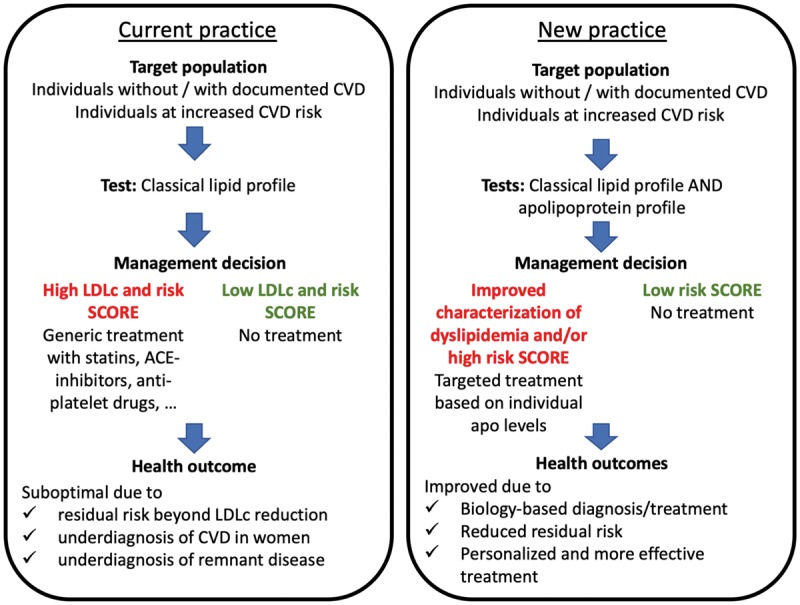
“with statins,(2) (2) underdiagnosis of CVD in women,(3) and (3) the presence of atherogenic remnant disease that is hard to diagnose with current diagnostic procedures.(4) Currently, the traditional evidence based medicine approach is used for risk stratification and therapy in patients with CVD.”
BackgroundBowden, J., Hemani, G., & Davey Smith, G. (2018) · American Journal of Epidemiology · doi:10.1093/aje/kwy185 · Cited by 251 · cited 1×
“However, genetic pleiotropy may confound results from MRTs, and a number of methods to identify pleiotropy in MRTs have been described.(113)”
BackgroundSehayek, E., & Eisenberg, S. (1991) · Journal of Biological Chemistry · doi:10.1016/s0021-9258(18)55263-7 · Cited by 249 · cited 3×
“ApoCI is produced in the liver and is a constituent of VLDL and HDL. ApoCI is an inhibitor of LPL activity, and inhibits the binding of VLDL to LDL-receptor related protein (LRP),49,50 as well as the apoEmediated binding of VLDL to the LDLR and the LRP.51,52 ApoCI is a potent activator of lecithin: cholesterol acyltra…”
BackgroundSaleheen, D., Haycock, P. C., Zhao, W., Rasheed, A., Taleb, A., Imran, A., Abbas, S., Majeed, F., Akhtar, S., Qamar, N., et al. (2017) · The Lancet Diabetes & Endocrinology · doi:10.1016/s2213-8587(17)30088-8 · Cited by 237 · cited 14×
“95,96 Furthermore, apoE2 is proposed to reduce the risk of CVD.97 However, homozygotes for apoE2 who develop type III hyperlipoproteinaemia due to secondary precipitating factors are susceptible to CVD.98,99”
BackgroundMethodInfluentialWeisgraber, K. H., Mahley, R. W., Kowal, R. C., Herz, J., Goldstein, J. L., & Brown, M. S. (1990) · Journal of Biological Chemistry · doi:10.1016/s0021-9258(18)45726-2 · Cited by 234
Roeseler, E., Julius, U., Heigl, F., Spitthoever, R., Heutling, D., Breitenberger, P., Leebmann, J., Lehmacher, W., Kamstrup, P. R., Nordestgaard, B. G., et al. (2016) · Arteriosclerosis, Thrombosis, and Vascular Biology · doi:10.1161/atvbaha.116.307983 · Cited by 227 · cited 1×
“Chronic lipoprotein apheresis is an alternative treatment that was previously developed, and 154 subjects with isolated Lp(a)-hyperlipoproteinaemia with progressive CVD who underwent apheresis showed reduced Lp(a) concentrations by 68%, associated with a decline of major adverse cardiac events by 78% after five years.…”
BackgroundVarbo, A., Freiberg, J. J., & Nordestgaard, B. G. (2015) · Clinical Chemistry · doi:10.1373/clinchem.2014.234146 · Cited by 209 · cited 2×
“Calculated remnant-C shows a skewed distribution with a tail towards higher concentrations in a general population.(21) Hypertriglyceridemia (HTG) is associated with elevated concentrations of TG-rich lipoproteins (TRLs), apoB100, apoCIII and small dense LDL (sdLDL-C), in the setting of a normal or low concentration o…”
BackgroundFrom biomarkers to medical tests: the changing landscape of test evaluation
Horvath, A. R., Lord, S. J., StJohn, A., Sandberg, S., Cobbaert, C. M., Lorenz, S., Monaghan, P. J., Verhagen-Kamerbeek, W. D. J., Ebert, C., & Bossuyt, P. M. M. (2014) · Clinica Chimica Acta · doi:10.1016/j.cca.2013.09.018 · Cited by 203 · cited 1×
“Newly developed (multiplex) biomarker methods should meet basic clinical chemistry principles.(29) Criteria for imprecision and bias should be predefined, e.”
MethodSelf-citationClavey, V., Lestavel-Delattre, S., Copin, C., Bard, J. M., & Fruchart, J. C. (1995) · Arteriosclerosis, Thrombosis, and Vascular Biology · doi:10.1161/01.atv.15.7.963 · Cited by 178
Inhibition of lipoprotein lipase activity by synthetic peptides of apolipoprotein C-III.
McConathy, W., Gesquiere, J., Bass, H., Tartar, A., Fruchart, J. C., & Wang, C. (1992) · Journal of Lipid Research · doi:10.1016/s0022-2275(20)41415-4 · Cited by 173
Lipoprotein(a) as a Determinant of Coronary Heart Disease in Young Women
Orth-Gome´r, K., Mittleman, M. A., Schenck-Gustafsson, K., Wamala, S. P., Eriksson, M., Belkic, K., Kirkeeide, R., Svane, B., & Ryde´n, L. (1997) · Circulation · doi:10.1161/01.cir.95.2.329 · Cited by 172 · cited 1×
“Specific differences in CVD risk factors related to blood lipids have been described in women: (1) low HDL-C is more predictive for cardiovascular events in women than a high LDL-C; (2) high Lp(a) is a risk determinant for CVD in pre-menopausal and post-menopausal women <66 year; and (3) the concentration of total cho…”
BackgroundPechlaner, R., Tsimikas, S., Yin, X., Willeit, P., Baig, F., Santer, P., Oberhollenzer, F., Egger, G., Witztum, J. L., Alexander, V. J., et al. (2017) · Journal of the American College of Cardiology · doi:10.1016/j.jacc.2016.11.065 · Cited by 171 · cited 6×
“Recently, Pechlaner et al.(149) used a targeted MSbased method to evaluate the association between apoA-I, apoA-II, apoA-IV, apoB100, apoCI, apoCII, apoCIII, apoD, apoE, apoH, apoL-I, apoM and apoJ with incident CVD in 688 participants of the Bruneck Study.”
BackgroundMethodInfluentialCohn, J. S., Patterson, B. W., Uffelman, K. D., Davignon, J., & Steiner, G. (2004) · The Journal of Clinical Endocrinology & Metabolism · doi:10.1210/jc.2003-032056 · Cited by 170
Digenio, A., Dunbar, R. L., Alexander, V. J., Hompesch, M., Morrow, L., Lee, R. G., Graham, M. J., Hughes, S. G., Yu, R., Singleton, W., et al. (2016) · Diabetes Care · doi:10.2337/dc16-0126 · Cited by 170 · cited 1×
“ApoCIII inhibition by volanesorsen reduced plasma concentrations of apoCII, apoCIII, and TG, without affecting concentrations of apoB100.(149,159,160) Whether targeting of apoCIII in patients with elevated concentrations of TRLs will reduce risk of CVD is subject of ongoing studies, but a recent report on the use of v…”
Kinnunen, P. K. J., & Ehnholm, C. (1976) · FEBS Letters · doi:10.1016/0014-5793(76)80145-7 · Cited by 166
Pencina, M. J., D’Agostino, R. B., Zdrojewski, T., Williams, K., Thanassoulis, G., Furberg, C. D., Peterson, E. D., Vasan, R. S., & Sniderman, A. D. (2015) · European Journal of Preventive Cardiology · doi:10.1177/2047487315569411 · Cited by 164 · cited 2×
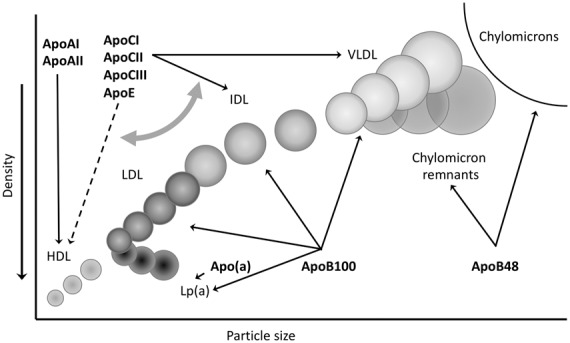
“Thus, an apoB measurement includes, besides LDL, also Lp(a), IDL, VLDL and CM-remnants,(46) and is recommended as (1) assessment of risk of CHD and (2) target of lipid-lowering therapy.(47,48)”
BackgroundResultApolipoprotein C-III Isofocusing in the Diagnosis of Genetic Defects in O-Glycan Biosynthesis
Wopereis, S., Grünewald, S., Morava, É., Penzien, J. M., Briones, P., García‐Silva, M. T., Demacker, P. N. M., Huijben, K., & Wevers, R. A. (2003) · Clinical Chemistry · doi:10.1373/clinchem.2003.022541 · Cited by 163
Auwerx, J., Schoonjans, K., Fruchart, J.-C., & Staels, B. (1996) · Atherosclerosis · doi:10.1016/0021-9150(96)05854-6 · Cited by 158
Varbo, A., & Nordestgaard, B. G. (2016) · Arteriosclerosis Thrombosis and Vascular Biology · doi:10.1161/atvbaha.116.308305 · Cited by 158
Dual metabolic defects are required to produce hypertriglyceridemia in obese subjects
Taskinen, M.-R., Adiels, M., Westerbacka, J., Söderlund, S., Kahri, J., Lundbom, N., Lundbom, J., Hakkarainen, A., Olofsson, S.-O., Orho-Melander, M., et al. (2011) · Arteriosclerosis, Thrombosis, and Vascular Biology · doi:10.1161/atvbaha.111.224808 · Cited by 153
The composition and metabolism of large and small LDL
Diffenderfer, M. R., & Schaefer, E. J. (2014) · Current Opinion in Lipidology · doi:10.1097/mol.0000000000000067 · Cited by 151 · cited 1×
“ApoB100 is responsible for uptake of VLDL, IDL and LDL by the hepatic LDL-receptor (LDLR).(42) Generally, the concentration of LDL in the circulation is relatively high, compared to that of VLDL and IDL.”
BackgroundPlasma HDL cholesterol and risk of myocardial infarction: a mendelian randomisation study
Voight, B. F., Peloso, G. M., Orho-Melander, M., Frikke-Schmidt, R., Barbalic, M., Jensen, M. K., Hindy, G., Hólm, H., Ding, E. L., Johnson, T., et al. (2012) · The Lancet · doi:10.1016/s0140-6736(12)60312-2 · Cited by 148 · cited 1×
“In a similar approach, APOB rs562338 was included in a multi-SNP panel to assess the relation between LDL-C and CVD risk.(118) Besides the MRTs, there is evidence for the role of apoB from observational studies towards inherited forms of CVD.”
MethodRensen, P. C. N., & van Berkel, T. J. C. (1996) · Journal of Biological Chemistry · doi:10.1074/jbc.271.25.14791 · Cited by 144
Agger, S. A., Marney, L. C., & Hoofnagle, A. N. (2010) · Clinical Chemistry · doi:10.1373/clinchem.2010.152264 · Cited by 143
Puri, R., Nissen, S. E., Shao, M., Elshazly, M. B., Kataoka, Y., Kapadia, S. R., Tuzcu, E. M., & Nicholls, S. J. (2016) · Arteriosclerosis, Thrombosis, and Vascular Biology · doi:10.1161/atvbaha.116.307601 · Cited by 143
Wong, N. D., Zhao, Y., Quek, R. G. W., Blumenthal, R. S., Budoff, M. J., Cushman, M., Garg, P., Sandfort, V., Tsai, M., & Lopez, J. A. G. (2017) · Journal of Clinical Lipidology · doi:10.1016/j.jacl.2017.06.015 · Cited by 140 · cited 1×
“58 mmol/L, DM, LDL-particle size, hs-CRP and coronary artery calcification (CAC) were the most important predictors of residual risk.(18) This raises the question of how to diminish residual risk.”
BackgroundOverexpression of apolipoprotein CII causes hypertriglyceridemia in transgenic mice.
Shachter, N. S., Hayek, T., Leff, T., Smith, J. D., Rosenberg, D. W., Walsh, A., Ramakrishnan, R., Goldberg, I. J., Ginsberg, H. N., & Breslow, J. L. (1994) · Journal of Clinical Investigation · doi:10.1172/jci117151 · Cited by 139 · cited 4×
“However, transgenic mice overexpressing human APOC2 had HTG, due to an accumulation of TG-rich VLDL in their circulation, caused by an impaired clearance of VLDL-TG, consistent with a defective LPL-mediated hydrolysis of VLDL-TG.(65) These results are in contrast with the LPL-activating action of apoCII: it may be tha…”
ResultInfluentialA review of the role of apolipoprotein C-II in lipoprotein metabolism and cardiovascular disease
Kei, A. A., Filippatos, T. D., Tsimihodimos, V., & Elisaf, M. S. (2012) · Metabolism · doi:10.1016/j.metabol.2011.12.002 · Cited by 136 · cited 4×
“This evidence supports an association between apoCII and CVD risk, but causality between apoCII concentrations and CVD was not established.(66) Interestingly, we recently identified a phenotype of relatively young women with a combination of very low apoCII ( 5mg/L), normal TG concentrations, and low concentrations of…”
BackgroundResultInfluentialQuarfordt, S. H., Michalopoulos, G., & Schirmer, B. (1982) · Journal of Biological Chemistry · doi:10.1016/s0021-9258(18)33329-5 · Cited by 130
Vaisman, B. L., Klein, H.-G., Rouis, M., Bérard, A. M., Kindt, M. R., Talley, G. D., Meyn, S. M., Hoyt, R. F., Marcovina, S. M., Albers, J. J., et al. (1995) · Journal of Biological Chemistry · doi:10.1074/jbc.270.20.12269 · Cited by 125
Baggio, G., Manzato, E., Gabelli, C., Fellin, R., Martini, S., Enzi, G. B., Verlato, F., Baiocchi, M. R., Sprecher, D. L., & Kashyap, M. L. (1986) · Journal of Clinical Investigation · doi:10.1172/jci112332 · Cited by 119
Combined hyperlipidemia in transgenic mice overexpressing human apolipoprotein Cl.
Shachter, N. S., Ebara, T., Ramakrishnan, R., Steiner, G., Breslow, J. L., Ginsberg, H. N., & Smith, J. D. (1996) · Journal of Clinical Investigation · doi:10.1172/jci118857 · Cited by 117
Jong, M. C., Dahlmans, V. E., van Gorp, P. J., van Dijk, K. W., Breuer, M. L., Hofker, M. H., & Havekes, L. M. (1996) · Journal of Clinical Investigation · doi:10.1172/jci119036 · Cited by 113
Wulff, A. B., Nordestgaard, B. G., & Tybjærg-Hansen, A. (2018) · Arteriosclerosis, Thrombosis, and Vascular Biology · doi:10.1161/atvbaha.117.310473 · Cited by 112 · cited 1×
“The same mutation has subsequently been found to be enriched in an isolated Greek population, in which it could be associated with reduced TG concentrations.(131,132)”
BackgroundTsimikas, S., Fazio, S., Viney, N. J., Xia, S., Witztum, J. L., & Marcovina, S. M. (2018) · Journal of Clinical Lipidology · doi:10.1016/j.jacl.2018.07.003 · Cited by 109
Qin, W., Sundaram, M., Wang, Y., Zhou, H., Zhong, S., Chang, C.-C., Manhas, S., Yao, E. F., Parks, R. J., McFie, P. J., et al. (2011) · Journal of Biological Chemistry · doi:10.1074/jbc.m110.203679 · Cited by 107
van den Broek, I., Romijn, F. P. H. T. M., Nouta, J., van der Laarse, A., Drijfhout, J. W., Smit, N. P. M., van der Burgt, Y. E. M., & Cobbaert, C. M. (2016) · Clinical Chemistry · doi:10.1373/clinchem.2015.246702 · Cited by 105
Self-citationHaase, C. L., Tybjærg-Hansen, A., Grande, P., & Frikke-Schmidt, R. (2010) · The Journal of Clinical Endocrinology & Metabolism · doi:10.1210/jc.2010-0450 · Cited by 104 · cited 2×
“sequenced the regulatory and coding regions of APOA1 in 190 individuals from the Copenhagen City Heart Study with the lowest 1% (n1⁄4 95) and highest 1% (n1⁄4 95) apoA-I concentrations.(145) Genotype combinations of two SNPs were associated with increases in apoA-I and HDL-C concentrations of up to 6.”
BackgroundYang, X., Lee, S.-R., Choi, Y.-S., Alexander, V. J., Digenio, A., Yang, Q., Miller, Y. I., Witztum, J. L., & Tsimikas, S. (2016) · Journal of Lipid Research · doi:10.1194/jlr.m066399 · Cited by 103 · cited 1×
“ApoCIII inhibition by volanesorsen reduced plasma concentrations of apoCII, apoCIII, and TG, without affecting concentrations of apoB100.(149,159,160) Whether targeting of apoCIII in patients with elevated concentrations of TRLs will reduce risk of CVD is subject of ongoing studies, but a recent report on the use of v…”
Le, N. A., Gibson, J. C., & Ginsberg, H. N. (1988) · Journal of Lipid Research · doi:10.1016/s0022-2275(20)38512-6 · Cited by 103
Ou, T.-L., Yamakawa-Kobayashi, K., Arinami, T., Amemiya, H., Fujiwara, H., Kawata, K., Saito, M., Kikuchi, S., Noguchi, Y., Sugishita, Y., et al. (1998) · Atherosclerosis · doi:10.1016/s0021-9150(97)00244-x · Cited by 101
Tachmazidou, I., Dedoussis, G., Southam, L., Farmaki, A.-E., Ritchie, G. R. S., Xifara, D. K., Matchan, A., Hatzikotoulas, K., Rayner, N. W., Chen, Y., et al. (2013) · Nature Communications · doi:10.1038/ncomms3872 · Cited by 96 · cited 1×
“The same mutation has subsequently been found to be enriched in an isolated Greek population, in which it could be associated with reduced TG concentrations.(131,132)”
BackgroundPang, J., Poulter, E. B., Bell, D. A., Bates, T. R., Jefferson, V.-L., Hillis, G. S., Schultz, C. J., & Watts, G. F. (2015) · Journal of clinical lipidology · doi:10.1016/j.jacl.2015.07.005 · Cited by 95 · cited 2×
“In a similar approach, APOB rs562338 was included in a multi-SNP panel to assess the relation between LDL-C and CVD risk.118 Besides the MRTs, there is evidence for the role of apoB from observational studies towards inherited forms of CVD. Individuals with a loss-of-function mutation in the apoB gene typically have f…”
BackgroundMalmendier, C. L., Lontie, J., Delcroix, C., Dubois, D. Y., Magot, T., & Roy, L. D. (1989) · Atherosclerosis · doi:10.1016/0021-9150(89)90075-0 · Cited by 94
Apolipoprotein Measurements: Is More Widespread Use Clinically Indicated?
Davidson, M. H. (2009) · Clinical Cardiology · doi:10.1002/clc.20559 · Cited by 87 · cited 2×
“Currently, a Consensus Conference Report from the American Diabetes Association and the American College of Cardiology suggested that measurement of apoB100 be added to measures of LDL-C and non-HDL-C in patients at high cardiometabolic risk, with target apoB100 concentrations set at <900 mg/L in high risk patients an…”
BackgroundFrancone, O. L., Gong, E. L., Ng, D. S., Fielding, C. J., & Rubin, E. M. (1995) · Journal of Clinical Investigation · doi:10.1172/jci118180 · Cited by 85
High-Density Lipoproteins in the Prevention of Cardiovascular Disease: Changing the Paradigm
Tuteja, S., & Rader, D. J. (2014) · Clinical Pharmacology & Therapeutics · doi:10.1038/clpt.2014.79 · Cited by 84 · cited 1×
“6 g/L).(104) As with LDL, the cholesterol content of HDL particles varies among patient types and is influenced by plasma TG concentrations; patients with high TG tend to have low apoA-I concentrations.”
BackgroundApolipoprotein E Gene Variants and Risk of Coronary Heart Disease: A Meta-Analysis
Xu, M., Zhao, J., Zhang, Y., Ma, X., Dai, Q., Zhi, H., Wang, B., & Wang, L. (2016) · BioMed Research International · doi:10.1155/2016/3912175 · Cited by 84 · cited 13×
“95,96 Furthermore, apoE2 is proposed to reduce the risk of CVD.97 However, homozygotes for apoE2 who develop type III hyperlipoproteinaemia due to secondary precipitating factors are susceptible to CVD.98,99”
BackgroundInfluentialIs the apoE4 allele an independent predictor of coronary events?
Scuteri, A., Bós, Â. J. G., Zonderman, A. B., Brant, L. J., Lakatta, E. G., & Fleg, J. L. (2001) · The American Journal of Medicine · doi:10.1016/s0002-9343(00)00639-2 · Cited by 83
Bodde, M. C., Hermans, M. P. J., Jukema, J. W., Schalij, M. J., Lijfering, W. M., Rosendaal, F. R., Romijn, F. P. H. T. M., Ruhaak, L. R., van der Laarse, A., & Cobbaert, C. M. (2018) · Clinical Research in Cardiology · doi:10.1007/s00392-018-1381-5 · Cited by 81 · cited 2×
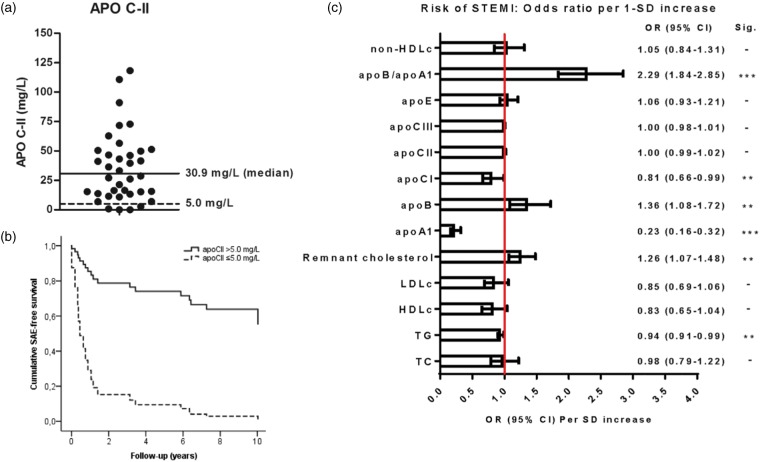
“Concordantly, we reported recently that the apoB/apoA-1 ratio was strongly associated with risk of ST-segment elevation myocardial infarction (STEMI) (Figure 5(c)).(156) While apoB100 is mostly associated with LDL particles, and apoA-I partially reflects HDL-C, the situation for apos associated with TRLs is more compl…”
BackgroundSelf-citationLipoprotein(a): Cellular Effects and Molecular Mechanisms
Riches‐Suman, K., & Porter, K. E. (2012) · Cholesterol · doi:10.1155/2012/923289 · Cited by 80 · cited 1×
“3 times higher in patients with Lp(a) concentrations >500mg/L, while Riches and Porter have calculated that risk was twice greater for Lp(a) concentrations >200mg/L.(163) In a meta-analysis of 40 prospective studies with 58,000 participants, a two-fold increase in the risk for developing CAD and cerebral vascular acci…”
BackgroundMann, C. J., Troussard, A. A., Yen, F. T., Hannouche, N., Najib, J., Fruchart, J.-C., Lotteau, V., André, P., & Bihain, B. E. (1997) · Journal of Biological Chemistry · doi:10.1074/jbc.272.50.31348 · Cited by 77
Le, N., Innis‐Whitehouse, W., Li, X., Bakker-Arkema, R. G., Black, D. M., & Brown, W. V. (2000) · Metabolism · doi:10.1016/s0026-0495(00)91169-7 · Cited by 75 · cited 1×
“In addition significant reductions in apoCII (by 28% and 42%), apoCIII (by 18% and 30%), and apoE (by 37% and 49%) were observed.(62) Individuals who are completely deficient in apoCII have chylomicronaemia and grossly elevated plasma TG concentrations, although their parents, who have half normal plasma concentration…”
Backgroundvan Capelleveen, J. C., Bernelot Moens, S. J., Yang, X., Kastelein, J. J. P., Wareham, N. J., Zwinderman, A. H., Stroes, E. S. G., Witztum, J. L., Hovingh, G. K., Khaw, K.-T., et al. (2017) · Arteriosclerosis, Thrombosis, and Vascular Biology · doi:10.1161/atvbaha.117.309007 · Cited by 72
Agnani, G., Bard, J. M., Candelier, L., Delattre, S., Fruchart, J. C., & Clavey, V (1991) · Arteriosclerosis and Thrombosis: A Journal of Vascular Biology · doi:10.1161/01.atv.11.4.1021 · Cited by 71 · cited 1×
“ApoCIII exerts its impact on TG metabolism by four distinct mechanisms: (1) apoCIII functions as an inhibitor of HL and LPL, key enzymes that catalyse the hydrolysis of TG in VLDL and CMs; (2) apoCIII acts to retard apoE-mediated hepatic uptake of TRLs;(71,72) (3) apoCIII serves to facilitate VLDL-TG assembly and secr…”
BackgroundChan, D. C., Watts, G. F., Nguyen, M. N., & Barrett, P. H. R. (2006) · Arteriosclerosis, Thrombosis, and Vascular Biology · doi:10.1161/01.atv.0000203519.25116.54 · Cited by 70
Marcovina, S. M., Viney, N. J., Hughes, S. G., Xia, S., Witztum, J. L., & Tsimikas, S. (2017) · Journal of clinical lipidology · doi:10.1016/j.jacl.2017.10.024 · Cited by 69 · cited 1×
“Indeed, recently the intra-individual variability of serum apo(a) concentrations was shown to be low.(176) While there is substantial evidence that apos may be better predictors for CVD, there is as yet insufficient evidence from prospective outcome studies on the use”
BackgroundBiomarker development targeting unmet clinical needs
Monaghan, P. J., Lord, S. J., John, A. S., Sandberg, S., Cobbaert, C. M., Lennartz, L., Verhagen-Kamerbeek, W. D. J., Ebert, C., Bossuyt, P. M., & Horvath, A. R. (2016) · Clinica Chimica Acta · doi:10.1016/j.cca.2016.06.037 · Cited by 66 · cited 3×
“Source: reproduced with permission from Elsevier.(7) 350 Annals of Clinical Biochemistry 56(3)”
BackgroundMethodInfluentialSelf-citationRNA-targeted therapeutics for lipid disorders
Tsimikas, S. (2018) · Current Opinion in Lipidology · doi:10.1097/mol.0000000000000549 · Cited by 60 · cited 1×
“More recently, initial studies with anti-sense oligonucleotides (ASOs) blocking apoCIII and apo(a) have shown promising results.(25) With these new therapies emerging, there is a need for specific guidance in selection of the most appropriate therapy and selection of the patients for this therapy.”
BackgroundLehmann, S., Hoofnagle, A., Hochstrasser, D., Brede, C., Glueckmann, M., Cocho, J. A., Ceglarek, U., Lenz, C., Vialaret, J., Scherl, A., et al. (2013) · Clinical Chemistry and Laboratory Medicine · doi:10.1515/cclm-2012-0723 · Cited by 59 · cited 1×
“Mass spectrometry (MS) is a strategic (antibody-independent) technology for highly multiplexed protein quantification, that has recently entered the medical laboratory.(26,27) Multiple clinically relevant (apolipo)proteins can simultaneously be enzymatically digested,(28) upon which proteinspecific signature peptides…”
BackgroundHořejší, B., & Češka, R. (2000) · PubMed · Cited by 55
JONG, C. M., DAHLMANS, E. H. V., HOFKER, H. M., & HAVEKES, M. L. (1997) · Biochemical Journal · doi:10.1042/bj3280745 · Cited by 55
Sandhu, P. K., Musaad, S. M. A., Remaley, A. T., Buehler, S. S., Strider, S., Derzon, J. H., Vesper, H. W., Ranne, A., Shaw, C. S., & Christenson, R. H. (2016) · The Journal of Applied Laboratory Medicine · doi:10.1373/jalm.2016.021006 · Cited by 55 · cited 1×
“Compared to other lipid ratios, the apoB100/apoA-1 ratio may be more accurate in risk prediction, particularly among highrisk individuals, than high LDL-C and low HDL-C concentrations.(155) Concordantly, we reported recently that the apoB/apoA-1 ratio was strongly associated with risk of ST-segment elevation myocardia…”
BackgroundOn-column trypsin digestion coupled with LC-MS/MS for quantification of apolipoproteins
Toth, C. A., Kuklenyik, Z., Jones, J. I., Parks, B. A., Gardner, M. S., Schieltz, D. M., Rees, J. C., Andrews, M. L., McWilliams, L. G., Pirkle, J. L., et al. (2017) · Journal of Proteomics · doi:10.1016/j.jprot.2016.09.011 · Cited by 55
Mehlum, A., Staels, B., Duverger, N., Tailleux, A., Castro, G., Fievet, C., Luc, G., Fruchart, J.-C., Olivecrona, G., Skretting, G., et al. (1995) · European Journal of Biochemistry · doi:10.1111/j.1432-1033.1995.0567h.x · Cited by 55
Koska, J., Yassine, H., Trenchevska, O., Sinari, S., Schwenke, D. C., Yen, F. T., Billheimer, D., Nelson, R. W., Nedelkov, D., & Reaven, P. D. (2016) · Journal of Lipid Research · doi:10.1194/jlr.p064816 · Cited by 55
Kostapanos, M. S., Milionis, H. J., Filippatos, T. D., Nakou, E. S., Bairaktari, E. T., Tselepis, A. D., & Elisaf, M. (2007) · Clinical Therapeutics · doi:10.1016/j.clinthera.2007.07.019 · Cited by 54 · cited 1×
“It was found that the apoCII-lowering effect of rosuvastatin occurred only in the subgroup with TG concentration 1200 mg/L.(63) In a study of 27 patients with primary HTG (TG>3500 mg/L) who received atorvastatin (20 mg/ day or 80 mg/day) for four weeks, dose-dependent reductions of total cholesterol and TG were observ…”
BackgroundMabuchi, H., KAMON, N., Fujita, H., Michishita, I., TAKEDA, M., Kajinami, K., Itoh, H., WAKASUGI, T., & Takeda, R. (1987) · Metabolism · doi:10.1016/0026-0495(87)90046-1 · Cited by 53
Functional Analyses of Human Apolipoprotein CII by Site-directed Mutagenesis
Shen, Y., Lookene, A., Nilsson, S., & Olivecrona, G. (2002) · Journal of Biological Chemistry · doi:10.1074/jbc.m105421200 · Cited by 50 · cited 1×
“Individuals who are completely deficient in apoCII have chylomicronaemia and grossly elevated plasma TG concentrations, although their parents, who have half normal plasma concentrations of apoCII, have normal TG concentrations.(64) However, transgenic mice overexpressing human APOC2 had HTG, due to an accumulation of…”
BackgroundArca, M., Hsieh, A., Soran, H., Rosenblit, P., O’Dea, L., & Stevenson, M. (2018) · Expert Review of Cardiovascular Therapy · doi:10.1080/14779072.2018.1487290 · Cited by 49 · cited 1×
“Whether targeting of apoCIII in patients with elevated concentrations of TRLs will reduce risk of CVD is subject of ongoing studies, but a recent report on the use of volanesorsen in individuals with familial chylomicronaemia syndrome, a rare genetic disorder characterized by marked chylomicronaemia leading to pancrea…”
Resultvan den Broek, I., Smit, N. P. M., Romijn, F. P. H. T. M., van der Laarse, A., Deelder, A. M., van der Burgt, Y. E. M., & Cobbaert, C. M. (2013) · Journal of Proteome Research · doi:10.1021/pr400763d · Cited by 49
Self-citationChen, Q., Reis, S. E., Kammerer, C. M., McNamara, D. M., Holubkov, R., Sharaf, B. L., Sopko, G., Pauly, D. F., Merz, C. N. B., & Kamboh, M. I. (2003) · Atherosclerosis · doi:10.1016/s0021-9150(03)00160-6 · Cited by 49
Lipoprotein(a) Improves Cardiovascular Risk Prediction Based on Established Risk Algorithms
Verbeek, R., Sandhu, M. S., Hovingh, G. K., Sjouke, B., Wareham, N. J., Zwinderman, A. H., Kastelein, J. J. P., Khaw, K., Tsimikas, S., & Boekholdt, S. M. (2017) · Journal of the American College of Cardiology · doi:10.1016/j.jacc.2017.01.017 · Cited by 49 · cited 1×
“Moreover, two studies have reported that quantitation of Lp(a) in intermediate risk patients could potentially reclassify 15 to 40% of individuals into a lower or higher risk groups.(134,173) It is highly likely that similar results will be obtained using apo (a).”
Trenchevska, O., Schaab, M. R., Nelson, R. W., & Nedelkov, D. (2015) · Methods · doi:10.1016/j.ymeth.2015.02.020 · Cited by 47
APOC3, Coronary Disease, and Complexities of Mendelian Randomization
Cohen, J. C., Stender, S., & Hobbs, H. H. (2014) · Cell Metabolism · doi:10.1016/j.cmet.2014.08.007 · Cited by 46 · cited 10×
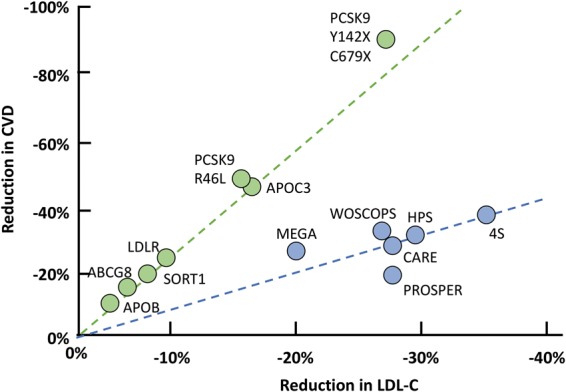
“Thus, compared with treatment with a statin later in life, prolonged exposure to lower LDL-C beginning early in life was associated with a two- to three-fold greater reduction in the risk of CHD for each unit lower LDL-C (Figure 3).(129,141) This was further corroborated by Kathiresan et al.”
BackgroundMethodResultInfluentialUeda, M., Dunbar, R. L., Wolska, A., Sikora, T. U., Escobar, M. D. R., Seliktar, N., deGoma, E., DerOhannessian, S., Morrell, L., McIntyre, A. D., et al. (2017) · The Journal of Clinical Endocrinology & Metabolism · doi:10.1210/jc.2016-3903 · Cited by 44
Visceral obesity modulates the impact of apolipoprotein C3 gene variants on liver fat content
Peter, A., Kantartzis, K., Machicao, F. E., Machann, J., Wagner, S., Templin, S., Königsrainer, I., Königsrainer, A., Schick, F., Fritsche, A., et al. (2011) · International Journal of Obesity · doi:10.1038/ijo.2011.154 · Cited by 42 · cited 7×
“Vaisar T, Pennathur S, Green PS, et al. Shotgun proteomics implicates protease inhibition and complement activation in the antiinflammatory properties of HDL.”
BackgroundInfluentialMendoza, S., Trenchevska, O., King, S. M., Nelson, R. W., Nedelkov, D., Krauss, R. M., & Yassine, H. N. (2017) · Journal of Clinical Lipidology · doi:10.1016/j.jacl.2016.12.009 · Cited by 41 · cited 1×
“Concentrations of sialylation on apoCIII are associated with lipid profiles in DM2,(181) and lower concentrations of non- and mono-sialylated apoCIII were associated with larger LDL particles after dietary interventions.(182) Proteoforms of apos CI and CII have also been reported,(183) and an in-depth analysis of apoA…”
BackgroundSeckler, H. D. S., Fornelli, L., Mutharasan, R. K., Thaxton, C. S., Fellers, R., Daviglus, M., Sniderman, A., Rader, D., Kelleher, N. L., Lloyd-Jones, D. M., et al. (2018) · Journal of Proteome Research · doi:10.1021/acs.jproteome.8b00100 · Cited by 40 · cited 1×
“Proteoforms of apos CI and CII have also been reported,(183) and an in-depth analysis of apoA-1 recently revealed large proteoform heterogeneity.(184) Currently the clinical relevance of the proteoforms of apos for CVD are unknown, and more research is warranted.”
BackgroundApolipoprotein(a) Kringle-IV Type 2 Copy Number Variation Is Associated with Venous Thromboembolism
Sticchi, E., Magi, A., Kamstrup, P. R., Marcucci, R., Prisco, D., Martinelli, I., Mannucci, P. M., Abbate, R., & Giusti, B. (2016) · PLoS ONE · doi:10.1371/journal.pone.0149427 · Cited by 38 · cited 2×
“KIV-2 repeat number was independently associated with VTE.(100) Elevated Lp(a) concentration has a strong association with angiographically documented CAD(45,101) and with risk of cardiovascular death, non-fatal MI and ischemic stroke.”
BackgroundClearance of postprandial lipoproteins in normolipemics: role of the apolipoprotein E phenotype
Orth, M., Wahl, S., Hanisch, M., Friedrich, I., Wieland, H., & Luley, C. H. (1996) · Biochimica et Biophysica Acta (BBA) - Lipids and Lipid Metabolism · doi:10.1016/0005-2760(96)00075-6 · Cited by 37 · cited 1×
“Homozygotes of apoE2 demonstrate higher postprandial plasma TG concentrations than those of apoE3 and apoE4.(95,96) Furthermore, apoE2 is proposed to reduce the risk of CVD.”
BackgroundTargeted On‐line SPE‐LC‐MS/MS Assay for the Quantitation of 12 Apolipoproteins from Human Blood
Dittrich, J., Adam, M., Maas, H., Hecht, M., Reinicke, M., Ruhaak, L. R., Cobbaert, C. M., Engel, C., Wirkner, K., Löffler, M., et al. (2018) · PROTEOMICS · doi:10.1002/pmic.201700279 · Cited by 37
Self-citationAssociation Between Serum Apolipoprotein CII Concentration and Coronary Heart Disease
Gerber, Y., Goldbourt, U., Cohen, H., & Harats, D. (2002) · Preventive Medicine · doi:10.1006/pmed.2002.1045 · Cited by 34
Smit, N. P. M., Romijn, F. P. H. T. M., van den Broek, I., Drijfhout, J. W., Haex, M., van der Laarse, A., van der Burgt, Y. E. M., & Cobbaert, C. M. (2014) · Journal of Proteomics · doi:10.1016/j.jprot.2014.06.015 · Cited by 32
Self-citationReduced very-low-density lipoprotein fractional catabolic rate in apolipoprotein C1-deficient mice
JONG, M. C., REE, J. H. V., DAHLMANS, V. E. H., FRANTS, R. R., HOFKER, M. H., & HAVEKES, L. M. (1997) · Biochemical Journal · doi:10.1042/bj3210445 · Cited by 32 · cited 1×
“In apoCI-deficient mice, the primary metabolic defect is an impaired VLDL uptake by the liver in vivo.(58) Interestingly, whereas overexpression of human APOC1 in transgenic mice predominantly inhibits the uptake of VLDL by the liver, the absence of endogenous apoCI in mice appears to have the same effect, although to…”
Backgroundvan Dijk, K. W., van Vlijmen, B. J. M., van't Hof, H. B., van der Zee, A., Santamarina-Fojo, S., van Berkel, T. J. C., Havekes, L. M., & Hofker, M. H. (1999) · Journal of Lipid Research · doi:10.1016/s0022-2275(20)33374-5 · Cited by 31
Lam, C., Yuen, Y., Cheng, W.-F., Chan, Y.-W., & Tong, S.-F. (2005) · Clinica Chimica Acta · doi:10.1016/j.cca.2005.07.025 · Cited by 29
Kuo, P. T., Wilson, A. C., Kostis, J. B., Moreyra, A. B., & Dodge, H. T. (1988) · American Heart Journal · doi:10.1016/0002-8703(88)90253-0 · Cited by 27 · cited 13×
“95,96 Furthermore, apoE2 is proposed to reduce the risk of CVD.97 However, homozygotes for apoE2 who develop type III hyperlipoproteinaemia due to secondary precipitating factors are susceptible to CVD.98,99”
BackgroundInfluentialKostapanos, M. S., Milionis, H. J., Lagos, K. G., Rizos, C. V., Tselepis, A. D., & Elisaf, M. (2008) · European Journal of Pharmacology · doi:10.1016/j.ejphar.2008.06.007 · Cited by 26 · cited 1×
“The plasma TG concentration is independently associated with the apoCII concentration in a model including waist, circumference, apoCIII, apoE, glucose, insulin and mean LDL size in hyperlipidaemic patients.(60) Statin treatment resulted in significant apoCII reduction by 20%.”
BackgroundMapping O ‐glycosylation of apolipoprotein C ‐III in MALDI ‐ FT‐ICR protein profiles
Nicolardi, S., van der Burgt, Y. E. M., Wuhrer, M., & Deelder, A. M. (2013) · PROTEOMICS · doi:10.1002/pmic.201200293 · Cited by 26 · cited 1×
“Specifically, differential O-glycosylation of apoCIII was initially observed using isoelectric focusing,(179) and, more recently, using intact protein MS analysis.(180) Concentrations of sialylation on apoCIII are associated with lipid profiles in DM2,(181) and lower concentrations of non- and mono-sialylated apoCIII…”
MethodRuhaak, L. R., Smit, N. P. M., Romijn, F. P. H. T. M., Pieterse, M., van der Laarse, A., van der Burgt, Y. E. M., & Cobbaert, C. M. (2018) · Clinical Chemistry · doi:10.1373/clinchem.2017.285098 · Cited by 26 · cited 2×
“We were able to show that our method demonstrates stable performance over a longer period of time.(36) Moreover we showed that LC-MS based apoE phenotyping (qualitative analysis of apo e2, e3 and e4 alleles) using unique signature peptides performs equally well compared to genotyping.”
MethodSelf-citationOkubo, M., Toromanović, A., Ebara, T., & Murase, T. (2014) · Clinica Chimica Acta · doi:10.1016/j.cca.2014.08.022 · Cited by 23
van der Burgt, Y. E. M., & Cobbaert, C. M. (2018) · Clinics in Laboratory Medicine · doi:10.1016/j.cll.2018.05.001 · Cited by 22 · cited 1×
“Because different proteoforms are likely to have different functionality, quantitation of proteoforms might be of importance, specifically in light of precision medicine and targeted therapeutics.(178) Proteoforms have been found for several apos.”
BackgroundSelf-citationStreicher, R., Geisel, J., Weisshaar, C., Avci, H., Oette, K., Müller‐Wieland, D., & Krone, W. (1996) · Journal of Lipid Research · doi:10.1016/s0022-2275(20)37463-0 · Cited by 21
Kritharides, L., Nordestgaard, B. G., Tybjærg‐Hansen, A., Kamstrup, P. R., & Afzal, S. (2017) · The Journal of Clinical Endocrinology & Metabolism · doi:10.1210/jc.2017-01049 · Cited by 21
Mack, S. R., Coassin, S., Vaucher, J., Kronenberg, F., Lamina, C., Rueedi, R., Yousri, N. A., Seppälä, I., Gieger, C., Schönherr, S., et al. (2017) · Scientific Reports · doi:10.1038/s41598-017-07213-9 · Cited by 21 · cited 1×
“conducted bidirectional Mendelian randomization analysis to assess the causal relationship of apoA-IV with these phenotypes.(146) These causal relationships were found with estimated glomerular filtration rate, and serum TG concentration, independently from HDL-C and LDL-C concentrations.”
Human proteoforms as new targets for clinical mass spectrometry protein tests
Nedelkov, D. (2017) · Expert Review of Proteomics · doi:10.1080/14789450.2017.1362337 · Cited by 20
Relation of cardiovascular risk factors to atherosclerosis in type III hyperlipoproteinemia
Feussner, G., Wagner, A., & Ziegler, R. (1993) · Human Genetics · doi:10.1007/bf00219678 · Cited by 19 · cited 13×
“95,96 Furthermore, apoE2 is proposed to reduce the risk of CVD.97 However, homozygotes for apoE2 who develop type III hyperlipoproteinaemia due to secondary precipitating factors are susceptible to CVD.98,99”
BackgroundInfluentialHermans, M. P. J., Bodde, M. C., Jukema, J. W., Schalij, M. J., van der Laarse, A., & Cobbaert, C. M. (2017) · Journal of clinical lipidology · doi:10.1016/j.jacl.2017.08.002 · Cited by 15 · cited 2×
“0 mg/L during follow-up of 10 years (Figure 5(a) and (b)).(126) These findings point towards a role for apoCII in CVD, and might warrant further evaluation of the role of apoCII in an MRT.”
BackgroundSelf-citationProspective applications of ultrahigh resolution proteomics in clinical mass spectrometry
Ruhaak, L. R., van der Burgt, Y. E. M., & Cobbaert, C. M. (2016) · Expert Review of Proteomics · doi:10.1080/14789450.2016.1253477 · Cited by 14 · cited 1×
“Specifically the introduction of high resolution MSinstruments, which can provide accurate mass information at resolutions >60,000, would be beneficial for the analysis of proteoforms.(186) We believe that in the future, proteoform specific analysis in an extended apo-form panel might provide additional benefits, but…”
BackgroundSelf-citationRuhaak, L. R., Smit, N. P. M., Suchiman, H. E. D., Pieterse, M., Romijn, F. P. H. T. M., Beekman, M., & Cobbaert, C. M. (2018) · Clinical Chemistry and Laboratory Medicine (CCLM) · doi:10.1515/cclm-2018-0782 · Cited by 11 · cited 1×
“Moreover we showed that LC-MS based apoE phenotyping (qualitative analysis of apo e2, e3 and e4 alleles) using unique signature peptides performs equally well compared to genotyping.(37) These results show the strength of MS in metrology, as the technique allows for unequivocal identification and quantitation of well-…”
ResultSelf-citationShould we use apoB for risk assessment and as a target for treatment?
Brown, W. V., Myers, G. L., Sniderman, A. D., & Stein, E. A. (2010) · Journal of clinical lipidology · doi:10.1016/j.jacl.2010.03.004 · Cited by 7 · cited 1×
“Thus, an apoB measurement includes, besides LDL, also Lp(a), IDL, VLDL and CM-remnants,(46) and is recommended as (1) assessment of risk of CHD and (2) target of lipid-lowering therapy.(47,48)”
Background
Research works printed but not linked: 2
- Superko HR. The failure of LDL cholesterol reduction and the importance of reverse cholesterol transport. The role of nicotinic acid. Br J Cardiol 2006; 13: 131– 136.
- Goldstein J Hobbs H Brown M. Familial hypercholesterolemia In: Scriver C Beaudet A Sly W et al (eds) The metabolic and molecular basis of inherited disease. New York: McGraw-Hill, 2001, pp. 2863– 2913.
Cited by
After another decade: LC–MS/MS became routine in clinical diagnostics
Seger, C., & Salzmann, L. (2020) · Clinical Biochemistry · doi:10.1016/j.clinbiochem.2020.03.004 · Cited by 301
Nordestgaard, B. G., Langlois, M. R., Langsted, A., Chapman, M. J., Aakre, K. M., Baum, H., Borén, J., Bruckert, E., Catapano, A., Cobbaert, C., et al. (2020) · Atherosclerosis · doi:10.1016/j.atherosclerosis.2019.12.005 · Cited by 246
Self-citationLanglois, M. R., Nordestgaard, B. G., Langsted, A., Chapman, M. J., Aakre, K. M., Baum, H., Borén, J., Bruckert, E., Catapano, A., Cobbaert, C., et al. (2020) · Clinical Chemistry and Laboratory Medicine (CCLM) · doi:10.1515/cclm-2019-1253 · Cited by 211
Self-citationShibabaw, T. (2020) · Molecular and Cellular Biochemistry · doi:10.1007/s11010-020-03965-7 · Cited by 132
Cobbaert, C. M., Althaus, H., Begcevic Brkovic, I., Ceglarek, U., Coassin, S., Delatour, V., Deprez, L., Dikaios, I., Dittrich, J., Hoofnagle, A. N., et al. (2021) · Clinical Chemistry · doi:10.1093/clinchem/hvaa239 · Cited by 88
Self-citation
Metadata
- Authors
- Renee Ruhaak, L., van der Laarse, A., & Cobbaert, C. M.
- Affiliations
- Department of Clinical Chemistry and Laboratory Medicine, Leiden University Medical Center, Leiden, The Netherlands
- Leiden University Medical Center (NL)
- Corresponding author
- Cobbaert, Christa M
- Venue
- Annals of Clinical Biochemistry: International Journal of Laboratory Medicine
- Publisher
- SAGE Publications
- Published
- 2019-03-19
- Volume
- 56
- Issue
- 3
- Pages
- 338-356
- ISSN
- 0004-5632 (ISSN-L)
- 1758-1001
- PMC
- PMC6595551
- OpenAlex
- W2922613166
- Cited by
- 38
- References
- 188
- Citations by year
- 2026: 3 · 2025: 3 · 2024: 5 · 2023: 5 · 2022: 5 · 2021: 7 · 2020: 9 · 2019: 1
- FWCI
- 1.13
- Type
- journal article
- Language
- en
- Open access
- hybrid
- doi.org
- Locations
- Annals of Clinical Biochemistry International Journal of Laboratory Medicine (publishedVersion, cc-by)
- Europe PMC (PubMed Central) (publishedVersion, cc-by)
- PubMed Central (publishedVersion, cc-by)
- PubMed (publishedVersion)
- Data Archiving and Networked Services (DANS) (submittedVersion)
- Leiden Repository (Leiden University) (submittedVersion)
- Topics
- Health Sciences › Medicine › Cardiology and Cardiovascular Medicine › Lipoproteins and Cardiovascular Health
- Health Sciences › Medicine › Cardiology and Cardiovascular Medicine › Lipid metabolism and disorders
- Life Sciences › Biochemistry, Genetics and Molecular Biology › Biochemistry › Cholesterol and Lipid Metabolism
- Keywords
- dyslipidemia, lipoprotein metabolism, atherogenic lipoproteins, VLDL, intermediate density lipoprotein, chylomicron remnants, lipoprotein(a), residual cardiovascular risk, statin therapy, precision medicine, mass spectrometry, proteomics, cardiovascular risk stratification
- MeSH terms
- Apolipoproteins, Humans, Risk Assessment, Dyslipidemias, Atherosclerosis, Precision Medicine
About these checks
Registry, retraction, Cites and statistics results are computed, not judged, with one exception: a printed reference that no index lists is read once by a model before it counts as a citation error. Claims are extracted by a model and kept only when their quote appears verbatim in the text; each cited source is then checked, with a model’s help, for whether it says what the claim relies on. Those verdicts can be wrong — read the claim’s quote and the cited source before relying on one.
Statistics and arithmetic are recomputed, not judged.
Confidence bands are shown only for fields calibrated on our annotated test set. None is calibrated yet, so no band is shown.
What counts as a claim ›How we measure confidence ›How we check this ›
Are you an author, or do you see a problem with this page? Request a review
Data sources
Bibliographic data: Semantic Scholar, OpenAlex, Crossref.
Contains information from the Semantic Scholar Academic Graph Datasets, made available under the ODC Attribution License (ODC-BY 1.0).
Semantic Scholar’s data is described in: Kinney, R., et al. (2023). The Semantic Scholar Open Data Platform. arXiv:2301.10140.
