

On the viability of implantable electrodes for the natural control of artificial limbs: Review and discussion
Open accessThe DOI matches its Crossref record; 115 of the 115 references it cites were found in a registry or an index.
Abstract
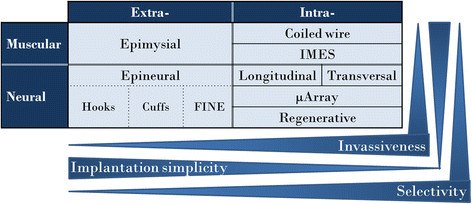
The control of robotic prostheses based on pattern recognition algorithms is a widely studied subject that has shown promising results in acute experiments. The long-term implementation of this technology, however, has not yet been achieved due to practical issues that can be mainly attributed to the use of surface electrodes and their highly environmental dependency. This paper describes several implantable electrodes and discusses them as a solution for the natural control of artificial limbs. In this context "natural" is defined as producing control over limb movement analogous to that of an intact physiological system. This includes coordinated and simultaneous movements of different degrees of freedom. It also implies that the input signals must come from nerves or muscles that were originally meant to produce the intended movement and that feedback is perceived as originating in the missing limb without requiring burdensome levels of concentration. After scrutinizing different electrode designs and their clinical implementation, we concluded that the epimysial and cuff electrodes are currently promising candidates to achieving a long-term stable and natural control of robotic prosthetics, provided that communication from the electrodes to the outside of the body is guaranteed.
Overview
The claims and statistics of this paper haven’t been checked yet.
Free: it reads the open-access text and checks the first 5 claims that cite a source we can check. Create a free account to check every claim.
Integrity signals
Registry
Cites
Statistics
Figures

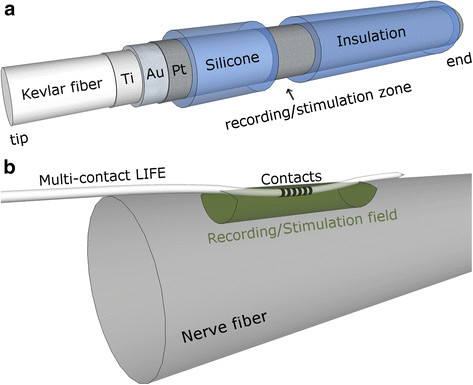
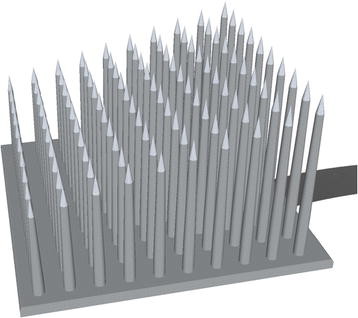
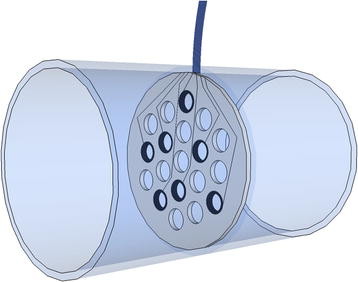
Verification
Claims the paper makes
The claims and statistics of this paper haven’t been checked yet.
Free: it reads the open-access text and checks the first 5 claims that cite a source we can check. Create a free account to check every claim.
Claims other papers make about this one
Each is checked against this paper’s own text: does it say what the citing paper says it does?
The cited source says what the claim attributes to it.
In the citing paper
“Presently, with regards to long-term human implantations, extraneural electrodes still emerge as the most favorable choice for clinical applications [26, 37].”
From Safety of long-term electrical peripheral nerve stimulation: review of the state of the art (2019) · cites this paper as [37]
The cited source says what the claim attributes to it.
In the citing paper
“At present, extraneural electrodes have shown superior long-term stability in comparison to intraneural electrodes.”
From Safety of long-term electrical peripheral nerve stimulation: review of the state of the art (2019) · cites this paper as [37]
Self-check
Percentages, sums and reported differences re-computed from the paper’s own numbers.
The self-check needs the paper’s full text.
Citations
Cites
Neuronal ensemble control of prosthetic devices by a human with tetraplegia
Hochberg, L. R., Serruya, M. D., Friehs, G. M., Mukand, J. A., Saleh, M., Caplan, A. H., Branner, A., Chen, D., Penn, R. D., & Donoghue, J. P. (2006) · Nature · doi:10.1038/nature04970 · Cited by 3,295 · cited 4×
“A review of intrafascicular electrodes with focus on the central nervous system (CNS) is given by Cheung in [9].”
BackgroundMethodInfluentialNeural Stimulation and Recording Electrodes
Cogan, S. F. (2008) · Annual Review of Biomedical Engineering · doi:10.1146/annurev.bioeng.10.061807.160518 · Cited by 2,243 · cited 1×
“[7], and in 2008 by Cogan with the emphasis on microelectrodes for stimulation [8].”
BackgroundResponse of brain tissue to chronically implanted neural electrodes
Polikov, V. S., Tresco, P. A., & Reichert, W. M. (2005) · Journal of Neuroscience Methods · doi:10.1016/j.jneumeth.2005.08.015 · Cited by 1,896 · cited 1×
“An update on the biocompatibility of microelectrodes is given in [14] and a more detailed review of the brain tissue response can be found in [15].”
BackgroundMedical Instrumentation-Application and Design
Webster, J. G. (1978) · Journal of Clinical Engineering · doi:10.1097/00004669-197807000-00017 · Cited by 1,847
A robust, real-time control scheme for multifunction myoelectric control
Englehart, K., & Hudgins, B. (2003) · IEEE Transactions on Biomedical Engineering · doi:10.1109/tbme.2003.813539 · Cited by 1,743 · cited 1×
“Nowadays, several researchers have demonstrated that it is possible to identify finger and hand positioning using a variety of pattern recognition algorithms, such as artificial neural networks (ANNs), support vector machine (SVM), hidden Markov models (HMM), wavelets and so on [91-98].”
BackgroundDissolvable films of silk fibroin for ultrathin conformal bio-integrated electronics
Kim, D.-H., Viventi, J., Amsden, J. J., Xiao, J., Vigeland, L., Kim, Y.-S., Blanco, J. A., Panilaitis, B., Frechette, E. S., Contreras, D., et al. (2010) · Nature Materials · doi:10.1038/nmat2745 · Cited by 1,721 · cited 2×
“It is worth mentioning that electrode technology continues to progress and newmaterials, coatings or surface treatments such as PEDOT [88], silk fibroin [90] and ion-selective membranes [89] could eventually replace or be applied to standard epimysial and cuff electrodes.”
BackgroundElectromyography: Physiology, Engineering, and Noninvasive Applications
(2004) · Wiley eBooks · doi:10.1002/0471678384 · Cited by 1,151
Targeted Muscle Reinnervation for Real-time Myoelectric Control of Multifunction Artificial Arms
Kuiken, T. A. (2009) · JAMA · doi:10.1001/jama.2009.116 · Cited by 1,089 · cited 1×
“’s work on TMR provides another strong argument in favor of the viability of nerves after amputation [114].”
BackgroundBioelectrical Signal Processing in Cardiac and Neurological Applications
(2005) · Elsevier eBooks · doi:10.1016/b978-0-12-437552-9.x5000-4 · Cited by 993 · cited 1×
“consistent over time and less affected by surrounding noise [103].”
BackgroundScheme, E., & Englehart, K. (2011) · The Journal of Rehabilitation Research and Development · doi:10.1682/jrrd.2010.09.0177 · Cited by 969 · cited 20×
“On the other hand, the way in which the nature of SEs inherently impacts the problems mentioned above is obvious.”
BackgroundInfluential
Research works printed but not linked: 3
- Merletti R Parker P Electromyography: Physiology, Engineering, and Noninvasive Applications 2004 John Wiley & Sons, New Jersey, USA
- Hargrove L Englehart K Hudgins B A Comparison of Surface and Intramuscular Myoelectric Signal Classification IEEE Trans Biomed Eng 2007 54 5 847 853 17518281
- Almström C Herberts P Körner L Experience with Swedish Multifunctional Prosthetic Hands Controlled by Pattern Recognition of Multiple Myoelectric Signals Int Orthop 1981 5 15 21 7275404
Cited by
Ortiz-Catalan, M., Håkansson, B., & Brånemark, R. (2014) · Science Translational Medicine · doi:10.1126/scitranslmed.3008933 · Cited by 484
Self-citationBrånemark, R., Berlin, Ö., Hagberg, K., Bergh, P., Gunterberg, B., & Rydevik, B. (2014) · The Bone & Joint Journal · doi:10.1302/0301-620x.96b1.31905 · Cited by 275
Self-citationToward higher-performance bionic limbs for wider clinical use
Farina, D., Vujaklija, I., Brånemark, R., Bull, A. M. J., Dietl, H., Graimann, B., Hargrove, L. J., Hoffmann, K.-P., Huang, H., Ingvarsson, T., et al. (2021) · Nature Biomedical Engineering · doi:10.1038/s41551-021-00732-x · Cited by 263
Self-citationSelf-Contained Neuromusculoskeletal Arm Prostheses
Ortiz-Catalan, M., Mastinu, E., Sassu, P., Aszmann, O., & Brånemark, R. (2020) · New England Journal of Medicine · doi:10.1056/nejmoa1917537 · Cited by 256
Self-citationProprioception from a neurally controlled lower-extremity prosthesis
Clites, T. R., Carty, M. J., Ullauri, J. B., Carney, M. E., Mooney, L. M., Duval, J.-F., Srinivasan, S. S., & Herr, H. M. (2018) · Science Translational Medicine · doi:10.1126/scitranslmed.aap8373 · Cited by 233
Ortiz-Catalan, M., Brånemark, R., & Håkansson, B. (2013) · Source Code for Biology and Medicine · doi:10.1186/1751-0473-8-11 · Cited by 232
Self-citationFleming, A., Stafford, N., Huang, S., Hu, X., Ferris, D. P., & Huang, H. (. (2021) · Journal of Neural Engineering · doi:10.1088/1741-2552/ac1176 · Cited by 216
Safety of long-term electrical peripheral nerve stimulation: review of the state of the art
Günter, C., Delbeke, J., & Ortiz-Catalan, M. (2019) · Journal of NeuroEngineering and Rehabilitation · doi:10.1186/s12984-018-0474-8 · Cited by 198
Self-citationDARPA-funded efforts in the development of novel brain–computer interface technologies
Miranda, R. A., Casebeer, W. D., Hein, A. M., Judy, J. W., Krotkov, E. P., Laabs, T. L., Manzo, J. E., Pankratz, K. G., Pratt, G. A., Sanchez, J. C., et al. (2015) · Journal of Neuroscience Methods · doi:10.1016/j.jneumeth.2014.07.019 · Cited by 185
New developments in prosthetic arm systems
Vujaklija, I., Farina, D., & Aszmann, O. (2016) · Orthopedic Research and Reviews · doi:10.2147/orr.s71468 · Cited by 185
Kung, T. A., Langhals, N. B., Martin, D. C., Johnson, P. J., Cederna, P. S., & Urbanchek, M. G. (2014) · Plastic & Reconstructive Surgery · doi:10.1097/prs.0000000000000168 · Cited by 181
A review for the peripheral nerve interface designer
Larson, C. E., & Meng, E. (2020) · Journal of Neuroscience Methods · doi:10.1016/j.jneumeth.2019.108523 · Cited by 133
Salminger, S., Sturma, A., Hofer, C., Evangelista, M., Perrin, M., Bergmeister, K. D., Roche, A. D., Hasenoehrl, T., Dietl, H., Farina, D., et al. (2019) · Science Robotics · doi:10.1126/scirobotics.aaw6306 · Cited by 139
Control of prosthetic hands via the peripheral nervous system
Ciancio, A. L., Cordella, F., Barone, R., Romeo, R. A., Bellingegni, A. D., Sacchetti, R., Davalli, A., Di Pino, G., Ranieri, F., Di Lazzaro, V., et al. (2016) · Frontiers in Neuroscience · doi:10.3389/fnins.2016.00116 · Cited by 131
“The tensionmeasure of the finger cable provided an indirect measure of the force exerted by the index finger during the interaction with the objects.”
BackgroundA review of current state-of-the-art control methods for lower-limb powered prostheses
Gehlhar, R., Tucker, M., Young, A. J., & Ames, A. D. (2023) · Annual Reviews in Control · doi:10.1016/j.arcontrol.2023.03.003 · Cited by 131
Interfaces with the peripheral nervous system for the control of a neuroprosthetic limb: a review
Yildiz, K. A., Shin, A. Y., & Kaufman, K. R. (2020) · Journal of NeuroEngineering and Rehabilitation · doi:10.1186/s12984-020-00667-5 · Cited by 113
Context-Dependent Upper Limb Prosthesis Control for Natural and Robust Use
Amsuess, S., Vujaklija, I., Goebel, P., Roche, A. D., Graimann, B., Aszmann, O. C., & Farina, D. (2016) · IEEE Transactions on Neural Systems and Rehabilitation Engineering · doi:10.1109/tnsre.2015.2454240 · Cited by 109
“In order to overcome this issue, direct control of multiple DOF through intra-muscular EMG recording [9], [10] has been proposed.”
BackgroundMastinu, E., Doguet, P., Botquin, Y., Hakansson, B., & Ortiz-Catalan, M. (2017) · IEEE Transactions on Biomedical Circuits and Systems · doi:10.1109/tbcas.2017.2694710 · Cited by 97
“Human-Machine Gateway (OHMG) combines the benefits of skeletal attachment with the reliability and increased information provided by implanted muscular electrodes [13], [14].”
BackgroundSelf-citationGuo, L., Sandsjö, L., Ortiz-Catalan, M., & Skrifvars, M. (2019) · Textile Research Journal · doi:10.1177/0040517519858768 · Cited by 98
“Powered prosthetic hands, which are controlled by myoelectric signals, are considerably more advanced than the control strategies used to command them.(24) The myoelectrical signal sensors commonly used for prosthetic hand control are large in size and stiff, which limit the number that can be applied to the limb and…”
BackgroundMethodSelf-citationOn prosthetic control: A regenerative agonist-antagonist myoneural interface
Srinivasan, S. S., Carty, M. J., Calvaresi, P. W., Clites, T. R., Maimon, B. E., Taylor, C. R., Zorzos, A. N., & Herr, H. (2017) · Science Robotics · doi:10.1126/scirobotics.aan2971 · Cited by 90
A highly integrated bionic hand with neural control and feedback for use in daily life
Ortiz-Catalan, M., Zbinden, J., Millenaar, J., D’Accolti, D., Controzzi, M., Clemente, F., Cappello, L., Earley, E. J., Mastinu, E., Kolankowska, J., et al. (2023) · Science Robotics · doi:10.1126/scirobotics.adf7360 · Cited by 105
“On the other hand, intramuscular electrodes are more selective and less affected by cross-talk and thus preferable for signal source independence ( 17 ).”
BackgroundMethodInfluentialSelf-citationFlexible and highly biocompatible nanofiber-based electrodes for neural surface interfacing
Heo, D. N., Kim, H.-J., Lee, Y. J., Heo, M., Lee, S. J., Lee, D., Do, S. H., Lee, S. H., & Kwon, I. K. (2017) · ACS Nano · doi:10.1021/acsnano.6b08390 · Cited by 86
Electromyography-Based Control of Lower Limb Prostheses: A Systematic Review
Ahkami, B., Ahmed, K., Thesleff, A., Hargrove, L. J., & Ortiz-Catalan, M. (2023) · IEEE Transactions on Medical Robotics and Bionics · doi:10.1109/tmrb.2023.3282325 · Cited by 98
“EMG signals can be recorded non-invasively using electrodes placed on the surface of the skin (sEMG) or invasively using surgically implanted electrodes (iEMG) [8].”
MethodSelf-citationBridging the gap between robotic technology and health care
Andrade, A. D. O., Pereira, A. A., Walter, S., de Almeida, L. M., Loureiro, R. C. V., Compagna, D., & Kyberd, P. (2014) · Biomedical Signal Processing and Control · doi:10.1016/j.bspc.2013.12.009 · Cited by 83
“One of the ways that EMG control of the limb is being enhanced is to train a computer to recognise the patterns of muscle signals across the residual limb [79, 80] as an arm is moved.”
BackgroundA Review of Control Strategies in Closed-Loop Neuroprosthetic Systems
Wright, J. C., Macefield, V. G., André, V. S., & Tapson, J. C. (2016) · Frontiers in Neuroscience · doi:10.3389/fnins.2016.00312 · Cited by 78
“For a more thorough description of the available neuroprosthetic devices and interface technologies, the reader is directed to the following excellent reviews (Navarro et al., 2005; Grill et al., 2009; Micera et al., 2010; Ortiz-Catalan et al., 2012).”
BackgroundYoung, A. T., Cornwell, N., & Daniele, M. A.-A. (2017) · Advanced Functional Materials · doi:10.1002/adfm.201700239 · Cited by 79
Chronic tissue response to untethered microelectrode implants in the rat brain and spinal cord
Ersen, A., Elkabes, S., Freedman, D. S., & Sahin, M. (2015) · Journal of Neural Engineering · doi:10.1088/1741-2560/12/1/016019 · Cited by 66
“breakage [24].”
Counteracting Electrode Shifts in Upper-Limb Prosthesis Control via Transfer Learning
Prahm, C., Schulz, A., Paaben, B., Schoisswohl, J., Kaniušas, E., Dorffner, G., Hammer, B., & Aszmann, O. C. (2019) · IEEE Transactions on Neural Systems and Rehabilitation Engineering · doi:10.1109/tnsre.2019.2907200 · Cited by 72
Reinventing Extremity Amputation in the Era of Functional Limb Restoration
Herr, H., Clites, T. R., Srinivasan, S. S., Talbot, S. G., Dumanian, G. A., Cederna, P. S., & Carty, M. J. (2020) · Annals of Surgery · doi:10.1097/sla.0000000000003895 · Cited by 73
Motor-commands decoding using peripheral nerve signals: a review
Hong, K.-S., Aziz, N., & Ghafoor, U. (2018) · Journal of Neural Engineering · doi:10.1088/1741-2552/aab383 · Cited by 63
Aboseria, M., Clemente, F., Engels, L. F., & Cipriani, C. (2018) · IEEE Transactions on Neural Systems and Rehabilitation Engineering · doi:10.1109/tnsre.2018.2851617 · Cited by 62
“All of these noise sources can result in unintentional control signals sent to the prosthesis, causing its activation (opening or closing) even in the absence of voluntary muscle contractions [8].”
BackgroundZbinden, J., Sassu, P., Mastinu, E., Earley, E. J., Munoz-Novoa, M., Brånemark, R., & Ortiz-Catalan, M. (2023) · Science Translational Medicine · doi:10.1126/scitranslmed.abq3665 · Cited by 58
Self-citationAlcaide, M. J., Taylor, A., Fjorback, M. V., Zachar, V., & Pennisi, C. P. (2016) · Frontiers in Neuroscience · doi:10.3389/fnins.2016.00087 · Cited by 61
“The effect of these parameters on the foreign body reaction has been described for several types of neural electrodes implanted in different locations (Szarowski et al., 2003; Polikov et al., 2005; Seymour and Kipke, 2007; Ortiz-Catalan et al., 2012).”
BackgroundClites, T. R., Carty, M. J., Srinivasan, S., Zorzos, A. N., & Herr, H. M. (2017) · Journal of Neural Engineering · doi:10.1088/1741-2552/aa614b · Cited by 53
“State-of-the-art approaches to peripheral nerve interfacing have been developed within the bounds of this dated amputation paradigm, working to extract efferent signals from and reproduce afferent signals in transected peripheral nerves that are buried deep within the residual tissues [12] [13].”
BackgroundRecording and decoding for neural prostheses
Warren, D. J., Kellis, S., Nieveen, J. G., Wendelken, S. M., Dantas, H., Davis, T. S., Hutchinson, D. T., Normann, R. A., Clark, G. A., & Mathews, V. J. (2016) · Proceedings of the IEEE · doi:10.1109/jproc.2015.2507180 · Cited by 52
Bergmeister, K. D., Vujaklija, I., Muceli, S., Sturma, A., Hruby, L. A., Prahm, C., Riedl, O., Salminger, S., Manzano-Szalai, K., Aman, M., et al. (2017) · Frontiers in Neuroscience · doi:10.3389/fnins.2017.00421 · Cited by 52
“Considering their complexity, it is apparent that the modern prostheses cannot be controlled intuitively with this traditional interface (Ortiz-Catalan et al., 2012; Kung et al., 2013).”
BackgroundChronic Use of a Sensitized Bionic Hand Does Not Remap the Sense of Touch
Ortiz-Catalan, M., Mastinu, E., Greenspon, C. M., & Bensmaïa, S. J. (2020) · Cell Reports · doi:10.1016/j.celrep.2020.108539 · Cited by 46
Self-citationExtending mode switching to multiple degrees of freedom in hand prosthesis control is not efficient
Amsuess, S., Goebel, P. M., Graimann, B., & Farina, D. (2014) · Annual International Conference of the IEEE Engineering in Medicine and Biology Society (EMBC) · doi:10.1109/embc.2014.6943677 · Cited by 44
Self-Closed Parylene Cuff Electrode for Peripheral Nerve Recording
Kang, X., Liu, J.-Q., Tian, H., Yang, B., Nuli, Y., & Yang, C. (2015) · Journal of Microelectromechanical Systems · doi:10.1109/jmems.2014.2381634 · Cited by 39
“Although these information could also be resolved by analyzing the EMG data that the surface and muscle electrodes recorded, the quality and credibility is seriously affected by the muscle contraction and limb movement [15]–[18].”
BackgroundOrtiz-Catalan, M., Wessberg, J., Mastinu, E., Naber, A., & Brånemark, R. (2019) · IEEE Transactions on Medical Robotics and Bionics · doi:10.1109/tmrb.2019.2931758 · Cited by 41
“These are both extraneural interfaces [18], and thus functionally equivalent at perception threshold for a single percept.”
BackgroundSelf-citationKluger, D. T., Joyner, J. S., Wendelken, S., Davis, T. S., George, J. A., Page, D. M., Hutchinson, D. T., Benz, H. L., & Clark, G. A. (2019) · IEEE Transactions on Neural Systems and Rehabilitation Engineering · doi:10.1109/tnsre.2019.2908817 · Cited by 37
The bone conduction implant – a review and 1-year follow-up
Håkansson, B. E. V., Reinfeldt, S., Persson, A.-C., Jansson, K.-J. F., Rigato, C., Hultcrantz, M., & Eeg‐Olofsson, M. (2019) · International Journal of Audiology · doi:10.1080/14992027.2019.1657243 · Cited by 35
Self-citationKashkoush, A. I., Gaunt, R. A., Fisher, L. E., Bruns, T. M., & Weber, D. J. (2019) · Scientific Reports · doi:10.1038/s41598-019-38924-w · Cited by 35
Demosthenous, A., Pachnis, I., Jiang, D., & Donaldson, N. (2013) · IEEE Sensors Journal · doi:10.1109/jsen.2013.2271477 · Cited by 33
“THE most-well established type of nerve interface is the cuff, an insulating tube surrounding the nerve with a number of internal electrodes [1], [2].”
BackgroundMalešević, N., Marković, D., Kanitz, G., Controzzi, M., Cipriani, C., & Antfolk, C. (2018) · Complexity · doi:10.1155/2018/9728264 · Cited by 31
“commercial devices, a variety of EMG recording techniques [11, 12], signal preprocessing [13], and classifiers have been proposed in the academia [14].”
BackgroundAman, M., Festin, C., Sporer, M. E., Gstoettner, C., Prahm, C., Bergmeister, K. D., & Aszmann, O. C. (2019) · Wiener klinische Wochenschrift · doi:10.1007/s00508-019-1518-1 · Cited by 31
Specialized Smartphone Intervention Apps: Review of 2014 to 2018 NIH Funded Grants
Hansen, W. B., & Scheier, L. M. (2019) · JMIR mhealth and uhealth · doi:10.2196/14655 · Cited by 28
“Conceivably, bionic adaptations can be used to compensate for challenges with vision [45,46], vestibular balance [47,48], speech and hearing [49,50], and the use of artificial limbs [51,52].”
Functional and Histological Effects of Chronic Neural Electrode Implantation
Sahyouni, R., Chang, D. T., Moshtaghi, O., Mahmoodi, A., Djalilian, H. R., & Lin, H. W. (2017) · Laryngoscope Investigative Otolaryngology · doi:10.1002/lio2.66 · Cited by 33
“Intraneural implants include standard linear microarrays, the longitudinal intrafascicular electrode, the transverse intrafascicular multichannel electrode, and micro-electrode arrays (MEA).(24) Tissue response to these implants is varied and will be further explored here.”
BackgroundMols, K., Musa, S., Nuttin, B., Lagae, L., & Bonin, V. (2017) · Scientific Reports · doi:10.1038/s41598-017-15121-1 · Cited by 31
Janssen, E. M., Benz, H. L., Tsai, J.-H., & Bridges, J. F. P. (2018) · Expert Review of Medical Devices · doi:10.1080/17434440.2018.1470505 · Cited by 28
Targeted Muscle Reinnervation for Prosthetic Control
Bergmeister, K. D., Salminger, S., & Aszmann, O. C. (2021) · Hand Clinics · doi:10.1016/j.hcl.2021.05.006 · Cited by 27
Gonzalez-Vargas, J. E., Dosen, S. S., Amsuess, S., Yu, W., & Farina, D. (2015) · PLoS ONE · doi:10.1371/journal.pone.0127528 · Cited by 31
“Some of the important recent developments such as robust pattern recognition [20 – 23], methods based on the invasive interventions [11], [24 – 26], and biologically inspired approaches [27 – 29]) are still in the research phase but can lead to advanced practical solutions in the future.”
MethodProgress in Research of Flexible MEMS Microelectrodes for Neural Interface
Tang, L., Wang, M., Tian, H., Kang, X., Hong, W., & Liu, J. (2017) · Micromachines · doi:10.3390/mi8090281 · Cited by 25
“One of the most significant components of the artificial prostheses is the microelectrodes which act as tissue-machine interface [6-8].”
BackgroundMalešević, N., Marković, D., Kanitz, G., Controzzi, M., Cipriani, C., & Antfolk, C. (2017) · International Conference on Rehabilitation Robotics · doi:10.1109/icorr.2017.8009463 · Cited by 27
“A variety of EMG recording techniques (surface, implantable, intramuscular, single-pad, multi-pad) [3, 4], processing (feature extraction [5]) and classification has been proposed in research papers [6], yet it is still a widespread paradigm that the available degrees of freedom (DoF) of a prosthetic hand are controll…”
BackgroundOverview: Mechanism and Control of a Prosthetic Arm.
Kulkarni, T., & Uddanwadiker, R. (2015) · PubMed · Cited by 22
Ortiz-Catalan, M., Marin-Millan, J., Delbeke, J., Håkansson, B., & Brånemark, R. (2013) · Journal of NeuroEngineering and Rehabilitation · doi:10.1186/1743-0003-10-22 · Cited by 22
“These multicontact electrodes have the potential to improve the controllability of neuroprostheses and artificial limbs [33].”
BackgroundSelf-citationTissue-integrated bionic knee restores versatile legged movement after amputation
Shu, T., Levine, D., Yeon, S. H., Chun, E., Shallal, C., McCullough, J., Brånemark, R., Carty, M. J., Ferrone, M. L., Boerhout, S., et al. (2025) · Science · doi:10.1126/science.adv3223 · Cited by 28
Self-citationBergmeister, K. D., Hader, M., Lewis, S., Russold, M.-F., Schiestl, M., Manzano-Szalai, K., Roche, A. D., Salminger, S., Dietl, H., & Aszmann, O. C. (2015) · Plastic & Reconstructive Surgery · doi:10.1097/prs.0000000000001926 · Cited by 23
Flexible multi-channel microelectrode with fluidic paths for intramuscular stimulation and recording
Tian, H., Liu, J., Kang, X., He, Q., Yang, B. T., Chen, X., & Yang, C. (2015) · Sensors and Actuators A Physical · doi:10.1016/j.sna.2015.02.035 · Cited by 24
“[6–8].”
A model of electrical impedance tomography implemented in nerve-cuff for neural-prosthetics control
Hope, J., Vanholsbeeck, F., & McDaid, A. (2018) · Physiological Measurement · doi:10.1088/1361-6579/aab73a · Cited by 17
“Among PNI technologies, a trade-off exists between beneficial characteristics, with no single device achieving low invasiveness, high chronic stability, and a high number of control channels (selectivity) (Ortiz-Catalan et al 2012, del Valle and Navarro 2013, Thompson et al 2016).”
Background16-Channel biphasic current-mode programmable charge balanced neural stimulation
Li, X., Zhong, S., & Morizio, J. (2017) · BioMedical Engineering OnLine · doi:10.1186/s12938-017-0385-0 · Cited by 20
Hwang, Y.-C. E., Long, L., Filho, J. S., Genov, R., & Zariffa, J. (2024) · IEEE Transactions on Neural Systems and Rehabilitation Engineering · doi:10.1109/tnsre.2024.3355063 · Cited by 15
“Similarly, using intraneural or regenerative electrodes allows for superior selectivity compared to extraneural electrodes at the cost of invasiveness [6], [7].”
BackgroundAn ASIC for Recording and Stimulation in Stacked Microchannel Neural Interfaces
Lancashire, H. T., Jiang, D., Demosthenous, A., & Donaldson, N. (2019) · IEEE Transactions on Biomedical Circuits and Systems · doi:10.1109/tbcas.2019.2891284 · Cited by 15
“trodes minimize damage to the nerve trunk, but record signals from the entire nerve or a large volume within the nerve [5], [9], [13], [14].”
BackgroundPaek, A. Y., Gailey, A. S., Parikh, P. J., Santello, M., & Contreras-Vidal, J. L. (2019) · Journal of Neural Engineering · doi:10.1088/1741-2552/ab4063 · Cited by 16
“There are invasive modalities that can offer more robust commands including targeted muscle reinnervation [19, 20], percutaneous electrodes [21], and implanted electrodes [22, 23], but these modalities impose surgical risks.”
BackgroundFailure Modes of Implanted Neural Interfaces
Delbeke, J., Haesler, S., & Prodanov, D. (2020) · Springer eBooks · doi:10.1007/978-3-030-41854-0_6 · Cited by 17
Self-citationCognolato, M., Atzori, M., Marchesin, C., Marangon, S., Faccio, D., Tiengo, C., Bassetto, F., Gassert, R., Petrone, N., & Müller, H. (2018) · bioRxiv · doi:10.1101/445460 · Cited by 15
“Invasive methods such as targeted muscle reinnervation (TMR) [5], [6], intramuscular electrodes [7], cortical implants [8] and peripheral nerve interfaces [9] have been developed and studied [1], [3], [2], [10], [4].”
MethodNeuroengineering: Deciphering neural drive
Ortiz-Catalan, M. (2017) · Nature Biomedical Engineering · doi:10.1038/s41551-017-0034 · Cited by 13
Self-citationGstoettner, C., Laengle, G., Harnoncourt, L., Sassu, P., & Aszmann, O. C. (2024) · Journal of Hand Surgery (European Volume) · doi:10.1177/17531934241227795 · Cited by 14
“Implantation of EMG electrodes directly onto or into muscles offers an avenue forward, bypassing issues such as crosstalk and signal disturbances by moving closer to the signal source (Ortiz-Catalan et al., 2012).”
BackgroundExperimental Testing of Bionic Peripheral Nerve and Muscle Interfaces: Animal Model Considerations
Aman, M., Bergmeister, K. D., Festin, C., Sporer, M. E., Russold, M., Gstoettner, C., Podesser, B. K., Gail, A., Farina, D., Cederna, P. S., et al. (2020) · Frontiers in Neuroscience · doi:10.3389/fnins.2019.01442 · Cited by 17
Kim, H., Heo, D. N., Lee, Y. J., Lee, S. J., Kang, J. Y., Lee, S. H., Kwon, I. K., & Hee, S. (2017) · Scientific Reports · doi:10.1038/s41598-017-15551-x · Cited by 17
Engineering liquid metal-based implantable electrodes toward brain-machine interfaces
Xia, Q., & Liao, C. (2023) · Health Sciences Review · doi:10.1016/j.hsr.2023.100118 · Cited by 19
Gstoettner, C., Festin, C., Prahm, C., Bergmeister, K. D., Salminger, S., Sturma, A., Höfer, C., Russold, M., Howard, C. L., McDonnall, D., et al. (2022) · Clinical Orthopaedics and Related Research · doi:10.1097/corr.0000000000002135 · Cited by 15
“The implantation of EMG electrodes has been shown to decrease this effect [20, 27], which is confirmed by our current study.”
BackgroundResultA microchannel neural interface with embedded microwires targeting the peripheral nervous system
Kim, B., Reyes, A., Garza, B., & Choi, Y. (2014) · Microsystem Technologies · doi:10.1007/s00542-014-2340-3 · Cited by 15
“In addition, selectivity is limited due to the higher numbers of small sensory and motor axons that regenerate through them, when compared to larger axons (Ortiz-Catalan et al. 2012).”
BackgroundPolyimide Electrode-Based Electrical Stimulation Impedes Early Stage Muscle Graft Regeneration
Srinivasan, S., Vyas, K., McAvoy, M., Calvaresi, P., Khan, O. F., Langer, R., Anderson, D. G., & Herr, H. (2019) · Frontiers in Neurology · doi:10.3389/fneur.2019.00252 · Cited by 11
Ionescu, O. N., Franti, E. D., Carbunaru, V., Moldovan, C. A., Dinulescu, S., Ion, M., Dragomir, D. C., Mihăilescu, C.-M., Lascăr, I., Oproiu, A. M., et al. (2024) · Biosensors · doi:10.3390/bios14010031 · Cited by 12
“Since then, they have been used in implantable interfaces for many types of medical applications [21]:”
MethodA Roadmap Towards Standards for Neurally Controlled End Effectors
Paek, A. Y., Brantley, J. A., Ravindran, A. S., Nathan, K., He, Y., Eguren, D., Cruz-Garza, J. G., Nakagome, S., Wickramasuriya, D. S., Chang, J., et al. (2021) · IEEE Open Journal of Engineering in Medicine and Biology · doi:10.1109/ojemb.2021.3059161 · Cited by 10
“There are ongoing developments to enhance myoelectric control through surgical interventions such as targeted muscle reinnervation [36], [37] and electrode implantation [38],”
BackgroundLong-term implantable flexible neural interfaces for electrophysiological monitoring
Chen, B., Lu, J., Chen, Z., Han, X., Sun, Y., Lin, X., Tang, Z., Jia, S., Xie, G., Huo, F., et al. (2025) · Journal of Materials Chemistry C · doi:10.1039/d4tc04289a · Cited by 10
Single-channel surface electromyography (sEMG) based control of a multi-functional prosthetic hand
Prakash, A., & Sharma, S. (2021) · Instrumentation Science & Technology · doi:10.1080/10739149.2021.1880933 · Cited by 9
Mian, S. Y., Honey, J. R., Carnicer‐Lombarte, A., & Barone, D. G. (2021) · Biosensors · doi:10.3390/bios11080275 · Cited by 11
“This is particularly pertinent in large nerves, which contain components of several downstream branches hence making focal recording and stimulation an important faculty to consider [37,56].”
BackgroundExtra-neural signals from severed nerves enable intrinsic hand movements in transhumeral amputations
Ahkami, B., Mastinu, E., Earley, E. J., & Ortiz-Catalan, M. (2022) · Scientific Reports · doi:10.1038/s41598-022-13363-2 · Cited by 10
Self-citationRho, S., Kim, H., Lim, D., & Jeong, W. (2023) · Sensors · doi:10.3390/s23219012 · Cited by 8
Quinn, K. N., Tian, Y., Budde, R. B., Irazoqui, P. P., TUFFAHA, S. H., & Thakor, N. V. (2023) · Muscle & Nerve · doi:10.1002/mus.28029 · Cited by 9
“39 FIGURE 3 Research directions for implantable electrode interfaces to improve clinical translation.”
BackgroundTaghlabi, K. M., Cruz-Garza, J. G., Hassan, T., Potnis, O., Bhenderu, L. S. S., Guerrero, J. R., Whitehead, R. E., Wu, Y. C., Luan, L., Xie, C., et al. (2024) · Journal of Neural Engineering · doi:10.1088/1741-2552/ad200f · Cited by 9
Development of an Affordable Myoelectric Hand for Transradial Amputees
Prakash, A., & Sharma, S. (2019) · International Journal of Biomedical and Clinical Engineering · doi:10.4018/ijbce.2020010101 · Cited by 8
Flexible Electronic Devices for Biomedical Applications
Mostafalu, P., Sanati‐Nezhad, A., Nikkhah, M., & Akbari, M. (2016) · Microsystems and nanosystems · doi:10.1007/978-3-319-32180-6_16 · Cited by 9
Neurologic Medical Device Overview for Pathologists
Cramer, S. D., Lee, J. S., Butt, M. T., Paulin, J., & Stoffregen, W. C. (2019) · Toxicologic Pathology · doi:10.1177/0192623318816685 · Cited by 7
“For safety study designs, it is imperative to separate changes that result from the placement or presence of the device from those that are due to administration of the therapy (Ortiz-Catalan et al. 2012; Sahyouni et al. 2017b).”
BackgroundThin flexible lab-on-a-film for impedimetric sensing in biomedical applications
Farooq, A., Hayat, F., Zafar, S., & Butt, N. Z. (2022) · Scientific Reports · doi:10.1038/s41598-022-04917-5 · Cited by 6
Malešević, N., Björkman, A., Andersson, G. S., Cipriani, C., & Antfolk, C. (2022) · Sensors · doi:10.3390/s22135054 · Cited by 11
“With advances in surgical techniques to anchor the prosthesis using osseointegration [18,19], the longevity of the implant is further increased, thus enabling a stable and reliable interface between the human (residual muscles in the forearm) and the prosthetic hand.”
BackgroundHwang, Y.-C. E., Genov, R., & Zariffa, J. (2023) · IEEE Transactions on Biomedical Engineering · doi:10.1109/tbme.2023.3312361 · Cited by 7
“Extra-neuralnervecuffsareadvantageousastheydonotpenetrate thenerveandaretypicallypreferableforclinicalusedueto long-termstability[11],[12].”
Stavdahl, Ø., Mugaas, T., Ottermo, M. V., Magne, T., & Kyberd, P. (2019) · JPO Journal of Prosthetics and Orthotics · doi:10.1097/jpo.0000000000000296 · Cited by 5
“and Widehammar et al.(14)), and a study by Kristjansson et al.”
BackgroundRemote Sensing System for Motor Nerve Impulse
Moldovan, C. A., Ion, M., Dragomir, D. C., Dinulescu, S., Mihăilescu, C.-M., Franti, E. D., Dascălu, M., Dobrescu, L., Dobrescu, D., Gheorghe, M.-I., et al. (2022) · Sensors · doi:10.3390/s22082823 · Cited by 8
“Since then, they have been used in implantable interfaces for many types of medical applications [4]:”
MethodRestoration of somatosensory perception via electrical stimulation of peripheral nerves
Ortiz-Catalan, M. (2018) · Clinical Neurophysiology · doi:10.1016/j.clinph.2018.01.008 · Cited by 5
“In the case of amputees, however, peripheral nerves provide a naturally filtered, easier to access, and safer biological channel for which long-term stable, electrical neural interfaces are readily available (Ortiz-Catalan et al., 2012).”
BackgroundSelf-citationAli, M. A., Sundaraj, K., Ahmad, R. B., Ahamed, N. U., & Islam, M. A. (2014) · Applied Bionics and Biomechanics · doi:10.1155/2014/172815 · Cited by 4
Wu, Y., & Guo, L. (2020) · Neural Interface Engineering · doi:10.1007/978-3-030-41854-0_5 · Cited by 3
M’Rad, I. B., Bailey, Z., Cuttaz, E. A., & Green, R. A. (2025) · Bioelectronic Medicine · doi:10.1186/s42234-025-00193-6 · Cited by 3
Implantable Myoelectric Sensors for Prosthetic Control
Gstoettner, C., Salminger, S., Bergmeister, K. D., Willensdorfer, A., Aman, M., & Aszmann, O. C. (2021) · Springer eBooks · doi:10.1007/978-3-030-60746-3_14 · Cited by 4
4. Upper and Lower Limb Robotic Prostheses
Pilarski, P. M., & Hebert, J. S. (2017) · Rehabilitation science in practice series · doi:10.1201/9781315368788-5 · Cited by 3
Anatomics: Co-engineering body and machine in pursuit of synergistic bionic performance
Clites, T. R. (2023) · Current Opinion in Biomedical Engineering · doi:10.1016/j.cobme.2023.100490 · Cited by 3
Ali, M. A., Sundaraj, K., Ahmad, R. B., Ahamed, N. U., & Islam, M. A. (2014) · DOAJ (DOAJ: Directory of Open Access Journals) · doi:10.3233/abb-140098 · Cited by 3
“In contrast, sEMG electrodes are currently most commonly used to measure muscle activity because these non-invasive electrodes can be placed over the skin, which results in the detection of a general motor unit action potential or a spatial characterisation of the electric potential distribution [6].”
BackgroundHwang, D., Ihn, Y. S., Hwang, S., Oh, S., & Kim, K. (2016) · IEEE/RAS-EMBS International Conference on Biomedical Robotics and Biomechatronics (BioRob) · doi:10.1109/biorob.2016.7523685 · Cited by 3
“Among various types of neural interfaces applicable to the bionic prosthetic systems, intrafascicular types have been practically utilized, such as longitudinal intrafascicular electrode (LIFE), transverse intrafascicular multichannel electrode (TIME), microelectrode arrays (MEAs), and so on [14, 15], [19].”
Metadata
- Authors
- Ortiz-Catalan, M., Brånemark, R., Håkansson, B., & Delbeke, J.
- Affiliations
- Sahlgrenska University Hospital (SE)
- Chalmers University of Technology (SE)
- UCLouvain (BE)
- Corresponding author
- Ortiz-Catalan, Max
- Venue
- BioMedical Engineering OnLine
- Published
- 2012
- Volume
- 11
- Issue
- 1
- Pages
- 33
- ISSN
- 1475-925X (ISSN-L)
- PMC
- PMC3438028
- OpenAlex
- W2108693629
- Cited by
- 144
- References
- 115
- Citations by year
- 2026: 1 · 2025: 6 · 2024: 9 · 2023: 12 · 2022: 11 · 2021: 10 · 2020: 8 · 2019: 19 · 2018: 11 · 2017: 18 · 2016: 8 · 2015: 14 · 2014: 13 · 2013: 4
- FWCI
- 1.05
- Type
- journal article
- Language
- en
- Open access
- gold
- doi.org
- Licence
- cc-by
- Locations
- BioMedical Engineering OnLine (publishedVersion, cc-by)
- Europe PMC (PubMed Central) (publishedVersion, cc-by)
- PubMed Central (publishedVersion, cc-by)
- PubMed (publishedVersion)
- DOAJ (DOAJ: Directory of Open Access Journals) (submittedVersion)
- eScholarship (California Digital Library) (submittedVersion)
- eScholarship (California Digital Library) (submittedVersion, cc-by)
- Chalmers Research (Chalmers University of Technology) (submittedVersion)
- Funders
- Waalse Gewest
- VINNOVA (2010-00482)
- Chalmers Tekniska Högskola
- Topics
- Life Sciences › Neuroscience › Cellular and Molecular Neuroscience › Neuroscience and Neural Engineering
- Physical Sciences › Engineering › Biomedical Engineering › Muscle activation and electromyography studies
- Physical Sciences › Engineering › Biomedical Engineering › Prosthetics and Rehabilitation Robotics
- Keywords
- implanted electrodes, robotic prostheses, cuff electrodes, neural interfaces, surface electrodes, pattern recognition, long-term stability, feedback perception
- MeSH terms
- Animals, Artificial Limbs, Electrodes, Implanted, Humans, Muscles, Nervous System Physiological Phenomena
About these checks
Registry, retraction, Cites and statistics results are computed, not judged, with one exception: a printed reference that no index lists is read once by a model before it counts as a citation error. Claims are extracted by a model and kept only when their quote appears verbatim in the text; each cited source is then checked, with a model’s help, for whether it says what the claim relies on. Those verdicts can be wrong — read the claim’s quote and the cited source before relying on one.
Statistics and arithmetic are recomputed, not judged.
Confidence bands are shown only for fields calibrated on our annotated test set. None is calibrated yet, so no band is shown.
What counts as a claim ›How we measure confidence ›How we check this ›
Are you an author, or do you see a problem with this page? Request a review
Data sources
Bibliographic data: Semantic Scholar, OpenAlex, Crossref.
Contains information from the Semantic Scholar Academic Graph Datasets, made available under the ODC Attribution License (ODC-BY 1.0).
Semantic Scholar’s data is described in: Kinney, R., et al. (2023). The Semantic Scholar Open Data Platform. arXiv:2301.10140.
