

On the viability of implantable electrodes for the natural control of artificial limbs: Review and discussion
Open accessThe DOI matches its Crossref record; 115 of the 115 references it cites were found in a registry or an index.
Abstract
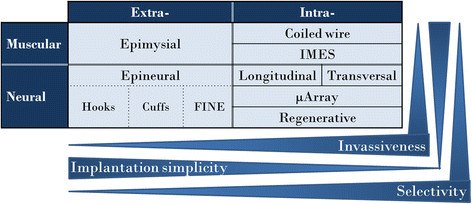
The control of robotic prostheses based on pattern recognition algorithms is a widely studied subject that has shown promising results in acute experiments. The long-term implementation of this technology, however, has not yet been achieved due to practical issues that can be mainly attributed to the use of surface electrodes and their highly environmental dependency. This paper describes several implantable electrodes and discusses them as a solution for the natural control of artificial limbs. In this context "natural" is defined as producing control over limb movement analogous to that of an intact physiological system. This includes coordinated and simultaneous movements of different degrees of freedom. It also implies that the input signals must come from nerves or muscles that were originally meant to produce the intended movement and that feedback is perceived as originating in the missing limb without requiring burdensome levels of concentration. After scrutinizing different electrode designs and their clinical implementation, we concluded that the epimysial and cuff electrodes are currently promising candidates to achieving a long-term stable and natural control of robotic prosthetics, provided that communication from the electrodes to the outside of the body is guaranteed.
Overview
The claims and statistics of this paper haven’t been checked yet.
Free: it reads the open-access text and checks the first 5 claims that cite a source we can check. Create a free account to check every claim.
Integrity signals
Registry
Cites
Statistics
Figures

Verification
Claims the paper makes
The claims and statistics of this paper haven’t been checked yet.
Free: it reads the open-access text and checks the first 5 claims that cite a source we can check. Create a free account to check every claim.
Claims other papers make about this one
Each is checked against this paper’s own text: does it say what the citing paper says it does?
The cited source says what the claim attributes to it.
In the citing paper
“Presently, with regards to long-term human implantations, extraneural electrodes still emerge as the most favorable choice for clinical applications [26, 37].”
From Safety of long-term electrical peripheral nerve stimulation: review of the state of the art (2019) · cites this paper as [37]
The cited source says what the claim attributes to it.
In the citing paper
“At present, extraneural electrodes have shown superior long-term stability in comparison to intraneural electrodes.”
From Safety of long-term electrical peripheral nerve stimulation: review of the state of the art (2019) · cites this paper as [37]
Self-check
Percentages, sums and reported differences re-computed from the paper’s own numbers.
The self-check needs the paper’s full text.
Citations
Cites
Neuronal ensemble control of prosthetic devices by a human with tetraplegia
Hochberg, L. R., Serruya, M. D., Friehs, G. M., Mukand, J. A., Saleh, M., Caplan, A. H., Branner, A., Chen, D., Penn, R. D., & Donoghue, J. P. (2006) · Nature · doi:10.1038/nature04970 · Cited by 3,295 · cited 4×
“A review of intrafascicular electrodes with focus on the central nervous system (CNS) is given by Cheung in [9].”
BackgroundMethodInfluentialNeural Stimulation and Recording Electrodes
Cogan, S. F. (2008) · Annual Review of Biomedical Engineering · doi:10.1146/annurev.bioeng.10.061807.160518 · Cited by 2,243 · cited 1×
“[7], and in 2008 by Cogan with the emphasis on microelectrodes for stimulation [8].”
BackgroundResponse of brain tissue to chronically implanted neural electrodes
Polikov, V. S., Tresco, P. A., & Reichert, W. M. (2005) · Journal of Neuroscience Methods · doi:10.1016/j.jneumeth.2005.08.015 · Cited by 1,896 · cited 1×
“An update on the biocompatibility of microelectrodes is given in [14] and a more detailed review of the brain tissue response can be found in [15].”
BackgroundMedical Instrumentation-Application and Design
Webster, J. G. (1978) · Journal of Clinical Engineering · doi:10.1097/00004669-197807000-00017 · Cited by 1,847
A robust, real-time control scheme for multifunction myoelectric control
Englehart, K., & Hudgins, B. (2003) · IEEE Transactions on Biomedical Engineering · doi:10.1109/tbme.2003.813539 · Cited by 1,743 · cited 1×
“Nowadays, several researchers have demonstrated that it is possible to identify finger and hand positioning using a variety of pattern recognition algorithms, such as artificial neural networks (ANNs), support vector machine (SVM), hidden Markov models (HMM), wavelets and so on [91-98].”
BackgroundDissolvable films of silk fibroin for ultrathin conformal bio-integrated electronics
Kim, D.-H., Viventi, J., Amsden, J. J., Xiao, J., Vigeland, L., Kim, Y.-S., Blanco, J. A., Panilaitis, B., Frechette, E. S., Contreras, D., et al. (2010) · Nature Materials · doi:10.1038/nmat2745 · Cited by 1,721 · cited 2×
“It is worth mentioning that electrode technology continues to progress and newmaterials, coatings or surface treatments such as PEDOT [88], silk fibroin [90] and ion-selective membranes [89] could eventually replace or be applied to standard epimysial and cuff electrodes.”
BackgroundElectromyography: Physiology, Engineering, and Noninvasive Applications
(2004) · Wiley eBooks · doi:10.1002/0471678384 · Cited by 1,151
Targeted Muscle Reinnervation for Real-time Myoelectric Control of Multifunction Artificial Arms
Kuiken, T. A. (2009) · JAMA · doi:10.1001/jama.2009.116 · Cited by 1,089 · cited 1×
“’s work on TMR provides another strong argument in favor of the viability of nerves after amputation [114].”
BackgroundBioelectrical Signal Processing in Cardiac and Neurological Applications
(2005) · Elsevier eBooks · doi:10.1016/b978-0-12-437552-9.x5000-4 · Cited by 993 · cited 1×
“consistent over time and less affected by surrounding noise [103].”
BackgroundScheme, E., & Englehart, K. (2011) · The Journal of Rehabilitation Research and Development · doi:10.1682/jrrd.2010.09.0177 · Cited by 969 · cited 20×
“On the other hand, the way in which the nature of SEs inherently impacts the problems mentioned above is obvious.”
BackgroundInfluentialNavarro, X., Krueger, T. B., Lago, N., Micera, S., Stieglitz, T., & Dario, P. (2005) · Journal of the Peripheral Nervous System · doi:10.1111/j.1085-9489.2005.10303.x · Cited by 845 · cited 1×
“[7], and in 2008 by Cogan with the emphasis on microelectrodes for stimulation [8].”
BackgroundSupport Vector Machine-Based Classification Scheme for Myoelectric Control Applied to Upper Limb
Oskoei, M. A., & Hu, H. (2008) · IEEE Transactions on Biomedical Engineering · doi:10.1109/tbme.2008.919734 · Cited by 829 · cited 1×
“Nowadays, several researchers have demonstrated that it is possible to identify finger and hand positioning using a variety of pattern recognition algorithms, such as artificial neural networks (ANNs), support vector machine (SVM), hidden Markov models (HMM), wavelets and so on [91-98].”
BackgroundHuang, Y., Englehart, K. B., Hudgins, B., & Chan, A. D. C. (2005) · IEEE Transactions on Biomedical Engineering · doi:10.1109/tbme.2005.856295 · Cited by 643 · cited 1×
“Nowadays, several researchers have demonstrated that it is possible to identify finger and hand positioning using a variety of pattern recognition algorithms, such as artificial neural networks (ANNs), support vector machine (SVM), hidden Markov models (HMM), wavelets and so on [91-98].”
BackgroundKuiken, T. A., Dumanian, G. A., Lipschutz, R. D., Miller, L. A., & Stubblefield, K. A. (2004) · Prosthetics & Orthotics International · doi:10.3109/03093640409167756 · Cited by 583
Direct neural sensory feedback and control of a prosthetic arm
Dhillon, G. S., & Horch, K. W. (2005) · IEEE Transactions on Neural Systems and Rehabilitation Engineering · doi:10.1109/tnsre.2005.856072 · Cited by 573 · cited 3×
“In 2005, Dhillon and Horch implemented one of the first direct neural feedbacks (position and strength) using an electrode implanted within individual fascicles in severed peripheral nerves [62].”
BackgroundA Comparison of Surface and Intramuscular Myoelectric Signal Classification
Hargrove, L. J., Englehart, K., & Hudgins, B. (2007) · IEEE Transactions on Biomedical Engineering · doi:10.1109/tbme.2006.889192 · Cited by 518 · cited 9×
“Despite the extensive studies that have been conducted on signal processing techniques and pattern recognition algorithms (PRAs), this approach appears to have reached a steady state where several PRAs have been found to reach similar levels of accuracy [6].”
BackgroundInfluentialSimeral, J. D., Kim, S.-P., Black, M. J., Donoghue, J. P., & Hochberg, L. R. (2011) · Journal of Neural Engineering · doi:10.1088/1741-2560/8/2/025027 · Cited by 496
Restoration of grasp following paralysis through brain-controlled stimulation of muscles
Ethier, C., Oby, E. R., Bauman, M. J., & Miller, L. E. (2012) · Nature · doi:10.1038/nature10987 · Cited by 485 · cited 4×
“A review of intrafascicular electrodes with focus on the central nervous system (CNS) is given by Cheung in [9].”
BackgroundMethodInfluentialA transverse intrafascicular multichannel electrode (TIME) to interface with the peripheral nerve
Boretius, T., Badia, J., Pascual-Font, A., Schuettler, M., Navarro, X., Yoshida, K., & Stieglitz, T. (2010) · Biosensors and Bioelectronics · doi:10.1016/j.bios.2010.05.010 · Cited by 468 · cited 1×
“These electrodes, such as the transverse intrafascicular multichannel electrode (TIME), can be positioned with different orientations inside the fascicles in order to achieve more selectivity [68].”
BackgroundJiang, N., Englehart, K. B., & Parker, P. A. (2009) · IEEE Transactions on Biomedical Engineering · doi:10.1109/tbme.2008.2007967 · Cited by 450 · cited 1×
“[108], and Muceli et al.”
A spiral nerve cuff electrode for peripheral nerve stimulation
Naples, G. G., Mortimer, J. T., Scheiner, A., & Sweeney, J. D. (1988) · IEEE Transactions on Biomedical Engineering · doi:10.1109/10.8670 · Cited by 415 · cited 4×
“This reduces the probability of electrode or lead failure [28].”
BackgroundInfluentialVeraart, C., Raftopoulos, C., Mortimer, J. T., Delbeke, J., Pins, D., Michaux, G., Vanlierde, A., Parrini, S., & Wanet-Defalque, M.-C. (1998) · Brain Research · doi:10.1016/s0006-8993(98)00977-9 · Cited by 405 · cited 1×
“On the clinical side, however, extra-type electrodes such as the epimysial and cuff, have proved their safety and functionality for several years in different applications [19-22,31-34,4042,52].”
BackgroundSelf-citationControl of Hand Prostheses Using Peripheral Information
Micera, S., Carpaneto, J., & Raspopovic, S. (2010) · IEEE Reviews in Biomedical Engineering · doi:10.1109/rbme.2010.2085429 · Cited by 403 · cited 1×
“Furthermore, sensors embedded in the prosthesis can provide valuable feedback information that currently has no stable means of being naturally transmitted to the patient [4].”
BackgroundFunctionally selective peripheral nerve stimulation with a flat interface nerve electrode
Tyler, D. J., & Durand, D. M. (2002) · IEEE Transactions on Neural Systems and Rehabilitation Engineering · doi:10.1109/tnsre.2002.806840 · Cited by 398 · cited 1×
“The flat interface nerve electrode (FINE) solves this problem by reshaping the nerve into a flat geometry, thereby forcing all the fascicles close the epineurium [58].”
BackgroundDouble nerve intraneural interface implant on a human amputee for robotic hand control
Rossini, P. M., Micera, S., Benvenuto, A., Carpaneto, J., Cavallo, G., Citi, L., Cipriani, C., Denaro, L., Denaro, V., Di Pino, G., et al. (2010) · Clinical Neurophysiology · doi:10.1016/j.clinph.2010.01.001 · Cited by 396 · cited 3×
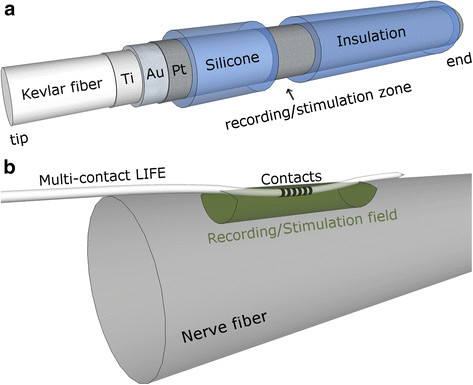
“Probably one of the most interesting clinical experiments to date is the use of 4 intrafascicular longitudinal flexible multielectrodes (tf-LIFE) to control a robotic hand [70].”
BackgroundMethodChestek, C. A., Gilja, V., Nuyujukian, P., Foster, J. D., Fan, J. M., Kaufman, M. T., Churchland, M. M., Rivera-Alvidrez, Z., Cunningham, J. P., Ryu, S. I., et al. (2011) · Journal of Neural Engineering · doi:10.1088/1741-2560/8/4/045005 · Cited by 350
The SmartHand transradial prosthesis
Cipriani, C., Controzzi, M., & Carrozza, M. C. (2011) · Journal of NeuroEngineering and Rehabilitation · doi:10.1186/1743-0003-8-29 · Cited by 286 · cited 3×
“Sophisticated prostheses such as the SmartHand [3] provide more degrees of freedom than a patient is able to control naturally.”
BackgroundMuceli, S., & Farina, D. (2012) · IEEE Transactions on Neural Systems and Rehabilitation Engineering · doi:10.1109/tnsre.2011.2178039 · Cited by 285 · cited 1×
“[109].”
Online Electromyographic Control of a Robotic Prosthesis
Shenoy, P., Miller, K. J., Crawford, B., & Rao, R. P. N. (2008) · IEEE Transactions on Biomedical Engineering · doi:10.1109/tbme.2007.909536 · Cited by 285
Implantable Myoelectric Sensors (IMESs) for Intramuscular Electromyogram Recording
Weir, R. F., Troyk, P. R., DeMichele, G. A., Kerns, D. A., Schorsch, J. F., & Maas, H. (2009) · IEEE Transactions on Biomedical Engineering · doi:10.1109/tbme.2008.2005942 · Cited by 266 · cited 5×
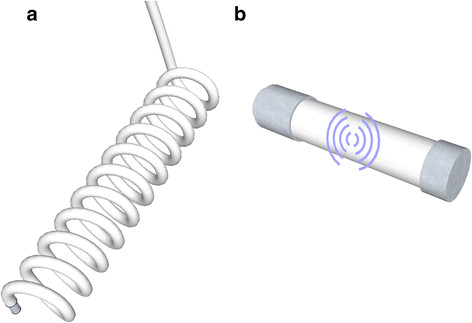
“More sophisticated devices in this category include the RF BION (Radio Frequency BIOnic Neuron) [23] and the Implantable Myoelectric Sensors (IMES) using the BION package [24].”
BackgroundMethodInfluentialBION ™ system for distributed neural prosthetic interfaces
Loeb, G. E., Peck, R. A., Moore, W. H., & Hood, K. (2001) · Medical Engineering & Physics · doi:10.1016/s1350-4533(01)00011-x · Cited by 243 · cited 2×
“- Intra-muscular • Coiled Wire • Radio Frequency BIOnic Neuron (RF BION) • Implantable Myoelectric Sensors (IMES) 3.”
MethodHargrove, L. J., Scheme, E. J., Englehart, K. B., & Hudgins, B. S. (2010) · IEEE Transactions on Neural Systems and Rehabilitation Engineering · doi:10.1109/tnsre.2009.2039590 · Cited by 219 · cited 2×
“It has been suggested that the long-term stability of bioelectric signals required for a precise control of several degrees of freedom, is the major issue in robotic prostheses [3,10,25,26,99].”
BackgroundDecoding a New Neural–Machine Interface for Control of Artificial Limbs
Zhou, P., Lowery, M. M., Englehart, K. B., Huang, H., Li, G., Hargrove, L., Dewald, J. P. A., & Kuiken, T. A. (2007) · Journal of Neurophysiology · doi:10.1152/jn.00178.2007 · Cited by 215 · cited 8×
“Despite the extensive studies that have been conducted on signal processing techniques and pattern recognition algorithms (PRAs), this approach appears to have reached a steady state where several PRAs have been found to reach similar levels of accuracy [6].”
BackgroundInfluentialCuff electrodes for chronic stimulation and recording of peripheral nerve activity
Loeb, G. E., & Peck, R. A. (1996) · Journal of Neuroscience Methods · doi:10.1016/0165-0270(95)00123-9 · Cited by 215 · cited 24×
“In some cases, a band-pass filter from 1,000 Hz to 10,000 Hz or a high-roll-off high-pass filter have been sufficient to cut off the MES [31].”
BackgroundInfluentialPrinciples Underlying New Methods for Chronic Neural Recording
Stein, R. B., Charles, D., Davis, L., Jhamandas, J., Mannard, A., & Nichols, T. R. (1975) · Canadian Journal of Neurological Sciences / Journal Canadien des Sciences Neurologiques · doi:10.1017/s0317167100020333 · Cited by 210 · cited 2×
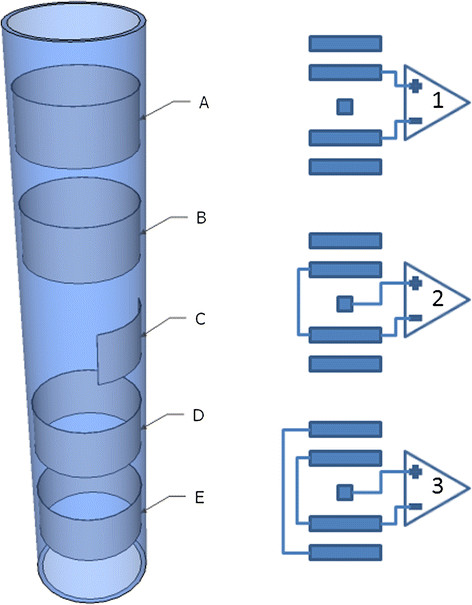
“• A close fitting is necessary to ensure relatively large signals • The impedance of all the contacts must be low and roughly equal • A tripolar configuration minimizes the noise induced by myoelectric signals (Figure 4) [46] • A short-circuit tripolar configuration has a higher signal-to-noise ratio (Figure 4) [56] •…”
BackgroundImplantable microscale neural interfaces
Cheung, K. C. (2007) · Biomedical Microdevices · doi:10.1007/s10544-006-9045-z · Cited by 202 · cited 1×
“A review of intrafascicular electrodes with focus on the central nervous system (CNS) is given by Cheung in [9].”
BackgroundA nerve cuff technique for selective excitation of peripheral nerve trunk regions
Sweeney, J. D., Ksienski, D. A., & Mortimer, J. T. (1990) · IEEE Transactions on Biomedical Engineering · doi:10.1109/10.55681 · Cited by 196 · cited 3×
“On the stimulation side, it has been shown to be possible to stimulate different nerve fibers depending on the stimulation signal [29,44].”
BackgroundHorch, K., Meek, S., Taylor, T. G., & Hutchinson, D. T. (2011) · IEEE Transactions on Neural Systems and Rehabilitation Engineering · doi:10.1109/tnsre.2011.2162635 · Cited by 194 · cited 2×
“The majority of experiments demonstrating the most advanced prosthetic control using implantable electrodes have relied on percutaneous communication [43,62,63,70,71].”
BackgroundMethodLong-term pain control by direct peripheral-nerve stimulation.
Nashold, B. S., Goldner, J. L., Mullen, J. B., & Bright, D. S. (1982) · The Journal of Bone & Joint Surgery · doi:10.2106/00004623-198264010-00001 · Cited by 184 · cited 2×
“On the clinical side, however, extra-type electrodes such as the epimysial and cuff, have proved their safety and functionality for several years in different applications [19-22,31-34,4042,52].”
BackgroundCutaneous whole nerve recordings used for correction of footdrop in hemiplegic man
Haugland, M. K., & Sinkjaer, T. (1995) · IEEE Transactions on Rehabilitation Engineering · doi:10.1109/86.481970 · Cited by 168 · cited 2×
“A long-term implementation, however, requires the elimination of percutaneous wires [36,41].”
BackgroundMethodBiocompatibility of intracortical microelectrodes: current status and future prospects
Marin, C. (2010) · Frontier in Neuroengineering · doi:10.3389/fneng.2010.00008 · Cited by 160 · cited 1×
“An update on the biocompatibility of microelectrodes is given in [14] and a more detailed review of the brain tissue response can be found in [15].”
BackgroundSensory nerve recording for closed‐loop control to restore motor functions
Popovic, D. B., Stein, R. B., Jovanovic, K. L., Dai, R., Kostov, A., & Armstrong, W. W. (1993) · IEEE Transactions on Biomedical Engineering · doi:10.1109/10.247801 · Cited by 159 · cited 20×
“In some cases, a band-pass filter from 1,000 Hz to 10,000 Hz or a high-roll-off high-pass filter have been sufficient to cut off the MES [31].”
BackgroundInfluentialFarrell, T. R., & Weir, R. F. F. (2008) · IEEE Transactions on Biomedical Engineering · doi:10.1109/tbme.2008.923917 · Cited by 159 · cited 11×
“Despite the extensive studies that have been conducted on signal processing techniques and pattern recognition algorithms (PRAs), this approach appears to have reached a steady state where several PRAs have been found to reach similar levels of accuracy [6].”
BackgroundMethodInfluentialQuantifying long-term microelectrode array functionality using chronic in vivo impedance testing
Prasad, A., & Sanchez, J. C. (2012) · Journal of Neural Engineering · doi:10.1088/1741-2560/9/2/026028 · Cited by 157 · cited 4×
“A review of intrafascicular electrodes with focus on the central nervous system (CNS) is given by Cheung in [9].”
BackgroundInfluentialWaters, R. L., McNeal, D. R., Faloon, W., & Clifford, B. (1985) · The Journal of Bone & Joint Surgery · doi:10.2106/00004623-198567050-00016 · Cited by 156 · cited 2×
“On the clinical side, however, extra-type electrodes such as the epimysial and cuff, have proved their safety and functionality for several years in different applications [19-22,31-34,4042,52].”
BackgroundNeural signals for command control and feedback in functional neuromuscular stimulation: a review.
Hoffer, J. A., Rb, S., Haugland, M. K., Sinkjær, T., Durfee, W. K., Schwartz, A., Loeb, G. E., & Kantor, C. (1996) · PubMed · Cited by 139
Recruitment properties of monopolar and bipolar epimysial electrodes
Grandjean, P. A., & Mortimer, J. T. (1986) · Annals of Biomedical Engineering · doi:10.1007/bf02364648 · Cited by 134 · cited 3×
“While it has been suggested that encapsulation is beneficial in epimysial and cuff electrodes [18,29], it is a major issue in intraneural electrodes [72].”
BackgroundImplantable electrical and mechanical interfaces with nerve and muscle
Hoffer, J. A., & Loeb, G. E. (1980) · Annals of Biomedical Engineering · doi:10.1007/bf02363438 · Cited by 131 · cited 5×
“The following recommendations have been made [17,31,50]:”
BackgroundInfluentialSelective stimulation of the human femoral nerve with a flat interface nerve electrode
Schiefer, M. A., Polasek, K. H., Triolo, R. J., Pinault, G. C. J., & Tyler, D. J. (2010) · Journal of Neural Engineering · doi:10.1088/1741-2560/7/2/026006 · Cited by 130 · cited 1×
“It has also been used for stimulation purposes as part of a gait controller in rabbits [60], and in acute experiments in the human femoral nerve [61].”
MethodSebelius, F., Rosén, B., & Lundborg, G. (2005) · The Journal Of Hand Surgery · doi:10.1016/j.jhsa.2005.01.002 · Cited by 125 · cited 1×
“It has been widely suggested that implantable electrodes acquire signals of better quality [17,100], but, when it comes to improvements in pattern recognition, Hargrove et al.”
BackgroundSkin contact force information in sensory nerve signals recorded by implanted cuff electrodes
Haugland, M. K., Hoffer, J. A., & Sinkjaer, T. (1994) · IEEE Transactions on Rehabilitation Engineering · doi:10.1109/86.296346 · Cited by 122 · cited 1×
“In animal experiments, cuff electrodes have been successfully used to measure respiratory output [37] and forces applied to the footpad [38,39].”
MethodHaugland, M., Lickel, A., Haase, J., & Sinkjaer, T. (1999) · IEEE Transactions on Rehabilitation Engineering · doi:10.1109/86.769412 · Cited by 112 · cited 3×
“Closed-loop control using different NBEs has been reported in animal models [115] and human patients [40,62].”
BackgroundMethodYoo, P. B., & Durand, D. M. (2005) · IEEE Transactions on Biomedical Engineering · doi:10.1109/tbme.2005.851482 · Cited by 106 · cited 1×
“This electrode has successfully shown recording selectivity in simulations and animal experiments [59].”
MethodDavis, L. A., Gordon, T., Hoffer, J. A., Jhamandas, J., & Stein, R. B. (1978) · The Journal of Physiology · doi:10.1113/jphysiol.1978.sp012588 · Cited by 103 · cited 1×
“However, the axons that used to innervate those muscles remain indefinitely viable on the nerves close to the stump [110].”
BackgroundGrill, W. M., & Mortimer, J. T. (1998) · IEEE Transactions on Rehabilitation Engineering · doi:10.1109/86.736150 · Cited by 103 · cited 12×
“A period of around 8 weeks was suggested by Grill and Mortimer [29].”
BackgroundInfluentialMicera, S., Citi, L., Rigosa, J., Carpaneto, J., Raspopovic, S., Di Pino, G., Rossini, L., Yoshida, K., Denaro, L., Dario, P., et al. (2010) · Proceedings of the IEEE · doi:10.1109/jproc.2009.2038726 · Cited by 101 · cited 5×
“A human patient was implanted with tf-LIFEs for a month and, through pattern recognition algorithms, three different movements were differentiated for the first time [71].”
BackgroundMethodInfluentialCuff electrodes for long-term recording of natural sensory information
Struijk, J. J., Thomsen, M., Larsen, J. O., & Sinkjaer, T. (1999) · IEEE Engineering in Medicine and Biology Magazine · doi:10.1109/51.765194 · Cited by 97 · cited 3×
“• A close fitting is necessary to ensure relatively large signals • The impedance of all the contacts must be low and roughly equal • A tripolar configuration minimizes the noise induced by myoelectric signals (Figure 4) [46] • A short-circuit tripolar configuration has a higher signal-to-noise ratio (Figure 4) [56] •…”
BackgroundHand Prosthesis Control Via Myoelectric Patterns
Herberts, P., Almström, C., Kadefors, R., & Lawrence, P. D. (1973) · Acta Orthopaedica Scandinavica · doi:10.3109/17453677308989075 · Cited by 96 · cited 1×
“[107], and more recently by Jiang et al.”
BackgroundLarsen, J. O., Thomsen, M., Haugland, M., & Sinkjær, T. (1998) · Acta Neuropathologica · doi:10.1007/s004010050907 · Cited by 96 · cited 1×
“However, these fibers subsequently regenerated and no signs of control or strength losses were found, even though the fibers did not regenerate up to the same diameter [48].”
BackgroundFabrication and characteristics of an implantable, polymer-based, intrafascicular electrode
Lawrence, S. M., Dhillon, G. S., & Horch, K. W. (2003) · Journal of Neuroscience Methods · doi:10.1016/s0165-0270(03)00231-0 · Cited by 93 · cited 1×
“based in the design from [67] and a multi-contact longitudinal intrafascicular electrode.”
MethodDurability of implanted electrodes and leads in an upper-limb neuroprosthesis
Kilgore, K. L., Peckham, P. H., Keith, M. W., Montague, F. W., Hart, R. L., Gazdik, M. M., Bryden, A. M., Snyder, S. A., & Stage, T. G. (2003) · The Journal of Rehabilitation Research and Development · doi:10.1682/jrrd.2003.11.0457 · Cited by 85 · cited 6×
“Haugland M, Lickel A, Haase J, Sinkjaer T: Control of FES thumb Force Using Slip Information Obtained from the Cutaneous Electroneurogram in Quadriplegic Man.”
BackgroundInfluentialRaspopovic, S., Carpaneto, J., Udina, E., Navarro, X., & Micera, S. (2010) · Journal of NeuroEngineering and Rehabilitation · doi:10.1186/1743-0003-7-17 · Cited by 81 · cited 4×
“Single-channel cuff electrodes in a tripolar configuration have been successfully used to discriminate two to three different afferent signals, such as proprioceptive, mechanical and nociceptive [43].”
BackgroundMethodInfluentialContinuous Detection and Decoding of Dexterous Finger Flexions With Implantable MyoElectric Sensors
Baker, J. J., Scheme, E., Englehart, K., Hutchinson, D. T., & Greger, B. (2010) · IEEE Transactions on Neural Systems and Rehabilitation Engineering · doi:10.1109/tnsre.2010.2047590 · Cited by 77 · cited 4×
“Furthermore, the changing device orientation relative to the coil as caused by limb movements is a potential source of malfunction that are still to be addressed [26].”
BackgroundMethodInfluentialJia, X., Koenig, M. A., Zhang, X., Zhang, J., Chen, T., & Chen, Z. (2007) · The Journal of Hand Surgery · doi:10.1016/j.jhsa.2007.02.021 · Cited by 70 · cited 2×
“showed that, even after 28 months of being amputated, a patient was able to generate neural activity related to the phantom limb movement [113].”
BackgroundMethodNatural neural sensing and artificial muscle control in man
Sinkjær, T., Haugland, M. K., & Haase, J. (1994) · Experimental Brain Research · doi:10.1007/bf00233991 · Cited by 69 · cited 1×
“The latter was one of the first studies that demonstrated that natural sensory nerve activity in man can be chronically recorded [42].”
BackgroundAlmstr�m, C., Herberts, P., & K�rner, L. (1981) · International Orthopaedics · doi:10.1007/bf00286094 · Cited by 67 · cited 1×
“Furthermore, it has been reported that patients using multifunctional prostheses with SEs experience fatigue after 5 to 30 min of continuous use [104].”
BackgroundInvasive neural prosthesis for neural signal detection and nerve stimulation
Gasson, M., Hutt, B., Goodhew, I., Kyberd, P., & Warwick, K. (2005) · International Journal of Adaptive Control and Signal Processing · doi:10.1002/acs.854 · Cited by 66 · cited 3×
“While it has been suggested that encapsulation is beneficial in epimysial and cuff electrodes [18,29], it is a major issue in intraneural electrodes [72].”
BackgroundMethodFirst clinical experience with BION implants for therapeutic electrical stimulation
Salter, A.-C. D., Bagg, S. D., Creasy, J. L., Romano, C., Romano, D., Richmond, F. J. R., & Loeb, G. E. (2004) · Neuromodulation: Technology at the Neural Interface · doi:10.1111/j.1525-1403.2004.04005.x · Cited by 66
Techniques to Study Spinal-Cord, Peripheral Nerve, and Muscle Activity in Freely Moving Animals
Hoffer, J. A. (2003) · Neurophysiological Techniques, II · doi:10.1385/0-89603-185-3:65 · Cited by 66 · cited 1×
“It has been suggested that the cuff length should be no less than 15 mm or 10 times larger than its inner diameter [57]”
BackgroundLong‐term effects of axotomy on neural activity during cat locomotion.
Gordon, T., Hoffer, J. A., Jhamandas, J., & Stein, R. B. (1980) · The Journal of Physiology · doi:10.1113/jphysiol.1980.sp013283 · Cited by 65 · cited 1×
“It has been suggested that nerve signals could be used to control prostheses when it was found that the modulation of severed efferent neurons was still related to identified movements [111].”
BackgroundInformation contained in sensory nerve recordings made with intrafascicular electrodes
Goodall, E. V., Lefurge, T. M., & Horch, K. W. (1991) · IEEE Transactions on Biomedical Engineering · doi:10.1109/10.83604 · Cited by 63 · cited 2×
“In both cases, NBEs could still provide information from missing muscles, information that could even be recorded from individual fascicles [65].”
BackgroundSebelius, F., Eriksson, L., Balkenius, C., & Laurell, T. (2006) · Journal of Medical Engineering & Technology · doi:10.1080/03091900512331332546 · Cited by 57 · cited 2×
“Nowadays, several researchers have demonstrated that it is possible to identify finger and hand positioning using a variety of pattern recognition algorithms, such as artificial neural networks (ANNs), support vector machine (SVM), hidden Markov models (HMM), wavelets and so on [91-98].”
BackgroundLong‐term biocompatibility of implanted polymer‐based intrafascicular electrodes
Lawrence, S. M., Larsen, J. O., Horch, K. W., Riso, R., & Sinkjær, T. (2002) · Journal of Biomedical Materials Research · doi:10.1002/jbm.10303 · Cited by 55 · cited 1×
“Similar polymer-based longitudinal intrafascicular electrodes (polyLIFEs) have been chronically implanted in animals and no significant effect on fiber counts, nerve-fiber diameter or myelin thickness were reported [64](Figure 6(a)).”
BackgroundSong, Y., Melik, R., Rabie, A. N., Ibrahim, A. M. S., Moses, D., Tan, A., Han, J., & Lin, S. J. (2011) · Nature Materials · doi:10.1038/nmat3146 · Cited by 52 · cited 2×
“It is worth mentioning that electrode technology continues to progress and newmaterials, coatings or surface treatments such as PEDOT [88], silk fibroin [90] and ion-selective membranes [89] could eventually replace or be applied to standard epimysial and cuff electrodes.”
BackgroundRomero, E., Denef, J. F., Delbeke, J., Robert, A., & Veraart, C. (2001) · Medical & Biological Engineering & Computing · doi:10.1007/bf02345271 · Cited by 49 · cited 2×
“The following recommendations have been made [17,31,50]:”
BackgroundSelf-citationSharma, A., Rieth, L., Tathireddy, P., Harrison, R., Oppermann, H., Klein, M., Töpper, M., Jung, E., Normann, R., Clark, G., et al. (2011) · Journal of Neural Engineering · doi:10.1088/1741-2560/8/4/045004 · Cited by 48 · cited 2×
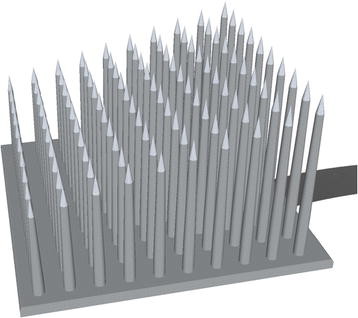
“A wireless solution, the Utah Slant Electrode Array/Integrated Neural Interface-Recording version 5 (USEA/INI-R5), has reported functionality for over 9 months in an in-vitro test [74].”
BackgroundMethodRahal, M., Winter, J., Taylor, J., & Donaldson, N. (2000) · IEEE Transactions on Biomedical Engineering · doi:10.1109/10.867963 · Cited by 47 · cited 2×
“configuration, the outer electrode pair is short-circuited in order to yield a screening effect [47].”
BackgroundSpiral nerve cuff electrode for recordings of respiratory output
Sahin, M., Haxhiu, M. A., Durand, D. M., & Dreshaj, I. A. (1997) · Journal of Applied Physiology · doi:10.1152/jappl.1997.83.1.317 · Cited by 47 · cited 2×
“In animal experiments, cuff electrodes have been successfully used to measure respiratory output [37] and forces applied to the footpad [38,39].”
BackgroundMethodIntelligent Systems and Technologies in Rehabilitation Engineering
(2000) · International Series on Computational Intelligence · doi:10.1201/9781420042122 · Cited by 45
Uhlir, J. P., Triolo, R. J., Davis, J. A., & Bieri, C. (2004) · IEEE Transactions on Neural Systems and Rehabilitation Engineering · doi:10.1109/tnsre.2004.827224 · Cited by 44 · cited 5×
“Haugland M, Lickel A, Haase J, Sinkjaer T: Control of FES thumb Force Using Slip Information Obtained from the Cutaneous Electroneurogram in Quadriplegic Man.”
BackgroundMethodInfluentialWeir, R. F., Troyk, P. R., DeMichele, G., & Kerns, D. (2005) · 2005 IEEE Engineering in Medicine and Biology 27th Annual Conference · doi:10.1109/iembs.2005.1616206 · Cited by 40 · cited 2×
“It has been suggested that the long-term stability of bioelectric signals required for a precise control of several degrees of freedom, is the major issue in robotic prostheses [3,10,25,26,99].”
BackgroundComparative Analysis of Microprocessors in Upper Limb Prosthetics
Lake, C., & Miguelez, J. M. (2003) · JPO Journal of Prosthetics and Orthotics · doi:10.1097/00008526-200304000-00004 · Cited by 37 · cited 3×
“Muscle imbalance can also cause prosthesis socket instability [11].”
BackgroundMinev, I. R., Chew, D. J., Delivopoulos, E., Fawcett, J. W., & Lacour, S. P. (2012) · Journal of Neural Engineering · doi:10.1088/1741-2560/9/2/026005 · Cited by 36 · cited 1×
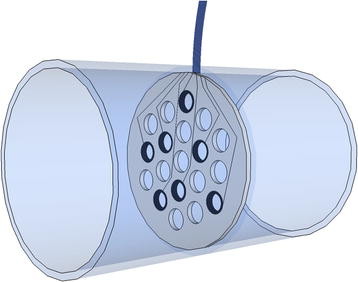
“The next level on selectivity and cross-talk reduction is the regenerative microchannel electrode, a combination between sieve and cuff electrodes that better isolates bundles of axons [87].”
BackgroundRecruitment data for nerve cuff electrodes: implications for design of implantable stimulators
McNeal, D. R., Baker, L. L., & Symons, J. T. (1989) · IEEE Transactions on Biomedical Engineering · doi:10.1109/10.19851 · Cited by 35 · cited 2×
“Stimulation, on the other hand, has been very successful with the latter configuration [29,44,45].”
BackgroundArtefact reduction with alternative cuff configurations
Struijk, L. N. S. A., & Struijk, J. J. (2003) · IEEE Transactions on Biomedical Engineering · doi:10.1109/tbme.2003.817633 · Cited by 34 · cited 1×
“• A close fitting is necessary to ensure relatively large signals • The impedance of all the contacts must be low and roughly equal • A tripolar configuration minimizes the noise induced by myoelectric signals (Figure 4) [46] • A short-circuit tripolar configuration has a higher signal-to-noise ratio (Figure 4) [56] •…”
BackgroundMortimer, T., Agnew, W. F., Horch, K., Citron, P., Creasey, G., & Kantor, C. (1995) · IEEE Transactions on Rehabilitation Engineering · doi:10.1109/86.392373 · Cited by 33 · cited 3×
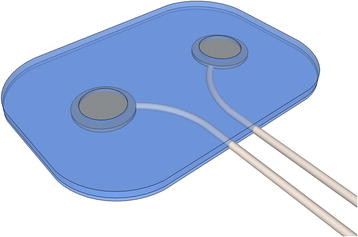
“The self sizing spiral cuff design is inherently safer than rigid cuffs and more practical in the clinical setting because it can adapt to different nerve diameters [51].”
BackgroundInfluentialNeuroprostheses for the upper extremity
Keith, M. W. (2001) · Microsurgery · doi:10.1002/micr.1049 · Cited by 27 · cited 4×
“Haugland M, Lickel A, Haase J, Sinkjaer T: Control of FES thumb Force Using Slip Information Obtained from the Cutaneous Electroneurogram in Quadriplegic Man.”
BackgroundInfluentialAn Implantable Microactuated Intrafascicular Electrode for Peripheral Nerves
Bossi, S., Kammer, S., DÖrge, T., Menciassi, A., Hoffmann, K. P., & Micera, S. (2009) · IEEE Transactions on Biomedical Engineering · doi:10.1109/tbme.2009.2031169 · Cited by 27 · cited 2×
“The need for devices such as the ACTIN resulted from the degradation of the long-term recording qualities of intrafascicular electrodes as a consequence of the fibrous encapsulation that takes place [66].”
BackgroundFrankel, M. A., Dowden, B. R., Mathews, V. J., Normann, R. A., Clark, G. A., & Meek, S. G. (2011) · IEEE Transactions on Neural Systems and Rehabilitation Engineering · doi:10.1109/tnsre.2011.2123920 · Cited by 25
Original electronic design to perform epimysial and neural stimulation in paraplegia
Guiraud, D., Stieglitz, T., Taroni, G., & Divoux, J. (2006) · Journal of Neural Engineering · doi:10.1088/1741-2560/3/4/004 · Cited by 24 · cited 13×
“Signals to several muscles can be obtained from a single nerve and several MBEs would therefore be necessary to produce the same information as one NBE with several contacts.”
BackgroundInfluentialBiocompatibility of platinum-metallized silicone rubber: in vivo and in vitro evaluation
Vince, V., Thil, M., Veraart, C., Colin, I. M., & Delbeke, J. (2004) · Journal of Biomaterials Science Polymer Edition · doi:10.1163/156856204322793566 · Cited by 24
Self-citationPanetsos, F., Avendano, C., Negredo, P., Castro, J., & Bonacasa, V. (2008) · IEEE Transactions on Neural Systems and Rehabilitation Engineering · doi:10.1109/tnsre.2008.923707 · Cited by 20 · cited 2×
“No clinical trials in humans had been published at the time of this research, but several experiments have been performed in animal models [82-85].”
BackgroundSharma, A., Rieth, L. W., Tathireddy, P., Harrison, R. R., & Solzbacher, F. (2010) · Applied Physics Letters · doi:10.1063/1.3318251 · Cited by 17
Biologically Inspired Algorithms Applied to Prosthetic Control
Ortiz-Catalan, M., Brånemark, R., & Håkansson, B. E. V. (2012) · IASTED International Conference on Biomedical Engineering (BioMed) · doi:10.2316/p.2012.764-035 · Cited by 17 · cited 1×
“Nowadays, several researchers have demonstrated that it is possible to identify finger and hand positioning using a variety of pattern recognition algorithms, such as artificial neural networks (ANNs), support vector machine (SVM), hidden Markov models (HMM), wavelets and so on [91-98].”
BackgroundSelf-citationElectrodes and Chronic Optic Nerve Stimulation
Delbeke, J. (2011) · Journal of Applied Biomedicine · doi:10.1016/s0208-5216(11)70021-3 · Cited by 16 · cited 2×
“On the clinical side, however, extra-type electrodes such as the epimysial and cuff, have proved their safety and functionality for several years in different applications [19-22,31-34,4042,52].”
BackgroundSelf-citationLong-Term Neuroelectric Signal Recording from Severed Nerves
De Luca, C. J., Gilmore, L. D., Bloom, L. J., Thomson, S. J., Cudworth, A. L., & Glimcher, M. J. (1982) · IEEE Transactions on Biomedical Engineering · doi:10.1109/tbme.1982.324953 · Cited by 16 · cited 1×
“in the median, ulnar and radial nerve of a below-elbow amputee supported the latter theory [112].”
Activities on PNS neural interfaces for the control of hand prostheses
Carpaneto, J., Cutrone, A., Bossi, S., Sergi, P. N., Citi, L., Rigosa, J., Rossini, P. M., & Micera, S. (2011) · Annual International Conference of the IEEE Engineering in Medicine and Biology Society (EMBC) · doi:10.1109/iembs.2011.6091148 · Cited by 15 · cited 1×
“The SELINE, a self opening intrafascicular neural interface, is the next generation along this line by combining LIFE and TIME spatial features [69].”
MethodAn Implanted Upper Extremity Neuroprosthesis Utilizing Myoelectric Control
Kilgore, K. L., Peckham, P. H., Montague, F. W., Hart, R. L., Bryden, A. M., Keith, M. W., Hoyen, H. A., & Bhadra, N. (2005) · International IEEE/EMBS Conference on Neural Engineering · doi:10.1109/cne.2005.1419634 · Cited by 15 · cited 5×
“One electrode, however, had to be reinstalled in a subsequent operation, resulting in an increase in the signal by an order of magnitude [19].”
BackgroundInfluentialEffect of portal venous pressure on portal venous inflow and splanchnic resistance.
Mitzner, W. (1974) · Journal of Applied Physiology · doi:10.1152/jappl.1974.37.5.706 · Cited by 12
A sieve electrode as a potential autonomic neural interface for bionic medicine
Kawada, T., Zheng, C., Tanabe, S., Uemura, T., Sunagawa, K., & Sugimachi, M. (2005) · Annual International Conference of the IEEE Engineering in Medicine and Biology Society (EMBC) · doi:10.1109/iembs.2004.1404202 · Cited by 11 · cited 1×
“No clinical trials in humans had been published at the time of this research, but several experiments have been performed in animal models [82-85].”
BackgroundRegenerative electrodes for interfacing injured peripheral nerves: neurobiological assessment
Lago, N., Udina, E., & Navarro, X. (2006) · IEEE/RAS-EMBS International Conference on Biomedical Robotics and Biomechatronics (BioRob) · doi:10.1109/biorob.2006.1639247 · Cited by 10 · cited 1×
“have found a decline in reinnervation and loss of regenerated fibers after 6 months [86].”
BackgroundControl of Skeletal Muscle Force with Currents Injected Via an Intrafascicular, Microelectrode Array
Normann, R. A., McDonnall, D., & Clark, G. A. (2005) · Annual International Conference of the IEEE Engineering in Medicine and Biology Society (EMBC) · doi:10.1109/iembs.2005.1616282 · Cited by 8 · cited 2×
“Sketch based in [73].”
Effects of chronic nerve cuff and intramuscular electrodes on rat triceps surae motor units
Carp, J. S., Chen, X.-Y., Sheikh, H., & Wolpaw, J. R. (2001) · Neuroscience Letters · doi:10.1016/s0304-3940(01)02183-8 · Cited by 7 · cited 1×
“conclude that the cuff electrode causes some degree of initial denervation, but that only a modest change inmotor unit properties remained after the reinnervation process, finally resulting in very limited damage [49].”
BackgroundNeural network control of cybernetic limb prostheses
Bergantz, D., & Barad, H. (1988) · Proceedings of the Annual International Conference of the IEEE Engineering in Medicine and Biology Society · doi:10.1109/iembs.1988.95341 · Cited by 7 · cited 1×
“Nowadays, several researchers have demonstrated that it is possible to identify finger and hand positioning using a variety of pattern recognition algorithms, such as artificial neural networks (ANNs), support vector machine (SVM), hidden Markov models (HMM), wavelets and so on [91-98].”
BackgroundEffects of consecutive slips in nerve signals recorded by implanted cuff electrode
Tong, R. K., Rong, W., Li, L., & Cao, J. M. (2007) · Medical Engineering & Physics · doi:10.1016/j.medengphy.2007.05.007 · Cited by 5 · cited 2×
“In animal experiments, cuff electrodes have been successfully used to measure respiratory output [37] and forces applied to the footpad [38,39].”
BackgroundMethodNew nerve cuff electrode based on a shape memory alloy armature
Crampon, M., Sawan, M., Braïlovski, V., & Trochu, F. (2002) · Annual International Conference of the IEEE Engineering in Medicine and Biology Society (EMBC) · doi:10.1109/iembs.1998.744973 · Cited by 5 · cited 1×
“A shapememory alloy armature has been suggested as a safe alternative to the self sizing spiral cuff [54].”
BackgroundEngineering and development of a stable, low-impedance, bioelectrical peripheral nerve interface
Egeland, B. M., Urbanchek, M. G., Martin, D. C., Kipke, D. R., Kuzon, W. M., & Cederna, P. S. (2009) · Journal of the American College of Surgeons · doi:10.1016/j.jamcollsurg.2009.06.185 · Cited by 5 · cited 6×
“It is worth mentioning that electrode technology continues to progress and new materials, coatings or surface treatments such as PEDOT [88], silk fibroin [90] and ion-selective membranes [89] could eventually replace or be applied to standard epimysial and cuff electrodes.”
BackgroundInfluentialSelective activation of the nervous system for motor system neural prostheses
Grill, W. M. (2001) · CRC Press eBooks · Cited by 5
Treatment Of Obstructive Sleep Apnea With Unilateral Hypoglossal Nerve Stimulation
Eastwood, P. R., Walsh, J. H., Maddison, K. J., Baker, V. A., Tesfayesus, W., & Hillman, D. R. (2010) · doi:10.1164/ajrccm-conference.2010.181.1_meetingabstracts.a5393 · Cited by 5 · cited 1×
“The implantation of these electrodes with stimulation purposes in humans also includes the treatment of obstructive sleep apnea [35] and other neuroprostheses [36].”
BackgroundEgan, J., Baker, J. J., House, P., & Greger, B. E. (2011) · Annual International Conference of the IEEE Engineering in Medicine and Biology Society (EMBC) · doi:10.1109/iembs.2011.6091707 · Cited by 4 · cited 4×
“A review of intrafascicular electrodes with focus on the central nervous system (CNS) is given by Cheung in [9].”
BackgroundMethodInfluentialMotion control of the rabbit ankle joint using a flat interface nerve electrode
Park, H., & Durand, D. M. (2009) · Annual International Conference of the IEEE Engineering in Medicine and Biology Society (EMBC) · doi:10.1109/iembs.2009.5333979 · Cited by 4 · cited 1×
“It has also been used for stimulation purposes as part of a gait controller in rabbits [60], and in acute experiments in the human femoral nerve [61].”
MethodDesigning and fabricating micro-pressure sensors for spiral cuff electrodes
Lin, C. K., Ju, M., Soung, B. H., & Tseng, C.-K. (2003) · International IEEE/EMBS Conference on Neural Engineering · doi:10.1109/cne.2003.1196791 · Cited by 2 · cited 1×
“interest in this technology, micro-electro-mechanical system (MEMS) is currently being exploited to resolve the issue of excessive pressure around the nerves [55].”
BackgroundWavelet transforms for compound nerve action potential analysis
Ramakrishnan, A. G., & Sastry, R. V. S. (2002) · doi:10.1109/rcembs.1995.532162 · Cited by 2 · cited 1×
“Nowadays, several researchers have demonstrated that it is possible to identify finger and hand positioning using a variety of pattern recognition algorithms, such as artificial neural networks (ANNs), support vector machine (SVM), hidden Markov models (HMM), wavelets and so on [91-98].”
BackgroundWallman, L., Rosengren, A., Danielsen, N., & Laurell, T. (2002) · International IEEE-EMBS Special Topic Conference on Microtechnologies in Medicine and Biology (MMB) · doi:10.1109/mmb.2000.893840 · Cited by 2 · cited 2×
“No clinical trials in humans had been published at the time of this research, but several experiments have been performed in animal models [82-85].”
BackgroundNerve Signal Monitoring Using an Implantable Microelectrode
Kim, Y.-H., Kim, Y.-J., Lee, C., Lee, M., Ahn, K., & Lee, J. (2007) · Proceedings of IEEE Sensors/Proceedings of IEEE Sensors ... · doi:10.1109/icsens.2007.4388608 · Cited by 1 · cited 1×
“No clinical trials in humans had been published at the time of this research, but several experiments have been performed in animal models [82-85].”
Background
Research works printed but not linked: 3
- Merletti R Parker P Electromyography: Physiology, Engineering, and Noninvasive Applications 2004 John Wiley & Sons, New Jersey, USA
- Hargrove L Englehart K Hudgins B A Comparison of Surface and Intramuscular Myoelectric Signal Classification IEEE Trans Biomed Eng 2007 54 5 847 853 17518281
- Almström C Herberts P Körner L Experience with Swedish Multifunctional Prosthetic Hands Controlled by Pattern Recognition of Multiple Myoelectric Signals Int Orthop 1981 5 15 21 7275404
Cited by
Ortiz-Catalan, M., Håkansson, B., & Brånemark, R. (2014) · Science Translational Medicine · doi:10.1126/scitranslmed.3008933 · Cited by 484
Self-citationBrånemark, R., Berlin, Ö., Hagberg, K., Bergh, P., Gunterberg, B., & Rydevik, B. (2014) · The Bone & Joint Journal · doi:10.1302/0301-620x.96b1.31905 · Cited by 275
Self-citationToward higher-performance bionic limbs for wider clinical use
Farina, D., Vujaklija, I., Brånemark, R., Bull, A. M. J., Dietl, H., Graimann, B., Hargrove, L. J., Hoffmann, K.-P., Huang, H., Ingvarsson, T., et al. (2021) · Nature Biomedical Engineering · doi:10.1038/s41551-021-00732-x · Cited by 263
Self-citationSelf-Contained Neuromusculoskeletal Arm Prostheses
Ortiz-Catalan, M., Mastinu, E., Sassu, P., Aszmann, O., & Brånemark, R. (2020) · New England Journal of Medicine · doi:10.1056/nejmoa1917537 · Cited by 256
Self-citationProprioception from a neurally controlled lower-extremity prosthesis
Clites, T. R., Carty, M. J., Ullauri, J. B., Carney, M. E., Mooney, L. M., Duval, J.-F., Srinivasan, S. S., & Herr, H. M. (2018) · Science Translational Medicine · doi:10.1126/scitranslmed.aap8373 · Cited by 233
Metadata
- Authors
- Ortiz-Catalan, M., Brånemark, R., Håkansson, B., & Delbeke, J.
- Affiliations
- Sahlgrenska University Hospital (SE)
- Chalmers University of Technology (SE)
- UCLouvain (BE)
- Corresponding author
- Ortiz-Catalan, Max
- Venue
- BioMedical Engineering OnLine
- Published
- 2012
- Volume
- 11
- Issue
- 1
- Pages
- 33
- ISSN
- 1475-925X (ISSN-L)
- PMC
- PMC3438028
- OpenAlex
- W2108693629
- Cited by
- 144
- References
- 115
- Citations by year
- 2026: 1 · 2025: 6 · 2024: 9 · 2023: 12 · 2022: 11 · 2021: 10 · 2020: 8 · 2019: 19 · 2018: 11 · 2017: 18 · 2016: 8 · 2015: 14 · 2014: 13 · 2013: 4
- FWCI
- 1.05
- Type
- journal article
- Language
- en
- Open access
- gold
- doi.org
- Licence
- cc-by
- Locations
- BioMedical Engineering OnLine (publishedVersion, cc-by)
- Europe PMC (PubMed Central) (publishedVersion, cc-by)
- PubMed Central (publishedVersion, cc-by)
- PubMed (publishedVersion)
- DOAJ (DOAJ: Directory of Open Access Journals) (submittedVersion)
- eScholarship (California Digital Library) (submittedVersion)
- eScholarship (California Digital Library) (submittedVersion, cc-by)
- Chalmers Research (Chalmers University of Technology) (submittedVersion)
- Funders
- Waalse Gewest
- VINNOVA (2010-00482)
- Chalmers Tekniska Högskola
- Topics
- Life Sciences › Neuroscience › Cellular and Molecular Neuroscience › Neuroscience and Neural Engineering
- Physical Sciences › Engineering › Biomedical Engineering › Muscle activation and electromyography studies
- Physical Sciences › Engineering › Biomedical Engineering › Prosthetics and Rehabilitation Robotics
- Keywords
- implanted electrodes, robotic prostheses, cuff electrodes, neural interfaces, surface electrodes, pattern recognition, long-term stability, feedback perception
- MeSH terms
- Animals, Artificial Limbs, Electrodes, Implanted, Humans, Muscles, Nervous System Physiological Phenomena
About these checks
Registry, retraction, Cites and statistics results are computed, not judged, with one exception: a printed reference that no index lists is read once by a model before it counts as a citation error. Claims are extracted by a model and kept only when their quote appears verbatim in the text; each cited source is then checked, with a model’s help, for whether it says what the claim relies on. Those verdicts can be wrong — read the claim’s quote and the cited source before relying on one.
Statistics and arithmetic are recomputed, not judged.
Confidence bands are shown only for fields calibrated on our annotated test set. None is calibrated yet, so no band is shown.
What counts as a claim ›How we measure confidence ›How we check this ›
Are you an author, or do you see a problem with this page? Request a review
Data sources
Bibliographic data: Semantic Scholar, OpenAlex, Crossref.
Contains information from the Semantic Scholar Academic Graph Datasets, made available under the ODC Attribution License (ODC-BY 1.0).
Semantic Scholar’s data is described in: Kinney, R., et al. (2023). The Semantic Scholar Open Data Platform. arXiv:2301.10140.
