

Control strategies for active lower extremity prosthetics and orthotics: a review
Open accessThe DOI matches its Crossref record; 235 of the 235 references it cites were found in a registry or an index.
Abstract
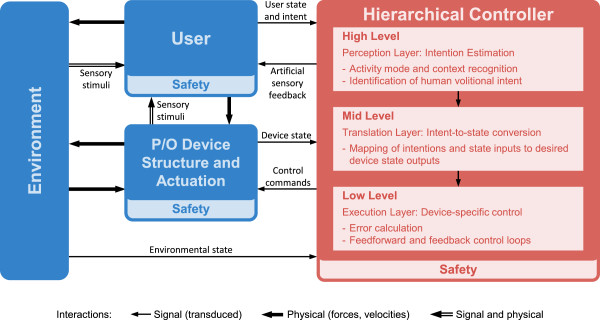
: Technological advancements have led to the development of numerous wearable robotic devices for the physical assistance and restoration of human locomotion. While many challenges remain with respect to the mechanical design of such devices, it is at least equally challenging and important to develop strategies to control them in concert with the intentions of the user.This work reviews the state-of-the-art techniques for controlling portable active lower limb prosthetic and orthotic (P/O) devices in the context of locomotive activities of daily living (ADL), and considers how these can be interfaced with the user's sensory-motor control system. This review underscores the practical challenges and opportunities associated with P/O control, which can be used to accelerate future developments in this field. Furthermore, this work provides a classification scheme for the comparison of the various control strategies.As a novel contribution, a general framework for the control of portable gait-assistance devices is proposed. This framework accounts for the physical and informatic interactions between the controller, the user, the environment, and the mechanical device itself. Such a treatment of P/Os--not as independent devices, but as actors within an ecosystem--is suggested to be necessary to structure the next generation of intelligent and multifunctional controllers.Each element of the proposed framework is discussed with respect to the role that it plays in the assistance of locomotion, along with how its states can be sensed as inputs to the controller. The reviewed controllers are shown to fit within different levels of a hierarchical scheme, which loosely resembles the structure and functionality of the nominal human central nervous system (CNS). Active and passive safety mechanisms are considered to be central aspects underlying all of P/O design and control, and are shown to be critical for regulatory approval of such devices for real-world use.The works discussed herein provide evidence that, while we are getting ever closer, significant challenges still exist for the development of controllers for portable powered P/O devices that can seamlessly integrate with the user's neuromusculoskeletal system and are practical for use in locomotive ADL.
Overview
The claims and statistics of this paper haven’t been checked yet.
Free: it reads the open-access text and checks the first 5 claims that cite a source we can check. Create a free account to check every claim.
Integrity signals
Registry
Cites
Statistics
Figures
Verification
Claims the paper makes
The claims and statistics of this paper haven’t been checked yet.
Free: it reads the open-access text and checks the first 5 claims that cite a source we can check. Create a free account to check every claim.
Claims other papers make about this one
Each is checked against this paper’s own text: does it say what the citing paper says it does?
The cited source says what the claim attributes to it.
In the citing paper
“Additional shortcomings include their limited environmental feedback, power supply, and failure to autonomously respond appropriately to external (possibly dangerous) stimuli.[24]”
From Flexible Electronics and Devices as Human–Machine Interfaces for Medical Robotics (2022) · cites this paper as [24]
The cited source says what the claim attributes to it.
In the citing paper
“Thus, the vast number of studies on different interface locations and various probing devices to record electrophysiological signals have established the foundation of user-communication with prosthetics.[24,286,287]”
From Flexible Electronics and Devices as Human–Machine Interfaces for Medical Robotics (2022) · cites this paper as [24]
Self-check
Percentages, sums and reported differences re-computed from the paper’s own numbers.
The self-check needs the paper’s full text.
Citations
Cites
Impedance Control: An Approach to Manipulation: Part I—Theory
Hogan, N. (1985) · Journal of Dynamic Systems, Measurement, and Control · doi:10.1115/1.3140702 · Cited by 3,673 · cited 1×
“Impedance is defined as the transfer function between an input flow and a n output effort [202].”
BackgroundFalls in older people: epidemiology, risk factors and strategies for prevention
Rubenstein, L. Z. (2006) · Age and Ageing · doi:10.1093/ageing/afl084 · Cited by 3,287 · cited 2×
“The risks are also not limited to physical harm, but may a lso include social, emotional, and psychological effects [38,39].”
BackgroundEstimating the Prevalence of Limb Loss in the United States: 2005 to 2050
Ziegler-Graham, K., MacKenzie, E. J., Ephraim, P. L., Travison, T. G., & Brookmeyer, R. (2008) · Archives of Physical Medicine and Rehabilitation · doi:10.1016/j.apmr.2007.11.005 · Cited by 2,816 · cited 1×
“stroke [6], spinal cord injury [7], Parkinson’s disease [8], and lower limb amputations [9]) can likewise be expected.”
Reach and grasp by people with tetraplegia using a neurally controlled robotic arm
Hochberg, L. R., Bacher, D., Jarosiewicz, B., Masse, N. Y., Simeral, J. D., Vogel, J., Haddadin, S., Liu, J., Cash, S. S., van der Smagt, P., et al. (2012) · Nature · doi:10.1038/nature11076 · Cited by 2,719 · cited 1×
“Intracortical electrode arrays have been successfully demonstrated to allow control of multi-degree-of-freedom reach and grasp movements with robotic arms in tetraplegic subjects [55,56],”
High-performance neuroprosthetic control by an individual with tetraplegia
Collinger, J. L., Wodlinger, B., Downey, J. E., Wang, W., Tyler-Kabara, E. C., Weber, D. J., McMorland, A. J., Velliste, M., Boninger, M. L., & Schwartz, A. B. (2013) · The Lancet · doi:10.1016/s0140-6736(12)61816-9 · Cited by 1,848 · cited 1×
“Intracortical electrode arrays have been successfully demonstrated to allow control of multi-degree-of-freedom reach and grasp movements with robotic arms in tetraplegic subjects [55,56],”
Incidence of Parkinson's Disease: Variation by Age, Gender, and Race/Ethnicity
Van Den Eeden, S. K. (2003) · American Journal of Epidemiology · doi:10.1093/aje/kwg068 · Cited by 1,747 · cited 1×
“stroke [6], spinal cord injury [7], Parkinson’s disease [8], and lower limb amputations [9]) can lik ew se be expected.”
BackgroundAugmented visual, auditory, haptic, and multimodal feedback in motor learning: A review
Sigrist, R., Rauter, G., Riener, R., & Wolf, P. (2013) · Psychonomic Bulletin & Review · doi:10.3758/s13423-012-0333-8 · Cited by 1,416 · cited 1×
“Auditory cues can vary in stereo balance, pitch, timbre and volume [89], and therefore may transmit rich information via speakers or headphones.”
Self-citationLower Extremity Exoskeletons and Active Orthoses: Challenges and State-of-the-Art
Dollar, A. M., & Herr, H. (2008) · IEEE Transactions on Robotics · doi:10.1109/tro.2008.915453 · Cited by 1,327 · cited 1×
“Several related review papers have been published in recent years that comprehensively establish the state-ofthe-art in portable and active lower limb prosthetics, orthotics and exoskeletons, mostly in terms of the design and hardware realization [10-15].”
Design and Evaluation of the LOPES Exoskeleton Robot for Interactive Gait Rehabilitation
Veneman, J. F., Kruidhof, R., Hekman, E. E. G., Ekkelenkamp, R., Van Asseldonk, E. H. F., & van der Kooij, H. (2007) · IEEE Transactions on Neural Systems and Rehabilitation Engineering · doi:10.1109/tnsre.2007.903919 · Cited by 1,280 · cited 2×
“This would exclude treadmill-based gait training orthoses such as the LOPES [19] and the Lokomat (Hocoma AG, Volketswil, Switzerland), which were among the classes of devices discussed in the review of Marchal-Crespo and Reinkensmeyer [20].”
Review of control strategies for robotic movement training after neurologic injury
Marchal-Crespo, L., & Reinkensmeyer, D. J. (2009) · Journal of NeuroEngineering and Rehabilitation · doi:10.1186/1743-0003-6-20 · Cited by 1,182
Research works printed but not linked: 9
- Donath M. Proportional EMG control for above-knee prosthesis, MIT. Department of Mechanical Engineering, Masters Thesis; 1974. http://hdl. handle.net/1721.1/13775.
- Zambarbieri D, Schmid M, Magnaghi M, Vermi G, Macellari V, Fadda A. Biofeedback techniques for rehabilitation of the lower-limb prosthetic subject. In: Proc. VII Medicon. Lemesos, Cyprus: MEDICON; 1998. p. 1-5.
- Kawamura J, Sueda O, Harada K, Nishihara K, Isobe S. Sensory feedback systems for the lower-limb prosthesis. J Osaka Rosai Hospital 1981;5: 104-12.
- Webb G. Providing real-time biofeedback for amputee gait retraining using labview. In: NI days worldwide graphical system design conference. London, UK: National Instruments; 2011.
- Grimes DL. An active multimode above knee prosthesis controller, PhD thesis, Massachusetts Institute of Technology. Dept. of Mechanical Engineering; 1979. http://hdl.handle.net/1721.1/15998.
- Gancet J, Ilzkovitz M, Cheron G, Ivanenko Y, van der Kooij H, van der Helm F, et al. MINDWALKER: A brain controlled lower limbs exoskeleton for rehabilitation. Potential applications to space In: Workshop EA, editor. 11th Symposium on advanced space technologies in robotics and automation. Noordwijk, NL: European Space Agency; 2011. p. 12-14.
- Goffer A. Enhanced safety of gait in powered exoskeletons. Dynamic walking conference abstract -available online. Argo Medical Technologies, ReWalk 2014. http://dynamicwalking.org/ocs/index.php/ dw2014/dw2014/paper/viewFile/17/10.
- Huang GT. Wearable robots. Technol Rev. 2004;1:70-3.
- Li YD, Hsiao-Wecksler ET. Gait mode recognition and control for a portable-powered ankle-foot orthosis. In: Rehabilitation robotics (ICORR), 2013 IEEE international conference on; 2013. p. 1-8. doi:10.1109/ICORR.2013.6650373. · DOI · Paper page
Cited by
Items 301–400 of 1,000
Stampacchia, G., Olivieri, M., Rustici, A., D’Avino, C., Gerini, A., & Mazzoleni, S. (2020) · Spinal Cord · doi:10.1038/s41393-020-0454-2 · Cited by 27
Co-creation and User Perspectives for Upper Limb Prosthetics
Jones, H., Dupan, S. S. G., Dyson, M., Krasoulis, A., Kenney, L. P. J., Donovan‐Hall, M., Memarzadeh, K., Day, S. J., Coutinho, M., & Nazarpour, K. (2021) · Frontiers in Neurorobotics · doi:10.3389/fnbot.2021.689717 · Cited by 32
Kırtaş, O., Savas, Y., Bayraker, M., Başkaya, F., Baştürk, H. İ., & Samur, E. (2020) · Control Engineering Practice · doi:10.1016/j.conengprac.2020.104667 · Cited by 30
Pinter, D., Kober, S. E., Fruhwirth, V., Berger, L. M., Damulina, A., Khalil, M., Neuper, C., Wood, G. M. D. O., & Enzinger, C. (2021) · Journal of Neurology · doi:10.1007/s00415-021-10530-9 · Cited by 33
Joint angle estimation with wavelet neural networks
Sivakumar, S., Gopalai, A. A., Lim, K. H., Gouwanda, D., & Chauhan, S. (2021) · Scientific Reports · doi:10.1038/s41598-021-89580-y · Cited by 28
Um, H.-J., Kim, H.-S., Hong, W., Kim, H.-S., & Hur, P. (2021) · Scientific Reports · doi:10.1038/s41598-021-98839-3 · Cited by 26
Modeling the Transitional Kinematics Between Variable-Incline Walking and Stair Climbing
Cheng, S., Bolívar-Nieto, E., Welker, C. G., & Gregg, R. D. (2022) · IEEE Transactions on Medical Robotics and Bionics · doi:10.1109/tmrb.2022.3185405 · Cited by 26
“org ramp ascent/descent, and stair ascent/descent [16].”
Use of machine learning in the field of prosthetics and orthotics: A systematic narrative review
Choo, Y. J., & Chang, M. C. (2023) · Prosthetics and Orthotics International · doi:10.1097/pxr.0000000000000199 · Cited by 29
“Prostheses and orthoses are widely used to help people with disabilities regain physical function and live independently.(1,2)”
BackgroundMechatronic Design of a Lower Limb Exoskeleton
Minchala, L. I., Astudillo‐Salinas, F., Palacio‐Baus, K., & Vázquez-Rodas, A. (2017) · InTech eBooks · doi:10.5772/67460 · Cited by 26
“Scientific community differentiates exoskeletons from orthosis by defining the former as the devices that enhance physical capabilities of wholesome users, and the latter as the devices that assist persons with impairments in the limbs [3].”
Dey, S., Eslamy, M., Yoshida, T., Ernst, M., Schmalz, T., & Schilling, A. F. (2019) · International Conference on Rehabilitation Robotics · doi:10.1109/icorr.2019.8779445 · Cited by 26
“, a state) for the intended locomotion mode recognized at the high level [5], [7].”
Deep Integration of Physical Humanoid Control and Crowd Navigation
Haworth, B., Berseth, G., Moon, S., Faloutsos, P., & Kapadia, M. (2020) · Motion in Games · doi:10.1145/3424636.3426894 · Cited by 39
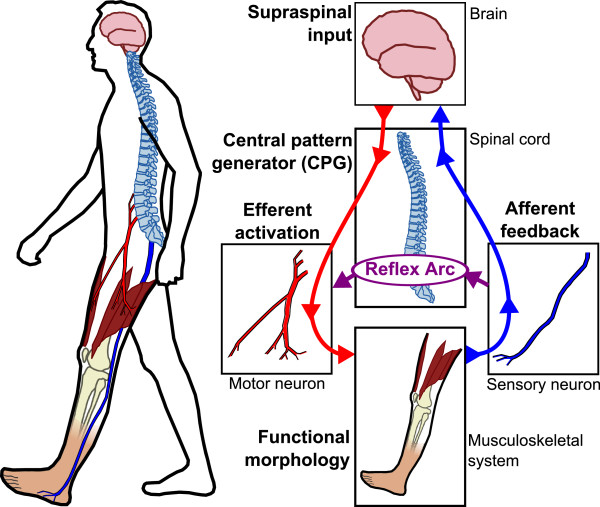
“The human sensory-motor control loop involves supraspinal input and reasoning at the highest level with Central Pattern Generators at the mid-level and motor/sensory neurons controlling functional morphology at the lowest level [47].”
BackgroundJia, K., Li, Y., Gong, M., Huang, H., Wang, Y., & Li, S. (2021) · The Journal of Neuroscience · doi:10.1523/jneurosci.2780-20.2021 · Cited by 25
Advancements and Challenges in the Development of Robotic Lower Limb Prostheses: A Systematic Review
Fagioli, I., Mazzarini, A., Livolsi, C., Gruppioni, E., Vitiello, N., Crea, S., & Trigili, E. (2024) · IEEE Transactions on Medical Robotics and Bionics · doi:10.1109/tmrb.2024.3464126 · Cited by 37
Personalized ML-based wearable robot control improves impaired arm function
Arnold, J., Pathak, P., Jin, Y., Pont-Esteban, D., McCann, C. M., Lehmacher, C., Bonadonna, J. P., Lewko, T., Burke, K. M., Cavanagh, S. K., et al. (2025) · Nature Communications · doi:10.1038/s41467-025-62538-8 · Cited by 42
High-Frequency Intermuscular Coherence between Arm Muscles during Robot-Mediated Motor Adaptation
Pizzamiglio, S., Lillo, M. D., Naeem, U., Abdalla, H. S., & Turner, D. L. (2017) · Frontiers in Physiology · doi:10.3389/fphys.2016.00668 · Cited by 28
Baur, K., Rohrbach, N., Hermsdörfer, J., Riener, R., & Klamroth-Marganska, V. (2019) · Journal of NeuroEngineering and Rehabilitation · doi:10.1186/s12984-019-0547-3 · Cited by 25
Self-citationSchrade, S. O., Menner, M., Shirota, C., Winiger, P., Stutz, A., Zeilinger, M. N., Lambercy, O., & Gassert, R. (2020) · IEEE Transactions on Biomedical Engineering · doi:10.1109/tbme.2020.3006787 · Cited by 27
Self-citationRobotic hip-disarticulation prosthesis: evaluation of prosthetic gaits in a non-amputee individual
Ueyama, Y., Kubo, T., & Shibata, M. (2019) · Advanced Robotics · doi:10.1080/01691864.2019.1705908 · Cited by 25
“The development of a control method is one of the main issues in studies of robotic prostheses [11].”
MethodInkol, K. A., & McPhee, J. (2020) · IEEE/RAS-EMBS International Conference on Biomedical Robotics and Biomechatronics (BioRob) · doi:10.1109/biorob49111.2020.9224430 · Cited by 25
“Additionally, control methods such as finite-state architectures, often employed in state-of-the-art exoskeletons [2], can induce balance-loss by perturbing the system during periods of state transition.”
BackgroundMethodBailly, F., Ceglia, A., Michaud, B., Rouleau, D. M., & Begon, M. (2021) · Frontiers in Bioengineering and Biotechnology · doi:10.3389/fbioe.2021.642742 · Cited by 30
“, 2017) or to control active prostheses (Tucker et al., 2015).”
BackgroundStrik, M., Lizama, L. E. C., Shanahan, C. J., van der Walt, A., Boonstra, F. M. C., Glarin, R. K., Kilpatrick, T. J., Geurts, J. J. G., Cleary, J. O., Schoonheim, M. M., et al. (2021) · Brain Communications · doi:10.1093/braincomms/fcab032 · Cited by 28
Liu, W., Zhong, J., Wu, R., Fylstra, B. L., Si, J., & Huang, H. (2022) · IEEE Robotics and Automation Letters · doi:10.1109/lra.2022.3143579 · Cited by 25
Lora-Millán, J. S., Moreno, J. C., & Rocón, E. (2022) · Frontiers in Bioengineering and Biotechnology · doi:10.3389/fbioe.2022.842294 · Cited by 29
“10:842294. doi: 10.3389/fbioe.2022.842294 Frontiers in Bioengineering and Biotechnology | www.frontiersin.org May 2022 | Volume 10 | Article 8422941 REVIEW published: 25 May 2022 doi: 10.3389/fbioe.2022.842294 development (Tucker et al., 2015).”
InfluentialZhang, Y., Liu, X., Qiao, X., & Fan, Y. (2023) · Journal of Medical Internet Research · doi:10.2196/42901 · Cited by 30
“Most existing review papers are written from the perspective of the reviewers, which may be constrained by the subjectivity of their evaluation and their cognitive approach [9].”
Welker, C. G., Best, T. K., & Gregg, R. D. (2023) · IEEE Transactions on Neural Systems and Rehabilitation Engineering · doi:10.1109/tnsre.2023.3320692 · Cited by 30
An assistive lower limb exoskeleton for people with neurological gait disorders
Ortlieb, A., Bouri, M., Baud, R., & Bleuler, H. (2017) · International Conference on Rehabilitation Robotics · doi:10.1109/icorr.2017.8009287 · Cited by 25
Self-citationAn Adaptable Human-Like Gait Pattern Generator Derived From a Lower Limb Exoskeleton
Mendoza-Crespo, R., Torricelli, D., Huegel, J. C., Gordillo, J. L., Pons, J. L., & Soto, R. (2019) · Frontiers in Robotics and AI · doi:10.3389/frobt.2019.00036 · Cited by 25
Gait trajectory prediction for lower-limb exoskeleton based on Deep Spatial-Temporal Model (DSTM)
Liu, D.-X., Wu, X., Wang, C., & Chen, C. (2017) · International Conference on Advanced Robotics and Mechatronics (ICARM) · doi:10.1109/icarm.2017.8273224 · Cited by 30
Locomotion Envelopes for Adaptive Control of Powered Ankle Prostheses
Dhir, N., Dallali, H., Ficanha, E. M., Ribeiro, G. A., & Rastgaar, M. (2018) · Proceedings - IEEE International Conference on Robotics and Automation/Proceedings · doi:10.1109/icra.2018.8460929 · Cited by 24
“The field of rehabilitation and bipedal walking is currently undergoing a minor revolution [1], [2], due to recent advancements in robotics, control theory and machine learning.”
BackgroundVilla-Parra, A. C., Lima, J. P. S., Delisle-Rodríguez, D., Vargas-Valencia, L., Frizera, A., & Bastos-Filho, T. (2020) · Sensors · doi:10.3390/s20092452 · Cited by 24
“However, a challenge in the field of robotic devices for rehabilitation, that still remains, is to design an effective control to maximize the benefits of these devices to the functional skills of patients [25,28].”
BackgroundHybrid Machine Learning-Neuromusculoskeletal Modeling for Control of Lower Limb Prosthetics
Cimolato, A., Milandri, G. S., Mattos, L. S., Momi, E. D., Laffranchi, M., & Michieli, L. D. (2020) · IEEE/RAS-EMBS International Conference on Biomedical Robotics and Biomechatronics (BioRob) · doi:10.1109/biorob49111.2020.9224448 · Cited by 24
“Despite their capability to adapt their control interpreting data from embedded sensors, current prostheses are not equipped with actuators, for lighter and more compact designs, and therefore they are not able to provide net-positive power [2].”
BackgroundInfluentialColella, M., Paffi, A., Santis, V. D., Apollonio, F., & Liberti, M. (2021) · Physics in Medicine and Biology · doi:10.1088/1361-6560/abcde7 · Cited by 28
Bhakta, K., Camargo, J., Compton, W., Herrin, K. R., & Young, A. J. (2021) · IEEE Robotics and Automation Letters · doi:10.1109/lra.2021.3068711 · Cited by 24
“The most common prosthetic control strategies typically employ a three-tier controller paradigm: high-level, mid-level, and low-level control [8].”
BackgroundGuan, M., Liu, X., Guo, L., Zhang, R., Tan, Q., Wang, H., & Wang, H. (2021) · Frontiers in Human Neuroscience · doi:10.3389/fnhum.2021.648816 · Cited by 28
Nordin, N. H. D., Muthalif, A. G. A., Razali, M. K. M., Ali, A., & Salem, A. M. H. (2022) · IEEE Access · doi:10.1109/access.2022.3149893 · Cited by 24
“The use of powered devices to mimic the function of a leg exhibit superior performance as they are controlled withmicroprocessor, sensors andmechanical devices [3]–[5].”
BackgroundLiu, W., Wu, R., Si, J., & Huang, H. (2022) · IEEE Robotics and Automation Letters · doi:10.1109/lra.2022.3194326 · Cited by 24
“lower limb joints in these devices usually require modulation by intelligent controllers, tailored to each phase in a gait cycle [3], [4].”
BackgroundToward the Development of User-Centered Neurointegrated Lower Limb Prostheses
Barberi, F., Anselmino, E., Mazzoni, A., Goldfarb, M. T., & Micera, S. (2023) · IEEE Reviews in Biomedical Engineering · doi:10.1109/rbme.2023.3309328 · Cited by 32
“This can in turn cause dermatitis, skin edema, rashes, redness, and other skin problems [26], [30].”
BackgroundAccelerometry-enabled measurement of walking performance with a robotic exoskeleton: a pilot study
Lonini, L., Shawen, N., Scanlan, K. T., Rymer, W. Z., Kording, K. P., & Jayaraman, A. (2016) · Journal of NeuroEngineering and Rehabilitation · doi:10.1186/s12984-016-0142-9 · Cited by 27
A unified parameterization of human gait across ambulation modes
Embry, K., Villarreal, D. J., & Gregg, R. D. (2016) · Annual International Conference of the IEEE Engineering in Medicine and Biology Society (EMBC) · doi:10.1109/embc.2016.7591161 · Cited by 24
“) and use a finite state machine (FSM) to switch between these tasks using intent recognition [2]–[4].”
BackgroundInfluence of Stimulus Color on Steady State Visual Evoked Potentials
Chu, L., Fernández-Vargas, J., Kita, K., & Yu, W. (2017) · Advances in intelligent systems and computing · doi:10.1007/978-3-319-48036-7_36 · Cited by 24
BioMot exoskeleton — Towards a smart wearable robot for symbiotic human-robot interaction
Baček, T., Moltedo, M., Langlois, K. P., Asín-Prieto, G., Sanchez-Villamanan, M. C., Gonzalez-Vargas, J. E., Vanderborght, B., Lefeber, D., & Moreno, J. C. (2017) · International Conference on Rehabilitation Robotics · doi:10.1109/icorr.2017.8009487 · Cited by 24
“As discussed in [17] and [18], controllers that have been used in the literature vary substantially depending on the application and functionality”
BackgroundKinematic-based locomotion mode recognition for power augmentation exoskeleton
Kim, H., Shin, Y. J., & Kim, J. (2017) · International Journal of Advanced Robotic Systems · doi:10.1177/1729881417730321 · Cited by 24
Widmer, M., Held, J. P. O., Wittmann, F., Lambercy, O., Lutz, K., & Luft, A. R. (2017) · Trials · doi:10.1186/s13063-017-2328-2 · Cited by 30
Self-citationGupta, R., & Agarwal, R. (2018) · Arabian Journal for Science and Engineering · doi:10.1007/s13369-018-3193-3 · Cited by 25
Hwang, S. H., Sun, D. I., Han, J., & Kim, W. (2021) · Intelligent Service Robotics · doi:10.1007/s11370-020-00346-3 · Cited by 24
Types of Lower-Limb Orthoses for Rehabilitation and Assistance: A Systematic Review
Huamanchahua, D., Ortiz-Zacarias, J. R., Asto-Evangelista, J., & Quintanilla-Mosquera, I. L. (2021) · IEEE Annual Ubiquitous Computing, Electronics & Mobile Communication Conference (UEMCON) · doi:10.1109/uemcon53757.2021.9666710 · Cited by 23
“These robotic assistive devices are of great importance if we consider that about 15 of the population, more than 1 billion people have disability [1].”
BackgroundNoninvasive EEG correlates of overground and stair walking
Brantley, J. A., Luu, T. P., Ozdemir, R. A., Zhu, F., Winslow, A. T., Huang, H., & Contreras-Vidal, J. L. (2016) · Annual International Conference of the IEEE Engineering in Medicine and Biology Society (EMBC) · doi:10.1109/embc.2016.7592028 · Cited by 26
“Myoelectric (EMG)-based assistance has proven to be effective for joint-oriented control of lower-limb exoskeletons and prosthetic devices during over ground walking [2-5].”
BackgroundSu, S., Chai, G., Shu, X., Sheng, X., & Zhu, X. (2020) · Journal of Neural Engineering · doi:10.1088/1741-2552/ab5ee9 · Cited by 26
Development of a neural network based control algorithm for powered ankle prosthesis
Keleş, A. D., & Yücesoy, C. A. (2020) · Journal of Biomechanics · doi:10.1016/j.jbiomech.2020.110087 · Cited by 24
Moore, R. T., & Cluff, T. (2021) · Frontiers in Human Neuroscience · doi:10.3389/fnhum.2021.692181 · Cited by 26
Review of Control Strategies for Lower Limb Prostheses
Ferreira, C., Reis, L. P., & Santos, C. P. (2015) · Advances in intelligent systems and computing · doi:10.1007/978-3-319-27149-1_17 · Cited by 25
“This control approach also has some disadvantages, like motion artifacts, fatigue, misalignment of the electrode [39].”
BackgroundQuantifying dimensions of physical behavior in chronic pain conditions
Paraschiv-Ionescu, A., Perruchoud, C., Rutschmann, B., Buchser, E., & Aminian, K. (2016) · Journal of NeuroEngineering and Rehabilitation · doi:10.1186/s12984-016-0194-x · Cited by 26
Belchev, Z., Levy, N., Berman, I., Levinzon, H., Hoofien, D., & Gilboa, A. (2017) · British Journal of Clinical Psychology · doi:10.1111/bjc.12134 · Cited by 25
Regression techniques employing feature selection to predict clinical outcomes in stroke
Majeed, Y. A., Awadalla, S., & Patton, J. L. (2018) · PLoS ONE · doi:10.1371/journal.pone.0205639 · Cited by 24
Aging and Sensory Substitution in a Virtual Navigation Task
Levy-Tzedek, S., Maidenbaum, S., Amedi, A., & Lackner, J. (2016) · PLOS ONE · doi:10.1371/journal.pone.0151593 · Cited by 22
AI in therapeutic and assistive exoskeletons and exosuits: Influences on performance and autonomy
van der Kooij, H., van Asseldonk, E. H. F., Sartori, M., Basla, C., Esser, A., & Riener, R. (2025) · Science Robotics · doi:10.1126/scirobotics.adt7329 · Cited by 33
Self-citationArch, E. S., & Reisman, D. S. (2016) · JPO Journal of Prosthetics and Orthotics · doi:10.1097/jpo.0000000000000089 · Cited by 22
Menegaldo, L. (2017) · Biological cybernetics · doi:10.1007/s00422-017-0724-z · Cited by 21
“Both open (Matsubara and Morimoto 2013) and closed-loop (Fleischer and Hommel 2008) control architectures can be used for this purpose [for recent reviews, see Novak and Riener (2015) and Tucker et al. (2015)].”
MethodBerger, A., Horst, F., Steinberg, F., Thomas, F., Müller-Eising, C., Schöllhorn, W. I., & Doppelmayr, M. M. (2019) · Journal of NeuroEngineering and Rehabilitation · doi:10.1186/s12984-019-0636-3 · Cited by 25
Yeo, Y. X., Pestell, C., Bucks, R. S., Allanson, F., & Weinborn, M. (2019) · Neuropsychological Rehabilitation · doi:10.1080/09602011.2019.1704421 · Cited by 25
Dimensionality Reduction of Human Gait for Prosthetic Control
Boe, D. A., Portnova-Fahreeva, A. A., Sharma, A., Rai, V., Sie, A., Preechayasomboon, P., & Rombokas, E. (2021) · Frontiers in Bioengineering and Biotechnology · doi:10.3389/fbioe.2021.724626 · Cited by 22
Keemink, A. Q. L., Brug, T. J. H., van Asseldonk, E. H. F., Wu, A. R., & van der Kooij, H. (2021) · IEEE Transactions on Neural Systems and Rehabilitation Engineering · doi:10.1109/tnsre.2021.3131366 · Cited by 25
“Active and portable prosthetic and orthotic (P/O) devices for the lower extremities have the potential to improve mobility and quality of life for individuals with reduced mobility [1], [2].”
BackgroundClosed-Loop Construction and Analysis of Cortico-Muscular-Cortical Functional Network After Stroke
Liu, J., Tan, G., Wang, J., Wei, Y., Sheng, Y., Chang, H. M., Xie, Q., & Liu, H. (2022) · IEEE Transactions on Medical Imaging · doi:10.1109/tmi.2022.3143133 · Cited by 25
Intelligent Knee Prostheses: A Systematic Review of Control Strategies
Li, L., Wang, X., Meng, Q., Chen, C., Sun, J., & Yu, H. (2022) · Journal of Bionic Engineering · doi:10.1007/s42235-022-00169-1 · Cited by 24
“To the best of our knowledge, the control strategy plays a connecting role in the whole prosthetic control system, it must respond correctly to the amputee's intentions and convert to the ideal output state of the device [19].”
BackgroundModelling for design and evaluation of industrial exoskeletons: A systematic review
Ma, T., Zhang, Y., Choi, S. D., & Xiong, S. (2023) · Applied Ergonomics · doi:10.1016/j.apergo.2023.104100 · Cited by 20
StairNet: visual recognition of stairs for human–robot locomotion
Kurbis, A. G., Kuzmenko, D., Ivanyuk-Skulskiy, B., Mihailidis, A., & Laschowski, B. (2024) · BioMedical Engineering OnLine · doi:10.1186/s12938-024-01216-0 · Cited by 24
“Inspired by the human vision system [4, 5], egocentric vision can uniquely detect the environment prior to physical interaction and thus aid in smooth and accurate transitions.”
BackgroundToward a reliable gaze-independent hybrid BCI combining visual and natural auditory stimuli
Barbosa, S. M., Pires, G., & Nunes, U. (2015) · Journal of Neuroscience Methods · doi:10.1016/j.jneumeth.2015.11.026 · Cited by 27
Wearable haptic augmentation system using skin vibration sensor
Maeda, T., Peiris, R. L., Nakatani, M., Tanaka, Y., & Minamizawa, K. (2016) · Virtual Reality International Conference · doi:10.1145/2927929.2927946 · Cited by 22
Motorized Biomechatronic Upper and Lower Limb Prostheses—Clinically Relevant Outcomes
Lechler, K., Frossard, B., Whelan, L. R., Langlois, D., Müller, R., & Kristjánsson, K. (2018) · PM&R · doi:10.1016/j.pmrj.2018.06.015 · Cited by 26
Dynamic Parameter Identification of a Lower Extremity Exoskeleton Using RLS-PSO
Zha, F., Sheng, W., Guo, W., Qiu, S., Deng, J., & Wang, X. (2019) · Applied Sciences · doi:10.3390/app9020324 · Cited by 22
Hands-Free Human-Computer Interface Based on Facial Myoelectric Pattern Recognition
Lu, Z., & Zhou, P. (2019) · Frontiers in Neurology · doi:10.3389/fneur.2019.00444 · Cited by 22
Mode-free Control of Prosthetic Lower Limbs
Rai, V., Sharma, A., & Rombokas, E. (2019) · International Symposium on Medical Robotics · doi:10.1109/ismr.2019.8710187 · Cited by 22
“Learning Rate [10−5 : 10−2] 5 ∗ 10−3 Batch Size [32,64,512] 512 Number of Epochs [20,50,100,200] 50 Input Sequence Length [1,2,5,10,15,20,40] 10 Number of LSTM Layers [1,2,4] 2 Number of Hidden Units [4,8,16,32] 32 Regularization Rate [0.”
BackgroundResearch on Terrain Identification of the Smart Prosthetic Ankle by Fuzzy Logic
Chang, M., Kim, K., & Jeon, D. (2019) · IEEE Transactions on Neural Systems and Rehabilitation Engineering · doi:10.1109/tnsre.2019.2933874 · Cited by 22
“active-prostheses using sensors and actuators to control ankle angle actively are being studied [7].”
BackgroundA low-power ankle-foot prosthesis for push-off enhancement
Mazzarini, A., Fantozzi, M., Papapicco, V., Fagioli, I., Lanotte, F., Baldoni, A., Dell’Agnello, F., Ferrara, P., Ciapetti, T., Lova, R. M., et al. (2023) · Wearable Technologies · doi:10.1017/wtc.2023.13 · Cited by 21
Bio-inspired design and validation of the Efficient Lockable Spring Ankle (ELSA) prosthesis
Heremans, F., Vijayakumar, S., Bouri, M., Dehez, B., & Ronsse, R. (2019) · International Conference on Rehabilitation Robotics · doi:10.1109/icorr.2019.8779421 · Cited by 21
“This allows the system to be seen as a torque source for higher level controllers such as, for instance, a muskuloskeletal model or an impedance controller, as reviewed in [18].”
BackgroundSelf-citationSchmidt, M., & Glaser, N. J. (2021) · Journal of Enabling Technologies · doi:10.1108/jet-09-2020-0037 · Cited by 25
Implementing Ethical, Legal, and Societal Considerations in Wearable Robot Design
Kapeller, A., Felzmann, H., Fosch‐Villaronga, E., Nizamis, K., & Hughes, A. (2021) · Applied Sciences · doi:10.3390/app11156705 · Cited by 33
“This may include considering cosmetic [48] or also emotional aspects [49].”
BackgroundLin, J., Divekar, N., Thomas, G. C., & Gregg, R. D. (2022) · IEEE Open Journal of Control Systems · doi:10.1109/ojcsys.2022.3165733 · Cited by 24
“2 , 11 } ◦ matched closely to the FSM training tasks.”
BackgroundMethodInfluentialVariable-Damper Control Using MR Fluid for Lower Back Support Exoskeleton
Kennard, M., Yagi, K., Hassan, M., Kadone, H., Mochiyama, H., & Suzuki, K. (2022) · IEEE/ASME Transactions on Mechatronics · doi:10.1109/tmech.2022.3196098 · Cited by 21
“The dc motors can be actively controlled using biological signals [6], kinematically controlled using joint angles [20], or through the use of force or acceleration sensors to detect the user’s intention [21]–[24].”
BackgroundGrimmer, M., Zeiss, J., Weigand, F., & Zhao, G. (2022) · Frontiers in Neurorobotics · doi:10.3389/fnbot.2022.948093 · Cited by 22
“A variety of control concepts have been explored for these wearable robotics to assist users as much as possible in diverse terrains (Tucker et al., 2015; Pinto-Fernandez et al., 2020).”
BackgroundDing, G., Plummer, A. R., & Georgilas, I. P. (2022) · Frontiers in Bioengineering and Biotechnology · doi:10.3389/fbioe.2022.1021505 · Cited by 27
“…to produce some level of drive power or a fi xed position/torque reference for portable lower limb protheses based on the appearance of distinctive gait events or device states such as heel strike, toe-off or reaching a thigh angle threshold (Tucker et al., 2015; Yu et al., 2016; Lee et al., 2020).”
A novel human effort estimation method for knee assistive exoskeletons
Saccares, L., Brygo, A., Sarakoglou, I., & Tsagarakis, N. G. (2017) · International Conference on Rehabilitation Robotics · doi:10.1109/icorr.2017.8009423 · Cited by 26
“In [3],[4] and [5] more extensive reviews can be found where also control strategies adopted for power augmentation exoskeletons and for stroke patients are reported.”
BackgroundBoudali, A. M., Sinclair, P. J., & Manchester, I. R. (2019) · IEEE Transactions on Neural Systems and Rehabilitation Engineering · doi:10.1109/tnsre.2019.2933896 · Cited by 21
“Several methods have been investigated in designing control strategies for lower limb exoskeleton for rehabilitation and walking recovery [14].”
BackgroundMethodZhang, K., de Silva, C. W., & Fu, C. (2019) · arXiv (Cornell University) · doi:10.48550/arxiv.1903.07674 · Cited by 32
“As shown in Figure 2, the general control architecture for lower limb prosthesis can be divided into high-level, mid-level, and low-level controllers [19].”
BackgroundEzaki, S., Kadone, H., Kubota, S., Abe, T., Shimizu, Y., Tan, C. K., Miura, K., Hada, Y., Sankai, Y., Koda, M., et al. (2021) · Frontiers in Neurorobotics · doi:10.3389/fnbot.2021.650118 · Cited by 21
ViT-based Terrain Recognition System for wearable soft exosuit
Yang, F., Chen, C., Wang, Z., Chen, H., Liu, Y. Z., Li, G., & Wu, X. (2023) · Biomimetic Intelligence and Robotics · doi:10.1016/j.birob.2023.100087 · Cited by 20
Mokhtarzadeh, H., & Anderson, D. (2016) · Current Osteoporosis Reports · doi:10.1007/s11914-016-0305-4 · Cited by 22
Khalaf, P., Warner, H., Hardin, E. C., Richter, H., & Simon, D. (2018) · doi:10.1115/dscc2018-9091 · Cited by 20
“We refer readers to a comprehensive survey [1] of control strategies used for powered lower extremity prostheses.”
BackgroundInteraction Control for Human-Exoskeletons
Ajayi, M. O., Djouani, K., & Hamam, Y. (2020) · Journal of Control Science and Engineering · doi:10.1155/2020/8472510 · Cited by 20
“A review of these control strategies with specifics on lower extremity exoskeleton may be found in [35].”
BackgroundGholinezhad, S., Dosen, S. S., & Dideriksen, J. L. (2021) · Journal of Neural Engineering · doi:10.1088/1741-2552/ac1fce · Cited by 24
Immersive trail making: Construct validity of an ecological neuropsychological test
Plotnik, M., Doniger, G. M., Bahat, Y., Gottleib, A., Ben‐Gal, O., Arad, E., Kribus-Shmiel, L., Kimel-Naor, S., Zeilig, G., Beeri, M. S., et al. (2017) · International Conference on Virtual Rehabilitation · doi:10.1109/icvr.2017.8007501 · Cited by 21
Papapicco, V., Chen, B., Munih, M., Davalli, A., Sacchetti, R., Gruppioni, E., Crea, S., & Vitiello, N. (2021) · IEEE Transactions on Medical Robotics and Bionics · doi:10.1109/tmrb.2021.3075096 · Cited by 19
“Several intention detection methods have been developed to address this challenge, following approaches that range from simple rule-based algorithms to more complex neural networks [2], [3], [6]–[10].”
BackgroundMethodInfluentialJamšek, M., Kunavar, T., Bobek, U., Rueckert, E., & Babič, J. (2021) · IEEE Robotics and Automation Letters · doi:10.1109/lra.2021.3068892 · Cited by 19
“usually position or angle based for rehabilitation purposes or impedance/admittance based for movement augmentation [6], [7].”
BackgroundShu, T., Shallal, C., Chun, E., Shah, A., Bu, A., Levine, D., Yeon, S. H., Carney, M. E., Song, H., Hsieh, T., et al. (2022) · IEEE Robotics and Automation Letters · doi:10.1109/lra.2022.3183762 · Cited by 19
Hong, Z., Bian, S., Xiong, P., & Li, Z. (2023) · IEEE Transactions on Automation Science and Engineering · doi:10.1109/tase.2023.3250240 · Cited by 28
“Then, finite-state machine controllers were adopted, in which the recognition results were used to change the control modes [14], [15].”
MethodFigueiredo, J., Felix, P., Santos, C. P., & Moreno, J. C. (2017) · International Conference on Rehabilitation Robotics · doi:10.1109/icorr.2017.8009281 · Cited by 27
“Based on the literature, proper functioning of an adaptive impedance controlled system implies the hierarchical organization of the control architecture [5], [16].”
BackgroundAutomatic tuning of virtual constraint-based control algorithms for powered knee-ankle prostheses
Kumar, S., Mohammadi, A., Gans, N., & Gregg, R. D. (2017) · IEEE Conference on Control Technology and Applications (CCTA) · doi:10.1109/ccta.2017.8062560 · Cited by 19
“State-of-art powered prosthetic legs are often controlled using a predetermined collection of joint impedance controllers [1], [2] designed for different phases of a walking cycle.”
Zheng, E., Wang, Q., & Qiao, H. (2019) · IEEE Transactions on Neural Systems and Rehabilitation Engineering · doi:10.1109/tnsre.2019.2934525 · Cited by 19
“IN ROBOTIC prosthesis control, human locomotion intent recognition is a key step [1].”
BackgroundCesini, I., Spigler, G., Prasanna, S., D’Abbraccio, J., Luca, D. D., Dell’Agnello, F., Crea, S., Vitiello, N., Mazzoni, A., & Oddo, C. M. (2020) · Electronics · doi:10.3390/electronics9101676 · Cited by 19
“When defining the stimulation strategy, it is crucial to identify the minimum amount of information needed for the achievement of a specific task, in order to limit the cognitive burden associated with the use of the feedback system [20].”
BackgroundKaracan, K., Meyer, J. T., Bozma, H. I., Gassert, R., & Samur, E. (2020) · IEEE/RAS-EMBS International Conference on Biomedical Robotics and Biomechatronics (BioRob) · doi:10.1109/biorob49111.2020.9224407 · Cited by 19
“One option to increase usage efficiency and safety could be to reduce the workload on the user by automating the planning and initiation of gait or mode transitions through environment parameterization methods based on machine vision [1], [2].”
BackgroundMethodSelf-citation
Metadata
- Authors
- Tucker, M. R., Olivier, J., Pagel, A., Bleuler, H., Bouri, M., Lambercy, O., Millán, J. D. R., Riener, R., Vallery, H., & Gassert, R.
- Affiliations
- ETH Zurich (CH)
- École Polytechnique Fédérale de Lausanne (CH)
- University of Zurich (CH)
- Corresponding author
- Tucker, Michael R
- ORCID
- Venue
- Journal of NeuroEngineering and Rehabilitation
- Published
- 2015
- Volume
- 12
- Issue
- 1
- Pages
- 1
- ISSN
- 1743-0003 (ISSN-L)
- PMC
- PMC4326520
- OpenAlex
- W2142114107
- Semantic Scholar
- 7fe25a0498cd3ccd98db0d8da50730c68d174d68
- Cited by
- 1,047
- References
- 232
- Citations by year
- 2026: 42 · 2025: 69 · 2024: 72 · 2023: 119 · 2022: 102 · 2021: 161 · 2020: 116 · 2019: 108 · 2018: 92 · 2017: 85 · 2016: 61 · 2015: 20
- FWCI
- 6.63
- Type
- journal article
- Language
- en
- Open access
- gold
- doi.org
- Licence
- cc-by
- Locations
- Journal of NeuroEngineering and Rehabilitation (publishedVersion, cc-by)
- Europe PMC (PubMed Central) (publishedVersion, cc-by)
- PubMed Central (publishedVersion, cc-by)
- PubMed (publishedVersion)
- Zurich Open Repository and Archive (University of Zurich) (acceptedVersion, cc-by)
- Repository for Publications and Research Data (ETH Zurich) (submittedVersion, cc-by)
- Infoscience (Ecole Polytechnique Fédérale de Lausanne) (submittedVersion)
- Infoscience (Ecole Polytechnique Fédérale de Lausanne) (submittedVersion, cc-by-nc-nd)
- Research Repository (Delft University of Technology) (submittedVersion, cc-by)
- Zurich Open Repository and Archive (University of Zurich) (submittedVersion, cc-by)
- Data Archiving and Networked Services (DANS) (submittedVersion, other-oa)
- ETH Zürich Research Collection (cc-by)
- Zurich Open Repository and Archive (University of Zurich)
- Funders
- National Science Foundation
- Schweizerischer Nationalfonds zur Förderung der Wissenschaftlichen Forschung
- Topics
- Physical Sciences › Engineering › Biomedical Engineering › Prosthetics and Rehabilitation Robotics
- Physical Sciences › Engineering › Biomedical Engineering › Muscle activation and electromyography studies
- Physical Sciences › Engineering › Control and Systems Engineering › Robotic Locomotion and Control
- Keywords
- orthoses, wearable robotic devices, gait assistance, control strategy, activities of daily living, sensorimotor control, hierarchical control architecture, safety mechanisms, regulatory approval
- MeSH terms
- Activities of Daily Living, Electromyography, Gait, Humans, Locomotion, Orthotic Devices, Prosthesis Design, Prostheses and Implants, Lower Extremity
About these checks
Registry, retraction, Cites and statistics results are computed, not judged, with one exception: a printed reference that no index lists is read once by a model before it counts as a citation error. Claims are extracted by a model and kept only when their quote appears verbatim in the text; each cited source is then checked, with a model’s help, for whether it says what the claim relies on. Those verdicts can be wrong — read the claim’s quote and the cited source before relying on one.
Statistics and arithmetic are recomputed, not judged.
Confidence bands are shown only for fields calibrated on our annotated test set. None is calibrated yet, so no band is shown.
What counts as a claim ›How we measure confidence ›How we check this ›
Are you an author, or do you see a problem with this page? Request a review
Data sources
Bibliographic data: Semantic Scholar, OpenAlex, Crossref.
Contains information from the Semantic Scholar Academic Graph Datasets, made available under the ODC Attribution License (ODC-BY 1.0).
Semantic Scholar’s data is described in: Kinney, R., et al. (2023). The Semantic Scholar Open Data Platform. arXiv:2301.10140.
