

Control strategies for active lower extremity prosthetics and orthotics: a review
Open accessThe DOI matches its Crossref record; 235 of the 235 references it cites were found in a registry or an index.
Abstract
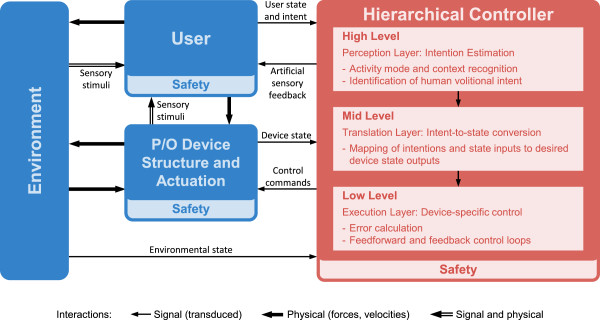
: Technological advancements have led to the development of numerous wearable robotic devices for the physical assistance and restoration of human locomotion. While many challenges remain with respect to the mechanical design of such devices, it is at least equally challenging and important to develop strategies to control them in concert with the intentions of the user.This work reviews the state-of-the-art techniques for controlling portable active lower limb prosthetic and orthotic (P/O) devices in the context of locomotive activities of daily living (ADL), and considers how these can be interfaced with the user's sensory-motor control system. This review underscores the practical challenges and opportunities associated with P/O control, which can be used to accelerate future developments in this field. Furthermore, this work provides a classification scheme for the comparison of the various control strategies.As a novel contribution, a general framework for the control of portable gait-assistance devices is proposed. This framework accounts for the physical and informatic interactions between the controller, the user, the environment, and the mechanical device itself. Such a treatment of P/Os--not as independent devices, but as actors within an ecosystem--is suggested to be necessary to structure the next generation of intelligent and multifunctional controllers.Each element of the proposed framework is discussed with respect to the role that it plays in the assistance of locomotion, along with how its states can be sensed as inputs to the controller. The reviewed controllers are shown to fit within different levels of a hierarchical scheme, which loosely resembles the structure and functionality of the nominal human central nervous system (CNS). Active and passive safety mechanisms are considered to be central aspects underlying all of P/O design and control, and are shown to be critical for regulatory approval of such devices for real-world use.The works discussed herein provide evidence that, while we are getting ever closer, significant challenges still exist for the development of controllers for portable powered P/O devices that can seamlessly integrate with the user's neuromusculoskeletal system and are practical for use in locomotive ADL.
Overview
The claims and statistics of this paper haven’t been checked yet.
Free: it reads the open-access text and checks the first 5 claims that cite a source we can check. Create a free account to check every claim.
Integrity signals
Registry
Cites
Statistics
Figures
Verification
Claims the paper makes
The claims and statistics of this paper haven’t been checked yet.
Free: it reads the open-access text and checks the first 5 claims that cite a source we can check. Create a free account to check every claim.
Claims other papers make about this one
Each is checked against this paper’s own text: does it say what the citing paper says it does?
The cited source says what the claim attributes to it.
In the citing paper
“Additional shortcomings include their limited environmental feedback, power supply, and failure to autonomously respond appropriately to external (possibly dangerous) stimuli.[24]”
From Flexible Electronics and Devices as Human–Machine Interfaces for Medical Robotics (2022) · cites this paper as [24]
The cited source says what the claim attributes to it.
In the citing paper
“Thus, the vast number of studies on different interface locations and various probing devices to record electrophysiological signals have established the foundation of user-communication with prosthetics.[24,286,287]”
From Flexible Electronics and Devices as Human–Machine Interfaces for Medical Robotics (2022) · cites this paper as [24]
Self-check
Percentages, sums and reported differences re-computed from the paper’s own numbers.
The self-check needs the paper’s full text.
Citations
Cites
Impedance Control: An Approach to Manipulation: Part I—Theory
Hogan, N. (1985) · Journal of Dynamic Systems, Measurement, and Control · doi:10.1115/1.3140702 · Cited by 3,673 · cited 1×
“Impedance is defined as the transfer function between an input flow and a n output effort [202].”
BackgroundFalls in older people: epidemiology, risk factors and strategies for prevention
Rubenstein, L. Z. (2006) · Age and Ageing · doi:10.1093/ageing/afl084 · Cited by 3,287 · cited 2×
“The risks are also not limited to physical harm, but may a lso include social, emotional, and psychological effects [38,39].”
BackgroundEstimating the Prevalence of Limb Loss in the United States: 2005 to 2050
Ziegler-Graham, K., MacKenzie, E. J., Ephraim, P. L., Travison, T. G., & Brookmeyer, R. (2008) · Archives of Physical Medicine and Rehabilitation · doi:10.1016/j.apmr.2007.11.005 · Cited by 2,816 · cited 1×
“stroke [6], spinal cord injury [7], Parkinson’s disease [8], and lower limb amputations [9]) can likewise be expected.”
Reach and grasp by people with tetraplegia using a neurally controlled robotic arm
Hochberg, L. R., Bacher, D., Jarosiewicz, B., Masse, N. Y., Simeral, J. D., Vogel, J., Haddadin, S., Liu, J., Cash, S. S., van der Smagt, P., et al. (2012) · Nature · doi:10.1038/nature11076 · Cited by 2,719 · cited 1×
“Intracortical electrode arrays have been successfully demonstrated to allow control of multi-degree-of-freedom reach and grasp movements with robotic arms in tetraplegic subjects [55,56],”
High-performance neuroprosthetic control by an individual with tetraplegia
Collinger, J. L., Wodlinger, B., Downey, J. E., Wang, W., Tyler-Kabara, E. C., Weber, D. J., McMorland, A. J., Velliste, M., Boninger, M. L., & Schwartz, A. B. (2013) · The Lancet · doi:10.1016/s0140-6736(12)61816-9 · Cited by 1,848 · cited 1×
“Intracortical electrode arrays have been successfully demonstrated to allow control of multi-degree-of-freedom reach and grasp movements with robotic arms in tetraplegic subjects [55,56],”
Incidence of Parkinson's Disease: Variation by Age, Gender, and Race/Ethnicity
Van Den Eeden, S. K. (2003) · American Journal of Epidemiology · doi:10.1093/aje/kwg068 · Cited by 1,747 · cited 1×
“stroke [6], spinal cord injury [7], Parkinson’s disease [8], and lower limb amputations [9]) can lik ew se be expected.”
BackgroundAugmented visual, auditory, haptic, and multimodal feedback in motor learning: A review
Sigrist, R., Rauter, G., Riener, R., & Wolf, P. (2013) · Psychonomic Bulletin & Review · doi:10.3758/s13423-012-0333-8 · Cited by 1,416 · cited 1×
“Auditory cues can vary in stereo balance, pitch, timbre and volume [89], and therefore may transmit rich information via speakers or headphones.”
Self-citationLower Extremity Exoskeletons and Active Orthoses: Challenges and State-of-the-Art
Dollar, A. M., & Herr, H. (2008) · IEEE Transactions on Robotics · doi:10.1109/tro.2008.915453 · Cited by 1,327 · cited 1×
“Several related review papers have been published in recent years that comprehensively establish the state-ofthe-art in portable and active lower limb prosthetics, orthotics and exoskeletons, mostly in terms of the design and hardware realization [10-15].”
Design and Evaluation of the LOPES Exoskeleton Robot for Interactive Gait Rehabilitation
Veneman, J. F., Kruidhof, R., Hekman, E. E. G., Ekkelenkamp, R., Van Asseldonk, E. H. F., & van der Kooij, H. (2007) · IEEE Transactions on Neural Systems and Rehabilitation Engineering · doi:10.1109/tnsre.2007.903919 · Cited by 1,280 · cited 2×
“This would exclude treadmill-based gait training orthoses such as the LOPES [19] and the Lokomat (Hocoma AG, Volketswil, Switzerland), which were among the classes of devices discussed in the review of Marchal-Crespo and Reinkensmeyer [20].”
Review of control strategies for robotic movement training after neurologic injury
Marchal-Crespo, L., & Reinkensmeyer, D. J. (2009) · Journal of NeuroEngineering and Rehabilitation · doi:10.1186/1743-0003-6-20 · Cited by 1,182
Research works printed but not linked: 9
- Donath M. Proportional EMG control for above-knee prosthesis, MIT. Department of Mechanical Engineering, Masters Thesis; 1974. http://hdl. handle.net/1721.1/13775.
- Zambarbieri D, Schmid M, Magnaghi M, Vermi G, Macellari V, Fadda A. Biofeedback techniques for rehabilitation of the lower-limb prosthetic subject. In: Proc. VII Medicon. Lemesos, Cyprus: MEDICON; 1998. p. 1-5.
- Kawamura J, Sueda O, Harada K, Nishihara K, Isobe S. Sensory feedback systems for the lower-limb prosthesis. J Osaka Rosai Hospital 1981;5: 104-12.
- Webb G. Providing real-time biofeedback for amputee gait retraining using labview. In: NI days worldwide graphical system design conference. London, UK: National Instruments; 2011.
- Grimes DL. An active multimode above knee prosthesis controller, PhD thesis, Massachusetts Institute of Technology. Dept. of Mechanical Engineering; 1979. http://hdl.handle.net/1721.1/15998.
- Gancet J, Ilzkovitz M, Cheron G, Ivanenko Y, van der Kooij H, van der Helm F, et al. MINDWALKER: A brain controlled lower limbs exoskeleton for rehabilitation. Potential applications to space In: Workshop EA, editor. 11th Symposium on advanced space technologies in robotics and automation. Noordwijk, NL: European Space Agency; 2011. p. 12-14.
- Goffer A. Enhanced safety of gait in powered exoskeletons. Dynamic walking conference abstract -available online. Argo Medical Technologies, ReWalk 2014. http://dynamicwalking.org/ocs/index.php/ dw2014/dw2014/paper/viewFile/17/10.
- Huang GT. Wearable robots. Technol Rev. 2004;1:70-3.
- Li YD, Hsiao-Wecksler ET. Gait mode recognition and control for a portable-powered ankle-foot orthosis. In: Rehabilitation robotics (ICORR), 2013 IEEE international conference on; 2013. p. 1-8. doi:10.1109/ICORR.2013.6650373. · DOI · Paper page
Cited by
Items 401–500 of 1,000
Parameterizing Human Locomotion Across Quasi-Random Treadmill Perturbations and Inclines
Macaluso, R., Embry, K., Villarreal, D. J., & Gregg, R. D. (2021) · IEEE Transactions on Neural Systems and Rehabilitation Engineering · doi:10.1109/tnsre.2021.3057877 · Cited by 24
“phase angle, tibia phase angle, and time as parameterization variables, where time is the conventional signal used in gait analysis or trajectory-based control of powered prostheses or orthoses [39].”
BackgroundLu, Z., Narayan, A., & Yu, H. (2020) · IEEE/RSJ International Conference on Intelligent Robots and Systems (IROS) · doi:10.1109/iros45743.2020.9341183 · Cited by 23
Neural-Dynamics Optimization and Repetitive Learning Control for Robotic Leg Prostheses
Li, Q., Zhang, T., Li, G., Li, Z., Xia, H., & Su, C. (2021) · IEEE/ASME Transactions on Mechatronics · doi:10.1109/tmech.2021.3071936 · Cited by 19
Videogames and Therapy: A Narrative Review of Recent Publication and Application to Treatment
Franco, G. E. (2016) · Frontiers in Psychology · doi:10.3389/fpsyg.2016.01085 · Cited by 19
Sarajchi, M., & Sirlantzis, K. (2025) · International Journal of Intelligent Robotics and Applications · doi:10.1007/s41315-025-00421-x · Cited by 23
“Several studies have reviewed and compared diverse control strategies for LLEs (Yan et al. 2015; Baud et al. 2021; Tucker et al. 2015).”
Mercado, L., Alvarado, L., Quiroz-Compeán, G., Romo-Vázquez, R., Vélez-Pérez, H., Platas-Garza, M. A., González-Garrido, A., Gómez-Correa, J., Morales, J. A., Rodríguez-Liñán, A., et al. (2021) · Neurocomputing · doi:10.1016/j.neucom.2021.03.038 · Cited by 18
Selamat, S. N. S., Me, R. C., Ainuddin, H. A., Salim, M. S., Ramli, H. R., & Romli, M. H. (2022) · Frontiers in Public Health · doi:10.3389/fpubh.2021.783565 · Cited by 24
“The clients at the rehabilitative phase are often not in dire need than those in emergency trauma or requiring a lifesaving procedure (102).”
BackgroundMeng, W., Zhu, C. J., Liu, H., Liu, Q., & Xie, S. Q. (2024) · IEEE Transactions on Medical Robotics and Bionics · doi:10.1109/tmrb.2024.3385798 · Cited by 22
“As the aspect of control, Tucker et al. [45] and Li et al. [46] categorized control strategies according to similarities within the whole strategy, and Sawicki et al. [47] mainly focused on control strategies reducing energy consumption.”
BackgroundInfluentialLobo-Prat, J., Nizamis, K., Janssen, M., Keemink, A., Veltink, P., Koopman, B., & Stienen, A. (2017) · Journal of NeuroEngineering and Rehabilitation · doi:10.1186/s12984-017-0282-6 · Cited by 15
Associating Gait Phase and Physical Fitness with Global Cognitive Function in the Aged
Noh, B., Youm, C., Lee, M., & Park, H. (2020) · International Journal of Environmental Research and Public Health · doi:10.3390/ijerph17134786 · Cited by 20
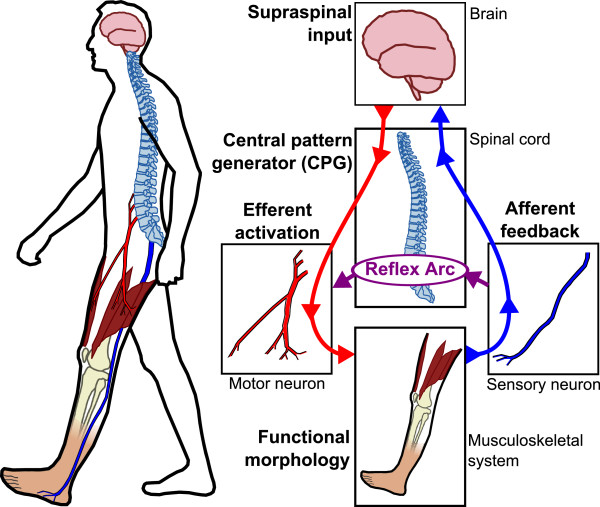
“Gait speed modification, which is the volitional control of movement, may be generated in response to supraspinal inputs but not owing to underlying locomotor patterns by a network of spinal interneurons (commonly referred to as the central pattern generator (CPG)) at the spinal cord level [43,44].”
BackgroundShen, X., Wang, X., Lu, S., Li, Z., Shao, W., & Wu, Y. (2021) · Biomedical Signal Processing and Control · doi:10.1016/j.bspc.2021.102803 · Cited by 18
Lv, G., Zhu, H., Elery, T., Li, L., & Gregg, R. D. (2016) · Proceedings - IEEE International Conference on Robotics and Automation/Proceedings · doi:10.1109/icra.2016.7487529 · Cited by 18
“However, very few methods exist for kinetic control of exoskeletons, which almost exclusively utilize kinematic strategies that compensate for chronic deficits instead of enabling recovery of patient's normative gait [9].”
Torque control of an active elastic transfemoral prosthesis via quasi-static modelling
Heins, S., Flynn, L., Geeroms, J., Lefeber, D., & Ronsse, R. (2018) · Robotics and Autonomous Systems · doi:10.1016/j.robot.2018.05.015 · Cited by 18
A Framework For Mode-Free Prosthetic Control For Unstructured Terrains
Rai, V., & Rombokas, E. (2019) · International Conference on Rehabilitation Robotics · doi:10.1109/icorr.2019.8779439 · Cited by 20
“are increasingly being addressed, but controlling the devices remains a significant challenge[4].”
BackgroundGrimmer, M., Zeiss, J., Weigand, F., & Zhao, G. (2023) · PLoS ONE · doi:10.1371/journal.pone.0294161 · Cited by 18
Low limb prostheses and complex human prosthetic interaction: A systematic literature review
Domínguez-Ruiz, A., López-Caudana, E. O., Lugo‐González, E., Espinosa-García, F. J., Ambrocio-Delgado, R., García, U. D., López-Gutiérrez, R., Alfaro-Ponce, M., & Ponce, P. (2023) · Frontiers in Robotics and AI · doi:10.3389/frobt.2023.1032748 · Cited by 19
Advances on mechanical designs for assistive ankle-foot orthoses
Lora-Millán, J. S., Nabipour, M., van Asseldonk, E. H. F., & Bayón, C. (2023) · Frontiers in Bioengineering and Biotechnology · doi:10.3389/fbioe.2023.1188685 · Cited by 18
“In this regard, the control algorithm of these devices can be analysed following the bio-inspired hierarchical paradigm previously reported (Tucker et al., 2015; Baud et al., 2021).”
Costa, Á., Salazar-Varas, R., Úbeda, A., & Azorín, J. M. (2016) · Frontiers in Neuroscience · doi:10.3389/fnins.2016.00060 · Cited by 19
What Is New in Trauma-Related Amputations
Tintle, S. M., Lebrun, C. T., Ficke, J. R., & Potter, B. K. (2016) · Journal of Orthopaedic Trauma · doi:10.1097/bot.0000000000000668 · Cited by 21
Laschowski, B., McNally, W., Wong, A. K. C., & McPhee, J. (2020) · IEEE/RAS-EMBS International Conference on Biomedical Robotics and Biomechatronics (BioRob) · doi:10.1109/biorob49111.2020.9224364 · Cited by 17
“, visual system) and optimize/control the musculoskeletal system and human biomechanics through feedforward efferent commands [3].”
BackgroundEnvironment-Aware Locomotion Mode Transition Prediction System
Carvalho, S. P., Figueiredo, J., & Santos, C. P. (2019) · IEEE International Conference on Autonomous Robot Systems and Competitions · doi:10.1109/icarsc.2019.8733658 · Cited by 19
“Advancements regarding the use of active lower limb robotic assistive devices such as prosthesis and orthosis are potentiating the improvement or restoration of locomotion for those who lost the ability to walk due to limb loss or paralysis [1]–[3].”
BackgroundReview of Current Spinal Robotic Orthoses
Mak, S. K. D., & Accoto, D. (2021) · Healthcare · doi:10.3390/healthcare9010070 · Cited by 21
“There are few examples for exoskeletons using EMG signals as feedback and control [77].”
BackgroundNoh, B., Yoon, H., Youm, C., Kim, S., Lee, M., Park, H., Kim, B., Choi, H., & Noh, Y. (2021) · International Journal of Environmental Research and Public Health · doi:10.3390/ijerph182111347 · Cited by 16
“The gait pattern is commonly generated by central pattern generators (CPGs), which are the source of tightly-coupled patterns of neural activity that drive rhythmic and stereotypical motor behavior such as locomotion [2].”
BackgroundA Review on Locomotion Mode Recognition and Prediction When Using Active Orthoses and Exoskeletons
Moreira, L., Figueiredo, J., Cerqueira, J., & Santos, C. P. (2022) · Sensors · doi:10.3390/s22197109 · Cited by 19
“On the other hand, the assistive mode considering the LM recognition/prediction tools also enforces a pattern to the user but commonly takes advantage of a three or two-level control architecture to assist the user according to the LM decoded [41].”
BackgroundMethodLiu, Y., Liu, X., Wang, Z., Yang, X., & Wang, X. (2023) · Computers in Biology and Medicine · doi:10.1016/j.compbiomed.2023.107192 · Cited by 19
Hassan, M., Kennard, M., Yagi, K., Kadone, H., Mochiyama, H., & Suzuki, K. (2019) · IEEE/RSJ International Conference on Intelligent Robots and Systems (IROS) · doi:10.1109/iros40897.2019.8967819 · Cited by 16
“The DC motors are actively controlled using biological signals acquired from the user to assist the back muscles[1], or through alternative methods such as using force or acceleration sensors to detect the user’s intention [9], [10], [11].”
BackgroundNeural control in prostheses and exoskeletons
Sharbafi, M. A., Naseri, A., Seyfarth, A., & Grimmer, M. (2020) · Elsevier eBooks · doi:10.1016/b978-0-12-817450-0.00007-9 · Cited by 16
A non-linear analysis of running in the heavy and severe intensity domains
Hunter, B., Greenhalgh, A., Karsten, B., Burnley, M., & Muniz‐Pumares, D. (2021) · European Journal of Applied Physiology · doi:10.1007/s00421-021-04615-6 · Cited by 21
Li, X., Tian, L., Zheng, Y., Samuel, O. W., Fang, P., Wang, L., & Li, G. (2021) · Biomedical Signal Processing and Control · doi:10.1016/j.bspc.2021.102969 · Cited by 18
Prasad, R., Rich, M. E., Awad, M. I., Hussain, I., Jelinek, H. F., Huzaifa, U., & Khalaf, K. A. (2022) · Frontiers in Bioengineering and Biotechnology · doi:10.3389/fbioe.2022.920462 · Cited by 18
Assistive Strategies for a Back Support Exoskeleton: Experimental Evaluation
Toxiri, S., Ortiz, J., & Caldwell, D. G. (2017) · Mechanisms and machine science · doi:10.1007/978-3-319-61276-8_85 · Cited by 16
Development and simulation of a passive upper extremity orthosis for amyoplasia
Jensen, E. F., Raunsbæk, J., Lund, J. N., Rahman, T., Rasmussen, J., & Castro, M. N. (2018) · Journal of Rehabilitation and Assistive Technologies Engineering · doi:10.1177/2055668318761525 · Cited by 16
Mobile arm supports in Duchenne muscular dystrophy: a pilot study of user experience and outcomes
Cruz, A., Callaway, L., Randall, M., & Ryan, M. M. (2020) · Disability and Rehabilitation Assistive Technology · doi:10.1080/17483107.2020.1749892 · Cited by 16
EMG-based prediction of step direction for a better control of lower limb wearable devices
Anselmino, E., Mazzoni, A., & Micera, S. (2024) · Computer Methods and Programs in Biomedicine · doi:10.1016/j.cmpb.2024.108305 · Cited by 15
Wang, T., Zhao, Y., & Wang, Q. (2023) · IEEE Transactions on Biomedical Engineering · doi:10.1109/tbme.2023.3287729 · Cited by 15
Development and Mobile Deployment of a Stair Recognition System for Human–Robot Locomotion
Kurbis, A. G., Mihailidis, A., & Laschowski, B. (2024) · IEEE Transactions on Medical Robotics and Bionics · doi:10.1109/tmrb.2024.3349602 · Cited by 18
“It is important to emphasize that our perception systems are meant to supplement, not replace, the existing intent recognition systems that use mechanical, inertial, and/or EMG data to recognize the current state of the human-robot-environment system [1].”
BackgroundModeling and co-simulation of actuator control for lower limb exoskeleton
Aliman, N., Ramli, R., & Haris, S. M. (2018) · International Conference on Control and Robotics Engineering (ICCRE) · doi:10.1109/iccre.2018.8376441 · Cited by 15
A biomimicking design for mechanical knee joints
Russell, F., Zhu, Y., Hey, W., Vaidyanathan, R., & Ellison, P. J. (2018) · Bioinspiration & Biomimetics · doi:10.1088/1748-3190/aad39d · Cited by 15
“The current state of the art is to perform this detection using IMU’s or force sensors alongside a classifier [44, 45].”
MethodA task-based design methodology for robotic exoskeletons
Heidari, O., Wolbrecht, E. T., Gracia, A. P., & Yihun, Y. (2018) · Journal of Rehabilitation and Assistive Technologies Engineering · doi:10.1177/2055668318800672 · Cited by 15
Assessment of an On-board Classifier for Activity Recognition on an Active Back-Support Exoskeleton
Poliero, T., Toxiri, S., Anastasi, S., Monica, L., Caldwell, D. G., & Ortiz, J. (2019) · International Conference on Rehabilitation Robotics · doi:10.1109/icorr.2019.8779519 · Cited by 15
“introduced by Tucker in [17], it is possible to tune the midlevel control parameters based on knowledge of the activity.”
BackgroundLi, J., Wang, P., & Huang, H. J. (2020) · Sensors · doi:10.3390/s20174848 · Cited by 19
“Ideally, these devices would use low-surface profile EMG sensors that are not susceptible to motion artifacts and record a reliable signal from day to day, over many days [10,11].”
BackgroundJoint Torque Closed-Loop Estimation Using NARX Neural Network Based on sEMG Signals
Li, Y., Chen, W., Yang, H., Li, J., & Zheng, N. (2020) · IEEE Access · doi:10.1109/access.2020.3039983 · Cited by 16
Biomechanical Ambulatory Assessment of 3D Knee Angle Using Novel Inertial Sensor-Based Technique
Tham, L. K., Osman, N. A. A., Kouzbary, M. A., & Aminian, K. (2021) · IEEE Access · doi:10.1109/access.2021.3062978 · Cited by 15
User Controlled Interface for Tuning Robotic Knee Prosthesis
Alili, A., Nalam, V., Li, M., Liu, M., Si, J., & Huang, H. (2021) · IEEE/RSJ International Conference on Intelligent Robots and Systems (IROS) · doi:10.1109/iros51168.2021.9636264 · Cited by 15
“Several control methods have been implemented to control active lower limb prostheses and orthotic devices ranging from simple push-off controllers to neuromuscular models [8].”
MethodContreras-Cruz, M. A., Novo-Torres, L., Villarreal, D. J., & Ramirez‐Paredes, J. (2023) · Computers & Electrical Engineering · doi:10.1016/j.compeleceng.2023.108656 · Cited by 16
Performance-based robotic assistance during rhythmic arm exercises
Leconte, P., & Ronsse, R. (2016) · Journal of NeuroEngineering and Rehabilitation · doi:10.1186/s12984-016-0189-7 · Cited by 16
Sensory Systems in Micro-Processor Controlled Prosthetic Leg: A Review
Hamzaid, N. A., Yusof, N. H. M., & Jasni, F. (2019) · IEEE Sensors Journal · doi:10.1109/jsen.2019.2944653 · Cited by 15
“[5] discussed sensor modalities utilization in MPC prosthetic and orthotics device based on the type of the information that the sensor’s acquired.”
BackgroundGao, Z., Tang, R., Huang, Q., & He, J. (2021) · Sensors · doi:10.3390/s21082576 · Cited by 17
“For a general control architecture of sEMG-based prostheses, mainly three levels of components are used [17]: top-level, mid-level, and low-level controllers.”
MethodBradford, J. C., Tweedell, A. J., & Leahy, L. (2023) · Scientific Data · doi:10.1038/s41597-023-02114-1 · Cited by 19
Learning Ergonomic Control in Human–Robot Symbiotic Walking
Clark, G., & Amor, H. B. (2022) · IEEE Transactions on Robotics · doi:10.1109/tro.2022.3192779 · Cited by 15
“user’s locomotive intent, which influences both user adaptation and ergonomy [12].”
BackgroundWei, B., Yi, C., Zhang, S., Guo, H. Y., Zhu, J., Ding, Z., & Jiang, F. (2023) · IEEE Sensors Journal · doi:10.1109/jsen.2023.3267490 · Cited by 17
“…motion intent decoding methods recognize discrete patterns, such as gait phases or locomotion modes [e.g., level walking (LW), stair ascend, and ramp descend (RD)], and each mode or phase is then linked with a specific control mode to provide a more proper assistant force on human movement [8].”
BackgroundAdaptive Locomotion Transition Recognition With Wearable Sensors for Lower Limb Robotic Prosthesis
Zheng, E., Wan, J., Gao, S., & Wang, Q. (2023) · IEEE/ASME Transactions on Mechatronics · doi:10.1109/tmech.2023.3278315 · Cited by 14
Adaptive assistive robotics: a framework for triadic collaboration between humans and robots
Gordon, D., Christou, A., Stouraitis, T., Gienger, M., & Vijayakumar, S. (2023) · Royal Society Open Science · doi:10.1098/rsos.221617 · Cited by 14
“In practice, the gains underpinning each controller are typically manually tuned, which can be a time-intensive process [42].”
BackgroundHuman-in-the-Loop Personalization of a Bi-Articular Wearable Robot’s Assistance for Downhill Walking
Koginov, G., Bergmann, L., Xiloyannis, M., Rohner, N., Ngo, C., Duarte, J. E., Leonhardt, S. K., & Riener, R. (2023) · IEEE Transactions on Medical Robotics and Bionics · doi:10.1109/tmrb.2023.3328654 · Cited by 15
“To maximize the benefit derived from the wearable robot, the user and robot must engage in a close, bidirectional interaction that involves the wearable robot, its controller(s), and the user’s sensory-motor system [10].”
MethodSelf-citationDing, G., Georgilas, I. P., & Plummer, A. R. (2023) · Sensors · doi:10.3390/s24010211 · Cited by 17
“In accordance with the generic control architecture described in [4], powered walking assistive devices require three-level controllers, consisting of an activity detection system, a trajectory generator, and a lower-level execution layer.”
MethodBiosignal-integrated robotic systems with emerging trends in visual interfaces: A systematic review
Lee, J., Miri, S., Bayro, A., Kim, M., Jeong, H., & Yeo, W. (2024) · Biophysics Reviews · doi:10.1063/5.0185568 · Cited by 18
A comprehensive review on lower limb exoskeleton: from origin to future expectations
Arunkumar, S., & Jayakumar, N. (2024) · International Journal on Interactive Design and Manufacturing (IJIDeM) · doi:10.1007/s12008-024-02076-7 · Cited by 18
Wang, Z., Xu, D., Zhao, S., Yu, Z., Huang, Y., Ruan, L., Zhou, Z., & Wang, Q. (2025) · Cyborg and Bionic Systems · doi:10.34133/cbsystems.0248 · Cited by 14
“The challenge of seamless control strategy transitions becomes increasingly apparent [ 13 – 17 ].”
Orthotic body-weight support through underactuated potential energy shaping with contact constraints
Lv, G., & Gregg, R. D. (2015) · IEEE Conference on Decision and Control (CDC) · doi:10.1109/cdc.2015.7402420 · Cited by 14
“Many recent mobile powered orthoses and exoskeletons address the issue of mobility, but the vast majority of these devices compensate for chronic deficits rather than provide therapeutic assistance for gait retraining [10], [11].”
BackgroundAssist-as-needed Impedance Control Strategy for a Wearable Ankle Robotic Orthosis
Lopes, J. M., Pinheiro, C., Figueiredo, J., Reis, L. P., & Santos, C. P. (2020) · IEEE International Conference on Autonomous Robot Systems and Competitions · doi:10.1109/icarsc49921.2020.9096186 · Cited by 15
“1 – 3) of 24V and hierarchically controlled, dividing the control strategy into a high-, mid- and low-levels, following the proposal of Tucker et al [9].”
BackgroundDey, S., Yoshida, T., Foerster, R. H., Ernst, M., Schmalz, T., & Schilling, A. F. (2020) · IEEE Transactions on Medical Robotics and Bionics · doi:10.1109/tmrb.2020.3011841 · Cited by 20
“Most commonly, the control algorithms of active prosthetic devices are implemented as follows [4], [5].”
BackgroundKober, S. E., Neuper, C., & Wood, G. M. D. O. (2020) · Frontiers in Human Neuroscience · doi:10.3389/fnhum.2020.606684 · Cited by 21
Data-Driven Predictive Control of a Pneumatic Ankle Foot Orthosis
Ülkir, O., Akgün, G., NASAB, A., & Kaplanoğlu, E. (2021) · Advances in Electrical and Computer Engineering · doi:10.4316/aece.2021.01007 · Cited by 14
“[21-24].”
Earley, E. J., Johnson, R. E., Sensinger, J. W., & Hargrove, L. J. (2021) · Scientific Reports · doi:10.1038/s41598-021-84795-5 · Cited by 13
Kouzbary, H. A., Kouzbary, M. A., Tham, L. K., Liu, J., Shasmin, H. N., & Osman, N. A. A. (2021) · IEEE Transactions on Neural Networks and Learning Systems · doi:10.1109/tnnls.2021.3076060 · Cited by 14
“Recent studies have mostly utilized a hierarchical three-level control structure [5].”
BackgroundMethodOptimal Backstepping Controller Design for Prosthetic Knee Joint
Salman, M. A., & Kadhim, S. K. (2022) · Journal Européen des Systèmes Automatisés · doi:10.18280/jesa.550105 · Cited by 14
“A range of rehabilitative robots were advanced to assist and repair human mobility due to strength storage, advances in actuation, tiny sensing, micro embedded pc technology, and automatic sample recognition [3, 4].”
BackgroundWelker, C. G., Best, T. K., & Gregg, R. D. (2022) · IEEE/RSJ International Conference on Intelligent Robots and Systems (IROS) · doi:10.1109/iros47612.2022.9982037 · Cited by 15
“has focused on control strategies for rhythmic locomotion [9], but almost half of movement bouts last less than 12 steps [10], and a healthy adult transitions from sit to stand”
BackgroundPreliminary study of online gait recognizer for lower limb exoskeletons
Jang, J., Kim, K., Lee, J., Lim, B., Cho, J.-K., & Shim, Y. (2017) · IEEE/RSJ International Conference on Intelligent Robots and Systems (IROS) · doi:10.1109/iros.2017.8206473 · Cited by 15
“As reviewed in [5], [6], many studies devoted to recognizing gaits for active lower limb prosthetics and orthotics have been performed using various sensors and classification techniques.”
BackgroundSingle Muscle Surface EMGs Locomotion Identification Module for Prosthesis Control
Gupta, R., & Agarwal, R. (2019) · Neurophysiology · doi:10.1007/s11062-019-09812-w · Cited by 15
Nguyen, T. M., Jackson, R. W., Aucie, Y., de Kam, D., Collins, S. H., & Torres‐Oviedo, G. (2020) · Journal of NeuroEngineering and Rehabilitation · doi:10.1186/s12984-020-00733-y · Cited by 18
Measurement of stretch-evoked brainstem function using fMRI
Zonnino, A., Farrens, A. J., Ress, D. B., & Sergi, F. (2021) · Scientific Reports · doi:10.1038/s41598-021-91605-5 · Cited by 20
Nilsson, M., & Kalckert, A. (2021) · European Journal of Neuroscience · doi:10.1111/ejn.15534 · Cited by 14
Huang, Y., An, H., Ma, H., & Wei, Q. (2022) · IEEE Transactions on Neural Systems and Rehabilitation Engineering · doi:10.1109/tnsre.2022.3223992 · Cited by 13
“are two main types of control paradigms of powered prosthesis [2]: one is the discrete control paradigm in which a gait is”
BackgroundHybart, R., & Ferris, D. P. (2023) · IEEE Open Journal of Engineering in Medicine and Biology · doi:10.1109/ojemb.2023.3288469 · Cited by 13
“Most lower limb robotic exoskeleton controllers are based on finite state machines, relying on kinematic and/or kinetic sensors to detect motion patterns and activate the exoskeleton actuators to assist the human’s intended movement [2], [9], [10], [11], [12].”
BackgroundBhat, A., Rao, V. S., & Jayalakshmi, N. S. (2023) · IEEE Access · doi:10.1109/access.2023.3305674 · Cited by 18
“must provide quick and efficient output [83], [84].”
BackgroundDisturbance observer applications in rehabilitation robotics: an overview
Mohammadi, A., & Dallali, H. (2020) · Elsevier eBooks · doi:10.1016/b978-0-12-817450-0.00005-5 · Cited by 15
Rabe, K. G., Jahanandish, M. H., Hoyt, K., & Fey, N. P. (2020) · IEEE/RAS-EMBS International Conference on Biomedical Robotics and Biomechatronics (BioRob) · doi:10.1109/biorob49111.2020.9224465 · Cited by 13
“Fully volitional control could overcome some of these barriers, but is reliant on accurate, robust and continuous sensing of user intent for precise mapping to device control parameters [2].”
BackgroundEffects of selectively assisting impaired subtasks of walking in chronic stroke survivors
Fricke, S. S., Smits, H. J. G., Bayón, C., Buurke, J. H., van der Kooij, H., & van Asseldonk, E. H. F. (2020) · Journal of NeuroEngineering and Rehabilitation · doi:10.1186/s12984-020-00762-7 · Cited by 14
Katsevman, G. A., Greenleaf, W., García, R. G., Bartolomé, M. V. P., Ladera, V., Sherman, J. H., & Rodríguez, G. (2021) · World Neurosurgery · doi:10.1016/j.wneu.2021.05.118 · Cited by 13
Static and dynamic proprioceptive recognition through vibrotactile stimulation
Vargas, L., Huang, H., Zhu, Y., & Hu, X. (2021) · Journal of Neural Engineering · doi:10.1088/1741-2552/ac0d43 · Cited by 16
Human biomechanics perspective on robotics for gait assistance: challenges and potential solutions
Wu, A. R. (2021) · Proceedings of the Royal Society B Biological Sciences · doi:10.1098/rspb.2021.1197 · Cited by 17
“Two classes of controllers—assist-as-needed and myoelectric control—may provide more shared control than simple playback of gait kinematics (see [34] for a comprehensive review of exoskeleton controllers).”
BackgroundMurray, R. C., Mendez, J., Gabert, L., Fey, N. P., Liu, H., & Lenzi, T. (2022) · Sensors · doi:10.3390/s22239350 · Cited by 13
“Ambulation mode prediction is generally achieved using supervised machine learning [4].”
MethodTsepa, O., Burakov, R., Laschowski, B., & Mihailidis, A. (2023) · Proceedings - IEEE International Conference on Robotics and Automation/Proceedings · doi:10.1109/icra48891.2023.10160419 · Cited by 13
“Most systems use a hierarchical architecture [1] where higher levels rely on automated systems to switch between different locomotion modes, each of which uses a separate controller with tuned parameters, and lower levels progress through the gait cycle while communicating with the robotic actuators.”
BackgroundA Robotic Lower Limb Prosthesis for Efficient Bicycling
Lawson, B. E., Ledoux, E. D., & Goldfarb, M. T. (2017) · IEEE Transactions on Robotics · doi:10.1109/tro.2016.2636844 · Cited by 13
“The role of the ankle in this regard can be visualized geometrically when considering the configuration of the lower limb during the peak torques in Fig.”
BackgroundHuman-Exoskeleton System Dynamics Identification Using Affordable Sensors
Mallat, R., Bonnet, V., Huo, W., Karasinski, P., Amirat, Y., Khalil, M. A., & Mohammed, S. (2018) · Proceedings - IEEE International Conference on Robotics and Automation/Proceedings · doi:10.1109/icra.2018.8463178 · Cited by 13
“joint torques, which are widely used to infer the wearer’s motion intention [6], and/or to calculate the needed assistive”
BackgroundRoy, J., Ali, M. A., Ahmed, M. R., & Sundaraj, K. (2020) · Lecture notes of the Institute for Computer Sciences, Social Informatics and Telecommunications Engineering · doi:10.1007/978-3-030-52856-0_26 · Cited by 13
Bello, U. M., Kranz, G. S., Winser, S. J., & Chan, C. C. H. (2020) · Frontiers in Human Neuroscience · doi:10.3389/fnhum.2020.00276 · Cited by 12
Design and Control of a Compliant Electro-Hydrostatic-Powered Ankle Prosthesis
Tian, X., Wang, S., Wang, X., Dong, D., & Zhang, Y. (2021) · IEEE/ASME Transactions on Mechatronics · doi:10.1109/tmech.2021.3114966 · Cited by 13
“Various control strategies for ankle prostheses have been reviewed in [2] and [19].”
BackgroundTowards Universal Control System for Powered Ankle–Foot Prosthesis: A Simulation Study
Kouzbary, M. A., Osman, N. A. A., Kouzbary, H. A., Shasmin, H. N., & Arifin, N. (2020) · International Journal of Fuzzy Systems · doi:10.1007/s40815-020-00855-4 · Cited by 13
Design, Control, and Validation of a Polycentric Hybrid Knee Prosthesis
Wang, X., Zhang, Y., Liang, W., Chen, W., Xiu, H., Ren, L., Wei, G., & Ren, L. (2022) · IEEE Transactions on Industrial Electronics · doi:10.1109/tie.2022.3212413 · Cited by 12
“As a feasible and reliable middle-level control approach, the finite state machine (FSM) has been verified in many powered prosthesis [10], [11], [12], [14], [15], [22].”
MethodOptimal phase-based gait guidance control on a lower-limb exoskeleton
Laubscher, C. A., Goo, A. C., & Sawicki, J. T. (2023) · Control Engineering Practice · doi:10.1016/j.conengprac.2023.105651 · Cited by 13
Wang, D., Gu, X., & Yu, H. (2023) · Journal of Bionic Engineering · doi:10.1007/s42235-023-00435-w · Cited by 12
“However, most current commercial exoskeletons, such as the Össur Power Knee prosthesis, ReWalk, and Indego exoskeletons [5, 6], generally communicate the intention to move by pressing the control button or performing abnormal body movements.”
Wang, T., Jiang, D., Lu, Y., Xu, N., Wang, Z., Zheng, E., Wang, R., Zhao, Y., & Wang, Q. (2024) · Advanced Materials Technologies · doi:10.1002/admt.202400857 · Cited by 13
Livolsi, C., Conti, R., Ciapetti, T., Guanziroli, E., Friðriksson, Þ., Alexandersson, Á., Trigili, E., Giovacchini, F., Molino-Lova, R., Esquenazi, A., et al. (2025) · Scientific Reports · doi:10.1038/s41598-025-86343-x · Cited by 17
Preliminary Evaluation of a Wearable Soft-Robotic Glove Supporting Grip Strength in ADL
Radder, B., Prange-Lasonder, G. B., Kottink, A. I. R., Gaasbeek, L., Sletta, K., Holmberg, J., Meyer, T., Buurke, J. H., & Rietman, J. S. (2016) · Biosystems & biorobotics · doi:10.1007/978-3-319-46669-9_203 · Cited by 12
Benady, A., Zadik, S., Ben‐Gal, O., Porras, D. C., Wenkert, A., Gilaie‐Dotan, S., & Plotnik, M. (2021) · Frontiers in Bioengineering and Biotechnology · doi:10.3389/fbioe.2021.632594 · Cited by 12
Recent advances in lower-extremity exoskeletons in promoting performance restoration
Nakka, S., Singh, Y., & Vashista, V. (2021) · Current Opinion in Biomedical Engineering · doi:10.1016/j.cobme.2021.100338 · Cited by 12
Palumbo, P., Randi, P., Moscato, S., Davalli, A., & Chiari, L. (2022) · Physical Therapy · doi:10.1093/ptj/pzab310 · Cited by 14
“10,13 16 Evidence about the safety of the different prosthetic designs is essential in several contexts: in clinics to guide better prosthesis prescription, in public health to inform rational and equitable reimbursement criteria, and in engineering to inform better designs.”
Huang, B., Chen, W., Liang, J., Cheng, L., & Xiong, C. (2022) · Frontiers in Bioengineering and Biotechnology · doi:10.3389/fbioe.2021.793746 · Cited by 12
“In the past, to understand, imitate, repair, or enhance the motor ability of the human lower limb, a lot of research has been done (Tucker et al., 2015; Young and Ferris, 2017; Koyama and Yamauchi, 2018; Price et al., 2019; Yao et al., 2019; Sun et al., 2020; Rodriguez-Fernandez et al., 2021).”
BackgroundKavalieros, D., Kapothanasis, E., Kakarountas, A., & Loukopoulos, T. (2022) · Healthcare · doi:10.3390/healthcare10102054 · Cited by 12
“The scientific community differentiates exoskeletons from orthosis by defining the former as the devices that enhance the physical capabilities of wholesome users and the latter as the devices that assist persons with limb impairments [2].”
Background
Metadata
- Authors
- Tucker, M. R., Olivier, J., Pagel, A., Bleuler, H., Bouri, M., Lambercy, O., Millán, J. D. R., Riener, R., Vallery, H., & Gassert, R.
- Affiliations
- ETH Zurich (CH)
- École Polytechnique Fédérale de Lausanne (CH)
- University of Zurich (CH)
- Corresponding author
- Tucker, Michael R
- ORCID
- Venue
- Journal of NeuroEngineering and Rehabilitation
- Published
- 2015
- Volume
- 12
- Issue
- 1
- Pages
- 1
- ISSN
- 1743-0003 (ISSN-L)
- PMC
- PMC4326520
- OpenAlex
- W2142114107
- Semantic Scholar
- 7fe25a0498cd3ccd98db0d8da50730c68d174d68
- Cited by
- 1,047
- References
- 232
- Citations by year
- 2026: 42 · 2025: 69 · 2024: 72 · 2023: 119 · 2022: 102 · 2021: 161 · 2020: 116 · 2019: 108 · 2018: 92 · 2017: 85 · 2016: 61 · 2015: 20
- FWCI
- 6.63
- Type
- journal article
- Language
- en
- Open access
- gold
- doi.org
- Licence
- cc-by
- Locations
- Journal of NeuroEngineering and Rehabilitation (publishedVersion, cc-by)
- Europe PMC (PubMed Central) (publishedVersion, cc-by)
- PubMed Central (publishedVersion, cc-by)
- PubMed (publishedVersion)
- Zurich Open Repository and Archive (University of Zurich) (acceptedVersion, cc-by)
- Repository for Publications and Research Data (ETH Zurich) (submittedVersion, cc-by)
- Infoscience (Ecole Polytechnique Fédérale de Lausanne) (submittedVersion)
- Infoscience (Ecole Polytechnique Fédérale de Lausanne) (submittedVersion, cc-by-nc-nd)
- Research Repository (Delft University of Technology) (submittedVersion, cc-by)
- Zurich Open Repository and Archive (University of Zurich) (submittedVersion, cc-by)
- Data Archiving and Networked Services (DANS) (submittedVersion, other-oa)
- ETH Zürich Research Collection (cc-by)
- Zurich Open Repository and Archive (University of Zurich)
- Funders
- National Science Foundation
- Schweizerischer Nationalfonds zur Förderung der Wissenschaftlichen Forschung
- Topics
- Physical Sciences › Engineering › Biomedical Engineering › Prosthetics and Rehabilitation Robotics
- Physical Sciences › Engineering › Biomedical Engineering › Muscle activation and electromyography studies
- Physical Sciences › Engineering › Control and Systems Engineering › Robotic Locomotion and Control
- Keywords
- orthoses, wearable robotic devices, gait assistance, control strategy, activities of daily living, sensorimotor control, hierarchical control architecture, safety mechanisms, regulatory approval
- MeSH terms
- Activities of Daily Living, Electromyography, Gait, Humans, Locomotion, Orthotic Devices, Prosthesis Design, Prostheses and Implants, Lower Extremity
About these checks
Registry, retraction, Cites and statistics results are computed, not judged, with one exception: a printed reference that no index lists is read once by a model before it counts as a citation error. Claims are extracted by a model and kept only when their quote appears verbatim in the text; each cited source is then checked, with a model’s help, for whether it says what the claim relies on. Those verdicts can be wrong — read the claim’s quote and the cited source before relying on one.
Statistics and arithmetic are recomputed, not judged.
Confidence bands are shown only for fields calibrated on our annotated test set. None is calibrated yet, so no band is shown.
What counts as a claim ›How we measure confidence ›How we check this ›
Are you an author, or do you see a problem with this page? Request a review
Data sources
Bibliographic data: Semantic Scholar, OpenAlex, Crossref.
Contains information from the Semantic Scholar Academic Graph Datasets, made available under the ODC Attribution License (ODC-BY 1.0).
Semantic Scholar’s data is described in: Kinney, R., et al. (2023). The Semantic Scholar Open Data Platform. arXiv:2301.10140.
