

Control strategies for active lower extremity prosthetics and orthotics: a review
Open accessThe DOI matches its Crossref record; 235 of the 235 references it cites were found in a registry or an index.
Abstract
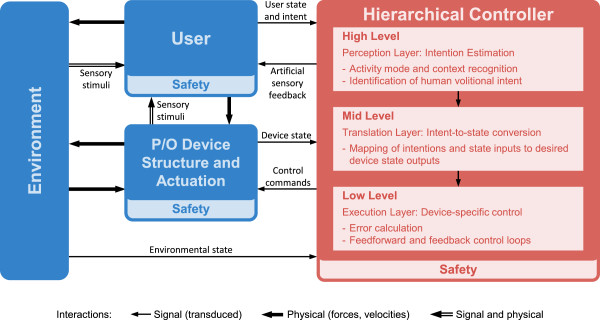
: Technological advancements have led to the development of numerous wearable robotic devices for the physical assistance and restoration of human locomotion. While many challenges remain with respect to the mechanical design of such devices, it is at least equally challenging and important to develop strategies to control them in concert with the intentions of the user.This work reviews the state-of-the-art techniques for controlling portable active lower limb prosthetic and orthotic (P/O) devices in the context of locomotive activities of daily living (ADL), and considers how these can be interfaced with the user's sensory-motor control system. This review underscores the practical challenges and opportunities associated with P/O control, which can be used to accelerate future developments in this field. Furthermore, this work provides a classification scheme for the comparison of the various control strategies.As a novel contribution, a general framework for the control of portable gait-assistance devices is proposed. This framework accounts for the physical and informatic interactions between the controller, the user, the environment, and the mechanical device itself. Such a treatment of P/Os--not as independent devices, but as actors within an ecosystem--is suggested to be necessary to structure the next generation of intelligent and multifunctional controllers.Each element of the proposed framework is discussed with respect to the role that it plays in the assistance of locomotion, along with how its states can be sensed as inputs to the controller. The reviewed controllers are shown to fit within different levels of a hierarchical scheme, which loosely resembles the structure and functionality of the nominal human central nervous system (CNS). Active and passive safety mechanisms are considered to be central aspects underlying all of P/O design and control, and are shown to be critical for regulatory approval of such devices for real-world use.The works discussed herein provide evidence that, while we are getting ever closer, significant challenges still exist for the development of controllers for portable powered P/O devices that can seamlessly integrate with the user's neuromusculoskeletal system and are practical for use in locomotive ADL.
Overview
The claims and statistics of this paper haven’t been checked yet.
Free: it reads the open-access text and checks the first 5 claims that cite a source we can check. Create a free account to check every claim.
Integrity signals
Registry
Cites
Statistics
Figures
Verification
Claims the paper makes
The claims and statistics of this paper haven’t been checked yet.
Free: it reads the open-access text and checks the first 5 claims that cite a source we can check. Create a free account to check every claim.
Claims other papers make about this one
Each is checked against this paper’s own text: does it say what the citing paper says it does?
The cited source says what the claim attributes to it.
In the citing paper
“Additional shortcomings include their limited environmental feedback, power supply, and failure to autonomously respond appropriately to external (possibly dangerous) stimuli.[24]”
From Flexible Electronics and Devices as Human–Machine Interfaces for Medical Robotics (2022) · cites this paper as [24]
The cited source says what the claim attributes to it.
In the citing paper
“Thus, the vast number of studies on different interface locations and various probing devices to record electrophysiological signals have established the foundation of user-communication with prosthetics.[24,286,287]”
From Flexible Electronics and Devices as Human–Machine Interfaces for Medical Robotics (2022) · cites this paper as [24]
Self-check
Percentages, sums and reported differences re-computed from the paper’s own numbers.
The self-check needs the paper’s full text.
Citations
Cites
Impedance Control: An Approach to Manipulation: Part I—Theory
Hogan, N. (1985) · Journal of Dynamic Systems, Measurement, and Control · doi:10.1115/1.3140702 · Cited by 3,673 · cited 1×
“Impedance is defined as the transfer function between an input flow and a n output effort [202].”
BackgroundFalls in older people: epidemiology, risk factors and strategies for prevention
Rubenstein, L. Z. (2006) · Age and Ageing · doi:10.1093/ageing/afl084 · Cited by 3,287 · cited 2×
“The risks are also not limited to physical harm, but may a lso include social, emotional, and psychological effects [38,39].”
BackgroundEstimating the Prevalence of Limb Loss in the United States: 2005 to 2050
Ziegler-Graham, K., MacKenzie, E. J., Ephraim, P. L., Travison, T. G., & Brookmeyer, R. (2008) · Archives of Physical Medicine and Rehabilitation · doi:10.1016/j.apmr.2007.11.005 · Cited by 2,816 · cited 1×
“stroke [6], spinal cord injury [7], Parkinson’s disease [8], and lower limb amputations [9]) can likewise be expected.”
Reach and grasp by people with tetraplegia using a neurally controlled robotic arm
Hochberg, L. R., Bacher, D., Jarosiewicz, B., Masse, N. Y., Simeral, J. D., Vogel, J., Haddadin, S., Liu, J., Cash, S. S., van der Smagt, P., et al. (2012) · Nature · doi:10.1038/nature11076 · Cited by 2,719 · cited 1×
“Intracortical electrode arrays have been successfully demonstrated to allow control of multi-degree-of-freedom reach and grasp movements with robotic arms in tetraplegic subjects [55,56],”
High-performance neuroprosthetic control by an individual with tetraplegia
Collinger, J. L., Wodlinger, B., Downey, J. E., Wang, W., Tyler-Kabara, E. C., Weber, D. J., McMorland, A. J., Velliste, M., Boninger, M. L., & Schwartz, A. B. (2013) · The Lancet · doi:10.1016/s0140-6736(12)61816-9 · Cited by 1,848 · cited 1×
“Intracortical electrode arrays have been successfully demonstrated to allow control of multi-degree-of-freedom reach and grasp movements with robotic arms in tetraplegic subjects [55,56],”
Incidence of Parkinson's Disease: Variation by Age, Gender, and Race/Ethnicity
Van Den Eeden, S. K. (2003) · American Journal of Epidemiology · doi:10.1093/aje/kwg068 · Cited by 1,747 · cited 1×
“stroke [6], spinal cord injury [7], Parkinson’s disease [8], and lower limb amputations [9]) can lik ew se be expected.”
BackgroundAugmented visual, auditory, haptic, and multimodal feedback in motor learning: A review
Sigrist, R., Rauter, G., Riener, R., & Wolf, P. (2013) · Psychonomic Bulletin & Review · doi:10.3758/s13423-012-0333-8 · Cited by 1,416 · cited 1×
“Auditory cues can vary in stereo balance, pitch, timbre and volume [89], and therefore may transmit rich information via speakers or headphones.”
Self-citationLower Extremity Exoskeletons and Active Orthoses: Challenges and State-of-the-Art
Dollar, A. M., & Herr, H. (2008) · IEEE Transactions on Robotics · doi:10.1109/tro.2008.915453 · Cited by 1,327 · cited 1×
“Several related review papers have been published in recent years that comprehensively establish the state-ofthe-art in portable and active lower limb prosthetics, orthotics and exoskeletons, mostly in terms of the design and hardware realization [10-15].”
Design and Evaluation of the LOPES Exoskeleton Robot for Interactive Gait Rehabilitation
Veneman, J. F., Kruidhof, R., Hekman, E. E. G., Ekkelenkamp, R., Van Asseldonk, E. H. F., & van der Kooij, H. (2007) · IEEE Transactions on Neural Systems and Rehabilitation Engineering · doi:10.1109/tnsre.2007.903919 · Cited by 1,280 · cited 2×
“This would exclude treadmill-based gait training orthoses such as the LOPES [19] and the Lokomat (Hocoma AG, Volketswil, Switzerland), which were among the classes of devices discussed in the review of Marchal-Crespo and Reinkensmeyer [20].”
Review of control strategies for robotic movement training after neurologic injury
Marchal-Crespo, L., & Reinkensmeyer, D. J. (2009) · Journal of NeuroEngineering and Rehabilitation · doi:10.1186/1743-0003-6-20 · Cited by 1,182
Research works printed but not linked: 9
- Donath M. Proportional EMG control for above-knee prosthesis, MIT. Department of Mechanical Engineering, Masters Thesis; 1974. http://hdl. handle.net/1721.1/13775.
- Zambarbieri D, Schmid M, Magnaghi M, Vermi G, Macellari V, Fadda A. Biofeedback techniques for rehabilitation of the lower-limb prosthetic subject. In: Proc. VII Medicon. Lemesos, Cyprus: MEDICON; 1998. p. 1-5.
- Kawamura J, Sueda O, Harada K, Nishihara K, Isobe S. Sensory feedback systems for the lower-limb prosthesis. J Osaka Rosai Hospital 1981;5: 104-12.
- Webb G. Providing real-time biofeedback for amputee gait retraining using labview. In: NI days worldwide graphical system design conference. London, UK: National Instruments; 2011.
- Grimes DL. An active multimode above knee prosthesis controller, PhD thesis, Massachusetts Institute of Technology. Dept. of Mechanical Engineering; 1979. http://hdl.handle.net/1721.1/15998.
- Gancet J, Ilzkovitz M, Cheron G, Ivanenko Y, van der Kooij H, van der Helm F, et al. MINDWALKER: A brain controlled lower limbs exoskeleton for rehabilitation. Potential applications to space In: Workshop EA, editor. 11th Symposium on advanced space technologies in robotics and automation. Noordwijk, NL: European Space Agency; 2011. p. 12-14.
- Goffer A. Enhanced safety of gait in powered exoskeletons. Dynamic walking conference abstract -available online. Argo Medical Technologies, ReWalk 2014. http://dynamicwalking.org/ocs/index.php/ dw2014/dw2014/paper/viewFile/17/10.
- Huang GT. Wearable robots. Technol Rev. 2004;1:70-3.
- Li YD, Hsiao-Wecksler ET. Gait mode recognition and control for a portable-powered ankle-foot orthosis. In: Rehabilitation robotics (ICORR), 2013 IEEE international conference on; 2013. p. 1-8. doi:10.1109/ICORR.2013.6650373. · DOI · Paper page
Cited by
Items 101–200 of 1,000
Young, A. J., Gannon, H., & Ferris, D. P. (2017) · Frontiers in Bioengineering and Biotechnology · doi:10.3389/fbioe.2017.00037 · Cited by 86
“For interested readers, recent reviews of the exoskeleton control literature are available that discuss controllers in detail (Tucker et al., 2015; Yan et al., 2015; Young and Ferris, 2017).”
BackgroundZheng, Q., Ge, L., Wang, C. C., Qishou, M., Liao, Y., Huang, P., Wang, G.-D., Xie, Q.-L., & Rask, M. (2019) · International Journal of Nursing Studies · doi:10.1016/j.ijnurstu.2019.03.015 · Cited by 78
Development of an EMG-Controlled Knee Exoskeleton to Assist Home Rehabilitation in a Game Context
Lyu, M., Chen, W.-H., Ding, X., Wang, J., Pei, Z., & Zhang, B. (2019) · Frontiers in Neurorobotics · doi:10.3389/fnbot.2019.00067 · Cited by 84
“As an easy-to-use tool, EMG signals have been successfully applied to powered exoskeletons (Tucker et al., 2015; Long et al., 2016; Lambelet et al., 2017).”
MethodKulkarni, P., Paudel, N., Magar, S., Santilli, M. F., Kashyap, S., Baranwal, A. K., Zamboni, P., Vasavada, P., Katiyar, A., & Singh, A. V. (2023) · Biomedical Materials & Devices · doi:10.1007/s44174-023-00087-8 · Cited by 91
“The field of orthopedic prosthesis design is facing a number of grand challenges that must be addressed to improve the effectiveness and reliability of these devices [70].”
A Scalable Safety Critical Control Framework for Nonlinear Systems
Gurriet, T., Mote, M., Singletary, A., Nilsson, P., Féron, É., & Ames, A. D. (2020) · IEEE Access · doi:10.1109/access.2020.3025248 · Cited by 120
Nedergård, H., Arumugam, A., Sandlund, M., Bråndal, A., & Häger, C. K. (2021) · Journal of NeuroEngineering and Rehabilitation · doi:10.1186/s12984-021-00857-9 · Cited by 86
Deng, W., Papavasileiou, I., Qiao, Z., Zhang, W., Lam, K.-Y., & Han, S. (2018) · IEEE Reviews in Biomedical Engineering · doi:10.1109/rbme.2018.2830805 · Cited by 77
Wang, Y., Cheng, X., Jabban, L., Sui, X., & Zhang, D. (2022) · IEEE Sensors Journal · doi:10.1109/jsen.2022.3167686 · Cited by 70
A brain-controlled lower-limb exoskeleton for human gait training
Liu, D., Chen, W., Pei, Z., & Wang, J. (2017) · Review of Scientific Instruments · doi:10.1063/1.5006461 · Cited by 76
Yang, D., Gu, Y., Thakor, N. V., & Liu, H. (2018) · Experimental Brain Research · doi:10.1007/s00221-018-5441-x · Cited by 76
Qiu, S., Guo, W. P., Caldwell, D. G., & Chen, F. (2020) · IEEE Transactions on Cognitive and Developmental Systems · doi:10.1109/tcds.2020.2968845 · Cited by 77
“and variation of electrode-skin conductivity [12].”
BackgroundInfluentialMasengo, G., Zhang, X., Dong, R., Alhassan, A. B., Hamza, K. K., & Mudaheranwa, E. (2023) · Frontiers in Neurorobotics · doi:10.3389/fnbot.2022.913748 · Cited by 85
Design and locomotion control of a hydraulic lower extremity exoskeleton for mobility augmentation
Kim, H., Shin, Y., & Kim, J. (2017) · Mechatronics · doi:10.1016/j.mechatronics.2017.06.009 · Cited by 64
Force Control of SEA-Based Exoskeletons for Multimode Human–Robot Interactions
Huo, W., Alouane, M. A., Amirat, Y., & Mohammed, S. (2019) · IEEE Transactions on Robotics · doi:10.1109/tro.2019.2956341 · Cited by 66
“Among existing assistive strategies applied to powered exoskeletons, force/torque control has been commonly used [2].”
BackgroundSherratt, F., Plummer, A. R., & Iravani, P. (2021) · Sensors · doi:10.3390/s21041264 · Cited by 79
“Therefore, automated recognition of the user’s intentions and subsequent selection of the corresponding locomotive mode will be crucial to the performance of devices [14–16].”
BackgroundAtashzar, S. F., Carriere, J., & Tavakoli, M. (2021) · Frontiers in Robotics and AI · doi:10.3389/frobt.2021.610529 · Cited by 76
“(2012); Chen et al. (2013); Tucker et al. (2015); Atashzar et al. (2019), for more details on these technologies.”
Fosch‐Villaronga, E., Khanna, P., Drukarch, H., & Custers, B. H. M. (2022) · International Journal of Social Robotics · doi:10.1007/s12369-022-00875-0 · Cited by 91
Li, Z., Li, Q., Huang, P., Xia, H., & Li, G. (2023) · IEEE Transactions on Cybernetics · doi:10.1109/tcyb.2023.3240231 · Cited by 67
“It often relies on gait event data, such as toe-off and heel strike, to generate and track the assistance profiles [39].”
BackgroundRecent trends and challenges of surface electromyography in prosthetic applications
Yadav, D., & Veer, K. (2023) · Biomedical Engineering Letters · doi:10.1007/s13534-023-00281-z · Cited by 83
“Also, the generalized framework for active lower limb prostheses/orthoses (P/O) control [131] has been illustrated in Fig.”
BackgroundBalancing the playing field: collaborative gaming for physical training
Mace, M., Kinany, N., Rinne, P., Rayner, A. A., Bentley, P., & Burdet, E. (2017) · Journal of NeuroEngineering and Rehabilitation · doi:10.1186/s12984-017-0319-x · Cited by 72
Laschowski, B., McNally, W., Wong, A. K. C., & McPhee, J. (2019) · International Conference on Rehabilitation Robotics · doi:10.1109/icorr.2019.8779540 · Cited by 71
“Different electromechanical sensors have been embedded into robotic lower-limb prostheses and exoskeletons and used for automated locomotion mode recognition, including rotary encoders [1], [3]-[6], [20], potentiometers [4], [8], strain gauge load cells [4], [8], [18]-[20], and inertial measurement units [3]-[6], [17]…”
BackgroundMethodInfluentialvan Breda, E., Verwulgen, S., Saeys, W., Wuyts, K., Peeters, T., & Truijen, S. (2017) · BMJ Open Sport & Exercise Medicine · doi:10.1136/bmjsem-2016-000216 · Cited by 75
Schrade, S. O., Dätwyler, K., Stücheli, M., Studer, K., Türk, D.-A., Meboldt, M., Gassert, R., & Lambercy, O. (2018) · Journal of NeuroEngineering and Rehabilitation · doi:10.1186/s12984-018-0360-4 · Cited by 70
“Control The control architecture of the VariLeg exoskeleton relies on low- and high-level controllers [41].”
MethodSelf-citationNerve Repair Using Decellularized Nerve Grafts in Rat Models. A Review of the Literature
Lovati, A. B., D’Arrigo, D., Odella, S., Tos, P., Geuna, S., & Raimondo, S. (2018) · Frontiers in Cellular Neuroscience · doi:10.3389/fncel.2018.00427 · Cited by 73
Wearable and wireless gait analysis platforms
Lemoyne, R. C., & Mastroianni, T. (2016) · Elsevier eBooks · doi:10.1016/b978-0-08-100449-4.00006-3 · Cited by 67
A computational model to design neural interfaces for lower-limb sensory neuroprostheses
Zelechowski, M., Valle, G., & Raspopovic, S. (2020) · Journal of NeuroEngineering and Rehabilitation · doi:10.1186/s12984-020-00657-7 · Cited by 63
Labarrière, F., Thomas, E., Calistri, L., Optasanu, V., Gueugnon, M., Ornetti, P., & Laroche, D. (2020) · Sensors · doi:10.3390/s20216345 · Cited by 65
“In such devices, gait is regulated by a hierarchical three-level controller [4].”
BackgroundKober, S. E., Schweiger, D., Reichert, J. L., Neuper, C., & Wood, G. M. D. O. (2017) · Applied Psychophysiology and Biofeedback · doi:10.1007/s10484-017-9353-5 · Cited by 72
Inertial Sensing for Gait Event Detection and Transfemoral Prosthesis Control Strategy
Ledoux, E. D. (2018) · IEEE Transactions on Biomedical Engineering · doi:10.1109/tbme.2018.2813999 · Cited by 67
“tween activities [3], [5]–[14].”
Lower Limb Motion Estimation Using Ultrasound Imaging: A Framework for Assistive Device Control
Jahanandish, M. H., Fey, N. P., & Hoyt, K. (2019) · IEEE Journal of Biomedical and Health Informatics · doi:10.1109/jbhi.2019.2891997 · Cited by 68
“Additionally, most of these control approaches work for cyclic movements and lack intuitiveness like response to neural input by the user [6].”
BackgroundEnhancing Voluntary Motion With Modular, Backdrivable, Powered Hip and Knee Orthoses
Nesler, C., Thomas, G. C., Divekar, N., Rouse, E. J., & Gregg, R. D. (2022) · IEEE Robotics and Automation Letters · doi:10.1109/lra.2022.3145580 · Cited by 69
Effects of a powered ankle-foot orthosis on perturbed standing balance
Emmens, A. R., van Asseldonk, E. H. F., & van der Kooij, H. (2018) · Journal of NeuroEngineering and Rehabilitation · doi:10.1186/s12984-018-0393-8 · Cited by 65
Adaptive Ankle Exoskeleton Control: Validation Across Diverse Walking Conditions
Bishe, S. S. P. A., Nguyen, T. T., Fang, Y., & Lerner, Z. F. (2021) · IEEE Transactions on Medical Robotics and Bionics · doi:10.1109/tmrb.2021.3091519 · Cited by 62
Rozevink, S. G., van der Sluis, C. K., Garzo, A., Keller, T., & Hijmans, J. M. (2021) · Journal of NeuroEngineering and Rehabilitation · doi:10.1186/s12984-021-00841-3 · Cited by 80
Jaramillo, I. E., Jeong, J. G., Lopez, P. R., Lee, C.-H., Kang, D.-Y., Ha, T.-J., Oh, J.-H., Jung, H., Lee, J.-H., Lee, W. H., et al. (2022) · Sensors · doi:10.3390/s22249690 · Cited by 76
“Recognizing human activities would be helpful to better assist human actions via wearable robots by enhancing and customizing the robot control per activity [5].”
BackgroundHuman Lower Limb Motion Intention Recognition for Exoskeletons: A Review
Li, L., Cao, G., Liang, H., Zhang, Y.-P., & Cui, F. (2023) · IEEE Sensors Journal · doi:10.1109/jsen.2023.3328615 · Cited by 71
“The rules are manually set or determined by various analytical methods [53].”
BackgroundMethodInfluentialMarković, M., Schweisfurth, M. A., Engels, L. F., Farina, D., & Dosen, S. S. (2018) · Journal of NeuroEngineering and Rehabilitation · doi:10.1186/s12984-018-0422-7 · Cited by 71
Kim, J., Heimgartner, R., Lee, G., Karavas, N. C., Perry, D., Ryan, D. L., Eckert-Erdheim, A. M., Murphy, P., Choe, D. K., Galiana, I., et al. (2018) · Proceedings - IEEE International Conference on Robotics and Automation/Proceedings · doi:10.1109/icra.2018.8460474 · Cited by 67
A taxonomy of ethical, legal and social implications of wearable robots: an expert perspective
Kapeller, A., Felzmann, H., Fosch-Villaronga, E., & Hughes, A.-M. (2020) · Science and Engineering Ethics · doi:10.1007/s11948-020-00268-4 · Cited by 58
Smoothness metrics for reaching performance after stroke. Part 1: which one to choose?
Refai, M. I. M., Saes, M., Scheltinga, B. L., van Kordelaar, J., Bussmann, J. B. J., Veltink, P. H., Buurke, J. H., Meskers, C. G. M., van Wegen, E. E. H., Kwakkel, G., et al. (2021) · Journal of NeuroEngineering and Rehabilitation · doi:10.1186/s12984-021-00949-6 · Cited by 69
Minimum toe clearance: probing the neural control of locomotion
Killeen, T., Easthope, C. A., Demkó, L., Filli, L., Lőrincz, L., Linnebank, M., Curt, A. E. P., Zörner, B., & Bolliger, M. (2017) · Scientific Reports · doi:10.1038/s41598-017-02189-y · Cited by 69
Kanzler, C. M., Rinderknecht, M. D., Schwarz, A., Lamers, I., Gagnon, C., Held, J. P. O., Feys, P., Luft, A. R., Gassert, R., & Lambercy, O. (2020) · npj Digital Medicine · doi:10.1038/s41746-020-0286-7 · Cited by 59
Self-citationEMG and Joint Angle-Based Machine Learning to Predict Future Joint Angles at the Knee
Coker, J., Chen, H., Schall, M. C., Gallagher, S., & Zabala, M. (2021) · Sensors · doi:10.3390/s21113622 · Cited by 56
“High-level controllers have inferred discrete actions using EMG measurements, with classi-fication algorithms [10,32] that often require features [6], or alternative, wavelets [33] to be pre-computed.”
BackgroundTraining with Hybrid Assistive Limb for walking function after total knee arthroplasty
Yoshikawa, K., Mutsuzaki, H., Sano, A., Koseki, K., Fukaya, T., Mizukami, M., & Yamazaki, M. (2018) · Journal of Orthopaedic Surgery and Research · doi:10.1186/s13018-018-0875-1 · Cited by 58
Design and Characterization of an Exoskeleton for Perturbing the Knee During Gait
Tucker, M. R., Shirota, C., Lambercy, O., Sulzer, J. S., & Gassert, R. (2017) · IEEE Transactions on Biomedical Engineering · doi:10.1109/tbme.2017.2656130 · Cited by 55
“tive to understand the neuromechanical underpinnings of gait for the diagnosis, treatment and prevention of movement disorders; secondly, it is useful to characterize the dynamic properties of the limbs and joints for the development of assistive devices, such as orthoses and prostheses [3], [4].”
BackgroundSelf-citationMa, Y., Wu, X., Yang, S. X., Dang, C., Liu, D.-X., Wang, C., Wang, C., & Chen, C. (2020) · IEEE Transactions on Automation Science and Engineering · doi:10.1109/tase.2020.2964807 · Cited by 55
“There are no known medical treatment methods to cure paraplegia at this time [3]; the research and development of exoskeleton robots is an active discipline, which has the potential to dramatically improve the mobility, and therefore the ADL, of people suffering from paraplegia [4]–[8].”
BackgroundLiang, W., Qian, Z., Chen, W., Song, H., Cao, Y., Wei, G., Ren, L., Wang, K., & Ren, L. (2022) · Frontiers in Bioengineering and Biotechnology · doi:10.3389/fbioe.2022.950110 · Cited by 54
“In recent review articles, the APK of actuator mechanisms, actuation principles, control strategies, efficiency assessments, performance metrics, and their limitations have been studied (Laferrier and Gailey, 2010; Tucker et al., 2015; Windrich et al., 2016; Pieringer et al., 2017; Lara-Barrios et al., 2018; Torrealba…”
BackgroundGarate, V. R., Parri, A., Yan, T., Munih, M., Lova, R. M., Vitiello, N., & Ronsse, R. (2016) · IEEE Robotics & Automation Magazine · doi:10.1109/mra.2015.2510778 · Cited by 57
Continuous angular position estimation of human ankle during unconstrained locomotion
Gupta, R., Dhindsa, I. S., & Agarwal, R. (2020) · Biomedical Signal Processing and Control · doi:10.1016/j.bspc.2020.101968 · Cited by 54
Bhakta, K., Camargo, J., Donovan, L., Herrin, K. R., & Young, A. J. (2020) · IEEE Robotics and Automation Letters · doi:10.1109/lra.2020.3007480 · Cited by 54
“The most common prosthetic control strategies typically employ a three-tier controller paradigm: high-level, mid-level and lowlevel control [11], [14].”
BackgroundBest, T. K., Embry, K., Rouse, E. J., & Gregg, R. D. (2021) · IEEE/RSJ International Conference on Intelligent Robots and Systems (IROS) · doi:10.1109/iros51168.2021.9636180 · Cited by 54
Lv, G., & Gregg, R. D. (2017) · IEEE Transactions on Control Systems Technology · doi:10.1109/tcst.2016.2646319 · Cited by 55
“Many recent powered orthoses and exoskeletons address the issue of mobility, but the vast majority of these devices compensate for chronic deficits rather than provide therapeutic assistance for gait retraining [12], [13].”
BackgroundTWIICE — A lightweight lower-limb exoskeleton for complete paraplegics
Vouga, T., Baud, R., Fasola, J., Bouri, M., & Bleuler, H. (2017) · International Conference on Rehabilitation Robotics · doi:10.1109/icorr.2017.8009483 · Cited by 58
Self-citationsEMG-based impedance control for lower-limb rehabilitation robot
Khoshdel, V., Akbarzadeh, A., Naghavi, N., Sharifnezhad, A., & Souzanchi-Kashani, M. (2017) · Intelligent Service Robotics · doi:10.1007/s11370-017-0239-4
d’Elia, N., Vannetti, F., Cempini, M., Pasquini, G., Parri, A., Rabuffetti, M., Ferrarin, M., Lova, R. M., & Vitiello, N. (2017) · Journal of NeuroEngineering and Rehabilitation · doi:10.1186/s12984-017-0237-y · Cited by 52
Probabilistic identification of sit-to-stand and stand-to-sit with a wearable sensor
Martínez-Hernández, U., & Dehghani-Sanij, A. A. (2018) · Pattern Recognition Letters · doi:10.1016/j.patrec.2018.03.020 · Cited by 58
“These multi-layer processes and hierarchical architectures are crucial for wearable robotic devices capable to sense, learn and safely interact with the environment, respond appropriately and provide reliable assistance to humans (Brooks, 1986; Tucker et al., 2015).”
BackgroundForce Myography Based Novel Strategy for Locomotion Classification
Godiyal, A. K., Mondal, M., Joshi, S. D., & Joshi, D. (2018) · IEEE Transactions on Human-Machine Systems · doi:10.1109/thms.2018.2860598 · Cited by 55
“cation not only plays a vital role in controlling the lower limb powered prosthesis but is also used for human gait monitoring, injury prevention, and control of exoskeletons [42].”
BackgroundHramov, A. E., Grubov, V., Badarin, A., Александрович, М. В., & Pisarchik, A. N. (2020) · Sensors · doi:10.3390/s20082362 · Cited by 54
“Revealing specific features of spatial brain cortex activity related to real motions and motor imagery of different limbs can be essential not only for basic research in neuroscience, but also for applications in medicine to improve the quality of life of post-traumatic and post-stroke patients using brain-computer in…”
BackgroundFosch-Villaronga, E., & Özcan, B. (2020) · International Journal of Social Robotics · doi:10.1007/s12369-019-00537-8 · Cited by 50
“The majority of these exoskeletons are fastened directly to the user’s body and work together ‘in seamless integration with the user’s residual musculoskeletal system and sensorymotor control loops’ to assist him/her ‘with minimal cognitive disruption and required compensatory motion’ [21].”
Han, S., Wang, H., & Tian, Y. (2019) · Mechanical Systems and Signal Processing · doi:10.1016/j.ymssp.2019.106547 · Cited by 53
A review of terrain detection systems for applications in locomotion assistance
Aldabbagh, A. H. A., & Ronsse, R. (2020) · Robotics and Autonomous Systems · doi:10.1016/j.robot.2020.103628 · Cited by 55
Moan, M. E., Vonstad, E. K., Su, X., Vereijken, B., Solbjør, M., & Skjæret-Maroni, N. (2021) · Frontiers in Aging Neuroscience · doi:10.3389/fnagi.2021.735251 · Cited by 58
Toward Unified Control of a Powered Prosthetic Leg: A Simulation Study
Quintero, D., Martin, A. E., & Gregg, R. D. (2017) · IEEE Transactions on Control Systems Technology · doi:10.1109/tcst.2016.2643566 · Cited by 50
“Several control methods have been proposed for these devices, but almost all of them divide the gait cycle into multiple, sequential periods with different controllers [4].”
MethodTowards Online Estimation of Human Joint Muscular Torque with a Lower Limb Exoskeleton Robot
Li, M., Deng, J., Zha, F., Qiu, S., Wang, X., & Chen, F. (2018) · Applied Sciences · doi:10.3390/app8091610 · Cited by 52
“For example, in [18], it was concluded that sEMG is susceptible to the variation of electrode–skin conductivity, positioning, muscle fatigue and interactions between nearby muscles, so calibration is always required which increases the inconvenience of this method’s use.”
MethodUnsupervised Cross-Subject Adaptation for Predicting Human Locomotion Intent
Zhang, K., Wang, J., de Silva, C. W., & Fu, C. (2020) · IEEE Transactions on Neural Systems and Rehabilitation Engineering · doi:10.1109/tnsre.2020.2966749 · Cited by 53
“Most researchers prefer to classify these signals to some motion patterns, for switching the locomotion modes of the wearable robots via a finite-state controller [7].”
BackgroundGantenbein, J., Dittli, J., Meyer, J. T., Gassert, R., & Lambercy, O. (2022) · Frontiers in Neurorobotics · doi:10.3389/fnbot.2022.815693 · Cited by 57
“Orthoses assist movements by being worn around and operated in parallel to the user’s impaired limb (Tucker et al., 2015).”
BackgroundSelf-citationKnaepen, K., Mierau, A., Swinnen, E., Tellez, H. F., Michielsen, M., Kerckhofs, E., Lefeber, D., & MEEUSEN, R. R. (2015) · PLoS ONE · doi:10.1371/journal.pone.0140626 · Cited by 52
“, device settings such as the amount of assistance) to synergistically interact with the human body and optimally augment human performance [9, 10].”
BackgroundKnee Impedance Modulation to Control an Active Orthosis Using Insole Sensors
Villa-Parra, A. C., Delisle-Rodríguez, D., Lima, J. P. S., Frizera, A., & Bastos-Filho, T. (2017) · Sensors · doi:10.3390/s17122751 · Cited by 47
Delisle-Rodríguez, D., Cardoso, V. F., Gurve, D., Loterio, F. A., Romero-Laiseca, M. A., Krishnan, S., & Bastos-Filho, T. (2019) · Journal of Neural Engineering · doi:10.1088/1741-2552/ab08c8 · Cited by 52
“Moreover, robotic exoskeletons may be adjusted to accommodate patient progress during motor recovery, and sensory feedback may be added to the robotic system to provide cognitive and physical interaction between user and exoskeleton [6].”
BackgroundChen, C.-F., Du, Z., He, L., Yong-jun, S., Wang, J.-Q., Xu, G., Zhang, Y., Wu, D., & Dong, W. (2019) · IEEE Access · doi:10.1109/access.2019.2953302 · Cited by 55
“The HMI can be obtained by large quantities of interaction information between human and LLE, which is a critical part in the LLE control loop [16].”
BackgroundLanotte, F., McKinney, Z., Grazi, L., Chen, B., Crea, S., & Vitiello, N. (2021) · IEEE Transactions on Robotics · doi:10.1109/tro.2021.3073836 · Cited by 57
Springer, S., & Gottlieb, U. (2017) · BMC Musculoskeletal Disorders · doi:10.1186/s12891-017-1675-1 · Cited by 55
Shokur, S., Donati, A. R. C., Campos, D. S. F., Gitti, C., Bao, G., Fischer, D., Almeida, S., Braga, V. A. S., Augusto, P., Petty, C., et al. (2018) · PLOS ONE · doi:10.1371/journal.pone.0206464 · Cited by 48
Vividness of Visual Imagery and Personality Impact Motor-Imagery Brain Computer Interfaces
Leeuwis, N., Paas, A., & Alimardani, M. (2021) · Frontiers in Human Neuroscience · doi:10.3389/fnhum.2021.634748 · Cited by 56
A model-free deep reinforcement learning approach for control of exoskeleton gait patterns
Rose, L., Bazzocchi, M. C. F., & Nejat, G. (2021) · Robotica · doi:10.1017/s0263574721001600 · Cited by 52
“Personalized gait training that is tailored for individual users has been shown to lead to greater gait recovery [10, 17–20].”
BackgroundEmbodiment of supernumerary robotic limbs in virtual reality
Arai, K. I., Saito, H., Fukuoka, M., Ueda, S., Sugimoto, M., Kitazaki, M., & İnami, M. (2022) · Scientific Reports · doi:10.1038/s41598-022-13981-w · Cited by 56
Baček, T., Moltedo, M., Rodriguez‐Guerrero, C., Geeroms, J., Vanderborght, B., & Lefeber, D. (2018) · Mechanism and Machine Theory · doi:10.1016/j.mechmachtheory.2018.08.014 · Cited by 47
Gurve, D., Delisle-Rodríguez, D., Romero-Laiseca, M. A., Cardoso, V. F., Loterio, F. A., Bastos-Filho, T., & Krishnan, S. (2020) · Journal of Neural Engineering · doi:10.1088/1741-2552/ab4dba · Cited by 48
A Novel Wavelet-Based Gait Segmentation Method for a Portable Hip Exoskeleton
Livolsi, C., Conti, R., Giovacchini, F., Vitiello, N., & Crea, S. (2021) · IEEE Transactions on Robotics · doi:10.1109/tro.2021.3122975 · Cited by 48
Elery, T., Rezazadeh, S., Nesler, C., Doan, J., Zhu, H., & Gregg, R. D. (2018) · Proceedings - IEEE International Conference on Robotics and Automation/Proceedings · doi:10.1109/icra.2018.8461259 · Cited by 46
“In the last decade, a great amount of research has gone into the design and control of powered prosthetic limbs [6], [7].”
Villa-Parra, A. C., Delisle-Rodríguez, D., Botelho, T. R., Mayor, J. J. V., López-Delis, A., Carelli, R. O., Frizera, A., & Bastos-Filho, T. (2018) · Research on Biomedical Engineering · doi:10.1590/2446-4740.07417 · Cited by 45
“of voluntary commands in a human-centered system to assist the movement with minimal cognitive disruption (Tucker et al., 2015).”
BackgroundInfluentialB:Ionic Glove: A Soft Smart Wearable Sensory Feedback Device for Upper Limb Robotic Prostheses
Simons, M. F., Digumarti, K. M., Le, N. H., Chen, H., Carreira, S. C., Zaghloul, N. S. S., Diteesawat, R. S., Garrad, M., Conn, A. T., Kent, C. D., et al. (2021) · IEEE Robotics and Automation Letters · doi:10.1109/lra.2021.3064269 · Cited by 51
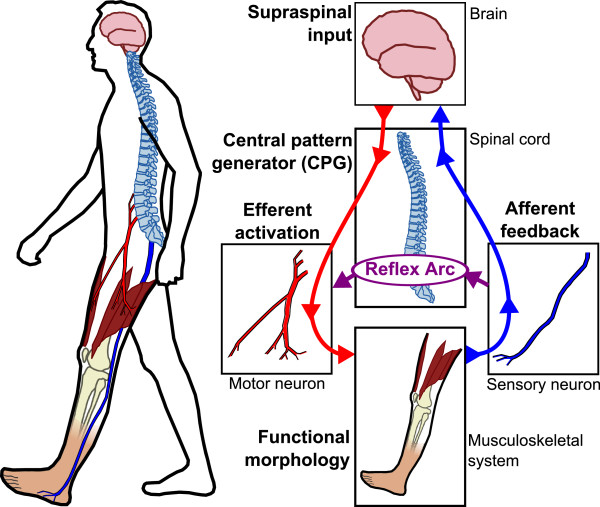
“(motor control) and an afferent pathway that sends sensory signals from the limb to the brain (sensory control) [3].”
BackgroundPersonalized Offline and Pseudo-Online BCI Models to Detect Pedaling Intent
Rodríguez-Ugarte, M., Iáñez, E., Ortíz, M., & Azorín, J. M. (2017) · Frontiers in Neuroinformatics · doi:10.3389/fninf.2017.00045 · Cited by 47
Ingraham, K. A., Choi, H. Y., Gardinier, E. S., Remy, C. D., & Gates, D. H. (2018) · Scientific Reports · doi:10.1038/s41598-018-33569-7 · Cited by 44
Noninvasive Human-Prosthesis Interfaces for Locomotion Intent Recognition: A Review
Xu, D., & Wang, Q. (2021) · Cyborg and Bionic Systems · doi:10.34133/2021/9863761 · Cited by 52
“As is known, muscles behave as the actuators of the sensory motor system and they contain abundant motion information [19, 45, 46].”
BackgroundMethodInfluentialNarayan, J., & Dwivedy, S. K. (2021) · Applied Bionics and Biomechanics · doi:10.1155/2021/5573041 · Cited by 43
RetractedPredictive Simulation of Reaching Moving Targets Using Nonlinear Model Predictive Control
Mehrabi, N., Razavian, R. S., Ghannadi, B., & McPhee, J. (2017) · Frontiers in Computational Neuroscience · doi:10.3389/fncom.2016.00143 · Cited by 49
“By predicting the motion of the user and adjusting the trajectory online, the NMPC can reduce the cognitive workload imposed on the user, who does not need to consider low-level executions in the presence of external disturbances or obstacles (Tucker et al., 2015).”
BackgroundLiu, D.-X., Wu, X., Du, W., Wang, C., Chen, C., & Xu, T. (2017) · Assembly Automation · doi:10.1108/aa-11-2016-155 · Cited by 45
Muscle Synergy Alteration of Human During Walking With Lower Limb Exoskeleton
Li, Z., Liu, H., Yin, Z., & Chen, K. (2019) · Frontiers in Neuroscience · doi:10.3389/fnins.2018.01050 · Cited by 43
Choi, H. S., Lee, C., Shim, M., Han, J. I., & Baek, Y. S. (2018) · Sensors · doi:10.3390/s18124349 · Cited by 42
“During the stance phase, we can judge the person’s gait normality from the trajectory of the x and y coordinates of the center of GRF and for controlling the exoskeletons which are used by those patients [7].”
MethodBoosting-LDA algriothm with multi-domain feature fusion for motor imagery EEG decoding
Zhang, Y., Chen, W., Lin, C., Pei, Z., Chen, J., & Chen, Z. (2021) · Biomedical Signal Processing and Control · doi:10.1016/j.bspc.2021.102983 · Cited by 43
The Quest toward limb regeneration: a regenerative engineering approach
Laurencin, C. T., & Nair, L. S. (2016) · Regenerative Biomaterials · doi:10.1093/rb/rbw002 · Cited by 44
“In spite of the significant advances in improving the functions of these electromechanical devices in the past few decades, they still lack the ability to perform complex functions such as sensation for tactile input, normal gait and movement feedback [3, 4].”
BackgroundLi, J., Li, Z., Chen, F., Bicchi, A., Sun, Y., & Fukuda, T. (2019) · IEEE Transactions on Cognitive and Developmental Systems · doi:10.1109/tcds.2019.2897618 · Cited by 41
“which is inspired and extended from [39].”
The Design, Control, and Testing of an Integrated Electrohydrostatic Powered Ankle Prosthesis
Tian, Y., Plummer, A. R., Iravani, P., Bhatti, J., Zahedi, S., & Moser, D. (2019) · IEEE/ASME Transactions on Mechatronics · doi:10.1109/tmech.2019.2911685 · Cited by 41
Online Adaptive Prediction of Human Motion Intention Based on sEMG
Ding, Z., Yang, C., Wang, Z., Yin, X., & Jiang, F. (2021) · Sensors · doi:10.3390/s21082882 · Cited by 43
“The exoskeleton control systems are usually divided into high-level, middle-level, and low-level control systems [1].”
BackgroundXu, D., Zhou, H., Quan, W., Fekete, G., Baker, J. S., & Gu, Y. (2023) · Computer Methods and Programs in Biomedicine · doi:10.1016/j.cmpb.2023.107848 · Cited by 43
Jafari, N., Adams, K. D., & Tavakoli, M. (2016) · Journal of Rehabilitation and Assistive Technologies Engineering · doi:10.1177/2055668316668147 · Cited by 47
Assessment of feedback modalities for wearable visual aids in blind mobility
Adebiyi, A., Sorrentino, P., Bohlool, S., Zhang, C., Arditti, M., Goodrich, G. L., & Weiland, J. D. (2017) · PLoS ONE · doi:10.1371/journal.pone.0170531 · Cited by 51
Font-Llagunes, J. M., Lugrís, U., Costa, D. C., Sánchez, F. J. A., & Cuadrado, J. (2019) · Journal of Mechanisms and Robotics · doi:10.1115/1.4045510 · Cited by 40
Perez-Ibarra, J. C., Siqueira, A. A. G., & Krebs, H. I. (2020) · IEEE Sensors Journal · doi:10.1109/jsen.2020.3011627 · Cited by 40
“Proper identification of gait events permits control of assistive or rehabilitation robotic [2] and electrical stimulation devices [3].”
Background
Metadata
- Authors
- Tucker, M. R., Olivier, J., Pagel, A., Bleuler, H., Bouri, M., Lambercy, O., Millán, J. D. R., Riener, R., Vallery, H., & Gassert, R.
- Affiliations
- ETH Zurich (CH)
- École Polytechnique Fédérale de Lausanne (CH)
- University of Zurich (CH)
- Corresponding author
- Tucker, Michael R
- ORCID
- Venue
- Journal of NeuroEngineering and Rehabilitation
- Published
- 2015
- Volume
- 12
- Issue
- 1
- Pages
- 1
- ISSN
- 1743-0003 (ISSN-L)
- PMC
- PMC4326520
- OpenAlex
- W2142114107
- Semantic Scholar
- 7fe25a0498cd3ccd98db0d8da50730c68d174d68
- Cited by
- 1,047
- References
- 232
- Citations by year
- 2026: 42 · 2025: 69 · 2024: 72 · 2023: 119 · 2022: 102 · 2021: 161 · 2020: 116 · 2019: 108 · 2018: 92 · 2017: 85 · 2016: 61 · 2015: 20
- FWCI
- 6.63
- Type
- journal article
- Language
- en
- Open access
- gold
- doi.org
- Licence
- cc-by
- Locations
- Journal of NeuroEngineering and Rehabilitation (publishedVersion, cc-by)
- Europe PMC (PubMed Central) (publishedVersion, cc-by)
- PubMed Central (publishedVersion, cc-by)
- PubMed (publishedVersion)
- Zurich Open Repository and Archive (University of Zurich) (acceptedVersion, cc-by)
- Repository for Publications and Research Data (ETH Zurich) (submittedVersion, cc-by)
- Infoscience (Ecole Polytechnique Fédérale de Lausanne) (submittedVersion)
- Infoscience (Ecole Polytechnique Fédérale de Lausanne) (submittedVersion, cc-by-nc-nd)
- Research Repository (Delft University of Technology) (submittedVersion, cc-by)
- Zurich Open Repository and Archive (University of Zurich) (submittedVersion, cc-by)
- Data Archiving and Networked Services (DANS) (submittedVersion, other-oa)
- ETH Zürich Research Collection (cc-by)
- Zurich Open Repository and Archive (University of Zurich)
- Funders
- National Science Foundation
- Schweizerischer Nationalfonds zur Förderung der Wissenschaftlichen Forschung
- Topics
- Physical Sciences › Engineering › Biomedical Engineering › Prosthetics and Rehabilitation Robotics
- Physical Sciences › Engineering › Biomedical Engineering › Muscle activation and electromyography studies
- Physical Sciences › Engineering › Control and Systems Engineering › Robotic Locomotion and Control
- Keywords
- orthoses, wearable robotic devices, gait assistance, control strategy, activities of daily living, sensorimotor control, hierarchical control architecture, safety mechanisms, regulatory approval
- MeSH terms
- Activities of Daily Living, Electromyography, Gait, Humans, Locomotion, Orthotic Devices, Prosthesis Design, Prostheses and Implants, Lower Extremity
About these checks
Registry, retraction, Cites and statistics results are computed, not judged, with one exception: a printed reference that no index lists is read once by a model before it counts as a citation error. Claims are extracted by a model and kept only when their quote appears verbatim in the text; each cited source is then checked, with a model’s help, for whether it says what the claim relies on. Those verdicts can be wrong — read the claim’s quote and the cited source before relying on one.
Statistics and arithmetic are recomputed, not judged.
Confidence bands are shown only for fields calibrated on our annotated test set. None is calibrated yet, so no band is shown.
What counts as a claim ›How we measure confidence ›How we check this ›
Are you an author, or do you see a problem with this page? Request a review
Data sources
Bibliographic data: Semantic Scholar, OpenAlex, Crossref.
Contains information from the Semantic Scholar Academic Graph Datasets, made available under the ODC Attribution License (ODC-BY 1.0).
Semantic Scholar’s data is described in: Kinney, R., et al. (2023). The Semantic Scholar Open Data Platform. arXiv:2301.10140.
