

Control strategies for active lower extremity prosthetics and orthotics: a review
Open accessThe DOI matches its Crossref record; 235 of the 235 references it cites were found in a registry or an index.
Abstract
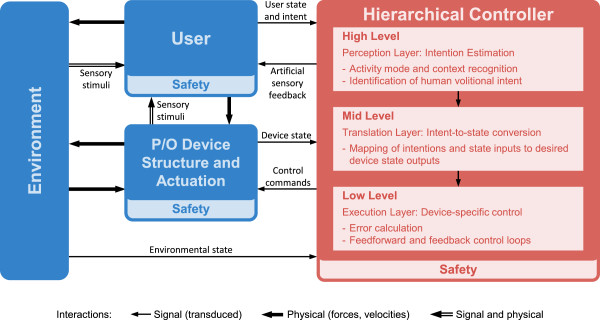
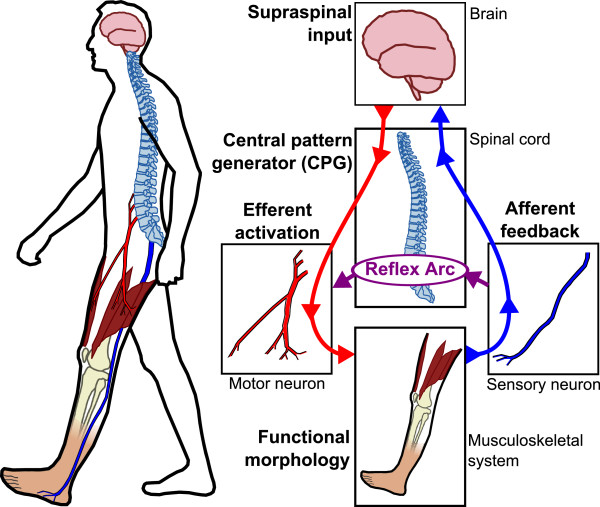
: Technological advancements have led to the development of numerous wearable robotic devices for the physical assistance and restoration of human locomotion. While many challenges remain with respect to the mechanical design of such devices, it is at least equally challenging and important to develop strategies to control them in concert with the intentions of the user.This work reviews the state-of-the-art techniques for controlling portable active lower limb prosthetic and orthotic (P/O) devices in the context of locomotive activities of daily living (ADL), and considers how these can be interfaced with the user's sensory-motor control system. This review underscores the practical challenges and opportunities associated with P/O control, which can be used to accelerate future developments in this field. Furthermore, this work provides a classification scheme for the comparison of the various control strategies.As a novel contribution, a general framework for the control of portable gait-assistance devices is proposed. This framework accounts for the physical and informatic interactions between the controller, the user, the environment, and the mechanical device itself. Such a treatment of P/Os--not as independent devices, but as actors within an ecosystem--is suggested to be necessary to structure the next generation of intelligent and multifunctional controllers.Each element of the proposed framework is discussed with respect to the role that it plays in the assistance of locomotion, along with how its states can be sensed as inputs to the controller. The reviewed controllers are shown to fit within different levels of a hierarchical scheme, which loosely resembles the structure and functionality of the nominal human central nervous system (CNS). Active and passive safety mechanisms are considered to be central aspects underlying all of P/O design and control, and are shown to be critical for regulatory approval of such devices for real-world use.The works discussed herein provide evidence that, while we are getting ever closer, significant challenges still exist for the development of controllers for portable powered P/O devices that can seamlessly integrate with the user's neuromusculoskeletal system and are practical for use in locomotive ADL.
Overview
The claims and statistics of this paper haven’t been checked yet.
Free: it reads the open-access text and checks the first 5 claims that cite a source we can check. Create a free account to check every claim.
Integrity signals
Registry
Cites
Statistics
Figures
Verification
Claims the paper makes
The claims and statistics of this paper haven’t been checked yet.
Free: it reads the open-access text and checks the first 5 claims that cite a source we can check. Create a free account to check every claim.
Claims other papers make about this one
Each is checked against this paper’s own text: does it say what the citing paper says it does?
The cited source says what the claim attributes to it.
In the citing paper
“Additional shortcomings include their limited environmental feedback, power supply, and failure to autonomously respond appropriately to external (possibly dangerous) stimuli.[24]”
From Flexible Electronics and Devices as Human–Machine Interfaces for Medical Robotics (2022) · cites this paper as [24]
The cited source says what the claim attributes to it.
In the citing paper
“Thus, the vast number of studies on different interface locations and various probing devices to record electrophysiological signals have established the foundation of user-communication with prosthetics.[24,286,287]”
From Flexible Electronics and Devices as Human–Machine Interfaces for Medical Robotics (2022) · cites this paper as [24]
Self-check
Percentages, sums and reported differences re-computed from the paper’s own numbers.
The self-check needs the paper’s full text.
Citations
Cites
Impedance Control: An Approach to Manipulation: Part I—Theory
Hogan, N. (1985) · Journal of Dynamic Systems, Measurement, and Control · doi:10.1115/1.3140702 · Cited by 3,673 · cited 1×
“Impedance is defined as the transfer function between an input flow and a n output effort [202].”
BackgroundFalls in older people: epidemiology, risk factors and strategies for prevention
Rubenstein, L. Z. (2006) · Age and Ageing · doi:10.1093/ageing/afl084 · Cited by 3,287 · cited 2×
“The risks are also not limited to physical harm, but may a lso include social, emotional, and psychological effects [38,39].”
BackgroundEstimating the Prevalence of Limb Loss in the United States: 2005 to 2050
Ziegler-Graham, K., MacKenzie, E. J., Ephraim, P. L., Travison, T. G., & Brookmeyer, R. (2008) · Archives of Physical Medicine and Rehabilitation · doi:10.1016/j.apmr.2007.11.005 · Cited by 2,816 · cited 1×
“stroke [6], spinal cord injury [7], Parkinson’s disease [8], and lower limb amputations [9]) can likewise be expected.”
Reach and grasp by people with tetraplegia using a neurally controlled robotic arm
Hochberg, L. R., Bacher, D., Jarosiewicz, B., Masse, N. Y., Simeral, J. D., Vogel, J., Haddadin, S., Liu, J., Cash, S. S., van der Smagt, P., et al. (2012) · Nature · doi:10.1038/nature11076 · Cited by 2,719 · cited 1×
“Intracortical electrode arrays have been successfully demonstrated to allow control of multi-degree-of-freedom reach and grasp movements with robotic arms in tetraplegic subjects [55,56],”
High-performance neuroprosthetic control by an individual with tetraplegia
Collinger, J. L., Wodlinger, B., Downey, J. E., Wang, W., Tyler-Kabara, E. C., Weber, D. J., McMorland, A. J., Velliste, M., Boninger, M. L., & Schwartz, A. B. (2013) · The Lancet · doi:10.1016/s0140-6736(12)61816-9 · Cited by 1,848 · cited 1×
“Intracortical electrode arrays have been successfully demonstrated to allow control of multi-degree-of-freedom reach and grasp movements with robotic arms in tetraplegic subjects [55,56],”
Incidence of Parkinson's Disease: Variation by Age, Gender, and Race/Ethnicity
Van Den Eeden, S. K. (2003) · American Journal of Epidemiology · doi:10.1093/aje/kwg068 · Cited by 1,747 · cited 1×
“stroke [6], spinal cord injury [7], Parkinson’s disease [8], and lower limb amputations [9]) can lik ew se be expected.”
BackgroundAugmented visual, auditory, haptic, and multimodal feedback in motor learning: A review
Sigrist, R., Rauter, G., Riener, R., & Wolf, P. (2013) · Psychonomic Bulletin & Review · doi:10.3758/s13423-012-0333-8 · Cited by 1,416 · cited 1×
“Auditory cues can vary in stereo balance, pitch, timbre and volume [89], and therefore may transmit rich information via speakers or headphones.”
Self-citationLower Extremity Exoskeletons and Active Orthoses: Challenges and State-of-the-Art
Dollar, A. M., & Herr, H. (2008) · IEEE Transactions on Robotics · doi:10.1109/tro.2008.915453 · Cited by 1,327 · cited 1×
“Several related review papers have been published in recent years that comprehensively establish the state-ofthe-art in portable and active lower limb prosthetics, orthotics and exoskeletons, mostly in terms of the design and hardware realization [10-15].”
Design and Evaluation of the LOPES Exoskeleton Robot for Interactive Gait Rehabilitation
Veneman, J. F., Kruidhof, R., Hekman, E. E. G., Ekkelenkamp, R., Van Asseldonk, E. H. F., & van der Kooij, H. (2007) · IEEE Transactions on Neural Systems and Rehabilitation Engineering · doi:10.1109/tnsre.2007.903919 · Cited by 1,280 · cited 2×
“This would exclude treadmill-based gait training orthoses such as the LOPES [19] and the Lokomat (Hocoma AG, Volketswil, Switzerland), which were among the classes of devices discussed in the review of Marchal-Crespo and Reinkensmeyer [20].”
Review of control strategies for robotic movement training after neurologic injury
Marchal-Crespo, L., & Reinkensmeyer, D. J. (2009) · Journal of NeuroEngineering and Rehabilitation · doi:10.1186/1743-0003-6-20 · Cited by 1,182
Research works printed but not linked: 9
- Donath M. Proportional EMG control for above-knee prosthesis, MIT. Department of Mechanical Engineering, Masters Thesis; 1974. http://hdl. handle.net/1721.1/13775.
- Zambarbieri D, Schmid M, Magnaghi M, Vermi G, Macellari V, Fadda A. Biofeedback techniques for rehabilitation of the lower-limb prosthetic subject. In: Proc. VII Medicon. Lemesos, Cyprus: MEDICON; 1998. p. 1-5.
- Kawamura J, Sueda O, Harada K, Nishihara K, Isobe S. Sensory feedback systems for the lower-limb prosthesis. J Osaka Rosai Hospital 1981;5: 104-12.
- Webb G. Providing real-time biofeedback for amputee gait retraining using labview. In: NI days worldwide graphical system design conference. London, UK: National Instruments; 2011.
- Grimes DL. An active multimode above knee prosthesis controller, PhD thesis, Massachusetts Institute of Technology. Dept. of Mechanical Engineering; 1979. http://hdl.handle.net/1721.1/15998.
- Gancet J, Ilzkovitz M, Cheron G, Ivanenko Y, van der Kooij H, van der Helm F, et al. MINDWALKER: A brain controlled lower limbs exoskeleton for rehabilitation. Potential applications to space In: Workshop EA, editor. 11th Symposium on advanced space technologies in robotics and automation. Noordwijk, NL: European Space Agency; 2011. p. 12-14.
- Goffer A. Enhanced safety of gait in powered exoskeletons. Dynamic walking conference abstract -available online. Argo Medical Technologies, ReWalk 2014. http://dynamicwalking.org/ocs/index.php/ dw2014/dw2014/paper/viewFile/17/10.
- Huang GT. Wearable robots. Technol Rev. 2004;1:70-3.
- Li YD, Hsiao-Wecksler ET. Gait mode recognition and control for a portable-powered ankle-foot orthosis. In: Rehabilitation robotics (ICORR), 2013 IEEE international conference on; 2013. p. 1-8. doi:10.1109/ICORR.2013.6650373. · DOI · Paper page
Cited by
Items 601–700 of 1,000
Palinko, O., Fredskild, T. U., Andersen, E. T., Heidtmann, C., Sorensen, A. R., Junge, R. P., Nielsen, N. H. T., Bodenhagen, L., & Krüger, N. (2021) · IEEE RO-MAN · doi:10.1109/ro-man50785.2021.9515531 · Cited by 9
“Prostheses can be passive or active [9], where the latter ones can be controlled by signals from the human body [10].”
BackgroundBalance Map Analysis for Visualization and Quantification of Balance in Human Walking
Kagawa, T., & Suzuki, R. (2021) · IEEE Transactions on Neural Systems and Rehabilitation Engineering · doi:10.1109/tnsre.2021.3120429 · Cited by 8
Recent Advances on Control of Active Lower Limb Prostheses
Hernández, I., & Yu, W. (2021) · IETE Technical Review · doi:10.1080/02564602.2021.1994477 · Cited by 8
“An intermediate control translates the user’s intention into the desired trajectories to close this control architecture [4,35].”
BackgroundInfluentialUsing Depth Vision for Terrain Detection during Active Locomotion
Aldabbagh, A. H. A., & Ronsse, R. (2021) · IEEE/RSJ International Conference on Intelligent Robots and Systems (IROS) · doi:10.1109/iros51168.2021.9636077 · Cited by 8
“The control of such devices should be adaptive to the task being executed (walking, taking stairs, etc.) and several researchers recently developed such adaptive algorithms, for instance by using finite state controllers [1].”
BackgroundStair and Ramp Recognition for Powered Lower Limb Exoskeletons
Struebig, K., Ganter, N., Freiberg, L., & Lueth, T. C. (2021) · IEEE International Conference on Robotics and Biomimetics (ROBIO) · doi:10.1109/robio54168.2021.9739447 · Cited by 8
“One of the main challenges in the development of such devices is the user’s ability to control the exoskeleton [2].”
BackgroundWang, X., Xiu, H., Zhang, Y., Liang, W., Chen, W., Wei, G., Ren, L., & Ren, L. (2022) · IEEE Robotics and Automation Letters · doi:10.1109/lra.2022.3193462 · Cited by 8
Liu, Y., An, H., Ma, H., & Wei, Q. (2023) · Applied Sciences · doi:10.3390/app13031893 · Cited by 8
Factors to consider in identifying critical points in lumbar spine flexion relaxation
Zwambag, D. P., & Brown, S. H. M. (2015) · Journal of Electromyography and Kinesiology · doi:10.1016/j.jelekin.2015.10.017 · Cited by 8
Cai, V. A. D., Ibanez, A., Granata, C., Nguyen, V. T., & Nguyen, M. T. (2016) · Meccanica · doi:10.1007/s11012-016-0575-z · Cited by 8
“The notion of transparency can be extended to orthosis and exoskeleton devices [44].”
BackgroundFilosa, M., Cesini, I., Martini, E., Spigler, G., Vitiello, N., Oddo, C. M., & Crea, S. (2018) · Biosystems & biorobotics · doi:10.1007/978-3-030-01887-0_21 · Cited by 7
Fylstra, B. L., Dai, C., Hu, X., & Huang, H. (2018) · Annual International Conference of the IEEE Engineering in Medicine and Biology Society (EMBC) · doi:10.1109/embc.2018.8513661 · Cited by 8
Shi, S., Leineweber, M. J., & Andrysek, J. (2019) · Journal of vibration and acoustics · doi:10.1115/1.4043610 · Cited by 9
Videogames as a Therapeutic Tool in the Context of Narrative Therapy
Franco, G. E. (2016) · Frontiers in Psychology · doi:10.3389/fpsyg.2016.01657 · Cited by 8
Parallel Computing for Brain Simulation
Pastur-Romay, L. A., Porto-Pazos, A. B., Cedrón, F., & Pazos, A. (2016) · Current Topics in Medicinal Chemistry · doi:10.2174/1568026617666161104105725 · Cited by 14
“In this review we do not discuss projects with this motivation because aim to create only partial models with specific functions of the brain: BMI [68-70] and Neuro-prosthetics [71-74].”
BackgroundShin, H., Park, J., Lee, H., Jung, S., Jeon, M., & Park, S.-H. (2023) · Actuators · doi:10.3390/act12030118 · Cited by 7
Lv, Y., Zhang, W., Zhang, X., & Xu, J. (2024) · IEEE Transactions on Neural Systems and Rehabilitation Engineering · doi:10.1109/tnsre.2024.3435931 · Cited by 7
“A powered knee prosthesis can solve these problems by driving prosthetic joints with motors instead [3].”
BackgroundELSA: A Foot-Size Powered Prosthesis Reproducing Ankle Dynamics During Various Locomotion Tasks
Heremans, F., Evrard, J., Langlois, D., & Ronsse, R. (2024) · IEEE Transactions on Robotics · doi:10.1109/tro.2024.3508314 · Cited by 7
Multi-Class Classification of Human Activity and Gait Events Using Heterogeneous Sensors
Javed, T., Raza, A., Maqbool, H. F., Zafar, S., Taborri, J., & Rossi, S. (2024) · Journal of Sensor and Actuator Networks · doi:10.3390/jsan13060085 · Cited by 9
Hasan, S., & Alam, N. (2025) · Robotics · doi:10.3390/robotics14100146 · Cited by 13
“Sliding Mode Control (SMC) is a discontinuous, nonlinear control technique that ensures system trajectories reach and remain on a designed sliding manifold, achieving desired performance despite bounded uncertainties [3].”
Abarca, V. E., & Elías, D. A. (2024) · Inventions · doi:10.3390/inventions9040071 · Cited by 7
“…of mechatronic lower limb prostheses has significantly improved aspects such as walking energy efficiency [17], mobility [14], independence [18], workplace productivity due to fewer absence days, as well as better balance and stability [19], increased safety and confidence [20], and…”
Transitional Locomotor Tasks in People With Mild to Moderate Parkinson's Disease
Kamieniarz, A., Michalska, J., Marszałek, W., Akbaş, A., Słomka, K. J., Krzak-Kubica, A., Rudzińska, M., & Juras, G. (2020) · Frontiers in Neurology · doi:10.3389/fneur.2020.00405 · Cited by 7
Multi-Directional Ankle Impedance During Standing Postures
Ribeiro, G. A., Knop, L. N., & Rastgaar, M. (2020) · IEEE Transactions on Neural Systems and Rehabilitation Engineering · doi:10.1109/tnsre.2020.3018650 · Cited by 7
“is essential for clinical applications, detection of neuromuscular pathologies, stroke rehabilitation, and improvements to effective prosthetic and orthotic devices [3], [4].”
BackgroundDevelopment and Preliminary Evaluation of a Lower Body Exosuit to Support Ankle Dorsiflexion
Schubert, T., Wollesen, B., & Weidner, R. (2021) · Applied Sciences · doi:10.3390/app11115007 · Cited by 8
Brain–Computer Interface for Controlling Lower-Limb Exoskeletons
Pino, A., Tovar, N., Barría, P., Baleta, K., Múnera, M., & Cifuentes, C. A. (2021) · Springer eBooks · doi:10.1007/978-3-030-79630-3_9 · Cited by 8
Prediction of EMG Activation Profiles from Gait Kinematics and Kinetics During Multiple Terrains
Zabre-Gonzalez, E. V., Amieva-Alvarado, D., & Beardsley, S. A. (2021) · e-Publications@Marquette (Marquette University) · Cited by 7
RoboWalk Trajectory Planning Based on the Human Gait Prediction Using LSTM
Moosavian, S. A. A., Kiani, A., Akbari, V., Nabipour, M., & Ghanaat, S. (2021) · RSI International Conference on Robotics and Mechatronics (ICRoM) · doi:10.1109/icrom54204.2021.9663524 · Cited by 9
Prasad, R., Khalaf, K. A., Awad, M. I., Hussian, I., Jelinek, H. F., Huzaifa, U., & Rich, M. E. (2022) · International Conference on Biomedical Engineering and Technology (ICBET) · doi:10.1145/3535694.3535716 · Cited by 7
“Based on the 2-link model, a three-layer control algorithm was implemented to track the desired trajectory during motion, similar to the generalized control framework for the orthosis (impedance control) in [4], [14], [15].”
MethodMachine-learned Adaptive Switching in Voluntary Lower-limb Exoskeleton Control: Preliminary Results
Faridi, P., Mehr, J. K., Wilson, D., Sharifi, M., Tavakoli, M., Pilarski, P. M., & Mushahwar, V. K. (2022) · International Conference on Rehabilitation Robotics · doi:10.1109/icorr55369.2022.9896611 · Cited by 7
“Generally, there are three main areas of focus for designing control strategies for exoskeletons: high-level, mid-level and low-level control [4], [5].”
BackgroundRecent advances in wearable actuated ankle-foot orthoses: Medical effects, design, and control
Zhou, Y. (2022) · Proceedings of the Institution of Mechanical Engineers Part H Journal of Engineering in Medicine · doi:10.1177/09544119221142335 · Cited by 9
“Tucker et al.120 proposed a generalised control framework for orthoses and prosthesis.”
BackgroundVision-Based Recognition of Human Motion Intent during Staircase Approaching
Islam, M. R., Haque, M. R., Imtiaz, M. H., Shen, X., & Sazonov, E. E. (2023) · Sensors · doi:10.3390/s23115355 · Cited by 7
“Lower-limb prostheses and assistive devices use different actuator control algorithms in different walking conditions, such as walking, running, stair climbing, and so on, to provide the most convenience to the user [16,17].”
BackgroundKolaghassi, R., Marcelli, G., & Sirlantzis, K. (2023) · Sensors · doi:10.3390/s23125687 · Cited by 9
“Exoskeletons have varying control strategies [4] and are broadly categorised into weight-bearing devices that transfer the load to the ground and joint-targeting devices that deliver targeted assistance to specific joints [1].”
BackgroundLee, J. M., Gebrekristos, T., Santis, D. D., Javaremi, M. N., Gopinath, D., Parikh, B., Mussa-Ivaldi, F. A., & Argall, B. (2023) · International Conference on Rehabilitation Robotics · doi:10.1109/icorr58425.2023.10304745 · Cited by 7
“Our analysis of the role of control space mappings in learning high-dimensional BoMI and high-DoF robot control has provided evidence that these mappings lead to different learning profiles (Figures 2, 3, and 4).”
BackgroundAssistive locomotion strategies for active lower limb devices
Figueiredo, J., Moreno, J. C., & Santos, C. P. (2017) · IEEE Portuguese Meeting on Bioengineering · doi:10.1109/enbeng.2017.7889473 · Cited by 7
Do not Move! Entropy Driven Detection of Intentional Non-control During Online SMR-BCI Operations
Tonin, L., Cimolato, A., & Menegatti, E. (2016) · Biosystems & biorobotics · doi:10.1007/978-3-319-46669-9_160 · Cited by 7
Dual mode pressure sensing for prosthetic interfaces
Rossi, M., Nardello, M., Lorenzelli, L., & Brunelli, D. (2017) · International Workshop on Advances in Sensors and Interfaces (IWASI) · doi:10.1109/iwasi.2017.7974229 · Cited by 7
“[13]), force distribution and its magnitude is one of the most important parameter to track duri~g the execution of different tasks (e.”
BackgroundNew insight into functional limb regeneration: A to Z approaches
Taghiyar, L., Hosseini, S., Safari, F., Bagheri, F., Fani, N., Stoddart, M. J., Alini, M., & Eslaminejad, M. B. (2018) · Journal of Tissue Engineering and Regenerative Medicine · doi:10.1002/term.2727 · Cited by 10
“Impaired finger movements remain a critical drawback for those with artificial limbs (Tucker et al., 2015).”
BackgroundA New Modeling Method to Characterize the Stance Control Function of Prosthetic Knee Joints
Andrysek, J., Tomasi, J. N., Leineweber, M. J., & Eshraghi, A. (2018) · IEEE Transactions on Biomedical Engineering · doi:10.1109/tbme.2018.2869985 · Cited by 7
Predictive Modeling of Periodic Behavior for Human-Robot Symbiotic Walking
Clark, G., Campbell, J., Sorkhabadi, S. M. R., Zhang, W., & Amor, H. B. (2020) · Proceedings - IEEE International Conference on Robotics and Automation/Proceedings · doi:10.1109/icra40945.2020.9196676 · Cited by 7
“Early work on control involving prosthetics and exoskeletons has primarily focused on the control aspects of the human robot system [10].”
BackgroundHuang, Y., Ma, H., He, Q., Lang, L., & An, H. (2022) · Transactions of the Institute of Measurement and Control · doi:10.1177/01423312221088848 · Cited by 7
Human-Centered Design Trade-Offs for Semi-Powered Knee Prostheses: A Review
Berettoni, A., Driessen, J. J. M., Puliti, M., Barresi, G., Benedictis, C. D., Ferraresi, C., & Laffranchi, M. (2025) · IEEE Transactions on Medical Robotics and Bionics · doi:10.1109/tmrb.2025.3550655 · Cited by 9
“Moreover, numerous other studies have already extensively addressed control strategies [30], [31], [32], [33].”
Mobarak, R., Mengarelli, A., Khushaba, R. N., Al-Timemy, A. H., Verdini, F., Fioretti, S., Burattini, L., & Tigrini, A. (2025) · IEEE Transactions on Neural Systems and Rehabilitation Engineering · doi:10.1109/tnsre.2025.3604618 · Cited by 8
“However, passive and semi-passive systems often limit gait symmetry and increase user energy expenditure [3], underscoring the need for active, intention-driven solutions [4], [5].”
Hazra, S., Whitaker, S., & Shiakolas, P. S. (2023) · Journal of Engineering and Science in Medical Diagnostics and Therapy · doi:10.1115/1.4062341 · Cited by 6
Current Concepts in Lower Extremity Amputation: A Primer for Plastic Surgeons
Hanwright, P. J., Suresh, V., Shores, J. T., Souza, J. M., & TUFFAHA, S. H. (2023) · Plastic & Reconstructive Surgery · doi:10.1097/prs.0000000000010664 · Cited by 7
Hip Exoskeleton for Cycling Assistance
Grimmer, M., & Zhao, G. (2024) · Bioengineering · doi:10.3390/bioengineering11070683 · Cited by 7
“Various design and control concepts have been explored for exoskeletons to assist users in diverse terrains [10–12].”
BackgroundZhang, Q., Zanotto, D., Sharifi, M., Kim, M., & Li, Z. (2024) · Springer eBooks · doi:10.1007/978-3-031-66656-8_4 · Cited by 8
Development and preliminary testing of a flexible control system for powered knee-ankle prostheses
Simon, A. M., Ingraham, K. A., Spanias, J. A., Young, A. J., & Hargrove, L. J. (2016) · IEEE/RAS-EMBS International Conference on Biomedical Robotics and Biomechatronics (BioRob) · doi:10.1109/biorob.2016.7523709 · Cited by 6
Portable embedded systems for prosthetic interface stress mapping of lower limbs amputees
Rossi, M., Andrea, R., Lorenzelli, L., & Brunelli, D. (2016) · Proceedings of IEEE Sensors/Proceedings of IEEE Sensors ... · doi:10.1109/icsens.2016.7808542 · Cited by 6
“[6]), force distribution and its magnitude is one of the most important parameter to track during the execution of different tasks, to understand and map the stress between the residual limb and the socket that is used to fit the prosthesis firmly and correctly.”
BackgroundFeasibility of a Wearable Cold-Gas Thruster for Fall Prevention
Baimyshev, A., Finn-Henry, M., & Goldfarb, M. T. (2022) · Journal of Dynamic Systems Measurement and Control · doi:10.1115/1.4054529 · Cited by 6
Scale Force Control of an Exoskeleton for Human Performance Augmentation
Lang, L., Xiao, J., Sun, Y., Lu, H., Zhou, Z., & Yang, C. (2022) · Journal of Intelligent & Robotic Systems · doi:10.1007/s10846-022-01611-6 · Cited by 6
“Non-medical exoskeletons are wearable devices that augment the physical capabilities of able-bodied users [1].”
Arcos-Legarda, J., Torres, D., Velez, F., Rodríguez, H., Parra, A., & Gutiérrez, Á. (2023) · Applied Sciences · doi:10.3390/app13020839 · Cited by 7
Novel Feature Extraction and Locomotion Mode Classification Using Intelligent Lower-Limb Prosthesis
Liu, Y., An, H., Ma, H., & Wei, Q. (2023) · Machines · doi:10.3390/machines11020235 · Cited by 6
Prasanna, C., Realmuto, J. D., Anderson, A., Rombokas, E., & Klute, G. K. (2023) · IEEE Transactions on Neural Systems and Rehabilitation Engineering · doi:10.1109/tnsre.2023.3322124 · Cited by 6
“One of the most popular PAFP control approach is to use a finite-state machine (FSM) [21].”
BackgroundMethodInfluentialMobarak, R., Mengarelli, A., Verdini, F., Fioretti, S., Burattini, L., & Tigrini, A. (2024) · Al-Khwarizmi Engineering Journal · doi:10.22153/kej.2024.05.002 · Cited by 6
“Therefore, literature underlined the necessity for improving user-driven control strategies in lower limb prostheses, to allow amputees to regain their natural locomotion abilities [1], [3], [6], [7].”
BackgroundPosture interacts with arm weight support to modulate corticomotor excitability to the upper limb
Runnalls, K. D., Anson, J. G., & Byblow, W. D. (2016) · Experimental Brain Research · doi:10.1007/s00221-016-4775-5 · Cited by 6
Dey, S., Yoshida, T., & Schilling, A. F. (2020) · Frontiers in Bioengineering and Biotechnology · doi:10.3389/fbioe.2020.00855 · Cited by 11
“A finer division of the gait cycle as well as an increase in the number of locomotion modes or states to be controlled result in an exponential increase in the number of parameters to be tuned as well as look-up tables to be maintained (Lawson et al., 2013; Tucker et al., 2015).”
BackgroundProspect of data science and artificial intelligence for patient-specific neuroprostheses
Buz-Yalug, B., Arslan, D. B., & Öztürk-Işık, E. (2021) · Elsevier eBooks · doi:10.1016/b978-0-12-822828-9.00005-8 · Cited by 10
Mahmood, I., Rahman, M. Z. U., & Dehghani-Sanij, A. A. (2022) · Biomedical Signal Processing and Control · doi:10.1016/j.bspc.2022.104163 · Cited by 5
SnoezelenCAVE: Virtual Reality CAVE Snoezelen Framework for Autism Spectrum Disorders
Perhakaran, G., Yusof, A. M., Rusli, M. E., Yusoff, M. Z. M., Mahidin, E. M. M., Mahalil, I., & Zainudin, A. R. R. (2015) · Lecture notes in computer science · doi:10.1007/978-3-319-25939-0_39 · Cited by 7
User Intent Identification in a Lower-Extremity Exoskeleton via the Mahalanobis Distance
Higgins, T. M., Schmiedeler, J. P., & Wensing, P. M. (2020) · IEEE/RAS-EMBS International Conference on Biomedical Robotics and Biomechatronics (BioRob) · doi:10.1109/biorob49111.2020.9224299 · Cited by 6
“Instead of explicitly identifying user intentions, many exoskeletons tightly couple human intent with the control law [5], [6].”
BackgroundPoliakov, A., Gadkov, P., Kolesova, M., Lazarev, V. B., Bugayov, P. A., & Shtanko, P. (2015) · Biomedical Engineering International Conference · doi:10.1109/bmeicon.2015.7399555 · Cited by 6
“A modem generalized controller of transfemoral prosthesis as a rule has a three-level hierarchical architecture, similar to the architecture of a central nervous system (CNS) [4].”
BackgroundEcho State Networks as Novel Approach for Low-Cost Myoelectric Control
Prahm, C., Schulz, A., Paaßen, B., Aszmann, O. C., Hammer, B., & Dorffner, G. (2017) · Lecture notes in computer science · doi:10.1007/978-3-319-59758-4_40 · Cited by 7
Gallina, A., Gazzoni, M., Falla, D., & Merletti, R. (2016) · Wiley eBooks · doi:10.1002/9781119082934.ch18 · Cited by 9
Assisting walking balance using a bio-inspired exoskeleton controllerPreprint
Afschrift, M., van Asseldonk, E. H. F., van Mierlo, M., Bayón, C., Keemink, A. Q. L., van der Kooij, H., & Groote, F. D. (2022) · bioRxiv (Cold Spring Harbor Laboratory) · doi:10.1101/2022.10.19.512851 · Cited by 6
A Swing-Assist Controller for Enhancing Knee Flexion in a Semi-Powered Transfemoral Prosthesis
Marsh, D. M., Puliti, M., & Goldfarb, M. T. (2024) · IEEE Transactions on Neural Systems and Rehabilitation Engineering · doi:10.1109/tnsre.2024.3495517 · Cited by 6
“The control input modifies the prosthesis dynamics with supplemental power, but otherwise leaves the exogenous input (from thigh acceleration) unaffected. an indirect function of user movement, as partially enumerated in [9].”
Locomotion mode prediction in real-life walking with and without ankle–foot exoskeleton assistance
Carvalho, S. P., Figueiredo, J., Cerqueira, J., & Santos, C. P. (2025) · Applied Intelligence · doi:10.1007/s10489-025-06416-2 · Cited by 9
“For these robotic devices to be effective, they must combine two key abilities: (i) accurately and timely decoding LMs [4]; (ii) automatically adjusting the devices’ control parameters to provide adaptable gait assistance based on the decoded LM [6, 7].”
Golshan, F., Baddour, N., Gholizadeh, H., & Lemaire, E. D. (2023) · Journal of NeuroEngineering and Rehabilitation · doi:10.1186/s12984-023-01273-x · Cited by 6
“With the evolution of hip prosthetic actuation, the need for a robust and reliable control mechanism has become essential [12].”
BackgroundShi, Q., Lin, Y., Nie, K., Zhao, X., Bai, X.-X. ‘., Wu, X., Liao, W., & Gao, F. (2025) · Smart Materials and Structures · doi:10.1088/1361-665x/adda9f · Cited by 5
The recent trends and inspections about powered exoskeletons
Mukherjee, B., Dey, S. K., & Pradhan, B. B. (2018) · IOP Conference Series Materials Science and Engineering · doi:10.1088/1757-899x/377/1/012222 · Cited by 5
Kouwijzer, I., Valent, L., Post, M. W. M., Wilders, L. M., Grootoonk, A., HandbikeBattle Group, van der Woude, L. H. V., & de Groot, S. (2020) · American Journal of Physical Medicine & Rehabilitation · doi:10.1097/phm.0000000000001658 · Cited by 6
Simulation studies on hybrid neuroprosthesis control strategies for gait at low speeds
de Sousa, A. C. C., & Bó, A. P. L. (2021) · Biomedical Signal Processing and Control · doi:10.1016/j.bspc.2021.102970 · Cited by 5
Vision for Prosthesis Control Using Unsupervised Labeling of Training Data
Rai, V., Boe, D. A., & Rombokas, E. (2021) · IEEE-RAS International Conference on Humanoid Robots (Humanoids) · doi:10.1109/humanoids47582.2021.9555789 · Cited by 7
Fosch‐Villaronga, E., Drukarch, H., & Giraudo, M. (2023) · Routledge eBooks · doi:10.1201/9781003325086-10 · Cited by 5
Real-time Gait Phase Estimation Based on Multi-source Flexible Sensors Fusion
Zhao, X., Liu, R., Ma, T., Li, H., & Song, Q. (2023) · International Conference on Robotics and Control Engineering (RobCE) · doi:10.1145/3598151.3598223 · Cited by 5
Structural equation modeling of female gait attractiveness using gait kinematics
Tanabe, H., & Yamamoto, K. (2023) · Scientific Reports · doi:10.1038/s41598-023-45130-2 · Cited by 6
A Locomotion Mode Recognition Algorithm Using Adaptive Dynamic Movement Primitives
Eken, H., Lanotte, F., Papapicco, V., Penna, M. F., Gruppioni, E., Trigili, E., Crea, S., & Vitiello, N. (2023) · IEEE Transactions on Neural Systems and Rehabilitation Engineering · doi:10.1109/tnsre.2023.3327751 · Cited by 8
“As different locomotion activities of daily life require distinct joint patterns, the cognitive human-robot interface (cHRI) of robotic prostheses should be able to decode the users’ intent to start, stop, or change locomotion; and select the suitable control strategy, accordingly [1].”
BackgroundPenna, M. F., Trigili, E., Amato, L., Eken, H., Dell’Agnello, F., Lanotte, F., Gruppioni, E., Vitiello, N., & Crea, S. (2023) · International Conference on Rehabilitation Robotics · doi:10.1109/icorr58425.2023.10304723 · Cited by 5
“To pursue this objective, the controllers of the exoskeleton typically implement so-called intention decoding (ID) algorithms [1], which can rely on a variety of input signals, e.g., biosignals, kinematic and/or kinetic measurements, to identify and predict in real-time the user’s desired action…”
BackgroundLegal Frame of Non-social Personal Care Robots
Fosch‐Villaronga, E. (2017) · Mechanisms and machine science · doi:10.1007/978-3-319-59972-4_17 · Cited by 8
A Fuzzy sequential locomotion mode recognition system for lower limb prosthesis control
Shahmoradi, S., & Shouraki, S. B. (2017) · Iranian Conference on Electrical Engineering · doi:10.1109/iraniancee.2017.7985417 · Cited by 5
“which is known as the high level controller [5], seems essential.”
BackgroundAn Impedance Control of Human Ankle Joint Using Functional Electrical Stimulation
Kim, J., & Kim, J. (2018) · IEEE/RAS-EMBS International Conference on Biomedical Robotics and Biomechatronics (BioRob) · doi:10.1109/biorob.2018.8487225 · Cited by 5
“Hence, those findings motivate for future assistive technologies, such as active prosthesis and orthosis for patients with motor function impaired or lost [13]-[15].”
BackgroundIMU-Based Knee Angle Estimation using an Extended Kalman Filter
Hidalgo, A. F., Lora-Millán, J. S., & Rocón, E. (2019) · Annual International Conference of the IEEE Engineering in Medicine and Biology Society (EMBC) · doi:10.1109/embc.2019.8857614 · Cited by 6
“INTRODUCTION The motion control of lower limb rehabilitation robots require from reference trajectories to guide the movement of the subjects joints in coordination with the user, as well as devices to measure the controlled variables [1].”
BackgroundNovel Design of an Active Transfemoral Prosthesis with Intellectual-Synergetic Control System
Poliakov, A., Ryzhkov, A. I., Kolesova, M., Shtanko, P., Sopin, P., & Bugayov, P. A. (2020) · International Conference on Electrical, Communication, and Computer Engineering (ICECCE) · doi:10.1109/icecce49384.2020.9179189 · Cited by 5
“To solve this problem, the IS of the ATP prototype uses algorithms based on Hidden Marcov Models [24,25].”
MethodEvent-triggered sliding mode controller design for lower limb exoskeleton
Liu, J., Wang, J., & Zhang, G. (2020) · Chinese Control Conference (CCC) · doi:10.23919/ccc50068.2020.9189571 · Cited by 6
Sheng, W., Zha, F., Guo, W. P., Qiu, S., Sun, L., & Jia, W. (2020) · IEEE Transactions on Neural Systems and Rehabilitation Engineering · doi:10.1109/tnsre.2020.3032703 · Cited by 5
Gait Speed Modulations Are Proportional to Grades of Virtual Visual Slopes—A Virtual Reality Study
Benady, A., Zadik, S., Zeilig, G., Gilaie‐Dotan, S., & Plotnik, M. (2021) · Frontiers in Neurology · doi:10.3389/fneur.2021.615242 · Cited by 5
Fundamentals for the Design of Lower-Limb Exoskeletons
Ballén-Moreno, F., Gomez-Vargas, D., Langlois, K. P., Veneman, J. F., Cifuentes, C. A., & Múnera, M. (2021) · Springer eBooks · doi:10.1007/978-3-030-79630-3_3 · Cited by 6
Jung, P.-G., Huo, W., Moon, H., Amirat, Y., & Mohammed, S. (2021) · Proceedings - IEEE International Conference on Robotics and Automation/Proceedings · doi:10.1109/icra48506.2021.9561497 · Cited by 5
“Finite state machine has been proven as an efficient way to optimize the assistive effect of lower-limb wearable devices according to wearer’s gait phases [11].”
BackgroundPrediction of EMG Activation Profiles from Gait Kinematics and Kinetics during Multiple Terrains
Zabre-Gonzalez, E. V., Amieva-Alvarado, D., & Beardsley, S. A. (2021) · Annual International Conference of the IEEE Engineering in Medicine and Biology Society (EMBC) · doi:10.1109/embc46164.2021.9630067 · Cited by 5
“However, discrete control has limited modes and often does not deal with transitions between terrains [7].”
BackgroundNaseri, A., Liu, M., Lee, I., Liu, W., & Huang, H. (2022) · IEEE Robotics and Automation Letters · doi:10.1109/lra.2022.3186503 · Cited by 8
“Although human-machine systems may provide convenience and enhance the quality of life of humans, these human-machine interfaces are prone to internal faults that may generate unusual robot actions [8] and bring hazardous consequences [9].”
BackgroundReview and Analysis of Platform-Related Performance of Rehabilitation Lower Limb Exoskeletons
Karami, H., Maludrottu, S., Vassallo, C., Laffranchi, M., & Michieli, L. D. (2023) · Actuators · doi:10.3390/act12110406 · Cited by 5
Prosthetic leg control in the nullspace of human interaction
Gregg, R. D., & Martin, A. E. (2016) · Proceedings of the ... American Control Conference/Proceedings of the American Control Conference · doi:10.1109/acc.2016.7526115 · Cited by 5
“In the traditional paradigm of impedance control [1]–[3], stiffness and viscosity gains for different phases of the gait cycle are tuned with implicit consideration of the interaction forces typically encountered in those phases, e.”
BackgroundMultimodal Control System of Active Lower Limb Exoskeleton with Feedback
Минеев, С. А. (2017) · Springer eBooks · doi:10.1007/978-3-319-62870-7_1 · Cited by 5
“Biofeedback is crucial for controlling human movement during walking [1].”
BackgroundHaptic Alternatives for Mobile Device Authentication by Older Technology Users
Kaur, K., & Cook, D. M. (2018) · Advances in intelligent systems and computing · doi:10.1007/978-3-319-93692-5_24 · Cited by 8
Evaluation of a Visual Localization System for Environment Awareness in Assistive Devices
Rai, V., & Rombokas, E. (2018) · Annual International Conference of the IEEE Engineering in Medicine and Biology Society (EMBC) · doi:10.1109/embc.2018.8513442 · Cited by 5
“[10] refer to methods involving Mechanical or EMG sensors as implicit environment sensing, because the controller builds an understanding of the environment by measuring user and device state.”
MethodA Novel Joint Torque Estimation Method and Sensory System for Assistive Lower Limb Exoskeletons
Saccares, L., Sarakoglou, I., & Tsagarakis, N. G. (2018) · IEEE/RSJ International Conference on Intelligent Robots and Systems (IROS) · doi:10.1109/iros.2018.8594250 · Cited by 5
“Moreover, especially in outdoor tasks, control strategies for exoskeletons, to be effective, must rely on sensing systems that have to provide all the necessary information while being portable, compact, reliable and ergonomic [1].”
BackgroundComparison of Particle Filter to Established Filtering Methods in Electromyography Biofeedback
Lyu, M., Lambelet, C., Woolley, D. G., Zhang, X., Chen, W., Ding, X., Gassert, R., & Wenderoth, N. (2020) · Biomedical Signal Processing and Control · doi:10.1016/j.bspc.2020.101949 · Cited by 5
Self-citationXu, D., Yang, Y., Yang, R., & Wang, Q. (2020) · IEEE Transactions on Automation Science and Engineering · doi:10.1109/tase.2020.3015930 · Cited by 5
Assistance and rehabilitation of gait disorders using active lower limb orthoses
Figueiredo, J., Santos, C. P., & Moreno, J. C. (2015) · IEEE Portuguese Meeting on Bioengineering · doi:10.1109/enbeng.2015.7088837 · Cited by 5
“This device includes the physical structure, actuators, embedded sensors, control system, energy storage, and power amplifiers [16].”
BackgroundMethodInfluentialPapcke, C., Krueger, E., Olandoski, M., Neto, G. N. N., Nohama, P., & Scheeren, E. M. (2018) · Artificial Organs · doi:10.1111/aor.13083 · Cited by 7
Pan, P., Hu, B., Feng, Y., Song, X., Zhang, Z., Cui, Z., & Tan, J. (2025) · International Journal of Production Research · doi:10.1080/00207543.2025.2588646 · Cited by 6
“This transition represents a progression from machine-driven limb movement to robot-assisted voluntary movement (Tucker et al.2015).”
Ye, Q., Yang, X., Zhao, R., Ji, Y., Cai, X., Zheng, Q. S., & Fan, Y. (2025) · IEEE Reviews in Biomedical Engineering · doi:10.1109/rbme.2025.3646165 · Cited by 5
“This fragmented focus has led most reviews to classify methods only by their general technical dimension—such as rule-based, model-based, or data-driven approaches [25], [26], [27], [28].”
Metadata
- Authors
- Tucker, M. R., Olivier, J., Pagel, A., Bleuler, H., Bouri, M., Lambercy, O., Millán, J. D. R., Riener, R., Vallery, H., & Gassert, R.
- Affiliations
- ETH Zurich (CH)
- École Polytechnique Fédérale de Lausanne (CH)
- University of Zurich (CH)
- Corresponding author
- Tucker, Michael R
- ORCID
- Venue
- Journal of NeuroEngineering and Rehabilitation
- Published
- 2015
- Volume
- 12
- Issue
- 1
- Pages
- 1
- ISSN
- 1743-0003 (ISSN-L)
- PMC
- PMC4326520
- OpenAlex
- W2142114107
- Semantic Scholar
- 7fe25a0498cd3ccd98db0d8da50730c68d174d68
- Cited by
- 1,047
- References
- 232
- Citations by year
- 2026: 42 · 2025: 69 · 2024: 72 · 2023: 119 · 2022: 102 · 2021: 161 · 2020: 116 · 2019: 108 · 2018: 92 · 2017: 85 · 2016: 61 · 2015: 20
- FWCI
- 6.63
- Type
- journal article
- Language
- en
- Open access
- gold
- doi.org
- Licence
- cc-by
- Locations
- Journal of NeuroEngineering and Rehabilitation (publishedVersion, cc-by)
- Europe PMC (PubMed Central) (publishedVersion, cc-by)
- PubMed Central (publishedVersion, cc-by)
- PubMed (publishedVersion)
- Zurich Open Repository and Archive (University of Zurich) (acceptedVersion, cc-by)
- Repository for Publications and Research Data (ETH Zurich) (submittedVersion, cc-by)
- Infoscience (Ecole Polytechnique Fédérale de Lausanne) (submittedVersion)
- Infoscience (Ecole Polytechnique Fédérale de Lausanne) (submittedVersion, cc-by-nc-nd)
- Research Repository (Delft University of Technology) (submittedVersion, cc-by)
- Zurich Open Repository and Archive (University of Zurich) (submittedVersion, cc-by)
- Data Archiving and Networked Services (DANS) (submittedVersion, other-oa)
- ETH Zürich Research Collection (cc-by)
- Zurich Open Repository and Archive (University of Zurich)
- Funders
- National Science Foundation
- Schweizerischer Nationalfonds zur Förderung der Wissenschaftlichen Forschung
- Topics
- Physical Sciences › Engineering › Biomedical Engineering › Prosthetics and Rehabilitation Robotics
- Physical Sciences › Engineering › Biomedical Engineering › Muscle activation and electromyography studies
- Physical Sciences › Engineering › Control and Systems Engineering › Robotic Locomotion and Control
- Keywords
- orthoses, wearable robotic devices, gait assistance, control strategy, activities of daily living, sensorimotor control, hierarchical control architecture, safety mechanisms, regulatory approval
- MeSH terms
- Activities of Daily Living, Electromyography, Gait, Humans, Locomotion, Orthotic Devices, Prosthesis Design, Prostheses and Implants, Lower Extremity
About these checks
Registry, retraction, Cites and statistics results are computed, not judged, with one exception: a printed reference that no index lists is read once by a model before it counts as a citation error. Claims are extracted by a model and kept only when their quote appears verbatim in the text; each cited source is then checked, with a model’s help, for whether it says what the claim relies on. Those verdicts can be wrong — read the claim’s quote and the cited source before relying on one.
Statistics and arithmetic are recomputed, not judged.
Confidence bands are shown only for fields calibrated on our annotated test set. None is calibrated yet, so no band is shown.
What counts as a claim ›How we measure confidence ›How we check this ›
Are you an author, or do you see a problem with this page? Request a review
Data sources
Bibliographic data: Semantic Scholar, OpenAlex, Crossref.
Contains information from the Semantic Scholar Academic Graph Datasets, made available under the ODC Attribution License (ODC-BY 1.0).
Semantic Scholar’s data is described in: Kinney, R., et al. (2023). The Semantic Scholar Open Data Platform. arXiv:2301.10140.
