

Control strategies for active lower extremity prosthetics and orthotics: a review
Open accessThe DOI matches its Crossref record; 235 of the 235 references it cites were found in a registry or an index.
Abstract
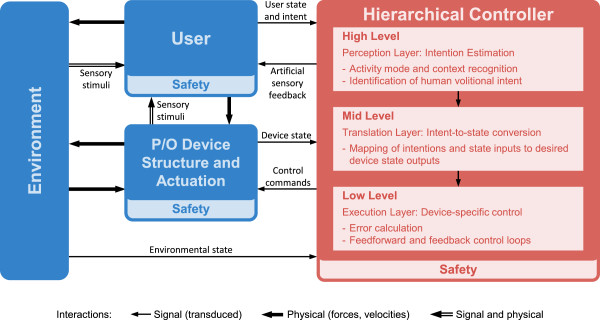
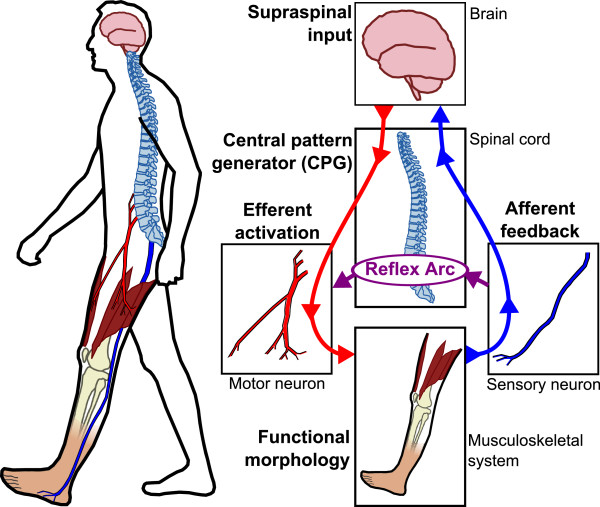
: Technological advancements have led to the development of numerous wearable robotic devices for the physical assistance and restoration of human locomotion. While many challenges remain with respect to the mechanical design of such devices, it is at least equally challenging and important to develop strategies to control them in concert with the intentions of the user.This work reviews the state-of-the-art techniques for controlling portable active lower limb prosthetic and orthotic (P/O) devices in the context of locomotive activities of daily living (ADL), and considers how these can be interfaced with the user's sensory-motor control system. This review underscores the practical challenges and opportunities associated with P/O control, which can be used to accelerate future developments in this field. Furthermore, this work provides a classification scheme for the comparison of the various control strategies.As a novel contribution, a general framework for the control of portable gait-assistance devices is proposed. This framework accounts for the physical and informatic interactions between the controller, the user, the environment, and the mechanical device itself. Such a treatment of P/Os--not as independent devices, but as actors within an ecosystem--is suggested to be necessary to structure the next generation of intelligent and multifunctional controllers.Each element of the proposed framework is discussed with respect to the role that it plays in the assistance of locomotion, along with how its states can be sensed as inputs to the controller. The reviewed controllers are shown to fit within different levels of a hierarchical scheme, which loosely resembles the structure and functionality of the nominal human central nervous system (CNS). Active and passive safety mechanisms are considered to be central aspects underlying all of P/O design and control, and are shown to be critical for regulatory approval of such devices for real-world use.The works discussed herein provide evidence that, while we are getting ever closer, significant challenges still exist for the development of controllers for portable powered P/O devices that can seamlessly integrate with the user's neuromusculoskeletal system and are practical for use in locomotive ADL.
Overview
The claims and statistics of this paper haven’t been checked yet.
Free: it reads the open-access text and checks the first 5 claims that cite a source we can check. Create a free account to check every claim.
Integrity signals
Registry
Cites
Statistics
Figures
Verification
Claims the paper makes
The claims and statistics of this paper haven’t been checked yet.
Free: it reads the open-access text and checks the first 5 claims that cite a source we can check. Create a free account to check every claim.
Claims other papers make about this one
Each is checked against this paper’s own text: does it say what the citing paper says it does?
The cited source says what the claim attributes to it.
In the citing paper
“Additional shortcomings include their limited environmental feedback, power supply, and failure to autonomously respond appropriately to external (possibly dangerous) stimuli.[24]”
From Flexible Electronics and Devices as Human–Machine Interfaces for Medical Robotics (2022) · cites this paper as [24]
The cited source says what the claim attributes to it.
In the citing paper
“Thus, the vast number of studies on different interface locations and various probing devices to record electrophysiological signals have established the foundation of user-communication with prosthetics.[24,286,287]”
From Flexible Electronics and Devices as Human–Machine Interfaces for Medical Robotics (2022) · cites this paper as [24]
Self-check
Percentages, sums and reported differences re-computed from the paper’s own numbers.
The self-check needs the paper’s full text.
Citations
Cites
Impedance Control: An Approach to Manipulation: Part I—Theory
Hogan, N. (1985) · Journal of Dynamic Systems, Measurement, and Control · doi:10.1115/1.3140702 · Cited by 3,673 · cited 1×
“Impedance is defined as the transfer function between an input flow and a n output effort [202].”
BackgroundFalls in older people: epidemiology, risk factors and strategies for prevention
Rubenstein, L. Z. (2006) · Age and Ageing · doi:10.1093/ageing/afl084 · Cited by 3,287 · cited 2×
“The risks are also not limited to physical harm, but may a lso include social, emotional, and psychological effects [38,39].”
BackgroundEstimating the Prevalence of Limb Loss in the United States: 2005 to 2050
Ziegler-Graham, K., MacKenzie, E. J., Ephraim, P. L., Travison, T. G., & Brookmeyer, R. (2008) · Archives of Physical Medicine and Rehabilitation · doi:10.1016/j.apmr.2007.11.005 · Cited by 2,816 · cited 1×
“stroke [6], spinal cord injury [7], Parkinson’s disease [8], and lower limb amputations [9]) can likewise be expected.”
Reach and grasp by people with tetraplegia using a neurally controlled robotic arm
Hochberg, L. R., Bacher, D., Jarosiewicz, B., Masse, N. Y., Simeral, J. D., Vogel, J., Haddadin, S., Liu, J., Cash, S. S., van der Smagt, P., et al. (2012) · Nature · doi:10.1038/nature11076 · Cited by 2,719 · cited 1×
“Intracortical electrode arrays have been successfully demonstrated to allow control of multi-degree-of-freedom reach and grasp movements with robotic arms in tetraplegic subjects [55,56],”
High-performance neuroprosthetic control by an individual with tetraplegia
Collinger, J. L., Wodlinger, B., Downey, J. E., Wang, W., Tyler-Kabara, E. C., Weber, D. J., McMorland, A. J., Velliste, M., Boninger, M. L., & Schwartz, A. B. (2013) · The Lancet · doi:10.1016/s0140-6736(12)61816-9 · Cited by 1,848 · cited 1×
“Intracortical electrode arrays have been successfully demonstrated to allow control of multi-degree-of-freedom reach and grasp movements with robotic arms in tetraplegic subjects [55,56],”
Incidence of Parkinson's Disease: Variation by Age, Gender, and Race/Ethnicity
Van Den Eeden, S. K. (2003) · American Journal of Epidemiology · doi:10.1093/aje/kwg068 · Cited by 1,747 · cited 1×
“stroke [6], spinal cord injury [7], Parkinson’s disease [8], and lower limb amputations [9]) can lik ew se be expected.”
BackgroundAugmented visual, auditory, haptic, and multimodal feedback in motor learning: A review
Sigrist, R., Rauter, G., Riener, R., & Wolf, P. (2013) · Psychonomic Bulletin & Review · doi:10.3758/s13423-012-0333-8 · Cited by 1,416 · cited 1×
“Auditory cues can vary in stereo balance, pitch, timbre and volume [89], and therefore may transmit rich information via speakers or headphones.”
Self-citationLower Extremity Exoskeletons and Active Orthoses: Challenges and State-of-the-Art
Dollar, A. M., & Herr, H. (2008) · IEEE Transactions on Robotics · doi:10.1109/tro.2008.915453 · Cited by 1,327 · cited 1×
“Several related review papers have been published in recent years that comprehensively establish the state-ofthe-art in portable and active lower limb prosthetics, orthotics and exoskeletons, mostly in terms of the design and hardware realization [10-15].”
Design and Evaluation of the LOPES Exoskeleton Robot for Interactive Gait Rehabilitation
Veneman, J. F., Kruidhof, R., Hekman, E. E. G., Ekkelenkamp, R., Van Asseldonk, E. H. F., & van der Kooij, H. (2007) · IEEE Transactions on Neural Systems and Rehabilitation Engineering · doi:10.1109/tnsre.2007.903919 · Cited by 1,280 · cited 2×
“This would exclude treadmill-based gait training orthoses such as the LOPES [19] and the Lokomat (Hocoma AG, Volketswil, Switzerland), which were among the classes of devices discussed in the review of Marchal-Crespo and Reinkensmeyer [20].”
Review of control strategies for robotic movement training after neurologic injury
Marchal-Crespo, L., & Reinkensmeyer, D. J. (2009) · Journal of NeuroEngineering and Rehabilitation · doi:10.1186/1743-0003-6-20 · Cited by 1,182
Research works printed but not linked: 9
- Donath M. Proportional EMG control for above-knee prosthesis, MIT. Department of Mechanical Engineering, Masters Thesis; 1974. http://hdl. handle.net/1721.1/13775.
- Zambarbieri D, Schmid M, Magnaghi M, Vermi G, Macellari V, Fadda A. Biofeedback techniques for rehabilitation of the lower-limb prosthetic subject. In: Proc. VII Medicon. Lemesos, Cyprus: MEDICON; 1998. p. 1-5.
- Kawamura J, Sueda O, Harada K, Nishihara K, Isobe S. Sensory feedback systems for the lower-limb prosthesis. J Osaka Rosai Hospital 1981;5: 104-12.
- Webb G. Providing real-time biofeedback for amputee gait retraining using labview. In: NI days worldwide graphical system design conference. London, UK: National Instruments; 2011.
- Grimes DL. An active multimode above knee prosthesis controller, PhD thesis, Massachusetts Institute of Technology. Dept. of Mechanical Engineering; 1979. http://hdl.handle.net/1721.1/15998.
- Gancet J, Ilzkovitz M, Cheron G, Ivanenko Y, van der Kooij H, van der Helm F, et al. MINDWALKER: A brain controlled lower limbs exoskeleton for rehabilitation. Potential applications to space In: Workshop EA, editor. 11th Symposium on advanced space technologies in robotics and automation. Noordwijk, NL: European Space Agency; 2011. p. 12-14.
- Goffer A. Enhanced safety of gait in powered exoskeletons. Dynamic walking conference abstract -available online. Argo Medical Technologies, ReWalk 2014. http://dynamicwalking.org/ocs/index.php/ dw2014/dw2014/paper/viewFile/17/10.
- Huang GT. Wearable robots. Technol Rev. 2004;1:70-3.
- Li YD, Hsiao-Wecksler ET. Gait mode recognition and control for a portable-powered ankle-foot orthosis. In: Rehabilitation robotics (ICORR), 2013 IEEE international conference on; 2013. p. 1-8. doi:10.1109/ICORR.2013.6650373. · DOI · Paper page
Cited by
State of the Art and Future Directions for Lower Limb Robotic Exoskeletons
Young, A. J., & Ferris, D. P. (2017) · IEEE Transactions on Neural Systems and Rehabilitation Engineering · doi:10.1109/tnsre.2016.2521160 · Cited by 901
Qiu, S., Zhao, H., Jiang, N., Wang, Z., Liu, L., An, Y., Zhao, H., Miao, X., Liu, R., & Fortino, G. (2022) · Information Fusion · doi:10.1016/j.inffus.2021.11.006 · Cited by 671
Brain-Machine Interfaces: From Basic Science to Neuroprostheses and Neurorehabilitation
Lebedev, M. A., & Nicolelis, M. A. L. (2017) · Physiological Reviews · doi:10.1152/physrev.00027.2016 · Cited by 653
“169, 281, 411, 511, 663, 833), operation of a hand orthosis under BMI control (434, 436, 534, 610, 628), and BMIcontrolled leg exoskeletons (156, 205, 282, 425, 456, 768, 812).”
Flexible Electronics and Devices as Human–Machine Interfaces for Medical Robotics
Heng, W., Solomon, S., & Gao, W. (2022) · Advanced Materials · doi:10.1002/adma.202107902 · Cited by 609
A Review on Lower Limb Rehabilitation Exoskeleton Robots
Shi, D., Zhang, W., Zhang, W., & Ding, X. (2019) · Chinese Journal of Mechanical Engineering · doi:10.1186/s10033-019-0389-8 · Cited by 508
Maier, M., Ballester, B. R., & Verschure, P. F. M. J. (2019) · Frontiers in Systems Neuroscience · doi:10.3389/fnsys.2019.00074 · Cited by 505
The exoskeleton expansion: improving walking and running economy
Sawicki, G. S., Beck, O. N., Kang, I., & Young, A. J. (2020) · Journal of NeuroEngineering and Rehabilitation · doi:10.1186/s12984-020-00663-9 · Cited by 424
Review of control strategies for lower-limb exoskeletons to assist gait
Baud, R., Manzoori, A. R., Ijspeert, A., & Bouri, M. (2021) · Journal of NeuroEngineering and Rehabilitation · doi:10.1186/s12984-021-00906-3 · Cited by 381
Self-citationCamargo, J., Ramanathan, A., Flanagan, W., & Young, A. (2021) · Journal of Biomechanics · doi:10.1016/j.jbiomech.2021.110320 · Cited by 363
Advantages of virtual reality in the rehabilitation of balance and gait: Systematic review
Cano Porras, D., Siemonsma, P., Inzelberg, R., Zeilig, G., & Plotnik, M. (2018) · Neurology · doi:10.1212/wnl.0000000000005603 · Cited by 302
Riek, L. D. (2017) · Communications of the ACM · doi:10.1145/3127874 · Cited by 257
“Orthoses and exoskeletons act in parallel to an existing limb [38].”
BackgroundQuintero, D., Villarreal, D. J., Lambert, D. J., Kapp, S., & Gregg, R. D. (2018) · IEEE Transactions on Robotics · doi:10.1109/tro.2018.2794536 · Cited by 252
“parameters were insensitive to the user, the configuration time of the powered knee–ankle prosthesis was greatly reduced compared to state-of-the-art methods [4].”
EEG-Based BCI Control Schemes for Lower-Limb Assistive-Robots
Tariq, M., Trivailo, P. M., & Simic, M. (2018) · Frontiers in Human Neuroscience · doi:10.3389/fnhum.2018.00312 · Cited by 245
“It could rely on feedforward or feedback loops (Tucker et al., 2015).”
BackgroundBrain–machine interfaces for controlling lower-limb powered robotic systems
He, Y., Eguren, D., Azorín, J. M., Grossman, R. G., Luu, T. P., & Contreras-Vidal, J. L. (2018) · Journal of Neural Engineering · doi:10.1088/1741-2552/aaa8c0 · Cited by 224
Back-Support Exoskeletons for Occupational Use: An Overview of Technological Advances and Trends
Toxiri, S., Näf, M. B., Lazzaroni, M., Fernández, J., Sposito, M., Poliero, T., Monica, L., Anastasi, S., Caldwell, D. G., & Ortiz, J. (2019) · IISE Transactions on Occupational Ergonomics and Human Factors · doi:10.1080/24725838.2019.1626303 · Cited by 224
“, biosignals, such as electromyography) (Tucker et al., 2015).”
BackgroundInfluentialDesign and clinical implementation of an open-source bionic leg
Azocar, A. F., Mooney, L. M., Duval, J.-F., Simon, A. M., Hargrove, L. J., & Rouse, E. J. (2020) · Nature Biomedical Engineering · doi:10.1038/s41551-020-00619-3 · Cited by 223
A lower limb exoskeleton control system based on steady state visual evoked potentials
Kwak, N.-S., Müller, K.-R., & Lee, S.-W. (2015) · Journal of Neural Engineering · doi:10.1088/1741-2560/12/5/056009 · Cited by 221
“Furthermore, significant challenges still exist for the development of a lower limb exoskeleton that can integrate with the user’s neuromusculoskeletal system [43].”
BackgroundPowered exoskeletons for bipedal locomotion after spinal cord injury
Contreras-Vidal, J. L., A Bhagat, N., Brantley, J., Cruz-Garza, J. G., He, Y., Manley, Q., Nakagome, S., Nathan, K., Tan, S. H., Zhu, F., et al. (2016) · Journal of Neural Engineering · doi:10.1088/1741-2560/13/3/031001 · Cited by 216
“Risks of falling, tripping and slipping not only endanger the safety of patients using the exoskeleton but also have social, emotional, and psychological consequences (Tucker et al 2015).”
BackgroundD’Anna, E., Petrini, F. M., Artoni, F., Popovic, I., Simanić, I., Raspopovic, S., & Micera, S. (2017) · Scientific Reports · doi:10.1038/s41598-017-11306-w · Cited by 215
Design and Validation of a Powered Knee–Ankle Prosthesis With High-Torque, Low-Impedance Actuators
Elery, T., Rezazadeh, S., Nesler, C., & Gregg, R. D. (2020) · IEEE Transactions on Robotics · doi:10.1109/tro.2020.3005533 · Cited by 181
Mentiplay, B. F., Perraton, L. G., Bower, K. J., Pua, Y.-H., McGaw, R., Heywood, S., & Clark, R. A. (2015) · Journal of Biomechanics · doi:10.1016/j.jbiomech.2015.05.021 · Cited by 195
Pacheco, T. B. F., de Medeiros, C. S. P., de Oliveira, V. H. B., Vieira, E. R., & de Cavalcanti, F. A. C. (2020) · Systematic Reviews · doi:10.1186/s13643-020-01421-7 · Cited by 182
Wearable sensors and machine learning in post-stroke rehabilitation assessment: A systematic review
Boukhennoufa, I., Zhai, X., Utti, V., Jackson, J., & McDonald-Maier, K. D. (2022) · Biomedical Signal Processing and Control · doi:10.1016/j.bspc.2021.103197 · Cited by 180
Su, B.-Y., Wang, J., Liu, S.-Q., Sheng, M., Jiang, J., & Xiang, K. (2019) · IEEE Transactions on Neural Systems and Rehabilitation Engineering · doi:10.1109/tnsre.2019.2909585 · Cited by 176
“Then, the lowlevel controller eventually actuates the prosthesis based on the control strategy [4].”
BackgroundMethodHuman-Robot Interaction in Rehabilitation and Assistance: a Review
Mohebbi, A. (2020) · Current Robotics Reports · doi:10.1007/s43154-020-00015-4 · Cited by 173
Toxiri, S., Koopman, A. S., Lazzaroni, M., Ortiz, J., Power, V., de Looze, M. P., O'Sullivan, L., & Caldwell, D. G. (2018) · Frontiers in Robotics and AI · doi:10.3389/frobt.2018.00053 · Cited by 171
Brief Report: A Pilot Study of the Use of a Virtual Reality Headset in Autism Populations
Newbutt, N., Sung, C., Kuo, H.-J., Leahy, M. J., Lin, C.-C., & Tong, B. (2016) · Journal of Autism and Developmental Disorders · doi:10.1007/s10803-016-2830-5 · Cited by 169
Physiological and kinematic effects of a soft exosuit on arm movements
Xiloyannis, M., Chiaradia, D., Frisoli, A., & Masia, L. (2019) · Journal of NeuroEngineering and Rehabilitation · doi:10.1186/s12984-019-0495-y · Cited by 161
Mekbib, D. B., Han, J., Zhang, L., Fang, S., Jiang, H., Zhu, J., Roe, A. W., & Xu, D. (2020) · Brain Injury · doi:10.1080/02699052.2020.1725126 · Cited by 156
Risk management and regulations for lower limb medical exoskeletons: a review
He, Y., Eguren, D., Luu, T. P., & Contreras-Vidal, J. L. (2017) · Medical Devices Evidence and Research · doi:10.2147/mder.s107134 · Cited by 174
Lower-limb kinematics and kinetics during continuously varying human locomotion
Reznick, E., Embry, K. R., Neuman, R., Bolívar-Nieto, E., Fey, N. P., & Gregg, R. D. (2021) · Scientific Data · doi:10.1038/s41597-021-01057-9 · Cited by 143
Yeung, L.-F., Ockenfeld, C., Pang, M., Wai, H., Soo, O.-Y., Li, S.-W., & Tong, R. K. (2018) · Journal of NeuroEngineering and Rehabilitation · doi:10.1186/s12984-018-0394-7 · Cited by 152
“The robot can strengthen the experience-driven neuroplasticity by producing this proprioceptive feedback at each successfully triggered ankle power assistance [28].”
BackgroundOnline adaptive neural control of a robotic lower limb prosthesis
Spanias, J. A., Simon, A. M., Finucane, S. B., Perreault, E. J., & Hargrove, L. J. (2017) · Journal of Neural Engineering · doi:10.1088/1741-2552/aa92a8 · Cited by 141
de Miguel-Fernández, J., Lobo-Prat, J., Prinsen, E. C., Font-Llagunes, J. M., & Marchal–Crespo, L. (2023) · Journal of NeuroEngineering and Rehabilitation · doi:10.1186/s12984-023-01144-5 · Cited by 166
“It is thought that guiding movements while patients remain passive may improve gait performance [85–87], especially in those suffering from severe impairment [55, 88].”
BackgroundMethodFrom sensing to control of lower limb exoskeleton: a systematic review
Sun, Y., Tang, Y., Jia, Z., Dong, D., Chen, X., & Bai, L. (2022) · Annual Reviews in Control · doi:10.1016/j.arcontrol.2022.04.003 · Cited by 157
Design and development of lower limb exoskeletons: A survey
Aliman, N., Ramli, R., & Haris, S. M. (2017) · Robotics and Autonomous Systems · doi:10.1016/j.robot.2017.05.013 · Cited by 136
Harib, O., Hereid, A., Agrawal, A., Gurriet, T., Finet, S., Boéris, G., Duburcq, A., Mungai, M. E., Masselin, M., Ames, A. D., et al. (2018) · IEEE Control Systems · doi:10.1109/mcs.2018.2866604 · Cited by 154
A review of current state-of-the-art control methods for lower-limb powered prostheses
Gehlhar, R., Tucker, M., Young, A. J., & Ames, A. D. (2023) · Annual Reviews in Control · doi:10.1016/j.arcontrol.2023.03.003 · Cited by 131
Self-citationEstimating human joint moments unifies exoskeleton control, reducing user effort
Molinaro, D. D., Kang, I., & Young, A. J. (2024) · Science Robotics · doi:10.1126/scirobotics.adi8852 · Cited by 122
A Robust Parameterization of Human Gait Patterns Across Phase-Shifting Perturbations
Villarreal, D. J., Poonawala, H. A., & Gregg, R. D. (2016) · IEEE Transactions on Neural Systems and Rehabilitation Engineering · doi:10.1109/tnsre.2016.2569019 · Cited by 136
“Powered prostheses and orthoses almost universally use several control modes in a finite state machine (FSM) representation of the gait cycle [5], where switching rules or estimates of gait cycle phase (typically relying on several sensors) determine when to switch between control modes.”
Robotics in Healthcare: A Survey
Silvera‐Tawil, D. (2024) · SN Computer Science · doi:10.1007/s42979-023-02551-0 · Cited by 186
“Several recent developments in how people interface with robots have enabled robot orthoses and exoskeletons to offer neural integration, and increasingly more intuitive control of the limb [54].”
Han, S., Wang, H., Tian, Y., & Christov, N. D. (2019) · ISA Transactions · doi:10.1016/j.isatra.2019.07.030 · Cited by 127
Systematic Review of Back-Support Exoskeletons and Soft Robotic Suits
Ali, A., Fontanari, V., Schmoelz, W., & Agrawal, S. K. (2021) · Frontiers in Bioengineering and Biotechnology · doi:10.3389/fbioe.2021.765257 · Cited by 122
“In the modern industry, the use of robotics to improve human-robot collaboration while retaining the flexibility of humans is growing (Tucker et al., 2015; Tariq et al., 2018).”
BackgroundEMG-driven control in lower limb prostheses: a topic-based systematic review
Cimolato, A., Driessen, J. J. M., Mattos, L. S., Momi, E. D., Laffranchi, M., & Michieli, L. D. (2022) · Journal of NeuroEngineering and Rehabilitation · doi:10.1186/s12984-022-01019-1 · Cited by 127
“Controller level-specific tasks are listed in the figure (adapted from [124])”
BackgroundInfluentialDesigning sensory-substitution devices: Principles, pitfalls and potential1
Kristjánsson, Á., Moldoveanu, A., Jóhannesson, Ó. I., Balan, O., Spagnol, S., Valgeirsdóttir, V. V., & Unnthorsson, R. (2016) · Restorative Neurology and Neuroscience · doi:10.3233/rnn-160647 · Cited by 116
Environmental Features Recognition for Lower Limb Prostheses Toward Predictive Walking
Zhang, K., Xiong, C., Zhang, W., Liu, H., Lai, D., Rong, Y. K., & Fu, C. (2019) · IEEE Transactions on Neural Systems and Rehabilitation Engineering · doi:10.1109/tnsre.2019.2895221 · Cited by 126
“A well-developed control approach of powered lower limb prosthesis is a finite-state controller, which decomposes gait into a series of distinct phases and implements a discrete set of parametric control [7].”
MethodA review of user needs to drive the development of lower limb prostheses
Manz, S., Valette, R., Damonte, F., Gaudio, L. A., Gonzalez-Vargas, J. E., Sartori, M., Dosen, S. S., & Rietman, J. S. (2022) · Journal of NeuroEngineering and Rehabilitation · doi:10.1186/s12984-022-01097-1 · Cited by 145
Depth Sensing for Improved Control of Lower Limb Prostheses
Krausz, N. E., Lenzi, T., & Hargrove, L. J. (2015) · IEEE Transactions on Biomedical Engineering · doi:10.1109/tbme.2015.2448457 · Cited by 115
Riek, L. D. (2017) · eScholarship (California Digital Library) · Cited by 117
Modeling the Kinematics of Human Locomotion Over Continuously Varying Speeds and Inclines
Embry, K., Villarreal, D. J., Macaluso, R., & Gregg, R. D. (2018) · IEEE Transactions on Neural Systems and Rehabilitation Engineering · doi:10.1109/tnsre.2018.2879570 · Cited by 124
Demolder, C., Molina, A., Hammond, F. L., & Yeo, W. (2021) · Biosensors and Bioelectronics · doi:10.1016/j.bios.2021.113443 · Cited by 125
Systematic Review on Wearable Lower Extremity Robotic Exoskeletons for Assisted Locomotion
Qiu, S., Pei, Z., Wang, C., & Tang, Z. (2022) · Journal of Bionic Engineering · doi:10.1007/s42235-022-00289-8 · Cited by 133
“For LEEX, the control problem can be solved using a generalized control framework, that is, a hierarchical control strategy [6], which is a three-layer structure like the structure and function of the human central nervous system.”
BackgroundMethodBest, T. K., Welker, C. G., Rouse, E. J., & Gregg, R. D. (2023) · IEEE Transactions on Robotics · doi:10.1109/tro.2022.3226887 · Cited by 121
“This controller was chosen as a benchmark because of its simple construction, widespread usage [1], and ability to create biomimetic walking gaits when appropriately tuned [16].”
BackgroundYoung, A. J., Foss, J., Gannon, H., & Ferris, D. P. (2017) · Frontiers in Bioengineering and Biotechnology · doi:10.3389/fbioe.2017.00004 · Cited by 113
A survey on human-aware robot navigation
Möller, R., Furnari, A., Battiato, S., Härmä, A., & Farinella, G. M. (2021) · Robotics and Autonomous Systems · doi:10.1016/j.robot.2021.103837 · Cited by 144
Qian, Y., Wang, Y., Chen, C., Xiong, J., Leng, Y., Yu, H., & Fu, C. (2022) · IEEE Robotics and Automation Letters · doi:10.1109/lra.2022.3173426 · Cited by 108
Electrocortical activity distinguishes between uphill and level walking in humans
Bradford, J. C., Lukos, J. R., & Ferris, D. P. (2015) · Journal of Neurophysiology · doi:10.1152/jn.00089.2015 · Cited by 117
A Comparison of Traditional Machine Learning and Deep Learning in Image Recognition
Lai, Y. (2019) · Journal of Physics Conference Series · doi:10.1088/1742-6596/1314/1/012148 · Cited by 148
Awad, L. N., Lewek, M. D., Kesar, T. M., Franz, J. R., & Bowden, M. G. (2020) · Journal of NeuroEngineering and Rehabilitation · doi:10.1186/s12984-020-00747-6 · Cited by 134
Field-Based Assist-as-Needed Control Schemes for Rehabilitation Robots
Asl, H. J., Yamashita, M., Narikiyo, T., & Kawanishi, M. (2020) · IEEE/ASME Transactions on Mechatronics · doi:10.1109/tmech.2020.2992090 · Cited by 118
“A general review of control methods for lower-limb and upper-limb assistive robots can be found in [4] and [5], respec-”
BackgroundA soft exosuit for patients with stroke: Feasibility study with a mobile off-board actuation unit
Bae, J., Maria De Rossi, S. M., O'Donnell, K., Hendron, K. L., Awad, L. N., Teles Dos Santos, T. R., De Araujo, V. L., Ding, Y., Holt, K. G., Ellis, T. D., et al. (2015) · 2015 IEEE International Conference on Rehabilitation Robotics (ICORR) · doi:10.1109/icorr.2015.7281188 · Cited by 99
“Control algorithms for walking assistance often rely on gait event data such as toe off (TO) and heel strike (HS) to generate assistance profiles [26].”
Díaz, M. A., Voß, M., Dillen, A., Tassignon, B., Flynn, L., Geeroms, J., MEEUSEN, R. R., Verstraten, T., Babič, J., Beckerle, P., et al. (2022) · IEEE Transactions on Cybernetics · doi:10.1109/tcyb.2022.3224895 · Cited by 112
“Most common robotic devices are passive, which translates into fixed assistive properties, lack of real-time adaptation, and inability to provide net energy [1], which is relevant in activities where energy needs to be compensated due to energy losses (e.g., energy lost in the form of body heat).”
BackgroundGuillén-Climent, S., Garzo, A., Muñoz-Alcaraz, M. N., Casado-Adam, P., Arcas-Ruiz-Ruano, J., Mejías-Ruiz, M., & Mayordomo-Riera, F. J. (2021) · Journal of NeuroEngineering and Rehabilitation · doi:10.1186/s12984-021-00837-z · Cited by 119
Development and Assist-As-Needed Control of an End-Effector Upper Limb Rehabilitation Robot
Zhang, L., Guo, S., & Sun, Q. (2020) · Applied Sciences · doi:10.3390/app10196684 · Cited by 98
Sarajchi, M., Al-Hares, M. K., & Sirlantzis, K. (2021) · IEEE Transactions on Neural Systems and Rehabilitation Engineering · doi:10.1109/tnsre.2021.3136088 · Cited by 97
Zhuang, Y., Yao, S.-W., Ma, C., & Song, R. (2019) · IEEE Transactions on Industrial Informatics · doi:10.1109/tii.2018.2875729 · Cited by 80
“man effort into the intended joint movement [9].”
BackgroundDesign and Characterization of an Open-Source Robotic Leg Prosthesis
Azocar, A. F., Mooney, L. M., Hargrove, L. J., & Rouse, E. J. (2018) · IEEE/RAS-EMBS International Conference on Biomedical Robotics and Biomechatronics (BioRob) · doi:10.1109/biorob.2018.8488057 · Cited by 95
Wearable Ankle Robots in Post-stroke Rehabilitation of Gait: A Systematic Review
Shi, B., Chen, X., Yue, Z., Yin, S., Weng, Q., Zhang, X., Wang, J., & Wen, W. (2019) · Frontiers in Neurorobotics · doi:10.3389/fnbot.2019.00063 · Cited by 108
“In summary, researches on experience-driven neuroplasticity suggest that to some extent, stroke survivors with foot-drop problems can potentially restore their walking ability through robot-assisted gait training with ankle dorsiflexion assistance on over-ground walking (Tucker et al., 2015).”
BackgroundPressure-Sensitive Insoles for Real-Time Gait-Related Applications
Martini, E., Fiumalbi, T., Dell’Agnello, F., Ivanić, Z., Munih, M., Vitiello, N., & Crea, S. (2020) · Sensors · doi:10.3390/s20051448 · Cited by 107
Zhang, K., Luo, J., Xiao, W., Wen, Z., Liu, H., Zhu, J., Lu, Z., Rong, Y. K., de Silva, C. W., & Fu, C. (2020) · IEEE Transactions on Cybernetics · doi:10.1109/tcyb.2020.2978216 · Cited by 102
“state controller in various terrains [14], [15].”
Alashram, A. R., Annino, G., & Padua, E. (2021) · Journal of Clinical Neuroscience · doi:10.1016/j.jocn.2021.07.019 · Cited by 115
Huo, W., Mohammed, S., Amirat, Y., & Kong, K. (2018) · IEEE Transactions on Robotics · doi:10.1109/tro.2018.2830367 · Cited by 108
“Electromyography (EMG) is one of the most useful means to detect the gait mode [2], [17].”
BackgroundInfluentialNeubauer, A. C. (2021) · Intelligence · doi:10.1016/j.intell.2021.101563 · Cited by 122
Spataro, R., Chella, A., Allison, B. Z., Giardina, M., Sorbello, R., Tramonte, S., Guger, C., & Bella, V. L. (2017) · Frontiers in Human Neuroscience · doi:10.3389/fnhum.2017.00068 · Cited by 104
Review on Control Strategies for Lower Limb Rehabilitation Exoskeletons
Li, W., Cao, G., & Zhu, A. (2021) · IEEE Access · doi:10.1109/access.2021.3110595 · Cited by 103
“[23] first draw a big picture of control strategies for lower limb assistive devices.”
BackgroundVision-Assisted Autonomous Lower-Limb Exoskeleton Robot
Liu, D.-X., Xu, J. L., Chen, C., Long, X., Tao, D., & Wu, X. (2019) · IEEE Transactions on Systems Man and Cybernetics Systems · doi:10.1109/tsmc.2019.2932892 · Cited by 88
“Humans can adjust and control their limb movements according to the environment because the eyes can assess depth, the cerebral cortex can make decisions, and the central nervous system can plan gait patterns [19].”
BackgroundKhazoom, C., Veronneau, C., Bigué, J.-P. L., Grenier, J., Girard, A., & Plante, J. (2019) · IEEE Robotics and Automation Letters · doi:10.1109/lra.2019.2924852 · Cited by 89
“Thus, time-based strategies are not best suited for transient regimes such as changing gait speed, stopping or climbing a sidewalk [25].”
BackgroundQuintero, D., Villarreal, D. J., & Gregg, R. D. (2016) · IEEE/RSJ International Conference on Intelligent Robots and Systems (IROS) · doi:10.1109/iros.2016.7759798 · Cited by 87
“Powered lower-limb prostheses are currently in development with a variety of control methods to allow amputees to ambulate in a natural and safe manner [2].”
BackgroundUser-Independent Intent Recognition for Lower Limb Prostheses Using Depth Sensing
Massalin, Y., Abdrakhmanova, M., & Varol, H. A. (2017) · IEEE Transactions on Biomedical Engineering · doi:10.1109/tbme.2017.2776157 · Cited by 96
“feedback to the brain, and thus close the loop [10].”
BackgroundGait Event Detection of a Lower Extremity Exoskeleton Robot by an Intelligent IMU
Ding, S., Ouyang, X., Liu, T., Li, Z., & Yang, H. (2018) · IEEE Sensors Journal · doi:10.1109/jsen.2018.2871328 · Cited by 87
“robot, the iIMU can be very beneficial for the development of the robot: - The iIMU’ convenient installation and removal is important to reduce the workload of developing an exoskeleton robot, which is a complex job that involves multiple sensors [32].”
BackgroundRezazadeh, S., Quintero, D., Divekar, N., Reznick, E., Gray, L., & Gregg, R. D. (2019) · IEEE Access · doi:10.1109/access.2019.2933614 · Cited by 84
“However, they require sophisticated control strategies, especially for multi-joint legs, in order to perform various activities in a natural and safe manner [7].”
BackgroundVantilt, J., Tanghe, K., Afschrift, M., Bruijnes, A. K. B. D., Junius, K., Geeroms, J., Aertbeliën, E., Groote, F. D., Lefeber, D., Jonkers, I., et al. (2019) · Journal of NeuroEngineering and Rehabilitation · doi:10.1186/s12984-019-0526-8 · Cited by 93
Gait Phase Recognition for Lower-Limb Exoskeleton with Only Joint Angular Sensors
Liu, D.-X., Wu, X., Du, W., Wang, C., & Xu, T. (2016) · Sensors · doi:10.3390/s16101579 · Cited by 97
“The walking performance of the exoskeleton is mainly determined by the following three aspects: gait trajectory generation, gait execution and gait assessment [3,8,9], which are all related to gait phases.”
InfluentialLiu, X., & Wang, Q. (2020) · IEEE/ASME Transactions on Mechatronics · doi:10.1109/tmech.2020.2990668 · Cited by 83
“should be designed based on the human motion intention [10], [14].”
BackgroundApplicability of an Active Back-Support Exoskeleton to Carrying Activities
Poliero, T., Lazzaroni, M., Toxiri, S., Natali, C. D., Caldwell, D. G., & Ortiz, J. (2020) · Frontiers in Robotics and AI · doi:10.3389/frobt.2020.579963 · Cited by 83
Review of Research and Development of Supernumerary Robotic Limbs
Tong, Y., & Liu, J. (2021) · IEEE/CAA Journal of Automatica Sinica · doi:10.1109/jas.2021.1003961 · Cited by 89
“Block diagram of human-robot coupling system [165], [166].”
BackgroundLaschowski, B., McNally, W., Wong, A. K. C., & McPhee, J. (2022) · Frontiers in Neurorobotics · doi:10.3389/fnbot.2021.730965 · Cited by 96
“Fortunately, robotic leg prostheses and exoskeletons can replace the propulsive function of the amputated or impaired biological limbs and allow users to perform locomotor activities that require net positive mechanical work by using motorized hip, knee, and/or ankle joints (Krausz and Hargrove, 2019; Laschowski and A…”
BackgroundMethodInfluentialMedrano, R. L., Thomas, G. C., Keais, C. G., Rouse, E. J., & Gregg, R. D. (2023) · IEEE Transactions on Robotics · doi:10.1109/tro.2023.3235584 · Cited by 80
Real-Time Hybrid Locomotion Mode Recognition for Lower Limb Wearable Robots
Parri, A., Yuan, K., Marconi, D., Yan, T., Crea, S., Munih, M., Lova, R. M., Vitiello, N., & Wang, Q. (2017) · IEEE/ASME Transactions on Mechatronics · doi:10.1109/tmech.2017.2755048 · Cited by 85
“Recent reviews [4], [5] presented a detailed overview of the sensory networks consti-”
BackgroundGait Phase Estimation Based on Noncontact Capacitive Sensing and Adaptive Oscillators
Zheng, E., Manca, S., Yan, T., Parri, A., Vitiello, N., & Wang, Q. (2017) · IEEE Transactions on Biomedical Engineering · doi:10.1109/tbme.2017.2672720 · Cited by 78
“One of the main issues in this field is to accurately infer the user’s gait phase information, which is also the primary step to control the lower-limb exoskeletons/orthosis [16].”
BackgroundAdvances in neuroprosthetic management of foot drop: a review
Gil-Castillo, J., Alnajjar, F., Koutsou, A. D., Torricelli, D., & Moreno, J. C. (2020) · Journal of NeuroEngineering and Rehabilitation · doi:10.1186/s12984-020-00668-4 · Cited by 86
How wearable sensors have been utilised to evaluate frailty in older adults: a systematic review
Vavasour, G., Giggins, O. M., Doyle, J., & Kelly, D. (2021) · Journal of NeuroEngineering and Rehabilitation · doi:10.1186/s12984-021-00909-0 · Cited by 94
Wu, A. R., Dzeladini, F., Brug, T. J. H., Tamburella, F., Tagliamonte, N. L., van Asseldonk, E. H. F., van der Kooij, H., & Ijspeert, A. J. (2017) · Frontiers in Neurorobotics · doi:10.3389/fnbot.2017.00030 · Cited by 85
“, actuate multiple degrees of freedom) can also lead to high cognitive demands (Tucker et al., 2015).”
BackgroundExoskeleton plantarflexion assistance for elderly
Galle, S., Derave, W., Bossuyt, F. M., Calders, P., Malcolm, P., & Clercq, D. D. (2016) · Gait & Posture · doi:10.1016/j.gaitpost.2016.11.040 · Cited by 84
The sense of agency in emerging technologies for human–computer integration: A review
Cornelio, P., Haggard, P., Hornbaek, K., Georgiou, O., Bergström, J., Subramanian, S., & Obrist, M. (2022) · Frontiers in Neuroscience · doi:10.3389/fnins.2022.949138 · Cited by 75
“Body augmentation technology aims to control prosthetics in concert with the user’s intentions (Tucker et al., 2015).”
BackgroundA Comparison of Control Strategies in Commercial and Research Knee Prostheses
Fluit, R., Prinsen, E. C., Wang, S., & van der Kooij, H. (2019) · IEEE Transactions on Biomedical Engineering · doi:10.1109/tbme.2019.2912466 · Cited by 81
“, [14]–[20]) and are generally considered a less reliable source of information than scientific papers in a journal.”
BackgroundInfluentialHybrid Human-Machine Interface for Gait Decoding Through Bayesian Fusion of EEG and EMG Classifiers
Tortora, S., Tonin, L., Chisari, C., Micera, S., Menegatti, E., & Artoni, F. (2020) · Frontiers in Neurorobotics · doi:10.3389/fnbot.2020.582728 · Cited by 82
Challenges and solutions for application and wider adoption of wearable robots
Babič, J., Laffranchi, M., Tessari, F., Verstraten, T., Novak, D., Šarabon, N., Ugurlu, B., Peternel, L., Torricelli, D., & Veneman, J. (2021) · Wearable Technologies · doi:10.1017/wtc.2021.13 · Cited by 68
“, activate assistance if user bends forward) to more complex approaches based on classification and regression using machine learning (Novak and Riener, 2015; Tucker et al., 2015).”
BackgroundMethodInfluentialA fuzzy convolutional attention-based GRU network for human activity recognition
Khodabandelou, G., Moon, H., Amirat, Y., & Mohammed, S. (2022) · Engineering Applications of Artificial Intelligence · doi:10.1016/j.engappai.2022.105702 · Cited by 80
Electromyography-Based Control of Lower Limb Prostheses: A Systematic Review
Ahkami, B., Ahmed, K., Thesleff, A., Hargrove, L. J., & Ortiz-Catalan, M. (2023) · IEEE Transactions on Medical Robotics and Bionics · doi:10.1109/tmrb.2023.3282325 · Cited by 98
“employed to further improve the neural decoding of motor commands in individuals with lower limb amputations [12], [13], [14], [15], [16], [17].”
Method
Metadata
- Authors
- Tucker, M. R., Olivier, J., Pagel, A., Bleuler, H., Bouri, M., Lambercy, O., Millán, J. D. R., Riener, R., Vallery, H., & Gassert, R.
- Affiliations
- ETH Zurich (CH)
- École Polytechnique Fédérale de Lausanne (CH)
- University of Zurich (CH)
- Corresponding author
- Tucker, Michael R
- ORCID
- Venue
- Journal of NeuroEngineering and Rehabilitation
- Published
- 2015
- Volume
- 12
- Issue
- 1
- Pages
- 1
- ISSN
- 1743-0003 (ISSN-L)
- PMC
- PMC4326520
- OpenAlex
- W2142114107
- Semantic Scholar
- 7fe25a0498cd3ccd98db0d8da50730c68d174d68
- Cited by
- 1,047
- References
- 232
- Citations by year
- 2026: 42 · 2025: 69 · 2024: 72 · 2023: 119 · 2022: 102 · 2021: 161 · 2020: 116 · 2019: 108 · 2018: 92 · 2017: 85 · 2016: 61 · 2015: 20
- FWCI
- 6.63
- Type
- journal article
- Language
- en
- Open access
- gold
- doi.org
- Licence
- cc-by
- Locations
- Journal of NeuroEngineering and Rehabilitation (publishedVersion, cc-by)
- Europe PMC (PubMed Central) (publishedVersion, cc-by)
- PubMed Central (publishedVersion, cc-by)
- PubMed (publishedVersion)
- Zurich Open Repository and Archive (University of Zurich) (acceptedVersion, cc-by)
- Repository for Publications and Research Data (ETH Zurich) (submittedVersion, cc-by)
- Infoscience (Ecole Polytechnique Fédérale de Lausanne) (submittedVersion)
- Infoscience (Ecole Polytechnique Fédérale de Lausanne) (submittedVersion, cc-by-nc-nd)
- Research Repository (Delft University of Technology) (submittedVersion, cc-by)
- Zurich Open Repository and Archive (University of Zurich) (submittedVersion, cc-by)
- Data Archiving and Networked Services (DANS) (submittedVersion, other-oa)
- ETH Zürich Research Collection (cc-by)
- Zurich Open Repository and Archive (University of Zurich)
- Funders
- National Science Foundation
- Schweizerischer Nationalfonds zur Förderung der Wissenschaftlichen Forschung
- Topics
- Physical Sciences › Engineering › Biomedical Engineering › Prosthetics and Rehabilitation Robotics
- Physical Sciences › Engineering › Biomedical Engineering › Muscle activation and electromyography studies
- Physical Sciences › Engineering › Control and Systems Engineering › Robotic Locomotion and Control
- Keywords
- orthoses, wearable robotic devices, gait assistance, control strategy, activities of daily living, sensorimotor control, hierarchical control architecture, safety mechanisms, regulatory approval
- MeSH terms
- Activities of Daily Living, Electromyography, Gait, Humans, Locomotion, Orthotic Devices, Prosthesis Design, Prostheses and Implants, Lower Extremity
About these checks
Registry, retraction, Cites and statistics results are computed, not judged, with one exception: a printed reference that no index lists is read once by a model before it counts as a citation error. Claims are extracted by a model and kept only when their quote appears verbatim in the text; each cited source is then checked, with a model’s help, for whether it says what the claim relies on. Those verdicts can be wrong — read the claim’s quote and the cited source before relying on one.
Statistics and arithmetic are recomputed, not judged.
Confidence bands are shown only for fields calibrated on our annotated test set. None is calibrated yet, so no band is shown.
What counts as a claim ›How we measure confidence ›How we check this ›
Are you an author, or do you see a problem with this page? Request a review
Data sources
Bibliographic data: Semantic Scholar, OpenAlex, Crossref.
Contains information from the Semantic Scholar Academic Graph Datasets, made available under the ODC Attribution License (ODC-BY 1.0).
Semantic Scholar’s data is described in: Kinney, R., et al. (2023). The Semantic Scholar Open Data Platform. arXiv:2301.10140.
