

Model-based Analysis of ChIP-Seq (MACS)
Open accessThe DOI matches its Crossref record; 13 of the 14 references it cites were found in a registry or an index.
Abstract
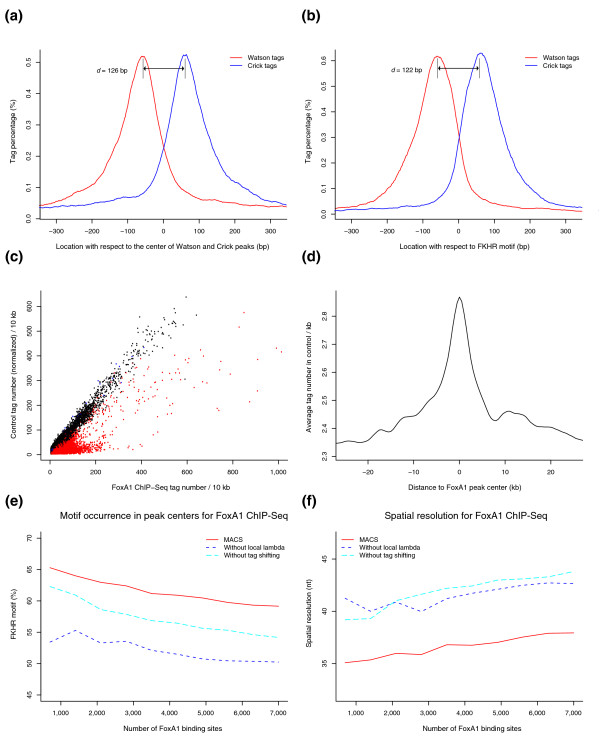
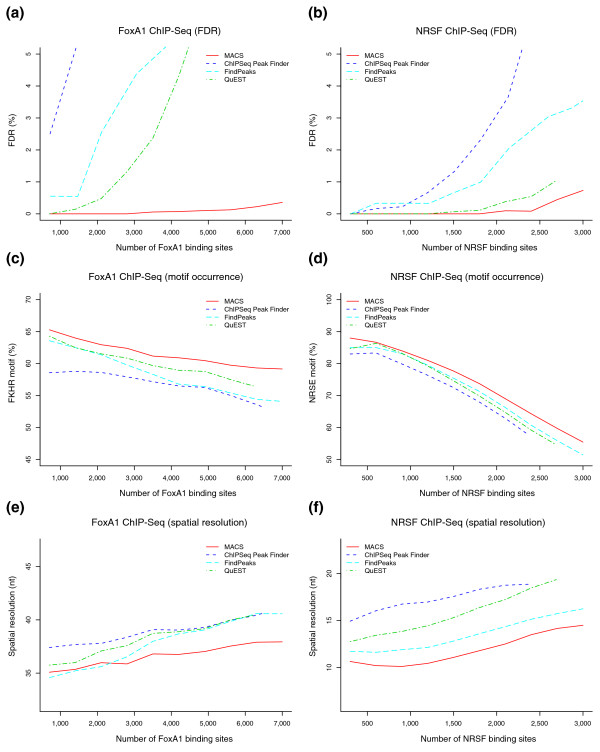
We present Model-based Analysis of ChIP-Seq data, MACS, which analyzes data generated by short read sequencers such as Solexa's Genome Analyzer. MACS empirically models the shift size of ChIP-Seq tags, and uses it to improve the spatial resolution of predicted binding sites. MACS also uses a dynamic Poisson distribution to effectively capture local biases in the genome, allowing for more robust predictions. MACS compares favorably to existing ChIP-Seq peak-finding algorithms, and is freely available.
Overview
The claims and statistics of this paper haven’t been checked yet.
Free: it reads the open-access text and checks the first 5 claims that cite a source we can check. Create a free account to check every claim.
Integrity signals
Registry
Cites
Statistics
Figures
Verification
Claims the paper makes
The claims and statistics of this paper haven’t been checked yet.
Free: it reads the open-access text and checks the first 5 claims that cite a source we can check. Create a free account to check every claim.
Claims other papers make about this one
Each is checked against this paper’s own text: does it say what the citing paper says it does?
The source backs part of the claim, not all of it — or backs it for a different population, condition or comparison.
In the citing paper
“Peaks of enrichment were identified with MACS2 98 (v2.2.7.1) by comparing treatment samples against IgG controls, using paired-end mode and allowing all duplicate fragments to be retained, as appropriate for CUT&RUN data.”
From Tetramerisation governs SALL transcription factor function in development and disease (2025) · cites this paper as [98]
Experimental — accuracy not yet measuredThe check wasn’t confident either way, so it gives no verdict — never disputed.
In the citing paper
“We detected 30,477 peaks from cells without treatment (fold-enrichment > 3 and p-value < 0.05), which are highly enriched in simple repeats (also known as short tandem repeats, STRs) (Log2[obs/exp]: 2.107)”
From Single-cell parallel analysis of DNA damage and transcriptome reveals selective genome vulnerability (2025) · cites this paper as [51]
Experimental — accuracy not yet measured
Self-check
Percentages, sums and reported differences re-computed from the paper’s own numbers.
The self-check needs the paper’s full text.
Citations
Cites
High-Resolution Profiling of Histone Methylations in the Human Genome
Barski, A., Cuddapah, S., Cui, K., Roh, T.-Y., Schones, D. E., Wang, Z., Wei, G., Chepelev, I., & Zhao, K. (2007) · Cell · doi:10.1016/j.cell.2007.05.009 · Cited by 6,845 · cited 6×
“ChIP-chip [5,8].”
BackgroundResultInfluentialGlobal variation in copy number in the human genome
Redon, R., Ishikawa, S., Fitch, K. R., Feuk, L., Perry, G. H., Andrews, T. D., Fiegler, H., Shapero, M. H., Carson, A. R., Chen, W., et al. (2006) · Nature · doi:10.1038/nature05329 · Cited by 4,288
Genome-wide maps of chromatin state in pluripotent and lineage-committed cells
Mikkelsen, T. S., Ku, M., Jaffe, D. B., Issac, B., Lieberman, E., Giannoukos, G., Alvarez, P., Brockman, W., Kim, T.-K., Koche, R. P., et al. (2007) · Nature · doi:10.1038/nature06008 · Cited by 4,129 · cited 4×
“With the current genome coverage of most ChIP-Seq experiments, tag distribution along the genome could be modeled by a Poisson distribution [7].”
BackgroundMethodInfluentialSelf-citationGenome-Wide Mapping of in Vivo Protein-DNA Interactions
Johnson, D. S., Mortazavi, A., Myers, R. M., & Wold, B. (2007) · Science · doi:10.1126/science.1141319 · Cited by 2,927
Self-citationGenome-Wide Location and Function of DNA Binding Proteins
Ren, B., Robert, F., Wyrick, J. J., Aparicio, O., Jennings, E. G., Simon, I., Zeitlinger, J., Schreiber, J., Hannett, N., Kanin, E., et al. (2000) · Science · doi:10.1126/science.290.5500.2306 · Cited by 1,766
Robertson, G., Hirst, M., Bainbridge, M., Bilenky, M., Zhao, Y., Zeng, T., Euskirchen, G., Bernier, B., Varhol, R., Delaney, A., et al. (2007) · Nature Methods · doi:10.1038/nmeth1068 · Cited by 1,454 · cited 2×
“and sequencing (ChIP-Seq) [5-8] have become popular tech-”
BackgroundGenome-wide analysis of estrogen receptor binding sites
Carroll, J. S., Meyer, C. A., Song, J., Li, W., Geistlinger, T. R., Eeckhoute, J., Brodsky, A. S., Keeton, E. K., Fertuck, K. C., Hall, G. F., et al. (2006) · Nature Genetics · doi:10.1038/ng1901 · Cited by 1,377
Self-citationA Global Map of p53 Transcription-Factor Binding Sites in the Human Genome
Wei, C.-L., Wu, Q., Vega, V. B., Chiu, K. P., Ng, P., Zhang, T., Shahab, A., Yong, H. C., Fu, Y., Weng, Z., et al. (2006) · Cell · doi:10.1016/j.cell.2005.10.043 · Cited by 1,141 · cited 2×
“This implies that the λlocal is critical for ChIP-Seq studies when matching control samples are not available [5,9].”
BackgroundGenomic binding sites of the yeast cell-cycle transcription factors SBF and MBF
Iyer, V. R., Horak, C. E., Scafe, C. S., Botstein, D., Snyder, M., & Brown, P. O. (2001) · Nature · doi:10.1038/35054095 · Cited by 1,083
FoxA1 Translates Epigenetic Signatures into Enhancer-Driven Lineage-Specific Transcription
Lupien, M., Eeckhoute, J., Meyer, C. A., Wang, Q., Zhang, Y., Li, W., Carroll, J. S., Liu, X. S., & Brown, M. (2008) · Cell · doi:10.1016/j.cell.2008.01.018 · Cited by 983 · cited 4×
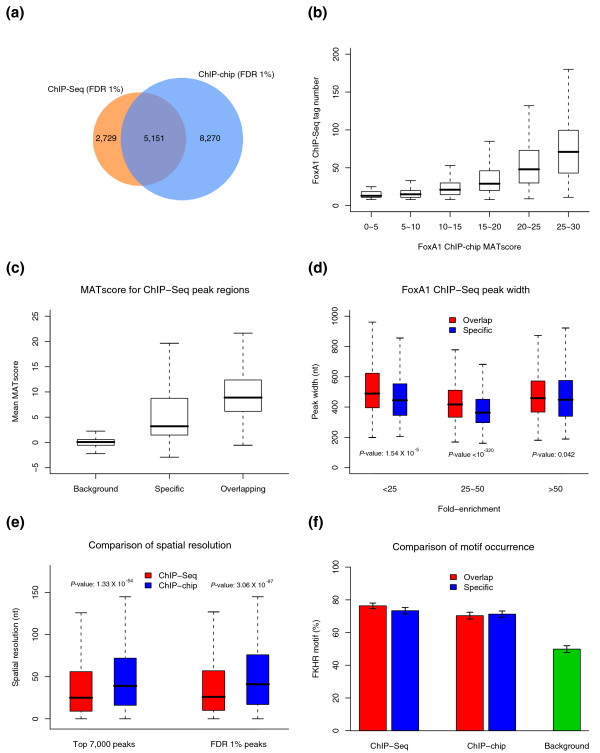
“ChIP-chip data for FoxA1 and controls in MCF7 cells were previously published [1], and their corresponding ChIP-Seq data were generated specifically for this study.”
BackgroundMethodInfluentialSelf-citation
Cited by
Items 701–800 of 1,859
Creation of bladder assembloids mimicking tissue regeneration and cancer
Kim, E., Choi, S., Kang, B., Kong, J., Kim, Y., Yoon, W. H., Lee, H.-R., Kim, S., Kim, H.-M., Lee, H., et al. (2020) · Nature · doi:10.1038/s41586-020-3034-x · Cited by 260
Molecular and cellular evolution of the primate dorsolateral prefrontal cortex
Ma, S., Skarica, M., Li, Q., Xu, C., Risgaard, R. D., Tebbenkamp, A. T. N., Mato-Blanco, X., Kovner, R., Krsnik, Ž., de Martin, X., et al. (2022) · Science · doi:10.1126/science.abo7257 · Cited by 260
Adaptable haemodynamic endothelial cells for organogenesis and tumorigenesis
Palikuqi, B., Nguyen, D.-H. T., Li, G., Schreiner, R., Pellegata, A. F., Liu, Y., Redmond, D., Geng, F., Lin, Y., Gómez-Salinero, J. M., et al. (2020) · Nature · doi:10.1038/s41586-020-2712-z · Cited by 259
A tiling-deletion-based genetic screen for cis-regulatory element identification in mammalian cells
Diao, Y., Fang, R., Li, B., Meng, Z., Yu, J., Qiu, Y., Lin, K. C., Huang, H., Liu, T., Marina, R. J., et al. (2017) · Nature Methods · doi:10.1038/nmeth.4264 · Cited by 259
Self-citationSt. Jude Cloud: A Pediatric Cancer Genomic Data-Sharing Ecosystem
McLeod, C., Gout, A. M., Zhou, X., Thrasher, A., Rahbarinia, D., Brady, S. W., Macias, M., Birch, K., Finkelstein, D., Sunny, J., et al. (2021) · Cancer Discovery · doi:10.1158/2159-8290.cd-20-1230 · Cited by 259
Self-citationGenome-wide nucleosome positioning during embryonic stem cell development
Teif, V. B., Vainshtein, Y., Caudron-Herger, M., Mallm, J.-P., Marth, C., Höfer, T., & Rippe, K. (2012) · Nature Structural & Molecular Biology · doi:10.1038/nsmb.2419 · Cited by 259
Takayama, K.-I., Misawa, A., Suzuki, T., Takagi, K., Hayashizaki, Y., Fujimura, T., Homma, Y., Takahashi, S., Urano, T., & Inoue, S. (2015) · Nature Communications · doi:10.1038/ncomms10265 · Cited by 259
DiBind : Dierential binding analysis of ChIP-Seq peak data
Stark, R., & Brown, G. (2016) · Cited by 259
Cardozo Gizzi, A. M., Cattoni, D. I., Fiche, J.-B., Espinola, S. M., Gurgo, J., Messina, O., Houbron, C., Ogiyama, Y., Papadopoulos, G. L., Cavalli, G., et al. (2019) · Molecular Cell · doi:10.1016/j.molcel.2019.01.011 · Cited by 258
Zhang, X., Su, J., Jeong, M., Ko, M., Huang, Y., Park, H. J., Guzman, A., Lei, Y., Huang, Y.-H., Rao, A., et al. (2016) · Nature Genetics · doi:10.1038/ng.3610 · Cited by 258
Self-citationEnhancer RNA m6A methylation facilitates transcriptional condensate formation and gene activation
Lee, J.-H., Wang, R., Xiong, F., Krakowiak, J., Liao, Z., Nguyen, P. T., Moroz-Omori, E. V., Shao, J., Zhu, X., Bolt, M. J., et al. (2021) · Molecular Cell · doi:10.1016/j.molcel.2021.07.024 · Cited by 289
Self-citationRobust gene expression programs underlie recurrent cell states and phenotype switching in melanoma
Wouters, J., Kalender-Atak, Z., Minnoye, L., Spanier, K. I., De Waegeneer, M., Bravo González-Blas, C., Mauduit, D., Davie, K., Hulselmans, G., Najem, A., et al. (2020) · Nature Cell Biology · doi:10.1038/s41556-020-0547-3 · Cited by 258
Broadly permissive intestinal chromatin underlies lateral inhibition and cell plasticity
Kim, T.-H., Li, F., Ferreiro-Neira, I., Ho, L.-L., Luyten, A., Nalapareddy, K., Long, H., Verzi, M., & Shivdasani, R. A. (2014) · Nature · doi:10.1038/nature12903 · Cited by 257
The androgen receptor is a tumor suppressor in estrogen receptor–positive breast cancer
Hickey, T. E., Selth, L. A., Chia, K. M., Laven-Law, G., Milioli, H. H., Roden, D., Jindal, S., Hui, M., Finlay-Schultz, J., Ebrahimie, E., et al. (2021) · Nature Medicine · doi:10.1038/s41591-020-01168-7 · Cited by 257
Reynolds, N., Salmon-Divon, M., Dvinge, H., Hynes-Allen, A., Balasooriya, G., Leaford, D., Behrens, A., Bertone, P., & Hendrich, B. (2012) · The EMBO Journal · doi:10.1038/emboj.2011.431 · Cited by 257
Langlais, D., Barreiro, L. B., & Gros, P. (2016) · Journal of Experimental Medicine · doi:10.1084/jem.20151764 · Cited by 256
Abundant DNA 6mA methylation during early embryogenesis of zebrafish and pig
Liu, J., Zhu, Y., Luo, G.-Z., Wang, X., Yue, Y., Wang, X., Zong, X., Chen, K., Yin, H., Fu, Y., et al. (2016) · Nature Communications · doi:10.1038/ncomms13052 · Cited by 256
GTRD: a database on gene transcription regulation—2019 update
Yevshin, I., Sharipov, R., Kolmykov, S., Kondrakhin, Y., & Kolpakov, F. (2019) · Nucleic Acids Research · doi:10.1093/nar/gky1128 · Cited by 256
Hinohara, K., Wu, H.-J., Vigneau, S., McDonald, T. O., Igarashi, K. J., Yamamoto, K. N., Madsen, T., Fassl, A., Egri, S. B., Papanastasiou, M., et al. (2018) · Cancer Cell · doi:10.1016/j.ccell.2018.10.014 · Cited by 255
“Peak calling (identification of regions of ChIP-seq enrichment over background) is performed by using MACS2 (Zhang et al., 2008) with parameters of ‘‘–extsize=146 –nomodel’’.”
Self-citationTopoisomerase II beta interacts with cohesin and CTCF at topological domain borders
Uusküla-Reimand, L., Hou, H., Samavarchi-Tehrani, P., Rudan, M. V., Liang, M., Medina-Rivera, A., Mohammed, H., Schmidt, D., Schwalie, P., Young, E. J., et al. (2016) · Genome Biology · doi:10.1186/s13059-016-1043-8 · Cited by 255
Kern, C., Wang, Y., Xu, X., Pan, Z., Halstead, M., Chanthavixay, G., Saelao, P., Waters, S., Xiang, R., Chamberlain, A., et al. (2021) · Nature Communications · doi:10.1038/s41467-021-22100-8 · Cited by 255
Impact of artifact removal on ChIP quality metrics in ChIP-seq and ChIP-exo data
Carroll, T. S., Liang, Z., Salama, R., Stark, R., & de Santiago, I. (2014) · Frontiers in Genetics · doi:10.3389/fgene.2014.00075 · Cited by 254
Propagation of adipogenic signals through an epigenomic transition state
Steger, D. J., Grant, G. R., Schupp, M., Tomaru, T., Lefterova, M. I., Schug, J., Manduchi, E., Stoeckert, C. J., & Lazar, M. A. (2010) · Genes & Development · doi:10.1101/gad.1907110 · Cited by 254
Epigenetic landscapes reveal transcription factors that regulate CD8+ T cell differentiation
Yu, B., Zhang, K., Milner, J. J., Toma, C., Chen, R., Scott-Browne, J. P., Pereira, R. M., Crotty, S., Chang, J. T., Pipkin, M. E., et al. (2017) · Nature Immunology · doi:10.1038/ni.3706 · Cited by 254
Limits in the detection of m6A changes using MeRIP/m6A-seq
McIntyre, A. B. R., Gokhale, N. S., Cerchietti, L., Jaffrey, S. R., Horner, S. M., & Mason, C. E. (2020) · Scientific Reports · doi:10.1038/s41598-020-63355-3 · Cited by 254
Chepelev, I., Wei, G., Wangsa, D., Tang, Q., & Zhao, K. (2012) · Cell Research · doi:10.1038/cr.2012.15 · Cited by 253
PAF1, a Molecular Regulator of Promoter-Proximal Pausing by RNA Polymerase II
Chen, F. X., Woodfin, A. R., Gardini, A., Rickels, R. A., Marshall, S. A., Smith, E. R., Shiekhattar, R., & Shilatifard, A. (2015) · Cell · doi:10.1016/j.cell.2015.07.042 · Cited by 253
Polycystic ovary syndrome is transmitted via a transgenerational epigenetic process
Mimouni, N. E. H., Paiva, I., Barbotin, A.-L., Timzoura, F. E., Plassard, D., Le Gras, S., Ternier, G., Pigny, P., Catteau-Jonard, S., Simon, V., et al. (2021) · Cell Metabolism · doi:10.1016/j.cmet.2021.01.004 · Cited by 253
Epithelial memory of inflammation limits tissue damage while promoting pancreatic tumorigenesis
Del Poggetto, E., Ho, I.-L., Balestrieri, C., Yen, E.-Y., Zhang, S., Citron, F., Shah, R., Corti, D., Diaferia, G. R., Li, C.-Y., et al. (2021) · Science · doi:10.1126/science.abj0486 · Cited by 253
Convergent Transcription at Intragenic Super-Enhancers Targets AID-Initiated Genomic Instability
Meng, F.-L., Du, Z., Federation, A., Hu, J., Wang, Q., Kieffer-Kwon, K.-R., Meyers, R. M., Amor, C., Wasserman, C. R., Neuberg, D., et al. (2014) · Cell · doi:10.1016/j.cell.2014.11.014 · Cited by 253
Self-citationYuan, P., Han, J., Guo, G., Orlov, Y. L., Huss, M., Loh, Y.-H., Yaw, L.-P., Robson, P., Lim, B., & Ng, H.-H. (2009) · Genes & Development · doi:10.1101/gad.1831909 · Cited by 253
Arid1a Has Context-Dependent Oncogenic and Tumor Suppressor Functions in Liver Cancer
Sun, X., Wang, S. C., Wei, Y., Luo, X., Jia, Y., Li, L., Gopal, P., Zhu, M., Nassour, I., Chuang, J.-C., et al. (2017) · Cancer Cell · doi:10.1016/j.ccell.2017.10.007 · Cited by 253
Self-citationEpigenomics of human CD8 T cell differentiation and aging
Moskowitz, D. M., Zhang, D. W., Hu, B., Le Saux, S., Yanes, R. E., Ye, Z., Buenrostro, J. D., Weyand, C. M., Greenleaf, W. J., & Goronzy, J. J. (2017) · Science Immunology · doi:10.1126/sciimmunol.aag0192 · Cited by 252
NOTCH1-RBPJ complexes drive target gene expression through dynamic interactions with superenhancers
Wang, H., Zang, C., Taing, L., Arnett, K. L., Wong, Y. J., Pear, W. S., Blacklow, S. C., Liu, X. S., & Aster, J. C. (2014) · Proceedings of the National Academy of Sciences · doi:10.1073/pnas.1315023111 · Cited by 252
Self-citationUsing MACS to Identify Peaks from ChIP‐Seq Data
Feng, J., Liu, T., & Zhang, Y. (2011) · Current Protocols in Bioinformatics · doi:10.1002/0471250953.bi0214s34 · Cited by 252
Self-citationA DNA methylation reader complex that enhances gene transcription
Harris, C. J., Scheibe, M., Wongpalee, S. P., Liu, W., Cornett, E. M., Vaughan, R. M., Li, X., Chen, W., Xue, Y., Zhong, Z., et al. (2018) · Science · doi:10.1126/science.aar7854 · Cited by 252
RNA m6A methylation participates in regulation of postnatal development of the mouse cerebellum
Ma, C., Chang, M., Lv, H., Zhang, Z.-W., Zhang, W., He, X., Wu, G., Zhao, S., Zhang, Y., Wang, D., et al. (2018) · Genome Biology · doi:10.1186/s13059-018-1435-z · Cited by 252
“For validation analysis of the distribution patterns of stage-specific m(6)A peaks which were obtained by using the exomePeak software, peak calling analysis was performed in parallel using the MACS2 software for the P7 and P60 samples with the default parameters [54, 70].”
MethodSelf-citationSwanson, E. C., Manning, B., Zhang, H., & Lawrence, J. B. (2013) · Journal of Cell Biology · doi:10.1083/jcb.201306073 · Cited by 251
“ChIP-seq and input sequence reads were mapped to the GRCh37.p11 (hg19) reference genome using bowtie (v. 0.2.8; Langmead et al., 2009) and read densities and regions of statistically significant enrichment (“peaks”) were determined using model-based analysis of ChIP-Seq (v. 1.4.1; Zhang et al., 2008) using default set…”
MethodInfluentialCharacterizing cis-regulatory elements using single-cell epigenomics
Preissl, S., Gaulton, K. J., & Ren, B. (2023) · Nature Reviews Genetics · doi:10.1038/s41576-022-00509-1 · Cited by 251
Chromatin Accessibility Dynamics during iPSC Reprogramming
Li, D., Liu, J., Yang, X., Zhou, C., Guo, J., Wu, C., Qin, Y., Guo, L., He, J., Yu, S., et al. (2017) · Cell Stem Cell · doi:10.1016/j.stem.2017.10.012 · Cited by 251
Interrogation of enhancer function by enhancer-targeting CRISPR epigenetic editing
Li, K., Liu, Y., Cao, H., Zhang, Y., Gu, Z., Liu, X., Yu, A., Kaphle, P., Dickerson, K. E., Ni, M., et al. (2020) · Nature Communications · doi:10.1038/s41467-020-14362-5 · Cited by 251
Self-citationEnvironmental Control of Astrocyte Pathogenic Activities in CNS Inflammation
Wheeler, M. A., Jaronen, M., Covacu, R., Zandee, S. E. J., Scalisi, G., Rothhammer, V., Tjon, E. C., Chao, C.-C., Kenison, J. E., Blain, M., et al. (2019) · Cell · doi:10.1016/j.cell.2018.12.012 · Cited by 251
bwtool: a tool for bigWig files
Pohl, A., & Beato, M. (2014) · Bioinformatics · doi:10.1093/bioinformatics/btu056 · Cited by 251
“Received on November 4, 2013; revised on January 22, 2014; accepted on January 23, 2014”
BackgroundTransposable Elements and Their KRAB-ZFP Controllers Regulate Gene Expression in Adult Tissues
Ecco, G., Cassano, M., Kauzlaric, A., Duc, J., Coluccio, A., Offner, S., Imbeault, M., Rowe, H. M., Turelli, P., & Trono, D. (2016) · Developmental Cell · doi:10.1016/j.devcel.2016.02.024 · Cited by 250
“Peaks were called using MACS (Zhang et al., 2008) or SICER software (for histone modification marks) (Zang et al., 2009), with total input as control.”
MethodSun, K., Jiang, P., Cheng, S. H., Cheng, T. H. T., Wong, J., Wong, V. W. S., Ng, S. S. M., Ma, B. B. Y., Leung, T. Y., Chan, S. L., et al. (2019) · Genome Research · doi:10.1101/gr.242719.118 · Cited by 250
“Then, open chromatin regions were determined using model-based analysis for ChIP-seq (MACS) with default parameters (Zhang et al. 2008).”
Morel, K. L., Sheahan, A. V., Burkhart, D. L., Baca, S. C., Boufaied, N., Liu, Y., Qiu, X., Cañadas, I., Roehle, K., Heckler, M., et al. (2021) · Nature Cancer · doi:10.1038/s43018-021-00185-w · Cited by 250
Czimmerer, Z., Daniel, B., Horvath, A., Rückerl, D., Nagy, G., Kiss, M., Peloquin, M., Budai, M. M., Cuaranta-Monroy, I., Simandi, Z., et al. (2018) · Immunity · doi:10.1016/j.immuni.2017.12.010 · Cited by 250
“MACS2 (Zhang et al., 2008) (with ‘-”
Disease-Associated Short Tandem Repeats Co-localize with Chromatin Domain Boundaries
Sun, J. H., Zhou, L., Emerson, D. J., Phyo, S. A., Titus, K. R., Gong, W., Gilgenast, T. G., Beagan, J. A., Davidson, B. L., Tassone, F., et al. (2018) · Cell · doi:10.1016/j.cell.2018.08.005 · Cited by 249
The dynamic broad epigenetic (H3K4me3, H3K27ac) domain as a mark of essential genes
Beacon, T. H., Delcuve, G. P., López, C., Nardocci, G., Kovalchuk, I., van Wijnen, A. J., & Davie, J. R. (2021) · Clinical Epigenetics · doi:10.1186/s13148-021-01126-1 · Cited by 249
“For MACS2, a smaller value for lower cut off allows detection of larger number of regions, increasing the chance of confounding factors to affect the outcome of the model [115].”
BackgroundDNA methylation heterogeneity defines a disease spectrum in Ewing sarcoma
Sheffield, N. C., Pierron, G., Klughammer, J., Datlinger, P., Schönegger, A., Schuster, M., Hadler, J., Surdez, D., Guillemot, D., Lapouble, E., et al. (2017) · Nature Medicine · doi:10.1038/nm.4273 · Cited by 249
Microbiota-derived metabolite promotes HDAC3 activity in the gut
Wu, S.-E., Hashimoto-Hill, S., Woo, V., Eshleman, E. M., Whitt, J., Engleman, L., Karns, R., Denson, L. A., Haslam, D. B., & Alenghat, T. (2020) · Nature · doi:10.1038/s41586-020-2604-2 · Cited by 249
Alternative transcription initiation leads to expression of a novel ALK isoform in cancer
Wiesner, T., Lee, W., Obenauf, A. C., Ran, L., Murali, R., Zhang, Q. F., Wong, E. W. P., Hu, W., Scott, S. N., Shah, R. H., et al. (2015) · Nature · doi:10.1038/nature15258 · Cited by 248
A genetic network mediating the control of bud break in hybrid aspen
Singh, R. K., Maurya, J. P., Azeez, A., Miskolczi, P., Tylewicz, S., Stojkovič, K., Delhomme, N., Busov, V., & Bhalerao, R. P. (2018) · Nature Communications · doi:10.1038/s41467-018-06696-y · Cited by 248
Integrated multi-omics framework of the plant response to jasmonic acid
Zander, M., Lewsey, M. G., Clark, N. M., Yin, L., Bartlett, A., Saldierna Guzmán, J. P., Hann, E., Langford, A. E., Jow, B., Wise, A., et al. (2020) · Nature Plants · doi:10.1038/s41477-020-0605-7 · Cited by 247
YTHDF2 inhibition potentiates radiotherapy antitumor efficacy
Wang, L., Dou, X., Chen, S., Yu, X., Huang, X., Zhang, L., Chen, Y., Wang, J., Yang, K., Bugno, J., et al. (2023) · Cancer Cell · doi:10.1016/j.ccell.2023.04.019 · Cited by 246
Fine Tuning of Craniofacial Morphology by Distant-Acting Enhancers
Attanasio, C., Nord, A. S., Zhu, Y., Blow, M. J., Li, Z., Liberton, D. K., Morrison, H., Plajzer-Frick, I., Holt, A., Hosseini, R., et al. (2013) · Science · doi:10.1126/science.1241006 · Cited by 246
GTRD: a database of transcription factor binding sites identified by ChIP-seq experiments
Yevshin, I., Sharipov, R., Valeev, T., Kel, A., & Kolpakov, F. (2017) · Nucleic Acids Research · doi:10.1093/nar/gkw951 · Cited by 246
“1(MACS2) No Yes IGV GeneProf (http://www. geneprof.org) SRA, ENCODE, literature total 1692 human 693 mouse 999 rat 0 133 human and 131 mouse TFs 1(MACS) No Yes Self-developed: based on GenomeGraphs NGS-QC (http:// www.ngs-qc.org) GEO total 6672 human 4234 mouse 2438 rat 0 unknown None No Yes No *The number of ChIP-seq…”
BackgroundInfluentialTranscriptional and epigenomic landscapes of CNS and non-CNS vascular endothelial cells
Sabbagh, M. F., Heng, J. S., Luo, C., Castanon, R. G., Nery, J. R., Rattner, A., Goff, L. A., Ecker, J. R., & Nathans, J. (2018) · eLife · doi:10.7554/elife.36187 · Cited by 245
ChIP-Seq: technical considerations for obtaining high-quality data
Kidder, B. L., Hu, G., & Zhao, K. (2011) · Nature Immunology · doi:10.1038/ni.2117 · Cited by 245
IL6/STAT3 Signaling Hijacks Estrogen Receptor α Enhancers to Drive Breast Cancer Metastasis
Siersbæk, R., Scabia, V., Nagarajan, S., Chernukhin, I., Papachristou, E. K., Broome, R., Johnston, S. J., Joosten, S. E. P., Green, A. R., Kumar, S., et al. (2020) · Cancer Cell · doi:10.1016/j.ccell.2020.06.007 · Cited by 245
Reverón-Gómez, N., González-Aguilera, C., Stewart-Morgan, K. R., Petryk, N., Flury, V., Graziano, S., Johansen, J. V., Jakobsen, J. S., Alabert, C., & Groth, A. (2018) · Molecular Cell · doi:10.1016/j.molcel.2018.08.010 · Cited by 245
“Replicated regions were defined using MACS default ‘‘broad domain’’ parameters and replicate-matched parental ChIP-seq of histone H3 as a control and filtered for regions with a q-value greater than or equal to 0.05.”
MethodInfluentialEl Khattabi, L., Zhao, H., Kalchschmidt, J., Young, N., Jung, S., Van Blerkom, P., Kieffer-Kwon, P., Kieffer-Kwon, K.-R., Park, S., Wang, X., et al. (2019) · Cell · doi:10.1016/j.cell.2019.07.011 · Cited by 244
Uzquiano, A., Kedaigle, A. J., Pigoni, M., Paulsen, B., Adiconis, X., Kim, K., Faits, T., Nagaraja, S., Antón-Bolaños, N., Gerhardinger, C., et al. (2022) · Cell · doi:10.1016/j.cell.2022.09.010 · Cited by 244
SUMOylation Mediates the Nuclear Translocation and Signaling of the IGF-1 Receptor
Sehat, B., Tofigh, A., Lin, Y., Trocmé, E., Liljedahl, U., Lagergren, J., & Larsson, O. (2010) · Science Signaling · doi:10.1126/scisignal.2000628 · Cited by 244
Melanoma adapts to RAF/MEK inhibitors through FOXD3-mediated upregulation of ERBB3
Abel, E. V., Basile, K. J., Kugel, C. H., Witkiewicz, A. K., Le, K., Amaravadi, R. K., Karakousis, G. C., Xu, X., Xu, W., Schuchter, L. M., et al. (2013) · Journal of Clinical Investigation · doi:10.1172/jci65780 · Cited by 244
“Model-based Analysis of ChIP - Seq (MACS) software version 1.4.1 (54, 55) was used to predict ChIP-binding peaks, comparing the IP samples against total chromatin input.”
InfluentialAndrogen conspires with the CD8 + T cell exhaustion program and contributes to sex bias in cancer
Kwon, H., Schafer, J. M., Song, N.-J., Kaneko, S., Li, A., Xiao, T., Ma, A., Allen, C., Das, K., Zhou, L., et al. (2022) · Science Immunology · doi:10.1126/sciimmunol.abq2630 · Cited by 244
The lncRNA landscape of breast cancer reveals a role for DSCAM-AS1 in breast cancer progression
Niknafs, Y. S., Han, S., Ma, T., Speers, C., Zhang, C., Wilder-Romans, K., Iyer, M. K., Pitchiaya, S., Malik, R., Hosono, Y., et al. (2016) · Nature Communications · doi:10.1038/ncomms12791 · Cited by 244
A tissue checkpoint regulates type 2 immunity
Van Dyken, S. J., Nussbaum, J. C., Lee, J., Molofsky, A. B., Liang, H.-E., Pollack, J. L., Gate, R. E., Haliburton, G. E., Ye, C. J., Marson, A., et al. (2016) · Nature Immunology · doi:10.1038/ni.3582 · Cited by 244
KMT2D Deficiency Impairs Super-Enhancers to Confer a Glycolytic Vulnerability in Lung Cancer
Alam, H., Tang, M., Maitituoheti, M., Dhar, S. S., Kumar, M., Han, C. Y., Ambati, C. R., Amin, S. B., Gu, B., Chen, T.-Y., et al. (2020) · Cancer Cell · doi:10.1016/j.ccell.2020.03.005 · Cited by 243
PRC1 catalytic activity is central to polycomb system function
Blackledge, N. P., Fursova, N. A., Kelley, J. R., Huseyin, M. K., Feldmann, A., & Klose, R. J. (2020) · Molecular Cell · doi:10.1016/j.molcel.2019.12.001 · Cited by 243
Deconvolution of single-cell multi-omics layers reveals regulatory heterogeneity
Liu, L., Liu, C., Quintero, A., Wu, L., Yuan, Y., Wang, M., Cheng, M., Leng, L., Xu, L., Dong, G., et al. (2019) · Nature Communications · doi:10.1038/s41467-018-08205-7 · Cited by 243
Self-citationPeakAnalyzer: Genome-wide annotation of chromatin binding and modification loci
Salmon-Divon, M., Dvinge, H., Tammoja, K., & Bertone, P. (2010) · BMC Bioinformatics · doi:10.1186/1471-2105-11-415 · Cited by 243
“Peak subdivision was applied based on a .wig file produced from the raw aligned reads, as only MACS, FindPeaks and SWEMBL output adjusted .wig files.”
MethodONECUT2 is a driver of neuroendocrine prostate cancer
Guo, H., Ci, X., Ahmed, M., Hua, J. T., Soares, F., Lin, D., Puca, L., Vosoughi, A., Xue, H., Li, E., et al. (2019) · Nature Communications · doi:10.1038/s41467-018-08133-6 · Cited by 243
Self-citationMontgomery, S. A., Tanizawa, Y., Galik, B., Wang, N., Ito, T., Mochizuki, T., Akimcheva, S., Bowman, J. L., Cognat, V., Maréchal-Drouard, L., et al. (2020) · Current Biology · doi:10.1016/j.cub.2019.12.015 · Cited by 243
N6-methyladenosine regulates the stability of RNA:DNA hybrids in human cells
Abakir, A., Giles, T. C., Cristini, A., Foster, J. M., Dai, N., Starczak, M., Rubio-Roldan, A., Li, M., Eleftheriou, M., Crutchley, J., et al. (2020) · Nature Genetics · doi:10.1038/s41588-019-0549-x · Cited by 243
Genome-wide analysis of chromatin packing in Arabidopsis thaliana at single-gene resolution
Liu, C., Wang, C., Wang, G., Becker, C., Zaidem, M., & Weigel, D. (2016) · Genome Research · doi:10.1101/gr.204032.116 · Cited by 242
“1.0.20140616 (Zhang et al. 2008).”
InfluentialCRISPR–Cas9 genome editing in human cells occurs via the Fanconi anemia pathway
Richardson, C. D., Kazane, K. R., Feng, S. J., Zelin, E., Bray, N. L., Schäfer, A. J., Floor, S. N., & Corn, J. E. (2018) · Nature Genetics · doi:10.1038/s41588-018-0174-0 · Cited by 242
L1CAM defines the regenerative origin of metastasis-initiating cells in colorectal cancer
Ganesh, K., Basnet, H., Kaygusuz, Y., Laughney, A. M., He, L., Sharma, R., O’Rourke, K. P., Reuter, V. P., Huang, Y.-H., Turkekul, M., et al. (2020) · Nature Cancer · doi:10.1038/s43018-019-0006-x · Cited by 242
Ding, J., Li, T., Wang, X., Zhao, E., Choi, J.-H., Yang, L., Zha, Y., Dong, Z., Huang, S., Asara, J. M., et al. (2013) · Cell Metabolism · doi:10.1016/j.cmet.2013.11.004 · Cited by 242
“4 (Zhang et al., 2008), and only those peaks with false discovery rate (FDR) <1% were compared with RefSeq genes in the UCSC genome browser.”
ResultNeuronal activity modifies the chromatin accessibility landscape in the adult brain
Su, Y., Shin, J., Zhong, C., Wang, S., Roychowdhury, P., Lim, J., Kim, D., Ming, G.-L., & Song, H. (2017) · Nature Neuroscience · doi:10.1038/nn.4494 · Cited by 242
Cortijo, S., Charoensawan, V., Brestovitsky, A., Buning, R., Ravarani, C., Rhodes, D., van Noort, J., Jaeger, K. E., & Wigge, P. A. (2017) · Molecular Plant · doi:10.1016/j.molp.2017.08.014 · Cited by 242
Dissecting super-enhancer hierarchy based on chromatin interactions
Huang, J., Li, K., Cai, W., Liu, X., Zhang, Y., Orkin, S. H., Xu, J., & Yuan, G.-C. (2018) · Nature Communications · doi:10.1038/s41467-018-03279-9 · Cited by 241
Self-citationShark genomes provide insights into elasmobranch evolution and the origin of vertebrates
Hara, Y., Yamaguchi, K., Onimaru, K., Kadota, M., Koyanagi, M., Keeley, S. D., Tatsumi, K., Tanaka, K., Motone, F., Kageyama, Y., et al. (2018) · Nature Ecology & Evolution · doi:10.1038/s41559-018-0673-5 · Cited by 241
Demethylase ALKBH5 suppresses invasion of gastric cancer via PKMYT1 m6A modification
Hu, Y., Gong, C., Li, Z., Liu, J., Chen, Y., Huang, Y., Luo, Q., Wang, S., Hou, Y., Yang, S., et al. (2022) · Molecular Cancer · doi:10.1186/s12943-022-01522-y · Cited by 241
“The m6A antibody-enriched RNA sequences were directly sequenced by high-throughput sequencing, and peak calling and the distribution of peaks were performed using MACS2 software [25] (with a threshold of q value = 0.”
MethodRamos, A. D., Diaz, A., Nellore, A., Delgado, R. N., Park, K.-Y., Gonzales-Roybal, G., Oldham, M. C., Song, J. S., & Lim, D. A. (2013) · Cell Stem Cell · doi:10.1016/j.stem.2013.03.003 · Cited by 241
“MACS was used to call ChIP-seq peaks (Zhang et al., 2008).”
MethodCalvier, L., Chouvarine, P., Legchenko, E., Hoffmann, N., Geldner, J., Borchert, P., Jonigk, D., Mozes, M. M., & Hansmann, G. (2017) · Cell Metabolism · doi:10.1016/j.cmet.2017.03.011 · Cited by 241
Chd8 Mutation Leads to Autistic-like Behaviors and Impaired Striatal Circuits
Platt, R. J., Zhou, Y., Slaymaker, I. M., Shetty, A. S., Weisbach, N. R., Kim, J.-A., Sharma, J., Desai, M., Sood, S., Kempton, H. R., et al. (2017) · Cell Reports · doi:10.1016/j.celrep.2017.03.052 · Cited by 240
An epigenetic barrier sets the timing of human neuronal maturation
Ciceri, G., Baggiolini, A., Cho, H. S., Kshirsagar, M., Benito-Kwiecinski, S., Walsh, R. M., Aromolaran, K. A., Gonzalez-Hernandez, A. J., Munguba, H., Koo, S. Y., et al. (2024) · Nature · doi:10.1038/s41586-023-06984-8 · Cited by 240
Cruz-Molina, S., Respuela, P., Tebartz, C., Kolovos, P., Nikolic, M., Fueyo, R., van Ijcken, W. F. J., Grosveld, F., Frommolt, P., Bazzi, H., et al. (2017) · Cell Stem Cell · doi:10.1016/j.stem.2017.02.004 · Cited by 240
Histone H3 globular domain acetylation identifies a new class of enhancers
Pradeepa, M. M., Grimes, G. R., Kumar, Y., Olley, G., Taylor, G. C. A., Schneider, R., & Bickmore, W. A. (2016) · Nature Genetics · doi:10.1038/ng.3550 · Cited by 240
Context specificity of the EMT transcriptional response
Cook, D. P., & Vanderhyden, B. C. (2020) · Nature Communications · doi:10.1038/s41467-020-16066-2 · Cited by 240
Motif-based analysis of large nucleotide data sets using MEME-ChIP
Ma, W., Noble, W. S., & Bailey, T. L. (2014) · Nature Protocols · doi:10.1038/nprot.2014.083 · Cited by 240
“For ChIP-seq experiments, shared motifs tend to be within 50 bp of the summit of peaks reported by ChIP-seq peak callers such as MACS 16 , and the recommended sequence length for input to MEME-ChIP is $ fastaFromBed -fi hg19.fa -bed -bed GATA1-peak-summit-500bp.bed -fo GATA1-peak-summit-500bp.fa Converting RNA sequenc…”
MethodAn epigenetic barrier sets the timing of human neuronal maturation
(2022) · doi:10.1101/2022.06.02.490114 · Cited by 240
Chèneby, J., Gheorghe, M., Artufel, M., Mathelier, A., & Ballester, B. (2018) · Nucleic Acids Research · doi:10.1093/nar/gkx1092 · Cited by 239
“2) (12) in order to follow ENCODE ChIP-seq guidelines (13), with stringent thresholds (MACS2 default thresholds, P-value: 1e-5).”
BackgroundRSAT peak-motifs: motif analysis in full-size ChIP-seq datasets
Thomas-Chollier, M., Herrmann, C., Defrance, M., Sand, O., Thieffry, D., & van Helden, J. (2012) · Nucleic Acids Research · doi:10.1093/nar/gkr1104 · Cited by 239
“Peak regions were extracted from reads using MACS (22) with a false discovery rate threshold of 0.2, and processed with PeakSplitter (23) to obtain actual peaks.”
MethodInfluentialAn inducible long noncoding RNA amplifies DNA damage signaling
Schmitt, A. M., Garcia, J. T., Hung, T., Flynn, R. A., Shen, Y., Qu, K., Payumo, A. Y., Peres-da-Silva, A., Broz, D. K., Baum, R., et al. (2016) · Nature Genetics · doi:10.1038/ng.3673 · Cited by 239
Krug, B., De Jay, N., Harutyunyan, A. S., Deshmukh, S., Marchione, D. M., Guilhamon, P., Bertrand, K. C., Mikael, L. G., McConechy, M. K., Chen, C. C. L., et al. (2019) · Cancer Cell · doi:10.1016/j.ccell.2019.04.004 · Cited by 239
An Organoid Biobank of Neuroendocrine Neoplasms Enables Genotype-Phenotype Mapping
Kawasaki, K., Toshimitsu, K., Matano, M., Fujita, M., Fujii, M., Togasaki, K., Ebisudani, T., Shimokawa, M., Takano, A., Takahashi, S., et al. (2020) · Cell · doi:10.1016/j.cell.2020.10.023 · Cited by 238
Identification of significant chromatin contacts from HiChIP data by FitHiChIP
Bhattacharyya, S., Chandra, V., Vijayanand, P., & Ay, F. (2019) · Nature Communications · doi:10.1038/s41467-019-11950-y · Cited by 238
“A recent tool for HiChIP data, hichipper 14 , provides a correction for this RE site bias by introducing a new background parameter in MACS2 15 to model the distance between peaks and their nearby RE sites.”
MethodInfluentialHerring, C. A., Simmons, R. K., Freytag, S., Poppe, D., Moffet, J. J. D., Pflueger, J., Buckberry, S., Vargas-Landin, D. B., Clément, O., Echeverría, E. G., et al. (2022) · Cell · doi:10.1016/j.cell.2022.09.039 · Cited by 238
Metadata
- Authors
- Zhang, Y., Liu, T., Meyer, C. A., Eeckhoute, J., Johnson, D. S., Bernstein, B. E., Nusbaum, C., Myers, R. M., Brown, M., Li, W., & Liu, X. S.
- Affiliations
- Harvard University (US)
- Brigham and Women's Hospital (US)
- Broad Institute (US)
- Stanford Medicine (US)
- Baylor College of Medicine (US)
- Corresponding author
- Li, Wei
- Liu, X Shirley
- ORCID
- Venue
- Genome Biology
- Published
- 2008-09-17
- Volume
- 9
- Issue
- 9
- Pages
- R137-R137
- ISSN
- 1465-6906 (ISSN-L)
- 1474-760X
- PMC
- PMC2592715
- OpenAlex
- W2171808845
- Cited by
- 18,386
- References
- 14
- Citations by year
- 2026: 1533 · 2025: 2054 · 2024: 2035 · 2023: 2028 · 2022: 1720 · 2021: 1744 · 2020: 1407 · 2019: 1184 · 2018: 977 · 2017: 802 · 2016: 658 · 2015: 572 · 2014: 534 · 2013: 423 · 2012: 304
- FWCI
- 54.09
- Type
- journal article
- Language
- en
- Open access
- gold
- doi.org
- Licence
- cc-by
- creativecommons.org/licenses/by/2.0/ (tdm)
- creativecommons.org/licenses/by/2.0/ (vor)
- Locations
- Genome biology (publishedVersion, cc-by)
- PubMed Central (publishedVersion, cc-by)
- PubMed (publishedVersion)
- DSpace@MIT (Massachusetts Institute of Technology) (submittedVersion, cc-by)
- Funders
- National Institutes of Health
- National Human Genome Research Institute (U01HG004270, HG004069, R01HG004069, HG004270)
- National Institute of Diabetes and Digestive and Kidney Diseases (DK074967)
- Topics
- Life Sciences › Biochemistry, Genetics and Molecular Biology › Molecular Biology › Genomics and Chromatin Dynamics
- Life Sciences › Biochemistry, Genetics and Molecular Biology › Molecular Biology › Genomics and Phylogenetic Studies
- Life Sciences › Biochemistry, Genetics and Molecular Biology › Molecular Biology › Bioinformatics and Genomic Networks
- Keywords
- ChIP-seq, MACS, peak calling, binding site prediction, short-read sequencing, model-based analysis
- MeSH terms
- Algorithms, Humans, Models, Genetic, Oligonucleotide Array Sequence Analysis, Cell Line, Tumor, Chromatin Immunoprecipitation, Hepatocyte Nuclear Factor 3-alpha
About these checks
Registry, retraction, Cites and statistics results are computed, not judged, with one exception: a printed reference that no index lists is read once by a model before it counts as a citation error. Claims are extracted by a model and kept only when their quote appears verbatim in the text; each cited source is then checked, with a model’s help, for whether it says what the claim relies on. Those verdicts can be wrong — read the claim’s quote and the cited source before relying on one.
Statistics and arithmetic are recomputed, not judged.
Confidence bands are shown only for fields calibrated on our annotated test set. None is calibrated yet, so no band is shown.
What counts as a claim ›How we measure confidence ›How we check this ›
Are you an author, or do you see a problem with this page? Request a review
Data sources
Bibliographic data: Semantic Scholar, OpenAlex, Crossref.
Contains information from the Semantic Scholar Academic Graph Datasets, made available under the ODC Attribution License (ODC-BY 1.0).
Semantic Scholar’s data is described in: Kinney, R., et al. (2023). The Semantic Scholar Open Data Platform. arXiv:2301.10140.
