

The DOI matches its Crossref record; 57 of the 58 references it cites were found in a registry or an index.
Host lifestyle affects human microbiota on daily timescales
Open accessAbstract
BACKGROUND: Disturbance to human microbiota may underlie several pathologies. Yet, we lack a comprehensive understanding of how lifestyle affects the dynamics of human-associated microbial communities. RESULTS: Here, we link over 10,000 longitudinal measurements of human wellness and action to the daily gut and salivary microbiota dynamics of two individuals over the course of one year. These time series show overall microbial communities to be stable for months. However, rare events in each subjects’ life rapidly and broadly impacted microbiota dynamics. Travel from the developed to the developing world in one subject led to a nearly two-fold increase in the Bacteroidetes to Firmicutes ratio, which reversed upon return. Enteric infection in the other subject resulted in the permanent decline of most gut bacterial taxa, which were replaced by genetically similar species. Still, even during periods of overall community stability, the dynamics of select microbial taxa could be associated with specific host behaviors. Most prominently, changes in host fiber intake positively correlated with next-day abundance changes among 15% of gut microbiota members. CONCLUSIONS: Our findings suggest that although human-associated microbial communities are generally stable, they can be quickly and profoundly altered by common human actions and experiences.
Overview
The claims and statistics of this paper haven’t been checked yet.
Run the check — free, no account needed. It reads the open-access text and checks the sources it cites.
Integrity signals
Registry
Cites
Statistics
Figures
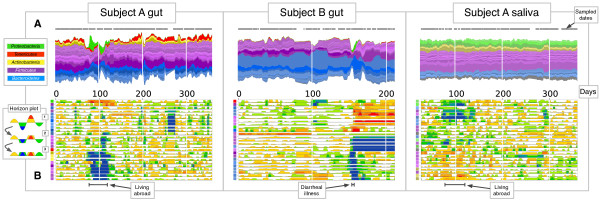
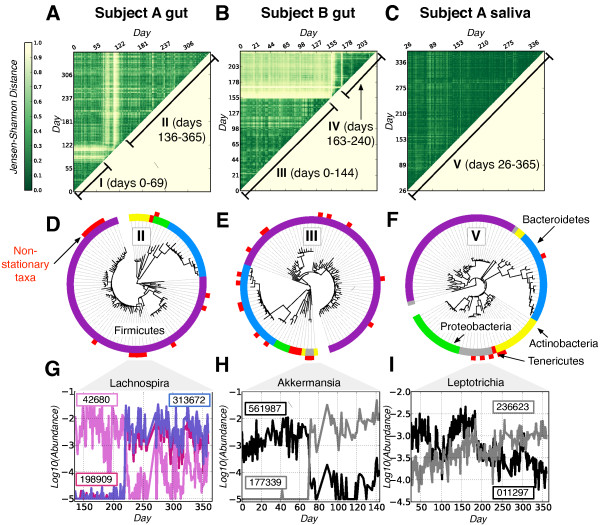
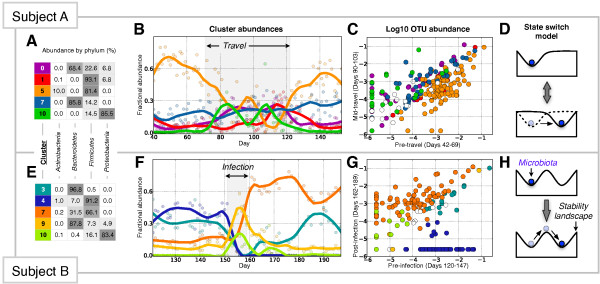
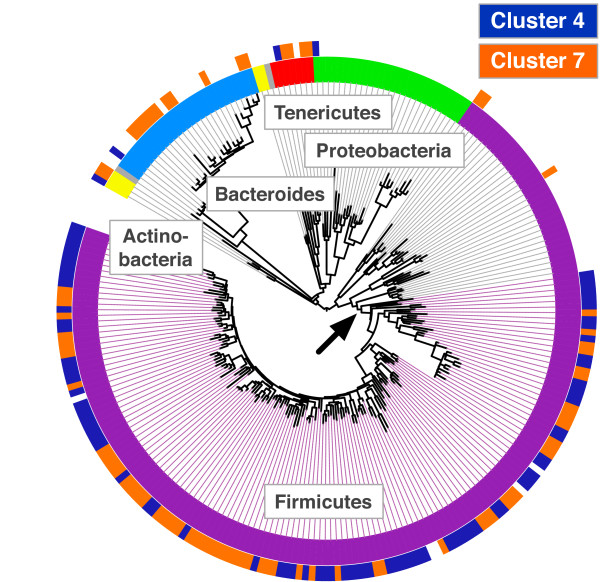
Verification
Claims the paper makes
The claims and statistics of this paper haven’t been checked yet.
Run the check — free, no account needed. It reads the open-access text and checks the sources it cites.
Claims other papers make about this one
Each is checked against this paper’s own text: does it say what the citing paper says it does?
The source backs part of the claim, not all of it — or backs it for a different population, condition or comparison.
In the citing paper
“Short-term, dramatic dietary interventions have demonstrated the ability to alter microbiota diversity quickly in humans [5].”
From Effect of Diet on the Gut Microbiota: Rethinking Intervention Duration (2019) · cites this paper as [5]
Experimental — accuracy not yet measuredIn the citing paper
“Likewise, mouse models have indicated that manipulation of macronutrient intake can consistently shift the composition of the gut microbiota within the span of a day [5,6,18,19].”
From Effect of Diet on the Gut Microbiota: Rethinking Intervention Duration (2019) · cites this paper as [5]
In the citing paper
“One longitudinal study involving daily gut microbiota investigations of two individuals over the course of a year found that changes in fibre intake are positively correlated with a change in abundance of 15% of the microbial community the following day [5].”
From Effect of Diet on the Gut Microbiota: Rethinking Intervention Duration (2019) · cites this paper as [5]
Self-check
Percentages, sums and reported differences re-computed from the paper’s own numbers.
The self-check needs the paper’s full text.
Citations
Cites
QIIME allows analysis of high-throughput community sequencing data
Caporaso, J. G., Kuczynski, J., Stombaugh, J., Bittinger, K., Bushman, F. D., Costello, E. K., Fierer, N., Peña, A. G., Goodrich, J. K., Gordon, J. I., et al. (2010) · Nature Methods · doi:10.1038/nmeth.f.303 · Cited by 34,887
Search and clustering orders of magnitude faster than BLAST
Edgar, R. C. (2010) · Bioinformatics · doi:10.1093/bioinformatics/btq461 · Cited by 21,098
An obesity-associated gut microbiome with increased capacity for energy harvest
Turnbaugh, P. J., Ley, R. E., Mahowald, M. A., Magrini, V., Mardis, E. R., & Gordon, J. I. (2006) · Nature · doi:10.1038/nature05414 · Cited by 12,444
Greengenes, a Chimera-Checked 16S rRNA Gene Database and Workbench Compatible with ARB
DeSantis, T. Z., Hugenholtz, P., Larsen, N., Rojas, M., Brodie, E. L., Keller, K., Huber, T., Dalevi, D., Hu, P., & Andersen, G. L. (2006) · Applied and Environmental Microbiology · doi:10.1128/aem.03006-05 · Cited by 10,891
Diet rapidly and reproducibly alters the human gut microbiome
David, L. A., Maurice, C. F., Carmody, R. N., Gootenberg, D. B., Button, J. E., Wolfe, B. E., Ling, A. V., Devlin, A. S., Varma, Y., Fischbach, M. A., et al. (2014) · Nature · doi:10.1038/nature12820 · Cited by 10,100
Self-citationGlobal patterns of 16S rRNA diversity at a depth of millions of sequences per sample
Caporaso, J. G., Lauber, C. L., Walters, W. A., Berg-Lyons, D., Lozupone, C., Turnbaugh, P. J., Fierer, N., & Knight, R. D. (2010) · Proceedings of the National Academy of Sciences · doi:10.1073/pnas.1000080107 · Cited by 9,944
Human gut microbes associated with obesity
Ley, R. E., Turnbaugh, P. J., Klein, S., & Gordon, J. I. (2006) · Nature · doi:10.1038/4441022a · Cited by 8,785
Human gut microbiome viewed across age and geography
Yatsunenko, T., Rey, F. E., Manary, M. J., Trehan, I., Dominguez-Bello, M. G., Contreras, M., Magris, M., Hidalgo, G., Baldassano, R. N., Anokhin, A. P., et al. (2012) · Nature · doi:10.1038/nature11053 · Cited by 7,815
Statsmodels: Econometric and Statistical Modeling with Python
Seabold, S., & Perktold, J. (2010) · Proceedings of the Python in Science Conferences · doi:10.25080/majora-92bf1922-011 · Cited by 6,968
Linking long-term dietary patterns with gut microbial enterotypes
Wu, G. D., Chen, J., Hoffmann, C., Bittinger, K., Chen, Y.-Y., Keilbaugh, S. A., Bewtra, M., Knights, D., Walters, W. A., Knight, R., et al. (2011) · Science · doi:10.1126/science.1208344 · Cited by 6,513
Cited by
Sorted by citations
Items 501–600 of 951
Hallang, S., Esberg, A., Haworth, S., & Johansson, I. (2021) · Microorganisms · doi:10.3390/microorganisms9081674 · Cited by 10
“Previous studies have shown flossing to result in altered beta diversity [5] and reduced relative abundance of Streptococcus species [34].”
Probabilistic early warning signals
Laitinen, V., Dakos, V., & Lahti, L. (2021) · Ecology and Evolution · doi:10.1002/ece3.8123 · Cited by 17
“…for the climate (Dakos et al., 2008) and experimental cyanobacterial time series (Veraart et al., 2012), and an additional example from gut microbiome times series (Akkermansia genus) (David et al., 2014), where a slowing down in its abundance dynamics could be observed prior to a collapse.”
BackgroundWhen does precision matter? Personalized medicine from the perspective of public health
Wilson, J. (2022) · Oxford University Press eBooks · doi:10.1093/oso/9780198863465.003.0013 · Cited by 17
Stability of human gut microbiome: Comparison of ecological modelling and observational approaches
Revel-Muroz, A., Akulinin, M., Shilova, P., Tyakht, A., & Klimenko, N. S. (2023) · Computational and Structural Biotechnology Journal · doi:10.1016/j.csbj.2023.08.030 · Cited by 19
“Interventional and time series studies have revealed that the gut microbial community is capable of partially or completely restoring its original state after external perturbations [39,40].”
BackgroundResultMa, Q., Huang, C., He, J., Zeng, X. F., Qu, Y.-L., Xiang, H., Yang, Z., Mao, L., Zheng, R., Xiao, J., et al. (2024) · International Journal of Surgery · doi:10.1097/js9.0000000000002152 · Cited by 18
What goes around comes around: novel pharmacological targets in the gut–brain axis
González‐Arancibia, C., Escobar-Luna, J., Barrera-Bugueño, C., Díaz-Zepeda, C., González-Toro, M. P., Olavarría‐Ramírez, L., Zanelli-Massai, F., Gotteland, M., Bravo, J. A., & Julio‐Pieper, M. (2016) · Therapeutic Advances in Gastroenterology · doi:10.1177/1756283x16630718 · Cited by 17
Precarious Symbiosis Between Host and Microbiome in Cardiovascular Health
Bartolomaeus, H., Markó, L., Wilck, N., Luft, F. C., Forslund, S. K., & Müller, D. N. (2019) · Hypertension · doi:10.1161/hypertensionaha.119.11786 · Cited by 18
Is there a role of gut microbiota in mental health?
Lange, K. W., Lange, K. M., Nakamura, Y. K., & Kanaya, S. (2020) · Journal of Food Bioactives · doi:10.31665/jfb.2020.9213 · Cited by 17
“While an individual’s gut microbiota is relatively stable over time, it responds quickly to dietary changes (David et al, 2014a, b).”
BackgroundBuilding up a clinical microbiota profiling: a quality framework proposal
Scherz, V., Greub, G., & Bertelli, C. (2021) · Critical Reviews in Microbiology · doi:10.1080/1040841x.2021.1975642 · Cited by 19
“This equilibrium is constantly altered throughout life by external factors including therapies (Maier et al. 2018), lifestyle (David et al. 2014), and diet (Danneskiold-Samsøe et al. 2019), leading to a high level of inter-individual variability (Lloyd-Price et al. 2016; Wagner et al. 2018).”
BackgroundJingushi, K., Kawashima, A., Saito, T., Kanazawa, T., Motooka, D., Kimura, T., Mita, M., Yamamoto, A., Uemura, T., Yamamichi, G., et al. (2022) · Cancer Immunology Immunotherapy · doi:10.1007/s00262-022-03213-5 · Cited by 16
“Although the evaluation of bacterial flora in stool has great potential for facilitating the implementation of treatments, such as stool transplantation [36] and oral administration of bacteria [37], it is limited by defecation conditions [38].”
BackgroundSun, J., Jin, J., Beger, R. D., Cerniglia, C. E., Yang, M., & Chen, H. (2016) · Toxicology in Vitro · doi:10.1016/j.tiv.2016.07.020 · Cited by 17
“, 2013) and other lifestyle factors including travel and tobacco or alcohol use (David et al., 2014).”
Kuenzli, E., Juergensen, D., Kling, K., Jaeger, V. K., DeCrom, S., Steffen, R. J., Widmer, A. F., Battegay, M., Hatz, C., & Neumayr, A. L. C. (2017) · Journal of Travel Medicine · doi:10.1093/jtm/tax056 · Cited by 16
Kok, C. R., Rose, D. J., Cui, J., Whisenhunt, L. A., & Hutkins, R. L. (2024) · BMC Microbiology · doi:10.1186/s12866-024-03344-y · Cited by 19
“The composition of the human gut microbiome is unique to each individual, highly variable even within similar populations, and resistant to change [1–3].”
BackgroundExamination of hydrogen cross-feeders using a colonic microbiota model
Smith, N. W., Shorten, P. R., Altermann, E., Roy, N. C., & McNabb, W. C. (2021) · BMC Bioinformatics · doi:10.1186/s12859-020-03923-6 · Cited by 18
Stamps, B. W., Kuroiwa, J. M. Y., Isidean, S. D., Schilling, M. A., Harro, C. D., Talaat, K. R., Sack, D. A., Tribble, D. R., Maue, A. C., Rimmer, J. E., et al. (2021) · Frontiers in Cellular and Infection Microbiology · doi:10.3389/fcimb.2021.702047 · Cited by 17
“, antibiotics, pathogen colonization, (David et al., 2014; Francino, 2016)].”
BackgroundOrigins of scaling laws in microbial dynamics
Wang, X., & Liu, Y. (2023) · Physical Review Research · doi:10.1103/physrevresearch.5.013004 · Cited by 15
Kable, M. E., Chin, E. L., Huang, L., Stephensen, C. B., & Lemay, D. G. (2023) · Journal of Nutrition · doi:10.1016/j.tjnut.2023.06.025 · Cited by 15
Kraemer, J. G., Aebi, S., Hilty, M., & Oppliger, A. (2021) · The Science of The Total Environment · doi:10.1016/j.scitotenv.2021.146842 · Cited by 15
Heavy-tailed abundance distributions from stochastic Lotka-Volterra models
Descheemaeker, L., Grilli, J., & de Buyl, S. (2021) · Physical review. E · doi:10.1103/physreve.104.034404 · Cited by 15
Occupancy strongly influences faecal microbial composition of wild lemurs
Umanets, A., de Winter, I. I., IJdema, F., Ramiro‐Garcia, J., van Hooft, P., HEITKÖNIG, I. M. A., Prins, H. H. T., & Smidt, H. (2018) · FEMS Microbiology Ecology · doi:10.1093/femsec/fiy017 · Cited by 15
Microbial evolutionary medicine: from theory to clinical practice
Andersen, S. B., Shapiro, B. J., Vandenbroucke‐Grauls, C. M. J. E., & de Vos, M. G. J. (2019) · The Lancet Infectious Diseases · doi:10.1016/s1473-3099(19)30045-3 · Cited by 15
Zooming in on protein–RNA interactions: a multi-level workflow to identify interaction partners
Colantoni, A., Rupert, J., Vandelli, A., Tartaglia, G. G., & Zacco, E. (2020) · Biochemical Society Transactions · doi:10.1042/bst20191059 · Cited by 16
Multi-dimensional metagenomics
Peng, H., Ruiz-Moreno, A. J., & Fu, J. (2025) · Nature Reviews Bioengineering · doi:10.1038/s44222-025-00346-x · Cited by 19
“By contrast, another participant who suffered from a Salmonella infection experienced a microbiota shift to a new stable state and did not return to the pre-infection composition 87 .”
Hao, Z., Zhu, Y., Fu, Y., Yang, J., Chen, M., Dong, C., & Liu, H. (2022) · Microbiology Spectrum · doi:10.1128/spectrum.00254-22 · Cited by 14
“The dynamics of each crewmember’s oral microbial community were reconstructed over time according to the normalization strategy (25).”
MethodThe Resemblance between Bacterial Gut Colonization in Pigs and Humans
de Vliet, M. V., & Joossens, M. (2022) · Microorganisms · doi:10.3390/microorganisms10091831 · Cited by 14
“If only a single limiting nutrient dictates the gut population, a much more unstable gut microbiota would be expected due to daily-to-daily variations in diet [65].”
BackgroundThe oral microbiome is associated with HPA axis response to a psychosocial stressor
Charalambous, E. G., Mériaux, S. B., Guébels, P., Muller, C. P., Leenen, F. A. D., Elwenspoek, M. M. C., Thiele, I., Hertel, J., & Turner, J. D. (2024) · Scientific Reports · doi:10.1038/s41598-024-66796-2 · Cited by 14
“These properties of the OM have ensured long-term stability, resilience and robustness for its communities 61,62 .”
BackgroundDrug-Abuse Nanotechnology: Opportunities and Challenges
Mahmoudi, M., Pakpour, S., & Perry, G. L. (2018) · ACS Chemical Neuroscience · doi:10.1021/acschemneuro.8b00127 · Cited by 14
BiomeHorizon : Visualizing Microbiome Time Series Data in R
Fink, I., Abdill, R. J., Blekhman, R., & Grieneisen, L. (2022) · mSystems · doi:10.1128/msystems.01380-21 · Cited by 13
“Specifically, they allow visual identification of sustained versus temporary change in microbe(s), which is valuable for modeling stability and disturbance (6).”
BackgroundMethodInfluentialHuman Gut Microbiota in Heart Failure: Trying to Unmask an Emerging Organ
PARASKEVAIDIS, I. A., Xanthopoulos, A. V., Tsougos, E., & Triposkiadis, F. K. (2023) · Biomedicines · doi:10.3390/biomedicines11092574 · Cited by 13
“Since the gut microbiota is influenced by several factors, the gut composition is characterized both by stability and dynamic variation, which is an obstacle to its use as a biomarker [67–70].”
BackgroundWhen the exception becomes the rule: An integrative approach to symbiosis
Munzi, S., Cruz, C., & Corrêa, A. (2019) · The Science of The Total Environment · doi:10.1016/j.scitotenv.2019.04.038 · Cited by 14
The Human Microbiome in Health and Disease
Arnold, W., Hill, E. S., Fei, N., Yee, A. L., Garcia, M. S., Cralle, L. E., & Gilbert, J. A. (2018) · Springer eBooks · doi:10.1007/978-3-319-96830-8_39 · Cited by 14
Microbiome time series data reveal predictable patterns of change
Karwowska, Z., Szczerbiak, P., & Kościółek, T. (2024) · Microbiology Spectrum · doi:10.1128/spectrum.04109-23 · Cited by 16
“Despite the small number of analyses of healthy gut microbiome behavior in time, our results are consistent with previous findings that the gut microbiome is host unique and that its composition is stable over time (6, 8, 19, 33–35).”
Gut microbiome-targeted therapies and bone health across the lifespan: a scoping review
Mehta, M., Hodgson, E., Reimer, R. A., & Gabel, L. (2024) · Critical Reviews in Food Science and Nutrition · doi:10.1080/10408398.2024.2397459 · Cited by 13
“Changes in the microbiota caused by short-term gut microbiome interventions are temporary and cessation of supplementation results in a return to baseline community composition (David et al. 2014; Wu et al. 2011).”
Nutrition and brain health: Implications of Mediterranean diet elements for psychiatric disorders
Akerele, C. A., Koralnik, L. R., Lafont, E., Gilman, C., Walsh‐Messinger, J., & Malaspina, D. (2025) · Schizophrenia Research · doi:10.1016/j.schres.2025.04.026 · Cited by 18
Bone Mechanical Function and the Gut Microbiota
Hernandez, C. J. (2017) · Advances in experimental medicine and biology · doi:10.1007/978-3-319-66653-2_12 · Cited by 13
Functional metagenomics: a tool to gain knowledge for agronomic and veterinary sciences
Vargas‐Albores, F., Martínez‐Córdova, L. R., Martínez‐Porchas, M., Calderón, K., & Lago‐Lestón, A. (2018) · Biotechnology and Genetic Engineering Reviews · doi:10.1080/02648725.2018.1513230 · Cited by 13
“…rRNA gene that may contain one or two hypervariable regions with sufficient discriminatory information to carry out accurate taxonomic assignments (David et al., 2014; Liu, Desantis, Andersen, & Knight, 2008), representing a fast, reliable and inexpensive strategy for targeted metagenomic studies.”
BackgroundInfluentialCan dynamic network modelling be used to identify adaptive microbiomes?
Garcia, J., & Kao‐Kniffin, J. (2019) · Functional Ecology · doi:10.1111/1365-2435.13491 · Cited by 13
Šket, R., Deutsch, L., Prevoršek, Z., Mekjavić, I., Plavec, J., Rittweger, J., Debevec, T., Eiken, O., & Stres, B. (2020) · Frontiers in Physiology · doi:10.3389/fphys.2020.532271 · Cited by 14
Ecological influence by colonization of fluoride-resistant Streptococcus mutans in oral biofilm
Shen, Y., Yu, F., Qiu, L., Gao, M., Xu, P., Zhang, L., Liao, X., Wang, M., Hu, X., Sun, Y., et al. (2023) · Frontiers in Cellular and Infection Microbiology · doi:10.3389/fcimb.2022.1106392 · Cited by 13
Changes to human faecal microbiota after international travel
Kampmann, C., Dicksved, J., Engstrand, L. G., & Rautelin, H. (2021) · Travel Medicine and Infectious Disease · doi:10.1016/j.tmaid.2021.102199 · Cited by 14
Zahedifard, Z., Mahmoodi, S., & Ghasemian, A. (2025) · Biotechnology and Applied Biochemistry · doi:10.1002/bab.2738 · Cited by 12
Emergence of alternative states in a synthetic human gut microbial community
Garza, D. R., Liu, B., van de Velde, C., Zhou, X., Saha, P., Gonze, D., Simoens, K., Bernaerts, K., & Faust, K. (2025) · Nature Communications · doi:10.1038/s41467-025-67036-5 · Cited by 15
Robust bacterial co-occurence community structures are independent of r- and K-selection history
Pettersen, J. P., Gundersen, M. S., & Almaas, E. (2021) · Scientific Reports · doi:10.1038/s41598-021-03018-z · Cited by 13
Davis, E. W., Wong, C. P., Arnold, H. K., Kasschau, K. D., Gaulke, C. A., Sharpton, T. J., & Ho, E. (2022) · PLoS ONE · doi:10.1371/journal.pone.0275352 · Cited by 13
“But, these studies typically compare diets that are fundamentally different in the macronutrient composition [5, 6, 48].”
BackgroundMicrobiota-dependent proteolysis of gluten subverts diet-mediated protection against type 1 diabetes
Funsten, M. C., Yurkovetskiy, L., Kuznetsov, A., Reiman, D. J., Hansen, C. H. F., Senter, K. I., Lee, J. Y. H., Ratiu, J. J., Dahal‐Koirala, S., Antonopoulos, D. A., et al. (2023) · Cell Host & Microbe · doi:10.1016/j.chom.2022.12.009 · Cited by 12
Chronic variable stress leads to sex specific gut microbiome alterations in mice
Kropp, D. R., Rainville, J. R., Glover, M. E., Tsyglakova, M., Samanta, R., Hage, T. R., Carlson, A. E., Clinton, S. M., & Hodes, G. E. (2024) · Brain Behavior & Immunity - Health · doi:10.1016/j.bbih.2024.100755 · Cited by 12
“Some studies suggest that microbiome changes can occur within 24 h of a dietary change (David et al., 2014; Sonnen-burg and B ¨ ackhed, 2016; Leeming et al., 2019).”
BackgroundInfluence of mode of delivery on infant gut microbiota composition: a pilot study
Yu, L., Guo, Y. G., & Wu, J. (2024) · Journal of Obstetrics and Gynaecology · doi:10.1080/01443615.2024.2368829 · Cited by 13
“…in the gut. this suggests that visits to other geographic locations, even for a short duration, can influence the gut microbial community structure (David et al. 2014). recruiting both cs-delivered and VD-delivered infants within the same geographic location may have contributed to our results.”
Senina, A. M., Markelova, M., Khusnutdinova, D. R., Siniagina, M., Kupriyanova, O. V., Synbulatova, G. E., Kayumov, A. R., Boulygina, E. A., & Grigoryeva, T. V. (2024) · Microorganisms · doi:10.3390/microorganisms12081712 · Cited by 13
The food additive butylated hydroxyanisole minimally affects the human gut microbiome ex vivo
Lemons, J. M. S., Narrowe, A. B., Firrman, J., Mahalak, K. K., Liu, L., Higgins, S., Moustafa, A. M., Baudot, A., Deyaert, S., & den Abbeele, P. V. (2025) · Food Chemistry · doi:10.1016/j.foodchem.2025.143037 · Cited by 12
An overview of major metagenomic studies on human microbiomes in health and disease
Cui, H., Li, Y., & Zhang, X. (2016) · Quantitative Biology · doi:10.1007/s40484-016-0078-x · Cited by 13
“studied the daily dynamics of two individuals in their gut and salivary microbiota in one year and found that the microbial communities are general stable, but “can be quickly and profoundly altered by common human actions and experiences” [79].”
BackgroundCarissimo, G., van den Beek, M., Pegoraro, J. A., Vernick, K. D., & Antoniewski, C. (2017) · PLoS ONE · doi:10.1371/journal.pone.0168397 · Cited by 12
Rodríguez-Vera, D., Vergara‐Castañeda, A., Lazcano-Orozco, D. K., Ramírez-Vélez, G., Vivar-Sierra, A., Araiza-Macías, M. J., Contreras, J. P. H., Naranjo-Navarro, C. R., Salazar, J. R., Loza-Mejía, M. A., et al. (2021) · Metabolic Syndrome and Related Disorders · doi:10.1089/met.2021.0022 · Cited by 14
“84,93,94 Gut microbiota dysbiosis generates changes in the immune system through T cells, leading to a chronic low-grade inflammatory process related to obesity, MetS, cancer, and autoimmune diseases.”
Individuality and stability of the koala ( Phascolarctos cinereus ) faecal microbiota through time
Eisenhofer, R., Brice, K. L., Blyton, M. D. J., Bevins, S. E., Leigh, K. A., Singh, B. K., Helgen, K. M., Hough, I., Daniels, C. B., Speight, N., et al. (2023) · PeerJ · doi:10.7717/peerj.14598 · Cited by 13
“Recently there has been a surge in time-series investigations in wild animals and humans (Faust et al., 2015; Caporaso et al., 2011a; David et al., 2014a; Ren et al., 2016; Amato et al., 2015; Gomez et al., 2016).”
BackgroundMeyer, S., Giannopoulou, C., Cancela, J., Courvoisier, D. S., Müller, F., & Mombelli, A. (2019) · Clinical Oral Investigations · doi:10.1007/s00784-019-02815-1 · Cited by 12
Thermodynamic inference of data manifolds
Dixit, P. D. (2020) · Physical Review Research · doi:10.1103/physrevresearch.2.023201 · Cited by 12
Erratum to: Host lifestyle affects human microbiota on daily timescales
David, L. A., Materna, A. C., Friedman, J., Baptista, M. I. C., Blackburn, M., Perrotta, A. R., Erdman, S. E., & Alm, E. J. (2016) · Genome biology · doi:10.1186/s13059-016-0988-y · Cited by 12
“As a result of a production error during the type-setting of the final version of the article [1], a number of additional files were incorrectly published, with the files not matching the Additional Files legends.”
Glycosidic linkage of rare and new-to-nature disaccharides reshapes gut microbiota in vitro
Onyango, S. O., Beerens, K., Li, Q., Camp, J. V., Desmet, T., & de Wiele, T. V. (2023) · Food Chemistry · doi:10.1016/j.foodchem.2023.135440 · Cited by 11
Discrete patterns of microbiome variability across timescales in a wild rodent population
Fenn, J., Taylor, C. H., Goertz, S., Wanelik, K. M., Paterson, S., Begon, M., Jackson, J., & Bradley, J. (2023) · BMC Microbiology · doi:10.1186/s12866-023-02824-x · Cited by 11
Xiang, X., Peng, B., Liu, K., Wang, T., Ding, P., Li, H., Zhu, Y. X., & Ming, Y. (2023) · Frontiers in Microbiology · doi:10.3389/fmicb.2023.1122101 · Cited by 11
“, 2018b), and living environment (David et al., 2014), changed between these time points of saliva collection.”
BackgroundL. rhamnosus CNCM I-3690 survival, adaptation, and small bowel microbiome impact in human
Zaccaria, E., Klaassen, T., Alleleyn, A. M. E., Boekhorst, J., Chervaux, C., Smokvina, T., Troost, F. J., & Kleerebezem, M. (2023) · Gut Microbes · doi:10.1080/19490976.2023.2244720 · Cited by 11
Role of Oral Microbiota Dysbiosis in the Development and Progression of Oral Lichen Planus
Lavoro, A., Cultrera, G., Gattuso, G., Lombardo, C., Falzone, L., Candido, S., Libra, M., & Salmeri, M. (2024) · Journal of Personalized Medicine · doi:10.3390/jpm14040386 · Cited by 11
“…on 29 September 2023). remain regarding a specific profile Several niches with unique growth conditions can be observed in the oral cavity, including saliva and dental plaque, as well as soft tissues, such as the cheek, soft palate, and tongue (Figure 1) [93]. diversity in each subject [98,99].”
BackgroundNepali oral microbiomes reflect a gradient of lifestyles from traditional to industrialized
Ryu, E. P., Gautam, Y., Proctor, D. M., Bhandari, D., Tandukar, S., Gupta, M., Gautam, G. P., Relman, D. A., Shibl, A. A., Sherchand, J. B., et al. (2024) · Microbiome · doi:10.1186/s40168-024-01941-7 · Cited by 12
Effect of Diet and Lifestyle Changes on Gut Microbial Diversity in Healthy Adolescents
Kang, J., Choi, Y., Keum, G. B., Doo, H., Kwak, J., Kim, H., Chae, Y., Lee, S., Yang, H., Kim, S., et al. (2025) · Journal of Microbiology and Biotechnology · doi:10.4014/jmb.2503.03018 · Cited by 15
“Short-term, dramatic dietary interventions have been shown to rapidly alter the diversity of the human microbiome, however these changes are transient and typically last no longer than a few days [6].”
Carr, A. V., Baliga, N. S., Diener, C., & Gibbons, S. M. (2023) · Cell Systems · doi:10.1016/j.cels.2025.101367 · Cited by 23
Topological analysis reveals state transitions in human gut and marine bacterial communities
Chang, W. K., VanInsberghe, D., & Kelly, L. (2020) · npj Biofilms and Microbiomes · doi:10.1038/s41522-020-00145-9 · Cited by 11
Getting Personal About Nutrition
Noecker, C. A., & Borenstein, E. (2016) · Trends in Molecular Medicine · doi:10.1016/j.molmed.2015.12.010 · Cited by 11
“For example, it is not yet clear which spatial and temporal scales and which taxonomic resolution matter for an accurate prediction of the microbiome impact on health [8,9].”
BackgroundJing, R., & Kjellerup, B. V. (2019) · The Science of The Total Environment · doi:10.1016/j.scitotenv.2019.135833 · Cited by 11
Mehmood, K., Moin, A., Hussain, T., Rizvi, S. M. D., Gowda, D., Shakil, S., & Kamal, M. (2021) · Folia Microbiologica · doi:10.1007/s12223-021-00926-5 · Cited by 11
Role of gene regulation and inter species interaction as a key factor in gut microbiota adaptation
Gao, S., Khan, M. I., Kalsoom, F., Liu, Z., Chen, Y., & Chen, Z. (2022) · Archives of Microbiology · doi:10.1007/s00203-022-02935-5 · Cited by 11
Carr, A. V., Baliga, N. S., Diener, C., & Gibbons, S. M. (2023) · bioRxiv (Cold Spring Harbor Laboratory) · doi:10.1101/2023.04.28.538771 · Cited by 11
“1E) 10,30 .”
The Relation of Diet and Health: You Are What You Eat
Lederer, A., & Huber, R. (2022) · International Journal of Environmental Research and Public Health · doi:10.3390/ijerph19137774 · Cited by 10
Firrman, J., Friedman, E. S., Hecht, A. L., Strange, W. C., Narrowe, A. B., Mahalak, K. K., Wu, G. D., & Liu, L. (2024) · mBio · doi:10.1128/mbio.00943-24 · Cited by 10
“The results of 16S rRNA gene amplicon sequencing analysis clearly showed that the in vitro small intestinal communities maintained the high levels of inter-subject variability of their respective inoculums, similar to what has been reported in vivo (19, 33–37).”
ResultMicrobiome Resilience and Health Implications for People in Half-Year Travel
Cheng, M., Liu, H., Han, M., Li, S. C., Bu, D., Sun, S., Hu, Z., Yang, P., Wang, R., Liu, Y., et al. (2022) · Frontiers in Immunology · doi:10.3389/fimmu.2022.848994 · Cited by 10
“These fi ndings are consistent with previous studies demonstrating that changes in diet affect the composition of the human gut microbial communities (7, 41 – 43).”
ResultThe advent of automated medicine? The values and meanings of precision
Prainsack, B. (2022) · Oxford University Press eBooks · doi:10.1093/oso/9780198863465.003.0015 · Cited by 11
UNMF: a unified nonnegative matrix factorization for multi-dimensional omics data
Abe, K., & Shimamura, T. (2023) · Briefings in Bioinformatics · doi:10.1093/bib/bbad253 · Cited by 10
Dai, Y., Shen, Z., Khachatryan, L., Vadiyan, D. E., Karampoor, S., & Mirzaei, R. (2023) · Pathology - Research and Practice · doi:10.1016/j.prp.2023.154740 · Cited by 10
de Muinck, E. J., Lundin, K. E. A., & Trosvik, P. (2017) · mSystems · doi:10.1128/msystems.00086-17 · Cited by 10
“…that the interaction between Prevotella and Bacteroides is not in fact directly antagonistic but is instead mostly mediated by other factors such as diet, an interpretation which is in concordance with work suggesting that certain dietary components enhance Prevotella abundance (12, 29, 31).”
Seven Billion Microcosms: Evolution within Human Microbiomes
Lieberman, T. D. (2018) · mSystems · doi:10.1128/msystems.00171-17 · Cited by 10
“Much progress has been made in understanding our microbiomes, revealing that our gut microbiomes are relatively stable in composition and contain signatures of individuality (3, 4).”
BackgroundHealthy microbiome – a mere idea or a sound concept?
Najmanová, L., Vídeňská, P., & Cahová, M. (2022) · Physiological Research · doi:10.33549/physiolres.934967 · Cited by 22
CRISPR—a challenge for national and international regulation
Nicol, D. (2022) · Oxford University Press eBooks · doi:10.1093/oso/9780198863465.003.0014 · Cited by 9
Lee, D. P. S., Gan, A. X., Xia, X. J., Toh, K. Q. X., Chan, G. C. T., Jung, S., & Kim, J. E. (2023) · Molecular Nutrition & Food Research · doi:10.1002/mnfr.202200756 · Cited by 9
Heiskanen, M. A., Aatsinki, A., Hakonen, P., Kartiosuo, N., Munukka, E., Lahti, L., Keskitalo, A., Huovinen, P., Niinikoski, H., Viikari, J. S. A., et al. (2024) · Journal of Nutrition · doi:10.1016/j.tjnut.2024.01.008 · Cited by 11
Effects of joint invasion: How co-invaders affect each other's success in model food webs?
Móréh, Á., Jordán, F., & Scheuring, I. (2024) · Ecological Modelling · doi:10.1016/j.ecolmodel.2024.110735 · Cited by 9
Zhao, Y., Li, C., Wu, K., Chen, H., Wang, Q., Xiao, Y., Yao, S., Hong, A., Zhang, M., Lei, S., et al. (2024) · Biomedicines · doi:10.3390/biomedicines12071378 · Cited by 10
“David et al. [16] conducted research, tracking the commensal microbial communities of two individuals with different lifestyles over a year, and found that the differences between individuals were much more significant than the differences within individuals.”
BackgroundGut microbiome related to metabolic diseases after moderate-to-vigorous intensity exercise
Yun, S.-M., Seo, Y., Lee, Y., & Lee, D. T. (2024) · Journal of Exercise Science & Fitness · doi:10.1016/j.jesf.2024.07.003 · Cited by 10
“27 Additionally, prior to commencing a 4 weeks exercise program, participants were provided with individualized heart rate reserve (HRR) ranges.”
MethodCommensal, pathogen, or passenger? Rethinking the role of Blastocystis in human health
Heneberg, P. (2025) · One Health · doi:10.1016/j.onehlt.2025.101272 · Cited by 12
“In this regard, note that infections with enteric pathogens, such as Giardia and Cryptosporidium , are consistently linked to reduced bacterial diversity and dysbiosis [81,82].”
Li, M., Xu, R., & Li, Y. (2020) · Scientific Reports · doi:10.1038/s41598-020-75225-z · Cited by 9
Hannaford, N. E., Heaps, S. E., Nye, T. M. W., Curtis, T. P., Allen, B., Golightly, A., & Wilkinson, D. J. (2022) · Computational Statistics & Data Analysis · doi:10.1016/j.csda.2022.107659 · Cited by 10
Vogt, H. (2022) · Oxford University Press eBooks · doi:10.1093/oso/9780198863465.003.0005 · Cited by 11
Travel‐related gastrointestinal diseases: Assessment and management
Butler, D., McLoughlin, R. M., & Flaherty, G. T. (2022) · Public Health Challenges · doi:10.1002/puh2.30 · Cited by 11
“Another study [107] found contrasting results to the previous study [106], however, with travel from the United States to Southeast Asia being associated with a nearly two-fold increase in the Bacteroidetes-Firmicutes ratio that reversed upon return [107].”
Ho, E., Drake, V., Michels, A. J., Nkrumah-Elie, Y. M., Brown, L. L., Scott, J. M., Newman, J. W. I., Shukitt‐Hale, B., Soumyanath, A., Chilton, F. H., et al. (2023) · Advances in Nutrition · doi:10.1016/j.advnut.2023.05.015 · Cited by 9
“The human gut responds rapidly to signi fi cant changes in the diet [72,73], and long-term dietary habits can exert strong effects [74].”
Switzer, A. D., Callahan, B. J., Costello, E. K., Bik, E. M., Fontaine, C., Gulland, F. M. D., & Relman, D. A. (2023) · Environmental Microbiology · doi:10.1111/1462-2920.16444 · Cited by 12
“In human adults, microbial communities demonstrate resilience to perturbations such as antibiotic treatment, but severe or repeated disturbances can lead to alternative stable states (David et al., 2014; Dethlefsen & Relman, 2010; Nakayama et al., 2015).”
BackgroundCampylobacter in Africa – A specific viewpoint
Paintsil, E. K., Masanta, W. O., Dreyer, A., Ushanov, L., Smith, S. I., Frickmann, H., & Zautner, A. E. (2023) · European Journal of Microbiology and Immunology · doi:10.1556/1886.2023.00043 · Cited by 9
“As shown a decade ago [63], the microbiome composition can partly recover even after severe disturbances as they may be associated with infectious gastroenteritis on international travel in resource-poor settings.”
BackgroundTracking Human Gut Microbiome Changes Resulting from a Colonoscopy
Smarr, L. L., Hyde, E. R., McDonald, D. T., Sandborn, W. J., & Knight, R. D. (2017) · Methods of Information in Medicine · doi:10.3414/me17-01-0036 · Cited by 9
“This is radically different from microbiome trajectory of healthy individuals, which is quite stable over time-though events such as travel, infection, or dietary changes can rapidly and drastically affect the composition of the gut microbiome [8, 9].”
BackgroundCausality and correlation analysis for deciphering the microbial interactions in activated sludge
Cai, W., Han, X., Sangeetha, T., & Yao, H. (2022) · Frontiers in Microbiology · doi:10.3389/fmicb.2022.870766 · Cited by 8
“(2014), when analyzing the effect of host lifestyle on human microbiota, relied on the autocorrelated process of time series (David et al., 2014), which demonstrated that OTUs’ variation complied with the time series model.”
BackgroundRiedinger, M. A., Mesbah, R., Koenders, M., Henderickx, J. G. E., Smits, W. K., Filali, E. E., Geleijnse, J. M., van der Wee, N. J. A., de Leeuw, M., & Giltay, E. J. (2024) · Journal of Affective Disorders · doi:10.1016/j.jad.2024.03.105 · Cited by 8
Zhang, H., Chen, A., Li, S., Chen, K., You, X., Bian, Y., Li, C., Liu, S., Huang, J., & Zhang, S. (2025) · Electrophoresis · doi:10.1002/elps.202400160 · Cited by 8
Quantifying compositional variability in microbial communities with FAVA
Morrison, M. L., Xue, K. S., & Rosenberg, N. A. (2025) · Proceedings of the National Academy of Sciences · doi:10.1073/pnas.2413211122 · Cited by 8
Dörr, A.-K., Imangaliyev, S., Karadeniz, U., Schmidt, T., Meyer, F., & Kraiselburd, I. (2025) · Scientific Reports · doi:10.1038/s41598-025-01781-x · Cited by 8
“Unlike the first dataset, this study provides information on abnormalities in the participants’ health status as well as some dietary information 62 .”
Metadata
- Authors
- David, L. A., Materna, A. C., Friedman, J., Campos-Baptista, M. I., Blackburn, M. C., Perrotta, A., Erdman, S. E., & Alm, E. J.
- Affiliations
- Harvard University (US)
- Qiagen (Denmark) (DK)
- Massachusetts Institute of Technology (US)
- École Polytechnique Fédérale de Lausanne (CH)
- Broad Institute (US)
- Corresponding author
- Alm, Eric J
- Venue
- Genome biology
- Published
- 2014-07-25
- Volume
- 15
- Issue
- 7
- Pages
- R89-R89
- ISSN
- 1465-6906 (ISSN-L)
- 1474-760X
- PMC
- PMC4405912
- OpenAlex
- W2103088074
- Cited by
- 950
- References
- 58
- Citations by year
- 2026: 27 · 2025: 60 · 2024: 74 · 2023: 80 · 2022: 117 · 2021: 95 · 2020: 105 · 2019: 85 · 2018: 85 · 2017: 98 · 2016: 65 · 2015: 52 · 2014: 5
- FWCI
- 30.09
- Type
- journal article
- Language
- en
- Update notices
- correction (2016-05-31)
- Open access
- gold
- doi.org
- Locations
- Genome biology (publishedVersion, cc-by)
- PubMed Central (publishedVersion, cc-by)
- PubMed (publishedVersion)
- DSpace@MIT (Massachusetts Institute of Technology) (submittedVersion, cc-by)
- DSpace@MIT (Massachusetts Institute of Technology) (submittedVersion, cc-by-nc)
- Infoscience (Ecole Polytechnique Fédérale de Lausanne) (submittedVersion)
- Infoscience (Ecole Polytechnique Fédérale de Lausanne) (submittedVersion, cc-by-nc-nd)
- Funders
- National Science Foundation (0821391)
- Topics
- Life Sciences › Biochemistry, Genetics and Molecular Biology › Molecular Biology › Gut microbiota and health
- Health Sciences › Dentistry › Periodontics › Oral microbiology and periodontitis research
- Physical Sciences › Environmental Science › Ecology › Microbial Community Ecology and Physiology
- Keywords
- human microbiota, gut microbiota, salivary microbiota, host lifestyle, microbiota dynamics, daily fluctuations, microbial community stability, Firmicutes/Bacteroidetes ratio, gastrointestinal infections, dietary fiber intake, host behavior
- MeSH terms
- Bacteria, Bacterial Infections, Developing Countries, Feces, Humans, Life Style, Longitudinal Studies, Male, Phylogeny, Saliva, Genetic Variation, Sequence Analysis, DNA, Developed Countries, High-Throughput Nucleotide Sequencing, Microbiota
About these checks
Registry, retraction, Cites and statistics results are computed, not judged, with one exception: a printed reference that no index lists is read once by a model before it counts as a citation error. Claims are extracted by a model and kept only when their quote appears verbatim in the text; each cited source is then checked, with a model’s help, for whether it says what the claim relies on. Those verdicts can be wrong — read the claim’s quote and the cited source before relying on one.
Statistics and arithmetic are recomputed, not judged.
Confidence bands are shown only for fields calibrated on our annotated test set. None is calibrated yet, so no band is shown.
What counts as a claim ›How we measure confidence ›How we check this ›
Are you an author, or do you see a problem with this page? Request a review
