

The DOI matches its Crossref record; 57 of the 58 references it cites were found in a registry or an index.
Host lifestyle affects human microbiota on daily timescales
Open accessAbstract
BACKGROUND: Disturbance to human microbiota may underlie several pathologies. Yet, we lack a comprehensive understanding of how lifestyle affects the dynamics of human-associated microbial communities. RESULTS: Here, we link over 10,000 longitudinal measurements of human wellness and action to the daily gut and salivary microbiota dynamics of two individuals over the course of one year. These time series show overall microbial communities to be stable for months. However, rare events in each subjects’ life rapidly and broadly impacted microbiota dynamics. Travel from the developed to the developing world in one subject led to a nearly two-fold increase in the Bacteroidetes to Firmicutes ratio, which reversed upon return. Enteric infection in the other subject resulted in the permanent decline of most gut bacterial taxa, which were replaced by genetically similar species. Still, even during periods of overall community stability, the dynamics of select microbial taxa could be associated with specific host behaviors. Most prominently, changes in host fiber intake positively correlated with next-day abundance changes among 15% of gut microbiota members. CONCLUSIONS: Our findings suggest that although human-associated microbial communities are generally stable, they can be quickly and profoundly altered by common human actions and experiences.
Overview
The claims and statistics of this paper haven’t been checked yet.
Run the check — free, no account needed. It reads the open-access text and checks the sources it cites.
Integrity signals
Registry
Cites
Statistics
Figures
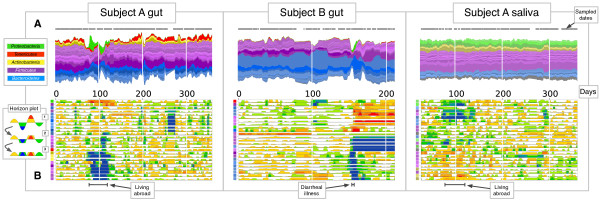
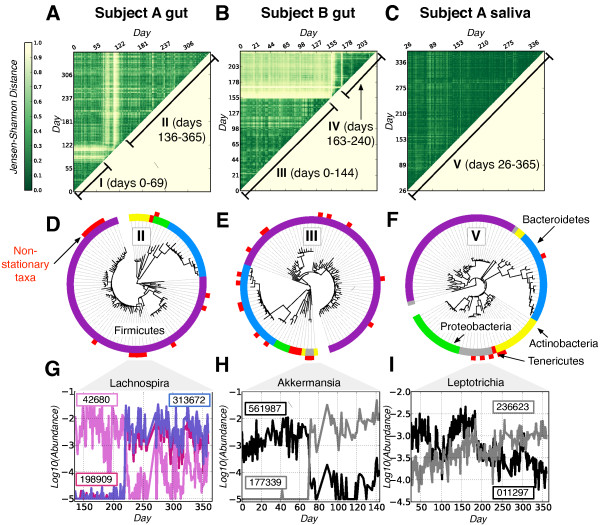
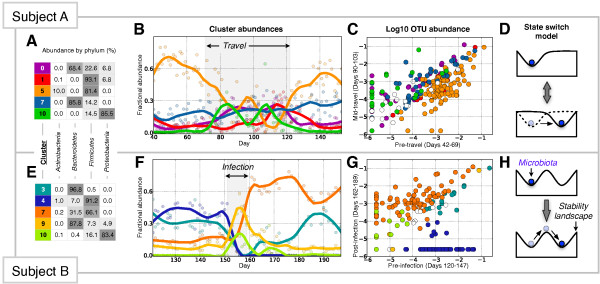
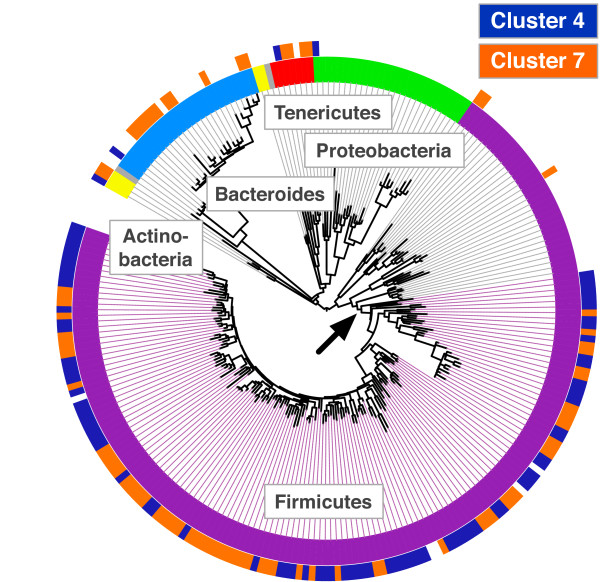
Verification
Claims the paper makes
The claims and statistics of this paper haven’t been checked yet.
Run the check — free, no account needed. It reads the open-access text and checks the sources it cites.
Claims other papers make about this one
Each is checked against this paper’s own text: does it say what the citing paper says it does?
The source backs part of the claim, not all of it — or backs it for a different population, condition or comparison.
In the citing paper
“Short-term, dramatic dietary interventions have demonstrated the ability to alter microbiota diversity quickly in humans [5].”
From Effect of Diet on the Gut Microbiota: Rethinking Intervention Duration (2019) · cites this paper as [5]
Experimental — accuracy not yet measuredIn the citing paper
“Likewise, mouse models have indicated that manipulation of macronutrient intake can consistently shift the composition of the gut microbiota within the span of a day [5,6,18,19].”
From Effect of Diet on the Gut Microbiota: Rethinking Intervention Duration (2019) · cites this paper as [5]
In the citing paper
“One longitudinal study involving daily gut microbiota investigations of two individuals over the course of a year found that changes in fibre intake are positively correlated with a change in abundance of 15% of the microbial community the following day [5].”
From Effect of Diet on the Gut Microbiota: Rethinking Intervention Duration (2019) · cites this paper as [5]
Self-check
Percentages, sums and reported differences re-computed from the paper’s own numbers.
The self-check needs the paper’s full text.
Citations
Cites
QIIME allows analysis of high-throughput community sequencing data
Caporaso, J. G., Kuczynski, J., Stombaugh, J., Bittinger, K., Bushman, F. D., Costello, E. K., Fierer, N., Peña, A. G., Goodrich, J. K., Gordon, J. I., et al. (2010) · Nature Methods · doi:10.1038/nmeth.f.303 · Cited by 34,887
Search and clustering orders of magnitude faster than BLAST
Edgar, R. C. (2010) · Bioinformatics · doi:10.1093/bioinformatics/btq461 · Cited by 21,098
An obesity-associated gut microbiome with increased capacity for energy harvest
Turnbaugh, P. J., Ley, R. E., Mahowald, M. A., Magrini, V., Mardis, E. R., & Gordon, J. I. (2006) · Nature · doi:10.1038/nature05414 · Cited by 12,444
Greengenes, a Chimera-Checked 16S rRNA Gene Database and Workbench Compatible with ARB
DeSantis, T. Z., Hugenholtz, P., Larsen, N., Rojas, M., Brodie, E. L., Keller, K., Huber, T., Dalevi, D., Hu, P., & Andersen, G. L. (2006) · Applied and Environmental Microbiology · doi:10.1128/aem.03006-05 · Cited by 10,891
Diet rapidly and reproducibly alters the human gut microbiome
David, L. A., Maurice, C. F., Carmody, R. N., Gootenberg, D. B., Button, J. E., Wolfe, B. E., Ling, A. V., Devlin, A. S., Varma, Y., Fischbach, M. A., et al. (2014) · Nature · doi:10.1038/nature12820 · Cited by 10,100
Self-citationGlobal patterns of 16S rRNA diversity at a depth of millions of sequences per sample
Caporaso, J. G., Lauber, C. L., Walters, W. A., Berg-Lyons, D., Lozupone, C., Turnbaugh, P. J., Fierer, N., & Knight, R. D. (2010) · Proceedings of the National Academy of Sciences · doi:10.1073/pnas.1000080107 · Cited by 9,944
Human gut microbes associated with obesity
Ley, R. E., Turnbaugh, P. J., Klein, S., & Gordon, J. I. (2006) · Nature · doi:10.1038/4441022a · Cited by 8,785
Human gut microbiome viewed across age and geography
Yatsunenko, T., Rey, F. E., Manary, M. J., Trehan, I., Dominguez-Bello, M. G., Contreras, M., Magris, M., Hidalgo, G., Baldassano, R. N., Anokhin, A. P., et al. (2012) · Nature · doi:10.1038/nature11053 · Cited by 7,815
Statsmodels: Econometric and Statistical Modeling with Python
Seabold, S., & Perktold, J. (2010) · Proceedings of the Python in Science Conferences · doi:10.25080/majora-92bf1922-011 · Cited by 6,968
Linking long-term dietary patterns with gut microbial enterotypes
Wu, G. D., Chen, J., Hoffmann, C., Bittinger, K., Chen, Y.-Y., Keilbaugh, S. A., Bewtra, M., Knights, D., Walters, W. A., Knight, R., et al. (2011) · Science · doi:10.1126/science.1208344 · Cited by 6,513
Cited by
Sorted by citations
Items 601–700 of 951
The evolution of personalized medicine: publications review
Rykov, M. Y. (2022) · Problems of Social Hygiene Public Health and History of Medicine · doi:10.32687/0869-866x-2022-30-6-1211-1219 · Cited by 11
Bishop, A. H. (2019) · FEMS Microbiology Letters · doi:10.1093/femsle/fnz021 · Cited by 10
Tracking the functional meaning of the human oral-microbiome protein-protein interactions
Rosa, N. D. N., Campos, B., Esteves, A. C., Duarte, A. S., Correia, M. J., Silva, R. M., & Barros, M. (2020) · Advances in protein chemistry and structural biology · doi:10.1016/bs.apcsb.2019.11.014 · Cited by 8
Sarfaraz, S., Singh, S., Hawke, A., Clarke, S. T., & Ramdath, D. D. (2020) · Nutrients · doi:10.3390/nu12113404 · Cited by 8
“Its variability is affected by genetics, lifestyle and especially dietary components such as prebiotics and probiotics [14].”
BackgroundHierarchical non-negative matrix factorization using clinical information for microbial communities
Abe, K., Hirayama, M., Ohno, K., & Shimamura, T. (2021) · BMC Genomics · doi:10.1186/s12864-021-07401-y · Cited by 8
The Human Gut Microbiota in all its States: From Disturbance to Resilience
Tap, J., Ruppé, É., & Derrien, M. (2021) · Elsevier eBooks · doi:10.1016/b978-0-12-819265-8.00039-5 · Cited by 8
Haindl, R., Engel, J., & Kulozik, U. (2021) · Microorganisms · doi:10.3390/microorganisms9051049 · Cited by 8
“In vivo variations even on a daily timescale level were observed [61].”
BackgroundDifferential richness inference for 16S rRNA marker gene surveys
Kumar, M. S. B., SLUD, E. V., Hehnly, C., Zhang, L., Broach, J. R., Irizarry, R. A., Schiff, S. J., & Paulson, J. N. (2022) · Genome biology · doi:10.1186/s13059-022-02722-x · Cited by 8
“diversity accompanies childhood diarrhea [1] and enteric infections [2] and has been Abstract”
BackgroundMethodInfluentialEvidence Report: Risk Factor of Inadequate Nutrition
Smith, S. M., Zwart, S. R., & Heer, M. A. (2015) · NASA STI Repository (National Aeronautics and Space Administration) · Cited by 8
A Reverse Ecology Framework for Bacteria and Archaea
Arevalo, P., VanInsberghe, D., & Polz, M. F. (2018) · Population genomics · doi:10.1007/13836_2018_46 · Cited by 8
Viewing Bacterial Colonization through the Lens of Systems Biology
Barron, M. R., & Young, V. B. (2022) · mSystems · doi:10.1128/msystems.01383-21 · Cited by 9
“Notably, though microbiota composition is largely stable, daily changes in diet can transiently alter community structure (79, 80).”
BackgroundMaking Sense of a Scent-Sensing Metaphor for Microbes and Environmental Predictions
Bowman, J. S. (2021) · mSystems · doi:10.1128/msystems.00993-21 · Cited by 7
“Although ecosystem function may be recovered on the return to baseline conditions following disturbance, the taxonomic structure of the community is likely to be different (9, 10).”
BackgroundThe holobiont mind: A bridge between 4E-cognition and the microbiome
Palacios-Garcia, I., & Parada, F. J. (2021) · doi:10.31234/osf.io/thuvc · Cited by 21
Dys-R Questionnaire: A Novel Screening Tool for Dysbiosis Linked to Impaired Gut Microbiota Richness
Balmant, B. D., Fonseca, D. C., Rocha, I. M., Callado, L., Torrinhas, R. S. M. D. M., & Waitzberg, D. L. (2023) · Nutrients · doi:10.3390/nu15194261 · Cited by 7
“Dietary interventions have demonstrated significant and rapid alterations in the GM composition [12,18].”
BackgroundRamos, S., Júnior, E., Alegria, O. V. C., Vieira, E., da Silva, S. P., Cecília, A., Moreira, F. C., & Nunes, A. D. O. (2024) · Frontiers in Microbiology · doi:10.3389/fmicb.2024.1466353 · Cited by 8
Ng, H. M., Maggo, J. K., Wall, C. L., Bayer, S. B., Mullaney, J. A., Cabrera, D. L., Fraser, K., Cooney, J. M., Günther, C. S., McNabb, W. C., et al. (2025) · Clinical Nutrition ESPEN · doi:10.1016/j.clnesp.2025.03.045 · Cited by 7
Ketogenic Diet Has Moderate Effects on the Fecal Microbiota of Wild-Type Mice
Rohwer, N., Hage, R. E., Smyl, C., Ocvirk, S., Goris, T., Grune, T., Swidsinski, A. V., & Weylandt, K. H. (2023) · Nutrients · doi:10.3390/nu15214629 · Cited by 7
Temporal dynamics of gut microbiomes in non-industrialized urban Amazonia
Schaan, A. P., Vidal, A. F., Zhang, A., Poyet, M., Alm, E. J., Groussin, M., & Ribeiro‐dos‐Santos, Â. (2024) · mSystems · doi:10.1128/msystems.00707-23 · Cited by 9
“Existing studies on the gut microbiomes of people living in urban areas report highly resilient and generally stable communities, despite fluctuations on a monthly or even daily scale (10–12).”
BackgroundKumbhare, S. V., Pedroso, I., Joshi, B., Muthukumar, K., Saravanan, S. K., Irudayanathan, C., Kochhar, G. S., Dulai, P. S., Sinha, R., & Almonacid, D. E. (2024) · Frontiers in Nutrition · doi:10.3389/fnut.2024.1363079 · Cited by 7
Pharmacology in the age of the holobiont
Norvaišas, P., & Cabreiro, F. (2018) · Current Opinion in Systems Biology · doi:10.1016/j.coisb.2018.05.006 · Cited by 7
“namely lifestyle [34], infections [35], hygiene [36], diet [15,37-39] and exposure to xenobiotics [7,16,40] (Figure 1a).”
BackgroundGhosh, A., Thakur, M. K., Singh, S. K., Sharma, L. K., & Chandra, K. (2020) · Global Ecology and Conservation · doi:10.1016/j.gecco.2020.e01030 · Cited by 7
Hilakivi-Clarke, L. A., Verma, V., McDermott, M., Koak, P., & Andrade, F. D. O. (2022) · Frontiers in Microbiomes · doi:10.3389/frmbi.2022.1049688 · Cited by 7
Schupfer, E., Ooi, S. L., Jeffries, T. C., Wang, S., Micalos, P. S., & Pak, S. C. (2023) · Molecules · doi:10.3390/molecules28145400 · Cited by 7
“Compounding these factors is the individual lifestyle, which further impacts microbiota diversity among participants [50].”
BackgroundInfluentialMadhwani, T., & McBain, A. J. (2016) · PLoS ONE · doi:10.1371/journal.pone.0158288 · Cited by 7
Shaw, L. P., Smith, A. M., & Roberts, A. P. (2017) · Emerging Topics in Life Sciences · doi:10.1042/etls20170040 · Cited by 8
An Introduction to Personalized Nutrition
Braconi, D., Cicaloni, V., Spiga, O., & Santucci, A. (2019) · Elsevier eBooks · doi:10.1016/b978-0-12-816403-7.00001-5 · Cited by 9
Listening in on the conversation between the human gut microbiome and its host
Lin, W., Djuković, A., Mathur, D., & Xavier, J. B. (2021) · Current Opinion in Microbiology · doi:10.1016/j.mib.2021.07.009 · Cited by 7
Orchanian, S. B., Gauglitz, J. M., Wandro, S., Weldon, K. C., Doty, M. M., Stillwell, K., Hansen, S., Jiang, L., Vargas, F., Rhee, K. E., et al. (2022) · Advanced Biology · doi:10.1002/adbi.202101313 · Cited by 7
Vera-Wolf, P., Cárdenas, J. P., Morton, A., Norambuena, T., Torres, R., León, L. E., Bik, E. M., Ugalde, J. A., Almonacid, D. E., Richman, J., et al. (2018) · bioRxiv (Cold Spring Harbor Laboratory) · doi:10.1101/322677 · Cited by 7
Engineering Bacteria for Environmental Release: Regulatory Challenges and Design StrategiesPreprint
Chemla, Y., Sweeney, C. J., Wozniak, C. A., & Voigt, C. A. (2024) · doi:10.22541/au.171933709.97462270/v1 · Cited by 8
Zhang, S., Zhou, C., Dong, Z., Feng, K., Peng, K., Wang, Z., Jiang, Y. Q., Jin, L., Zhang, P., & Wu, Y. (2024) · Ecology and Evolution · doi:10.1002/ece3.11617 · Cited by 6
“Similar rapid microbial variations have been observed in various animal taxa, within as short as 1–11 days (Buglione et al., 2022; David et al., 2014; Hao et al., 2017; Lewis et al., 2017).”
BackgroundWang, C., Masoudi, A., Wang, M., Wang, Y., Zhang, Z., Cao, J., Feng, J., Yu, Z., & Liu, J. (2024) · Frontiers in Microbiology · doi:10.3389/fmicb.2024.1467813 · Cited by 6
“The temporal dynamics of humans (David et al., 2014; Gao et al., 2022) and agriculture microbiology (Larsen et al., 2023) have been thoroughly evaluated, but few high-resolution research studies have been conducted in afforested ecosystems despite evidence that afforestation is an essential…”
BackgroundCrain, E., Minaya, D. M., & Serre, C. B. D. L. (2025) · Nutrition Research · doi:10.1016/j.nutres.2025.04.002 · Cited by 6
Pandiyan, A., Gurung, M., Mulakala, B. K., Ponniah, S., & Yeruva, L. (2025) · Frontiers in Nutrition · doi:10.3389/fnut.2025.1581723 · Cited by 6
“However, it is also important to note that though short-term dietary intervention can alter microbiota composition, changes are transient and do not last longer than a few days (97).”
Renno, A. J., Shields, R. C., & McLellan, L. K. (2025) · Journal of Bacteriology · doi:10.1128/jb.00066-25 · Cited by 10
“Additionally, oral hygiene practices, including brushing, flossing, and the use of antimicrobial mouthwashes, can significantly reduce oral bacterial load and alter the composition of the oral microbiome (39–41).”
Miller, A. F., Potluru, S. S., Thormann, S., Wang, Y., & Nguyen, J. (2025) · Advanced Drug Delivery Reviews · doi:10.1016/j.addr.2025.115722 · Cited by 7
Personalized medicine: current trends and prospects
Dolgopolov, I. S., & Rykov, M. Y. (2022) · Rossiyskiy Vestnik Perinatologii i Pediatrii (Russian Bulletin of Perinatology and Pediatrics) · doi:10.21508/1027-4065-2022-67-4-14-21 · Cited by 6
Odogwu, N. M., Olayemi, O. O., & Omigbodun, A. O. (2023) · Medicine in Microecology · doi:10.1016/j.medmic.2023.100080 · Cited by 6
Gut microbes predominantly act as living beneficial partners rather than raw nutrients
Silva-Soares, N. F., Quagliariello, A., Yigitturk, S., & Martino, M. E. (2023) · Scientific Reports · doi:10.1038/s41598-023-38669-7 · Cited by 6
What are patterns of rise and decline?
Raulo, A., Rojas, A., Kröger, B., Laaksonen, A., Orta, C. L., Nurmio, S. M., Peltoniemi, M., Lahti, L., & Žliobaitė, I. (2023) · Royal Society Open Science · doi:10.1098/rsos.230052 · Cited by 6
Yang, J. L., Zhu, H., Sadh, P., Aumiller, K., Güvener, Z. T., & Ludington, W. B. (2025) · Applied and Environmental Microbiology · doi:10.1128/aem.00707-25 · Cited by 8
“the microbiome diversity (5, 6).”
Wall, J. T., Xie, H., & Wang, X. (2020) · Frontiers in Neuroscience · doi:10.3389/fnins.2020.00769 · Cited by 6
Isolation of Gut Actinobacteria from Fishes
Thejaswini, S., Jojy, S., Vijayan, A., & Paul, A. M. (2022) · Springer protocols handbooks/Springer protocols · doi:10.1007/978-1-0716-1728-1_12 · Cited by 6
Personal Dense Dynamic Data Clouds Connect Systems Biomedicine to Scientific Wellness
Omenn, G. S., Magis, A. T., Price, N. D., & Hood, L. (2022) · Methods in molecular biology · doi:10.1007/978-1-0716-2265-0_15 · Cited by 6
Zhang, L., Chen, L., Yu, X. A., Duvallet, C., Isazadeh, S., Dai, C. L., Park, S., Moniz, K., Duarte, F., Ratti, C., et al. (2022) · PLoS Computational Biology · doi:10.1371/journal.pcbi.1010472 · Cited by 7
Impact of antibiotic perturbation on fecal viral communities in mice
Anderson, J. M., Lachnit, T., Lipinski, S., Falk‐Paulsen, M., & Rosenstiel, P. C. (2022) · G3 Genes Genomes Genetics · doi:10.1093/g3journal/jkac293 · Cited by 5
“Our work extends previous observations from experiments studying recovery and resilience of fecal microbial communities across time (Dethlefsen et al. 2008; David et al. 2014; Heinsen et al. 2015; Moltzau Anderson et al. 2020).”
Masutomi, H., Mineshita, Y., Ishihara, K., Hirao, K., Shibata, S., & Furutani, A. (2023) · European Journal of Nutrition · doi:10.1007/s00394-023-03138-4 · Cited by 6
Mapping the ecological networks of microbial communitiesPreprint
Xiao, Y., Angulo, M. T., Friedman, J., Waldor, M. K., Weiss, S. T., & Liu, Y. (2017) · bioRxiv (Cold Spring Harbor Laboratory) · doi:10.1101/150649 · Cited by 9
A gut connection in mucous membrane pemphigoid: Insights into the role of the microbiome
Elhusseiny, A. M., Fakhari, H., Bishehsari, F., Kang, K. B., & Djalilian, A. R. (2019) · The Ocular Surface · doi:10.1016/j.jtos.2019.09.005 · Cited by 6
Data-driven causal analysis of observational time series in ecologyPreprint
Yuan, A. E., & Shou, W. (2020) · bioRxiv (Cold Spring Harbor Laboratory) · doi:10.1101/2020.08.03.233692 · Cited by 7
“[61, 26]) used the ADF test for 211 stationarity, which assumes a model similar to Eq.”
MethodUnraveling microbial interactions in the gut microbiomePreprint
Ravikrishnan, A., & Raman, K. (2021) · bioRxiv (Cold Spring Harbor Laboratory) · doi:10.1101/2021.05.17.444446 · Cited by 6
HIV infection among women and children and antidiscrimination laws: an overview.
Gittler, J., & Rennert, S. (1992) · PubMed · Cited by 5
Meta-omics reveals subgingival plaque reconstruction dynamics
Zhou, F., Wu, Y., Ren, B., Liu, Y., Luo, K., Li, Q., Huang, F., Peng, X., Li, Y., Su, Z., et al. (2025) · Journal of Oral Microbiology · doi:10.1080/20002297.2025.2569528 · Cited by 5
“The stability and variability of oral microbes have been extensively investigated [25,29,30].”
Yuan, S., Guo, S., Huang, X., & Meng, F. (2022) · Biotechnology and Bioengineering · doi:10.1002/bit.28177 · Cited by 5
Interpolation of microbiome composition in longitudinal data sets
Peleg, O., & Borenstein, E. (2024) · mBio · doi:10.1128/mbio.01150-24 · Cited by 5
“This observation is perhaps not surprising since compositional shifts in the microbiome are known to follow a gradual continuous process (5, 6), which Epanechnikov kernel KNN—an interpolation method that can be considered a generalized version of a weighted average—can successfully capture.”
BackgroundMaskawa, R., Hideki Takayasu, C., Takayasu, L., Suda, W., & Takayasu, M. (2025) · Physical Review Research · doi:10.1103/physrevresearch.7.013269 · Cited by 5
da Silva, V. G., Roy, N. C., Smith, N. W., Wall, C. R., Mullaney, J. A., & McNabb, W. C. (2025) · Frontiers in Nutrition · doi:10.3389/fnut.2025.1591341 · Cited by 7
Sasaki, H., Masutomi, H., Yamauchi, Y., Ishihara, K., & Fukuda, S. (2025) · Frontiers in Microbiology · doi:10.3389/fmicb.2025.1607918 · Cited by 6
Brown, B. P., & Jaspan, H. B. (2019) · Gut Microbes · doi:10.1080/19490976.2019.1643673 · Cited by 4
“More so than by any other mechanism, gut bacterial communities are shaped by dietary practices.(1,2) In infants, early life feeding practices are integral in shaping bacterial primary succession patterns in the gut and associated long-term health outcomes.”
BackgroundTemporal Alignment of Longitudinal Microbiome Data
Armoni, R., & Borenstein, E. (2022) · Frontiers in Microbiology · doi:10.3389/fmicb.2022.909313 · Cited by 5
Shahin, A., Leshem, Y. A., Taieb, Y., Baum, S., Barzilai, A., Jeddah, D., Sharon, E., Koren, O., Tzach‐Nahman, R., Coppenhagen‐Glazer, S., et al. (2024) · International Dental Journal · doi:10.1016/j.identj.2024.10.003 · Cited by 5
Dynamic Poisson Factor Analysis
Zhang, Y., Zhao, Y., David, L. A., Henao, R., & Carin, L. (2016) · Proceedings · doi:10.1109/icdm.2016.0186 · Cited by 5
“(see [26]), while Topic 38 is related to its recovery period.”
BackgroundResultInfluentialRen, X., Eccles, D., Greig, G., Clapham, J., Wheeler, N. E., Lindgreen, S., Gardner, P. P., & MacKichan, J. K. (2017) · mSystems · doi:10.1128/msystems.00127-17 · Cited by 5
Wojciechowski, S., Majchrzak-Gorecka, M., Biernat, P., Odrzywołek, K., Pruss, Ł., Zych, K., Majta, J., & Milanowska, K. (2022) · International Journal of Medical Microbiology · doi:10.1016/j.ijmm.2022.151560 · Cited by 5
Luk, A. W. S., Mitchell, L., Koay, Y. C., O’Sullivan, J., O'Connor, H. T., Hackett, D. A., & Holmes, A. J. (2022) · Metabolites · doi:10.3390/metabo12100911 · Cited by 6
“Each participant had an individualised and dynamic gut microbiota throughout the study, as expected from previous longitudinal studies in humans [47,48].”
ResultWavelet clustering analysis as a tool for characterizing community structure in the human microbiome
Benincà, E., Pinto, S., Cazelles, B., Fuentes, S., Shetty, S. A., & Bogaards, J. A. (2023) · Scientific Reports · doi:10.1038/s41598-023-34713-8 · Cited by 5
“Unfortunately, only few of such datasets exists in human microbiome studies 26,30,50,51 .”
A screened predictive model for esophageal squamous cell carcinoma based on salivary flora data
Meng, Y., Duan, Q., Jiao, K., & Xue, J. (2023) · Mathematical Biosciences & Engineering · doi:10.3934/mbe.2023816 · Cited by 5
Fruit Flies & the Gut Microbiome: Redesign-Your-Bacteria Lab Exercise
Skendzic, E. M., & Keler, C. (2018) · The American Biology Teacher · doi:10.1525/abt.2019.81.1.47 · Cited by 5
The ecological network approach to algal-bacterial relationships: Review and prospects
Zhu, J., Zhou, J., Wang, H., Chen, G., & Cai, Z. (2021) · Chinese Science Bulletin (Chinese Version) · doi:10.1360/tb-2021-0314 · Cited by 5
Neuman, H., & Koren, O. (2015) · Elsevier eBooks · doi:10.1016/b978-0-12-394447-4.20083-7 · Cited by 5
Fusicatenibacter Is Associated with Kefir DrinkingPreprint
Sprague, R. (2017) · bioRxiv (Cold Spring Harbor Laboratory) · doi:10.1101/218313 · Cited by 5
Characterizing scaling laws in gut microbial dynamics from time series data: caution is warrantedPreprint
Wang, X., & Liu, Y. (2021) · bioRxiv (Cold Spring Harbor Laboratory) · doi:10.1101/2021.01.11.426045 · Cited by 5
MicroSTNet: a spatio-temporal graph-based framework for time-series microbiome analysis
Gao, S., Li, L., Wang, J., Wang, Y., & Dong, Y. (2025) · Microbial Genomics · doi:10.1099/mgen.0.001519 · Cited by 4
“[13], whereas those from subjects F4 and M3 were obtained by J. Gregory Caporaso et al .”
Minimax entropy: The statistical physics of optimal models
Carcamo, D. P., Weaver, N., Dixit, P. D., & Lynn, C. W. (2025) · Physical review. E · doi:10.1103/kr9x-q59y · Cited by 5
“This approach is most relevant for modeling normalized abundance counts, which arise across biology and engineering, including gene expression, microbial ecology, and image pixel intensities [30,60–63].”
Sasaki, H., Masutomi, H., Kobayashi, Y., Toyohara, K., Imaizumi, K., Nakayama, Y., & Ishihara, K. (2025) · Food Science & Nutrition · doi:10.1002/fsn3.70252 · Cited by 4
A Hierarchical Ornstein-Uhlenbeck Model for Stochastic Time Series Analysis
Laitinen, V., & Lahti, L. (2018) · Lecture notes in computer science · doi:10.1007/978-3-030-01768-2_16 · Cited by 4
“In the first case study, two healthy volunteers were followed over a year and provided hundreds of stool samples [3].”
BackgroundMethodInfluentialSaliva as a Window into the Human Oral Microbiome and Metabolome
Maughan, H., & Whiteson, K. (2020) · Springer eBooks · doi:10.1007/978-3-030-35784-9_7 · Cited by 4
Modeling the temporal dynamics of gut microbiota from a local community perspective
Li, J., Shen, X., & Li, Y. (2021) · Ecological Modelling · doi:10.1016/j.ecolmodel.2021.109733 · Cited by 4
Shen, J. F., Jin, G., Zhang, Z., Zhang, J., Sun, Y., Xie, X., Ma, T., Zhu, Y., Du, Y., Niu, Y., et al. (2022) · Applied Microbiology and Biotechnology · doi:10.1007/s00253-022-11846-w · Cited by 4
Akowuah, P. K., Lema, C., Rumbaut, R. E., & Burns, A. R. (2023) · International Journal of Molecular Sciences · doi:10.3390/ijms24020931 · Cited by 4
“Diet can restructure the gut microbiome within days and is reversible on a similar timescale [42,45].”
BackgroundLeonardi, F., Sijabat, R. R., Minderhoud, R., Even, A. J. G., Mathwig, K., Armstrong, R. E., de Vries, S., Goris, A. H. C., & Hoof, C. A. V. (2023) · Biosensors and Bioelectronics X · doi:10.1016/j.biosx.2023.100406 · Cited by 4
Chen, Y., Tan, L., Su, X., Chen, N., Liu, Q., Feng, Y., & Guo, Y. (2024) · Molecular Oral Microbiology · doi:10.1111/omi.12467 · Cited by 4
Growth-rate distributions of gut microbiota time series
Brigatti, E., & Azaele, S. (2025) · Scientific Reports · doi:10.1038/s41598-024-82882-x · Cited by 4
“We end up with data from four healthy human individuals: 2 individuals (M3 and F4) from the Moving Pictures MP dataset [23], and the time-series of the post-travel period of individual A and the pre-Salmonella interval of individual B of the study of David et al. [5].”
Su, T., Liu, R., Long, Y., Quan, S., Lai, S., Wang, L., Si, J., & Chen, S. (2018) · Current Microbiology · doi:10.1007/s00284-017-1378-8 · Cited by 4
Portable sequencing, genomic data, and scale in global emerging infectious disease surveillance
Shaw, L. P., & Sugden, N. (2018) · Geo Geography and Environment · doi:10.1002/geo2.66 · Cited by 3
“For example, individuals who live together share more similar microbiomes (Shaw et al., 2017; Song et al., 2013) and events like moving abroad or diarrheal illness alter the microbiome (David et al., 2014) .”
BackgroundAssessment of safety and efficacy of pine bark extract in normal and ovariectomized mice
Kondo, T., Ishimi, Y., Takebayashi, J., & Tousen, Y. (2020) · Journal of Food Science · doi:10.1111/1750-3841.15160 · Cited by 4
The comings and goings of the healthy human gut microbiota
Brito, I. (2021) · Cell Host & Microbe · doi:10.1016/j.chom.2021.06.011 · Cited by 4
Microbiome and Metagenome Signatures: The Potential Toolkit for Futuristic Forensic Investigations
Fatima, M. (2022) · International Journal of Forensic Sciences · doi:10.23880/ijfsc-16000277 · Cited by 3
Tyagi, S., & Katara, P. (2024) · Computational Biology and Chemistry · doi:10.1016/j.compbiolchem.2024.108076 · Cited by 4
Kenney, T., Gao, J., & Gu, H. (2020) · BMC Bioinformatics · doi:10.1186/s12859-020-03747-4 · Cited by 4
Ji, B. W., Sheth, R. U., Dixit, P. D., Wang, H. H., & Vitkup, D. (2018) · bioRxiv (Cold Spring Harbor Laboratory) · doi:10.1101/310649 · Cited by 4
Multiple macroecological laws do characterize various aspects of microbiota dynamicsPreprint
Tchourine, K., Carballo‐Pacheco, M., & Vitkup, D. (2021) · bioRxiv (Cold Spring Harbor Laboratory) · doi:10.1101/2021.08.09.455744 · Cited by 4
The interconnection between dietary fibre, gut microbiome and psychological well-being
Ng, H. M., Wall, C. L., Bayer, S. B., Gearry, R. B., & Roy, N. C. (2025) · Proceedings of The Nutrition Society · doi:10.1017/s002966512510061x · Cited by 5
The dominant–egalitarian transition in species-rich communities
Kessler, D. A., & Shnerb, N. M. (2025) · eLife · doi:10.7554/elife.103999 · Cited by 3
“The gut microbial community (OTUs of subject A from [10]) fits our formula 4 quite well.”
Learning to learn ecosystems from limited data
Zhai, Z.-M., Glaz, B. J., Haile, M., Hastings, A., & Lai, Y. (2025) · Proceedings of the National Academy of Sciences · doi:10.1073/pnas.2525347122 · Cited by 4
“We utilize the preprocessed gut microbiome dataset (61), originally derived from two publicly accessible 16S rRNA gene sequencing datasets (62, 63).”
Ferro, L. E., Bittinger, K. L., Trudo, S. P., Beane, K. E., Polson, S. W., Kim, J. K., & Trabulsi, J. (2024) · Frontiers in Microbiomes · doi:10.3389/frmbi.2024.1342464 · Cited by 3
“However, for short-term interventions, these changes are often transient as the adult enterotypes are stable through interventions (David et al., 2014; Wu et al., 2011).”
Cai, W., Zhao, M., Kong, J., Riggio, S., Finnigan, T. J. A., Stuckey, D. C., & Guo, M. (2021) · iScience · doi:10.1016/j.isci.2021.102958 · Cited by 3
The problematic side of precision medicine
Boniolo, G. (2022) · Oxford University Press eBooks · doi:10.1093/oso/9780198863465.003.0004 · Cited by 3
Personalization, individuation, and the ethos of precision medicine
Barilan, Y. M. (2022) · Oxford University Press eBooks · doi:10.1093/oso/9780198863465.003.0007 · Cited by 3
Vartanian, M., Endres, K. J., Lee, Y. T., Friedrich, S., Meemken, M.-T., Schamarek, I., Rohde‐Zimmermann, K., Schürfeld, R., Eisenberg, L., Hilbert, A., et al. (2025) · BMC Nutrition · doi:10.1186/s40795-024-00971-6 · Cited by 4
Metadata
- Authors
- David, L. A., Materna, A. C., Friedman, J., Campos-Baptista, M. I., Blackburn, M. C., Perrotta, A., Erdman, S. E., & Alm, E. J.
- Affiliations
- Harvard University (US)
- Qiagen (Denmark) (DK)
- Massachusetts Institute of Technology (US)
- École Polytechnique Fédérale de Lausanne (CH)
- Broad Institute (US)
- Corresponding author
- Alm, Eric J
- Venue
- Genome biology
- Published
- 2014-07-25
- Volume
- 15
- Issue
- 7
- Pages
- R89-R89
- ISSN
- 1465-6906 (ISSN-L)
- 1474-760X
- PMC
- PMC4405912
- OpenAlex
- W2103088074
- Cited by
- 950
- References
- 58
- Citations by year
- 2026: 27 · 2025: 60 · 2024: 74 · 2023: 80 · 2022: 117 · 2021: 95 · 2020: 105 · 2019: 85 · 2018: 85 · 2017: 98 · 2016: 65 · 2015: 52 · 2014: 5
- FWCI
- 30.09
- Type
- journal article
- Language
- en
- Update notices
- correction (2016-05-31)
- Open access
- gold
- doi.org
- Locations
- Genome biology (publishedVersion, cc-by)
- PubMed Central (publishedVersion, cc-by)
- PubMed (publishedVersion)
- DSpace@MIT (Massachusetts Institute of Technology) (submittedVersion, cc-by)
- DSpace@MIT (Massachusetts Institute of Technology) (submittedVersion, cc-by-nc)
- Infoscience (Ecole Polytechnique Fédérale de Lausanne) (submittedVersion)
- Infoscience (Ecole Polytechnique Fédérale de Lausanne) (submittedVersion, cc-by-nc-nd)
- Funders
- National Science Foundation (0821391)
- Topics
- Life Sciences › Biochemistry, Genetics and Molecular Biology › Molecular Biology › Gut microbiota and health
- Health Sciences › Dentistry › Periodontics › Oral microbiology and periodontitis research
- Physical Sciences › Environmental Science › Ecology › Microbial Community Ecology and Physiology
- Keywords
- human microbiota, gut microbiota, salivary microbiota, host lifestyle, microbiota dynamics, daily fluctuations, microbial community stability, Firmicutes/Bacteroidetes ratio, gastrointestinal infections, dietary fiber intake, host behavior
- MeSH terms
- Bacteria, Bacterial Infections, Developing Countries, Feces, Humans, Life Style, Longitudinal Studies, Male, Phylogeny, Saliva, Genetic Variation, Sequence Analysis, DNA, Developed Countries, High-Throughput Nucleotide Sequencing, Microbiota
About these checks
Registry, retraction, Cites and statistics results are computed, not judged, with one exception: a printed reference that no index lists is read once by a model before it counts as a citation error. Claims are extracted by a model and kept only when their quote appears verbatim in the text; each cited source is then checked, with a model’s help, for whether it says what the claim relies on. Those verdicts can be wrong — read the claim’s quote and the cited source before relying on one.
Statistics and arithmetic are recomputed, not judged.
Confidence bands are shown only for fields calibrated on our annotated test set. None is calibrated yet, so no band is shown.
What counts as a claim ›How we measure confidence ›How we check this ›
Are you an author, or do you see a problem with this page? Request a review
