

The DOI matches its Crossref record; 57 of the 58 references it cites were found in a registry or an index.
Host lifestyle affects human microbiota on daily timescales
Open accessAbstract
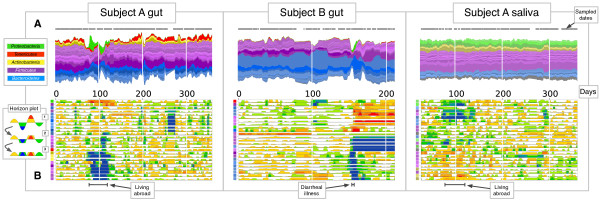
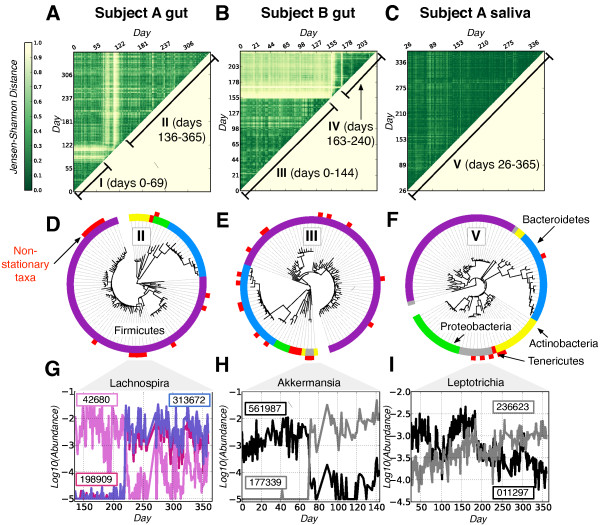
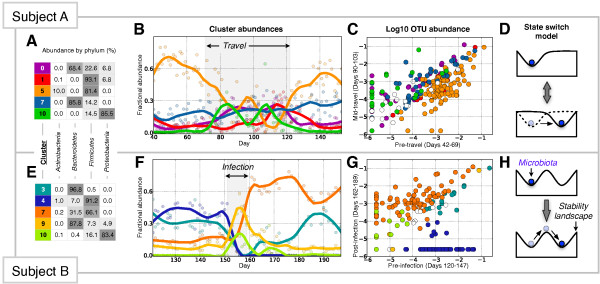
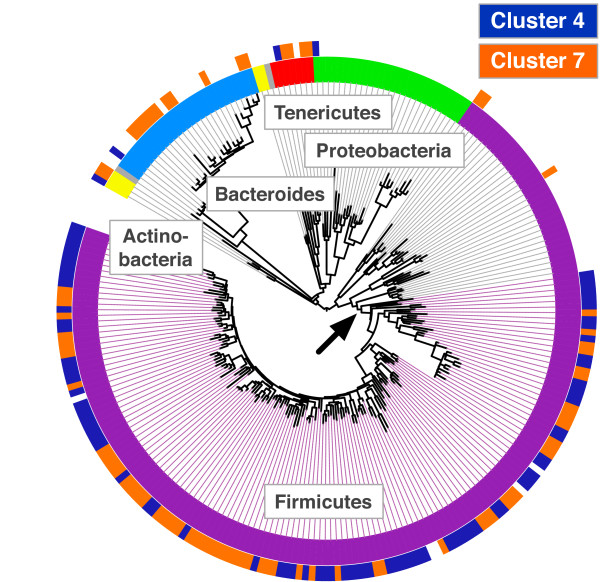
BACKGROUND: Disturbance to human microbiota may underlie several pathologies. Yet, we lack a comprehensive understanding of how lifestyle affects the dynamics of human-associated microbial communities. RESULTS: Here, we link over 10,000 longitudinal measurements of human wellness and action to the daily gut and salivary microbiota dynamics of two individuals over the course of one year. These time series show overall microbial communities to be stable for months. However, rare events in each subjects’ life rapidly and broadly impacted microbiota dynamics. Travel from the developed to the developing world in one subject led to a nearly two-fold increase in the Bacteroidetes to Firmicutes ratio, which reversed upon return. Enteric infection in the other subject resulted in the permanent decline of most gut bacterial taxa, which were replaced by genetically similar species. Still, even during periods of overall community stability, the dynamics of select microbial taxa could be associated with specific host behaviors. Most prominently, changes in host fiber intake positively correlated with next-day abundance changes among 15% of gut microbiota members. CONCLUSIONS: Our findings suggest that although human-associated microbial communities are generally stable, they can be quickly and profoundly altered by common human actions and experiences.
Overview
The claims and statistics of this paper haven’t been checked yet.
Run the check — free, no account needed. It reads the open-access text and checks the sources it cites.
Integrity signals
Registry
Cites
Statistics
Figures
Verification
Claims the paper makes
The claims and statistics of this paper haven’t been checked yet.
Run the check — free, no account needed. It reads the open-access text and checks the sources it cites.
Claims other papers make about this one
Each is checked against this paper’s own text: does it say what the citing paper says it does?
The source backs part of the claim, not all of it — or backs it for a different population, condition or comparison.
In the citing paper
“Short-term, dramatic dietary interventions have demonstrated the ability to alter microbiota diversity quickly in humans [5].”
From Effect of Diet on the Gut Microbiota: Rethinking Intervention Duration (2019) · cites this paper as [5]
Experimental — accuracy not yet measuredIn the citing paper
“Likewise, mouse models have indicated that manipulation of macronutrient intake can consistently shift the composition of the gut microbiota within the span of a day [5,6,18,19].”
From Effect of Diet on the Gut Microbiota: Rethinking Intervention Duration (2019) · cites this paper as [5]
In the citing paper
“One longitudinal study involving daily gut microbiota investigations of two individuals over the course of a year found that changes in fibre intake are positively correlated with a change in abundance of 15% of the microbial community the following day [5].”
From Effect of Diet on the Gut Microbiota: Rethinking Intervention Duration (2019) · cites this paper as [5]
Self-check
Percentages, sums and reported differences re-computed from the paper’s own numbers.
The self-check needs the paper’s full text.
Citations
Cites
QIIME allows analysis of high-throughput community sequencing data
Caporaso, J. G., Kuczynski, J., Stombaugh, J., Bittinger, K., Bushman, F. D., Costello, E. K., Fierer, N., Peña, A. G., Goodrich, J. K., Gordon, J. I., et al. (2010) · Nature Methods · doi:10.1038/nmeth.f.303 · Cited by 34,887
Search and clustering orders of magnitude faster than BLAST
Edgar, R. C. (2010) · Bioinformatics · doi:10.1093/bioinformatics/btq461 · Cited by 21,098
An obesity-associated gut microbiome with increased capacity for energy harvest
Turnbaugh, P. J., Ley, R. E., Mahowald, M. A., Magrini, V., Mardis, E. R., & Gordon, J. I. (2006) · Nature · doi:10.1038/nature05414 · Cited by 12,444
Greengenes, a Chimera-Checked 16S rRNA Gene Database and Workbench Compatible with ARB
DeSantis, T. Z., Hugenholtz, P., Larsen, N., Rojas, M., Brodie, E. L., Keller, K., Huber, T., Dalevi, D., Hu, P., & Andersen, G. L. (2006) · Applied and Environmental Microbiology · doi:10.1128/aem.03006-05 · Cited by 10,891
Diet rapidly and reproducibly alters the human gut microbiome
David, L. A., Maurice, C. F., Carmody, R. N., Gootenberg, D. B., Button, J. E., Wolfe, B. E., Ling, A. V., Devlin, A. S., Varma, Y., Fischbach, M. A., et al. (2014) · Nature · doi:10.1038/nature12820 · Cited by 10,100
Self-citationGlobal patterns of 16S rRNA diversity at a depth of millions of sequences per sample
Caporaso, J. G., Lauber, C. L., Walters, W. A., Berg-Lyons, D., Lozupone, C., Turnbaugh, P. J., Fierer, N., & Knight, R. D. (2010) · Proceedings of the National Academy of Sciences · doi:10.1073/pnas.1000080107 · Cited by 9,944
Human gut microbes associated with obesity
Ley, R. E., Turnbaugh, P. J., Klein, S., & Gordon, J. I. (2006) · Nature · doi:10.1038/4441022a · Cited by 8,785
Human gut microbiome viewed across age and geography
Yatsunenko, T., Rey, F. E., Manary, M. J., Trehan, I., Dominguez-Bello, M. G., Contreras, M., Magris, M., Hidalgo, G., Baldassano, R. N., Anokhin, A. P., et al. (2012) · Nature · doi:10.1038/nature11053 · Cited by 7,815
Statsmodels: Econometric and Statistical Modeling with Python
Seabold, S., & Perktold, J. (2010) · Proceedings of the Python in Science Conferences · doi:10.25080/majora-92bf1922-011 · Cited by 6,968
Linking long-term dietary patterns with gut microbial enterotypes
Wu, G. D., Chen, J., Hoffmann, C., Bittinger, K., Chen, Y.-Y., Keilbaugh, S. A., Bewtra, M., Knights, D., Walters, W. A., Knight, R., et al. (2011) · Science · doi:10.1126/science.1208344 · Cited by 6,513
Cited by
Sorted by citations
Items 201–300 of 951
The Challenge of Maintaining a Healthy Microbiome during Long-Duration Space Missions
Voorhies, A. A., & Lorenzi, H. (2016) · Frontiers in Astronomy and Space Sciences · doi:10.3389/fspas.2016.00023 · Cited by 85
Paola, M. D., Cavalieri, D., Albanese, D., Sordo, M., Pindo, M., Donati, C., Pagnini, I., Giani, T., Simonini, G., Paladini, A., et al. (2016) · Frontiers in Microbiology · doi:10.3389/fmicb.2016.01703 · Cited by 82
Trefflich, I., Jabakhanji, A., Menzel, J., Blaut, M., Michalsen, A., Lampen, A., Abraham, K., & Weikert, C. (2019) · Critical Reviews in Food Science and Nutrition · doi:10.1080/10408398.2019.1676697 · Cited by 82
Vandeputte, D., & Joossens, M. (2020) · Microorganisms · doi:10.3390/microorganisms8111638 · Cited by 86
Litvak, Y., & Bäumler, A. J. (2019) · PLoS Pathogens · doi:10.1371/journal.ppat.1007563 · Cited by 80
Decoding molecular interactions in microbial communities
Abreu, N. A., & Taga, M. E. (2016) · FEMS Microbiology Reviews · doi:10.1093/femsre/fuw019 · Cited by 80
“Within individuals, approximately 60% of the gut microbiota is projected to remain stable for decades (Faith et al. 2013), yet rapid, temporary shifts in microbiota composition can be induced by lifestyle changes or acute intestinal infection (David et al. 2014).”
BackgroundAssociations Between Nutrition, Gut Microbiome, and Health in A Novel Nonhuman Primate Model
Clayton, J. B., Al‐Ghalith, G. A., Long, H. T., Tuan, B. V., Cabana, F., Huang, H., Vangay, P., Ward, T., Minh, V. V., Tam, N. A., et al. (2018) · Scientific Reports · doi:10.1038/s41598-018-29277-x · Cited by 81
Optimizing sequencing protocols for leaderboard metagenomics by combining long and short reads
Sanders, J. G., Nurk, S., Salido, R. A., Minich, J. J., Xu, Z. Z., Zhu, Q., Martino, C., Fedarko, M. W., Arthur, T. D., Chen, F., et al. (2019) · Genome biology · doi:10.1186/s13059-019-1834-9 · Cited by 77
Identifying strains that contribute to complex diseases through the study of microbial inheritance
Faith, J. J., Colombel, J., & Gordon, J. I. (2015) · Proceedings of the National Academy of Sciences · doi:10.1073/pnas.1418781112 · Cited by 77
Salivary microbiome in non-oral disease: A summary of evidence and commentary
Acharya, A., Chan, Y., Kheur, S. M., Jin, L., Watt, R. M., & Mattheos, N. (2017) · Archives of Oral Biology · doi:10.1016/j.archoralbio.2017.07.019 · Cited by 77
“Furthermore, a subset of species may be more sensitive to such influences (David et al., 2014).”
Single-Subject Studies in Translational Nutrition Research
Schork, N. J., & Goetz, L. H. (2017) · Annual Review of Nutrition · doi:10.1146/annurev-nutr-071816-064717 · Cited by 79
Alshehri, D., Saadah, O. I., Mosli, M. H., Edris, S., Al-Hindi, R. R., & Bahieldin, A. (2020) · Biomolecules and Biomedicine · doi:10.17305/bjbms.2020.5016 · Cited by 82
“Studies investigating the role of the microbiome in human health monitored the dynamics of the changes that occur in microbial communities, demonstrating both plasticity and stability in the human microbiome (22) (47).”
BackgroundThe Microbiota–Gut–Brain Axis in Metabolic Syndrome and Sleep Disorders: A Systematic Review
dos Santos, A., & Galié, S. (2024) · Nutrients · doi:10.3390/nu16030390 · Cited by 84
“However, due to the homeostasis to a stable-state microbial profile, the impact of short-to-medium-term dietary interventions has only a transient effect on gut microbial composition [68].”
BackgroundThe Inuit gut microbiome is dynamic over time and shaped by traditional foods
Dubois, G., Girard, C., Lapointe, F., & Shapiro, B. J. (2017) · Microbiome · doi:10.1186/s40168-017-0370-7 · Cited by 77
“scales of days to weeks, diet is the main factor driving composition and structure of the gut microbiome [13].”
BackgroundPrimate microbiomes over time: Longitudinal answers to standing questions in microbiome research
Björk, J. R., Dasari, M. R., Grieneisen, L., & Archie, E. A. (2019) · American Journal of Primatology · doi:10.1002/ajp.22970 · Cited by 76
“See Pilosof et al. (2017) for a review of multilayer networks in ecology day to the next, with potential consequences for host physical functioning (e.g., Caporaso et al., 2011; David et al., 2014).”
InfluentialKok, C. R., Rose, D. J., & Hutkins, R. W. (2022) · Annual Review of Food Science and Technology · doi:10.1146/annurev-food-060721-015516 · Cited by 81
Antibiotic-perturbed microbiota and the role of probiotics
Szajewska, H., Scott, K. P., de Meij, T. G. J., Forslund, S. K., Knight, R. D., Koren, O., Little, P. S., Johnston, B. C., Łukasik, J., Suez, J., et al. (2024) · Nature Reviews Gastroenterology & Hepatology · doi:10.1038/s41575-024-01023-x · Cited by 80
Inferring human microbial dynamics from temporal metagenomics data: Pitfalls and lessons
Cao, H., Gibson, T. E., Bashan, A., & Liu, Y. (2016) · BioEssays · doi:10.1002/bies.201600188 · Cited by 73
“Although there are already human microbial time-series data available [29, 30], we find in our previous work [15] that the time series data are not”
BackgroundAge and Mothers: Potent Influences of Children’s Skin Microbiota
Zhu, T., Liu, X., Kong, F.-Q., Duan, Y., Yee, A. L., Kim, M., Galzote, C., Gilbert, J. A., & Quan, Z. (2019) · Journal of Investigative Dermatology · doi:10.1016/j.jid.2019.05.018 · Cited by 74
“Although most nextgeneration sequencing skin microbiome studies of healthy individuals have centered on adults (David et al., 2014; Fierer et al., 2008; Giacomoni et al., 2009; Staudinger et al., 2011”
BackgroundD’Aquila, P., Carelli, L. L., Rango, F. D., Passarino, G., & Bellizzi, D. (2020) · Nutrients · doi:10.3390/nu12030597 · Cited by 80
“Nutrients can directly affect the gut microbiota by promoting or inhibiting the growth of microorganisms, indirectly influencing the host’s metabolism and its immune system or passively joining certain food-derived members to the microbiota, such as Candida, Penicillium fungi, and lactic-acid producing bacteria [30,31…”
BackgroundChen, H., Kuo, P., Hsu, C., Chiu, Y.-H., Liu, Y.-W., Lu, M., & Chen, C.-H. (2021) · Nutrients · doi:10.3390/nu13113731 · Cited by 81
“Because microbial communities in fecal samples for adults were generally stable over a period of months except for rare events, such as enteric infection or consuming antibiotics [39], the phenomenon of minor changes”
BackgroundEngineered microbial systems for advanced drug delivery
Shen, H., Aggarwal, N., Wun, K. S., Lee, Y. S., Hwang, I. Y., & Chang, M. W. (2022) · Advanced Drug Delivery Reviews · doi:10.1016/j.addr.2022.114364 · Cited by 74
Modulating Composition and Metabolic Activity of the Gut Microbiota in IBD Patients
Matijašić, M., Meštrović, T., Perić, M., Paljetak, H. Č., Panek, M., Bender, D. V., Kelečić, D. L., Krznarić, Ž., & Verbanac, D. (2016) · International Journal of Molecular Sciences · doi:10.3390/ijms17040578 · Cited by 71
“In contrast, less than complete microbiota recovery was reported after antibiotic treatment [29,30] or enteric infection [31] throughout the follow-up period.”
BackgroundLiu, M., Zhang, L., Chu, X.-H., Ma, R., Wang, Y., Liu, Q., Zhang, N., Karrow, N. A., & Sun, L. (2020) · Food and Chemical Toxicology · doi:10.1016/j.fct.2020.111373 · Cited by 69
Exploring New Drug Targets for Type 2 Diabetes: Success, Challenges and Opportunities
Kanwal, A., Kanwar, N., Bharati, S., Srivastava, P., Singh, S. P., & Amar, S. (2022) · Biomedicines · doi:10.3390/biomedicines10020331 · Cited by 74
Trosvik, P., de Muinck, E. J., Rueness, E. K., Fashing, P. J., Beierschmitt, E. C., Callingham, K. R., Kraus, J. B., Trew, T. H., Moges, A., Mekonnen, A. D., et al. (2018) · Microbiome · doi:10.1186/s40168-018-0468-6 · Cited by 70
“From human studies, GI microbiomes are known to be highly individual [22], although temporal variation within an individual can be substantial [33].”
BackgroundSex differences in the oral microbiome, host traits, and their causal relationships
Liu, X., Tong, X., Jie, Z., Zhu, J., Tian, L., Sun, Q., Ju, Y., Zou, L., Lu, H., Qiu, X., et al. (2022) · iScience · doi:10.1016/j.isci.2022.105839 · Cited by 68
Insights into human evolution from ancient and contemporary microbiome studies
Schnorr, S. L., Sankaranarayanan, K., Lewis, C. M., & Warinner, C. (2016) · Current Opinion in Genetics & Development · doi:10.1016/j.gde.2016.07.003 · Cited by 71
A systems approach to clinical oncology uses deep phenotyping to deliver personalized care
Yurkovich, J. T., Tian, Q., Price, N. D., & Hood, L. (2019) · Nature Reviews Clinical Oncology · doi:10.1038/s41571-019-0273-6 · Cited by 73
Polymorphic Immune Mechanisms Regulate Commensal Repertoire
Khan, A. A., Yurkovetskiy, L., O’Grady, K., Pickard, J. M., de Pooter, R. F., Antonopoulos, D. A., Golovkina, T. V., & Chervonsky, A. V. (2019) · Cell Reports · doi:10.1016/j.celrep.2019.09.010 · Cited by 62
“, 2018), but tends to return to the pre-challenge state (David et al., 2014), albeit with some irreversible losses (Sonnenburg et al.”
BackgroundTemporal probabilistic modeling of bacterial compositions derived from 16S rRNA sequencing
Äijö, T., Müller, C. L., & Bonneau, R. (2017) · Bioinformatics · doi:10.1093/bioinformatics/btx549 · Cited by 64
Bundgaard‐Nielsen, C., Hagstrøm, S., & Sørensen, S. (2018) · Scientific Reports · doi:10.1038/s41598-018-35843-0 · Cited by 65
Timescales of gut microbiome dynamics
Schlomann, B. H., & Parthasarathy, R. (2019) · Current Opinion in Microbiology · doi:10.1016/j.mib.2019.09.011 · Cited by 69
“…(median 35) 37–2074 (median 719) Jaccard index Rajilić-Stojanović 2013 (7) 16s 5 30–2920 (median 720) 2920 Pearson similarity of phylogenetic microarrays David 2014 (13) 16s 1 365 Jensen-Shannon Distance Voigt2015 (83) metagenomic 7 2–733 (median 226) 7–733 (median 392) Rank correlation;…”
BackgroundHo, P.-Y., Good, B. H., & Huang, K. C. (2022) · eLife · doi:10.7554/elife.75168 · Cited by 66
Wang, J., Foxman, B., Mody, L., & Snitkin, E. S. (2017) · Proceedings of the National Academy of Sciences · doi:10.1073/pnas.1710235114 · Cited by 66
Targeted Approaches for In Situ Gut Microbiome Manipulation
Lee, H. L., Shen, H., Hwang, I. Y., Ling, H., Yew, W. S., Lee, Y. S., & Chang, M. W. (2018) · Genes · doi:10.3390/genes9070351 · Cited by 68
“Thus, the gut microbiota has an extensive impact on both normal human physiology and disease susceptibilities, including defence against pathogens [6], nutrient utilisation [7], and peripheral education of the immune system [8].”
BackgroundThe Dimension of Time in Host-Microbiome Interactions
Uhr, G. T., Dohnalová, L., & Thaiss, C. A. (2019) · mSystems · doi:10.1128/msystems.00216-18 · Cited by 70
“One of the first studies that longitudinally measured daily responses of the microbiome to environmental perturbations found rapid adaptations of the intestinal microbial community to changes in diet (25).”
BackgroundBundgaard‐Nielsen, C., Lauritsen, M. B., Knudsen, J. K., Rold, L. S., Larsen, M. H., Hindersson, P., Villadsen, A. B., Leutscher, P. D. C., Hagstrøm, S., Nyegaard, M., et al. (2023) · Gut Microbes · doi:10.1080/19490976.2023.2211923 · Cited by 69
Mohan, M., Chow, C. T., Ryan, C., Chan, L. S., Dufour, J., Aye, P. P., Blanchard, J., Moehs, C. P., & Sestak, K. (2016) · Nutrients · doi:10.3390/nu8110684 · Cited by 65
Skonieczna‐Żydecka, K., Kaczmarczyk, M., Łoniewski, I., Lara, L. F., Koulaouzidis, A., Misera, A., Maciejewska, D., & Marlicz, W. M. (2018) · Journal of Clinical Medicine · doi:10.3390/jcm7120556 · Cited by 66
Sato, Y., Yamagishi, J., Yamashita, R., Shinozaki, N. O., Ye, B., Yamada, T., Yamamoto, M. P., Nagasaki, M., & Tsuboi, A. (2015) · PLoS ONE · doi:10.1371/journal.pone.0131607 · Cited by 66
Old age and other factors associated with salivary microbiome variation
SCHWARTZ, J. L., Peña, N., Kawar, N. I., Zhang, A., Callahan, N. F., Robles, S. J., Griebel, A., & Adami, G. R. (2021) · BMC Oral Health · doi:10.1186/s12903-021-01828-1 · Cited by 69
“Generalizing the data is made difficult by the different approaches used to deal with variation in oral health and additional subject characteristics, and variation due to study location [14].”
MethodGut Microbiome of the Canadian Arctic Inuit
Girard, C., Tromas, N., Amyot, M., & Shapiro, B. J. (2017) · mSphere · doi:10.1128/msphere.00297-16 · Cited by 65
“prausnitzii, which has been linked with consumption of citrus fruit (5), was overrepresented in Montreal, where— unlike the”
Clostridium difficile infection in returning travellers
Stevens, A. M., Esposito, D. H., Stoney, R. J., Hamer, D. H., Flores‐Figueroa, J., Bottieau, E., Connor, B. A., Gkrania‐Klotsas, E., Goorhuis, A., Hynes, N. A., et al. (2016) · Journal of Travel Medicine · doi:10.1093/jtm/taw099 · Cited by 64
“The epidemiology of CDI is changing, and a broader array of risk factors is becoming apparent.(8,14) Our study summarizes CDI diagnoses amongst travellers who visited clinics in the GeoSentinel Global Surveillance Network during a 19-year period.”
The role of the commensal microbiota in the regulation of tolerance to dietary allergens
Canani, R. B., Gilbert, J. A., & Nagler‐Anderson, C. (2015) · Current Opinion in Allergy and Clinical Immunology · doi:10.1097/aci.0000000000000157 · Cited by 63
Preterm infant gut colonization in the neonatal ICU and complete restoration 2 years later
Moles, L., Gómez, M., Jiménez, E., Fernández, L., Bustos, G., Cháves, F., Cantón, R., Rodríguez, J. M., & del Campo, R. (2015) · Clinical Microbiology and Infection · doi:10.1016/j.cmi.2015.06.003 · Cited by 66
Modeling the temporal dynamics of the gut microbial community in adults and infants
Shenhav, L., Furman, O., Briscoe, L., Thompson, M., Silverman, J. D., Mizrahi, I., & Halperin, E. (2019) · PLoS Computational Biology · doi:10.1371/journal.pcbi.1006960 · Cited by 64
Paepe, K. D., Verspreet, J., Courtin, C. M., & de Wiele, T. V. (2019) · The ISME Journal · doi:10.1038/s41396-019-0550-5 · Cited by 60
The virota and its transkingdom interactions in the healthy infant gut
Beller, L., Deboutte, W., Vieira‐Silva, S., Falony, G., Tito, R. Y., Rymenans, L., Yinda, C. K., Vanmechelen, B., Espen, L. V., Jansen, D., et al. (2022) · Proceedings of the National Academy of Sciences · doi:10.1073/pnas.2114619119 · Cited by 58
The transition from genomics to phenomics in personalized population health
Yurkovich, J. T., Evans, S. J., Rappaport, N., Boore, J. L., Lovejoy, J. C., Price, N. D., & Hood, L. (2023) · Nature Reviews Genetics · doi:10.1038/s41576-023-00674-x · Cited by 70
“Links found between host lifestyle and gut microbiota 173 .”
Cooperative growth in microbial communities is a driver of multistability
Lopes, W., Amor, D. R., & Gore, J. (2024) · Nature Communications · doi:10.1038/s41467-024-48521-9 · Cited by 65
Kazemian, N., Ramezankhani, M., Sehgal, A., Khalid, F. M., Kalkhoran, A. H. Z., Narayan, A., Wong, G. K.-S., Kao, D., & Pakpour, S. (2020) · Scientific Reports · doi:10.1038/s41598-020-75162-x · Cited by 61
Microbiome succession with increasing age in three oral sites
Liu, S., Wang, Y., Zhao, L., Sun, X., & Feng, Q. (2020) · Aging · doi:10.18632/aging.103108 · Cited by 60
Stochastic logistic models reproduce experimental time series of microbial communities
Descheemaeker, L., & de Buyl, S. (2020) · eLife · doi:10.7554/elife.55650 · Cited by 61
Diet, habitat environment and lifestyle conversion affect the gut microbiomes of giant pandas
Jin, L., Huang, Y., Yang, S., Wu, D., Li, C., Deng, W., Zhao, K., He, Y., Li, B., Zhang, G., et al. (2021) · The Science of The Total Environment · doi:10.1016/j.scitotenv.2021.145316 · Cited by 60
Sowah, S. A., Milanese, A., Schübel, R., Wirbel, J., Kartal, E., Johnson, T., Hirche, F., Grafetstätter, M., Nonnenmacher, T., Kirsten, R., et al. (2022) · Genome Medicine · doi:10.1186/s13073-022-01030-0 · Cited by 61
Mancabelli, L., Milani, C., Biase, R. D., Bocchio, F., Fontana, F., Lugli, G. A., Alessandri, G., Tarracchini, C., Viappiani, A., Conto, F. D., et al. (2024) · mSystems · doi:10.1128/msystems.01294-23 · Cited by 64
Composition and stability of intestinal microbiota of healthy children within a Dutch population
de Meij, T. G. J., Budding, A. E., de Groot, E. F. J., Jansen, F. M., Kneepkens, C. M. F., Benninga, M. A., Penders, J., Bodegraven, A. A. V., & Savelkoul, P. H. M. (2015) · The FASEB Journal · doi:10.1096/fj.15-278622 · Cited by 63
“However, this generally stable course has been shown to be affected by lifestyle and major events in human life, such as dietary alterations, enteric infections, and traveling from the developed to the developing world, which could rapidly and profoundly impact microbiota dynamics (35).”
BackgroundThe role of HLA-B*27 in spondyloarthritis
Colbert, R. A., Navid, F., & Gill, T. (2017) · Best Practice & Research Clinical Rheumatology · doi:10.1016/j.berh.2018.07.012 · Cited by 61
Kearney, S. M., Gibbons, S. M., Poyet, M., Gurry, T., Bullock, K., Allegretti, J. R., Clish, C. B., & Alm, E. J. (2018) · The ISME Journal · doi:10.1038/s41396-018-0192-z · Cited by 59
Self-citationHost cells subdivide nutrient niches into discrete biogeographical microhabitats for gut microbes
Liou, M. J., Miller, B. M., Litvak, Y., Nguyen, H., Natwick, D. E., Savage, H. P., Rixon, J. A., Mahan, S. P., Hiyoshi, H., Rogers, A. W. L., et al. (2022) · Cell Host & Microbe · doi:10.1016/j.chom.2022.04.012 · Cited by 57
Entropy-Scaling Search of Massive Biological Data
Yu, Y. W., Daniels, N. M., Danko, D., & Berger, B. (2015) · Cell Systems · doi:10.1016/j.cels.2015.08.004 · Cited by 55
“It has led to improved understanding of how ecosystems recover from environmental damage (Tyson et al., 2004) and how the human gut responds to diet and infection (David et al., 2014).”
BackgroundOdamaki, T., Kato, K., Sugahara, H., Xiao, J., Abe, F., & Benno, Y. (2016) · Beneficial Microbes · doi:10.3920/bm2015.0173 · Cited by 61
“As compared to animal-based diet in the report by David et al. (2014b), the compositions of protein and fat were relatively lower in this study (Supplementary Table S7).”
ResultEffects of the long-term storage of human fecal microbiota samples collected in RNAlater
Tap, J., Cools-Portier, S., Pavan, S., Druesne, A., Öhman, L., Törnblom, H., Simrén, M., & Derrien, M. (2019) · Scientific Reports · doi:10.1038/s41598-018-36953-5 · Cited by 63
Are We What We Eat? Impact of Diet on the Gut–Brain Axis in Parkinson’s Disease
Alfonsetti, M., Castelli, V., & d’Angelo, M. (2022) · Nutrients · doi:10.3390/nu14020380 · Cited by 61
Parallel‐Meta Suite: Interactive and rapid microbiome data analysis on multiple platforms
Chen, Y., Li, J., Zhang, Y., Zhang, M., Sun, Z., Jing, G., Huang, S. W., & Su, X. (2022) · iMeta · doi:10.1002/imt2.1 · Cited by 58
Health and Disease Imprinted in the Time Variability of the Human Microbiome
Martí, J. M., Martínez‐Martínez, D., Rubio, T., Gracia, C., Peña, M., Latorre, A., Moyá, A., & Peña-Garay, C. (2017) · mSystems · doi:10.1128/msystems.00144-16 · Cited by 60
“Interestingly, the variability parameter was higher in the FIG 5 Rank variation over time of the 50 most dominant elements (taxa) and their calculated RSI, RV, and DV, as detailed in rank stability and variability in Materials and Methods, for an ordinary period (days 123 to 256, after the trip) belonging to subject A…”
BackgroundInfluentialHorizontal and Vertical Transfer of Oral Microbial Dysbiosis and Periodontal Disease
Payne, M., Hashim, A., Alsam, A., Joseph, S. M., Aduse‐Opoku, J., Wade, W. G., & Curtis, M. A. (2019) · Journal of Dental Research · doi:10.1177/0022034519877150 · Cited by 58
“…analysis of the salivary microbiome of 2 individuals on a daily basis over the course of 1 y demonstrated a highly stable microbial community structure that appeared far more resilient to alterations than the corresponding gut microbial populations in the same individuals (David et al. 2014).”
BackgroundMethodIntestinal Microbiota in Colorectal Cancer Surgery
Koliarakis, I., Athanasakis, E., Sgantzos, M. N., Mariolis-Sapsakos, T. D., Xynos, E., Chrysos, E., Souglakos, J., & Tsiaoussis, J. (2020) · Cancers · doi:10.3390/cancers12103011 · Cited by 63
Cassotta, M., Forbes-Hernández, T. Y., Iglesias, R. C., Ruíz, R., Elexpuru-Zabaleta, M., Giampieri, F., & Battino, M. A. (2020) · Nutrients · doi:10.3390/nu12061827 · Cited by 59
“Every human being appears to carry their own individual suite of microbial strains [82,83], which are acquired early in life [84,85]; differ between environments, age, and populations [86,87]; and can be altered by diet [26,88,89].”
BackgroundMicrobial biotransformations in the human distal gut
Bik, E. M., Ugalde, J. A., Cousins, J., Goddard, A. D., Richman, J., & Apte, Z. S. (2017) · British Journal of Pharmacology · doi:10.1111/bph.14085 · Cited by 60
“…individual gut microbiome composition appears to be relatively stable in the absence of disease and dietary or lifestyle changes but can quickly and dramatically respond to an altered diet, international travel, food poisoning (David et al., 2014a,b) or antibiotic use (Dethlefsen and Relman, 2011).”
BackgroundThe Gut Microbiome and Bone Strength
Castaneda, M., Strong, J. M., Alabi, D. A., & Hernandez, C. J. (2020) · Current Osteoporosis Reports · doi:10.1007/s11914-020-00627-x · Cited by 61
Baksi, K. D., Kuntal, B. K., & Mande, S. S. (2018) · Frontiers in Microbiology · doi:10.3389/fmicb.2018.00036 · Cited by 55
“In microbial time series studies, identification of stationary taxa is especially crucial to detect inter microbial competition (David et al., 2014).”
BackgroundResultInfluentialScales of persistence: transmission and the microbiome
Robinson, C. D., Bohannan, B. J. M., & Britton, R. A. (2019) · Current Opinion in Microbiology · doi:10.1016/j.mib.2019.09.009 · Cited by 57
Predictability and persistence of prebiotic dietary supplementation in a healthy human cohort
Gurry, T., Dannenberg, P. H., Finlayson, S. G., Hughes, T. K., Macias-Treviño, C., Owusu-Boaitey, K. E., Shomorony, A., Tuang, S. L., Valenstein, M. L., Wang, K. K., et al. (2018) · Scientific Reports · doi:10.1038/s41598-018-30783-1 · Cited by 57
Predicting microbial interactions through computational approaches
Li, C., Lim, K. M. K., Chng, K. R., & Nagarajan, N. (2016) · Methods · doi:10.1016/j.ymeth.2016.02.019 · Cited by 58
Personalized Nutrition Through The Gut Microbiota: Current Insights And Future Perspectives
Vandeputte, D. (2020) · Nutrition Reviews · doi:10.1093/nutrit/nuaa098 · Cited by 63
Characterization of the gut microbiome in epidemiologic studies: the multiethnic cohort experience
Fu, B. C., Randolph, T. W., Lim, U., Monroe, K. R., Cheng, I. C., Wilkens, L. R., Marchand, L. L., Hullar, M. A. J., & Lampe, J. W. (2016) · Annals of Epidemiology · doi:10.1016/j.annepidem.2016.02.009 · Cited by 58
“Although the adult gut microbiome is considerably more stable than the infant microbiome [70,109-112], many factors may influence its composition both in the short- and long-term, including diet [113-116], antibiotic use [117-119], and weight loss [110,120,121].”
Dietary Intake Mediates Ethnic Differences in Gut Microbial Composition
Borrello, K., Lim, U., Park, S., Monroe, K. R., Maskarinec, G., Boushey, C. J., Wilkens, L. R., Randolph, T. W., Marchand, L. L., Hullar, M. A. J., et al. (2022) · Nutrients · doi:10.3390/nu14030660 · Cited by 53
“While transient changes in gut microbial composition have been observed in response to dietary fluctuations such as fiber intake [54], the overall long-term stability of adult gut microbiome is well established [55,56], supporting a relatively consistent association with habitual diet over time.”
BackgroundLakshmanan, A. P., Zaidan, S. A., Bangarusamy, D. K., Al-Shamari, S. D., Elhag, W., & Terranegra, A. (2022) · Frontiers in Nutrition · doi:10.3389/fnut.2022.849005 · Cited by 56
“Numerous studies have demonstrated that diet is a predominant factor in the modulation of gut microbiota (23, 24), and it can even abruptly change the gut microbiota on a daily timescale in humans (25), suggesting its potential role in maintaining the health of the gut microbiota.”
BackgroundDietary Microbes Modulate Transgenerational Cancer Risk
Poutahidis, T., Varian, B. J., Levkovich, T., Lakritz, J. R., Mirabal, S., Kwok, C., Ibrahim, Y. M., Kearney, S. M., Chatzigiagkos, A., Alm, E. J., et al. (2015) · Cancer Research · doi:10.1158/0008-5472.can-14-2732 · Cited by 53
“We also found higher abundance of Firmicutes and lower abundance of Bacteroidetes in NWD-treated mice consistent with our previous findings and also those of other groups who’ve studied obesity and metabolic syndrome (Figure S2) (7,12).”
ResultAbundance estimation and differential testing on strain level in metagenomics data
Fischer, M., Strauch, B., & Renard, B. Y. (2017) · Bioinformatics · doi:10.1093/bioinformatics/btx237 · Cited by 49
Lung Microbiome Is Influenced by the Environment and Asthmatic Status in an Equine Model of Asthma
Fillion-Bertrand, G., Dickson, R. P., Boivin, R., Lavoie, J., Huffnagle, G. B., & Leclère, M. (2018) · American Journal of Respiratory Cell and Molecular Biology · doi:10.1165/rcmb.2017-0228oc · Cited by 54
Predicting and Understanding the Human Microbiome’s Impact on Pharmacology
Hitchings, R., & Kelly, L. (2019) · Trends in Pharmacological Sciences · doi:10.1016/j.tips.2019.04.014 · Cited by 55
“Individuals each possess a unique microbiome with distinct metabolic capacities that vary over time [3].”
BackgroundGastrointestinal host-pathogen interaction in the age of microbiome research
Tsolis, R. M., & Bäumler, A. J. (2020) · Current Opinion in Microbiology · doi:10.1016/j.mib.2020.03.002 · Cited by 56
Milk bioactives may manipulate microbes to mediate parent-offspring conflict
Allen‐Blevins, C. R., Sela, D. A., & Hinde, K. (2015) · Evolution Medicine and Public Health · doi:10.1093/emph/eov007 · Cited by 52
Hosoda, S., Nishijima, S., Fukunaga, T., Hattori, M., & Hamada, M. (2020) · Microbiome · doi:10.1186/s40168-020-00864-3 · Cited by 56
Corncob structures in dental plaque reveal microhabitat taxon specificity
Morillo-López, V., Sjaarda, A., Islam, I., Borisy, G. G., & Welch, J. L. M. (2022) · Microbiome · doi:10.1186/s40168-022-01323-x · Cited by 53
“Bacteria within the densely packed dental plaque biofilm depend on one another for metabolites and signals [19, 38, 39], but the composition of oral microbial communities is characterized by wide fluctuations in the relative abundance of taxa even as the overall community membership remains stable, a pattern known as…”
BackgroundThe hallmarks of dietary intervention-resilient gut microbiome
Klimenko, N. S., Odintsova, V. E., Revel-Muroz, A., & Tyakht, A. (2022) · npj Biofilms and Microbiomes · doi:10.1038/s41522-022-00342-8 · Cited by 52
The importance of cancer cells for animal evolutionary ecology
Frédéric Thomas, A., Jacqueline, C. M., Tissot, T., Henard, M., Blanchet, S., Loot, G., Dawson, E. H., Mery, F., Renaud, F., Montagne, J., et al. (2017) · Nature Ecology & Evolution · doi:10.1038/s41559-017-0343-z · Cited by 55
Bostancı, N., Krog, M. C., Hugerth, L. W., Bashir, Z., Fransson, E., Boulund, F., Belibasakis, G. N., Wannerberger, K., Engstrand, L. G., Nielsen, H. S., et al. (2021) · Frontiers in Cellular and Infection Microbiology · doi:10.3389/fcimb.2021.625229 · Cited by 55
Characterizations of oral microbiota in elderly nursing home residents with diabetes
Ogawa, T., Honda-Ogawa, M., Ikebe, K., Notomi, Y., Iwamoto, Y., Shirobayashi, I., Hata, S., Kibi, M., Masayasu, S., Sasaki, S., et al. (2017) · Journal of Oral Science · doi:10.2334/josnusd.16-0722 · Cited by 50
The Microbiome and Bone and Joint Disease
Hernandez, C. J. (2017) · Current Rheumatology Reports · doi:10.1007/s11926-017-0705-1 · Cited by 53
“change in diet or a short course of oral antibiotics, the composition of the gut flora mostly returns to its initial condition in composition (although some long-term changes can occur) [3, 8, 9].”
Bacterial variability in the mammalian gut captured by a single-cell synthetic oscillator
Riglar, D. T., Richmond, D., Potvin-Trottier, L., Verdegaal, A. A., Naydich, A. D., Bakshi, S., Leoncini, E., Lyon, L. G., Paulsson, J., & Silver, P. A. (2019) · Nature Communications · doi:10.1038/s41467-019-12638-z · Cited by 50
The obese gut microbiome across the epidemiologic transition
Dugas, L. R., Fuller, M. H., Gilbert, J. A., & Layden, B. T. (2016) · Emerging Themes in Epidemiology · doi:10.1186/s12982-015-0044-5 · Cited by 50
“Further, recent evidence has suggested that even visits of short duration to other geographic locations can influence the gut microbial assemblage; specifically a month long visit to Bangkok, Thailand, can dramatically influence the microbial composition of one participant’s microbiome [51].”
BackgroundEmergence of drug resistant bacteria at the Hajj: A systematic review
Leangapichart, T., Rolain, J., Memish, Z. A., Al‐Tawfiq, J. A., & Gautret, P. (2017) · Travel Medicine and Infectious Disease · doi:10.1016/j.tmaid.2017.06.008 · Cited by 49
Klassen, J. L. (2018) · Nature Microbiology · doi:10.1038/s41564-018-0189-4 · Cited by 49
The Role of the Gut Microbiota in Health, Diet, and Disease with a Focus on Obesity
Feei, Z., & Lee, Y. Y. (2025) · Foods · doi:10.3390/foods14030492 · Cited by 57
“Therefore, a long-term, habitual dietary intake may play an important role in shaping gut microbiota [54].”
Our interface with the built environment: immunity and the indoor microbiota
Lax, S. M., Nagler‐Anderson, C., & Gilbert, J. A. (2015) · Trends in Immunology · doi:10.1016/j.it.2015.01.001 · Cited by 48
“Because the diversity of environmental sources we interact with may influence the colonization and succession of our microbiota from birth to a stable adult state [5], it is likely that if the diversity of sources we are exposed to were to decline, so too would the repertoire of our microbial taxonomy.”
BackgroundDynamics of tongue microbial communities with single-nucleotide resolution using oligotyping
Welch, J. L. M., Utter, D. R., Rossetti, B. J., Welch, D. B. M., Eren, A. M., & Borisy, G. G. (2014) · Frontiers in Microbiology · doi:10.3389/fmicb.2014.00568 · Cited by 47
“…interest may occur over shorter time scales led to studies that sampled at daily intervals in a marine system and in the human microbiome (Dethlefsen and Relman, 2011; Caporaso et al., 2011; Koenig et al., 2011; Gajer et al., 2012; Martínez et al., 2013; Needham et al., 2013; David et al., 2014).”
BackgroundMethodInfluential
Metadata
- Authors
- David, L. A., Materna, A. C., Friedman, J., Campos-Baptista, M. I., Blackburn, M. C., Perrotta, A., Erdman, S. E., & Alm, E. J.
- Affiliations
- Harvard University (US)
- Qiagen (Denmark) (DK)
- Massachusetts Institute of Technology (US)
- École Polytechnique Fédérale de Lausanne (CH)
- Broad Institute (US)
- Corresponding author
- Alm, Eric J
- Venue
- Genome biology
- Published
- 2014-07-25
- Volume
- 15
- Issue
- 7
- Pages
- R89-R89
- ISSN
- 1465-6906 (ISSN-L)
- 1474-760X
- PMC
- PMC4405912
- OpenAlex
- W2103088074
- Cited by
- 950
- References
- 58
- Citations by year
- 2026: 27 · 2025: 60 · 2024: 74 · 2023: 80 · 2022: 117 · 2021: 95 · 2020: 105 · 2019: 85 · 2018: 85 · 2017: 98 · 2016: 65 · 2015: 52 · 2014: 5
- FWCI
- 30.09
- Type
- journal article
- Language
- en
- Update notices
- correction (2016-05-31)
- Open access
- gold
- doi.org
- Locations
- Genome biology (publishedVersion, cc-by)
- PubMed Central (publishedVersion, cc-by)
- PubMed (publishedVersion)
- DSpace@MIT (Massachusetts Institute of Technology) (submittedVersion, cc-by)
- DSpace@MIT (Massachusetts Institute of Technology) (submittedVersion, cc-by-nc)
- Infoscience (Ecole Polytechnique Fédérale de Lausanne) (submittedVersion)
- Infoscience (Ecole Polytechnique Fédérale de Lausanne) (submittedVersion, cc-by-nc-nd)
- Funders
- National Science Foundation (0821391)
- Topics
- Life Sciences › Biochemistry, Genetics and Molecular Biology › Molecular Biology › Gut microbiota and health
- Health Sciences › Dentistry › Periodontics › Oral microbiology and periodontitis research
- Physical Sciences › Environmental Science › Ecology › Microbial Community Ecology and Physiology
- Keywords
- human microbiota, gut microbiota, salivary microbiota, host lifestyle, microbiota dynamics, daily fluctuations, microbial community stability, Firmicutes/Bacteroidetes ratio, gastrointestinal infections, dietary fiber intake, host behavior
- MeSH terms
- Bacteria, Bacterial Infections, Developing Countries, Feces, Humans, Life Style, Longitudinal Studies, Male, Phylogeny, Saliva, Genetic Variation, Sequence Analysis, DNA, Developed Countries, High-Throughput Nucleotide Sequencing, Microbiota
About these checks
Registry, retraction, Cites and statistics results are computed, not judged, with one exception: a printed reference that no index lists is read once by a model before it counts as a citation error. Claims are extracted by a model and kept only when their quote appears verbatim in the text; each cited source is then checked, with a model’s help, for whether it says what the claim relies on. Those verdicts can be wrong — read the claim’s quote and the cited source before relying on one.
Statistics and arithmetic are recomputed, not judged.
Confidence bands are shown only for fields calibrated on our annotated test set. None is calibrated yet, so no band is shown.
What counts as a claim ›How we measure confidence ›How we check this ›
Are you an author, or do you see a problem with this page? Request a review
