

Association between abnormal default mode network activity and suicidality in depressed adolescents
Open accessThe DOI matches its Crossref record; 73 of the 73 references it cites were found in a registry or an index.
Abstract
BACKGROUND: Suicide is the second leading cause of death among 15- to 29-year-olds in China, and 60 % of suicidal patients have a history of depression. Previous brain imaging studies have shown that depression and suicide may be associated with abnormal activity in default mode network (DMN) regions. However, no study has specifically investigated the relationship between DMN functional activity and suicidal behavior in depressed individuals. Therefore, in the present study, we directly investigated features of DMN brain activity in adolescent patients with histories of depression and attempted suicide. METHODS: A total of 35 sex- and age-matched suicidal depressed patients were compared with 18 non-suicidal depressed patients and 47 healthy controls. We explored functional activity changes in DMN regions that could be associated with suicidal behavior by comparing resting-state functional magnetic resonance imaging (rs-fMRI) signals using independent component analysis (ICA). Scores on six clinical scales that measure depression severity (Hamilton Depression Scale (HDRS) and Beck Depression Inventory (BDI)) and suicidal traits (Barratt Impulsiveness Scale (BIS-11), Suicide Attitude Questionnaire (SAQ), Beck Hopelessness Scale (BHS), and Scale for Suicide Ideation (SSI)) were compared in the three groups. RESULTS: Compared with the healthy controls, all of the evaluated depressed patients showed increased functional connectivity in select DMN regions. The suicidal patients showed increased connectivity in the left cerebellum and decreased connectivity in the right posterior cingulate cortex (PCC), whereas the non-suicidal depressed patients showed increased connectivity in the left superior frontal gyrus, left lingual gyrus and right precuneus and decreased connectivity in the left cerebellum. Compared to the non-suicidal patients, the suicidal patients showed increased connectivity in the left cerebellum and the left lingual gyrus and decreased connectivity in the right precuneus. No differences in the scores of any clinical scales were found between the suicidal and non-suicidal depressed patients. CONCLUSIONS: Collectively, our results highlight the importance of the DMN in the pathophysiology of depression and suggest that suicidal behavior in depressed adolescents may be related to abnormal functional connectivity in the DMN. In particular, abnormal connectivity in the PCC/precuneus and left cerebellum might be a predictor of suicidal behavior in depressed adolescent patients.
Overview
The claims and statistics of this paper haven’t been checked yet.
Free: it reads the open-access text and checks the first 5 claims that cite a source we can check. Create a free account to check every claim.
Integrity signals
Registry
Cites
Statistics
Figures
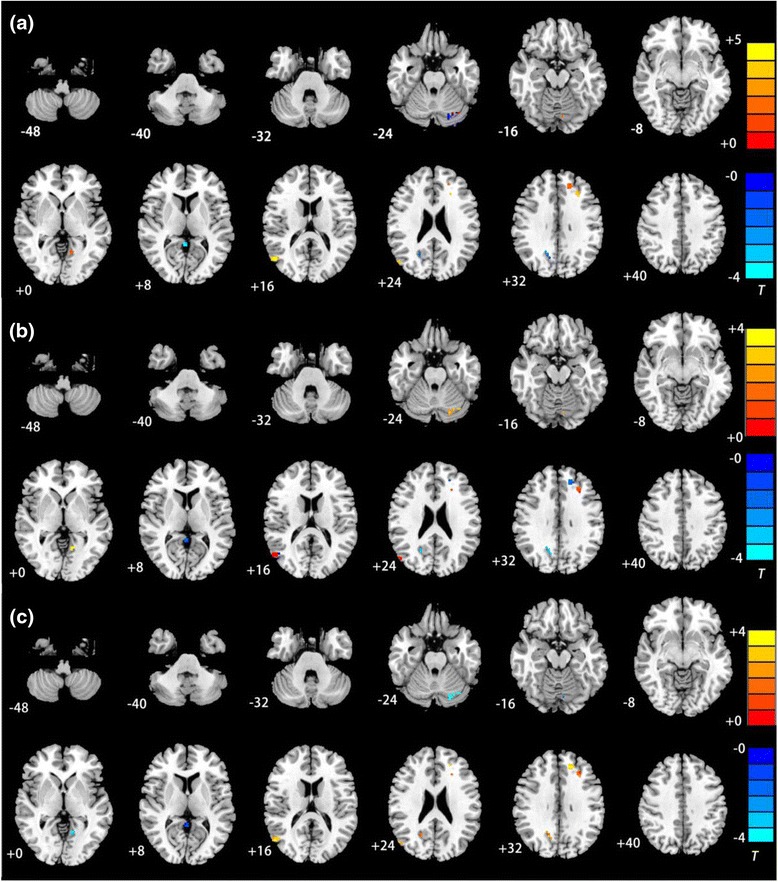
Verification
Claims the paper makes
The claims and statistics of this paper haven’t been checked yet.
Free: it reads the open-access text and checks the first 5 claims that cite a source we can check. Create a free account to check every claim.
Claims other papers make about this one
Each is checked against this paper’s own text: does it say what the citing paper says it does?
The source backs part of the claim, not all of it — or backs it for a different population, condition or comparison.
In the citing paper
“Resting state functional connectivity findings highlight reduced positive connectivity between the default mode network and salience network in attempters”
From Neural correlates associated with suicide and nonsuicidal self-injury in youth (2021) · cites this paper as [102]
Experimental — accuracy not yet measuredThe source backs part of the claim, not all of it — or backs it for a different population, condition or comparison.
In the citing paper
“Consistent with Schmaal and colleagues (32), youth STB research is characterized by alterations within prefrontal (53–55) and limbic (62, 75, 102, 103) systems whereby a compromised regulatory system may potentiate suicidal thinking, and perturbations in top-down and bottom-up connections may lead to suicidal behaviors.”
From Neural correlates associated with suicide and nonsuicidal self-injury in youth (2021) · cites this paper as [102]
Experimental — accuracy not yet measuredThe source backs part of the claim, not all of it — or backs it for a different population, condition or comparison.
In the citing paper
“Resting-state functional MRI (rs-fMRI) indicates lower functional connectivity in adolescent and adult suicide attempters, predominantly in the default mode network, which is implicated in self-referential processing and social cognition (85-87).”
From A brain-centric model of suicidal behavior (2020) · cites this paper as [87]
Experimental — accuracy not yet measuredThe cited source says what the claim attributes to it.
In the citing paper
“One sex- and age-matched case-control study found that suicidal adolescents with depression showed reduced DMN connectivity in the PCC and increased connectivity in the left cerebellum, suggesting altered coordination between self-referential and emotional processing regions (17).”
From Exploring the neurobiological markers of suicidal behaviors in pediatric population: a narrative review (2026) · cites this paper as [17]
In the citing paper
“Compared to psychiatric controls, attempters show increased connectivity between an ICA-derived DMN component and the cerebellum and lingual gyrus, and decreased connectivity with precuneus.”
From Neural correlates associated with suicide and nonsuicidal self-injury in youth (2021) · cites this paper as [102]
1 more claim about this paper
Create a free account to see every claim other papers make about this one.
Self-check
Percentages, sums and reported differences re-computed from the paper’s own numbers.
The self-check needs the paper’s full text.
Citations
Cites
Hamilton, M. (1960) · Journal of Neurology, Neurosurgery & Psychiatry · doi:10.1136/jnnp.23.1.56 · Cited by 32,817 · cited 1×
“The Hamilton Depression Rating Scale (HDRS, [38]) and Beck Depression Inventory (BDI, [39]) were used to evaluate depression severity.”
MethodA default mode of brain function
Raichle, M. E., MacLeod, A. M., Snyder, A. Z., Powers, W. J., Gusnard, D. A., & Shulman, G. L. (2001) · Proceedings of the National Academy of Sciences · doi:10.1073/pnas.98.2.676 · Cited by 12,190
An Information-Maximization Approach to Blind Separation and Blind Deconvolution
Bell, A. J., & Sejnowski, T. J. (1995) · Neural Computation · doi:10.1162/neco.1995.7.6.1129 · Cited by 8,986 · cited 1×
“rithm [48] was used for ICA decomposition; this analysis”
MethodComparison of Beck Depression Inventories -IA and -II in psychiatric outpatients
Beck, A. T., Steer, R. A., Ball, R., & Ranieri, W. F. (1996) · Journal of Personality Assessment · doi:10.1207/s15327752jpa6703_13 · Cited by 5,965 · cited 1×
“The Hamilton Depression Rating Scale (HDRS, [38]) and Beck Depression Inventory (BDI, [39]) were used to evaluate depression severity.”
MethodThe precuneus: a review of its functional anatomy and behavioural correlates
Cavanna, A. E., & Trimble, M. R. (2006) · Brain · doi:10.1093/brain/awl004 · Cited by 5,128 · cited 1×
“The precuneus is also important for visuospatial imagery, episodic memory retrieval and self-processing operations [67].”
BackgroundDPARSF: a MATLAB toolbox for “pipeline” data analysis of resting-state fMRI
Yan (2010) · Frontiers in System Neuroscience · doi:10.3389/fnsys.2010.00013 · Cited by 3,475
Assessment of suicidal intention: The Scale for Suicide Ideation.
Beck, A. T., Kovacs, M., & Weissman, A. (1979) · Journal of Consulting and Clinical Psychology · doi:10.1037//0022-006x.47.2.343 · Cited by 3,419 · cited 1×
“The Scale for Suicide Ideation (SSI, [41]) was also employed; higher scores on this scale indicate a stronger intention to commit suicide.”
MethodSearching for a baseline: Functional imaging and the resting human brain
Gusnard, D. A., & Raichle, M. E. (2001) · Nature Reviews Neuroscience · doi:10.1038/35094500 · Cited by 3,371 · cited 1×
“Marchand proposed that the striatum-anterior cortical midline structure (CMS) circuit, which is a component of the DMN, plays a significant role in the expression of depressive symptoms and suicidal ideation and that the striatum-motor/sensory cortex network may be a trait marker of suicide-related behavior [60, 61].”
BackgroundCommon blood flow changes across visual tasks: II. Decreases in cerebral cortex
Shulman, G. L., Fiez, J. A., Corbetta, M., Buckner, R. L., Miezin, F. M., Raichle, M. E., & Petersen, S. E. (1997) · Journal of Cognitive Neuroscience · doi:10.1162/jocn.1997.9.5.648 · Cited by 1,890
REST: A Toolkit for Resting-State Functional Magnetic Resonance Imaging Data Processing
Song, X.-W., Dong, Z.-Y., Long, X.-Y., Li, S.-F., Zuo, X.-N., Zhu, C.-Z., He, Y., Yan, C.-G., & Zang, Y.-F. (2011) · PLoS ONE · doi:10.1371/journal.pone.0025031 · Cited by 1,872
Research works printed but not linked: 2
- First M, Spitzer RL, Gibbon M, Williams JB. Structured clinical interview for DSM-IV-TR Axis I disorders, research version, patient edition (SCID-I/P). New York: Biometric Research, New York State Psychiatric Institute; 2002.
- Wang D Qian M Report on the village use of the recension Chinese combined Raven’s Test Inf Psychol Sci 1989 5 23 27
Cited by
Annual Research Review: Suicide among youth – epidemiology, (potential) etiology, and treatment
Cha, C. B., Franz, P. J., M. Guzmán, E., Glenn, C. R., Kleiman, E. M., & Nock, M. K. (2018) · Journal of Child Psychology and Psychiatry · doi:10.1111/jcpp.12831 · Cited by 602
“Zhang et al. (2016) found that the DMN can be abnormally connected among adolescent suicide attempters, as demonstrated through their increased connectivity in the cerebellum, and decreased connectivity in the right posterior cingulate cortex.”
BackgroundResultImaging suicidal thoughts and behaviors: a comprehensive review of 2 decades of neuroimaging studies
Schmaal, L., van Harmelen, A.-L., Chatzi, V., Lippard, E. T. C., Toenders, Y. J., Averill, L. A., Mazure, C. M., & Blumberg, H. P. (2020) · Molecular Psychiatry · doi:10.1038/s41380-019-0587-x · Cited by 373
“These findings are in line with findings of lower resting functional connectivity of rostral ACC with medial OFC, precuneus, and temporal pole in adults with MDD and SI [152] and within the precuneus in young adult SAs with MDD [153].”
ResultBrakowski, J., Spinelli, S., Dörig, N., Bosch, O. G., Manoliu, A., Holtforth, M. G., & Seifritz, E. (2017) · Journal of Psychiatric Research · doi:10.1016/j.jpsychires.2017.04.007 · Cited by 328
Adolescent Suicide as a Failure of Acute Stress-Response Systems.
Miller, A. B., & Prinstein, M. J. (2019) · Annual Review of Clinical Psychology · doi:10.1146/annurev-clinpsy-050718-095625 · Cited by 235
“…research points to altered neural activation (Just et al. 2017, Miller et al. 2018, Pan et al. 2013, Quevedo et al. 2016) and neural network connectivity (Chase et al. 2017; Ordaz et al. 2018; Zhang et al. 2014, 2016) in PFC regions among individuals with a history of suicidal ideation or behavior.”
BackgroundA brain-centric model of suicidal behavior
Mann, J. J., & Rizk, M. M. (2020) · American Journal of Psychiatry · doi:10.1176/appi.ajp.2020.20081224 · Cited by 214
“—Resting-state functional MRI (rs-fMRI) indicates lower functional connectivity in adolescent and adult suicide attempters, predominantly in the default mode network, which is implicated in self-referential processing and social cognition (85-87).”
BackgroundNeural correlates associated with suicide and nonsuicidal self-injury in youth
Auerbach, R. P., Pagliaccio, D., Allison, G. O., Alqueza, K. L., & Alonso, M. F. (2021) · Biological Psychiatry · doi:10.1016/j.biopsych.2020.06.002 · Cited by 204
Brain Structural and Functional Damage Network Localization of Suicide
Zhang, X., Xu, R., Ma, H., Qian, Y., & Zhu, J. (2024) · Biological Psychiatry · doi:10.1016/j.biopsych.2024.01.003 · Cited by 170
Ho, T. C., Walker, J. C., Teresi, G. I., Kulla, A., Kirshenbaum, J. S., Gifuni, A. J., Singh, M. K., & Gotlib, I. H. (2021) · Translational Psychiatry · doi:10.1038/s41398-020-01103-x · Cited by 134
Network basis of suicidal ideation in depressed adolescents
Ordaz, S. J., Goyer, M. S., Ho, T. C., Singh, M. K., & Gotlib, I. H. (2018) · Journal of Affective Disorders · doi:10.1016/j.jad.2017.09.021 · Cited by 111
“, 2017) and stand in contrast to a study showing increased connectivity in the DMN among depressed adolescent ideators, as compared to depressed nonideators (Zhang et al., 2016).”
Neural Correlates of Emotion Regulation and Adolescent Suicidal Ideation
Miller, A. B., McLaughlin, K. A., Busso, D. S., Brueck, S., Peverill, M., & Sheridan, M. A. (2018) · Biological Psychiatry: Cognitive Neuroscience and Neuroimaging · doi:10.1016/j.bpsc.2017.08.008 · Cited by 96
“Interestingly, a recent study found increased resting-state connectivity between cerebellum and lingual gyrus of depressed youths with suicide attempt histories (52).”
Chase, H. W., Segreti, A. M., Keller, T. A., Cherkassky, V. L., Just, M. A., Pan, L. A., & Brent, D. A. (2017) · Journal of Affective Disorders · doi:10.1016/j.jad.2017.01.013 · Cited by 78
Default mode dysfunction underpins suicidal activity in mood disorders
Malhi, G. S., Das, P., Outhred, T., Bryant, R. A., Calhoun, V., & Mann, J. J. (2020) · Psychological Medicine · doi:10.1017/s0033291719001132 · Cited by 73
“Furthermore, according to Zhang and colleagues (Zhang et al., 2016) abnormal connectivity in the posterior medial cortex may be the substrate for suicidal behavior in depressed adolescent patients.”
BackgroundInfluentialSchreiner, M. W., Klimes‐Dougan, B., & Cullen, K. R. (2019) · Suicide and Life-Threatening Behavior · doi:10.1111/sltb.12471 · Cited by 69
Wagner, G., Li, M., Sacchet, M. D., Richard‐Devantoy, S., Turecki, G., Bär, K., Gotlib, I. H., Walter, M., & Jollant, F. (2021) · Translational Psychiatry · doi:10.1038/s41398-021-01232-x · Cited by 68
Pan, F., Xu, Y., Zhou, W., Chen, J., Wei, N., Lu, S., Shang, D., Wang, J., & Huang, M. (2019) · Journal of Affective Disorders · doi:10.1016/j.jad.2019.11.076 · Cited by 65
Self-citationNeural substrates of suicide and suicidal behaviour: From a neuroimaging perspective
Balcioglu, Y. H., & Kose, S. (2018) · Psychiatry and Clinical Psychopharmacology · doi:10.1080/24750573.2017.1420378 · Cited by 50
“…with higher controlrelated activation in right-hemisphere rostrolateral PFC regions; and relatively lower activity in midline parietal regions Zhang et al. (2016) 53 MDD patients (35 attempters) vs. 47 healthy controls fMRI: Resting-state activity (DMN) Increased connectivity in the left…”
BackgroundShu, Y., Kuang, L., Huang, Q., & He, L. (2020) · Journal of Affective Disorders · doi:10.1016/j.jad.2020.07.038 · Cited by 53
Self-citationClassifying suicidal behavior with resting-state functional connectivity and structural neuroimaging
Gosnell, S. N., Fowler, J. C., & Salas, R. (2019) · Acta Psychiatrica Scandinavica · doi:10.1111/acps.13029 · Cited by 49
“The most consistent findings showed altered resting state in frontal areas (26–28, 30, 31), but altered rs-fMRI in the cerebellum (27, 28, 30), superior temporal gyrus (26, 31), angular gyrus (26, 31), parietal areas (27, 30), middle occipital gyrus (26, 31), parahippocampus (30, 31), and precuneus (28, 30) were also…”
BackgroundCao, J., Ai, M., Chen, X., Chen, J., Wang, W., & Kuang, L. (2020) · Psychiatry Research · doi:10.1016/j.psychres.2019.112713 · Cited by 48
Self-citationHuang, Q., Xiao, M., Ai, M., Chen, J., Wang, W., Hu, L., Cao, J., Wang, M., & Kuang, L. (2021) · Frontiers in Psychiatry · doi:10.3389/fpsyt.2021.571532 · Cited by 56
“Aberrant neural activity in the PCC and PCC-based FC in patients with MDD has been widely reported (59, 60).”
BackgroundSelf-citationLong, Y., Ouyang, X., Liu, Z., Chen, X., Hu, X., Lee, E. H. M., Chen, E. Y. H., Pu, W., Shan, B., & Rohrbaugh, R. M. (2018) · Frontiers in Psychiatry · doi:10.3389/fpsyt.2018.00391 · Cited by 47
“Moreover, the association between abnormal DMN activity and suicidality has been proved in depressed adolescents (68).”
BackgroundAlterations in functional brain networks in depressed patients with a suicide attempt history
Jung, J., Choi, S.-Y., Han, K., Kim, A., Kang, W., Paik, J., Lee, H. W., & Ham, B. (2019) · Neuropsychopharmacology · doi:10.1038/s41386-019-0560-z · Cited by 49
“The Risk–Rescue Rating (RRR) scale was administered to patients with SD to assess the lethality of current or most recent suicide attempt [26].”
BackgroundMethodTse, N. Y., Ratheesh, A., Ganesan, S., Zalesky, A., & Cash, R. F. H. (2023) · Neuroscience & Biobehavioral Reviews · doi:10.1016/j.neubiorev.2023.105394 · Cited by 52
Using resting-state intrinsic network connectivity to identify suicide risk in mood disorders
Stange, J. P., Jenkins, L. M., Pocius, S. L., Kreutzer, K. A., Bessette, K. L., DelDonno, S. R., Kling, L. R., Bhaumik, R., Welsh, R. C., Keilp, J. G., et al. (2019) · Psychological Medicine · doi:10.1017/s0033291719002356 · Cited by 48
“, 2015) and DMN regions (Zhang et al., 2016), and elevated connectivity within the SEN (Kang et al.”
BackgroundSendi, M. S. E., Zendehrouh, E., Sui, J., Fu, Z., Zhi, D., Lv, L., Ma, X., Ke, Q., Li, X., Wang, C., et al. (2021) · Brain Connectivity · doi:10.1089/brain.2020.0748 · Cited by 49
“Another study predicted the suicidal behavior of depressed patients based on abnormal DMN connectivity (Zhang et al., 2016).”
Zhou, L., Wang, L., Wang, M., Dai, G., Xiao, Y., Feng, Z., Wang, S., & Chen, G. (2022) · Psychiatry Research Neuroimaging · doi:10.1016/j.pscychresns.2022.111482 · Cited by 43
Self-citationDai, Z., Shao, J., Zhou, H., Chen, Z., Zhang, S., Wang, H., Jiang, H., Yao, Z., & Lü, Q. (2021) · Progress in Neuro-Psychopharmacology and Biological Psychiatry · doi:10.1016/j.pnpbp.2021.110475 · Cited by 44
Self-citationMarchitelli, R., Martinot, M. P., Bourvis, N., Guérin-Langlois, C., Kipman, A., Trichard, C., Douniol, M., Stordeur, C., Galinowski, A., Filippi, I., et al. (2021) · Biological Psychiatry Cognitive Neuroscience and Neuroimaging · doi:10.1016/j.bpsc.2021.05.003 · Cited by 50
Correlates of suicidality in young people with depressive disorders: A systematic review
Moller, C. I., Davey, C. G., Badcock, P. B., Wrobel, A. L., Cao, A., Murrihy, S., Sharmin, S., & Cotton, S. (2022) · Australian & New Zealand Journal of Psychiatry · doi:10.1177/00048674221086498 · Cited by 37
“…al., 2007; Wunderlich et al., 1998), neurological characteristics (Fan et al., 2019; Hong et al., 2021; Huber et al., 2019; Johnston et al., 2017; Zhang et al., 2016), general psychiatric comorbidity (Rudd et al., 1996; Wunderlich et al., 1998), social support (Esposito and Clum, 2003; Moller et…”
BackgroundResultInfluentialNugent, A. C., Ballard, E. D., Gilbert, J. R., Tewarie, P. K., Brookes, M. J., & Zarate, C. A. (2020) · NeuroImage: Clinical · doi:10.1016/j.nicl.2020.102378 · Cited by 34
“In contrast, another study examining the DMN found increased connectivity in suicidal participants in the lingual gyrus, along with decreased connectivity in the posterior cingulate and precuneus (Zhang et al., 2016).”
Aberrant brain dynamics in major depressive disorder with suicidal ideation
Yang, J., Liu, Z., Tao, H., Cheng, Y., Fan, Z., Sun, F., Ouyang, X., & Yang, J. (2022) · Journal of Affective Disorders · doi:10.1016/j.jad.2022.07.043 · Cited by 37
Weng, J.-C., Chou, Y.-S., Tsai, Y.-H., Lee, C.-T., Hsieh, M.-H., & Chen, V. (2019) · Journal of Clinical Medicine · doi:10.3390/jcm8111966 · Cited by 33
“Another study found that the zALFF value in the middle temporal gyrus of the SA was greater than that of the NS and HC [12] and found that the functional connectivity between the SA and NS in the right middle temporal gyrus was greater than the HC [11].”
BackgroundMethodResultInfluentialAbnormal habenula functional connectivity characterizes treatment-resistant depression
Barreiros, A. R., Breukelaar, I. A., Mayur, P. M., Andepalli, J., Tomimatsu, Y., Funayama, K., Foster, S., Boyce, P. M., Malhi, G. S., Harris, A. W. F., et al. (2022) · NeuroImage Clinical · doi:10.1016/j.nicl.2022.102990 · Cited by 31
“Abnormalities in connectivity between the reward network and the precuneus cortex are also thought to be related to other clinical symptoms of depression, such as suicidality (Zhang et al., 2016).”
Wagner, G., de la Cruz, F., Köhler, S., Pereira, F., Richard‐Devantoy, S., Turecki, G., Bär, K., & Jollant, F. (2019) · Scientific Reports · doi:10.1038/s41598-019-50881-y · Cited by 37
Suicidality in patients with premenstrual dysphoric disorder–A systematic review and meta-analysis
Yan, H., Ding, Y., & Guo, W. (2021) · Journal of Affective Disorders · doi:10.1016/j.jad.2021.08.082 · Cited by 42
Qiu, H., Cao, B., Cao, J., Li, X., Chen, J., Wang, W., Lv, Z., Zhang, S., Fang, W., Ai, M., et al. (2020) · Behavioural Brain Research · doi:10.1016/j.bbr.2020.112544 · Cited by 31
Self-citationSlower perception of time in depressed and suicidal patients
Cáceda, R., Carbajal, J. M., Salomon, R. M., Moore, J., Perlman, G., Padala, P. R., Hasan, A., & Delgado, P. L. (2020) · European Neuropsychopharmacology · doi:10.1016/j.euroneuro.2020.09.004 · Cited by 35
“Speculatively, the abnormalities described in anterior and posterior cortical midline structures in a variety of suicidal individuals may be among the neural substrates for time slowing (Caceda et al., 2018; Du et al., 2017; Kang et al., 2017; Olie et al., 2015; Zhang et al., 2016).”
BackgroundDobbertin, M. D., Blair, K. S., Carollo, E., Blair, J., Dominguez, A. J., & Bajaj, S. (2023) · Frontiers in Psychiatry · doi:10.3389/fpsyt.2023.1083244 · Cited by 43
“(44) used an independent component analysis to show that RSFC within the M-FPN/DMN was increased in the left cerebellum but decreased in the posterior cingulate cortex (PCC) and right precuneus among suicidal (SUI & STBs) versus healthy controls.”
MethodAryutova, K., Paunova, R., Kandilarova, S., Stoyanova, K., Maes, M. H. J., & Stoyanov, D. (2021) · World Journal of Psychiatry · doi:10.5498/wjp.v11.i12.1274 · Cited by 31
Cáceda, R., Bush, K., James, G. A., Stowe, Z. N., & Kilts, C. (2018) · The Journal of Clinical Psychiatry · doi:10.4088/jcp.17m11901 · Cited by 32
Parsaei, M., Taghavizanjani, F., Cattarinussi, G., Moghaddam, H. S., Camillo, F. D., Akhondzadeh, S., Sambataro, F., Brambilla, P., & Delvecchio, G. (2023) · Journal of Affective Disorders · doi:10.1016/j.jad.2023.08.034 · Cited by 32
Reward function as an outcome predictor in youth with mood and anxiety symptoms
Liu, Q., Ely, B. A., Schwartz, J. J., Alonso, C. M., Stern, E. R., & Gabbay, V. (2020) · Journal of Affective Disorders · doi:10.1016/j.jad.2020.09.074 · Cited by 30
Youth Suicide in India: A Critical Review and Implication for the National Suicide Prevention Policy
Gupta, S., & Basera, D. S. (2021) · OMEGA - Journal of Death and Dying · doi:10.1177/00302228211045169 · Cited by 37
“…have been found to have abnormally increased connectivity with the cerebellum and left lingual gyrus, in contrast, there is a decreased connectivity with the right posterior cingulate cortex and the right precuneus in adolescent suicide attempters as compared to non-attempters (Zhang et al., 2016).”
Cheng, X., Chen, J., Zhang, X., Zhang, Y., Wu, Q., Ma, Q., Sun, J., Zou, W., Lin, T., Zhong, L., et al. (2020) · Bipolar Disorders · doi:10.1111/bdi.13012 · Cited by 26
Self-citationSon, J. J., Schantell, M. D., Picci, G., Wang, Y., Stephen, J. M., Calhoun, V. D., Doucet, G. E., Taylor, B. K., & Wilson, T. W. (2023) · Developmental Cognitive Neuroscience · doi:10.1016/j.dcn.2023.101216 · Cited by 31
“depression, such DMN connectivity alterations have been found to correlate with symptom severity, suicidality, and emotion regulation (Rzepa and McCabe, 2018; Zhang et al., 2016).”
BackgroundThe potential use of CAMS for suicidal youth: building on epidemiology and clinical interventions
Jobes, D. A., Vergara, G. A., Lanzillo, E. C., & Ridge-Anderson, A. (2019) · Children s Health Care · doi:10.1080/02739615.2019.1630279 · Cited by 35
“The default mode network (DMN) has also been found to be abnormally connected in adolescent attempters, suggesting that DMN irregularities may be a biomarker for suicide risk (Cha et al., 2018; Zhang et al., 2016).”
BackgroundThe Neuroscience of Suicidal Behavior
van Heeringen, K. (2018) · Cambridge University Press eBooks · doi:10.1017/9781316563205 · Cited by 45
Alteration of single‐subject gray matter networks in major depressed patients with suicidality
Li, H., Yang, J., Yin, L., Zhang, H., Zhang, F., Chen, Z., Jia, Z., & Gong, Q. (2020) · Journal of Magnetic Resonance Imaging · doi:10.1002/jmri.27499 · Cited by 25
“A functional MRI study using independent component analysis methods found that suicidal behavior may be related to abnormal functional connections in the default mode network (DMN) in adolescents.(11) A diffusion tensor imaging study suggested that a reduced fronto-subcortical circuit of structural connectivity, which…”
BackgroundSelf-citationTherapeutic uses of psychedelics for eating disorders and body dysmorphic disorder
Ledwos, N., Rodas, J. D., Husain, M. I., Feusner, J. D., & Castle, D. J. (2022) · Journal of Psychopharmacology · doi:10.1177/02698811221140009 · Cited by 30
“Serotonergic pathways have been implicated in the pathogenesis of several psychiatric disorders including major depressive disorder (MDD), OCD, BDD, and AN (Foldi et al., 2020).”
BackgroundInfluentialIncreased efficiency of brain connectivity networks in veterans with suicide attempts
Hwang, J., Legarreta, M. D., Bueler, C. E., DiMuzio, J. M., McGlade, E., Lyoo, I. K., & Yurgelun-Todd, D. A. (2018) · NeuroImage Clinical · doi:10.1016/j.nicl.2018.04.021 · Cited by 25
“Diffusion tensor imaging then was acquired using a DTI-MRI sequence utilizing 64 directions, 2 diffusion weightings: b= 0, 1000 s/mm2, TE/ TR=89ms/11,800ms, 128× 128 acquisition matrix, 72 slices, and 2.0 mm isotropic resolution.”
MethodInfluentialChase, H. W., Auerbach, R. P., Brent, D. A., Posner, J. E., Weissman, M. M., & Talati, A. (2021) · Neuropsychopharmacology · doi:10.1038/s41386-021-01022-5 · Cited by 22
“Within the resting state field, such a strategy may help to parse the already complex literature that is rapidly emerging [10, 11, 19, 23].”
BackgroundResultWang, W., Kang, L., Zhang, N., Guo, X., Wang, P., Zong, X., Yao, L., Bai, H., Cheng, J., Tu, N., et al. (2021) · Neural Plasticity · doi:10.1155/2021/7088856 · Cited by 26
“A clinical study revealed that MDD patients without SI have stronger functional connectivity in the lingual gyrus than MDD patients with SI [78].”
BackgroundSelf-citationDevelopment of Neuroimaging-Based Biomarkers in Psychiatry
Aydın, O., Ünal‐Aydın, P., & Arslan, A. (2019) · Advances in experimental medicine and biology · doi:10.1007/978-981-32-9721-0_9 · Cited by 28
Zhang, D., Gao, J., Yan, X., Tang, M., Zhe, X., Cheng, M., Chen, W., & Zhang, X. (2020) · Brain and Behavior · doi:10.1002/brb3.1725 · Cited by 26
“Patients with depression have abnormal functional connections between the cerebellum and precuneus and may predict suicidal tendencies (Zhang et al., 2016).”
BackgroundAltered Cerebellar-Cerebral Circuits in Patients With Type 2 Diabetes Mellitus
Zhang, D., Qi, F., Gao, J., Yan, X., Wang, Y., Tang, M., Zhe, X., Cheng, M., Wang, M., Xie, Q., et al. (2020) · Frontiers in Neuroscience · doi:10.3389/fnins.2020.571210 · Cited by 24
Shu, Y., Wu, G., Bi, B., Liu, J., Xiong, J., & Kuang, L. (2021) · Behavioural Brain Research · doi:10.1016/j.bbr.2021.113612 · Cited by 38
“[21] found a weakened functional connection of the right anterior cuneiform lobe in young depressed patients with attempted suicide.”
BackgroundResultSelf-citationGuo, X., Wang, W., Kang, L., Shu, C., Bai, H., Tu, N., Bu, L., Gao, Y., Wang, G., & Liu, Z. (2022) · Frontiers in Psychiatry · doi:10.3389/fpsyt.2022.926292 · Cited by 19
Self-citationYoung, I. M., Dadario, N. B., Tanglay, O., Chen, E., Cook, B., Taylor, H. M., Crawford, L. S., Yeung, J. T., Nicholas, P. J., Doyen, S., et al. (2023) · Journal of Affective Disorders Reports · doi:10.1016/j.jadr.2023.100478 · Cited by 23
Sun, F., Yan, J., Pang, J., Song, M., Wang, M., Huang, T., & Zhao, Z. (2024) · Journal of Affective Disorders · doi:10.1016/j.jad.2024.01.213 · Cited by 20
Shunkai, L., Chen, P., Zhong, S., Chen, G., Zhang, Y., Zhao, H., He, J., Su, T., Yan, S., Luo, Y., et al. (2022) · Psychological Medicine · doi:10.1017/s0033291722000484 · Cited by 20
“Furthermore, the altered FC in the left cerebellum has also been found in depressed patients with SA (Zhang et al., 2016).”
BackgroundTymofiyeva, O., Reeves, K. W., Shaw, C., Lopez, E., Aziz, S., Max, J. E., & Yang, T. T. (2023) · Behavioural Neurology · doi:10.1155/2023/7254574 · Cited by 26
“Among the studies reviewed here, aberrant cerebellum activity during emotion processing tasks has been linked to adolescent suicidal ideation (e.g., [43]) and attempts [19 – 22].”
Ouyang, X., Long, Y., Wu, Z., Liu, D., Liu, Z., & Huang, X. (2022) · Brain Sciences · doi:10.3390/brainsci12091263 · Cited by 19
“Our findings, therefore, may extend the finding of the association between abnormal DMN connectivity and suicidality in MDD [3,51,52] into the domain of dynamic brain FC.”
BackgroundResultHe, Y., Shen, J., Wang, X., Wu, Q., Liu, J., & Ji, Y. (2022) · BMC Neurology · doi:10.1186/s12883-022-02991-w · Cited by 19
“For example, Zhang and coworkers [11] found that suicidal behavior of depressed adolescents may be related to abnormal functional connectivity in the default mode network (DMN), especially the abnormal connectivity in the precuneus/posterior cingulate cortex and left cerebellum may be a predictor of suicidal behavior…”
BackgroundXiao, X., Hou, X., Zhang, Z., Li, Y., Yu, X., Wang, Y., Tian, J., & Xu, K. (2020) · Pediatric Investigation · doi:10.1002/ped4.12198 · Cited by 15
Disrupted default mode network dynamics in recuperative patients of herpes zoster pain
Wu, Y., Wang, C., Qian, W. P., Yu, L., Xing, X., Wang, L., Sun, N., Zhang, M., & Yan, M. (2020) · CNS Neuroscience & Therapeutics · doi:10.1111/cns.13433 · Cited by 16
Suicidio: el impacto del Covid-19 en la salud mental
Camacho, É. B. (2021) · Medicina y Ética · doi:10.36105/mye.2021v32n1.01 · Cited by 34
Wang, X., Wu, H., Wang, D., Wang, W., Wang, W., Jin, W., Luo, J., Jiang, W., Tang, Y., Ren, Y., et al. (2023) · Frontiers in Psychiatry · doi:10.3389/fpsyt.2023.1224914 · Cited by 20
“The cerebellum is not only related to balance and motor coordination but also plays a key role in cognitive and emotional processes, as well as the occurrence and development of depression and suicidality (39, 40).”
BackgroundSelf-citationRen, Y., Li, M., Yang, C., Jiang, W., Wu, H., Pan, R., Yang, Z., Wang, X., Wang, W., Wang, W., et al. (2025) · Translational Psychiatry · doi:10.1038/s41398-025-03249-y · Cited by 18
“Functional connectivity in several large-scale brain networks, including the fronto-parietal network (FPN) and the default mode network (DMN), was related to increased suicidality in MDD patients [11, 12].”
Self-citationAthanassiou, M., Dumais, A., Iammatteo, V., Benedictis, L. D., Dubreucq, J.-L., & Potvin, S. (2021) · Progress in Neuro-Psychopharmacology and Biological Psychiatry · doi:10.1016/j.pnpbp.2021.110253 · Cited by 18
Dai, L., Zhang, X., Yu, R., Wang, X., Deng, F., Li, X., & Kuang, L. (2023) · Frontiers in Psychiatry · doi:10.3389/fpsyt.2023.1177227 · Cited by 18
“Previous studies proposed the activation in the lingual gyrus in MDD patients may be a sign of dysfunction in emotion processing and involved in suicidal behavior (28, 29).”
Self-citationYang, L., Wang, S., Ji, Y., Gao, X.-S., Guo, Z., Zhou, Z., Yang, Y., Xia, Y., Huang, H., Li, J., et al. (2025) · Psychoradiology · doi:10.1093/psyrad/kkaf023 · Cited by 14
“These findings are compatible with previous functional MRI studies in which MDD with SA and NSSI showed functional abnormalities of the CC, occipital lobe, OFC, and SMA in the resting state (Quevedo et al ., 2016 ; Zhang et al ., 2016 ; Ho et al ., 2021 ; Zhou et al ., 2022 ; Cheng et al ., 2023 ).”
Self-citationWu, Y., Zhang, H., Shen, Q., Jiang, X., Yuan, X., Li, M., Chen, M., Zhou, J., & Cui, J. (2024) · Journal of Psychiatric Research · doi:10.1016/j.jpsychires.2024.07.009 · Cited by 14
Self-citationMiller, A. B., & Eisenlohr-Moul, T. A. (2019) · Current Behavioral Neuroscience Reports · doi:10.1007/s40473-019-00185-2 · Cited by 13
Schreiner, M. W., Roberts, H., Dillahunt, A. K., Farstead, B. W., Feldman, D. A., Thomas, L. R., Jacobs, R. H., Bessette, K. L., Welsh, R. C., Watkins, E. R., et al. (2023) · Suicide and Life-Threatening Behavior · doi:10.1111/sltb.12960 · Cited by 13
EEG source functional connectivity in patients after a recent suicide attempt
Bankwitz, A., Rüesch, A., Adank, A., Hörmann, C., de Araujo, T. V., Schoretsanitis, G., Kleim, B., & Olbrich, S. (2023) · Clinical Neurophysiology · doi:10.1016/j.clinph.2023.06.025 · Cited by 13
“A number of studies that relied on functional magnetic resonance imaging (fMRI) reported altered patterns of functional connectivity in suicidal patients (e.g., Gosnell et al., 2019; Ho et al., 2021; Kim et al., 2017; Malhi et al., 2020; Ordaz et al., 2018; Zhang et al., 2016).”
BackgroundLi, L., Liang, Z., Li, G., Xu, H., Yang, X., Liu, X., Zhang, X., Wang, J., Zhang, Z., & Zhou, Y. (2024) · CNS Neuroscience & Therapeutics · doi:10.1111/cns.14684 · Cited by 11
Afzali, M. H., Dagher, A., Bourque, J., Spinney, S., & Conrod, P. (2021) · Biological Psychiatry Cognitive Neuroscience and Neuroimaging · doi:10.1016/j.bpsc.2021.10.018 · Cited by 13
Treatment response with ketamine in chronic suicidality: An open label functional connectivity study
Can, A., Hermens, D. F., Mohamed, A. Z., Shan, Z., Dutton, M., Gallay, C. C., Forsyth, G., Jamieson, D., & Lagopoulos, J. (2023) · Journal of Affective Disorders · doi:10.1016/j.jad.2023.03.064 · Cited by 11
Yang, C., Duan, Y., Lei, L., Liu, P., Zhang, A., Li, G., Sun, N., Wang, Y., Liu, Z., & Zhang, K. (2022) · Frontiers in Neuroscience · doi:10.3389/fnins.2022.849158 · Cited by 12
Özger, C., Chumachenko, S. Y., McVoy, M. K., Croarkin, P. E., & Camsari, D. D. (2023) · Journal of Child and Adolescent Psychopharmacology · doi:10.1089/cap.2023.0033 · Cited by 10
“However, this finding is in line with the previously observed Default Mode Network differences found in similar populations (Cao et al., 2021; Ho et al., 2021; Zhang et al., 2016).”
Abnormal Large-Scale Neuronal Network in High Myopia
Ji, Y., Shi, L., Cheng, Q., Fu, W.-W., Zhong, P.-P., Huang, S.-Q., Chen, X., & Wu, X. (2022) · Frontiers in Human Neuroscience · doi:10.3389/fnhum.2022.870350 · Cited by 10
Dennison, J. B., Tepfer, L. J., & Smith, D. V. (2023) · Human Brain Mapping · doi:10.1002/hbm.26254 · Cited by 7
Huang, S., Hao, S., Si, Y., Shen, D., Cui, L., Zhang, Y., Lin, H., Wang, S., Gao, Y., & Guo, X. (2024) · Journal of Affective Disorders · doi:10.1016/j.jad.2024.03.166 · Cited by 10
Self-citationLi, N., Zhang, X., Zheng, Y., Liu, Q., Niu, S., Qin, Y., Zhang, Y., Liu, Y., & Wang, J. (2024) · Psychology Research and Behavior Management · doi:10.2147/prbm.s479381 · Cited by 7
“13,14 Remarkably, major depression stands as the second leading cause of mortality among adolescents and young adults globally, often precipitating suicidal ideation and behaviors.”
Abnormal resting-state functional connectivity in adolescent depressive episodes
Liang, N., Xue, Z., Xu, J., Sun, Y., Li, H., & Lu, J. (2025) · Psychiatry Research Neuroimaging · doi:10.1016/j.pscychresns.2025.111961 · Cited by 10
Boyraz, R. K., Kirpinar, I., Yilmaz, O., Özyurt, O., Kiliçarslan, T., & Aralasmak, A. (2021) · Frontiers in Psychiatry · doi:10.3389/fpsyt.2021.698954 · Cited by 7
Dubey, S., Dubey, M. J., Ghosh, R., Mitchell, A. J., Chatterjee, S., Das, S., Pandit, A., Ray, B. K., Das, G. C., & León, J. (2022) · Medical Research Archives · doi:10.18103/mra.v10i3.2707 · Cited by 8
Wang, S., Kennedy, S. H., Salomons, T. V., Ceniti, A. K., McInerney, S. J., Bergmans, Y., Pizzagalli, D. A., Farb, N. A. S., Turecki, G., Schweizer, T. A., et al. (2023) · Journal of Affective Disorders · doi:10.1016/j.jad.2023.02.147 · Cited by 9
Self-citationMagnetic resonance imaging of regional gray matter volume in persons who died by suicide
Deininger‐Czermak, E., Spencer, L., Zoelch, N., Sankar, A., Gascho, D., Guggenberger, R., Mathieu, S., Thali, M. J., & Blumberg, H. P. (2024) · Molecular Psychiatry · doi:10.1038/s41380-024-02730-2 · Cited by 11
“Other regions in which fi ndings were observed and that were previously associated to STBs included parahippocampal regions implicated in memory, and posterior association regions, which play important roles in external perception [23, 24].”
Clinical Efficacy and Therapeutic Mechanism of Acupuncture in the Treatment of Adolescent Depression
Jiang, J., Ji, B., Jin, W., Zhang, P., Chen, H., Cong, W., Jin, X., & Li, L. (2025) · Journal of Integrative Neuroscience · doi:10.31083/jin38071 · Cited by 8
“The DMN is thought to be involved in emotional and cognitive function and previous studies have confirmed over-connectivity within the DMN in depressed patients [ 53–57], with similar findings in adolescent depression [58,59].”
Qiu, H., Cao, J., Wang, R., Li, X., Kuang, L., & Ouyang, Z. (2024) · Brain Topography · doi:10.1007/s10548-024-01036-4 · Cited by 5
“…by our team also revealed that changes in the functional activity of local brain areas occurred in several key regions of the reward circuit in adolescents with MDD, such as the frontal lobe(Cao et al. 2016), anterior and posterior cingulate gyrus(Zhang et al. 2016), and amygdala(Cao et al. 2015).”
Self-citationZhong, H., Zhang, J., Mo, D., Zheng, H., Li, M., Liu, W., Shen, X., Cao, X., & Jia, Y. (2024) · Frontiers in Psychiatry · doi:10.3389/fpsyt.2024.1491042 · Cited by 5
“…in the left cerebellum and decreased connectivity in the right posterior cingulate cortex, whereas non-suicidal patients with depression showed increased connectivity in the left superior frontal gyrus, left lingual gyrus, and right precuneus, and decreased connectivity in the left cerebellum (39).”
Jing, Y., Zhang, M., Liu, Y., Gao, Y., Zhang, B., Chen, C., Xuekelaiti, Z., Zhou, Y., Zhang, C., Li, M., et al. (2025) · BMC Psychiatry · doi:10.1186/s12888-025-07483-y · Cited by 4
“Structural and functional changes in the precuneus, including reduced blood flow, gray and white matter volume, and weakened connectivity, have been linked to STB risk [78–81].”
An Overview of Machine Learning Applications in Mood Disorders
Topolski, N., Jeong, S. H., & Mwangi, B. (2021) · Cambridge University Press eBooks · doi:10.1017/9781108623018.017 · Cited by 4
Smaller rostral cingulate volume and psychosocial correlates in veterans at risk for suicide
Goldstein, K. E., Feinberg, A., Vaccaro, D. H., Ahmed, T., Chu, K.-W., Goodman, M. S., Govindarajulu, U. S., Challman, K. N., Haghighi, F. G., Yehuda, R., et al. (2022) · Psychiatry Research · doi:10.1016/j.psychres.2022.115032 · Cited by 4
Social Impairment and Mental Health
Núñez, J. A. (2017) · Annals of Behavioural Science · doi:10.21767/2471-7975.100026 · Cited by 7
“Increased connectivity between prefrontal cortex (PFC) and amygdala is present in adults with depressive episode and history of childhood trauma during affective tasks [48] and increased connectivity has been showed in suicidal-depressed adolescents on left cerebellum and the left lingual gyrus [49].”
BackgroundLin, Y., Zeng, Y., Wu, Z., Chen, B., Zhang, M., Lin, G., Lao, J., Wang, Q., Xu, D., Yao, K., et al. (2026) · Journal of Psychiatry and Neuroscience · doi:10.1139/jpn-25-0068 · Cited by 3
Mood Disorders: Brain Imaging and Therapeutic Implications
Selvaraj, S., Brambilla, P., & Soares, J. C. (2021) · Cambridge University Press eBooks · doi:10.1017/9781108623018 · Cited by 4
Lee, H.-J., Park, Y., & Shim, M. (2023) · Clinical Psychopharmacology and Neuroscience · doi:10.9758/cpn.23.1133 · Cited by 4
“Furthermore, in comparison with non-suicidal patients, patients with a history of suicide attempts showed increased FC in the left cerebellum and left lingual gyrus and decreased FC in the right precuneus [26].”
ResultMRI Insights Into Adolescent Neurocircuitry—A Vision for the Future
Tymofiyeva, O., Zhou, V. X., Lee, C. M., Xu, D., Hess, C. P., & Yang, T. T. (2020) · Frontiers in Human Neuroscience · doi:10.3389/fnhum.2020.00237 · Cited by 6
Metadata
- Authors
- Zhang, S., Chen, J.-M., Kuang, L., Cao, J., Zhang, H., Ai, M., Wang, W., Zhang, S.-D., Wang, S.-Y., Liu, S.-J., & Fang, W.-D.
- Affiliations
- The Affiliated Yongchuan Hospital of Chongqing Medical University (CN)
- Hangzhou Normal University (CN)
- Chongqing Medical University (CN)
- Corresponding author
- Kuang, Li
- Venue
- BMC Psychiatry
- Published
- 2016-09-29
- Volume
- 16
- Issue
- 1
- Pages
- 337-337
- ISSN
- 1471-244X (ISSN-L)
- PMC
- PMC5041526
- OpenAlex
- W2524432712
- Cited by
- 163
- References
- 73
- Citations by year
- 2026: 8 · 2025: 11 · 2024: 12 · 2023: 19 · 2022: 15 · 2021: 42 · 2020: 15 · 2019: 13 · 2018: 22 · 2017: 6
- FWCI
- 8.70
- Type
- journal article
- Language
- en
- Open access
- gold
- doi.org
- Licence
- cc-by
- Locations
- BMC Psychiatry (publishedVersion, cc-by)
- Europe PMC (PubMed Central) (publishedVersion, cc-by)
- PubMed Central (publishedVersion, cc-by)
- PubMed (publishedVersion)
- Funders
- Special Research Fund for Public Service from the Ministry of Health (20102003)
- National Natural Science Foundation of China (CN) (81071118)
- Key Project Fund from Chongqing Science and Technology Commission (CSTC,2011BA5010)
- Medicine Scientific Key Research Fund from Chongqing Health Bureau (2009-1-55)
- Topics
- Life Sciences › Neuroscience › Cognitive Neuroscience › Functional Brain Connectivity Studies
- Social Sciences › Psychology › Clinical Psychology › Suicide and Self-Harm Studies
- Health Sciences › Medicine › Pharmacology (medical) › Treatment of Major Depression
- Keywords
- default mode network, suicidality, adolescent depression, suicide attempts, functional connectivity, posterior cingulate cortex, precuneus, cerebellum, resting-state brain activity, suicide risk prediction, impulsivity, hopelessness
About these checks
Registry, retraction, Cites and statistics results are computed, not judged, with one exception: a printed reference that no index lists is read once by a model before it counts as a citation error. Claims are extracted by a model and kept only when their quote appears verbatim in the text; each cited source is then checked, with a model’s help, for whether it says what the claim relies on. Those verdicts can be wrong — read the claim’s quote and the cited source before relying on one.
Statistics and arithmetic are recomputed, not judged.
Confidence bands are shown only for fields calibrated on our annotated test set. None is calibrated yet, so no band is shown.
What counts as a claim ›How we measure confidence ›How we check this ›
Are you an author, or do you see a problem with this page? Request a review
Data sources
Bibliographic data: Semantic Scholar, OpenAlex, Crossref.
Contains information from the Semantic Scholar Academic Graph Datasets, made available under the ODC Attribution License (ODC-BY 1.0).
Semantic Scholar’s data is described in: Kinney, R., et al. (2023). The Semantic Scholar Open Data Platform. arXiv:2301.10140.
