

Acceptance and perceived usefulness of digital health services in the management of chronic urticaria: a survey of patients and physicians
Open accessThe DOI matches its Crossref record; 54 of the 56 references it cites were found in a registry or an index; 30 of the 50 sources its claims cite were checked for support.
Abstract
Background: Chronic urticaria (CU) is a complex and unpredictable skin condition that significantly affects patients’ quality of life. As the healthcare landscape increasingly integrates digital health technologies, understanding their perceived usefulness in CU management from both patient and physician perspectives is crucial. Objective: This study investigates the acceptance, perceived usefulness, and potential barriers to using digital health services, such as medical apps and video consultations, among patients with CU and their healthcare providers. Methods: A quantitative survey was conducted across multiple specialized centers, specialist clinics, and general practices, involving both patients and physicians. The study utilized standardized questionnaires to assess digital health literacy, technology readiness, and attitudes toward adopting digital health services in CU management. Descriptive and inferential statistics, including Fisher’s exact test, were employed to analyze the data. Results: A substantial proportion of the 121 surveyed patients and 101 physicians perceived digital health technologies as beneficial in managing CU, with 59.5% of patients and 75.3% of physicians agreeing on their advantages. However, 21.5% of patients and 14.9% of physicians remained neutral, while 8.3% of patients and 4.0% of physicians found these technologies unhelpful. Key barriers to adoption were identified, including concerns over data privacy, limitations in technical infrastructure, and a lack of awareness of available digital health solutions. Conclusion: While many patients and physicians recognize the potential of digital health technology to improve urticaria management, some remain uncertain or skeptical. Addressing concerns and improving digital understanding is critical to the future implementation and integration of these technologies into care. Due to the cross-sectional design of the study and the self-reported data, further research may be needed to confirm these results.
Overview
CoChat Summary
TL;DR
In a German cross-sectional survey of 121 chronic urticaria patients and 101 physicians, most perceived digital health services as useful for CU management, with physicians showing greater enthusiasm than patients. Key barriers included data privacy concerns, technical infrastructure limitations, and lack of awareness, while many patients still preferred in-person visits.
Key findings
- Perceived usefulness of digital health services for CU management was reported by 59.5% (72/121) of patients and 75.3% (76/101) of physicians; 21.5% of patients and 14.9% of physicians were neutral, and 8.3% of patients and 4.0% of physicians disagreed (p = 0.091).
- Physicians showed higher technology readiness: 80.2% (81/101) were very curious about new technologies vs. 60.3% (73/121) of patients (p = 0.002), and 55.4% (56/101) wanted to use technological products more frequently vs. 27.3% (33/121) of patients (p < 0.001).
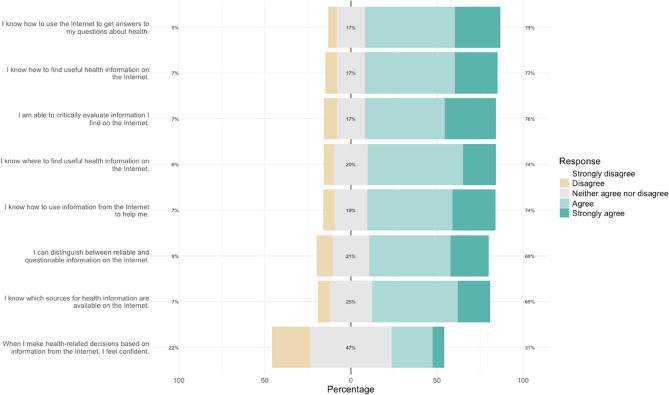
- Digital health literacy was moderate or high for most patients: 7.4% (9/121) low, 64.5% (78/121) moderate, and 28.1% (34/121) high on eHEALS; only 30.6% (37/121) felt confident making health decisions based on online information.
- Barriers included lack of knowledge, technical limitations, and data protection concerns; physicians more often cited high costs (14.9% [15/101] vs. 4.1% [5/121], p = 0.011) and insufficient evidence of benefits (26.7% [27/101] vs. 9.1% [11/121], p = 0.001). COVID-19 made attitudes more positive for 29.8% (36/121) of patients and 46.5% (47/101) of physicians (p = 0.049).
Methods
- Cross-sectional survey conducted in Germany from February 2023 to November 2023 across dermatology practices, specialized urticaria centers (UCARE), and general medical practices; participants were 121 patients with confirmed CU and 101 physicians involved in CU care.
- Two standardized questionnaires assessed digital health literacy (G-eHEALS), technology readiness (adapted from the Technology Acceptance Model 2), digital service use, perceived usefulness, barriers, and COVID-19 impact; questionnaires used Likert scales and dichotomous items, and were pilot-tested with 9 participants (5 patients, 4 physicians).
- Descriptive and inferential statistics included chi-square or Fisher’s exact tests for categorical variables and independent t-tests or Mann-Whitney U tests for continuous variables, with p < 0.05; analyses used R. Missing data were handled by including only observations with at least 80% complete data, and sensitivity analyses explored demographic and neutral-response variations.
Limitations
- The paper states that the cross-sectional design captures attitudes at one time point and limits causal inference; self-reported data may introduce response and social desirability bias; selection bias is possible because those interested in digital health may have been more likely to participate; findings are from the German healthcare system and may not generalize; and detailed clinical data on CU subtype or severity were not collected.
- The text also makes evident substantial missing data in demographic and outcome variables, such as 22.3% missing age among patients, 27.3% missing income among patients, and 10.7% missing usefulness responses among patients, which may affect the precision and representativeness of estimates.
- The paper notes that formal training in CU management was not specifically assessed, although all participating physicians had direct experience managing CU patients.
Model-written summary. Check it against the paper before relying on it.
Integrity signals
Registry
Cites
Statistics
Figures
Verification
Claims the paper makes
19 Valid · 0 Not valid · 6 Not checked · 75 Own results and interpretations
The cited sources support only part of this claim — read each source’s verdict below.
In the paper
“The higher acceptance among physicians aligns with findings by Ruggiero et al., who reported increased enthusiasm for teledermatology among dermatologists, especially after the onset of the COVID-19 pandemic [35].”
§ Acceptance and perceived usefulness of digital health services in the management of chronic urticaria: a survey of patients and physicians > Discussion > Interpretation and comparison with literature
What the sources say
- Partly supportedcites [35] Ruggiero A, Martora F, Fabbrocini G, Villani A, Marasca C, Megna M, et al. The role of teledermatology during the COVID-19 pandemic: a narrative review. Clin Cosmet Investig Dermatol. 2022;15:2785. Available from: /pmc/articles/PMC9783831/. Cited 2024 Sep 13. 36569420 PMC9783831 sourceExperimental — accuracy not yet measured
The Discussion (page unavailable) reports high satisfaction with teledermatology among physicians during the COVID-19 pandemic, and the Results > Limitations of Teledermatology section says most surveyed dermatologists considered it effective for patient care. The review does not report that dermatologists’ enthusiasm increased after the pandemic began or compare their attitudes before and after its onset. (LLM, conf=0.84)
plainstates an association- Asserted: passes — The authors put it forward as true.
- Checkable: passes — It can be checked against evidence.
- Load-bearing: unclear — It is unclear whether the paper’s conclusions depend on it.
- Based: passes — The paper gives a reason why it holds.
- Partly supported
The cited sources support only part of this claim — read each source’s verdict below.
In the paper
“Despite the existence of specialized UCARE centers and various participation opportunities in the diagnostic and therapeutic process, achieving a timely diagnosis and optimal symptom control remains challenging due to the unpredictable nature of CU, which significantly burdens the affected individuals [7].”
§ Acceptance and perceived usefulness of digital health services in the management of chronic urticaria: a survey of patients and physicians > Introduction
What the sources say
- Partly supportedcites [7] Maurer M, Abuzakouk M, Bérard F, Canonica W, Oude Elberink H, Giménez-Arnau A, et al. The burden of chronic spontaneous urticaria is substantial: Real-world evidence from ASSURE-CSU. Allergy. 2017;72(12):2005–16. Available from: https://pubmed.ncbi.nlm.nih.gov/28543019/. Cited 2024 Sep 2. 28543019 PMC5724512 sourceExperimental — accuracy not yet measured
The Discussion reports substantial delays from symptom onset to diagnosis and persistent moderate-to-severe symptoms; the Conclusions also describe CSU as challenging to treat adequately. The Introduction says CSU has no identifiable specific triggers, but the paper does not establish that its unpredictable nature causes the diagnostic delays or difficulty controlling symptoms. The findings concern chronic spontaneous urticaria specifically, rather than all chronic urticaria. (LLM, conf=0.86)
plainstates a cause- Asserted: passes — The authors put it forward as true.
- Checkable: passes — It can be checked against evidence.
- Load-bearing: passes — The paper’s conclusions depend on it.
- Based: passes — The paper gives a reason why it holds.
- Partly supported
The cited sources support only part of this claim — read each source’s verdict below.
In the paper
“Studies highlight teledermatology’s benefits in such regions, improving expert access for CU patients [42, 43].”
§ Acceptance and perceived usefulness of digital health services in the management of chronic urticaria: a survey of patients and physicians > Discussion > Interpretation and comparison with literature
What the sources say
- Partly supportedcites [42] Morrissette S, Pearlman RL, Kovar M, Sisson WT, Brodell RT, Nahar VK. Attitudes and perceived barriers toward store-and-forward teledermatology among primary care providers of the rural Mississippi. Arch Dermatol Res. 2022;314(1):37–40. Available from: https://pubmed.ncbi.nlm.nih.gov/33630147/. Cited 2025 Mar 19. 33630147 PMC7905757 sourceExperimental — accuracy not yet measured
The Discussion (page unavailable) identifies increased access to specialist services for rural providers and their patients as a key advantage of teledermatology. The paper does not address CU patients specifically, so it does not establish the claim for that patient group. (LLM, conf=0.88)
- Could not verifycites [43] Weichelt B, Bendixsen C, Patrick T. A model for assessing necessary conditions for rural health care’s mobile health readiness: qualitative assessment of clinician-perceived barriers. JMIR Mhealth Uhealth. 2019;7(11). Available from: https://pubmed.ncbi.nlm.nih.gov/31702564/. Cited 2025 Mar 19. PMC6874803 31702564 sourceExperimental — accuracy not yet measured
The Results > Interviews passage (page unavailable) describes clinicians seeing patients remotely through telehealth, and Discussion > Conclusions says rural populations may benefit from mobile technologies. Neither addresses teledermatology, improved access to experts, or CU patients; searches for teledermatology and urticaria found no relevant passage. (LLM, conf=0.76)
plainstates a cause- Asserted: passes — The authors put it forward as true.
- Checkable: passes — It can be checked against evidence.
- Load-bearing: unclear — It is unclear whether the paper’s conclusions depend on it.
- Based: passes — The paper gives a reason why it holds.
- Partly supported
Every source the paper cites for this claim was checked and supports it.
In the paper
“Cherrez-Ojeda et al. [47]. found strong patient interest, particularly among younger individuals, while Sørensen et al. [48] showed that smartphone photographs can support remote assessment [20].”
§ Acceptance and perceived usefulness of digital health services in the management of chronic urticaria: a survey of patients and physicians > Discussion > Interpretation and comparison with literature
What the sources say
- Supportedcites [47] Cherrez-Ojeda I, Vanegas E, Cherrez A, Felix M, Weller K, Magerl M, et al. Chronic urticaria patients are interested in apps to monitor their disease activity and control: A UCARE CURICT analysis. Clin Transl Allergy. 2021;11(10):e12089. Available from: https://pmc.ncbi.nlm.nih.gov/articles/PMC8684305/. Cited 2025 Mar 19. 34962721 PMC8684305 source
The Results report that 51% of patients with chronic urticaria were very or extremely interested in an app to monitor disease activity, and 53% in one to monitor disease control. A further section reports that older age predicted less interest, supporting the citing sentence’s emphasis on younger patients (page numbers unavailable). (LLM, conf=0.93)
boosted- Asserted: passes — The authors put it forward as true.
- Checkable: passes — It can be checked against evidence.
- Load-bearing: unclear — It is unclear whether the paper’s conclusions depend on it.
- Based: passes — The paper gives a reason why it holds.
- Supported
A result the paper reports from its own data — it cites no other source for it, so there is none to check. The quote shows it is in the paper.
In the paper
“Physicians showed greater enthusiasm for technological innovations than patients (Table 3).”
§ Acceptance and perceived usefulness of digital health services in the management of chronic urticaria: a survey of patients and physicians > Results > Digital health literacy and technology readiness
plainstates an association- Asserted: passes — The authors put it forward as true.
- Checkable: passes — It can be checked against evidence.
- Load-bearing: unclear — It is unclear whether the paper’s conclusions depend on it.
- Based: passes — The paper gives a reason why it holds.
32 more claims
Create a free account to see all 100 claims and to verify the 7 references still open.
- Probably not a substantial claim. 39
- It may state two separate claims as one. 37
Self-check
Percentages, sums and reported differences re-computed from the paper’s own numbers.
Rated major: it would touch a result — a value a result rests on, reported and recomputed p-values on opposite sides of the significance level, two passages that conflict with no sign which is right, or a cited work retracted before this paper was published.
In the paper
“Specifically, 7.4% of patients (9/121) fell into the “Low” category, 64.5% (78/121) were in the “Moderate” category, and 28.1% (34/121) were classified as having “High” eHealth literacy (Table 1). This indicates that 71.9% (87/121) of patients exhibited at least a moderate ability to find and use health information online.”
§ Acceptance and perceived usefulness of digital health services in the management of chronic urticaria: a survey of patients and physicians > Results > Digital health literacy and technology readiness
Reported 87 · recomputed 112
Rated minor: it would not touch a result — a value no result rests on, a p-value that stays on the same side of the significance level, or a conflict that is clerical, resolved elsewhere in the paper, or outside its own findings.
In the paper
“| I don’t know | 24 (24.8) |”
§ Acceptance and perceived usefulness of digital health services in the management of chronic urticaria: a survey of patients and physicians > Results > Participant characteristics
Reported 24.8 · recomputed 23.762376
Rated minor: it would not touch a result — a value no result rests on, a p-value that stays on the same side of the significance level, or a conflict that is clerical, resolved elsewhere in the paper, or outside its own findings.
In the paper
“| “Do you consider the use of digital health services (e.g., medical apps, video consultations) useful for managing urticaria?” | Frequency (% of Patients in the category (agree/strongly agree)) | | --- | --- | | Age Group | p = 0.617 | | Under 30 | 18 (50.0) |”
§ Acceptance and perceived usefulness of digital health services in the management of chronic urticaria: a survey of patients and physicians > Results > Attitudes toward digital health services
Reported 50 · recomputed 100
Citations
Cites
Wickham, H. (2016) · Use R! · doi:10.1007/978-3-319-24277-4 · Cited by 33,115
eHealth Literacy: Essential Skills for Consumer Health in a Networked World.
Norman, C. D., & Skinner, H. A. (2006) · Journal of Medical Internet Research · doi:10.2196/jmir.8.2.e9 · Cited by 2,643 · cited 1×
“Tailored interventions to improve digital health literacy, as recommended by Norman and Skinner [49], could enhance patients’ confidence in using online health information.”
The role of telehealth during COVID-19 outbreak: a systematic review based on current evidence
Monaghesh, E., & Hajizadeh, A. (2020) · BMC Public Health · doi:10.1186/s12889-020-09301-4 · Cited by 1,941 · cited 1×
“This is consistent with the observations of Kruse, Monaghesh and Hajizadeh, who have seen a faster adoption of telemedicine across specialties [25, 36, 37].”
Evaluating barriers to adopting telemedicine worldwide: A systematic review
Scott Kruse, C., Karem, P., Shifflett, K., Vegi, L., Ravi, K., & Brooks, M. (2018) · Journal of Telemedicine and Telecare · doi:10.1177/1357633x16674087 · Cited by 1,735 · cited 1×
“This is consistent with the observations of Kruse, Monaghesh and Hajizadeh, who have seen a faster adoption of telemedicine across specialties [25, 36, 37].”
Zuberbier, T., Abdul Latiff, A. H., Abuzakouk, M., Aquilina, S., Asero, R., Baker, D., Ballmer‐Weber, B., Bangert, C., Ben‐Shoshan, M., Bernstein, J. A., et al. (2022) · Allergy · doi:10.1111/all.15090 · Cited by 1,263 · cited 3×
“Angioedema also occurs in up to 40% of cases [1–4].”
Ross, J., Stevenson, F., Lau, R., & Murray, E. (2016) · Implementation Science · doi:10.1186/s13012-016-0510-7 · Cited by 1,011 · cited 1×
“This aligns with concerns about the financial and evidential aspects of digital health implementation discussed by Ross et al. [44], emphasizing the need for robust clinical The preference for in-person visits among patients, even when their condition is stable (68.6% preferred to continue…”
InfluentialTelehealth Benefits and Barriers
Gajarawala, S. N., & Pelkowski, J. N. (2021) · The Journal for Nurse Practitioners · doi:10.1016/j.nurpra.2020.09.013 · Cited by 987 · cited 1×
“Improving technical infrastructure, such as ensuring reliable internet access and providing updated equipment, is necessary to support the effective delivery of digital health services [50].”
Maurer, M., Weller, K., Bindslev-Jensen, C., Giménez-Arnau, A., Bousquet, P. J., Bousquet, J., Canonica, G. W., Church, M. K., Godse, K. V., Grattan, C. E. H., et al. (2011) · Allergy · doi:10.1111/j.1398-9995.2010.02496.x · Cited by 843 · cited 1×
“This disease significantly impairs the quality of life and productivity of patients with chronic urticaria and leads to more absences from work [2, 5].”
Diviani, N., van den Putte, B., Giani, S., & van Weert, J. C. (2015) · Journal of Medical Internet Research · doi:10.2196/jmir.4018 · Cited by 638 · cited 1×
“Our findings echoes Diviani et al., who high-lighted that low health literacy impedes the ability to critically evaluate online health information [40].”
Fricke, J., Ávila, G., Keller, T., Weller, K., Lau, S., Maurer, M., Zuberbier, T., & Keil, T. (2020) · Allergy · doi:10.1111/all.14037 · Cited by 465 · cited 1×
“Angioedema also occurs in up to 40% of cases [1–4].”
The cost-effectiveness of digital health interventions: A systematic review of the literature
Gentili, A., Failla, G., Melnyk, A., Puleo, V., Tanna, G. L. D., Ricciardi, W., & Cascini, F. (2022) · Frontiers in Public Health · doi:10.3389/fpubh.2022.787135 · Cited by 444 · cited 1×
“Providing evidence of the efficacy and cost-effectiveness of digital health interventions is crucial to encourage adoption among healthcare providers [51].”
The burden of chronic spontaneous urticaria is substantial: Real‐world evidence from ASSURE ‐ CSU
Maurer, M., Abuzakouk, M., Bérard, F., Canonica, W., Oude Elberink, H., Giménez‐Arnau, A., Grattan, C., Hollis, K., Knulst, A., Lacour, J. ‐., et al. (2017) · Allergy · doi:10.1111/all.13209 · Cited by 383 · cited 2×
“…the existence of specialized UCARE centers and various participation opportunities in the diagnostic and therapeutic process, achieving a timely diagnosis and optimal symptom control remains challenging due to the unpredictable nature of CU, which significantly burdens the affected individuals [7].”
BSACI guideline for the management of chronic urticaria and angioedema
Powell, R. J., Leech, S. C., Till, S., Huber, P. A. J., Nasser, S. M., & Clark, A. T. (2015) · Clinical & Experimental Allergy · doi:10.1111/cea.12494 · Cited by 377 · cited 1×
“This type of swelling occurs in about 40% of people with urticaria [11].”
Mumtaz, H., Riaz, M. H., Wajid, H., Saqib, M., Zeeshan, M. H., Khan, S. E., Chauhan, Y. R., Sohail, H., & Vohra, L. I. (2023) · Frontiers in Digital Health · doi:10.3389/fdgth.2023.1203945 · Cited by 301 · cited 1×
“Physicians’ concerns about costs and insufficient evidence highlight the need for comprehensive studies demonstrating the clinical benefits and economic viability of digital health services [52, 53].”
Security Techniques for the Electronic Health Records
Kruse, C. S., Smith, B., Vanderlinden, H., & Nealand, A. (2017) · Journal of Medical Systems · doi:10.1007/s10916-017-0778-4 · Cited by 275 · cited 2×
“The identified barriers, such as data privacy concerns and technical infrastructure limitations, are consistent with those reported by Kruse et al. [41] in their systematic review of telemedicine adoption barriers.”
Staubach, P., Eckhardt-Henn, A., Dechene, M., Vonend, A., Metz, M., Magerl, M., Breuer, P., & Maurer, M. (2006) · British Journal of Dermatology · doi:10.1111/j.1365-2133.2005.06976.x · Cited by 243 · cited 2×
“Urticaria can lead to sleep problems, difficulties in everyday activities, and a strong increase in anxiety and stress [6–8].”
Knitza, J., Simon, D., Lambrecht, A., Raab, C., Tascilar, K., Hagen, M., Kleyer, A., Bayat, S., Derungs, A., Amft, O., et al. (2020) · JMIR mHealth and uHealth · doi:10.2196/19661 · Cited by 201 · cited 1×
“While in our study 22% stated that they felt unsure about making decisions based on online health information, in another study in the German general population [38] it is 32% and in a survey of people with rheumatic diseases 42.5% [39].”
InfluentialSelf-citationErku, D., Khatri, R., Endalamaw, A., Wolka, E., Nigatu, F., Zewdie, A., & Assefa, Y. (2023) · International Journal of Environmental Research and Public Health · doi:10.3390/ijerph20196854 · Cited by 177 · cited 1×
“Further research in diverse contexts is essential to validate and extend these findings [54, 55].”
The role of mobile health technologies in allergy care: An EAACI position paper
Matricardi, P. M., Dramburg, S., Alvarez‐Perea, A., Antolín‐Amérigo, D., Apfelbacher, C., Atanaskovic‐Markovic, M., Berger, U., Blaiss, M. S., Blank, S., Boni, E., et al. (2020) · Allergy · doi:10.1111/all.13953 · Cited by 153 · cited 1×
“Additionally, we examined the perceived impact of digital services on the doctor-patient relationship, care quality, and changes in usage due to the COVID-19 pandemic [28, 29].”
Ross, J., Stevenson, F., Dack, C., Pal, K., May, C., Michie, S., Barnard, M., & Murray, E. (2018) · BMC Health Services Research · doi:10.1186/s12913-018-3615-7 · Cited by 144 · cited 1×
“Physicians’ concerns about costs and insufficient evidence highlight the need for comprehensive studies demonstrating the clinical benefits and economic viability of digital health services [52, 53].”
Moulaei, K., Sheikhtaheri, A., Fatehi, F., Shanbehzadeh, M., & Bahaadinbeigy, K. (2023) · BMC Medical Informatics and Decision Making · doi:10.1186/s12911-023-02348-4 · Cited by 140 · cited 1×
“This is consistent with Moulaei et al. [46], who noted that despite the convenience of telemedicine, patients value the quality of care and personal connection inherent in face-to-face consultations.”
Maurer, M., Staubach, P., Raap, U., Richter‐Huhn, G., Bauer, A., Ruëff, F., Jakob, T., Yazdi, A. S., Mahler, V., Wagner, N., et al. (2017) · Clinical & Experimental Allergy · doi:10.1111/cea.12900 · Cited by 131 · cited 1×
“Other studies have reported that there is a pattern of undertreatment and that guidelines are not properly followed [3, 7, 14, 15].”
Staubach, P., Metz, M., Chapman‐Rothe, N., Sieder, C., Bräutigam, M., Canvin, J., & Maurer, M. (2016) · Allergy · doi:10.1111/all.12870 · Cited by 130 · cited 1×
“Up to 67% of people with CU have both angioedema and wheals at the same time [12].”
Digitization and Health in Germany: Cross-sectional Nationwide Survey
De Santis, K. K., Jahnel, T., Sina, E., Wienert, J., & Zeeb, H. (2021) · JMIR Public Health and Surveillance · doi:10.2196/32951 · Cited by 94 · cited 1×
“While in our study 22% stated that they felt unsure about making decisions based on online health information, in another study in the German general population [38] it is 32% and in a survey of people with rheumatic diseases 42.5% [39].”
InfluentialDigitization and Health in Germany: Cross-sectional Nationwide Survey (Preprint)
De Santis, K. K., Jahnel, T., Sina, E., Wienert, J., & Zeeb, H. (2021) · doi:10.2196/preprints.32951 · Cited by 94
Challenges in implementing cultural adaptations of digital health interventions
Nittas, V., Daniore, P., Chavez, S. J., & Wray, T. B. (2024) · Communications Medicine · doi:10.1038/s43856-023-00426-2 · Cited by 80 · cited 1×
“Further research in diverse contexts is essential to validate and extend these findings [54, 55].”
Hindelang, M., Sitaru, S., & Zink, A. (2024) · JMIR Medical Informatics · doi:10.2196/56628 · Cited by 79 · cited 2×
“The newest innovative approaches using digital tools, including tele-dermatology, mobile health apps, and remote monitoring tools like wearables or chatbots, could improve access to care and support self-management [23–26].”
Self-citationGlobal Epidemiology of Urticaria: Increasing Burden among Children, Females and Low-income Regions
Peck, G. M., Hashim, M., Shaughnessy, C., Muddasani, S., Elsayed, N., & Fleischer, A. B. (2021) · Acta Dermato Venereologica · doi:10.2340/00015555-3796 · Cited by 76 · cited 1×
“Our sample had a higher proportion of female participants, a trend seen in other studies on urticaria prevalence [3, 33, 34].”
Antihistamine‐resistant chronic spontaneous urticaria: 1‐year data from the AWARE study
Maurer, M., Raap, U., Staubach, P., Richter‐Huhn, G., Bauer, A., Oppel, E. M., Hillen, U., Baeumer, D., Reinhardt, M., & Chapman‐Rothe, N. (2019) · Clinical & Experimental Allergy · doi:10.1111/cea.13309 · Cited by 74 · cited 1×
“A large global observational study (AWARE) has shown that people with antihista-mine-refractory CU often have uncontrolled symptoms, are prone to angioedema or even comorbid chronic induced urticaria, and their quality of life is severely affected, relying on many medical resources [13].”
Marsall, M., Engelmann, G., Skoda, E.-M., Teufel, M., & Bäuerle, A. (2022) · Journal of Medical Internet Research · doi:10.2196/28252 · Cited by 73 · cited 1×
“Additionally, we examined the perceived impact of digital services on the doctor-patient relationship, care quality, and changes in usage due to the COVID-19 pandemic [28, 29].”
Chronic idiopathic urticaria and anxiety symptoms
Barbosa, F., Freitas, J., & Barbosa, A. (2011) · Journal of Health Psychology · doi:10.1177/1359105311398682 · Cited by 70 · cited 1×
“Urticaria can lead to sleep problems, difficulties in everyday activities, and a strong increase in anxiety and stress [6–8].”
Staubach, P., Metz, M., Chapman‐Rothe, N., Sieder, C., Bräutigam, M., Maurer, M., & Weller, K. (2018) · Allergy · doi:10.1111/all.13339 · Cited by 65
The Role of Teledermatology During the COVID-19 Pandemic: A Narrative Review
Ruggiero, A., Martora, F., Fabbrocini, G., Villani, A., Marasca, C., Megna, M., Fornaro, L., Comune, R., & Potestio, L. (2022) · Clinical, Cosmetic and Investigational Dermatology · doi:10.2147/ccid.s377029 · Cited by 46 · cited 1×
“The higher acceptance among physicians aligns with findings by Ruggiero et al., who reported increased enthusiasm for telederma-tology among dermatologists, especially after the onset of the COVID-19 pandemic [35].”
Patients with Chronic Urticaria Remain Largely Undertreated: Results from the DERMLINE Online Survey
Wagner, N., Zink, A., Hell, K., Reinhardt, M., Romer, K., Hillmann, E., Baeumer, D., & Schielein, M. C. (2021) · Dermatology and Therapy · doi:10.1007/s13555-021-00537-5 · Cited by 41 · cited 3×
“Our sample had a higher proportion of female participants, a trend seen in other studies on urticaria prevalence [3, 33, 34].”
Self-citationWeller, K., Viehmann, K., Bräutigam, M., Krause, K., Siebenhaar, F., Zuberbier, T., & Maurer, M. (2012) · JDDG: Journal der Deutschen Dermatologischen Gesellschaft · doi:10.1111/j.1610-0387.2011.07822.x · Cited by 38 · cited 1×
“Other studies have reported that there is a pattern of undertreatment and that guidelines are not properly followed [3, 7, 14, 15].”
Neisinger, S., Sousa Pinto, B., Ramanauskaite, A., Bousquet, J., Weller, K., Metz, M., Magerl, M., Kocatürk, E., Cherrez‐Ojeda, I., Gimenez‐Arnau, A. M., et al. (2024) · Clinical and Translational Allergy · doi:10.1002/clt2.12328 · Cited by 37 · cited 1×
“Studies show that teledermatology reduces travel burdens and enhances timely medical advice, while CU tracking apps improve physician-patient communication [18–20, 27 ].”
Stepping Down Treatment in Chronic Spontaneous Urticaria: What We Know and What We Don’t Know
Terhorst-Molawi, D., Fox, L., Siebenhaar, F., Metz, M., & Maurer, M. (2023) · American Journal of Clinical Dermatology · doi:10.1007/s40257-023-00761-z · Cited by 30 · cited 1×
“This can cause a feeling of suffocation [8–10].”
Cherrez‐Ojeda, I., Vanegas, E., Cherrez, A., Felix, M., Weller, K., Magerl, M., Maurer, R. R., Mata, V. L., Kasperska‐Zajac, A., Sikora, A., et al. (2021) · Clinical and Translational Allergy · doi:10.1002/clt2.12089 · Cited by 23 · cited 1×
“Cherrez-Ojeda et al. [47]. found strong patient interest, particularly among younger individuals, while Sørensen et al. [48] showed that smart-phone photographs can support remote assessment [20].”
Cherrez-Ojeda, I., Vanegas, E., Cherrez, A., Felix, M., Weller, K., Magerl, M., Maurer, R. R., Mata, V. L., Kasperska-Zajac, A., Sikora, A., et al. (2021) · World Allergy Organization Journal · doi:10.1016/j.waojou.2021.100542 · Cited by 22 · cited 3×
“This is consistent with data from another study [21], which also showed higher usage of apps compared to video consultations.”
Preis, S., Claussen, C., Ziehfreund, S., Biedermann, T., Horster, S., & Zink, A. (2024) · World Allergy Organization Journal · doi:10.1016/j.waojou.2024.100974 · Cited by 21 · cited 1×
“Our sample had a higher proportion of female participants, a trend seen in other studies on urticaria prevalence [3, 33, 34].”
Self-citationReinders, P., Augustin, M., Kirsten, N., Fleyder, A., & Otten, M. (2023) · Journal of the European Academy of Dermatology and Venereology · doi:10.1111/jdv.19392 · Cited by 19 · cited 1×
“This situation presents numerous opportunities for the implementation of digital health services in CU management [21, 22].”
Thomas, M. L., Zuma, K. K., Loykissoonlal, D., Dube, Z. B., Vranken, P., Porter, S., Kripke, K. E., Seatlhodi, T., Meyer‐Rath, G., Johnson, L. F., et al. (2024) · Communications Medicine · doi:10.1038/s43856-023-00405-7 · Cited by 17
Weichelt, B., Bendixsen, C., & Patrick, T. (2019) · JMIR mHealth and uHealth · doi:10.2196/11915 · Cited by 16 · cited 1×
“Studies highlight teledermatology’s benefits in such regions, improving expert access for CU patients [42, 43].”
Maurer, M., Augustin, M., Bauer, S., Ekanayake‐Bohlig, S., Kircher, P., Knöll, A., Kramps, T., Kurzen, H., Laemmel, S., Novak, N., et al. (2024) · Journal of the European Academy of Dermatology and Venereology · doi:10.1111/jdv.19940 · Cited by 15 · cited 1×
“Such documentation, such as a urticaria diary (and possibly photos), can be very helpful in diagnosing and treating the disease [16–20].”
Self-citationMorrissette, S., Pearlman, R. L., Kovar, M., Sisson, W. T., Brodell, R. T., & Nahar, V. K. (2022) · Archives of Dermatological Research · doi:10.1007/s00403-021-02208-z · Cited by 14 · cited 1×
“Studies highlight teledermatology’s benefits in such regions, improving expert access for CU patients [42, 43].”
Zuberbier, T., Altrichter, S., Bauer, S., Brehler, R., Brockow, K., Dressler, C., Fluhr, J., Gaskins, M., Hamelmann, E., Kühne, K., et al. (2023) · JDDG: Journal der Deutschen Dermatologischen Gesellschaft · doi:10.1111/ddg.14906_g · Cited by 12 · cited 1×
“Additionally, first appointments in CU often require in-office challenge tests and hands-on examination - essential for confirming diagnosis and guiding treatment - that cannot be performed remotely, thereby limiting digital services primarily to follow-up care [45].”
Balp, M., Chambenoit, O., Chiva-Razavi, S., Lynde, C., Sussman, G., Chapman-Rothe, N., Weller, K., Maurer, M., Koenders, J., Knulst, A., et al. (2015) · Value in Health · doi:10.1016/j.jval.2015.09.592 · Cited by 11
Sousa‐Pinto, B., Ramanauskaite, A., Neisinger, S., Witte‐Händel, E., Gimenez‐Arnau, A. M., Guillet, C., Parisi, C. A. S., Katelaris, C. H., Fomina, D., Larenas‐Linnemann, D., et al. (2025) · Allergy · doi:10.1111/all.16371 · Cited by 11 · cited 4×
“The CRUSE® study demonstrated their feasibility [18, 19], with Sousa-Pinto et al. [20]. confirming their reliability.”
InfluentialA Patient Charter for Chronic Urticaria
Maurer, M., Albuquerque, M., Boursiquot, J.-N., Dery, E., Giménez-Arnau, A., Godse, K., Guitiérrez, G., Kanani, A., Lacuesta, G., McCarthy, J., et al. (2024) · Advances in Therapy · doi:10.1007/s12325-023-02724-6 · Cited by 10
Hindelang, M., Wecker, H., Biedermann, T., & Zink, A. (2024) · Health Informatics Journal · doi:10.1177/14604582241260607 · Cited by 10
Self-citationNeisinger, S., Salameh, P., Gutsche, A., Aulenbacher, F., Siebenhaar, F., & Maurer, M. (2025) · Clinical and Translational Allergy · doi:10.1002/clt2.70026 · Cited by 8 · cited 2×
“The CRUSE® study demonstrated their feasibility [18, 19], with Sousa-Pinto et al. [20]. confirming their reliability.”
Hindelang, M., Sitaru, S., Fischer, C., Biedermann, T., & Zink, A. (2025) · JDDG: Journal der Deutschen Dermatologischen Gesellschaft · doi:10.1111/ddg.15557 · Cited by 7 · cited 4×
“The newest innovative approaches using digital tools, including tele-dermatology, mobile health apps, and remote monitoring tools like wearables or chatbots, could improve access to care and support self-management [23–26].”
InfluentialSelf-citationHindelang, M., Tizek, L., Harders, C., & Sommer‐Eska, L. (2024) · Health Science Reports · doi:10.1002/hsr2.2241 · Cited by 7 · cited 2×
“Furthermore, a recent publication on the hybrid care potential of tele-dermatology in skin diseases demonstrated that linking digital and inperson care can enhance patient satisfaction and support disease management [25].”
Self-citationAli, Z., Sørensen, J. A., Zhang, D. G., Ghazanfar, M. N., Allerup, J. A. C., Maurer, M., Kocatürk, E., Vestergaard, C., & Thomsen, S. F. (2024) · Dermatology · doi:10.1159/000535027 · Cited by 6 · cited 1×
“Cherrez-Ojeda et al. [47]. found strong patient interest, particularly among younger individuals, while Sørensen et al. [48] showed that smart-phone photographs can support remote assessment [20].”
Research works printed but not linked: 1
- Neisinger S, Sousa Pinto B, Ramanauskaite A, Bousquet J, Weller K, Metz M et al. CRUSE® -An innovative mobile application for patient monitoring and management in chronic spontaneous urticaria. Clin Transl Allergy. 2024;14(1). Available from: https://pubmed.ncbi.nlm.nih.gov/38282190/. Cited 2025 Mar 19. PMC10764293 38282190 · DOI · Paper page
Cited by
Konstantinou, G. Ν., Anderson, W. C., Bagkis, E., Brown, Z., Karatzas, K. D., Kassandros, T., Sardeli, C., Singla, R., & Nyenhuis, S. M. (2025) · The Journal of Allergy and Clinical Immunology In Practice · doi:10.1016/j.jaip.2025.09.013 · Cited by 15
Al-Wardat, M., Almomani, A. A., Yabroudi, M. A., & Almhdawi, K. A. (2026) · International Journal of Telemedicine and Applications · doi:10.1155/ijta/5394554
Henk, L. A., Schirren, L., Muehlensiepen, F., Traidl‐Hoffmann, C., Otten, M., Olsavszky, V., Zink, A., Hertl, M., Kühn, S., & Knitza, J. (2026) · JDDG Journal der Deutschen Dermatologischen Gesellschaft · doi:10.1111/ddg.70019x
Self-citation
Metadata
- Authors
- Hindelang, M., Zink, A., Knitza, J., Darkow, R., Welcker, M., Biedermann, T., May, S., & Muehlensiepen, F.
- Affiliations
- Institut für Medizinische Informationsverarbeitung, Biometrie und Epidemiologie (DE)
- Technical University of Munich (DE)
- Philipps University of Marburg (DE)
- FH JOANNEUM University of Applied Sciences (AT)
- Humboldt-Universität zu Berlin (DE)
- Corresponding author
- Muehlensiepen, Felix
- ORCID
- Venue
- BMC Health Services Research
- Published
- 2025-07-02
- Volume
- 25
- Issue
- 1
- Pages
- 894-894
- ISSN
- 1472-6963 (ISSN-L)
- PMC
- PMC12224775
- OpenAlex
- W4411954642
- Cited by
- 4
- References
- 56
- Citations by year
- 2026: 3 · 2025: 1
- FWCI
- 3.64
- Type
- journal article
- Language
- en
- Open access
- gold
- doi.org
- Licence
- cc-by
- creativecommons.org/licenses/by/4.0 (tdm)
- creativecommons.org/licenses/by/4.0 (vor)
- Locations
- BMC Health Services Research (publishedVersion, cc-by)
- PubMed Central (publishedVersion, cc-by)
- PubMed (publishedVersion)
- FH JOANNEUM ePUB (submittedVersion, cc-by)
- DOAJ (DOAJ: Directory of Open Access Journals) (submittedVersion, cc-by-sa)
- Funders
- Medizinische Hochschule Brandenburg CAMPUS GmbH
- Topics
- Health Sciences › Medicine › Public Health, Environmental and Occupational Health › Telemedicine and Telehealth Implementation
- Health Sciences › Health Professions › General Health Professions › Mobile Health and mHealth Applications
- Health Sciences › Medicine › Dermatology › Urticaria and Related Conditions
- Keywords
- chronic urticaria, digital health services, technology acceptance, perceived usefulness, mobile health apps, video consultation, digital health literacy, technology readiness, barriers to adoption, data privacy concerns, patient attitudes, physician attitudes, urticaria management
- MeSH terms
- Chronic Urticaria, Digital Health, Adult, Attitude of Health Personnel, Chronic Disease, Cross-Sectional Studies, Female, Humans, Male, Middle Aged, Patient Acceptance of Health Care, Physicians, Surveys and Questionnaires, Urticaria, Telemedicine
About these checks
Registry, retraction, Cites and statistics results are computed, not judged, with one exception: a printed reference that no index lists is read once by a model before it counts as a citation error. Claims are extracted by a model and kept only when their quote appears verbatim in the text; each cited source is then checked, with a model’s help, for whether it says what the claim relies on. Those verdicts can be wrong — read the claim’s quote and the cited source before relying on one.
The claim verdicts this report counts are experimental: their accuracy is not yet measured.
A language model drew the claims from the paper on 2026-10-10, under version 3 of the claim definition (model deepseek-v4.1-flash, prompt extract-v3).
A second model labelled each claim on 2026-10-10 (model jev-1.13-20260917, definition revision gold-guideline-v0.2).
Cited sources are checked with a language model’s help (gpt-6-sol).
Statistics and arithmetic are recomputed, not judged.
Confidence bands are shown only for fields calibrated on our annotated test set. None is calibrated yet, so no band is shown.
What counts as a claim ›How we measure confidence ›How we check this ›
Are you an author, or do you see a problem with this page? Request a review
Data sources
Bibliographic data: Semantic Scholar, OpenAlex, Crossref.
Contains information from the Semantic Scholar Academic Graph Datasets, made available under the ODC Attribution License (ODC-BY 1.0).
Semantic Scholar’s data is described in: Kinney, R., et al. (2023). The Semantic Scholar Open Data Platform. arXiv:2301.10140.
