

Tumor-associated macrophages: an accomplice in solid tumor progression
Open accessThe DOI matches its Crossref record; 109 of the 109 references it cites were found in a registry or an index.
Abstract
In many solid tumor types, tumor-associated macrophages (TAMs) are important components of the tumor microenvironment (TME). Moreover, TAMs infiltration is strongly associated with poor survival in solid tumor patients. In this review, we describe the origins of TAMs and their polarization state dictated by the TME. We also specifically focus on the role of TAMs in promoting tumor growth, enhancing cancer cells resistance to chemotherapy and radiotherapy, promoting tumor angiogenesis, inducing tumor migration and invasion and metastasis, activating immunosuppression. In addition, we discuss TAMs can be used as therapeutic targets of solid tumor in clinics. The therapeutic strategies include clearing macrophages and inhibiting the activation of TAMs, promoting macrophage phagocytic activity, limiting monocyte recruitment and other targeted TAMs therapies.
Overview
The claims and statistics of this paper haven’t been checked yet.
Free: it reads the open-access text and checks the first 5 claims that cite a source we can check. Create a free account to check every claim.
Integrity signals
Registry
Cites
Statistics
Figures
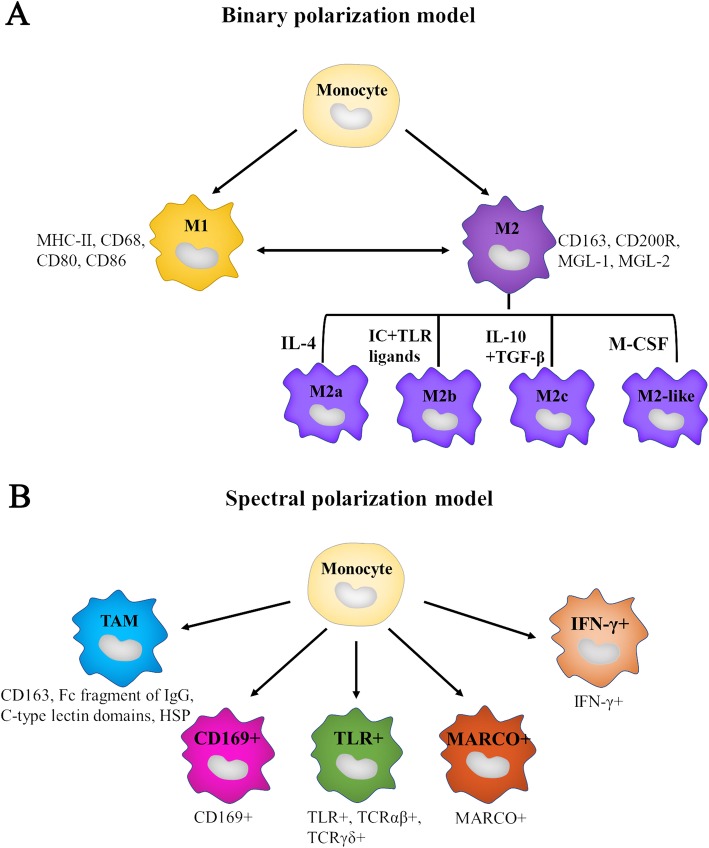
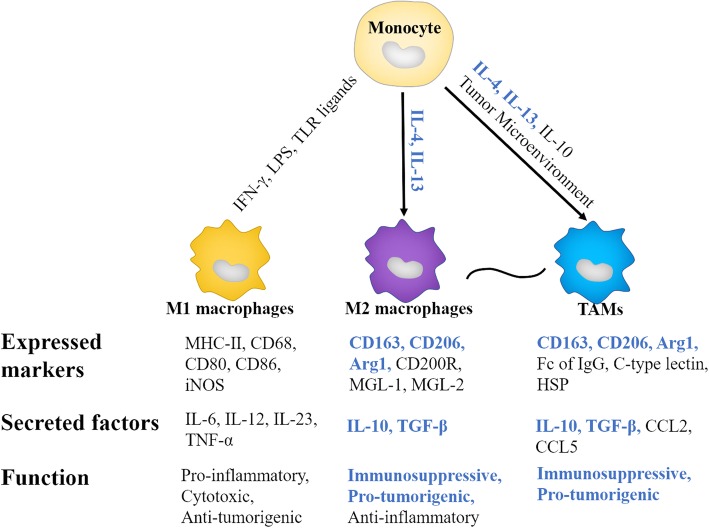
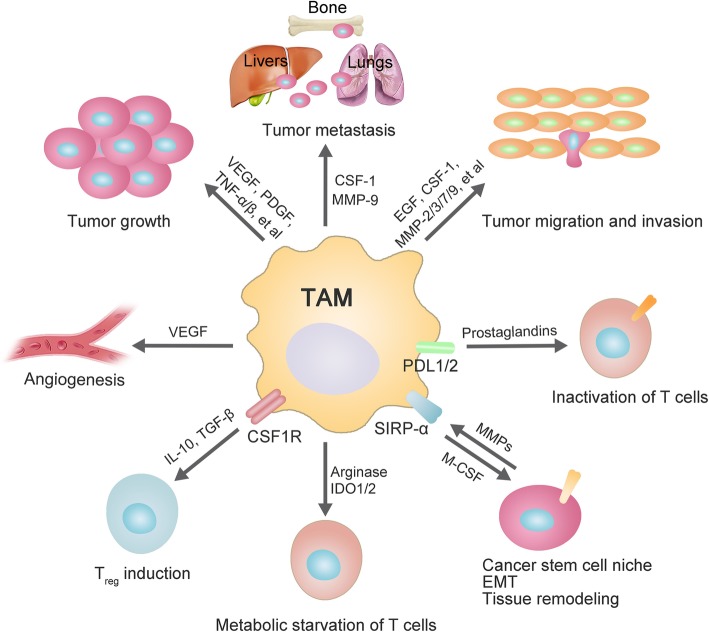
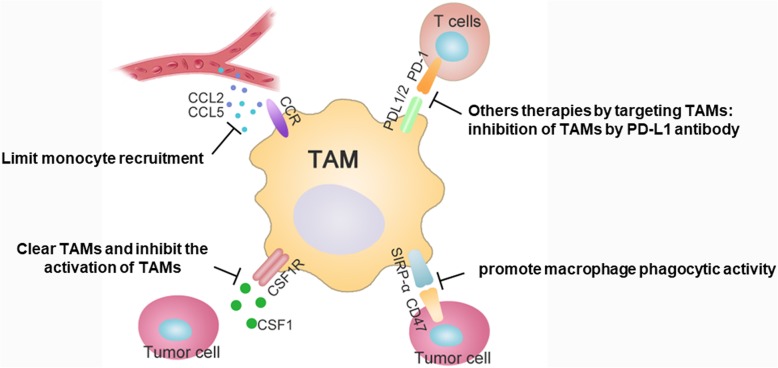
Verification
Claims the paper makes
The claims and statistics of this paper haven’t been checked yet.
Free: it reads the open-access text and checks the first 5 claims that cite a source we can check. Create a free account to check every claim.
Claims other papers make about this one
Each is checked against this paper’s own text: does it say what the citing paper says it does?
The source backs part of the claim, not all of it — or backs it for a different population, condition or comparison.
In the citing paper
“Moreover, other components of the TIME, such as TAMs, monocytes, and granulocytes, have also been reported to inhibit the antitumor activity of T cells and NK cells via various mechanisms, thereby leading to resistance to immunotherapy.244,257”
From Drug repurposing for cancer therapy (2024) · cites this paper as [257]
Experimental — accuracy not yet measuredThe source backs part of the claim, not all of it — or backs it for a different population, condition or comparison.
In the citing paper
“Additionally, TAMs–MPM crosstalk underlies the acquisition of the immunosuppressive and chemoresistant phenotype [32].”
From Chronic Inflammation, Oxidative Stress and Metabolic Plasticity: Three Players Driving the Pro-Tumorigenic Microenvironment in Malignant Mesothelioma (2023) · cites this paper as [32]
Experimental — accuracy not yet measuredThe check wasn’t confident either way, so it gives no verdict — never disputed.
In the citing paper
“However, the effectiveness of TMZ is dependent on silencing of the Methylguanine methyltransferase (MGMT) gene.”
From Revisiting the HIF switch in the tumor and its immune microenvironment. (2022) · cites this paper as [57]
Experimental — accuracy not yet measuredThe check wasn’t confident either way, so it gives no verdict — never disputed.
In the citing paper
“Over 50% of patients do not have silenced MGMT, thus do not respond to TMZ [57].”
From Revisiting the HIF switch in the tumor and its immune microenvironment. (2022) · cites this paper as [57]
Experimental — accuracy not yet measured
Self-check
Percentages, sums and reported differences re-computed from the paper’s own numbers.
The self-check needs the paper’s full text.
Citations
Cites
Microenvironmental regulation of tumor progression and metastasis
Quail, D. F., & Joyce, J. A. (2013) · Nature Medicine · doi:10.1038/nm.3394 · Cited by 7,994
Molecular Mechanisms of Stress-Responsive Changes in Collagen and Elastin Networks in Skin
Aziz, J., Shezali, H., Radzi, Z., Yahya, N. A., Abu Kassim, N. H., Czernuszka, J., & Rahman, M. T. (2016) · Skin Pharmacology and Physiology · doi:10.1159/000447017 · Cited by 7,323
Macrophage plasticity and polarization: in vivo veritas
Sica, A., & Mantovani, A. (2012) · Journal of Clinical Investigation · doi:10.1172/jci59643 · Cited by 6,335
Macrophage Diversity Enhances Tumor Progression and Metastasis
Qian, B.-Z., & Pollard, J. W. (2010) · Cell · doi:10.1016/j.cell.2010.03.014 · Cited by 5,188
Curiel, T. J., Coukos, G., Zou, L., Alvarez, X., Cheng, P., Mottram, P., Evdemon-Hogan, M., Conejo-Garcia, J. R., Zhang, L., Burow, M., et al. (2004) · Nature Medicine · doi:10.1038/nm1093 · Cited by 5,151
Tumor-Associated Macrophages: From Mechanisms to Therapy
Noy, R., & Pollard, J. W. (2014) · Immunity · doi:10.1016/j.immuni.2014.06.010 · Cited by 4,089
Tumour-associated macrophages as treatment targets in oncology
Mantovani, A., Marchesi, F., Malesci, A., Laghi, L., & Allavena, P. (2017) · Nature Reviews Clinical Oncology · doi:10.1038/nrclinonc.2016.217 · Cited by 4,033
Cancer and the chemokine network
Balkwill, F. (2004) · Nature Reviews Cancer · doi:10.1038/nrc1388 · Cited by 2,343
PD-1 expression by tumour-associated macrophages inhibits phagocytosis and tumour immunity
Gordon, S. R., Maute, R. L., Dulken, B. W., Hutter, G., George, B. M., McCracken, M. N., Gupta, R., Tsai, J. M., Sinha, R., Corey, D., et al. (2017) · Nature · doi:10.1038/nature22396 · Cited by 2,247 · cited 1×
“PD-L1 and PD-1 expression on TAMs can induce T cell exhaustion and potentially limit the efficacy of T cells associated immunotherapies in solid tumor [108].”
BackgroundWang, Q., Hu, B., Hu, X., Kim, H., Squatrito, M., Scarpace, L., deCarvalho, A. C., Lyu, S., Li, P., Li, Y., et al. (2017) · Cancer Cell · doi:10.1016/j.ccell.2017.06.003 · Cited by 1,995
Cited by
Items 901–1,000 of 1,000
Gu, Y., Chen, G., & Ning, X. (2024) · Digestive Diseases and Sciences · doi:10.1007/s10620-024-08312-0 · Cited by 1
Jo, W. S., Kim, S., Jeong, S. K., Oh, S. J., Baik, J. S., Seo, Y. N., Baek, J.-H., Lee, C. G., Kang, Y.-R., Jeong, M.-H., et al. (2024) · Turkish Journal of Biochemistry · doi:10.1515/tjb-2024-0105 · Cited by 2
Unraveling the Role of Tumor-infiltrating Immune Cells in Modulating Cancer Drug Resistance
Mehrabadi, S. (2025) · Anti-Cancer Agents in Medicinal Chemistry · doi:10.2174/0118715206365310250310081445 · Cited by 2
Kovaleva, O. V., Boulytcheva, I. V., Рогожин, Д. В., Gratchev, A. N., Prishchep, P. L., & Кушлинский, Н. Е. (2025) · Almanac of Clinical Medicine · doi:10.18786/2072-0505-2025-53-006 · Cited by 1
CAR-Ms: Macrophage-Based Cellular Immunotherapies for Solid Tumors
Rashid, R., Banday, S., Sharma, A., & Mishra, A. K. (2025) · Springer eBooks · doi:10.1007/978-3-031-88695-9_15 · Cited by 1
Tun, H. T., Fujisawa, M., Ohara, T., Nishimura, S., Kunitomo, T., Noma, K., & Matsukawa, A. (2025) · Annals of Surgical Oncology · doi:10.1245/s10434-025-17747-2 · Cited by 1
Tumor‐associated macrophages: potential role in skeletal involvement in classic Hodgkin lymphoma
Andersen, M. D., Wolter, K., Enemark, M. H., Pedersen, M. A., Gormsen, L. C., Lauridsen, K. L., Starklint, J., Hamilton-Dutoit, S. J., d’Amore, F., Ludvigsen, M., et al. (2025) · The Journal of Pathology Clinical Research · doi:10.1002/2056-4538.70038 · Cited by 1
“M2 macrophages can be induced by various interleu-kins (ILs), including IL-10, which is also secreted in high quantities by M2 macrophages [35,37].”
Knockdown of CSF1R molecules enhances the antitumor effects of CD8+ T lymphocytes in bladder cancer
Peng, J., Li, D., Xiang, B., Li, Z., & Tang, Z. (2025) · Discover Oncology · doi:10.1007/s12672-025-03244-1 · Cited by 1
“[15] TAMs are abundant in the tumor microenvironment to suppress cytotoxic T lymphocytes [16, 17] .”
Chemokines and its receptors in oncogenesis: a dual role in tumor progression and immune response
Goncharova, O. I., Михайловна, К. Т., Александровна, К. Е., Nikiruy, E. Y., Гуламовна, А. К., & Bozhenko, K. V. (2025) · Immunologiya · doi:10.33029/0206-4952-2025-46-4-523-533 · Cited by 1
Quoniou, R., Bortoli, E., Moreau, E., Cachin, F., Chautard, E., & Peyrode, C. (2025) · Medical Oncology · doi:10.1007/s12032-025-03038-z · Cited by 1
Tong, Y., Xu, L., Sun, Y., Zhang, K., & Fu, X. (2025) · International Journal of Women s Health · doi:10.2147/ijwh.s537092 · Cited by 1
“62,63 On the other hand, decreased HLA-DRA expression in the high-risk group may be a mechanism by which tumour cells evade immune surveillance.”
Jenei, V., Zsuzsa, M., Stigelmayer, Á., Debreceni, Z., Bácsi, A., Mázló, A., & Koncz, G. (2025) · International Journal of Molecular Sciences · doi:10.3390/ijms26189202 · Cited by 1
“Among the innate immune cells recruited to the tumor site, macrophages represent the most abundant cell population within the microenvironment of solid tumors [1].”
Multi-omics analysis identifies the unique high-FDCSP basal cells in triple-negative breast cancer
Lu, X., Chen, Z., & Shao, Y. (2025) · Experimental Biology and Medicine · doi:10.3389/ebm.2025.10632 · Cited by 1
Fang, J., Yang, X., Chen, L., Hong, L., He, Y., Huang, J., Lin, J., Xu, N., & Li, H. (2025) · Journal of bone oncology · doi:10.1016/j.jbo.2025.100716 · Cited by 1
“M2 macrophages facilitate angiogenesis and epithelial – mesenchymal transition (EMT), thereby accelerating tumor cell proliferation, invasion, and metastasis [25].”
Yang, Z., Yang, L., Wang, Y., Ren, X., Cui, Y., Li, Y., & Wu, J. (2025) · Frontiers in Oncology · doi:10.3389/fonc.2025.1656967 · Cited by 1
“Tumor-Yang associated macrophages reduce T cells antigen presentation and release immunosuppressive factors (44).”
Kuwahata, A., Sukhbaatar, A., Shikano, A., Tonthat, L., Kagami, T., Shinohara, R., Mori, S., Yabukami, S., & Kodama, T. (2025) · Scientific Reports · doi:10.1038/s41598-025-25808-5 · Cited by 1
“In other words, Resovist ® injection without any MH, activated M2 macrophages and promoted tumor formation 41 .”
Turhan, A., Büyükbayram, M. E., Hannarici, Z., Çağlar, A. A., Bilici, M., & Tekin, S. B. (2025) · Diagnostics · doi:10.3390/diagnostics15243158 · Cited by 1
Liu, J., Chen, J., Chen, L., Wang, Y., Xin, J., Mou, L., & Chen, Z. (2025) · BMC Cancer · doi:10.1186/s12885-025-15457-2 · Cited by 1
“The macrophages exert a dichotomous role in tumor initiation and progression [26–28].”
Chen, H.-Y., Lin, C.-L., Chen, C., & Lin, J. (2026) · Food & Function · doi:10.1039/d5fo05024c · Cited by 1
Alsudaney, M., Abdulhaleem, M. N., Attia, A. M., Liu, J., Adetyan, H., Khattab, O., Hendifar, A., & Kuo, A. (2026) · Journal of Cancer Metastasis and Treatment · doi:10.20517/2394-4722.2025.90 · Cited by 2
Chi, J., Liu, W., Zhai, Z., Wang, L., Wang, X., & Ma, Z. (2026) · Scientific Reports · doi:10.1038/s41598-026-39407-5 · Cited by 1
Liu, X., Cai, R., Meng, Y., Xu, Y., Wang, B., Liu, M., Wang, Y., Yu, Y., Lu, C., Wei, Y., et al. (2026) · Critical Reviews in Oncology/Hematology · doi:10.1016/j.critrevonc.2026.105220 · Cited by 1
Liu, Y., Xirui, X., Xinyi, Z., Chenjing, W., Ting, Z., Kanghui, F., Haixia, Y., Zude, C., Wan, H., Yubing, Z., et al. (2026) · Journal of Translational Medicine · doi:10.1186/s12967-026-07911-x · Cited by 1
“Pathological studies indicate that gastro-intestinal malignancies are characterized by significant immune cell infiltration, with macrophages constituting a major component [6].”
Tong, X., Chao, H., Zhang, C., Li, Z., Han, Q., Wang, L., Wu, N., Chen, R., Gao, J., Zhang, S., et al. (2026) · Research · doi:10.34133/research.1208 · Cited by 3
“In contrast, CP1, while sharing these features, also displayed increased macrophage infiltration, suggesting an additional immune component that may contribute to tumor progression, immune evasion, or potential therapeutic vulnerabilities [ 60 – 62 ].”
Harman, R. C., Lozano, I., Ramos, K., Quílez-Alburquerque, J., Gagnon, J., Cheung, S., Otero, N., Johnson‐Shoucair, A., Kercher, E. M., Harris, J. E., et al. (2026) · Photochemistry and Photobiology · doi:10.1111/php.70095 · Cited by 1
dos Santos, J. G., da Luz, K. T. V., Cruz, A. F., Bellan, D. L., Biscaia, S. M. P., Buzzo, J. L. A., Abboud, K. Y., Cordeiro, L. M. C., Wowk, P. F., Trindade, E. D. S., et al. (2026) · International Journal of Biological Macromolecules · doi:10.1016/j.ijbiomac.2026.151702 · Cited by 1
Sha, W., Yan, Z., Wu, Y., Wang, C., Cen, Y., Du, H., Yu, P., Chang, L., Pang, X., Chen, Z., et al. (2026) · Biochemical Pharmacology · doi:10.1016/j.bcp.2026.117984 · Cited by 1
Chiang, C.-H., Chan, H., & Chuang, H. (2026) · International Journal of Molecular Sciences · doi:10.3390/ijms27104525 · Cited by 1
“Based on the TME cues, TAMs can polarize into a pro-inflammatory M1-like phenotype that enhances anti-tumor immunity or an anti-inflammatory M2-like phenotype that facilitates tissue repair, angiogenesis, and immune suppression [33].”
Ni, W., Xu, F., Lin, Y.-M., Long, Z., Duan, F.-F., Huang, X., Xia, W., Xie, D.-H., Chen, A., Du, S.-S., et al. (2026) · Annals of the Academy of Medicine Singapore · doi:10.47102/annals-acadmedsg.2025469 · Cited by 1
Xu, W., Liu, S., Shan, X., 靳丰山, Chai, H., Hao, W., Sun, L., Xu, H., Yue, W., & Peng, C. (2026) · Journal of Controlled Release · doi:10.1016/j.jconrel.2026.115056 · Cited by 1
Guan, R., Zhang, C., Zhang, J., Du, S., Wang, H., Zhang, Y., Abdi, A. A. M., & Wang, H. (2026) · Critical Reviews in Oncology/Hematology · doi:10.1016/j.critrevonc.2026.105411 · Cited by 1
Emerging roles of Notch signaling in the tumor microenvironment of digestive system cancers
Shi, Q., Yang, S., Fu, L., & Chen, X. F. (2026) · Frontiers in Molecular Biosciences · doi:10.3389/fmolb.2026.1840769 · Cited by 2
“Acquisition of an M2-like state is important for establishing a microenvironment that supports cancer-cell survival and progression (Chen et al., 2019).”
Zhou, L., Yuan, F., Wu, Y., Li, X., & Xiang, D. (2026) · Theranostics · doi:10.7150/thno.132714 · Cited by 1
“Tumor associated macrophages (TAMs) are gaining recognition as crucial components of tumor biology, immune system refashioning, and treatment response, and represent viable therapeutic targets [1-3].”
Cai, Z., Chen, Y., Cui, L., Yao, J., Qiao, J., Sun, W., Liu, H., Yang, L., Yang, Z., Liu, Q., et al. (2026) · Cellular and Molecular Life Sciences · doi:10.1007/s00018-026-06338-3 · Cited by 1
“A primary contributor to this elevated mortality is liver metastasis, which dramatically reduces the 5-year survival rate and create an immunosuppressive niche that favors tumor cell survival and growth in the liver [5–7].”
Self-citationReprogramming tumor angiogenesis in breast cancer: Mechanisms, challenges, and future directions
Mishra, B., Saha, S., Kumari, K., Mahapatra, S., Khanra, S., Malhotra, D., & Kundu, G. C. (2026) · Biochemical and Biophysical Research Communications · doi:10.1016/j.bbrc.2026.154292 · Cited by 1
Rahi, M. S., Rahman, M. M., Talukder, A., Virk, U. Y., Wilson, J. C., McMillan, N. A. J., & Wei, M. Q. (2026) · Advanced NanoBiomed Research · doi:10.1002/anbr.202500306 · Cited by 1
Wang, T., Yang, D., Wu, J., Zhao, X., Dong, W., Zhang, H., Lei, T., Li, J., Dan, Y., Li, T., et al. (2026) · npj Precision Oncology · doi:10.1038/s41698-026-01622-8 · Cited by 3
“For instance, TAMs enriched in hypoxic regions may promote radiotherapy resistance by secreting factors 29 , while the spatial distribution of speci fi c TAM subpopulations correlates with chemotherapy resistance, offering new insights into the spatial mechanisms underlying treatment resistance 56 –…”
Fang, Y., Zou, W., Ning, L., Li, T., Huang, Y., Song, X., Gao, M., Jia, R., Zhu, M., Qiu, W., et al. (2026) · International Journal of Biological Sciences · doi:10.7150/ijbs.131425 · Cited by 1
杨, 雪. (2021) · Advances in Clinical Medicine · doi:10.12677/acm.2021.118519 · Cited by 1
Cancer prognosis and immune system
Mahalanobis, S., Apoorva, Sharma, N., Luthra, R., Menon, T., & Das, A. (2022) · Elsevier eBooks · doi:10.1016/b978-0-323-96128-8.00004-3 · Cited by 1
Tumor-Associated Macrophages as Treatment Target in Colorectal Cancer
Wang, D. (2022) · Frontiers in Medical Science Research · doi:10.25236/fmsr.2022.040103 · Cited by 1
“After differentiation, TAMs produce corresponding cytokines, exosomes, and other factors that promote/inhibit tumor development ([8]).”
BackgroundNoughabi, M. K., Matin, M. M., Farshchian, M., & Bahrami, A. R. (2022) · Stem Cell Reviews and Reports · doi:10.1007/s12015-022-10451-8 · Cited by 2
“This phenotype is immunosuppressive and anti-inflammatory and considered as pro-tumorigenic [35].”
BackgroundAlex, T. S., Lang, D. K., Zakir, F., Mirza, A., & Iqbal, Z. (2022) · Environmental chemistry for a sustainable world · doi:10.1007/978-3-031-14848-4_1 · Cited by 1
Infiltrating Immune Cells in Prostate Cancer and Their Implication in Prostate Cancer Therapy
Messex, J. K., & Liou, G. (2022) · Interdisciplinary cancer research · doi:10.1007/16833_2022_32 · Cited by 1
СПІВВІДНОШЕННЯ CD-68+І CD-163+-МАКРОФАГІВ В ЕНДОМЕТРІОЇДНІЙ КАРЦИНОМІ ЕНДОМЕТРІЯ
Nesina, I. P., Юрченко, Н. П., Movchan, O., Glushchenko, N. М., & Бучинська, Л. Г. (2022) · doi:10.32471/oncology.2663-7928.t-24-2-2022-g.10575 · Cited by 1
Changes in blood monocyte functional prof le in breast cancer
Fedorov, A. A., Prostakishina, E. A., Patysheva, M. R., Frolova, A. A., Iamshchikov, P. S., Larionova, I., Stakheyeva, M. N., Dorofeeva, M. S., Bragina, O., Чойнзонов, Е. Л., et al. (2022) · Siberian Journal of Oncology · doi:10.21294/1814-4861-2022-21-6-68-80 · Cited by 1
Breast Tumor Microenvironment and CDKs
Mir, M. A., & Mir, A. Y. (2023) · Springer eBooks · doi:10.1007/978-981-19-8911-7_7 · Cited by 1
Hasan, N., Hasani, N. A. H., Omar, E., Sham, F. R., Fuad, S. B. S. A., Karim, M. K. A., & Ibahim, M. J. (2023) · Cancer Biomarkers · doi:10.3233/cbm-220268 · Cited by 1
“As with TANs, there are two subtypes of tumour-associated macrophages (TAM) responsible for antitumour and pro-tumour effects: type 1 macrophage (M1) and type-2 macrophage (M2) [76,77].”
Zhang, C., Ye, G., Wang, Q., Huang, Y., Huang, Q., & Liao, Y. (2024) · Oncology Letters · doi:10.3892/ol.2024.14614 · Cited by 1
“Tumor‑associated macrophages, a subtype of M2 macro‑ phages, have been demonstrated to secrete cytokines, such as IL‑10, PGE2 and TGF β , participating in tumor immune evasion and various biological activities (40).”
BackgroundYamagata, K., Sawadaishi, R., Takaoka, S., Fukuzawa, S., Uchida, F., Ishibashi–Kanno, N., & Bukawa, H. (2024) · Journal of Stomatology Oral and Maxillofacial Surgery · doi:10.1016/j.jormas.2024.102040 · Cited by 1
Prostate Cancer and Inflammation
Hashemi, M., Tavakolipour, V., Morovatshoar, R., Samadpour, A., Asheghabadi, P. S., Hadadian, H., Bandsariyan, A., Ghasemi, Z., Orouei, S., AbolfathyNajmabady, N., et al. (2024) · Springer eBooks · doi:10.1007/978-981-97-4612-5_3 · Cited by 1
Deficiency of myeloid discoidin domain receptor 2 aggravates melanoma lung and bone metastasis
Sun, Y., Wei, L., Liu, H., Zong, G., Xia, Z., Li, X., Yin, Z., Huang, D., & Zhang, Y. (2024) · Investigational New Drugs · doi:10.1007/s10637-024-01496-2 · Cited by 1
“TAMs, the majority cells of immune cells in the TME, are derived from myeloid cells and play crucial roles in cancer development, including regulating cancer cell proliferation, invasion, metastasis, angiogenesis, and immune response [32, 33].”
Wang, R., Liu, Z., Yan, J., Hua, S., Wang, Z., Yan, Z., Xie, X., Hao, J., Zhou, D., Zhou, J., et al. (2025) · Scientific Reports · doi:10.1038/s41598-025-01615-w · Cited by 2
“…a more reliable indicator for HT detection in FL. Prior research has shown that tumor-associated macrophages (TAMs), particularly the M2 subtype, contribute to vascular remodeling by secreting vascular endothelial growth factors 18,20,21 , resulting in a more tortuous vascular architecture 31,32 .”
Jaramillo, C. A. C. (2020) · Repository for Publications and Research Data (ETH Zurich) · doi:10.3929/ethz-b-000477547 · Cited by 2
Yang, C., shi, S., Su, Y., Tong, J., & Li, L. (2020) · doi:10.21203/rs.3.rs-27043/v1 · Cited by 1
Eslami, M., Davarpanah, A., Rismanbaf, A., Taghizadeh‐Hesary, F., Dorgaleleh, S., Memarsadeghi, O., Nayernia, K., & Behnam, B. (2023) · Preprints.org · doi:10.20944/preprints202306.0602.v1 · Cited by 1
Ortiz, F. D. L. J., Cimmino, C., Grech, K., Huynen, M. A., Janssen, E., Wagenaar, V. H. A., van Zwam, M. C., van den Dries, K., Ventre, M., & Cambi, A. (2024) · bioRxiv (Cold Spring Harbor Laboratory) · doi:10.1101/2024.09.26.614950 · Cited by 1
Guha, T. K., Esplin, E. D., Horning, A. M., Chiu, R., Paul, K., Weimer, A. K. K., Becker, W. R., Laquindanum, R., Mills, M. A., Esplin, D. G., et al. (2024) · bioRxiv (Cold Spring Harbor Laboratory) · doi:10.1101/2024.11.20.622725 · Cited by 1
Miao, C., Gao, X., Mao, J., Wang, W., Li, Z., Chen, Z., Wen, Z., Huang, Y., Huang, X., Liang, X., et al. (2025) · bioRxiv (Cold Spring Harbor Laboratory) · doi:10.1101/2025.02.27.640678 · Cited by 1
Abdullah, M., Utari, A. P., Nursyirwan, S. A., & Noor, D. R. (2021) · Research Square · doi:10.21203/rs.3.rs-362849/v1
Wang, C., Chang, Y., Sie, Z., Ho, A., & Cheng, C. (2021) · Research Square · doi:10.21203/rs.3.rs-497648/v1
Bioavailability and Modes of Action of Novel Metal Based Phenanthroline Drugs
O’Leary, T. (2020) · Arrow - TU Dublin (Technological University Dublin) · doi:10.21427/7sw6-vk06
Gao, S., Chi, M., Jiang, X., Liu, N., Liu, C., Yang, Z., Yang, Y., Wu, Y., Sun, X., Yin, B., et al. (2021) · Research Square · doi:10.21203/rs.3.rs-720224/v1
Characteristics and therapy of advanced cancer diseases
Taghizadeh, H. (2021)
Stromal modulation strategies to improve immunotherapy response in cancer
Shi, K. (2021) · Elsevier eBooks · doi:10.1016/b978-0-323-90949-5.00008-5
Identification of ncRNA-Mediated Prognostic Value and Functions of MTHFD2 in Bladder CancerPreprint
Zhang, H., Li, R., Deng, W., Su, J., & Xiong, H. (2021) · Research Square · doi:10.21203/rs.3.rs-855945/v1
Geller, A. E. (2021) · ThinkIR: The University of Louisville's Institutional Repository (University of Louisville) · doi:10.18297/etd/3593
Representing Tumor-Associated Macrophages as the Angiogenesis and Tumor Microenvironment Regulator
Sepahvand, E. M., Masoudnia, M., Hosseininia, H. S., Kazempour, A., Bostanshirin, N., Jalili, A., & Sadrabadi, A. E. (2021) · Modern Medical Laboratory Journal · doi:10.30699/mmlj17.4.1.52
Zhang, H., Li, R., Deng, W., & Xiong, H. (2021) · Research Square · doi:10.21203/rs.3.rs-1097966/v1
On-line computer analysis of hemodynamic data.
Al, M., & Harter, W. (1983) · PubMed
Mesenchymal Stem Cells: A Boon or Bane in Cancer Progression and Metastasis
Yeeravalli, R., & Das, A. (2021) · Handbook of Oxidative Stress in Cancer: Therapeutic Aspects · doi:10.1007/978-981-16-1247-3_228-1
Sánchez-Petidier, M. (2022) · RiuNet (Universitat Politècnica de València) · doi:10.4995/thesis/10251/180753
Significance of Tumor-Associated Macrophages in the Clinical Therapy of Breast Cancer
(2022) · Journal of Contemporary Medical Practice · doi:10.53469/jcmp.2022.04(02).02
Macrophages and their antitumor activity
Zhou, Z. (2022) · Elsevier eBooks · doi:10.1016/b978-0-12-822368-0.00024-4
Targeting Soluble Factors Involved in Inflammatory Cancer Microenvironment
Gayathri, M., LAVANYA, V. A., Jamal, S., & Ahmed, N. (2022) · Current Pharmacology Reports · doi:10.1007/s40495-022-00291-y
Wu, H.-Y., Tzeng, Y. T., Hung, C., Liu, S., Yin, C.-H., Chen, J., Chen, Y.-S., & Yang, J.-R. (2022) · Research Square · doi:10.21203/rs.3.rs-1680710/v1
Self-citationThe Tumor and Its Microenvironment as Complementary Sources of Cancer Biomarkers
Roy, R., Man, E., Aldakhlallah, R., Rashes, E. R., & Moses, M. A. (2022) · Springer eBooks · doi:10.1007/978-3-030-98950-7_22
Mechanistic and Therapeutic Crosstalk of Lipid Peroxidation in Oxidative Stress and Breast Cancer
Singh, M., & Kaithwas, G. (2022) · Handbook of Oxidative Stress in Cancer: Therapeutic Aspects · doi:10.1007/978-981-16-1247-3_154-1
Tumor Associated Macrophages: Evolutionary Role in Cancer Therapeutics
Fazal, F., Khan, M. A., Shawana, S., & Mubarak, M. (2022) · Journal of Bahria University Medical and Dental College · doi:10.51985/jbumdc2021109
Mesenchymal Stem Cells: A Boon or Bane in Cancer Progression and Metastasis
Yeeravalli, R., & Das, A. (2022) · Handbook of Oxidative Stress in Cancer: Therapeutic Aspects · doi:10.1007/978-981-16-5422-0_228
Stemness and Stromal Niche: Targets in Oxidative Stress–Induced Oral Cancer
Ghosh, S., Mitra, P., Vipparthi, K., Prasad, P., & Singh, S. (2022) · Handbook of Oxidative Stress in Cancer: Therapeutic Aspects · doi:10.1007/978-981-16-5422-0_92 · Cited by 1
Mechanistic and Therapeutic Crosstalk of Lipid Peroxidation in Oxidative Stress and Breast Cancer
Singh, M., & Kaithwas, G. (2022) · Handbook of Oxidative Stress in Cancer: Therapeutic Aspects · doi:10.1007/978-981-16-5422-0_154
Association between cancer metabolism and muscle atrophy
Seo, Y., & Nam, J. (2022) · Journal of Applied Biological Chemistry · doi:10.3839/jabc.2022.050
Data from HDAC10 Regulates Cancer Stem-Like Cell Properties in KRAS-Driven Lung Adenocarcinoma
Li, Y., Zhang, X., Zhu, S., Dejene, E. A., Peng, W., Sepulveda, A. R., & Seto, E. (2023) · doi:10.1158/0008-5472.c.6511392.v1
Cheng, X. Y., Tan, X., Wang, W., Zhang, Z., Zhu, R., Wu, M., Li, M., Chen, Y., Liang, Z., Zhu, P., et al. (2025) · doi:10.1158/0008-5472.c.6514389
Self-citationShaul, M. E., Zlotnik, A., Tidhar, E., Schwartz, A., Arpinati, L., Kaisar-Iluz, N., Mahroum, S., Mishalian, I., & Fridlender, Z. G. (2023) · doi:10.1158/2326-6066.c.6550251.v1
Zhang, H., Liu, J., & Zheng, Z. (2023) · PeerJ · doi:10.7717/peerj.15088 · Cited by 1
“On the contrary,M2macrophages can induce tumor immunosuppression and promote tumor progression through releasing proinflammatory cytokines including IL-10/12/13/16, INF- γ and transforming growth factor- β (Chen et al., 2019; Jeannin et al., 2018; Sica et al., 2006; Yunna et al., 2020), and tumor-associated neutrophil…”
BackgroundWaidha, K., Aftab, M., Singh, D., & Hussain, S. (2023) · Preprints.org · doi:10.20944/preprints202304.0220.v1
Sakuragi, A., Aoki, H., Toriuchi, K., Kondo, R., Inoue, Y., Hayashi, H., Takeshita, S., Kakita, H., Yamada, Y., & Aoyama, M. (2023) · Research Square · doi:10.21203/rs.3.rs-2815318/v1
Yaegashi, L. B. (2023) · Digital Library of Theses and Dissertations (Universidade de São Paulo) · doi:10.11606/t.5.2023.tde-10052023-112429
Data from PSGL-1 Blockade Induces Classical Activation of Human Tumor-associated Macrophages
Kauffman, K. J., Manfra, D. J., Nowakowska, D., Zafari, M. R., Nguyen, P. A., Phennicie, R., Vollmann, E. H., O’Nuallain, B., Basinski, S., Komoroski, V., et al. (2023) · doi:10.1158/2767-9764.c.6899425
Bhattacharya, M., & Samanta, D. (2024) · IP Indian Journal of Immunology and Respiratory Medicine · doi:10.18231/j.ijirm.2023.026
Potential targets of heparin during progression and metastasis of malignant neoplasms
Malashchenko, V. V., Хлусов, И. А., Yurova, K. A., Хазиахматова, О. Г., Тодосенко, Н. М., & Litvinova, L. S. (2023) · Medical Immunology (Russia) · doi:10.15789/1563-0625-pto-2864
Chaintreuil, P. (2022) · theses.fr (ABES) · doi:10.70675/4f010fd2z5686z44adz8194z081c6aa5bcb7
Zheng, H., Liu, H., Li, H., Dou, W., Wang, J., Zhang, J., Liu, T., Wu, Y., Liu, Y., & Wang, X. (2022) · Figshare · doi:10.6084/m9.figshare.20046957
Yang, K., Yang, T., Yu, J., Li, F., & Zhao, X. (2023) · Figshare · doi:10.6084/m9.figshare.22601713
Liu, Y., Shi, M., He, X., Cao, Y., Liu, P., Li, F., Zou, S., Wen, C., Zhan, Q., Xu, Z., et al. (2022) · Figshare · doi:10.6084/m9.figshare.19728745
Zhu, H. H., Wang, G., Zhu, H., & Xu, A. (2021) · Figshare · doi:10.6084/m9.figshare.14211539
Liu, Y., Shi, M., He, X., Cao, Y., Liu, P., Li, F., Zou, S., Wen, C., Zhan, Q., Xu, Z., et al. (2022) · Figshare · doi:10.6084/m9.figshare.19728742
Liu, Y., Shi, M., He, X., Cao, Y., Liu, P., Li, F., Zou, S., Wen, C., Zhan, Q., Xu, Z., et al. (2022) · Figshare · doi:10.6084/m9.figshare.19728739
Metadata
- Authors
- Chen, Y., Song, Y., Du, W., Gong, L., Chang, H., & Zou, Z.
- Affiliations
- Zhengzhou University (CN)
- South China Normal University (CN)
- Corresponding author
- Chen, Yibing
- Zou, Zhengzhi
- Venue
- Journal of Biomedical Science
- Published
- 2019-10-20
- Volume
- 26
- Issue
- 1
- Pages
- 78-78
- ISSN
- 1021-7770 (ISSN-L)
- 1423-0127
- PMC
- PMC6800990
- OpenAlex
- W2980823965
- Semantic Scholar
- ce494fb6a90b18166f259a1af0bbdb64e186315e
- Cited by
- 1,096
- References
- 109
- Citations by year
- 2026: 88 · 2025: 145 · 2024: 215 · 2023: 199 · 2022: 208 · 2021: 167 · 2020: 73
- FWCI
- 9.76
- Type
- journal article
- Language
- en
- Open access
- diamond
- doi.org
- Licence
- cc-by
- creativecommons.org/licenses/by/4.0/ (tdm)
- creativecommons.org/licenses/by/4.0/ (vor)
- Locations
- Journal of Biomedical Science (publishedVersion, cc-by)
- PubMed Central (publishedVersion, cc-by)
- PubMed (publishedVersion)
- DOAJ (DOAJ: Directory of Open Access Journals) (submittedVersion)
- Funders
- National Natural Science Foundation of China (81772643, 81772803, 81402281, 81402187)
- Topics
- Life Sciences › Immunology and Microbiology › Immunology › Immune cells in cancer
- Life Sciences › Biochemistry, Genetics and Molecular Biology › Molecular Biology › Angiogenesis and VEGF in Cancer
- Life Sciences › Biochemistry, Genetics and Molecular Biology › Cancer Research › Cancer, Stress, Anesthesia, and Immune Response
- Keywords
- tumor-associated macrophages, tumor microenvironment, macrophage polarization, tumor progression, chemoresistance, radiotherapy resistance, tumor angiogenesis, metastasis, immunosuppression, TAM-targeted therapy, macrophage phagocytosis, monocyte recruitment
- MeSH terms
- Animals, Humans, Macrophages, Neoplasms, Neovascularization, Pathologic, Disease Progression, Mice, Tumor Microenvironment
About these checks
Registry, retraction, Cites and statistics results are computed, not judged, with one exception: a printed reference that no index lists is read once by a model before it counts as a citation error. Claims are extracted by a model and kept only when their quote appears verbatim in the text; each cited source is then checked, with a model’s help, for whether it says what the claim relies on. Those verdicts can be wrong — read the claim’s quote and the cited source before relying on one.
Statistics and arithmetic are recomputed, not judged.
Confidence bands are shown only for fields calibrated on our annotated test set. None is calibrated yet, so no band is shown.
What counts as a claim ›How we measure confidence ›How we check this ›
Are you an author, or do you see a problem with this page? Request a review
Data sources
Bibliographic data: Semantic Scholar, OpenAlex, Crossref.
Contains information from the Semantic Scholar Academic Graph Datasets, made available under the ODC Attribution License (ODC-BY 1.0).
Semantic Scholar’s data is described in: Kinney, R., et al. (2023). The Semantic Scholar Open Data Platform. arXiv:2301.10140.
