

Tumor-associated macrophages: an accomplice in solid tumor progression
Open accessThe DOI matches its Crossref record; 109 of the 109 references it cites were found in a registry or an index.
Abstract
In many solid tumor types, tumor-associated macrophages (TAMs) are important components of the tumor microenvironment (TME). Moreover, TAMs infiltration is strongly associated with poor survival in solid tumor patients. In this review, we describe the origins of TAMs and their polarization state dictated by the TME. We also specifically focus on the role of TAMs in promoting tumor growth, enhancing cancer cells resistance to chemotherapy and radiotherapy, promoting tumor angiogenesis, inducing tumor migration and invasion and metastasis, activating immunosuppression. In addition, we discuss TAMs can be used as therapeutic targets of solid tumor in clinics. The therapeutic strategies include clearing macrophages and inhibiting the activation of TAMs, promoting macrophage phagocytic activity, limiting monocyte recruitment and other targeted TAMs therapies.
Overview
The claims and statistics of this paper haven’t been checked yet.
Free: it reads the open-access text and checks the first 5 claims that cite a source we can check. Create a free account to check every claim.
Integrity signals
Registry
Cites
Statistics
Figures
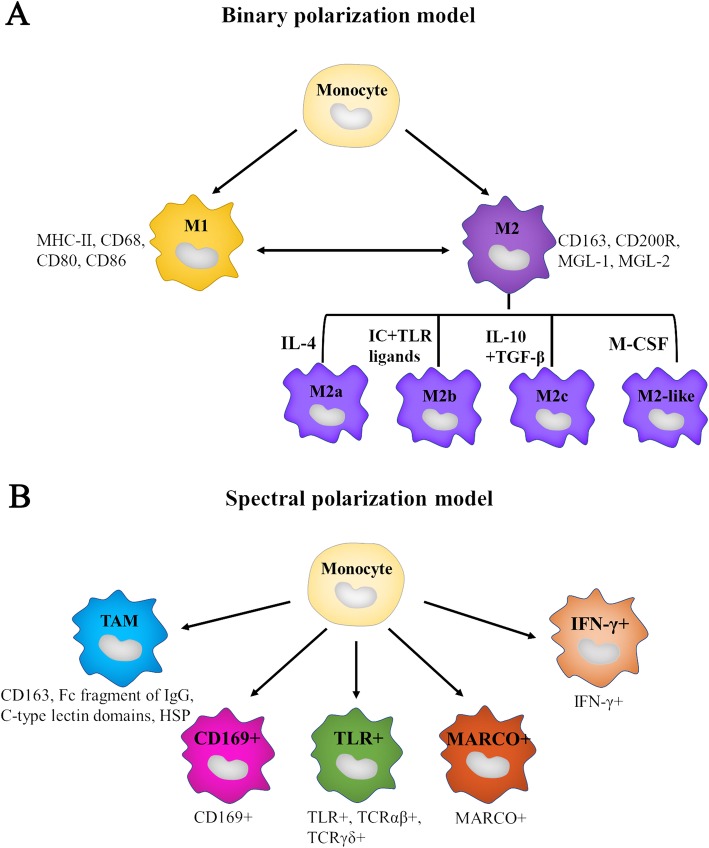
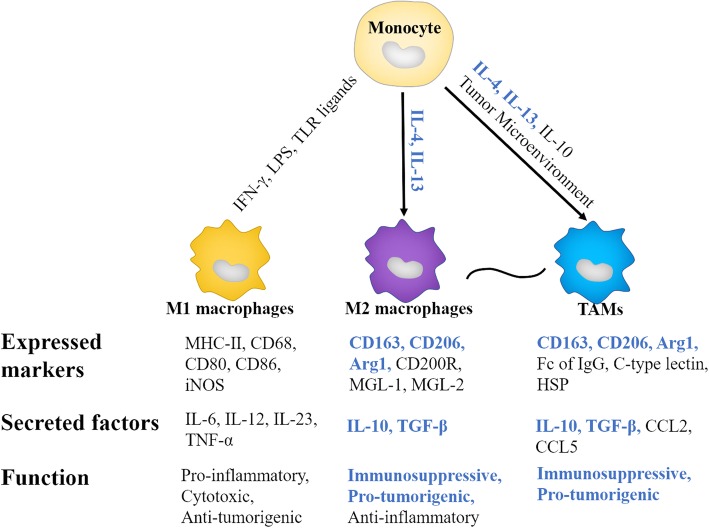
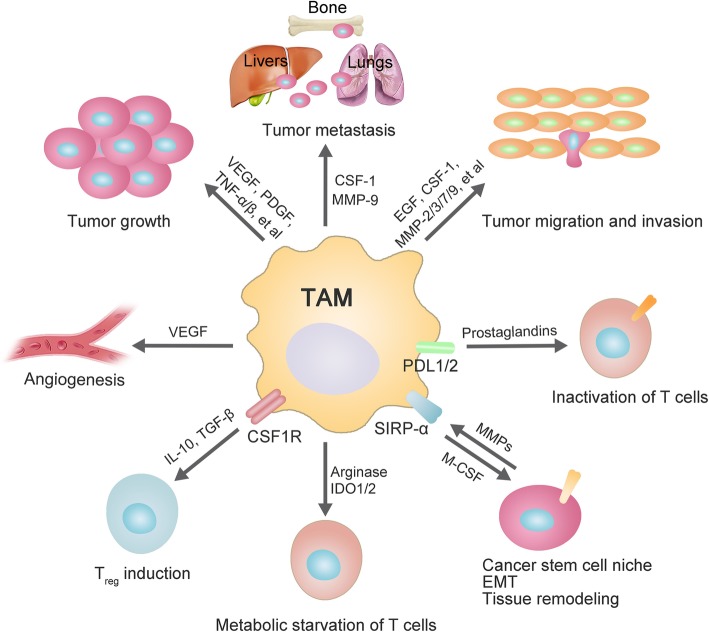
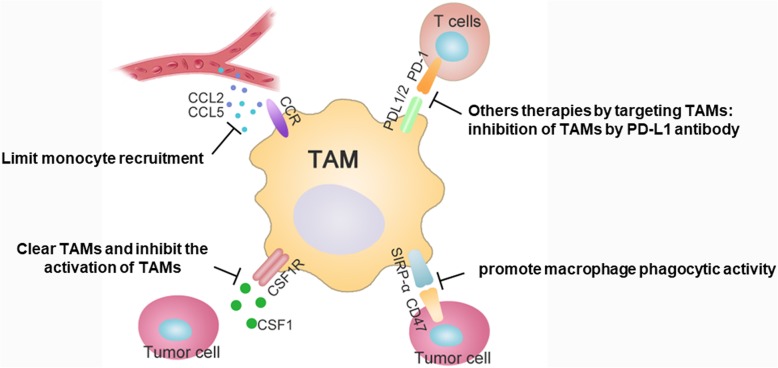
Verification
Claims the paper makes
The claims and statistics of this paper haven’t been checked yet.
Free: it reads the open-access text and checks the first 5 claims that cite a source we can check. Create a free account to check every claim.
Claims other papers make about this one
Each is checked against this paper’s own text: does it say what the citing paper says it does?
The source backs part of the claim, not all of it — or backs it for a different population, condition or comparison.
In the citing paper
“Moreover, other components of the TIME, such as TAMs, monocytes, and granulocytes, have also been reported to inhibit the antitumor activity of T cells and NK cells via various mechanisms, thereby leading to resistance to immunotherapy.244,257”
From Drug repurposing for cancer therapy (2024) · cites this paper as [257]
Experimental — accuracy not yet measuredThe source backs part of the claim, not all of it — or backs it for a different population, condition or comparison.
In the citing paper
“Additionally, TAMs–MPM crosstalk underlies the acquisition of the immunosuppressive and chemoresistant phenotype [32].”
From Chronic Inflammation, Oxidative Stress and Metabolic Plasticity: Three Players Driving the Pro-Tumorigenic Microenvironment in Malignant Mesothelioma (2023) · cites this paper as [32]
Experimental — accuracy not yet measuredThe check wasn’t confident either way, so it gives no verdict — never disputed.
In the citing paper
“However, the effectiveness of TMZ is dependent on silencing of the Methylguanine methyltransferase (MGMT) gene.”
From Revisiting the HIF switch in the tumor and its immune microenvironment. (2022) · cites this paper as [57]
Experimental — accuracy not yet measuredThe check wasn’t confident either way, so it gives no verdict — never disputed.
In the citing paper
“Over 50% of patients do not have silenced MGMT, thus do not respond to TMZ [57].”
From Revisiting the HIF switch in the tumor and its immune microenvironment. (2022) · cites this paper as [57]
Experimental — accuracy not yet measured
Self-check
Percentages, sums and reported differences re-computed from the paper’s own numbers.
The self-check needs the paper’s full text.
Citations
Cites
Microenvironmental regulation of tumor progression and metastasis
Quail, D. F., & Joyce, J. A. (2013) · Nature Medicine · doi:10.1038/nm.3394 · Cited by 7,994
Molecular Mechanisms of Stress-Responsive Changes in Collagen and Elastin Networks in Skin
Aziz, J., Shezali, H., Radzi, Z., Yahya, N. A., Abu Kassim, N. H., Czernuszka, J., & Rahman, M. T. (2016) · Skin Pharmacology and Physiology · doi:10.1159/000447017 · Cited by 7,323
Macrophage plasticity and polarization: in vivo veritas
Sica, A., & Mantovani, A. (2012) · Journal of Clinical Investigation · doi:10.1172/jci59643 · Cited by 6,335
Macrophage Diversity Enhances Tumor Progression and Metastasis
Qian, B.-Z., & Pollard, J. W. (2010) · Cell · doi:10.1016/j.cell.2010.03.014 · Cited by 5,188
Curiel, T. J., Coukos, G., Zou, L., Alvarez, X., Cheng, P., Mottram, P., Evdemon-Hogan, M., Conejo-Garcia, J. R., Zhang, L., Burow, M., et al. (2004) · Nature Medicine · doi:10.1038/nm1093 · Cited by 5,151
Tumor-Associated Macrophages: From Mechanisms to Therapy
Noy, R., & Pollard, J. W. (2014) · Immunity · doi:10.1016/j.immuni.2014.06.010 · Cited by 4,089
Tumour-associated macrophages as treatment targets in oncology
Mantovani, A., Marchesi, F., Malesci, A., Laghi, L., & Allavena, P. (2017) · Nature Reviews Clinical Oncology · doi:10.1038/nrclinonc.2016.217 · Cited by 4,033
Cancer and the chemokine network
Balkwill, F. (2004) · Nature Reviews Cancer · doi:10.1038/nrc1388 · Cited by 2,343
PD-1 expression by tumour-associated macrophages inhibits phagocytosis and tumour immunity
Gordon, S. R., Maute, R. L., Dulken, B. W., Hutter, G., George, B. M., McCracken, M. N., Gupta, R., Tsai, J. M., Sinha, R., Corey, D., et al. (2017) · Nature · doi:10.1038/nature22396 · Cited by 2,247 · cited 1×
“PD-L1 and PD-1 expression on TAMs can induce T cell exhaustion and potentially limit the efficacy of T cells associated immunotherapies in solid tumor [108].”
BackgroundWang, Q., Hu, B., Hu, X., Kim, H., Squatrito, M., Scarpace, L., deCarvalho, A. C., Lyu, S., Li, P., Li, Y., et al. (2017) · Cancer Cell · doi:10.1016/j.ccell.2017.06.003 · Cited by 1,995
Cited by
Items 701–800 of 1,000
Tumor microenvironment-related multigene prognostic prediction model for breast cancer
Hong, K. M., Zhang, Y., Yao, L., Zhang, J., Sheng, X., & Guo, Y. F. (2022) · Aging · doi:10.18632/aging.203845 · Cited by 7
“Mononuclear cells are precursors of tumor-associated macrophages (TAMs) which comprise the most abundant proportion of tumorinfiltrating immune cells [40].”
BackgroundMeneses, D. D., Figueroa‐Valdés, A. I., Georges, N., Tobar, H. E., & Alcayaga‐Miranda, F. (2022) · Bioengineering & Translational Medicine · doi:10.1002/btm2.10349 · Cited by 7
“In fact, selective depletion or inhibition of TAMs results in a reduction of the resistance associated with chemo and radiotherapy.(51) Furthermore, TAMs have also been considered regulators of immunotherapy since the immunosuppression they cause acts as a barrier to tumor sensitivity to cancer immunotherapies, thus”
BackgroundOrigin, production and molecular determinants of macrophages for their therapeutic targeting
Chowdhury, S., & Trivedi, A. K. (2022) · Cell Biology International · doi:10.1002/cbin.11914 · Cited by 9
Bilbao‐Asensio, M., Ruiz‐de‐Angulo, A., Arguinzoniz, A. G., Cronin, J., Llop, J., Zabaleta, A., Michue‐Seijas, S., Sosnowska, D., Arnold, J. N., & Rivas, J. C. M. (2022) · Advanced Therapeutics · doi:10.1002/adtp.202200179 · Cited by 7
Yang, Y., Lin, Z., Cai, Z., Huang, K., Li, M., Wang, X., Lin, Y., Chen, S., & Yang, Z. (2023) · Frontiers in Genetics · doi:10.3389/fgene.2023.1061569 · Cited by 7
“TAM (M2) is associated with elevated tumor growth, aggressive phenotype and poor prognosis in solid tumors (Komohara et al., 2016; Ngambenjawong et al., 2017; Chen et al., 2019).”
BackgroundCytomegalovirus at the crossroads of immunosenescence and oncogenesis
Bouezzedine, F., Baba, R. E., Morot-Bizot, S., Diab‐Assaf, M., & Herbein, G. (2023) · Exploration of Immunology · doi:10.37349/ei.2023.00086 · Cited by 7
“HCMV reactivation in M1 macrophages promotes an M2/TAM shift, thus driving the neoplastic progression [21, 68].”
BackgroundHigh expression of WTAP is related to poor prognosis in nasopharyngeal carcinoma
Tao, C., Zhang, P., Chen, Y., & Chen, M. (2023) · Neoplasma · doi:10.4149/neo_2023_220828n871 · Cited by 7
Self-citationJiang, M., Chattopadhyay, A. N., Jeon, T., Zhang, X., & Rotello, V. M. (2023) · Analytical Chemistry · doi:10.1021/acs.analchem.3c02551 · Cited by 7
Targeting isoforms of RON kinase (MST1R) drives antitumor efficacy
Kim, J., Koh, D., Lee, M., Park, Y. S., Hong, S., Shin, J.-S., Lee, M. S., Kim, M.-H., Lee, J. H., Jeong, J., et al. (2023) · Cell Death and Differentiation · doi:10.1038/s41418-023-01235-9 · Cited by 7
Zhang, J., Huang, Y., Tan, X. G., Wang, Z., Cheng, R., Zhang, S., Chen, Y., Jiang, F., Tan, W., Deng, X., et al. (2024) · International Immunopharmacology · doi:10.1016/j.intimp.2024.112184 · Cited by 7
Self-citationShigeoka, M., Koma, Y., Kodama, T., Nishio, M., Akashi, M., & Yokozaki, H. (2021) · Frontiers in Oncology · doi:10.3389/fonc.2021.667174 · Cited by 7
Insights Into the Prognostic Value and Immunological Role of NAAA in Pan-Cancer
Huang, D., Shen, J., Zhai, L., Chen, H., Jing, F., Zhu, X., & Zhou, J. (2022) · Frontiers in Immunology · doi:10.3389/fimmu.2021.812713 · Cited by 11
“Compared to the former, tumor-infiltrating M2 macrophages are closely correlated with worse clinical prognosis in many kinds of malignant tumors (54).”
BackgroundZhang, X., Bai, W., Hu, L., Ha, H., Du, Y., Xiong, W., Wang, H., & Shang, P. (2022) · Clinical & Translational Oncology · doi:10.1007/s12094-022-02932-6 · Cited by 7
“For example, TAMs-derived chemokines CCL2, CCL3, CCL4, CCL5, CCL20, and CCL22 promote the recruitment of immunosuppressive nTregs to tumors [19, 78, 94].”
BackgroundYan, X., Gao, X., Li, X., Qiu, Q., Li, C., Yan, N. J., Li, J., Liu, M., Tang, X., Liu, X., et al. (2022) · International Journal of Pharmaceutics · doi:10.1016/j.ijpharm.2022.122467 · Cited by 7
Self-citationYue, Y., Tao, J., An, D., & Shi, L. (2023) · Frontiers in Genetics · doi:10.3389/fgene.2022.1089405 · Cited by 7
“High TAM infiltration is associated with poor prognosis in solid tumors, as well as the association with angiogenesis, migration, and the resistance to chemotherapy and radiotherapy (Chen et al., 2019).”
BackgroundMoshe, D. L., Baghaie, L., Leroy, F., Skapinker, E., & Szewczuk, M. R. (2023) · Biomedicines · doi:10.3390/biomedicines11082142 · Cited by 8
“M2-TAMS express cytokines IL-6, IL-10, CCl-22, and TGF-β, which, while promoting monocyte maturation, block the differentiation of monocytes to dendritic cells and disrupt the activity of cytotoxic T lymphocytes (CTLs) and NK cells [20,21].”
BackgroundHamza, A., Cho, J. Y., Cap, K. C., Hossain, A. J., Kim, J.-G., & Park, J. (2023) · Free Radical Biology and Medicine · doi:10.1016/j.freeradbiomed.2023.09.016 · Cited by 7
Unleashing the pathological imprinting of cancer in autoimmunity: Is ZEB1 the answer?
Rithvik, A., Samarpita, S., & Rasool, M. (2023) · Life Sciences · doi:10.1016/j.lfs.2023.122115 · Cited by 8
Immune cell engineering: opportunities in lung cancer therapeutics
Bhargava, A., Mishra, D. K., Tiwari, R. R., Lohiya, N. K., Goryacheva, I. Y., & Mishra, P. K. (2020) · Drug Delivery and Translational Research · doi:10.1007/s13346-020-00719-2 · Cited by 7
“The cells also express arginase I which assist angiogenesis and invasion [70].”
BackgroundAntitumor effects of targeted killing of tumor-associated macrophages under photothermal conditions
Wang, B., & Huang, Y. (2021) · Lasers in Medical Science · doi:10.1007/s10103-021-03248-7 · Cited by 7
TAMs: Guardians or foes? Overcoming heterogeneity and delivery barriers for precision immunotherapy
Liang, X., Bai, R., Sun, Y., Ma, P., Lü, X., Han, T., & Guan, L. (2025) · International Immunopharmacology · doi:10.1016/j.intimp.2025.115195 · Cited by 7
Li, J.-P., Liu, Y., Zhang, Y., Ye, Q., Guo, X., Chong, J.-C., Yin, Y., Li, Y., Wang, S., Zhou, J., et al. (2025) · International Journal of Biological Sciences · doi:10.7150/ijbs.111529 · Cited by 6
“CAF activation is closely tied to metabolic reprogramming, particularly a shift from oxidative phosphorylation to glycolysis, driven by reactive oxygen species (ROS) accumulation and calcium dysregulation [58, 59].”
Self-citationSoil and Seed: Tumor Microenvironment Nurtures Immunotherapy Resistance and Renewal
Li, Y., Feng, Q., Xia, Y., Liao, L., & Xie, S. (2025) · International Journal of Molecular Sciences · doi:10.3390/ijms262110547 · Cited by 6
“For example, TAMs promote the accumulation of MDSCs by secreting colony-stimulating factor 1 (CSF1) [26].”
Zhang, Y., Wang, K., Yang, Y., Gong, T., Zhang, Z., Liu, R., & Fu, Y. S. (2025) · Nano Today · doi:10.1016/j.nantod.2025.102926 · Cited by 7
Pulakuntla, S., Kuruvalli, G., Mohan, M. C., Nagajyothi, P. C., Shim, J., & Reddy, V. D. (2026) · International Reviews of Immunology · doi:10.1080/08830185.2026.2614779 · Cited by 6
“They also secrete pro-inflammatory cytokines that activate cytotoxic T cells, fostering a tumor-suppressive microenvironment [37].”
CAR-macrophages: a new chapter in cancer immunotherapy
Tang, X., & Xiao, Q. (2026) · Acta Biochimica et Biophysica Sinica · doi:10.3724/abbs.2026017 · Cited by 6
“TAMs are key players, displaying remarkable plasticity that allows them to shift between anti - tumor and pro - tumor roles based on local signals [104,105].”
Drug-free Immunotherapeutic Biomimetic Nanoparticles for Treating Triple-Negative Breast Cancer
Vizenblit, O., Mhajne, R., & Zinger, A. (2026) · ACS Nano · doi:10.1021/acsnano.5c18774 · Cited by 6
Role of tumor-associated macrophages in the breast tumor microenvironment
Mir, M. A., Mir, A. Y., & Mushtaq, T. (2022) · Elsevier eBooks · doi:10.1016/b978-0-443-18696-7.00003-8 · Cited by 6
Yang, L., Han, M., Zhao, X., Zheng, L., Kong, F., Zhang, S., Jia, L., Li, X., & Wang, M. (2024) · Oncology Letters · doi:10.3892/ol.2024.14482 · Cited by 7
“Additionally, TAMs possess the capability to either aid, impede, or initiate tumor development through the secretion of cytokines and modulation of other immune cells (46,47).”
BackgroundLiu, X., Wang, Z., Lv, X., Tao, Z., Lin, L., Zhao, S., Zhang, K., & Li, Y. (2024) · Heliyon · doi:10.1016/j.heliyon.2024.e34968 · Cited by 6
Multiscale multimodal integration of spatial omics through a deep generative model with CORAL
He, S., Bieniosek, M. F., Zhou, J., Song, D., Chidester, B., Wu, Z., Boen, J., Wang, G., Kaseb, A. O., Sharma, P., et al. (2026) · Nature Genetics · doi:10.1101/2025.02.01.636038 · Cited by 6
Xu, L., Li, K., Li, J., Xu, F., Liang, S., Kong, Y., & Chen, B. (2025) · Life Sciences · doi:10.1016/j.lfs.2025.123599 · Cited by 6
Singh, A., Pillai, L., Danes, D., Umar, S., & Balakrishnan, S. (2025) · Molecular Biology Reports · doi:10.1007/s11033-025-10517-z · Cited by 6
Aging and lung cancer: the role of macrophages
Yang, X., Gao, L., & Fu, D. (2025) · Experimental Cell Research · doi:10.1016/j.yexcr.2025.114676 · Cited by 7
Xu, X., Chang, D., Cai, Y., Wang, J., Liu, J., Xu, P., & Ma, Y. (2025) · Nano Biomedicine and Engineering · doi:10.1016/j.nbe.2025.100001 · Cited by 6
Mukalel, A. J., Tylek, T., Geisler, H. C., O’Brien, E. M., Frazee, C. P., Li, J. J., Thatte, A. S., Safford, H. C., Figueroa‐Espada, C. G., Alameh, M., et al. (2026) · Bioengineering & Translational Medicine · doi:10.1002/btm2.70138 · Cited by 6
Wang, J., Yu, L. J., Zhang, C., Chen, X., Zhu, L., & Luo, T. (2021) · Translational Cancer Research · doi:10.21037/tcr-21-1145 · Cited by 6
“As the main component of the tumor microenvironment, tumor-linked macrophages secrete numerous cytokines to repress the body’s adaptive immune response, accelerate the growth of tumor cells, and promote tumor-linked angiogenesis and tumor metastasis (46).”
BackgroundNie, S., Huili, Y., Yao, A., Liu, J., Wang, Y., Wang, L., Zhang, L., Kang, S., & Cao, F. (2022) · Frontiers in Genetics · doi:10.3389/fgene.2022.1013178 · Cited by 6
Pan-cancer analysis of the immune aspects and prognostic value of NCAPG2
Feng, H., Chen, N., Li, H., Zheng, Z., Li, H., Quan, H., Jin, X. Y., Jiang, P. X., Wu, Q., & Yang, X. (2023) · Heliyon · doi:10.1016/j.heliyon.2023.e18051 · Cited by 6
“Furthermore, they can either facilitate, inhibit, or initiate tumor development by secreting cytokines and modulating the functions of other immune cells [21,22].”
BackgroundDual-Specificity Phosphatases in Regulation of Tumor-Associated Macrophage Activity
Patysheva, M. R., Prostakishina, E. A., Budnitskaya, A. A., Дмитриевна, Б. О., & Kzhyshkowska, J. G. (2023) · International Journal of Molecular Sciences · doi:10.3390/ijms242417542 · Cited by 6
“The tissue macrophage population is characterized by heterogeneity, which is determined by macrophage ontogeny, the totality of regulatory stimuli received, and the location in a particular tumor compartment [3,23].”
BackgroundSystematic analysis of TREM2 and its carcinogenesis in pancreatic cancer
Zheng, W., Yu, W., Hua, R., He, J., Wu, N., Tian, S., Huang, W., & Qin, L. (2024) · Translational Cancer Research · doi:10.21037/tcr-24-201 · Cited by 6
“In recent years, an increasing number of studies have demonstrated that TAMs can either promote or inhibit tumor progression by influencing tumour growth (34), immune escape (35), and metastasis of tumors (36,37).”
Chondrosarcoma Co-Culture 3D Model─An Insight to Evaluate Drugs Acting on TAMs
Quoniou, R., Moreau, E., Cachin, F., Blavignac, C., Bortoli, E., Chautard, E., & Peyrode, C. (2024) · ACS Biomaterials Science & Engineering · doi:10.1021/acsbiomaterials.4c00625 · Cited by 6
Parra‐Nieto, J., Arroyo-Nogales, A., Marcos-Fernández, D., Jiménez‐Falcao, S., Arribas, C., Megías, D., González‐Murillo, Á., Ramírez, M. R., & Baeza, A. (2024) · Biomaterials Science · doi:10.1039/d4bm00780h · Cited by 6
Mirzaei, N. M., Kevrekidis, P. G., & Shahriyari, L. (2024) · Royal Society Open Science · doi:10.1098/rsos.240718 · Cited by 6
“Activated macrophage polarity is defined through its interaction with cancer cells, which is why they are often referred to as anti (M1) and pro (M2) tumor macrophages [22].”
Effect of repurposed metabolic drugs on human macrophage polarization and antitumoral activity
Vizcaino-Castro, A., Chen, S., Hoogeboom, B. N., Boerma, A., Daemen, T., & Oyarce, C. (2025) · Clinical Immunology · doi:10.1016/j.clim.2025.110440 · Cited by 7
Guo, R., Li, Y., Bie, Z., Peng, J.-Z., & Li, X. (2025) · BMC Cancer · doi:10.1186/s12885-025-14002-5 · Cited by 6
“According to previous studies, signals from the tumor microenvironment can transfer monocytes and their derivatives into macrophages that assist tumor cells in evading cytotoxic T cells [40, 41].”
Jin, S., Zeng, H., Liu, Z., Jin, K., Liu, C., Yan, S. R., Yu, Y., You, R., Zhang, H., Chang, Y., et al. (2022) · Annals of Surgical Oncology · doi:10.1245/s10434-021-11155-y · Cited by 6
Novel active stealth micelles based on β2M achieved effective antitumor therapy
Bao, J., Hu, M., Zhang, Y., Zhang, Q., Zhu, F., Zou, Q., & Tang, J. (2022) · Biomedicine & Pharmacotherapy · doi:10.1016/j.biopha.2022.113175 · Cited by 6
Xue, L., Chu, W., Wan, F., Wu, P., Zhao, X., Ma, L., She, Y., Li, C., & Li, Y. (2022) · World Journal of Surgical Oncology · doi:10.1186/s12957-022-02830-9 · Cited by 6
Applications of DNA tetrahedron nanostructure in cancer diagnosis and anticancer drugs delivery
Long, Q., Tian, X., Wang, H., Zhang, N., Han, T., Li, Z., & Jiang, S. (2023) · Nanotechnology Reviews · doi:10.1515/ntrev-2022-0553 · Cited by 6
Yi, C., Li, Z., Zhao, Q., Gong, D., Zhao, S., Chen, Z., Chen, C., Bian, E., & Tian, D. (2023) · Biochemical Genetics · doi:10.1007/s10528-023-10483-w · Cited by 6
“Studies have shown that TAMs have multiple potent functions in the tumor microenvironment and specific types of TAMs can promote tumor growth, progression, and metastasis and are essential for tumor treatment and prognosis (Chen et al. 2019; Han et al. 2019).”
Li, C., Qin, W., Hu, J., Lin, J., & Mao, Y. (2024) · Biochemical Genetics · doi:10.1007/s10528-024-10683-y · Cited by 6
“These macrophages could suppress the immune response and promote angiogenesis and lymph angiogenesis, leading to tumor development and metastasis (Chen et al. 2019; Cheng et al. 2021).”
A detailed insight into macrophages' role in shaping lung carcinogenesis
Aktar, T., Modak, S., Majumder, D., & Maiti, D. (2024) · Life Sciences · doi:10.1016/j.lfs.2024.122896 · Cited by 6
Reprogramming tumor-associated macrophages: The role of MEK-STAT3 inhibition in lung cancer
Rawat, S., Moglad, E. H. O., Afzal, M., Goyal, A., Roopashree, R., Bansal, P., Mishra, S., Prasad, G. V. S., Pramanik, A., Alzarea, S. I., et al. (2024) · Pathology - Research and Practice · doi:10.1016/j.prp.2024.155748 · Cited by 6
Are there common threads in the susceptibility to cancer and tuberculosis?
Chan, E. D. (2020) · Journal of Thoracic Disease · doi:10.21037/jtd.2020.03.114 · Cited by 6
“Innate immune cel ls such as macrophages and neutrophils may infiltrate the tumor microenvironment— the so-called tumor-associated macrophages (TAM) and tumor-associated neutrophils (TAN) (22,23).”
BackgroundInfluentialLin, K.-C., Jan, H.-C., Hu, C., Ou, Y., Kao, Y., Yang, W.-H., & Ou, C.-H. (2021) · Journal of Clinical Medicine · doi:10.3390/jcm10132983 · Cited by 6
“Macroph ge infiltration was found to correlate with tumor necrosis [10,20] and to p rticipate in tumor pr gression [21,22].”
BackgroundAnti-tumor effect of aquaporin 3 monoclonal antibody on syngeneic mouse tumor model
Tanaka, M., Ito, A., Shiozawa, S., & Hara‐Chikuma, M. (2022) · Translational Oncology · doi:10.1016/j.tranon.2022.101498 · Cited by 6
“Antitumor strategies targeting TAMs have focused mainly on depleting macrophages or inhibiting their recruitment into the TME; however, some of these strategies may cause unwanted side effects, such as increased susceptibility to infection [9].”
BackgroundHigh-motility pro-tumorigenic monocytes drive macrophage enrichment in the tumor microenvironmentPreprint
Du, W., Zhou, B., Forjaz, A., Shin, S. M., Wu, F., Crawford, A. J., Nair, P. R., Johnston, A. C., West‐Foyle, H., Tang, A., et al. (2024) · bioRxiv (Cold Spring Harbor Laboratory) · doi:10.1101/2024.07.16.603739 · Cited by 6
Self-citationAnalysis of Changes in Plasma Cytokine Levels in Response to IL12 Therapy in Three Clinical Trials
Schwarz, E. J., Benner, B. N., Yu, L., Tounkara, F., & Carson, W. E. (2024) · Cancer Research Communications · doi:10.1158/2767-9764.crc-23-0122 · Cited by 5
“Notably, IL6 has also been shown to mediate solid tumor resistance to both chemotherapy and immunotherapy by promoting the accumulation of systemic and intratumoral CD11b + myeloid cells with impaired antigen presentation and maturation (37, 38).”
Guan, R., Li, C., Gu, F., Li, W., Wei, D., Cao, S., Chang, F., & Lei, D. (2024) · BMC Genomics · doi:10.1186/s12864-024-10321-2 · Cited by 5
“Activated macrophages mainly include M1 macrophages and M2 macrophages, M1 macrophages can kill tumor cells and resist pathogen invasion, and M2 macrophages, which account for the vast majority of tumor tissues, mainly play a role in promoting tumor growth, invasion and metastasis [65].”
BackgroundHanafi, Z. B., Mei, Y., Teo, H. Y., Zhu, Y., Lionel, C. C. Y., Chiu, J. W., Lu, J., & Liu, H. (2025) · OncoImmunology · doi:10.1080/2162402x.2025.2451444 · Cited by 6
Wang, H., Wang, W. T., Tang, Q., Liu, X., Zhu, L., Sun, D., & Lin, T. (2025) · Pharmaceutical Development and Technology · doi:10.1080/10837450.2025.2505005 · Cited by 5
Datta, A., Bahlmann, L. C., Gong, D. N., Tevonian, E. N., Lorens, J. B., & Lauffenburger, D. A. (2025) · Frontiers in Immunology · doi:10.3389/fimmu.2025.1601420 · Cited by 5
“We have thus far focused on HMDMs because macrophages are the most abundant immune cell in solid tumors (49), but macrophages are not the only myeloid cell potentially impacted by Axl inhibition, as dendritic cells are also known to rely on TAMR signaling (25).”
PET and SPECT Imaging of Macrophages in the Tumor Stroma: An Update
Li, S., Maes, A., Vermassen, T., Maes, J., Sathekge, C., Rottey, S., & de Wiele, C. V. (2025) · Journal of Clinical Medicine · doi:10.3390/jcm14145075 · Cited by 5
“While the high degree of infiltration of macrophages in the tumor stroma has been previously correlated to be a poor patient prognosis [46,47], whether or not information derived from PET and SPECT images using CSF-1R and CCR2 targeting ligands can provide independent additional prognostic…”
Hawi, G., Kim, P., & Lee, P. P. (2025) · Journal of Theoretical Biology · doi:10.1016/j.jtbi.2025.112231 · Cited by 5
Han, I., Choi, I., Kim, S., Kwon, M., Choi, H.-J., & Bae, H. (2025) · Frontiers in Immunology · doi:10.3389/fimmu.2025.1652166 · Cited by 7
“These results are consistent with previous reports showing that M2 macrophages produce anti-in fl ammatory cytokines such as IL-10 and TGF-b , which inhibit T cell recruitment and effector function (38, 39).”
Bautista-Sebastián, E., Cortés-Morales, V. A., Fajardo-Orduña, G. R., Monroy-García, A., Castro-Manrreza, M. E., Saucedo–Campos, A. D., de la Barrera, M. G., Mayani, H., & Montesinos, J. J. (2025) · Cancers · doi:10.3390/cancers17193099 · Cited by 7
“M2 macrophages can express anti-inflammatory molecules such as IDO, IL-4, and IL-10 [26,27].”
Zhu, M., Xiong, J., Zhang, R., Yang, X., Sun, W., Yang, Z., Chai, Y., Tao, Y., Zhao, Y., Fan, B., et al. (2026) · Cells · doi:10.3390/cells15020126 · Cited by 5
“M2 macrophage-secreted cytokines actively suppress CD4 + T cell-mediated immune responses [29].”
Seo, M., Lee, J., & Ueno, N. T. (2026) · Advanced Science · doi:10.1002/advs.202515498 · Cited by 7
“…phenotype, secreting cytokines and enzymes such as IL-10, TGF-β , and ARG1, which inhibit the function of cytotoxic CD8 + T cells and promote the recruitment and expansion of regulatory T cells (Tregs), thereby suppressing anti-tumor immunity and ultimately reducing ADC efficacy [ 38, 39 ].”
Mathematical modeling and analysis of cancer treatment with radiation and anti-PD-L1
Liao, K., Wieler, A. J., & Gascon, P. M. L. (2024) · Mathematical Biosciences · doi:10.1016/j.mbs.2024.109218 · Cited by 5
Ansari, A., Bhattacharyya, T., Das, P., Chandra, Y., Kundu, T. K., & Banerjee, R. (2024) · Molecular Pharmaceutics · doi:10.1021/acs.molpharmaceut.4c00468 · Cited by 5
Tumor-associated inflammation: The role and research progress in tumor therapy
Xu, J., Xu, X., Zhang, H., Wu, J., Pan, R., & Zhang, B. (2024) · Journal of Drug Delivery Science and Technology · doi:10.1016/j.jddst.2024.106376 · Cited by 6
Newnes, H. V., Armitage, J. D., Audsley, K. M., Bosco, A., & Waithman, J. C. (2021) · Cancers · doi:10.3390/cancers13235911 · Cited by 5
“It has been shown to drive recruitment of MDSCs and induce release of IDO, both of which suppress T cell proliferation and favour development of Tregs [96].”
BackgroundInfluentialComplement-Mediated Selective Tumor Cell Lysis Enabled by Bi-Functional RNA Aptamers
Mallik, P., Nishikawa, K., Mallik, P., & Shi, H. (2021) · Genes · doi:10.3390/genes13010086 · Cited by 5
“Tumorinfiltrating macrophages may be induced to become tumor-associated macrophages (TAM) to assist tumor progression [31,32].”
BackgroundLiu, X., Jiang, Q., Shen, S., & Hou, Y. (2022) · Chinese Medical Journal · doi:10.1097/cm9.0000000000001775 · Cited by 5
Akif, U. M., Miyan, J., Rana, R., Moinuddin, Goswami, N. K., Tanzeela, Bhadauria, S., & Chourasia, M. K. (2023) · Pharmaceutical Research · doi:10.1007/s11095-022-03444-2 · Cited by 5
[Research Progress and New Immunotherapy Strategies of Tumor Microenvironment Metabolism].
Peng, Y., Luo, X.-M., & Chen, J.-Y. (2023) · 四川大学学报:医学版 · doi:10.12182/20230560502 · Cited by 9
Jung, H., Kim, S. H., & Joo, H. (2023) · Current Issues in Molecular Biology · doi:10.3390/cimb45110560 · Cited by 5
“TME immunity is achieved by innate and adaptive immune cells, including T cells, dendritic cells, and macrophages [32].”
BackgroundEnhancing osteosarcoma therapy through aluminium hydroxide nanosheets-enabled macrophage modulation
Cheng, M., Jiang, Y., Wang, Y., Wu, Y., & Zhu, Y. (2023) · International Journal of Pharmaceutics · doi:10.1016/j.ijpharm.2023.123640 · Cited by 5
Zhang, Y., Yang, C., Chen, Z., Zhou, X., Chen, S., Lan, K., Wang, Z., & Zhang, Y. (2023) · Pharmacogenomics and Personalized Medicine · doi:10.2147/pgpm.s437974 · Cited by 6
“40 Currently, it has been shown that tumor-associated macrophages govern the continuing growth of BC by secreting type I collagen, which can activate the PI3K/AKT signaling pathway.”
BackgroundSammarco, E., Rossetti, M., Salfi, A., Bonato, A., Viacava, P., Masi, G., Galli, L., & Faviana, P. (2024) · Medical Oncology · doi:10.1007/s12032-024-02370-0 · Cited by 5
“In addition, expression of CD80, generally considered a typical marker of activated macrophages with M1 features (with antitumor activity and involved in restoring an immune responsive microenvironment), was evaluated [16].”
Polarized macrophage functions are affected differentially after CSF-1R inhibition with PLX5622
Barilo, J., Bouzeineddine, N. Z., Philippi, A., & Basta, S. (2024) · European Journal of Pharmacology · doi:10.1016/j.ejphar.2024.177059 · Cited by 5
Duan, W. H., Jin, L. Y., Cai, Z. C., LIM, D. J., & Feng, Z. H. (2021) · PubMed · doi:10.3967/bes2021.097 · Cited by 6
“Recently, it has been found that RT can trigger an influx of myeloid cells([8]); specifically, myeloid-derived tumor-associated macrophages (TAMs), which are resistant to RT([9]).”
BackgroundHe, C., Ding, Y., Yang, Y., Che, G., Teng, F., Wang, H., Zhang, J., Zhou, D., Chen, Y., Zhou, Z. M., et al. (2023) · Cellular Signalling · doi:10.1016/j.cellsig.2023.110965 · Cited by 5
Self-citationDiscovery of a new marker to identify myeloid cells associated with metastatic breast tumours
Bokil, A. A., Børkja, M. L. B., Wolowczyk, C., Lamsal, A., Prestvik, W. S., Nonstad, U., Pettersen, K., Andersen, S. B., Bofin, A. M., Bjørkøy, G., et al. (2023) · Cancer Cell International · doi:10.1186/s12935-023-03136-w · Cited by 5
“Moreover, increased numbers of myeloid cells within solid tumours [12, 13] and a high neutrophil to lymphocyte ratio in blood, are associated with poor prognosis and unfavourable clinical outcomes in patients with certain types of tumours [13], confirming a pro-metastatic role of myeloid cells.”
BackgroundMoore, L. L., Jaboin, J. J., Brown, M. L., & Houchen, C. W. (2025) · Cancers · doi:10.3390/cancers17122050 · Cited by 4
Henriques, S. R., Glass, E. B., Hoek, K. L., Chalom, O., Manning, A. E., Roy, S., Graves, D. K., Goldstein, S. M., Hacker, B. C., Jin, R.-J., et al. (2025) · Annals of Biomedical Engineering · doi:10.1007/s10439-025-03823-x · Cited by 3
“The activity of CCL2, a known TAM chemoattractant [38], was confirmed via chemotaxis assays (Fig.”
Gül, S., Vergnaud, J., Fay, F., & Fattal, E. (2025) · Drug Delivery and Translational Research · doi:10.1007/s13346-025-01970-1 · Cited by 4
Peng, J., Chen, G., Lin, Z., Guo, S., Zeng, Y., Wang, Q., Yang, W., & Li, J. (2025) · Polymers · doi:10.3390/polym17182554 · Cited by 4
“Concurrently, cyclooxygenase-2 (COX-2)-mediated metabolism of arachidonic acid yields PGE 2 , a pivotal regulator of gastrointestinal immune homeostasis [52].”
Murray, N. P., & Aedo, S. (2025) · International Journal of Molecular Sciences · doi:10.3390/ijms262311346 · Cited by 4
“They play an important role in the formation of the pre-metastatic niche and secrete various metalloproteinases, including MMP-2 [58].”
Huang, J., Wu, X., Feng, Y., & Yang, A. (2025) · Chinese Medical Journal · doi:10.1097/cm9.0000000000003944 · Cited by 5
“[14] Emerging evidence has revealed that M1 macrophages can transform into M2 macrophages within the TME during tumor progression.”
Sun, S., Zhao, P., Wang, C., Du, J., Zhang, T., He, X., Zhibo, Z., Li, N., & Zhou, R. (2026) · Frontiers in Cell and Developmental Biology · doi:10.3389/fcell.2025.1668583 · Cited by 5
Zhang, Y., Zhang, H., Fang, Y., Liu, Y., Qu, L., Lin, A., Jiang, A., & Wang, L. (2025) · Current Proteomics · doi:10.1016/j.curpro.2025.100052 · Cited by 4
Epithelial-mesenchymal transition (EMT) and cellular plasticity in Ovarian cancer
Raza, A., Baba, S. K., El-Ella, D. M. A., Mirza, S., & Nazir, A. (2026) · Pathology - Research and Practice · doi:10.1016/j.prp.2026.156398 · Cited by 4
Wang, F., & Huangfu, H. (2026) · Frontiers in Cellular and Infection Microbiology · doi:10.3389/fcimb.2026.1768893 · Cited by 4
Liang, Z., Wang, R., Wang, Y., Wang, Q., Chen, Y., Zhang, Z., He, M. Y., Yang, J., Sun, L., Zhang, Q., et al. (2026) · ACS Nano · doi:10.1021/acsnano.5c11870 · Cited by 5
Self-citationHua, X., Chen, Y., Niu, H., Li, X., Gai, X., & Cui, G. (2024) · Digestive Diseases and Sciences · doi:10.1007/s10620-024-08365-1 · Cited by 4
“Moreover, they have recently emerged as promising targets for cancer immunotherapy [30].”
Self-citationImmunological landscape of solid cancer: Interplay between tumor and autoimmunity
Singh, A. K., Duddempudi, P. K., Kenchappa, D., Srivastava, N., & Amdare, N. P. (2024) · International review of cytology · doi:10.1016/bs.ircmb.2024.04.002 · Cited by 4
Elevated HSPB1 Expression Is Associated with a Poor Prognosis in Glioblastoma Multiforme Patients
Wang, Z., Fang, Z., Gui, Y., Xi, B., & Xie, Z. (2024) · Journal of Neurological Surgery Part A Central European Neurosurgery · doi:10.1055/s-0043-1777761 · Cited by 4
Jumat, N. R., Yunus, M. A., Yahaya, B. H., Aziz, M. Y., Rofiee, M. S., & Mohamed, R. (2024) · Biomedical Research and Therapy · doi:10.15419/bmrat.v11i9.918 · Cited by 4
Metadata
- Authors
- Chen, Y., Song, Y., Du, W., Gong, L., Chang, H., & Zou, Z.
- Affiliations
- Zhengzhou University (CN)
- South China Normal University (CN)
- Corresponding author
- Chen, Yibing
- Zou, Zhengzhi
- Venue
- Journal of Biomedical Science
- Published
- 2019-10-20
- Volume
- 26
- Issue
- 1
- Pages
- 78-78
- ISSN
- 1021-7770 (ISSN-L)
- 1423-0127
- PMC
- PMC6800990
- OpenAlex
- W2980823965
- Semantic Scholar
- ce494fb6a90b18166f259a1af0bbdb64e186315e
- Cited by
- 1,096
- References
- 109
- Citations by year
- 2026: 88 · 2025: 145 · 2024: 215 · 2023: 199 · 2022: 208 · 2021: 167 · 2020: 73
- FWCI
- 9.76
- Type
- journal article
- Language
- en
- Open access
- diamond
- doi.org
- Licence
- cc-by
- creativecommons.org/licenses/by/4.0/ (tdm)
- creativecommons.org/licenses/by/4.0/ (vor)
- Locations
- Journal of Biomedical Science (publishedVersion, cc-by)
- PubMed Central (publishedVersion, cc-by)
- PubMed (publishedVersion)
- DOAJ (DOAJ: Directory of Open Access Journals) (submittedVersion)
- Funders
- National Natural Science Foundation of China (81772643, 81772803, 81402281, 81402187)
- Topics
- Life Sciences › Immunology and Microbiology › Immunology › Immune cells in cancer
- Life Sciences › Biochemistry, Genetics and Molecular Biology › Molecular Biology › Angiogenesis and VEGF in Cancer
- Life Sciences › Biochemistry, Genetics and Molecular Biology › Cancer Research › Cancer, Stress, Anesthesia, and Immune Response
- Keywords
- tumor-associated macrophages, tumor microenvironment, macrophage polarization, tumor progression, chemoresistance, radiotherapy resistance, tumor angiogenesis, metastasis, immunosuppression, TAM-targeted therapy, macrophage phagocytosis, monocyte recruitment
- MeSH terms
- Animals, Humans, Macrophages, Neoplasms, Neovascularization, Pathologic, Disease Progression, Mice, Tumor Microenvironment
About these checks
Registry, retraction, Cites and statistics results are computed, not judged, with one exception: a printed reference that no index lists is read once by a model before it counts as a citation error. Claims are extracted by a model and kept only when their quote appears verbatim in the text; each cited source is then checked, with a model’s help, for whether it says what the claim relies on. Those verdicts can be wrong — read the claim’s quote and the cited source before relying on one.
Statistics and arithmetic are recomputed, not judged.
Confidence bands are shown only for fields calibrated on our annotated test set. None is calibrated yet, so no band is shown.
What counts as a claim ›How we measure confidence ›How we check this ›
Are you an author, or do you see a problem with this page? Request a review
Data sources
Bibliographic data: Semantic Scholar, OpenAlex, Crossref.
Contains information from the Semantic Scholar Academic Graph Datasets, made available under the ODC Attribution License (ODC-BY 1.0).
Semantic Scholar’s data is described in: Kinney, R., et al. (2023). The Semantic Scholar Open Data Platform. arXiv:2301.10140.
