

Tumor-associated macrophages: an accomplice in solid tumor progression
Open accessThe DOI matches its Crossref record; 109 of the 109 references it cites were found in a registry or an index.
Abstract
In many solid tumor types, tumor-associated macrophages (TAMs) are important components of the tumor microenvironment (TME). Moreover, TAMs infiltration is strongly associated with poor survival in solid tumor patients. In this review, we describe the origins of TAMs and their polarization state dictated by the TME. We also specifically focus on the role of TAMs in promoting tumor growth, enhancing cancer cells resistance to chemotherapy and radiotherapy, promoting tumor angiogenesis, inducing tumor migration and invasion and metastasis, activating immunosuppression. In addition, we discuss TAMs can be used as therapeutic targets of solid tumor in clinics. The therapeutic strategies include clearing macrophages and inhibiting the activation of TAMs, promoting macrophage phagocytic activity, limiting monocyte recruitment and other targeted TAMs therapies.
Overview
The claims and statistics of this paper haven’t been checked yet.
Free: it reads the open-access text and checks the first 5 claims that cite a source we can check. Create a free account to check every claim.
Integrity signals
Registry
Cites
Statistics
Figures
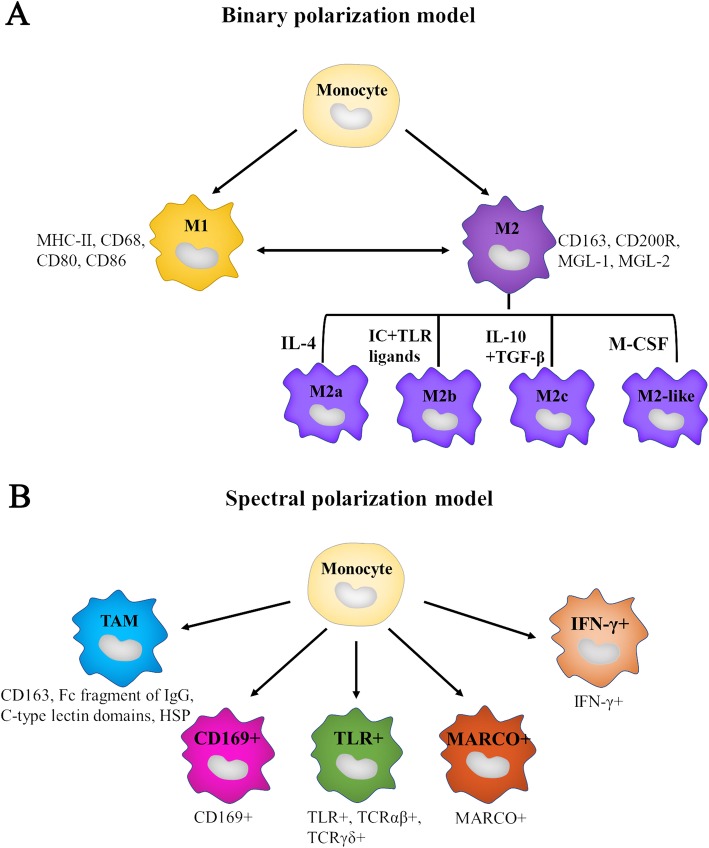
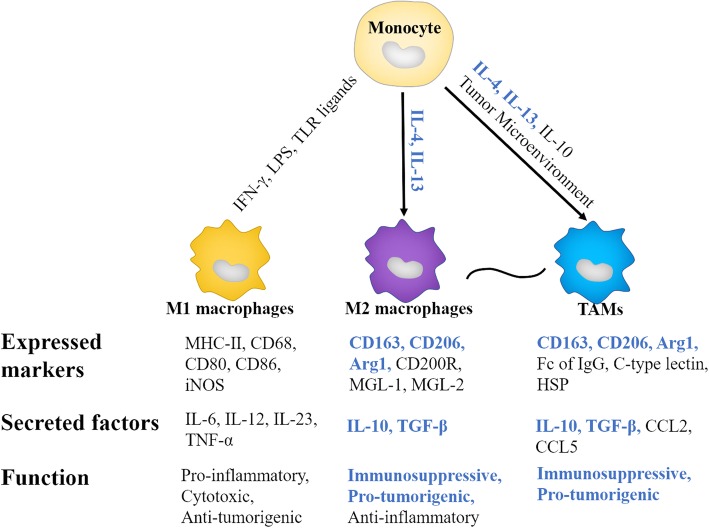
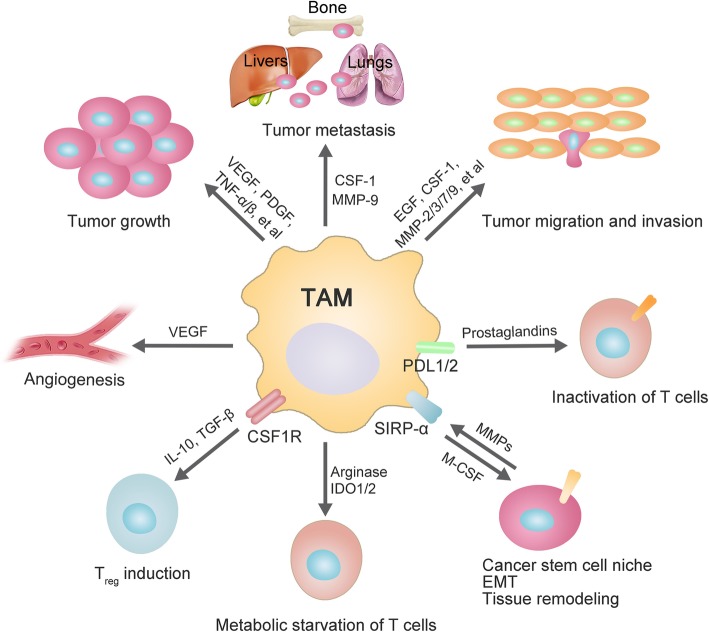
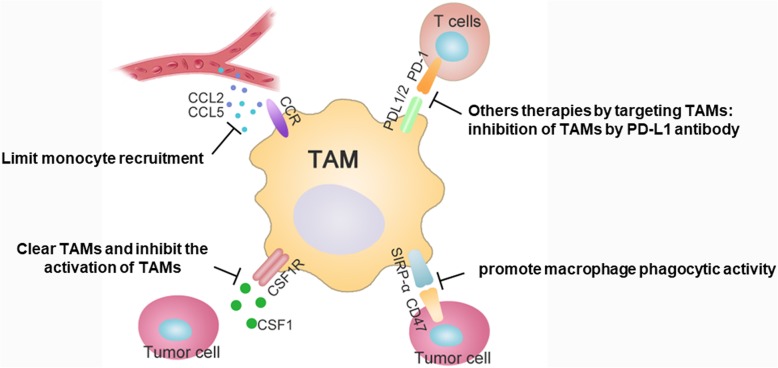
Verification
Claims the paper makes
The claims and statistics of this paper haven’t been checked yet.
Free: it reads the open-access text and checks the first 5 claims that cite a source we can check. Create a free account to check every claim.
Claims other papers make about this one
Each is checked against this paper’s own text: does it say what the citing paper says it does?
The source backs part of the claim, not all of it — or backs it for a different population, condition or comparison.
In the citing paper
“Moreover, other components of the TIME, such as TAMs, monocytes, and granulocytes, have also been reported to inhibit the antitumor activity of T cells and NK cells via various mechanisms, thereby leading to resistance to immunotherapy.244,257”
From Drug repurposing for cancer therapy (2024) · cites this paper as [257]
Experimental — accuracy not yet measuredThe source backs part of the claim, not all of it — or backs it for a different population, condition or comparison.
In the citing paper
“Additionally, TAMs–MPM crosstalk underlies the acquisition of the immunosuppressive and chemoresistant phenotype [32].”
From Chronic Inflammation, Oxidative Stress and Metabolic Plasticity: Three Players Driving the Pro-Tumorigenic Microenvironment in Malignant Mesothelioma (2023) · cites this paper as [32]
Experimental — accuracy not yet measuredThe check wasn’t confident either way, so it gives no verdict — never disputed.
In the citing paper
“However, the effectiveness of TMZ is dependent on silencing of the Methylguanine methyltransferase (MGMT) gene.”
From Revisiting the HIF switch in the tumor and its immune microenvironment. (2022) · cites this paper as [57]
Experimental — accuracy not yet measuredThe check wasn’t confident either way, so it gives no verdict — never disputed.
In the citing paper
“Over 50% of patients do not have silenced MGMT, thus do not respond to TMZ [57].”
From Revisiting the HIF switch in the tumor and its immune microenvironment. (2022) · cites this paper as [57]
Experimental — accuracy not yet measured
Self-check
Percentages, sums and reported differences re-computed from the paper’s own numbers.
The self-check needs the paper’s full text.
Citations
Cites
Microenvironmental regulation of tumor progression and metastasis
Quail, D. F., & Joyce, J. A. (2013) · Nature Medicine · doi:10.1038/nm.3394 · Cited by 7,994
Molecular Mechanisms of Stress-Responsive Changes in Collagen and Elastin Networks in Skin
Aziz, J., Shezali, H., Radzi, Z., Yahya, N. A., Abu Kassim, N. H., Czernuszka, J., & Rahman, M. T. (2016) · Skin Pharmacology and Physiology · doi:10.1159/000447017 · Cited by 7,323
Macrophage plasticity and polarization: in vivo veritas
Sica, A., & Mantovani, A. (2012) · Journal of Clinical Investigation · doi:10.1172/jci59643 · Cited by 6,335
Macrophage Diversity Enhances Tumor Progression and Metastasis
Qian, B.-Z., & Pollard, J. W. (2010) · Cell · doi:10.1016/j.cell.2010.03.014 · Cited by 5,188
Curiel, T. J., Coukos, G., Zou, L., Alvarez, X., Cheng, P., Mottram, P., Evdemon-Hogan, M., Conejo-Garcia, J. R., Zhang, L., Burow, M., et al. (2004) · Nature Medicine · doi:10.1038/nm1093 · Cited by 5,151
Tumor-Associated Macrophages: From Mechanisms to Therapy
Noy, R., & Pollard, J. W. (2014) · Immunity · doi:10.1016/j.immuni.2014.06.010 · Cited by 4,089
Tumour-associated macrophages as treatment targets in oncology
Mantovani, A., Marchesi, F., Malesci, A., Laghi, L., & Allavena, P. (2017) · Nature Reviews Clinical Oncology · doi:10.1038/nrclinonc.2016.217 · Cited by 4,033
Cancer and the chemokine network
Balkwill, F. (2004) · Nature Reviews Cancer · doi:10.1038/nrc1388 · Cited by 2,343
PD-1 expression by tumour-associated macrophages inhibits phagocytosis and tumour immunity
Gordon, S. R., Maute, R. L., Dulken, B. W., Hutter, G., George, B. M., McCracken, M. N., Gupta, R., Tsai, J. M., Sinha, R., Corey, D., et al. (2017) · Nature · doi:10.1038/nature22396 · Cited by 2,247 · cited 1×
“PD-L1 and PD-1 expression on TAMs can induce T cell exhaustion and potentially limit the efficacy of T cells associated immunotherapies in solid tumor [108].”
BackgroundWang, Q., Hu, B., Hu, X., Kim, H., Squatrito, M., Scarpace, L., deCarvalho, A. C., Lyu, S., Li, P., Li, Y., et al. (2017) · Cancer Cell · doi:10.1016/j.ccell.2017.06.003 · Cited by 1,995
Cited by
Items 801–900 of 1,000
Luo, P., Wu, S., Li, Z., Tan, S., Zeng, L., Tang, Y., Luo, L., Li, Y., & Tang, Z. (2025) · Cell Adhesion & Migration · doi:10.1080/19336918.2025.2520632 · Cited by 4
Dipta, P., Bansal, N., Chien, A., Sumer‐Bayraktar, Z., Onizuka, H., Kasugai, D., Marando, D., Anugraham, M., Ahn, S. B., Kolarich, D., et al. (2026) · Proceedings of the National Academy of Sciences · doi:10.1073/pnas.2623365123 · Cited by 4
Recent Developments in the Study of the Microenvironment of Cancer and Drug Delivery
Chaudhary, B., Kumar, P., Arya, P., Singla, D., Kumar, V., Kumar, D., Roshan, S., Wadhwa, S., Gulati, M., Singh, S. K., et al. (2022) · Current Drug Metabolism · doi:10.2174/1389200224666230110145513 · Cited by 5
Kim, B.-Y., Ryu, J. H., Park, J., Ji, B., Chun, H. S., Kim, M. S., & Shin, Y. (2023) · Nutrients · doi:10.3390/nu15122750 · Cited by 4
“In the tumor microenvironment, TAMs are disposed to M2 deviation, which promotes and supports tumor behavior by secreting signaling molecules such as growth factors, cytokines, and chemokines [9,30].”
BackgroundJiang, Q. L., Xiao, D., Wang, A., Yu, Q., Yin, Y., Wu, J., Zhang, Y., Tian, J. S., Kuang, B., & Jia, Y. (2024) · Heliyon · doi:10.1016/j.heliyon.2024.e27172 · Cited by 4
“Generally, TAMs are thought to be involved in innate immunity and enhance the tumor immune response [37].”
BackgroundSun, J., Chang, Q., He, X., Zhao, S., Zhang, N., Fan, Y., & Liu, J. (2024) · Heliyon · doi:10.1016/j.heliyon.2024.e32360 · Cited by 4
“Specifically, TAM release growth factors to support the survival and proliferation of TSCs, which in turn provide crucial signals for activating TAM [38].”
BackgroundWang, Z., Su, Y., Zhao, L., Liu, W., Zhang, J., Yang, W., Li, H., Feng, M., Wang, H., & Song, Z. (2024) · Cancer Medicine · doi:10.1002/cam4.70373 · Cited by 4
Zheng, Y., Peng, Y., Gao, Y., Yang, G., Jiang, Y., Zhang, G., Wang, L., Jiang, Y., Huang, Y., Wei, Z., et al. (2024) · Computational Biology and Chemistry · doi:10.1016/j.compbiolchem.2024.108323 · Cited by 4
Xie, X., Lee, J., Manyam, G. C., Pearson, T., Walter-Bausch, G., Friese‐Hamim, M., Zhao, S., Jabs, J., Manginelli, A. A., Piske, N., et al. (2025) · Cancers · doi:10.3390/cancers17111887 · Cited by 4
“Given the established role of macrophages in tumor progression [45], we assessed the effect of macrophages on TNBC/IBC cells using migration and invasion assays.”
Cysteine Cathepsins and Their Prognostic and Therapeutic Relevance in Leukemia
Arora, M., Pandey, G., & Chauhan, S. S. (2021) · Annals of the National Academy of Medical Sciences (India) · doi:10.1055/s-0041-1726151 · Cited by 4
Monocytes engineered with iSNAP inhibit human B‐lymphoma progression
Wu, H.-H., Amirfakhri, S., Lin, H., Hollandsworth, H. M., Filemoni, F., Liu, Y., Wu, Y., Li, J. Y.-S., Xu, H., Chien, S., et al. (2022) · Bioengineering & Translational Medicine · doi:10.1002/btm2.10285 · Cited by 4
“and tumor microenvironment play important roles in helping tumor cells to prevent attacks from immune cells and the subsequent activation of immune responses.(26,27) The tumor microenvironment is com-”
BackgroundSołek, J. M., Chrzanowski, J., Cieslak, A. M., Zielińska, A., Piasecka, D., Braun, M., Sądej, R., & Romańska, H. (2022) · Biomedicines · doi:10.3390/biomedicines10051061 · Cited by 4
“TAMs are recruited from the bloodstream in response to the chemotactic signals produced by both cancer cells and cellular components of TME [81].”
BackgroundInfluentialMathematical Modeling and Analysis of CD200–CD200R in Cancer Treatment
Liao, K., & Watt, K. D. (2022) · Bulletin of Mathematical Biology · doi:10.1007/s11538-022-01039-x · Cited by 4
“(2.3) The first term represents the polarization of monocyte M0 into M2 macrophages (Biswas and Mantovani 2010) which is promoted by M-CSF production shown by the factor q/(Kq + q) (Chen et al. 2019).”
BackgroundInfluentialElafin is related to immune infiltration and could predict the poor prognosis in ovarian cancer
Lu, W., Xie, B., Tan, G., Dai, W., Ren, J., Pervaz, S., Li, K., Li, F., Wang, Y., & Wang, M. (2023) · Frontiers in Endocrinology · doi:10.3389/fendo.2023.1088944 · Cited by 4
Su, C., Himes, J. E., & Kirsch, D. G. (2023) · International review of cytology · doi:10.1016/bs.ircmb.2023.03.006 · Cited by 4
Non-cellular immunotherapies in pediatric central nervous system tumors
Rumler, S. (2023) · Frontiers in Immunology · doi:10.3389/fimmu.2023.1242911 · Cited by 4
3D Coculture between Cancer Cells and Macrophages: From Conception to Experimentation
Quoniou, R., Moreau, E., Cachin, F., Miot-Noirault, E., Chautard, E., & Peyrode, C. (2023) · ACS Biomaterials Science & Engineering · doi:10.1021/acsbiomaterials.3c01437 · Cited by 5
Chen, Z., Yam, J. W. P., & Mao, X. (2024) · PROTEOMICS · doi:10.1002/pmic.202300021 · Cited by 4
“It has been found that elevated quantities of TAMs within the tumor are commonly linked to unfavorable prognosis and reduced responsiveness to therapy across various types of solid tumors [49].”
BackgroundHorino, T., Horiguchi, H., Yumoto, S., Kadomatsu, T., Hara, Y., Yagi, T., Baba, Y., Miyamoto, Y., Baba, H., & Oike, Y. (2024) · Annals of Surgical Oncology · doi:10.1245/s10434-024-15557-6 · Cited by 4
Co, I. L., Yu, C., Lamorte, S., Ciudad, M. T., Landon‐Brace, N., Cadavid, J. L., Xia, Z. J., Fomina, A., Nurse, M., McGaha, T. L., et al. (2023) · bioRxiv (Cold Spring Harbor Laboratory) · doi:10.1101/2023.07.13.548899 · Cited by 4
Macrophage abundance in oncocytic thyroid cancer is associated with PD-L1 expression
Ricarte‐Filho, J. C., Caperton, C. O., Isaza, A. R., Massoll, N. A., & Franco, A. T. (2025) · Endocrine Oncology · doi:10.1530/eo-25-0026 · Cited by 3
“(49, 50).”
Liu, H., Shi, X., Wang, D., Zhang, H., Xu, Z., & Tan, Z. (2025) · ACS Biomaterials Science & Engineering · doi:10.1021/acsbiomaterials.5c00263 · Cited by 4
Pilch, J., Krzyziński, M., Markiewicz, A., Biecek, P., Mazur, A. J., Romanowska-Dixon, B., Hoang, M. P., & Donizy, P. (2025) · Investigative Ophthalmology & Visual Science · doi:10.1167/iovs.66.13.45 · Cited by 3
“66 Findings from our study align with research conducted by Phelps et al, who analyzed a cohort of 80 patients from The Cancer Genome Atlas UM database and found out that patients with concomitant high MITF expression level had a significantly better survival rate compared to those with low MITF…”
Castillo, V. F., Zakhary, A., Rotondo, F., Ciano‐Oliveira, C. D., Hamdani, M., Adona, E., van der Kwast, T., Trpkov, K., & Saleeb, R. (2025) · The Journal of Pathology · doi:10.1002/path.70001 · Cited by 3
Chang, Z., Zhong, C., Xu, S., Zhang, Y., Guo, X., Yu, J., Xu, Z., Han, S., Han, B., Lv, C., et al. (2025) · Journal of Translational Medicine · doi:10.1186/s12967-025-07348-8 · Cited by 3
“It is characterized by inefficient tumor antigen presentation, limited infiltration of effector T cells, and an accumulation of immuno-suppressive myeloid populations—most prominently tumor-associated macrophages (TAMs) [11–15].”
Advancing adoptive T cell therapy in ovarian cancer: barriers, innovations, and emerging platforms
Santos, G. N. D. S., DeJohn, C. R., Hess, S. M., Zsíros, E., & McGray, A. R. (2026) · Journal for ImmunoTherapy of Cancer · doi:10.1136/jitc-2025-013285 · Cited by 3
Yu, N., Cai, W., Zhang, C., Cai, Q., Zhang, Z., Hu, Y., Sun, Y., Yin, K., Ren, F., Chang, K., et al. (2026) · Life Medicine · doi:10.1093/lifemedi/lnag011 · Cited by 3
Advances in Immune Checkpoint Inhibitors for Cancer Treatment
Chen, K., Zhu, F., Li, X., & Yoshimura, T. (2026) · Cancers · doi:10.3390/cancers18111804 · Cited by 5
“Tumor cells may also exploit the BTLA–HVEM axis to suppress innate immunity, thereby enabling immune evasion and promoting tumor angiogenesis, metastasis, and resistance to chemotherapy [213,214,220–223].”
Blood–brain barrier and nanovesicles for brain-targeting drug delivery
Omidi, Y., Omidian, H., Kwon, Y., & Castejon, A. M. (2022) · Elsevier eBooks · doi:10.1016/b978-0-323-91865-7.00007-9 · Cited by 3
Sergeeva, N. S., Анатольевна, К. Т., Polyak, M. A., & Игоревич, А. И. (2023) · Annals of the Russian academy of medical sciences · doi:10.15690/vramn2235 · Cited by 3
Iurchenko, N. P., Nesina, I. P., Glushchenko, N. М., & Buchynska, L. G. (2023) · Experimental Oncology · doi:10.15407/exp-oncology.2023.01.051 · Cited by 3
Adaptive Immunity Determines the Cancer Treatment Outcome of Oncolytic Virus and Anti-PD-1
Liao, K., & Watt, K. D. (2025) · Bulletin of Mathematical Biology · doi:10.1007/s11538-025-01413-5 · Cited by 3
“…( M 2 ) The mass of M2 macrophages, M 2 ( t ) , follows the following equation (4) The first term represents the polarization of M2 macrophages from monocyte M 0 and this polarization is activated by the cytokine M-CSF produced by tumor cells (Biswas and Mantovani 2010; Chen et al. 2019).”
Pan-cancer analysis reveals dual roles of HES6 in cancer immunity and prognosis
Sun, Y., Liu, P., Lv, D., Yang, D., Qiao, S., Liu, J., Yan, Y., & Wang, W. (2025) · Discover Oncology · doi:10.1007/s12672-025-02852-1 · Cited by 3
“Immune cells, particularly M2-type macrophages, natural killer cells, and CD8 + T-lymphocytes, can play a crucial role in enabling tumor immune escape [19–22].”
Silina, M. V., Dzhalilova, D. S., & Makarova, O. V. (2025) · Moscow University Biological Sciences Bulletin · doi:10.3103/s0096392525600681 · Cited by 4
“At the same time, these cells produce growth (PDGF, CSF-1, etc.) and angiogenesis (VEGF) factors, which can stimulate tumor cell proliferation, promote blood vessel formation, and, thus, facilitate invasion and metastasis [42].”
A liquid fraction of extracellular matrix inhibits glioma cell viability in vitro and in vivo
Murdock, M. H., Hussey, G. S., Chang, J. T., Hill, R. C., Nascari, D. G., Rao, A. V., Hansen, K. C., Foley, L. M., Hitchens, T. K., Amankulor, N., et al. (2022) · Oncotarget · doi:10.18632/oncotarget.28203 · Cited by 3
“Tumor associated macrophages, known as TAMs and perhaps better thought of as M(tumor activated), create an immunosuppressive microenvironment and secrete cytokines that activate anti-apoptotic programs in cancer cells [33].”
BackgroundEmerging immune-based technologies for high-grade gliomas
Lucifero, A. G., & Luzzi, S. (2022) · Expert Review of Anticancer Therapy · doi:10.1080/14737140.2022.2110072 · Cited by 3
Cao, Y., Pang, L., & Shi, J. (2022) · Oxidative Medicine and Cellular Longevity · doi:10.1155/2022/7654937 · Cited by 3
“In addition, it has been demonstrated that tumor-in fi ltrating M2 macrophages are substantially linked to poor clinical outcomes in a variety of malignancies [39].”
Tan, Z., Chen, X., Zuo, J., Fu, S., Wang, J., & Wang, H. (2023) · Journal of Inflammation Research · doi:10.2147/jir.s418433 · Cited by 3
Wang, J., Mou, X., Lu, H., Jiang, H., Xian, Y., Wei, X., Huang, Z., Tang, S., Cen, H., Dong, M., et al. (2024) · Frontiers in Endocrinology · doi:10.3389/fendo.2023.1302074 · Cited by 3
“…disease-free survival in patients with CC, and anti-angiogenic therapies have been demonstrated to be effective in managing late-stage or recurrent CC cases (31, 49, 50). we performed separate analyses to determine the relationship between key genes involved in radiotherapy for CC and immune cells.”
MethodFazal, F., Khan, M. A., Shawana, S., Rashid, R., & Mubarak, M. (2024) · World Journal of Gastrointestinal Oncology · doi:10.4251/wjgo.v16.i5.1878 · Cited by 3
Qiu, L., Yang, Z., Jia, G., Liang, Y., Du, S., Zhang, J., Liu, M., Zhao, X. Q., & Jiao, S. (2024) · Heliyon · doi:10.1016/j.heliyon.2024.e33109 · Cited by 3
“Tumor-infiltrating lymphocytes and tumor-associated macrophages, as easily available biomarkers in TIME, have been shown to be associated with cancer prognosis [17 – 19].”
BackgroundFernandes, B., Antunes, I. F., Prasad, K., Vazquez-Matias, D. A., de Mattos, E. P., Szymański, W., Jeckel, C. M. M., de Vries, E. F. J., & Elsinga, P. H. (2024) · Nuclear Medicine and Biology · doi:10.1016/j.nucmedbio.2024.108946 · Cited by 3
Jo, W. S., Jeong, M. H., Jeong, S. K., Oh, S. J., Baik, J. S., Seo, J. A., Baek, J.-H., Lee, C. G., Kim, J., Kim, S., et al. (2024) · Molecular & Cellular Toxicology · doi:10.1007/s13273-024-00478-y · Cited by 3
“Furthermore, M2 macrophages in the tumor microenvironment are closely associated with an unfavorable prognosis in various types of cancers; therefore, these cells are often referred to as tumor-associated macrophages (TAMs) (Chen et al. 2019).”
Kono, Y., Onishi, K., Kitamura, H., & Ogawara, K. (2025) · Journal of Drug Delivery Science and Technology · doi:10.1016/j.jddst.2025.106866 · Cited by 5
HLA allele-specific expression loss in tumors can shorten survival and hinder immunotherapyPreprint
Filip, I., Orenbuch, R., Zhao, J., Manji, G. A., de Maturana, E. L., Malats, N., Olive, K. P., & Rabadán, R. (2020) · medRxiv · doi:10.1101/2020.09.30.20204875 · Cited by 4
Nalle, S. C., Lam, H., Leung, L., Liang, S. C., Maslyar, D. J., & Rosenthal, A. (2023) · bioRxiv (Cold Spring Harbor Laboratory) · doi:10.1101/2023.08.02.551627 · Cited by 3
Sun, H.-J., Zheng, Z.-F., Zhang, L., Fang, L., Fu, H., Chen, S., Feng, R.-X., Liu, X.-Y., Tang, Q.-N., & Liu, X. (2024) · Discover Oncology · doi:10.1007/s12672-024-01190-y · Cited by 2
“…(TME), the metabolic changes of TAMs are associated with the promotion of malignant cancer progression [31], and TAMs can support the proliferation, invasion, metastasis and angiogenesis of cancer [32, 33], which is associated to the poor outcomes of malignant cancer patients [34, 35].”
BackgroundYu, J., Park, R., Tojjari, A., Sadeghipour, A., Saeed, A. M., & Saeed, A. (2024) · Expert Opinion on Investigational Drugs · doi:10.1080/13543784.2024.2388571 · Cited by 2
“…cells such as regulatory T-cells (Tregs), myeloid-derived suppressor cells (MDSCs), and tumor-associated macrophages; (2) suppressing T lymphocyte infiltration and cytotoxic T cell function; (3) suppressing dendritic cell maturation into mature antigen-presenting cells (APCs) [17–19].”
Imaging tumor and ascites-associated macrophages in a mouse model of metastatic ovarian cancer
Foss, C. A., Wildes, F. B., Mezzanzanica, D., Podo, F., Hung, C., Yadav, S. K., & Penet, M. (2024) · EJNMMI Research · doi:10.1186/s13550-024-01157-8 · Cited by 2
Sugiyama, S., Yumimoto, K., & Nakayama, K. I. (2024) · Cancer Medicine · doi:10.1002/cam4.70557 · Cited by 2
“In addition, these cells express programmed cell death–ligand 1 (PD-L1) and cytotoxic T lymphocyte-associated antigen–4 (CTLA-4), both of which inhibit T cells through cell– cell interaction [4, 6].”
Zou, Y., Que, T., Sun, P., Xie, J., Shi, D., Wu, H., & Tan, J.-E. (2025) · Bioorganic Chemistry · doi:10.1016/j.bioorg.2025.108260 · Cited by 2
Radiation-induced rescue effect on human breast carcinoma cells is regulated by macrophages
Pathikonda, S., Tian, L., Arava, C. M., Cheng, S. H., & Lam, Y. W. (2025) · Biochemistry and Biophysics Reports · doi:10.1016/j.bbrep.2025.101936 · Cited by 2
“6 and 7), in consistent with the established pro-survival roles of these two macrophage subtypes [78,79].”
Syu, W.-J., Zhao, M.-H., Chen, C., Birhan, Y. S., Fu, J., & Lai, P. (2025) · International Journal of Biological Macromolecules · doi:10.1016/j.ijbiomac.2025.148909 · Cited by 2
Preclinical Characterization of SDFZ‐8, a Highly Potent HDAC1 Inhibitor, for Cancer Immunotherapy
Zhou, Y., Du, J., Li, X., Zhao, H., Xue, J., Liu, Y., Yang, X., Yu, J., Hou, X., & Fang, H. (2025) · MedComm · doi:10.1002/mco2.70500 · Cited by 2
“Previous research suggests that M1 TAMs can suppress cancer progression, while M2 TAMs exhibit the opposite effect [36].”
The implied dysregulated RKIP-hypoxia axis in cancer and immune evasion: Clinical implications
McWhorter, R., Chouaïb, S., & Bonavida, B. (2025) · Drug Resistance Updates · doi:10.1016/j.drup.2025.101328 · Cited by 2
Sawaguchi, H., Uehara, T., Iwaya, M., Asaka, S., Nakajima, T., Komamura, S., Imamura, S., Iwaya, Y., Sugenoya, S., Kitazawa, M., et al. (2025) · Digestive Diseases and Sciences · doi:10.1007/s10620-025-09574-y · Cited by 2
Yasen, A., Tang, Y., Yang, X., Zuo, G., Feng, J. X., Wang, G., & Zheng, L. (2025) · Experimental Cell Research · doi:10.1016/j.yexcr.2025.114845 · Cited by 2
Gurung, S. K., Berger, K., & Rao, S. S. (2025) · npj Breast Cancer · doi:10.1038/s41523-025-00855-3 · Cited by 2
“5, 6).”
Сергеевна, З. С., Gessel, T., Galembikova, A. R., Mozhaitsev, E. S., Borisevich, S. S., Игидов, Н. М., Egorova, E. S., Mikheeva, E., Хромова, Н. В., Kopnin, P., et al. (2025) · Cancers · doi:10.3390/cancers18010115 · Cited by 3
Li, J., Jiang, W., Tu, G., Zhong, Z., Luo, Z., Horng, T., & Miao, C. (2026) · British Journal of Cancer · doi:10.1038/s41416-025-03319-4 · Cited by 3
TGF ‐β Inhibitor Potentiates Osimertinib‐Induced Anti‐Tumor Immunity in Egfr ‐Mutant Lung Cancer
Kuribayashi, T., Nishimura, J., Okawa, S., Taoka, M., Mori, S., Tanaka, T., Nishimura, T., Morita, A., Hara, N., Ninomiya, K., et al. (2026) · Cancer Science · doi:10.1111/cas.70352 · Cited by 2
“Consistent with prior reports [31], IHC analysis showed increased CD206 + macrophages, which have been linked to immunosuppressive features [32, 33], in tumors treated with osimertinib monotherapy for 4 days compared with vehicle-treated controls (Figure 5B).”
Yang, J., Cheng, C., Luo, W., He, X., Li, Y., Hu, X., Cai, S., Zou, H., Mo, S., & Peng, J. (2026) · MedComm · doi:10.1002/mco2.70741 · Cited by 4
“M1 macrophages are generally associated with antitumor activity due to their secretion of proinflammatory cytokines, while M2 macrophages contribute to tumor progression through their anti-inflammatory functions [ 87 ].”
Musil, D., Krhutová, M., Blažková, K., Kramná, A., Brázdová, A., Výmolová, B., Houdova, M. M., Hadzima, M., Kryštůfek, R., Šubr, V., et al. (2026) · Molecular Pharmaceutics · doi:10.1021/acs.molpharmaceut.5c01931 · Cited by 2
Cao, M., Hao, J., & Jiang, L. (2026) · BMC Cancer · doi:10.1186/s12885-026-16126-8 · Cited by 2
“The expansion of macrophages and recruitment of monocytes in the tumor microenvironment are vital for solid tumor development [42].”
Chen, Y., Liu, F., König, J., Bouznad, N., & Hermeking, H. (2026) · Cell Death and Disease · doi:10.1038/s41419-026-08851-6 · Cited by 2
“Mir34a affects myeloid polarization and T-cell recruitment in 18-week-old Apc Min/ + mice Arginase1 (Arg1) and nitric oxide synthase 2 (Nos2) are known markers for pro-tumorigenic, M2/N2-like (Arg1) and anti-tumorigenic, M1/N1-like (Nos2) polarization states of TAMs and TANs [24 – 26].”
Self-citationSavluchinskayа, L. A., Рыжова, Н. И., Deryagina, V. P., Krivosheeva, L. V., & Khitrovo, I. A. (2021) · European Journal of Natural History · doi:10.17513/ejnh.34160 · Cited by 2
Twist expression and content of tumour-associated macrophages in endometrial carcinoma
Nesina, I. P., Iurchenko, N. P., Неспрядько, С. В., & Buchynska, L. G. (2021) · Oncology in Clinical Practice · doi:10.5603/ocp.2021.0026 · Cited by 2
“…circulating inflammatory cytokines, such as tumour necrosis factor (TNF) and interleukins (IL), reactive oxygen intermediates (ROI), etc. [8, 9–11 Therefore, the study demonstrated the increase in Twist expression and the content of TAMs in ECE, which was associated with such tumour…”
Local immunotherapy of cancer and metastasis
Kwon, S., & Yeo, Y. (2021) · Elsevier eBooks · doi:10.1016/b978-0-323-85781-9.00018-x · Cited by 2
Role of macrophages in tumor development
Karim, M. R., Hossain, D., Uddin, A. M., & Rume, F. I. (2022) · Elsevier eBooks · doi:10.1016/b978-0-12-822368-0.00007-4 · Cited by 3
Heterogeneous Tumour Modeling Using PhysiCell and Its Implications in Precision Medicine
Savić, M., Kurbalija, V., Balaž, I., & Ivanović, M. D. (2022) · Emergence, complexity and computation · doi:10.1007/978-3-031-04379-6_7 · Cited by 2
Tumor Microenvironment Complexity: A Pathological Milieu that Innately Modulates Cancer Progression
Balahura, L.-R., Lazăr, A. D., Dinescu, S., & Costache, M. (2022) · Springer eBooks · doi:10.1007/978-3-030-80962-1_89-1 · Cited by 2
Macrophage-mimetic nanomedicines for the treatment of diseases
Witika, B. A., Matafwali, S. K., & Makoni, P. A. (2023) · Elsevier eBooks · doi:10.1016/b978-0-323-91763-6.00017-5 · Cited by 2
Perez, M. C., DePalo, D. K., & Zager, J. S. (2023) · Expert Opinion on Drug Safety · doi:10.1080/14740338.2023.2245333 · Cited by 2
“In the tumor microenvironment, cytokines, regulatory cells, and immunosuppressive metabolites commonly limit the function of these tumor-specific CD8+ and CD4+ T-cells [40,41].”
Qiu, D., Cai, H., Liang, J., Wang, Z., Song, F., Jiang, Y., Tan, R., & Hou, J. (2023) · Translational Cancer Research · doi:10.21037/tcr-23-511 · Cited by 2
“It is worth noting that TAMs are known to contribute to tumor initiation, progression, angiogenesis, and metastasis (38,39).”
TGFβ1 induces CXCL1 to promote stemness features in lung cancer
Peng, T., Wu, Y.-C., Tang, S., Sun, G., & Sun, K.-H. (2023) · Experimental Biology and Medicine · doi:10.1177/15353702231220662 · Cited by 4
“51 TAM-derived CXCL1 was discovered to have a pro-metastatic role in breast cancer through NF-κ B/SOX4 signaling.”
BackgroundUnderstanding The Influence of Tumour Microenvironment Variability On Therapeutic Effectiveness
Ghosh, S., Kumar, D. S., Nitta, R. K., Gajbhiye, N., & Michael, H. S. R. (2024) · International Journal of Trends in OncoScience · doi:10.22376/ijtos.2024.2.1.46-58 · Cited by 3
Kashefi, S., Mohammadi‐Yeganeh, S., Ghorbani-Bidkorpeh, F., Shabani, M., Koochaki, A., & Hoseini, M. H. M. (2024) · Journal of drug targeting · doi:10.1080/1061186x.2024.2361675 · Cited by 2
“Additionally, IL-12 plays a role in guiding the activity of MQs towards pro-inflammatory, suggesting that targeting this pathway may provide promising treatments for cancer [55,56].”
Integrative Analysis of Histone Acetylation Regulated CYP4F12 in Esophageal Cancer Development
Chen, Y., Wang, L., Wang, Y., Fang, Y., Shen, W., Si, Y., Zheng, X., & Zeng, S. (2024) · Drug Metabolism and Disposition · doi:10.1124/dmd.124.001674 · Cited by 2
Self-citationThe Immune Response of Cancer Cells in Breast and Gynecologic Neoplasms
Rakoczy, K., Kaczor, J., Sołtyk, A., Szymańska, N., Stecko, J., Drąg‐Zalesińska, M., & Kulbacka, J. (2024) · International Journal of Molecular Sciences · doi:10.3390/ijms25116206 · Cited by 3
“TAMs were proven to promote cancer survival, as they mediate remodeling of tumor extracellular matrix as well as sustain vascular permeability [30].”
BackgroundNovobrantseva, T. I., Manfra, D. J., Ritter, J., Razlog, M., O’Nuallain, B., Zafari, M. R., Nowakowska, D., Basinski, S., Phennicie, R., Nguyen, P. A., et al. (2024) · Cancers · doi:10.3390/cancers16162778 · Cited by 2
“…have multiple pro-tumorigenic activities, acting on immune cells and supporting tumor cells; they inhibit T-cell activation, proliferation, and e ff ector responses through numerous mechanisms, provide nutritional and neovascularization support to the tumor, and promote metastatic progression [4].”
BackgroundImpacts of Interleukin-10 Promoter Genotypes on Prostate Cancer
CHIN, Y.-T., Tsai, C.-L., Ma, H.-H., Cheng, D., Tsai, C.-W., WANG, Y.-C., SHIH, H.-Y., Chang, S.-Y., Gu, J. H., Chang, W. S., et al. (2024) · Life · doi:10.3390/life14081035 · Cited by 2
de la Rosa, I., Sisó, P., Ríos, C., Gracia, J., Cuevas, D., Maiques, Ó., Eritja, N., Soria, X., Baldó, J. À., Gatius, S., et al. (2025) · International Journal of Molecular Sciences · doi:10.3390/ijms26094097 · Cited by 2
“Within this complex microenvironment, tumor-associated macrophages (TAMs) have been implicated in promoting tumor growth, invasion, angiogenesis, and immunosuppression [23,24].”
Wang, W., Li, Y., Li, S., Lin, F., Guo, J., Liu, F., Abudusaimaiti, G., Liu, J., & Sun, G. (2025) · Scientific Reports · doi:10.1038/s41598-025-99909-6 · Cited by 3
“Tumor-associated macrophages (TAMs) are a prominent cell type in TME that regulate cancer-associated inflammation 64 .”
Achievements applications and future of nanomaterials in cancer immunotherapy
Zhu, K., Sun, W., Ti, C., & Li, Y. (2025) · International Immunopharmacology · doi:10.1016/j.intimp.2025.115022 · Cited by 3
Dai, T., Xu, Z., Li, Y., Wu, M., Qiu, Y., Chao, Z., Jiang, R., Chen, Y., & Lu, L. (2025) · Cancer Cell International · doi:10.1186/s12935-025-03932-6 · Cited by 3
“Recent research supported that TAMs could provide direct structural support for cancer initiation and development by secreting various cytokines, growth factors, in�ammatory substrates and protein hydrolases [6].”
Self-citationChen, Y., Kong, R., Qi, Y., Li, L., Yin, C., Sun, L., Jian, C., Cai, P., Yang, Q., & Sun, J. (2025) · Journal of Cancer Research and Clinical Oncology · doi:10.1007/s00432-025-06310-x · Cited by 2
“The abundant infiltration of M1 macrophage in TME helped to identify and eliminate tumor cells (Chen et al. 2019).”
Self-citationHawi, G., Kim, P., & Lee, P. P. (2026) · Bulletin of Mathematical Biology · doi:10.1007/s11538-026-01594-7 · Cited by 2
“TGF-β is produced by viable cancer cells (Massagué 2008) and M2 macrophages (Chen et al. 2019; Nuñez et al. 2018).”
Pericytes Relationship with Cancer Stem Cells in the Colon
Garza-Treviño, E. N., González, P. D., Salgado, C. I. V., & Garcia, J. L. O. (2020) · Current Tissue Microenvironment Reports · doi:10.1007/s43152-020-00015-8 · Cited by 2
Role of Treponema Denticola in Oral Cancer - A Review on Direct and Indirect Mechanisms
Kaliamoorthy, S. (2021) · International Journal of Dentistry and Oral Science · doi:10.19070/2377-8075-21000270 · Cited by 2
Epigenetic programming of the immune responses in cancer
Saadey, A. A., Yousif, A., & Ghoneim, H. E. (2021) · Elsevier eBooks · doi:10.1016/b978-0-12-823397-9.00007-7 · Cited by 2
Medina-Andrade, I., Olguín, J. E., Guerrero-García, S., Espinosa, J. A., Garduño-Javier, E., Hernández-Gómez, V., Vaca‐Paniagua, F., Rodríguez‐Sosa, M., & Terrazas, L. I. (2021) · International Journal of Molecular Sciences · doi:10.3390/ijms222011204 · Cited by 2
“Nevertheless, anti-inflammatory responses mediated by IL-10 or the IL-4/STAT6 signaling pathway can favor those immune cells infiltrated int the tumor to acquire protumoral phenotypes such as tumor-asso iated macropha es (TAMs), which fuel the development and establishmen of different types of tumors [9,31,32].”
BackgroundШабунина, Э. А., Kuznetsova, L. V., Валерьевич, К. С., Буданова, О. П., Bakhtina, L. Y., & Malyshev, I. Y. (2022) · Nauchno-prakticheskii zhurnal «Patogenez» · doi:10.25557/2310-0435.2021.04.23-29 · Cited by 2
Cancer Angiogenesis and Its Master Regulator Perlecan
Kovalszky, I., Váncza, L., Reszegi, A., Tátrai, P., & Baghy, K. (2022) · Biology of extracellular matrix · doi:10.1007/978-3-030-99708-3_15 · Cited by 2
Ma, S., & Chen, F. (2022) · Pathology - Research and Practice · doi:10.1016/j.prp.2022.154110 · Cited by 2
Novel Therapeutic Strategies for BCG-unresponsive Non-muscle Invasive Bladder Cancer
Zhang, P., & Ding, Y. (2022) · annals of urologic oncology · doi:10.32948/auo.2022.11.27 · Cited by 2
“For M1 macrophages and M2 macrophages, the former can be induced by tumor necrosis factor (TNF)-α, interferon- (IFγ), interleukin (IL)-1β, IL-6, IL-23, lipopolysaccharide (LPS) and suggest an inhibitory action in the initiation and/or progression of bladder cancer [42].”
BackgroundResearch Progress of Tumor Microenvironment Involved in Tumor Development and Treatment
仝, 建. (2023) · Advances in Clinical Medicine · doi:10.12677/acm.2023.133636 · Cited by 2
The role of obesity in macrophage-mediated mechanisms promoting early-onset colon cancer.
Scheurlen, K. M. (2022) · ThinkIR: The University of Louisville's Institutional Repository (University of Louisville) · doi:10.18297/etd/3850 · Cited by 3
Tissue Infiltrating Immune Cells and Endometrial Cancer Prognosis
Drakes, M. L., Mehrotra, S., Potkul, R. K., Czerlanis, C. M., & Stiff, P. J. (2021) · Clinical Oncology and Research · doi:10.31487/j.cor.2021.04.01 · Cited by 1
“Tumor NK cells produced less IFN-, TNF-α, granzyme B and CD107, than those of adjacent healthy tissue [77].”
BackgroundInfluentialKonstantinov, A. S., & Shelekhova, K. V. (2021) · JOURNAL of SIBERIAN MEDICAL SCIENCES · doi:10.31549/2542-1174-2021-4-80-96 · Cited by 1
Zheng, K., Luo, Z., Zhou, Y., Zhang, L., Wang, Y., Chen, X., Yao, S., Xiong, H., Yuan, X., Zou, Y., et al. (2022) · Computational and Mathematical Methods in Medicine · doi:10.1155/2022/4635806 · Cited by 1
“Chemokines secreted by tumor cells, such as C-C Motif Chemokine Ligand 2, C-C Motif Chemokine Ligand 5, and colony stimulating factor 1, can recruit M2-type tumor-associated macrophages, and their abundance in TME correlates with a poor prognosis [15].”
Metadata
- Authors
- Chen, Y., Song, Y., Du, W., Gong, L., Chang, H., & Zou, Z.
- Affiliations
- Zhengzhou University (CN)
- South China Normal University (CN)
- Corresponding author
- Chen, Yibing
- Zou, Zhengzhi
- Venue
- Journal of Biomedical Science
- Published
- 2019-10-20
- Volume
- 26
- Issue
- 1
- Pages
- 78-78
- ISSN
- 1021-7770 (ISSN-L)
- 1423-0127
- PMC
- PMC6800990
- OpenAlex
- W2980823965
- Semantic Scholar
- ce494fb6a90b18166f259a1af0bbdb64e186315e
- Cited by
- 1,096
- References
- 109
- Citations by year
- 2026: 88 · 2025: 145 · 2024: 215 · 2023: 199 · 2022: 208 · 2021: 167 · 2020: 73
- FWCI
- 9.76
- Type
- journal article
- Language
- en
- Open access
- diamond
- doi.org
- Licence
- cc-by
- creativecommons.org/licenses/by/4.0/ (tdm)
- creativecommons.org/licenses/by/4.0/ (vor)
- Locations
- Journal of Biomedical Science (publishedVersion, cc-by)
- PubMed Central (publishedVersion, cc-by)
- PubMed (publishedVersion)
- DOAJ (DOAJ: Directory of Open Access Journals) (submittedVersion)
- Funders
- National Natural Science Foundation of China (81772643, 81772803, 81402281, 81402187)
- Topics
- Life Sciences › Immunology and Microbiology › Immunology › Immune cells in cancer
- Life Sciences › Biochemistry, Genetics and Molecular Biology › Molecular Biology › Angiogenesis and VEGF in Cancer
- Life Sciences › Biochemistry, Genetics and Molecular Biology › Cancer Research › Cancer, Stress, Anesthesia, and Immune Response
- Keywords
- tumor-associated macrophages, tumor microenvironment, macrophage polarization, tumor progression, chemoresistance, radiotherapy resistance, tumor angiogenesis, metastasis, immunosuppression, TAM-targeted therapy, macrophage phagocytosis, monocyte recruitment
- MeSH terms
- Animals, Humans, Macrophages, Neoplasms, Neovascularization, Pathologic, Disease Progression, Mice, Tumor Microenvironment
About these checks
Registry, retraction, Cites and statistics results are computed, not judged, with one exception: a printed reference that no index lists is read once by a model before it counts as a citation error. Claims are extracted by a model and kept only when their quote appears verbatim in the text; each cited source is then checked, with a model’s help, for whether it says what the claim relies on. Those verdicts can be wrong — read the claim’s quote and the cited source before relying on one.
Statistics and arithmetic are recomputed, not judged.
Confidence bands are shown only for fields calibrated on our annotated test set. None is calibrated yet, so no band is shown.
What counts as a claim ›How we measure confidence ›How we check this ›
Are you an author, or do you see a problem with this page? Request a review
Data sources
Bibliographic data: Semantic Scholar, OpenAlex, Crossref.
Contains information from the Semantic Scholar Academic Graph Datasets, made available under the ODC Attribution License (ODC-BY 1.0).
Semantic Scholar’s data is described in: Kinney, R., et al. (2023). The Semantic Scholar Open Data Platform. arXiv:2301.10140.
