

Tumor-associated macrophages: an accomplice in solid tumor progression
Open accessThe DOI matches its Crossref record; 109 of the 109 references it cites were found in a registry or an index.
Abstract
In many solid tumor types, tumor-associated macrophages (TAMs) are important components of the tumor microenvironment (TME). Moreover, TAMs infiltration is strongly associated with poor survival in solid tumor patients. In this review, we describe the origins of TAMs and their polarization state dictated by the TME. We also specifically focus on the role of TAMs in promoting tumor growth, enhancing cancer cells resistance to chemotherapy and radiotherapy, promoting tumor angiogenesis, inducing tumor migration and invasion and metastasis, activating immunosuppression. In addition, we discuss TAMs can be used as therapeutic targets of solid tumor in clinics. The therapeutic strategies include clearing macrophages and inhibiting the activation of TAMs, promoting macrophage phagocytic activity, limiting monocyte recruitment and other targeted TAMs therapies.
Overview
The claims and statistics of this paper haven’t been checked yet.
Free: it reads the open-access text and checks the first 5 claims that cite a source we can check. Create a free account to check every claim.
Integrity signals
Registry
Cites
Statistics
Figures
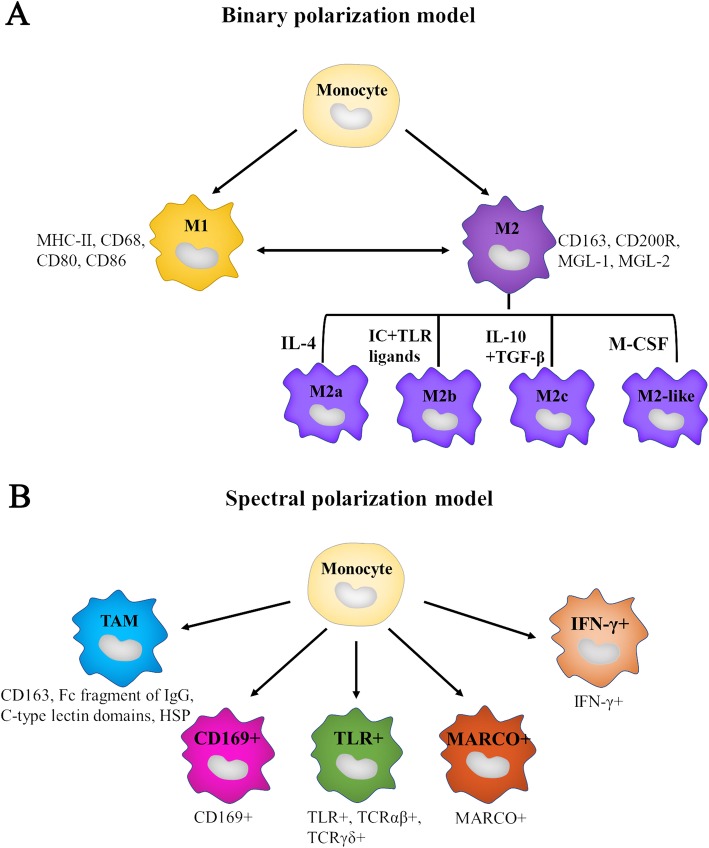
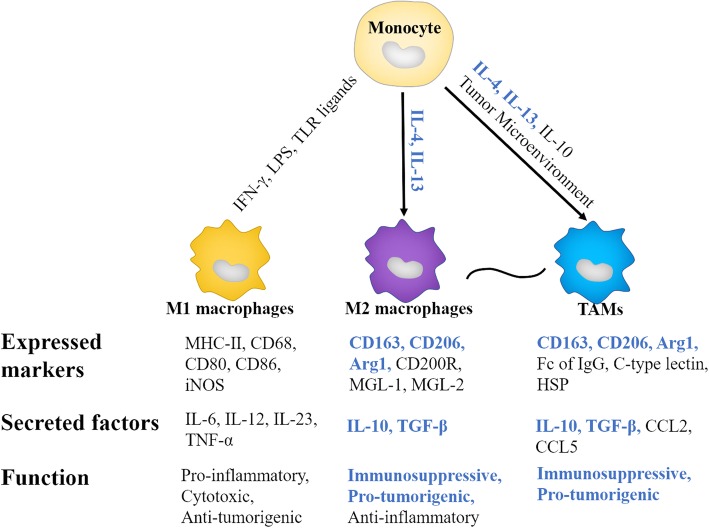
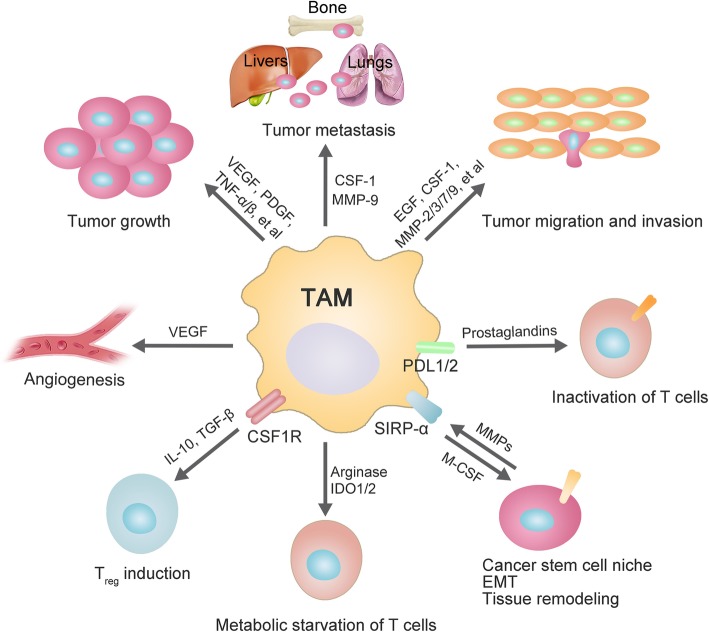
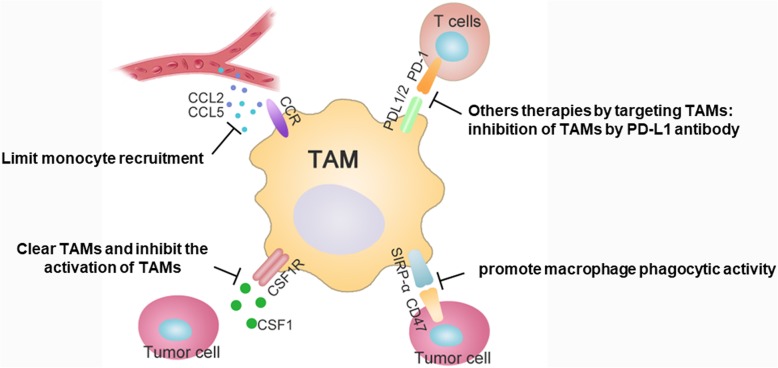
Verification
Claims the paper makes
The claims and statistics of this paper haven’t been checked yet.
Free: it reads the open-access text and checks the first 5 claims that cite a source we can check. Create a free account to check every claim.
Claims other papers make about this one
Each is checked against this paper’s own text: does it say what the citing paper says it does?
The source backs part of the claim, not all of it — or backs it for a different population, condition or comparison.
In the citing paper
“Moreover, other components of the TIME, such as TAMs, monocytes, and granulocytes, have also been reported to inhibit the antitumor activity of T cells and NK cells via various mechanisms, thereby leading to resistance to immunotherapy.244,257”
From Drug repurposing for cancer therapy (2024) · cites this paper as [257]
Experimental — accuracy not yet measuredThe source backs part of the claim, not all of it — or backs it for a different population, condition or comparison.
In the citing paper
“Additionally, TAMs–MPM crosstalk underlies the acquisition of the immunosuppressive and chemoresistant phenotype [32].”
From Chronic Inflammation, Oxidative Stress and Metabolic Plasticity: Three Players Driving the Pro-Tumorigenic Microenvironment in Malignant Mesothelioma (2023) · cites this paper as [32]
Experimental — accuracy not yet measuredThe check wasn’t confident either way, so it gives no verdict — never disputed.
In the citing paper
“However, the effectiveness of TMZ is dependent on silencing of the Methylguanine methyltransferase (MGMT) gene.”
From Revisiting the HIF switch in the tumor and its immune microenvironment. (2022) · cites this paper as [57]
Experimental — accuracy not yet measuredThe check wasn’t confident either way, so it gives no verdict — never disputed.
In the citing paper
“Over 50% of patients do not have silenced MGMT, thus do not respond to TMZ [57].”
From Revisiting the HIF switch in the tumor and its immune microenvironment. (2022) · cites this paper as [57]
Experimental — accuracy not yet measured
Self-check
Percentages, sums and reported differences re-computed from the paper’s own numbers.
The self-check needs the paper’s full text.
Citations
Cites
Microenvironmental regulation of tumor progression and metastasis
Quail, D. F., & Joyce, J. A. (2013) · Nature Medicine · doi:10.1038/nm.3394 · Cited by 7,994
Molecular Mechanisms of Stress-Responsive Changes in Collagen and Elastin Networks in Skin
Aziz, J., Shezali, H., Radzi, Z., Yahya, N. A., Abu Kassim, N. H., Czernuszka, J., & Rahman, M. T. (2016) · Skin Pharmacology and Physiology · doi:10.1159/000447017 · Cited by 7,323
Macrophage plasticity and polarization: in vivo veritas
Sica, A., & Mantovani, A. (2012) · Journal of Clinical Investigation · doi:10.1172/jci59643 · Cited by 6,335
Macrophage Diversity Enhances Tumor Progression and Metastasis
Qian, B.-Z., & Pollard, J. W. (2010) · Cell · doi:10.1016/j.cell.2010.03.014 · Cited by 5,188
Curiel, T. J., Coukos, G., Zou, L., Alvarez, X., Cheng, P., Mottram, P., Evdemon-Hogan, M., Conejo-Garcia, J. R., Zhang, L., Burow, M., et al. (2004) · Nature Medicine · doi:10.1038/nm1093 · Cited by 5,151
Tumor-Associated Macrophages: From Mechanisms to Therapy
Noy, R., & Pollard, J. W. (2014) · Immunity · doi:10.1016/j.immuni.2014.06.010 · Cited by 4,089
Tumour-associated macrophages as treatment targets in oncology
Mantovani, A., Marchesi, F., Malesci, A., Laghi, L., & Allavena, P. (2017) · Nature Reviews Clinical Oncology · doi:10.1038/nrclinonc.2016.217 · Cited by 4,033
Cancer and the chemokine network
Balkwill, F. (2004) · Nature Reviews Cancer · doi:10.1038/nrc1388 · Cited by 2,343
PD-1 expression by tumour-associated macrophages inhibits phagocytosis and tumour immunity
Gordon, S. R., Maute, R. L., Dulken, B. W., Hutter, G., George, B. M., McCracken, M. N., Gupta, R., Tsai, J. M., Sinha, R., Corey, D., et al. (2017) · Nature · doi:10.1038/nature22396 · Cited by 2,247 · cited 1×
“PD-L1 and PD-1 expression on TAMs can induce T cell exhaustion and potentially limit the efficacy of T cells associated immunotherapies in solid tumor [108].”
BackgroundWang, Q., Hu, B., Hu, X., Kim, H., Squatrito, M., Scarpace, L., deCarvalho, A. C., Lyu, S., Li, P., Li, Y., et al. (2017) · Cancer Cell · doi:10.1016/j.ccell.2017.06.003 · Cited by 1,995
Cited by
Items 501–600 of 1,000
Kuo, C., Hsieh, P., Chiu, V. J.-Y., Lan, C., & Lu, K. (2023) · Oxidative Medicine and Cellular Longevity · doi:10.1155/2023/7736638 · Cited by 18
“Tumorinfiltrating macrophages can acquire phenotypic and functional properties distinct from those within healthy tissues, reflecting their extreme plasticity in the diminution of antitumor activity and induction of tumor-supporting functions, these are termed tumor-associated macrophages with M2like characteristics […”
BackgroundXu, J.-L., Mo, J., Jiang, Y., Yang, T., Lu, Z., Liu, H., Ding, J., Shi, F., & Liu, R. (2025) · International Immunopharmacology · doi:10.1016/j.intimp.2025.115009 · Cited by 16
B7 homologue 3 as a prognostic biomarker and potential therapeutic target in gastrointestinal tumors
Rašić, P., Jovanović-Tucović, M., Jeremić, M., Djuricic, S. M., Vasiljevic, Z. V., Miličković, M., & Savic, D. (2021) · World Journal of Gastrointestinal Oncology · doi:10.4251/wjgo.v13.i8.799 · Cited by 16
Zhou, Y., Nan, P., Li, C., Mo, H., Zhang, Y., Wang, H., Xu, D., Ma, F., & Qian, H. (2022) · Frontiers in Oncology · doi:10.3389/fonc.2022.825783 · Cited by 15
“Classically activated M1 subtypes are recognized as proinflammatory and express markers such as MHC II, CD68, CD80, CD86 and INOS (19).”
BackgroundZou, R., Zhong, X., Liang, K., Zhi, C., Chen, D., Xu, Z., Zhang, J., Liao, D., Lai, M., Weng, Y., et al. (2023) · BMC Cancer · doi:10.1186/s12885-023-10906-2 · Cited by 16
“Furthermore, PDGF and TGFβ, proangiogenic growth factors derived from TAMs induced neovascularization [47].”
BackgroundTargeting tumor-associated macrophages: Novel insights into immunotherapy of skin cancer
Liu, J., Lu, J., Wu, L., Zhang, T., Wu, J., Li, L., Tai, Z., Chen, Z., & Zhu, Q. (2024) · Journal of Advanced Research · doi:10.1016/j.jare.2024.01.013 · Cited by 17
Mahale, A. B., Routholla, G., Lavanya, S., Sharma, P., Ghosh, B., & Kulkarni, O. P. (2024) · International Immunopharmacology · doi:10.1016/j.intimp.2024.111921 · Cited by 15
CD47-mediated immune evasion in early-stage lung cancer progression
Chuang, C., Zhen, Y., Ma, J.-Y., Lee, T.-H., Hung, H.-Y., Wu, C.-C., Wang, P., Huang, C.-T., Huang, M.-S., Hsiao, M., et al. (2024) · Biochemical and Biophysical Research Communications · doi:10.1016/j.bbrc.2024.150066 · Cited by 16
Lira, G. A., de Azevedo, F., Lins, I. G. S., Marques, I., Lira, G. A., Eich, C., & Júnior, R. D. A. (2024) · Cancers · doi:10.3390/cancers16142496 · Cited by 15
Sun, H., Wang, X., Guo, Z., Hu, Z., Yin, Y., Duan, S., Jia, W., Lü, W., & Hu, J. (2024) · International Journal of Nanomedicine · doi:10.2147/ijn.s459400 · Cited by 15
Anti‐Tumor Strategies Targeting Nutritional Deprivation: Challenges and Opportunities
Shi, J., Han, W., Wang, J., & Kong, X. (2025) · Advanced Materials · doi:10.1002/adma.202415550 · Cited by 17
Zhang, L., Wang, L., Xu, Z., Zhang, X., Guan, S., Liu, Z., Gu, S., Zhao, L., Bai, W., Tian, L., et al. (2025) · International Journal of Biological Sciences · doi:10.7150/ijbs.103723 · Cited by 15
“They can polarize into M1 or M2 macrophages, with tumor-associated macrophages (TAMs) typically aligning with the M2 phenotype [15, 16].”
Aggarwal, A., Jana, M., Singh, A., Dam, T., Maurya, H., Pathak, T. B., Oršulić, S., Yang, K., Chute, D. J., Bishop, J. A., et al. (2025) · European Journal of Cancer · doi:10.1016/j.ejca.2025.115390 · Cited by 15
Li, Y., Cui, H., & Cui, H. (2025) · Advanced Functional Materials · doi:10.1002/adfm.202503391 · Cited by 19
Tang, Q., Li, L., Ge, J., Wang, D., Qu, H., Wu, J., Wang, Q., Peng, Z., Mo, Y., Wang, Y., et al. (2025) · Oncogene · doi:10.1038/s41388-025-03452-7 · Cited by 16
Small Extracellular Vesicles: Functions and Potential Clinical Applications as Cancer Biomarkers
Wang, Y., Zhao, R., Jiao, X., Wu, L., Wei, Y., Shi, F., Zhong, J., & Xiong, L. (2021) · Life · doi:10.3390/life11101044 · Cited by 23
“TAMs belong to the most plentiful group of immune cells in the TME and are involved in immunosuppression, tumor angiogenesis, and cell resistance to chemotherapy [70,71].”
BackgroundZhao, W., & Yun, K. (2022) · Experimental Cell Research · doi:10.1016/j.yexcr.2022.113277 · Cited by 15
Extracellular vesicles derived from macrophages: Current applications and prospects in tumors
Lou, K., Feng, S., Luo, H., Zou, J., Zhang, G., & Zou, X. (2022) · Frontiers in Bioengineering and Biotechnology · doi:10.3389/fbioe.2022.1097074 · Cited by 16
Improving targeted small molecule drugs to overcome chemotherapy resistance
Rismanbaf, A. (2023) · Cancer Reports · doi:10.1002/cnr2.1945 · Cited by 18
“63,64 Poor prognosis in many cancer types is directly related to the number of TAMs in the TME.”
BackgroundZhao, W., Wang, H., Zhang, X., Li, Z., Pu, W., Ma, Y., & Chen, W. (2024) · BMC Pulmonary Medicine · doi:10.1186/s12890-023-02809-6 · Cited by 19
“Tumor-specific CD8 + T cells are the core cells in the TME [41, 42].”
BackgroundDong, C., Hui, P., Wu, Z., Li, J., & Man, X. (2024) · Journal of Cellular and Molecular Medicine · doi:10.1111/jcmm.18225 · Cited by 15
“39 The infiltration of M2 TAMs can be controlled by inhibiting recruitment or activation, direct elimination of the cells or reprogramming to the M1 phenotype.”
BackgroundBurgio, S., de Macario, E. C., Macario, A. J. L., & Cappello, F. (2021) · Cell Stress and Chaperones · doi:10.1007/s12192-021-01211-7 · Cited by 15
“…of immune cells that become pro- rather than against cancer, or because of molecular escape mechanisms with which cancer cells hide antigenic epitopes that would otherwise elicit anti-tumor immunity, or a combination of them (Chen et al. 2019; Gonzalez et al. 2018; Messerschmidt et al. 2016).”
BackgroundTumor spheroid-based microtumor models for preclinical evaluation of anticancer nanomedicines
Khawar, I. A., Ghosh, T., Park, J. K., & Kuh, H. (2021) · Journal of Pharmaceutical Investigation · doi:10.1007/s40005-021-00534-y · Cited by 16
Lü, J., Zhou, Y., Song, Y., Wang, J., & Xian, J.-X. (2025) · Phytomedicine · doi:10.1016/j.phymed.2025.156709 · Cited by 15
Self-citationTumor-Associated Macrophages: Reasons to Be Cheerful, Reasons to Be Fearful
Szulc-Kiełbik, I., & Kiełbik, M. (2022) · Experientia supplementum · doi:10.1007/978-3-030-91311-3_4 · Cited by 14
The spleen tyrosine kinase (SYK): A crucial therapeutic target for diverse liver diseases
Zhao, Y., Liu, R., Li, M., & Liu, P. (2022) · Heliyon · doi:10.1016/j.heliyon.2022.e12130 · Cited by 14
“Besides, the non-hepatic SYK also hold a significant position in the treatment of liver cancer, because of the enhancement of monocyte-derived macrophages on tumor progression (Figure 2G) [65, 66, 67].”
BackgroundGanodermanontriol regulates tumor-associated M2 macrophage polarization in gastric cancer
Zhang, L., Shi, P., Peng, J., Chen, Z., Hu, B., Cao, C., Wang, X., & Sheng, J. (2024) · Aging · doi:10.18632/aging.205434 · Cited by 16
Application of nanostructure-loaded hydrogels for cancer treatment and tissue regeneration
Ren, Y., Chen, C., Zhang, M., Ding, X., Zhang, L., Jiang, X., Li, M., Gao, J., & Wu, J. F. (2024) · Applied Materials Today · doi:10.1016/j.apmt.2024.102086 · Cited by 17
Guan, H., Tao, H., Luo, J., Wan, L., Hu, H., Chen, L., Wen, Z., Tao, Y., Chen, S., & Gu, M. (2025) · Molecular and Cellular Biochemistry · doi:10.1007/s11010-025-05222-1 · Cited by 15
“As a TAM subtype, M2 macrophages secrete chemokines and cytokines crucial for immunosuppression and tumor promotion [5, 25, 26].”
Jiang, S.-L., Wang, D., Zou, C., Zhu, Z., Luo, C., & Wang, Z. (2025) · Pharmacology & Therapeutics · doi:10.1016/j.pharmthera.2025.108906 · Cited by 17
Do-Thi, V. A., Park, S. M., Park, S. M., Jeong, H. J., Cho, G., An, H., Kim, Y. S., Lee, H., & Lee, J. (2023) · Cancer Research Communications · doi:10.1158/2767-9764.crc-22-0246 · Cited by 15
“TAMs can also enhance tumor resistance to chemotherapy and radiotherapy (3).”
BackgroundLi, J., Liao, S., Wu, Y., Bi, J., Han, Y., Zhang, Y., Xu, M. M., & Bi, W. (2023) · Nano Today · doi:10.1016/j.nantod.2023.101877 · Cited by 14
Advancing Cancer Treatment Through Nanotechnology Driven Immunotherapy for Pancreatic Cancer
Nair, S. T., Kamalasanan, K., Sneha, S., Pavithran, K., & Harb, H. (2023) · ACS Applied Nano Materials · doi:10.1021/acsanm.3c03454 · Cited by 14
Pan-Cancer Single-Cell RNA Sequencing Analysis Refines Multi-Origin Monocyte and Macrophage Lineages
Nguyen, T. D. T., Lee, A., Park, H. J., Shah, N., Mandzhieva, B., Lee, D., Jung, I., & Park, W. (2025) · Cancer Immunology Research · doi:10.1158/2326-6066.cir-24-1255 · Cited by 14
“Therefore, these results are consistent with the replenishment of newly infiltrated monocytes and their differentiation into TAMs in the TME following the stimulation of the type 2 immune response (32).”
Nanomedicines: intervention in inflammatory pathways of cancer
Anwar, F., Naqvi, S., Shams, S., Sheikh, R. A., Al-Abbasi, F. A., Asseri, A. H., Baig, M. R., & Kumar, V. (2023) · Inflammopharmacology · doi:10.1007/s10787-023-01217-w · Cited by 13
“Further TAM also promotes carcinogenesis via secreting cytokines, growth factors that facilitate migration, invasion and metastasis (Chen et al. 2019).”
BackgroundPSGL-1 Blockade Induces Classical Activation of Human Tumor-associated Macrophages
Kauffman, K. J., Manfra, D. J., Nowakowska, D., Zafari, M. R., Nguyen, P. A., Phennicie, R., Vollmann, E. H., O’Nuallain, B., Basinski, S., Komoroski, V., et al. (2023) · Cancer Research Communications · doi:10.1158/2767-9764.crc-22-0513 · Cited by 13
Qiao, L., Dong, C., Jia, W., & Sun, G. (2024) · Endocrine Related Cancer · doi:10.1530/erc-23-0257 · Cited by 13
Macrophage heterogeneity in bone metastasis
Guo, J., Ma, R., & Qian, B. (2024) · Journal of bone oncology · doi:10.1016/j.jbo.2024.100598 · Cited by 13
“These macrophages, influenced by tumour-secreted cytokines, can transform into tumour-associated macrophages (TAMs) that possess pro-tumoral and immunosuppressive characteristics [31].”
BackgroundSadeghi, M., Amari, A., Asadirad, A., Nemati, M., & Khodadadi, A. (2024) · International Immunopharmacology · doi:10.1016/j.intimp.2024.111960 · Cited by 15
Theodoraki, M., Huber, D., Hofmann, L., Werner, L., Idel, C., Fleckner, J., Plötze‐Martin, K., Schütt, L., Brunner, C., Depping, R., et al. (2024) · BMC Cancer · doi:10.1186/s12885-024-12948-6 · Cited by 13
“Tumor-associated M2-polarized macrophages are well known to be involved in different pro-tumorigenic aspects such as tumor growth and metastasis within the TME [15, 16].”
BackgroundNanomedicines modulate the tumor immune microenvironment for cancer therapy
Chao, P., Chan, V., & Li, S. (2024) · Expert Opinion on Drug Delivery · doi:10.1080/17425247.2024.2412245 · Cited by 13
“TAMs are often polarized toward a pro-tumor, immunosuppressive M2 phenotype that releases vascular endothelial growth factor (VEGF), fibroblast growth factor (FGF), and matrix metalloproteinases (MMPs), promoting angiogenesis, tissue remodeling, and cell proliferation [23].”
CXCL11 reprograms M2-biased macrophage polarization to alleviate pulmonary fibrosis in mice
Kim, J. Y., Cho, D.-W., Choi, J.-Y., Jeong, S., Kang, M., Kim, W., Hong, I., Song, H., Chang, H., Yang, S., et al. (2024) · Cell & Bioscience · doi:10.1186/s13578-024-01320-7 · Cited by 13
“The discrepancy in the function of CXCL11 on macrophage polarization between PF and the TME may be due to differences in the properties of normal and tumor-associated macrophages in terms of surface marker expression, secreted factors, and functions [38].”
Self-citationOCT4 promotes lung cancer progression through upregulation of VEGF-correlated chemokine-1
Su, B., Wang, C.-T., Chang, J., Chen, H.-Y., Huang, T., Yen, Y., Tseng, Y., Chang, M.-Y., Lee, C., Cheng, L.-H., et al. (2025) · International Journal of Medical Sciences · doi:10.7150/ijms.102505 · Cited by 13
Nikeghbal, P., Burke, D., Armijo, D., Aldarondo-Quiñones, S., Lidke, D. S., & Steinkamp, M. P. (2025) · OncoImmunology · doi:10.1080/2162402x.2025.2537710 · Cited by 14
“16 22–24 Likewise, TAM secreted cytokines promote Th2 cell activity.”
The Regulation of Intestinal Inflammation and Cancer Development by Type 2 Immune Responses
Gámez‐Belmonte, R., Erkert, L., Wirtz, S. J., & Becker, C. (2020) · International Journal of Molecular Sciences · doi:10.3390/ijms21249772 · Cited by 16
“The production of TGF-β by recruited macrophages assists tumor proliferation and invasion via EMT and VEGFR expression [142,143].”
BackgroundAliyah, S. H., Ardiyan, Y. N., Mardhiyah, I., Herdini, C., Dwianingsih, E. K., Aning, S., Handayani, N. S. N., Asmara, W., Fachiroh, J., & Paramita, D. K. (2021) · Asian Pacific Journal of Cancer Prevention · doi:10.31557/apjcp.2021.22.11.3447 · Cited by 13
“Tregs play a role in immunosuppression and immune escape in tumor microenvironment (Chen et al., 2019).”
BackgroundKassouri, C., Torres, S. R., Suárez, N. G., Duhamel, S., & Annabi, B. (2022) · Cancers · doi:10.3390/cancers14205065 · Cited by 14
“TAMs, among the different immune cells, are highly prevalent within the tumour’s microenvironment and play a significant role in promoting tumour growth [5,6].”
BackgroundZhu, J., Fan, J., Xia, Y., Wang, H., Li, Y., Feng, Z., & Fu, C. (2023) · Frontiers in Pharmacology · doi:10.3389/fphar.2023.1271321 · Cited by 15
“Tumor-associated macrophages (TAMs) are de fi ned as M2-type and are considered an important cellular subset in the tumor microenvironment that exerts immunosuppressive effects (Chen et al., 2019a).”
BackgroundBertola, L., Pellizzoni, B., Giudice, C., Grieco, V., Ferrari, R., Chiti, L. E., Stefanello, D., Manfredi, M., Zani, D. D., & Recordati, C. (2024) · Veterinary Pathology · doi:10.1177/03009858241244851 · Cited by 15
“4,5,30,37,43,57 In canine soft tissue sarcomas, increased TAM infiltration was linked to higher histological grade and higher neoplastic proliferative activity.”
Cellular Transformation by Human Cytomegalovirus
Herbein, G. (2024) · Cancers · doi:10.3390/cancers16111970 · Cited by 15
“…escape with a limited deleterious accumulation of the inflammatory cells at the viral infection site [10,100–102]. production of immune-suppressive cytokines such as cellular IL-10, viral IL-10 and TGF-beta will favor the appearance of TAMs which will further accelerate the tumor spread [103].”
BackgroundNovel anticancer therapy in BCG unresponsive non-muscle-invasive bladder cancer
Moussa, M. A., Papatsoris, A., Dellis, A., Chakra, M. A., & Saad, W. (2020) · Expert Review of Anticancer Therapy · doi:10.1080/14737140.2020.1822743 · Cited by 13
Endurance Exercise Mitigates Immunometabolic Adipose Tissue Disturbances in Cancer and Obesity
Neto, J. C. R., & Silveira, L. S. (2020) · International Journal of Molecular Sciences · doi:10.3390/ijms21249745 · Cited by 14
Colony Stimulating Factor-1 and its Receptor in Gastrointestinal Malignant Tumors
Li, H.-W., & Tang, S. (2021) · Journal of Cancer · doi:10.7150/jca.60379 · Cited by 13
“M2 type macrophages play a local anti-inflammatory effect in the later stage of inflammation, promote wound repair and fibrosis, participate in the formation of tumor stroma, and promote tumor growth, metastasis, and tumor angiogenesis [51].”
BackgroundDuan, J., Lv, G., Zhu, N., Chen, X., Shao, Y. W., Liu, Y., Wei, Z., & Shi, Y. (2022) · Thoracic Cancer · doi:10.1111/1759-7714.14329 · Cited by 14
“Th1 cytokines such as interleukin-12 (IL-12) and IL-18 or activated Toll-like receptors (TLRs) can promote macrophages to M1 polarization, while Th2 cytokines such as IL-4, IL-10, and IL-13 induce M2 polarization.(33) In addition, tumors can elicit hypoxia and cell death to induce the tumor-promoting reprogramming of…”
BackgroundBadiuk, S. R., Thiessen, J. D., Vareki, S. M., Foster, P. J., Chen, J. Z., & Wong, E. (2022) · Physics and Imaging in Radiation Oncology · doi:10.1016/j.phro.2022.02.016 · Cited by 17
“vasion, development, and growth (reviewed in [55]).”
Du, L., Zhang, Q., Li, Y., Li, T., Deng, Q., Jia, Y., Lei, K., Kan, D., Xie, F., & Huang, S. (2024) · Frontiers in Oncology · doi:10.3389/fonc.2024.1409519 · Cited by 13
Lai, Y., Pang, S., Li, C., Song, J., Wang, M., Chen, M., & Ren, X. (2024) · Colloids and Surfaces B Biointerfaces · doi:10.1016/j.colsurfb.2024.114310 · Cited by 15
Luo, Y., Ou, X., De, L., Shi, H., Liao, J., Yu, R., Song, L., & Zhu, J. (2024) · Life Sciences · doi:10.1016/j.lfs.2024.123163 · Cited by 12
Chan, H., Kuo, D., Shueng, P., & Chuang, H. (2024) · Pharmaceuticals · doi:10.3390/ph17121663 · Cited by 14
Ji, B., Wang, X., Wang, X., Xu, L., & Peng, S. (2024) · Briefings in Bioinformatics · doi:10.1093/bib/bbae663 · Cited by 13
“Similarly, TAM cells was found to promote malignant progression by enhancing invasion and metastasis [53, 54].”
Chimeric Antigen Receptor Cell Therapy: Empowering Treatment Strategies for Solid Tumors
Jaing, T., Hsiao, Y.-W., & Wang, Y.-L. (2025) · Current Issues in Molecular Biology · doi:10.3390/cimb47020090 · Cited by 12
Barilo, J., Ratsimor, M., Chan, A., Hembruff, H., & Basta, S. (2025) · Frontiers in Bioscience-Landmark · doi:10.31083/fbl27638 · Cited by 13
Cancer suppresses mitochondrial chaperone activity in macrophages to drive immune evasion
Zhao, H., Park, J., Wang, Y., Chou, Y.-J., Li, L., Raines, L. N., Hsu, M., Lin, C.-C., Cao, W., Ouyang, Y., et al. (2025) · Nature Immunology · doi:10.1038/s41590-025-02324-2 · Cited by 14
“TAMs are generally considered to resemble alternatively activated macrophages (commonly described as M2), induced by the type 2 helper T (T H 2) cell cytokine interleukin-4 (IL-4) 10,23,24 .”
Liu, J., Liu, K., Yan, M., Xu, J., Liu, Y., & Zhang, S. (2025) · Cancer Letters · doi:10.1016/j.canlet.2025.218137 · Cited by 14
Surgery-Guided Removal of Ovarian Cancer Using Up-Converting Nanoparticles
Marotta, C. B., Haber, T., Berlin, J. M., & Grubbs, R. H. (2020) · ACS Applied Materials & Interfaces · doi:10.1021/acsami.0c14983 · Cited by 12
Milenova, I. E., González, M. L., Quixabeira, D. C. A., Santos, J. M., Cervera-Carrascón, V., Dong, W., Hemminki, A., van Beusechem, V. W., van de Ven, R., & de Gruijl, T. D. (2021) · Human Gene Therapy · doi:10.1089/hum.2020.277 · Cited by 12
“Of note, macrophages can acquire a composite M1/M2 phenotype on the continuous M1-M2 polarization spectrum 4 in response to various cues in their milieu.”
Gao, F., Dong, J., Xue, C., An, L., Zhang, T., Wang, W.-J., Ou, C., & Dong, X. (2023) · Nano Today · doi:10.1016/j.nantod.2023.101831 · Cited by 12
Rac and Cdc42 inhibitors reduce macrophage function in breast cancer preclinical models
Torres-Sanchez, A., Rivera-Robles, M. J., Castillo‐Pichardo, L., Martínez‐Ferrer, M., Dorta-Estremera, S. M., & Dharmawardhane, S. (2023) · Frontiers in Oncology · doi:10.3389/fonc.2023.1152458 · Cited by 12
Miftah, H., Naji, O., Ssi, S. A., Ghouzlani, A., Lakhdar, A., & Badou, A. (2023) · Frontiers in Immunology · doi:10.3389/fimmu.2023.1139268 · Cited by 12
“In gliomas, M2 macrophages exhibit an immunosuppressive phenotype and are associated with poor prognosis (80).”
BackgroundRole of the ubiquitin–proteasome system on macrophages in the tumor microenvironment
Xiao, Y., Liu, R., Li, N., Li, Y., & Huang, X. (2024) · Journal of Cellular Physiology · doi:10.1002/jcp.31180 · Cited by 13
“Therefore, highly infiltrated TAMs often indicate a poor prognosis associated with tumors (Chen et al., 2019).”
BackgroundLuo, Y., Liu, C., Yao, Y., Tang, X., Yin, E., Lu, Z., Sun, N., & He, J. (2024) · Cancer Immunology Immunotherapy · doi:10.1007/s00262-023-03625-x · Cited by 12
Tang, X., Luo, X., Wang, X., Zhang, Y., Xie, J., Niu, X., Lu, X., Deng, X., Xu, Z., & Wu, F. (2024) · Pharmaceuticals · doi:10.3390/ph17040515 · Cited by 12
Chen, C.-J., Wang, H., Hou, Y., Wu, Y.-Y., Shieh, C., & Shan, Y. (2024) · Molecular Cancer Therapeutics · doi:10.1158/1535-7163.mct-23-0767 · Cited by 12
“Considerable evidence has indicated that M2-like TAMs exert immunosuppressive effects by secreting various chemokines, cytokines, and enzymes to downregulate immune cells activation (11).”
BackgroundFeng, G., Xu, Y., Ma, N., Midorikawa, K., Oikawa, S., Kobayashi, H., Nakamura, S., Ishinaga, H., Zhang, Z., Huang, G., et al. (2021) · BMC Cancer · doi:10.1186/s12885-021-08675-x · Cited by 12
Helal, I. M., Kamal, M. A., El‐Aziz, M. K. A., & Tayebi, H. M. E. (2024) · Expert Reviews in Molecular Medicine · doi:10.1017/erm.2024.9 · Cited by 12
Macrophages as Potential Therapeutic Targets in Acute Myeloid Leukemia
Mesaros, O., Onciul, M., Matei, E., Joldes, C., Jimbu, L., Neaga, A., Serban, O., Zdrenghea, M., & Nanut, A. M. (2024) · Biomedicines · doi:10.3390/biomedicines12102306 · Cited by 12
Li, J., Xu, X., Yang, S., Liu, K., Wu, M. T., Xie, M., & Xiong, T. (2024) · Microorganisms · doi:10.3390/microorganisms12122521 · Cited by 11
Gregory, K. J., Morin, S. M., Kubosiak, A., Ser‐Dolansky, J., Schalet, B. J., Jerry, D. J., & Schneider, S. S. (2020) · Immunology and Cell Biology · doi:10.1111/imcb.12381 · Cited by 12
“In this case, M2 macrophages are largely considered to be protumor macrophages.(7) Tumorassociated macrophages (TAMs) are the most abundant population of tumor-infiltrating immune cells in the tumor microenvironment and can consist of both M1 and M2 macrophages.”
BackgroundCutting Edge: Enhanced Antitumor Immunity in ST8Sia6 Knockout Mice
Friedman, D. J., Kizerwetter, M., Belmonte, P. J., Rajcula, M. J., Theodore, K., Lee, H. S. K., Shapiro, M. J., Dong, H., & Shapiro, V. S. (2022) · The Journal of Immunology · doi:10.4049/jimmunol.2101165 · Cited by 11
M2 Tumor Associate Macrophage- (TAM-) Derived lncRNA HISLA Promotes EMT Potential in Bladder Cancer
Guo, Y., Li, Z. A., Sun, W. Y., Gao, W., Liang, Y., Mei, Z., Liu, B., & Wang, R. (2022) · Journal of Oncology · doi:10.1155/2022/8268719 · Cited by 11
“Typically, TAMs mainly polarized to M2-like macrophages which act as accomplice in malignant tumor progression [5].”
BackgroundChen, W., Hu, M., Wei, T., Liu, Y., Tan, T., Zhang, C., & Weng, J. (2022) · Journal of Gastrointestinal Oncology · doi:10.21037/jgo-22-471 · Cited by 11
He, M., Xiao, T., Wang, Y., Hongwei, Y., Wang, Z., Shi, X., & Wang, H. (2022) · Chemical Engineering Journal · doi:10.1016/j.cej.2022.139634 · Cited by 11
Targeting FGL2 in glioma immunosuppression and malignant progression
Ma, X., Zhu, H., Cheng, L., Chen, X., Shu, K., & Zhang, S. (2022) · Frontiers in Oncology · doi:10.3389/fonc.2022.1004700 · Cited by 11
Macrophages as potential targets in gene therapy for cancer treatment
Huang, Y., Wang, Z., Gong, J., Zhu, D., Chen, W., Li, F., Liang, X., & Liu, X. (2023) · Exploration of Targeted Anti-tumor Therapy · doi:10.37349/etat.2023.00124 · Cited by 12
“Once tumors become established, tumor-associated macrophages (TAMs) in the tumor microenvironment (TME) will differentiate from pro-inflammatory phenotype M1 macrophages to trophic immunosuppressive phenotype M2 macrophages, thus promoting the creation of tumor immunosuppressive microenvironments and exacerbating the…”
BackgroundKhabipov, A., Trung, D. N., van der Linde, J., Miebach, L., Lenz, M., Erne, F., von Bernstorff, W., Schulze, T., Kersting, S., Bekeschus, S., et al. (2023) · Biomedicines · doi:10.3390/biomedicines11061517 · Cited by 11
Assessment of tumor microenvironment in gastric adenocarcinoma
Stancu, M. I., Giubelan, A., Mitroi, G. G., Istrate-Ofiţeru, A.-M., Popescu, G., Honţaru, S. O., Badea-Voiculescu, O., Pîrșcoveanu, D. F. V., Mogoantă, S. Ş., & Mogoantă, L. (2023) · Romanian Journal of Morphology and Embryology · doi:10.47162/rjme.64.2.16 · Cited by 14
“Initially, resident macrophages in the gastric mucosa have an antitumor action, participating in the host innate defense, recognizing tumor cells as non-self cells and phagocytizing them [34].”
C-Terminal PEGylation Improves SAAP-148 Peptide’s Immunomodulatory Activities
van Gent, M. E., Ravensbergen, B., Achkif, A., Beentjes, D., Dolezal, N., van Meijgaarden, K. E., Drijfhout, J. W., & Nibbering, P. H. (2023) · Journal of Innate Immunity · doi:10.1159/000534068 · Cited by 11
“…macrophages (TAMs) with a M φ -2d phenotype of M φ -2 suppress the immune system by production of anti-in fl ammatory cytokines, e.g., IL-10 and TGF-β , and promote tumor initiation, growth, PEGylation Improves Immunomodulatory Activities of SAAP-148 development, and metastasis [41].”
BackgroundGuo, Y., Deng, X., Wang, S., Yuan, Y., Guo, Z., Hao, H., Jiao, Y., Li, P., & Han, S. (2023) · International Journal of Biological Macromolecules · doi:10.1016/j.ijbiomac.2023.127639 · Cited by 13
Clotrimazole reverses macrophage M2 polarization by disrupting the PI3K/AKT/mTOR pathway
Júnior, J. X. D. N., Sola‐Penna, M., & Zancan, P. (2023) · Biochemical and Biophysical Research Communications · doi:10.1016/j.bbrc.2023.149455 · Cited by 11
Chan, S., Liu, Z., Chen, Y., Chen, S., Liang, Y., Zhang, Z., Zhang, Z., Li, M., Zhang, X., & Liu, X. (2024) · Gene · doi:10.1016/j.gene.2024.148719 · Cited by 12
Self-citationWang, J., Zhang, H., Yin, X., & Bian, Y. (2021) · Clinical & Experimental Immunology · doi:10.1111/cei.13618 · Cited by 11
“TAMs are well recognized as a crucial effector of tumor environment to regulate tumor growth, angiogenesis, metastasis, immune regulation and chemo- resistance [19].”
BackgroundTLR7/8 Agonist and SHP2 Inhibitor Loaded Nanoparticle Enhances Macrophage Immunotherapy Efficacy
Malik, V., Ramesh, A., & Kulkarni, A. A. (2021) · Advanced Therapeutics · doi:10.1002/adtp.202100086 · Cited by 11
Ghosh, S., Juin, S. K., Majumdar, S. B., & Majumdar, S. (2021) · Molecular Carcinogenesis · doi:10.1002/mc.23347 · Cited by 11
“TAMs and Tregs are known to secrete different tumor‐promoting growth factors and chemokines.(48,49) In this regard, TGF‐β mediated signaling pathway has been observed as an im-”
BackgroundSystemically administered silica nanoparticles result in diminished T cell response in lung
Dai, H., Fan, Q., Fei, Z., Ma, Q., Yang, Q., Chu, J., Zhou, X., Zhang, Y., Dong, Z., Xu, F., et al. (2021) · Nano Today · doi:10.1016/j.nantod.2021.101332 · Cited by 11
Ito, Y., Yamamoto, T., Miyai, K., Take, J., Scherthan, H., Rommel, A., Eder, S., Steinestel, K., Rump, A. F., Port, M., et al. (2021) · International Journal of Radiation Biology · doi:10.1080/09553002.2021.2009145 · Cited by 12
“2020), which have a tissuerepairing potential by angiogenesis and remodeling, but are able to promote tumor-growth and circumvention of immune-answer by the tumor cells due to their cytokine profile, too (Solinas et al. 2009; Chen et al. 2019).”
BackgroundLiang, D.-S., You, W.-P., Zhu, F., Wang, J., Guo, F., Xu, J., Liu, X., & Zhong, H. (2023) · Colloids and Surfaces B Biointerfaces · doi:10.1016/j.colsurfb.2023.113283 · Cited by 10
Irradiated Mammary Spheroids Elucidate Mechanisms of Macrophage-Mediated Breast Cancer Recurrence
Hacker, B. C., Lin, E. J., Herman, D. C., Questell, A. M., Martello, S. E., Hedges, R. J., Walker, A. J., & Rafat, M. (2023) · Cellular and Molecular Bioengineering · doi:10.1007/s12195-023-00775-x · Cited by 10
Laberiano-Fernández, C., Baldavira, C. M., Rúgolo, J. R. M., Tamegnon, A., Pandurengan, R. K., Ab’Saber, A. M., Balancin, M. L., Takagaki, T. Y., Nagai, M. A., Capelozzi, V. L., et al. (2023) · Cancers · doi:10.3390/cancers15215116 · Cited by 10
“In contrast, the role of M2 macrophages has primarily been investigated in the setting of cancer progression mediated by the secreted growth factors [35].”
BackgroundCai, T., Dai, J., Lin, Y., Bai, Z., Li, J., & Meng, W. (2024) · Journal of Translational Medicine · doi:10.1186/s12967-024-05664-z · Cited by 10
“M2 macrophages induced by CCL2 also secrete CCL2, which induces more macrophages to infiltrate into the tumor and polarize toward M2 [16, 17] and act on tumor cells to promote tumor progression [18, 26].”
BackgroundPathobiology and Molecular Pathways Implicated in Osteosarcoma Lung Metastasis: A Scoping Review
Bashir, A., Ismail, A., Mavadia, A., Ghose, A., Ovsepian, S. V., & Boussios, S. (2025) · Technology in Cancer Research & Treatment · doi:10.1177/15330338251359716 · Cited by 10
“97,98 However, M2 TAMs support the metastatic and invasive potential of tumors through the upregulation of proteolytic enzymes and various cytokines and chemokines.”
Metadata
- Authors
- Chen, Y., Song, Y., Du, W., Gong, L., Chang, H., & Zou, Z.
- Affiliations
- Zhengzhou University (CN)
- South China Normal University (CN)
- Corresponding author
- Chen, Yibing
- Zou, Zhengzhi
- Venue
- Journal of Biomedical Science
- Published
- 2019-10-20
- Volume
- 26
- Issue
- 1
- Pages
- 78-78
- ISSN
- 1021-7770 (ISSN-L)
- 1423-0127
- PMC
- PMC6800990
- OpenAlex
- W2980823965
- Semantic Scholar
- ce494fb6a90b18166f259a1af0bbdb64e186315e
- Cited by
- 1,096
- References
- 109
- Citations by year
- 2026: 88 · 2025: 145 · 2024: 215 · 2023: 199 · 2022: 208 · 2021: 167 · 2020: 73
- FWCI
- 9.76
- Type
- journal article
- Language
- en
- Open access
- diamond
- doi.org
- Licence
- cc-by
- creativecommons.org/licenses/by/4.0/ (tdm)
- creativecommons.org/licenses/by/4.0/ (vor)
- Locations
- Journal of Biomedical Science (publishedVersion, cc-by)
- PubMed Central (publishedVersion, cc-by)
- PubMed (publishedVersion)
- DOAJ (DOAJ: Directory of Open Access Journals) (submittedVersion)
- Funders
- National Natural Science Foundation of China (81772643, 81772803, 81402281, 81402187)
- Topics
- Life Sciences › Immunology and Microbiology › Immunology › Immune cells in cancer
- Life Sciences › Biochemistry, Genetics and Molecular Biology › Molecular Biology › Angiogenesis and VEGF in Cancer
- Life Sciences › Biochemistry, Genetics and Molecular Biology › Cancer Research › Cancer, Stress, Anesthesia, and Immune Response
- Keywords
- tumor-associated macrophages, tumor microenvironment, macrophage polarization, tumor progression, chemoresistance, radiotherapy resistance, tumor angiogenesis, metastasis, immunosuppression, TAM-targeted therapy, macrophage phagocytosis, monocyte recruitment
- MeSH terms
- Animals, Humans, Macrophages, Neoplasms, Neovascularization, Pathologic, Disease Progression, Mice, Tumor Microenvironment
About these checks
Registry, retraction, Cites and statistics results are computed, not judged, with one exception: a printed reference that no index lists is read once by a model before it counts as a citation error. Claims are extracted by a model and kept only when their quote appears verbatim in the text; each cited source is then checked, with a model’s help, for whether it says what the claim relies on. Those verdicts can be wrong — read the claim’s quote and the cited source before relying on one.
Statistics and arithmetic are recomputed, not judged.
Confidence bands are shown only for fields calibrated on our annotated test set. None is calibrated yet, so no band is shown.
What counts as a claim ›How we measure confidence ›How we check this ›
Are you an author, or do you see a problem with this page? Request a review
Data sources
Bibliographic data: Semantic Scholar, OpenAlex, Crossref.
Contains information from the Semantic Scholar Academic Graph Datasets, made available under the ODC Attribution License (ODC-BY 1.0).
Semantic Scholar’s data is described in: Kinney, R., et al. (2023). The Semantic Scholar Open Data Platform. arXiv:2301.10140.
