

Tumor-associated macrophages: an accomplice in solid tumor progression
Open accessThe DOI matches its Crossref record; 109 of the 109 references it cites were found in a registry or an index.
Abstract
In many solid tumor types, tumor-associated macrophages (TAMs) are important components of the tumor microenvironment (TME). Moreover, TAMs infiltration is strongly associated with poor survival in solid tumor patients. In this review, we describe the origins of TAMs and their polarization state dictated by the TME. We also specifically focus on the role of TAMs in promoting tumor growth, enhancing cancer cells resistance to chemotherapy and radiotherapy, promoting tumor angiogenesis, inducing tumor migration and invasion and metastasis, activating immunosuppression. In addition, we discuss TAMs can be used as therapeutic targets of solid tumor in clinics. The therapeutic strategies include clearing macrophages and inhibiting the activation of TAMs, promoting macrophage phagocytic activity, limiting monocyte recruitment and other targeted TAMs therapies.
Overview
The claims and statistics of this paper haven’t been checked yet.
Free: it reads the open-access text and checks the first 5 claims that cite a source we can check. Create a free account to check every claim.
Integrity signals
Registry
Cites
Statistics
Figures
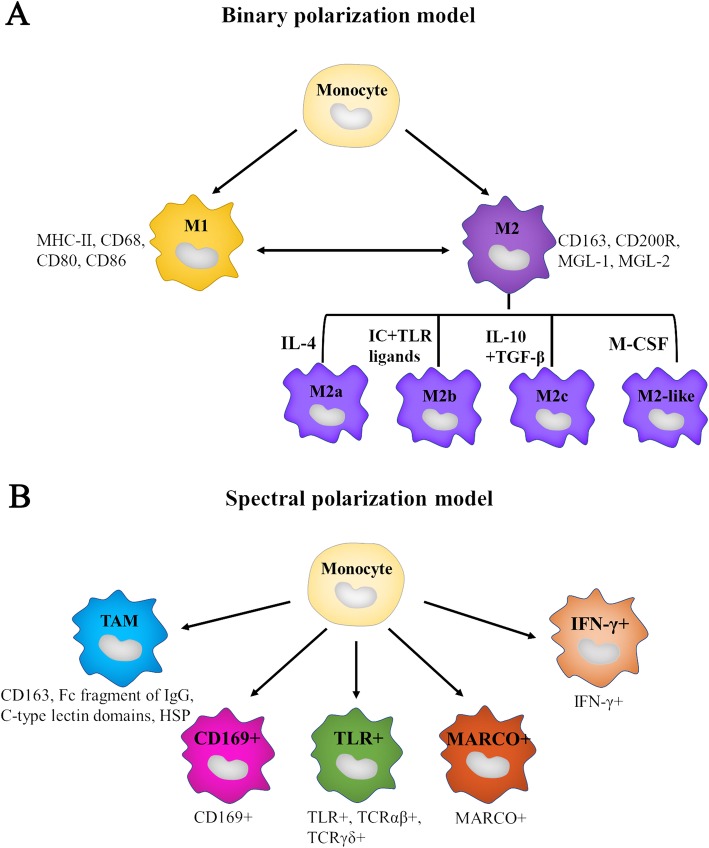
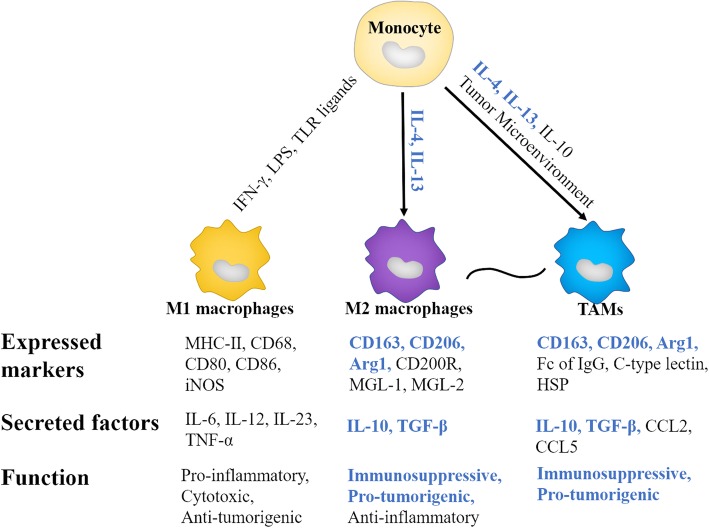
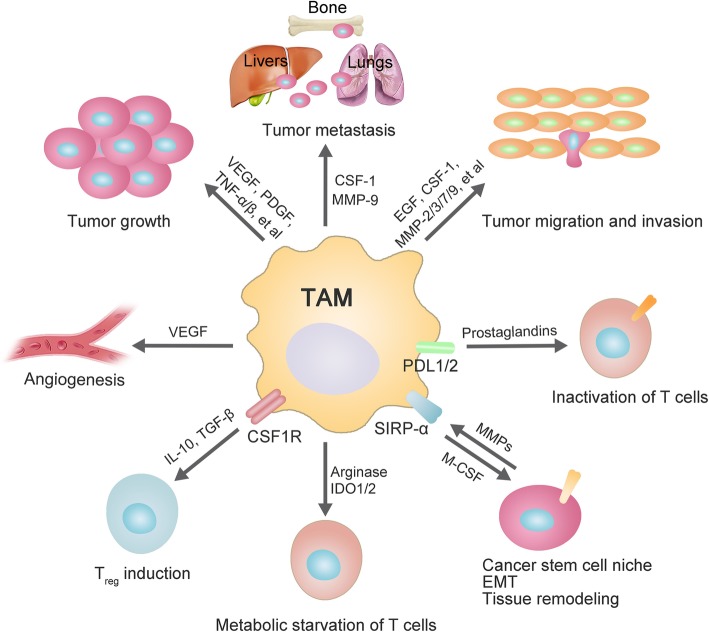
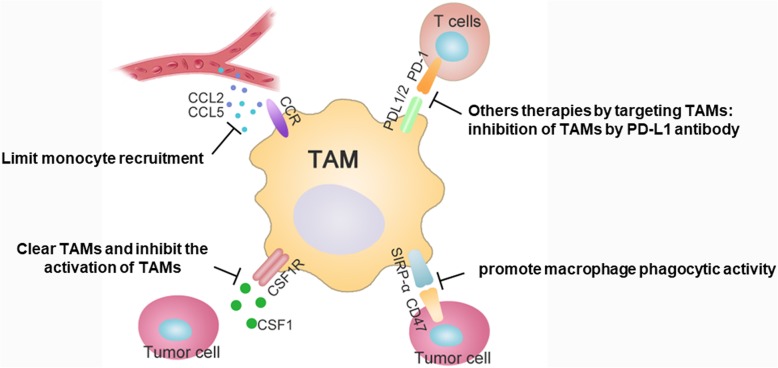
Verification
Claims the paper makes
The claims and statistics of this paper haven’t been checked yet.
Free: it reads the open-access text and checks the first 5 claims that cite a source we can check. Create a free account to check every claim.
Claims other papers make about this one
Each is checked against this paper’s own text: does it say what the citing paper says it does?
The source backs part of the claim, not all of it — or backs it for a different population, condition or comparison.
In the citing paper
“Moreover, other components of the TIME, such as TAMs, monocytes, and granulocytes, have also been reported to inhibit the antitumor activity of T cells and NK cells via various mechanisms, thereby leading to resistance to immunotherapy.244,257”
From Drug repurposing for cancer therapy (2024) · cites this paper as [257]
Experimental — accuracy not yet measuredThe source backs part of the claim, not all of it — or backs it for a different population, condition or comparison.
In the citing paper
“Additionally, TAMs–MPM crosstalk underlies the acquisition of the immunosuppressive and chemoresistant phenotype [32].”
From Chronic Inflammation, Oxidative Stress and Metabolic Plasticity: Three Players Driving the Pro-Tumorigenic Microenvironment in Malignant Mesothelioma (2023) · cites this paper as [32]
Experimental — accuracy not yet measuredThe check wasn’t confident either way, so it gives no verdict — never disputed.
In the citing paper
“However, the effectiveness of TMZ is dependent on silencing of the Methylguanine methyltransferase (MGMT) gene.”
From Revisiting the HIF switch in the tumor and its immune microenvironment. (2022) · cites this paper as [57]
Experimental — accuracy not yet measuredThe check wasn’t confident either way, so it gives no verdict — never disputed.
In the citing paper
“Over 50% of patients do not have silenced MGMT, thus do not respond to TMZ [57].”
From Revisiting the HIF switch in the tumor and its immune microenvironment. (2022) · cites this paper as [57]
Experimental — accuracy not yet measured
Self-check
Percentages, sums and reported differences re-computed from the paper’s own numbers.
The self-check needs the paper’s full text.
Citations
Cites
Microenvironmental regulation of tumor progression and metastasis
Quail, D. F., & Joyce, J. A. (2013) · Nature Medicine · doi:10.1038/nm.3394 · Cited by 7,994
Molecular Mechanisms of Stress-Responsive Changes in Collagen and Elastin Networks in Skin
Aziz, J., Shezali, H., Radzi, Z., Yahya, N. A., Abu Kassim, N. H., Czernuszka, J., & Rahman, M. T. (2016) · Skin Pharmacology and Physiology · doi:10.1159/000447017 · Cited by 7,323
Macrophage plasticity and polarization: in vivo veritas
Sica, A., & Mantovani, A. (2012) · Journal of Clinical Investigation · doi:10.1172/jci59643 · Cited by 6,335
Macrophage Diversity Enhances Tumor Progression and Metastasis
Qian, B.-Z., & Pollard, J. W. (2010) · Cell · doi:10.1016/j.cell.2010.03.014 · Cited by 5,188
Curiel, T. J., Coukos, G., Zou, L., Alvarez, X., Cheng, P., Mottram, P., Evdemon-Hogan, M., Conejo-Garcia, J. R., Zhang, L., Burow, M., et al. (2004) · Nature Medicine · doi:10.1038/nm1093 · Cited by 5,151
Tumor-Associated Macrophages: From Mechanisms to Therapy
Noy, R., & Pollard, J. W. (2014) · Immunity · doi:10.1016/j.immuni.2014.06.010 · Cited by 4,089
Tumour-associated macrophages as treatment targets in oncology
Mantovani, A., Marchesi, F., Malesci, A., Laghi, L., & Allavena, P. (2017) · Nature Reviews Clinical Oncology · doi:10.1038/nrclinonc.2016.217 · Cited by 4,033
Cancer and the chemokine network
Balkwill, F. (2004) · Nature Reviews Cancer · doi:10.1038/nrc1388 · Cited by 2,343
PD-1 expression by tumour-associated macrophages inhibits phagocytosis and tumour immunity
Gordon, S. R., Maute, R. L., Dulken, B. W., Hutter, G., George, B. M., McCracken, M. N., Gupta, R., Tsai, J. M., Sinha, R., Corey, D., et al. (2017) · Nature · doi:10.1038/nature22396 · Cited by 2,247 · cited 1×
“PD-L1 and PD-1 expression on TAMs can induce T cell exhaustion and potentially limit the efficacy of T cells associated immunotherapies in solid tumor [108].”
BackgroundWang, Q., Hu, B., Hu, X., Kim, H., Squatrito, M., Scarpace, L., deCarvalho, A. C., Lyu, S., Li, P., Li, Y., et al. (2017) · Cancer Cell · doi:10.1016/j.ccell.2017.06.003 · Cited by 1,995
Cited by
Items 201–300 of 1,000
Blocking NHE1 stimulates glioma tumor immunity by restoring OXPHOS function of myeloid cells
Hasan, M. N., Luo, L., Ding, D., Song, S., Bhuiyan, M. I. H., Liu, R., Foley, L. M., Guan, X., Kohanbash, G., Hitchens, T. K., et al. (2020) · Theranostics · doi:10.7150/thno.50150 · Cited by 51
“These changes have been reported previously to promote M1 polarization of macrophages [27].”
BackgroundArora, S., Singh, P. K., Ahmad, S., Ahmad, T., Dohare, R., Almatroodi, S. A., Alrumaihi, F., Rahmani, A. H., & Syed, M. A. (2021) · Cells · doi:10.3390/cells10082091 · Cited by 48
Tumors and Cytomegalovirus: An Intimate Interplay
Herbein, G. (2022) · Viruses · doi:10.3390/v14040812 · Cited by 53
“In the presence of vIL-10, HCMV infection of human cancer stem cells triggers macrophage reprogramming to an M2 phenotype in the tumor microenvironment, leading to the appearance of macrophages close to tumor-associated macrophages (TAMs), a hallmark of poor prognosis in many cancers [83].”
BackgroundZhang, J., Zhou, J., Tang, L., Ma, J., Wang, Y., Yang, H. Y., Wang, X., & Fan, W. (2024) · Small · doi:10.1002/smll.202400353 · Cited by 53
Su, P., Li, O., Ke, K., Jiang, Z., Wu, J., Wang, Y., Mou, Y., & Jin, W. (2024) · International Journal of Oncology · doi:10.3892/ijo.2024.5648 · Cited by 47
Chen, L., Li, H., Liu, J., Wang, Y., & Zhang, S. (2025) · Cyborg and Bionic Systems · doi:10.34133/cbsystems.0247 · Cited by 56
Molecular Mechanisms in the Carcinogenesis of Oral Squamous Cell Carcinoma: A Literature Review
Cabral, L. G. D. S., Martins, I. M., Paulo, E. P. D. A., Pomini, K. T., Poyet, J., & Maria, D. A. (2025) · Biomolecules · doi:10.3390/biom15050621 · Cited by 57
“Consequently, high densities of TAMs within OSCC tissues are linked to enhanced tumor aggressiveness and unfavorable clinical outcomes [30,31].”
Notch Signaling in Breast Tumor Microenvironment as Mediator of Drug Resistance
Chimento, A., D’Amico, M., Pezzi, V., & Amicis, F. D. (2022) · International Journal of Molecular Sciences · doi:10.3390/ijms23116296 · Cited by 50
Prognostic significance of CD163+ tumor-associated macrophages in colorectal cancer
Xue, T., Yan, K., Cai, Y., Sun, J., Chen, Z., Chen, X., & Wu, W. (2021) · World Journal of Surgical Oncology · doi:10.1186/s12957-021-02299-y · Cited by 46
“The surface antigen CD163 is used for the identification of M2 macrophages, which are considered “bad” macrophages because they participate in Th2 immune response and can release anti-inflammatory cytokines able to promote tumor development [14], although there is evidence that CD163 is not a M2specific marker [31].”
BackgroundZou, R., Jiang, Q., Jin, T., Chen, M., Yao, L., & Ding, H. (2022) · Frontiers in Immunology · doi:10.3389/fimmu.2022.956224 · Cited by 47
Lu, S., Zhang, C., Wang, J., Zhao, L., & Li, G. (2023) · Biomedicine & Pharmacotherapy · doi:10.1016/j.biopha.2023.116059 · Cited by 49
Tao, L., Li, D., Mu, S., Guanjing, T., & Yan, G. (2022) · Laboratory Investigation · doi:10.1038/s41374-022-00731-9 · Cited by 46
Future of immune checkpoint inhibitors: focus on tumor immune microenvironment
Jia, Y., Liu, L., & Shan, B. (2020) · Annals of Translational Medicine · doi:10.21037/atm-20-3735 · Cited by 54
“21037/atm-20-3735 of TAMs are associated with poor prognosis of cancer patients (70).”
BackgroundWithholding of M-CSF Supplement Reprograms Macrophages to M2-Like via Endogenous CSF-1 Activation
Chen, Y., Lai, Y., Hsuuw, Y.-D., & Chang, K. (2021) · International Journal of Molecular Sciences · doi:10.3390/ijms22073532 · Cited by 48
“The pro-tumor roles of TAMs include tumor invasion, tumor angiogenesis, immunosuppression and metastasis [6].”
BackgroundSelf-citationZhao, B., Hui, X., Wang, J., Zeng, H., Yu, Y., Hu, Q., Ge, G., & ei, T. (2026) · American Journal of Cancer Research · doi:10.62347/igxe9048 · Cited by 47
GRP78 facilitates M2 macrophage polarization and tumour progression
Zhang, H., Wang, S., Lin, H., Zhang, C., Wang, L., Duan, C., Cheng, Y., Wu, D., & Chen, R. (2021) · Cellular and Molecular Life Sciences · doi:10.1007/s00018-021-03997-2 · Cited by 47
Zhang, J., Wang, Z., Zhang, X., Dai, Z., Zhi-peng, W., Yu, J., Peng, Y., Wu, W., Zhang, N., Luo, P., et al. (2022) · Frontiers in Immunology · doi:10.3389/fimmu.2022.810471 · Cited by 52
Non-Coding RNAs: Uncharted Mediators of Thyroid Cancer Pathogenesis
Tabatabaeian, H., Yang, S. P., & Tay, Y. (2020) · Cancers · doi:10.3390/cancers12113264 · Cited by 48
“This eventually results in the elevated angiogenesis and promotion of tumor growth [149,150].”
BackgroundJang, H. J., Hostetter, G. H., Macfarlane, A. W., Madaj, Z., Ross, E. A., Hinoue, T., Kulchycki, J. R., Burgos, R. S., Tafseer, M., Alpaugh, R. K., et al. (2023) · Clinical Cancer Research · doi:10.1158/1078-0432.ccr-22-3642 · Cited by 45
Luo, H., Ma, W., Chen, Q., Yáng, Z., & Dai, Y. (2023) · Nano Today · doi:10.1016/j.nantod.2023.102042 · Cited by 45
Peripheral blood inflammatory indexes in breast cancer: A review
Xie, J., Guo, Z., Zhu, Y., Ma, M., & Jia, G. (2023) · Medicine · doi:10.1097/md.0000000000036315 · Cited by 49
“[41] In addition, extracellular matrix deposition of TAMs promotes cancer cell resistance to chemotherapy and radiotherapy by remodeling or directing interactions between cancer cells and macrophages.”
BackgroundNanoparticles-based phototherapy systems: molecular mechanisms and clinical applications
Chauhan, D. S., Prasad, R., Dhanka, M., Kaur, N., Vithalani, H., Liyanapathirana, K., Nanjundappa, R. H., Gao, H., & Umeshappa, C. S. (2026) · Signal Transduction and Targeted Therapy · doi:10.1038/s41392-025-02536-w · Cited by 55
Chehrazi‐Raffle, A., Dorff, T. B., Pal, S. K., & Lyou, Y. (2021) · Cancers · doi:10.3390/cancers13040889 · Cited by 46
“, IL1, IL-13, and TGF-β) which can promote tumor growth and ICI resistance [47].”
BackgroundInfluentialFoster, A., Nigam, S., Tatum, D. S., Raphael, I., Xu, J., Kumar, R., Plakseychuk, E., Latoche, J. D., Vincze, S., Li, B., et al. (2021) · EBioMedicine · doi:10.1016/j.ebiom.2021.103571 · Cited by 47
“TAMCs include subpopulations of tumourassociated macrophages (TAMs) and myeloid-derived suppressor cells (MDSCs), which together account for up to 40% of a glioma’s mass [9,10] and are associated with decreased survival [11,12].”
BackgroundRole of the tumor immune microenvironment in tumor immunotherapy (Review)
Zhou, C., Liu, Q., Xiang, Y., Gou, X., & Li, W. (2021) · Oncology Letters · doi:10.3892/ol.2021.13171 · Cited by 48
“TAMs, which tend to differentiate into the M2 subtype, are involved in tumorigenesis and tumor progression (50).”
BackgroundWang, Y., Ma, H., Li, Y., & Su, R. (2022) · Reproductive Sciences · doi:10.1007/s43032-021-00789-8 · Cited by 48
“M1-polarized macrophages promote inflammation development, while M2-polarized macrophages suppress inflammation development [6].”
BackgroundSun, J., Liang, X., Cai, M., Yan, L., Chen, Z., Guo, L., Li, J., Wang, Y., & Zhou, D. (2022) · Nano Letters · doi:10.1021/acs.nanolett.2c00901 · Cited by 44
Erythrophagocytes in hemolytic anemia, wound healing, and cancer
Humar, R., Schaer, D. J., & Vallelian, F. (2022) · Trends in Molecular Medicine · doi:10.1016/j.molmed.2022.08.005 · Cited by 46
Insights into CSF-1/CSF-1R signaling: the role of macrophage in radiotherapy
Shang, Q., Zhang, P., Lei, X., Du, L., & Qu, B. (2025) · Frontiers in Immunology · doi:10.3389/fimmu.2025.1530890 · Cited by 44
Extracellular Vesicles-ceRNAs as Ovarian Cancer Biomarkers: Looking into circRNA-miRNA-mRNA Code
Cammarata, G., Barraco, N., Giusti, I., Gristina, V., Dolo, V., & Taverna, S. (2022) · Cancers · doi:10.3390/cancers14143404 · Cited by 44
“TAMs secrete IL4, IL-5, and IL-6, which promote angiogenesis, matrix remodeling, and immune system suppression [93]; they also contribute to PMNF by secreting TGF-β, SDF-1, and VEGF via the STAT3 signaling cascade.”
BackgroundMesothelioma Malignancy and the Microenvironment: Molecular Mechanisms
Cersosimo, F., Barbarino, M., Lonardi, S., Vermi, W., Giordano, A., Bellan, C., & Giurisato, E. (2021) · Cancers · doi:10.3390/cancers13225664 · Cited by 41
Lan, M., Lü, W., Zou, T., Li, L., Liu, F., Cai, T., & Cai, Y. (2021) · Cellular and Molecular Life Sciences · doi:10.1007/s00018-020-03696-4 · Cited by 45
IL-1β in breast cancer bone metastasis
Zhou, J., Tulotta, C., & Ottewell, P. D. (2022) · Expert Reviews in Molecular Medicine · doi:10.1017/erm.2022.4 · Cited by 43
Tumor-associated macrophages in lymphoma: From mechanisms to therapy
Xiong, X., Xie, X., Wang, Z., Zhang, Y., & Wang, L. (2022) · International Immunopharmacology · doi:10.1016/j.intimp.2022.109235 · Cited by 41
Le, K., Sun, J., Ghaemmaghami, J., Smith, M. R., Ip, W. K. E., Phillips, T. J., & Gupta, M. (2023) · Blood Advances · doi:10.1182/bloodadvances.2022008722 · Cited by 41
“In various malignancies, increased infiltration of TAMs has been associated with worse prognosis.(16) In solid cancers, TAMs are polarized into the M2-phenotype with protumor function.”
Redox Dysregulation in the Tumor Microenvironment Contributes to Cancer Metastasis
Liu, W., Wang, B., Zhou, M., Liu, D., Chen, F., Zhao, X., & Lu, Y. (2023) · Antioxidants and Redox Signaling · doi:10.1089/ars.2023.0272 · Cited by 42
“Few CTCs survive this high oxidative stress, and they show high anti-oxidant capacity to resist killing by ROS through the upregulation of antioxidant enzymes and the reprogramming of cellular metabolism (Chen et al., 2019a; Tasdogan et al., 2020).”
Macedo-Pereira, A., Martins, C., Lima, J., & Sarmento, B. (2023) · Journal of Controlled Release · doi:10.1016/j.jconrel.2023.04.038 · Cited by 38
Chen, Z., Chen, Y., Peng, L., Wang, X., & Tang, N. (2020) · Journal for ImmunoTherapy of Cancer · doi:10.1136/jitc-2020-001377 · Cited by 43
Self-citationGood, L., Benner, B. N., & Carson, W. E. (2021) · Cancer Immunology Immunotherapy · doi:10.1007/s00262-021-02908-5 · Cited by 42
“These tumor-resident macrophages may be roughly characterized as tumor-associated macrophages (TAM) [88].”
BackgroundFucoxanthin Is a Potential Therapeutic Agent for the Treatment of Breast Cancer
Lau, T.-Y., & Kwan, H. Y. (2022) · Marine Drugs · doi:10.3390/md20060370 · Cited by 43
Jin, L., Guo, Y., Mao, W., Wang, J., Jin, L., Liu, X., Shou, Q., & Fu, H. (2022) · Phytomedicine · doi:10.1016/j.phymed.2022.154307 · Cited by 40
Fiorilla, I., Martinotti, S., Todesco, A. M., Bonsignore, G., Cavaletto, M., Patrone, M., Ranzato, E., & Audrito, V. (2023) · Cells · doi:10.3390/cells12162048 · Cited by 39
“Additionally, TAMs–MPM crosstalk underlies the acquisition of the immunosuppressive and chemoresistant phenotype [32].”
BackgroundLai, X., Zhong, J., Zhang, B., Zhu, T., & Liao, R. (2023) · Biomolecules · doi:10.3390/biom13030536 · Cited by 39
Macrophage’s role in solid tumors: two edges of a sword
Jahandideh, A., Yarizadeh, M., Masjedi, M. N.-K., Fatehnejad, M., Jahandideh, R., Soheili, R., Eslami, Y., Zokaei, M., Ahmadvand, A., Ghalamkarpour, N., et al. (2023) · Cancer Cell International · doi:10.1186/s12935-023-02999-3 · Cited by 40
“Their main function is to regulate the T cell’s function, specifically effector T cells, to kill cancer cells [25].”
BackgroundMicroRNAs: As Critical Regulators of Tumor- Associated Macrophages
Chatterjee, B., Saha, P., Bose, S., Shukla, D., Chatterjee, N., Kumar, S., Tripathi, P. P., & Srivastava, A. K. (2020) · International Journal of Molecular Sciences · doi:10.3390/ijms21197117 · Cited by 41
“TAM secretes IL-6 with pleiotropic potential, which has been reported to contribute chemoresistance in breast cancer [45,47].”
BackgroundInfluentialMultifunctional Role of Astrocyte Elevated Gene-1 (AEG-1) in Cancer: Focus on Drug Resistance
Manna, D., & Sarkar, D. (2021) · Cancers · doi:10.3390/cancers13081792 · Cited by 40
Liu, M., Cai, R., Wang, T., Yang, X., Wang, M., Kuang, Z., Xie, Y., Zhang, J., & Zheng, Y. (2021) · Annals of Translational Medicine · doi:10.21037/atm-21-4507 · Cited by 39
“Even though the original hypotheses proposed that macrophages are involved in antitumor immunity, there is abundant of clinical and experimental evidence that TAMs may promote tumor progression by promoting tumor proliferation, invasion and metastasis (21,22).”
BackgroundStepanov, Y. V., Golovynska, I., Golovynskyi, S., Garmanchuk, L., Gorbach, O. I., Stepanova, L. I., Khranovska, N., Остапченко, Л. І., Ohulchanskyy, T. Y., & Qu, J. (2022) · Journal of Photochemistry and Photobiology B Biology · doi:10.1016/j.jphotobiol.2022.112388 · Cited by 43
Wang, B., Wang, X., Li, P., Niu, X., Liang, X., Liu, G., Liu, Z., & Ge, H. (2022) · Frontiers in Oncology · doi:10.3389/fonc.2022.881022 · Cited by 39
“Tumorassociated macrophages (TAMs), important immune cells, are the major component of the TME (20).”
BackgroundInfluentialMultiple influence of immune cells in the bone metastatic cancer microenvironment on tumors
Chen, S., Lei, J., Mou, H., Zhang, W., Jin, L., Lu, S., Yinwang, E., Xue, Y., Shao, Z., Chen, T., et al. (2024) · Frontiers in Immunology · doi:10.3389/fimmu.2024.1335366 · Cited by 42
“Furthermore, TAM-derived CCL17, CCL18, CCL22, IL-4, IL-10, TGF-b , and prostaglandin E2 (PGE 2) can inhibit the antitumor function of T cells (77 – 83).”
BackgroundEffects of super-enhancers in cancer metastasis: mechanisms and therapeutic targets
Liu, S., Dai, W., Jin, B., Jiang, F., Huang, H., Hou, W., Lan, J., Jin, Y., Peng, W., & Pan, J. (2024) · Molecular Cancer · doi:10.1186/s12943-024-02033-8 · Cited by 41
Core-shell nanotherapeutics with leukocyte membrane camouflage for biomedical applications
Fan, M., & Jiang, M. (2020) · Journal of drug targeting · doi:10.1080/1061186x.2020.1757102 · Cited by 41
“For example, M2 macrophages can be transformed into M1 macrophages following LPS stimulation to promote inflammatory response [34,35].”
Huang, H., Chang, C., Wang, C., & Lin, K. (2021) · Cells · doi:10.3390/cells10010067 · Cited by 43
“development by producing anti-inflammatory cytokines, such as IL-4, IL-10, IL-13, and TGFβ [5], providing an immunosuppressive microenvironment that promotes tumor immune escape [6].”
BackgroundInfluential(2021) · doi:10.1158/1541-7786.mcr-20-0917
“TAMs dominantly present as an immunosuppressive (M2) phenotype, which expresses CD163, a scavenger receptor, (4, 5) and trigger multiple processes of tumor progression such as suppression of antitumor immunity, induction of regulatory T cells, activation of tumor cell migration and invasion, and induction of angiogene…”
BackgroundInfluentialLiu, S., Wu, F., Li, X., Zhao, C., Jia, Y., Jia, K., Han, R., Qiao, M., Li, W., Yu, J., et al. (2021) · Frontiers in Oncology · doi:10.3389/fonc.2021.639947 · Cited by 42
“Evidence suggested that M1-like macrophages had the function of pro-inflammatory, cytotoxic, and antitumorigenic while M2-like macrophages could suppress the immune response, promote tumor development, and inhibit inflammatory reaction (49, 50).”
BackgroundMultifunctional nanoprobes for macrophage imaging
Deng, H., Xu, L., Ju, J., Mo, X., Ge, G., & Zhu, X. (2022) · Biomaterials · doi:10.1016/j.biomaterials.2022.121824 · Cited by 38
Macrophages as a Potential Immunotherapeutic Target in Solid Cancers
Mishra, A. K., Banday, S., Bharadwaj, R., Ali, A., Rashid, R., Kulshreshtha, A., & Malonia, S. K. (2022) · Vaccines · doi:10.3390/vaccines11010055 · Cited by 39
“heterogenous cancer such as gastric cancer, bladder cancer, and pancreatic cancer, both positive and negative prognostic values of TAMs have been reported [9,10,23,24,31,209].”
BackgroundMutant P53 in the formation and progression of the tumor microenvironment: Friend or foe
Asl, E. R., Rostamzadeh, D., Duijf, P. H. G., Mafi, S., Mansoori, B., Barati, S., Cho, W. C. S., & Mansoori, B. (2023) · Life Sciences · doi:10.1016/j.lfs.2022.121361 · Cited by 40
Liquid Biopsies: Emerging role and clinical applications in solid tumours
Sisodiya, S., Kasherwal, V., Khan, A., Roy, B., Goel, A., Kumar, S., Arif, N., Tanwar, P., & Hussain, S. (2023) · Translational Oncology · doi:10.1016/j.tranon.2023.101716 · Cited by 39
“Solid tumours are quite complex in their origin, either due to genetic aberrations or environmental insults [9].”
BackgroundWolf, M. M., Madden, M. Z., Arner, E. N., Bader, J. E., Ye, X., Vlach, L. M., Tigue, M. L., Landis, M. D., Jonker, P. B., Hatem, Z., et al. (2024) · Journal of Clinical Investigation · doi:10.1172/jci173934 · Cited by 38
“Tumor-associated macrophages (TAMs), monocytic and polymorphonuclear myeloid–derived suppressor cells (M-MDSCs and PMN-MDSCs), NK cells, and DCs are other key components of the innate TME that can exert pro-and/or antitumorigenic functions depending on the environment (12, 13).”
BackgroundKim, D.-H., Kang, Y. N., Jin, J., Park, M., Kim, D., Yoon, G., Yun, J. W., Lee, J., Park, S. Y., Lee, Y. R., et al. (2024) · Experimental & Molecular Medicine · doi:10.1038/s12276-024-01214-1 · Cited by 38
Chen, K., Li, X., Dong, S., Guo, Y., Luo, Z., Zhuang, S., Liu, J., Liu, T., Liao, J., & Wen, W. (2025) · Journal of Translational Medicine · doi:10.1186/s12967-024-06036-3 · Cited by 41
“TAMs, key regulatory factors within the TME, have emerged as significant players in cancer growth, invasion, metastasis, and treatment resistance [18].”
Deng, R., Lü, J., Liu, X., Peng, X., Wang, J., & Li, X. (2020) · Cancer Management and Research · doi:10.2147/cmar.s274913 · Cited by 39
Use of Nanoformulation to Target Macrophages for Disease Treatment
Liu, X., Xie, X., Jiang, J., Lin, M. J., Zheng, E., Qiu, W., Yeung, I., Zhu, M., Li, Q., Xia, T., et al. (2021) · Advanced Functional Materials · doi:10.1002/adfm.202104487 · Cited by 38
An Ex Vivo 3D Tumor Microenvironment-Mimicry Culture to Study TAM Modulation of Cancer Immunotherapy
Li, Y.-R., Yu, Y., Kramer, A. B., Hon, R., Wilson, M., Brown, J., & Yang, L. (2022) · Cells · doi:10.3390/cells11091583 · Cited by 40
“Lentiviruses were produced using HEK293T cells, following a standard calcium precipitation protocol and an ultracentrifugation concentration protocol as previously described [1,2].”
MethodThe Role of Macrophages in Sarcoma Tumor Microenvironment and Treatment
Zając, A. E., Czarnecka, A. M., & Rutkowski, P. L. (2023) · Cancers · doi:10.3390/cancers15215294 · Cited by 38
“TAMs can inhibit cytotoxic CD8+ T cells by the metabolic starvation of T cells through the secretion of immunosuppressive metabolites (i.e., NO, ROS) [28,29].”
BackgroundInfluentialTumor-Associated Macrophage Targeting of Nanomedicines in Cancer Therapy
Kang, X., Huang, Y., Wang, H., Jadhav, S., Yue, Z., Tiwari, A. K., & Babu, R. J. (2023) · Pharmaceutics · doi:10.3390/pharmaceutics16010061 · Cited by 38
“Th2 cytokines (IL-4, IL-10, IL-13), limiting antigen presentation and promoting immunosuppression [31].”
BackgroundThe role of tumor-associated macrophages in lung cancer
Zhu, R., Huang, J., & Qian, F. (2025) · Frontiers in Immunology · doi:10.3389/fimmu.2025.1556209 · Cited by 39
Ai, J., Li, H., Zhang, M., Liu, J., Liu, L., & Sun, C. (2025) · International Journal of Biological Sciences · doi:10.7150/ijbs.121356 · Cited by 38
“For instance, TANs secrete MMP-2, MMP-9, and MMP-8, whereas TAMs release MMP-2, MMP-9, and MMP-12, among others [31, 52, 53, 78].”
TGF-β Alters the Proportion of Infiltrating Immune Cells in a Pancreatic Ductal Adenocarcinoma
Trebska-McGowan, K., Chaib, M., Alvarez, M. A., Kansal, R. G., Pingili, A. K., Shibata, D., Makowski, L., & Glazer, E. S. (2021) · Journal of Gastrointestinal Surgery · doi:10.1007/s11605-021-05087-x · Cited by 39
Nucleic acid and oligonucleotide delivery for activating innate immunity in cancer immunotherapy
Meng, F., Wang, J., & Yeo, Y. (2022) · Journal of Controlled Release · doi:10.1016/j.jconrel.2022.03.045 · Cited by 36
Impact of Lipid Metabolism on Antitumor Immune Response
Mabrouk, N., Lecoeur, B., Bettaïeb, A., Paul, C., & Végran, F. (2022) · Cancers · doi:10.3390/cancers14071850 · Cited by 37
“Experimental data suggest tumor associated macrophages (TAMs) to be largely biased towards the M2 phenotype [19,20].”
BackgroundTumor-associated macrophages: Prognostic and therapeutic targets for cancer in humans and dogs
Brady, R. V., & Thamm, D. H. (2023) · Frontiers in Immunology · doi:10.3389/fimmu.2023.1176807 · Cited by 35
Qiu, Y., Lu, G., Li, N., Hu, Y., Tan, H., & Jiang, C. (2024) · Frontiers in Immunology · doi:10.3389/fimmu.2024.1327281 · Cited by 36
Chemokines in the tumor microenvironment: implications for lung cancer and immunotherapy
Jung, H., & Paust, S. (2024) · Frontiers in Immunology · doi:10.3389/fimmu.2024.1443366 · Cited by 39
Malik, S., Sureka, N., Ahuja, S., Aden, D., Zaheer, S., & Zaheer, S. (2024) · Cell Biology International · doi:10.1002/cbin.12226 · Cited by 36
“In contrast, granulocyte ‐ macrophage colony ‐ stimulating factor (GM ‐ CSF) activates macrophages and induces their differentiation into macrophages with antitumorigenic activity (Chen et al., 2019; Hu et al., 2016; Kumari & Choi, 2022; Pittet et al., 2022).”
Soyama, T., Sakuragi, A., Oishi, D., Kimura, Y., Aoki, H., Nomoto, A., Yano, S., Nishie, H., Kataoka, H., & Aoyama, M. (2021) · Translational Oncology · doi:10.1016/j.tranon.2020.101005 · Cited by 36
Huang, Q., Liu, J., Wu, S., Zhang, X., Xiao, Z., Liu, Z., & Du, W. (2021) · Frontiers in Oncology · doi:10.3389/fonc.2021.659131 · Cited by 38
“In the TME, M2 macrophages contribute to tumor progression by producing anti-inflammatory cytokines, while M1 macrophages play an important role in antitumor and proinflammatory activity by producing proinflammatory cytokines and reactive oxygen/nitrogen species (39).”
BackgroundSelf-citationWang, R., Guo, H., Tang, X., Zhang, T., Liu, Y., Zhang, C., Yu, H., & Li, Y. (2021) · Inflammation · doi:10.1007/s10753-021-01547-3 · Cited by 35
“The M2-phenotype TAMs secrete anti-inflammatory cytokines such as IL-10, IL-13, and TGFB to exert protumor functions [27].”
BackgroundHou, L., Pu, L., Chen, Y., Bai, Y., Zhou, Y., Chen, M., Wang, S., Lv, Y.-P., Ma, C., Cheng, P., et al. (2022) · ACS Nano · doi:10.1021/acsnano.1c10921 · Cited by 36
Self-citationExploiting radiation immunostimulatory effects to improve glioblastoma outcome
Awada, H., Paris, F., & Pecqueur, C. (2022) · Neuro-Oncology · doi:10.1093/neuonc/noac239 · Cited by 36
Yang, K., Yang, T., Yu, J. C., Li, F., & Zhao, X. (2023) · BMC Cancer · doi:10.1186/s12885-023-10675-y · Cited by 39
“These two subsets were enriched with cytokine signatures and in the rapid proliferation stage, respectively, resembling the characteristics of TAMs [35].”
Roles and new Insights of Macrophages in the Tumor Microenvironment of Thyroid Cancer
Liu, Q., Sun, W., & Zhang, H. (2022) · Frontiers in Pharmacology · doi:10.3389/fphar.2022.875384 · Cited by 37
“MACROPHAGES IN THYROID CANCER TAMs accounts for a large proportion of tumor-infiltrating immune cells in TME and are highly plastic (Chen et al., 2019).”
BackgroundHuang, K., Luo, W., Fang, J., Yu, C., Liu, G., Yuan, X., Liu, Y., & Wu, W. (2023) · BMC Cancer · doi:10.1186/s12885-023-10526-w · Cited by 35
Nano-baicalein facilitates chemotherapy in breast cancer by targeting tumor microenvironment
Zheng, F., Luo, Y., Liu, Y., Gao, Y., Chen, W., & Wei, K. (2023) · International Journal of Pharmaceutics · doi:10.1016/j.ijpharm.2023.122778 · Cited by 34
Targeting hypoxic and acidic tumor microenvironment by nanoparticles: A review
Saadh, M. J., Mustafa, M. A., Qassem, L. Y., Ghadir, G. K., Alaraj, M., Alubiady, M. H. S., Al‐Abdeen, S. H. Z., Shakier, H. G., Alshahrani, M. Y., & Zwamel, A. H. (2024) · Journal of Drug Delivery Science and Technology · doi:10.1016/j.jddst.2024.105660 · Cited by 33
CAR-armored-cell therapy in solid tumor treatment
Liu, Y., Xiao, L., Yang, M., Chen, X., Liu, H., Wang, Q., Guo, M., & Luo, J. (2024) · Journal of Translational Medicine · doi:10.1186/s12967-024-05903-3 · Cited by 34
Chen, Z., Chen, G., & Zhao, H. (2020) · Journal of Cellular and Molecular Medicine · doi:10.1111/jcmm.15542 · Cited by 34
Field Cancerization in NSCLC: A New Perspective on MicroRNAs in Macrophage Polarization
Pîrlog, R., Cismaru, C. A., Nutu, A. M., & Berindan‐Neagoe, I. (2021) · International Journal of Molecular Sciences · doi:10.3390/ijms22020746 · Cited by 35
“During cancer progression, monocytes are recruited from the bloodstream, and under the influence of local environmental conditions, they differentiate into TAMs that enhance tumor progression by promoting angiogenesis, invasion and metastasis [67,68].”
BackgroundLiu, Z., Tang, Q., Qi, T., Othmane, B., Yang, Z., Chen, J., Hu, J., & Zu, X. (2021) · Frontiers in Immunology · doi:10.3389/fimmu.2021.725223 · Cited by 44
“That was because the hypoxia risk score was also positively correlated with M2 macrophages (Figure 4B), which was recognized as a cancer-promoting immune cell to inhibit the anti-cancer immunity, and its infiltration was positively regulated by hypoxia (44, 45).”
ResultNanoparticles Targeting Innate Immune Cells in Tumor Microenvironment
Jang, H., Kim, E. H., Chi, S.-G., Kim, S. H., & Yang, Y. (2021) · International Journal of Molecular Sciences · doi:10.3390/ijms221810009 · Cited by 34
“ere we introduce several NP-based strategies that target TAMs for suppressing tumor progression: (1) TAMs depl tion; (2) inh bit ng monocyte recruitment; (3) TAM reprogram ing; and (4) blocking CD47- SIRPα signaling (Figure 1, Table 2) [34,35].”
MethodRepolarization of Unbalanced Macrophages: Unmet Medical Need in Chronic Inflammation and Cancer
Degboé, Y., Poupot, R., & Poupot, M. (2022) · International Journal of Molecular Sciences · doi:10.3390/ijms23031496 · Cited by 35
Noncoding RNA-mediated macrophage and cancer cell crosstalk in hepatocellular carcinoma
Zhou, Z., Wang, Z., Gao, J., Lin, Z., Wang, Y., Shan, P., Li, M., Zhou, T., & Li, P. (2022) · Molecular Therapy — Oncolytics · doi:10.1016/j.omto.2022.03.002 · Cited by 37
“Moreover, TAMs in many types of cancer usually exhibit M2 polarity, making TAMs an attractive target for cancer therapy.(55) Emerging therapeutic strategies targeting TAMs, especially M2 TAMs, have been investigated to remove them and/or re-educate them by inhibiting monocyte/macrophage recruitment or activation, dire…”
BackgroundStrategies for Heating Up Cold Tumors to Boost Immunotherapies
Zabransky, D. J., Yarchoan, M. M., & Jaffee, E. M. (2023) · Annual Review of Cancer Biology · doi:10.1146/annurev-cancerbio-061421-040258 · Cited by 38
Research Progress on TRPA1 in Diseases
Li, J., Zhang, H., Du, Q., Gu, J., Wu, J., Liu, Q., Li, Z., Zhang, T., Xu, J., & Xie, R. (2023) · The Journal of Membrane Biology · doi:10.1007/s00232-023-00277-x · Cited by 34
“During melanoma formation, macrophages, especially tumor-associated macrophages and ROS, are involved in all stages of melanogenesis (Chen et al. 2019; De Logu et al. 2021b).”
BackgroundHigh Level of METTL7B Indicates Poor Prognosis of Patients and Is Related to Immunity in Glioma
Xiong, Y., Li, M., Bai, J., Sheng, Y., & Zhang, Y. (2021) · Frontiers in Oncology · doi:10.3389/fonc.2021.650534 · Cited by 39
Liu, Q., Chen, Y., An, P., Rahman, K., Luan, X., & Zhang, H. (2022) · Phytomedicine · doi:10.1016/j.phymed.2022.154612 · Cited by 33
Self-citationLi, Y.-R., Ochoa, C. J., Zhu, Y., Kramer, A. B., Wilson, M., Fang, Y., Chen, Y., Singh, T., DiBernardo, G., Zhu, E., et al. (2023) · iScience · doi:10.1016/j.isci.2023.107952 · Cited by 35
Self-citationYin, C., Li, J., Li, S., Xi, Y., Lu, Y., Wang, C., & Liu, B. (2023) · Cellular Signalling · doi:10.1016/j.cellsig.2023.111031 · Cited by 34
Zhang, Y., Song, Y., Wang, X., Shi, M., Lin, Y., Tao, D., & Han, S. (2024) · Cancer Immunology Research · doi:10.1158/2326-6066.cir-23-0418 · Cited by 33
Self-citation
Metadata
- Authors
- Chen, Y., Song, Y., Du, W., Gong, L., Chang, H., & Zou, Z.
- Affiliations
- Zhengzhou University (CN)
- South China Normal University (CN)
- Corresponding author
- Chen, Yibing
- Zou, Zhengzhi
- Venue
- Journal of Biomedical Science
- Published
- 2019-10-20
- Volume
- 26
- Issue
- 1
- Pages
- 78-78
- ISSN
- 1021-7770 (ISSN-L)
- 1423-0127
- PMC
- PMC6800990
- OpenAlex
- W2980823965
- Semantic Scholar
- ce494fb6a90b18166f259a1af0bbdb64e186315e
- Cited by
- 1,096
- References
- 109
- Citations by year
- 2026: 88 · 2025: 145 · 2024: 215 · 2023: 199 · 2022: 208 · 2021: 167 · 2020: 73
- FWCI
- 9.76
- Type
- journal article
- Language
- en
- Open access
- diamond
- doi.org
- Licence
- cc-by
- creativecommons.org/licenses/by/4.0/ (tdm)
- creativecommons.org/licenses/by/4.0/ (vor)
- Locations
- Journal of Biomedical Science (publishedVersion, cc-by)
- PubMed Central (publishedVersion, cc-by)
- PubMed (publishedVersion)
- DOAJ (DOAJ: Directory of Open Access Journals) (submittedVersion)
- Funders
- National Natural Science Foundation of China (81772643, 81772803, 81402281, 81402187)
- Topics
- Life Sciences › Immunology and Microbiology › Immunology › Immune cells in cancer
- Life Sciences › Biochemistry, Genetics and Molecular Biology › Molecular Biology › Angiogenesis and VEGF in Cancer
- Life Sciences › Biochemistry, Genetics and Molecular Biology › Cancer Research › Cancer, Stress, Anesthesia, and Immune Response
- Keywords
- tumor-associated macrophages, tumor microenvironment, macrophage polarization, tumor progression, chemoresistance, radiotherapy resistance, tumor angiogenesis, metastasis, immunosuppression, TAM-targeted therapy, macrophage phagocytosis, monocyte recruitment
- MeSH terms
- Animals, Humans, Macrophages, Neoplasms, Neovascularization, Pathologic, Disease Progression, Mice, Tumor Microenvironment
About these checks
Registry, retraction, Cites and statistics results are computed, not judged, with one exception: a printed reference that no index lists is read once by a model before it counts as a citation error. Claims are extracted by a model and kept only when their quote appears verbatim in the text; each cited source is then checked, with a model’s help, for whether it says what the claim relies on. Those verdicts can be wrong — read the claim’s quote and the cited source before relying on one.
Statistics and arithmetic are recomputed, not judged.
Confidence bands are shown only for fields calibrated on our annotated test set. None is calibrated yet, so no band is shown.
What counts as a claim ›How we measure confidence ›How we check this ›
Are you an author, or do you see a problem with this page? Request a review
Data sources
Bibliographic data: Semantic Scholar, OpenAlex, Crossref.
Contains information from the Semantic Scholar Academic Graph Datasets, made available under the ODC Attribution License (ODC-BY 1.0).
Semantic Scholar’s data is described in: Kinney, R., et al. (2023). The Semantic Scholar Open Data Platform. arXiv:2301.10140.
