

Tumor-associated macrophages: an accomplice in solid tumor progression
Open accessThe DOI matches its Crossref record; 109 of the 109 references it cites were found in a registry or an index.
Abstract
In many solid tumor types, tumor-associated macrophages (TAMs) are important components of the tumor microenvironment (TME). Moreover, TAMs infiltration is strongly associated with poor survival in solid tumor patients. In this review, we describe the origins of TAMs and their polarization state dictated by the TME. We also specifically focus on the role of TAMs in promoting tumor growth, enhancing cancer cells resistance to chemotherapy and radiotherapy, promoting tumor angiogenesis, inducing tumor migration and invasion and metastasis, activating immunosuppression. In addition, we discuss TAMs can be used as therapeutic targets of solid tumor in clinics. The therapeutic strategies include clearing macrophages and inhibiting the activation of TAMs, promoting macrophage phagocytic activity, limiting monocyte recruitment and other targeted TAMs therapies.
Overview
The claims and statistics of this paper haven’t been checked yet.
Free: it reads the open-access text and checks the first 5 claims that cite a source we can check. Create a free account to check every claim.
Integrity signals
Registry
Cites
Statistics
Figures
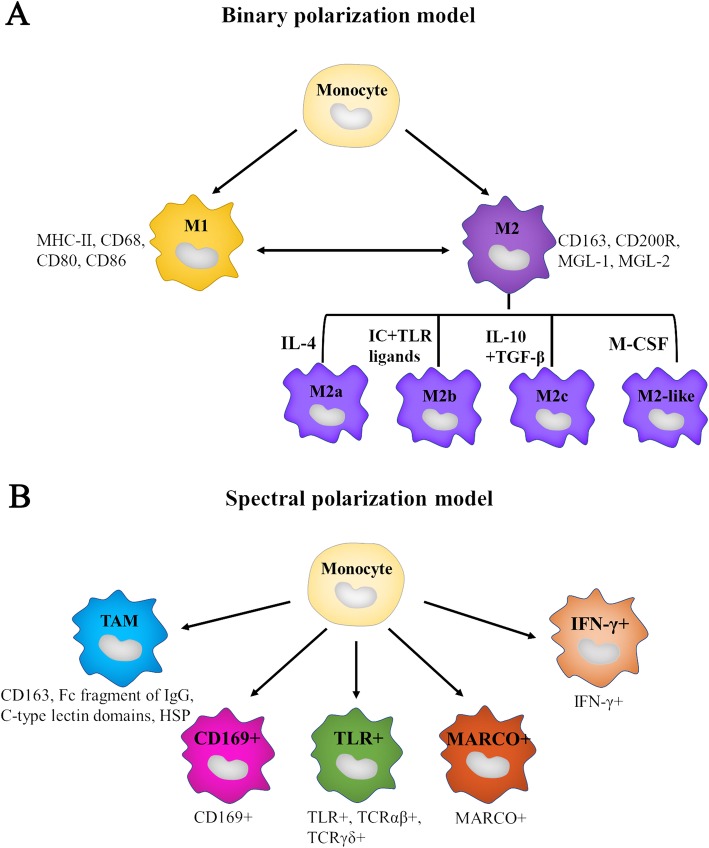
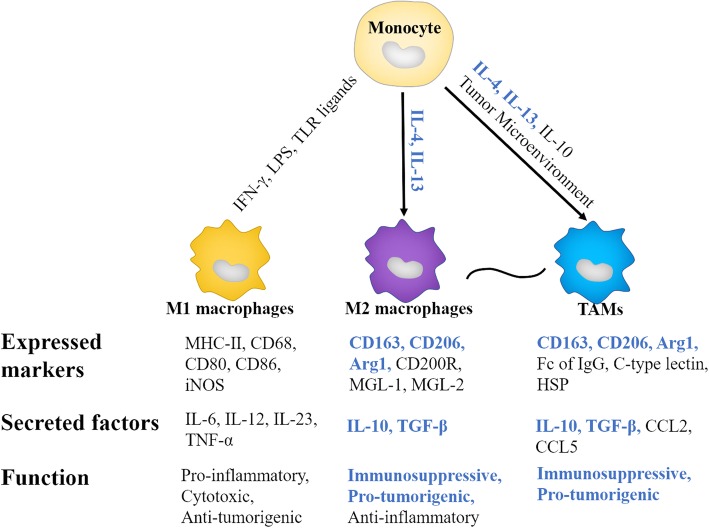
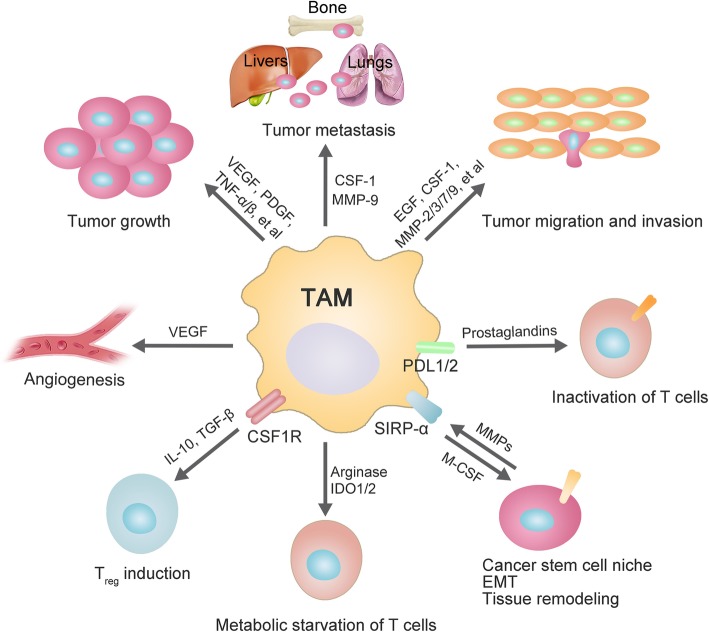
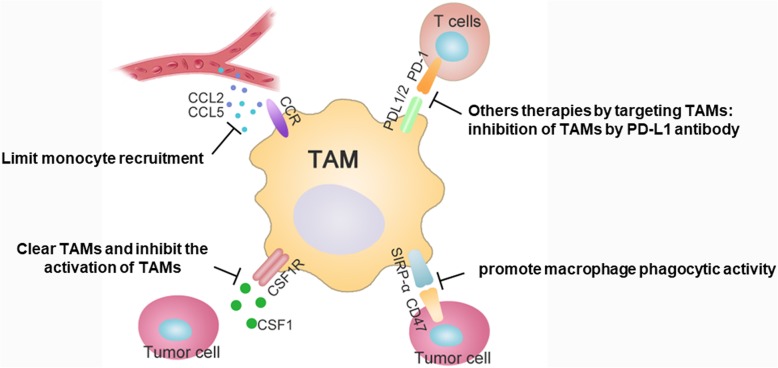
Verification
Claims the paper makes
The claims and statistics of this paper haven’t been checked yet.
Free: it reads the open-access text and checks the first 5 claims that cite a source we can check. Create a free account to check every claim.
Claims other papers make about this one
Each is checked against this paper’s own text: does it say what the citing paper says it does?
The source backs part of the claim, not all of it — or backs it for a different population, condition or comparison.
In the citing paper
“Moreover, other components of the TIME, such as TAMs, monocytes, and granulocytes, have also been reported to inhibit the antitumor activity of T cells and NK cells via various mechanisms, thereby leading to resistance to immunotherapy.244,257”
From Drug repurposing for cancer therapy (2024) · cites this paper as [257]
Experimental — accuracy not yet measuredThe source backs part of the claim, not all of it — or backs it for a different population, condition or comparison.
In the citing paper
“Additionally, TAMs–MPM crosstalk underlies the acquisition of the immunosuppressive and chemoresistant phenotype [32].”
From Chronic Inflammation, Oxidative Stress and Metabolic Plasticity: Three Players Driving the Pro-Tumorigenic Microenvironment in Malignant Mesothelioma (2023) · cites this paper as [32]
Experimental — accuracy not yet measuredThe check wasn’t confident either way, so it gives no verdict — never disputed.
In the citing paper
“However, the effectiveness of TMZ is dependent on silencing of the Methylguanine methyltransferase (MGMT) gene.”
From Revisiting the HIF switch in the tumor and its immune microenvironment. (2022) · cites this paper as [57]
Experimental — accuracy not yet measuredThe check wasn’t confident either way, so it gives no verdict — never disputed.
In the citing paper
“Over 50% of patients do not have silenced MGMT, thus do not respond to TMZ [57].”
From Revisiting the HIF switch in the tumor and its immune microenvironment. (2022) · cites this paper as [57]
Experimental — accuracy not yet measured
Self-check
Percentages, sums and reported differences re-computed from the paper’s own numbers.
The self-check needs the paper’s full text.
Citations
Cites
Microenvironmental regulation of tumor progression and metastasis
Quail, D. F., & Joyce, J. A. (2013) · Nature Medicine · doi:10.1038/nm.3394 · Cited by 7,994
Molecular Mechanisms of Stress-Responsive Changes in Collagen and Elastin Networks in Skin
Aziz, J., Shezali, H., Radzi, Z., Yahya, N. A., Abu Kassim, N. H., Czernuszka, J., & Rahman, M. T. (2016) · Skin Pharmacology and Physiology · doi:10.1159/000447017 · Cited by 7,323
Macrophage plasticity and polarization: in vivo veritas
Sica, A., & Mantovani, A. (2012) · Journal of Clinical Investigation · doi:10.1172/jci59643 · Cited by 6,335
Macrophage Diversity Enhances Tumor Progression and Metastasis
Qian, B.-Z., & Pollard, J. W. (2010) · Cell · doi:10.1016/j.cell.2010.03.014 · Cited by 5,188
Curiel, T. J., Coukos, G., Zou, L., Alvarez, X., Cheng, P., Mottram, P., Evdemon-Hogan, M., Conejo-Garcia, J. R., Zhang, L., Burow, M., et al. (2004) · Nature Medicine · doi:10.1038/nm1093 · Cited by 5,151
Tumor-Associated Macrophages: From Mechanisms to Therapy
Noy, R., & Pollard, J. W. (2014) · Immunity · doi:10.1016/j.immuni.2014.06.010 · Cited by 4,089
Tumour-associated macrophages as treatment targets in oncology
Mantovani, A., Marchesi, F., Malesci, A., Laghi, L., & Allavena, P. (2017) · Nature Reviews Clinical Oncology · doi:10.1038/nrclinonc.2016.217 · Cited by 4,033
Cancer and the chemokine network
Balkwill, F. (2004) · Nature Reviews Cancer · doi:10.1038/nrc1388 · Cited by 2,343
PD-1 expression by tumour-associated macrophages inhibits phagocytosis and tumour immunity
Gordon, S. R., Maute, R. L., Dulken, B. W., Hutter, G., George, B. M., McCracken, M. N., Gupta, R., Tsai, J. M., Sinha, R., Corey, D., et al. (2017) · Nature · doi:10.1038/nature22396 · Cited by 2,247 · cited 1×
“PD-L1 and PD-1 expression on TAMs can induce T cell exhaustion and potentially limit the efficacy of T cells associated immunotherapies in solid tumor [108].”
BackgroundWang, Q., Hu, B., Hu, X., Kim, H., Squatrito, M., Scarpace, L., deCarvalho, A. C., Lyu, S., Li, P., Li, Y., et al. (2017) · Cancer Cell · doi:10.1016/j.ccell.2017.06.003 · Cited by 1,995
Cited by
Items 301–400 of 1,000
Rebuilding the microenvironment of primary tumors in humans: a focus on stroma
Mun, S., Lee, H. J., & Kim, P. (2024) · Experimental & Molecular Medicine · doi:10.1038/s12276-024-01191-5 · Cited by 34
“For example, myCAFs and Tumor-associated macrophages (TAMs) TAMs are generally regarded as contributors to tumor progression due to their involvement in ECM remodeling, angiogenesis, and immunosuppression 52 .”
BackgroundWei, R., Song, J., Pan, H., Liu, X., & Gao, J. (2024) · OncoImmunology · doi:10.1080/2162402x.2024.2352179 · Cited by 38
“13 In GC, although CAFs have been extensively characterized in various aspects of tumor progression, their specific roles in regulating tumor immunity are rarely addressed.”
BackgroundChen, Z., Shu, J., Hu, Y., & Mei, H. (2024) · Molecular Therapy · doi:10.1016/j.ymthe.2024.09.019 · Cited by 33
Shi, S., Yu, Z., & Jia, J. (2023) · International Journal of Molecular Sciences · doi:10.3390/ijms24031968 · Cited by 34
Heller, S. R., Glaeske, S., Gluske, K., Paul, J., Böhme, A., Janzer, A., Roider, H. G., Montebaur, A., Nicke, B., Lesche, R., et al. (2023) · Clinical and Experimental Medicine · doi:10.1007/s10238-023-01227-6 · Cited by 43
The Tumor Stroma of Squamous Cell Carcinoma: A Complex Environment That Fuels Cancer Progression
Buruiană, A., Gheban, B., Gheban-Roşca, I. A., Georgiu, C., Crișan, D., & Crişan, M. (2024) · Cancers · doi:10.3390/cancers16091727 · Cited by 37
“TAMs play a crucial role in driving tumor angiogenesis, which is a key feature of cancer development [180,181].”
BackgroundOsteopontin Signaling in Shaping Tumor Microenvironment Conducive to Malignant Progression
Butti, R., Kumar, T. V. S., Nimma, R., Banerjee, P., Kundu, I. G., & Kundu, G. C. (2021) · Advances in experimental medicine and biology · doi:10.1007/978-3-030-73119-9_20 · Cited by 36
Lv, Q., Pan, X., Wang, D., Rong, Q., Ma, B., Xie, X., Zhang, Y., Wang, J., & Hu, L. (2021) · Journal of Medicinal Chemistry · doi:10.1021/acs.jmedchem.1c01184 · Cited by 32
Metalloimmunotherapy with Rhodium and Ruthenium Complexes: Targeting Tumor‐Associated Macrophages
Toupin, N. P., Herroon, M. K., Thummel, R. P., Turró, C., Podgorski, I., Gibson, H. M., & Kodanko, J. J. (2022) · Chemistry - A European Journal · doi:10.1002/chem.202104430 · Cited by 33
Functional crosstalk between T cells and monocytes in cancer and atherosclerosis
Padgett, L. E., Araujo, D. J., Hedrick, C. C., & Olingy, C. E. (2020) · Journal of Leukocyte Biology · doi:10.1002/jlb.1mir0420-076r · Cited by 38
Cui, H., Ren, X., Dai, L., Chang, L., Liu, D., Zhai, Z., Kang, H., & Ma, X. (2023) · Frontiers in Immunology · doi:10.3389/fimmu.2023.1145552 · Cited by 31
From monocyte‐derived macrophages to resident macrophages—how metabolism leads their way in cancer
Ammarah, U., Pereira‐Nunes, A., Delfini, M., & Mazzone, M. (2024) · Molecular Oncology · doi:10.1002/1878-0261.13618 · Cited by 31
“In breast cancer, TAMs constitute more than 50% of the total immune cell infiltrate and support tumor progression by promoting angiogenesis, immune evasion, and metastasis [18,79,80].”
BackgroundOvercoming immunosuppression in cancer: how ketogenic diets boost immune checkpoint blockade
Stefan, V. E., Weber, D. D., Lang, R., & Kofler, B. (2024) · Cancer Immunology Immunotherapy · doi:10.1007/s00262-024-03867-3 · Cited by 32
Peng, J., Chen, H., Chen, Z., Tan, J., Wu, F., & Li, X. (2025) · BMC Cancer · doi:10.1186/s12885-025-13972-w · Cited by 31
“Tumor-Associated Macrophage (TAM) Polarization: In HCC, elevated NLR is associated with the M2 polarization of TAMs, which supports tumor growth and immune evasion [60].”
Ramesh, A., Malik, V., Brouillard, A., & Kulkarni, A. A. (2022) · Journal of Biomedical Materials Research Part A · doi:10.1002/jbm.a.37391 · Cited by 33
Dealing with Macrophage Plasticity to Address Therapeutic Challenges in Head and Neck Cancers
Furgiuele, S., Descamps, G., Cascarano, L., Boucq, A., Dubois, C., Journé, F., & Saussez, S. (2022) · International Journal of Molecular Sciences · doi:10.3390/ijms23126385 · Cited by 34
“lighting the importance of glutaminolysis metabolism for M2 polarization [58].”
BackgroundFocus on the tumor microenvironment: A seedbed for neuroendocrine prostate cancer
Zhou, H., He, Q., Li, C., Alsharafi, B. L. M., Deng, L. H., Long, Z., & Gan, Y. (2022) · Frontiers in Cell and Developmental Biology · doi:10.3389/fcell.2022.955669 · Cited by 31
“As tumors progress, however, the M1 TAMs transform into the M2 subtype, promoting tumor development and inducing NED in various ways (Chen et al., 2019; Leone and Powell, 2020).”
BackgroundKim, S., Choi, I., Han, I., & Bae, H. (2022) · International Journal of Molecular Sciences · doi:10.3390/ijms232415751 · Cited by 33
“Arginase-1: forward, 5′-AGA CAG AGG AGT GAA GAG-3′; reverse, 5′-CGA AGC AAG CCA AGG TTA AAG C-3′.”
BackgroundInfluentialWu, H.-Y., Lin, C.-Y., Tzeng, Y. T., Hung, C., Liu, S., Yin, C.-H., Chen, J., Chen, Y.-S., & Yang, J.-R. (2023) · Journal of the Chinese Medical Association · doi:10.1097/jcma.0000000000001034 · Cited by 31
Self-citationImmunomodulatory Peptides for Tumor Treatment
Song, Y., Lei, L., Cai, X., Wei, H., & Yu, C. (2024) · Advanced Healthcare Materials · doi:10.1002/adhm.202400512 · Cited by 32
Self-citationJia, Y., Shi, K., Dai, L., He, X., Deng, H., Han, R., Yang, F., Chu, B., Liao, J., Wei, X., et al. (2022) · Small Methods · doi:10.1002/smtd.202201087 · Cited by 30
Natural biomolecules and derivatives as anticancer immunomodulatory agents
Bernitsa, S., Dayan, R., Stephanou, A., Tzvetanova, I. D., & Patrikios, I. S. (2023) · Frontiers in Immunology · doi:10.3389/fimmu.2022.1070367 · Cited by 35
Haensel, D., Daniel, B., Gaddam, S., Pan, C., Fabo, T., Bjelajac, J., Jussila, A. R., Gonzalez, F., Li, N. Y., Chen, Y., et al. (2023) · Nature Communications · doi:10.1038/s41467-023-37993-w · Cited by 29
“…to their ability to enhance immunosuppression through means of suppressing tumor-in fi ltrating lymphocytes (TILs), such as direct interactions with PD1 via upregulation of PDL1, or secretion of immunosuppressive metabolites or ligands that promote therecruitmentofTregulatory cells(Tregs) 19,20 .”
Self-citationWang, Z., Chen, C., Ai, J., Shu, J., Ding, Y., Wang, W., Gao, Y., Jia, Y., & Qin, Y. (2023) · Computers in Biology and Medicine · doi:10.1016/j.compbiomed.2023.107227 · Cited by 30
Yang, H., Lei, Z., He, J., Zhang, L., Lai, T., Liu, Z., Wang, N., Tang, Z., Sui, J.-D., & Wu, Y. (2024) · Journal of Translational Medicine · doi:10.1186/s12967-024-05118-6 · Cited by 33
“M2 TAMs form an important component of tumor immunosuppressive microenvironment [13, 14].”
BackgroundUnderstanding the complexity of tumor-associated macrophages: Druggable and therapeutic insights
Li, A.-Q., Huang, F., Talaiti, S., Yang, X. Y., Bi, H., & Fang, J. (2025) · Acta Pharmaceutica Sinica B · doi:10.1016/j.apsb.2025.07.021 · Cited by 31
“C motif chemokine ligand 2 — 5 and transforming growth factor-beta (TGF-ß ), contributing to the recruitment of Tregs into the TME, while Tregs produce cytokines like IL-10 or repress CD8 + T cell-derived IFN-γ , which promote the M2-like polarization of TAMs 40,45,47,48 (Fig.”
Arora, L., Patra, D., Roy, S., Nanda, S., Singh, N., Verma, A. K., Chakraborti, A., Dasgupta, S., & Pal, D. (2024) · Molecular Oncology · doi:10.1002/1878-0261.13260 · Cited by 30
“In many solid tumor types, tumor-associated macrophages (TAMs) are the most abundant population of tumor-infiltrating immune cells in TME [45].”
BackgroundPiñeiro‐Hermida, S., Bosso, G., Sánchez-Vazquez, R., Martínez, P., & Blasco, M. A. (2023) · Cell Death and Differentiation · doi:10.1038/s41418-023-01149-6 · Cited by 30
“Telomerase deficiency attenuates lung tumor invasion by reducing epithelial to mesenchymal transition and fibrosis To study how TERT deficiency protects from lung tumor invasion, we performed a qPCR to assess mRNA expression of Ccl12 (recruitment of fibrocytes) and Tgfb1 (epithelial-mesenchymal transition (EMT) and tu…”
BackgroundInfluentialNanotechnology‐Based Strategies to Evaluate and Counteract Cancer Metastasis and Neoangiogenesis
Şen, Ö., Emanet, M., & Ciofani, G. (2021) · Advanced Healthcare Materials · doi:10.1002/adhm.202002163 · Cited by 29
Impact of radiation therapy on healthy tissues
Chargari, C., Rassy, E., Hélissey, C., Achkar, S., François, S., & Deutsch, É. (2022) · International review of cytology · doi:10.1016/bs.ircmb.2022.11.006 · Cited by 29
Chen, J.-L., Tai, Y.-S., Tsai, H.-Y., Hsieh, C.-Y., Chen, C., Liu, C., Wu, D., Huang, Y., & Lin, M. (2023) · Molecules · doi:10.3390/molecules28041725 · Cited by 28
“Generally, TAMs facilitate tumor progression [27], and TGF-β, which is secreted by cancer cells, promotes the differentiation of macrophages into M2-like TAMs [28].”
BackgroundWu, D., Tian, S., & Zhu, W. (2023) · Expert Opinion on Therapeutic Targets · doi:10.1080/14728222.2023.2225767 · Cited by 30
“For example, IL−34 could promote differentiation of monocytes into M2-polarized TAMs and constitutive NF-κB activation is required for producing IL34 in chemoresistant lung cancer [66].”
BackgroundLin, Y., Hou, Y., Wang, H., & Shan, Y. (2023) · Theranostics · doi:10.7150/thno.82911 · Cited by 28
“Under long-term stimulation with cytokines such as IL-4, IL-10, and IL-13 in the TME, cytotoxic M1 macrophages are polarized into the M2 phenotype with anti-inflammation, pro-angiogenic, and tissue remodeling abilities to promote tumor growth [70, 71].”
BackgroundImmune Modulation in Lung Cancer: Current Concepts and Future Strategies
Gaissmaier, L., & Christopoulos, P. (2020) · Respiration · doi:10.1159/000510385 · Cited by 30
Meraz, I. M., Majidi, M., Shao, R., Meng, F., Ha, M. J., Shpall, E. J., & Roth, J. A. (2022) · Communications Biology · doi:10.1038/s42003-022-03103-7 · Cited by 28
Tumor-promoting aftermath post-chemotherapy: A focus on breast cancer
Famta, P., Shah, S., Jain, N., Kumar, K. C., Bagasariya, D., Khatri, D. K., Raghuvanshi, R. S., Singh, S. B., & Srivastava, S. (2022) · Life Sciences · doi:10.1016/j.lfs.2022.121125 · Cited by 28
Qiao, J., Chen, Y., Mi, Y., Jin, H., Wang, L., Huang, T., Li, H., Song, Y., Cao, J., Wu, B., et al. (2020) · Biochemical Pharmacology · doi:10.1016/j.bcp.2020.114126 · Cited by 30
Self-citationMao, D., Wang, H., Guo, H., Che, X., Chen, M. H., Li, X., Li, X., Huo, J., & Chen, Y. (2023) · Phytomedicine · doi:10.1016/j.phymed.2023.155191 · Cited by 27
Self-citationBiomimetic Systems Involving Macrophages and Their Potential for Targeted Drug Delivery
Savchenko, I. V., Zlotnikov, I. D., & Kudryashova, E. V. (2023) · Biomimetics · doi:10.3390/biomimetics8070543 · Cited by 27
“Moreover, TAMs impede tumor treatment by producing numerous immunosuppressive molecules, such as HGF, cathepsin and MITF [64].”
BackgroundYe, Y., Zhang, S., Jiang, Y., Huang, Y., Wang, G., Zhang, M., Gui, Z., Wu, Y., Bian, G., Li, P., et al. (2023) · Scientific Reports · doi:10.1038/s41598-023-48653-w · Cited by 27
“M1 macrophages, an important subtype of TAM, can kill tumour cells by producing pro-inflammatory factors and reactive oxygen species 58 , whereas M2 macrophages promote tumour progression by suppressing anti-tumour immunity 58,59 .”
BackgroundXu, Q., & Shao, D. (2024) · Frontiers in Immunology · doi:10.3389/fimmu.2024.1487610 · Cited by 27
Shiah, S., Chou, S.-T., & Chang, J. (2021) · Cancers · doi:10.3390/cancers13225604 · Cited by 28
“These macrophages are called tumor-associated macrophages (TAMs), and under the stimulation of various secreted factors, they can polarize from an M1-like anti-tumor phenotype to an M2-like pro-tumor phenotype [81].”
BackgroundZhu, Y.-Y., Zhao, Y., Chen, C., & Xie, M. (2021) · Gene · doi:10.1016/j.gene.2021.146100 · Cited by 30
Advances in the Immunomodulatory Properties of Glycoantigens in Cancer
da Costa, V., & Freire, T. (2022) · Cancers · doi:10.3390/cancers14081854 · Cited by 27
“M2 TAMs also facilitate tissue remodelling and tissue repairing [102].”
BackgroundCholinergic Polarization of Human Macrophages
Roa-Vidal, N., Rodríguez-Aponte, A. S., Lasalde‐Dominicci, J. A., Capó-Vélez, C. M., & Delgado‐Vélez, M. (2023) · International Journal of Molecular Sciences · doi:10.3390/ijms242115732 · Cited by 27
“The polarization state of TAMs is influenced by the tumor microenvironment, especially by cytokines [21].”
BackgroundLim, S.-K., Lin, W.-C., Huang, S., Pan, Y., Hu, C.-W., Mou, C., Hu, C. J., & Mou, Y. (2024) · EMBO Molecular Medicine · doi:10.1038/s44321-023-00022-w · Cited by 27
“…cells can also manipulate other cells in the TME, such as educating innate immune cells or fi broblasts to become pro-tumor subtypes (e.g., M2 tumor-associated macrophages, myeloid-derived suppressor cells (MDSCs)) (Chen et al, 2019), which in turn contribute to cancer cell dominance in the TME.”
Competing endogenous RNA networks and ferroptosis in cancer: novel therapeutic targets
Orang, F. N., & Shadbad, M. A. (2024) · Cell Death and Disease · doi:10.1038/s41419-024-06732-4 · Cited by 29
“The development and progression of solid cancers is a complex process in fl uenced by genetic mutations within cancer cells and the surrounding microenvironment [2].”
BackgroundNanoparticle Uptake in a Spontaneous and Immunocompetent Woodchuck Liver Cancer Model
Liu, L. Y., Ma, X., Ouyang, B., Ings, D. P., Marwah, S., Liu, J., Chen, A. Y., Gupta, R., Manuel, J., Chen, X., et al. (2020) · ACS Nano · doi:10.1021/acsnano.0c00468 · Cited by 28
Nanomedicine-driven tumor glucose metabolic reprogramming for enhanced cancer immunotherapy
Jiang, C., Tang, M., Su, Y., Xie, J., Shang, Q., Guo, M., An, X., Lin, L., Wang, R., Huang, Q., et al. (2025) · Acta Pharmaceutica Sinica B · doi:10.1016/j.apsb.2025.04.002 · Cited by 26
“TAMs are macrophages infiltrating the tumor tissue and are the most abundant immune cells in the tumor microenvironment 110 .”
New power in cancer immunotherapy: the rise of chimeric antigen receptor macrophage (CAR-M)
Jing, J., Chen, Y., Chi, E., Li, S., He, Y., Wang, B., Shen, H., Fan, L., Wang, J., Shangguan, T., et al. (2025) · Journal of Translational Medicine · doi:10.1186/s12967-025-07115-9 · Cited by 27
“Conversely, M2-like macrophages contribute to tumor progression, angiogenesis, and immunosuppression through tissue remodeling and anti-inflammatory signaling [97, 98].”
Self-citationGlioma tumor microenvironment and immunotherapy: past, present, and future
Cvitković, J., Tan, W.-L., Jiang, T., & Zhao, Z. (2025) · Biomarker Research · doi:10.1186/s40364-025-00863-2 · Cited by 26
“TAMs are a crucial component of the glioma TME and play a central role in promoting tumor growth, progression, and metastasis [58–61].”
Correlation between prognostic indicator AHNAK2 and immune infiltrates in lung adenocarcinoma
Zheng, M., Liu, J., Bian, T., Liu, L., Sun, H., Zhou, H., Zhao, C., Yang, Z., Shi, J., & Liu, Y. (2020) · International Immunopharmacology · doi:10.1016/j.intimp.2020.107134 · Cited by 29
Role of macrophage in nanomedicine-based disease treatment
Song, S., Xia, H., Guo, M., Wang, S., Zhang, S., Ma, P., & Jin, Y. (2021) · Drug Delivery · doi:10.1080/10717544.2021.1909175 · Cited by 27
Cashing in on ferroptosis against tumor cells: Usher in the next chapter
Valashedi, M. R., Najafi-Ghalehlou, N., Nikoo, A., Bamshad, C., Tomita, K., Kuwahara, Y., Sato, T., Roushandeh, A. M., & Roudkenar, M. H. (2021) · Life Sciences · doi:10.1016/j.lfs.2021.119958 · Cited by 26
Qian, H., Zhou, T., Fu, Y., Guo, M., Wu, Y. F., Zhang, D., Fang, W., Yao, M., Shi, H., Chai, C., et al. (2022) · Molecular Therapy — Nucleic Acids · doi:10.1016/j.omtn.2021.12.036 · Cited by 26
“As an important component of tumor microenvironment (TME), TAMs play a key role in tumor growth, invasion, and metastasis.(3,4) According to different activation manners, TAMs are divided into a classically activated M1 phenotype and an alternatively activated M2 phenotype.”
BackgroundRegulation of intrinsic and extrinsic metabolic pathways in tumour‐associated macrophages
Davuluri, G. V. N., & Chan, C. (2022) · FEBS Journal · doi:10.1111/febs.16465 · Cited by 26
Integrated analysis of novel macrophage related signature in anaplastic thyroid cancer
Luo, Y., Yang, Y., Ma, B., Xu, W., Liao, T., & Wang, Y. (2022) · Endocrine · doi:10.1007/s12020-022-03179-5 · Cited by 26
Nie, X., Fu, L., Cheng, Y., Wu, X., Lv, K., Li, R., Wu, Y., Leung, G., Fu, C., Lee, S. M., et al. (2023) · Phytotherapy Research · doi:10.1002/ptr.7909 · Cited by 26
“Zhang et al. (Zhang et al., 2018) reported that α -mangostin stimulates an innate immune response in the TME by agonizing human STING (stimulator of interferon genes).”
BackgroundInfluentialFrankish, J., Mukherjee, D., Romano, E., Frey, K., Schröder, M., Heinonen, K., Merz, C., Müller, M. R., Gieffers, C., Hill, O., et al. (2023) · Frontiers in Immunology · doi:10.3389/fimmu.2023.1160116 · Cited by 25
Sharma, A., Vaswani, P., & Bhatia, D. D. (2024) · Nanoscale Advances · doi:10.1039/d4na00145a · Cited by 28
“60 To enhance precision in delivering drugs, aptamers, such as MUC1 and sgc8c, were used, leading to the precise transportation of DOX to certain cancer cells.”
BackgroundSTING-activating layered double hydroxide nano-adjuvants for enhanced cancer immunotherapy
Jia, L., Yang, Q., Li, X., Liu, H., He, Z., & Wang, Y. (2025) · Biomaterials · doi:10.1016/j.biomaterials.2025.123294 · Cited by 25
The role of the tumor microenvironment in HNSCC resistance and targeted therapy
Guo, Z., Li, K., Ren, X., Wang, X., Yang, D., Ma, S., Zeng, X., & Zhang, P. (2025) · Frontiers in Immunology · doi:10.3389/fimmu.2025.1554835 · Cited by 33
Advances in tumor-associated macrophage-mediated chemotherapeutic resistance in glioma
Liu, X., & Yu, Q. (2025) · Frontiers in Cell and Developmental Biology · doi:10.3389/fcell.2025.1676338 · Cited by 26
“In addition, hypoxia areas often appear in tumor tissues, and upregulation of the hypoxia-dependent transcription factor HIF1α can promote VEGF expression, thereby promoting the proangiogenic function of TAMs (Chen et al., 2019).”
Wu, D., Liu, X., Mu, J., Yang, J., Wu, F., & Zhou, H. (2022) · Biomolecules · doi:10.3390/biom12030392 · Cited by 29
“To date, overwhelming evidence suggests that the main cellular source of TAMs is recruitment and polarization [11,12].”
BackgroundAge-related macrophage alterations are associated with carcinogenesis of colorectal cancer
Li, Y., Zhao, Y., Gao, Y., Yu, L., Liu, M., Xu, N., & Zhu, H. (2022) · Carcinogenesis · doi:10.1093/carcin/bgac088 · Cited by 84
Zaidi, N. E., Shazali, N. A. H., Leow, T. C., Osman, M. A., Ibrahim, K., Cheng, W.-H., Lai, K., & Rahman, N. M. A. N. A. (2022) · Cells · doi:10.3390/cells11223556 · Cited by 25
Flores-Torres, S., Jiang, T., Kort-Mascort, J., Yang, Y. K., Peza-Chavez, O., Pal, S., Mainolfi, A., Pardo, L. A., Ferri, L. E., Bertos, N., et al. (2023) · ACS Biomaterials Science & Engineering · doi:10.1021/acsbiomaterials.2c00998 · Cited by 25
Zhan, X., Xu, X., Zhang, P., Wang, X., Hu, Z., Zhao, W., Hang, T., & Song, M. O. (2023) · International Journal of Biological Macromolecules · doi:10.1016/j.ijbiomac.2023.125063 · Cited by 26
Zhao, S., Chen, X., Yang, X.-M., He, S.-C., & Qian, F.-H. (2023) · International Journal of General Medicine · doi:10.2147/ijgm.s409869 · Cited by 25
“TAM could accelerate the proliferation, metastasis and invasion of tumor cells by affecting normal angiogenesis, promoting the polarization of M2 macrophages, and promoting epithelial–mesenchymal transition.(15) The nutritional and metabolism status is related to tumor progression and metastasis.”
BackgroundBiomarkers for Immune Checkpoint Inhibitors in Renal Cell Carcinoma
Martin, S. D., Bhuiyan, I., Soleimani, M., & Wang, G. (2023) · Journal of Clinical Medicine · doi:10.3390/jcm12154987 · Cited by 28
“For example, M2-polarized (wound-healing) tumor-associated macrophages (TAM) induce CTL anergy and recruit regulatory T cells (Tregs) to the TME [14].”
BackgroundAmin, A., Koul, A. M., Wani, U. M., Farooq, F., Amin, B., Wani, Z. A., Lone, A., Qadri, A., & Qadri, R. A. (2023) · BMC Cancer · doi:10.1186/s12885-023-11428-7 · Cited by 25
“There are considerable clinical studies that demonstrate a strong correlation between a high population of TAMs and poor prognosis or survival in lung, breast, ovarian, and cervical cancers [3–6].”
BackgroundThe cross-talk between macrophages and tumor cells as a target for cancer treatment
Aizaz, M., Khan, A. U., Khan, F., Khan, M., Saleh, E. A. M., Nisar, M., & Baran, N. (2023) · Frontiers in Oncology · doi:10.3389/fonc.2023.1259034 · Cited by 25
Ou, D., Liao, Z.-X., Kempson, I. M., Li, L., Yang, P., & Tseng, S. ‐. (2024) · Journal of Biomedical Science · doi:10.1186/s12929-023-00989-1 · Cited by 27
“Anti-tumor M1-type macrophages contribute significantly to the infiltration of CD8 + T cells [19, 22] which contribute to the classification of tumors being ‘hot’ or ‘cold’ [23].”
BackgroundInfluentialJiang, X., Wang, J., Huang, W., Ma, H., Zhang, S., Cai, Z., Lin, W., & Zheng, J. (2024) · Advanced Healthcare Materials · doi:10.1002/adhm.202401902 · Cited by 28
Wang, Z., Zhao, Y., Xu, H., Liang, F., Zou, Q., Wang, C., Jiang, J., & Lin, F. (2020) · Journal of Cellular and Molecular Medicine · doi:10.1111/jcmm.15751 · Cited by 26
The Clinical Significance and Mechanisms of REG4 in Human Cancers
Zhang, J., Zhu, Z., Miao, Z., Huang, X., Sun, Z., Xu, H., & Wang, Z. (2021) · Frontiers in Oncology · doi:10.3389/fonc.2020.559230 · Cited by 24
“TAMs are often recruited to tumors by growth factors or chemokines produced by tumor cells themselves (80).”
BackgroundSaunders, A. S., Bender, D. E., Ray, A. L., Wu, X., & Morris, K. T. (2021) · PLoS ONE · doi:10.1371/journal.pone.0247233 · Cited by 27
“These aspects of macrophage behavior are potential therapeutic targets [54, 55].”
BackgroundInforming the new developments and future of cancer immunotherapy
Kumar, A., Swain, C. A., & Shevde, L. A. (2021) · Cancer and Metastasis Reviews · doi:10.1007/s10555-021-09967-1 · Cited by 27
“M2-like TAMs are an integral constituent of solid tumors, and their abundance in the TME is associated with poor prognosis [8, 9].”
BackgroundThe TRPA1 Channel Amplifies the Oxidative Stress Signal in Melanoma
Logu, F. D., de Araújo, D. S. M., Ugolini, F., Iannone, L. F., Vannucchi, M., Portelli, F., Landini, L., Titiz, M., GIORGI, V. D., Geppetti, P., et al. (2021) · Cells · doi:10.3390/cells10113131 · Cited by 24
CMTM6 and CMTM4 as two novel regulators of PD-L1 modulate the tumor microenvironment
Zhang, T., Yu, H., Dai, X., & Zhang, X. (2022) · Frontiers in Immunology · doi:10.3389/fimmu.2022.971428 · Cited by 27
Li, M., Sun, W., Yuan, Y., Zhang, Y., Lu, Q., Gao, Y.-Z., Ye, T., & Xing, D. (2022) · Frontiers in Pharmacology · doi:10.3389/fphar.2022.930835 · Cited by 28
Tesařová, M., Peterková, L., Šťastná, M., Kolář, M., Lacina, L., Smetana, K., Hynek, R., Betka, J., Vlasák, A., Lukeš, P., et al. (2022) · Biomedicines · doi:10.3390/biomedicines11010032 · Cited by 25
The Adipocyte–Macrophage Relationship in Cancer: A Potential Target for Antioxidant Therapy
Sanhueza, S., Simón, L., Cifuentes, M., & Quest, A. F. G. (2023) · Antioxidants · doi:10.3390/antiox12010126 · Cited by 24
Brauneck, F., Oliveira‐Ferrer, L., Muschhammer, J., Sturmheit, T., Ackermann, C., Haag, F., Wiesch, J. S. Z., Ding, Y., Qi, M., Hell, L., et al. (2023) · Frontiers in Immunology · doi:10.3389/fimmu.2023.1250258 · Cited by 25
Biomaterial-Based Responsive Nanomedicines for Targeting Solid Tumor Microenvironments
Avgoustakis, K., & Angelopoulou, A. (2024) · Pharmaceutics · doi:10.3390/pharmaceutics16020179 · Cited by 26
“The production of distinct functional phenotypes in macrophages (polarization), as a consequence of hypoxia, is essentially regulated by HIF-1 α , which plays a key role in the expression of several genes [186].”
BackgroundThe role of the tumour microenvironment in lung cancer and its therapeutic implications
Edirisinghe, D. T., Kaur, J., Lee, Y. Q., Lim, H. X., Lo, S. W. T., Vishupriyaa, S., Tan, E. W., Wong, R. S.-Y., & Goh, B. H. (2025) · Medical Oncology · doi:10.1007/s12032-025-02765-7 · Cited by 25
“Hence, CAFs have to be inhibited, and this is possible by using clodronate-con-taining liposomes (Clo-Lipo-DOTAP) to clear TAMs which significantly suppresses the development of tumour [80].”
Liu, W., Wang, C., Liang, L., Zhang, C., Li, Y., Xiao, J., Zeng, R., Li, J., Lin, Z., Huang, Q., et al. (2025) · Scientific Reports · doi:10.1038/s41598-025-10301-w · Cited by 23
“immunosuppression, angiogenesis, and metastasis through mediators like IL-10 and TGF-β 8,12,16,18–22 .”
Interleukin-10 Induces Expression of Neuroendocrine Markers and PDL1 in Prostate Cancer Cells
Samiea, A., Yoon, J. S. J., Ong, C. J., Zoubeidi, A., Chamberlain, T. C., & Mui, A. (2020) · Prostate Cancer · doi:10.1155/2020/5305306 · Cited by 24
“IL10 could be produced either by the tumour cells themselves [13, 23–25] or by tumour elicitation of tumour-infiltrating, IL10 producing immune cells [26, 27].”
BackgroundDifferences of Angiogenesis Factors in Tumor and Diabetes Mellitus
Tan, S., Zang, G., Wang, Y., Sun, Z., Li, Y., Lu, C., & Wang, Z. (2021) · Diabetes Metabolic Syndrome and Obesity · doi:10.2147/dmso.s315362 · Cited by 23
“Moreover, the two effects are opposite: M1 macrophages are mainly involved in killing tumor cells, while M2 macrophages can promote angiogenesis.(29,31,49) Moreover, TAMs are regarded as a major source of VEGF-A.”
BackgroundInfluentialImmune Landscape in PTEN-Related Glioma Microenvironment: A Bioinformatic Analysis
Lucifero, A. G., & Luzzi, S. (2022) · Brain Sciences · doi:10.3390/brainsci12040501 · Cited by 24
Role of M1 macrophages in diabetic foot ulcers and related immune regulatory mechanisms
Li, Y., Li, X., Ju, S., Li, W., Zhou, S., Wang, G., Cai, Y., & Dong, Z. (2023) · Frontiers in Pharmacology · doi:10.3389/fphar.2022.1098041 · Cited by 26
“These were thought to inhibit tumors in early studies, while subsequent studies revealed that TAM could promote tumor deterioration by suppressing immune response, promoting angiogenesis, and stimulating tumor cell infiltration and metastasis (Chen et al., 2019).”
BackgroundParker, C. C., Salam, A. B., Song, P. N., Gallegos, C., Hunt, A., Yates, C. C., Jaynes, J. M., Lopez, H., Massicano, A. V. F., Sorace, A. G., et al. (2023) · Molecular Pharmaceutics · doi:10.1021/acs.molpharmaceut.2c00977 · Cited by 23
Yang, R., Du, Y., Zhang, M., Liu, Y., Feng, H., Liu, R., Yang, B., Xiao, J., He, P., & Niu, F. (2023) · Frontiers in Immunology · doi:10.3389/fimmu.2023.1249731 · Cited by 25
Innate immunity: Looking beyond T-cells in radiation and immunotherapy combinations
McMahon, R. A., D’Souza, C., Neeson, P. J., & Siva, S. (2023) · Neoplasia · doi:10.1016/j.neo.2023.100940 · Cited by 24
Pan‑immune‑inflammation value as a novel prognostic biomarker in nasopharyngeal carcinoma
Su, Z. Z., Tang, J., He, Y., Zeng, W. H., Qian, Y., Cao, X. L., & Zou, G. R. (2024) · Oncology Letters · doi:10.3892/ol.2024.14385 · Cited by 23
“Secondly, peripheral monocyte count is associated with the density of the M2 phenotype of tumor‑associated macrophages (36,37), which derive from circulating monocytes within the tumor microenvironment and promote metastasis and immunosuppression (38,39).”
BackgroundElfstrum, A. K., Rumahorbo, A. H., Reese, L. E., Nelson, E. V., McCluskey, B. M., & Schwertfeger, K. L. (2024) · Cancer Research Communications · doi:10.1158/2767-9764.crc-24-0205 · Cited by 24
PDL1-binding peptide/anti-miRNA21 conjugate as a therapeutic modality for PD-L1high tumors and TAMs
Kim, E. H., Lee, J. W., Kwak, G., Jang, H., Kim, H., Cho, H., Jang, Y., Choi, J.-W., Chi, S., Kim, K., et al. (2022) · Journal of Controlled Release · doi:10.1016/j.jconrel.2022.02.031 · Cited by 23
Defining and targeting macrophage heterogeneity in the mammary gland and breast cancer
Elfstrum, A. K., Bapat, A. S., & Schwertfeger, K. L. (2024) · Cancer Medicine · doi:10.1002/cam4.7053 · Cited by 22
“82,99 Early scRNA-seq studies performed with 11 breast cancer patient samples confirmed the presence of M2-like macrophages within tumors that express markers such as CD163 , TGFBI , PLAUR and IL-8 .”
BackgroundLópez‐Collazo, E., & Hurtado‐Navarro, L. (2025) · Frontiers in Immunology · doi:10.3389/fimmu.2025.1524781 · Cited by 22
Where lung cancer and tuberculosis intersect: recent advances
Fang, C., He, X., Tang, F., Wang, Z., Pan, C., Zhang, Q., Wu, J., Wang, Q., Liu, D., & Zhang, Y. (2025) · Frontiers in Immunology · doi:10.3389/fimmu.2025.1561719 · Cited by 22
“These macrophages, in turn, release pro-in fl ammatory cytokines such as TNF-a and IL-1 b , and exhibit robust antigen processing capabilities, presenting signi fi cant antimicrobial and antitumor activities (61, 62).”
Metadata
- Authors
- Chen, Y., Song, Y., Du, W., Gong, L., Chang, H., & Zou, Z.
- Affiliations
- Zhengzhou University (CN)
- South China Normal University (CN)
- Corresponding author
- Chen, Yibing
- Zou, Zhengzhi
- Venue
- Journal of Biomedical Science
- Published
- 2019-10-20
- Volume
- 26
- Issue
- 1
- Pages
- 78-78
- ISSN
- 1021-7770 (ISSN-L)
- 1423-0127
- PMC
- PMC6800990
- OpenAlex
- W2980823965
- Semantic Scholar
- ce494fb6a90b18166f259a1af0bbdb64e186315e
- Cited by
- 1,096
- References
- 109
- Citations by year
- 2026: 88 · 2025: 145 · 2024: 215 · 2023: 199 · 2022: 208 · 2021: 167 · 2020: 73
- FWCI
- 9.76
- Type
- journal article
- Language
- en
- Open access
- diamond
- doi.org
- Licence
- cc-by
- creativecommons.org/licenses/by/4.0/ (tdm)
- creativecommons.org/licenses/by/4.0/ (vor)
- Locations
- Journal of Biomedical Science (publishedVersion, cc-by)
- PubMed Central (publishedVersion, cc-by)
- PubMed (publishedVersion)
- DOAJ (DOAJ: Directory of Open Access Journals) (submittedVersion)
- Funders
- National Natural Science Foundation of China (81772643, 81772803, 81402281, 81402187)
- Topics
- Life Sciences › Immunology and Microbiology › Immunology › Immune cells in cancer
- Life Sciences › Biochemistry, Genetics and Molecular Biology › Molecular Biology › Angiogenesis and VEGF in Cancer
- Life Sciences › Biochemistry, Genetics and Molecular Biology › Cancer Research › Cancer, Stress, Anesthesia, and Immune Response
- Keywords
- tumor-associated macrophages, tumor microenvironment, macrophage polarization, tumor progression, chemoresistance, radiotherapy resistance, tumor angiogenesis, metastasis, immunosuppression, TAM-targeted therapy, macrophage phagocytosis, monocyte recruitment
- MeSH terms
- Animals, Humans, Macrophages, Neoplasms, Neovascularization, Pathologic, Disease Progression, Mice, Tumor Microenvironment
About these checks
Registry, retraction, Cites and statistics results are computed, not judged, with one exception: a printed reference that no index lists is read once by a model before it counts as a citation error. Claims are extracted by a model and kept only when their quote appears verbatim in the text; each cited source is then checked, with a model’s help, for whether it says what the claim relies on. Those verdicts can be wrong — read the claim’s quote and the cited source before relying on one.
Statistics and arithmetic are recomputed, not judged.
Confidence bands are shown only for fields calibrated on our annotated test set. None is calibrated yet, so no band is shown.
What counts as a claim ›How we measure confidence ›How we check this ›
Are you an author, or do you see a problem with this page? Request a review
Data sources
Bibliographic data: Semantic Scholar, OpenAlex, Crossref.
Contains information from the Semantic Scholar Academic Graph Datasets, made available under the ODC Attribution License (ODC-BY 1.0).
Semantic Scholar’s data is described in: Kinney, R., et al. (2023). The Semantic Scholar Open Data Platform. arXiv:2301.10140.
