

Tumor-associated macrophages in tumor metastasis: biological roles and clinical therapeutic applications
Open accessThe DOI matches its Crossref record; 178 of the 179 references it cites were found in a registry or an index.
Abstract
Tumor metastasis is a major contributor to the death of cancer patients. It is driven not only by the intrinsic alterations in tumor cells, but also by the implicated cross-talk between cancer cells and their altered microenvironment components. Tumor-associated macrophages (TAMs) are the key cells that create an immunosuppressive tumor microenvironment (TME) by producing cytokines, chemokines, growth factors, and triggering the inhibitory immune checkpoint proteins release in T cells. In doing so, TAMs exhibit important functions in facilitating a metastatic cascade of cancer cells and, meanwhile, provide multiple targets of certain checkpoint blockade immunotherapies for opposing tumor progression. In this article, we summarize the regulating networks of TAM polarization and the mechanisms underlying TAM-facilitated metastasis. Based on the overview of current experimental evidence dissecting the critical roles of TAMs in tumor metastasis, we discuss and prospect the potential applications of TAM-focused therapeutic strategies in clinical cancer treatment at present and in the future.
Overview
The claims and statistics of this paper haven’t been checked yet.
Free: it reads the open-access text and checks the first 5 claims that cite a source we can check. Create a free account to check every claim.
Integrity signals
Registry
Cites
Statistics
Figures
Verification
Claims the paper makes
The claims and statistics of this paper haven’t been checked yet.
Free: it reads the open-access text and checks the first 5 claims that cite a source we can check. Create a free account to check every claim.
Claims other papers make about this one
Each is checked against this paper’s own text: does it say what the citing paper says it does?
The cited source says what the claim attributes to it.
In the citing paper
“Clinical studies and experimental animal models suggest that TAM commonly plays a pro-tumoral role in various ways [89, 96, 97].”
From Tumor microenvironment complexity and therapeutic implications at a glance (2020) · cites this paper as [96]
The cited source says what the claim attributes to it.
In the citing paper
“Accordingly, TAM-based therapeutic strategies are being developed that aim at TAM targeting, TAM re-education, and TAM depletion [88, 96, 101, 102].”
From Tumor microenvironment complexity and therapeutic implications at a glance (2020) · cites this paper as [96]
Self-check
Percentages, sums and reported differences re-computed from the paper’s own numbers.
The self-check needs the paper’s full text.
Citations
Cites
Molecular mechanisms of epithelial–mesenchymal transition
Lamouille, S., Xu, J., & Derynck, R. (2014) · Nature Reviews Molecular Cell Biology · doi:10.1038/nrm3758 · Cited by 8,091
Self-citationMicroenvironmental regulation of tumor progression and metastasis
Quail, D. F., & Joyce, J. A. (2013) · Nature Medicine · doi:10.1038/nm.3394 · Cited by 7,994 · cited 3×
“most of the current paradigms are designed to eliminate or interdict tumor cells themselves while the successful outgrowth of metastases is largely influenced by nonmalignant cells of the tumor microenvironment (TME) [5, 6, 82].”
BackgroundMolecular Mechanisms of Stress-Responsive Changes in Collagen and Elastin Networks in Skin
Aziz, J., Shezali, H., Radzi, Z., Yahya, N. A., Abu Kassim, N. H., Czernuszka, J., & Rahman, M. T. (2016) · Skin Pharmacology and Physiology · doi:10.1159/000447017 · Cited by 7,323
MANTOVANI, A., SOZZANI, S., LOCATI, M., ALLAVENA, P., & SICA, A. (2002) · Trends in Immunology · doi:10.1016/s1471-4906(02)02302-5 · Cited by 5,528 · cited 1×
“The conversion between M1 (anti-tumorigenesis) and M2 (pro-tumorigenesis) is a biological process named “macrophage polarization” in response to microenvironmental signals [26].”
BackgroundInvolvement of chemokine receptors in breast cancer metastasis
Müller, A., Homey, B., Soto, H., Ge, N., Catron, D., Buchanan, M. E., McClanahan, T., Murphy, E., Yuan, W., Wagner, S. N., et al. (2001) · Nature · doi:10.1038/35065016 · Cited by 5,340
The distribution of secondary growths in cancer of the breast.
Paget, S. (1889) · The Lancet · doi:10.1016/s0140-6736(00)49915-0 · Cited by 5,277 · cited 1×
“In addition to the alterations of the intrinsic properties in tumor cells, the “seed and soil” concept, firstly proposed by Stephen Paget in 1889, has been widely accepted as a critical theory to do with metastasis [4].”
BackgroundMonocyte and macrophage heterogeneity
Gordon, S., & Taylor, P. R. (2005) · Nature Reviews Immunology · doi:10.1038/nri1733 · Cited by 5,190 · cited 1×
“However, both trabectedin and lurbinectedin cannot avoid the side effects arisen by unselectively macrophage consumption since macrophages closely participated in host defense and homeostatic regulation [140].”
BackgroundMacrophage Diversity Enhances Tumor Progression and Metastasis
Qian, B.-Z., & Pollard, J. W. (2010) · Cell · doi:10.1016/j.cell.2010.03.014 · Cited by 5,188 · cited 3×
“In addition, tumor graft models showed that CSF-1 depletion led to greatly reduced macrophage density, delayed tumor progression, and severely inhibited metastasis [22, 24, 42, 43].”
BackgroundMatrix Metalloproteinases: Regulators of the Tumor Microenvironment
Kessenbrock, K., Plaks, V., & Werb, Z. (2010) · Cell · doi:10.1016/j.cell.2010.03.015 · Cited by 5,151
Macrophage biology in development, homeostasis and disease
Wynn, T. A., Chawla, A., & Pollard, J. W. (2013) · Nature · doi:10.1038/nature12034 · Cited by 4,684 · cited 1×
“Macrophages are a type of versatile immunocytes, executing a broad spectrum of functions that range from modulating tissue homeostasis, defensing against pathogens, and facilitating wound healing [11].”
Background
Research works printed but not linked: 1
- Torres-Collado SPJSZSJBA Targeting distinct tumor-infiltrating myeloid cells by inhibiting CSF-1 receptor: combating tumor evasion of antiangiogenic therapy Blood 2010 115 7 1461 10.1182/blood-2009-08-237412 20008303 PMC2826767 · DOI · Paper page
Cited by
Items 901–1,000 of 1,000
Wang, X., Cramer, Z., Leu, N. A., Monaghan, K., Durning, K., Adams‐Tzivelekidis, S., Rhoades, J. H., Heintz, J. R., Tian, Y., Rico, J., et al. (2025) · Proceedings of the National Academy of Sciences · doi:10.1073/pnas.2510910122 · Cited by 9
MUC1 promotes lung metastases of liver cancer by impairing anti-tumor immunity
Yin, Y., Yang, C., Xu, J., Luo, Y., Xia, Q., & He, K. (2023) · Discover Oncology · doi:10.1007/s12672-023-00627-0 · Cited by 8
“Tumor metastasis is a complex process that involves multiple cellular and extracellular components [17].”
BackgroundSelf-citationRole of exosomal ncRNAs released by M2 macrophages in tumor progression of gastrointestinal cancers
Meyiah, A., Alahdal, M., & Elkord, E. (2023) · iScience · doi:10.1016/j.isci.2023.106333 · Cited by 8
“chemokines and cytokines but also release highly effective exosomes (Exos), which in turn contribute to the promotion of tumor invasion andmetastasis, in addition to themodulation of epithelial-mesenchymal transition (EMT) into cancer stem cells.(19,20)”
BackgroundEhsani, R., Jonassen, I., Akslen, L. A., & Kleftogiannis, D. (2023) · Bioinformatics Advances · doi:10.1093/bioadv/vbad146 · Cited by 8
“In several breast cancer studies, high infiltration of tumour-associated macrophages (TAM) is associated with shorter patient survival, but unfortunately, our knowledge about their role and regulation is rather limited (Choi et al. 2018, Lin et al. 2019, Kumari and Choi 2022).”
Djamgoz, M. B. A., & Firmenich, L. (2021) · Elsevier eBooks · doi:10.1016/b978-0-12-823397-9.00004-1 · Cited by 10
Santana, J. G., Petukhova-Greenstein, A., Gross, M., Hyder, F., Pekurovsky, V., Gottwald, L. A., Boustani, A., Walsh, J. J., Kucukkaya, A. S., Malpani, R., et al. (2022) · Journal of Vascular and Interventional Radiology · doi:10.1016/j.jvir.2022.11.013 · Cited by 8
Siglec15 promotes the migration of thyroid carcinoma cells by enhancing the EGFR protein stability
Huang, S., Ji, Z., Xu, J., Yang, Y., Wu, B., Chen, Q., Geng, S., Si, Y., Chen, J., Wei, Y., et al. (2023) · Glycobiology · doi:10.1093/glycob/cwad037 · Cited by 9
Self-citationEngineering an αCD206-synNotch Receptor: Insights into the Development of Novel Synthetic Receptors
Semeniuk, S., Qian, B., & Cachat, É. (2024) · ACS Synthetic Biology · doi:10.1021/acssynbio.4c00149 · Cited by 7
Wang, X., Guan, J., Li, Q., Li, Q., Zhao, L., Li, Y., Ma, R., Shi, M., Hao, G., Hao, G., et al. (2024) · Scientific Reports · doi:10.1038/s41598-024-81040-7 · Cited by 7
Kawaguchi, Y., Kataoka, Y., Okamoto, K., Yoden, M., Shiratori, T., Kaku, R., Ueda, K., Ohshio, Y., Terashima, T., & Hanaoka, J. (2025) · Scientific Reports · doi:10.1038/s41598-025-97907-2 · Cited by 7
Cao, L., Li, Y., Ou, M., Smirnov, A., Liu, R., Wang, T., Su, X., Li, P., Mancini, M., Candi, E., et al. (2025) · Cell Death and Disease · doi:10.1038/s41419-025-07845-0 · Cited by 7
“Macrophages, as key determinants for the formation of PMNs, are mobilized to the bloodstream and subsequently clustered in pre-metastatic sites by various tumor-secreted factors, such as CCL2, CFS-1, VEGF, PLGF, TNF-α , TGF-β , tissue inhibitor of metallopeptidase-1 (TIMP-1), and exosomes [6].”
Engineering macrophages for targeted immunotherapy and drug delivery in melanoma
Liu, X., Liu, Y., Zhao, D., Shan, D., Guo, C., & Jia, L. (2025) · Journal of Translational Medicine · doi:10.1186/s12967-025-06687-w · Cited by 7
“TAMs express key genes such as matrix metalloproteinases (MMP-2, MMP-9) and vascular endothelial growth factor A (VEGFA), which facilitate these processes and contribute to tumor growth and metastasis [36, 37].”
Fan, Q., Li, J., Qu, X., Liu, Y., Ren, Y., Zhang, J., Wen, K., Dong, Z., & Wang, L. (2026) · ACS Nano · doi:10.1021/acsnano.5c16031 · Cited by 7
Cai, X., Wang, C., Xu, Z., Liu, W., Liu, H., Zhou, Z., Yan, Y., & Wang, X. (2026) · Journal of the Renin-Angiotensin-Aldosterone System · doi:10.1177/14703203261432784 · Cited by 8
Li, J., Hu, C., Du, Y., Tang, X., Shao, C., Xu, T., Zhao, Z., Hu, H., Sheng, Y., Guo, J., et al. (2021) · Frontiers in Oncology · doi:10.3389/fonc.2020.599816 · Cited by 7
Cannabinoids as multifaceted compounds
Persia, D., Mangiavacchi, F., Marcotullio, M. C., & Rosati, O. (2023) · Phytochemistry · doi:10.1016/j.phytochem.2023.113718 · Cited by 7
Cucurbitacin I Reverses Tumor-Associated Macrophage Polarization to Affect Cancer Cell Metastasis
Gong, X., Liu, Y., Liang, K., Chen, Z., Ding, K., Qiu, L., Wei, J., & Du, H. (2023) · International Journal of Molecular Sciences · doi:10.3390/ijms242115920 · Cited by 8
“Therefore, more in-depth studies are needed for further expansion and insight in the future [29].”
BackgroundCai, Q., He, Y., Zhou, Y., Zheng, J., & Deng, J. (2024) · Advanced Healthcare Materials · doi:10.1002/adhm.202303543 · Cited by 9
Du, W., Tang, Z., Du, A., Yang, Q., & Xu, R. (2024) · Human Vaccines & Immunotherapeutics · doi:10.1080/21645515.2024.2328403 · Cited by 7
“40 The sixth most cited articles were original articles that provide a comprehensive overview of TME in gastric cancer, whose results contribute to the evaluation of responses to immunotherapies and the use of bioinformatics analysis in cancer treatment.”
BackgroundEmerging Innate Immune Cells in Cancer Immunotherapy: Promises and Challenges
Wu, J. D. (2024) · BioDrugs · doi:10.1007/s40259-024-00657-2 · Cited by 8
Frühling, P., Moberg, L., Ghanipour, L., Birgisson, H., Graf, W., Ericsson, C., & Cashin, P. (2024) · International Journal of Surgery · doi:10.1097/js9.0000000000001906 · Cited by 7
“About 90% of cancer-related death is attributed to metastasis [3,4] .”
Shigematsu, Y., Saito, R., Kanda, H., Takahashi, Y., Takeuchi, K., Takahashi, S., & Inamura, K. (2024) · Cancers · doi:10.3390/cancers16173003 · Cited by 7
Bhardwaj, J. S., Paliwal, S., Singhvi, G., & Taliyan, R. (2024) · Life Sciences · doi:10.1016/j.lfs.2024.123089 · Cited by 9
Bao, S., Li, S., & Sun, Y. (2024) · PLoS ONE · doi:10.1371/journal.pone.0310930 · Cited by 7
Crosstalk Between Macrophages and Breast Cancer Cells: Networking Within Tumors
Melwani, P. K., Checker, R., Balla, M. M. S., & Pandey, B. N. (2024) · Results and problems in cell differentiation · doi:10.1007/978-3-031-65944-7_8 · Cited by 9
Song, C., Kim, N., Nam, R. H., Choi, S. I., Jang, J. Y., Kim, E. H., Ha, S., Shin, E., Choi, H., Kim, K., et al. (2024) · International Journal of Cancer · doi:10.1002/ijc.35225 · Cited by 7
P2X7 receptor in macrophage polarization and its implications in neuroblastoma tumor behavior
Bento, C. A., Arnaud-Sampaio, V. F., Glaser, T., Adinolfi, E., Coutinho‐Silva, R., Ulrich, H., & Lameu, C. (2024) · Purinergic Signalling · doi:10.1007/s11302-024-10051-w · Cited by 10
“These molecules are implicated in the degradation and remodeling of the extracellular matrix and are essential for inflammatory, angiogenic, and cell extra/intravasation processes [22–24].”
Yang, J.-P., Kulkarni, N. N., Yamaji, M., Shiraishi, T., Pham, T. Q., Do, H., Aiello, N. M., Shaw, M. H., Nakamura, T., Abiru, A., et al. (2024) · PLoS ONE · doi:10.1371/journal.pone.0314227 · Cited by 7
Zhang, S., Dong, H., Jin, X., Sun, J., & Li, Y. (2025) · Biochimica et Biophysica Acta (BBA) - Molecular Basis of Disease · doi:10.1016/j.bbadis.2025.167676 · Cited by 9
Xiong, S., Zhang, S., Yue, N., Cao, J., & Wu, C. (2025) · Leukemia & lymphoma/Leukemia and lymphoma · doi:10.1080/10428194.2025.2458214 · Cited by 7
“…responsible for antagonizing tumor cells, and M2 macrophages, which infiltrate in large numbers and cause immunosuppression in PcNSl [52,58]. in PcNSl, there is a notable shift toward M2 macrophage polarization, which results in a reduction in the M1/M2 ratio [56,57,59] making PcNSl…”
Effects of Vinorelbine on M2 Macrophages in Non-Small Cell Lung Cancer
Al-Omar, A., Asadi, M., Mert, U., Müftüoğlu, C., Karakuş, H. S., Göksel, T., & Caner, A. (2025) · International Journal of Molecular Sciences · doi:10.3390/ijms26052252 · Cited by 7
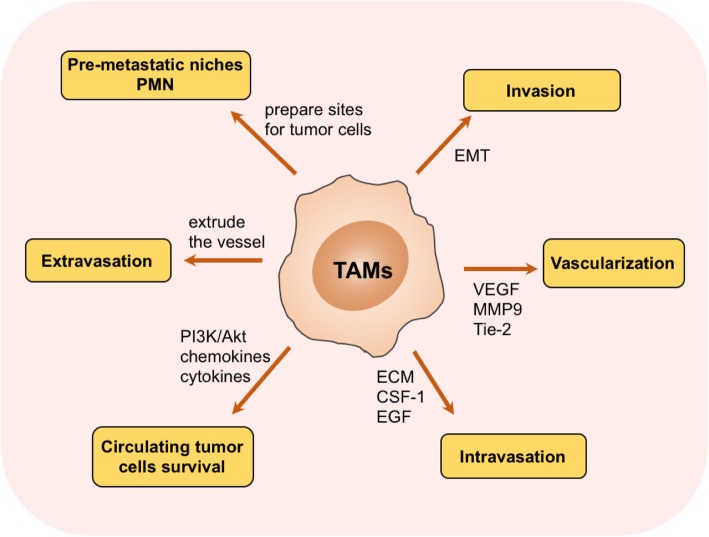
“TAMs promote the development of metastasis by supporting the formation of all five steps (invasion, intravasation, survival in circulation, extravasation, and progressive growth) necessary for cancer cells to metastasize [11].”
InfluentialImmune Evasion in Cancer Metastasis: An Unappreciated Role of Monocytes
Patysheva, M. R., Fedorenko, A. A., Khozyainova, A. A., Denisov, E. V., & Gerashchenko, T. S. (2025) · Cancers · doi:10.3390/cancers17101638 · Cited by 7
“Here, we do not focus on the role of TAMs in the development of metastases, as this is a subject for a separate review, which has already been covered in other publications [89–92].”
Tumor immune cell targeting chimeras reprogram tumor-associated macrophages
Morimoto, M., Roberts, D. S., Wen, R. M., Handy, E., Peterson, E. E., Stepek, G. M., Till, N. A., Brooks, J. D., & Bertozzi, C. R. (2026) · Nature Chemical Biology · doi:10.1038/s41589-026-02258-2 · Cited by 7
“Further discovery and targeting of immune cell receptors upregulated in the TME will expand the scope of this strategy to other immune cell types and checkpoint molecules.”
InfluentialChakraborty, S., Carnazza, M. A., Jarboe, T., DeSouza, N. R., Li, X.-M., Moscatello, A. L., Geliebter, J., & Tiwari, R. K. (2021) · Advances in experimental medicine and biology · doi:10.1007/978-3-030-83282-7_2 · Cited by 10
Sugisawa, N., Miyake, K., Higuchi, T., Oshiro, H., Park, J. H., Kawaguchi, K., Bouvet, M., Unno, M., & Hoffman, R. M. (2022) · Anticancer Research · doi:10.21873/anticanres.15532 · Cited by 7
Meneses, D. D., Figueroa‐Valdés, A. I., Georges, N., Tobar, H. E., & Alcayaga‐Miranda, F. (2022) · Bioengineering & Translational Medicine · doi:10.1002/btm2.10349 · Cited by 7
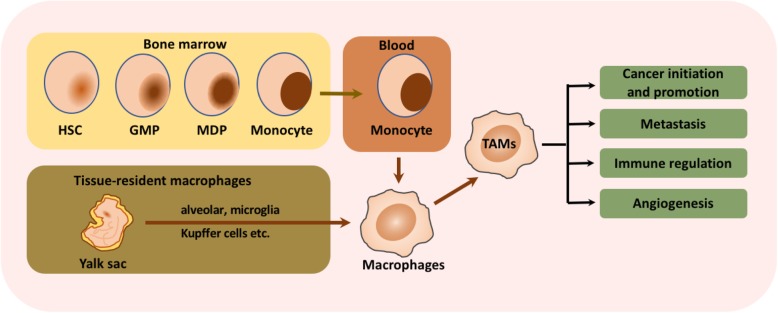
“cancer progression, exerting dramatic impacts on tumor initiation and promotion, metastasis, immune regulation, and angiogenesis.(1,2)”
BackgroundOrigin, production and molecular determinants of macrophages for their therapeutic targeting
Chowdhury, S., & Trivedi, A. K. (2022) · Cell Biology International · doi:10.1002/cbin.11914 · Cited by 9
Tursi, N. J., Xu, Z., Helble, M., Walker, S. N., Liaw, K., Chokkalingam, N., Kannan, T., Wu, Y., Tello‐Ruiz, E., Park, D. H., et al. (2023) · Frontiers in Immunology · doi:10.3389/fimmu.2023.1072810 · Cited by 7
da Silva, T. B., Rendra, E., David, C. A. W., Bieback, K., Cross, M. J., Wilm, B., Liptrott, N. J., & Murray, P. A. (2023) · Biomedicine & Pharmacotherapy · doi:10.1016/j.biopha.2023.115624 · Cited by 7
Jackfruit waste: an invented anticancer therapy using Jacalin lectin from jackfruit seed
Ghosh, P., Muhasina, K. M., Pandey, N., & Basavan, D. (2023) · Anti-Cancer Drugs · doi:10.1097/cad.0000000000001447 · Cited by 10
Li, S., Zeng, Y., He, L., & Xie, X. (2023) · Journal of Cancer · doi:10.7150/jca.89581 · Cited by 7
“In the case of metastatic tumors driven by crosstalk between cancer cells and the TME, tumor-associated immune cells elicit tumor cell immune escape by secreting cytokines, chemokines, and growth factors into the TME, leading to tumor infiltration in other tissues and organs tumor infiltration 14 .”
BackgroundWang, X., Zhong, X., Xie, Z., Zhao, Y., Wang, H., Zhang, Z., Gong, T., Du, G., & Sun, X. (2024) · Chemical Engineering Journal · doi:10.1016/j.cej.2024.153365 · Cited by 13
Zhou, Y., Zhang, X., Gao, Y., Peng, Y., Liu, P., Chen, Y., Guo, C., Deng, G., Ouyang, Y., Zhang, Y., et al. (2024) · iScience · doi:10.1016/j.isci.2024.110318 · Cited by 7
In vitro functional assays to assess the reciprocal interplay between tumor cells and macrophages
Karimova, A. F., Ketkar, A., Suezov, R. V., Khalitova, A. R., Gomzikova, M. O., Mukhamedshina, Y. O., Lauth, M., Huber, M., Simon, H., & Brichkina, A. I. (2024) · The FASEB Journal · doi:10.1096/fj.202400240r · Cited by 7
Syndecan-3 positively regulates the pro-inflammatory function of macrophages
Lee, S. Y., Prieto‐Fernández, E., Egia‐Mendikute, L., Antoñana-Vildosola, A., Velasco-Beltrán, P., Bosch, A., Jiménez-Lasheras, B., de Blas, A., de Durana, J. E.-D., Valdaliso-Díez, E., et al. (2025) · Cellular and Molecular Life Sciences · doi:10.1007/s00018-025-05649-1 · Cited by 10
Жукова, О. В., Архипова, Е. В., Kovaleva, T. F., Ryabov, S. A., Ivanova, I. P., Golovacheva, A. A., Zykova, D. A., & Zaitsev, S. D. (2021) · Molecules · doi:10.3390/molecules26164855 · Cited by 7
The Diagnostic Significance of CXCL13 in M2 Tumor Immune Microenvironment of Human Astrocytoma
Chang, S., Chao, C.-T., Kwan, A., & Chai, C. (2022) · Pathology & Oncology Research · doi:10.3389/pore.2022.1610230 · Cited by 10
Tian, F., HU, H., WANG, D., Ding, H., Chi, Q., Liang, H.-P., & ZENG, W. (2022) · Biocell · doi:10.32604/biocell.2022.020198 · Cited by 7
Huang, A., Lv, B., Zhang, Y., Yang, J., Li, J., Li, C., Yu, Z., & Xia, J. (2022) · Frontiers in Molecular Biosciences · doi:10.3389/fmolb.2022.983840 · Cited by 8
“Macrophages change their functional state by responding to signaling molecules in the TME, and secrete various cytokines (such as IL-1β, IL-6, CXCL-8, IL-10, CCL2, and CSF-1) to interact with various types of cells in the TME, thus playing a momentous role in the regulation of tumor invasiveness, metastasis and drug r…”
BackgroundZhang, X., Bai, W., Hu, L., Ha, H., Du, Y., Xiong, W., Wang, H., & Shang, P. (2022) · Clinical & Translational Oncology · doi:10.1007/s12094-022-02932-6 · Cited by 7
“One example is osteoadhesin (also known as SPARC), which promotes migration by increasing tumor cell-ECM interactions through integrins [119].”
BackgroundChen, Z., Yang, J., Li, Y., Zeng, W., Bai, Y., Ding, C., Xu, C., Li, C., Chen, J., Ju, S., et al. (2022) · Frontiers in Genetics · doi:10.3389/fgene.2022.1010440 · Cited by 9
“chemokines, and other inflammatory mediators (Solinas et al., 2009; Lin et al., 2019).”
ARHGAP39 is a prognostic biomarker involved in immune infiltration in breast cancer
Yao, L., Li, Y., Li, S., Wang, M., Cao, H., Xu, L., & Xu, Y. (2023) · BMC Cancer · doi:10.1186/s12885-023-10904-4 · Cited by 7
“Tumor-associated macrophages exhibit crucial functions in facilitating biological pathologic processes of breast cancer cell and prospect therapeutic strategies for opposing tumor progression [66].”
BackgroundTFEB: a double-edged sword for tumor metastasis
Hu, J.-H., Li, S.-Y., Yu, L., Guan, Z.-R., Jiang, Y.-P., Hu, D., Wang, H., Zhao, L., Zhou, Z.-H., Yan, Y.-X., et al. (2023) · Journal of Molecular Medicine · doi:10.1007/s00109-023-02337-0 · Cited by 7
Chen, K., Zheng, T., Cai, C., Liu, L., Guo, Z., Peng, Y., Zhang, X., & Yang, Z. (2023) · Biomedicines · doi:10.3390/biomedicines11071978 · Cited by 7
“two functional subtypes: M1 macrophages, often associated with antitumor signaling, and M2 macrophages, known to exert protumor effects [33].”
BackgroundInfluentialA critical review: anti-cancer effects of Brucea javanica and the mechanisms
Guo, H., Chen, Y., Wang, J., Ma, H., & Liu, Y. (2022) · Pharmacological Research - Modern Chinese Medicine · doi:10.1016/j.prmcm.2022.100133 · Cited by 7
Gao, S., Feng, X., Wu, Z., Kajigaya, S., & Young, N. S. (2022) · Cancers · doi:10.3390/cancers14194957 · Cited by 7
“Tumor-associated macrophages create an immunosuppressive tumor microenvironment (TME) by producing cytokines, chemokines, and growth factors, and triggering inhibitory immune checkpoint protein release in T cells [18].”
BackgroundCancer-associated keratinocytes: new members of the microenvironment in head and neck cancer
Danella, E. B., de Medeiros, M. C., & D’Silva, N. J. (2021) · Molecular & Cellular Oncology · doi:10.1080/23723556.2021.1933329 · Cited by 7
“For example, cytokines secreted by tumor and stromal cells, and a hypoxic environment, favor M2 polarization of tumor-associated macrophages; these polarized macrophages secrete antiinflammatory cytokines that enhance proliferation, invasion, and metastasis of cancer cells.(4,6) Furthermore, cancerassociated fibroblas…”
BackgroundKou, Y., Tang, H., Gu, F., Shui, M., Liu, S., Guo, H., Xie, Y., Zhu, C., Han, B., & Li, X. (2025) · Chemical and Biological Technologies in Agriculture · doi:10.1186/s40538-025-00843-6 · Cited by 7
“The intricate crosstalk between cancer cells and all kinds of components of the TME, apart from intrinsic alterations in cancer cells, is also involved in malignant cancer progression [5, 6].”
Yang, L., Zhang, Z., Zhang, Y., Wang, L., Zheng, S., Li, Y., Du, D., Yuan, C., Li, H., Zeng, Z., et al. (2025) · In Vitro Cellular & Developmental Biology - Animal · doi:10.1007/s11626-025-01111-5 · Cited by 6
“Macrophages that play cancer-causing roles within the tumor’s microenvironment are classified as TAMs and typically display the M2 phenotype (Lin, et al .”
Cruz, C., & Barba, I. (2026) · Metabolites · doi:10.3390/metabo16010075 · Cited by 7
“Tumour-associated macrophages (TAMs) similarly drive tumour growth and metastatic spread [138,139].”
Roy, R., Haldar, A., Das, P. K., & Biswas, N. (2026) · Critical Reviews in Oncology/Hematology · doi:10.1016/j.critrevonc.2026.105148 · Cited by 6
The RASSF1C-HIF-1α axis drives macrophage lipid metabolism to promote pancreatic cancer
Zhan, T., Huang, M., Chen, M., Chen, W. X., Wang, Y., Chen, X., Zou, Y., Liu, M., Zhu, Q., Tian, X., et al. (2026) · Cell Death and Disease · doi:10.1038/s41419-026-08609-0 · Cited by 6
Li, W., Wei, J., Li, L., & Sun, W. (2026) · Cells · doi:10.3390/cells15090752 · Cited by 7
“…tumor microenvironment, including IL-4, IL-10, IL-13, and TGF-β , these monocytes differentiate into macrophages and polarize into tumor-associated macrophages (TAMs), which perform functions such as immunosuppression, angiogenesis promotion, and facilitation of tumor invasion and metastasis [74].”
Wang, Y., & Li, Y.-R. (2024) · Current Pharmaceutical Biotechnology · doi:10.2174/0113892010265228231116073012 · Cited by 6
Xu, X., Chang, D., Cai, Y., Wang, J., Liu, J., Xu, P., & Ma, Y. (2025) · Nano Biomedicine and Engineering · doi:10.1016/j.nbe.2025.100001 · Cited by 6
O’Donovan, C., Davern, M., Donlon, N. E., Lysaght, J., & Conroy, M. J. (2021) · Cancer Letters · doi:10.1016/j.canlet.2021.09.005 · Cited by 6
“TAMs secrete TGF-β which stimulate T REG differentiation, providing a source of immuno-suppressive IL-10 within the TME [42].”
BackgroundInfluentialWang, J., Yu, L. J., Zhang, C., Chen, X., Zhu, L., & Luo, T. (2021) · Translational Cancer Research · doi:10.21037/tcr-21-1145 · Cited by 6
“In recent years, increasing basic and clinical studies have illustrated that the number and phenotype of tumorlinked macrophages infiltrated in tumor tissues are closely linked to the prognosis of tumor patients (45).”
BackgroundChitosan nanoparticles for therapeutic delivery of anticancer drugs
Arya, G., Gupta, N., & Nimesh, S. (2022) · Elsevier eBooks · doi:10.1016/b978-0-12-822351-2.00018-8 · Cited by 7
Emerging role of ferroptosis-related circular RNA in tumor metastasis
Meng, Y., Cao, J., Li, Y., Duan, S., Zhou, Z., Li, J., Ousmane, D., Ou, C., & Wang, J. (2023) · Frontiers in Pharmacology · doi:10.3389/fphar.2023.1168458 · Cited by 7
Macrophage-Based Therapeutic Strategies in Hematologic Malignancies
Khalili, S., Zeinali, F., Fard, A. M., Taha, S. R., Naghibi, A. F., Bagheri, K., Zadeh, M. S., Eslami, Y., Fattah, K., Asadimanesh, N., et al. (2023) · Cancers · doi:10.3390/cancers15143722 · Cited by 7
“They play a substantial role in tumor progression and metastatic processes through various mechanisms [2,3].”
BackgroundInfluentialLee, S. I., Kim, H., Lim, C. K., Kim, J. D., Heo, J. S., Jung, J.-G., Kim, C., Chon, H. J., & Jeon, J.-W. (2023) · Immunobiology · doi:10.1016/j.imbio.2023.152780 · Cited by 6
Magri, V., Renzi, G. D., Marino, L., Meo, M. D., Siringo, M., Gelibter, A. J., Gareri, R., Cataldi, C., Giannini, G., Santini, D., et al. (2024) · International Journal of Molecular Sciences · doi:10.3390/ijms25073752 · Cited by 6
Chondrosarcoma Co-Culture 3D Model─An Insight to Evaluate Drugs Acting on TAMs
Quoniou, R., Moreau, E., Cachin, F., Blavignac, C., Bortoli, E., Chautard, E., & Peyrode, C. (2024) · ACS Biomaterials Science & Engineering · doi:10.1021/acsbiomaterials.4c00625 · Cited by 6
Matsui, M., Kajikuri, J., Kito, H., Elboray, E. E., Suzuki, T., & Ohya, S. (2024) · International Journal of Molecular Sciences · doi:10.3390/ijms25179612 · Cited by 6
“TAMs represent up to 50% of the tumor mass in solid tumors and support the survival of cancer stem cells by inhibiting immunosurveillance [6].”
BackgroundMacrophage-derived lncRNAs in cancer: regulators of tumor progression and therapeutic targets
Suliman, M., Saleh, R. O., Chandra, M., Rasool, K. H., Jabir, M. S., Jawad, S. F., Hasan, T. F., Singh, M., Singh, M., & Singh, A. (2025) · Medical Oncology · doi:10.1007/s12032-025-02643-2 · Cited by 7
“Additional strategies involve TAM-depleting agents, such as Trabectedin and Zoledronic acid, which promote M1 polarization [100].”
Ray, S. K., & Mukherjee, S. (2022) · Current Drug Targets · doi:10.2174/1389450123666220111114649 · Cited by 6
Wang, C., Lu, T., Xu, R., Luo, S., Zhao, J., & Zhang, L. (2022) · Computational and Structural Biotechnology Journal · doi:10.1016/j.csbj.2022.08.067 · Cited by 6
“4764 by anti-inflammatory, profibrotic, proangiogenic, and immunosuppressive effects [38].”
BackgroundDual identity of tumor-associated macrophage in regulated cell death and oncotherapy
Shao, Y., Wang, Y., Su, R., Pu, W., Chen, S., Fu, L., Yu, H., & Qiu, Y. (2023) · Heliyon · doi:10.1016/j.heliyon.2023.e17582 · Cited by 7
“Inhibition of M2-type macrophages or conversion of M2-type macrophages to M1-type macrophages is a common strategy for the treatment of solid tumors [23].”
BackgroundHuang, Z., Yang, H., Lao, J., & Deng, W. (2023) · PLoS ONE · doi:10.1371/journal.pone.0287303 · Cited by 6
Development of nano-immunotherapy for cancer treatment: achievements and scopes
Raj, A., Babu, A., Kothandan, V. K., Park, I., & Hwang, S. R. (2023) · Journal of Pharmaceutical Investigation · doi:10.1007/s40005-023-00644-9 · Cited by 6
“Moreover, M2 TAMs play a key role in I-E TIME formation by participating in the production of anti-inflammatory cytokines (Lin et al. 2019).”
BackgroundEstablishment and characterization of a highly metastatic hepatocellular carcinoma cell line
Huang, J., Sun, M., Wang, M., Yu, A., Zheng, H., Bu, C., Zhou, J., Zhang, Y., Qiao, Y., & Hu, Z. (2024) · Bioengineered · doi:10.1080/21655979.2023.2296775 · Cited by 6
“Second, the liver microenvironment could form a favorable niche for tumor growth and the migration of orthotopic tumor cells in the vasculature were encompassed and sheltered by clots and macrophages [57].”
Cai, H., Lin, Y., Wu, Y., Wang, Y., Li, S., Zhang, Y., Zhuang, J., Liu, X., & Guan, G. (2024) · Heliyon · doi:10.1016/j.heliyon.2024.e28673 · Cited by 8
“Lastly, the levels of cytokines secreted by M2 macrophages across different risk scores were determined [27,28].”
BackgroundSelf-citationKavvadas, E. (2020) · Medical Hypotheses · doi:10.1016/j.mehy.2020.110286 · Cited by 6
Tumor-Released Products Promote Bone Marrow-Derived Macrophage Survival and Proliferation
Motta, J. M., Rumjanek, V. M., Mantovani, A., & Locati, M. (2021) · Biomedicines · doi:10.3390/biomedicines9101387 · Cited by 8
“Macrophages constitute an essential part of the tumor mass and microenvironment, and their function might be important for tumor progression in terms of diverse aspects such as angiogenesis, tumor cell invasion, motility, survival, and premetastatic niche establishment [8,21,22,37].”
BackgroundChemokine clouding and liver cancer heterogeneity: Does it impact clinical outcomes?
Ahmad, M., Dhasmana, A., Harne, P. S., Zamir, A., & Hafeez, B. B. (2022) · Seminars in Cancer Biology · doi:10.1016/j.semcancer.2022.02.015 · Cited by 7
Lin, X., Zhan, J., Guan, Z., Zhang, J., Li, T., Zhong, L., Zhang, C., & Li, M. (2024) · Clinical & Translational Oncology · doi:10.1007/s12094-024-03587-1 · Cited by 6
Jędrzejewski, T., Sobocińska, J., Maciejewski, B., Spisz, P., Walczak‐Skierska, J., Pomastowski, P., & Wrotek, S. (2024) · Immunologic Research · doi:10.1007/s12026-024-09574-6 · Cited by 5
“In contrast, M2 cells assist cancer cells in metastasis, angiogenesis, and proliferation by secretion of anti-inflammatory and pro-angiogenic cytokines and growth factors [10].”
Hanafi, Z. B., Mei, Y., Teo, H. Y., Zhu, Y., Lionel, C. C. Y., Chiu, J. W., Lu, J., & Liu, H. (2025) · OncoImmunology · doi:10.1080/2162402x.2025.2451444 · Cited by 6
Lai, G., Zhao, X., Chen, Y., Xie, T., Su, Z., Lin, J., Chen, K., & Chen, K. (2025) · International Immunopharmacology · doi:10.1016/j.intimp.2025.114260 · Cited by 5
Intravital Imaging of Immune Responses in the Cancer Microenvironment
Hirao, H., Honda, M., Tomita, M., Li, L., Adawy, A., Xue, W., & Hibi, T. (2025) · Cancer Medicine · doi:10.1002/cam4.70899 · Cited by 5
Kouro, T., Sasada, T., & Imai, K. (2025) · International Immunopharmacology · doi:10.1016/j.intimp.2025.115010 · Cited by 5
Najjary, S., al Amery, N., Huang, M., Vadgama, D., van Akkooi, A. C. J., Gilhuis, H. J., Belcaid, Z., Mustafa, D. A. M., & Kros, J. M. (2025) · Frontiers in Immunology · doi:10.3389/fimmu.2025.1578986 · Cited by 5
Kwon, D., Park, H. W., Min, B. S., & Choi, J. (2025) · Scientific Reports · doi:10.1038/s41598-025-13309-4 · Cited by 5
“While previous research has focused mainly on cancer cell-intrinsic changes, it is now evident that tumor progression is also regulated by interactions with the tumor microenvironment (TME) 2,3 including adipocytes, fibroblasts, and macrophages 4–6 .”
Shao, C., Qiao, S., Meng, Y., He, T., Cui, L., & He, J. (2025) · The FASEB Journal · doi:10.1096/fj.202500974r · Cited by 5
“In the immune components of TME, TAMs are highly abundant and play a pivotal role [2–5].”
Wang, M., Xie, Z., Tan, Y., Zhou, Y., Wang, S., Zhang, P., & Li, J. (2025) · Human Cell · doi:10.1007/s13577-025-01300-0 · Cited by 5
“These phenotypes include proinflammatory M1 macrophages and anti-inflammatory M2 macrophages [10].”
Qian, H., Yang, M., Wang, P., Graça, L., Sun, H., & Li, C. (2025) · Biomaterials · doi:10.1016/j.biomaterials.2025.123779 · Cited by 6
Zhou, Y., Liu, X., Xiao, G., Li, G., He, X., Tang, L., Wang, X., Lin, Y., Lei, J., Jing, J., et al. (2025) · British Journal of Cancer · doi:10.1038/s41416-025-03241-9 · Cited by 6
“…adjacent tissues, (3) intravasation into the surrounding vasculature or lymphatic system, (4) surviving in the circulations of blood or lymph fl uid, (5) extravasation from vasculature to targeted tissue, and fi nally, (6) adapt and fl ourish in the microenvironment of targeted tissues [3, 8].”
Self-citationTargeting C3a and C5a Signaling—A Game Changer for Cancer Therapy?
Hudgins, H., Molina, V., Wiernicki, S., Okwuegbe, K., Feng, X., & Wang, H. (2025) · Biology · doi:10.3390/biology14111491 · Cited by 5
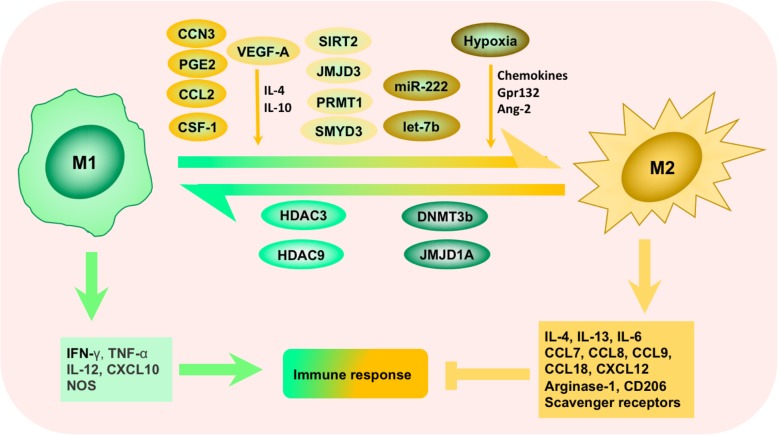
“Factors such as hypoxia, tumor-derived cytokines (e.g., IL-4 and IL-13), and metabolic alterations contribute to the polarization of macrophages towards an M2-like phenotype [48].”
Mohapatra, S., Guerrero, A., Rahman, N., Zaman, K., Wu, J., Onyeagba, C., Hu, C., Pellegrini, M. A., Jayaram, V., Kitamura, S., et al. (2025) · Cells · doi:10.3390/cells14211703 · Cited by 5
“This approach involves the reprogramming of the M2-like TAMs in the tumor microenvironment (TME) into the M1-like state to eliminate GBM [3].”
CRISPR–Cas9 Therapeutics in Early Clinical Development: Delivery and Molecular Diagnostics
Rutkowska, A., Strózik, T., Wasiak, T., Ciunowicz, D., Kapelan, N., Szczepaniak, N., Sosnowski, J., Goślińska, W., Bartkowiak, J., Budny-Lewandowska, A., et al. (2026) · Cells · doi:10.3390/cells15070644 · Cited by 5
Metadata
- Authors
- Lin, Y., Xu, J., & Lan, H.
- Affiliations
- University of Michigan (US)
- Corresponding author
- Xu, Jianxin
- Lan, Huiyin
- Venue
- Journal of Hematology & Oncology
- Published
- 2019-07-12
- Volume
- 12
- Issue
- 1
- Pages
- 76-76
- ISSN
- 1756-8722 (ISSN-L)
- PMC
- PMC6626377
- OpenAlex
- W2960078024
- Cited by
- 1,398
- References
- 179
- Citations by year
- 2026: 83 · 2025: 191 · 2024: 234 · 2023: 274 · 2022: 280 · 2021: 209 · 2020: 114 · 2019: 12
- FWCI
- 13.31
- Type
- journal article
- Language
- en
- Open access
- gold
- doi.org
- Licence
- cc-by
- creativecommons.org/licenses/by/4.0/ (tdm)
- creativecommons.org/licenses/by/4.0/ (vor)
- Locations
- Journal of Hematology & Oncology (publishedVersion, cc-by)
- PubMed Central (publishedVersion, cc-by)
- PubMed (publishedVersion)
- Deep Blue (University of Michigan) (submittedVersion)
- DOAJ (DOAJ: Directory of Open Access Journals) (submittedVersion, cc-by-sa)
- Topics
- Life Sciences › Immunology and Microbiology › Immunology › Immune cells in cancer
- Health Sciences › Medicine › Oncology › Cancer Immunotherapy and Biomarkers
- Health Sciences › Medicine › Oncology › Cancer Cells and Metastasis
- Keywords
- tumor-associated macrophages, metastasis, tumor microenvironment, immunosuppression, TAM polarization, immune checkpoint blockade, TAM-targeted therapy, cancer immunotherapy
- MeSH terms
- Animals, Antineoplastic Agents, Humans, Macrophages, Neoplasm Invasiveness, Neoplasm Metastasis, Neoplasms, Cytokines, Tumor Microenvironment
About these checks
Registry, retraction, Cites and statistics results are computed, not judged, with one exception: a printed reference that no index lists is read once by a model before it counts as a citation error. Claims are extracted by a model and kept only when their quote appears verbatim in the text; each cited source is then checked, with a model’s help, for whether it says what the claim relies on. Those verdicts can be wrong — read the claim’s quote and the cited source before relying on one.
Statistics and arithmetic are recomputed, not judged.
Confidence bands are shown only for fields calibrated on our annotated test set. None is calibrated yet, so no band is shown.
What counts as a claim ›How we measure confidence ›How we check this ›
Are you an author, or do you see a problem with this page? Request a review
Data sources
Bibliographic data: Semantic Scholar, OpenAlex, Crossref.
Contains information from the Semantic Scholar Academic Graph Datasets, made available under the ODC Attribution License (ODC-BY 1.0).
Semantic Scholar’s data is described in: Kinney, R., et al. (2023). The Semantic Scholar Open Data Platform. arXiv:2301.10140.
