

Tumor-associated macrophages in tumor metastasis: biological roles and clinical therapeutic applications
Open accessThe DOI matches its Crossref record; 178 of the 179 references it cites were found in a registry or an index.
Abstract
Tumor metastasis is a major contributor to the death of cancer patients. It is driven not only by the intrinsic alterations in tumor cells, but also by the implicated cross-talk between cancer cells and their altered microenvironment components. Tumor-associated macrophages (TAMs) are the key cells that create an immunosuppressive tumor microenvironment (TME) by producing cytokines, chemokines, growth factors, and triggering the inhibitory immune checkpoint proteins release in T cells. In doing so, TAMs exhibit important functions in facilitating a metastatic cascade of cancer cells and, meanwhile, provide multiple targets of certain checkpoint blockade immunotherapies for opposing tumor progression. In this article, we summarize the regulating networks of TAM polarization and the mechanisms underlying TAM-facilitated metastasis. Based on the overview of current experimental evidence dissecting the critical roles of TAMs in tumor metastasis, we discuss and prospect the potential applications of TAM-focused therapeutic strategies in clinical cancer treatment at present and in the future.
Overview
The claims and statistics of this paper haven’t been checked yet.
Free: it reads the open-access text and checks the first 5 claims that cite a source we can check. Create a free account to check every claim.
Integrity signals
Registry
Cites
Statistics
Figures
Verification
Claims the paper makes
The claims and statistics of this paper haven’t been checked yet.
Free: it reads the open-access text and checks the first 5 claims that cite a source we can check. Create a free account to check every claim.
Claims other papers make about this one
Each is checked against this paper’s own text: does it say what the citing paper says it does?
The cited source says what the claim attributes to it.
In the citing paper
“Clinical studies and experimental animal models suggest that TAM commonly plays a pro-tumoral role in various ways [89, 96, 97].”
From Tumor microenvironment complexity and therapeutic implications at a glance (2020) · cites this paper as [96]
The cited source says what the claim attributes to it.
In the citing paper
“Accordingly, TAM-based therapeutic strategies are being developed that aim at TAM targeting, TAM re-education, and TAM depletion [88, 96, 101, 102].”
From Tumor microenvironment complexity and therapeutic implications at a glance (2020) · cites this paper as [96]
Self-check
Percentages, sums and reported differences re-computed from the paper’s own numbers.
The self-check needs the paper’s full text.
Citations
Cites
Molecular mechanisms of epithelial–mesenchymal transition
Lamouille, S., Xu, J., & Derynck, R. (2014) · Nature Reviews Molecular Cell Biology · doi:10.1038/nrm3758 · Cited by 8,091
Self-citationMicroenvironmental regulation of tumor progression and metastasis
Quail, D. F., & Joyce, J. A. (2013) · Nature Medicine · doi:10.1038/nm.3394 · Cited by 7,994 · cited 3×
“most of the current paradigms are designed to eliminate or interdict tumor cells themselves while the successful outgrowth of metastases is largely influenced by nonmalignant cells of the tumor microenvironment (TME) [5, 6, 82].”
BackgroundMolecular Mechanisms of Stress-Responsive Changes in Collagen and Elastin Networks in Skin
Aziz, J., Shezali, H., Radzi, Z., Yahya, N. A., Abu Kassim, N. H., Czernuszka, J., & Rahman, M. T. (2016) · Skin Pharmacology and Physiology · doi:10.1159/000447017 · Cited by 7,323
MANTOVANI, A., SOZZANI, S., LOCATI, M., ALLAVENA, P., & SICA, A. (2002) · Trends in Immunology · doi:10.1016/s1471-4906(02)02302-5 · Cited by 5,528 · cited 1×
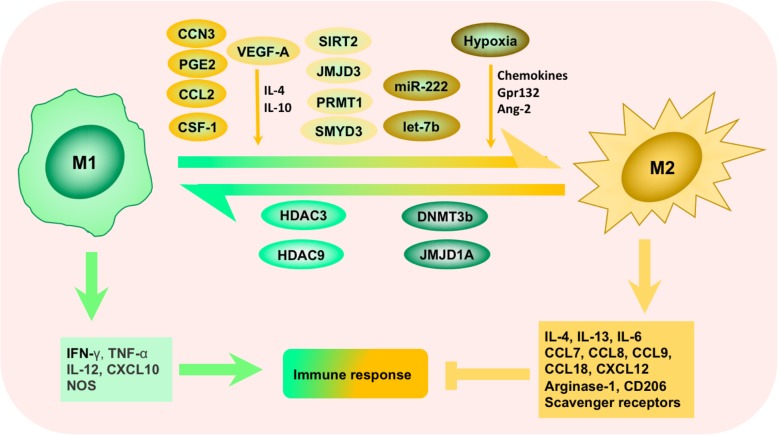
“The conversion between M1 (anti-tumorigenesis) and M2 (pro-tumorigenesis) is a biological process named “macrophage polarization” in response to microenvironmental signals [26].”
BackgroundInvolvement of chemokine receptors in breast cancer metastasis
Müller, A., Homey, B., Soto, H., Ge, N., Catron, D., Buchanan, M. E., McClanahan, T., Murphy, E., Yuan, W., Wagner, S. N., et al. (2001) · Nature · doi:10.1038/35065016 · Cited by 5,340
The distribution of secondary growths in cancer of the breast.
Paget, S. (1889) · The Lancet · doi:10.1016/s0140-6736(00)49915-0 · Cited by 5,277 · cited 1×
“In addition to the alterations of the intrinsic properties in tumor cells, the “seed and soil” concept, firstly proposed by Stephen Paget in 1889, has been widely accepted as a critical theory to do with metastasis [4].”
BackgroundMonocyte and macrophage heterogeneity
Gordon, S., & Taylor, P. R. (2005) · Nature Reviews Immunology · doi:10.1038/nri1733 · Cited by 5,190 · cited 1×
“However, both trabectedin and lurbinectedin cannot avoid the side effects arisen by unselectively macrophage consumption since macrophages closely participated in host defense and homeostatic regulation [140].”
BackgroundMacrophage Diversity Enhances Tumor Progression and Metastasis
Qian, B.-Z., & Pollard, J. W. (2010) · Cell · doi:10.1016/j.cell.2010.03.014 · Cited by 5,188 · cited 3×
“In addition, tumor graft models showed that CSF-1 depletion led to greatly reduced macrophage density, delayed tumor progression, and severely inhibited metastasis [22, 24, 42, 43].”
BackgroundMatrix Metalloproteinases: Regulators of the Tumor Microenvironment
Kessenbrock, K., Plaks, V., & Werb, Z. (2010) · Cell · doi:10.1016/j.cell.2010.03.015 · Cited by 5,151
Macrophage biology in development, homeostasis and disease
Wynn, T. A., Chawla, A., & Pollard, J. W. (2013) · Nature · doi:10.1038/nature12034 · Cited by 4,684 · cited 1×
“Macrophages are a type of versatile immunocytes, executing a broad spectrum of functions that range from modulating tissue homeostasis, defensing against pathogens, and facilitating wound healing [11].”
Background
Research works printed but not linked: 1
- Torres-Collado SPJSZSJBA Targeting distinct tumor-infiltrating myeloid cells by inhibiting CSF-1 receptor: combating tumor evasion of antiangiogenic therapy Blood 2010 115 7 1461 10.1182/blood-2009-08-237412 20008303 PMC2826767 · DOI · Paper page
Cited by
Items 401–500 of 1,000
Chen, M., Singh, A. K., & Repasky, E. A. (2020) · Cancers · doi:10.3390/cancers12123853 · Cited by 34
Endolysosomal TRPMLs in Cancer
Xu, M., & Dong, X. (2021) · Biomolecules · doi:10.3390/biom11010065 · Cited by 36
Ezrin gone rogue in cancer progression and metastasis: An enticing therapeutic target
Barik, G. K., Sahay, O., Paul, D., & Santra, M. K. (2022) · Biochimica et Biophysica Acta (BBA) - Reviews on Cancer · doi:10.1016/j.bbcan.2022.188753 · Cited by 36
Wei, R., Song, J., Pan, H., Liu, X., & Gao, J. (2024) · OncoImmunology · doi:10.1080/2162402x.2024.2352179 · Cited by 38
“12 Notably, CAF-secreted molecules like interleukin-6 (IL-6) are implicated in inducing the M2-like phenotype of macrophages in several cancer types.”
BackgroundVos, J. L., Traets, J. J. H., Qiao, X., Seignette, I. M., Peters, D. D. G. C., Wouters, M. W. J. M., Hooijberg, E., Broeks, A., van der Wal, J. E., Karakullukçu, B., et al. (2024) · JCI Insight · doi:10.1172/jci.insight.179982 · Cited by 37
George, C. N., Canuas-Landero, V., Theodoulou, E., Muthana, M., Wilson, C., & Ottewell, P. D. (2020) · Journal of bone oncology · doi:10.1016/j.jbo.2020.100317 · Cited by 34
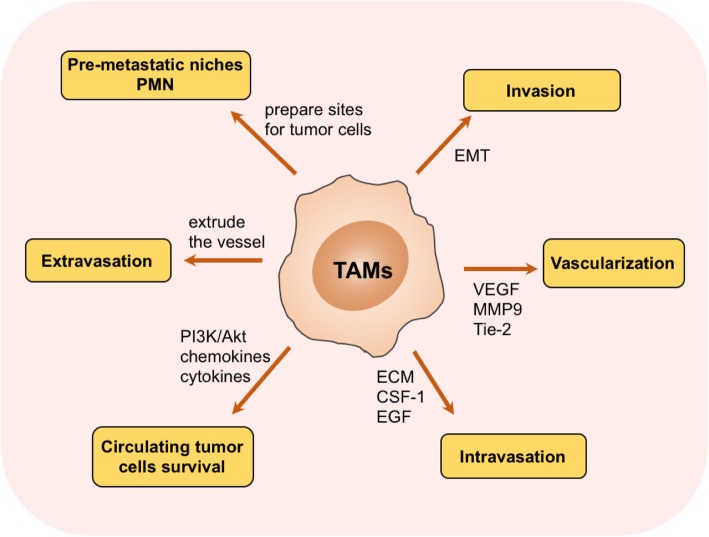
“vascularisation, intravasation, circulating tumour cell survival, extravasation and pre-metastatic niche formation [109].”
BackgroundNeupane, K. R., McCorkle, J. R., Kopper, T. J., Lakes, J. E., Aryal, S. P., Masud, A. A., Snell, A. A., Gensel, J. C., Kolesar, J., & Richards, C. I. (2021) · ACS Omega · doi:10.1021/acsomega.0c05632 · Cited by 35
Palacios-Acedo, A.-L., Langiu, M., Crescence, L., Mège, D., Dubois, C., & Panicot‐Dubois, L. (2022) · Cancers · doi:10.3390/cancers14030730 · Cited by 35
“These secreted molecules contribute to the local TCIPA as well as recruit immune cells such as tumor-associated neutrophils and macrophages into the tumoral stroma [49,50].”
BackgroundShen, M., Du, Y., & Ye, Y. (2021) · Medical Review · doi:10.1515/mr-2021-0014 · Cited by 34
“Other aspects have been reviewed in detail previously [30, 31].”
BackgroundRepolarization of Tumor-Infiltrating Myeloid Cells for Augmentation of CAR T Cell Therapies
Luo, W., Napoleon, J. V., Zhang, F., Lee, Y. G., Wang, B., Putt, K. S., & Low, P. S. (2022) · Frontiers in Immunology · doi:10.3389/fimmu.2022.816761 · Cited by 35
“Not surprisingly, the abundance of TAMs/MDSCs generally correlates with poor patient survival (13–15), leading many to hypothesize that eliminating or reprogramming TAMs and MDSCs should augment immunotherapies (16, 37, 39).”
BackgroundCarpen, L., Falvo, P., Orecchioni, S., Mitola, G., Hillje, R., Mazzara, S., Mancuso, P., Pileri, S. A., Raveane, A., & Bertolini, F. (2022) · Cell Death Discovery · doi:10.1038/s41420-022-00893-x · Cited by 37
“This confirms their known pro-tumoral activity [60].”
Saleemi, M. A., Yahaya, N., Zain, N. N. M., Raoov, M., Yong, Y. K., Noor, N. S., & Lim, V. (2022) · Pharmaceuticals · doi:10.3390/ph15101228 · Cited by 36
“CBD (10), Capazepine, AM251, AM630 0–10 μM Reduced cell viability, ER stress-induced autophagy and apoptosis, suppression of Akt, and mTOR signalling [90]”
BackgroundMacrophage scavenger receptors: Tumor support and tumor inhibition
Kazakova, E., Iamshchikov, P. S., Larionova, I., & Kzhyshkowska, J. G. (2023) · Frontiers in Oncology · doi:10.3389/fonc.2022.1096897 · Cited by 34
Serratì, S., Fonte, R., Porcelli, L., Summa, S. D., Risi, I. D., Fucci, L., Ruggieri, E., Marvulli, T. M., Strippoli, S., Fasano, R., et al. (2023) · Journal of Experimental & Clinical Cancer Research · doi:10.1186/s13046-023-02808-9 · Cited by 34
“We therefore investigated whether the presence of circulating EVs modified the migration ability of BRAF wt LND-1 cells, which showed an increased invasive behaviour after ICI, towards the M0 non-activated macrophages that represent the metastatic niche in our simplified cellular model [26].”
BackgroundUnsupervised Spatially Embedded Deep Representation of Spatial TranscriptomicsPreprint
Chen, J., Fu, H., Xu, H., Chong, K., Li, M., Ang, K. S., Lee, H. K., Ling, J., Chen, A., Shao, L., et al. (2021) · Research Square · doi:10.21203/rs.3.rs-665505/v1 · Cited by 34
Recent Advances and Mechanisms of Phage-Based Therapies in Cancer Treatment
Ooi, V. Y., & Yeh, T. (2024) · International Journal of Molecular Sciences · doi:10.3390/ijms25189938 · Cited by 34
“Multiple mechanisms to target M2 TAMs can include but are not limited to their elimination (through host defense system or gene suicide), impairment of movement, or prevention of M1 to M2 polarization [94].”
BackgroundHwang, S., Park, J., Koo, S.-Y., Lee, S.-Y., Jo, Y., Ryu, D., Go, H., & Lee, C. (2025) · Nature Communications · doi:10.1038/s41467-025-56440-6 · Cited by 32
“Given that TAMs are highly associated with M2 macrophage types 29 , we speculated that Pellino1-mKO mice might have fewer M2 macrophages than WT mice.”
Zhao, B., Hui, X., Zeng, H., Yin, Y., Huang, J., Tang, Q., Ge, G., & Lei, T. (2021) · Frontiers in Oncology · doi:10.3389/fonc.2021.634851 · Cited by 34
“Macrophages are the most prominent component of leukocytes that infiltrate tumour-bearing mice and humans with various types of cancers (41).”
BackgroundLv, Q., Pan, X., Wang, D., Rong, Q., Ma, B., Xie, X., Zhang, Y., Wang, J., & Hu, L. (2021) · Journal of Medicinal Chemistry · doi:10.1021/acs.jmedchem.1c01184 · Cited by 32
Extracellular Vesicles in Lung Cancer Metastasis and Their Clinical Applications
Saviana, M., Romano, G., Le, P., Acunzo, M., & Nana-Sinkam, P. S. (2021) · Cancers · doi:10.3390/cancers13225633 · Cited by 34
Nanotechnology-Based siRNA Delivery Systems to Overcome Tumor Immune Evasion in Cancer Immunotherapy
Deng, K., Yang, D., & Zhou, Y. (2022) · Pharmaceutics · doi:10.3390/pharmaceutics14071344 · Cited by 33
“Thus, inhibiting macrophage infiltration, preventing the formation of M2-like TAMs, repolarizing majority M2-like TAMs to M1-like TAMs, or epigenetically suppressing the release of M2-like TAM-induced factors in the TME may all be plausible for TAMs-targeted cancer immunotherapy [103].”
BackgroundThe roles and targeting options of TRIM family proteins in tumor
Zhang, Y., Zhang, W., Zheng, L., & Guo, Q. (2022) · Frontiers in Pharmacology · doi:10.3389/fphar.2022.999380 · Cited by 34
“Metastasis is the main cause of tumor-related death (Lin et al., 2019).”
BackgroundDistinct T helper cell-mediated antitumor immunity: T helper 2 cells in focus
Silva, R. C. M. C., Lopes, M. F., & Travassos, L. H. (2022) · Cancer Pathogenesis and Therapy · doi:10.1016/j.cpt.2022.11.001 · Cited by 33
“139,140 The role of other myeloid cells in antitumor immunity has also been evaluated.”
BackgroundFeng, J.-F., XU, B., DAI, C., WANG, Y., ., G. X., YANG, W., Zhang, B., LI, X., & Wang, J. (2021) · Oncology Research Featuring Preclinical and Clinical Cancer Therapeutics · doi:10.32604/or.2022.03554 · Cited by 32
“M1 macrophages exhibit tumoricidal activities, whereas M2 macrophages facilitate tumor progression by enhancing tumor angiogenesis and metastasis [9,10].”
BackgroundInflammation in Urological Malignancies: The Silent Killer
Catalano, M., Roviello, G., Santi, R., Villari, D., Spatafora, P., Galli, I. C., Sessa, F., Conte, F. L., Mini, E., Cai, T., et al. (2023) · International Journal of Molecular Sciences · doi:10.3390/ijms24010866 · Cited by 33
Transforming Growth Factor-β1 in Cancer Immunology: Opportunities for Immunotherapy
Villar, V. H., Subotički, T., Đikić, D., Ajtić, O. M., Simón, F., & Santibanez, J. F. (2023) · Advances in experimental medicine and biology · doi:10.1007/978-3-031-26163-3_17 · Cited by 34
Nanotechnology Applications in Breast Cancer Immunotherapy
Wang, R., Kumar, P., Reda, M. M., Wallstrum, A., Crumrine, N. A., Ngamcherdtrakul, W., & Yantasee, W. (2023) · Small · doi:10.1002/smll.202308639 · Cited by 37
Habib, S., Osborn, G., Willsmore, Z. N., Chew, M. W., Jakubow, S., Fitzpatrick, A., Wu, Y., Sinha, K., Lloyd-Hughes, H., Geh, J. L. C., et al. (2024) · Expert Review of Clinical Immunology · doi:10.1080/1744666x.2024.2326626 · Cited by 35
“TAMs can play a key role in promoting a metastatic cascade of cancer cells within melanoma [2].”
BackgroundStresses in the metastatic cascade: molecular mechanisms and therapeutic opportunities
Shen, M., & Kang, Y. (2020) · Genes & Development · doi:10.1101/gad.343251.120 · Cited by 34
“M2 macrophages in turn secrete a variety of anti-inflammatory cytokines such as IL-4, IL-10, and IL-13, as well as expressing abundant arginase-1, mannose receptor, and scavenger receptors to relieve immune stress and promote cancer metastasis (Lin et al. 2019; Su et al. 2019).”
BackgroundMoutabian, H., Radi, U. K., Saleman, A. Y., Adil, M., Zabibah, R. S., Chaitanya, M., Saadh, M. J., Jawad, M. J., Hazrati, E., Bagheri, H., et al. (2023) · Pathology - Research and Practice · doi:10.1016/j.prp.2023.154789 · Cited by 35
Tumor microenvironment and CAR‐T cell immunotherapy in B‐cell lymphoma
Cai, F., Zhang, J., Gao, H. Y., & Shen, H. (2023) · European Journal Of Haematology · doi:10.1111/ejh.14103 · Cited by 32
“51 – 54 These factors are involved in various signaling pathways that promote tissue remodeling, angiogenesis, and immune suppression.”
BackgroundKim, J., Kim, M., Yong, S., Han, H., Kang, S., Lahiji, S. F., Kim, S. J., Hong, J., Seo, Y., & Kim, Y. H. (2023) · Biomaterials Research · doi:10.1186/s40824-023-00470-y · Cited by 31
“Also, the interaction of SIRPα on macrophages and CD47 on cancer cells inhibits the clearance of cancer cells via phagocytosis [19].”
BackgroundThe impact of the tumor microenvironment on macrophages
Xiao, M., & Li, X. (2025) · Frontiers in Immunology · doi:10.3389/fimmu.2025.1572764 · Cited by 31
“This classi fi cation was based on speci fi c molecular expression, indicating that the TAM subtypes may be closely related to their functions in processes such as metastasis, angiogenesis, and immune regulation (10).”
Breast Tumor Microenvironment: Emerging target of therapeutic phytochemicals
Malla, R. R., Deepak, K. G. K., Merchant, N., & Dasari, V. R. (2020) · Phytomedicine · doi:10.1016/j.phymed.2020.153227 · Cited by 31
Yang, L., Li, T., Shi, H., Zhou, Z., Huang, Z., & Lei, X. (2020) · Expert Review of Gastroenterology & Hepatology · doi:10.1080/17474124.2021.1848543 · Cited by 33
Waldenmaier, M., Seibold, T., Seufferlein, T. T. W., & Eiseler, T. (2021) · Cancers · doi:10.3390/cancers13194844 · Cited by 33
Fridrichová, I., Kalinkova, L., & Čierniková, S. (2022) · International Journal of Molecular Sciences · doi:10.3390/ijms232012141 · Cited by 32
“Their essential role is the protection of cancer cells against immune response by producing several cytokines, chemokines, and growth factors [88,107,108].”
BackgroundAltered lipid metabolism as a predisposing factor for liver metastasis in MASLD
Kim, S. J., & Hyun, J. (2024) · Molecules and Cells · doi:10.1016/j.mocell.2024.100010 · Cited by 30
Mei, S., Alchahin, A. M., Embaie, B. T., Gavriliuc, I. M., Verhoeven, B. M., Zhao, T., Li, X., Jeffries, N. E., Pepich, A., Sarkar, H., et al. (2024) · JCI Insight · doi:10.1172/jci.insight.173337 · Cited by 32
“TAM are known to produce proteolytic enzymes that degrade the bone matrix, allowing the tumor cells to penetrate and migrate to the bone (72).”
BackgroundRole and regulation of FOXO3a: new insights into breast cancer therapy
Mei, W., Mei, B., Chang, J., Liu, Y., Zhou, Y., Zhu, N., & Hu, M. (2024) · Frontiers in Pharmacology · doi:10.3389/fphar.2024.1346745 · Cited by 32
Tumor-derived miR-6794-5p enhances cancer growth by promoting M2 macrophage polarization
Choi, J. Y., Seok, H. J., Lee, D. H., Lee, E., Kim, T., Bae, S., Shin, I., & Bae, I. H. (2024) · Cell Communication and Signaling · doi:10.1186/s12964-024-01570-5 · Cited by 30
“Accumulation of tumor-associated macrophages (TAMs) in solid tumors is known to be associated with poor patient prognosis and has therefore been recognized as a potential diagnostic and prognostic biomarker for cancer [7, 8].”
BackgroundLauwers, Y., Groof, T. W. M. D., Vincke, C., Craenenbroeck, J. V., Jumapili, N. A., Barthelmess, R. M., Courtoy, G. E., Waelput, W., Pauw, T. D., Raes, G., et al. (2024) · Proceedings of the National Academy of Sciences · doi:10.1073/pnas.2409668121 · Cited by 32
“The immunosuppressive or protumori-genic TAMs are typically characterized by the surface markers CD163, CD204, and CD206 and they secrete anti - inflammatory cytokines such as IL - 10 ( 9 , 10 ).”
Attri, A., Thakur, D. S., Kaur, T., Sensale, S., Peng, Z., Kumar, D., & Singh, R. P. (2020) · Molecular Pharmaceutics · doi:10.1021/acs.molpharmaceut.0c00730 · Cited by 30
Underlying metastasis mechanism and clinical application of exosomal circular RNA in tumors (Review)
Wei, X., Shi, Y., Dai, Z., Wang, P., Meng, X., & Yin, B. (2021) · International Journal of Oncology · doi:10.3892/ijo.2021.5179 · Cited by 30
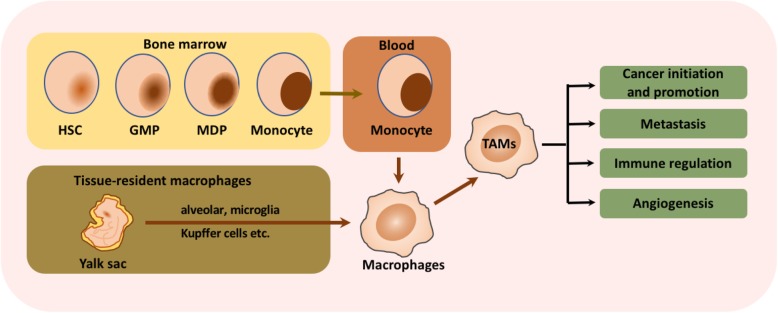
“TAMs play multi‐functional roles in tumor progression, including cancer initiation and promotion, immune regulation, metastasis and angiogenesis (60).”
BackgroundNotch signaling in female cancers: a multifaceted node to overcome drug resistance
Giuli, M. V., Mancusi, A., Giuliani, E., Screpanti, I., & Checquolo, S. (2021) · Cancer Drug Resistance · doi:10.20517/cdr.2021.53 · Cited by 31
Liu, Y., Shang, W., Liu, H., Hui, H., Wu, J., Zhang, W., Gao, P., Guo, K., Guo, Y., & Tian, J. (2022) · Journal of Nanobiotechnology · doi:10.1186/s12951-022-01248-5 · Cited by 32
“TAMs are typically differentiated into anti-tumoral M1-like and pro-tumoral M2-like phenotype according to their polarization states [6, 7].”
BackgroundJorquera‐Cordero, C., Lara, P., Cruz, L. J., Schomann, T., van Hofslot, A., de Carvalho, T. G., Guedes, P. M. D. M., Creemers, L. B., Koning, R. I., Chan, A. B., et al. (2022) · Pharmaceutics · doi:10.3390/pharmaceutics14051068 · Cited by 30
A novel immune checkpoint siglec-15 antibody inhibits LUAD by modulating mφ polarization in TME
Xiao, X., Peng, Y., Wang, Z., Zhang, L., Yang, T., Sun, Y., Chen, Y., Zhang, W., Chang, X., Huang, W. M., et al. (2022) · Pharmacological Research · doi:10.1016/j.phrs.2022.106269 · Cited by 32
Zhang, Y., Yang, J., Zhang, T., & Gu, H. (2023) · Frontiers in Bioengineering and Biotechnology · doi:10.3389/fbioe.2023.1211687 · Cited by 31
“In addition, the growing evidence indicates that the maintenance of the treatment-resistant microenvironment to support the development and metastasis of tumors are closely related to macrophages, particularly TAM, in many malignancies tumor-bearing mice models and clinical trials, such as breast cancer, lung cancer,…”
BackgroundAfra, F., Mahboobipour, A. A., Farid, A. S., & Ala, M. (2023) · Biomedicine & Pharmacotherapy · doi:10.1016/j.biopha.2023.115104 · Cited by 30
Emerging roles of noncoding RNAs in human cancers
Wu, S., Wu, Y., Deng, S., Lei, X., & Yang, X. (2023) · Discover Oncology · doi:10.1007/s12672-023-00728-w · Cited by 34
“After cancer metastasis, the risk factor and the difficulty of treatment will increase [61].”
BackgroundZeng, Y., Song, G., Zhang, S., Li, S., Meng, T., Yuan, H., & Hu, F. (2023) · Biomacromolecules · doi:10.1021/acs.biomac.3c00523 · Cited by 30
Yang, L., Zhang, D., Lu, D., Shi, Y., Jia, G., Wang, S., Zhang, K., Zhao, K., & Luan, Y. (2024) · Chemical Engineering Journal · doi:10.1016/j.cej.2024.152032 · Cited by 29
Endothelial and macrophage interactions in the angiogenic niche
Shah, F. H., & Lee, H. (2024) · Cytokine & Growth Factor Reviews · doi:10.1016/j.cytogfr.2024.07.005 · Cited by 32
Jia, S., Bode, A. M., Chen, X., & Luo, X. (2024) · Biochimica et Biophysica Acta (BBA) - Reviews on Cancer · doi:10.1016/j.bbcan.2024.189166 · Cited by 31
Advances in Immunomodulatory Mesoporous Silica Nanoparticles for Inflammatory and Cancer Therapies
Gu, B., Zhao, Q. P., & Ao, Y. (2024) · Biomolecules · doi:10.3390/biom14091057 · Cited by 29
Jumaniyazova, E. D., Lokhonina, А. V., Dzhalilova, D. S., Miroshnichenko, E. A., Kosyreva, A. M., & Fatkhudinov, T. (2025) · Cancers · doi:10.3390/cancers17030342 · Cited by 29
“In solid tumors, tumor-associated macrophages (TAMs) are one of the most numerous populations [2] and play an important role in the processes of tumor cell invasion, metastasis, and angiogenesis [3].”
Jordan, A. M., Drake, R. J. G., & Hodivala‐Dilke, K. (2025) · Physiological Reviews · doi:10.1152/physrev.00046.2024 · Cited by 31
Lineage Plasticity in Cancer: The Tale of a Skin-Walker
Thankamony, A. P., Subbalakshmi, A. R., Jolly, M. K., & Nair, R. (2021) · Cancers · doi:10.3390/cancers13143602 · Cited by 31
“Tumorassociated macrophages (TAMs) are also a major component in TME involved in facilitating tumor progression and metastases [198].”
BackgroundBlood Vessels and Peripheral Nerves as Key Players in Cancer Progression and Therapy Resistance
Roda, N., Blandano, G., & Pelicci, P. G. (2021) · Cancers · doi:10.3390/cancers13174471 · Cited by 33
“TAMs are classified as M1 (classical activated macrophages) with antitumoral activity [26,27], and M2 (alternative activated macrophages) with pro-tumoral activity [26,28–31].”
BackgroundNanomedicine Strategies to Enhance Tumor Drug Penetration in Pancreatic Cancer
Lu, T., & Prakash, J. (2021) · International Journal of Nanomedicine · doi:10.2147/ijn.s279192 · Cited by 30
Qi, L., Ye, C., Zhang, D., Bai, R., Zheng, S. S., Hu, W., & Yuan, Y. (2021) · Frontiers in Immunology · doi:10.3389/fimmu.2021.781221 · Cited by 32
“Tumor associated macrophages (TAM) can be divided into M1 and M2 types, of which M2 has a tumor-promoting effect (28, 29).”
BackgroundEngineering Macrophages via Nanotechnology and Genetic Manipulation for Cancer Therapy
Ding, X., Sun, X., Cai, H., Wu, L., Liu, Y., Zhao, Y., Zhou, D., Yu, G., & Zhou, X. (2022) · Frontiers in Oncology · doi:10.3389/fonc.2021.786913 · Cited by 31
Arora, L., Patra, D., Roy, S., Nanda, S., Singh, N., Verma, A. K., Chakraborti, A., Dasgupta, S., & Pal, D. (2024) · Molecular Oncology · doi:10.1002/1878-0261.13260 · Cited by 30
“The functions of these recruited monocytes/macrophages can be determined by a combination of factors, including the tumor type and stage, the degree of monocyte infiltra-tion, and their functional polarization [6,7].”
BackgroundIron Oxide Nanoparticles for Visualization of Prostate Cancer in MRI
Kader, A., Kaufmann, J. O., Mangarova, D. B., Möckel, J., Brangsch, J., Adams, L. C., Zhao, J., Reimann, C., Saatz, J., Traub, H., et al. (2022) · Cancers · doi:10.3390/cancers14122909 · Cited by 30
“Macrophages have one of the most important functions of the innate immune response and can be involved in the development of tumors [9].”
BackgroundThe Urinary Microbiome: Role in Bladder Cancer and Treatment
Friedrich, V., & Choi, H. W. (2022) · Diagnostics · doi:10.3390/diagnostics12092068 · Cited by 30
“In addition, this subtype promotes the vascularization of tumor cells by releasing VEGF and MMP9, and is also involved in the epithelial-mesenchymal transition (EMT), pushing the invasion of tumor cells into benign tissue [60,63].”
BackgroundThe Therapeutic Potential of the Endocannabinoid System in Age-Related Diseases
Tudorancea, I. M., Ciorpac, M., Stanciu, G. D., Caratașu, C.-C., Săcărescu, A., Ignat, B. E., Burlui, A., Rezuş, E., Creangă-Murariu, I., Alexa‐Stratulat, T., et al. (2022) · Biomedicines · doi:10.3390/biomedicines10102492 · Cited by 33
IL-1RAP, a Key Therapeutic Target in Cancer
Frenay, J., Bellaye, P., Oudot, A., Helbling, A., Petitot, C., Ferrand, C., Collin, B., & Dias, A. M. M. (2022) · International Journal of Molecular Sciences · doi:10.3390/ijms232314918 · Cited by 32
“For example, macrophages are well-known to be involved in tumor progression and metastasis: tumor-associated macrophages (TAMs) can be split into two activated phenotypes, (i) the anti-tumoral M1 (classical activation), which causes cytotoxicity or antibody-dependent cell-mediated cytotoxicity (ADCC), and (ii) the M2…”
BackgroundNanotechnology‐Based Strategies to Evaluate and Counteract Cancer Metastasis and Neoangiogenesis
Şen, Ö., Emanet, M., & Ciofani, G. (2021) · Advanced Healthcare Materials · doi:10.1002/adhm.202002163 · Cited by 29
Ribonuclease 1 Enhances Antitumor Immunity against Breast Cancer by Boosting T cell Activation
Wang, Y., Lee, H., Jiang, Z., Chan, L.-C., Hortobágyi, G. N., Yu, D., & Hung, M. (2023) · International Journal of Biological Sciences · doi:10.7150/ijbs.84592 · Cited by 33
“black) and a decreased frequency of pro-tumorigenic M2-like macrophages [41] (clus_8, blue vs.”
BackgroundChohan, M. H., Perry, M., Laurance-Young, P., Salih, V. M., & Foey, A. (2023) · British Journal of Biomedical Science · doi:10.3389/bjbs.2023.11065 · Cited by 32
“This TME plays a critical role in tumourigenesis, tumour progression, invasion and tumour tissue in fi ltration by tumour-associated macrophages (TAMs) (8).”
Mechanisms of tumor-associated macrophages affecting the progression of hepatocellular carcinoma
Yuan, Y., Wu, D., Li, J., Huang, D., Zhao, Y., Gao, T., Zhuang, Z., Cui, Y., Zheng, D., & Ying, T. (2023) · Frontiers in Pharmacology · doi:10.3389/fphar.2023.1217400 · Cited by 29
“, 2022): classical activated TAMs (M1-TAMs) and alternative activated TAMs (M2TAMs) (Lin et al., 2019).”
BackgroundShi, Q., Zhang, W., Zhou, Y., Huang, S., Yu, J., Yang, M., Zhang, Z., Ma, J., Luo, J., Rao, S., et al. (2024) · Biomaterials · doi:10.1016/j.biomaterials.2024.122480 · Cited by 28
Circulating tumour cell clusters: isolation, biological significance and therapeutic implications
Yang, Y., Huang, G., Lian, J., Long, C., Zhao, B., Liu, X., Zhang, B., Ye, W., Chen, J., Du, L., et al. (2024) · BMJ Oncology · doi:10.1136/bmjonc-2024-000437 · Cited by 30
Zheng, H., Chen, Y., Luo, W., Han, S., Sun, M., Min, L., Wu, C.-H., Gao, L., Xie, T., & Kong, N. (2025) · Journal of Nanobiotechnology · doi:10.1186/s12951-025-03378-y · Cited by 30
“Additionally, M2-like macrophages release lots of anti-inflammatory cytokines like TGF-β , IL-4, IL-10, and chemokines such as C-C motif chemokine ligand (CCL)1, CCL17, CCL18, ultimately causing immune suppression [123–125].”
Trontzas, I. P., & Syrigos, K. N. (2025) · Cancers · doi:10.3390/cancers17162639 · Cited by 28
“More specifically, it has been shown that high infiltration of M2 macrophages often correlates with worse outcomes, whereas M1 macrophages are generally associated with better anti-tumor activity [26].”
The immunoregulatory function of polyphenols: implications in cancer immunity
de Carvalho, J. T. G., Baldivia, D. D. S., de Castro, D. T. H., dos Santos, H. F., dos Santos, C. M., Oliveira, A. S., Monteiro‐Alfredo, T., Vilharva, K. N., Souza, K. D. P., & dos Santos, E. L. (2020) · The Journal of Nutritional Biochemistry · doi:10.1016/j.jnutbio.2020.108428 · Cited by 28
Calcium signaling and epigenetics: A key point to understand carcinogenesis
Izquierdo‐Torres, E., Hernández‐Oliveras, A., Fuentes-García, G., & Zarain‐Herzberg, Á. (2020) · Cell Calcium · doi:10.1016/j.ceca.2020.102285 · Cited by 30
Thomas, M. U., Messex, J. K., Dang, T., Abdulkadir, S. A., Jorcyk, C. L., & Liou, G. (2020) · FEBS Journal · doi:10.1111/febs.15541 · Cited by 28
“In return, an influx of pro-inflammatory cytokines and chemokines is released from the newly differentiated macrophages creating areas of inflammation [11].”
BackgroundTissue-resident macrophage inflammaging aggravates homeostasis dysregulation in age-related diseases
Yue, Z., Nie, L., Zhang, P., Chen, Q., Lv, Q., & Wang, Q. (2020) · Cellular Immunology · doi:10.1016/j.cellimm.2020.104278 · Cited by 29
Obesity and Inflammation: Colorectal Cancer Engines
Malhab, L. J. B., & Abdel‐Rahman, W. M. (2021) · Current Molecular Pharmacology · doi:10.2174/1874467214666210906122054 · Cited by 33
Metabolic Hormones Modulate Macrophage Inflammatory Responses
Batty, M. J., Chabrier, G., Sheridan, A., & Gage, M. (2021) · Cancers · doi:10.3390/cancers13184661 · Cited by 30
“Macrophages are phagocytotic leukocytes that play an important role in inflammation and have established roles in metabolic diseases [3] and cancer progression [4,5].”
BackgroundTiwari, J. K., Negi, S., Kashyap, M., Nizamuddin, S., Singh, A. R., & Khattri, A. (2022) · Frontiers in Oncology · doi:10.3389/fonc.2021.793881 · Cited by 31
“TAMs are considered key cells that promote inhibitory TIME by producing inhibitory cytokines, chemokines, and growth factors and trigger inhibitory immune checkpoint protein release in T cells (13).”
BackgroundKim, Y., Kim, D., Sung, W. J., & Hong, J. (2022) · Frontiers in Immunology · doi:10.3389/fimmu.2022.837004 · Cited by 32
Yen, J.-H., Huang, W.-C., Lin, S.-C., Huang, Y., Chio, W.-T., Tsay, G. J., Hung, M., & Huang, S. (2022) · Molecular Therapy — Oncolytics · doi:10.1016/j.omto.2022.06.008 · Cited by 28
“Macrophages that infiltrate tumor tissues or are polarized in the tumor microenvironment (TME) of malignant tumors are defined as tumor-associated macrophages (TAMs),1–3 which are among the most abundant types of host immune cells in the TME.4 Increased numbers and/or densities of TAMs correlate unequivocally with poo…”
Tumor-promoting aftermath post-chemotherapy: A focus on breast cancer
Famta, P., Shah, S., Jain, N., Kumar, K. C., Bagasariya, D., Khatri, D. K., Raghuvanshi, R. S., Singh, S. B., & Srivastava, S. (2022) · Life Sciences · doi:10.1016/j.lfs.2022.121125 · Cited by 28
Hsu, J., Chong, C., Serrill, J., Goon, L., Balayan, J., Johnson, E. N., Lorenzana, G., Wu, S. K., Leong, K. G., Yun, T. J., et al. (2022) · Molecular Cancer Therapeutics · doi:10.1158/1535-7163.mct-22-0262 · Cited by 28
Senescent Stromal Cells in the Tumor Microenvironment: Victims or Accomplices?
Ye, M., Huang, X., Wu, Q., & Liu, F. (2023) · Cancers · doi:10.3390/cancers15071927 · Cited by 30
Targeting the Tumor-Tumor Microenvironment Crosstalk
Badve, S., & Gökmen‐Polar, Y. (2023) · Expert Opinion on Therapeutic Targets · doi:10.1080/14728222.2023.2230362 · Cited by 28
Wen, J., Zeng, J., Liu, C., Ismail, A. A. O., & Ma, W. (2024) · International Journal of Molecular Sciences · doi:10.3390/ijms25042044 · Cited by 28
“These M2 TAMs also modulate the expression of programmed cell death-ligand 1 (PD-L1) on both tumor cells and infiltrating immune cells, contributing to immune evasion and disease progression in NSCLC patients [44,45].”
BackgroundKim, E., Choi, B., Kim, J.-E., Park, S.-O., Kim, S., & Chang, E. (2020) · Cells · doi:10.3390/cells9010131 · Cited by 28
“These cells are required for the early dissemination of cancers and can promote a metastatic cascade by generating an immunosuppressive tumor microenvironment via the production of cytokines, chemokines, and growth factors [3,7].”
BackgroundXie, Q.-J., Zeng, Y., Zhang, X., & Yu, F. (2024) · Cancer Immunology Immunotherapy · doi:10.1007/s00262-024-03748-9 · Cited by 28
“In addition, there exists a spectrum of TAM phenotypes between the M1 and M2 states within the TME, and these TAM phenotypes are affected by various factors such as nutrient availability, pH, oxygen level, and cytokine milieu, among others [19].”
BackgroundWang, K., Li, C., Huang, P., Liu, H., Yalamandala, B. N., Pan, W., Iao, H. M., & Hu, S. (2024) · Small · doi:10.1002/smll.202406790 · Cited by 27
Interactions between the metabolic reprogramming of liver cancer and tumor microenvironment
Yang, H., Li, J., Niu, Y., Zhou, T., Zhang, P., Liu, Y., & Li, Y. (2025) · Frontiers in Immunology · doi:10.3389/fimmu.2025.1494788 · Cited by 35
“The main cellular components of the tumor microenvironment include hepatoma cells, hepatocytes, hepatic stellate cells (HSCs), myeloid-derived suppressor cells (MDSCs), cancer-associated fi broblasts (CAFs), tumor-associated macrophages (TAMs), tumor-associated neutrophils (TANs), immune cells (regulatory and cytotoxic…”
InfluentialThe immune landscape of systemic inflammation in prostate cancer
Zhang, L., Fu, J., Liu, X., Feng, S., & Leng, Y.-J. (2025) · Cancer Biology and Medicine · doi:10.20892/j.issn.2095-3941.2025.0149 · Cited by 29
“Recruitment and activation of TAMs are governed by the inflammatory cytokines in the TME, such as C-C motif chemokine ligand 2 (CCL2) and IL-8, where TAMs significantly influence tumor progression, metastasis, and immune modulation 50 .”
Andac-Aktas, A. B., & Calibasi‐Kocal, G. (2025) · Frontiers in Molecular Biosciences · doi:10.3389/fmolb.2025.1687556 · Cited by 29
“M2 polarization is induced by IL-4, IL-10, IL-13, and TGF-β, leading to secretion of immunosuppressive cytokines and pro-angiogenic factors such as VEGF and matrix metalloproteinase (MMP)-9 (Gordon and Martinez, 2010; Qian and Pollard, 2010; Lin et al., 2019).”
Rossi, M., Carboni, S., Berardino-Besson, W. D., Riva, E., Santiago‐Raber, M., Belnoue, E., & Derouazi, M. (2021) · Frontiers in Immunology · doi:10.3389/fimmu.2021.695056 · Cited by 29
“TAMs, in particular TAM2, have been associated with poor prognosis in several cancer types, promoting immune suppression, tumor growth and metastasis development (31).”
BackgroundMiRNA-148b and Its Role in Various Cancers
Dorraki, N., Ghale-Noie, Z. N., Ahmadi, N. S., Keyvani, V., Bahadori, R. A., Nejad, A. S., Aschner, M., Pourghadamyari, H., Mollazadeh, S., & Mirzaei, H. (2021) · Epigenomics · doi:10.2217/epi-2021-0155 · Cited by 29
Targeting TIGIT Inhibits Bladder Cancer Metastasis Through Suppressing IL-32
Wu, K., Zeng, J., Shi, X., Xie, J., Li, Y., Zheng, H., Peng, G., Zhu, G., Tang, D., & Wu, S. (2022) · Frontiers in Pharmacology · doi:10.3389/fphar.2021.801493 · Cited by 30
Zhou, W., Wang, Y., Yan, C., Du, W.-D., Al‐Aroomi, M. A., Li, Z., Lin, S., Gao, J., Jiang, S., Wang, Z.-X., et al. (2022) · Discover Oncology · doi:10.1007/s12672-022-00533-x · Cited by 28
Metadata
- Authors
- Lin, Y., Xu, J., & Lan, H.
- Affiliations
- University of Michigan (US)
- Corresponding author
- Xu, Jianxin
- Lan, Huiyin
- Venue
- Journal of Hematology & Oncology
- Published
- 2019-07-12
- Volume
- 12
- Issue
- 1
- Pages
- 76-76
- ISSN
- 1756-8722 (ISSN-L)
- PMC
- PMC6626377
- OpenAlex
- W2960078024
- Cited by
- 1,398
- References
- 179
- Citations by year
- 2026: 83 · 2025: 191 · 2024: 234 · 2023: 274 · 2022: 280 · 2021: 209 · 2020: 114 · 2019: 12
- FWCI
- 13.31
- Type
- journal article
- Language
- en
- Open access
- gold
- doi.org
- Licence
- cc-by
- creativecommons.org/licenses/by/4.0/ (tdm)
- creativecommons.org/licenses/by/4.0/ (vor)
- Locations
- Journal of Hematology & Oncology (publishedVersion, cc-by)
- PubMed Central (publishedVersion, cc-by)
- PubMed (publishedVersion)
- Deep Blue (University of Michigan) (submittedVersion)
- DOAJ (DOAJ: Directory of Open Access Journals) (submittedVersion, cc-by-sa)
- Topics
- Life Sciences › Immunology and Microbiology › Immunology › Immune cells in cancer
- Health Sciences › Medicine › Oncology › Cancer Immunotherapy and Biomarkers
- Health Sciences › Medicine › Oncology › Cancer Cells and Metastasis
- Keywords
- tumor-associated macrophages, metastasis, tumor microenvironment, immunosuppression, TAM polarization, immune checkpoint blockade, TAM-targeted therapy, cancer immunotherapy
- MeSH terms
- Animals, Antineoplastic Agents, Humans, Macrophages, Neoplasm Invasiveness, Neoplasm Metastasis, Neoplasms, Cytokines, Tumor Microenvironment
About these checks
Registry, retraction, Cites and statistics results are computed, not judged, with one exception: a printed reference that no index lists is read once by a model before it counts as a citation error. Claims are extracted by a model and kept only when their quote appears verbatim in the text; each cited source is then checked, with a model’s help, for whether it says what the claim relies on. Those verdicts can be wrong — read the claim’s quote and the cited source before relying on one.
Statistics and arithmetic are recomputed, not judged.
Confidence bands are shown only for fields calibrated on our annotated test set. None is calibrated yet, so no band is shown.
What counts as a claim ›How we measure confidence ›How we check this ›
Are you an author, or do you see a problem with this page? Request a review
Data sources
Bibliographic data: Semantic Scholar, OpenAlex, Crossref.
Contains information from the Semantic Scholar Academic Graph Datasets, made available under the ODC Attribution License (ODC-BY 1.0).
Semantic Scholar’s data is described in: Kinney, R., et al. (2023). The Semantic Scholar Open Data Platform. arXiv:2301.10140.
