

Tumor-associated macrophages in tumor metastasis: biological roles and clinical therapeutic applications
Open accessThe DOI matches its Crossref record; 178 of the 179 references it cites were found in a registry or an index.
Abstract
Tumor metastasis is a major contributor to the death of cancer patients. It is driven not only by the intrinsic alterations in tumor cells, but also by the implicated cross-talk between cancer cells and their altered microenvironment components. Tumor-associated macrophages (TAMs) are the key cells that create an immunosuppressive tumor microenvironment (TME) by producing cytokines, chemokines, growth factors, and triggering the inhibitory immune checkpoint proteins release in T cells. In doing so, TAMs exhibit important functions in facilitating a metastatic cascade of cancer cells and, meanwhile, provide multiple targets of certain checkpoint blockade immunotherapies for opposing tumor progression. In this article, we summarize the regulating networks of TAM polarization and the mechanisms underlying TAM-facilitated metastasis. Based on the overview of current experimental evidence dissecting the critical roles of TAMs in tumor metastasis, we discuss and prospect the potential applications of TAM-focused therapeutic strategies in clinical cancer treatment at present and in the future.
Overview
The claims and statistics of this paper haven’t been checked yet.
Free: it reads the open-access text and checks the first 5 claims that cite a source we can check. Create a free account to check every claim.
Integrity signals
Registry
Cites
Statistics
Figures
Verification
Claims the paper makes
The claims and statistics of this paper haven’t been checked yet.
Free: it reads the open-access text and checks the first 5 claims that cite a source we can check. Create a free account to check every claim.
Claims other papers make about this one
Each is checked against this paper’s own text: does it say what the citing paper says it does?
The cited source says what the claim attributes to it.
In the citing paper
“Clinical studies and experimental animal models suggest that TAM commonly plays a pro-tumoral role in various ways [89, 96, 97].”
From Tumor microenvironment complexity and therapeutic implications at a glance (2020) · cites this paper as [96]
The cited source says what the claim attributes to it.
In the citing paper
“Accordingly, TAM-based therapeutic strategies are being developed that aim at TAM targeting, TAM re-education, and TAM depletion [88, 96, 101, 102].”
From Tumor microenvironment complexity and therapeutic implications at a glance (2020) · cites this paper as [96]
Self-check
Percentages, sums and reported differences re-computed from the paper’s own numbers.
The self-check needs the paper’s full text.
Citations
Cites
Molecular mechanisms of epithelial–mesenchymal transition
Lamouille, S., Xu, J., & Derynck, R. (2014) · Nature Reviews Molecular Cell Biology · doi:10.1038/nrm3758 · Cited by 8,091
Self-citationMicroenvironmental regulation of tumor progression and metastasis
Quail, D. F., & Joyce, J. A. (2013) · Nature Medicine · doi:10.1038/nm.3394 · Cited by 7,994 · cited 3×
“most of the current paradigms are designed to eliminate or interdict tumor cells themselves while the successful outgrowth of metastases is largely influenced by nonmalignant cells of the tumor microenvironment (TME) [5, 6, 82].”
BackgroundMolecular Mechanisms of Stress-Responsive Changes in Collagen and Elastin Networks in Skin
Aziz, J., Shezali, H., Radzi, Z., Yahya, N. A., Abu Kassim, N. H., Czernuszka, J., & Rahman, M. T. (2016) · Skin Pharmacology and Physiology · doi:10.1159/000447017 · Cited by 7,323
MANTOVANI, A., SOZZANI, S., LOCATI, M., ALLAVENA, P., & SICA, A. (2002) · Trends in Immunology · doi:10.1016/s1471-4906(02)02302-5 · Cited by 5,528 · cited 1×
“The conversion between M1 (anti-tumorigenesis) and M2 (pro-tumorigenesis) is a biological process named “macrophage polarization” in response to microenvironmental signals [26].”
BackgroundInvolvement of chemokine receptors in breast cancer metastasis
Müller, A., Homey, B., Soto, H., Ge, N., Catron, D., Buchanan, M. E., McClanahan, T., Murphy, E., Yuan, W., Wagner, S. N., et al. (2001) · Nature · doi:10.1038/35065016 · Cited by 5,340
The distribution of secondary growths in cancer of the breast.
Paget, S. (1889) · The Lancet · doi:10.1016/s0140-6736(00)49915-0 · Cited by 5,277 · cited 1×
“In addition to the alterations of the intrinsic properties in tumor cells, the “seed and soil” concept, firstly proposed by Stephen Paget in 1889, has been widely accepted as a critical theory to do with metastasis [4].”
BackgroundMonocyte and macrophage heterogeneity
Gordon, S., & Taylor, P. R. (2005) · Nature Reviews Immunology · doi:10.1038/nri1733 · Cited by 5,190 · cited 1×
“However, both trabectedin and lurbinectedin cannot avoid the side effects arisen by unselectively macrophage consumption since macrophages closely participated in host defense and homeostatic regulation [140].”
BackgroundMacrophage Diversity Enhances Tumor Progression and Metastasis
Qian, B.-Z., & Pollard, J. W. (2010) · Cell · doi:10.1016/j.cell.2010.03.014 · Cited by 5,188 · cited 3×
“In addition, tumor graft models showed that CSF-1 depletion led to greatly reduced macrophage density, delayed tumor progression, and severely inhibited metastasis [22, 24, 42, 43].”
BackgroundMatrix Metalloproteinases: Regulators of the Tumor Microenvironment
Kessenbrock, K., Plaks, V., & Werb, Z. (2010) · Cell · doi:10.1016/j.cell.2010.03.015 · Cited by 5,151
Macrophage biology in development, homeostasis and disease
Wynn, T. A., Chawla, A., & Pollard, J. W. (2013) · Nature · doi:10.1038/nature12034 · Cited by 4,684 · cited 1×
“Macrophages are a type of versatile immunocytes, executing a broad spectrum of functions that range from modulating tissue homeostasis, defensing against pathogens, and facilitating wound healing [11].”
BackgroundSTATs in cancer inflammation and immunity: a leading role for STAT3
Yu, H., Pardoll, D., & Jove, R. (2009) · Nature reviews. Cancer · doi:10.1038/nrc2734 · Cited by 4,383 · cited 1×
“STAT-3 Transcription factor − + IHC Flowcytometry [33]”
BackgroundCancer Metastasis: Building a Framework
Gupta, G. P., & Massagué, J. (2006) · Cell · doi:10.1016/j.cell.2006.11.001 · Cited by 4,247
Tumor-Associated Macrophages: From Mechanisms to Therapy
Noy, R., & Pollard, J. W. (2014) · Immunity · doi:10.1016/j.immuni.2014.06.010 · Cited by 4,089
Macrophage plasticity and interaction with lymphocyte subsets: cancer as a paradigm
Biswas, S. K., & Mantovani, A. (2010) · Nature Immunology · doi:10.1038/ni.1937 · Cited by 3,840 · cited 1×
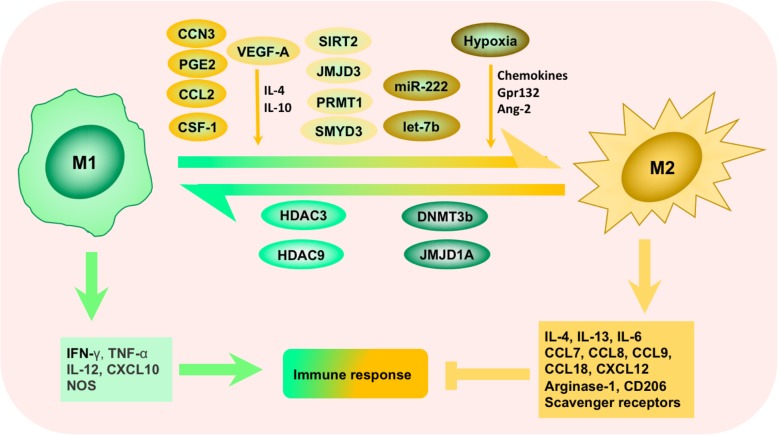
“Activated macrophages are often classified into M1 (classical-activated macrophages) and M2 (alternative-activated macrophages) phenotype [23] (Fig.”
BackgroundMicroenvironmental regulation of metastasis
Joyce, J. A., & Pollard, J. W. (2009) · Nature Reviews Cancer · doi:10.1038/nrc2618 · Cited by 3,684 · cited 1×
“and their stroma around are tightly linked and interacted with each other constantly alongside the formation of metastasis [117].”
BackgroundVEGFR1-positive haematopoietic bone marrow progenitors initiate the pre-metastatic niche
Kaplan, R. N., Riba, R. D., Zacharoulis, S., Bramley, A. H., Vincent, L., Costa, C., MacDonald, D. D., Jin, D. K., Shido, K., Kerns, S. A., et al. (2005) · Nature · doi:10.1038/nature04186 · Cited by 3,288 · cited 2×
“It is believed that metastasis is not necessary to be a late event in tumor progression [116].”
BackgroundCCL2 recruits inflammatory monocytes to facilitate breast-tumour metastasis
Qian, B.-Z., Li, J., Zhang, H., Kitamura, T., Zhang, J., Campion, L. R., Kaiser, E. A., Snyder, L. A., & Pollard, J. W. (2011) · Nature · doi:10.1038/nature10138 · Cited by 2,874 · cited 1×
“Moreover, abundant clinicopathological data have verified the association between high concentrations of CCL2 in tumor with increased TAM infiltration and metastatic events [22, 39, 41].”
BackgroundMatrix metalloproteinase-9 triggers the angiogenic switch during carcinogenesis
Bergers, G., Brekken, R., McMahon, G., Vu, T. H., Itoh, T., Tamaki, K., Tanzawa, K., Thorpe, P., Itohara, S., Werb, Z., et al. (2000) · Nature Cell Biology · doi:10.1038/35036374 · Cited by 2,797
Sharma, S., Kelly, T. K., & Jones, P. A. (2010) · Carcinogenesis · doi:10.1093/carcin/bgp220 · Cited by 2,637 · cited 1×
“Epigenetic regulators reshape chromatin structures, pack the genome, and change gene expression patterns without altering the genome itself [68, 69].”
BackgroundA Lineage of Myeloid Cells Independent of Myb and Hematopoietic Stem Cells
Schulz, C., Perdiguero, E. G., Chorro, L., Szabo-Rogers, H., Cagnard, N., Kierdorf, K., Prinz, M., Wu, B., Jacobsen, S. E. W., Pollard, J. W., et al. (2012) · Science · doi:10.1126/science.1219179 · Cited by 2,578
Distinct role of macrophages in different tumor microenvironments
Lewis, C. E., & Pollard, J. W. (2006) · Cancer Research · doi:10.1158/0008-5472.can-05-4005 · Cited by 2,225 · cited 2×
“Experiments in a variety of tumor models clarify that TEMs were endowed with dramatic proangiogenic activity, since Tie-2 is capable of binding with all the known angiopoietins (Angs, including Ang-1, Ang-2, Ang-3, and Ang-4) [12, 65, 66].”
BackgroundMartinez, F. O., Gordon, S., Locati, M., & Mantovani, A. (2006) · The Journal of Immunology · doi:10.4049/jimmunol.177.10.7303 · Cited by 2,125 · cited 1×
“CD204 Macrophage scavenger receptor 1 + + IHC N/A [36]”
BackgroundCD40 Agonists Alter Tumor Stroma and Show Efficacy Against Pancreatic Carcinoma in Mice and Humans
Beatty, G. L., Chiorean, E. G., Fishman, M. P., Saboury, B., Teitelbaum, U. R., Sun, W., Huhn, R. D., Song, W., Li, D., Sharp, L. L., et al. (2011) · Science · doi:10.1126/science.1198443 · Cited by 1,672 · cited 3×
“strategies re-educating the pro-tumor M2 phenotype into tumoricidal M1 phenotype and thus inhibiting TAMs’ supportive roles in tumors is feasible [146].”
BackgroundMacrophages and Therapeutic Resistance in Cancer
Ruffell, B., & Coussens, L. M. (2015) · Cancer Cell · doi:10.1016/j.ccell.2015.02.015 · Cited by 1,474 · cited 1×
“A large volume of studies suggests that TAMs serve as prominent metastasis promoters in the TME, which orchestrate almost all of the 5 cascade steps of tumor metastasis as mentioned above [9, 10].”
BackgroundThe cellular and molecular origin of tumor-associated macrophages
Franklin, R. A., Liao, W., Sarkar, A., Kim, M. V., Bivona, M. R., Liu, K., Pamer, E. G., & Li, M. O. (2014) · Science · doi:10.1126/science.1252510 · Cited by 1,393
Ries, C. H., Cannarile, M. A., Hoves, S., Benz, J., Wartha, K., Runza, V., Rey-Giraud, F., Pradel, L. P., Feuerhake, F., Klaman, I., et al. (2014) · Cancer Cell · doi:10.1016/j.ccr.2014.05.016 · Cited by 1,384 · cited 1×
“Monotherapy Dt-GCT 1 CR + PR, 86% SD, 11% [129]”
Adenoma–linked barrier defects and microbial products drive IL-23/IL-17-mediated tumour growth
Grivennikov, S. I., Wang, K., Mucida, D., Stewart, C. A., Schnabl, B., Jauch, D., Taniguchi, K., Yu, G.-Y., Österreicher, C. H., Hung, K. E., et al. (2012) · Nature · doi:10.1038/nature11465 · Cited by 1,327 · cited 1×
“For example, the presence of TAM-derived inflammatory cytokines interleukin (IL)-23 and IL-17 have been shown to trigger tumor-elicited inflammation, which in turn drives tumor growth [20] (Fig.”
BackgroundMovahedi, K., Laoui, D., Gysemans, C., Baeten, M., Stangé, G., Van den Bossche, J., Mack, M., Pipeleers, D., In't Veld, P., De Baetselier, P., et al. (2010) · Cancer Research · doi:10.1158/0008-5472.can-09-4672 · Cited by 1,239 · cited 1×
“M1 macrophages secrete proinflammatory cytokines such as IL-12, tumor necrosis factor (TNF)-α, CXCL-10, and interferon (IFN)-γ and produce high levels of nitric oxide synthase (NOS, an enzyme metabolizing arginine to the “killer” molecule nitric oxide), while M2 macrophages secrete anti-inflammatory cytokines such as…”
BackgroundOn the Origin of Cancer Metastasis
Seyfried, T. N., & Huysentruyt, L. C. (2013) · Critical Reviews in Oncogenesis · doi:10.1615/critrevoncog.v18.i1-2.40 · Cited by 1,196 · cited 1×
“As one of the hallmarks of cancer, development of metastasis accounts for more than 90% cancer-related deaths [1].”
BackgroundWyckoff, J., Wang, W., Lin, E. Y., Wang, Y., Pixley, F., Stanley, E. R., Graf, T., Pollard, J. W., Segall, J., & Condeelis, J. (2004) · Cancer Research · doi:10.1158/0008-5472.can-04-1449 · Cited by 1,188 · cited 2×
“The former cytokine stimulates macrophage’s motility as well as EGF production, which in turn signals to tumor cells and mediates chemotactic migration toward blood vessels [108, 109].”
BackgroundMacrophages Regulate the Angiogenic Switch in a Mouse Model of Breast Cancer
Lin, E. Y., Li, J.-F., Gnatovskiy, L., Deng, Y., Zhu, L., Grzesik, D. A., Qian, H., Xue, X.-N., & Pollard, J. W. (2006) · Cancer Research · doi:10.1158/0008-5472.can-06-1278 · Cited by 1,074 · cited 2×
“In addition to affecting the formation of new tumor vessels, TAMs also stimulate the remodeling of the established vasculature to a more tortuous and leaky form in favor of tumor dissemination [96, 97].”
BackgroundCursiefen, C., Chen, L., Borges, L. P., Jackson, D. G., Cao, J., Radziejewski, C. H., D'Amore, P. A., Dana, M. R., Wiegand, S. J., & Streilein, J. W. (2004) · Journal of Clinical Investigation · doi:10.1172/jci200420465 · Cited by 1,059
Direct Visualization of Macrophage-Assisted Tumor Cell Intravasation in Mammary Tumors
Wyckoff, J. B., Wang, Y., Lin, E. Y., Li, J.-F., Goswami, S., Stanley, E. R., Segall, J. E., Pollard, J. W., & Condeelis, J. (2007) · Cancer Research · doi:10.1158/0008-5472.can-06-1823 · Cited by 1,053 · cited 1×
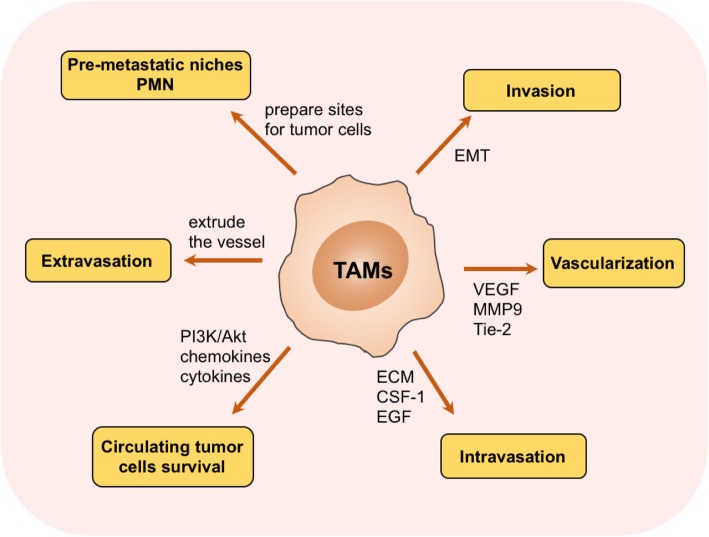
“According to this experiment, an intravasating tumor cell is always visualized to be accompanied by a macrophage within one cell diameter, showing a direct evidence of TAMs involving in tumor cell intravasation [105, 106].”
MethodColony-stimulating factor 1 receptor (CSF1R) inhibitors in cancer therapy
Cannarile, M. A., Weisser, M., Jacob, W., Jegg, A.-M., Ries, C. H., & Rüttinger, D. (2017) · Journal for ImmunoTherapy of Cancer · doi:10.1186/s40425-017-0257-y · Cited by 1,020
The tumour-induced systemic environment as a critical regulator of cancer progression and metastasis
McAllister, S. S., & Weinberg, R. A. (2014) · Nature Cell Biology · doi:10.1038/ncb3015 · Cited by 966 · cited 2×
“most of the current paradigms are designed to eliminate or interdict tumor cells themselves while the successful outgrowth of metastases is largely influenced by nonmalignant cells of the tumor microenvironment (TME) [5, 6, 82].”
BackgroundBain, C. C., Scott, C. L., Uronen-Hansson, H., Gudjonsson, S., Jansson, O., Grip, O., Guilliams, M., Malissen, B., Agace, W. W., & Mowat, A. M. (2013) · Mucosal Immunology · doi:10.1038/mi.2012.89 · Cited by 943
Intravital imaging of cell movement in tumours
Condeelis, J., & Segall, J. E. (2003) · Nature Reviews Cancer · doi:10.1038/nrc1231 · Cited by 929 · cited 1×
“Once the tumor cells break away from the constraint of ECM networks, they would move toward the stimuli along with the ECM fiber by interacting with other ECM components, such as fibronectin and vitronectin [90, 91].”
BackgroundRole of Macrophage Targeting in the Antitumor Activity of Trabectedin
Germano, G., Frapolli, R., Belgiovine, C., Anselmo, A., Pesce, S., Liguori, M., Erba, E., Uboldi, S., Zucchetti, M., Pasqualini, F., et al. (2013) · Cancer Cell · doi:10.1016/j.ccr.2013.01.008 · Cited by 864 · cited 17×
“From the mouse models, treatment with antibodies against VEGF-C/VEGFR-3 or genetic ablation of heparanase significantly altered the lymphatic vessel phenotype and subsequently impaired the primary tumor growth and metastasis [101].”
BackgroundInfluentialDifferential macrophage programming in the tumor microenvironment
Ruffell, B., Affara, N. I., & Coussens, L. M. (2012) · Trends in Immunology · doi:10.1016/j.it.2011.12.001 · Cited by 860 · cited 1×
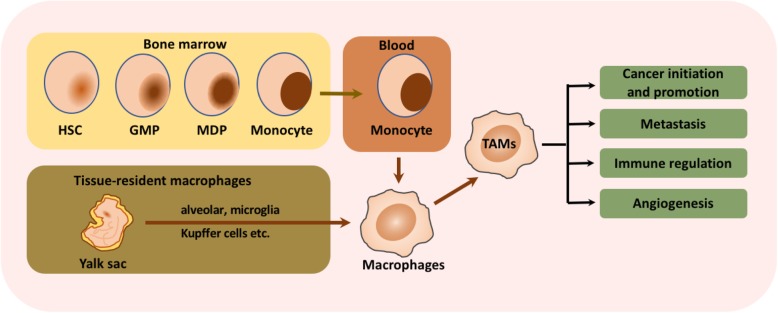
“Macrophages populating in the surrounding TME are usually termed as tumor-associated macrophages (TAMs) [7, 8].”
BackgroundTumor-associated macrophages: from basic research to clinical application
Yang, L., & Zhang, Y. (2017) · Journal of Hematology & Oncology · doi:10.1186/s13045-017-0430-2 · Cited by 847 · cited 2×
“Carlumab CCL2 Monotherapy Solid tumors 1b Antitumor activity [135]”
BackgroundNywening, T. M., Wang-Gillam, A., Sanford, D. E., Belt, B. A., Panni, R. Z., Cusworth, B. M., Toriola, A. T., Nieman, R. K., Worley, L. A., Yano, M., et al. (2016) · The Lancet Oncology · doi:10.1016/s1470-2045(16)00078-4 · Cited by 807 · cited 1×
“PF-04136309 CCR2 FOLFIRINOX Pancreatic cancer 1b ORR, 49% [134]”
Moustakas, A., & Heldin, C. (2007) · Cancer Science · doi:10.1111/j.1349-7006.2007.00550.x · Cited by 804 · cited 1×
“During EMT process, tumor cells lose cell-cell junctions and apical-basal polarity as a result of E-cadherin repression and acquire a motile mesenchymal cell phenotype [77, 78].”
BackgroundEpigenetics: Definition, Mechanisms and Clinical Perspective
Dupont, C., Armant, D., & Brenner, C. (2009) · Seminars in Reproductive Medicine · doi:10.1055/s-0029-1237423 · Cited by 799 · cited 1×
“Epigenetic regulators reshape chromatin structures, pack the genome, and change gene expression patterns without altering the genome itself [68, 69].”
BackgroundStabilization of Snail by NF-κB Is Required for Inflammation-Induced Cell Migration and Invasion
Wu, Y., Deng, J., Rychahou, P. G., Qiu, S., Evers, B. M., & Zhou, B. P. (2009) · Cancer Cell · doi:10.1016/j.ccr.2009.03.016 · Cited by 796 · cited 2×
“Biologically, macrophages participate in the EMT process via secreting various soluble factors, such as IL1β, IL-8, TNF-α, and transforming growth factor-β (TGF-β) [80, 83, 84].”
BackgroundSu, S., Liu, Q., Chen, J., Chen, J., Chen, F., He, C., Huang, D., Wu, W., Lin, L., Huang, W., et al. (2014) · Cancer Cell · doi:10.1016/j.ccr.2014.03.021 · Cited by 772
Hume, D. A., & MacDonald, K. P. A. (2012) · Blood · doi:10.1182/blood-2011-09-379214 · Cited by 763 · cited 1×
“In addition, tumor graft models showed that CSF-1 depletion led to greatly reduced macrophage density, delayed tumor progression, and severely inhibited metastasis [22, 24, 42, 43].”
BackgroundTumor hypoxia: causative factors, compensatory mechanisms, and cellular response
Vaupel, P., & Harrison, L. (2004) · The Oncologist · doi:10.1634/theoncologist.9-90005-4 · Cited by 761 · cited 1×
“Hypoxia, which resulted from tumor cells with a status of vigorous metabolism and rapid growth but poorly organized vasculature, is a common feature occurring in the majority of solid tumors [58].”
BackgroundB7-H4 expression identifies a novel suppressive macrophage population in human ovarian carcinoma
Kryczek, I., Zou, L., Rodriguez, P., Zhu, G., Wei, S., Mottram, P., Brumlik, M., Cheng, P., Curiel, T., Myers, L., et al. (2006) · The Journal of Experimental Medicine · doi:10.1084/jem.20050930 · Cited by 748 · cited 1×
“B7-H4 Inhibiting costimulatory molecule − + IHC Flowcytometry [32]”
BackgroundGocheva, V., Wang, H.-W., Gadea, B. B., Shree, T., Hunter, K. E., Garfall, A. L., Berman, T., & Joyce, J. A. (2010) · Genes & Development · doi:10.1101/gad.1874010 · Cited by 740
Goswami, S., Sahai, E., Wyckoff, J. B., Cammer, M., Cox, D., Pixley, F. J., Stanley, E. R., Segall, J. E., & Condeelis, J. S. (2005) · Cancer Research · doi:10.1158/0008-5472.can-04-1853 · Cited by 738 · cited 1×
“The former cytokine stimulates macrophage’s motility as well as EGF production, which in turn signals to tumor cells and mediates chemotactic migration toward blood vessels [108, 109].”
BackgroundGiraudo, E., Inoue, M., & Hanahan, D. (2004) · Journal of Clinical Investigation · doi:10.1172/jci200422087 · Cited by 700 · cited 1×
“According to those studies, ZA was able to reverse the polarity of TAMs from M2-like to M1-like by attenuating IL-10, VEGF, and MMP-9 production and recovering iNOS expression [99, 148].”
BackgroundCessation of CCL2 inhibition accelerates breast cancer metastasis by promoting angiogenesis
Bonapace, L., Coissieux, M.-M., Wyckoff, J., Mertz, K. D., Varga, Z., Junt, T., & Bentires-Alj, M. (2014) · Nature · doi:10.1038/nature13862 · Cited by 665 · cited 2×
“Hence, digging into the respective roles of those components of TME and modeling their intricate interactions evolving along with the metastasis by system biology approaches may be the avenues for future research [162].”
BackgroundQian, B., Deng, Y., Im, J. H., Muschel, R. J., Zou, Y., Li, J., Lang, R. A., & Pollard, J. W. (2009) · PLoS ONE · doi:10.1371/journal.pone.0006562 · Cited by 664 · cited 2×
“The intimate contacts between tumor cells and macrophages during extravasation were visualized and quantitatively analyzed within an intact lung imaging system [115].”
BackgroundRole of tumor associated macrophages in tumor angiogenesis and lymphangiogenesis
Riabov, V., Gudima, A., Wang, N., Mickley, A., Orekhov, A., & Kzhyshkowska, J. (2014) · Frontiers in Physiology · doi:10.3389/fphys.2014.00075 · Cited by 628 · cited 1×
“From the mouse models, treatment with antibodies against VEGF-C/VEGFR-3 or genetic ablation of heparanase significantly altered the lymphatic vessel phenotype and subsequently impaired the primary tumor growth and metastasis [101].”
BackgroundChen, Q., Zhang, X. H.-F., & Massagué, J. (2011) · Cancer Cell · doi:10.1016/j.ccr.2011.08.025 · Cited by 619 · cited 3×
“Mechanically, trabectedin selectively induces rapid apoptosis in macrophages via TRAIL receptors and blocks their production of some pro-metastatic cytokines like CCL2, CXCL8, IL-6, and VEGF [136, 138].”
BackgroundButowski, N., Colman, H., De Groot, J. F., Omuro, A. M., Nayak, L., Wen, P. Y., Cloughesy, T. F., Marimuthu, A., Haidar, S., Perry, A., et al. (2016) · Neuro-Oncology · doi:10.1093/neuonc/nov245 · Cited by 593 · cited 3×
“What is more, pexidartinib (also known as PLX3397), an oral tyrosine kinase inhibitor of CSF-1R, exhibited similar efficiency (PR 52%, SD 30%, progressive disease 4%) in Dt-GCT patients as what RG7155 exhibits [130].”
BackgroundInfluentialXu, J., Escamilla, J., Mok, S., David, J., Priceman, S., West, B., Bollag, G., McBride, W., & Wu, L. (2013) · Cancer Research · doi:10.1158/0008-5472.can-12-3981 · Cited by 569 · cited 1×
“Approaches combining TAMtargeting agents with chemotherapeutics, irradiation, antiangiogenic agents, and immune checkpoint inhibitors may pave the way for augmented control of progression and metastasis [163, 164].”
BackgroundSelf-citationObstacles and opportunities for understanding macrophage polarization
Murray, P. J., & Wynn, T. A. (2011) · Journal of Leukocyte Biology · doi:10.1189/jlb.0710409 · Cited by 563 · cited 1×
“iNOS Nitric oxide synthase + − IHC N/A [34]”
BackgroundClinical significance of macrophage heterogeneity in human malignant tumors
Komohara, Y., Jinushi, M., & Takeya, M. (2014) · Cancer Science · doi:10.1111/cas.12314 · Cited by 551 · cited 1×
“A large volume of studies suggests that TAMs serve as prominent metastasis promoters in the TME, which orchestrate almost all of the 5 cascade steps of tumor metastasis as mentioned above [9, 10].”
BackgroundThe impact of hypoxia on tumor-associated macrophages
Henze, A.-T., & Mazzone, M. (2016) · Journal of Clinical Investigation · doi:10.1172/jci84427 · Cited by 546 · cited 3×
“The gradients of chemokines induced by hypoxia, such as CCL2, CCL5, CSF-1, VEGF, semaphorin 3A (SEMA3A), endothelial cell monocyte-activating polypeptide-II (EMAP-II), endothelin, stromal cellderived factor 1α (SDF1α), eotaxin, and oncostatin M, are responsible for the migration of TAMs into the hypoxic areas [28].”
BackgroundZhang, M., He, Y., Sun, X., Li, Q., Wang, W., Zhao, A., & Di, W. (2014) · Journal of Ovarian Research · doi:10.1186/1757-2215-7-19 · Cited by 528
Gpr132 sensing of lactate mediates tumor–macrophage interplay to promote breast cancer metastasis
Chen, P., Zuo, H., Xiong, H., Kolar, M. J., Chu, Q., Saghatelian, A., Siegwart, D. J., & Wan, Y. (2017) · Proceedings of the National Academy of Sciences · doi:10.1073/pnas.1614035114 · Cited by 520 · cited 2×
“And it has been shown that the enhanced expression of Gpr132 relates to the worse outcome of breast cancer patients, which was further verified by the positive association between the Gpr132 level and M2 macrophages infiltration, metastasis, and poor prognosis in breast cancer models in mice [64].”
Vonderheide, R. H., Flaherty, K. T., Khalil, M., Stumacher, M. S., Bajor, D. L., Hutnick, N. A., Sullivan, P., Mahany, J. J., Gallagher, M., Kramer, A., et al. (2007) · Journal of Clinical Oncology · doi:10.1200/jco.2006.08.3311 · Cited by 513 · cited 3×
“Partial responses (PR) were achieved in four patients with metastatic melanoma, and one of those four patients remained in partial remission even at the 14th month [126].”
BackgroundVenneri, M. A., Palma, M. D., Ponzoni, M., Pucci, F., Scielzo, C., Zonari, E., Mazzieri, R., Doglioni, C., & Naldini, L. (2007) · Blood · doi:10.1182/blood-2006-10-053504 · Cited by 505 · cited 4×
“Experiments in a variety of tumor models clarify that TEMs were endowed with dramatic proangiogenic activity, since Tie-2 is capable of binding with all the known angiopoietins (Angs, including Ang-1, Ang-2, Ang-3, and Ang-4) [12, 65, 66].”
BackgroundInfluentialNierodzik, M. L., & Karpatkin, S. (2006) · Cancer Cell · doi:10.1016/j.ccr.2006.10.002 · Cited by 502 · cited 1×
“Clots packed around the tumor cells alleviate survival stress from such as natural killer (NK) cells in a tissue factor (TF)-dependent manner in the general circulation and capillaries [110, 111].”
BackgroundLu, X., Mu, E., Wei, Y., Riethdorf, S., Yang, Q., Yuan, M., Yan, J., Hua, Y., Tiede, B. J., Lu, X., et al. (2011) · Cancer Cell · doi:10.1016/j.ccr.2011.11.002 · Cited by 492 · cited 1×
“In part, a recent study discovered that the recruited macrophages triggered the PI3K/Akt survival signaling pathway in newly disseminated breast cancer cells by engaging vascular cell adhesion molecule-1 (VCAM-1) via α4 integrins [113, 114].”
BackgroundSierra-Filardi, E., Nieto, C., Domínguez-Soto, Á., Barroso, R., Sánchez-Mateos, P., Puig-Kroger, A., López-Bravo, M., Joven, J., Ardavín, C., Rodríguez-Fernández, J. L., et al. (2014) · The Journal of Immunology · doi:10.4049/jimmunol.1302821 · Cited by 482
Chen, Y., Zhang, S., Wang, Q., & Zhang, X. (2017) · Journal of Hematology & Oncology · doi:10.1186/s13045-017-0408-0 · Cited by 477 · cited 1×
“CHI3L1 upregulates MMP expression via interacting with interleukin-13 receptor α2 (IL-13Rα2) chain which triggers the activation of the mitogen-activated protein kinase (MAPK) signaling pathway [89].”
BackgroundGnant, M., Mlineritsch, B., Stoeger, H., Luschin-Ebengreuth, G., Heck, D., Menzel, C., Jakesz, R., Seifert, M., Hubalek, M., Pristauz, G., et al. (2011) · The Lancet Oncology · doi:10.1016/s1470-2045(11)70122-x · Cited by 472 · cited 3×
“Zoledronic acid (ZA) N/A Monotherapy Breast cancer 3 Prolonged survival [125]”
BackgroundTumor-Associated Macrophages Press the Angiogenic Switch in Breast Cancer
Lin, E. Y., & Pollard, J. W. (2007) · Cancer Research · doi:10.1158/0008-5472.can-07-0912 · Cited by 463 · cited 2×
“In addition to affecting the formation of new tumor vessels, TAMs also stimulate the remodeling of the established vasculature to a more tortuous and leaky form in favor of tumor dissemination [96, 97].”
BackgroundBeatty, G. L., Torigian, D. A., Chiorean, E. G., Saboury, B., Brothers, A., Alavi, A., Troxel, A. B., Sun, W., Teitelbaum, U. R., Vonderheide, R. H., et al. (2013) · Clinical Cancer Research · doi:10.1158/1078-0432.ccr-13-1320 · Cited by 456 · cited 1×
“Anyway, those clinical trials are still at an early stage with small sample size [126, 127, 146, 153].”
BackgroundA Review of Trabectedin (ET-743): A Unique Mechanism of Action
D'Incalci, M., & Galmarini, C. M. (2010) · Molecular Cancer Therapeutics · doi:10.1158/1535-7163.mct-10-0263 · Cited by 445 · cited 1×
“Specifically, trabectedin is accepted as the cytotoxic agent directly killing tumor cells by interfering with several transcription factors, DNA-binding proteins, and DNA repair pathways [137].”
BackgroundIdentification and manipulation of tumor associated macrophages in human cancers
Heusinkveld, M., & van der Burg, S. H. (2011) · Journal of Translational Medicine · doi:10.1186/1479-5876-9-216 · Cited by 435 · cited 1×
“HLA-DR Antigen presentation molecule + + IHC Flowcytometry [35]”
BackgroundThe pre-metastatic niche: finding common ground
Sceneay, J., Smyth, M. J., & Möller, A. (2013) · Cancer and Metastasis Reviews · doi:10.1007/s10555-013-9420-1 · Cited by 422
Macrophages define the invasive microenvironment in breast cancer
Pollard, J. W. (2008) · Journal of Leukocyte Biology · doi:10.1189/jlb.1107762 · Cited by 417 · cited 2×
“It is consistent with these clinical observations that the accumulation of macrophages in the TME is largely associated with worse disease outcome [13, 29].”
BackgroundResultThe epithelial–mesenchymal transition (EMT) phenomenon
Savagner, P. (2010) · Annals of Oncology · doi:10.1093/annonc/mdq292 · Cited by 413 · cited 2×
“Epithelial-mesenchymal transition (EMT) is a predominant event in this morphological transformation, which contributes to malignant biological properties including invasion and metastasis [76].”
BackgroundLaoui, D., Van Overmeire, E., Di Conza, G., Aldeni, C., Keirsse, J., Morias, Y., Movahedi, K., Houbracken, I., Schouppe, E., Elkrim, Y., et al. (2014) · Cancer Research · doi:10.1158/0008-5472.can-13-1196 · Cited by 412 · cited 2×
“However, there exists opposed evidence claiming that hypoxia is not the major driver of M1-M2 skewing [28, 67].”
Background(2000) · PubMed · Cited by 404
Extracellular matrix: A gatekeeper in the transition from dormancy to metastatic growth
Barkan, D., Green, J. E., & Chambers, A. F. (2010) · European Journal of Cancer · doi:10.1016/j.ejca.2010.02.027 · Cited by 377 · cited 1×
“Extracellular matrix (ECM) serves as a scaffold as well as a barrier for tumor cell migration [85], of which degradation is a focal event in metastasis.”
BackgroundVasiljeva, O., Papazoglou, A., Krüger, A., Brodoefel, H., Korovin, M., Deussing, J., Augustin, N., Nielsen, B. S., Almholt, K., Bogyo, M., et al. (2006) · Cancer Research · doi:10.1158/0008-5472.can-05-4463 · Cited by 375
Verreck, F. A. W., de Boer, T., Langenberg, D. M. L., van der Zanden, L., & Ottenhoff, T. H. M. (2005) · Journal of Leukocyte Biology · doi:10.1189/jlb.0105015 · Cited by 373 · cited 1×
“Cytokines IL-12p70 Interleukin ++ − IHC ELISA [37]”
BackgroundPriceman, S. J., Sung, J. L., Shaposhnik, Z., Burton, J. B., Torres-Collado, A. X., Moughon, D. L., Johnson, M., Lusis, A. J., Cohen, D. A., Iruela-Arispe, M. L., et al. (2010) · Blood · doi:10.1182/blood-2009-08-237412 · Cited by 356 · cited 1×
“Approaches combining TAMtargeting agents with chemotherapeutics, irradiation, antiangiogenic agents, and immune checkpoint inhibitors may pave the way for augmented control of progression and metastasis [163, 164].”
BackgroundCancer immunotherapy targeting the CD47/SIRPα axis
Weiskopf, K. (2017) · European Journal of Cancer · doi:10.1016/j.ejca.2017.02.013 · Cited by 353
Gil-Bernabé, A. M., Ferjančič, Š., Tlalka, M., Zhao, L., Allen, P. D., Im, J. H., Watson, K., Hill, S. A., Amirkhosravi, A., Francis, J. L., et al. (2012) · Blood · doi:10.1182/blood-2011-08-376426 · Cited by 352 · cited 2×
“In fact, a strategy disrupting macrophage functions by genetic methods diminished the tumor cells survival in pulmonary capillaries and abrogated tumor invasion into the lung, despite clot formation, indicating an essential role of macrophages in this aspect [112].”
BackgroundYing, X., Wu, Q., Wu, X., Zhu, Q., Wang, X., Jiang, L., Chen, X., & Wang, X. (2016) · Oncotarget · doi:10.18632/oncotarget.9246 · Cited by 348 · cited 1×
“For example, miR-222-3p, implicated as a tumor promoter in diverse tumor types, activates macrophages to the M2 phenotype by downregulating suppressor of cytokine signaling-3 (SOCS3) which is a negative feedback regulator of the JAK/STAT signaling pathway [73].”
BackgroundRobinson, B. D., Sica, G. L., Liu, Y.-F., Rohan, T. E., Gertler, F. B., Condeelis, J. S., & Jones, J. G. (2009) · Clinical Cancer Research · doi:10.1158/1078-0432.ccr-08-2179 · Cited by 342 · cited 1×
“The TMEM is a predictor of increased hematogenous metastasis and poor prognosis, at least in breast cancer [107].”
BackgroundBone marrow cells in the ‘pre-metastatic niche’: within bone and beyond
Kaplan, R. N., Psaila, B., & Lyden, D. (2007) · Cancer and Metastasis Reviews · doi:10.1007/s10555-006-9036-9 · Cited by 336 · cited 1×
“Besides, the tissue-resident macrophages, such as liver Kupffer cells, pulmonary alveolar macrophages, and osteoclasts, were also involved in orchestrating PMN formation upon stimulation [119, 120].”
BackgroundVEGF-A: a critical regulator of blood vessel growth
Ferrara, N. (2009) · European Cytokine Network · doi:10.1684/ecn.2009.0170 · Cited by 327 · cited 1×
“Vascular endothelial growth factor A (VEGF-A) has long been considered as a powerful pro-tumor factor [44].”
BackgroundExpression of Tie-2 by Human Monocytes and Their Responses to Angiopoietin-2
Murdoch, C., Tazzyman, S., Webster, S., & Lewis, C. E. (2007) · The Journal of Immunology · doi:10.4049/jimmunol.178.11.7405 · Cited by 318 · cited 6×
“Therefore, selective elimination of TEMs by a suicide gene strategy may be another promising option for preventing angiogenesis and tumor progression [66].”
BackgroundInfluentialTargeted delivery of proapoptotic peptides to tumor-associated macrophages improves survival
Cieslewicz, M., Tang, J., Yu, J. L., Cao, H., Zavaljevski, M., Motoyama, K., Lieber, A., Raines, E. W., & Pun, S. H. (2013) · Proceedings of the National Academy of Sciences · doi:10.1073/pnas.1312197110 · Cited by 314 · cited 1×
“M2 macrophage-targeting peptide (M2pep), just as implied by the name, is such a construct discovered recently [143].”
BackgroundPalumbo, J. S., Talmage, K. E., Massari, J. V., La Jeunesse, C. M., Flick, M. J., Kombrinck, K. W., Hu, Z., Barney, K. A., & Degen, J. L. (2007) · Blood · doi:10.1182/blood-2007-01-065995 · Cited by 312 · cited 1×
“Clots packed around the tumor cells alleviate survival stress from such as natural killer (NK) cells in a tissue factor (TF)-dependent manner in the general circulation and capillaries [110, 111].”
BackgroundThe other side of MMPs: Protective roles in tumor progression
Martin, M. D., & Matrisian, L. M. (2007) · Cancer and Metastasis Reviews · doi:10.1007/s10555-007-9089-4 · Cited by 311 · cited 1×
“Biomarkers MMP2/9 Matrix metalloproteinase − + IHC Digestion [31]”
BackgroundTumor-associated macrophages in breast cancer: distinct subsets, distinct functions
Laoui, D., Movahedi, K., Van Overmeire, E., Van den Bossche, J., Schouppe, E., Mommer, C., Nikolaou, A., Morias, Y., De Baetselier, P., & Van Ginderachter, J. A. (2011) · The International Journal of Developmental Biology · doi:10.1387/ijdb.113371dl · Cited by 304 · cited 3×
“In addition, tumor graft models showed that CSF-1 depletion led to greatly reduced macrophage density, delayed tumor progression, and severely inhibited metastasis [22, 24, 42, 43].”
BackgroundGazzaniga, S., Bravo, A. I., Guglielmotti, A., van Rooijen, N., Maschi, F., Vecchi, A., Mantovani, A., Mordoh, J., & Wainstok, R. (2007) · Journal of Investigative Dermatology · doi:10.1038/sj.jid.5700827 · Cited by 302 · cited 1×
“CCL2 was earlier reported to shape macrophage polarization toward the protumor phenotype via the C-C chemokine receptor 2 (CCR2) expressed on the surface of macrophages [38].”
Background(1926) · The American Journal of Surgery · doi:10.1016/s0002-9610(26)90068-8 · Cited by 293
The origin and function of tumor-associated macrophages
Liu, Y., & Cao, X. (2015) · Cellular & Molecular Immunology · doi:10.1038/cmi.2014.83 · Cited by 291
Coscia, M., Quaglino, E., Iezzi, M., Curcio, C., Pantaleoni, F., Riganti, C., Holen, I., Mönkkönen, H., Boccadoro, M., Forni, G., et al. (2010) · Journal of Cellular and Molecular Medicine · doi:10.1111/j.1582-4934.2009.00926.x · Cited by 275 · cited 2×
“According to those studies, ZA was able to reverse the polarity of TAMs from M2-like to M1-like by attenuating IL-10, VEGF, and MMP-9 production and recovering iNOS expression [99, 148].”
BackgroundHelm, O., Held‐Feindt, J., Grage‐Griebenow, E., Reiling, N., Ungefroren, H., Vogel, I., Krüger, U., Becker, T., Ebsen, M., Röcken, C., et al. (2014) · International Journal of Cancer · doi:10.1002/ijc.28736 · Cited by 260 · cited 3×
“Overall, the TAM-targeted therapeutic solutions would mainly focus on strategies to eliminate TAMs, impairing macrophages infiltration and suppressing phenotype conversion of M2 from M1 [82].”
BackgroundOrganotropism of Breast Cancer Metastasis
Lu, X., & Kang, Y. (2007) · Journal of Mammary Gland Biology and Neoplasia · doi:10.1007/s10911-007-9047-3 · Cited by 259 · cited 1×
“Besides, the tissue-resident macrophages, such as liver Kupffer cells, pulmonary alveolar macrophages, and osteoclasts, were also involved in orchestrating PMN formation upon stimulation [119, 120].”
BackgroundHanahan, D., Christofori, G., Naik, P., & Arbeit, J. (1996) · European Journal of Cancer · doi:10.1016/s0959-8049(96)00401-7 · Cited by 253 · cited 1×
“When solid tumors grow up to a certain size, a process termed as “ angiogenic switch” will be turned on by various mechanisms to trigger a high-density vasculature for nutrients supply and wastes removal [94, 95].”
BackgroundChen, H.-M., van der Touw, W., Wang, Y. S., Kang, K., Mai, S., Zhang, J., Alsina-Beauchamp, D., Duty, J. A., Mungamuri, S. K., Zhang, B., et al. (2018) · Journal of Clinical Investigation · doi:10.1172/jci97570 · Cited by 253 · cited 1×
“Studies found that LILRB2 blockade by LILRB2-specific monoclonal antibodies effectively polarized macrophage cells toward an inflammatory phenotype and enhanced pro-inflammatory responses, thus acting as a myeloid immune checkpoint by reprogramming TAMs and provoking antitumor immunity [171, 172].”
BackgroundEGFR has a tumour-promoting role in liver macrophages during hepatocellular carcinoma formation
Lanaya, H., Natarajan, A., Komposch, K., Li, L., Amberg, N., Chen, L., Wculek, S. K., Hammer, M., Zenz, R., Peck-Radosavljevic, M., et al. (2014) · Nature Cell Biology · doi:10.1038/ncb3031 · Cited by 242 · cited 1×
“Actually, EGFR signaling not only promotes proliferation and invasiveness of tumor cells directly, but also adjusts the TME by regulating macrophage recruitment and M2-like polarization [49, 50].”
BackgroundEGFR-TKI resistance in NSCLC patients: mechanisms and strategies.
Lin, Y., Wang, X., & Jin, H. (2014) · Europe PMC (PubMed Central) · Cited by 232
Self-citationFU, X.-T., DAI, Z., SONG, K., ZHANG, Z.-J., ZHOU, Z.-J., ZHOU, S.-L., ZHAO, Y.-M., XIAO, Y.-S., SUN, Q.-M., DING, Z.-B., et al. (2015) · International Journal of Oncology · doi:10.3892/ijo.2014.2761 · Cited by 230 · cited 3×
“Immunostaining of clinical hepatocellular carcinoma (HC) samples revealed that the EMT hotpots, such as the edge of tumor nests, are also the sites where TAMs infiltrate in abundance [80].”
BackgroundMizutani, K., Sud, S., McGregor, N. A., Martinovski, G., Rice, B. T., Craig, M. J., Varsos, Z. S., Roca, H., & Pienta, K. J. (2009) · Neoplasia · doi:10.1593/neo.09988 · Cited by 220 · cited 1×
“Moreover, abundant clinicopathological data have verified the association between high concentrations of CCL2 in tumor with increased TAM infiltration and metastatic events [22, 39, 41].”
BackgroundBarker, T. H., Baneyx, G., Cardó-Vila, M., Workman, G. A., Weaver, M., Menon, P. M., Dedhar, S., Rempel, S. A., Arap, W., Pasqualini, R., et al. (2005) · Journal of Biological Chemistry · doi:10.1074/jbc.m504663200 · Cited by 213 · cited 2×
“According to the earlier studies, SPARC favors fibronectin and vitronectin interaction with tumor cells through integrins, generating a traction force along ECM fibers [92, 93].”
BackgroundMethodMitochondrial Akt Regulation of Hypoxic Tumor Reprogramming
Chae, Y. C., Vaira, V., Caino, M. C., Tang, H.-Y., Seo, J. H., Kossenkov, A. V., Ottobrini, L., Martelli, C., Lucignani, G., Bertolini, I., et al. (2016) · Cancer Cell · doi:10.1016/j.ccell.2016.07.004 · Cited by 209
Macrophage-Derived SPARC Bridges Tumor Cell-Extracellular Matrix Interactions toward Metastasis
Sangaletti, S., Di Carlo, E., Gariboldi, S., Miotti, S., Cappetti, B., Parenza, M., Rumio, C., Brekken, R. A., Chiodoni, C., & Colombo, M. P. (2008) · Cancer Research · doi:10.1158/0008-5472.can-08-1327 · Cited by 207 · cited 3×
“Once the tumor cells break away from the constraint of ECM networks, they would move toward the stimuli along with the ECM fiber by interacting with other ECM components, such as fibronectin and vitronectin [90, 91].”
BackgroundTumor-Associated Macrophages as Target for Antitumor Therapy
Sawa-Wejksza, K., & Kandefer-Szerszeń, M. (2018) · Archivum Immunologiae et Therapiae Experimentalis · doi:10.1007/s00005-017-0480-8 · Cited by 201 · cited 5×
“CD206 Mannose receptor + ++ N/A Flowcytometry [30]”
BackgroundMethodInfluentialEnhanced growth of tumors in SPARC null mice is associated with changes in the ECM
Brekken, R. A., Puolakkainen, P., Graves, D. C., Workman, G., Lubkin, S. R., & Sage, E. H. (2003) · Journal of Clinical Investigation · doi:10.1172/jci16804 · Cited by 200 · cited 2×
“According to the earlier studies, SPARC favors fibronectin and vitronectin interaction with tumor cells through integrins, generating a traction force along ECM fibers [92, 93].”
BackgroundMethodLinde, N., Lederle, W., Depner, S., van Rooijen, N., Gutschalk, C. M., & Mueller, M. M. (2012) · The Journal of Pathology · doi:10.1002/path.3989 · Cited by 195 · cited 4×
“M1 macrophages secrete proinflammatory cytokines such as IL-12, tumor necrosis factor (TNF)-α, CXCL-10, and interferon (IFN)-γ and produce high levels of nitric oxide synthase (NOS, an enzyme metabolizing arginine to the “killer” molecule nitric oxide), while M2 macrophages secrete anti-inflammatory cytokines such as…”
BackgroundInfluentialBarsoum, I. B., Hamilton, T. K., Li, X., Cotechini, T., Miles, E. A., Siemens, D. R., & Graham, C. H. (2011) · Cancer Research · doi:10.1158/0008-5472.can-11-2104 · Cited by 188
MicroRNA-mediated control of macrophages and its implications for cancer
Squadrito, M. L., Etzrodt, M., De Palma, M., & Pittet, M. J. (2013) · Trends in Immunology · doi:10.1016/j.it.2013.02.003 · Cited by 187 · cited 1×
“To date, miR-125, miR-155, miR-378, miR-9, miR-21, miR-146, miR-147, miR-187, miR-222, and miRlet7b have been reported as dominant TAM modulators [72].”
BackgroundProspect of Targeting the CD40 Pathway for Cancer Therapy
Vonderheide, R. H. (2007) · Clinical Cancer Research · doi:10.1158/1078-0432.ccr-06-1893 · Cited by 186 · cited 5×
“CD40 belongs to the tumor necrosis factor (TNF) family and it is broadly expressed in immune cells, including macrophages.”
BackgroundInfluentialStromal Macrophage Expressing CD204 is Associated with Tumor Aggressiveness in Lung Adenocarcinoma
Ohtaki, Y., Ishii, G., Nagai, K., Ashimine, S., Kuwata, T., Hishida, T., Nishimura, M., Yoshida, J., Takeyoshi, I., & Ochiai, A. (2010) · Journal of Thoracic Oncology · doi:10.1097/jto.0b013e3181eba692 · Cited by 185 · cited 1×
“It is consistent with these clinical observations that the accumulation of macrophages in the TME is largely associated with worse disease outcome [13, 29].”
ResultThe challenge of targeting metastasis
Fidler, I. J., & Kripke, M. L. (2015) · Cancer and Metastasis Reviews · doi:10.1007/s10555-015-9586-9 · Cited by 185 · cited 1×
“Usually, the metastasis of tumor cells is a multistep sequence mainly including (a) invasion in the primary sites, (b) intravasation into the vasculature, (c) survival in the circulations, (d) extravasation out of the vasculature, and (e) adaption and growth in the metastatic sites [2, 3].”
BackgroundIs CD47 an innate immune checkpoint for tumor evasion?
Liu, X., Kwon, H., Li, Z., & Fu, Y.-X. (2017) · Journal of Hematology & Oncology · doi:10.1186/s13045-016-0381-z · Cited by 185 · cited 1×
“Studies found that the expression of CD47 increases in various tumors to evade immune attack [166].”
BackgroundSharma, S. K., Chintala, N. K., Vadrevu, S. K., Patel, J., Karbowniczek, M., & Markiewski, M. M. (2015) · The Journal of Immunology · doi:10.4049/jimmunol.1403215 · Cited by 184
Tracking of intertissue migration reveals the origins of tumor-infiltrating monocytes
Shand, F. H. W., Ueha, S., Otsuji, M., Koid, S. S., Shichino, S., Tsukui, T., Kosugi-Kanaya, M., Abe, J., Tomura, M., Ziogas, J., et al. (2014) · Proceedings of the National Academy of Sciences · doi:10.1073/pnas.1402914111 · Cited by 175
Hypoxia and Metabolic Properties of Hematopoietic Stem Cells
Zhang, C. C., & Sadek, H. A. (2014) · Antioxidants and Redox Signaling · doi:10.1089/ars.2012.5019 · Cited by 174
Ma, G., Pan, P.-Y., Eisenstein, S., Divino, C. M., Lowell, C. A., Takai, T., & Chen, S.-H. (2011) · Immunity · doi:10.1016/j.immuni.2011.02.004 · Cited by 174 · cited 1×
“Besides, the leukocyte immunoglobulin-like receptor B (LILRB) family members are negative regulators of myeloid cell activation [169, 170].”
BackgroundLin, E. Y., Li, J.-F., Bricard, G., Wang, W., Deng, Y., Sellers, R., Porcelli, S. A., & Pollard, J. W. (2007) · Molecular Oncology · doi:10.1016/j.molonc.2007.10.003 · Cited by 168
LILRB receptor-mediated regulation of myeloid cell maturation and function
van der Touw, W., Chen, H.-M., Pan, P.-Y., & Chen, S.-H. (2017) · Cancer Immunology, Immunotherapy · doi:10.1007/s00262-017-2023-x · Cited by 167 · cited 1×
“Besides, the leukocyte immunoglobulin-like receptor B (LILRB) family members are negative regulators of myeloid cell activation [169, 170].”
BackgroundMacrophage CD40 signaling: A pivotal regulator of disease protection and pathogenesis
Suttles, J., & Stout, R. D. (2009) · Seminars in Immunology · doi:10.1016/j.smim.2009.05.011 · Cited by 156 · cited 1×
“CD40-activated macrophages are indicative of M1 phenotype correlating with reinforced proinflammatory cytokines release as well as upregulated expression of antigen presentation molecules such as major histocompatibility complex (MHC)-II [152].”
BackgroundBelgiovine, C., Bello, E., Liguori, M., Craparotta, I., Mannarino, L., Paracchini, L., Beltrame, L., Marchini, S., Galmarini, C. M., Mantovani, A., et al. (2017) · British Journal of Cancer · doi:10.1038/bjc.2017.205 · Cited by 155 · cited 3×
“As an analog of trabectedin, lurbinectedin exhibits potent apoptotic capacity upon macrophages, and by doing so, it dramatically decreases the number of macrophages both in circulation and TME in mice models [139].”
BackgroundInfluentialSica, A., Saccani, A., Bottazzi, B., Bernasconi, S., Allavena, P., Gaetano, B., Fei, F., LaRosa, G., Scotton, C., Balkwill, F., et al. (2000) · The Journal of Immunology · doi:10.4049/jimmunol.164.2.733 · Cited by 146 · cited 1×
“Hypoxia further traps the seeding macrophages by downregulating the chemokine receptors expressed on macrophages [62, 63].”
BackgroundKong, L., Zhou, Y., Bu, H., Lv, T., Shi, Y., & Yang, J. (2016) · Journal of Experimental & Clinical Cancer Research · doi:10.1186/s13046-016-0412-1 · Cited by 143 · cited 1×
“Another study demonstrated that the increased TAM-derived IL-6 exerts an amplifying effect on the inflammation response, thus promoting the occurrence and development of hepatocellular carcinoma via STAT3 signaling [21].”
BackgroundMatsubara, T., Kanto, T., Kuroda, S., Yoshio, S., Higashitani, K., Kakita, N., Miyazaki, M., Sakakibara, M., Hiramatsu, N., Kasahara, A., et al. (2013) · Hepatology · doi:10.1002/hep.25965 · Cited by 138 · cited 4×
“Experiments in a variety of tumor models clarify that TEMs were endowed with dramatic proangiogenic activity, since Tie-2 is capable of binding with all the known angiopoietins (Angs, including Ang-1, Ang-2, Ang-3, and Ang-4) [12, 65, 66].”
BackgroundInfluentialKawata, M., Koinuma, D., Ogami, T., Umezawa, K., Iwata, C., Watabe, T., & Miyazono, K. (2012) · The Journal of Biochemistry · doi:10.1093/jb/mvr136 · Cited by 131
Novel Mechanism of Macrophage-Mediated Metastasis Revealed in a Zebrafish Model of Tumor Development
Wang, J., Cao, Z., Zhang, X.-M., Nakamura, M., Sun, M., Hartman, J., Harris, R. A., Sun, Y., & Cao, Y. (2015) · Cancer Research · doi:10.1158/0008-5472.can-14-2819 · Cited by 131 · cited 1×
“According to this experiment, an intravasating tumor cell is always visualized to be accompanied by a macrophage within one cell diameter, showing a direct evidence of TAMs involving in tumor cell intravasation [105, 106].”
MethodSwierczak, A., Cook, A. D., Lenzo, J. C., Restall, C. M., Doherty, J. P., Anderson, R. L., & Hamilton, J. A. (2014) · Cancer Immunology Research · doi:10.1158/2326-6066.cir-13-0190 · Cited by 126 · cited 1×
“Hence, figuring out TAM-related features, such as amount, phenotypes, and cytokine profiles on the pathology reports, or even assessing circulating M2 macrophage numbers as well as systemic CSF1, CCL2 levels might provide a tool for better predicting cancer metastasis and stratifying patients [158].”
BackgroundMoughon, D. L., He, H., Schokrpur, S., Jiang, Z. K., Yaqoob, M., David, J., Lin, C., Iruela-Arispe, M. L., Dorigo, O., & Wu, L. (2015) · Cancer Research · doi:10.1158/0008-5472.can-14-3373 · Cited by 124
Epigenetic Regulation of Monocyte and Macrophage Function
Hoeksema, M. A., & de Winther, M. P. J. (2016) · Antioxidants & Redox Signaling · doi:10.1089/ars.2016.6695 · Cited by 121 · cited 2×
“For example, protein arginine methyltransferase 1 (PRMT1), SET and MYND domain-containing protein 3 (SMYD3), Jumonji domain-containing protein 3 (JMJD3), NAD-dependent protein deacetylase sirtuin-2 (SIRT), and bromodomain and extraterminal (BET) proteins positively regulate M2 polarization by upregulating M2 markers,…”
BackgroundThe origin and function of tumor-associated macrophages
Yang, Y. Y. Y., Liu, Xuetao, & Cao (2015) · 中国免疫学杂志:英文版 · Cited by 118
CD40 immunotherapy for pancreatic cancer
Vonderheide, R. H., Bajor, D. L., Winograd, R., Evans, R. A., Bayne, L. J., & Beatty, G. L. (2013) · Cancer Immunology, Immunotherapy · doi:10.1007/s00262-013-1427-5 · Cited by 114 · cited 5×
“CD40 belongs to the tumor necrosis factor (TNF) family and it is broadly expressed in immune cells, including macrophages.”
BackgroundInfluentialAlishekevitz, D., Gingis-Velitski, S., Kaidar-Person, O., Gutter-Kapon, L., Scherer, S. D., Raviv, Z., Merquiol, E., Ben-Nun, Y., Miller, V., Rachman-Tzemah, C., et al. (2016) · Cell Reports · doi:10.1016/j.celrep.2016.09.083 · Cited by 114
EGFR-mediated macrophage activation promotes colitis-associated tumorigenesis
Hardbower, D. M., Coburn, L. A., Asim, M., Singh, K., Sierra, J. C., Barry, D. P., Gobert, A. P., Piazuelo, M. B., Washington, M. K., & Wilson, K. T. (2017) · Oncogene · doi:10.1038/onc.2017.23 · Cited by 110 · cited 1×
“Actually, EGFR signaling not only promotes proliferation and invasiveness of tumor cells directly, but also adjusts the TME by regulating macrophage recruitment and M2-like polarization [49, 50].”
BackgroundKapellos, T. S., & Iqbal, A. J. (2016) · Mediators of Inflammation · doi:10.1155/2016/6591703 · Cited by 106 · cited 2×
“For example, protein arginine methyltransferase 1 (PRMT1), SET and MYND domain-containing protein 3 (SMYD3), Jumonji domain-containing protein 3 (JMJD3), NAD-dependent protein deacetylase sirtuin-2 (SIRT), and bromodomain and extraterminal (BET) proteins positively regulate M2 polarization by upregulating M2 markers,…”
BackgroundNowak, A. K., Cook, A., McDonnell, A. M., Millward, M., Creaney, J., Francis, R. J., Hasani, A., Segal, A., Musk, A. W., Turlach, B. A., et al. (2015) · Annals of Oncology · doi:10.1093/annonc/mdv387 · Cited by 104 · cited 1×
“Anyway, those clinical trials are still at an early stage with small sample size [126, 127, 146, 153].”
BackgroundWang, Z., Xu, L., Hu, Y., Huang, Y., Zhang, Y., Zheng, X., Wang, S., Wang, Y., Yu, Y., Zhang, M., et al. (2016) · Scientific Reports · doi:10.1038/srep25602 · Cited by 101 · cited 4×
“Biologically, macrophages participate in the EMT process via secreting various soluble factors, such as IL1β, IL-8, TNF-α, and transforming growth factor-β (TGF-β) [80, 83, 84].”
BackgroundInfluentialGu, S., Ni, T., Wang, J., Liu, Y., Fan, Q., Wang, Y., Huang, T., Chu, Y., Sun, X., & Wang, Y. (2018) · Journal of Immunology Research · doi:10.1155/2018/6156757 · Cited by 98 · cited 1×
“Therefore, CD47-SIRPα interaction blockade by anti-CD47 blocking antibody increased the infiltration of macrophages in the TME, thus promoting phagocytosis of CD47 tumor cells to exert antitumor efficacy [167, 168].”
BackgroundLinehan, D., Noel, M. S., Hezel, A. F., Wang-Gillam, A., Eskens, F., Sleijfer, S., Desar, I. M. E., Erdkamp, F., Wilmink, J., Diehl, J., et al. (2018) · Journal of Clinical Oncology · doi:10.1200/jco.2018.36.5_suppl.92 · Cited by 93 · cited 3×
“As a matter of fact, several inhibitors and antibodies targeting the TAM recruiting factors are being evaluated in early clinical trials across various types of tumor [132, 133, 154, 155].”
BackgroundMethodFirst-In-Human Phase I Study of Lurbinectedin (PM01183) in Patients with Advanced Solid Tumors
Élez, E., Tabernero, J. M., Geary, D., Macarulla, T. M., Kang, S. P., Kahatt, C. M., Pita, A. S.-M., Teruel, C. F., Siguero, M., Cullell-Young, M., et al. (2014) · Clinical Cancer Research · doi:10.1158/1078-0432.ccr-13-1880 · Cited by 91
Initiative action of tumor-associated macrophage during tumor metastasis
Singh, S., Mehta, N., Lilan, J., Budhthoki, M. B., Fu, C., & Li, Y. (2017) · Biochimie Open · doi:10.1016/j.biopen.2016.11.002 · Cited by 91 · cited 1×
“Macrophages populating in the surrounding TME are usually termed as tumor-associated macrophages (TAMs) [7, 8].”
BackgroundJeannin, P., Duluc, D., & Delneste, Y. (2011) · Immunotherapy · doi:10.2217/imt.11.30 · Cited by 88
Calvo, E., Moreno, V., Flynn, M., Holgado, E., Olmedo, M. E., Lopez Criado, M. P., Kahatt, C., Lopez-Vilariño, J. A., Siguero, M., Fernandez-Teruel, C., et al. (2017) · Annals of Oncology · doi:10.1093/annonc/mdx357 · Cited by 85
Chen, P.-C., Cheng, H.-C., Wang, J., Wang, S.-W., Tai, H.-C., Lin, C.-W., & Tang, C.-H. (2014) · Oncotarget · doi:10.18632/oncotarget.1570 · Cited by 84 · cited 1×
“In addition, CCN3 (also known as NOV, nephroblastoma overexpressed) led to enhanced M2 macrophage infiltration, whereas CCN3 deficiency prolonged xenograft survival in prostate cancer [54].”
BackgroundRavi, J., Elbaz, M., Wani, N. A., Nasser, M. W., & Ganju, R. K. (2016) · Molecular Carcinogenesis · doi:10.1002/mc.22451 · Cited by 83
Stromal cell‐derived CSF‐1 blockade prolongs xenograft survival of CSF‐1‐negative neuroblastoma
Abraham, D., Zins, K., Sioud, M., Lucas, T., Schäfer, R., Stanley, E. R., & Aharinejad, S. (2010) · International Journal of Cancer · doi:10.1002/ijc.24859 · Cited by 75
Macrophage Susceptibility to Emactuzumab (RG7155) Treatment
Pradel, L. P., Ooi, C.-H., Romagnoli, S., Cannarile, M. A., Sade, H., Rüttinger, D., & Ries, C. H. (2016) · Molecular Cancer Therapeutics · doi:10.1158/1535-7163.mct-16-0157 · Cited by 73 · cited 3×
“As a matter of fact, several inhibitors and antibodies targeting the TAM recruiting factors are being evaluated in early clinical trials across various types of tumor [132, 133, 154, 155].”
BackgroundZhang, W., Chen, L., Ma, K., Zhao, Y., Liu, X., Wang, Y., Liu, M., Liang, S., Zhu, H., & Xu, N. (2016) · Oncotarget · doi:10.18632/oncotarget.12207 · Cited by 73 · cited 1×
“Disrupted EGFR signaling by cetuximab or gene knockout resulted in less M2polarized TAMs and correlated with better prognosis in colon cancer models of mice [51, 52].”
BackgroundHypoxia inhibits the expression of the CCR5 chemokine receptor in macrophages
Bosco, M. C., Reffo, G., Puppo, M., & Varesio, L. (2004) · Cellular Immunology · doi:10.1016/j.cellimm.2004.03.006 · Cited by 72 · cited 1×
“Hypoxia further traps the seeding macrophages by downregulating the chemokine receptors expressed on macrophages [62, 63].”
BackgroundNgambenjawong, C., Cieslewicz, M., Schellinger, J. G., & Pun, S. H. (2016) · Journal of Controlled Release · doi:10.1016/j.jconrel.2015.12.057 · Cited by 71 · cited 1×
“Researchers found that M2pep was able to exert selective toxicity to both tumor cells and M2 macrophages without influence on M1 macrophages both in vitro and in mice models [144, 145].”
BackgroundMa, X., Wu, D., Zhou, S., Wan, F., Liu, H., Xu, X., Xu, X., Zhao, Y. F., & Tang, M. (2015) · Oncology Reports · doi:10.3892/or.2015.4357 · Cited by 68 · cited 1×
“Disrupted EGFR signaling by cetuximab or gene knockout resulted in less M2polarized TAMs and correlated with better prognosis in colon cancer models of mice [51, 52].”
BackgroundCCL5 secreted by tumor associated macrophages may be a new target in treatment of gastric cancer
Ding, H., Zhao, L., Dai, S., Li, L., Wang, F., & Shan, B. (2015) · Biomedicine & Pharmacotherapy · doi:10.1016/j.biopha.2015.12.004 · Cited by 67
Comito, G., Segura, C. P., Taddei, M. L., Lanciotti, M., Serni, S., Morandi, A., Chiarugi, P., & Giannoni, E. (2016) · Oncotarget · doi:10.18632/oncotarget.9497 · Cited by 64 · cited 2×
“Beyond the skeleton, plenty of studies have generated new insights into its potent role in modulating macrophages phenotypes [147].”
BackgroundAlvey, C., & Discher, D. E. (2017) · Journal of Leukocyte Biology · doi:10.1189/jlb.4ri1216-516r · Cited by 64 · cited 1×
“Therefore, CD47-SIRPα interaction blockade by anti-CD47 blocking antibody increased the infiltration of macrophages in the TME, thus promoting phagocytosis of CD47 tumor cells to exert antitumor efficacy [167, 168].”
BackgroundTrabectedin Mechanism of Action: What’s New?
D’Incalci, M. (2013) · Future Oncology · doi:10.2217/fon.13.207 · Cited by 53 · cited 13×
“From the mouse models, treatment with antibodies against VEGF-C/VEGFR-3 or genetic ablation of heparanase significantly altered the lymphatic vessel phenotype and subsequently impaired the primary tumor growth and metastasis [101].”
BackgroundInfluentialRust, S., Guillard, S., Sachsenmeier, K., Hay, C., Davidson, M., Karlsson, A., Karlsson, R., Brand, E., Lowne, D., Elvin, J., et al. (2013) · Molecular Cancer · doi:10.1186/1476-4598-12-11 · Cited by 51
Zhang, J., Mai, S., Chen, H.-M., Kang, K., Li, X. C., Chen, S.-H., & Pan, P.-Y. (2017) · Journal of Leukocyte Biology · doi:10.1189/jlb.5mr1216-534r · Cited by 48 · cited 1×
“Studies found that LILRB2 blockade by LILRB2-specific monoclonal antibodies effectively polarized macrophage cells toward an inflammatory phenotype and enhanced pro-inflammatory responses, thus acting as a myeloid immune checkpoint by reprogramming TAMs and provoking antitumor immunity [171, 172].”
BackgroundPoveda, A., del Campo, J. M., Ray-Coquard, I., Alexandre, J., Provansal, M., Guerra Alía, E. M., Casado, A., Gonzalez-Martin, A., Fernández, C., Rodriguez, I., et al. (2017) · Annals of Oncology · doi:10.1093/annonc/mdx111 · Cited by 46 · cited 1×
“Monotherapy Ovarian cancer 1 Active, not recruiting [123]”
BackgroundCéspedes, M. V., Guillén, M. J., Lopez-Casas, P. P., Sarno, F., Gallardo, A., Álamo, P., Cuevas, C., Hidalgo, M. M., Galmarini, C. M., Allavena, P., et al. (2016) · Disease Models & Mechanisms · doi:10.1242/dmm.026369 · Cited by 41
Digiacomo, G., Ziche, M., Sbarba, P. D., Donnini, S., & Rovida, E. (2015) · The FASEB Journal · doi:10.1096/fj.14-258939 · Cited by 40 · cited 7×
“For example, emactuzumab (RG7155) is a novel humanized antibody targeting CSF-1R in both liganddependent and ligand-independent manners [154].”
BackgroundInfluentialRogers, T. L., Wind, N., Hughes, R., Nutter, F., Brown, H. K., Vasiliadou, I., Ottewell, P. D., & Holen, I. (2013) · Cellular Oncology · doi:10.1007/s13402-013-0156-2 · Cited by 39 · cited 1×
“Furthermore, ZA was also capable of reducing the total number of macrophages in the TME by halting TAM recruitment and infiltration [149].”
BackgroundDequalinium blocks macrophage-induced metastasis following local radiation
Timaner, M., Bril, R., Kaidar‐Person, O., Rachman-Tzemah, C., Alishekevitz, D., Kotsofruk, R., Miller, V., Nevelsky, A., Daniel, S., Raviv, Z., et al. (2015) · Oncotarget · doi:10.18632/oncotarget.4826 · Cited by 37
Orally administered CCR2 selective inhibitor CCX872-b clinical trial in pancreatic cancer.
Noel, M. S., Hezel, A. F., Linehan, D. C., Wang‐Gillam, A., Eskens, F. A. L. M., Sleijfer, S., Desar, I. M. E., Erdkamp, F., Wilmink, J. W., Diehl, J., et al. (2017) · Journal of Clinical Oncology · doi:10.1200/jco.2017.35.4_suppl.276 · Cited by 36 · cited 3×
“As a matter of fact, several inhibitors and antibodies targeting the TAM recruiting factors are being evaluated in early clinical trials across various types of tumor [132, 133, 154, 155].”
BackgroundMethodBendell, J. C., Tolcher, A. W., Jones, S. F., Beeram, M., Infante, J. R., Larsen, P., Rasor, K., Garrus, J. E., Li, J., Cable, P. L., et al. (2013) · Molecular Cancer Therapeutics · doi:10.1158/1535-7163.targ-13-a252 · Cited by 34
Steiner, J. L., Davis, J. M., McClellan, J. L., Guglielmotti, A., & Murphy, E. A. (2014) · Cytokine · doi:10.1016/j.cyto.2013.12.011 · Cited by 34
Gomez-Roca, C. A., Cassier, P. A., Italiano, A., Cannarile, M., Ries, C., Brillouet, A., Mueller, C., Jegg, A.-M., Meneses-Lorente, G., Baehner, M., et al. (2015) · Journal of Clinical Oncology · doi:10.1200/jco.2015.33.15_suppl.3005 · Cited by 32 · cited 1×
“Emactuzumab (RG7155) CSF-1R Monotherapy Solid tumors 1 PMR, 11% ORR, 0% CBR, 24% [128]”
Selective targeting of tumor associated macrophages in different tumor models
Kakoschky, B., Pleli, T., Schmithals, C., Zeuzem, S., Brüne, B., Vogl, T. J., Korf, H., Weigert, A., & Piiper, A. (2018) · PLoS ONE · doi:10.1371/journal.pone.0193015 · Cited by 31 · cited 1×
“Researchers found that M2pep was able to exert selective toxicity to both tumor cells and M2 macrophages without influence on M1 macrophages both in vitro and in mice models [144, 145].”
BackgroundMetastasis risk after anti-macrophage therapy
Keklikoglou, I., & Palma, M. D. (2014) · Nature · doi:10.1038/nature13931 · Cited by 29 · cited 1×
“No agent has received official approval for clinical use of cancer treatment so far [161, 162].”
BackgroundPaz-Ares, L. G., Forster, M. D., Boni, V., Szyldergemajn, S. A., Corral, J., Turnbull, S. J., Cubillo, A., Teruel, C. F., López-Calderero, I., Siguero, M., et al. (2016) · Investigational New Drugs · doi:10.1007/s10637-016-0410-3 · Cited by 24
Al‐Batran, S., Riera‐Knorrenschild, J., Pauligk, C., Goetze, T. O., Hegewisch‐Becker, S., Seraphin, J., Thuss-Patience, P. C., Kopp, H., Dechow, T. N., Vogel, A., et al. (2017) · Journal of Clinical Oncology · doi:10.1200/jco.2017.35.4_suppl.4 · Cited by 22
Antiangiogenic Effects of Zoledronate on Cancer Neovasculature
Metcalf, S., Pandha, H., & Morgan, R. (2011) · Future Oncology · doi:10.2217/fon.11.113 · Cited by 18 · cited 1×
“When solid tumors grow up to a certain size, a process termed as “ angiogenic switch” will be turned on by various mechanisms to trigger a high-density vasculature for nutrients supply and wastes removal [94, 95].”
BackgroundCarles, J., Gallardo, E., Domènech, M., Pous, A. F., Joaquim Bellmunt, B., Mellado, B., Suárez, C., Bonfill, T., Sáez, M. I., Guix, M., et al. (2015) · Journal of Clinical Oncology · doi:10.1200/jco.2015.33.7_suppl.15 · Cited by 17
Cao, R., Ji, H. L., Yang, Y., & Cao, Y. (2015) · OncoImmunology · doi:10.4161/2162402x.2014.989777 · Cited by 12
Comito, G., Segura, C. P., Sobierajska, K., Ippolito, L., Taddei, M. L., Giannoni, E., & Chiarugi, P. (2014) · European Journal of Cancer · doi:10.1016/s0959-8049(14)50278-x · Cited by 5
Hypoxia related mRNA biomarker to predict biochemical failure and metastasis for prostate cancer.
Choudhury, A., Yang, L., Roberts, D. L., Takhar, M. M., Bhandari, V., Bibby, B. A. S., Cheng, W., Haider, S. A., Thiruthaneeswaran, N., Hoskin, P., et al. (2018) · Journal of Clinical Oncology · doi:10.1200/jco.2018.36.6_suppl.5 · Cited by 2
Research works printed but not linked: 1
- Torres-Collado SPJSZSJBA Targeting distinct tumor-infiltrating myeloid cells by inhibiting CSF-1 receptor: combating tumor evasion of antiangiogenic therapy Blood 2010 115 7 1461 10.1182/blood-2009-08-237412 20008303 PMC2826767 · DOI · Paper page
Cited by
Macrophages in immunoregulation and therapeutics
Chen, S., Saeed, A. F. U. H., Liu, Q., Jiang, Q., Xu, H., Xiao, G. G., Rao, L., & Duo, Y. (2023) · Signal Transduction and Targeted Therapy · doi:10.1038/s41392-023-01452-1 · Cited by 2,229
Tumor microenvironment complexity and therapeutic implications at a glance
Baghban, R., Roshangar, L., Jahanban-Esfahlan, R., Seidi, K., Ebrahimi-Kalan, A., Jaymand, M., Kolahian, S., Javaheri, T., & Zare, P. (2020) · Cell Communication and Signaling · doi:10.1186/s12964-020-0530-4 · Cited by 1,784
“Accordingly, TAM-based therapeutic strategies are being developed that aim at TAM targeting, TAM reeducation, and TAM depletion [88, 96, 101, 102] .”
BackgroundEngineering Macrophages for Cancer Immunotherapy and Drug Delivery
Xia, Y., Rao, L., Yao, H., Wang, Z., Ning, P., & Chen, X. (2020) · Advanced Materials · doi:10.1002/adma.202002054 · Cited by 949
M1/M2 macrophages and their overlaps – myth or reality?
Strizova, Z., Benesova, I., Bartolini, R., Novysedlak, R., Cecrdlova, E., Foley, L. K., & Striz, I. (2023) · Clinical Science · doi:10.1042/cs20220531 · Cited by 612
Wang, S., Wang, J., Chen, Z., Luo, J., Guo, W., Sun, L., & Lin, L. (2024) · npj Precision Oncology · doi:10.1038/s41698-024-00522-z · Cited by 569
“The colony-stimulating factors are named based on their range of action as G-CSF, M-CSF, GM-CSF; (3) There are approximately 7 different forms of IFNs: IFN-α , IFN-β , IFN-γ , IFN-λ , IFN-ε , IFN-κ , and IFN-ω .”
Metadata
- Authors
- Lin, Y., Xu, J., & Lan, H.
- Affiliations
- University of Michigan (US)
- Corresponding author
- Xu, Jianxin
- Lan, Huiyin
- Venue
- Journal of Hematology & Oncology
- Published
- 2019-07-12
- Volume
- 12
- Issue
- 1
- Pages
- 76-76
- ISSN
- 1756-8722 (ISSN-L)
- PMC
- PMC6626377
- OpenAlex
- W2960078024
- Cited by
- 1,398
- References
- 179
- Citations by year
- 2026: 83 · 2025: 191 · 2024: 234 · 2023: 274 · 2022: 280 · 2021: 209 · 2020: 114 · 2019: 12
- FWCI
- 13.31
- Type
- journal article
- Language
- en
- Open access
- gold
- doi.org
- Licence
- cc-by
- creativecommons.org/licenses/by/4.0/ (tdm)
- creativecommons.org/licenses/by/4.0/ (vor)
- Locations
- Journal of Hematology & Oncology (publishedVersion, cc-by)
- PubMed Central (publishedVersion, cc-by)
- PubMed (publishedVersion)
- Deep Blue (University of Michigan) (submittedVersion)
- DOAJ (DOAJ: Directory of Open Access Journals) (submittedVersion, cc-by-sa)
- Topics
- Life Sciences › Immunology and Microbiology › Immunology › Immune cells in cancer
- Health Sciences › Medicine › Oncology › Cancer Immunotherapy and Biomarkers
- Health Sciences › Medicine › Oncology › Cancer Cells and Metastasis
- Keywords
- tumor-associated macrophages, metastasis, tumor microenvironment, immunosuppression, TAM polarization, immune checkpoint blockade, TAM-targeted therapy, cancer immunotherapy
- MeSH terms
- Animals, Antineoplastic Agents, Humans, Macrophages, Neoplasm Invasiveness, Neoplasm Metastasis, Neoplasms, Cytokines, Tumor Microenvironment
About these checks
Registry, retraction, Cites and statistics results are computed, not judged, with one exception: a printed reference that no index lists is read once by a model before it counts as a citation error. Claims are extracted by a model and kept only when their quote appears verbatim in the text; each cited source is then checked, with a model’s help, for whether it says what the claim relies on. Those verdicts can be wrong — read the claim’s quote and the cited source before relying on one.
Statistics and arithmetic are recomputed, not judged.
Confidence bands are shown only for fields calibrated on our annotated test set. None is calibrated yet, so no band is shown.
What counts as a claim ›How we measure confidence ›How we check this ›
Are you an author, or do you see a problem with this page? Request a review
Data sources
Bibliographic data: Semantic Scholar, OpenAlex, Crossref.
Contains information from the Semantic Scholar Academic Graph Datasets, made available under the ODC Attribution License (ODC-BY 1.0).
Semantic Scholar’s data is described in: Kinney, R., et al. (2023). The Semantic Scholar Open Data Platform. arXiv:2301.10140.
