

Tumor-associated macrophages in tumor metastasis: biological roles and clinical therapeutic applications
Open accessThe DOI matches its Crossref record; 178 of the 179 references it cites were found in a registry or an index.
Abstract
Tumor metastasis is a major contributor to the death of cancer patients. It is driven not only by the intrinsic alterations in tumor cells, but also by the implicated cross-talk between cancer cells and their altered microenvironment components. Tumor-associated macrophages (TAMs) are the key cells that create an immunosuppressive tumor microenvironment (TME) by producing cytokines, chemokines, growth factors, and triggering the inhibitory immune checkpoint proteins release in T cells. In doing so, TAMs exhibit important functions in facilitating a metastatic cascade of cancer cells and, meanwhile, provide multiple targets of certain checkpoint blockade immunotherapies for opposing tumor progression. In this article, we summarize the regulating networks of TAM polarization and the mechanisms underlying TAM-facilitated metastasis. Based on the overview of current experimental evidence dissecting the critical roles of TAMs in tumor metastasis, we discuss and prospect the potential applications of TAM-focused therapeutic strategies in clinical cancer treatment at present and in the future.
Overview
The claims and statistics of this paper haven’t been checked yet.
Free: it reads the open-access text and checks the first 5 claims that cite a source we can check. Create a free account to check every claim.
Integrity signals
Registry
Cites
Statistics
Figures
Verification
Claims the paper makes
The claims and statistics of this paper haven’t been checked yet.
Free: it reads the open-access text and checks the first 5 claims that cite a source we can check. Create a free account to check every claim.
Claims other papers make about this one
Each is checked against this paper’s own text: does it say what the citing paper says it does?
The cited source says what the claim attributes to it.
In the citing paper
“Clinical studies and experimental animal models suggest that TAM commonly plays a pro-tumoral role in various ways [89, 96, 97].”
From Tumor microenvironment complexity and therapeutic implications at a glance (2020) · cites this paper as [96]
The cited source says what the claim attributes to it.
In the citing paper
“Accordingly, TAM-based therapeutic strategies are being developed that aim at TAM targeting, TAM re-education, and TAM depletion [88, 96, 101, 102].”
From Tumor microenvironment complexity and therapeutic implications at a glance (2020) · cites this paper as [96]
Self-check
Percentages, sums and reported differences re-computed from the paper’s own numbers.
The self-check needs the paper’s full text.
Citations
Cites
Molecular mechanisms of epithelial–mesenchymal transition
Lamouille, S., Xu, J., & Derynck, R. (2014) · Nature Reviews Molecular Cell Biology · doi:10.1038/nrm3758 · Cited by 8,091
Self-citationMicroenvironmental regulation of tumor progression and metastasis
Quail, D. F., & Joyce, J. A. (2013) · Nature Medicine · doi:10.1038/nm.3394 · Cited by 7,994 · cited 3×
“most of the current paradigms are designed to eliminate or interdict tumor cells themselves while the successful outgrowth of metastases is largely influenced by nonmalignant cells of the tumor microenvironment (TME) [5, 6, 82].”
BackgroundMolecular Mechanisms of Stress-Responsive Changes in Collagen and Elastin Networks in Skin
Aziz, J., Shezali, H., Radzi, Z., Yahya, N. A., Abu Kassim, N. H., Czernuszka, J., & Rahman, M. T. (2016) · Skin Pharmacology and Physiology · doi:10.1159/000447017 · Cited by 7,323
MANTOVANI, A., SOZZANI, S., LOCATI, M., ALLAVENA, P., & SICA, A. (2002) · Trends in Immunology · doi:10.1016/s1471-4906(02)02302-5 · Cited by 5,528 · cited 1×
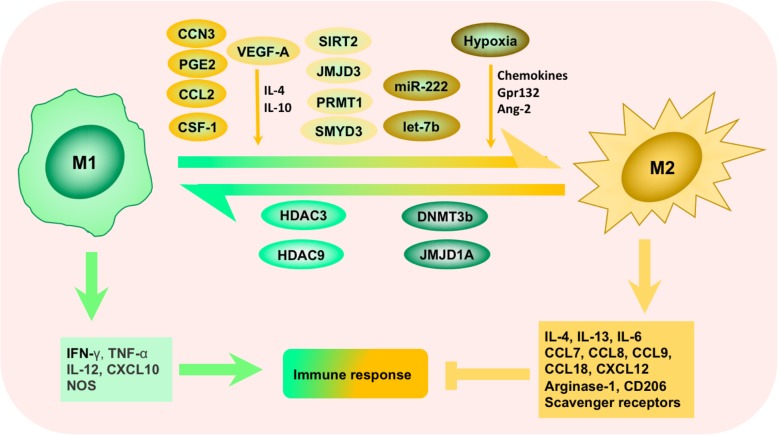
“The conversion between M1 (anti-tumorigenesis) and M2 (pro-tumorigenesis) is a biological process named “macrophage polarization” in response to microenvironmental signals [26].”
BackgroundInvolvement of chemokine receptors in breast cancer metastasis
Müller, A., Homey, B., Soto, H., Ge, N., Catron, D., Buchanan, M. E., McClanahan, T., Murphy, E., Yuan, W., Wagner, S. N., et al. (2001) · Nature · doi:10.1038/35065016 · Cited by 5,340
The distribution of secondary growths in cancer of the breast.
Paget, S. (1889) · The Lancet · doi:10.1016/s0140-6736(00)49915-0 · Cited by 5,277 · cited 1×
“In addition to the alterations of the intrinsic properties in tumor cells, the “seed and soil” concept, firstly proposed by Stephen Paget in 1889, has been widely accepted as a critical theory to do with metastasis [4].”
BackgroundMonocyte and macrophage heterogeneity
Gordon, S., & Taylor, P. R. (2005) · Nature Reviews Immunology · doi:10.1038/nri1733 · Cited by 5,190 · cited 1×
“However, both trabectedin and lurbinectedin cannot avoid the side effects arisen by unselectively macrophage consumption since macrophages closely participated in host defense and homeostatic regulation [140].”
BackgroundMacrophage Diversity Enhances Tumor Progression and Metastasis
Qian, B.-Z., & Pollard, J. W. (2010) · Cell · doi:10.1016/j.cell.2010.03.014 · Cited by 5,188 · cited 3×
“In addition, tumor graft models showed that CSF-1 depletion led to greatly reduced macrophage density, delayed tumor progression, and severely inhibited metastasis [22, 24, 42, 43].”
BackgroundMatrix Metalloproteinases: Regulators of the Tumor Microenvironment
Kessenbrock, K., Plaks, V., & Werb, Z. (2010) · Cell · doi:10.1016/j.cell.2010.03.015 · Cited by 5,151
Macrophage biology in development, homeostasis and disease
Wynn, T. A., Chawla, A., & Pollard, J. W. (2013) · Nature · doi:10.1038/nature12034 · Cited by 4,684 · cited 1×
“Macrophages are a type of versatile immunocytes, executing a broad spectrum of functions that range from modulating tissue homeostasis, defensing against pathogens, and facilitating wound healing [11].”
Background
Research works printed but not linked: 1
- Torres-Collado SPJSZSJBA Targeting distinct tumor-infiltrating myeloid cells by inhibiting CSF-1 receptor: combating tumor evasion of antiangiogenic therapy Blood 2010 115 7 1461 10.1182/blood-2009-08-237412 20008303 PMC2826767 · DOI · Paper page
Cited by
Items 801–900 of 1,000
Varghese, E., Samuel, S. M., Horňák, S., Kubatka, P., & Büsselberg, D. (2025) · Journal of Advanced Research · doi:10.1016/j.jare.2025.08.052 · Cited by 11
“Tumor-associated macrophages (TAM) populate the TME that secrete cytokines IL-23, IL-16, and IL-17, controlling t umor growth, metastasis, angiogenesis, and immune response [94].”
Immunomodulation via macrophages to fight solid tumor malignancies
Dandia, H., & Tayalia, P. (2020) · FEBS Journal · doi:10.1111/febs.15437 · Cited by 12
Sex-Based Differences in the Tumor Microenvironment
Wuidar, V., Gillot, L., Silva, I. D. D., Lebeau, A., Gallez, A., & Péqueux, C. (2021) · Advances in experimental medicine and biology · doi:10.1007/978-3-030-73119-9_23 · Cited by 11
Luo, B., Zhang, S., Tan, D., Yu, X., Lin, J., & Wang, M. (2022) · Oxidative Medicine and Cellular Longevity · doi:10.1155/2022/8965903 · Cited by 13
“M1 macrophages are commonly considered as antitumor cells, while M2 macrophages, deemed tumor-associated macrophages (TAMs), are regarded as protumor cells through angiogenic, immune suppression, hypoxia induction, and metastasis [31 – 33].”
Targeting FGL2 in glioma immunosuppression and malignant progression
Ma, X., Zhu, H., Cheng, L., Chen, X., Shu, K., & Zhang, S. (2022) · Frontiers in Oncology · doi:10.3389/fonc.2022.1004700 · Cited by 11
Carrara, S. C., Harwardt, J., Grzeschik, J., Hock, B. M., & Kolmar, H. (2022) · Frontiers in Immunology · doi:10.3389/fimmu.2022.1051875 · Cited by 12
“Tumour-associated macrophages (TAMs) are a key element of the heterogenous tumour microenvironment (TME) and can take on both tumour-impairing or tumour-promoting roles by differentiation of infiltrating or resident macrophages to either M1- or M2-type TAMs, respectively (50).”
BackgroundGu, W., Yang, Y., Liu, J., Xue, J., Zhao, H., Mao, L., & Zhao, S. (2023) · Molecular Immunology · doi:10.1016/j.molimm.2023.08.006 · Cited by 11
A review on polymeric nanocomposites for the electrochemical sensing of breast cancer biomarkers
Mohammadpour, Z., Kamankesh, M., Barough, M. S., Walsh, T., Ghorbanzadeh, S., Hamdi, D., Akbari, M., Zare, Y., Rhee, K. Y., & Seyfoori, A. (2023) · Microchemical Journal · doi:10.1016/j.microc.2023.109528 · Cited by 12
Ali, E., Červenková, L., Pálek, R., Ambrożkiewicz, F., Hošek, P., Daum, O., Liška, V., Hemminki, K., & Trailin, A. V. (2024) · BMC Cancer · doi:10.1186/s12885-024-11904-8 · Cited by 11
“All of these may have different functional states: from antitumor proinflammatory M1 (CD68 + CD163-) to protumor antiinflammatory M2 (CD68 + CD163 + ) macrophages [16], which may explain the discrepancies in reported effects of TAM in HCC.”
BackgroundResultSoldani, C., Simone, G. D., Polidoro, M. A., Morabito, A., Franceschini, B., Colombo, F., Anselmo, A., Milana, F., Lleò, A., Torzilli, G., et al. (2024) · Cancer Immunology Immunotherapy · doi:10.1007/s00262-024-03645-1 · Cited by 11
“Based on the tumor type, stages, and grades, TAMs can acquire different functions and properties, implicated in promoting tumor growth, progression, and metastases [1].”
BackgroundHong, L., Tanaka, M., Yasui, M., & Hara‐Chikuma, M. (2024) · Scientific Reports · doi:10.1038/s41598-024-73394-9 · Cited by 13
Fu, Q., Luo, Y., Li, J., Li, H., Liu, X., Chen, Z., Ni, G., & Wang, T. (2024) · Journal of Translational Medicine · doi:10.1186/s12967-024-05763-x · Cited by 12
“TAMs, typically polarised towards an M2-like phenotype, promote tumour cell proliferation through mechanisms that facilitate tumour growth, metastasis, and immune evasion [45, 46].”
BackgroundChen, Z., Xie, Y., Yang, C., Xiao, T., Chen, S., Wu, J.-H., Guo, Q., & Gao, L. (2024) · Life Sciences · doi:10.1016/j.lfs.2024.123297 · Cited by 11
Coronado, E., Yáñez, Y., Vidal, E., Rubio, L., Vera-Sempere, F. J., Martínez, A. J. C., Panadero, J., Cañete, A., Ladenstein, R. L., Castel, V., et al. (2020) · Molecular Oncology · doi:10.1002/1878-0261.12868 · Cited by 11
Khalyfa, A., Qiao, Z., Raju, M., Shyu, C., Coghill, L. M., Ericsson, A. C., & Gozal, D. (2021) · International Journal of Molecular Sciences · doi:10.3390/ijms221910616 · Cited by 11
Zhou, M., Xie, D., Zhou, Z., Li, L., & Huang, Y. (2021) · Nano Research · doi:10.1007/s12274-021-3976-9 · Cited by 11
Innovative cancer nanomedicine based on immunology, gene editing, intracellular trafficking control
Yamada, Y., Sato, Y., Nakamura, T., & Harashima, H. (2022) · Journal of Controlled Release · doi:10.1016/j.jconrel.2022.05.033 · Cited by 11
The Innate Immune Microenvironment in Metastatic Breast Cancer
Tommasi, C., Pellegrino, B., Diana, A., Palafox, M., Orditura, M., Scartozzi, M., Musolino, A., & Solinas, C. (2022) · Journal of Clinical Medicine · doi:10.3390/jcm11205986 · Cited by 12
“CSF-1 and C-C motif ligand 2 (CCL2) are the most important factors involved in M2 polarization and are involved in the recruitment of TAMs in TIM [29].”
BackgroundEmerging nano-strategies against tumour microenvironment (TME): a review
Mandal, D., Kushwaha, K., & Gupta, J. (2022) · OpenNano · doi:10.1016/j.onano.2022.100112 · Cited by 11
Zhang, Y., He, H., He, L., & Shi, B. (2023) · Cancer Biotherapy and Radiopharmaceuticals · doi:10.1089/cbr.2022.0045 · Cited by 12
“40 Tumor cells first acquire the capacity to migrate, invade the extracellular matrix and basement membrane, enter the blood circulation, evade the surveillance and clearance of the immune system, spread to distant tissues and organs, and eventually form metastatic tumors.”
Tran, N. L., Lee, I. K., Kim, H., Lee, K., Kim, S., & Oh, S. J. (2022) · Biomedical Materials · doi:10.1088/1748-605x/ac956c · Cited by 11
“In the tumour microenvironment (TME), tumour-associated macrophages (TAMs), which often polarize to an anti-inflammatory M2-like phenotype, stimulate tumour progression, including tumour cell growth, invasion, and metastasis [2].”
Subuddhi, A., Uosef, A., Zou, D., Ubelaker, H. V., Ghobrial, R. M., & Kloc, M. (2023) · International Immunopharmacology · doi:10.1016/j.intimp.2023.110017 · Cited by 10
Programming Cell‐Derived Vesicles with Enhanced Immunomodulatory Properties
Neupane, K. R., Ramon, G. S., Harvey, B. T., Chun, B. J., Aryal, S. P., Masud, A. A., McCorkle, J. R., Kolesar, J., Kekenes-Huskey, P. M., & Richards, C. I. (2023) · Advanced Healthcare Materials · doi:10.1002/adhm.202301163 · Cited by 11
Mashhouri, S., Rahmati, A., Azimi, A., Fava, R. A., Ismail, I. H., Walker, J. W. T., & Elahi, S. (2024) · Cellular Oncology · doi:10.1007/s13402-024-00950-w · Cited by 12
“For example, anti-inflammatory macrophages (M2) can modulate the TME milieu in the favor of tumor cells [ 6 ].”
BackgroundTumor-associated macrophages: orchestrators of cholangiocarcinoma progression
Chen, F., Sheng, J., Li, X., Gao, Z., Hu, L., Chen, M., Fei, J., & Song, Z. (2024) · Frontiers in Immunology · doi:10.3389/fimmu.2024.1451474 · Cited by 12
Molnár, A., Birgés, K., Surman, A., & Merkely, B. P. (2024) · International Journal of Molecular Sciences · doi:10.3390/ijms252313185 · Cited by 10
Microfabricated Organ-Specific Models of Tumor Microenvironments
Oh, J. M., Park, Y., Lee, J., & Shen, K. (2025) · Annual Review of Biomedical Engineering · doi:10.1146/annurev-bioeng-110222-103522 · Cited by 10
Pathobiology and Molecular Pathways Implicated in Osteosarcoma Lung Metastasis: A Scoping Review
Bashir, A., Ismail, A., Mavadia, A., Ghose, A., Ovsepian, S. V., & Boussios, S. (2025) · Technology in Cancer Research & Treatment · doi:10.1177/15330338251359716 · Cited by 10
“97,98 However, M2 TAMs support the metastatic and invasive potential of tumors through the upregulation of proteolytic enzymes and various cytokines and chemokines.”
Macrophages rescue cells from ferroptotic death
Hefetz, R., Lianski, S., Ghantous, L., Volman, Y., Sadovsky, Y., Beharier, O., & Rachmilewitz, J. (2025) · Cell Death and Disease · doi:10.1038/s41419-025-08277-6 · Cited by 11
“For example, tumor-associated macrophages were found to play a crucial key role in cancer biology, facilitating cancer growth and metastatic spread [14].”
Liu, T., Zhang, M., & Sun, D. (2020) · BioMed Research International · doi:10.1155/2020/5019746 · Cited by 13
“In fact, macrophage phenotypes are critical mediators of immune regulation and tumor metastasis [29], but these “ polarized states ” are debatable for macrophages [30].”
Bhattacharya, D., Sakhare, K. R., Narayan, K. P., & Banerjee, R. (2021) · Nanomedicine Nanotechnology Biology and Medicine · doi:10.1016/j.nano.2021.102371 · Cited by 10
Senescence-associated tumor growth is promoted by 12-Lipoxygenase
Patil, S. S., Reedy, J. L., Scroggins, B. T., White, A. O., Kwon, S., Shankavaram, U. T., López-Coral, A., Chung, E. J., & Citrin, D. E. (2022) · Aging · doi:10.18632/aging.203890 · Cited by 10
“com 1070 AGING (>16 weeks after radiation exposure) that could contribute to tumor growth, such as fibrosis, increased vascular permeability, and accumulation of alternatively activated macrophages [8, 29].”
BackgroundChabeli, M. S., Wang, X., Liang, Y., Chen, C., Yang, C., Shou, Y., Wang, S., & Chen, K. (2022) · Cancer Treatment and Research Communications · doi:10.1016/j.ctarc.2022.100621 · Cited by 10
Wang, J., Yang, Y. H., & Du, B. (2022) · Brain Sciences · doi:10.3390/brainsci12091120 · Cited by 10
“In TCGA, Pearson correlation between TPM4 and TGF-β (R = 0.461, p < 2.2 × 10⁻¹⁶), WNT (R = 0.017, p = 0.661), PI3K/AKT (R = 0.538, p < 2.2 × 10⁻¹⁶), MAPK (R = 0.040, p = 0.309), NOTCH (R = 0.252, p = 7.126 × 10⁻¹¹), HEDGEHOG (R = −0.197, p = 4.083 × 10⁻⁷), HYPOXIA (R = 0.599, p < 2.2 × 10⁻¹⁶); NA: not available.”
InfluentialApplications of machine learning in tumor-associated macrophages
Li, Z., Yu, Q., Zhu, Q., Yang, X., Li, Z., & Fu, J. (2022) · Frontiers in Immunology · doi:10.3389/fimmu.2022.985863 · Cited by 10
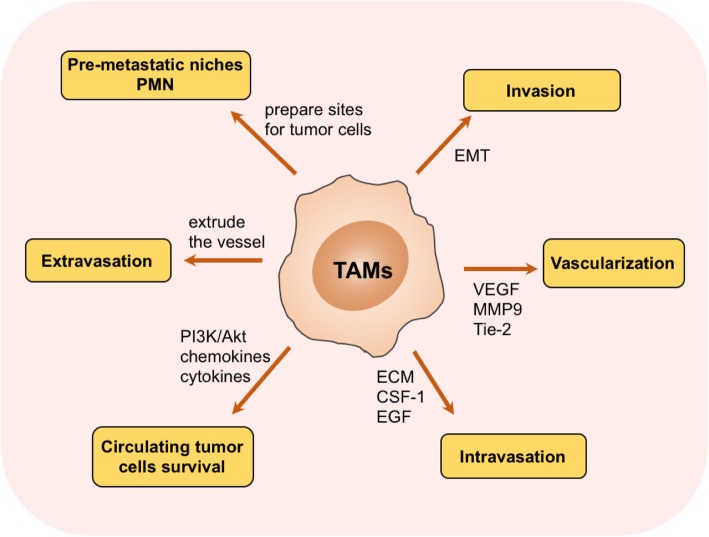
“These macrophages guide circulating tumor cells (CTCs) into the PMNs through enhancing the expression of chemokines and remodeling the extracellular matrix (ECM) into more tumorfavorable structures (75).”
BackgroundThe role of circular RNA in tumor microenvironment and immunotherapy
He, Y. T., Huang, Q., Ge, Y., Liu, X., Tong, Y., Shang, H., Ding, X., Peng, E., Wu, J., Chen, Z., et al. (2023) · International Journal of Biological Macromolecules · doi:10.1016/j.ijbiomac.2023.124929 · Cited by 12
A new approach to overcoming resistance to immunotherapy: nanotechnology
Shao, J., Jin, Y. H., & Jin, C. (2023) · Frontiers in Oncology · doi:10.3389/fonc.2023.1210245 · Cited by 10
Metabolic predictors of response to immune checkpoint blockade therapy
Shorer, O., & Yizhak, K. (2023) · iScience · doi:10.1016/j.isci.2023.108188 · Cited by 11
“68 , respectively), all are tumor-derived factors associated with recruitment of macrophages to the TME and their polarization to the M2-like phenotype 66,67 (Figure 5B; Table S5).”
BackgroundHU, W., Wartmann, T., Strecker, M., Perrakis, A., Croner, R. S., SZALLASI, A., Shi, W., & Kahlert, U. D. (2023) · Oncology Research Featuring Preclinical and Clinical Cancer Therapeutics · doi:10.32604/or.2023.043053 · Cited by 10
Mao, S., Wu, D., Cheng, X., & Wu, J. (2024) · iScience · doi:10.1016/j.isci.2024.109861 · Cited by 10
Narayanan, S., Teng, Q., Koya, J., Wang, J., Assaraf, Y. G., Charles, R. A., & Zhe-Sheng, C. (2019) · Journal of Molecular and Clinical Medicine · doi:10.31083/j.jmcm.2019.03.0303 · Cited by 10
“The tumor cell microenvironment has a significant impact on the progression and metastasis of human cancer cells [8, 9, 10].”
BackgroundEmerging roles of non-coding RNAs in the metabolic reprogramming of tumor-associated macrophages
Li, J., Lu, Z., Zhang, Y., Xia, L., & Su, Z. (2021) · Immunology Letters · doi:10.1016/j.imlet.2021.02.003 · Cited by 10
Li, N., Liang, X., Li, J., Zhang, D., Li, T., & Guo, Z. (2021) · PubMed · doi:10.14670/hh-18-348 · Cited by 11
Liu, Y., Yin, S.-Y., Zeng, S., Hu, Y.-D., Wang, M., Huang, P., & Li, J.-P. (2021) · Pharmacogenomics and Personalized Medicine · doi:10.2147/pgpm.s332345 · Cited by 10
“M2 macrophages, which also act as TAMs in the immune microenvironment, have been extensively studied for their key role in tumor progression, which affects the growth and metastasis of tumors.(55) Several studies have shown that TAMs can have a positive effect on cancerpromoting factors in malignant tumors and create…”
BackgroundScavenger receptor class F member 2 (SCARF2) as a novel therapeutic target in glioblastoma
Kim, C., Kong, G., Lee, H., Tran, Q., Vo, T.-T. T., Kwon, S. H., Park, J., Kim, S., & Park, J. (2022) · Toxicological Research · doi:10.1007/s43188-022-00125-5 · Cited by 10
“Tumors are dangerous due to rapid metastasis and the difficulty of treatment [34].”
BackgroundLi, R., Yin, X., Zeng, D., Shao, F.-J., Yamamoto, S., Liu, W., & Liu, Z.-Y. (2022) · Annals of Translational Medicine · doi:10.21037/atm-22-3690 · Cited by 10
“…polarization of antigen-presenting cells, particularly macrophages, and induce the p38MAPK/Creb1/Klf4 signaling pathway, which can activate TAMs, and in turn, the subsequent production of pro-inflammatory cytokines [i.e., interleukin (IL)-10, IL-12, and IL-23] can activate cytotoxic T cells (7,16).”
Yang, J., Tan, C., Long, D., Liang, Y., Zhou, L., Liu, X.-B., & Chen, Y. (2022) · World Journal of Gastroenterology · doi:10.3748/wjg.v28.i34.5047 · Cited by 10
Zhang, L., Chen, F., Liang, X.-R., Ponnusamy, M., Qin, H., & Lin, Z. (2022) · Frontiers in Oncology · doi:10.3389/fonc.2022.1008856 · Cited by 10
Wang, S. S. Y., Chng, W. J., Liu, H., & Mel, S. D. (2022) · Cancers · doi:10.3390/cancers14225654 · Cited by 10
Jamieson, T. R., Poutou, J., & Ilkow, C. S. (2020) · Cytokine & Growth Factor Reviews · doi:10.1016/j.cytogfr.2020.07.004 · Cited by 12
Editorial: Angiogenesis and tumor metastasis
Zhang, Q.-Z., Zhu, Y.-P., Rahat, M. A., & Kzhyshkowska, J. G. (2023) · Frontiers in Oncology · doi:10.3389/fonc.2022.1129736 · Cited by 10
“This process requires that the metastatic cells become invasive through intravasation into a lymphatic or blood vessel, survive in the circulation, and then extravasate into the distant organ (4).”
BackgroundRole of macrophages in cancer progression and targeted immunotherapies
Arora, L., Kalia, M., & Pal, D. (2022) · Advances in protein chemistry and structural biology · doi:10.1016/bs.apcsb.2022.11.010 · Cited by 10
Zhang, N., Zhao, F., Chen, H., Wang, J., & Li, H. (2025) · Journal of Cell Communication and Signaling · doi:10.1002/ccs3.70034 · Cited by 9
“39,40 Ourstudy reveals that UBD regulates the glycolytic pathway to promote M2 polarization of macrophages and suppresses CD8 þ T cell activity through the accumulation of lactate.”
Predictive Value of Serum VEGF Levels in Non-Small Cell Lung Cancer: A Review
Kokkotou, E., Charpidou, A. G., & Syrigos, N. K. (2025) · Oncology Research Featuring Preclinical and Clinical Cancer Therapeutics · doi:10.32604/or.2025.066228 · Cited by 9
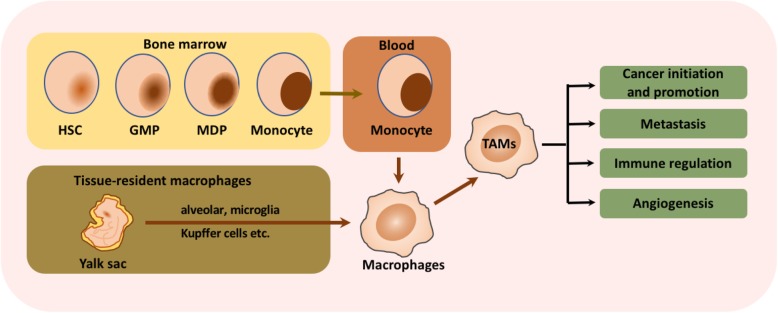
“TAMs produce cytokines, chemokines and growth factors that induce immunosuppression and activate the suppressive immunological checkpoint proteins in T cells [44].”
Targeting focal adhesion kinase: from molecular mechanisms to next-generation cancer therapeutics
Chen, J., Bu, Z., & Zhan, Q. (2026) · Science Bulletin · doi:10.1016/j.scib.2026.02.048 · Cited by 10
Parija, M., Adhya, A. K., & Mishra, S. K. (2023) · Oncotarget · doi:10.18632/oncotarget.28433 · Cited by 9
Zhang, Y., Luo, Y., Liu, X., Kiupel, M., Li, A., Wang, H., Mi, Q., & Xiao, H. (2023) · Cellular and Molecular Gastroenterology and Hepatology · doi:10.1016/j.jcmgh.2023.09.007 · Cited by 9
“32,33 We then examined the effect of Ncoa5 -de fi cient macrophages on HCC cell growth and invasion potential in vitro by treating HepG2 cells with CM of RAW 264.7 cells with or without Ncoa5 knockout.”
BackgroundInfluentialLi, C., Wang, L., Li, Z., Li, Z., Zhang, K., Cao, L., Wang, Z., Shen, C., & Chen, L. (2023) · International Journal of Pharmaceutics · doi:10.1016/j.ijpharm.2023.123729 · Cited by 9
Adaptor molecules mediate negative regulation of macrophage inflammatory pathways: a closer look
Baig, M. S., Barmpoutsi, S., Bharti, S., Weigert, A., Hirani, N., Atre, R., Khabiya, R., Sharma, R., Sarup, S., & Savai, R. (2024) · Frontiers in Immunology · doi:10.3389/fimmu.2024.1355012 · Cited by 10
Xu, Y., Gao, Z., Sun, X., Li, J., Ozaki, T., Shi, D., Yu, M., & Zhu, Y. (2024) · Cancer and Metastasis Reviews · doi:10.1007/s10555-024-10182-x · Cited by 9
“Cancer cell intravasation into the vasculature also requires the assistance of certain stromal cells, such as macrophages and endothelial cells [65, 66].”
Knockout cancer by nano-delivered immunotherapy using perfusion-aided scaffold-based tumor-on-a-chip
Suryavanshi, P., & Bodas, D. (2024) · Nanotheranostics · doi:10.7150/ntno.87818 · Cited by 9
“[68] Thus, understanding the complexity of the tumor microenvironment is essential to analyze patients' responses to immunotherapy.”
Sun, C., Zhan, J., Li, Y., Zhou, C., Huang, S., Zhu, X., & Huang, K. (2024) · Journal of Cellular and Molecular Medicine · doi:10.1111/jcmm.18348 · Cited by 9
Cell membrane camouflaged nanoparticle strategy and its application in brain disease: a review
Kim, B., Park, B., You, S., Jung, S. H., Lee, S., Lim, K., Choi, Y. J., Kim, J.-H., & Lee, S. (2024) · Journal of Pharmaceutical Investigation · doi:10.1007/s40005-024-00680-z · Cited by 11
“TAMs can use cell membrane surface molecules for tumor-specific migration (Lin et al. 2019).”
Melwani, P. K., Balla, M. M. S., Bhamani, A., Nandha, S. R., Checker, R., & Pandey, B. N. (2024) · Cellular Signalling · doi:10.1016/j.cellsig.2024.111274 · Cited by 9
Cancer metastases: Tailoring the targets
Pote, M. S., Singh, D., A, A. M., Suchita, J., & Gacche, R. N. (2024) · Heliyon · doi:10.1016/j.heliyon.2024.e35369 · Cited by 9
“As a result, they facilitate all aspects of metastasis [101], including promoting tumour cell invasion and vascularization, developing a pre-metastatic niche, protecting CTCs, and promoting tumour cell extravasation.”
BackgroundAdvances in regulating endothelial-mesenchymal transformation through exosomes
Sishuai, S., Lingui, G., PengTao, L., Xinjie, B., & Junji, W. (2024) · Stem Cell Research & Therapy · doi:10.1186/s13287-024-04010-w · Cited by 9
Su, Y., Huang, M., Chen, Q., He, J., Li, S., & Wang, M. (2024) · Carbohydrate Polymers · doi:10.1016/j.carbpol.2024.122952 · Cited by 14
Zhang, Y., Xue, Y., Gao, Y., & Zhang, Y. (2024) · Scientific Reports · doi:10.1038/s41598-024-80292-7 · Cited by 10
“The significant positive correlation between SLITRK4 and both suggests that it may promote the progression and deterioration of gastric cancer by regulating the EMT process and promoting angiogenesis 69,70 .”
Adamecz, D. I., Veres, É., Papp, C., Árva, H., Rónavári, A., Marton, A., Vízler, C., Gácser, A., Kónya, Z., Igaz, N., et al. (2025) · International Journal of Nanomedicine · doi:10.2147/ijn.s508171 · Cited by 9
Huber, D., Kors, T. A., Schütt, L., Hofmann, L., Betzler, A. C., Lotfi, R., Oliveri, F., Schmid, S., Wollenberg, B., Hoffmann, T. K., et al. (2025) · British Journal of Cancer · doi:10.1038/s41416-025-03001-9 · Cited by 9
“Tumour-associated macrophages (TAMs) were found to promote almost every step in the process of metastasis formation [6].”
Жукова, О. В., Kovaleva, T. F., Архипова, Е. В., Ryabov, S. A., & Mukhina, I. V. (2020) · Biomedical Reports · doi:10.3892/br.2020.1354 · Cited by 9
“M1 and M2 macrophages present in the tumor microenvironment have been the focus of an increasing number of studies (20,28,51).”
BackgroundKondou, R., Akiyama, Y., Iizuka, A., Miyata, H., Maeda, C., Kanematsu, A., Watanabe, K., Ashizawa, T., Nagashima, T., Urakami, K., et al. (2021) · Molecular and Clinical Oncology · doi:10.3892/mco.2021.2395 · Cited by 10
Synthesizing a Smarter CAR T Cell: Advanced Engineering of T-cell Immunotherapies
Zhu, I., Piraner, D. I., & Roybal, K. T. (2023) · Cancer Immunology Research · doi:10.1158/2326-6066.cir-22-0962 · Cited by 10
Garbin, A., Contarini, G., Damanti, C. C., Tosato, A., Bortoluzzi, S., Gaffo, E., Pizzi, M., Carraro, E., Nigro, L. L., Vinti, L., et al. (2023) · Biochemical Pharmacology · doi:10.1016/j.bcp.2023.115747 · Cited by 9
Myostatin expression in lung cancer induces sarcopenia and promotes cancer progression
Kawaguchi, Y., Watanabe, A., Shiratori, T., Kaku, R., Ueda, K., Okamoto, K., Kataoka, Y., Ohshio, Y., & Hanaoka, J. (2023) · General Thoracic and Cardiovascular Surgery · doi:10.1007/s11748-023-01969-w · Cited by 9
“TAM, the major immune cells in the tumor microenvironment, promote tumor progression and metastasis [9].”
Kwiecień, I., Rutkowska, E., Raniszewska, A., Rzeszotarska, A., Polubiec-Kownacka, M., Domagala-Kulawik, J. J., Korsak, J., & Rzepecki, P. (2023) · Cancers · doi:10.3390/cancers15215175 · Cited by 10
“M2 macrophages also secrete cytokines just like IL-1RA, IL-10, and TGF-β [14].”
BackgroundWiegmans, A. P., Ivanova, E., Naei, V. Y., Monkman, J. H., Fletcher, J. A., Mullally, W. J., Warkiani, M. E., O'Byrne, K. J., & Kulasinghe, A. (2024) · Clinical & Experimental Metastasis · doi:10.1007/s10585-024-10270-w · Cited by 9
“Macrophage polarisation—a biological process that gives rise to tumour-associated macrophages (TAMs)—has been long known to contribute to tumour-promoting microenvironment (TME) and metastasis [22].”
BackgroundLim, Y., Cho, B. K., Kang, S., Jeong, S.-Y., Kim, H. J., Baek, J., Moon, J. H., Lee, C., Park, C. S., Mun, J., et al. (2024) · Journal of the European Academy of Dermatology and Venereology · doi:10.1111/jdv.19881 · Cited by 9
“9 Collectively, these alterations in the gene expression of melanoma cells according to invasion depth and metastasis suggest that melanoma cells may have evolved to downregulate immune responses through T cells and to upregulate M2 macrophage polarization, as an immune-evasion strategy.”
Mejia, I., Bodapati, S., Chen, K. T., & Díaz, B. (2020) · Biomedicines · doi:10.3390/biomedicines8100401 · Cited by 9
“IL-10, IL-4, and IL-13 and through expressed receptors such mannose and scavenger receptors [107].”
BackgroundEmami, F., Banstola, A., Jeong, J., & Yook, S. (2021) · Journal of Industrial and Engineering Chemistry · doi:10.1016/j.jiec.2021.10.029 · Cited by 9
Wang, K., & Chen, X. (2021) · Journal of Thoracic Disease · doi:10.21037/jtd-21-1519 · Cited by 9
“Previous studies have suggested that TAMs are involved in promoting tumor growth and metastasis, as well as inducing tumor angiogenesis and immunosuppression (9-11).”
BackgroundArtificial Engineering of Immune Cells for Improved Immunotherapy
Li, C., Qi, Y., Zhang, Y. X., Chen, Y., Feng, J. X., & Zhang, X. (2021) · Advanced NanoBiomed Research · doi:10.1002/anbr.202000081 · Cited by 10
Asadi, M., Zafari, V., Mohammadi, S. S., Shanehbandi, D., Mert, U., Soleimani, Z., Caner, A., & Zarredar, H. (2024) · Bioimpacts · doi:10.34172/bi.30713 · Cited by 11
Li, M., Tian, Y., Si, L., Fu, H., Lai, T., & Guo, R. (2025) · International Immunopharmacology · doi:10.1016/j.intimp.2024.114011 · Cited by 8
Taylor, H. B., Spruill, L., Jensen‐Smith, H. C., Rujchanarong, D., Hulahan, T. S., Ivey, A., Siougiannis, A., Bethard, J. R., Ball, L. E., Sandusky, G. E., et al. (2025) · Matrix Biology · doi:10.1016/j.matbio.2025.01.006 · Cited by 9
Jin, Z., Li, Y., Hao, Y., Wang, M., Wang, C., Du, S., Zeng, W., & Zong, Z. (2025) · International Journal of Oncology · doi:10.3892/ijo.2025.5728 · Cited by 8
“I and MHC‑II pathways, utilizing costimulatory and inhibitory signals, along with cytokines, to modulate T cell activation (76).”
CD68- and CD163-positive tumor-associated macrophages in renal clear cell carcinoma
Yang, Y., Sun, D., Ma, X., Wang, T., & Wu, J. (2025) · Scientific Reports · doi:10.1038/s41598-025-19003-9 · Cited by 11
Sun, D., Liu, X., Mao, C., Zhao, F., Fan, W., Li, C., & Xuan, Y. (2025) · Bioorganic Chemistry · doi:10.1016/j.bioorg.2025.109422 · Cited by 11
Hao, C., Sun, Z.-N., Chen, G.-S., Zhang, B., Xiong, W.-H., Zhang, X.-B., & Qi, F. (2026) · Neoplasia · doi:10.1016/j.neo.2026.101276 · Cited by 8
Mechanisms Underlying Tumor-Associated Macrophages (TAMs)-Facilitated Metastasis
Aleebrahim‐Dehkordi, E., Deravi, N., Fallahi, M. S., & Rezaei, N. (2023) · Springer eBooks · doi:10.1007/978-3-030-80962-1_66-1 · Cited by 9
Liu, Z., Zhou, X., Chen, B., Wu, Z., Zhang, C., Gu, C., Li, J., & Yang, X. (2023) · Cell Cycle · doi:10.1080/15384101.2023.2222520 · Cited by 9
“Previous studies confirmed that TAMs were key cells in the development of the TME and became the most promising therapeutic targets [44,45].”
BackgroundTherapeutic application of regeneration-associated cells: a novel source of regenerative medicine
Salybekov, A. A., Hassanpour, M., Kobayashi, S., & Asahara, T. (2023) · Stem Cell Research & Therapy · doi:10.1186/s13287-023-03428-y · Cited by 8
“A great example is tumor milieu M2-like macrophages; the latter are by Th2-derived cytokines such as IL-4, IL-10, IL-13, TGF-β, or prostaglandin E2 (PGE2) [30, 31].”
BackgroundInfluentialScheurlen, K. M., Snook, D. L., Littlefield, A. B., George, J. B., Parks, M. A., Beal, R. J., Macleod, A., Riggs, D. W., Gaskins, J., Chariker, J. H., et al. (2023) · Cancer Medicine · doi:10.1002/cam4.6681 · Cited by 9
“32,51,52 Currently, there is no distinct M2 macrophage subtype based on an established reproducible protocol that makes studies investigating functional analyses in cancer research comparable.”
BackgroundYang, Y., Yue, C., Mu, Y., Tang, X., & Mu, X. (2024) · Chemical Biology & Drug Design · doi:10.1111/cbdd.14507 · Cited by 8
“Tumor-associated macrophages exert important functions in cancer metastasis by providing an immunosuppressive tumor microenvironment (Lin et al., 2019).”
BackgroundSmall extracellular vesicles: Multi-functional aspects in non-small cell lung carcinoma
Padinharayil, H., & George, A. (2024) · Critical Reviews in Oncology/Hematology · doi:10.1016/j.critrevonc.2024.104341 · Cited by 8
Hsu, R. C., Al-Zubeidy, B., Flores, D., Nazarian, A., Baugh, A. G., Gonzalez, E. R., Castanon, S. L., Xiu, J., Kang, I. M., SPICER, D. V., et al. (2024) · Breast Cancer Research and Treatment · doi:10.1007/s10549-024-07295-w · Cited by 8
“We also reported differences in TAMs which are known to affect tumor growth, angiogenesis, immune regulation, metastasis, and chemoresistance [46].”
BackgroundTargeting the Depletion of M2 Macrophages: Implication in Cancer Immunotherapy
Festekdjian, T., & Bonavida, B. (2024) · Critical Reviews™ in Oncogenesis · doi:10.1615/critrevoncog.2024053580 · Cited by 8
Recent Advances in Nanoimmunotherapy by Modulating Tumor-Associated Macrophages for Cancer Therapy
Hao, J., Zhao, X., Wang, C., Cao, X., & Liu, Y. (2024) · Bioconjugate Chemistry · doi:10.1021/acs.bioconjchem.4c00242 · Cited by 10
Lu, Q., Chen, R., Zeng, F., Liu, Z., Pan, Y., Gao, Y., He, B., & Song, Y. (2024) · Advanced Functional Materials · doi:10.1002/adfm.202408767 · Cited by 8
Small extracellular vesicles (sEVs) in pancreatic cancer progression and diagnosis
Hasan, R., Zhao, Z., Li, Y., Liu, Y., Zhang, Y., & Cheng, K. (2025) · Journal of Controlled Release · doi:10.1016/j.jconrel.2025.01.072 · Cited by 9
Metadata
- Authors
- Lin, Y., Xu, J., & Lan, H.
- Affiliations
- University of Michigan (US)
- Corresponding author
- Xu, Jianxin
- Lan, Huiyin
- Venue
- Journal of Hematology & Oncology
- Published
- 2019-07-12
- Volume
- 12
- Issue
- 1
- Pages
- 76-76
- ISSN
- 1756-8722 (ISSN-L)
- PMC
- PMC6626377
- OpenAlex
- W2960078024
- Cited by
- 1,398
- References
- 179
- Citations by year
- 2026: 83 · 2025: 191 · 2024: 234 · 2023: 274 · 2022: 280 · 2021: 209 · 2020: 114 · 2019: 12
- FWCI
- 13.31
- Type
- journal article
- Language
- en
- Open access
- gold
- doi.org
- Licence
- cc-by
- creativecommons.org/licenses/by/4.0/ (tdm)
- creativecommons.org/licenses/by/4.0/ (vor)
- Locations
- Journal of Hematology & Oncology (publishedVersion, cc-by)
- PubMed Central (publishedVersion, cc-by)
- PubMed (publishedVersion)
- Deep Blue (University of Michigan) (submittedVersion)
- DOAJ (DOAJ: Directory of Open Access Journals) (submittedVersion, cc-by-sa)
- Topics
- Life Sciences › Immunology and Microbiology › Immunology › Immune cells in cancer
- Health Sciences › Medicine › Oncology › Cancer Immunotherapy and Biomarkers
- Health Sciences › Medicine › Oncology › Cancer Cells and Metastasis
- Keywords
- tumor-associated macrophages, metastasis, tumor microenvironment, immunosuppression, TAM polarization, immune checkpoint blockade, TAM-targeted therapy, cancer immunotherapy
- MeSH terms
- Animals, Antineoplastic Agents, Humans, Macrophages, Neoplasm Invasiveness, Neoplasm Metastasis, Neoplasms, Cytokines, Tumor Microenvironment
About these checks
Registry, retraction, Cites and statistics results are computed, not judged, with one exception: a printed reference that no index lists is read once by a model before it counts as a citation error. Claims are extracted by a model and kept only when their quote appears verbatim in the text; each cited source is then checked, with a model’s help, for whether it says what the claim relies on. Those verdicts can be wrong — read the claim’s quote and the cited source before relying on one.
Statistics and arithmetic are recomputed, not judged.
Confidence bands are shown only for fields calibrated on our annotated test set. None is calibrated yet, so no band is shown.
What counts as a claim ›How we measure confidence ›How we check this ›
Are you an author, or do you see a problem with this page? Request a review
Data sources
Bibliographic data: Semantic Scholar, OpenAlex, Crossref.
Contains information from the Semantic Scholar Academic Graph Datasets, made available under the ODC Attribution License (ODC-BY 1.0).
Semantic Scholar’s data is described in: Kinney, R., et al. (2023). The Semantic Scholar Open Data Platform. arXiv:2301.10140.
