

Tumor-associated macrophages in tumor metastasis: biological roles and clinical therapeutic applications
Open accessThe DOI matches its Crossref record; 178 of the 179 references it cites were found in a registry or an index.
Abstract
Tumor metastasis is a major contributor to the death of cancer patients. It is driven not only by the intrinsic alterations in tumor cells, but also by the implicated cross-talk between cancer cells and their altered microenvironment components. Tumor-associated macrophages (TAMs) are the key cells that create an immunosuppressive tumor microenvironment (TME) by producing cytokines, chemokines, growth factors, and triggering the inhibitory immune checkpoint proteins release in T cells. In doing so, TAMs exhibit important functions in facilitating a metastatic cascade of cancer cells and, meanwhile, provide multiple targets of certain checkpoint blockade immunotherapies for opposing tumor progression. In this article, we summarize the regulating networks of TAM polarization and the mechanisms underlying TAM-facilitated metastasis. Based on the overview of current experimental evidence dissecting the critical roles of TAMs in tumor metastasis, we discuss and prospect the potential applications of TAM-focused therapeutic strategies in clinical cancer treatment at present and in the future.
Overview
The claims and statistics of this paper haven’t been checked yet.
Free: it reads the open-access text and checks the first 5 claims that cite a source we can check. Create a free account to check every claim.
Integrity signals
Registry
Cites
Statistics
Figures
Verification
Claims the paper makes
The claims and statistics of this paper haven’t been checked yet.
Free: it reads the open-access text and checks the first 5 claims that cite a source we can check. Create a free account to check every claim.
Claims other papers make about this one
Each is checked against this paper’s own text: does it say what the citing paper says it does?
The cited source says what the claim attributes to it.
In the citing paper
“Clinical studies and experimental animal models suggest that TAM commonly plays a pro-tumoral role in various ways [89, 96, 97].”
From Tumor microenvironment complexity and therapeutic implications at a glance (2020) · cites this paper as [96]
The cited source says what the claim attributes to it.
In the citing paper
“Accordingly, TAM-based therapeutic strategies are being developed that aim at TAM targeting, TAM re-education, and TAM depletion [88, 96, 101, 102].”
From Tumor microenvironment complexity and therapeutic implications at a glance (2020) · cites this paper as [96]
Self-check
Percentages, sums and reported differences re-computed from the paper’s own numbers.
The self-check needs the paper’s full text.
Citations
Cites
Molecular mechanisms of epithelial–mesenchymal transition
Lamouille, S., Xu, J., & Derynck, R. (2014) · Nature Reviews Molecular Cell Biology · doi:10.1038/nrm3758 · Cited by 8,091
Self-citationMicroenvironmental regulation of tumor progression and metastasis
Quail, D. F., & Joyce, J. A. (2013) · Nature Medicine · doi:10.1038/nm.3394 · Cited by 7,994 · cited 3×
“most of the current paradigms are designed to eliminate or interdict tumor cells themselves while the successful outgrowth of metastases is largely influenced by nonmalignant cells of the tumor microenvironment (TME) [5, 6, 82].”
BackgroundMolecular Mechanisms of Stress-Responsive Changes in Collagen and Elastin Networks in Skin
Aziz, J., Shezali, H., Radzi, Z., Yahya, N. A., Abu Kassim, N. H., Czernuszka, J., & Rahman, M. T. (2016) · Skin Pharmacology and Physiology · doi:10.1159/000447017 · Cited by 7,323
MANTOVANI, A., SOZZANI, S., LOCATI, M., ALLAVENA, P., & SICA, A. (2002) · Trends in Immunology · doi:10.1016/s1471-4906(02)02302-5 · Cited by 5,528 · cited 1×
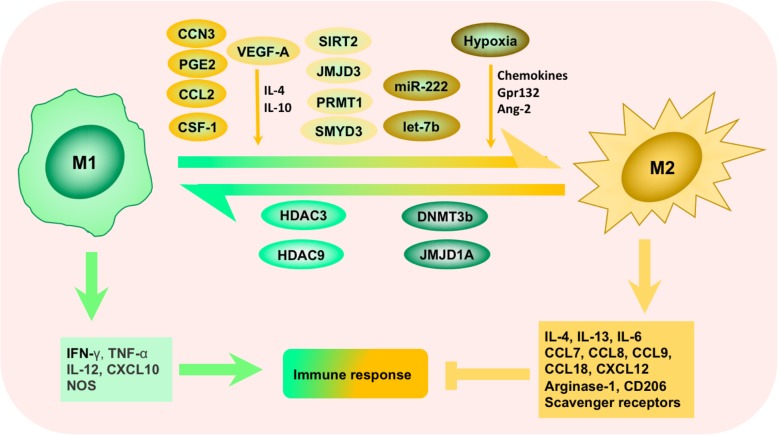
“The conversion between M1 (anti-tumorigenesis) and M2 (pro-tumorigenesis) is a biological process named “macrophage polarization” in response to microenvironmental signals [26].”
BackgroundInvolvement of chemokine receptors in breast cancer metastasis
Müller, A., Homey, B., Soto, H., Ge, N., Catron, D., Buchanan, M. E., McClanahan, T., Murphy, E., Yuan, W., Wagner, S. N., et al. (2001) · Nature · doi:10.1038/35065016 · Cited by 5,340
The distribution of secondary growths in cancer of the breast.
Paget, S. (1889) · The Lancet · doi:10.1016/s0140-6736(00)49915-0 · Cited by 5,277 · cited 1×
“In addition to the alterations of the intrinsic properties in tumor cells, the “seed and soil” concept, firstly proposed by Stephen Paget in 1889, has been widely accepted as a critical theory to do with metastasis [4].”
BackgroundMonocyte and macrophage heterogeneity
Gordon, S., & Taylor, P. R. (2005) · Nature Reviews Immunology · doi:10.1038/nri1733 · Cited by 5,190 · cited 1×
“However, both trabectedin and lurbinectedin cannot avoid the side effects arisen by unselectively macrophage consumption since macrophages closely participated in host defense and homeostatic regulation [140].”
BackgroundMacrophage Diversity Enhances Tumor Progression and Metastasis
Qian, B.-Z., & Pollard, J. W. (2010) · Cell · doi:10.1016/j.cell.2010.03.014 · Cited by 5,188 · cited 3×
“In addition, tumor graft models showed that CSF-1 depletion led to greatly reduced macrophage density, delayed tumor progression, and severely inhibited metastasis [22, 24, 42, 43].”
BackgroundMatrix Metalloproteinases: Regulators of the Tumor Microenvironment
Kessenbrock, K., Plaks, V., & Werb, Z. (2010) · Cell · doi:10.1016/j.cell.2010.03.015 · Cited by 5,151
Macrophage biology in development, homeostasis and disease
Wynn, T. A., Chawla, A., & Pollard, J. W. (2013) · Nature · doi:10.1038/nature12034 · Cited by 4,684 · cited 1×
“Macrophages are a type of versatile immunocytes, executing a broad spectrum of functions that range from modulating tissue homeostasis, defensing against pathogens, and facilitating wound healing [11].”
Background
Research works printed but not linked: 1
- Torres-Collado SPJSZSJBA Targeting distinct tumor-infiltrating myeloid cells by inhibiting CSF-1 receptor: combating tumor evasion of antiangiogenic therapy Blood 2010 115 7 1461 10.1182/blood-2009-08-237412 20008303 PMC2826767 · DOI · Paper page
Cited by
Items 501–600 of 1,000
Zhang, R., Cheng, K., Huang, Z., Zhang, X., Li, Y., Sun, X. P., Yang, X., Hu, Y., Hou, X. L., Liu, B., et al. (2023) · Journal of Colloid and Interface Science · doi:10.1016/j.jcis.2023.10.054 · Cited by 27
Cholinergic Polarization of Human Macrophages
Roa-Vidal, N., Rodríguez-Aponte, A. S., Lasalde‐Dominicci, J. A., Capó-Vélez, C. M., & Delgado‐Vélez, M. (2023) · International Journal of Molecular Sciences · doi:10.3390/ijms242115732 · Cited by 27
“In the context of cancer, there are tumor-associated macrophages (TAMs), and their presence has been linked to metastasis [20].”
BackgroundNanoparticle Uptake in a Spontaneous and Immunocompetent Woodchuck Liver Cancer Model
Liu, L. Y., Ma, X., Ouyang, B., Ings, D. P., Marwah, S., Liu, J., Chen, A. Y., Gupta, R., Manuel, J., Chen, X., et al. (2020) · ACS Nano · doi:10.1021/acsnano.0c00468 · Cited by 28
Iron in the Tumor Microenvironment
Vela, D. (2020) · Advances in experimental medicine and biology · doi:10.1007/978-3-030-43093-1_3 · Cited by 27
Arya, D. K., Deshpande, H., Kumar, A., Chidambaram, K., Pandey, P., Anjum, S., Deepak, P., Kumar, V., Kumar, S., Pandey, G., et al. (2024) · Pharmaceutics · doi:10.3390/pharmaceutics16091128 · Cited by 29
“Tumor-associated macrophages (TAMs) and myeloid-derived suppressor cells (MDSCs) further contribute to immune evasion and tumor progression [44].”
BackgroundWang, C., Hou, Y., Hong, Y., Tai, †. Y.-H., Shen, C., Hou, P., Fu, J.-L., Wu, C.-L., Cheng, S. M., Hwang, D., et al. (2025) · Molecular Cancer · doi:10.1186/s12943-024-02207-4 · Cited by 26
Macrophages in prostate cancer: dual roles in tumor progression and immune evasion
Liu, R., Lü, J., Liu, J., Liao, Y., Guo, Y., Shi, P., Wang, Z., Wang, H., & Lai, J. (2025) · Journal of Translational Medicine · doi:10.1186/s12967-025-06519-x · Cited by 26
“They then infiltrate blood vessels, endure the circulation, and finally establish new metastatic locations effectively [69].”
InfluentialHuo, J., Wu, L., & Zang, Y. (2021) · Frontiers in Oncology · doi:10.3389/fonc.2021.635324 · Cited by 28
Vasculogenic mimicry structures in melanoma support the recruitment of monocytes
Tan, L. Y., Cockshell, M. P., Moore, E., Min, K. K. M., Ortiz, M., Johan, M. Z., Ebert, B., Ruszkiewicz, A., Brown, M. P., Ebert, L. M., et al. (2022) · OncoImmunology · doi:10.1080/2162402x.2022.2043673 · Cited by 29
Shi, W., Zhang, F., Chen, X., Wang, S., Zhang, H., Yang, Z., Wang, G., Zheng, Y., Han, Y., Sun, Y., et al. (2022) · Cancer Science · doi:10.1111/cas.15360 · Cited by 26
Lee, S., Jang, G.-Y., Lee, J., Park, S. H., Han, H. D., Park, Y., & Kang, T. H. (2022) · Cancer Immunology Immunotherapy · doi:10.1007/s00262-022-03220-6 · Cited by 26
Biology of macrophage fate decision: Implication in inflammatory disorders
Yadav, S., Dwivedi, A., & Tripathi, A. (2022) · Cell Biology International · doi:10.1002/cbin.11854 · Cited by 30
“TAMs contribute to new blood vessels formation and help in tumor progression by inducing malignancy (Lin et al., 2019).”
BackgroundAkhave, N. S., Zhang, J., Corsini, E. M., Frank, M. L., Chiou, S., Behrens, C., Chen, R., Hu, X., Parra, E. R., Lee, W., et al. (2022) · Lung Cancer · doi:10.1016/j.lungcan.2022.08.007 · Cited by 27
Importance of the endometrial immune environment in endometrial cancer and associated therapies
van der Woude, H., Hally, K. E., Currie, M. J., Gasser, O., & Henry, C. E. (2022) · Frontiers in Oncology · doi:10.3389/fonc.2022.975201 · Cited by 29
The role of tumor-associated macrophages and soluble mediators in pulmonary metastatic melanoma
Xiong, K., Qi, M., Stoeger, T., Zhang, J., & Chen, S. (2022) · Frontiers in Immunology · doi:10.3389/fimmu.2022.1000927 · Cited by 28
“Frontiers in Immunology 06 and endothelial cells (15).”
BackgroundInfluentialPolymeric micelles assisted combinatorial therapy: Is it new hope for pancreatic cancer?
Rehman, U., Abourehab, M. A. S., Alexander, A., & Kesharwani, P. (2022) · European Polymer Journal · doi:10.1016/j.eurpolymj.2022.111784 · Cited by 26
Peptide-Based Vaccine against Breast Cancer: Recent Advances and Prospects
Nordin, M. L., Azemi, A. K., Nordin, A. H., Nabgan, W., Ng, P. Y., Yusoff, K., Abu, N., Lim, K. P., Zakaria, Z. A., Ismail, N., et al. (2023) · Pharmaceuticals · doi:10.3390/ph16070923 · Cited by 29
Kovács, A. R., Sulina, A., Kovács, K. S., Lukács, L., Török, P., & Lampé, R. (2023) · Diagnostics · doi:10.3390/diagnostics13132268 · Cited by 26
“TAMs with M2 phenotype can promote tumor survival by producing growth factors, promoting vascularization and tumor invasion, and inhibiting adaptive immune responses through cytokine and chemokine production [34].”
BackgroundPeng, J., & Su, Y. (2023) · Biochemical Pharmacology · doi:10.1016/j.bcp.2023.115731 · Cited by 27
Vázquez-Gómez, G., Petráš, J., Dvořák, Z., & Vondráček, J. (2023) · Biochemical Pharmacology · doi:10.1016/j.bcp.2023.115797 · Cited by 27
Li, L., Xu, T., & Qi, X. (2024) · Immunological Reviews · doi:10.1111/imr.13417 · Cited by 27
“209,210 Moreover, other effector cells, such as cytotoxic CD8 + T cells 211 and NK cells, play crucial roles in tumor suppression.”
Mestiri, S., Sami, A., Sah, N., El-Ella, D. M. A., Khatoon, S., Shafique, K., Raza, A., Mathkor, D. M., & Haque, S. (2025) · Cancer and Metastasis Reviews · doi:10.1007/s10555-025-10244-8 · Cited by 28
“Secondly, M2 TAMs could affect immunotherapy response in NSCLC via the recruitment of immunosuppressive immune cells in the TME which are the principal cause of immunotherapy resistance [99].”
Feng, Y., Jin, C., Wang, T., Chen, Z., Ji, D., Zhang, Y., Zhang, C., Zhang, D., Peng, W., & Sun, Y. (2024) · Advanced Science · doi:10.1002/advs.202304222 · Cited by 26
Toghraie, F. S., Bayat, M., Hosseini, M. S., & Ramezani, A. (2025) · Cellular Oncology · doi:10.1007/s13402-025-01051-y · Cited by 25
Hao, D., & Chen, S. (2025) · Frontiers in Immunology · doi:10.3389/fimmu.2025.1679537 · Cited by 29
“Tumor recurrence and metastasis remain the predominant drivers of mortality in NSCLC, with TAMs emerging as pivotal regulators of these processes through multifaceted interactions with malignant and stromal components (51).”
Gao, D., Kan, P., He, Y., Sun, S., Tang, L., & Yang, F. (2025) · Frontiers in Immunology · doi:10.3389/fimmu.2025.1656733 · Cited by 27
Engineering the early bone metastatic niche through human vascularized immuno bone minitissues
Colombo, M. V., Bersini, S., Arrigoni, C., Gilardi, M., Sansoni, V., Ragni, E., Candiani, G., Lombardi, G., & Moretti, M. (2021) · Biofabrication · doi:10.1088/1758-5090/abefea · Cited by 26
“Moreover, CCs recruit and educate a population of tumor-associated macrophages (TAMs), which foster immunosuppression, contribute to bone remodeling and promote abnormal angiogenesis [6].”
BackgroundDiagnostic and Prognostic Significances of SOX9 in Thymic Epithelial Tumor
Yuan, X., Huang, L. H., Luo, W., Zhao, Y., Nashan, B., Yu, F., & Liu, Y. (2021) · Frontiers in Oncology · doi:10.3389/fonc.2021.708735 · Cited by 26
Yu, X., Mi, S., Ye, J., & Lou, G. (2021) · Journal of Cancer · doi:10.7150/jca.64833 · Cited by 26
“Emerging studies have supposed that TAMs are the key cells in promoting cancer metastasis by suppressing tumor immune surveillance [49, 50].”
BackgroundMacrophage circadian rhythms are differentially affected based on stimuli
Don, S. S. L., Mas‐Rosario, J. A., Lin, H.-H., Nguyen, E. M., Taylor, S. R., & Farkas, M. E. (2022) · Integrative Biology · doi:10.1093/intbio/zyac007 · Cited by 27
Metformin modulate immune fitness in hepatocellular carcinoma: Molecular and cellular approach
El-Fattah, E. E. A., & Zakaria, A. Y. (2022) · International Immunopharmacology · doi:10.1016/j.intimp.2022.108889 · Cited by 25
Cao, S., Hung, Y., Wang, Y.-C., Chung, Y., Qi, Y., Ouyang, C., Zhong, X., Hu, W., Coblentz, A., Maghami, E. G., et al. (2022) · Theranostics · doi:10.7150/thno.73896 · Cited by 25
“TAMs are further classified into classically activated or pro-inflammatory M1 and alternatively activated or anti-inflammatory M2 macrophages [50].”
Zaidi, N. E., Shazali, N. A. H., Leow, T. C., Osman, M. A., Ibrahim, K., Cheng, W.-H., Lai, K., & Rahman, N. M. A. N. A. (2022) · Cells · doi:10.3390/cells11223556 · Cited by 25
Leptomeningeal Disease (LMD) in Patients with Melanoma Metastases
Khaled, M. L., Tarhini, A. A., Forsyth, P. A., Smalley, I., & Piña, Y. (2023) · Cancers · doi:10.3390/cancers15061884 · Cited by 27
Rašić, P., Jeremić, M., Jeremić, R., Pjević, M. D., Rasic, M., Djuricic, S. M., Miličković, M., Vukadin, M., Mijović, T., & Savic, D. (2023) · Molecules · doi:10.3390/molecules28083356 · Cited by 25
“Generally, M1 macrophages are related to the promotion of inflammatory response against invading pathogens and tumor cells, whereas M2 macrophages tend to exert an immune-suppressive phenotype, stimulating tissue repair and tumor progression [86].”
BackgroundTang, Y., Qian, C., Zhou, Y., Yu, C.-X., Song, M., Zhang, T., Min, X., Wang, A.-Y., Zhao, Y., & Lu, Y. (2023) · iScience · doi:10.1016/j.isci.2023.107704 · Cited by 26
“INTRODUCTION The high lethality of tumors has been accepted to be closely associated with metastasis.(1) Platelets, classified as small non-nuclear hematopoietic cells, play a crucial role in hemostasis and thrombosis.”
BackgroundZhang, X., Zhang, M., Cui, H., Zhang, T., Wu, L., Xu, C., Yin, C., & Gao, J. (2023) · Journal of Controlled Release · doi:10.1016/j.jconrel.2023.12.032 · Cited by 26
Recent advances of ultrasound-responsive nanosystems in tumor immunotherapy
Wang, P., Chen, J., Zhong, R., Xia, Y., Wu, Z., Zhang, C., & Yao, H. (2024) · European Journal of Pharmaceutics and Biopharmaceutics · doi:10.1016/j.ejpb.2024.114246 · Cited by 26
Wang, Z., Zhao, Y., Xu, H., Liang, F., Zou, Q., Wang, C., Jiang, J., & Lin, F. (2020) · Journal of Cellular and Molecular Medicine · doi:10.1111/jcmm.15751 · Cited by 26
Zhang, N., Shu, G., Qiao, E., Xu, X., Shen, L., Lu, C., Chen, W., Fang, S., Yang, Y., Song, J., et al. (2022) · ACS Applied Materials & Interfaces · doi:10.1021/acsami.2c01105 · Cited by 28
Tumor-associated macrophages derived exosomes; from pathogenesis to therapeutic opportunities
Hadad, S., Khalaji, A., Sarmadian, A. J., Sarmadian, P. J., Janagard, E. M., & Baradaran, B. (2024) · International Immunopharmacology · doi:10.1016/j.intimp.2024.112406 · Cited by 24
Progress in nanomedicine for sonodynamic immunotherapy of tumors
Feng, Z., Wang, Z., Xiang, X., Wang, L., Du, F., Xiao, X., Zhu, B., Rong, X., & Qiu, L. (2024) · EngMedicine · doi:10.1016/j.engmed.2024.100027 · Cited by 25
Immunostimulatory biomaterials to boost tumor immunogenicity
Shofolawe-Bakare, O. T., Stokes, L. D., Hossain, M., Smith, A. E., & Werfel, T. A. (2020) · Biomaterials Science · doi:10.1039/d0bm01183e · Cited by 24
Informing the new developments and future of cancer immunotherapy
Kumar, A., Swain, C. A., & Shevde, L. A. (2021) · Cancer and Metastasis Reviews · doi:10.1007/s10555-021-09967-1 · Cited by 27
“M2-like TAMs are an integral constituent of solid tumors, and their abundance in the TME is associated with poor prognosis [8, 9].”
BackgroundFOXA1 inhibits hypoxia programs through transcriptional repression of HIF1A
Wang, X., Brea, L. T., Lü, X., Gritsina, G., Park, S. H., Xie, W., Zhao, J. C., & Yu, J. (2022) · Oncogene · doi:10.1038/s41388-022-02423-6 · Cited by 24
“By contrast, tumor hypoxia and HIF1A signaling have been strongly implicated in the accumulation of immunosuppressive TAMs, which promote tumor metastasis and obstruct antitumor immune responses [41, 49].”
BackgroundResultJi, H., Kong, L., Wang, Y., Hou, Z., Kong, W., Qi, J., & Jin, Y. (2023) · Journal of bone oncology · doi:10.1016/j.jbo.2023.100487 · Cited by 25
“Multiple cytokines and growth factors were released from these cells, and immune-related genes and immune cell infiltration act as indispensable roles in tumor development and progression [15].”
BackgroundBrauneck, F., Oliveira‐Ferrer, L., Muschhammer, J., Sturmheit, T., Ackermann, C., Haag, F., Wiesch, J. S. Z., Ding, Y., Qi, M., Hell, L., et al. (2023) · Frontiers in Immunology · doi:10.3389/fimmu.2023.1250258 · Cited by 25
“Macrophages can be divided into two representative polarized states (within which, a variety of different activation states and functions can be further distinguished): M1 (in fl ammatory) and M2 (anti-in fl ammatory) macrophages (9).”
BackgroundFernandes, R., Costa, C., Fernandes, R., & Barros, A. (2023) · Biomedicines · doi:10.3390/biomedicines11123140 · Cited by 25
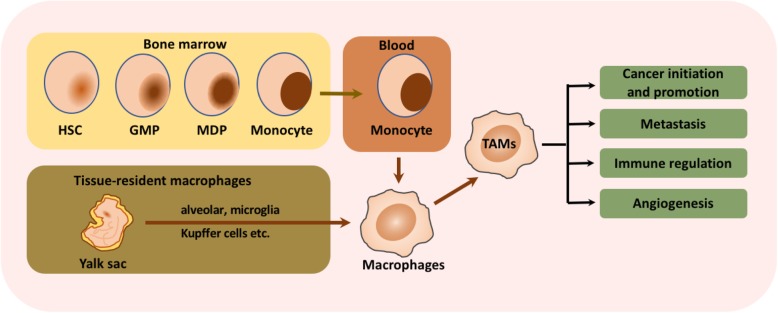
“In the context of the tumour microenvironment, macrophage activation plays a significant role in influencing tumour development, progression, metastasis, immune regulation, and angiogenesis [79].”
BackgroundGarg, P., Jallepalli, V. R., & Verma, S. (2024) · Human Gene · doi:10.1016/j.humgen.2024.201272 · Cited by 29
Fullerene Derivatives for Tumor Treatment: Mechanisms and Application
Hou, W., Shen, L., Zhu, Y., Wang, X., Du, T., Yang, F., & Zhu, Y. (2024) · International Journal of Nanomedicine · doi:10.2147/ijn.s476601 · Cited by 25
“60,61 During tumor development, the occurrence of EMT increases the invasion and metastatic potential of tumor cells, facilitating their entry into surrounding tissues and blood vessels for distant metastasis.”
BackgroundKang, S., Mansurov, A., Kurtanich, T. R., Chun, H. R., Slezak, A. J., Volpatti, L. R., Chang, K., Wang, T., Alpar, A. T., Refvik, K. C., et al. (2024) · Journal for ImmunoTherapy of Cancer · doi:10.1136/jitc-2024-009541 · Cited by 25
“41 Thus, we chose CBD- GM-CSF as a candidate for a tumor stroma-binding molecule, because it can reprogram TAMs to become immune-stimulating macrophages and overcome intrinsic immunosuppressive features of the TME.”
Nemorosone inhibits the proliferation and migration of hepatocellular carcinoma cells
Frión-Herrera, Y., Gabbia, D., Cuesta‐Rubio, O., Martin, S. D., & Carrara, M. (2019) · Life Sciences · doi:10.1016/j.lfs.2019.116817 · Cited by 25
Tumour-directed microenvironment remodelling at a glance
Boyle, S. T., Johan, M. Z., & Samuel, M. S. (2020) · Journal of Cell Science · doi:10.1242/jcs.247783 · Cited by 25
“These factors include chemoattractants that recruit endothelial cells (Lugano et al., 2020) and well-known pro-angiogenic growth factors such as VEGF, delta ligand-like 4 (DLL4), angiopoietin 2 (ANGPT2) and FGF that are also produced by stromal cells under the influence of the cancer (De Palma et al., 2017).”
BackgroundInfluentialNovel insights for lncRNA MAGI2-AS3 in solid tumors
Xue, C., Li, G., Lü, J., Luo, J., & Jia, J. (2021) · Biomedicine & Pharmacotherapy · doi:10.1016/j.biopha.2021.111429 · Cited by 24
Surface glycan targeting for cancer nano-immunotherapy
Choi, Y., Kim, J., Chae, J., Hong, J., Park, J., Jeong, E., Kim, H., Tanaka, M., Okochi, M., & Choi, J. H. (2022) · Journal of Controlled Release · doi:10.1016/j.jconrel.2022.01.004 · Cited by 24
Zhang, Y., Hu, R., Xie, X., & Li, Y. (2025) · Annals of Hematology · doi:10.1007/s00277-025-06538-0 · Cited by 25
Shedding Light on the Role of Neurotransmitters in the Microenvironment of Pancreatic Cancer
Liang, Y., Li, H., Gan, Y., & Tu, H. (2021) · Frontiers in Cell and Developmental Biology · doi:10.3389/fcell.2021.688953 · Cited by 24
Glycyrrhizin as a Nitric Oxide Regulator in Cancer Chemotherapy
Kim, M., Park, S. C., & Lee, D. Y. (2021) · Cancers · doi:10.3390/cancers13225762 · Cited by 24
Wang, S., Liu, X., Yang, M., Ouyang, L., Ding, J., Wang, S., & Zhou, W. (2022) · Asian Journal of Pharmaceutical Sciences · doi:10.1016/j.ajps.2022.06.001 · Cited by 28
Role of Biological Mediators of Tumor-Associated Macrophages in Breast Cancer Progression
Li, Y., Ganesan, K., & Chen, J. (2022) · Current Medicinal Chemistry · doi:10.2174/0929867329666220520121711 · Cited by 24
Oh, J., Hwa, C., Jang, D., Shin, S., Lee, S., Kim, J., Lee, S. E., Jung, H. R., Oh, Y., Jang, G., et al. (2022) · Experimental & Molecular Medicine · doi:10.1038/s12276-022-00795-z · Cited by 25
The Potential Use of Exosomes in Anti-Cancer Effect Induced by Polarized Macrophages
Abe, C., Bhaswant, M., Miyazawa, T., & Miyazawa, T. (2023) · Pharmaceutics · doi:10.3390/pharmaceutics15031024 · Cited by 23
Parker, C. C., Salam, A. B., Song, P. N., Gallegos, C., Hunt, A., Yates, C. C., Jaynes, J. M., Lopez, H., Massicano, A. V. F., Sorace, A. G., et al. (2023) · Molecular Pharmaceutics · doi:10.1021/acs.molpharmaceut.2c00977 · Cited by 23
BNIP3 as a potential biomarker for the identification of prognosis and diagnosis in solid tumours
Qin, Y., Fu, W., Fu, Y., Ye, W., Yan, H., Yu, Z., Li, R., Cai, Y., Chen, Y., Wang, L., et al. (2023) · Molecular Cancer · doi:10.1186/s12943-023-01808-9 · Cited by 23
“This fact also explains, to some extent, the phenomenon that the high expression of BNIP3 in different tumours plays different roles in tumour metastasis [12], which is one of the major causes of death in cancer patients.”
BackgroundArgentiero, A., Andriano, A., Caradonna, I. C., Martino, G. D., & Desantis, V. (2024) · Cancers · doi:10.3390/cancers16132438 · Cited by 26
“Among these effects are the promotion of tumorigenesis, the induction of immunosuppression, and the production of growth factors, proteolytic enzymes, and various immune checkpoint receptors in T cells [6].”
BackgroundChoi, J. Y., Seok, H. J., Lee, D. H., Kwon, J., Shin, U. S., Shin, I., & Bae, I. H. (2024) · Journal of Translational Medicine · doi:10.1186/s12967-024-05797-1 · Cited by 23
“In particular, macrophages play a significant role in the changes of the tumor microenvironment by regulating various immune responses and increasing angiogenesis and tumor cell invasion, and migration [29].”
BackgroundTumor-associated macrophages: Potential target of natural compounds for management of breast cancer
Malla, R. R., Padmaraju, V., & Kundrapu, D. B. (2022) · Life Sciences · doi:10.1016/j.lfs.2022.120572 · Cited by 25
Kim, S. H., Kim, S., Park, J., Joe, Y., Lee, S. E., Saeidi, S., Zhong, X., Kim, S. H., Park, S., Na, H., et al. (2021) · Antioxidants · doi:10.3390/antiox10030470 · Cited by 26
“There has been a growing body of evidence supporting that high density of TAMs is associated with poor prognosis, drug resistance, enhanced angiogenesis, and metastasis in cancer [7,8].”
BackgroundPDL1-binding peptide/anti-miRNA21 conjugate as a therapeutic modality for PD-L1high tumors and TAMs
Kim, E. H., Lee, J. W., Kwak, G., Jang, H., Kim, H., Cho, H., Jang, Y., Choi, J.-W., Chi, S., Kim, K., et al. (2022) · Journal of Controlled Release · doi:10.1016/j.jconrel.2022.02.031 · Cited by 23
Xu, S., Meng, L., Hu, Q., Li, F., Zhang, J., Kong, N., Xing, Z., Hong, G., & Zhu, X. (2024) · Small · doi:10.1002/smll.202401398 · Cited by 23
SFMBT2-Mediated Infiltration of Preadipocytes and TAMs in Prostate Cancer
Gwak, J., Jeong, H., Lee, K., Shin, J. Y., Sim, T., Na, J., Kim, J., & Ju, B. (2020) · Cancers · doi:10.3390/cancers12092718 · Cited by 22
“Tumor-associated macrophages (TAMs) also are present in the tumor microenvironment and affect prostate cancer progressions such as angiogenesis, metastasis, immune suppression, and drug resistance [15,16].”
BackgroundTiny miRNAs Play a Big Role in the Treatment of Breast Cancer Metastasis
Teo, A. Y. T., Xiang, X., Le, M. T. N., Wong, A. L., Zeng, Q., Wang, L., & Goh, B.-C. (2021) · Cancers · doi:10.3390/cancers13020337 · Cited by 24
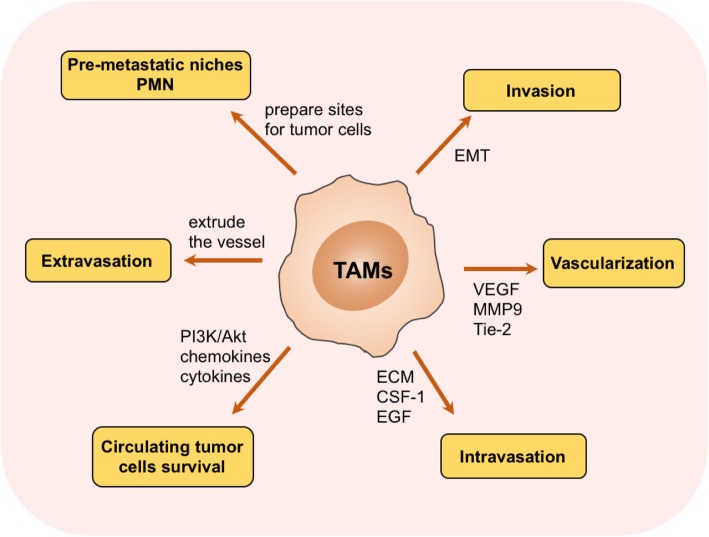
“For instance, certain cells such as cancer-associated fibroblasts and M2-type tumour-associated macrophages have been shown to assist angiogenesis [25] and tumour cell invasion, migration and eventual intravasation [26,27], while M1 macrophages have been described as anti-tumour effectors [28].”
BackgroundKim, H., Kim, S. Y., Kim, J., Kim, J. E., Hong, Y. S., Han, B., Tak, E., Ryu, Y., Kim, S., & Kim, T. W. (2022) · Scientific Reports · doi:10.1038/s41598-022-05694-x · Cited by 23
Macrophage-Associated Disorders: Pathophysiology, Treatment Challenges, and Possible Solutions
Yadav, K., Pradhan, M., Singh, D., & Singh, M. R. (2022) · Springer eBooks · doi:10.1007/978-3-030-84164-5_4 · Cited by 24
The tumor immune microenvironment in peritoneal carcinomatosis
Demuytere, J., Ernst, S., van Ovost, J., Cosyns, S., & Ceelen, W. P. (2022) · International review of cytology · doi:10.1016/bs.ircmb.2022.04.015 · Cited by 23
The role of the natural killer (NK) cell modulation in breast cancer incidence and progress
Razeghian, E., Kameh, M. C., Shafiee, S., Khalafi, F., Jafari, F., Asghari, M., Kazemi, K., Ilkhani, S., Shariatzadeh, S., & Haj‐Mirzaian, A. (2022) · Molecular Biology Reports · doi:10.1007/s11033-022-07865-5 · Cited by 23
Xu, H., Piao, L., Wu, Y., & Liu, X. (2022) · Frontiers in Bioengineering and Biotechnology · doi:10.3389/fbioe.2022.996055 · Cited by 22
“M2-to-M1 conversion is named “macrophage polarization,” resulting in conversion of a high immunosuppressive tumor microenvironment into an immunogenic one (Lin et al., 2019; Pan et al., 2020; Wang et al., 2021); thus, targeting macrophage conversion is a potential therapeutic strategy.”
BackgroundReshaping the tumor microenvironment: The versatility of immunomodulatory drugs in B-cell neoplasms
Guo, H., Yang, J., Wang, H., Liu, X., Liu, Y., & Zhou, K. (2022) · Frontiers in Immunology · doi:10.3389/fimmu.2022.1017990 · Cited by 22
Tang, K., Zhang, J., Cao, H., Xiao, G., Wang, Z., Zhang, X., Zhang, N., Wu, W., Zhang, H., Wang, Q., et al. (2022) · Cancers · doi:10.3390/cancers14225663 · Cited by 24
“TAMs are the primary component of stromal cells that can promote the formation of an immunosuppressive environment by producing various cytokines and chemokines and activating the inhibitory immune checkpoint molecules from other immune cells [63].”
BackgroundElastin-like Recombinamer Hydrogels as Platforms for Breast Cancer Modeling
Blanco‐Fernandez, B., Ibáñez‐Fonseca, A., Orbanić, D., Ximenes-Carballo, C., Pérez‐Amodio, S., Rodríguez‐Cabello, J. C., & Engel, E. (2023) · Biomacromolecules · doi:10.1021/acs.biomac.2c01080 · Cited by 22
The lung, the niche, and the microbe: Exploring the lung microbiome in cancer and immunity
Huynh, M., Crane, M. J., & Jamieson, A. M. (2023) · Frontiers in Immunology · doi:10.3389/fimmu.2022.1094110 · Cited by 25
“For instance, tumor associated macrophages (TAMs) are immunosuppressive, and can contribute to metastasis (86).”
BackgroundTariq, M., Hussain, N., Rehman, K., Akash, M. S. H., Haddad, A. H. I. A., Said, A. S. A., Fatease, A. M. A., Alamri, A., Safhi, A. Y., Sabei, F. Y., et al. (2023) · Biomedicine & Pharmacotherapy · doi:10.1016/j.biopha.2023.114527 · Cited by 25
Subverted macrophages in the triple-negative breast cancer ecosystem
Shang, L., Zhong, Y., Yao, Y., Liu, C., Wang, L., Zhang, W., Liu, J., Wang, X., & Sun, C. (2023) · Biomedicine & Pharmacotherapy · doi:10.1016/j.biopha.2023.115414 · Cited by 23
Macrophage plasticity and function in cancer and pregnancy
Yin, T., Li, X., Li, Y., Zang, X., Liu, L., & Du, M. (2024) · Frontiers in Immunology · doi:10.3389/fimmu.2023.1333549 · Cited by 24
“In this context, TAM states and phenotypes can be adjusted by disparities in tumor tissue oxygenation, which bene fi ts tumor cells to overcome nutritive deprivation and convert the TME into more hospitable sites (2).”
BackgroundImmune effects of α and β radionuclides in metastatic prostate cancer
Lunj, S., Smith, T., Reeves, K. J., Currell, F. J., Honeychurch, J., Hoskin, P., & Choudhury, A. (2024) · Nature Reviews Urology · doi:10.1038/s41585-024-00924-5 · Cited by 22
T cell landscape in the microenvironment of human solid tumors
Maggi, E., Munari, E., Landolina, N., Mariotti, F. R., Azzarone, B. G., & Moretta, L. (2024) · Immunology Letters · doi:10.1016/j.imlet.2024.106942 · Cited by 23
Natua, S., Dhamdhere, S. G., Mutnuru, S. A., & Shukla, S. (2021) · Wiley Interdisciplinary Reviews - RNA · doi:10.1002/wrna.1676 · Cited by 22
“The immunosuppressive M2 type is majorly associated with performing regulatory roles and exerting protumorigenic and anti-inflammatory responses (Y. Lin et al., 2019).”
BackgroundKhalique, S., Nash, S., Mansfield, D., Wampfler, J., Attygalle, A. D., Vroobel, K. M., Kemp, H., Buus, R., Cottom, H., Roxanis, I., et al. (2021) · Cancers · doi:10.3390/cancers13153854 · Cited by 22
Qiu, S., Zhou, Y., Kim, J. T., Bao, C., Lee, H. J., & Chen, J. (2021) · Food & Function · doi:10.1039/d1fo01085a · Cited by 22
Tan, N. K. W., Yap, D. W. T., Tan, B. K. J., Teo, Y. H., Tan, E. K. H., Chan, J. Y., Lee, H. Y., See, A., & Toh, S. T. (2021) · Sleep Medicine · doi:10.1016/j.sleep.2021.10.027 · Cited by 22
NOX Family: Regulators of Reactive Oxygen Species Balance in Tumor Cells
Xiong, B., Zhang, Y., Liu, S., Liao, S., Zhou, Z., He, Q., & Zhou, Y. (2025) · The FASEB Journal · doi:10.1096/fj.202500238rrr · Cited by 24
“…cells (DCs), and MDSCs and TAMs can release soluble molecules such as cytokines, prostaglandins, chemokines, interleukin, and growth factors, which may contribute to the formation of the pre-metastatic niche, promote angiogenesis, enhance tumor cell survival, and increase tumor cell invasion [109].”
The role of SPP1 + TAMs in cancer: Impact on patient prognosis and future therapeutic targets
Li, X., Lian, J., & Lu, H. (2025) · International Journal of Cancer · doi:10.1002/ijc.70018 · Cited by 21
Challenges and strategies in clinical applications of CAR-T therapy for autoimmune diseases
Chen, X., Liu, K., Liu, B., Li, S., Wang, Y., Du, X., Weng, J., Song, B., Wu, K., & Lai, P. (2025) · Journal of Hematology & Oncology · doi:10.1186/s13045-025-01769-0 · Cited by 24
“For example, CAR-T-cell secretion of IL-12 decreases Treg levels [173, 174], and reducing Treg abundance can further promote immune responses [175, 176].”
Cui, Y., Li, J., Liu, X., Gu, L., Lyu, M., Zhou, J., Zhang, X., Liu, Y., Zhu, H., Zhang, T., et al. (2022) · Cancers · doi:10.3390/cancers14174121 · Cited by 22
“Given that tumor microenvironment, in particular tumor-associated macrophage, is involved in EMT and metastasis in lung cancer [28,29], the effect of macrophage on tumor cell EpCAM expression was examined.”
BackgroundCC Chemokine Ligand-2: A Promising Target for Overcoming Anticancer Drug Resistance
Shi, Z., Tu, J., Ying, Y., Diao, Y., Zhang, P., Liao, S., Xiong, Z., & Huang, S. (2022) · Cancers · doi:10.3390/cancers14174251 · Cited by 22
“Moreover, tumorassociated macrophages (TAMs) clustered in the tumor microenvironment are considered a particular phenotype of M2 macrophages [82], because their function is similar to that of M2 macrophages [83].”
BackgroundResultSong, S., Zhao, Y., Fu, T., Fan, Y., Tang, J., Wang, X., Liu, C., & Chen, X. (2022) · Immunological Investigations · doi:10.1080/08820139.2022.2115379 · Cited by 21
“In the physiological environment, macrophages can be classified into classically activated macrophages (M1), which produce pro-inflammatory cytokines that play a host defense function and have an anti-tumor function (Lin et al. 2019; Murray et al. 2014).”
BackgroundSu, H., Liu, Y., & Huang, J. (2023) · Journal of Clinical Medicine · doi:10.3390/jcm12051715 · Cited by 21
“Tumor-associated macrophages play a key role in creating an immunosuppressive tumor microenvironment by producing cytokines, chemokines and growth factors, and trigger the release of inhibitory immune checkpoint proteins in T cells [41].”
BackgroundLee, H., Tsai, Y.-C., Pikatan, N. W., Yeh, C., Yadav, V. K., Chen, M., & Tsai, J. (2023) · Biomedicines · doi:10.3390/biomedicines11072081 · Cited by 21
Jia, L., Gao, F., Hu, G., Fang, Y., Tang, L., Wen, Q., Gao, N., Xu, H., & Qiao, H. (2023) · Advanced Science · doi:10.1002/advs.202303975 · Cited by 29
Xu, M., Cui, Y., Wei, S., Cong, X., Chen, Y., Tian, S., Yao, A., Chen, W., & Weng, L. (2023) · International Journal of Molecular Medicine · doi:10.3892/ijmm.2023.5337 · Cited by 22
Metadata
- Authors
- Lin, Y., Xu, J., & Lan, H.
- Affiliations
- University of Michigan (US)
- Corresponding author
- Xu, Jianxin
- Lan, Huiyin
- Venue
- Journal of Hematology & Oncology
- Published
- 2019-07-12
- Volume
- 12
- Issue
- 1
- Pages
- 76-76
- ISSN
- 1756-8722 (ISSN-L)
- PMC
- PMC6626377
- OpenAlex
- W2960078024
- Cited by
- 1,398
- References
- 179
- Citations by year
- 2026: 83 · 2025: 191 · 2024: 234 · 2023: 274 · 2022: 280 · 2021: 209 · 2020: 114 · 2019: 12
- FWCI
- 13.31
- Type
- journal article
- Language
- en
- Open access
- gold
- doi.org
- Licence
- cc-by
- creativecommons.org/licenses/by/4.0/ (tdm)
- creativecommons.org/licenses/by/4.0/ (vor)
- Locations
- Journal of Hematology & Oncology (publishedVersion, cc-by)
- PubMed Central (publishedVersion, cc-by)
- PubMed (publishedVersion)
- Deep Blue (University of Michigan) (submittedVersion)
- DOAJ (DOAJ: Directory of Open Access Journals) (submittedVersion, cc-by-sa)
- Topics
- Life Sciences › Immunology and Microbiology › Immunology › Immune cells in cancer
- Health Sciences › Medicine › Oncology › Cancer Immunotherapy and Biomarkers
- Health Sciences › Medicine › Oncology › Cancer Cells and Metastasis
- Keywords
- tumor-associated macrophages, metastasis, tumor microenvironment, immunosuppression, TAM polarization, immune checkpoint blockade, TAM-targeted therapy, cancer immunotherapy
- MeSH terms
- Animals, Antineoplastic Agents, Humans, Macrophages, Neoplasm Invasiveness, Neoplasm Metastasis, Neoplasms, Cytokines, Tumor Microenvironment
About these checks
Registry, retraction, Cites and statistics results are computed, not judged, with one exception: a printed reference that no index lists is read once by a model before it counts as a citation error. Claims are extracted by a model and kept only when their quote appears verbatim in the text; each cited source is then checked, with a model’s help, for whether it says what the claim relies on. Those verdicts can be wrong — read the claim’s quote and the cited source before relying on one.
Statistics and arithmetic are recomputed, not judged.
Confidence bands are shown only for fields calibrated on our annotated test set. None is calibrated yet, so no band is shown.
What counts as a claim ›How we measure confidence ›How we check this ›
Are you an author, or do you see a problem with this page? Request a review
Data sources
Bibliographic data: Semantic Scholar, OpenAlex, Crossref.
Contains information from the Semantic Scholar Academic Graph Datasets, made available under the ODC Attribution License (ODC-BY 1.0).
Semantic Scholar’s data is described in: Kinney, R., et al. (2023). The Semantic Scholar Open Data Platform. arXiv:2301.10140.
