

Tumor-associated macrophages in tumor metastasis: biological roles and clinical therapeutic applications
Open accessThe DOI matches its Crossref record; 178 of the 179 references it cites were found in a registry or an index.
Abstract
Tumor metastasis is a major contributor to the death of cancer patients. It is driven not only by the intrinsic alterations in tumor cells, but also by the implicated cross-talk between cancer cells and their altered microenvironment components. Tumor-associated macrophages (TAMs) are the key cells that create an immunosuppressive tumor microenvironment (TME) by producing cytokines, chemokines, growth factors, and triggering the inhibitory immune checkpoint proteins release in T cells. In doing so, TAMs exhibit important functions in facilitating a metastatic cascade of cancer cells and, meanwhile, provide multiple targets of certain checkpoint blockade immunotherapies for opposing tumor progression. In this article, we summarize the regulating networks of TAM polarization and the mechanisms underlying TAM-facilitated metastasis. Based on the overview of current experimental evidence dissecting the critical roles of TAMs in tumor metastasis, we discuss and prospect the potential applications of TAM-focused therapeutic strategies in clinical cancer treatment at present and in the future.
Overview
The claims and statistics of this paper haven’t been checked yet.
Free: it reads the open-access text and checks the first 5 claims that cite a source we can check. Create a free account to check every claim.
Integrity signals
Registry
Cites
Statistics
Figures
Verification
Claims the paper makes
The claims and statistics of this paper haven’t been checked yet.
Free: it reads the open-access text and checks the first 5 claims that cite a source we can check. Create a free account to check every claim.
Claims other papers make about this one
Each is checked against this paper’s own text: does it say what the citing paper says it does?
The cited source says what the claim attributes to it.
In the citing paper
“Clinical studies and experimental animal models suggest that TAM commonly plays a pro-tumoral role in various ways [89, 96, 97].”
From Tumor microenvironment complexity and therapeutic implications at a glance (2020) · cites this paper as [96]
The cited source says what the claim attributes to it.
In the citing paper
“Accordingly, TAM-based therapeutic strategies are being developed that aim at TAM targeting, TAM re-education, and TAM depletion [88, 96, 101, 102].”
From Tumor microenvironment complexity and therapeutic implications at a glance (2020) · cites this paper as [96]
Self-check
Percentages, sums and reported differences re-computed from the paper’s own numbers.
The self-check needs the paper’s full text.
Citations
Cites
Molecular mechanisms of epithelial–mesenchymal transition
Lamouille, S., Xu, J., & Derynck, R. (2014) · Nature Reviews Molecular Cell Biology · doi:10.1038/nrm3758 · Cited by 8,091
Self-citationMicroenvironmental regulation of tumor progression and metastasis
Quail, D. F., & Joyce, J. A. (2013) · Nature Medicine · doi:10.1038/nm.3394 · Cited by 7,994 · cited 3×
“most of the current paradigms are designed to eliminate or interdict tumor cells themselves while the successful outgrowth of metastases is largely influenced by nonmalignant cells of the tumor microenvironment (TME) [5, 6, 82].”
BackgroundMolecular Mechanisms of Stress-Responsive Changes in Collagen and Elastin Networks in Skin
Aziz, J., Shezali, H., Radzi, Z., Yahya, N. A., Abu Kassim, N. H., Czernuszka, J., & Rahman, M. T. (2016) · Skin Pharmacology and Physiology · doi:10.1159/000447017 · Cited by 7,323
MANTOVANI, A., SOZZANI, S., LOCATI, M., ALLAVENA, P., & SICA, A. (2002) · Trends in Immunology · doi:10.1016/s1471-4906(02)02302-5 · Cited by 5,528 · cited 1×
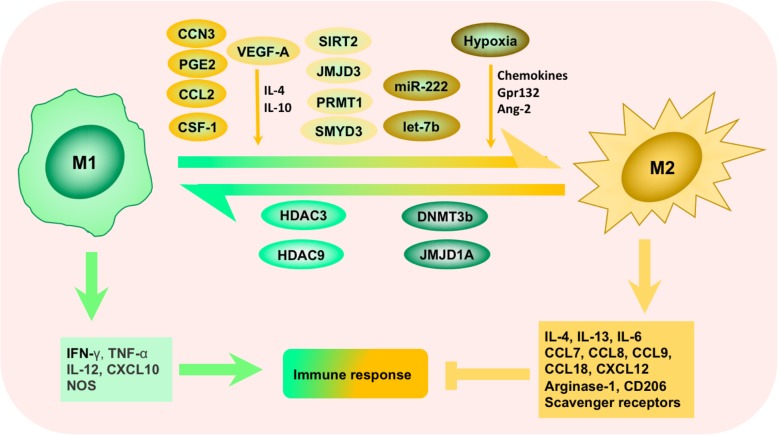
“The conversion between M1 (anti-tumorigenesis) and M2 (pro-tumorigenesis) is a biological process named “macrophage polarization” in response to microenvironmental signals [26].”
BackgroundInvolvement of chemokine receptors in breast cancer metastasis
Müller, A., Homey, B., Soto, H., Ge, N., Catron, D., Buchanan, M. E., McClanahan, T., Murphy, E., Yuan, W., Wagner, S. N., et al. (2001) · Nature · doi:10.1038/35065016 · Cited by 5,340
The distribution of secondary growths in cancer of the breast.
Paget, S. (1889) · The Lancet · doi:10.1016/s0140-6736(00)49915-0 · Cited by 5,277 · cited 1×
“In addition to the alterations of the intrinsic properties in tumor cells, the “seed and soil” concept, firstly proposed by Stephen Paget in 1889, has been widely accepted as a critical theory to do with metastasis [4].”
BackgroundMonocyte and macrophage heterogeneity
Gordon, S., & Taylor, P. R. (2005) · Nature Reviews Immunology · doi:10.1038/nri1733 · Cited by 5,190 · cited 1×
“However, both trabectedin and lurbinectedin cannot avoid the side effects arisen by unselectively macrophage consumption since macrophages closely participated in host defense and homeostatic regulation [140].”
BackgroundMacrophage Diversity Enhances Tumor Progression and Metastasis
Qian, B.-Z., & Pollard, J. W. (2010) · Cell · doi:10.1016/j.cell.2010.03.014 · Cited by 5,188 · cited 3×
“In addition, tumor graft models showed that CSF-1 depletion led to greatly reduced macrophage density, delayed tumor progression, and severely inhibited metastasis [22, 24, 42, 43].”
BackgroundMatrix Metalloproteinases: Regulators of the Tumor Microenvironment
Kessenbrock, K., Plaks, V., & Werb, Z. (2010) · Cell · doi:10.1016/j.cell.2010.03.015 · Cited by 5,151
Macrophage biology in development, homeostasis and disease
Wynn, T. A., Chawla, A., & Pollard, J. W. (2013) · Nature · doi:10.1038/nature12034 · Cited by 4,684 · cited 1×
“Macrophages are a type of versatile immunocytes, executing a broad spectrum of functions that range from modulating tissue homeostasis, defensing against pathogens, and facilitating wound healing [11].”
Background
Research works printed but not linked: 1
- Torres-Collado SPJSZSJBA Targeting distinct tumor-infiltrating myeloid cells by inhibiting CSF-1 receptor: combating tumor evasion of antiangiogenic therapy Blood 2010 115 7 1461 10.1182/blood-2009-08-237412 20008303 PMC2826767 · DOI · Paper page
Cited by
Items 201–300 of 1,000
Li, Y.-R., Li, Z., Zhu, Y., Li, M., Chen, Y., Lee, D. P. H., Ochoa, C. J., Singh, T., DiBernardo, G., Guo, W., et al. (2025) · Med · doi:10.1016/j.medj.2025.100804 · Cited by 70
NOX2-Derived Reactive Oxygen Species in Cancer
Wiktorin, H. G., Aydin, E., Hellstrand, K., & Martner, A. (2020) · Oxidative Medicine and Cellular Longevity · doi:10.1155/2020/7095902 · Cited by 67
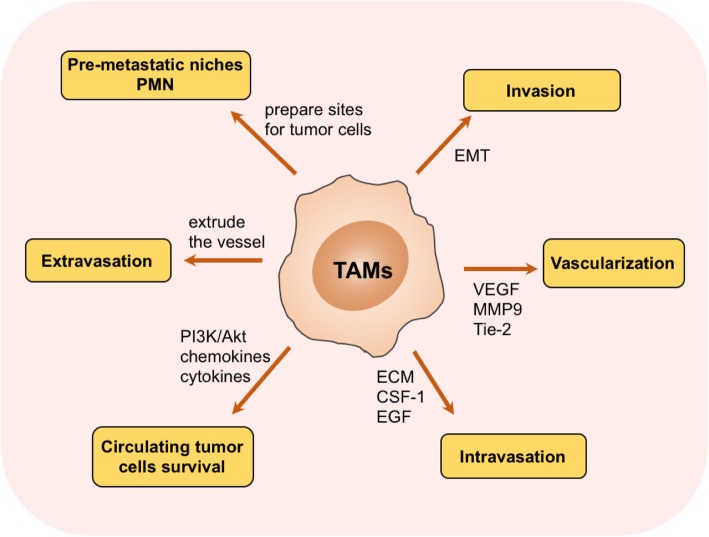
“MDSCs and TAMs may release soluble molecules such as cytokines, prostaglandins, chemokines, interleukins, and growth factors into the tumor microenvironment that may contribute to the formation of premetastatic niches, promote angiogenesis, promote tumor cell survival, and enhance tumor cell invasion [173, 174].”
BackgroundFan, C.-S., Chen, C., Chen, L.-L., Chua, K. V., Hung, H., Hsu, J. T.-A., & Huang, T. (2022) · Cells · doi:10.3390/cells11020229 · Cited by 68
Nanoparticle-based delivery strategies of multifaceted immunomodulatory RNA for cancer immunotherapy
Yoo, Y. J., Lee, C. H., Park, S. H., & Lim, Y. T. (2022) · Journal of Controlled Release · doi:10.1016/j.jconrel.2022.01.047 · Cited by 66
Zhou, W., Du, W.-D., Li, Y.-F., Al‐Aroomi, M. A., Yan, C., Wang, Y., Zhang, Z., Liu, F., & Sun, C.-F. (2022) · International Journal of General Medicine · doi:10.2147/ijgm.s364708 · Cited by 65
Roles for macrophage-polarizing interleukins in cancer immunity and immunotherapy
Mortezaee, K., & Majidpoor, J. (2022) · Cellular Oncology · doi:10.1007/s13402-022-00667-8 · Cited by 69
Macrophage-derived CCL23 upregulates expression of T-cell exhaustion markers in ovarian cancer
Kamat, K., Krishnan, V., & Dorigo, O. (2022) · British Journal of Cancer · doi:10.1038/s41416-022-01887-3 · Cited by 70
“Tumour-associated macrophages (TAMs) found in the TME have important functions in the growth and metastasis of solid tumours including ovarian cancer [25].”
BackgroundBhattacharyya, M., Jariyal, H., & Srivastava, A. (2023) · Carbohydrate Polymers · doi:10.1016/j.carbpol.2023.121081 · Cited by 64
Osman, A., Afify, S. M., Hassan, G., Fu, X., Seno, A., & Seno, M. (2020) · Cancers · doi:10.3390/cancers12040879 · Cited by 63
“TAMs, therefore, could be an important therapeutic target for cancer treatment [162,163].”
BackgroundPrognosis and targeting of pre-metastatic niche
Zhou, Y., Han, M. Y., & Gao, J. (2020) · Journal of Controlled Release · doi:10.1016/j.jconrel.2020.06.037 · Cited by 65
Tumor microenvironment and nanotherapeutics: intruding the tumor fort
Kiran, A. V. V. V. R., Kumari, G. K., Krishnamurthy, P. T., & Khaydarov, R. R. (2021) · Biomaterials Science · doi:10.1039/d1bm01127h · Cited by 64
How the bone microenvironment shapes the pre-metastatic niche and metastasis
Jackett, K. N., Browne, A. T., Aber, E. R., Clements, M., & Kaplan, R. N. (2024) · Nature Cancer · doi:10.1038/s43018-024-00854-6 · Cited by 68
“98), supporting the formation of a preMN in the bone 99 .”
Xiao, Y., Hassani, M., Moghaddam, M. B., Fazilat, A., Ojarudi, M., & Valilo, M. (2025) · Medical Oncology · doi:10.1007/s12032-025-02675-8 · Cited by 63
“TAMs also induce the epithelial-to-mesenchymal transition (EMT) process by secreting cytokines such as IL-1β, IL-8, and tumor necrosis factor-alpha (TNF-α) [30].”
Possible Beneficial Effects of N-Acetylcysteine for Treatment of Triple-Negative Breast Cancer
Kwon, Y. (2021) · Antioxidants · doi:10.3390/antiox10020169 · Cited by 65
“These are a critical component of the TME and greatly influence cancer progression and the therapeutic response [159].”
BackgroundZhang, Y., Chen, Y., Li, J., Zhu, X., Liu, Y., Wang, X., Wang, H., Yao, Y., Gao, Y., & Chen, Z. (2021) · ACS Applied Materials & Interfaces · doi:10.1021/acsami.1c01453 · Cited by 64
Opportunities for Nitric Oxide in Potentiating Cancer Immunotherapy
Kim, J., & Thomas, S. N. (2022) · Pharmacological Reviews · doi:10.1124/pharmrev.121.000500 · Cited by 61
“Tumor-associated macrophages are believed to accelerate the growth, angiogenesis, and metastasis of tumors, as well as contribute to the acquired resistance to chemotherapeutic drugs and immune checkpoint blockade by certain cancers (Ley, 2017; Lin et al., 2019; Russell et al., 2019; Nath and Kashfi, 2020).”
BackgroundTargeting immune checkpoints on tumor-associated macrophages in tumor immunotherapy
Xu, S., Wang, C., Yang, L., Wu, J., Li, M., Xiao, P., Xu, Z., Xu, Y., & Wang, K. (2023) · Frontiers in Immunology · doi:10.3389/fimmu.2023.1199631 · Cited by 63
Liu, C., Zhang, W., Wang, J., Si, T., & Xing, W. (2021) · Cancer Science · doi:10.1111/cas.15101 · Cited by 64
Gao, X., Zhou, S., Qin, Z., Li, D., Zhu, Y., & Ma, D.-N. (2023) · Journal of Translational Medicine · doi:10.1186/s12967-023-03918-w · Cited by 62
“Studies have shown that the infiltration of M1 and M2 is directly related to prognosis in patients with CRC [21].”
BackgroundInflammatory Networks in Renal Cell Carcinoma
Kruk, L., Mamtimin, M., Braun, A., Anders, H., Andrassy, J., Gudermann, T. W., & Mammadova‐Bach, E. (2023) · Cancers · doi:10.3390/cancers15082212 · Cited by 64
Xu, J., Shi, Q., Lou, J., Wang, B., Wang, W., Niu, J., Guo, L., Chen, C., Yu, Y., Huang, Y., et al. (2023) · Journal for ImmunoTherapy of Cancer · doi:10.1136/jitc-2023-006808 · Cited by 62
“Further, western blot results revealed that E-cadherin expression levels decreased significantly, while those of vimentin and N-cadherin increased (figure 3K), indicating that CCL5 promotes the EMT of chordoma.”
Self-citationZhao, J., Huang, H., Zhao, J., Xiong, X., Zheng, S., Wei, X., & Zhou, S. (2021) · Acta Pharmaceutica Sinica B · doi:10.1016/j.apsb.2021.10.019 · Cited by 59
Role of Serine Proteases at the Tumor-Stroma Interface
Tagirasa, R., & Yoo, E. (2022) · Frontiers in Immunology · doi:10.3389/fimmu.2022.832418 · Cited by 62
“For example, by producing cytokines, chemokines, growth factors, and triggering the inhibitory immune checkpoint proteins release in T cells, TAMs promote immunosuppression (69).”
BackgroundHuman iPSC-liver organoid transplantation reduces fibrosis through immunomodulation
Tadokoro, T., Murata, S., Kato, M., Ueno, Y., Tsuchida, T., Okumura, A., Kuse, Y., Konno, T., Uchida, Y., Yamakawa, Y., et al. (2024) · Science Translational Medicine · doi:10.1126/scitranslmed.adg0338 · Cited by 58
Target tumor microenvironment by innate T cells
Li, Y.-R., Wilson, M., & Yang, L. (2022) · Frontiers in Immunology · doi:10.3389/fimmu.2022.999549 · Cited by 64
Recent Advancements on Immunomodulatory Mechanisms of Resveratrol in Tumor Microenvironment
Chhabra, G., Singh, C. K., Amiri, D., Akula, N., & Ahmad, N. (2021) · Molecules · doi:10.3390/molecules26051343 · Cited by 64
“In the context of cancer, tumor-associated macrophages (TAMs) play a key role in cancer progression, evasion from host’s immunity, and the dissemination of cancer cells to secondary sites [50].”
BackgroundFan, C.-S., Chen, L.-L., Hsu, T., Chen, C., Chua, K. V., Li, C., & Huang, T. (2019) · Journal of Hematology & Oncology · doi:10.1186/s13045-019-0826-2 · Cited by 60
The role of immune dysfunction in obesity-associated cancer risk, progression, and metastasis
Kulkarni, A., & Bowers, L. W. (2021) · Cellular and Molecular Life Sciences · doi:10.1007/s00018-020-03752-z · Cited by 62
Cancer-associated fibroblasts: protagonists of the tumor microenvironment in gastric cancer
Ozmen, E., Demir, T. D., & Özcan, G. (2024) · Frontiers in Molecular Biosciences · doi:10.3389/fmolb.2024.1340124 · Cited by 61
Gharib, E., & Robichaud, G. A. (2024) · International Journal of Molecular Sciences · doi:10.3390/ijms25179463 · Cited by 65
Osmulski, P. A., Cunsolo, A., Chen, M., Qian, Y., Lin, C.-L., Hung, C., Mahalingam, D., Kirma, N. B., Chen, C., Taverna, J. A., et al. (2021) · Cancer Research · doi:10.1158/0008-5472.can-20-3595 · Cited by 57
Yang, H., Yan, M., Li, W., & Xu, L. (2022) · Journal of Translational Medicine · doi:10.1186/s12967-022-03342-6 · Cited by 68
“Among the innate and adaptive immune cells recruited to the tumor’s interior, macrophages are particularly abundant and are present at all stages of tumor progression, and these are also known as tumor-associated macrophages (TAMs) [6, 7].”
Missiroli, S., Perrone, M., Gafà, R., Nicoli, F., Bonora, M., Morciano, G., Boncompagni, C., Marchi, S., Lebiedzińska, M., Vezzani, B., et al. (2022) · Cell Death and Differentiation · doi:10.1038/s41418-022-01095-9 · Cited by 56
“TAMs preferentially express an M2-like phenotype and promote tumor growth [21].”
BackgroundNanomaterials-Involved Tumor-Associated Macrophages’ Reprogramming for Antitumor Therapy
Li, S., Hou, H., Chu, X., Zhu, Y., Zhang, Y., Duan, M., Liu, J., & Liu, Y. (2024) · ACS Nano · doi:10.1021/acsnano.3c12387 · Cited by 56
Pradhan, R., Kundu, A., & Kundu, C. N. (2024) · Critical Reviews in Oncology/Hematology · doi:10.1016/j.critrevonc.2024.104311 · Cited by 61
Zubair, H., Khan, M. A., Anand, S., Srivastava, S. K., Singh, S., & Singh, A. P. (2020) · Seminars in Cancer Biology · doi:10.1016/j.semcancer.2020.05.009 · Cited by 62
Resistance to immune checkpoint inhibitors in advanced gastro-oesophageal cancers
Baxter, M. A., Middleton, F., Cagney, H. P., & Petty, R. (2021) · British Journal of Cancer · doi:10.1038/s41416-021-01425-7 · Cited by 59
“M2 macrophages also play a key role in metastasis by producing growth factors and proteolytic enzymes and triggering various inhibitory immune checkpoints in T cells.(84) Higher frequencies of M2 TAMs are associated with poor prognosis in a range of cancers, including gastric and oesophageal cancers.”
BackgroundTargeting Fibrosis: The Bridge That Connects Pancreatitis and Pancreatic Cancer
Huang, C., Iovanna, J., & Santofimia‐Castaño, P. (2021) · International Journal of Molecular Sciences · doi:10.3390/ijms22094970 · Cited by 61
“These proliferative matrices include ECM, CAFs, endothelial cells, and invasive immune cells [76].”
BackgroundInfluentialEngineering biomaterials to tailor the microenvironment for macrophage–endothelium interactions
Guan, Y., Racioppi, L., & Gerecht, S. (2023) · Nature Reviews Materials · doi:10.1038/s41578-023-00591-9 · Cited by 56
Du, M., Sun, L., Guo, J. J., & Lv, H. (2024) · Pharmacological Research · doi:10.1016/j.phrs.2024.107198 · Cited by 57
Pepermans, R. A., Sharma, G., & Prossnitz, E. R. (2021) · Cells · doi:10.3390/cells10030672 · Cited by 57
“For example, tumor-associated macrophages contribute to tumor progression and metastasis by secreting multiple growth factors and inflammatory cytokines into the tumor microenvironment [112,113].”
BackgroundYang, Y., Wang, Y., Ahn, J., Kim, B., & Choi, J. (2022) · Biomedicine & Pharmacotherapy · doi:10.1016/j.biopha.2022.113474 · Cited by 57
Ye, Z., Qiu, J., Jia, X.-Y., Ke, Y., Zhang, M.-K., Stieg, D. C., Liu, W., Liu, L.-Z., Wang, L., & Jiang, B. (2022) · Cancer Letters · doi:10.1016/j.canlet.2022.215971 · Cited by 56
Neuroblastoma: an ongoing cold front for cancer immunotherapy
Kennedy, P. T., Zannoupa, D., Son, M. H., Dahal, L. N., & Woolley, J. F. (2023) · Journal for ImmunoTherapy of Cancer · doi:10.1136/jitc-2023-007798 · Cited by 55
“57 Immune editing processes in neuroblastoma sculpt a TME dominated by immunosuppressive cell types, including TAMs, which inhibit effective anti-tumour T-cell responses.”
InfluentialLiaw, K., Sharma, R. B., Sharma, A., Salazar, S., Appiani, S., & Kannan, R. M. (2020) · Journal of Controlled Release · doi:10.1016/j.jconrel.2020.12.003 · Cited by 55
Chang, M., Wu, S.-Z., Yang, S., Wu, C., Wang, C., & Huang, B. (2021) · Translational Oncology · doi:10.1016/j.tranon.2021.101208 · Cited by 60
“Changes in TME, such as EMT, anti-anoikis, angiogenesis, lymphangiogenesis and immunesupesssion, are complicated processes that take place in the TME during cancer progression [59,69].”
The Efficacy of Tumor Mutation Burden as a Biomarker of Response to Immune Checkpoint Inhibitors
Moeckel, C. M., Bakhl, K., Georgakopoulos‐Soares, I., & Zaravinos, A. (2023) · International Journal of Molecular Sciences · doi:10.3390/ijms24076710 · Cited by 54
“Specifically, the regulatory T cells suppress the immune system’s response to tumor cells, while the TAMs drive inflammation through cytokine release, notably of interleukin 23 and interleukin 17, and play a role in tumor metastasis by increasing the likelihood of tumor migration [25].”
BackgroundMannheimer, J., Tawa, G. J., Gerhold, D. L., Braisted, J. C., Sayers, C. M., McEachron, T. A., Meltzer, P. S., Mazcko, C. N., Beck, J. A., & LeBlanc, A. K. (2023) · Communications Biology · doi:10.1038/s42003-023-05208-z · Cited by 55
“In addition to the elimination of tumor cells through phagocytosis, M1 macrophages are thought to stimulate and enhance the cytotoxicity of other leukocytes through increased tumor antigen presentation and promotion of pro-in fl ammatory cytokines 85,86 .”
Vaccine approaches for antigen capture by liposomes
Zhou, S., Luo, Y., & Lovell, J. F. (2023) · Expert Review of Vaccines · doi:10.1080/14760584.2023.2274479 · Cited by 55
“In tumor-related studies, TLR7/8 agonists reeducated M2 tumor-associated macrophages (TAMs) to the M1 phase TAMs to inhibit tumor growth [34].”
BackgroundVerona, F., Bella, S. D., Schirano, R., Manfredi, C., Angeloro, F., Bozzari, G., Todaro, M., Giannini, G., Stassi, G., & Veschi, V. (2025) · Frontiers in Immunology · doi:10.3389/fimmu.2025.1529847 · Cited by 56
“By preserving the stem-like properties of CSCs and boosting their migratory and invasive abilities, TAMs facilitate the detachment of CSCs from the primary tumor, enabling the formation of secondary tumors in distant organs (149).”
Xiao, Y., Zhu, T., Chen, Z., & Huang, X. (2025) · Nature Communications · doi:10.1038/s41467-025-62506-2 · Cited by 57
“Macrophages within the tumor micro-environment typically exhibit an immunosuppressive phenotype characterized by high CD206 expression 52,53 .”
Hypoxia Correlates With Poor Survival and M2 Macrophage Infiltration in Colorectal Cancer
Qi, L., Chen, J., Yang, Y., & Hu, W. (2020) · Frontiers in Oncology · doi:10.3389/fonc.2020.566430 · Cited by 56
“The M2 macrophage has been reported to promote tumor proliferation, angiogenesis (30), metastasis (31), and resistance to anti-cancer therapies (32).”
BackgroundEngineering nanosystems to overcome barriers to cancer diagnosis and treatment
Alhaj-Suliman, S. O., Wafa, E. I., & Salem, A. K. (2022) · Advanced Drug Delivery Reviews · doi:10.1016/j.addr.2022.114482 · Cited by 53
Epigenetic Modifications in Tumor-Associated Macrophages: A New Perspective for an Old Foe
Niu, Y., Chen, J., & Qiao, Y. (2022) · Frontiers in Immunology · doi:10.3389/fimmu.2022.836223 · Cited by 53
Monnier, M., Paolini, L., Vinatier, E., Mantovani, A., Delneste, Y., & Jeannin, P. (2022) · Journal for ImmunoTherapy of Cancer · doi:10.1136/jitc-2022-005560 · Cited by 53
Barsheshet, Y., Voloshin, T., Brant, B., Cohen, G., Koren, L., Blatt, R., Cahal, S., Khalil, T. H., Tov, E. Z., Paz, R., et al. (2022) · International Journal of Molecular Sciences · doi:10.3390/ijms232214073 · Cited by 57
Nanoparticle-based immunoengineering strategies for enhancing cancer immunotherapy
Dang, B.-T. N., Kwon, T. K., Lee, S., Jeong, J., & Yook, S. (2023) · Journal of Controlled Release · doi:10.1016/j.jconrel.2023.12.007 · Cited by 55
Sinha, N., Sinha, S., Valero, C., Schäffer, A. A., Aldape, K., Litchfield, K., Chan, T. A., Morris, L. G. T., & Ruppin, E. (2022) · Cancer Research · doi:10.1158/0008-5472.can-21-2542 · Cited by 54
Roy, S. M., Garg, V., Barman, S., Ghosh, C., Maity, A. R., & Ghosh, S. K. (2021) · Frontiers in Bioengineering and Biotechnology · doi:10.3389/fbioe.2021.785937 · Cited by 54
Niu, Z.-S., Wang, W., & Niu, X.-J. (2022) · World Journal of Gastroenterology · doi:10.3748/wjg.v28.i46.6433 · Cited by 53
The Impact of Metformin on Tumor-Infiltrated Immune Cells: Preclinical and Clinical Studies
Abdelmoneim, M., Aboalela, M. A., Naoe, Y., Matsumura, S., Eissa, I. R., Bustos‐Villalobos, I., Sibal, P. A., Takido, Y., Kodera, Y., & Kasuya, H. (2023) · International Journal of Molecular Sciences · doi:10.3390/ijms241713353 · Cited by 51
“TAMs are myeloid cells that establish an immunosuppressive TME and support tumor growth [66].”
BackgroundOsteopontin: A Key Multifaceted Regulator in Tumor Progression and Immunomodulation
Panda, V. K., Mishra, B., Nath, A. N., Butti, R., Yadav, A. S., Malhotra, D., Khanra, S., Mahapatra, S., Mishra, P., Swain, B., et al. (2024) · Biomedicines · doi:10.3390/biomedicines12071527 · Cited by 53
“…role in the promotion of various hallmarks of cancer including OPN induces tumor fi brosis by acting as a promoter of both TAMs and CAFs. proliferation, CAFs recruit monocytes in tumors and help in polarization into TAMs, whereas TAMs promote activation and proliferation of fi broblasts by secreting…”
BackgroundSong, L., Xi, Y., Wu, Y., Zhang, W., Zhang, Y., Shao, Y., Hou, Z., Chen, Y., Gao, Y., & Zhao, Y. (2024) · Advanced Science · doi:10.1002/advs.202406865 · Cited by 58
Yang, C., Shi, S., Su, Y., Tong, J., & Li, L. (2020) · Journal of Cellular and Molecular Medicine · doi:10.1111/jcmm.15708 · Cited by 51
“TAM polarization and differentiation is controlled by the microenvironment and tumor cells themselves by means of cytokines synthesized by the latter(15, 16).”
BackgroundAsare, P. F., Roscioli, E., Hurtado, P. R., Tran, H. B., Mah, C. Y., & Hodge, S. (2020) · Frontiers in Oncology · doi:10.3389/fonc.2020.01298 · Cited by 50
“Tumor-associated macrophages (TAMs) are usually triggered by factors that polarize macrophages to M2 phenotype and are often infiltrated into tumor sites to suppress the cytotoxic function of anti-tumor immune cells (43, 58, 59).”
BackgroundBreast Cancer Metastatic Dormancy and Relapse: An Enigma of Microenvironment(s)
Elkholi, I. E., Lalonde, A., Park, M., & Côté, J. (2022) · Cancer Research · doi:10.1158/0008-5472.can-22-1902 · Cited by 54
Non-coding RNAs and macrophage interaction in tumor progression
Entezari, M., Sadrkhanloo, M., Rashidi, M., Asnaf, S. E., Taheriazam, A., Hashemi, M., Ashrafizadeh, M., Zarrabi, A., Rabiee, N., Hushmandi, K., et al. (2022) · Critical Reviews in Oncology/Hematology · doi:10.1016/j.critrevonc.2022.103680 · Cited by 52
Leptin Augments Antitumor Immunity in Obesity by Repolarizing Tumor-Associated Macrophages
Dudzinski, S. O., Bader, J. E., Beckermann, K. E., Young, K. L., Hongo, R. A., Madden, M. Z., Abraham, A., Reinfeld, B. I., Ye, X., MacIver, N. J., et al. (2021) · The Journal of Immunology · doi:10.4049/jimmunol.2001152 · Cited by 53
Human γδ T Cell Subsets and Their Clinical Applications for Cancer Immunotherapy
Lee, D., Rosenthal, C. J., Penn, N. E., Dunn, Z. S., Zhou, Y., & Yang, L. (2022) · Cancers · doi:10.3390/cancers14123005 · Cited by 55
“While typically used to stimulate Vγ9Vδ2 T cells, ZOL is also useful against TAMs: it reduces TAM’s pro-tumoral activities, repolarizes TAMs to an antitumor state, and may guide Vγ9Vδ2 T cell killing of TAMs.”
BackgroundInfluentialPakravan, K., Mohammadi, M. M., Ghazimoradi, M. H., Cho, W. C. S., Sadeghizadeh, M., & Babashah, S. (2022) · Journal of Translational Medicine · doi:10.1186/s12967-022-03780-2 · Cited by 51
“CAF‐activated monocytes lose their anti‐tumoral functions and exhibit an M2 pro‐tumoral phenotype, promoting BC cell proliferation M2 macrophages are typically pro-tumoral and lack the tumoricidal properties of M1 macrophages [25].”
BackgroundApplication of single-cell sequencing to the research of tumor microenvironment
Chen, S., Zhou, Z., Li, Y., Du, Y., & Chen, G. (2023) · Frontiers in Immunology · doi:10.3389/fimmu.2023.1285540 · Cited by 52
“Tumor-associated macrophages (TAMs) are a key component of the TME, and their polarization towards an M1 or M2 phenotype can have different effects on tumor immunity (141).”
BackgroundInterleukin-10: A double-edged sword in breast cancer
Chang, C., Lam, H. Y. P., Hsu, H., & Jiang, S. (2021) · Tzu Chi Medical Journal · doi:10.4103/tcmj.tcmj_162_20 · Cited by 53
“TAM has been found as the most abundant infiltrating leukocyte in most tumors and is thought to be correlated with a worse outcome in many tumors [59,60].”
BackgroundBenzo[a]pyrene immunogenetics and immune archetype reprogramming of lung
El-Fattah, E. E. A., & Abdelhamid, A. M. (2021) · Toxicology · doi:10.1016/j.tox.2021.152994 · Cited by 50
Breast Cancer CAFs: Spectrum of Phenotypes and Promising Targeting Avenues
Elwakeel, E., & Weigert, A. (2021) · International Journal of Molecular Sciences · doi:10.3390/ijms222111636 · Cited by 53
“Incidence is rising mostly due to improved diagnostics but also due to an increase of life-style-related risk factors such as alcohol consumption, obesity and type 2 diabetes [2].”
BackgroundHuang, M., Xiong, D., Pan, J., Zhang, Q., Wang, Y., Myers, C. R., Johnson, B. D., Hardy, M., Kalyanaraman, B., & You, M. (2022) · Advanced Science · doi:10.1002/advs.202101267 · Cited by 51
The M1/M2 spectrum and plasticity of malignant pleural effusion-macrophage in advanced lung cancer
Wu, M.-F., Lin, C.-A., Yuan, T.-H., Yeh, H.-Y., Su, S.-F., Guo, C.-L., Chang, G.-C., Li, K.-C., Ho, C.-C., & Chen, H.-W. (2021) · Cancer Immunology, Immunotherapy · doi:10.1007/s00262-020-02781-8 · Cited by 48
“Macrophages around tumor cells (TAM) are associated with onco-immunity orchestration, tumor malignancy promotion, and metastasis [33].”
BackgroundNajafi, A., Keykhaee, M., Khorramdelazad, H., Karimi, M. Y., Samimi, L. N., Aghamohamadi, N., Karimi, M., Falak, R., & Khoobi, M. (2022) · Biomedicine & Pharmacotherapy · doi:10.1016/j.biopha.2022.113483 · Cited by 50
Advances in sex disparities for cancer immunotherapy: unveiling the dilemma of Yin and Yang
Ma, J., Yao, Y., Tian, Y., Chen, K., & Liu, B. (2022) · Biology of Sex Differences · doi:10.1186/s13293-022-00469-5 · Cited by 51
“M2-like tumor-associated macrophages are related to increased tumor vascularization, tumor immunosuppression, and poor prognosis in response to chemotherapy [57].”
BackgroundImodoye, S. O., Adedokun, K. A., & Bello, I. O. (2024) · Histochemistry and Cell Biology · doi:10.1007/s00418-023-02258-6 · Cited by 50
“First, TAMs regulate EMT (Ravi et al. 2016; Lin et al. 2019; Fu et al. 2015) via various mechanisms that may result in heterogeneity.”
Targeting the devil: Strategies against cancer-associated fibroblasts in colorectal cancer
Chen, Y., Liang, Z., & Lai, M. (2024) · Translational research · doi:10.1016/j.trsl.2024.04.003 · Cited by 48
Kopaç, T. (2025) · Bioengineering · doi:10.3390/bioengineering12030312 · Cited by 57
Tajaldini, M., Saeedi, M., Amiriani, T., Amiriani, A., Sedighi, S., Zadeh, F. M., Dehghan, M. H., Jahanshahi, M., Zanjan, M. G., Khalili, P., et al. (2022) · European Journal of Pharmacology · doi:10.1016/j.ejphar.2022.175087 · Cited by 51
Talapphet, N., Palanisamy, S., Li, C., Ma, N., Prabhu, N. M., & You, S. (2021) · Journal of Ethnopharmacology · doi:10.1016/j.jep.2021.114519 · Cited by 49
Autophagy drives plasticity and functional polarization of tumor‐associated macrophages
Kuo, W., Chang, J., Chen, C., Tsao, N., & Chang, C. (2021) · IUBMB Life · doi:10.1002/iub.2543 · Cited by 49
“These cells are also defined as tumor-associated macrophages (TAMs).(1) Accumulating evidence has demonstrated that TAMs play a crucial role in tumor growth, metastasis, immune regulation, inflammation, and chemoresistance.”
BackgroundRallis, K. S., Corrigan, A. E., Dadah, H., Stanislovas, J., Zamani, P., Makker, S., Szabados, B. E., & Sideris, M. C. (2022) · Future Oncology · doi:10.2217/fon-2022-0063 · Cited by 50
Su, P., Li, O., Ke, K., Jiang, Z., Wu, J., Wang, Y., Mou, Y., & Jin, W. (2024) · International Journal of Oncology · doi:10.3892/ijo.2024.5648 · Cited by 47
“Although TAMs are conventionally categorized as the M2 phenotype, they constitute a complex heterogeneous cell group, exhibiting both tumoricidal M1 and pro‑tumoral M2 attributes (13,22,37).”
BackgroundJang, H.-J., Min, H.-Y., Kang, Y. P., Boo, H., Kim, J., Ahn, J. H., Oh, S. H., Jung, J. H., Park, C., Park, J.-S., et al. (2024) · Nature Communications · doi:10.1038/s41467-024-49199-9 · Cited by 53
“TAMs exhibit M1 and M2 phenotypes dependent on TMiE and are associated with a speci fi c pathogenic state 63 .”
Nguyen, H. T., Kan, E. L., Humayun, M., Gurvich, N., Offeddu, G. S., Wan, Z., Coughlin, M. F., Renteria, D. C., Loew, A., Wilson, S. D., et al. (2023) · Biomaterials · doi:10.1016/j.biomaterials.2024.122731 · Cited by 49
Yadav, A. K., Lee, M., Lucero, M. Y., Su, S., Reinhardt, C. J., & Chan, J. (2022) · ACS Central Science · doi:10.1021/acscentsci.1c00317 · Cited by 48
Inflammation driven metabolic regulation and adaptation in macrophages
Gupta, S., & Sarangi, P. P. (2022) · Clinical Immunology · doi:10.1016/j.clim.2022.109216 · Cited by 48
Attention-Based DenseNet for Lung Cancer Classification Using CT Scan and Histopathological Images
Uddin, J. (2024) · Designs · doi:10.3390/designs8020027 · Cited by 46
“Similarly, in lung cancer, the presence of primary tumor metastases plays a crucial role in determining the stage of cancer, treatment possibilities, and patient outcomes, just as it does in breast cancer [6].”
Trained Immunity for Personalized Cancer Immunotherapy: Current Knowledge and Future Opportunities
Lérias, J. R., de Sousa, E., Paraschoudi, G., Martins, J. D., Condeço, C., Figueiredo, N., Carvalho, C. T., Dodoo, E., Maia, A., Castillo-Martín, M., et al. (2020) · Frontiers in Microbiology · doi:10.3389/fmicb.2019.02924 · Cited by 51
Cancer stem cells and macrophages: molecular connections and future perspectives against cancer
Aramini, B., Masciale, V., Grisendi, G., Banchelli, F., D’Amico, R., Maiorana, A., Morandi, U., Dominici, M., & Haider, K. H. (2021) · Oncotarget · doi:10.18632/oncotarget.27870 · Cited by 51
CARs and beyond: tailoring macrophage-based cell therapeutics to combat solid malignancies
Abdin, S. M., Paasch, D., Morgan, M. A., & Lachmann, N. (2021) · Journal for ImmunoTherapy of Cancer · doi:10.1136/jitc-2021-002741 · Cited by 49
Metallic Nanoparticle-Mediated Immune Cell Regulation and Advanced Cancer Immunotherapy
Mohapatra, A., Padmanaban, S., & Park, I. (2021) · Pharmaceutics · doi:10.3390/pharmaceutics13111867 · Cited by 48
“[47] which is licensed under a Creative Commons Attribution-(CC BY 4.”
BackgroundInfluentialHu, Y., Sun, Y., Wan, C., Dai, X., Wu, S., Lo, P., Huang, J., Lovell, J. F., Jin, H., & Yang, K. (2022) · Journal of Nanobiotechnology · doi:10.1186/s12951-022-01358-0 · Cited by 47
“Considering the important role of TAMs in tumor development by promoting angiogenesis, remodeling the TME and damaging antitumor immunity [86, 87], the death of TAMs might be one of the mechanisms by which chemo@UT-MPs cure cancers, while the use of clodronate liposomes to deplete TAMs improves the antitumor effect of…”
BackgroundInsights into the Role of Sialylation in Cancer Metastasis, Immunity, and Therapeutic Opportunity
Huang, J., Huang, J., & Zhang, G. (2022) · Cancers · doi:10.3390/cancers14235840 · Cited by 46
Huang, L., Wang, F., Wang, X., Su, C., Wu, S., Yang, C., Luo, M., Zhang, J., & Fu, L. (2022) · MedComm · doi:10.1002/mco2.191 · Cited by 48
Li, H.-X., Wang, S., Lian, Z., Deng, S., & Yu, K. (2022) · Cells · doi:10.3390/cells12010064 · Cited by 51
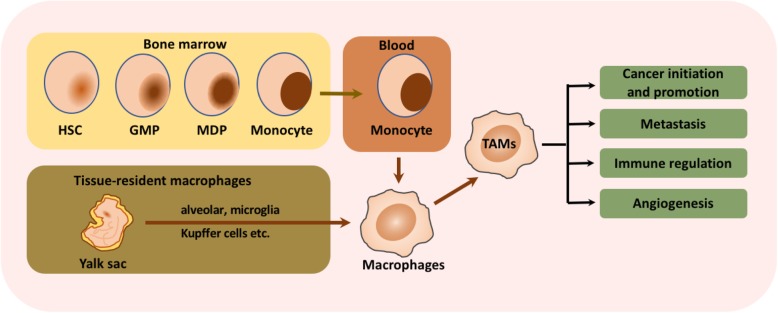
“Monocytes are recruited around tumor tissue and differentiated into macrophages through the combination of CCR2 on its surface and chemokine CCL2 (synthesized by tumor cells or other cells), which together form TME with other components [35].”
BackgroundChen, S., Fan, J., Zheng, D., Liu, F., Zeng, X., Yan, G., & Zhang, X. (2020) · Biomaterials Science · doi:10.1039/c9bm01646e · Cited by 45
Metadata
- Authors
- Lin, Y., Xu, J., & Lan, H.
- Affiliations
- University of Michigan (US)
- Corresponding author
- Xu, Jianxin
- Lan, Huiyin
- Venue
- Journal of Hematology & Oncology
- Published
- 2019-07-12
- Volume
- 12
- Issue
- 1
- Pages
- 76-76
- ISSN
- 1756-8722 (ISSN-L)
- PMC
- PMC6626377
- OpenAlex
- W2960078024
- Cited by
- 1,398
- References
- 179
- Citations by year
- 2026: 83 · 2025: 191 · 2024: 234 · 2023: 274 · 2022: 280 · 2021: 209 · 2020: 114 · 2019: 12
- FWCI
- 13.31
- Type
- journal article
- Language
- en
- Open access
- gold
- doi.org
- Licence
- cc-by
- creativecommons.org/licenses/by/4.0/ (tdm)
- creativecommons.org/licenses/by/4.0/ (vor)
- Locations
- Journal of Hematology & Oncology (publishedVersion, cc-by)
- PubMed Central (publishedVersion, cc-by)
- PubMed (publishedVersion)
- Deep Blue (University of Michigan) (submittedVersion)
- DOAJ (DOAJ: Directory of Open Access Journals) (submittedVersion, cc-by-sa)
- Topics
- Life Sciences › Immunology and Microbiology › Immunology › Immune cells in cancer
- Health Sciences › Medicine › Oncology › Cancer Immunotherapy and Biomarkers
- Health Sciences › Medicine › Oncology › Cancer Cells and Metastasis
- Keywords
- tumor-associated macrophages, metastasis, tumor microenvironment, immunosuppression, TAM polarization, immune checkpoint blockade, TAM-targeted therapy, cancer immunotherapy
- MeSH terms
- Animals, Antineoplastic Agents, Humans, Macrophages, Neoplasm Invasiveness, Neoplasm Metastasis, Neoplasms, Cytokines, Tumor Microenvironment
About these checks
Registry, retraction, Cites and statistics results are computed, not judged, with one exception: a printed reference that no index lists is read once by a model before it counts as a citation error. Claims are extracted by a model and kept only when their quote appears verbatim in the text; each cited source is then checked, with a model’s help, for whether it says what the claim relies on. Those verdicts can be wrong — read the claim’s quote and the cited source before relying on one.
Statistics and arithmetic are recomputed, not judged.
Confidence bands are shown only for fields calibrated on our annotated test set. None is calibrated yet, so no band is shown.
What counts as a claim ›How we measure confidence ›How we check this ›
Are you an author, or do you see a problem with this page? Request a review
Data sources
Bibliographic data: Semantic Scholar, OpenAlex, Crossref.
Contains information from the Semantic Scholar Academic Graph Datasets, made available under the ODC Attribution License (ODC-BY 1.0).
Semantic Scholar’s data is described in: Kinney, R., et al. (2023). The Semantic Scholar Open Data Platform. arXiv:2301.10140.
