

The CAFA challenge reports improved protein function prediction and new functional annotations for hundreds of genes through experimental screens
Open accessPublished version of a preprint
The DOI matches its Crossref record; 69 of the 69 references it cites were found in a registry or an index.
Abstract
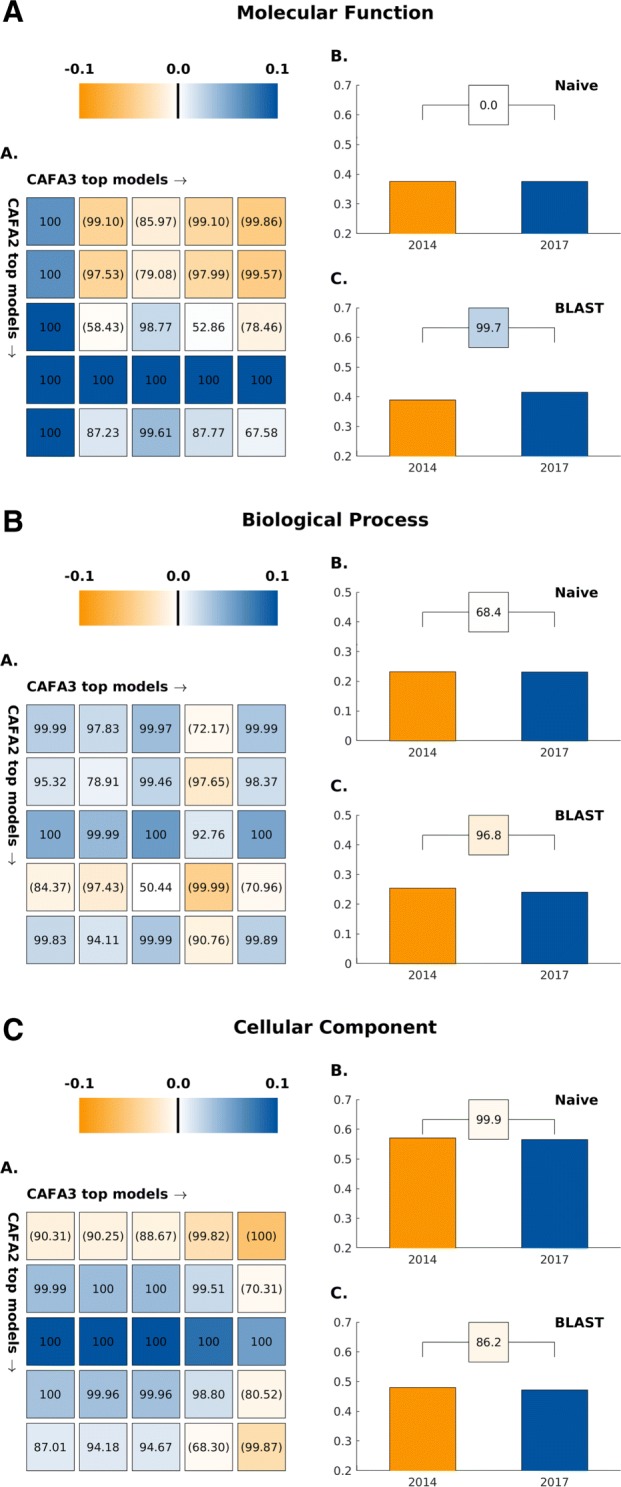
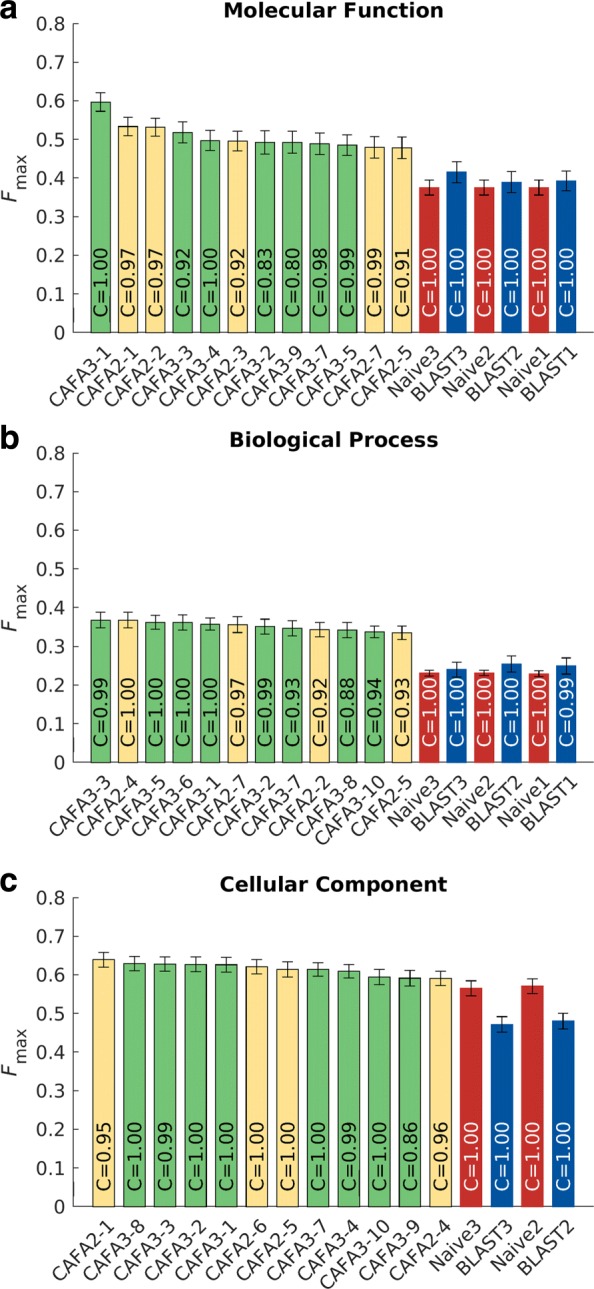
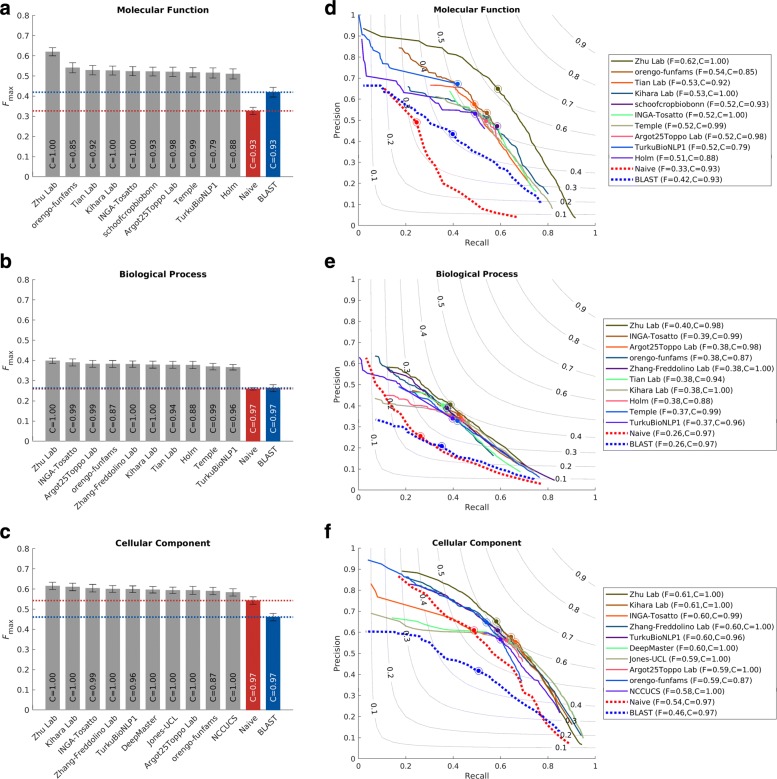
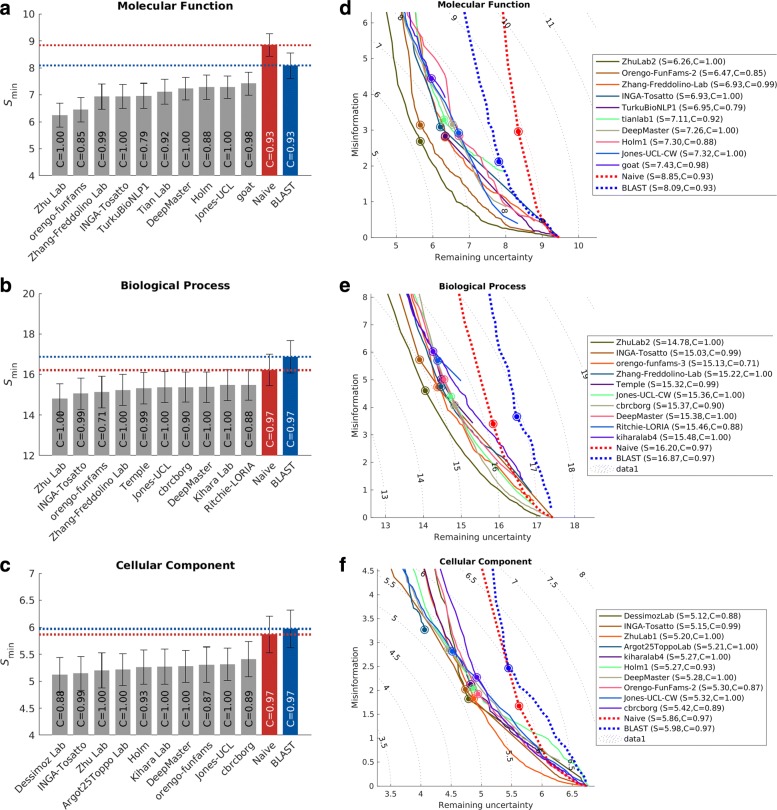
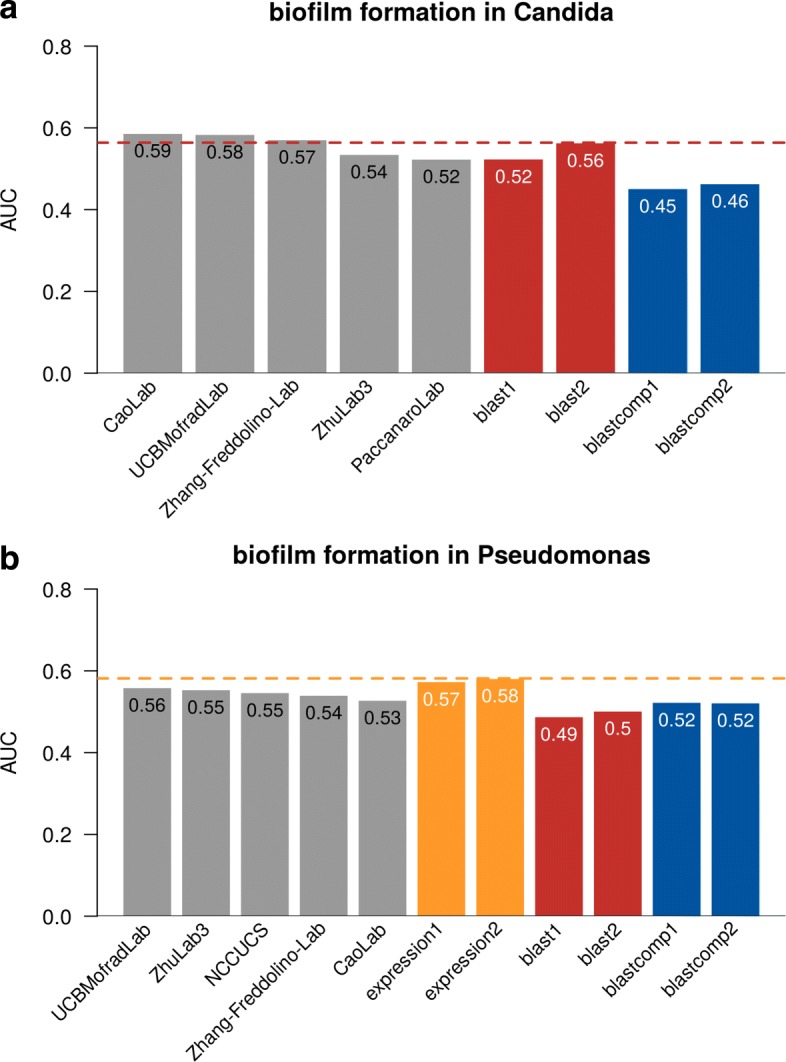
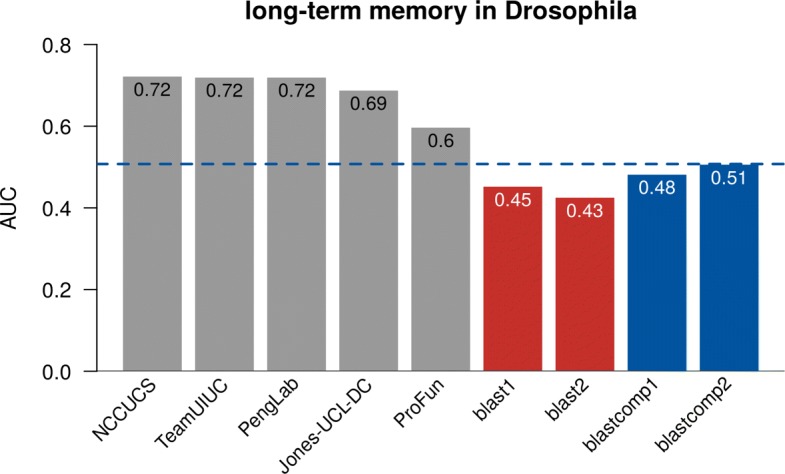
Background: The Critical Assessment of Functional Annotation (CAFA) is an ongoing, global, community-driven effort to evaluate and improve the computational annotation of protein function. Results: Here, we report on the results of the third CAFA challenge, CAFA3, that featured an expanded analysis over the previous CAFA rounds, both in terms of volume of data analyzed and the types of analysis performed. In a novel and major new development, computational predictions and assessment goals drove some of the experimental assays, resulting in new functional annotations for more than 1000 genes. Specifically, we performed experimental whole-genome mutation screening in Candida albicans and Pseudomonas aureginosa genomes, which provided us with genome-wide experimental data for genes associated with biofilm formation and motility. We further performed targeted assays on selected genes in Drosophila melanogaster , which we suspected of being involved in long-term memory. Conclusion: We conclude that while predictions of the molecular function and biological process annotations have slightly improved over time, those of the cellular component have not. Term-centric prediction of experimental annotations remains equally challenging; although the performance of the top methods is significantly better than the expectations set by baseline methods in C. albicans and D. melanogaster , it leaves considerable room and need for improvement. Finally, we report that the CAFA community now involves a broad range of participants with expertise in bioinformatics, biological experimentation, biocuration, and bio-ontologies, working together to improve functional annotation, computational function prediction, and our ability to manage big data in the era of large experimental screens.
Overview
The claims and statistics of this paper haven’t been checked yet.
Free: it reads the open-access text and checks the first 5 claims that cite a source we can check. Create a free account to check every claim.
Integrity signals
Registry
Cites
Statistics
Figures
Verification
Claims the paper makes
The claims and statistics of this paper haven’t been checked yet.
Free: it reads the open-access text and checks the first 5 claims that cite a source we can check. Create a free account to check every claim.
Claims other papers make about this one
Each is checked against this paper’s own text: does it say what the citing paper says it does?
The check wasn’t confident either way, so it gives no verdict — never disputed.
In the citing paper
“This pipeline has been shown to accurately assign functions for many proteins in microbes22 and in humans25 and is among the top predictors in the most recent Critical Assessment of Function Annotation round 3 (CAFA3) and CAFA PI competitions.26”
From Functions of Essential Genes and a Scale-Free Protein Interaction Network Revealed by Structure-Based Function and Interaction Prediction for a Minimal Genome (2021) · cites this paper as [26]
Experimental — accuracy not yet measured
Self-check
Percentages, sums and reported differences re-computed from the paper’s own numbers.
The self-check needs the paper’s full text.
Citations
Cites
Gapped BLAST and PSI-BLAST: a new generation of protein database search programs
Altschul, S. (1997) · Nucleic Acids Research · doi:10.1093/nar/25.17.3389 · Cited by 73,302
Gene Ontology: tool for the unification of biology
Ashburner, M., Ball, C. A., Blake, J. A., Botstein, D., Butler, H., Cherry, J. M., Davis, A. P., Dolinski, K., Dwight, S. S., Eppig, J. T., et al. (2000) · Nature Genetics · doi:10.1038/75556 · Cited by 43,206
STRING v10: protein–protein interaction networks, integrated over the tree of life
Szklarczyk, D., Franceschini, A., Wyder, S., Forslund, K., Heller, D., Huerta-Cepas, J., Simonovic, M., Roth, A., Santos, A., Tsafou, K. P., et al. (2015) · Nucleic Acids Research · doi:10.1093/nar/gku1003 · Cited by 10,436
UniProt: the Universal Protein knowledgebase
Apweiler, R. (2004) · Nucleic Acids Research · doi:10.1093/nar/gkh131 · Cited by 7,498
Mass spectrometry-based proteomics
Aebersold, R., & Mann, M. (2003) · Nature · doi:10.1038/nature01511 · Cited by 6,955
UniProt: the universal protein knowledgebase
The UniProt Consortium (2017) · Nucleic Acids Research · doi:10.1093/nar/gkw1099 · Cited by 4,436
Coming of age: ten years of next-generation sequencing technologies
Goodwin, S., McPherson, J. D., & McCombie, W. R. (2016) · Nature Reviews Genetics · doi:10.1038/nrg.2016.49 · Cited by 4,352
Assigning protein functions by comparative genome analysis: Protein phylogenetic profiles
Pellegrini, M., Marcotte, E. M., Thompson, M. J., Eisenberg, D., & Yeates, T. O. (1999) · Proceedings of the National Academy of Sciences · doi:10.1073/pnas.96.8.4285 · Cited by 1,585
Network‐based prediction of protein function
Sharan, R., Ulitsky, I., & Shamir, R. (2007) · Molecular Systems Biology · doi:10.1038/msb4100129 · Cited by 1,074
Mostafavi, S., Ray, D., Warde-Farley, D., Grouios, C., & Morris, Q. (2008) · Genome Biology · doi:10.1186/gb-2008-9-s1-s4 · Cited by 1,055
Cited by
Items 301–400 of 491
Wan, C. (2022) · IEEE International Conference on Bioinformatics and Biomedicine (BIBM) · doi:10.1109/bibm55620.2022.9995482 · Cited by 3
“The Gene Ontology (GO) [19] is a well-known bioinformatics database where unified vocabularies (i.e., GO terms) are used to describe the role of gene and gene products [20] [21] [22].”
MethodSelf-citationTran, N., & Gao, J. (2023) · IEEE International Conference on Bioinformatics and Biomedicine (BIBM) · doi:10.1109/bibm58861.2023.10385281 · Cited by 5
“2) Evaluation Metrics: We employed F max and AUPR (Area under Precision-Recall curve) metrics, as primary evaluation measures as per [3].”
BackgroundMethodNumerical stability of DeepGOPlus inference
Pepe, I. G., Chatelain, Y., Kiar, G., & Glatard, T. (2024) · PLoS ONE · doi:10.1371/journal.pone.0296725 · Cited by 3
“DeepGOPlus is one of the three best predictors in the Cellular Component class and the second best performing method in the Biological Process and Molecular Function evaluations compared to other models based on the evaluations from the CAFA3 challenge [40].”
MethodTavis, S. L., & Hettich, R. L. (2024) · BMC Genomics · doi:10.1186/s12864-024-10082-y · Cited by 4
“In the most recently published Critical Assessment of Function Annotation (CAFA3) challenge [20], most models incorporated some amount of non-sequence similarity information in their predictions, typically evolutionary relationships.”
BackgroundMethodAutomated annotation of disease subtypes
Ofer, D., & Linial, M. (2024) · Journal of Biomedical Informatics · doi:10.1016/j.jbi.2024.104650 · Cited by 3
Self-citationVu, T. T. D., Kim, J., & Jung, J. (2024) · PeerJ · doi:10.7717/peerj.18509 · Cited by 3
Han, K., Kim, H.-K., Kim, M.-H., Pak, M.-H., Pak, S.-J., Choe, M.-M., & Kim, C.-S. (2025) · International Journal of Biological Macromolecules · doi:10.1016/j.ijbiomac.2025.141801 · Cited by 4
Gbenro, S., Hippe, K., & Cao, R. (2020) · ACM International Conference on Bioinformatics, Computational Biology, and Health Informatics (ACM-BCB) · doi:10.1145/3388440.3414702 · Cited by 3
Self-citationBel, M. V., & Vandepoele, K. (2020) · Bioinformatics · doi:10.1093/bioinformatics/btaa1052 · Cited by 3
Dickson, A. M., Asgari, E., McHardy, A. C., & Mofrad, M. R. K. (2023) · Bioinformatics · doi:10.1093/bioinformatics/btad081 · Cited by 3
“Dozens of ML methods have emerged for GO annotation (Zhou et al. , 2019), but there are several barriers to evaluating new models, starting with the technical difficulty of generating a strong dataset with relevant metrics.”
MethodSelf-citationZhou, N., Friedberg, I., & Kaiser, M. S. (2019) · bioRxiv (Cold Spring Harbor Laboratory) · doi:10.1101/2019.12.16.878371 · Cited by 3
Self-citationBraun, I., Yanarella, C. F., Rajeswari, J. P. D., Bassham, D. C., & Lawrence‐Dill, C. J. (2021) · bioRxiv (Cold Spring Harbor Laboratory) · doi:10.1101/2021.02.04.429796 · Cited by 3
EC-Bench: A Benchmark for Enzyme Commission Number Prediction
Davoudi, S., Henry, C. S., Miller, C. S., & Banaei-Kashani, F. (2025) · doi:10.1101/2025.06.25.661207 · Cited by 3
Scaling Up ESM2 Architectures for Long Protein Sequences Analysis: Long and Quantized Approaches
de Oliveira, G. B., Pedrini, H., & Dias, Z. (2024) · Simpósio Brasileiro de Bioinformática (BSB) · doi:10.5753/bsb.2024.244804 · Cited by 3
“As an evaluation metric, we utilized F max , which is the most commonly employed metric in the task of protein function prediction [Radivojac 2013, Zhou et al. 2019].”
Wang, S., Liu, H., Zhai, W., & Zhu, S. (2025) · Lecture notes in computer science · doi:10.1007/978-3-031-90252-9_4 · Cited by 2
Self-citationA survey of computational approaches for characterizing microbial interactions in microbial mats
Perillo, V. L., Nute, M., Sapoval, N., Curry, K. D., Golia, L., Yin, Y., Ogilvie, H. A., Nakhleh, L. K., Segarra, S., Bhaya, D., et al. (2025) · Genome biology · doi:10.1186/s13059-025-03634-2 · Cited by 2
“However, classification of novel microbes and extrapolation of gene functions directly from homology-based searches of genomic regions is still prone to error [94, 95].”
GOBeacon : An ensemble model for protein function prediction enhanced by contrastive learning
Lin, W., Miller, D., Gu, Z., & Orengo, C. A. (2025) · Protein Science · doi:10.1002/pro.70182 · Cited by 7
“We conducted an evaluation of GOBeacon using the CAFA3 benchmark (Zhou et al., 2019).”
Self-citationLiu, Y., Wang, B., Yan, B., Jiang, H., & Dai, Y. (2025) · International Journal of Molecular Sciences · doi:10.3390/ijms26136362 · Cited by 2
“Figure 1 illustrates the performance of different methods in testing the three GO aspects of the CAFA3 and SwissProt datasets [31].”
Self-citationGOAnnotator: accurate protein function annotation using automatically retrieved literature
Yan, H., Liu, H., Wang, S., & Zhu, S. (2025) · Bioinformatics · doi:10.1093/bioinformatics/btaf199 · Cited by 5
“Numerous methods have been proposed to address AFP by leveraging various data sources (Zhou et al. 2019), such as protein sequence (Cao and Shen 2021, Kulmanov and Hoehndorf 2020, 2022), structure (Gligorijevi � c et al. 2021, Lai and Xu 2022, Boadu et al. 2023), protein–protein interaction (You et…”
Self-citationGraph Neural Network-Based Approaches for Protein Function Prediction
Chaudhari, M., Bahmani, S., Pratyush, P., Garrett, S., Thapa, N. J., & KC, D. B. (2025) · Methods in molecular biology · doi:10.1007/978-1-0716-4662-5_3 · Cited by 4
Zhu, Y.-H., Zhu, S., Yu, X., Yan, H., Liu, Y., Xie, X., Yu, D., & Ye, R. (2025) · Briefings in Bioinformatics · doi:10.1093/bib/bbaf420 · Cited by 2
“Following the rules of CAFA competitions, we use three metrics to evaluate our models, i.e. maximum F 1 -score ( F max ), minimum semantic distance ( S min ), and area under the precision–recall curve (AUPRC) [53, 54].”
Self-citationDA-HGL: a domain-augmented heterogeneous graph learning framework for protein function prediction
Hu, S., Zhang, W., & Zhao, B. (2025) · Briefings in Bioinformatics · doi:10.1093/bib/bbaf511 · Cited by 2
“To avoid GO terms that are too special or too general [8,23],we keep only those that annotate at least 10 and at most 200 proteins in the third Critical Assessment of Protein Function Annotation (CAFA3) [28] dataset.”
Talo, M., & Bozdag, S. (2024) · Bioinformatics Advances · doi:10.1093/bioadv/vbaf245 · Cited by 5
Queryome: orchestrating retrieval, reasoning, and synthesis across biomedical literature
Punuru, P. D., Ibtehaz, N., Giri, S. J., Srirangam, H., Tugolukova, E. A., & Kihara, D. (2026) · Journal of Biomedical Semantics · doi:10.1186/s13326-026-00366-5 · Cited by 3
Self-citationCui, B., Li, Y., Chen, S., Wei, J., Wang, X., Wang, Y., & Li, J. (2026) · Bioinformatics · doi:10.1093/bioinformatics/btag168 · Cited by 2
“The CAFA challenge (Zhou et al. 2019) has become the premier platform for AFP evaluation, establishing the field’s standardized benchmarking protocols.”
GCL-GO: A novel sequence-based hierarchy-aware method for protein function prediction
Choi, K., Lee, Y., & Kim, C. (2022) · IEEE International Conference on Bioinformatics and Biomedicine (BIBM) · doi:10.1109/bibm55620.2022.9994917 · Cited by 3
“• We prove the performance of our models with the Critical Assessment of protein Function Annotation 3 (CAFA3) [20] dataset, and the more complex TALE dataset [3].”
MethodPrediction of Protein Molecular Functions Using Transformers
de Mello, F. L., de Oliveira, G. B., Pedrini, H., & Dias, Z. (2023) · Lecture notes in computer science · doi:10.1007/978-3-031-23480-4_32 · Cited by 4
Graph machine learning in drug discovery
Pandey, M., Hamidizadeh, A., Radaeva, M., Fernández, M., Ester, M., & Cherkasov, A. R. (2023) · Elsevier eBooks · doi:10.1016/b978-0-443-18638-7.00028-1 · Cited by 3
LEGO-CSM: a tool for functional characterization of proteins
Nguyen, T., de Sá, A. G. C., Rodrigues, C. H. M., Pires, D. E. V., & Ascher, D. B. (2023) · Bioinformatics · doi:10.1093/bioinformatics/btad402 · Cited by 2
FunPredCATH: An ensemble method for predicting protein function using CATH
Bonello, J., & Orengo, C. A. (2023) · Biochimica et Biophysica Acta (BBA) - Proteins and Proteomics · doi:10.1016/j.bbapap.2023.140985 · Cited by 2
“The third method is FunFams-Plus, a PFP method developed by the Orengo Group based on CATH and one of the modules in the Orengo-FunFams method that competed in CAFA3 [12]; the Orengo-FunFams method ranked among the top-10 methods in the CAFA3 challenge [35].”
InfluentialSelf-citationClustering and machine learning framework for medical time series classification
Ruipérez-Campillo, S., Reiß, M., Ramírez, E., Cebrián, A., Millet, J., & Castells, F. (2024) · Journal of Applied Biomedicine · doi:10.1016/j.bbe.2024.07.005 · Cited by 2
SUPERMAGO : Protein Function Prediction Based on Transformer Embeddings
de Oliveira, G. B., Pedrini, H., & Dias, Z. (2024) · Proteins Structure Function and Bioinformatics · doi:10.1002/prot.26782 · Cited by 4
Yuan, H., Liang, X., Zhang, X., & Cao, Y. (2025) · Heliyon · doi:10.1016/j.heliyon.2025.e42218 · Cited by 4
Learning Maximally Spanning Representations Improves Protein Function Annotation
Luo, J., & Luo, Y. (2025) · Lecture notes in computer science · doi:10.1007/978-3-031-90252-9_52 · Cited by 2
Yang, S., Su, Y., Lin, Y.-C., Lin, Q., & Chen, Z. (2025) · Bioinformatics · doi:10.1093/bioinformatics/btaf473 · Cited by 2
“The third Critical Assessment of Functional Annotation (CAFA) highlighted the rising prominence of ML in functional annotation (Zhou et al. 2019); however, traditional models such as K -nearest neighbors (KNN), random forests, and support vector machines (SVM) depend heavily on manual feature…”
Vector semantics of multidomain protein architectures
Cui, X., Xiao, Y., Stolzer, M., & Durand, D. (2026) · Bioinformatics Advances · doi:10.1093/bioadv/vbag037 · Cited by 2
Assessing Protein Function Through Structural Similarities with CATH
Dawson, N. L., Orengo, C. A., & Gáspári, Z. (2020) · Methods in molecular biology · doi:10.1007/978-1-0716-0270-6_4 · Cited by 2
Self-citationGraph Based Automatic Protein Function Annotation Improved by Semantic Similarity
Sarker, B., Khare, N., Devignes, M., & Aridhi, S. (2020) · Lecture notes in computer science · doi:10.1007/978-3-030-45385-5_24 · Cited by 3
“Various machine learning based techniques are extensively studied in [7–9, 13, 19, 18, 27, 41, 28, 29, 33, 34, 43, 45, 52].”
Self-citationAnokye, F., & Kahanda, I. (2021) · Proceedings - IEEE Symposium on Computer-Based Medical Systems · doi:10.1109/cbms52027.2021.00055 · Cited by 2
Self-citationDennler, O., Coste, F., Blanquart, S., Belleannée, C., & Théret, N. (2023) · PLoS Computational Biology · doi:10.1371/journal.pcbi.1011404 · Cited by 2
“likely confer functional features conserved since a common ancestor [67, 68].”
BackgroundMethodSLPFA: Protein Structure-Label Embedding Attention Network for Protein Function Annotation
Zhang, Q., Liu, J., Yang, F., Yang, Z., & Feng, J. (2023) · IEEE International Conference on Bioinformatics and Biomedicine (BIBM) · doi:10.1109/bibm58861.2023.10385633 · Cited by 2
“For experimental validation, we compare SLPFA against Naive [23], BLAST [9], DeepGO [7], ResNet [13] [24], DeepFRI [15] and GAT-GO [13].”
MethodVasina, M., Vaňáček, P., Hon, J., Kovar, D. R., Faldynova, H., Kunka, A., Badenhorst, C. P. S., Buryška, T., Mazurenko, S., Bednář, D., et al. (2021) · Research Square · doi:10.21203/rs.3.rs-1027271/v1 · Cited by 2
“The main benefit of such a genome mining approach is the effective identification of thousands of putative hits among millions of sequence entries and the rational selection of a restricted set of attractive targets.(9,10) Subsequent experimental characterization of selected representative candidates is a crucial but…”
BackgroundManfredi, M., Savojardo, C., Martelli, P. L., & Casadio, R. (2024) · Elsevier eBooks · doi:10.1016/b978-0-323-95502-7.00070-1 · Cited by 2
Self-citationFine-tuning of conditional Transformers for the generation of functionally characterized enzymesPreprint
Nicolini, M., Saitto, E., Franco, R. E. J., Cavalleri, E., Mesiti, M., Galeano, A., Malchiodi, D., Paccanaro, A., Robinson, P. N., Casiraghi, E., et al. (2024) · bioRxiv (Cold Spring Harbor Laboratory) · doi:10.1101/2024.08.10.607430 · Cited by 3
Self-citationBroad functional profiling of fission yeast proteins using phenomics and machine learning
Rodríguez-López, M., Bordin, N., Lees, J., Scholes, H., Hassan, S., Saintain, Q., Kamrad, S., Orengo, C., & Bähler, J. (2023) · doi:10.1101/2023.04.05.535764 · Cited by 2
Self-citationMulti-tissue DNA methylation microarray signature is predictive of gene function
Roopnarinesingh, X., Porter, H. L., Giles, C. B., Brown, C. A., Georgescu, C., & Wren, J. D. (2022) · Epigenetics · doi:10.1080/15592294.2022.2036411 · Cited by 1
“An important consideration outlined in the Critical Assessment of Function Prediction (CAFA) [54] is the need to compare against the naive predictions, to characterize to what extent the model is replicating the structure of the Gene Ontology.”
BackgroundUsing genome-wide expression compendia to study microorganisms
Lee, A. J., Reiter, T. E., Doing, G., Oh, J., Hogan, D. A., & Greene, C. S. (2022) · Computational and Structural Biotechnology Journal · doi:10.1016/j.csbj.2022.08.012 · Cited by 1
“[90] Zhou N, Jiang Y, Bergquist TR, et al.”
BackgroundSelf-citationArtificial Intelligence in Gene Annotation: Current Applications, Challenges, and Future Prospects
Xu, Y., & Cui, J. (2025) · Theoretical and Natural Science · doi:10.54254/2753-8818/2025.21464 · Cited by 1
Sequence and taxonomic feature evaluation facilitated the discovery of alcohol oxidases
Han, Y., Ding, X., Tan, J., Sun, Y., Duan, Y., Liu, Z., Zheng, G., & Lu, D. (2025) · Synthetic and Systems Biotechnology · doi:10.1016/j.synbio.2025.04.014 · Cited by 2
“Thus, novel approaches to improve annotation accuracy in large-scale sequence databases has been developed [11 – 13].”
A Novel Graphlet-Based Community Detection Algorithm
Redondo, P. M., Mousapour, R., & Hayes, W. B. (2025) · Journal of Computational Biology · doi:10.1089/cmb.2025.0095 · Cited by 1
“…rates are easily competitive with the best sequence-and structure-based predictors in the 2017 CAFA3 competition, as well as more recent algorithms comparing themselves to CAFA3 (Cao et al., 2017; Kulmanov and Hoehndorf, 2020; Savojardo et al., 2018; Zhang et al., 2018; Zhou et al., 2019).”
Function prediction of grain proteins based on graph transformer and protein interaction network
Liu, J., Ju, J., Huang, K., & Guan, X. (2025) · Food Bioscience · doi:10.1016/j.fbio.2025.107592 · Cited by 1
Yang, Q., Wang, W., Fan, W., Zheng, R., & Li, M. (2025) · IEEE Journal of Biomedical and Health Informatics · doi:10.1109/jbhi.2025.3622996 · Cited by 2
“Following the CAFA challenges [38], we retained only those protein sequences with experimentally validated annotations, each possessing at least one of the following evidence codes: EXP, IDA, IPI, IMP, IGI, IEP, TAS, and IC.”
Molecular Representations for Drug Discovery
Zhang, L., Golts, A., & Garcia, V. L. (2025) · Springer handbooks · doi:10.1007/978-3-031-81728-1_48 · Cited by 2
Altayyar, A., & Liao, L. (2026) · Computational Biology and Chemistry · doi:10.1016/j.compbiolchem.2026.108935 · Cited by 1
Context-informed subgraph foundation models enable interpretable protein-function prediction
Zhou, Z., Rao, J., Zhang, Z., Ma, R., Yang, J., & Zheng, S. (2026) · Cell Systems · doi:10.1016/j.cels.2026.101535 · Cited by 1
Self-citationArtificial Intelligence Powers Protein Functional Annotation
Wang, W., Yang, Q., Zeng, M., Zheng, R., & Li, M. (2026) · Advanced Science · doi:10.1002/advs.202524373 · Cited by 1
“𝐼 𝐶 describes the information content of each function, with higher being more valuable [ 2 ].”
InfluentialProtDML: label-aware representation learning for broad-spectrum protein function prediction
Kan, Y., & Yi, G. (2026) · Briefings in Bioinformatics · doi:10.1093/bib/bbag293 · Cited by 1
“We evaluated on the CAFA3 benchmark using the public MMSMAPlus repository [ 42], which provides predefined train/test splits and the standard evaluation protocol [ 23].”
An overview of self-supervised deep learning applications to molecular data
Ferrís, L. B., Fratti, R., Nucera, V., Oreiller, V., Camillo, B. D., Atzori, M., & Müller, H. (2026) · Briefings in Bioinformatics · doi:10.1093/bib/bbag380 · Cited by 1
“Well-established benchmarks such as SuperGLUE [ 62], ImageNet [ 63], CAFA [ 64], and DREAM [ 65] high-light the value of standardized datasets and evaluation protocols in ensuring fair, reproducible comparisons.”
SSAS-GO: structure-sequence adaptive synergy network for protein function prediction
Wang, D., Wang, H., Jiang, T., Lu, B., Xiang, F., & Wang, Q. (2026) · Briefings in Bioinformatics · doi:10.1093/bib/bbag408 · Cited by 2
“While accurate functional annotation is essential, experimental identification of protein functions is time consuming and costly [ 3].”
Critical assessment in the age of AI: challenges and opportunities for computational biology
Schwartz, R. S., Zhang, X., Ma, J., Bromberg, Y., Murphy, R. F., Hunter, L., Parida, L., Sáez-Rodríguez, J., Stolovitzky, G. A., Pop, M., et al. (2026) · Bioinformatics Advances · doi:10.1093/bioadv/vbag290 · Cited by 1
“…Critical Assessment challenges (Critical Assessment of Genome Interpretation (Hoskins et al. 2017), Critical Assessment of Function Annotation (Zhou et al. 2019), Critical Assessment of Massive Data Analysis (Labaj et al. 2023), Critical Assessment of Protein Interactions (Wodak et al. 2023),…”
Vidulin, V., & Džeroski, S. (2020) · Lecture notes in computer science · doi:10.1007/978-3-030-61527-7_32 · Cited by 1
Self-citationPonraj, T. E., Balan, R. V. S., & Vignesh, K. (2021) · Arabian Journal for Science and Engineering · doi:10.1007/s13369-021-05999-5 · Cited by 3
RetractedSonderegger, E. (1994) · PhilPapers (PhilPapers Foundation) · Cited by 1
MDPFP-FCNN: Multidomain Protein Function Prediction Using Fuzzy Convolutional Neural Network
(2021) · International journal of intelligent engineering and systems · doi:10.22266/ijies2021.1231.57 · Cited by 1
A Hybrid Genetic Particle Swarm Optimization Algorithm Based Fusion Protein Functionality Prediction
Subhashini, U., Bhargavi, P., & Jyothi, S. (2022) · Journal of Pharmaceutical Negative Results · doi:10.47750/pnr.2022.13.s06.149 · Cited by 1
“The Critical Assessment of Protein Activity (CAFA) is an initiative that is a large-scale evaluation of protein activity predictive techniques, and the results of the first two CAFA challenges proved that protein activity prognosis is still a challenging area [15] [16].”
BackgroundProFAB—open protein functional annotation benchmark
Özdilek, A. S., Atakan, A. K., Özsarı, G., Acar, A. C., Atalay, V., Doğan, T., & Rifaioğlu, A. S. (2023) · Briefings in Bioinformatics · doi:10.1093/bib/bbac627 · Cited by 2
Self-citationA to-do list for realizing the sequence-to-function paradigm of proteins
Chan, C. K., Rajarigam, C., Jiang, P., Miratsky, J., Demir, M., Şener, M., & Singharoy, A. (2025) · Current Opinion in Structural Biology · doi:10.1016/j.sbi.2025.103119 · Cited by 1
A Hybrid Supervised and Self-Supervised Graph Neural Network for Edge-Centric Applications
Borzone, E., Persia, L. D. D., & Gerard, M. (2025) · IEEE Transactions on Signal and Information Processing over Networks · doi:10.1109/tsipn.2025.3611172 · Cited by 1
“An-notations are filtered as in CAFA [25].”
League of Brazilian Bioinformatics: a competition framework to promote scientific trainingPreprint
de Carvalho, L. M., Coimbra, N. D. R., Neves, M. R. D. C., Fonseca, N., da Costa, M. A. G. C., Horácio, E. C. A., Riyuzo, R., Aburjaile, F. F., & Nagamatsu, S. T. (2020) · bioRxiv (Cold Spring Harbor Laboratory) · doi:10.1101/2020.12.17.423357 · Cited by 1
“Furthermore, hackathons have been applied in specific areas to explore public data, increase educational and innovation opportunities, create biological insights (2019 Model “Metrics” Challenge, Health Hackathons and NCBI’s Virus Discovery Hackathon), and even solve new challenges and improve the state of the art (AlQ…”
BackgroundVaňáček, P., Vasina, M., Hon, J., Kovar, D. R., Faldynová, H., Kunka, A., Buryška, T., Badenhorst, C. P. S., Mazurenko, S., Bednář, D., et al. (2021) · ChemRxiv · doi:10.26434/chemrxiv.13621517.v1 · Cited by 1
Obregón, F. P., Silvera, D., Soto, P., Yankilevich, P., Guerberoff, G., & Cantera, R. (2021) · bioRxiv (Cold Spring Harbor Laboratory) · doi:10.1101/2021.08.27.457944 · Cited by 1
“It would take centuries to experimentally confirm the functions of the already known genes, hence the need to improve automatic functional prediction (AFP) (Bernardes and Pedreira 2013; Libbrecht and Noble 2015; Zhou et al. 2019; Zhao et al. 2020; Bonetta and Valentino 2020).”
BackgroundMethodInfluentialIn silico protein science: from sequence to network
Marrero, M. C. (2021) · doi:10.18174/547092 · Cited by 1
Benchmarking Hayai-Annotation Plants: A Re-evaluation Using Standard Evaluation MetricsPreprint
Ghelfi, A., Shirasawa, K., & Isobe, S. (2023) · bioRxiv (Cold Spring Harbor Laboratory) · doi:10.1101/2023.09.08.556781 · Cited by 1
“CAFA is a community-driven initiative that aims to assess and enhance the accuracy of computational methods used for predicting protein function (Zhou et al. 2019).”
MethodAndrade, B., Chen, A., & Gilson, M. K. (2023) · ChemRxiv · doi:10.26434/chemrxiv-2023-z5tcm-v2 · Cited by 1
Ulusoy, E., & Doğan, T. (2025) · bioRxiv (Cold Spring Harbor Laboratory) · doi:10.1101/2025.04.19.649272 · Cited by 1
How Post-Training Shapes Biological Reasoning ModelsPreprint
Fesser, L., Zhang, H., Li, M. M., Wang, E., Perozzi, B., Azizi, S., Kakade, S. M., & Žitnik, M. (2026) · arXiv (Cornell University) · doi:10.48550/arxiv.2606.16517 · Cited by 1
“Evaluation follows the CAFA temporal holdout protocol [91, 92]: proteins annotated before November 2022 are used for training and validation, while test proteins are selected from those that gained new experimental annotations between March 2023 and February 2024 and lacked annotations in the…”
Majidi, F. (2026) · Research Square · doi:10.21203/rs.3.rs-10501636/v1 · Cited by 1
Fusion2AI: functional re-annotation of the bacterial transparent matter proteinsPreprint
Maloney-Bertelli, A., & Bromberg, Y. (2026) · bioRxiv (Cold Spring Harbor Laboratory) · doi:10.64898/2026.09.28.755017 · Cited by 1
“Community assessments, such as the Critical Assessment of Function Annotation (CAFA), confirm substantial room for improvement [6].”
DeepPheno: Predicting single gene knockout phenotypesPreprint
Kulmanov, M., & Hoehndorf, R. (2019) · King Abdullah University of Science and Technology Repository (King Abdullah University of Science and Technology) · doi:10.1101/839332
Self-citationBSite-pro: A Novel Approach for Binding Site Prediction in Protein Sequences
Bashir, M. Y., Muneer, K., Mustafa, R., & Rehman, H. U. (2019) · International Conference on Emerging Technologies · doi:10.1109/icet48972.2019.8994703
“Till today, a number of methods have been proposed for the annotation of functional/interaction sites and analysis of their characteristics [2]–[9].”
MethodAn investigation into Mef2-interacting proteins during embryonic muscle development of Drosophila
Cepraga, A. (2020) · ORCA Online Research @Cardiff (Cardiff University)
Comparative Analysis of Network Embeddings for Functional Annotation in Protein Interaction Networks
Ivanoska, I., Petreska, E., Stojkoska, B. R., Kalajdziski, S., & Trivodaliev, K. V. (2020) · International Convention on Information and Communication Technology, Electronics and Microelectronics · doi:10.23919/mipro48935.2020.9245346
Predicting anticancer peptides and protein function with deep learning
Lane, N. (2020) · Montana State University ScholarWorks (Montana State University)
Challenges in the Computational Modeling of the Protein Structure—Activity Relationship
del Rio, G. (2021) · Computation · doi:10.3390/computation9040039
“…the grounds to standardize these representations and promote the development of better models to predict protein function from protein structure [25]; however, CAFA is based on protein sequences due to the limitation of available protein structures, a scenario that, we expect, may change in the…”
BackgroundInfluentialFattel, L., Psaroudakis, D., Yanarella, C. F., Chiteri, K. O., Dostalik, H. A., Joshi, P., Starr, D. C., Vu, H. T. H., Wimalanathan, K., & Lawrence‐Dill, C. J. (2021) · bioRxiv (Cold Spring Harbor Laboratory) · doi:10.1101/2021.04.25.441366
“We also evaluated with the F max metric, simply because it is widely-used (e.g., by [10]), even though according to Plyusnin et al., it is actually a flawed metric [60].”
Method(2021) · PeerJ · doi:10.7287/peerj.12019v0.1/reviews/1
“Four main competitions (CAFA1–CAFA4) have been held every 3 years since 2010.”
BackgroundMethodInfluentialNew Functions Identified for HIV gp120 with the New ProtSub Sequence MatchingPreprint
Litterer, B. R., Shome, S., Jia, K., & Jernigan, R. L. (2022) · bioRxiv (Cold Spring Harbor Laboratory) · doi:10.1101/2022.02.01.478707
“The most common approach to making assignments of function is by sequence matching, which can be seen among high-performing functional predictions (Zhou et al., 2019).”
BackgroundMethodInfluentialDjeddi, W. E., Yahia, S. B., & Nguifo, E. M. (2020) · doi:10.21203/rs.2.21071/v1
“Indeed, it is, respectively, that the orengo-funfams approach performs well for F max and S min for MF and BP evaluations under the CAFA3 challenge [49].”
BackgroundMethodInfluentialAssigning Protein Function from Domain-Function Associations Using DomFunPreprint
Rojano, E., Jabato, F. M., Perkins, J. R., Caballero, J. C., Sillitoe, I., Orengo, C. A., Ranea, J. A. G., & Seoane, P. (2020) · doi:10.21203/rs.3.rs-90024/v1
Self-citationDjeddi, W. E., Yahia, S. B., & Nguifo, E. M. (2020) · doi:10.21203/rs.2.21071/v3
Zhang, W., & Zhai, R. (2021) · Faculty Opinions – Post-Publication Peer Review of the Biomedical Literature · doi:10.3410/f.740510745.793587739
Vaňáček, P., Vasina, M., Hon, J., Kovar, D. R., Faldynová, H., Kunka, A., Buryška, T., Badenhorst, C. P. S., Mazurenko, S., Bednář, D., et al. (2021) · ChemRxiv · doi:10.26434/chemrxiv.13621517
Domain Structure Classifications
Waman, V., Cuff, A. L., & Orengo, C. A. (2022) · Springer eBooks · doi:10.1007/978-3-642-35943-9_414-1
Self-citationFusion protein functionality prediction using genetic algorithm
Subhashini, U., Bhargavi, P., & Jyothi, S. (2022) · International Journal of Health Sciences · doi:10.53730/ijhs.v6ns9.13664
“In the fields of bioinformatics and cheminformatics, DNN algorithms have been shown to perform better than traditional predictive algorithms [15].”
MethodProtein Molecular Function Annotation Based on Transformer Embeddings
de Oliveira, G. B., Pedrini, H., & Dias, Z. (2022) · Lecture notes in computer science · doi:10.1007/978-3-031-21689-3_16
Source Identification for Exosomal Communication via Protein Language Models
Wu, X., Hanganu, A., Hoshino, A., & Varshney, L. R. (2022) · Machine learning for signal processing ... · doi:10.1109/mlsp55214.2022.9943418
“We use the CAFA3 dataset [14] generated by a time-based split and data pre-processing as in [15] for protein function prediction.”
Method
Metadata
- Authors
- Zhou, N., Jiang, Y., Bergquist, T. R., Lee, A. J., Kacsoh, B. Z., Crocker, A. W., Lewis, K. A., Georghiou, G., Nguyen, H. N., Hamid, M. N., Davis, L., Dogan, T., Atalay, V., Rifaioglu, A. S., Dalkıran, A., Cetin Atalay, R., Zhang, C., Hurto, R. L., Freddolino, P. L., Zhang, Y., Bhat, P., Supek, F., Fernández, J. M., Gemovic, B., Perovic, V. R., Davidović, R. S., Sumonja, N., Veljkovic, N., Asgari, E., Mofrad, M. R. K., Profiti, G., Savojardo, C., Martelli, P. L., Casadio, R., Boecker, F., Schoof, H., Kahanda, I., Thurlby, N., McHardy, A. C., Renaux, A., Saidi, R., Gough, J., Freitas, A. A., Antczak, M., Fabris, F., Wass, M. N., Hou, J., Cheng, J., Wang, Z., Romero, A. E., Paccanaro, A., Yang, H., Goldberg, T., Zhao, C., Holm, L., Törönen, P., Medlar, A. J., Zosa, E., Borukhov, I., Novikov, I., Wilkins, A., Lichtarge, O., Chi, P.-H., Tseng, W.-C., Linial, M., Rose, P. W., Dessimoz, C., Vidulin, V., Dzeroski, S., Sillitoe, I., Das, S., Lees, J. G., Jones, D. T., Wan, C., Cozzetto, D., Fa, R., Torres, M., Warwick Vesztrocy, A., Rodriguez, J. M., Tress, M. L., Frasca, M., Notaro, M., Grossi, G., Petrini, A., Re, M., Valentini, G., Mesiti, M., Roche, D. B., Reeb, J., Ritchie, D. W., Aridhi, S., Alborzi, S. Z., Devignes, M.-D., Koo, D. C. E., Bonneau, R., Gligorijević, V., Barot, M., Fang, H., Toppo, S., Lavezzo, E., Falda, M., Berselli, M., Tosatto, S. C. E., Carraro, M., Piovesan, D., Ur Rehman, H., Mao, Q., Zhang, S., Vucetic, S., Black, G. S., Jo, D., Suh, E., Dayton, J. B., Larsen, D. J., Omdahl, A. R., McGuffin, L. J., Brackenridge, D. A., Babbitt, P. C., Yunes, J. M., Fontana, P., Zhang, F., Zhu, S., You, R., Zhang, Z., Dai, S., Yao, S., Tian, W., Cao, R., Chandler, C., Amezola, M., Johnson, D., Chang, J.-M., Liao, W.-H., Liu, Y.-W., Pascarelli, S., Frank, Y., Hoehndorf, R., Kulmanov, M., Boudellioua, I., Politano, G., Di Carlo, S., Benso, A., Hakala, K., Ginter, F., Mehryary, F., Kaewphan, S., Björne, J., Moen, H., Tolvanen, M. E. E., Salakoski, T., Kihara, D., Jain, A., Šmuc, T., Altenhoff, A., Ben-Hur, A., Rost, B., Brenner, S. E., Orengo, C. A., Jeffery, C. J., Bosco, G., Hogan, D. A., Martin, M. J., O’Donovan, C., Mooney, S. D., Greene, C. S., Radivojac, P., & Friedberg, I.
- Affiliations
- Iowa State University (US)
- Indiana University Bloomington (US)
- University of Washington (US)
- University of Pennsylvania (US)
- Dartmouth College (US)
- European Bioinformatics Institute (GB)
- Middle East Technical University (TR)
- University of Michigan (US)
- Institució Catalana de Recerca i Estudis Avançats (ES)
- Barcelona Supercomputing Center (ES)
- University of Belgrade (RS)
- Helmholtz Centre for Infection Research (DE)
- University of California, Berkeley (US)
- National Research Council (IT)
- University of Bologna (IT)
- University of Bonn (DE)
- Montana State University (US)
- University of Bristol (GB)
- Université Libre de Bruxelles (BE)
- MRC Laboratory of Molecular Biology (GB)
- University of Kent (GB)
- University of Missouri (US)
- University of Miami (US)
- Royal Holloway University of London (GB)
- Ollscoil na Gaillimhe – University of Galway (IE)
- Technical University of Munich (DE)
- University of Southern Mississippi (US)
- University of Helsinki (FI)
- Compugen (Israel) (IL)
- Baylor College of Medicine (US)
- National Tsing Hua University (TW)
- San Diego Supercomputer Center (US)
- SIB Swiss Institute of Bioinformatics (CH)
- Jožef Stefan Institute (SI)
- University College London (GB)
- Oxford Brookes University (GB)
- The Francis Crick Institute (GB)
- Spanish National Cancer Research Centre (ES)
- University of Milan (IT)
- Centre National de la Recherche Scientifique (FR)
- New York University (US)
- Flatiron Institute (US)
- Simons Foundation (US)
- Centre for Human Genetics (GB)
- University of Padua (IT)
- University of California, Riverside (US)
- Temple University (US)
- Brigham Young University (US)
- University of Reading (GB)
- University of California, San Francisco (US)
- Fondazione Edmund Mach (IT)
- Fudan University (CN)
- Cincinnati Children's Hospital Medical Center (US)
- Pacific Lutheran University (US)
- National Chengchi University (TW)
- Okinawa Institute of Science and Technology Graduate University (JP)
- Tel Aviv University (IL)
- King Abdullah University of Science and Technology (SA)
- Politecnico di Torino (IT)
- University of Turku (FI)
- Purdue University West Lafayette (US)
- Ruđer Bošković Institute (HR)
- University of Illinois Chicago (US)
- Alex's Lemonade Stand Foundation (US)
- Corresponding author
- Friedberg, Iddo
- ORCID
- Jiang, Yuxiang
- Bergquist, Timothy R.
- Kacsoh, Balint Z.
- Crocker, Alex W.
- Lewis, Kimberley A.
- Georghiou, George
- Hamid, Md Nafiz
- Atalay, Volkan
- Dalkıran, Alperen
- Zhang, Chengxin
- Zhang, Yang
- Supek, Fran
- Fernández, José M.
- Davidović, Radoslav S.
- Asgari, Ehsaneddin
- Mofrad, Mohammad R.K.
- Profiti, Giuseppe
- Savojardo, Castrense
- Martelli, Pier Luigi
- Casadio, Rita
- Boecker, Florian
- Schoof, Heiko
- Kahanda, Indika
- McHardy, Alice C.
- Renaux, Alexandre
- Saidi, Rabie
- Gough, Julian
- Freitas, Alex A.
- Antczak, Magdalena
- Wass, Mark N.
- Hou, Jie
- Cheng, Jianlin
- Wang, Zheng
- Romero, Alfonso E.
- Paccanaro, Alberto
- Yang, Haixuan
- Zhao, Chenguang
- Holm, Liisa
- Törönen, Petri
- Medlar, Alan J.
- Zosa, Elaine
- Borukhov, Itamar
- Novikov, Ilya
- Lichtarge, Olivier
- Chi, Po-Han
- Rose, Peter W.
- Dessimoz, Christophe
- Vidulin, Vedrana
- Sillitoe, Ian
- Das, Sayoni
- Lees, Jonathan Gill
- Jones, David T.
- Wan, Cen
- Cozzetto, Domenico
- Fa, Rui
- Torres, Mateo
- Tress, Michael L.
- Frasca, Marco
- Notaro, Marco
- Grossi, Giuliano
- Petrini, Alessandro
- Valentini, Giorgio
- Mesiti, Marco
- Roche, Daniel B.
- Reeb, Jonas
- Ritchie, David W.
- Aridhi, Sabeur
- Devignes, Marie-Dominique
- Koo, Da Chen Emily
- Bonneau, Richard
- Gligorijević, Vladimir
- Barot, Meet
- Fang, Hai
- Toppo, Stefano
- Lavezzo, Enrico
- Falda, Marco
- Berselli, Michele
- Tosatto, Silvio C.E.
- Carraro, Marco
- Piovesan, Damiano
- Zhang, Shanshan
- Jo, Dane
- Suh, Erica
- Omdahl, Ashton R.
- McGuffin, Liam J.
- Babbitt, Patricia C.
- Yunes, Jeffrey M.
- Fontana, Paolo
- Zhang, Feng
- Zhu, Shanfeng
- You, Ronghui
- Zhang, Zihan
- Tian, Weidong
- Cao, Renzhi
- Chang, Jia-Ming
- Liao, Wen-Hung
- Pascarelli, Stefano
- Hoehndorf, Robert
- Kulmanov, Maxat
- Politano, Gianfranco
- Benso, Alfredo
- Hakala, Kai
- Ginter, Filip
- Mehryary, Farrokh
- Kaewphan, Suwisa
- Björne, Jari
- Moen, Hans
- Tolvanen, Martti E.E.
- Kihara, Daisuke
- Jain, Aashish
- Šmuc, Tomislav
- Altenhoff, Adrian
- Rost, Burkhard
- Brenner, Steven E.
- Orengo, Christine A.
- Jeffery, Constance J.
- Bosco, Giovanni
- Hogan, Deborah A.
- Martin, Maria J.
- O’Donovan, Claire
- Mooney, Sean D.
- Greene, Casey S.
- Friedberg, Iddo
- Venue
- Genome Biology
- Published
- 2019-11-19
- Volume
- 20
- Issue
- 1
- Pages
- 244-244
- ISSN
- 1465-6906 (ISSN-L)
- 1474-760X
- PMC
- PMC6864930
- OpenAlex
- W2989608901
- Semantic Scholar
- b213335fb27fc14193498032bdc6392ffd0242b8
- Cited by
- 452
- References
- 68
- Citations by year
- 2026: 50 · 2025: 71 · 2024: 73 · 2023: 61 · 2022: 66 · 2021: 75 · 2020: 42 · 2019: 13
- FWCI
- 16.21
- Type
- journal article
- Language
- en
- Open access
- gold
- doi.org
- Licence
- cc-by
- creativecommons.org/licenses/by/4.0 (tdm)
- creativecommons.org/licenses/by/4.0 (vor)
- Locations
- Genome biology (publishedVersion, cc-by)
- PubMed Central (publishedVersion, cc-by)
- PubMed (publishedVersion)
- SERVAL (Université de Lausanne) (publishedVersion, cc-by)
- CentAUR (University of Reading) (acceptedVersion, public-domain)
- Kent Academic Repository (University of Kent) (acceptedVersion, public-domain)
- Edinburgh Research Explorer (University of Edinburgh) (acceptedVersion, public-domain)
- Deep Blue (University of Michigan) (submittedVersion, public-domain)
- PORTO@Iris (submittedVersion, cc-by)
- IRIS (submittedVersion, cc-by)
- CINECA IRIS Institutional Research Information System (Fondazione Edmund Mach) (submittedVersion, cc-by)
- UTUPub (University of Turku) (submittedVersion, cc-by)
- Padua Research Archive (University of Padova) (submittedVersion, cc-by)
- UTUPub (University of Turku) (submittedVersion, public-domain)
- HAL (submittedVersion)
- Archivio Istituzionale della Ricerca (Universita Degli Studi Di Milano) (submittedVersion, cc-by)
- Archivio istituzionale della ricerca (Alma Mater Studiorum Università di Bologna) (submittedVersion, cc-by)
- DOAJ (DOAJ: Directory of Open Access Journals) (submittedVersion, cc-by-sa)
- eScholarship (California Digital Library) (submittedVersion, cc-by)
- Työväentutkimus Vuosikirja (submittedVersion)
- OpenMETU (Middle East Technical University) (submittedVersion, cc-by-nc-nd)
- mediaTUM (Technical University of Munich) (submittedVersion, other-oa)
- HZI (Helmholtz Centre for Infection Research) (submittedVersion, cc-by-nc-sa)
- King Abdullah University of Science and Technology Repository (King Abdullah University of Science and Technology) (submittedVersion, cc-by)
- King Abdullah University of Science and Technology Repository (King Abdullah University of Science and Technology) (submittedVersion, other-oa)
- Bristol Research (University of Bristol) (submittedVersion, cc-by)
- VinaR (Institute of Nuclear Sciences "Vinča") (submittedVersion, cc-by)
- VUBIR (Vrije Universiteit Brussel) (submittedVersion)
- Repository for Publications and Research Data (ETH Zurich) (submittedVersion, cc-by)
- ETH Zürich Research Collection (cc-by)
- Funders
- National Science Foundation (DBI 1458359)
- Topics
- Life Sciences › Biochemistry, Genetics and Molecular Biology › Molecular Biology › Bioinformatics and Genomic Networks
- Life Sciences › Biochemistry, Genetics and Molecular Biology › Molecular Biology › Genomics and Phylogenetic Studies
- Health Sciences › Medicine › Health Informatics › Biomedical Text Mining and Ontologies
- Keywords
- protein function prediction, functional annotation, Candida albicans, biofilm formation, bacterial motility, Drosophila melanogaster, long-term memory, biological process annotation
- MeSH terms
- Animals, Candida albicans, Drosophila melanogaster, Humans, Locomotion, Pseudomonas aeruginosa, Genome, Bacterial, Genome, Fungal, Biofilms, Memory, Long-Term, Molecular Sequence Annotation
About these checks
Registry, retraction, Cites and statistics results are computed, not judged, with one exception: a printed reference that no index lists is read once by a model before it counts as a citation error. Claims are extracted by a model and kept only when their quote appears verbatim in the text; each cited source is then checked, with a model’s help, for whether it says what the claim relies on. Those verdicts can be wrong — read the claim’s quote and the cited source before relying on one.
Statistics and arithmetic are recomputed, not judged.
Confidence bands are shown only for fields calibrated on our annotated test set. None is calibrated yet, so no band is shown.
What counts as a claim ›How we measure confidence ›How we check this ›
Are you an author, or do you see a problem with this page? Request a review
Data sources
Bibliographic data: Semantic Scholar, OpenAlex, Crossref.
Contains information from the Semantic Scholar Academic Graph Datasets, made available under the ODC Attribution License (ODC-BY 1.0).
Semantic Scholar’s data is described in: Kinney, R., et al. (2023). The Semantic Scholar Open Data Platform. arXiv:2301.10140.
