

The CAFA challenge reports improved protein function prediction and new functional annotations for hundreds of genes through experimental screens
Open accessPublished version of a preprint
The DOI matches its Crossref record; 69 of the 69 references it cites were found in a registry or an index.
Abstract
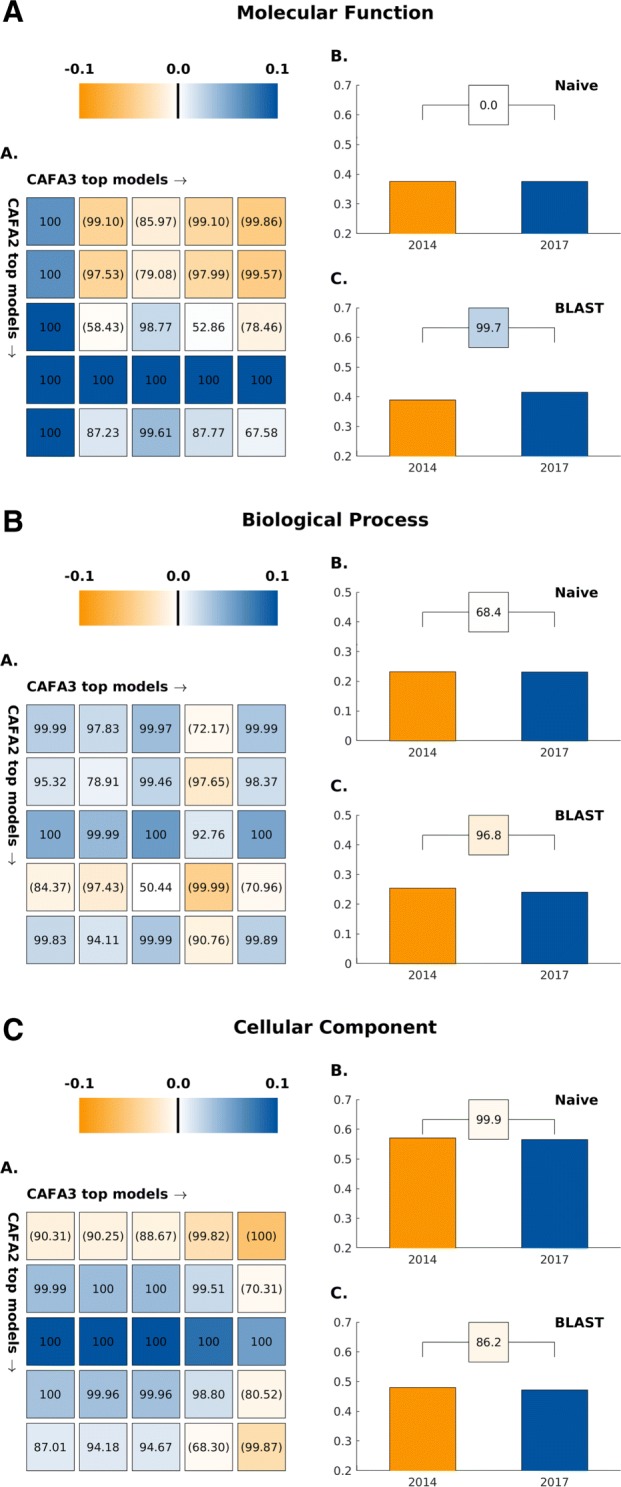
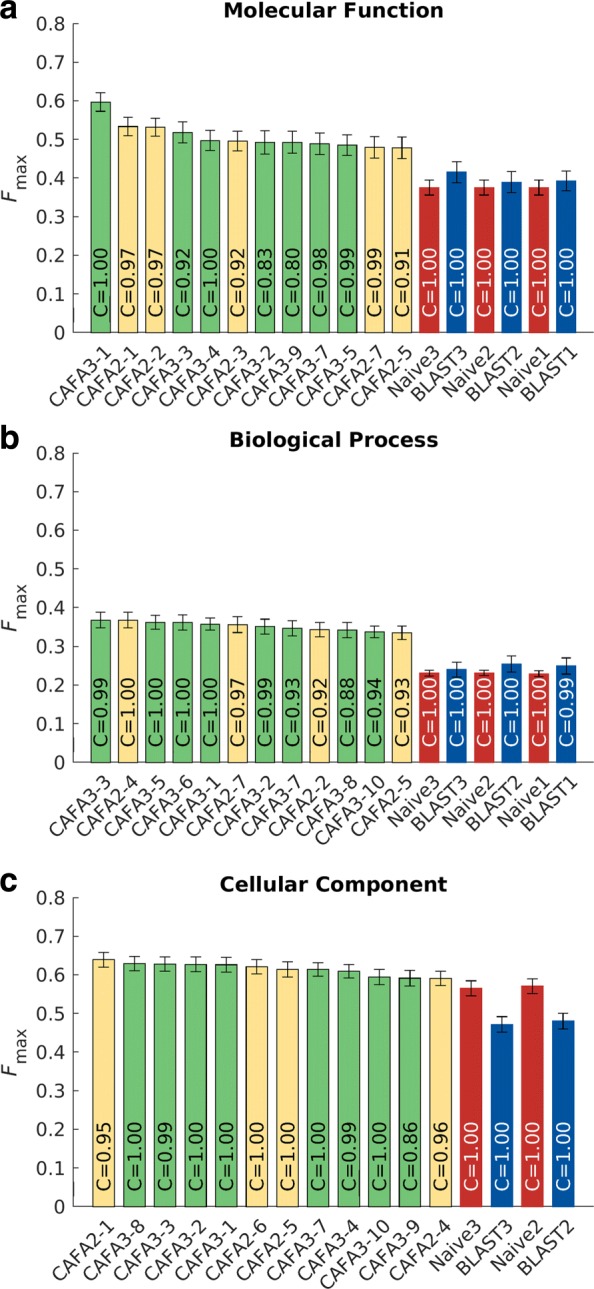
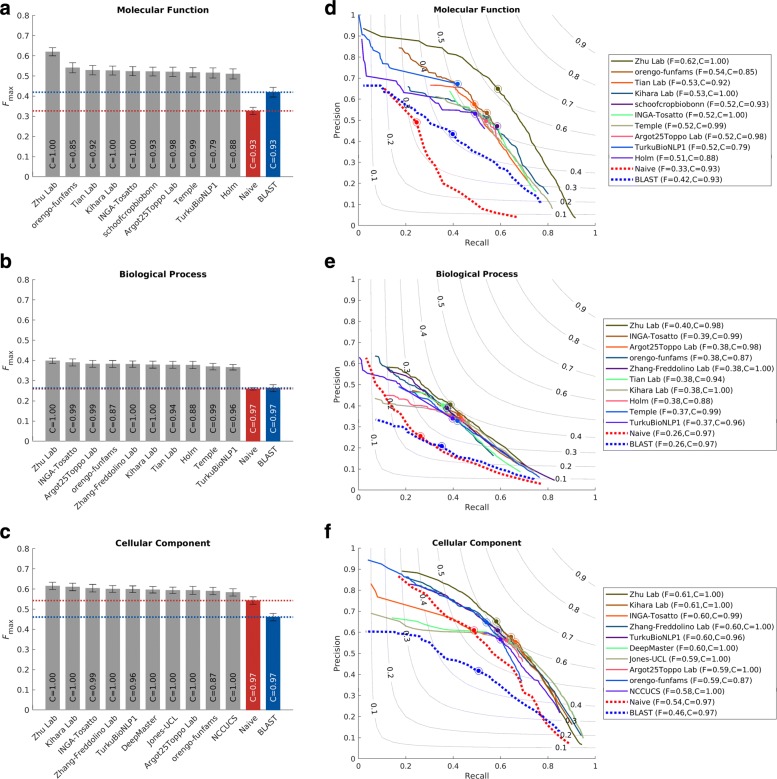
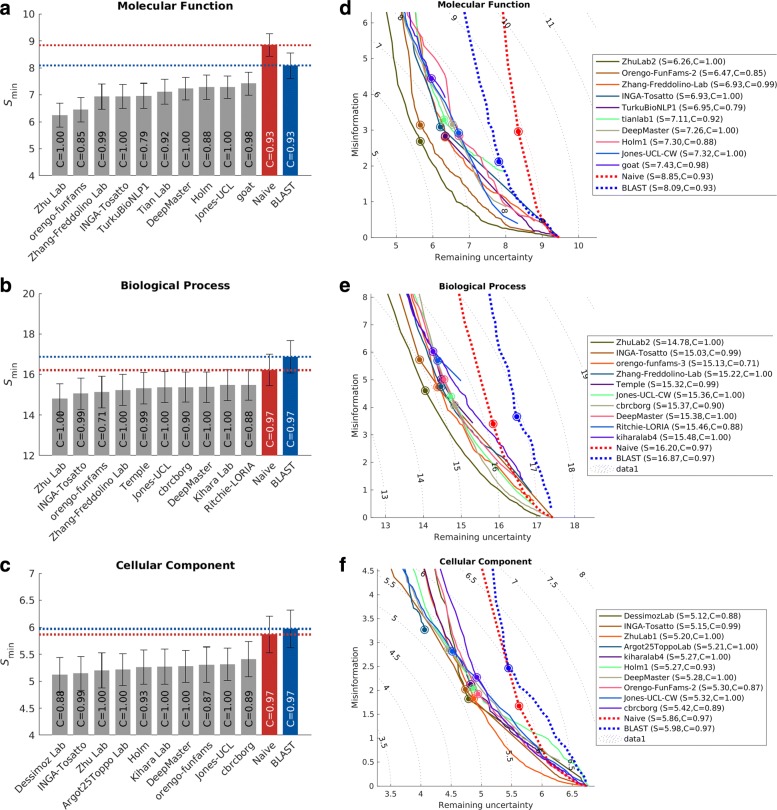
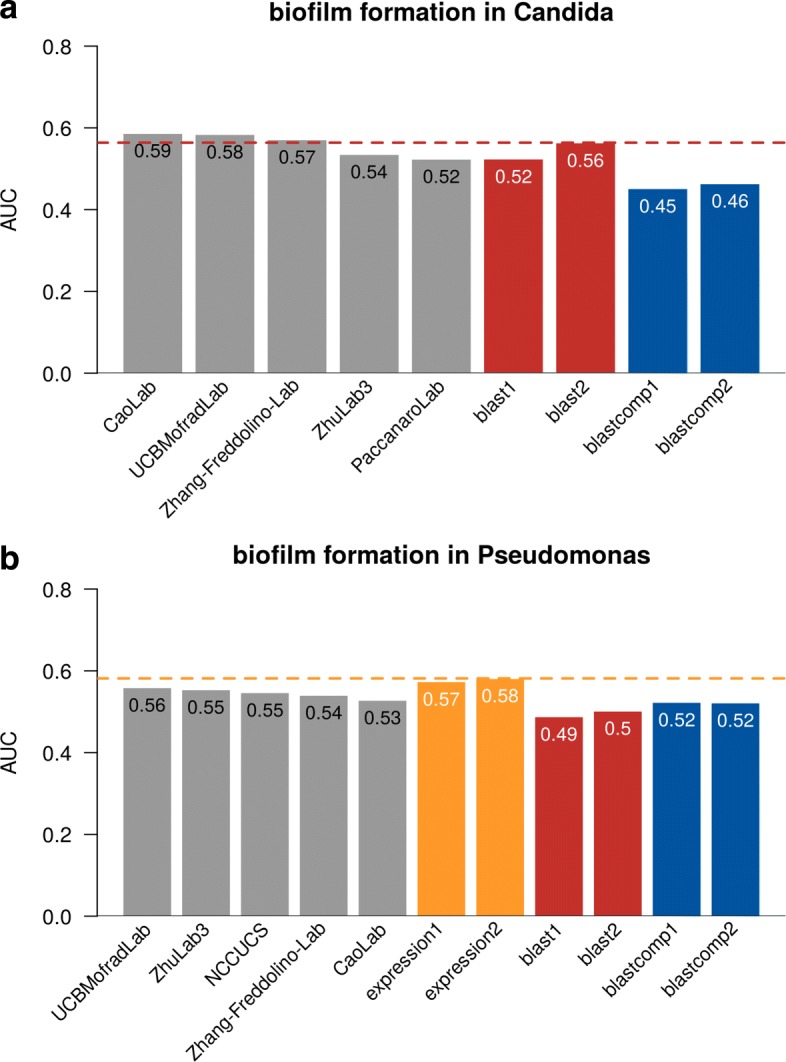
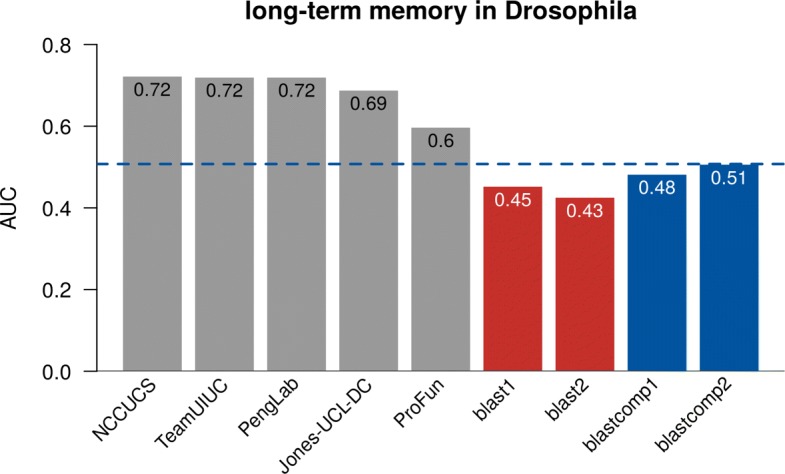
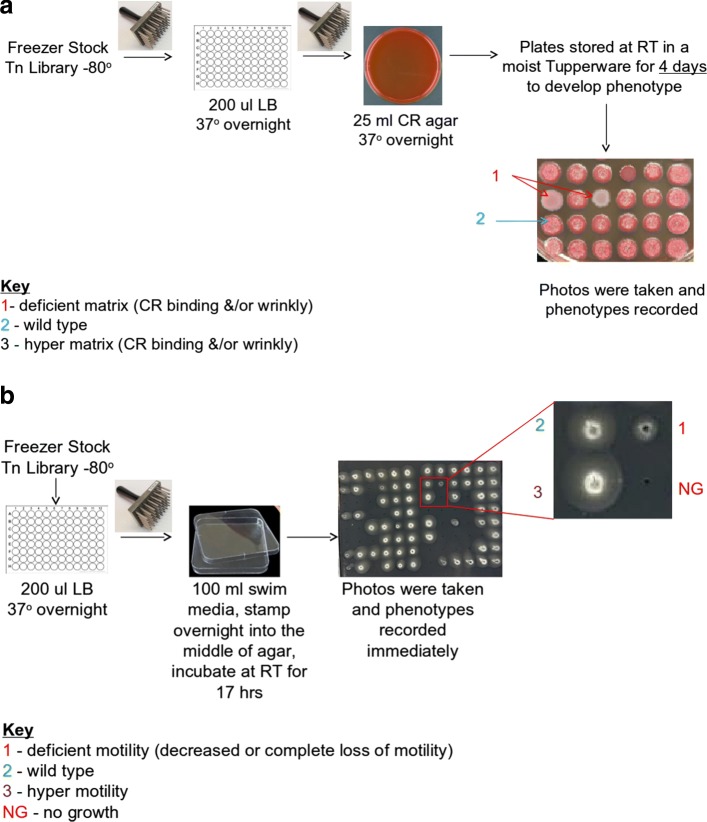
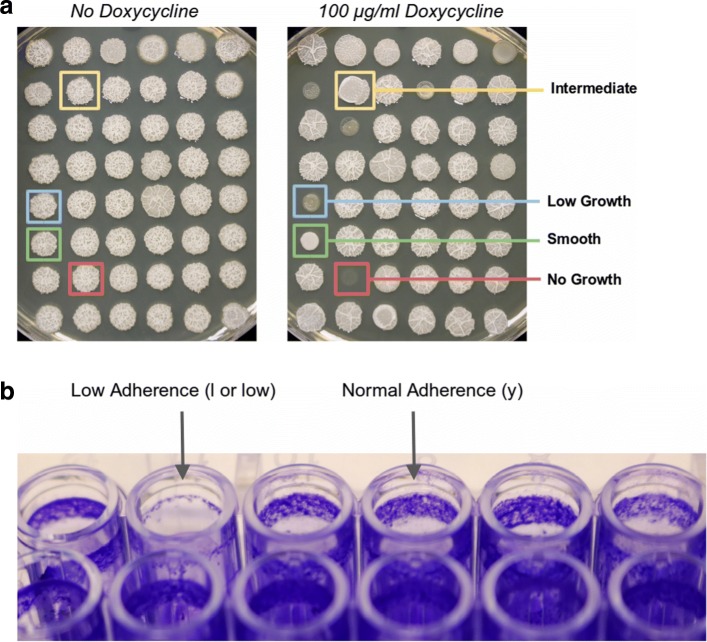
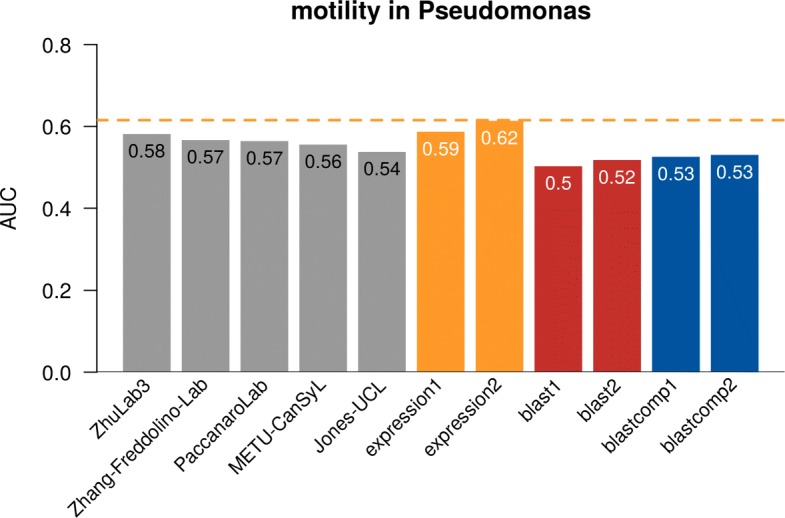
Background: The Critical Assessment of Functional Annotation (CAFA) is an ongoing, global, community-driven effort to evaluate and improve the computational annotation of protein function. Results: Here, we report on the results of the third CAFA challenge, CAFA3, that featured an expanded analysis over the previous CAFA rounds, both in terms of volume of data analyzed and the types of analysis performed. In a novel and major new development, computational predictions and assessment goals drove some of the experimental assays, resulting in new functional annotations for more than 1000 genes. Specifically, we performed experimental whole-genome mutation screening in Candida albicans and Pseudomonas aureginosa genomes, which provided us with genome-wide experimental data for genes associated with biofilm formation and motility. We further performed targeted assays on selected genes in Drosophila melanogaster , which we suspected of being involved in long-term memory. Conclusion: We conclude that while predictions of the molecular function and biological process annotations have slightly improved over time, those of the cellular component have not. Term-centric prediction of experimental annotations remains equally challenging; although the performance of the top methods is significantly better than the expectations set by baseline methods in C. albicans and D. melanogaster , it leaves considerable room and need for improvement. Finally, we report that the CAFA community now involves a broad range of participants with expertise in bioinformatics, biological experimentation, biocuration, and bio-ontologies, working together to improve functional annotation, computational function prediction, and our ability to manage big data in the era of large experimental screens.
Overview
The claims and statistics of this paper haven’t been checked yet.
Free: it reads the open-access text and checks the first 5 claims that cite a source we can check. Create a free account to check every claim.
Integrity signals
Registry
Cites
Statistics
Figures
Verification
Claims the paper makes
The claims and statistics of this paper haven’t been checked yet.
Free: it reads the open-access text and checks the first 5 claims that cite a source we can check. Create a free account to check every claim.
Claims other papers make about this one
Each is checked against this paper’s own text: does it say what the citing paper says it does?
The check wasn’t confident either way, so it gives no verdict — never disputed.
In the citing paper
“This pipeline has been shown to accurately assign functions for many proteins in microbes22 and in humans25 and is among the top predictors in the most recent Critical Assessment of Function Annotation round 3 (CAFA3) and CAFA PI competitions.26”
From Functions of Essential Genes and a Scale-Free Protein Interaction Network Revealed by Structure-Based Function and Interaction Prediction for a Minimal Genome (2021) · cites this paper as [26]
Experimental — accuracy not yet measured
Self-check
Percentages, sums and reported differences re-computed from the paper’s own numbers.
The self-check needs the paper’s full text.
Citations
Cites
Gapped BLAST and PSI-BLAST: a new generation of protein database search programs
Altschul, S. (1997) · Nucleic Acids Research · doi:10.1093/nar/25.17.3389 · Cited by 73,302
Gene Ontology: tool for the unification of biology
Ashburner, M., Ball, C. A., Blake, J. A., Botstein, D., Butler, H., Cherry, J. M., Davis, A. P., Dolinski, K., Dwight, S. S., Eppig, J. T., et al. (2000) · Nature Genetics · doi:10.1038/75556 · Cited by 43,206
STRING v10: protein–protein interaction networks, integrated over the tree of life
Szklarczyk, D., Franceschini, A., Wyder, S., Forslund, K., Heller, D., Huerta-Cepas, J., Simonovic, M., Roth, A., Santos, A., Tsafou, K. P., et al. (2015) · Nucleic Acids Research · doi:10.1093/nar/gku1003 · Cited by 10,436
UniProt: the Universal Protein knowledgebase
Apweiler, R. (2004) · Nucleic Acids Research · doi:10.1093/nar/gkh131 · Cited by 7,498
Mass spectrometry-based proteomics
Aebersold, R., & Mann, M. (2003) · Nature · doi:10.1038/nature01511 · Cited by 6,955
UniProt: the universal protein knowledgebase
The UniProt Consortium (2017) · Nucleic Acids Research · doi:10.1093/nar/gkw1099 · Cited by 4,436
Coming of age: ten years of next-generation sequencing technologies
Goodwin, S., McPherson, J. D., & McCombie, W. R. (2016) · Nature Reviews Genetics · doi:10.1038/nrg.2016.49 · Cited by 4,352
Assigning protein functions by comparative genome analysis: Protein phylogenetic profiles
Pellegrini, M., Marcotte, E. M., Thompson, M. J., Eisenberg, D., & Yeates, T. O. (1999) · Proceedings of the National Academy of Sciences · doi:10.1073/pnas.96.8.4285 · Cited by 1,585
Network‐based prediction of protein function
Sharan, R., Ulitsky, I., & Shamir, R. (2007) · Molecular Systems Biology · doi:10.1038/msb4100129 · Cited by 1,074
Mostafavi, S., Ray, D., Warde-Farley, D., Grouios, C., & Morris, Q. (2008) · Genome Biology · doi:10.1186/gb-2008-9-s1-s4 · Cited by 1,055
Cited by
Highly accurate protein structure prediction for the human proteome
Tunyasuvunakool, K., Adler, J., Wu, Z., Green, T., Zielinski, M., Žídek, A., Bridgland, A., Cowie, A., Meyer, C., Laydon, A., et al. (2021) · Nature · doi:10.1038/s41586-021-03828-1 · Cited by 3,025
A guide to machine learning for biologists
Greener, J. G., Kandathil, S. M., Moffat, L., & Jones, D. T. (2022) · Nature Reviews Molecular Cell Biology · doi:10.1038/s41580-021-00407-0 · Cited by 2,127
Self-citationStructure-based protein function prediction using graph convolutional networks
Gligorijević, V., Renfrew, P. D., Kosciolek, T., Leman, J. K., Berenberg, D., Vatanen, T., Chandler, C., Taylor, B. C., Fisk, I. M., Vlamakis, H., et al. (2021) · Nature Communications · doi:10.1038/s41467-021-23303-9 · Cited by 906
Self-citationDeep Learning for ECG Analysis: Benchmarks and Insights from PTB-XL
Strodthoff, N., Wagner, P., Schaeffter, T., & Samek, W. (2021) · IEEE Journal of Biomedical and Health Informatics · doi:10.1109/jbhi.2020.3022989 · Cited by 491
“For the selection of sample-centric metrics, we follow the evaluation procedures over the course of todate three CAFA classification challenges [37].”
MethodCATH: increased structural coverage of functional space
Sillitoe, I., Bordin, N., Dawson, N., Waman, V. P., Ashford, P., Scholes, H. M., Pang, C. S. M., Woodridge, L., Rauer, C., Sen, N., et al. (2021) · Nucleic Acids Research · doi:10.1093/nar/gkaa1079 · Cited by 509
“Function prediction pipelines developed using FunFams are consistently ranked among the top performers for Molecular Function and Biological Process Gene Ontology terms in the Critical Assessment of Functional Annotation competition (CAFA) (12,13).”
MethodSelf-citationDeepGOPlus: improved protein function prediction from sequence
Kulmanov, M., & Hoehndorf, R. (2020) · Bioinformatics · doi:10.1093/bioinformatics/btz595 · Cited by 473
Self-citationThe Gene Ontology knowledgebase in 2026
The Gene Ontology Consortium, Aleksander, S. A., Balhoff, J. P., Carbon, S., Cherry, J. M., Ebert, D., Feuermann, M., Gaudet, P., Harris, N. L., Hill, D. P., et al. (2026) · Nucleic Acids Research · doi:10.1093/nar/gkaf1292 · Cited by 175
“The GO Consortium col-laborates closely with the CAFA [63] group to evaluate new AI methods for function prediction.”
Self-citationPredictProtein - Predicting Protein Structure and Function for 29 Years
Bernhofer, M., Dallago, C., Karl, T., Satagopam, V., Heinzinger, M., Littmann, M., Olenyi, T., Qiu, J., Schütze, K., Yachdav, G., et al. (2021) · Nucleic Acids Research · doi:10.1093/nar/gkab354 · Cited by 233
“Replicating the conditions of CAFA3 (41) in 2017, goPredSim achieved Fmax values of 37 ± 2%, 52 ± 2% and 58 ± 2% for BPO (biological process), MFO (molecular function), and CCO (cellular component), respectively (41,42).”
MethodSelf-citation(2023) · doi:10.1101/2023.12.07.570727 · Cited by 207
DeepGOPlus: improved protein function prediction from sequence
Kulmanov, M., & Hoehndorf, R. (2021) · Bioinformatics · doi:10.1093/bioinformatics/btaa763 · Cited by 198
Self-citationLearning functional properties of proteins with language models
Unsal, S., Atas, H., Albayrak, M., Turhan, K., Acar, A. C., & Doğan, T. (2022) · Nature Machine Intelligence · doi:10.1038/s42256-022-00457-9 · Cited by 202
“The most comprehensive benchmarking project for PFP is the Critical Assessment of Functional Annotation (CAFA) challenge 19 , in which participants predict GO-based functional associations for a set of target proteins, functions of which are later identified by manual curation, to be used in the…”
BackgroundResultProteInfer, deep neural networks for protein functional inference
Sanderson, T., Bileschi, M. L., Belanger, D., & Colwell, L. J. (2023) · eLife · doi:10.7554/elife.80942 · Cited by 195
“We produced a precision–recall curve by using the bit- score of the closest sequence as a measure of confidence, varying the cutoff above which we retain the imputed labels (Zhou et al., 2019; Eddy, 2011).”
BackgroundMethodInfluentialPANNZER—A practical tool for protein function prediction
Törönen, P., & Holm, L. (2022) · Protein Science · doi:10.1002/pro.4193 · Cited by 193
“23 Our discussion covers this topic more in detail.”
BackgroundSelf-citationUDSMProt: universal deep sequence models for protein classification
Strodthoff, N., Wagner, P., Wenzel, M., & Samek, W. (2020) · Bioinformatics · doi:10.1093/bioinformatics/btaa003 · Cited by 189
A roadmap for metagenomic enzyme discovery
Robinson, S. L., Piel, J., & Sunagawa, S. (2021) · Natural Product Reports · doi:10.1039/d1np00006c · Cited by 182
Embeddings from deep learning transfer GO annotations beyond homology
Littmann, M., Heinzinger, M., Dallago, C., Olenyi, T., & Rost, B. (2021) · Scientific Reports · doi:10.1038/s41598-020-80786-0 · Cited by 175
Self-citationECNet is an evolutionary context-integrated deep learning framework for protein engineering
Luo, Y., Jiang, G., Yu, T., Liu, Y., Vo, L., Ding, H., Su, Y., Qian, W. W., Zhao, H., & Peng, J. (2021) · Nature Communications · doi:10.1038/s41467-021-25976-8 · Cited by 173
Self-citationNavigating the landscape of enzyme design: from molecular simulations to machine learning
Zhou, J., & Huang, M. (2024) · Chemical Society Reviews · doi:10.1039/d4cs00196f · Cited by 192
TALE: Transformer-based protein function Annotation with joint sequence–Label Embedding
Cao, Y., & Shen, Y. (2021) · Bioinformatics · doi:10.1093/bioinformatics/btab198 · Cited by 157
Machine learning techniques for protein function prediction
Bonetta, R., & Valentino, G. (2020) · Proteins: Structure, Function, and Bioinformatics · doi:10.1002/prot.25832 · Cited by 153
Machine learning: a powerful tool for gene function prediction in plants
Mahood, E. H., Kruse, L. H., & Moghe, G. D. (2020) · Applications in Plant Sciences · doi:10.1002/aps3.11376 · Cited by 153
“NetGO and DeepGOPlus—the best-performing algorithms in the Critical Assessment of protein Function Annotation challenge (CAFA, Zhou et al., 2019)—integrate sequence motif–based, similarity-based, and/or protein interaction network–based features using k -nearest neighbor (NetGO) or CNN…”
Metatranscriptomics for the Human Microbiome and Microbial Community Functional Profiling
Zhang, Y., Thompson, K. N., Branck, T. A., Yan, Y., Nguyen, L. H., Franzosa, E. A., & Huttenhower, C. (2021) · Annual Review of Biomedical Data Science · doi:10.1146/annurev-biodatasci-031121-103035 · Cited by 168
Self-citationDisProt in 2024: improving function annotation of intrinsically disordered proteins
Aspromonte, M. C., Nugnes, M. V., Quaglia, F., Bouharoua, A., DisProt Consortium, Sagris, V., Promponas, V. J., Chasapi, A., Fichó, E., Balatti, G. E., et al. (2024) · Nucleic Acids Research · doi:10.1093/nar/gkad928 · Cited by 139
“Recently, the DisProt function annotations were utilized as the ground truth for a sub-challenge in the Critical Assessment of protein Function Annotation (CAFA) challenge ( 13 ), however results, at the moment of writing, are not published yet.”
MethodSelf-citationDeepGraphGO: graph neural network for large-scale, multispecies protein function prediction
You, R., Yao, S., Mamitsuka, H., & Zhu, S. (2021) · Bioinformatics · doi:10.1093/bioinformatics/btab270 · Cited by 141
Self-citationExploring structural diversity across the protein universe with The Encyclopedia of Domains
Lau, A. M., Bordin, N., Kandathil, S. M., Sillitoe, I., Waman, V. P., Wells, J., Orengo, C. A., & Jones, D. T. (2024) · Science · doi:10.1126/science.adq4946 · Cited by 140
Self-citationLai, B., & Xu, J. (2022) · Briefings in Bioinformatics · doi:10.1093/bib/bbab502 · Cited by 130
Protein function prediction as approximate semantic entailment
Kulmanov, M., Guzmán-Vega, F. J., Duek Roggli, P., Lane, L., Arold, S. T., & Hoehndorf, R. (2024) · Nature Machine Intelligence · doi:10.1038/s42256-024-00795-w · Cited by 131
“Recent protein function prediction methods rely on different sources of information such as sequence, interactions, protein tertiary structure, literature, coexpression, phylogenetic analysis or the information provided in GO 4–20 .”
Self-citationFrom sequence to function through structure: Deep learning for protein design
(2022) · doi:10.1016/j.csbj.2022.11.014 · Cited by 124
“CAFA [143] and CAGI [144], however they focus on scoring how in-silico tools predict known function from sequence, rather than their ability to infer proteins (sequences or structures) that perform a desired, sometimes nonnaturally found function.”
BackgroundFrom sequence to function through structure: deep learning for protein design
Ferruz, N., Heinzinger, M., Akdel, M., Goncearenco, A., Naef, L., & Dallago, C. (2022) · doi:10.1101/2022.08.31.505981 · Cited by 124
Hon, J., Borko, S., Stourac, J., Prokop, Z., Zendulka, J., Bednar, D., Martinek, T., & Damborsky, J. (2020) · Nucleic Acids Research · doi:10.1093/nar/gkaa372 · Cited by 127
“The method involves annotating the unknown input sequences by predicting protein domains (6), Enzyme Commission (EC) number (7) or Gene Ontology terms that are a subject of the initiative named the Critical Assessment of Functional Annotation (8).”
MethodVillegas-Morcillo, A., Makrodimitris, S., van Ham, R. C. H. J., Gomez, A. M., Sanchez, V., & Reinders, M. J. T. (2021) · Bioinformatics · doi:10.1093/bioinformatics/btaa701 · Cited by 123
Metabolomics and complementary techniques to investigate the plant phytochemical cosmos
Tsugawa, H., Rai, A., Saito, K., & Nakabayashi, R. (2021) · Natural Product Reports · doi:10.1039/d1np00014d · Cited by 126
Current and future directions in network biology
Žitnik, M., Li, M. M., Wells, A., Glass, K., Gysi, D. M., Krishnan, A., Murali, T. M., Radivojac, P., Roy, S., Baudot, A., et al. (2024) · Bioinformatics Advances · doi:10.1093/bioadv/vbae099 · Cited by 158
“Lessons learned from challenges in biomedicine such as Critical Assessment of protein Structure Prediction (CASP) [212, 213, 285], Dialogue on Reverse Engineering Assessment and Methods (DREAM) [272, 353, 391], and Critical Assessment of protein Function Annotation (CAFA) [188, 337, 496] can perhaps help guide the dev…”
BackgroundProtein embeddings and deep learning predict binding residues for various ligand classes
(2021) · doi:10.1038/s41598-021-03431-4 · Cited by 120
Self-citationProtein embeddings and deep learning predict binding residues for various ligand classes
Littmann, M., Heinzinger, M., Dallago, C., Weissenow, K., & Rost, B. (2021) · doi:10.1101/2021.09.03.458869 · Cited by 120
Self-citationYao, S., You, R., Wang, S., Xiong, Y., Huang, X., & Zhu, S. (2021) · Nucleic Acids Research · doi:10.1093/nar/gkab398 · Cited by 118
“As part of the efforts to boost the development of effective and efficient AFP, critical assessment of functional annotation (CAFA) has been held four times to date: CAFA1 in 2010–2011, CAFA2 in 2013–2014, CAFA3 in 2016–2017 and CAFA4 in 2019–2020 (under evaluation) (4–6).”
MethodSelf-citationA Literature Review of Gene Function Prediction by Modeling Gene Ontology
Zhao, Y., Wang, J., Chen, J., Zhang, X., Guo, M., & Yu, G. (2020) · Frontiers in Genetics · doi:10.3389/fgene.2020.00400 · Cited by 126
“For recent gene function prediction, AUC , Fmax , and Smin are recommended by CAFA (Critical Assessment of protein Function Annotation algorithms) (Radivojac et al., 2013; Jiang et al., 2016; Zhou et al., 2019).”
BackgroundMethodBioSeq-Diabolo: Biological sequence similarity analysis using Diabolo
Li, H., & Liu, B. (2023) · PLoS Computational Biology · doi:10.1371/journal.pcbi.1011214 · Cited by 107
“Trained and evaluated on a benchmark dataset constructed based on CAFA3 database [52] (http://bliulab.”
Koh, H. Y., Zheng, Y., Yang, M., Arora, R., Webb, G. I., Pan, S., Li, L., & Church, G. M. (2025) · Nature Reviews Bioengineering · doi:10.1038/s44222-025-00349-8 · Cited by 147
“In a follow-up study 52 , UniRep was used to design avGFP and TEM-1 β-lactamase by generating evolutionarily plausible sequences that avoid non-functional regions of the fitness landscape.”
Wan, C., & Jones, D. T. (2020) · Nature Machine Intelligence · doi:10.1038/s42256-020-0222-1 · Cited by 103
Self-citationYuan, Q., Xie, J., Xie, J., Zhao, H., & Yang, Y. (2023) · Briefings in Bioinformatics · doi:10.1093/bib/bbad117 · Cited by 95
Open problems in human trait genetics
Brandes, N., Weissbrod, O., & Linial, M. (2022) · Genome Biology · doi:10.1186/s13059-022-02697-9 · Cited by 83
“tions held by the protein research [46, 47] and genome interpretation [48] communities).”
BackgroundSelf-citationProtein‐protein interaction networks as miners of biological discovery
Wang, S., Wu, R., Lü, J., Jiang, Y., Huang, T., & Cai, Y. (2022) · PROTEOMICS · doi:10.1002/pmic.202100190 · Cited by 101
“Whileplentyofmethodsaredevelopedtopredictproteinfunctional properties, the performance of different methods varies in predicting molecular function, biological process, and cellular component functions [176].”
Self-citationHierarchical graph transformer with contrastive learning for protein function prediction
Gu, Z., Luo, X., Chen, J., Deng, M., & Lai, L. (2023) · Bioinformatics · doi:10.1093/bioinformatics/btad410 · Cited by 110
“However, the bulk of protein sequences lack functional annotation owing to the exorbitant expense and low-throughput experimental studies (Radivojac et al. 2013, Zhou et al. 2019).”
NetGO 3.0: Protein Language Model Improves Large-Scale Functional Annotations
Wang, S., You, R., Liu, Y., Xiong, Y., & Zhu, S. (2023) · Genomics, Proteomics & Bioinformatics · doi:10.1016/j.gpb.2023.04.001 · Cited by 90
“%) calculated by bootstrapping with 100 iterations as in CAFA.”
BackgroundMethodInfluentialSelf-citationKulmanov, M., & Hoehndorf, R. (2022) · Bioinformatics · doi:10.1093/bioinformatics/btac256 · Cited by 89
Self-citationPiovesan, D., Del Conte, A., Mehdiabadi, M., Aspromonte, M. C., Blum, M., Tesei, G., von Bülow, S., Lindorff-Larsen, K., & Tosatto, S. C. E. (2025) · Nucleic Acids Research · doi:10.1093/nar/gkae969 · Cited by 79
“Function prediction is a challenging task, as highlighted by the recent results of the Critical Assessment of Automatic Function Annotation (CAFA) initiative ( 26 ).”
Self-citationBoadu, F., Cao, H., & Cheng, J. (2023) · Bioinformatics · doi:10.1093/bioinformatics/btad208 · Cited by 81
“We collected the predicted structures for the proteins in the CAFA3 test dataset ( CAFA3_test_dataset ) from AlphaFoldDB in the same way as for our curated dataset.”
InfluentialSelf-citation(2023) · doi:10.1101/2023.01.17.524477 · Cited by 81
On the influence of several factors on pathway enrichment analysis
Mubeen, S., Kodamullil, A. T., Hofmann‐Apitius, M., & Domingo‐Fernándéz, D. (2022) · Briefings in Bioinformatics · doi:10.1093/bib/bbac143 · Cited by 112
“Several computational methods exist for protein function prediction, and while such methods are routinely benchmarked [85], the effect of experimental versus predicted functional annotations of proteins on downstream analyses also warrants further study.”
Multi‐omics network‐based functional annotation of unknown Arabidopsis genes
Depuydt, T., & Vandepoele, K. (2021) · The Plant Journal · doi:10.1111/tpj.15507 · Cited by 90
Zheng, L., Shi, S., Lu, M., Fang, P., Pan, Z., Zhang, H., Zhou, Z., Zhang, H., Mou, M., Huang, S., et al. (2024) · Genome biology · doi:10.1186/s13059-024-03166-1 · Cited by 76
“In this study, a total of 92,120 protein sequences were first collected from the competition of ‘ 4th critical assessment of functional annotation ’ (CAFA4, released on Oct 21, 2019) [20], and these data were adopted to construct the annotation model ( Training and Validation ).”
BackgroundMethodInfluentialSelf-citationZhu, Y.-H., Zhang, C., Yu, D.-J., & Zhang, Y. (2022) · PLOS Computational Biology · doi:10.1371/journal.pcbi.1010793 · Cited by 67
“Although both are built on BLAST alignments, SAGP is different from the BLAST baseline method used in CAFA challenge [33]; the main difference between these two is that the former deduces consensus functional patterns from multiple homology templates (see Eq S1 in S1 Text) while the latter only…”
InfluentialSelf-citationXia, W., Zheng, L., Fang, J., Li, F., Zhou, Y., Zeng, Z., Zhang, B., Li, Z., Li, H., & Zhu, F. (2022) · Computers in Biology and Medicine · doi:10.1016/j.compbiomed.2022.105465 · Cited by 75
The ortholog conjecture revisited: the value of orthologs and paralogs in function prediction
Stamboulian, M. H., Guerrero, R. F., Hahn, M. W., & Radivojac, P. (2020) · Bioinformatics · doi:10.1093/bioinformatics/btaa468 · Cited by 76
A trimodal protein language model enables advanced protein searches
Su, J., He, Y., You, S., Jiang, S. J., Zhou, X., Zhang, X., Wang, Y., Su, X., Tolstoy, I., Chang, X., et al. (2025) · Nature Biotechnology · doi:10.1038/s41587-025-02836-0 · Cited by 83
“Representative examples and LLM prompts are provided in Supplementary Table 9.”
Chen, J.-Y., Wang, J.-F., Hu, Y., Li, X.-H., Qian, Y.-R., & Song, C.-L. (2025) · Frontiers in Bioengineering and Biotechnology · doi:10.3389/fbioe.2025.1506508 · Cited by 49
Lin, B., Luo, X., Liu, Y., & Jin, X. (2024) · Briefings in Bioinformatics · doi:10.1093/bib/bbae289 · Cited by 74
“The CAFA challenge [18] has shown that the effective integration of diverse information types cangenuinelyimprovetheaccuracyofproteinfunctionprediction [18–20].”
BackgroundMethodInfluentialSelf-citationWang, W., Shuai, Y., Zeng, M., Fan, W., & Li, M. (2025) · Nature Communications · doi:10.1038/s41467-024-54816-8 · Cited by 80
Predicting candidate genes from phenotypes, functions and anatomical site of expression
Chen, J., Althagafi, A., & Hoehndorf, R. (2020) · Bioinformatics · doi:10.1093/bioinformatics/btaa879 · Cited by 64
“…and phenotype prediction models; while function prediction methods have increased significantly in performance and provide accurate predictions at least for some types of functions (Zhou et al. , 2019), phenotype predictions still perform worse than function prediction methods (Jiang et al. , 2016).”
Self-citationPANDA2: protein function prediction using graph neural networks
Zhao, C.-G., Liu, T., & Wang, Z. (2022) · NAR Genomics and Bioinformatics · doi:10.1093/nargab/lqac004 · Cited by 45
“We performed protein-centric evaluation measures using the official CAFA assessment tool (7,33) on the CAFA3 and 2016 datasets.”
InfluentialSelf-citationAre protein language models the new universal key?
Weißenow, K., & Rost, B. (2025) · Current Opinion in Structural Biology · doi:10.1016/j.sbi.2025.102997 · Cited by 66
Self-citationDeep learning methods for protein function prediction
Boadu, F., Lee, A., & Cheng, J. (2025) · PROTEOMICS · doi:10.1002/pmic.202300471 · Cited by 53
“…methods of using only protein sequence as input, (2) structure-based methods of using protein structure as input, (3) interaction-based methods of using protein–protein interaction (PPI) information as input, and (4) integrative methods that use multiple sources of information as input.”
InfluentialSelf-citation3DLigandSite: structure-based prediction of protein–ligand binding sites
McGreig, J. E., Uri, H., Antczak, M., Sternberg, M. J. E., Michaelis, M., & Wass, M. N. (2022) · Nucleic Acids Research · doi:10.1093/nar/gkac250 · Cited by 58
“Elucidation of protein function remains a difficult and important task, with many millions of proteins present in UniProt [1] and only a small fraction of them functionally annotated [2,3], making automated sequence annotation tools essential.”
Self-citationBEND: Benchmarking DNA Language Models on biologically meaningful tasks
Marin, F. I., Teufel, F., Horlacher, M., Madsen, D., Pultz, D., Winther, O., & Boomsma, W. (2024) · International Conference on Learning Representations · doi:10.48550/arxiv.2311.12570 · Cited by 79
Enzyme function and evolution through the lens of bioinformatics
Ribeiro, A. J. M., Riziotis, I. G., Borkakoti, N., & Thornton, J. M. (2023) · Biochemical Journal · doi:10.1042/bcj20220405 · Cited by 59
Zhang, J., Ge, Z., Ma, Z., Huang, D., & Zhang, J. (2022) · Journal of Environmental Management · doi:10.1016/j.jenvman.2022.116124 · Cited by 50
EpitopeVec: linear epitope prediction using deep protein sequence embeddings
Bahai, A., Asgari, E., Mofrad, M. R. K., Kloetgen, A., & McHardy, A. C. (2021) · Bioinformatics · doi:10.1093/bioinformatics/btab467 · Cited by 51
Self-citationGene Ontology Meta Annotator for Plants (GOMAP)
Wimalanathan, K., & Lawrence‐Dill, C. J. (2021) · Plant Methods · doi:10.1186/s13007-021-00754-1 · Cited by 56
“More recently, the Critical Assessment of protein Function Annotation (CAFA) competition has enticed research groups to develop tools that improve the accuracy and coverage of gene function prediction (Radivojac et al. 2013.)”
BackgroundMethodInfluentialDeepGOWeb: fast and accurate protein function prediction on the (Semantic) Web
Kulmanov, M., Zhapa-Camacho, F., & Hoehndorf, R. (2021) · Nucleic Acids Research · doi:10.1093/nar/gkab373 · Cited by 47
Self-citationFenoy, E., Edera, A. A., & Stegmayer, G. S. (2022) · Briefings in Bioinformatics · doi:10.1093/bib/bbac232 · Cited by 50
Accurate prediction of protein function using statistics-informed graph networks
Jang, Y. J., Qin, Q.-Q., Huang, S., Peter, A. T. J., Ding, X., & Kornmann, B. (2024) · Nature Communications · doi:10.1038/s41467-024-50955-0 · Cited by 60
A compendium of human gene functions derived from evolutionary modelling
Feuermann, M., Mi, H., Gaudet, P., Muruganujan, A., Lewis, S., Ebert, D., Mushayahama, T., Aleksander, S., Balhoff, J. P., Carbon, S., et al. (2025) · Nature · doi:10.1038/s41586-025-08592-0 · Cited by 63
“The explicit evolutionary modelling approach represents an advance over previous work to leverage homology information 19,20 , which falls into two broad categories.”
Computational methods for protein localization prediction
Jiang, Y., Wang, D., Wang, W., & Xu, D. H. (2021) · Computational and Structural Biotechnology Journal · doi:10.1016/j.csbj.2021.10.023 · Cited by 58
“For protein localization prediction, the Critical Assessment of protein Function Annotation algorithms (CAFA) [135] is a good platform for such a purpose.”
MethodSelf-citationSeqScreen: accurate and sensitive functional screening of pathogenic sequences via ensemble learning
Balaji, A., Kille, B. L., Kappell, A. D., Godbold, G. D., Diep, M. M., Elworth, R. A. L., Qian, Z., Albin, D., Nasko, D. J., Shah, N., et al. (2022) · Genome biology · doi:10.1186/s13059-022-02695-x · Cited by 50
Predicting enzymatic function of protein sequences with attention
Buton, N., Coste, F., & Cunff, Y. L. (2023) · Bioinformatics · doi:10.1093/bioinformatics/btad620 · Cited by 49
“However, functional annotation supported by experimental data is a difficult, expensive, and time-consuming task (Zhou et al. 2019).”
BackgroundMethodWu, Z., Guo, M., Jin, X., Chen, J., & Liu, B. (2023) · Bioinformatics · doi:10.1093/bioinformatics/btad123 · Cited by 47
“Fmax is used for the CAFA challenging (Radivojac et al. 2013; Jiang et al. 2016; Zhou et al. 2019) and many protein function prediction studies (Kulmanov and Hoehndorf 2020; Barot et al. 2021; Gligorijevic et al. 2021; You et al. 2021; Lai and Xu 2022), which is defined as following: where s is the…”
InfluentialComputational Approaches to Drug Repurposing: Methods, Challenges, and Opportunities
Cousins, H. C., Nayar, G., & Altman, R. B. (2024) · Annual Review of Biomedical Data Science · doi:10.1146/annurev-biodatasci-110123-025333 · Cited by 48
FunFam protein families improve residue level molecular function prediction
Scheibenreif, L., Littmann, M., Orengo, C. A., & Rost, B. (2019) · BMC Bioinformatics · doi:10.1186/s12859-019-2988-x · Cited by 43
“These classifications capture mostly taxonomical rather than functional relations [8] while using FunFams allows the prediction of protein functions as assessed by CAFA [9].”
MethodSelf-citationEnhancing Microbiome Research through Genome-Scale Metabolic Modeling
Ankrah, N. Y. D., Bernstein, D. B., Biggs, M., Carey, M., Engevik, M. A., García-Jiménez, B., Lakshmanan, M., Pacheco, A. R., Sulheim, S., & Medlock, G. L. (2021) · mSystems · doi:10.1128/msystems.00599-21 · Cited by 45
“Specifically, we recommend establishing competitive challenges with objective assessments (60, 61).”
MethodAutomatic Gene Function Prediction in the 2020’s
Makrodimitris, S., van Ham, R. C. H. J., & Reinders, M. J. T. (2020) · Genes · doi:10.3390/genes11111264 · Cited by 44
“For example, for Molecular Function Ontology (MFO) terms, protein domains are often used as clear representatives of function, as specific domains correspond to specific 3D folding patterns that enable specific chemical reactions and therefore can be accurately associated with a molecular function.”
BackgroundMethodInfluentialConditional generative modeling for de novo protein design with hierarchical functions
Kucera, T., Togninalli, M., & Meng-Papaxanthos, L. (2022) · Bioinformatics · doi:10.1093/bioinformatics/btac353 · Cited by 45
Cross-phyla protein annotation by structural prediction and alignment
Ruperti, F., Papadopoulos, N., Musser, J. M., Mirdita, M., Steinegger, M., & Arendt, D. (2023) · Genome Biology · doi:10.1186/s13059-023-02942-9 · Cited by 38
“We also examined consistency between MorF and sequence-based annotations for Spongilla by comparing GO term overlap, semantic similarity and depth [24], drawing on the annotation comparisons of the CAFA challenge [25].”
MethodNeural Network and Random Forest Models in Protein Function Prediction
Hakala, K., Kaewphan, S., Björne, J., Mehryary, F., Moen, H., Tolvanen, M. E. E., Salakoski, T., & Ginter, F. (2020) · IEEE Transactions on Computational Biology and Bioinformatics · doi:10.1109/tcbb.2020.3044230 · Cited by 42
“Our ensemble method has been ranked in the top-10 best performing systems for all three ontologies [27].”
BackgroundMethodInfluentialSelf-citationPropagation, detection and correction of errors using the sequence database network
Goudey, B., Geard, N. L., Verspoor, K. M., & Zobel, J. (2022) · Briefings in Bioinformatics · doi:10.1093/bib/bbac416 · Cited by 43
“These types of integrative approaches have been seen in Critical Assessment of Functional Annotation (CAFA) [70], a shared task that seeks to improve automatic protein function prediction.”
BackgroundAnc2vec: embedding gene ontology terms by preserving ancestors relationships
Edera, A., Milone, D. H., & Stegmayer, G. S. (2022) · Briefings in Bioinformatics · doi:10.1093/bib/bbac003 · Cited by 37
Martínez‐Redondo, G. I., Pérez-Canales, F. M., Carbonetto, B., Fernández, J. M., Barrios-Núñez, I., Vázquez-Valls, M., Cases, I., Rojas, A. M., & Fernández, R. (2025) · Communications Biology · doi:10.1038/s42003-025-08651-2 · Cited by 37
“Further developments benchmarked in CAFA datasets 12 , ranging from convolutional neural networks (CNN) deep learning models 13 to transformer-based protein language models (pLMs) 2,14 , offer a promising alternative for decoding the ‘ hidden biology ’ within the dark proteome.”
Self-citationDeepAdd: Protein function prediction from k-mer embedding and additional features
Du, Z., He, Y., Li, J., & Uversky, V. N. (2020) · Computational Biology and Chemistry · doi:10.1016/j.compbiolchem.2020.107379 · Cited by 35
“For example, COGIC (Cozzetto et al., 2013), GoFDR (Gong et al., 2016), and SMISS (Cao and Cheng, 2016)”
InfluentialTracing Evolution Through Protein Structures: Nature Captured in a Few Thousand Folds
Bordin, N., Sillitoe, I., Lees, J., & Orengo, C. A. (2021) · Frontiers in Molecular Biosciences · doi:10.3389/fmolb.2021.668184 · Cited by 34
Self-citationProgress and opportunities in microbial community metabolomics
Bhosle, A., Wang, Y., Franzosa, E. A., & Huttenhower, C. (2022) · Current Opinion in Microbiology · doi:10.1016/j.mib.2022.102195 · Cited by 36
TEMPROT: protein function annotation using transformers embeddings and homology search
Oliveira, G. B., Pedrini, H., & Dias, Z. (2023) · BMC Bioinformatics · doi:10.1186/s12859-023-05375-0 · Cited by 37
“Inspired by EDA technique [30], for each protein in the training set, we created a copy of it and made substitutions of amino acids considering the PAM1 matrix [22] in an offline manner.”
MethodGFAP: ultrafast and accurate gene functional annotation software for plants
Dong, X., Yang, Y., Gong, D., Chen, X., Jin, K., Jiang, H., Yu, W., Li, J., Zhang, J., & Pan, W. (2023) · PLANT PHYSIOLOGY · doi:10.1093/plphys/kiad393 · Cited by 35
Domain-PFP allows protein function prediction using function-aware domain embedding representations
Ibtehaz, N., Kagaya, Y., & Kihara, D. (2023) · Communications Biology · doi:10.1038/s42003-023-05476-9 · Cited by 37
“We further evaluated Domain-PFP on the CAFA3 benchmark 36 .”
Self-citationRecent Progress of Machine Learning in Gene Therapy
Hunt, C., Montgomery, S. K., Berkenpas, J. W., Sigafoos, N., Oakley, J. C., Espinosa, J., Justice, N., Kishaba, K., Hippe, K., Si, D., et al. (2021) · Current Gene Therapy · doi:10.2174/1566523221666210622164133 · Cited by 33
Self-citationProtein function prediction for newly sequenced organisms
Torres, M., Yang, H., Romero, A. E., & Paccanaro, A. (2021) · Nature Machine Intelligence · doi:10.1038/s42256-021-00419-7 · Cited by 34
Self-citationHNetGO: protein function prediction via heterogeneous network transformer
Zhang, X., Guo, H., Zhang, F., Wang, X., Wu, K., Qiu, S., Liu, B., Wang, Y., Hu, Y., & Li, J. (2023) · Briefings in Bioinformatics · doi:10.1093/bib/bbab556 · Cited by 33
“Fmax is an official evaluation criterion of the critical assessment of functional annotation [66], which measures the average accuracy and recall rate of the model.”
Self-citationDou, Z., Sun, Y., Jiang, X., Wu, X., Li, Y., Gong, B., & Wang, L. (2023) · Acta Biochimica et Biophysica Sinica · doi:10.3724/abbs.2023033 · Cited by 34
“For example, critical assessment of protein structure prediction (CASP) and critical assessment of protein function annotation algorithms (CAFA) provide benchmarks for evaluating computational methods of protein structure and function, respectively [133,134].”
Barot, M., Gligorijević, V., Cho, K., & Bonneau, R. (2021) · Bioinformatics · doi:10.1093/bioinformatics/btab098 · Cited by 33
Self-citationProtein Language Models: Applications and Perspectives
Leclercq, M., & Droit, A. (2025) · Journal of Proteome Research · doi:10.1021/acs.jproteome.5c00506 · Cited by 43
Integrating multimodal data through interpretable heterogeneous ensembles
Li, Y. C., Wang, L., Law, J., Murali, T. M., & Pandey, G. S. (2022) · Bioinformatics Advances · doi:10.1093/bioadv/vbac065 · Cited by 35
“Since these numbers of proteins annotated to GO terms varied over several orders of magnitude, we also considered a more normalized measure of these number known as the information content of a term (Zhou et al. , 2019).”
Influential
Metadata
- Authors
- Zhou, N., Jiang, Y., Bergquist, T. R., Lee, A. J., Kacsoh, B. Z., Crocker, A. W., Lewis, K. A., Georghiou, G., Nguyen, H. N., Hamid, M. N., Davis, L., Dogan, T., Atalay, V., Rifaioglu, A. S., Dalkıran, A., Cetin Atalay, R., Zhang, C., Hurto, R. L., Freddolino, P. L., Zhang, Y., Bhat, P., Supek, F., Fernández, J. M., Gemovic, B., Perovic, V. R., Davidović, R. S., Sumonja, N., Veljkovic, N., Asgari, E., Mofrad, M. R. K., Profiti, G., Savojardo, C., Martelli, P. L., Casadio, R., Boecker, F., Schoof, H., Kahanda, I., Thurlby, N., McHardy, A. C., Renaux, A., Saidi, R., Gough, J., Freitas, A. A., Antczak, M., Fabris, F., Wass, M. N., Hou, J., Cheng, J., Wang, Z., Romero, A. E., Paccanaro, A., Yang, H., Goldberg, T., Zhao, C., Holm, L., Törönen, P., Medlar, A. J., Zosa, E., Borukhov, I., Novikov, I., Wilkins, A., Lichtarge, O., Chi, P.-H., Tseng, W.-C., Linial, M., Rose, P. W., Dessimoz, C., Vidulin, V., Dzeroski, S., Sillitoe, I., Das, S., Lees, J. G., Jones, D. T., Wan, C., Cozzetto, D., Fa, R., Torres, M., Warwick Vesztrocy, A., Rodriguez, J. M., Tress, M. L., Frasca, M., Notaro, M., Grossi, G., Petrini, A., Re, M., Valentini, G., Mesiti, M., Roche, D. B., Reeb, J., Ritchie, D. W., Aridhi, S., Alborzi, S. Z., Devignes, M.-D., Koo, D. C. E., Bonneau, R., Gligorijević, V., Barot, M., Fang, H., Toppo, S., Lavezzo, E., Falda, M., Berselli, M., Tosatto, S. C. E., Carraro, M., Piovesan, D., Ur Rehman, H., Mao, Q., Zhang, S., Vucetic, S., Black, G. S., Jo, D., Suh, E., Dayton, J. B., Larsen, D. J., Omdahl, A. R., McGuffin, L. J., Brackenridge, D. A., Babbitt, P. C., Yunes, J. M., Fontana, P., Zhang, F., Zhu, S., You, R., Zhang, Z., Dai, S., Yao, S., Tian, W., Cao, R., Chandler, C., Amezola, M., Johnson, D., Chang, J.-M., Liao, W.-H., Liu, Y.-W., Pascarelli, S., Frank, Y., Hoehndorf, R., Kulmanov, M., Boudellioua, I., Politano, G., Di Carlo, S., Benso, A., Hakala, K., Ginter, F., Mehryary, F., Kaewphan, S., Björne, J., Moen, H., Tolvanen, M. E. E., Salakoski, T., Kihara, D., Jain, A., Šmuc, T., Altenhoff, A., Ben-Hur, A., Rost, B., Brenner, S. E., Orengo, C. A., Jeffery, C. J., Bosco, G., Hogan, D. A., Martin, M. J., O’Donovan, C., Mooney, S. D., Greene, C. S., Radivojac, P., & Friedberg, I.
- Affiliations
- Iowa State University (US)
- Indiana University Bloomington (US)
- University of Washington (US)
- University of Pennsylvania (US)
- Dartmouth College (US)
- European Bioinformatics Institute (GB)
- Middle East Technical University (TR)
- University of Michigan (US)
- Institució Catalana de Recerca i Estudis Avançats (ES)
- Barcelona Supercomputing Center (ES)
- University of Belgrade (RS)
- Helmholtz Centre for Infection Research (DE)
- University of California, Berkeley (US)
- National Research Council (IT)
- University of Bologna (IT)
- University of Bonn (DE)
- Montana State University (US)
- University of Bristol (GB)
- Université Libre de Bruxelles (BE)
- MRC Laboratory of Molecular Biology (GB)
- University of Kent (GB)
- University of Missouri (US)
- University of Miami (US)
- Royal Holloway University of London (GB)
- Ollscoil na Gaillimhe – University of Galway (IE)
- Technical University of Munich (DE)
- University of Southern Mississippi (US)
- University of Helsinki (FI)
- Compugen (Israel) (IL)
- Baylor College of Medicine (US)
- National Tsing Hua University (TW)
- San Diego Supercomputer Center (US)
- SIB Swiss Institute of Bioinformatics (CH)
- Jožef Stefan Institute (SI)
- University College London (GB)
- Oxford Brookes University (GB)
- The Francis Crick Institute (GB)
- Spanish National Cancer Research Centre (ES)
- University of Milan (IT)
- Centre National de la Recherche Scientifique (FR)
- New York University (US)
- Flatiron Institute (US)
- Simons Foundation (US)
- Centre for Human Genetics (GB)
- University of Padua (IT)
- University of California, Riverside (US)
- Temple University (US)
- Brigham Young University (US)
- University of Reading (GB)
- University of California, San Francisco (US)
- Fondazione Edmund Mach (IT)
- Fudan University (CN)
- Cincinnati Children's Hospital Medical Center (US)
- Pacific Lutheran University (US)
- National Chengchi University (TW)
- Okinawa Institute of Science and Technology Graduate University (JP)
- Tel Aviv University (IL)
- King Abdullah University of Science and Technology (SA)
- Politecnico di Torino (IT)
- University of Turku (FI)
- Purdue University West Lafayette (US)
- Ruđer Bošković Institute (HR)
- University of Illinois Chicago (US)
- Alex's Lemonade Stand Foundation (US)
- Corresponding author
- Friedberg, Iddo
- ORCID
- Jiang, Yuxiang
- Bergquist, Timothy R.
- Kacsoh, Balint Z.
- Crocker, Alex W.
- Lewis, Kimberley A.
- Georghiou, George
- Hamid, Md Nafiz
- Atalay, Volkan
- Dalkıran, Alperen
- Zhang, Chengxin
- Zhang, Yang
- Supek, Fran
- Fernández, José M.
- Davidović, Radoslav S.
- Asgari, Ehsaneddin
- Mofrad, Mohammad R.K.
- Profiti, Giuseppe
- Savojardo, Castrense
- Martelli, Pier Luigi
- Casadio, Rita
- Boecker, Florian
- Schoof, Heiko
- Kahanda, Indika
- McHardy, Alice C.
- Renaux, Alexandre
- Saidi, Rabie
- Gough, Julian
- Freitas, Alex A.
- Antczak, Magdalena
- Wass, Mark N.
- Hou, Jie
- Cheng, Jianlin
- Wang, Zheng
- Romero, Alfonso E.
- Paccanaro, Alberto
- Yang, Haixuan
- Zhao, Chenguang
- Holm, Liisa
- Törönen, Petri
- Medlar, Alan J.
- Zosa, Elaine
- Borukhov, Itamar
- Novikov, Ilya
- Lichtarge, Olivier
- Chi, Po-Han
- Rose, Peter W.
- Dessimoz, Christophe
- Vidulin, Vedrana
- Sillitoe, Ian
- Das, Sayoni
- Lees, Jonathan Gill
- Jones, David T.
- Wan, Cen
- Cozzetto, Domenico
- Fa, Rui
- Torres, Mateo
- Tress, Michael L.
- Frasca, Marco
- Notaro, Marco
- Grossi, Giuliano
- Petrini, Alessandro
- Valentini, Giorgio
- Mesiti, Marco
- Roche, Daniel B.
- Reeb, Jonas
- Ritchie, David W.
- Aridhi, Sabeur
- Devignes, Marie-Dominique
- Koo, Da Chen Emily
- Bonneau, Richard
- Gligorijević, Vladimir
- Barot, Meet
- Fang, Hai
- Toppo, Stefano
- Lavezzo, Enrico
- Falda, Marco
- Berselli, Michele
- Tosatto, Silvio C.E.
- Carraro, Marco
- Piovesan, Damiano
- Zhang, Shanshan
- Jo, Dane
- Suh, Erica
- Omdahl, Ashton R.
- McGuffin, Liam J.
- Babbitt, Patricia C.
- Yunes, Jeffrey M.
- Fontana, Paolo
- Zhang, Feng
- Zhu, Shanfeng
- You, Ronghui
- Zhang, Zihan
- Tian, Weidong
- Cao, Renzhi
- Chang, Jia-Ming
- Liao, Wen-Hung
- Pascarelli, Stefano
- Hoehndorf, Robert
- Kulmanov, Maxat
- Politano, Gianfranco
- Benso, Alfredo
- Hakala, Kai
- Ginter, Filip
- Mehryary, Farrokh
- Kaewphan, Suwisa
- Björne, Jari
- Moen, Hans
- Tolvanen, Martti E.E.
- Kihara, Daisuke
- Jain, Aashish
- Šmuc, Tomislav
- Altenhoff, Adrian
- Rost, Burkhard
- Brenner, Steven E.
- Orengo, Christine A.
- Jeffery, Constance J.
- Bosco, Giovanni
- Hogan, Deborah A.
- Martin, Maria J.
- O’Donovan, Claire
- Mooney, Sean D.
- Greene, Casey S.
- Friedberg, Iddo
- Venue
- Genome Biology
- Published
- 2019-11-19
- Volume
- 20
- Issue
- 1
- Pages
- 244-244
- ISSN
- 1465-6906 (ISSN-L)
- 1474-760X
- PMC
- PMC6864930
- OpenAlex
- W2989608901
- Semantic Scholar
- b213335fb27fc14193498032bdc6392ffd0242b8
- Cited by
- 452
- References
- 68
- Citations by year
- 2026: 50 · 2025: 71 · 2024: 73 · 2023: 61 · 2022: 66 · 2021: 75 · 2020: 42 · 2019: 13
- FWCI
- 16.21
- Type
- journal article
- Language
- en
- Open access
- gold
- doi.org
- Licence
- cc-by
- creativecommons.org/licenses/by/4.0 (tdm)
- creativecommons.org/licenses/by/4.0 (vor)
- Locations
- Genome biology (publishedVersion, cc-by)
- PubMed Central (publishedVersion, cc-by)
- PubMed (publishedVersion)
- SERVAL (Université de Lausanne) (publishedVersion, cc-by)
- CentAUR (University of Reading) (acceptedVersion, public-domain)
- Kent Academic Repository (University of Kent) (acceptedVersion, public-domain)
- Edinburgh Research Explorer (University of Edinburgh) (acceptedVersion, public-domain)
- Deep Blue (University of Michigan) (submittedVersion, public-domain)
- PORTO@Iris (submittedVersion, cc-by)
- IRIS (submittedVersion, cc-by)
- CINECA IRIS Institutional Research Information System (Fondazione Edmund Mach) (submittedVersion, cc-by)
- UTUPub (University of Turku) (submittedVersion, cc-by)
- Padua Research Archive (University of Padova) (submittedVersion, cc-by)
- UTUPub (University of Turku) (submittedVersion, public-domain)
- HAL (submittedVersion)
- Archivio Istituzionale della Ricerca (Universita Degli Studi Di Milano) (submittedVersion, cc-by)
- Archivio istituzionale della ricerca (Alma Mater Studiorum Università di Bologna) (submittedVersion, cc-by)
- DOAJ (DOAJ: Directory of Open Access Journals) (submittedVersion, cc-by-sa)
- eScholarship (California Digital Library) (submittedVersion, cc-by)
- Työväentutkimus Vuosikirja (submittedVersion)
- OpenMETU (Middle East Technical University) (submittedVersion, cc-by-nc-nd)
- mediaTUM (Technical University of Munich) (submittedVersion, other-oa)
- HZI (Helmholtz Centre for Infection Research) (submittedVersion, cc-by-nc-sa)
- King Abdullah University of Science and Technology Repository (King Abdullah University of Science and Technology) (submittedVersion, cc-by)
- King Abdullah University of Science and Technology Repository (King Abdullah University of Science and Technology) (submittedVersion, other-oa)
- Bristol Research (University of Bristol) (submittedVersion, cc-by)
- VinaR (Institute of Nuclear Sciences "Vinča") (submittedVersion, cc-by)
- VUBIR (Vrije Universiteit Brussel) (submittedVersion)
- Repository for Publications and Research Data (ETH Zurich) (submittedVersion, cc-by)
- ETH Zürich Research Collection (cc-by)
- Funders
- National Science Foundation (DBI 1458359)
- Topics
- Life Sciences › Biochemistry, Genetics and Molecular Biology › Molecular Biology › Bioinformatics and Genomic Networks
- Life Sciences › Biochemistry, Genetics and Molecular Biology › Molecular Biology › Genomics and Phylogenetic Studies
- Health Sciences › Medicine › Health Informatics › Biomedical Text Mining and Ontologies
- Keywords
- protein function prediction, functional annotation, Candida albicans, biofilm formation, bacterial motility, Drosophila melanogaster, long-term memory, biological process annotation
- MeSH terms
- Animals, Candida albicans, Drosophila melanogaster, Humans, Locomotion, Pseudomonas aeruginosa, Genome, Bacterial, Genome, Fungal, Biofilms, Memory, Long-Term, Molecular Sequence Annotation
About these checks
Registry, retraction, Cites and statistics results are computed, not judged, with one exception: a printed reference that no index lists is read once by a model before it counts as a citation error. Claims are extracted by a model and kept only when their quote appears verbatim in the text; each cited source is then checked, with a model’s help, for whether it says what the claim relies on. Those verdicts can be wrong — read the claim’s quote and the cited source before relying on one.
Statistics and arithmetic are recomputed, not judged.
Confidence bands are shown only for fields calibrated on our annotated test set. None is calibrated yet, so no band is shown.
What counts as a claim ›How we measure confidence ›How we check this ›
Are you an author, or do you see a problem with this page? Request a review
Data sources
Bibliographic data: Semantic Scholar, OpenAlex, Crossref.
Contains information from the Semantic Scholar Academic Graph Datasets, made available under the ODC Attribution License (ODC-BY 1.0).
Semantic Scholar’s data is described in: Kinney, R., et al. (2023). The Semantic Scholar Open Data Platform. arXiv:2301.10140.
